

The DOI matches its Crossref record; 414 of the 415 references it cites were found in a registry or an index; 7 of the 323 sources its claims cite were checked for support.
Particle toxicology and health - where are we?
Open accessAbstract
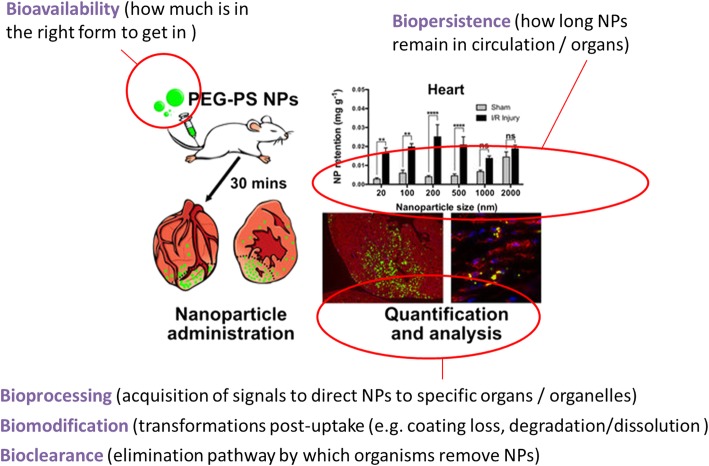
BACKGROUND: Particles and fibres affect human health as a function of their properties such as chemical composition, size and shape but also depending on complex interactions in an organism that occur at various levels between particle uptake and target organ responses. While particulate pollution is one of the leading contributors to the global burden of disease, particles are also increasingly used for medical purposes. Over the past decades we have gained considerable experience in how particle properties and particle-bio interactions are linked to human health. This insight is useful for improved risk management in the case of unwanted health effects but also for developing novel medical therapies. The concepts that help us better understand particles' and fibres' risks include the fate of particles in the body; exposure, dosimetry and dose-metrics and the 5 Bs: bioavailability, biopersistence, bioprocessing, biomodification and bioclearance of (nano)particles. This includes the role of the biomolecule corona, immunity and systemic responses, non-specific effects in the lungs and other body parts, particle effects and the developing body, and the link from the natural environment to human health. The importance of these different concepts for the human health risk depends not only on the properties of the particles and fibres, but is also strongly influenced by production, use and disposal scenarios. CONCLUSIONS: Lessons learned from the past can prove helpful for the future of the field, notably for understanding novel particles and fibres and for defining appropriate risk management and governance approaches.
Overview
AI snapshot
Written from the paper’s full text.
TL;DR
This review synthesizes current understanding of particle and fibre toxicology and particle medicine, emphasizing that physicochemical properties, biokinetics, the biomolecule corona, and the 5Bs shape health outcomes. It concludes that lessons from conventional particle toxicology remain relevant for nanomaterials, while major uncertainties persist in dose-response, risk ranking, and governance.
Key findings
- The global health burden of particles remains large: the Global Burden of Disease study attributed 4.2 million deaths in 2015 to ambient particulate matter, 2.9 million to household air pollution, 0.4 million to occupational PM exposures, and 0.2 million to asbestos.
- Nanomedicine has advanced clinically: more than a dozen anticancer nanomedicines have been approved, and almost 40 are in clinical trials; the EPR effect, PEGylation, and particle size/shape influence biodistribution, while micellar nanocomplexes loaded with Herceptin showed synergistic anticancer activity in vitro and in vivo.
- Inhaled nanoparticle biokinetics differ from micron-sized particles: 20 nm particles reach a maximum lung deposition of about 50% of inhaled aerosol (about 15% alveolar, 35% conducting airways), with two-thirds cleared within 24 hours and one-third retained long-term; lavage recovers about 80% of micron-sized particles but only 20% of 20 nm and about 30% of 70 nm particles.
- Translocation to circulation varies by material: after inhalation of 20 nm aerosols in rats, translocation percentages normalized to alveolar deposition were 7.96 ± 0.47 for iridium, 6.95 ± 0.14 for TiO2, 2.18 ± 0.31 for elemental carbon, and 1.79 ± 0.39 for gold.
- Non-specific particle effects are reported: mixed dust pneumoconiosis accounted for 34% of all pneumoconiosis in one cited context, and a TiO2 worker study found small particle number (<300 nm) positively associated with heart rate and negatively associated with RR50, suggesting suppressed parasympathetic function.
Methods
- The paper is a narrative synthesis of keynote presentations from the most recent particle toxicology conference in Singapore, covering particle toxicology, particle medicine, biokinetics, dosimetry, the 5Bs, immunity, non-specific effects, developmental toxicity, environmental links, and risk governance.
- It draws on cited animal, in vitro, and epidemiological studies; no systematic search strategy, meta-analysis, or new primary data collection is described.
Limitations
- The paper does not include a formal limitations section. It states knowledge gaps including uncertainty about how low particle levels cause diverse effects, the lack of a ranking of substances or emission sources for risk management, poor understanding of the bioavailable dose for nanoparticles, the need for in vitro–in vivo correlation, and a gap from fundamental science to regulatory relevance.
- Evident from the text: as a conference-keynote synthesis, it is not a systematic review and provides no new experimental data; its conclusions are expert synthesis rather than quantitatively pooled evidence.
Model-written summary. Check it against the paper before relying on it.
Integrity signals
Registry
Cites
Statistics
Figures
Verification
Claims the paper makes
101 Not checked yet · 56 No full text of the sources · 53 Own interpretation · 40 No basis given · 6 Own result · 5 Sources not found · 2 Supported · 2 Partly supported · 2 Own method · 1 Supported so far · 1 Not supported · accuracy not yet measured
At least one cited source doesn’t support this claim or points to a different paper, and none confirmed it — see the verdicts below.
In the paper
“predictions suggest that warmer conditions in the next fifty years may increase wind-driven erosion of soils (e.g. [245]), speeding up the geological process of generating PM10 (PM smaller than 10 μm) and other dust.”
§ Particle toxicology and health - where are we? > Main Text > Particles in the natural environment and links to human health
What the sources say
- Disputedcites [245] Sharratt BS, Tatarko J, Abatzoglou JT, Fox FA, Huggins D. Implications of climate change on wind erosion of agricultural lands in the Columbia Plateau. Weather Climate Extremes. 2015;10:20–31. sourceExperimental — accuracy not yet measured
The Conclusions report that the Columbia Plateau is projected to be warmer in 2035–2064, but that soil and PM10 losses will likely decrease by 25–84%, not increase. The Introduction discusses earlier studies predicting increased wind erosion under some warmer climates; those are not this paper’s own mid-century projection. (LLM, conf=0.87)
Checked by a reasoning model — may be wrong.
hedgedstates a possible cause- Asserted: passes — The authors put it forward as true.
- Checkable: passes — It can be checked against evidence.
- Load-bearing: passes — The paper’s conclusions depend on it.
- Based: passes — The paper gives a reason why it holds.
- Disputed
A claim is checked only against the cited paper’s full text, never its abstract, and none is available for its sources.
In the paper
“Retention in secondary organs was followed up to six months after the inhalation of the IrNP aerosol showing no detectable clearance [55, 58].”
§ Particle toxicology and health - where are we? > Main Text > Dynamic Fate of Inhaled Nanoparticles in the Lungs of Rodents
What the sources say
- Not checked — no full text of the sourcecites [55] Semmler M, Seitz J, Erbe F, Mayer P, Heyder J, Oberdorster G, Kreyling WG. Long-term clearance kinetics of inhaled ultrafine insoluble iridium particles from the rat lung, including transient translocation into secondary organs. Inhalation Toxicology. 2004;16:453–9. source
- Not checked — no full text of the sourcecites [58] Kreyling W, Semmler M, Erbe F, Mayer P, Takenaka S, Schulz H, Oberdörster G, Ziesenis A. Translocation of ultrafine insoluble iridium particles from lung epithelium to extrapulmonary organs is size dependent but very low. J. Toxicol. Environ. Health A. 2002;65:1513–30. source
plain- Asserted: passes — The authors put it forward as true.
- Checkable: passes — It can be checked against evidence.
- Load-bearing: passes — The paper’s conclusions depend on it.
- Based: passes — The paper gives a reason why it holds.
The paper states this without a source or data behind it here, so there is nothing to check it against. The quote shows it is in the paper.
In the paper
“Instead the translocated AuNP or TiO2-NP fractions to blood were rather small during the first 24 h p.e.”
§ Particle toxicology and health - where are we? > Main Text > Dynamic Fate of Inhaled Nanoparticles in the Lungs of Rodents
plain- Asserted: passes — The authors put it forward as true.
- Checkable: passes — It can be checked against evidence.
- Load-bearing: passes — The paper’s conclusions depend on it.
- Based: passes — The paper gives a reason why it holds.
The paper states this without a source or data behind it here, so there is nothing to check it against. The quote shows it is in the paper.
In the paper
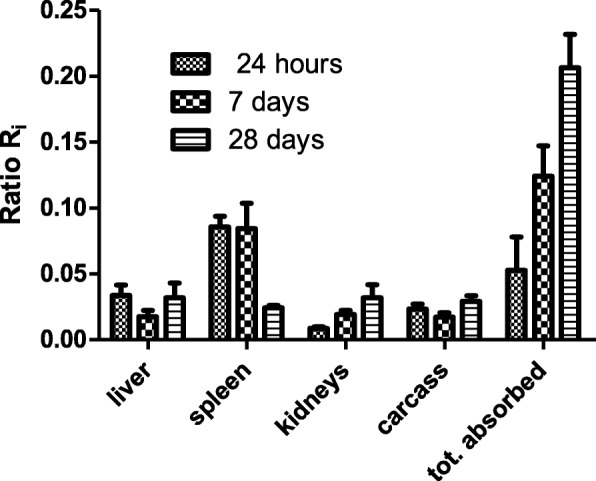
“The integral absorbed TiO2NP ratios increase with time up to 0.2 of all systemically circulating TiO2NP due to the continuous LT-MC transport leading to continuous absorption across the gut walls.”
§ Particle toxicology and health - where are we? > Main Text > Dynamic Fate of Inhaled Nanoparticles in the Lungs of Rodents
plainstates a cause- Asserted: passes — The authors put it forward as true.
- Checkable: passes — It can be checked against evidence.
- Load-bearing: passes — The paper’s conclusions depend on it.
- Based: passes — The paper gives a reason why it holds.
The paper states this without a source or data behind it here, so there is nothing to check it against. The quote shows it is in the paper.
In the paper
“Yet, data up to 24 hours do not support the notion that neither AuNP nor TiO2-NP cross EC 1 at both - the “active site of gas exchange” [68] and the basal membrane, since any NP exocytosis would lead to rather rapid uptake by vascular endothelial cells and translocation into the circulation which was not observed.”
§ Particle toxicology and health - where are we? > Main Text > Dynamic Fate of Inhaled Nanoparticles in the Lungs of Rodents
plain- Asserted: passes — The authors put it forward as true.
- Checkable: passes — It can be checked against evidence.
- Load-bearing: passes — The paper’s conclusions depend on it.
- Based: passes — The paper gives a reason why it holds.
None of the sources cited for this claim have been checked yet.
In the paper
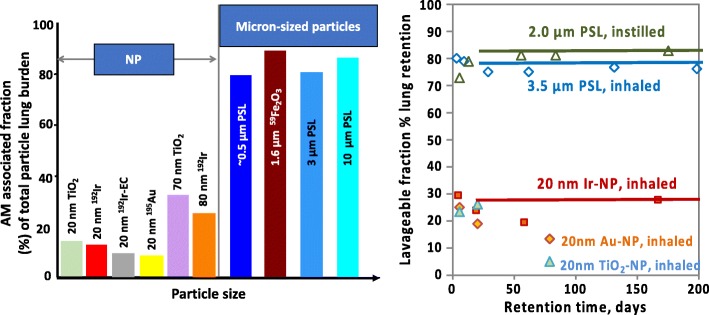
“In rodents, there is evidence that rather constantly about 80% of micron-sized particles can be lavaged from the lung surface during six months post-exposure (p.e.) when the lavaged particle fractions are normalized to the contemporary lung burden at each time point [51–53].”
§ Particle toxicology and health - where are we? > Main Text > Dynamic Fate of Inhaled Nanoparticles in the Lungs of Rodents
What the sources say
- Not checked — no full text of the sourcecites [51] Lehnert BE, Valdez YE, Tietjen GL. Alveolar macrophage-particle relationships during lung clearance. Am J Respir Cell Mol Biol. 1989;1:145–54. source
- Not checked yetcites [52] Oberdörster G, Ferin J, Lehnert BE. Correlation between particle size, in vivo particle persistence, and lung injury. Environ Health Perspect. 1994;102(Suppl 5):173–9. source
Checked before — its earlier verdict is held back until a new check runs.
- Not checked yetcites [53] Ellender M, Hodgson A, Wood KL, Moody JC. Effect of bronchopulmonary lavage on lung retention and clearance of particulate material in hamsters. Environ Health Perspect. 1992;97:209–13. source
Checked before — its earlier verdict is held back until a new check runs.
hedged- Asserted: passes — The authors put it forward as true.
- Checkable: passes — It can be checked against evidence.
- Load-bearing: passes — The paper’s conclusions depend on it.
- Based: passes — The paper gives a reason why it holds.
In the paper
“This seems to be by and large due to translocation of the smallest particles in the mixture, referred to as ultrafine PM or nanoparticles, into the internal organs [13].”
§ Particle toxicology and health - where are we? > Main Text > Particle Toxicology
What the sources say
- Not checked — no full text of the sourcecites [13] Moreno T, Querol X, Alastuey A, Gibbons W. Identification of chemical tracers in the characterisation and source apportionment of inhalable inorganic airborne particles: an overview. Biomarkers. 2009;14(Suppl 1):17–22. source
hedgedstates a cause- Asserted: passes — The authors put it forward as true.
- Checkable: passes — It can be checked against evidence.
- Load-bearing: passes — The paper’s conclusions depend on it.
- Based: passes — The paper gives a reason why it holds.
In the paper
“It includes issues like frustrated phagocytosis where the macrophages are not able to fully engulf the fibres, resulting in sustained generation of reactive oxygen species, as well as blocking of the stoma in the chest wall by fibres with subsequent inflammatory responses [6].”
§ Particle toxicology and health - where are we? > Main Text > Particle Toxicology
What the sources say
- Not checked yetcites [6] Donaldson K, Murphy FA, Duffin R, Poland CA. Asbestos, carbon nanotubes and the pleural mesothelium: a review of the hypothesis regarding the role of long fibre retention in the parietal pleura, inflammation and mesothelioma. Part Fibre Toxicol. 2010;7:5. source
plainstates a cause- Asserted: passes — The authors put it forward as true.
- Checkable: passes — It can be checked against evidence.
- Load-bearing: unclear — It is unclear whether the paper’s conclusions depend on it.
- Based: passes — The paper gives a reason why it holds.
A claim is checked only against the cited paper’s full text, never its abstract, and none is available for its sources.
In the paper
“The enhanced permeability and retention (EPR) effect is thought to play a central role in the improved efficacy.”
§ Particle toxicology and health - where are we? > Main Text > Particle Medicine
What the sources say
- Not checked — no full text of the sourcecites [26] Maeda H, Matsumura Y. Tumoritropic and lymphotropic principles of macromolecular drugs. Crit Revi Ther Drug Carrier Syst. 1989;6(3):193–210.
- Not checked — no full text of the sourcecites [27] von Roemeling C, Jiang W, Chan CK, Weissman IL, Kim BYS. Breaking Down the Barriers to Precision Cancer Nanomedicine. Trends Biotechnol. 2017;35(2):159–71. source
- Not checked — no full text of the sourcecites [28] Cabral H, Kataoka K. Progress of drug-loaded polymeric micelles into clinical studies. J Control Release. 2014;190:465–76. source
hedgedstates a possible cause- Asserted: passes — The authors put it forward as true.
- Checkable: passes — It can be checked against evidence.
- Load-bearing: unclear — It is unclear whether the paper’s conclusions depend on it.
- Based: passes — The paper gives a reason why it holds.
In the paper
“It includes issues like frustrated phagocytosis where the macrophages are not able to fully engulf the fibres, resulting in sustained generation of reactive oxygen species, as well as blocking of the stoma in the chest wall by fibres with subsequent inflammatory responses [6].”
§ Particle toxicology and health - where are we? > Main Text > Particle Toxicology
What the sources say
- Not checked yetcites [6] Donaldson K, Murphy FA, Duffin R, Poland CA. Asbestos, carbon nanotubes and the pleural mesothelium: a review of the hypothesis regarding the role of long fibre retention in the parietal pleura, inflammation and mesothelioma. Part Fibre Toxicol. 2010;7:5. source
plainstates a cause- Asserted: passes — The authors put it forward as true.
- Checkable: passes — It can be checked against evidence.
- Load-bearing: unclear — It is unclear whether the paper’s conclusions depend on it.
- Based: passes — The paper gives a reason why it holds.
- It may state two separate claims as one. 119
- Probably not a substantial claim. 69
The sources with a verdict support this claim; the rest weren’t checked yet, have no full text we could read, or their verdicts aren’t rated yet.
In the paper
“More recently, it became evident that inhaled particles can also affect the central nervous system [10, 11] and reproduction [12].”
§ Particle toxicology and health - where are we? > Main Text > Particle Toxicology
What the sources say
- Not checked yetcites [10] Heusinkveld H, Wahle T, Campbell A, Westerink RH, Tran L, Johnston H, Stone V, Cassee FR, Schins RP. Neurodegenerative and neurological disorders by small inhaled particles. Neurotoxicology. 2016;56:94. source
Checked before — its earlier verdict is held back until a new check runs.
- Supportedcites [11] Lucchini R, Dorman DC, Elder A, Veronesi B. Neurological impacts from inhalation of pollutants and the nose-brain connection. Neurotoxicology. 2012;33:838–41. source
The Abstract reports neurological effects of inhaled particles, and the Conclusions state that evidence supports neurotoxicity following air-pollution exposure. This source is cited for the central-nervous-system portion of the sentence; reproduction has a separate citation [12]. (LLM, conf=0.93)
- Not checked yetcites [12] Hougaard KS, Campagnolo L, Chavatte-Palmer P, Tarrade A, Rousseau-Ralliard D, Valentino S, Park MVDZ, de Jong WH, Wolterink G, Piersma AH, Ross BL, Hutchison GR, Hansen JS, Vogel U, Jackson P, Slama R, Pietroiusti A, Cassee FR. A perspective on the developmental toxicity of inhaled nanoparticles. Reproductive Toxicology. 2015;56:118–40. source
Checked before — its earlier verdict is held back until a new check runs.
plainstates a cause- Asserted: passes — The authors put it forward as true.
- Checkable: passes — It can be checked against evidence.
- Load-bearing: unclear — It is unclear whether the paper’s conclusions depend on it.
- Based: passes — The paper gives a reason why it holds.
It may state two separate claims as one.
- Not checked yet
The cited sources support only part of this claim — read each source’s verdict below.
In the paper
“In contrast, only 20% of 20-nm-sized NPs and about 30% of 70-nm-sized NP deposited during inhalation or instillation can be lavaged – see Fig. 2 [54–59].”
§ Particle toxicology and health - where are we? > Main Text > Dynamic Fate of Inhaled Nanoparticles in the Lungs of Rodents
What the sources say
- Not checked yetcites [54] Kreyling WG, Semmler-Behnke M, Takenaka S, Moller W. Differences in the biokinetics of inhaled nano- versus micrometer-sized particles. Acc Chem Res. 2013;46:714–22. source
Checked before — its earlier verdict is held back until a new check runs.
- Not checked — no full text of the sourcecites [55] Semmler M, Seitz J, Erbe F, Mayer P, Heyder J, Oberdorster G, Kreyling WG. Long-term clearance kinetics of inhaled ultrafine insoluble iridium particles from the rat lung, including transient translocation into secondary organs. Inhalation Toxicology. 2004;16:453–9. source
- Not checked yetcites [56] Semmler-Behnke, M., Takenaka, S, Fertsch, S, Wenk, A, Seitz, J, Mayer, P, Oberdorster, G & Kreyling, WG, Efficient elimination of inhaled nanoparticles from the alveolar region: evidence for interstitial uptake and subsequent reentrainment onto airways epithelium. Environ Health Perspect, 2007. 115: p. 728-233. source
Checked before — its earlier verdict is held back until a new check runs.
- Partly supportedcites [57] Geiser M, Kreyling W. Deposition and biokinetics of inhaled nanoparticles. Part Fibre Tox. 2010;7:2. sourceExperimental — accuracy not yet measured
In “Particle retention and relocation pathways within the lungs” (page unavailable), Table 1 reports 19% recovery by lavage for inhaled iridium nanoparticles at 6 hours, which is close to the claimed 20%, but recovery varies with time: 46% immediately and 11% at 24 hours. Our copy does not report the claimed 30% lavage recovery for 70-nm nanoparticles or establish these percentages for instillation. (LLM, conf=0.86)
- Not checked — no full text of the sourcecites [58] Kreyling W, Semmler M, Erbe F, Mayer P, Takenaka S, Schulz H, Oberdörster G, Ziesenis A. Translocation of ultrafine insoluble iridium particles from lung epithelium to extrapulmonary organs is size dependent but very low. J. Toxicol. Environ. Health A. 2002;65:1513–30. source
- Not checked — no full text of the sourcecites [59] Kreyling WG, et al. Age-Dependent Rat Lung Deposition Patterns of Inhaled 20 Nanometer Gold Nanoparticles and their Quantitative Biokinetics in Adult Rats. ACS Nano. 2018;12(8):7771–90. source
plain- Asserted: passes — The authors put it forward as true.
- Checkable: passes — It can be checked against evidence.
- Load-bearing: passes — The paper’s conclusions depend on it.
- Based: passes — The paper gives a reason why it holds.
It may state two separate claims as one.
- Not checked yet
The cited sources support only part of this claim — read each source’s verdict below.
In the paper
“Given some of the unique aspects of NPs, however, such as their tendency to agglomerate at higher concentrations [103], their tendency to interact with biomolecular constituents of their surroundings to form so-called biomolecular coronas [104–106], and the size-modulated cellular uptake mechanisms [107, 108], the bioavailable dose for NPs is poorly understood compared to that for molecular sub”
§ Particle toxicology and health - where are we? > Main Text > The 5 Bs: Bioavailability, biopersistence, bioprocessing, biomodification, and bioclearance of nanoparticles and the role of the biomolecule corona
What the sources say
- Not checked — no full text of the sourcecites [103] Yang Y, Oztekin A, Neti S, Mohapatra S. Particle agglomeration and properties of nanofluids. J Nanopart Res. 2012;14:852. source
- Not checked — no full text of the sourcecites [104] Lynch, I., Dawson, K.A., Lead, J.R., Valsami-Jones, E., Macromolecular Coronas and Their Importance in Nanotoxicology and Nanoecotoxicology, in Nanoscience and the Environment, J.R. Lead, Valsami-Jones, E., Editor. 2014. source
- Not checked — no full text of the sourcecites [105] Cedervall T, Lynch I, Lindman S, Berggård T, Thulin E, Nilsson H, Dawson KA, Linse S. Understanding the Nanoparticle-Protein Corona Using Methods to Quantify Exchange Rates and Affinities of Proteins for Nanoparticles. Proc. Natl. Acad. Sci. U. S. A. 2007;104:2050–5. source
- Not checked — no full text of the sourcecites [106] Monopoli MP, Walczyk D, Campbell A, Elia G, Lynch I, Bombelli FB, Dawson KA. Physical-chemical aspects of protein corona: relevance to in vitro and in vivo biological impacts of nanoparticles. J Am Chem Soc. 2011;133:2525–34. source
- Partly supportedcites [107] Huk A, Izak-Nau E, Reidy B, Boyles M, Duschl A, Lynch I. Is the toxic potential of nanosilver dependent on its size? Part Fibre Toxicol. 2014;11. https://particleandfibretoxicology.biomedcentral.com/articles/10.1186/s12989-014-0065-1 . sourceExperimental — accuracy not yet measured
The Results (section 'Effect of Ag ENM size on cytotoxicity and cell proliferation'; no page available) describe ambiguity in nanoparticle dosimetry: the apparent toxicity ranking changes when dose is expressed by mass rather than particle number or surface area. The Background also identifies inadequate characterization under exposure conditions as a source of discrepancies. The paper does not establish that bioavailable nanoparticle dose is less understood than molecular-substance dose or that this prevents meaningful dose-response curves; it reports concentration responses and calculates IC50 values. (LLM, conf=0.82)
- Supportedcites [108] Nasser F, Lynch I. Secreted protein eco-corona mediates uptake and impacts of polystyrene nanoparticles on Daphnia magna. J Proteomics. 2015;S1874-3919:30121–4. source
The citation cluster is attached to the statement that nanoparticles interact with surrounding biomolecules to form coronas, not directly to the later statement about bioavailable dose. The Introduction says biomolecules adsorb onto nanoparticle surfaces to create an eco-corona; the Abstract likewise describes biomolecule-corona formation. The paper does not establish the separate comparison with molecular substances or the claimed difficulty of determining dose-response curves. (LLM, conf=0.91)
plainstates a cause- Asserted: passes — The authors put it forward as true.
- Checkable: passes — It can be checked against evidence.
- Load-bearing: passes — The paper’s conclusions depend on it.
- Based: passes — The paper gives a reason why it holds.
It may state two separate claims as one.
Every source the paper cites for this claim was checked and supports it.
In the paper
“An exciting more recent development are micellar nanocomplexes (MNCs) for anticancer protein drug delivery, which have anticancer activity themselves (also in the absence of the anticancer protein) [46].”
§ Particle toxicology and health - where are we? > Main Text > Particle Medicine
What the sources say
- Supportedcites [46] Chung JE, Tan S, Gao SJ, Yongvongsoontorn N, Kim SH, Lee JH, Choi HS, Yano H, Zhuo L, Kurisawa M, Ying JY. Self-assembled micellar nanocomplexes comprising green tea catechin derivatives and protein drugs for cancer therapy. Nat Nanotechnol. 2014;9(11):907–12. source
The supplied passage [4] reports that BSA-loaded MNCs, identified as a drug-free carrier, inhibited growth of BT-474 cancer cells. It attributes the effect to the carrier’s EGCG derivatives, supporting anticancer activity without the anticancer protein. (LLM, conf=0.94)
plainstates a cause- Asserted: passes — The authors put it forward as true.
- Checkable: passes — It can be checked against evidence.
- Load-bearing: passes — The paper’s conclusions depend on it.
- Based: passes — The paper gives a reason why it holds.
It may state two separate claims as one.
- Rests on an assumption: More than a dozen anticancer nanomedicines have been approved for clinical use, and almost 40 are in clinical trials.
- Supported
Every source the paper cites for this claim was checked and supports it.
In the paper
“After loading of the MNCs with the anticancer protein drug Herceptin, synergistic anticancer activity of the MNCs and Herceptin has been observed, which resulted in enhanced antitumor activity in vitro and in vivo compared to Herceptin alone [46].”
§ Particle toxicology and health - where are we? > Main Text > Particle Medicine
What the sources say
- Supportedcites [46] Chung JE, Tan S, Gao SJ, Yongvongsoontorn N, Kim SH, Lee JH, Choi HS, Yano H, Zhuo L, Kurisawa M, Ying JY. Self-assembled micellar nanocomplexes comprising green tea catechin derivatives and protein drugs for cancer therapy. Nat Nanotechnol. 2014;9(11):907–12. source
The passage labeled Abstract describing Fig. 4a reports that Herceptin-MNC inhibited cancer-cell growth more than free Herceptin through synergistic effects of the carrier and drug. The passage describing Fig. 4b reports a significantly greater anticancer effect than free Herceptin in a BT-474 mouse model, supporting the in vivo comparison. (LLM, conf=0.94)
plainstates a cause- Asserted: passes — The authors put it forward as true.
- Checkable: passes — It can be checked against evidence.
- Load-bearing: passes — The paper’s conclusions depend on it.
- Based: passes — The paper gives a reason why it holds.
It may state two separate claims as one.
- Supported
A result the paper reports from its own data — it cites no other source for it, so there is none to check. The quote shows it is in the paper.
In the paper
“Ratios in liver, kidneys and the various tissues of the carcass stay below 0.05, but the absorbed TiO2NP ratios in the spleen are about 10.1 at days 1 and 7.”
§ Particle toxicology and health - where are we? > Main Text > Dynamic Fate of Inhaled Nanoparticles in the Lungs of Rodents
plain- Asserted: passes — The authors put it forward as true.
- Checkable: passes — It can be checked against evidence.
- Load-bearing: passes — The paper’s conclusions depend on it.
- Based: passes — The paper gives a reason why it holds.
It may state two separate claims as one.
None of the sources cited for this claim have been checked yet.
In the paper
“In addition, prolonged plasma half-life and enhanced accumulation in the tumour tissue of the MNCs compared to the protein drug alone were demonstrated [46].”
§ Particle toxicology and health - where are we? > Main Text > Particle Medicine
What the sources say
- Not checked yetcites [46] Chung JE, Tan S, Gao SJ, Yongvongsoontorn N, Kim SH, Lee JH, Choi HS, Yano H, Zhuo L, Kurisawa M, Ying JY. Self-assembled micellar nanocomplexes comprising green tea catechin derivatives and protein drugs for cancer therapy. Nat Nanotechnol. 2014;9(11):907–12. source
Checked before — its earlier verdict is held back until a new check runs.
boostedstates a cause- Asserted: passes — The authors put it forward as true.
- Checkable: passes — It can be checked against evidence.
- Load-bearing: passes — The paper’s conclusions depend on it.
- Based: passes — The paper gives a reason why it holds.
It may state two separate claims as one.
- Not checked yet
None of the sources cited for this claim have been checked yet.
In the paper
“As a result, the deposited fraction in the lungs reaches a maximum of about 50% of the inhaled aerosol at a size of 20 nm [49, 50] with about 15% alveolar deposition and 35% depositing in the conducting airways of the head and thorax.”
§ Particle toxicology and health - where are we? > Main Text > Dynamic Fate of Inhaled Nanoparticles in the Lungs of Rodents
What the sources say
- Not checked — no full text of the sourcecites [49] ICRP-66. Human respiratory tract model for radiological protection. A report of a Task Group of the International Commission on Radiological Protection. Annal ICRP. 1994;24:1–482. source
- Not checked yetcites [50] ARA, Multiple-path particle dosimetry model (MPPD version 3.0). 2009.
plainstates a cause- Asserted: passes — The authors put it forward as true.
- Checkable: passes — It can be checked against evidence.
- Load-bearing: passes — The paper’s conclusions depend on it.
- Based: passes — The paper gives a reason why it holds.
It may state two separate claims as one.
A result the paper reports from its own data — it cites no other source for it, so there is none to check. The quote shows it is in the paper.
In the paper
“These data show that accumulation in secondary organs and tissues is predominantly determined by ABB-translocated TiO2NP which, however, occurs mainly during the first few days after IT-instillation (see Fig. 3).”
§ Particle toxicology and health - where are we? > Main Text > Dynamic Fate of Inhaled Nanoparticles in the Lungs of Rodents
boostedstates a cause- Asserted: passes — The authors put it forward as true.
- Checkable: passes — It can be checked against evidence.
- Load-bearing: passes — The paper’s conclusions depend on it.
- Based: passes — The paper gives a reason why it holds.
It may state two separate claims as one.
None of the sources cited for this claim have been checked yet.
In the paper
“Interestingly, there is a significant overlap in the toxicology of ultrafine particles and engineered NPs and cross talk between these two areas can boost our understanding of the toxicology of nano-sized particles [14].”
§ Particle toxicology and health - where are we? > Main Text > Particle Toxicology
What the sources say
- Not checked yetcites [14] Stone V, Miller MR, Clift MJ, Elder A, Mills NL, Møller P, Schins RP, Vogel U, Kreyling WG, Jensen KA, Kuhlbusch TA, Schwarze PE, Hoet P, Pietroiusti A, De Vizcaya-Ruiz A, Baeza-Squiban A, Tran CL, Cassee FR. Nanomaterials versus Ambient Ultrafine Particles: an Opportunity to Exchange Toxicology Knowledge. Environ Health Perspect. 2017;125(10):106002. source
Checked before — its earlier verdict is held back until a new check runs.
plainstates a cause- Asserted: passes — The authors put it forward as true.
- Checkable: passes — It can be checked against evidence.
- Load-bearing: unclear — It is unclear whether the paper’s conclusions depend on it.
- Based: passes — The paper gives a reason why it holds.
It may state two separate claims as one.
- Not checked yet
In the paper
“For example, inhalation of particles can cause oxidative stress which may lead to genotoxicity and reversible or persistent inflammation [9].”
§ Particle toxicology and health - where are we? > Main Text > Particle Toxicology
What the sources say
- Not checked — no full text of the sourcecites [9] Møller P, Danielsen PH, Jantzen K, Roursgaard M, Loft S. Oxidatively damaged DNA in animals exposed to particles. Crit Rev Toxicol. 2013;43:96–118. source
hedgedstates a possible cause- Asserted: passes — The authors put it forward as true.
- Checkable: passes — It can be checked against evidence.
- Load-bearing: unclear — It is unclear whether the paper’s conclusions depend on it.
- Based: passes — The paper gives a reason why it holds.
It may state two separate claims as one.
A conclusion the paper draws from its own results — it cites no other source for it, so there is none to check. The quote shows it is in the paper.
In the paper
“However, the EPR effect would only be relevant with respect to relatively large and well-vascularized tumours, and various challenges remain, including the treatment of leukaemia and metastatic disease.”
§ Particle toxicology and health - where are we? > Main Text > Particle Medicine
hedged- Asserted: passes — The authors put it forward as true.
- Checkable: passes — It can be checked against evidence.
- Load-bearing: passes — The paper’s conclusions depend on it.
- Based: passes — The paper gives a reason why it holds.
It may state two separate claims as one.
None of the sources cited for this claim have been checked yet.
In the paper
“Although 2-3 decades of toxicological research have taught us a lot, there is still a lot of uncertainty on how low levels of particles can cause so many different effects in humans, and a ranking of substances or sources of emissions can be presented to guide risk management and policy measures is still missing [8].”
§ Particle toxicology and health - where are we? > Main Text > Particle Toxicology
What the sources say
- Not checked yetcites [8] Cassee F, Héroux ME, Gerlofs-Nijland ME, Kelly FJ. Particulate matter beyond mass: recent health evidence on the role of fractions, chemical constituents and sources of emission. Inhal Toxicol. 2013;25:802–12. source
Checked before — its earlier verdict is held back until a new check runs.
plain- Asserted: passes — The authors put it forward as true.
- Checkable: passes — It can be checked against evidence.
- Load-bearing: passes — The paper’s conclusions depend on it.
- Based: passes — The paper gives a reason why it holds.
It may state two separate claims as one.
- Not checked yet
The paper states this without a source or data behind it here, so there is nothing to check it against. The quote shows it is in the paper.
In the paper
“Particles and fibres affect human health as a function of their properties such as chemical composition, size and shape but also depending on complex interactions in an organism that occur at various levels between particle uptake and target organ responses.”
§ Particle toxicology and health - where are we? > Abstract > Background
plainstates a cause- Asserted: passes — The authors put it forward as true.
- Checkable: passes — It can be checked against evidence.
- Load-bearing: passes — The paper’s conclusions depend on it.
- Based: fails — The paper may give no reason why it holds.
Probably not a substantial claim. The paper may give no reason why it holds.
A conclusion the paper draws from its own results — it cites no other source for it, so there is none to check. The quote shows it is in the paper.
In the paper
“Lessons learned from the past can prove helpful for the future of the field, notably for understanding novel particles and fibres and for defining appropriate risk management and governance approaches.”
§ Particle toxicology and health - where are we? > Abstract > Conclusions
plainstates a possible cause- Asserted: passes — The authors put it forward as true.
- Checkable: fails — It may be too vague to check against evidence.
- Load-bearing: passes — The paper’s conclusions depend on it.
- Based: fails — The paper may give no reason why it holds.
Probably not a substantial claim. It may be too vague to check against evidence. The paper may give no reason why it holds.
- Rests on an assumption: The concepts presented at the Singapore conference in combination help understand the large and complex field of particle toxicology and medicine.
The paper states this without a source or data behind it here, so there is nothing to check it against. The quote shows it is in the paper.
In the paper
“Anticancer nanomedicines have various beneficial properties. These include enhanced accumulation in solid tumours with reduced off-target delivery and improved safety.”
§ Particle toxicology and health - where are we? > Main Text > Particle Medicine
plainstates a cause- Asserted: passes — The authors put it forward as true.
- Checkable: passes — It can be checked against evidence.
- Load-bearing: unclear — It is unclear whether the paper’s conclusions depend on it.
- Based: passes — The paper gives a reason why it holds.
It may state two separate claims as one.
- Rests on an assumption: Particles can have positive health consequences when used for medical purposes such as drug delivery.
The paper states this without a source or data behind it here, so there is nothing to check it against. The quote shows it is in the paper.
In the paper
“Apart from the known lung diseases like asthma and chronic-obstructive pulmonary disease, cardiovascular diseases and cancer were noted to be impacted by exposure to outdoor PM.”
§ Particle toxicology and health - where are we? > Main Text > Particle Toxicology
plainstates an association- Asserted: passes — The authors put it forward as true.
- Checkable: passes — It can be checked against evidence.
- Load-bearing: passes — The paper’s conclusions depend on it.
- Based: passes — The paper gives a reason why it holds.
It may state two separate claims as one.
In the paper
“The levels of PM at which the associations were reported were well below prevailing air quality standards, and particle toxicology was needed to prove causality and provide plausible biological mechanisms that could explain and support these associations [7].”
§ Particle toxicology and health - where are we? > Main Text > Particle Toxicology
What the sources say
- Not checked — no full text of the sourcecites [7] Schlesinger R, Kunzli N, Hidy GM, Gotschi T, Jerrett M. The health relevance of ambient particulate matter characteristics: coherence of toxicological and epidemiological inferences. Inhal Toxicol. 2006;18:95–125. source
plainstates a cause- Asserted: passes — The authors put it forward as true.
- Checkable: passes — It can be checked against evidence.
- Load-bearing: passes — The paper’s conclusions depend on it.
- Based: passes — The paper gives a reason why it holds.
It may state two separate claims as one.
The paper states this without a source or data behind it here, so there is nothing to check it against. The quote shows it is in the paper.
In the paper
“Although inflammation in itself can be seen as a host response that should protect us, excessive inflammation, especially if it persists over prolonged time, can cause fibrosis, oedema as well as the formation and progression of tumours.”
§ Particle toxicology and health - where are we? > Main Text > Particle Toxicology
plainstates a cause- Asserted: passes — The authors put it forward as true.
- Checkable: passes — It can be checked against evidence.
- Load-bearing: fails — The paper’s conclusions may not depend on it.
- Based: fails — The paper may give no reason why it holds.
Probably not a substantial claim. The paper’s conclusions may not depend on it. The paper may give no reason why it holds. It may state two separate claims as one.
A claim is checked only against the cited paper’s full text, never its abstract, and none is available for its sources.
In the paper
“The EPR effect is based on leaky blood vessels and impaired lymphatics in tumour tissue, which leads to enhanced extravasation of NPs into tumour tissue and reduced clearance by lymphatic drainage [26–28].”
§ Particle toxicology and health - where are we? > Main Text > Particle Medicine
What the sources say
- Not checked — no full text of the sourcecites [26] Maeda H, Matsumura Y. Tumoritropic and lymphotropic principles of macromolecular drugs. Crit Revi Ther Drug Carrier Syst. 1989;6(3):193–210.
- Not checked — no full text of the sourcecites [27] von Roemeling C, Jiang W, Chan CK, Weissman IL, Kim BYS. Breaking Down the Barriers to Precision Cancer Nanomedicine. Trends Biotechnol. 2017;35(2):159–71. source
- Not checked — no full text of the sourcecites [28] Cabral H, Kataoka K. Progress of drug-loaded polymeric micelles into clinical studies. J Control Release. 2014;190:465–76. source
plainstates a cause- Asserted: passes — The authors put it forward as true.
- Checkable: passes — It can be checked against evidence.
- Load-bearing: passes — The paper’s conclusions depend on it.
- Based: passes — The paper gives a reason why it holds.
It may state two separate claims as one.
None of the sources cited for this claim have been checked yet.
In the paper
“By the end of the previous century (i.e. the late 1990s), scientific attention shifted from occupational exposure to environmental exposures as a number of epidemiological studies indicated that ambient PM exposures were associated with premature mortality and worsening of several diseases.”
§ Particle toxicology and health - where are we? > Main Text > Particle Toxicology
hedgedstates an association- Asserted: passes — The authors put it forward as true.
- Checkable: passes — It can be checked against evidence.
- Load-bearing: passes — The paper’s conclusions depend on it.
- Based: passes — The paper gives a reason why it holds.
It may state two separate claims as one.
None of the sources cited for this claim have been checked yet.
In the paper
“Additionally, the dynamic nature of NPs and their tendency to evolve and transform during storage [111] or upon interaction with media [112] makes dose characterisation challenging.”
§ Particle toxicology and health - where are we? > Main Text > The 5 Bs: Bioavailability, biopersistence, bioprocessing, biomodification, and bioclearance of nanoparticles and the role of the biomolecule corona
What the sources say
- Not checked yetcites [111] Izak-Nau E, Huk A, Reidy B, Uggerud H, Vadset M, Eiden S, Voetz M, Himly M, Duschl A, Dusinska M, Lynch I. Impact of Storage Conditions and Storage Time on Silver: Nanoparticles’ Physicochemical Properties and Implications for their Biological Effects. RSC Advances. 2015;5:84172–85. source
Checked before — its earlier verdict is held back until a new check runs.
- Not checked yetcites [112] Sabuncu AC, Grubbs J, Qian S, Abdel-Fattah TM, Stacey MW, Beskok A. Probing nanoparticle interactions in cell culture media. Colloids and Surfaces B: Biointerfaces. 2012;95:96–102. source
Checked before — its earlier verdict is held back until a new check runs.
plainstates a cause- Asserted: passes — The authors put it forward as true.
- Checkable: passes — It can be checked against evidence.
- Load-bearing: passes — The paper’s conclusions depend on it.
- Based: passes — The paper gives a reason why it holds.
It may state two separate claims as one.
- Not checked yet
The paper states this without a source or data behind it here, so there is nothing to check it against. The quote shows it is in the paper.
In the paper
“Obviously, dissolution rates of NPs can vary widely, which has to be considered because the biopersistence will be affected depending on the dissolution rate.”
§ Particle toxicology and health - where are we? > Main Text > Interrelated Concepts of Exposure, Dosimetry and Dose-Metrics for NP Risk Assessment
plainstates a cause- Asserted: passes — The authors put it forward as true.
- Checkable: passes — It can be checked against evidence.
- Load-bearing: passes — The paper’s conclusions depend on it.
- Based: passes — The paper gives a reason why it holds.
It may state two separate claims as one.
A conclusion the paper draws from its own results — it cites no other source for it, so there is none to check. The quote shows it is in the paper.
In the paper
“Taken together, these studies suggest that there is still a major gap from fundamental science to regulatory relevance, but that progress is being made, and that the biomolecule corona may provide important insights and lead to the potential for predictive toxicology based on the bioprocessing signalling predicted from maps or fingerprints of NP-associated biomolecules.”
§ Particle toxicology and health - where are we? > Main Text > The 5 Bs: Bioavailability, biopersistence, bioprocessing, biomodification, and bioclearance of nanoparticles and the role of the biomolecule corona
hedgedstates a possible cause- Asserted: passes — The authors put it forward as true.
- Checkable: unclear — It is unclear whether it could be checked against evidence.
- Load-bearing: passes — The paper’s conclusions depend on it.
- Based: passes — The paper gives a reason why it holds.
It may state two separate claims as one.
A conclusion the paper draws from its own results — it cites no other source for it, so there is none to check. The quote shows it is in the paper.
In the paper
“While there is a strong drive to reduce reliance on animal testing, this can only be achieved once in vitro and in silico methods have proven to be predictive of in vivo health outcomes.”
§ Particle toxicology and health - where are we? > Main Text > The 5 Bs: Bioavailability, biopersistence, bioprocessing, biomodification, and bioclearance of nanoparticles and the role of the biomolecule corona
plainstates a possible cause- Asserted: passes — The authors put it forward as true.
- Checkable: passes — It can be checked against evidence.
- Load-bearing: passes — The paper’s conclusions depend on it.
- Based: fails — The paper may give no reason why it holds.
Probably not a substantial claim. The paper may give no reason why it holds. It may state two separate claims as one.
The paper states this without a source or data behind it here, so there is nothing to check it against. The quote shows it is in the paper.
In the paper
“Other biomodification routes include lysosomal degradation of NPs as a result of the low pH in the lysosomes coupled with their high enzymatic composition and indeed their role as the “dustbin” of the cell.”
§ Particle toxicology and health - where are we? > Main Text > The 5 Bs: Bioavailability, biopersistence, bioprocessing, biomodification, and bioclearance of nanoparticles and the role of the biomolecule corona
plainstates a cause- Asserted: passes — The authors put it forward as true.
- Checkable: passes — It can be checked against evidence.
- Load-bearing: fails — The paper’s conclusions may not depend on it.
- Based: fails — The paper may give no reason why it holds.
Probably not a substantial claim. The paper’s conclusions may not depend on it. The paper may give no reason why it holds. It may state two separate claims as one.
None of the sources cited for this claim have been checked yet.
In the paper
“For example, the corona adsorbed to NPs has been shown to slow dissolution by blocking oxidative processes [121] or by promoting sulfidation process and entrapping nanocrystals of Ag2S in the hard corona [122], while in other cases, adsorbed coronas have been found to accelerate dissolution, especially where there is a strong affinity for the metal ions by the proteins and an excess of the prote”
§ Particle toxicology and health - where are we? > Main Text > The 5 Bs: Bioavailability, biopersistence, bioprocessing, biomodification, and bioclearance of nanoparticles and the role of the biomolecule corona
What the sources say
- Not checked — no full text of the sourcecites [121] Levak M, et al. Effect of Protein Corona on Silver Nanoparticle Stabilization and Ion Release Kinetics in Artificial Seawater. Environ Sci Technol. 2017;51(3):1259–66. source
- Not checked yetcites [122] Miclăuş T, Beer C, Chevallier J, Scavenius C, Bochenkov VE, Enghild JJ, Sutherland DS. Dynamic protein coronas revealed as a modulator of silver nanoparticle sulphidation in vitro. Nature Communications. 2016;7:11770. source
Checked before — its earlier verdict is held back until a new check runs.
- Not checked yetcites [123] Stepien G, Moros M, Pérez-Hernández M, Monge M, Gutiérrez L, Fratila RM, Las Heras M, Menao Guillén S, Puente Lanzarote JJ, Solans C, Pardo J, de la Fuente JM. Effect of Surface Chemistry and Associated Protein Corona on the Long-Term Biodegradation of Iron Oxide Nanoparticles In Vivo. ACS Appl Mater Interfaces. 2018;10(5):4548–60. source
plainstates a cause- Asserted: passes — The authors put it forward as true.
- Checkable: passes — It can be checked against evidence.
- Load-bearing: unclear — It is unclear whether the paper’s conclusions depend on it.
- Based: passes — The paper gives a reason why it holds.
It may state two separate claims as one.
None of the sources cited for this claim have been checked yet.
In the paper
“On the other hand, Au NPs delivered tracheally to rats resulted in the majority of NPs remaining in the lungs (> 95% of the initial dose, ID) with < 1% of the ID translocated to the kidneys, liver, blood and urine, and < 0.01 of the ID reaching the spleen, uterus and heart [131].”
§ Particle toxicology and health - where are we? > Main Text > The 5 Bs: Bioavailability, biopersistence, bioprocessing, biomodification, and bioclearance of nanoparticles and the role of the biomolecule corona
What the sources say
- Not checked yetcites [131] Kreyling WG, Hirn S, Möller W, Schleh C, Wenk A, Celik G, Lipka J, Schäffler M, Haberl N, Johnston BD, Sperling R, Schmid G, Simon U, Parak WJ, Semmler-Behnke M. Air–Blood Barrier Translocation of Tracheally Instilled Gold Nanoparticles Inversely Depends on Particle Size. ACS Nano. 2014;8(1):222–33. source
Checked before — its earlier verdict is held back until a new check runs.
plainstates a cause- Asserted: passes — The authors put it forward as true.
- Checkable: passes — It can be checked against evidence.
- Load-bearing: passes — The paper’s conclusions depend on it.
- Based: passes — The paper gives a reason why it holds.
It may state two separate claims as one.
- Not checked yet
None of the sources cited for this claim have been checked yet.
In the paper
“Also, radiolabelled Au NPs in different sizes (1.4-200 nm) exposed by intra-oesophageal instillation into healthy adult female rats resulted in detectable NPs (ng/g organ) in the stomach, small intestine, liver, spleen, kidney, heart, lung, blood and brain after 24 h as measured by gamma-spectroscopy, with the highest accumulation in secondary organs being for the smallest particles, while the 18”
§ Particle toxicology and health - where are we? > Main Text > The 5 Bs: Bioavailability, biopersistence, bioprocessing, biomodification, and bioclearance of nanoparticles and the role of the biomolecule corona
What the sources say
- Not checked yetcites [132] Schleh C, Semmler-Behnke M, Lipka J, Wenk A, Hirn S, Schäffler M, Schmid G, Simon U, Kreyling WG. Size and surface charge of gold nanoparticles determine absorption across intestinal barriers and accumulation in secondary target organs after oral administration. Nanotoxicology. 2012;6(1):36–46. source
Checked before — its earlier verdict is held back until a new check runs.
plainstates an association- Asserted: passes — The authors put it forward as true.
- Checkable: passes — It can be checked against evidence.
- Load-bearing: passes — The paper’s conclusions depend on it.
- Based: passes — The paper gives a reason why it holds.
It may state two separate claims as one.
- Not checked yet
A conclusion the paper draws from its own results — it cites no other source for it, so there is none to check. The quote shows it is in the paper.
In the paper
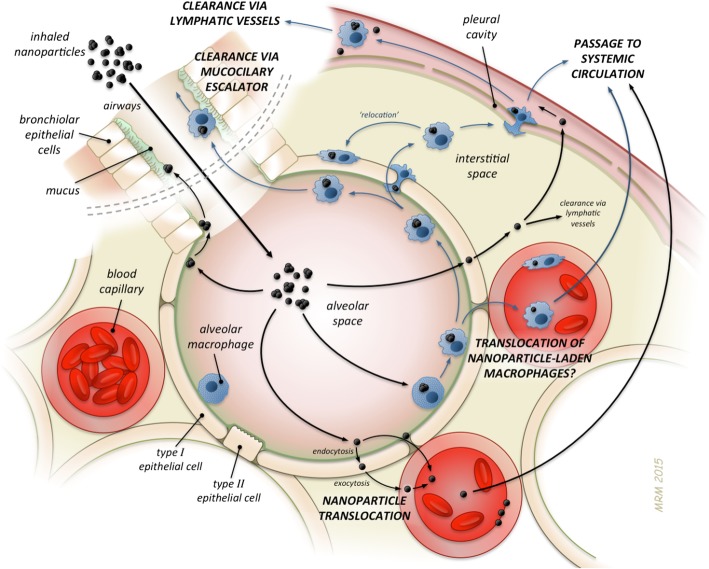
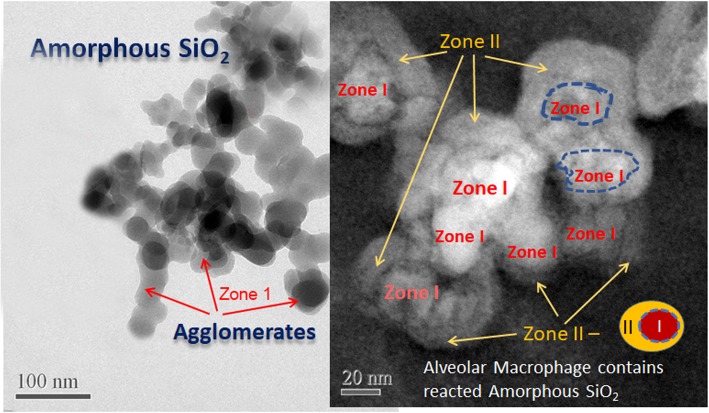
“The low NP recovery becomes plausible since NPs deposit rather uniform on the surface of an alveolus by diffusion. Indeed, macrophages on the epithelial surface will rapidly phagocytize all NP which happen to be deposited close to where a macrophage happens to reside, while distant NP are not recognized due to the weak opsonizing signal of NPs.”
§ Particle toxicology and health - where are we? > Main Text > Dynamic Fate of Inhaled Nanoparticles in the Lungs of Rodents
plainstates a cause- Asserted: passes — The authors put it forward as true.
- Checkable: passes — It can be checked against evidence.
- Load-bearing: passes — The paper’s conclusions depend on it.
- Based: passes — The paper gives a reason why it holds.
It may state two separate claims as one.
None of the sources cited for this claim have been checked yet.
In the paper
“Empirical evidence shows that all three components of NPs (core, shell and corona) may degrade individually in vivo and can drastically modify the life cycle and biodistribution of the whole heterostructure, such that the biodistribution and fate of each sub-component would need to be analyzed individually for regulatory and nanomedical approval purposes [136].”
§ Particle toxicology and health - where are we? > Main Text > The 5 Bs: Bioavailability, biopersistence, bioprocessing, biomodification, and bioclearance of nanoparticles and the role of the biomolecule corona
What the sources say
- Not checked yetcites [136] Feliu N, Docter D, Heine M, del Pino P, Ashraf S, Kolosnjaj-Tabi J, Macchiarini P, Nielsen P, Alloyeau D, Gazeau F, Stauber RH, Parak WJ. In vivo degeneration and the fate of inorganic nanoparticles. Chemical Society Reviews. 2016;45(9):2440–57. source
Checked before — its earlier verdict is held back until a new check runs.
hedgedstates a possible cause- Asserted: passes — The authors put it forward as true.
- Checkable: passes — It can be checked against evidence.
- Load-bearing: passes — The paper’s conclusions depend on it.
- Based: passes — The paper gives a reason why it holds.
It may state two separate claims as one.
- Not checked yet
None of the sources cited for this claim have been checked yet.
In the paper
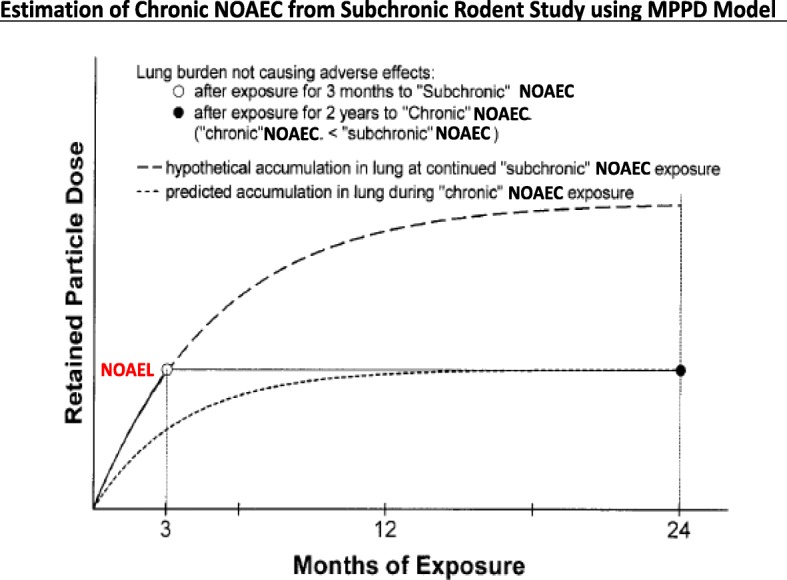
“With respect to inhalation as the main route of exposure - involving acute, subchronic or chronic rodent studies - a minimum of three exposure concentrations plus sham-exposed controls should be used [84].”
§ Particle toxicology and health - where are we? > Main Text > Interrelated Concepts of Exposure, Dosimetry and Dose-Metrics for NP Risk Assessment
What the sources say
- Not checked yetcites [84] Oberdörster G, Castranova V, Asgharian B, Sayre P. Inhalation exposure to carbon nanotubes (CNT) and carbon nanofibers (CNF): Methodology and dosimetry. J Toxicol Environ Health Part B. 2015;18:121–212. source
Checked before — its earlier verdict is held back until a new check runs.
plain- Asserted: passes — The authors put it forward as true.
- Checkable: passes — It can be checked against evidence.
- Load-bearing: fails — The paper’s conclusions may not depend on it.
- Based: passes — The paper gives a reason why it holds.
Probably not a substantial claim. The paper’s conclusions may not depend on it.
- Not checked yet
The paper states this without a source or data behind it here, so there is nothing to check it against. The quote shows it is in the paper.
In the paper
“Deposition of inhaled NPs is governed by their diffusivity in the air leading to a rather homogeneous deposition density on the epithelium of the various regions of the respiratory tract.”
§ Particle toxicology and health - where are we? > Main Text > Dynamic Fate of Inhaled Nanoparticles in the Lungs of Rodents
plainstates a cause- Asserted: passes — The authors put it forward as true.
- Checkable: passes — It can be checked against evidence.
- Load-bearing: passes — The paper’s conclusions depend on it.
- Based: passes — The paper gives a reason why it holds.
It may state two separate claims as one.
In the paper
“On the other hand, enormous effort in nanomedicine has been devoted to the development of so-called stealth NPs that can evade the immune system and avoid uptake by phagocytes, either by reducing overall protein binding or by selectively binding the so-called deopsonising proteins such as albumin [34].”
§ Particle toxicology and health - where are we? > Main Text > The 5 Bs: Bioavailability, biopersistence, bioprocessing, biomodification, and bioclearance of nanoparticles and the role of the biomolecule corona
What the sources say
- Not checked — no full text of the sourcecites [34] Huynh NT, Roger E, Lautram N, Benoit JP, Passirani C. The rise and rise of stealth nanocarriers for cancer therapy: passive versus active targeting. Nanomedicine (Lond). 2010;5(9):1415–33. source
plainstates a cause- Asserted: passes — The authors put it forward as true.
- Checkable: passes — It can be checked against evidence.
- Load-bearing: unclear — It is unclear whether the paper’s conclusions depend on it.
- Based: passes — The paper gives a reason why it holds.
It may state two separate claims as one.
A claim is checked only against the cited paper’s full text, never its abstract, and none is available for its sources.
In the paper
“The chemokine IL-8 is another example: It is produced very early and can be defined as a relatively unspecific alert signal, which indicates local inflammation that can be extreme enough to induce cytotoxicity [149–152].”
§ Particle toxicology and health - where are we? > Main Text > Immunity and systemic responses
What the sources say
- Not checked — no full text of the sourcecites [149] Gornati R, Longo A, Rossi F, Maisano M, Sabatino G, Mauceri A, Bernardini G, Fasulo S. Effects of titanium dioxide nanoparticle exposure in Mytilus galloprovincialis gills and digestive gland. Nanotoxicology. 2016;10(6):807–17. source
- Not checked — no full text of the sourcecites [150] Horie M, Shimizu K, Tabei Y. Validation of metallothionein, interleukin-8, and heme oxygenase-1 as markers for the evaluation of cytotoxicity caused by metal oxide nanoparticles. Toxicol Mech Methods. 2018;28(8):630–8. source
- Not checked — no full text of the sourcecites [151] Xi C, Zhou J, Du S, Peng S. Autophagy upregulation promotes macrophages to escape mesoporous silica nanoparticle (MSN)-induced NF-κB-dependent inflammation. Inflammation Research. 2016;65(4):325–41. source
- Not checked — no full text of the sourcecites [152] Galbiati V, Cornaghi L, Gianazza E, Potenza MA, Donetti E, Marinovich M, Corsini E. In vitro assessment of silver nanoparticles immunotoxicity. Food Chem Toxicol. 2018;112:363–74. source
plainstates a cause- Asserted: passes — The authors put it forward as true.
- Checkable: passes — It can be checked against evidence.
- Load-bearing: unclear — It is unclear whether the paper’s conclusions depend on it.
- Based: passes — The paper gives a reason why it holds.
It may state two separate claims as one.
A conclusion the paper draws from its own results — it cites no other source for it, so there is none to check. The quote shows it is in the paper.
In the paper
“Thus, approaches to assess biomodification, bioprocessing, and bioclearance are emerging, and these are intrinsically linked.”
§ Particle toxicology and health - where are we? > Main Text > The 5 Bs: Bioavailability, biopersistence, bioprocessing, biomodification, and bioclearance of nanoparticles and the role of the biomolecule corona
plainstates an association- Asserted: passes — The authors put it forward as true.
- Checkable: passes — It can be checked against evidence.
- Load-bearing: passes — The paper’s conclusions depend on it.
- Based: passes — The paper gives a reason why it holds.
It may state two separate claims as one.
The paper states this without a source or data behind it here, so there is nothing to check it against. The quote shows it is in the paper.
In the paper
“This is reasonable, since the immune system has evolved to recognize non-self and to decide whether a defensive action is appropriate.”
§ Particle toxicology and health - where are we? > Main Text > Immunity and systemic responses
plain- Asserted: passes — The authors put it forward as true.
- Checkable: passes — It can be checked against evidence.
- Load-bearing: passes — The paper’s conclusions depend on it.
- Based: fails — The paper may give no reason why it holds.
Probably not a substantial claim. The paper may give no reason why it holds. It may state two separate claims as one.
In the paper
“The classical strategy for reducing interactions with the reticuloendothelial system is to modify the surface of the medical NPs with polyethylene glycol (PEGylation), which hinders opsonisation (binding of proteins recognised by phagocytotic cells), but may shield targeting ligands [34].”
§ Particle toxicology and health - where are we? > Main Text > Particle Medicine
What the sources say
- Not checked — no full text of the sourcecites [34] Huynh NT, Roger E, Lautram N, Benoit JP, Passirani C. The rise and rise of stealth nanocarriers for cancer therapy: passive versus active targeting. Nanomedicine (Lond). 2010;5(9):1415–33. source
hedgedstates a possible cause- Asserted: passes — The authors put it forward as true.
- Checkable: passes — It can be checked against evidence.
- Load-bearing: unclear — It is unclear whether the paper’s conclusions depend on it.
- Based: passes — The paper gives a reason why it holds.
It may state two separate claims as one.
In the paper
“One example of a biomodification pathway, proposed for iron oxide NPs, showed that 10 nm iron oxide NPs were degraded in macrophages and the resulting free iron was transformed to ferritin and hemosiderin iron-protein complexes and used to make haemoglobin and myoglobin [135]. In this case the biotransformation also leads to bioclearance of the NPs.”
§ Particle toxicology and health - where are we? > Main Text > The 5 Bs: Bioavailability, biopersistence, bioprocessing, biomodification, and bioclearance of nanoparticles and the role of the biomolecule corona
What the sources say
- Not checked yetcites [135] Arami H, Khandhar A, Liggitt D, Krishnan KM. In vivo delivery, pharmacokinetics, biodistribution and toxicity of iron oxide nanoparticles. Chemical Society Reviews. 2015;44(23):8576–607. source
hedgedstates a cause- Asserted: passes — The authors put it forward as true.
- Checkable: passes — It can be checked against evidence.
- Load-bearing: unclear — It is unclear whether the paper’s conclusions depend on it.
- Based: passes — The paper gives a reason why it holds.
It may state two separate claims as one.
A conclusion the paper draws from its own results — it cites no other source for it, so there is none to check. The quote shows it is in the paper.
In the paper
“In other words, two thirds of the deposited 20 nm sized NP will be cleared rapidly within 24 hours by mucociliary action within the ciliated conducting airways and one third will be long-term retained in the lung periphery.”
§ Particle toxicology and health - where are we? > Main Text > Dynamic Fate of Inhaled Nanoparticles in the Lungs of Rodents
plainstates a cause- Asserted: passes — The authors put it forward as true.
- Checkable: passes — It can be checked against evidence.
- Load-bearing: passes — The paper’s conclusions depend on it.
- Based: unclear — It is unclear why the paper says it holds.
It may state two separate claims as one.
A conclusion the paper draws from its own results — it cites no other source for it, so there is none to check. The quote shows it is in the paper.
In the paper
“It becomes clear from the snapshot of studies presented above that it is very difficult to untangle the 5Bs – they are interrelated and inter-dependent, but a clear understanding of each, and their combined impact, is vital for regulatory certainty.”
§ Particle toxicology and health - where are we? > Main Text > The 5 Bs: Bioavailability, biopersistence, bioprocessing, biomodification, and bioclearance of nanoparticles and the role of the biomolecule corona
boostedstates an association- Asserted: passes — The authors put it forward as true.
- Checkable: fails — It may be too vague to check against evidence.
- Load-bearing: passes — The paper’s conclusions depend on it.
- Based: passes — The paper gives a reason why it holds.
Probably not a substantial claim. It may be too vague to check against evidence. It may state two separate claims as one.
None of the sources cited for this claim have been checked yet.
In the paper
“Other transformations included under the broad term bioprocessisng include enzymatic digestion [128], such as has been reported for carbon nanotubes [129] and graphene materials [130].”
§ Particle toxicology and health - where are we? > Main Text > The 5 Bs: Bioavailability, biopersistence, bioprocessing, biomodification, and bioclearance of nanoparticles and the role of the biomolecule corona
What the sources say
- Not checked yetcites [128] Bhattacharya K, Mukherjee SP, Gallud A, Burkert SC, Bistarelli S, Bellucci S, Bottini M, Star A, Fadeel B. Biological interactions of carbon-based nanomaterials: From coronation to degradation. Nanomed Nanotechnol Biol Med. 2016;12(2):333–51. source
Checked before — its earlier verdict is held back until a new check runs.
- Not checked yetcites [129] Zhao Y, Allen BL, Star A. Enzymatic Degradation of Multiwalled Carbon Nanotubes. J. Phys. Chem. A. 2011;115(34):9536–44. source
Checked before — its earlier verdict is held back until a new check runs.
- Not checked yetcites [130] Lalwani G, Xing W, Sitharaman B. Enzymatic Degradation of Oxidized and Reduced Graphene Nanoribbons by Lignin Peroxidase. Journal of materials chemistry. B Mater Biol Med. 2014;2(37):6354–62. source
Checked before — its earlier verdict is held back until a new check runs.
plain- Asserted: passes — The authors put it forward as true.
- Checkable: passes — It can be checked against evidence.
- Load-bearing: fails — The paper’s conclusions may not depend on it.
- Based: passes — The paper gives a reason why it holds.
Probably not a substantial claim. The paper’s conclusions may not depend on it.
- Not checked yet
A conclusion the paper draws from its own results — it cites no other source for it, so there is none to check. The quote shows it is in the paper.
In the paper
“The degree of in vivo processing of NP can be evaluated with HRTEM which, coupled with dose-response monitoring, could provide further information for NP risk assessment.”
§ Particle toxicology and health - where are we? > Main Text > Interrelated Concepts of Exposure, Dosimetry and Dose-Metrics for NP Risk Assessment
hedgedstates an association- Asserted: passes — The authors put it forward as true.
- Checkable: passes — It can be checked against evidence.
- Load-bearing: passes — The paper’s conclusions depend on it.
- Based: passes — The paper gives a reason why it holds.
It may state two separate claims as one.
The paper states this without a source or data behind it here, so there is nothing to check it against. The quote shows it is in the paper.
In the paper
“Clearly, the route of introduction will affect this proportion, with direct intravenous injection resulting in close to 100% bioavailability, while oral or nasal introduction for example, might result in lower bioavailability due to the biological barriers that exclude some of the compound.”
§ Particle toxicology and health - where are we? > Main Text > The 5 Bs: Bioavailability, biopersistence, bioprocessing, biomodification, and bioclearance of nanoparticles and the role of the biomolecule corona
boostedstates a cause- Asserted: passes — The authors put it forward as true.
- Checkable: passes — It can be checked against evidence.
- Load-bearing: fails — The paper’s conclusions may not depend on it.
- Based: passes — The paper gives a reason why it holds.
Probably not a substantial claim. The paper’s conclusions may not depend on it. It may state two separate claims as one.
None of the sources cited for this claim have been checked yet.
In the paper
“More recently, Thorley and co-workers [65] provided evidence for prominent NP uptake by EC1 while they ruled out uptake by alveolar epithelial type 2 cells (EC2) and the passage of NPs by paracellular transport was also discounted.”
§ Particle toxicology and health - where are we? > Main Text > Dynamic Fate of Inhaled Nanoparticles in the Lungs of Rodents
What the sources say
- Not checked yetcites [65] Thorley AJ, Ruenraroengsak P, Potter TE, Tetley TD. Critical determinants of uptake and translocation of nanoparticles by the human pulmonary alveolar epithelium. ACS Nano. 2014;8(11):11778–89. source
Checked before — its earlier verdict is held back until a new check runs.
plainstates a cause- Asserted: passes — The authors put it forward as true.
- Checkable: passes — It can be checked against evidence.
- Load-bearing: unclear — It is unclear whether the paper’s conclusions depend on it.
- Based: passes — The paper gives a reason why it holds.
It may state two separate claims as one.
- Not checked yet
None of the sources cited for this claim have been checked yet.
In the paper
“Whereas small spherical NPs accumulate within the center of blood vessels, disc-like particles display enhanced lateral drift due to tumbling, and also have larger surface areas for endothelial adhesion [38].”
§ Particle toxicology and health - where are we? > Main Text > Particle Medicine
What the sources say
- Not checked yetcites [38] Toy R, Peiris PM, Ghaghada KB, Karathanasis E. Shaping cancer nanomedicine: the effect of particle shape on the in vivo journey of nanoparticles. Nanomedicine (Lond). 2014;9(1):121–34. source
Checked before — its earlier verdict is held back until a new check runs.
plainstates a cause- Asserted: passes — The authors put it forward as true.
- Checkable: passes — It can be checked against evidence.
- Load-bearing: passes — The paper’s conclusions depend on it.
- Based: passes — The paper gives a reason why it holds.
It may state two separate claims as one.
- Not checked yet
None of the sources cited for this claim have been checked yet.
In the paper
“Because of the associated ethical concerns (requiring large number of animals) and high costs of longer duration exposures, subacute (28-day) studies with sufficient post-exposure recovery time have been suggested as replacements for longer-term studies. Their usefulness for risk characterization still needs to be validated however [84].”
§ Particle toxicology and health - where are we? > Main Text > Interrelated Concepts of Exposure, Dosimetry and Dose-Metrics for NP Risk Assessment
What the sources say
- Not checked yetcites [84] Oberdörster G, Castranova V, Asgharian B, Sayre P. Inhalation exposure to carbon nanotubes (CNT) and carbon nanofibers (CNF): Methodology and dosimetry. J Toxicol Environ Health Part B. 2015;18:121–212. source
Checked before — its earlier verdict is held back until a new check runs.
hedgedstates a cause- Asserted: passes — The authors put it forward as true.
- Checkable: passes — It can be checked against evidence.
- Load-bearing: fails — The paper’s conclusions may not depend on it.
- Based: passes — The paper gives a reason why it holds.
Probably not a substantial claim. The paper’s conclusions may not depend on it. It may state two separate claims as one.
- Not checked yet
A conclusion the paper draws from its own results — it cites no other source for it, so there is none to check. The quote shows it is in the paper.
In the paper
“Among the intrinsic physico-chemical properties that impact on NP toxicity, surface properties are, in theory, most influential because of the direct interaction of the particle surface with cells and subcellular components.”
§ Particle toxicology and health - where are we? > Main Text > Interrelated Concepts of Exposure, Dosimetry and Dose-Metrics for NP Risk Assessment
hedgedstates a cause- Asserted: passes — The authors put it forward as true.
- Checkable: passes — It can be checked against evidence.
- Load-bearing: fails — The paper’s conclusions may not depend on it.
- Based: fails — The paper may give no reason why it holds.
Probably not a substantial claim. The paper’s conclusions may not depend on it. The paper may give no reason why it holds.
In the paper
“The findings indicated that the kidney was the main target organ for <5nm NPs, whereas for the 20-150nm spheres, positive charge correlated with enhanced accumulation in liver and spleen. Discs appeared to show most accumulation, collecting in liver, spleen and lungs, with the order of accumulation for shapes being discs > rods > spheres [138].”
§ Particle toxicology and health - where are we? > Main Text > The 5 Bs: Bioavailability, biopersistence, bioprocessing, biomodification, and bioclearance of nanoparticles and the role of the biomolecule corona
What the sources say
- Not checked yetcites [138] Blanco E, Shen H, Ferrari M. Principles of nanoparticle design for overcoming biological barriers to drug delivery. Nat Biotechnol. 2015;33:941–51. source
hedgedstates an association- Asserted: passes — The authors put it forward as true.
- Checkable: passes — It can be checked against evidence.
- Load-bearing: passes — The paper’s conclusions depend on it.
- Based: passes — The paper gives a reason why it holds.
It may state two separate claims as one.
In the paper
“Similar findings have suggested that cellular response to the presence of NPs also involves secretion of proteins in response to the initial form of the NP taken up by the organism, causing the “initial” corona to evolve, which can lead to altered uptake and impacts not currently considered in assessing toxicity [124].”
§ Particle toxicology and health - where are we? > Main Text > The 5 Bs: Bioavailability, biopersistence, bioprocessing, biomodification, and bioclearance of nanoparticles and the role of the biomolecule corona
What the sources say
- Not checked — no full text of the sourcecites [124] Albanese A, Walkey CD, Olsen JB, Guo H, Emili A, Chan WCW. Secreted Biomolecules Alter the Biological Identity and Cellular Interactions of Nanoparticles. ACS Nano. 2014;8(6):5515–26. source
hedgedstates a cause- Asserted: passes — The authors put it forward as true.
- Checkable: passes — It can be checked against evidence.
- Load-bearing: passes — The paper’s conclusions depend on it.
- Based: passes — The paper gives a reason why it holds.
It may state two separate claims as one.
A conclusion the paper draws from its own results — it cites no other source for it, so there is none to check. The quote shows it is in the paper.
In the paper
“Systemically circulating NPs may accumulate in secondary organs and tissues by two particle clearance pathways, (i) NP translocation across the air-blood-barrier (ABB) either directly into blood circulation or via the thoracic lymph duct and (ii) NP absorption across the GIT walls, again either directly into blood circulation or via the thoracic lymph duct, of those NP which were eliminated from”
§ Particle toxicology and health - where are we? > Main Text > Dynamic Fate of Inhaled Nanoparticles in the Lungs of Rodents
hedgedstates a possible cause- Asserted: passes — The authors put it forward as true.
- Checkable: passes — It can be checked against evidence.
- Load-bearing: passes — The paper’s conclusions depend on it.
- Based: unclear — It is unclear why the paper says it holds.
It may state two separate claims as one.
The paper states this without a source or data behind it here, so there is nothing to check it against. The quote shows it is in the paper.
In the paper
“especially as numerous studies show that bare particles are both more toxic, and rapidly acquire a biomolecule corona from their surroundings.”
§ Particle toxicology and health - where are we? > Main Text > The 5 Bs: Bioavailability, biopersistence, bioprocessing, biomodification, and bioclearance of nanoparticles and the role of the biomolecule corona
boostedstates an association- Asserted: passes — The authors put it forward as true.
- Checkable: passes — It can be checked against evidence.
- Load-bearing: passes — The paper’s conclusions depend on it.
- Based: fails — The paper may give no reason why it holds.
Probably not a substantial claim. The paper may give no reason why it holds. It may state two separate claims as one.
None of the sources cited for this claim have been checked yet.
In the paper
“In particular, a portion of the original NPs were partially dissolved and secondary SiO2-reaction zones (precipitates) formed as a result of in vivo processing (also called bioprocessing – see section “The 5Bs” below) as shown in Fig. 5 ([102], previously not published).”
§ Particle toxicology and health - where are we? > Main Text > Interrelated Concepts of Exposure, Dosimetry and Dose-Metrics for NP Risk Assessment
What the sources say
- Not checked yetcites [102] Graham, U.M., Jacobs, G., Yokel, R.A., Davis, B.H., Dozier, A.K.,. Birch, M.E., Tseng, M.T., Oberdörster, G., Elder, A., DeLouise, L., From Dose to Response: In Vivo Nanoparticle Processing and Potential Toxicity, in Modelling the Toxicity of Nanoparticles. Advances in Experimental Medicine and Biology, B.M. Tran L., Rallo R., Editor. 2017, Springer: Cham. source
Checked before — its earlier verdict is held back until a new check runs.
plainstates a cause- Asserted: passes — The authors put it forward as true.
- Checkable: passes — It can be checked against evidence.
- Load-bearing: passes — The paper’s conclusions depend on it.
- Based: passes — The paper gives a reason why it holds.
It may state two separate claims as one.
- Not checked yet
None of the sources cited for this claim have been checked yet.
In the paper
“Recent work using the model organism Daphnia magna has shown that proteins secreted by the Daphnia into the media induce some agglomeration of NPs but since this brings the NP-agglomerates into the size range of Daphnia’s normal food source, it appears to increase uptake / bioavailability of the NPs [108].”
§ Particle toxicology and health - where are we? > Main Text > The 5 Bs: Bioavailability, biopersistence, bioprocessing, biomodification, and bioclearance of nanoparticles and the role of the biomolecule corona
What the sources say
- Not checked yetcites [108] Nasser F, Lynch I. Secreted protein eco-corona mediates uptake and impacts of polystyrene nanoparticles on Daphnia magna. J Proteomics. 2015;S1874-3919:30121–4. source
Checked before — its earlier verdict is held back until a new check runs.
hedgedstates a possible cause- Asserted: passes — The authors put it forward as true.
- Checkable: passes — It can be checked against evidence.
- Load-bearing: unclear — It is unclear whether the paper’s conclusions depend on it.
- Based: passes — The paper gives a reason why it holds.
It may state two separate claims as one.
- Not checked yet
None of the sources cited for this claim have been checked yet.
In the paper
“Indeed, due to interactions with their surroundings, the dispersion media play an important role in defining the NPs dose, but also in determining the NPs “biological” identity, which is the set of proteins and other biomolecules associated with the NP and specifically the outer surface of the absorbed corona which forms the interface to engage with biological receptors [113–116].”
§ Particle toxicology and health - where are we? > Main Text > The 5 Bs: Bioavailability, biopersistence, bioprocessing, biomodification, and bioclearance of nanoparticles and the role of the biomolecule corona
What the sources say
- Not checked — no full text of the sourcecites [113] Maiorano G, Sabella S, Sorce B, Brunetti V, Malvindi MA, Cingolani R, Pompa PP. Effects of Cell Culture Media on the Dynamic Formation of Protein−Nanoparticle Complexes and Influence on the Cellular Response. ACS Nano. 2010;4(12):7481–91. source
- Not checked — no full text of the sourcecites [114] Lesniak A, Campbell A, Monopoli MP, Lynch I, Salvati A, Dawson KA. Serum heat inactivation affects protein corona composition and nanoparticle uptake. Biomaterials. 2010;31:9511–8. source
- Not checked yetcites [115] Lesniak A, Fenaroli F, Monopoli MP, Åberg C, Dawson KA, Salvati A. Effects of the presence or absence of a protein corona on silica nanoparticle uptake and impact on cells. ACS Nano. 2012;6:5845–57. source
Checked before — its earlier verdict is held back until a new check runs.
- Not checked yetcites [116] Strojan K, Leonardi A, Bregar VB, Križaj I, Svete J, Pavlin M. Dispersion of Nanoparticles in Different Media Importantly Determines the Composition of Their Protein Corona. PLOS ONE. 2017;12(1):e0169552. source
Checked before — its earlier verdict is held back until a new check runs.
plainstates a cause- Asserted: passes — The authors put it forward as true.
- Checkable: passes — It can be checked against evidence.
- Load-bearing: passes — The paper’s conclusions depend on it.
- Based: passes — The paper gives a reason why it holds.
It may state two separate claims as one.
The paper states this without a source or data behind it here, so there is nothing to check it against. The quote shows it is in the paper.
In the paper
“The majority of immune responses indeed result in tolerance, which can be a source of misinterpretation.”
§ Particle toxicology and health - where are we? > Main Text > Immunity and systemic responses
plainstates a cause- Asserted: passes — The authors put it forward as true.
- Checkable: passes — It can be checked against evidence.
- Load-bearing: passes — The paper’s conclusions depend on it.
- Based: unclear — It is unclear why the paper says it holds.
It may state two separate claims as one.
None of the sources cited for this claim have been checked yet.
In the paper
“There is clear evidence that each of these parameters also influences the nature of the biomolecules bound [139–141], and that different coronas lead to different biodistributions of NPs in vivo, as indicated above and demonstrated by Wang et al. [142]”
§ Particle toxicology and health - where are we? > Main Text > The 5 Bs: Bioavailability, biopersistence, bioprocessing, biomodification, and bioclearance of nanoparticles and the role of the biomolecule corona
What the sources say
- Not checked — no full text of the sourcecites [139] Albanese A, Tang PS, Chan WCW. The Effect of Nanoparticle Size, Shape, and Surface Chemistry on Biological Systems. Annu. Rev. Biomed. Eng. 2012;14:1–16. source
- Not checked yetcites [140] Lundqvist, M.S., J.; Elia, G.; Lynch, I.; Cedervall, T.; Dawson, K.A. , Nanoparticle size and surface properties determine the protein corona with possible implications for biological impacts. Proc. Natl. Acad. Sci. U.S.A., 2008. 105: 14265–14270. source
Checked before — its earlier verdict is held back until a new check runs.
- Not checked yetcites [141] Foroozandeh P, Aziz AA. Merging Worlds of Nanomaterials and Biological Environment: Factors Governing Protein Corona Formation on Nanoparticles and Its Biological Consequences. Nanoscale Research Letters. 2015;10:221. source
Checked before — its earlier verdict is held back until a new check runs.
- Not checked — no full text of the sourcecites [142] Wang J, Bai R, Yang R, Liu J, Tang J, Liu Y, Li J, Chai Z, Chen C. Size- and surface chemistry-dependent pharmacokinetics and tumor accumulation of engineered gold nanoparticles after intravenous administration. Metallomics. 2015;7(3):516–24. source
boostedstates a cause- Asserted: passes — The authors put it forward as true.
- Checkable: passes — It can be checked against evidence.
- Load-bearing: passes — The paper’s conclusions depend on it.
- Based: passes — The paper gives a reason why it holds.
It may state two separate claims as one.
What the paper did — it cites no source for this, so there is none to check. The quote shows it is in the paper.
In the paper
“Essential for the evaluation of the results of inhalation studies is to determine the retained dose (lung burden) at the end of exposure to establish dose-response relationships.”
§ Particle toxicology and health - where are we? > Main Text > Interrelated Concepts of Exposure, Dosimetry and Dose-Metrics for NP Risk Assessment
boosted- Asserted: passes — The authors put it forward as true.
- Checkable: passes — It can be checked against evidence.
- Load-bearing: passes — The paper’s conclusions depend on it.
- Based: passes — The paper gives a reason why it holds.
Probably not a substantial claim.
The paper states this without a source or data behind it here, so there is nothing to check it against. The quote shows it is in the paper.
In the paper
“However, most contacts with non-self do not result in defence, due to the lack of danger signals. Still, the immune system will respond: Either with homeostatic fluctuations of no further consequence, or with the development of tolerance via several active mechanisms.”
§ Particle toxicology and health - where are we? > Main Text > Immunity and systemic responses
plainstates a cause- Asserted: passes — The authors put it forward as true.
- Checkable: passes — It can be checked against evidence.
- Load-bearing: passes — The paper’s conclusions depend on it.
- Based: passes — The paper gives a reason why it holds.
It may state two separate claims as one.
In the paper
“Clearly, the specific proteins that bind to NPs will be influenced by the route of internalisation, with the lung surfactant proteins being the main candidates for binding following inhalation, serum proteins being the first binders in the case of intravenous exposure, and a range of enzymes and food biomolecules being potential corona constituents for gastric exposure [127].”
§ Particle toxicology and health - where are we? > Main Text > The 5 Bs: Bioavailability, biopersistence, bioprocessing, biomodification, and bioclearance of nanoparticles and the role of the biomolecule corona
What the sources say
- Not checked — no full text of the sourcecites [127] Cao Y, Li J, Liu F, Li X, Jiang Q, Cheng S, Gu Y. Consideration of interaction between nanoparticles and food components for the safety assessment of nanoparticles following oral exposure: A review. Environ Toxicol Pharmacol. 2016;46:206–10. source
boostedstates a cause- Asserted: passes — The authors put it forward as true.
- Checkable: passes — It can be checked against evidence.
- Load-bearing: unclear — It is unclear whether the paper’s conclusions depend on it.
- Based: passes — The paper gives a reason why it holds.
It may state two separate claims as one.
The paper states this without a source or data behind it here, so there is nothing to check it against. The quote shows it is in the paper.
In the paper
“In addition, immune cells are concentrated at the potential routes of entry for pathogens, which are the same routes by which NPs enter the body.”
§ Particle toxicology and health - where are we? > Main Text > Immunity and systemic responses
plainstates an association- Asserted: passes — The authors put it forward as true.
- Checkable: passes — It can be checked against evidence.
- Load-bearing: fails — The paper’s conclusions may not depend on it.
- Based: fails — The paper may give no reason why it holds.
Probably not a substantial claim. The paper’s conclusions may not depend on it. The paper may give no reason why it holds. It may state two separate claims as one.
The paper states this without a source or data behind it here, so there is nothing to check it against. The quote shows it is in the paper.
In the paper
“The latter mimics more closely the in vivo situation, whereas the former can reflect in vitro conditions.”
§ Particle toxicology and health - where are we? > Main Text > Interrelated Concepts of Exposure, Dosimetry and Dose-Metrics for NP Risk Assessment
plainstates an association- Asserted: passes — The authors put it forward as true.
- Checkable: passes — It can be checked against evidence.
- Load-bearing: unclear — It is unclear whether the paper’s conclusions depend on it.
- Based: passes — The paper gives a reason why it holds.
It may state two separate claims as one.
A conclusion the paper draws from its own results — it cites no other source for it, so there is none to check. The quote shows it is in the paper.
In the paper
“This suggests that there is more than one biological identity for each NP and that this identity evolves as the NPs interact and are internalised and processed by organisms and cells.”
§ Particle toxicology and health - where are we? > Main Text > The 5 Bs: Bioavailability, biopersistence, bioprocessing, biomodification, and bioclearance of nanoparticles and the role of the biomolecule corona
hedgedstates a cause- Asserted: passes — The authors put it forward as true.
- Checkable: passes — It can be checked against evidence.
- Load-bearing: passes — The paper’s conclusions depend on it.
- Based: passes — The paper gives a reason why it holds.
It may state two separate claims as one.
A conclusion the paper draws from its own results — it cites no other source for it, so there is none to check. The quote shows it is in the paper.
In the paper
“As noted above, the highly reactive surface area of NPs leads to adsorption of a biomolecule corona, which plays a key role in the subsequent bioprocessing of NPs, determining for example the rate of dissolution, the uptake mechanism, and the subsequent biodistribution.”
§ Particle toxicology and health - where are we? > Main Text > The 5 Bs: Bioavailability, biopersistence, bioprocessing, biomodification, and bioclearance of nanoparticles and the role of the biomolecule corona
plainstates a cause- Asserted: passes — The authors put it forward as true.
- Checkable: passes — It can be checked against evidence.
- Load-bearing: passes — The paper’s conclusions depend on it.
- Based: passes — The paper gives a reason why it holds.
It may state two separate claims as one.
A conclusion the paper draws from its own results — it cites no other source for it, so there is none to check. The quote shows it is in the paper.
In the paper
“Nanosafety assessment requires distinguishing whether a response is merely adaptive or truly defensive, which can be addressed by the choice of endpoints.”
§ Particle toxicology and health - where are we? > Main Text > Immunity and systemic responses
plainstates a cause- Asserted: passes — The authors put it forward as true.
- Checkable: fails — It may be too vague to check against evidence.
- Load-bearing: passes — The paper’s conclusions depend on it.
- Based: passes — The paper gives a reason why it holds.
Probably not a substantial claim. It may be too vague to check against evidence. It may state two separate claims as one.
A conclusion the paper draws from its own results — it cites no other source for it, so there is none to check. The quote shows it is in the paper.
In the paper
“In addition, NPs can have effects on the development of a systemic antibody-mediated response, but it is not well known under which circumstances and to which extent this takes place in the body.”
§ Particle toxicology and health - where are we? > Main Text > Immunity and systemic responses
plainstates a possible cause- Asserted: passes — The authors put it forward as true.
- Checkable: passes — It can be checked against evidence.
- Load-bearing: unclear — It is unclear whether the paper’s conclusions depend on it.
- Based: unclear — It is unclear why the paper says it holds.
It may state two separate claims as one.
None of the sources cited for this claim have been checked yet.
In the paper
“However, , there is a risk of false positives when a normal homeostatic fluctuation in response to a stimulus is mistaken for an indication of danger to the body. Even worse, inflammation may be due to contamination, most commonly with the ubiquitous bacterial compound LPS [153] .”
§ Particle toxicology and health - where are we? > Main Text > Immunity and systemic responses
What the sources say
- Not checked yetcites [153] Li Y, Fujita M, Boraschi D, Endotoxin Contamination in Nanomaterials Leads to the Misinterpretation of Immunosafety Results. Front Immunol. 2017;8(472). source
Checked before — its earlier verdict is held back until a new check runs.
hedgedstates a possible cause- Asserted: passes — The authors put it forward as true.
- Checkable: passes — It can be checked against evidence.
- Load-bearing: unclear — It is unclear whether the paper’s conclusions depend on it.
- Based: passes — The paper gives a reason why it holds.
It may state two separate claims as one.
- Not checked yet
None of the sources cited for this claim have been checked yet.
In the paper
“Overall, NP translocation through the placenta is likely dependent on particle surface modification [195, 196], chemical composition [197], and the timing of the exposure during pregnancy [196].”
§ Particle toxicology and health - where are we? > Main Text > Particles and the Developing Body
What the sources say
- Not checked yetcites [195] Yang H, Sun C, Fan Z, Tian X, Yan L, Du L, Liu Y, Chen C, Liang XJ, Anderson GJ, Keelan JA, Zhao Y, Nie G. Effects of gestational age and surface modification on materno-fetal transfer of nanoparticles in murine pregnancy. Sci Rep. 2012;2:847. source
Checked before — its earlier verdict is held back until a new check runs.
- Not checked yetcites [196] Grafmueller S, Manser P, Diener L, Maurizi L, Diener PA, Hofmann H, Jochum W, Krug HF, Buerki-Thurnherr T, von Mandach U, Wick P. Transfer studies of polystyrene nanoparticles in the ex vivo human placenta perfusion model: key sources of artifacts. Sci Technol Adv Mater. 2015;16:044602. source
Checked before — its earlier verdict is held back until a new check runs.
- Not checked — no full text of the sourcecites [197] Myllynen P, Loughran MJ, Howard CV, Sormunen R, Walsh AA, Vähäkangas KH. Kinetics of gold nanoparticles in the human placenta. Reprod Toxicol. 2008;26:130–7. source
hedgedstates a possible cause- Asserted: passes — The authors put it forward as true.
- Checkable: passes — It can be checked against evidence.
- Load-bearing: unclear — It is unclear whether the paper’s conclusions depend on it.
- Based: passes — The paper gives a reason why it holds.
It may state two separate claims as one.
- Not checked yet
The paper states this without a source or data behind it here, so there is nothing to check it against. The quote shows it is in the paper.
In the paper
“Small rounded opacities are specific to silicosis, while small irregular opacities are observed in asbestosis or mixed-dust pneumoconiosis.”
§ Particle toxicology and health - where are we? > Main Text > Non-Specific Effects of Particles
plainstates an association- Asserted: passes — The authors put it forward as true.
- Checkable: passes — It can be checked against evidence.
- Load-bearing: unclear — It is unclear whether the paper’s conclusions depend on it.
- Based: unclear — It is unclear why the paper says it holds.
It may state two separate claims as one.
None of the sources cited for this claim have been checked yet.
In the paper
“The characteristics of X-ray findings of this pneumoconiosis are irregular opacities and ill-defined small rounded opacities. Histopathologically interstitial fibrosis and fibrotic stellate nodules are observed in mixed dust pneumoconiosis.”
§ Particle toxicology and health - where are we? > Main Text > Non-Specific Effects of Particles
plainstates an association- Asserted: passes — The authors put it forward as true.
- Checkable: passes — It can be checked against evidence.
- Load-bearing: unclear — It is unclear whether the paper’s conclusions depend on it.
- Based: passes — The paper gives a reason why it holds.
It may state two separate claims as one.
None of the sources cited for this claim have been checked yet.
In the paper
“Drosophila, which has a short life span and 77% of the human disease genes [189]”
§ Particle toxicology and health - where are we? > Main Text > Particles and the Developing Body
What the sources say
- Not checked yetcites [189] Reiter LT, Potocki L, Chien S, Gribskov M, Bier E. A systematic analysis of human disease-associated gene sequences in Drosophila melanogaster. Genome Res. 2001;11:1114–25. source
Checked before — its earlier verdict is held back until a new check runs.
plain- Asserted: passes — The authors put it forward as true.
- Checkable: passes — It can be checked against evidence.
- Load-bearing: unclear — It is unclear whether the paper’s conclusions depend on it.
- Based: passes — The paper gives a reason why it holds.
It may state two separate claims as one.
- Not checked yet
A conclusion the paper draws from its own results — it cites no other source for it, so there is none to check. The quote shows it is in the paper.
In the paper
“While the prevalence or incidence of silicosis has been decreasing, there are concerns with pneumoconiosis which may be induced by different kinds of particles other than silica. Mixed dust pneumoconiosis may be one such pneumoconiosises.”
§ Particle toxicology and health - where are we? > Main Text > Non-Specific Effects of Particles
hedgedstates a possible cause- Asserted: passes — The authors put it forward as true.
- Checkable: passes — It can be checked against evidence.
- Load-bearing: unclear — It is unclear whether the paper’s conclusions depend on it.
- Based: passes — The paper gives a reason why it holds.
It may state two separate claims as one.
None of the sources cited for this claim have been checked yet.
In the paper
“Lastly the prevalence of this disease is 34% of the entire pneumoconiosis [161].”
§ Particle toxicology and health - where are we? > Main Text > Non-Specific Effects of Particles
What the sources say
- Not checked yetcites [161] Vallurupalli S, Chawla K, Kupfer Y, Tessler S. Mixed dust pneumoconiosis occurring in an unusual setting. BMJ Case Rep. 2013;2013:bcr2013200976. source
Checked before — its earlier verdict is held back until a new check runs.
plain- Asserted: passes — The authors put it forward as true.
- Checkable: passes — It can be checked against evidence.
- Load-bearing: fails — The paper’s conclusions may not depend on it.
- Based: passes — The paper gives a reason why it holds.
Probably not a substantial claim. The paper’s conclusions may not depend on it.
- Not checked yet
In the paper
“Ming-Wei Chao et al. reported an increase in reactive oxygen species and several cytokines in the amniotic fluid, and changes in microRNA expression profile in the cerebral cortex and hippocampus of foetal brains in rats following exposure to PM2.5 [174].”
§ Particle toxicology and health - where are we? > Main Text > Particles and the Developing Body
What the sources say
- Not checked — no full text of the sourcecites [174] Chao M, Yang CH, Lin PT, Yang YH, Chuang YC, Chung MC, Tseng CY. Exposure to PM2.5 causes genetic changes in fetal rat cerebral cortex and hippocampus. Environ Toxicol. 2017;32:1412–142. source
plainstates a cause- Asserted: passes — The authors put it forward as true.
- Checkable: passes — It can be checked against evidence.
- Load-bearing: unclear — It is unclear whether the paper’s conclusions depend on it.
- Based: passes — The paper gives a reason why it holds.
It may state two separate claims as one.
The paper states this without a source or data behind it here, so there is nothing to check it against. The quote shows it is in the paper.
In the paper
“Inflammation is often considered to be synonymous with innate immunity. This is an evolutionary ancient package of defensive mechanisms, which has the attractive feature that similar readouts can be made in invertebrates, offering opportunities to directly link human toxicology and ecotoxicology.”
§ Particle toxicology and health - where are we? > Main Text > Immunity and systemic responses
plainstates an association- Asserted: passes — The authors put it forward as true.
- Checkable: passes — It can be checked against evidence.
- Load-bearing: fails — The paper’s conclusions may not depend on it.
- Based: fails — The paper may give no reason why it holds.
Probably not a substantial claim. The paper’s conclusions may not depend on it. The paper may give no reason why it holds. It may state two separate claims as one.
None of the sources cited for this claim have been checked yet.
In the paper
“So far, no case has been described where NPs act as allergens [157], but it has been shown that binding of allergens to NPs can enhance their allergenicity [158].”
§ Particle toxicology and health - where are we? > Main Text > Immunity and systemic responses
What the sources say
- Not checked — no full text of the sourcecites [157] Himly M, Grotz B, Sageder M, Geppert M, Duschl A. Immune Frailty and Nanomaterials: The Case of Allergies. Curr Bionanotechnol. 2016;2(1):20–8. source
- Not checked yetcites [158] Radauer-Preiml I, Andosch A, Hawranek T, Luetz-Meindl U, Wiederstein M, Horejs-Hoeck J, Himly M, Boyles M, Duschl A. Nanoparticle-allergen interactions mediate human allergic responses: protein corona characterization and cellular responses. Part Fibre Tox. 2015;13:3. source
Checked before — its earlier verdict is held back until a new check runs.
plainstates a cause- Asserted: passes — The authors put it forward as true.
- Checkable: passes — It can be checked against evidence.
- Load-bearing: unclear — It is unclear whether the paper’s conclusions depend on it.
- Based: passes — The paper gives a reason why it holds.
It may state two separate claims as one.
The paper states this without a source or data behind it here, so there is nothing to check it against. The quote shows it is in the paper.
In the paper
“As in the case of innate immunity, a response is not the same as a defensive action. T-cells may be activated to proliferate and differentiate, but if they should be of the Treg type (regulatory T-cells), they will produce immunosuppressive cytokines and thus promote tolerance.”
§ Particle toxicology and health - where are we? > Main Text > Immunity and systemic responses
hedgedstates a possible cause- Asserted: passes — The authors put it forward as true.
- Checkable: passes — It can be checked against evidence.
- Load-bearing: fails — The paper’s conclusions may not depend on it.
- Based: fails — The paper may give no reason why it holds.
Probably not a substantial claim. The paper’s conclusions may not depend on it. The paper may give no reason why it holds. It may state two separate claims as one.
The paper states this without a source or data behind it here, so there is nothing to check it against. The quote shows it is in the paper.
In the paper
“So far, most studies have investigated immune effects of NPs as single agents.”
§ Particle toxicology and health - where are we? > Main Text > Immunity and systemic responses
plain- Asserted: passes — The authors put it forward as true.
- Checkable: passes — It can be checked against evidence.
- Load-bearing: passes — The paper’s conclusions depend on it.
- Based: fails — The paper may give no reason why it holds.
Probably not a substantial claim. The paper may give no reason why it holds.
The paper states this without a source or data behind it here, so there is nothing to check it against. The quote shows it is in the paper.
In the paper
“Type 2 responses are associated with parasites, but are for many people more familiar as a pathophysiological response in allergic diseases. IgE antibodies mediate these responses. They have very low levels in serum, but are bound to high-affinity receptors on the surface of effector cells (basophils, mast cells, eosinophils).”
§ Particle toxicology and health - where are we? > Main Text > Immunity and systemic responses
plainstates an association- Asserted: passes — The authors put it forward as true.
- Checkable: passes — It can be checked against evidence.
- Load-bearing: fails — The paper’s conclusions may not depend on it.
- Based: passes — The paper gives a reason why it holds.
Probably not a substantial claim. The paper’s conclusions may not depend on it. It may state two separate claims as one.
In the paper
“Gastrointestinal tract cancer rates maybe higher in cities that also have elevated asbestos in the supply, but how much of this can be attributed to asbestos compared to other risk factors such as occupation, diet, smoking and alcohol consumption etc., is unclear [252].”
§ Particle toxicology and health - where are we? > Main Text > Particles in the natural environment and links to human health
What the sources say
- Not checked — no full text of the sourcecites [252] Sigurdson EE, Levy BS, Mandel J, McHugh R, Michienzi LJ, Jagger H, Pearson J. Cancer morbidity investigations: lessons from the Duluth study of possible effects of asbestos in drinking water. Environ Res. 1981;25:50–61. source
hedgedstates a possible cause- Asserted: passes — The authors put it forward as true.
- Checkable: passes — It can be checked against evidence.
- Load-bearing: fails — The paper’s conclusions may not depend on it.
- Based: passes — The paper gives a reason why it holds.
Probably not a substantial claim. The paper’s conclusions may not depend on it. It may state two separate claims as one.
In the paper
“For example, IL-1 is a major pro-inflammatory, fever inducing cytokine produced by several immune cell types, so detecting substantial IL-1 secretion would suggest a systemic inflammation which is certainly not indicating tolerance [154].”
§ Particle toxicology and health - where are we? > Main Text > Immunity and systemic responses
What the sources say
- Not checked — no full text of the sourcecites [154] Boraschi D, Tagliabue A. The interleukin-1 receptor family. Seminars Immunol. 2013;25(6):394–407. source
hedgedstates an association- Asserted: passes — The authors put it forward as true.
- Checkable: passes — It can be checked against evidence.
- Load-bearing: passes — The paper’s conclusions depend on it.
- Based: passes — The paper gives a reason why it holds.
It may state two separate claims as one.
A conclusion the paper draws from its own results — it cites no other source for it, so there is none to check. The quote shows it is in the paper.
In the paper
“Nanomedicine can address these issues more easily, since it deals with high concentrations and controlled exposure.”
§ Particle toxicology and health - where are we? > Main Text > Immunity and systemic responses
plainstates a cause- Asserted: passes — The authors put it forward as true.
- Checkable: fails — It may be too vague to check against evidence.
- Load-bearing: fails — The paper’s conclusions may not depend on it.
- Based: fails — The paper may give no reason why it holds.
Probably not a substantial claim. It may be too vague to check against evidence. The paper’s conclusions may not depend on it. The paper may give no reason why it holds.
A result the paper reports from its own data — it cites no other source for it, so there is none to check. The quote shows it is in the paper.
In the paper
“The number of nano-scaled particles showed significant positive association with the total number of normal to normal heart beat rate (N-N) and negative association with the mean N-N interval, RR50+, and percentage of RR50 +/- 1 min delay.”
§ Particle toxicology and health - where are we? > Main Text > Non-Specific Effects of Particles
plainstates an association- Asserted: passes — The authors put it forward as true.
- Checkable: passes — It can be checked against evidence.
- Load-bearing: passes — The paper’s conclusions depend on it.
- Based: passes — The paper gives a reason why it holds.
It may state two separate claims as one.
The paper states this without a source or data behind it here, so there is nothing to check it against. The quote shows it is in the paper.
In the paper
“Specific effects of particles can be typically observed in silicosis and asbestosis.”
§ Particle toxicology and health - where are we? > Main Text > Non-Specific Effects of Particles
plainstates an association- Asserted: passes — The authors put it forward as true.
- Checkable: passes — It can be checked against evidence.
- Load-bearing: fails — The paper’s conclusions may not depend on it.
- Based: passes — The paper gives a reason why it holds.
Probably not a substantial claim. The paper’s conclusions may not depend on it.
None of the sources cited for this claim have been checked yet.
In the paper
“The transparency of the embryo enables observation of all the cells from early larval stages and facilitates real-time imaging of NP distribution in vivo during the embryonic development [178].”
§ Particle toxicology and health - where are we? > Main Text > Particles and the Developing Body
What the sources say
- Not checked yetcites [178] Lee KJ, Nallathamby PD, Browning LM, Osgood CJ, Xu XH. In vivo imaging of transport and biocompatibility of single silver nanoparticles in early development of zebrafish embryos. ACS Nano. 2007;1:133–43. source
Checked before — its earlier verdict is held back until a new check runs.
plainstates a cause- Asserted: passes — The authors put it forward as true.
- Checkable: passes — It can be checked against evidence.
- Load-bearing: unclear — It is unclear whether the paper’s conclusions depend on it.
- Based: passes — The paper gives a reason why it holds.
It may state two separate claims as one.
- Not checked yet
A conclusion the paper draws from its own results — it cites no other source for it, so there is none to check. The quote shows it is in the paper.
In the paper
“Since adaptive reactions develop more slowly than innate ones (days vs. hours), it makes sense that type 1 effectors like IgG1 interact productively with innate immune mechanisms.”
§ Particle toxicology and health - where are we? > Main Text > Immunity and systemic responses
plainstates a cause- Asserted: passes — The authors put it forward as true.
- Checkable: passes — It can be checked against evidence.
- Load-bearing: fails — The paper’s conclusions may not depend on it.
- Based: passes — The paper gives a reason why it holds.
Probably not a substantial claim. The paper’s conclusions may not depend on it.
A conclusion the paper draws from its own results — it cites no other source for it, so there is none to check. The quote shows it is in the paper.
In the paper
“These markers are readily measured and convenient for simple and affordable tests, but their use with not well characterized materials and cells requires care to confirm that an observed response is indeed defensive.”
§ Particle toxicology and health - where are we? > Main Text > Immunity and systemic responses
plain- Asserted: passes — The authors put it forward as true.
- Checkable: fails — It may be too vague to check against evidence.
- Load-bearing: fails — The paper’s conclusions may not depend on it.
- Based: passes — The paper gives a reason why it holds.
Probably not a substantial claim. It may be too vague to check against evidence. The paper’s conclusions may not depend on it.
What the paper did — it cites no source for this, so there is none to check. The quote shows it is in the paper.
In the paper
“Although there may be problems theoretically to use the difference in the number between CPC and OPC as shown, it is believed that this can be used as an indicator reflecting the number of small particles.”
§ Particle toxicology and health - where are we? > Main Text > Non-Specific Effects of Particles
hedgedstates an association- Asserted: passes — The authors put it forward as true.
- Checkable: passes — It can be checked against evidence.
- Load-bearing: passes — The paper’s conclusions depend on it.
- Based: fails — The paper may give no reason why it holds.
Probably not a substantial claim. The paper may give no reason why it holds. It may state two separate claims as one.
The paper states this without a source or data behind it here, so there is nothing to check it against. The quote shows it is in the paper.
In the paper
“In contrast, adaptive immunity has fully developed first in teleost fish and is thus limited to vertebrates.”
§ Particle toxicology and health - where are we? > Main Text > Immunity and systemic responses
plainstates a cause- Asserted: passes — The authors put it forward as true.
- Checkable: passes — It can be checked against evidence.
- Load-bearing: fails — The paper’s conclusions may not depend on it.
- Based: fails — The paper may give no reason why it holds.
Probably not a substantial claim. The paper’s conclusions may not depend on it. The paper may give no reason why it holds. It may state two separate claims as one.
In the paper
“The related cytokine IL-18 shares many functions of IL-1 (but not fever induction) and offers the advantage that it is produced by numerous cell types [155].”
§ Particle toxicology and health - where are we? > Main Text > Immunity and systemic responses
What the sources say
- Not checked yetcites [155] Dinarello, C., Novick, D., Kim, S., Kaplanski, G., Interleukin-18 and IL-18 Binding Protein. Front Immunol, 2013. 4(289). source
plainstates an association- Asserted: passes — The authors put it forward as true.
- Checkable: passes — It can be checked against evidence.
- Load-bearing: passes — The paper’s conclusions depend on it.
- Based: passes — The paper gives a reason why it holds.
It may state two separate claims as one.
The paper states this without a source or data behind it here, so there is nothing to check it against. The quote shows it is in the paper.
In the paper
“Adaptive immune responses can develop in three directions, of which the “default” is tolerance. Type 1 and type 2 responses are defensive, the first being directed mainly against bacteria and viruses, the second mainly against macroparasites.”
§ Particle toxicology and health - where are we? > Main Text > Immunity and systemic responses
plain- Asserted: passes — The authors put it forward as true.
- Checkable: passes — It can be checked against evidence.
- Load-bearing: fails — The paper’s conclusions may not depend on it.
- Based: fails — The paper may give no reason why it holds.
Probably not a substantial claim. The paper’s conclusions may not depend on it. The paper may give no reason why it holds. It may state two separate claims as one.
In the paper
“There is some evidence that air pollution impacts the ecosystem services provided by forests [263].”
§ Particle toxicology and health - where are we? > Main Text > Particles in the natural environment and links to human health
What the sources say
- Not checked — no full text of the sourcecites [263] Paoletti E, Schaub M, Matyssek R, Wieser G, Augustaitis A, Bastrup-Birk AM, Bytnerowicz A, Günthardt-Goerg MS, Müller-Starck G, Serengil Y. Advances of air pollution science: from forest decline to multiple-stress effects on forest ecosystem service. Environ Pollution. 2010;158:1986–9. source
hedgedstates a possible cause- Asserted: passes — The authors put it forward as true.
- Checkable: passes — It can be checked against evidence.
- Load-bearing: fails — The paper’s conclusions may not depend on it.
- Based: passes — The paper gives a reason why it holds.
Probably not a substantial claim. The paper’s conclusions may not depend on it.
In the paper
“Some NPs have been shown to influence the development of antibodies, even though they are themselves only rarely recognized by antibodies [156].”
§ Particle toxicology and health - where are we? > Main Text > Immunity and systemic responses
What the sources say
- Not checked — no full text of the sourcecites [156] Farrera C, Fadeel B. It takes two to tango: Understanding the interactions between engineered nanomaterials and the immune system. European Journal of Pharmaceutics and Biopharmaceutics. 2015;95:3–12. source
plainstates a possible cause- Asserted: passes — The authors put it forward as true.
- Checkable: passes — It can be checked against evidence.
- Load-bearing: unclear — It is unclear whether the paper’s conclusions depend on it.
- Based: passes — The paper gives a reason why it holds.
It may state two separate claims as one.
A result the paper reports from its own data — it cites no other source for it, so there is none to check. The quote shows it is in the paper.
In the paper
“The diameter of the majority of primary particles was more than 100 nm, but certainly part of the primary particles are less than 100 nm in diameter.”
§ Particle toxicology and health - where are we? > Main Text > Non-Specific Effects of Particles
plain- Asserted: passes — The authors put it forward as true.
- Checkable: passes — It can be checked against evidence.
- Load-bearing: unclear — It is unclear whether the paper’s conclusions depend on it.
- Based: passes — The paper gives a reason why it holds.
It may state two separate claims as one.
None of the sources cited for this claim have been checked yet.
In the paper
“the annual mortality attributed to PM2.5 is around 2.1 million deaths, but past climate change may account for approximately 2,200 annual deaths from PM2.5 [239].”
§ Particle toxicology and health - where are we? > Main Text > Particles in the natural environment and links to human health
What the sources say
- Not checked yetcites [239] Silva RA, West JJ, Zhang Y, Anenberg SC, Lamarque JF, Shindell DT, Collins WJ, Dalsoren S, Faluvegi G, Folberth G, Horowitz LW. Global premature mortality due to anthropogenic outdoor air pollution and the contribution of past climate change. Environ Res Letters. 2013;8:034005. source
Checked before — its earlier verdict is held back until a new check runs.
hedgedstates a possible cause- Asserted: passes — The authors put it forward as true.
- Checkable: passes — It can be checked against evidence.
- Load-bearing: fails — The paper’s conclusions may not depend on it.
- Based: passes — The paper gives a reason why it holds.
Probably not a substantial claim. The paper’s conclusions may not depend on it. It may state two separate claims as one.
- Not checked yet
A result the paper reports from its own data — it cites no other source for it, so there is none to check. The quote shows it is in the paper.
In the paper
“The analytical SEM analysis showed that the particles were titanium dioxide. Distributions of titania and oxygen completely merged on the image of particles.”
§ Particle toxicology and health - where are we? > Main Text > Non-Specific Effects of Particles
plain- Asserted: passes — The authors put it forward as true.
- Checkable: passes — It can be checked against evidence.
- Load-bearing: unclear — It is unclear whether the paper’s conclusions depend on it.
- Based: passes — The paper gives a reason why it holds.
It may state two separate claims as one.
None of the sources cited for this claim have been checked yet.
In the paper
“the amenity value of green spaces and/or the coastal zone to human health are also important in terms of exercise/cardiovascular health, mental health and general wellbeing [262].”
§ Particle toxicology and health - where are we? > Main Text > Particles in the natural environment and links to human health
What the sources say
- Not checked yetcites [262] Sandifer PA, Sutton-Grier AE, Ward BP. Exploring connections among nature, biodiversity, ecosystem services, and human health and well-being: Opportunities to enhance health and biodiversity conservation. Ecosystem Services. 2015;2:1–15. source
Checked before — its earlier verdict is held back until a new check runs.
plainstates an association- Asserted: passes — The authors put it forward as true.
- Checkable: passes — It can be checked against evidence.
- Load-bearing: fails — The paper’s conclusions may not depend on it.
- Based: passes — The paper gives a reason why it holds.
Probably not a substantial claim. The paper’s conclusions may not depend on it. It may state two separate claims as one.
- Not checked yet
None of the sources cited for this claim have been checked yet.
In the paper
“maternal inhalation studies showed that exposure to nanoparticulate TiO2 during the foetal period decreased visits to, and duration of, stay in the central zone during evaluation with the open field test in mice [198] and impairments of working or short-term memory and initial motivation in rats [227].”
§ Particle toxicology and health - where are we? > Main Text > Particles and the Developing Body
What the sources say
- Not checked yetcites [198] Hougaard K, Jackson P, Jensen KA, Sloth JJ, Löschner K, Larsen EH, Birkedal RK, Vibenholt A, Boisen AM, Wallin H, Vogel U. Effects of prenatal exposure to surface-coated nanosized titanium dioxide (UV-Titan). A study in mice. Part Fibre Toxicol. 2010;7:16. source
Checked before — its earlier verdict is held back until a new check runs.
- Not checked yetcites [227] Engler-Chiurazzi E, Stapleton PA, Stalnaker JJ, Ren X, Hu H, Nurkiewicz TR, McBride CR, Yi J, Engels K, Simpkins JW. Impacts of prenatal nanomaterial exposure on male adult Sprague-Dawley rat behavior and cognition. J Toxicol Environ Health A. 2016;79:447–52. source
Checked before — its earlier verdict is held back until a new check runs.
plainstates a cause- Asserted: passes — The authors put it forward as true.
- Checkable: passes — It can be checked against evidence.
- Load-bearing: unclear — It is unclear whether the paper’s conclusions depend on it.
- Based: passes — The paper gives a reason why it holds.
It may state two separate claims as one.
- Not checked yet
None of the sources cited for this claim have been checked yet.
In the paper
“The existence of considerable deposits of crocidolite, amosite and chrysotile asbestos in South Africa and their commercialization has prompted the study of asbestosis as early as 1926 where its pathology was studied [265, 266].”
§ Particle toxicology and health - where are we? > Main Text > Lessons from the past for future toxicological studies on big, small and variously shaped particles
What the sources say
- Not checked — no full text of the sourcecites [265] Simson FW. Pulmonary Asbestosis in South Africa. Br Med J. 1928;1(May 26;3516):885–7. source
- Not checked yetcites [266] Middleton EL. Report on the International Conference on Silicosis. London: His Majesty’s Stationery Office; 1931.
plainstates a cause- Asserted: passes — The authors put it forward as true.
- Checkable: passes — It can be checked against evidence.
- Load-bearing: fails — The paper’s conclusions may not depend on it.
- Based: passes — The paper gives a reason why it holds.
Probably not a substantial claim. The paper’s conclusions may not depend on it. It may state two separate claims as one.
In the paper
“the South African Institute hosted the first pneumoconiosis conference in 1930 where asbestosis was acknowledged as a new occupational disease [271].”
§ Particle toxicology and health - where are we? > Main Text > Lessons from the past for future toxicological studies on big, small and variously shaped particles
What the sources say
- Not checked yetcites [271] ILO. Silicosis Records of the International Conference held at Johannesburg 13-27 August 1930. in http://www.ugr.es/~amenende/investigacion/ILO-Silicosis-Conference-1930.pdf . 1930. PS Kimg & Sons Ltd, London.
plain- Asserted: passes — The authors put it forward as true.
- Checkable: passes — It can be checked against evidence.
- Load-bearing: fails — The paper’s conclusions may not depend on it.
- Based: passes — The paper gives a reason why it holds.
Probably not a substantial claim. The paper’s conclusions may not depend on it. It may state two separate claims as one.
A conclusion the paper draws from its own results — it cites no other source for it, so there is none to check. The quote shows it is in the paper.
In the paper
“Multiple regression analysis showed that heart rate was positively associated with the number of small sized particles with diameter less than 300 nm. Inversely, RR50, the frequency of serial heart beats fluctuating more than 50 msec, was negatively associated with the number of particles less than 300 nm. As the RR50 is a parameter of parasympathetic function, it is considered that exposure to”
§ Particle toxicology and health - where are we? > Main Text > Non-Specific Effects of Particles
hedgedstates a cause- Asserted: passes — The authors put it forward as true.
- Checkable: passes — It can be checked against evidence.
- Load-bearing: passes — The paper’s conclusions depend on it.
- Based: passes — The paper gives a reason why it holds.
It may state two separate claims as one.
None of the sources cited for this claim have been checked yet.
In the paper
“Legacy contaminants such as asbestos fibres have been found in drinking water supplies, with some 40 cities have concentrations exceeding 1x10⁷ fibres/litre ([251].”
§ Particle toxicology and health - where are we? > Main Text > Particles in the natural environment and links to human health
What the sources say
- Not checked yetcites [251] Millette JR, Clark PJ, Stober J, Rosenthal M. Asbestos in water supplies of the United States. Environ Health Perspect. 1983;53:45–8. source
Checked before — its earlier verdict is held back until a new check runs.
plain- Asserted: passes — The authors put it forward as true.
- Checkable: passes — It can be checked against evidence.
- Load-bearing: unclear — It is unclear whether the paper’s conclusions depend on it.
- Based: passes — The paper gives a reason why it holds.
It may state two separate claims as one.
- Not checked yet
None of the sources cited for this claim have been checked yet.
In the paper
“The notion of protecting ecosystems so that they provide essential services; such as the ability to grow food, clean groundwater and recreational amenity is now well-established [260, 261].”
§ Particle toxicology and health - where are we? > Main Text > Particles in the natural environment and links to human health
What the sources say
- Not checked yetcites [260] Aronson JC, Blatt CM, Aronson TB. Restoring ecosystem health to improve human health and well-being: physicians and restoration ecologists unite in a common cause. Ecol Soc. 2016;21:39. source
Checked before — its earlier verdict is held back until a new check runs.
- Not checked — no full text of the sourcecites [261] Bayles BR, Brauman KA, Adkins JN, Allan BF, Ellis AM, Goldberg TL, Golden CD, Grigsby-Toussaint DS, Myers SS, Osofsky SA, Ricketts TH. Ecosystem services connect environmental change to human health outcomes. EcoHealth. 2016;13:443–9. source
boosted- Asserted: passes — The authors put it forward as true.
- Checkable: fails — It may be too vague to check against evidence.
- Load-bearing: fails — The paper’s conclusions may not depend on it.
- Based: passes — The paper gives a reason why it holds.
Probably not a substantial claim. It may be too vague to check against evidence. The paper’s conclusions may not depend on it.
- Not checked yet
None of the sources cited for this claim have been checked yet.
In the paper
“Engineered NPs have become a specific concern with respect to the human food chain [253, 254], and also drinking water supply with the potential applications of nanotechnology in disinfectants and filtration systems [255].”
§ Particle toxicology and health - where are we? > Main Text > Particles in the natural environment and links to human health
What the sources say
- Not checked yetcites [253] Bouwmeester H, Hollman PC, Peters RJ. Potential health impact of environmentally released micro-and nanoplastics in the human food production chain: experiences from nanotoxicology. Environ Sci Technol. 2015;49:8932–47. source
Checked before — its earlier verdict is held back until a new check runs.
- Not checked yetcites [254] Chaudhry Q, Scotter M, Blackburn J, Ross B, Boxall A, Castle L, Aitken R, Watkins R. Applications and implications of nanotechnologies for the food sector. Food Addit Contam. 2008;25:241–58. source
Checked before — its earlier verdict is held back until a new check runs.
- Not checked — no full text of the sourcecites [255] Tiede K, Hanssen SF, Westerhoff P, Fern GJ, Hankin SM, Aitken RJ, Chaudhry Q, Boxall AB. How important is drinking water exposure for the risks of engineered nanoparticles to consumers? Nanotoxicology. 2016;10:102–10. source
plainstates an association- Asserted: passes — The authors put it forward as true.
- Checkable: passes — It can be checked against evidence.
- Load-bearing: unclear — It is unclear whether the paper’s conclusions depend on it.
- Based: passes — The paper gives a reason why it holds.
It may state two separate claims as one.
- Not checked yet
In the paper
“Nevertheless, several reports showed that similar histopathological features, which are different from silicosis or asbestosis, are associated with exposure to different kinds of dust. These suggest the existence of non-specific effects from different kinds of particles in humans.”
§ Particle toxicology and health - where are we? > Main Text > Non-Specific Effects of Particles
What the sources say
- Not checked — no full text of the sourcecites [160] Honma K, Abraham JL, Chiyotani K, De Vuyst P, Dumortier P, Gibbs AR, Green FH, Hosoda Y, Iwai K, Williams WJ, Kohyama N, Ostiguy G, Roggli VL, Shida H, Taguchi O, Vallyathan V. Proposed criteria for mixed-dust pneumoconiosis: definition, descriptions, and guidelines for pathologic diagnosis and clinical correlation. Hum Pathol. 2004;35:1515–23. source
hedgedstates an association- Asserted: passes — The authors put it forward as true.
- Checkable: passes — It can be checked against evidence.
- Load-bearing: passes — The paper’s conclusions depend on it.
- Based: passes — The paper gives a reason why it holds.
It may state two separate claims as one.
A conclusion the paper draws from its own results — it cites no other source for it, so there is none to check. The quote shows it is in the paper.
In the paper
“The overall conclusion is that the idea of mixed dust pneumoconiosis suggests the existence of non-specific effects of particles, which might be involved with pneumoconiosis.”
§ Particle toxicology and health - where are we? > Main Text > Non-Specific Effects of Particles
hedgedstates a possible cause- Asserted: passes — The authors put it forward as true.
- Checkable: fails — It may be too vague to check against evidence.
- Load-bearing: passes — The paper’s conclusions depend on it.
- Based: fails — The paper may give no reason why it holds.
Probably not a substantial claim. It may be too vague to check against evidence. The paper may give no reason why it holds.
None of the sources cited for this claim have been checked yet.
In the paper
“Previous studies have shown that exposure to NP-rich diesel exhaust or concentrated ambient particles (CAPs) during prenatal and/or neonatal period altered spontaneous locomotor activity level [217, 224, 225], decreased novel object recognition [226] and motor coordination [218], and increased autism-like repetitive and impulsive behaviours [167, 224].”
§ Particle toxicology and health - where are we? > Main Text > Particles and the Developing Body
What the sources say
- Not checked yetcites [217] Suzuki T, Oshio S, Iwata M, Saburi H, Odagiri T, Udagawa T, Sugawara I, Umezawa M, Takeda K. In utero exposure to a low concentration of diesel exhaust affects spontaneous locomotor activity and monoaminergic system in male mice. Part Fibre Toxicol. 2010;7:7. source
- Not checked yetcites [224] Thirtamara Rajamani K, Doherty-Lyons S, Bolden C, Willis D, Hoffman C, Zelikoff J, Chen LC, Gu H. Prenatal and early-life exposure to high-level diesel exhaust particles leads to increased locomotor activity and repetitive behaviors in mice. Autism Res. 2013;6:248–57. source
Checked before — its earlier verdict is held back until a new check runs.
- Not checked yetcites [225] Allen JL, Oberdorster G, Morris-Schaffer K, Wong C, Klocke C, Sobolewski M, Conrad K, Mayer-Proschel M, Cory-Slechta DA. Developmental neurotoxicity of inhaled ambient ultrafine particle air pollution: Parallels with neuropathological and behavioral features of autism and other neurodevelopmental disorders. Neurotoxicology. 2017;59:140–54. source
- Not checked yetcites [226] Allen JL, Liu X, Weston D, Prince L, Oberdörster G, Finkelstein JN, Johnston CJ, Cory-Slechta DA. Developmental Exposure to Concentrated Ambient Ultrafine Particulate Matter Air Pollution in Mice Results in Persistent and Sex-Dependent Behavioral Neurotoxicity and Glial Activation. Toxicol Sci. 2014;140:160–78. source
- Not checked yetcites [218] Yokota S, Moriya N, Iwata M, Umezawa M, Oshio S, Takeda K. Exposure to diesel exhaust during fetal period affects behavior and neurotransmitters in male offspring mice. J Toxicol Sci. 2013;38:13–23. source
Checked before — its earlier verdict is held back until a new check runs.
plainstates a cause- Asserted: passes — The authors put it forward as true.
- Checkable: passes — It can be checked against evidence.
- Load-bearing: unclear — It is unclear whether the paper’s conclusions depend on it.
- Based: passes — The paper gives a reason why it holds.
It may state two separate claims as one.
The paper states this without a source or data behind it here, so there is nothing to check it against. The quote shows it is in the paper.
In the paper
“It is important to note that there is no full consensus on a definition for mixed dust pneumoconiosis.”
§ Particle toxicology and health - where are we? > Main Text > Non-Specific Effects of Particles
plain- Asserted: passes — The authors put it forward as true.
- Checkable: passes — It can be checked against evidence.
- Load-bearing: fails — The paper’s conclusions may not depend on it.
- Based: passes — The paper gives a reason why it holds.
Probably not a substantial claim. The paper’s conclusions may not depend on it.
In the paper
“Exposure to airborne soot particles, or particulates from traffic pollution, are partly associated with ageing of the skin and altered pigmentation [246].”
§ Particle toxicology and health - where are we? > Main Text > Particles in the natural environment and links to human health
What the sources say
- Not checked — no full text of the sourcecites [246] Vierkötter A, Schikowski T, Ranft U, Sugiri D, Matsui M, Krämer U, Krutmann J. Airborne particle exposure and extrinsic skin aging. J Investigative Dermatol. 2010;130:2719–26. source
hedgedstates an association- Asserted: passes — The authors put it forward as true.
- Checkable: passes — It can be checked against evidence.
- Load-bearing: unclear — It is unclear whether the paper’s conclusions depend on it.
- Based: passes — The paper gives a reason why it holds.
It may state two separate claims as one.
The paper states this without a source or data behind it here, so there is nothing to check it against. The quote shows it is in the paper.
In the paper
“Adaptive reactions are always systemic, since they require the interaction of several cell types (especially antigen presenting cells, T-cells and B-cells) and involve secondary immune tissues, mainly lymph nodes and spleen.”
§ Particle toxicology and health - where are we? > Main Text > Immunity and systemic responses
plainstates a cause- Asserted: passes — The authors put it forward as true.
- Checkable: passes — It can be checked against evidence.
- Load-bearing: fails — The paper’s conclusions may not depend on it.
- Based: passes — The paper gives a reason why it holds.
Probably not a substantial claim. The paper’s conclusions may not depend on it.
The paper states this without a source or data behind it here, so there is nothing to check it against. The quote shows it is in the paper.
In the paper
“Both are distinguished by their cytokine pattern, especially for the cytokines produced by T-cells. IFN-α and IL-4 are among the tell-tale markers for type 1 and type 2 responses, respectively.”
§ Particle toxicology and health - where are we? > Main Text > Immunity and systemic responses
plainstates an association- Asserted: passes — The authors put it forward as true.
- Checkable: passes — It can be checked against evidence.
- Load-bearing: fails — The paper’s conclusions may not depend on it.
- Based: fails — The paper may give no reason why it holds.
Probably not a substantial claim. The paper’s conclusions may not depend on it. The paper may give no reason why it holds. It may state two separate claims as one.
The paper states this without a source or data behind it here, so there is nothing to check it against. The quote shows it is in the paper.
In the paper
“IgG1 is the most prominent antibody type in blood and it increases substantially during type 1 responses.”
§ Particle toxicology and health - where are we? > Main Text > Immunity and systemic responses
plainstates a cause- Asserted: passes — The authors put it forward as true.
- Checkable: passes — It can be checked against evidence.
- Load-bearing: fails — The paper’s conclusions may not depend on it.
- Based: fails — The paper may give no reason why it holds.
Probably not a substantial claim. The paper’s conclusions may not depend on it. The paper may give no reason why it holds. It may state two separate claims as one.
In the paper
“Viral-like particles are estimated to have been introduced into the primate genome some 20 million years ago, and humans have evolved defences against such viral-like particles or retrotransposons, which are now regarded as a sub-type of the endogenous retrovirus [244], that comprise an estimated 3-5 % of the human genome.”
§ Particle toxicology and health - where are we? > Main Text > Particles in the natural environment and links to human health
What the sources say
- Not checked yetcites [244] Jacobs FM, Greenberg D, Nguyen N, Haeussler M, Ewing AD, Katzman S, Paten B, Salama SR, Haussler D. An evolutionary arms race between KRAB zinc-finger genes ZNF91/93 and SVA/L1 retrotransposons. Nature. 2014;516:242–5. source
hedgedstates a cause- Asserted: passes — The authors put it forward as true.
- Checkable: passes — It can be checked against evidence.
- Load-bearing: fails — The paper’s conclusions may not depend on it.
- Based: passes — The paper gives a reason why it holds.
Probably not a substantial claim. The paper’s conclusions may not depend on it. It may state two separate claims as one.
A result the paper reports from its own data — it cites no other source for it, so there is none to check. The quote shows it is in the paper.
In the paper
“Multiple regression analysis on the pooled data of the four workers shows that particle number less than 300 nm in diameter were associated positively with the heart rate and negatively with the percentage of RR50, which is a parameter of parasympathetic function.”
§ Particle toxicology and health - where are we? > Main Text > Non-Specific Effects of Particles
plainstates an association- Asserted: passes — The authors put it forward as true.
- Checkable: passes — It can be checked against evidence.
- Load-bearing: passes — The paper’s conclusions depend on it.
- Based: passes — The paper gives a reason why it holds.
It may state two separate claims as one.
In the paper
“The advantages of the zebrafish model are their small size, high reproducibility, quick development, and transparency of the embryo [177].”
§ Particle toxicology and health - where are we? > Main Text > Particles and the Developing Body
What the sources say
- Not checked — no full text of the sourcecites [177] Strähle U, Scholz S, Geisler R, Greiner P, Hollert H, Rastegar S, Schumacher A, Selderslaghs I, Weiss C, Witters H, Braunbeck T. Zebrafish embryos as an alternative to animal experiments--a commentary on the definition of the onset of protected life stages in animal welfare regulations. Reprod Toxicol. 2012;33:128–32. source
plain- Asserted: passes — The authors put it forward as true.
- Checkable: passes — It can be checked against evidence.
- Load-bearing: unclear — It is unclear whether the paper’s conclusions depend on it.
- Based: passes — The paper gives a reason why it holds.
It may state two separate claims as one.
The paper states this without a source or data behind it here, so there is nothing to check it against. The quote shows it is in the paper.
In the paper
“In this respect, NPs present the challenges of heterogeneity and of batch-to-batch variation.”
§ Particle toxicology and health - where are we? > Main Text > Immunity and systemic responses
plainstates a cause- Asserted: passes — The authors put it forward as true.
- Checkable: passes — It can be checked against evidence.
- Load-bearing: fails — The paper’s conclusions may not depend on it.
- Based: fails — The paper may give no reason why it holds.
Probably not a substantial claim. The paper’s conclusions may not depend on it. The paper may give no reason why it holds.
The paper states this without a source or data behind it here, so there is nothing to check it against. The quote shows it is in the paper.
In the paper
“In silicosis, small opacities are dominantly distributed to the upper lung field, and in asbestosis, small opacities are mainly distributed to the lower lung field.”
§ Particle toxicology and health - where are we? > Main Text > Non-Specific Effects of Particles
plainstates an association- Asserted: passes — The authors put it forward as true.
- Checkable: passes — It can be checked against evidence.
- Load-bearing: fails — The paper’s conclusions may not depend on it.
- Based: fails — The paper may give no reason why it holds.
Probably not a substantial claim. The paper’s conclusions may not depend on it. The paper may give no reason why it holds. It may state two separate claims as one.
In the paper
“Coal deposits of anthracite and bituminous type in the country also made it possible to report on pneumoconiosis in this mining industry [267].”
§ Particle toxicology and health - where are we? > Main Text > Lessons from the past for future toxicological studies on big, small and variously shaped particles
What the sources say
- Not checked — no full text of the sourcecites [267] Goldstein B, Webster I. Coal workers' pneumoconiosis in South Africa. Ann N Y Acad Sci. 1972;200:306–15. source
plainstates a cause- Asserted: passes — The authors put it forward as true.
- Checkable: passes — It can be checked against evidence.
- Load-bearing: fails — The paper’s conclusions may not depend on it.
- Based: passes — The paper gives a reason why it holds.
Probably not a substantial claim. The paper’s conclusions may not depend on it.
A conclusion the paper draws from its own results — it cites no other source for it, so there is none to check. The quote shows it is in the paper.
In the paper
“Although an epidemiological study showed less excess risk of cancers in mixed dust pneumoconiosis than in silicosis, there are still concerns with possible cancers or autoimmune disease resulting from the mixed dust pneumoconiosis.”
§ Particle toxicology and health - where are we? > Main Text > Non-Specific Effects of Particles
hedgedstates a possible cause- Asserted: passes — The authors put it forward as true.
- Checkable: passes — It can be checked against evidence.
- Load-bearing: passes — The paper’s conclusions depend on it.
- Based: passes — The paper gives a reason why it holds.
It may state two separate claims as one.
In the paper
“These natural particulates are produced in billions of tons annually, with particles from deserts alone estimated as upwards of 500 million tons per year to several billion [236]”
§ Particle toxicology and health - where are we? > Main Text > Particles in the natural environment and links to human health
What the sources say
- Not checked — no full text of the sourcecites [236] Griffin DW, Kellogg CA, Shinn EA. Dust in the wind: long range transport of dust in the atmosphere and its implications for global public and ecosystem health. Global Change Human Health. 2001;2:20–33. source
hedged- Asserted: passes — The authors put it forward as true.
- Checkable: passes — It can be checked against evidence.
- Load-bearing: fails — The paper’s conclusions may not depend on it.
- Based: passes — The paper gives a reason why it holds.
Probably not a substantial claim. The paper’s conclusions may not depend on it. It may state two separate claims as one.
The paper states this without a source or data behind it here, so there is nothing to check it against. The quote shows it is in the paper.
In the paper
“Pleural changes can be specific to asbestosis, whose histopathology shows interstitial fibrosis and formation of asbestos bodies.”
§ Particle toxicology and health - where are we? > Main Text > Non-Specific Effects of Particles
plainstates an association- Asserted: passes — The authors put it forward as true.
- Checkable: passes — It can be checked against evidence.
- Load-bearing: fails — The paper’s conclusions may not depend on it.
- Based: fails — The paper may give no reason why it holds.
Probably not a substantial claim. The paper’s conclusions may not depend on it. The paper may give no reason why it holds. It may state two separate claims as one.
A conclusion the paper draws from its own results — it cites no other source for it, so there is none to check. The quote shows it is in the paper.
In the paper
“Developing methods that allow considering adaptive immune reactions for risk assessment is at present a challenge.”
§ Particle toxicology and health - where are we? > Main Text > Immunity and systemic responses
plain- Asserted: passes — The authors put it forward as true.
- Checkable: passes — It can be checked against evidence.
- Load-bearing: passes — The paper’s conclusions depend on it.
- Based: passes — The paper gives a reason why it holds.
Probably not a substantial claim.
A conclusion the paper draws from its own results — it cites no other source for it, so there is none to check. The quote shows it is in the paper.
In the paper
“The advantage of systemic inflammation markers is that they more clearly indicate a defensive reaction, thus immune mechanisms have assessed a stimulus as being dangerous.”
§ Particle toxicology and health - where are we? > Main Text > Immunity and systemic responses
boostedstates a cause- Asserted: passes — The authors put it forward as true.
- Checkable: passes — It can be checked against evidence.
- Load-bearing: passes — The paper’s conclusions depend on it.
- Based: passes — The paper gives a reason why it holds.
It may state two separate claims as one.
The paper states this without a source or data behind it here, so there is nothing to check it against. The quote shows it is in the paper.
In the paper
“According to the Honma in Japan, the causative agent for mixed dust pneumoconiosis is non-fibrous silicate plus a low content of free (crystalline) silica.”
§ Particle toxicology and health - where are we? > Main Text > Non-Specific Effects of Particles
plainstates a cause- Asserted: passes — The authors put it forward as true.
- Checkable: passes — It can be checked against evidence.
- Load-bearing: fails — The paper’s conclusions may not depend on it.
- Based: passes — The paper gives a reason why it holds.
Probably not a substantial claim. The paper’s conclusions may not depend on it.
In the paper
“The silicotic nodule is one of the characteristic histopathological changes observed in the lung during silicosis [159], with large areas of opacity being one of the typical radiographic patterns observed in silicosis.”
§ Particle toxicology and health - where are we? > Main Text > Non-Specific Effects of Particles
What the sources say
- Not checked yetcites [159] Gibbs, A.R., Wagner, J.C., Diseases due to silica, in Pathology of Occupational Lung Diseases, 2nd ed. , A. Churg, Green, F.H.Y., Editor. 1998, Igaku-Shoin Medical Publishers: New York. p. 155–176.
plainstates an association- Asserted: passes — The authors put it forward as true.
- Checkable: passes — It can be checked against evidence.
- Load-bearing: fails — The paper’s conclusions may not depend on it.
- Based: passes — The paper gives a reason why it holds.
Probably not a substantial claim. The paper’s conclusions may not depend on it. It may state two separate claims as one.
A conclusion the paper draws from its own results — it cites no other source for it, so there is none to check. The quote shows it is in the paper.
In the paper
“However, contribution of the particulate component in the air pollution to such ecological impacts, and subsequent quantifiable changes in human health are not yet determined.”
§ Particle toxicology and health - where are we? > Main Text > Particles in the natural environment and links to human health
plain- Asserted: passes — The authors put it forward as true.
- Checkable: passes — It can be checked against evidence.
- Load-bearing: unclear — It is unclear whether the paper’s conclusions depend on it.
- Based: passes — The paper gives a reason why it holds.
It may state two separate claims as one.
A claim is checked only against the cited paper’s full text, never its abstract, and none is available for its sources.
In the paper
“In addition, the importance of not only total iron present but also the type and oxidation state could be shown [374, 378–380].”
§ Particle toxicology and health - where are we? > Main Text > Lessons from the past for future toxicological studies on big, small and variously shaped particles
What the sources say
- Not checked — no full text of the sourcecites [374] Fubini B, Mollo L, Giamello E. Free radical generation at the solid/liquid interface in iron containing minerals. Free Radic Res. 1995;23(6):593–614. source
- Not checked — no full text of the sourcecites [378] Gulumian M, Bhoolia DJ, Du Toit RS, Rendall RE, Pollak H, van Wyk JA, Rhempula M. Activation of UICC crocidolite: the effect of conversion of some ferric ions to ferrous ions. Environ Res. 1993;60(2):193–206. source
- Not checked — no full text of the sourcecites [379] Gulumian M, Pollak H. Effect of microwave radiation on surface charge, surface site and ionic state of iron, and the activity of crocidolite asbestos fibres. Hyperfine Interact. 1998;111:291–8. source
- Not checked — no full text of the sourcecites [380] Hearne GR, Kolk B, Pollak H, van Wyk JA, Gulumian M. Bulk and surface modifications in detoxified crocidolite. J Inorg Biochem. 1993;50:145–56. source
hedgedstates an association- Asserted: passes — The authors put it forward as true.
- Checkable: passes — It can be checked against evidence.
- Load-bearing: unclear — It is unclear whether the paper’s conclusions depend on it.
- Based: passes — The paper gives a reason why it holds.
It may state two separate claims as one.
None of the sources cited for this claim have been checked yet.
In the paper
“with the publication of articles recognizing the new discipline of Nanotoxicology [77, 311], NPs became the subject of discussion and pointed to the importance of applicability of the earlier elucidated mechanisms and the established physicochemical properties from other particles to NPs.”
§ Particle toxicology and health - where are we? > Main Text > Lessons from the past for future toxicological studies on big, small and variously shaped particles
What the sources say
- Not checked yetcites [77] Oberdörster G, Oberdörster E, Oberdörster J. Nanotoxicology: An Emerging Discipline Evolving from Studies of Ultrafine Particles. Environ Health Perspect. 2005;113(7):823–39. source
- Not checked yetcites [311] Donaldson K, Stone V, Tran CL, Kreyling W, Borm PJ. Nanotoxicology. Occup Environ Med. 2004;61(9):727–8. source
Checked before — its earlier verdict is held back until a new check runs.
plainstates a cause- Asserted: passes — The authors put it forward as true.
- Checkable: passes — It can be checked against evidence.
- Load-bearing: unclear — It is unclear whether the paper’s conclusions depend on it.
- Based: passes — The paper gives a reason why it holds.
It may state two separate claims as one.
A conclusion the paper draws from its own results — it cites no other source for it, so there is none to check. The quote shows it is in the paper.
In the paper
“These have included size with ability to translocate, crystalline nature, and surface properties including surface area, ability to adsorb macromolecules and ability to release ions through dissolution, surface activity through their ability to generate acellular as well as cell-mediated free radicals to produce the peroxidation of lipids and induce cellular oxidative stress.”
§ Particle toxicology and health - where are we? > Main Text > Lessons from the past for future toxicological studies on big, small and variously shaped particles
plainstates a possible cause- Asserted: passes — The authors put it forward as true.
- Checkable: passes — It can be checked against evidence.
- Load-bearing: passes — The paper’s conclusions depend on it.
- Based: passes — The paper gives a reason why it holds.
It may state two separate claims as one.
In the paper
“It was also noted that the toxicity of silica particles towards phagocytes in tissue culture can be prevented or reduced by the addition of small amounts of nitrogenous bases called as “compound 48/80” [301];”
§ Particle toxicology and health - where are we? > Main Text > Lessons from the past for future toxicological studies on big, small and variously shaped particles
What the sources say
- Not matchedcites [301] Marks J. The neutralization of silica toxicity in vitro. Br J Ind Med. 1957;14(2):81–4.
Couldn’t be matched to a paper in Crossref, so it can’t be checked.
plainstates a cause- Asserted: passes — The authors put it forward as true.
- Checkable: passes — It can be checked against evidence.
- Load-bearing: fails — The paper’s conclusions may not depend on it.
- Based: passes — The paper gives a reason why it holds.
Probably not a substantial claim. The paper’s conclusions may not depend on it.
- Not matched
None of the sources cited for this claim have been checked yet.
In the paper
“The effect of the crystalline nature of silica particles was also tested in relation to the severity of pathogenic reactions and it was found that tridymite was most pathogenic followed by cristobalite, quartz, and fused silica [281].”
§ Particle toxicology and health - where are we? > Main Text > Lessons from the past for future toxicological studies on big, small and variously shaped particles
What the sources say
- Not checked yetcites [281] King EJ, Mohanty GP, Harrison CV, Nagelschmidt G. The action of different forms of pure silica on the lungs of rats. Br J Ind Med. 1953;10(1):9–17. source
Checked before — its earlier verdict is held back until a new check runs.
plainstates a cause- Asserted: passes — The authors put it forward as true.
- Checkable: passes — It can be checked against evidence.
- Load-bearing: fails — The paper’s conclusions may not depend on it.
- Based: passes — The paper gives a reason why it holds.
Probably not a substantial claim. The paper’s conclusions may not depend on it.
- Not checked yet
None of the sources cited for this claim have been checked yet.
In the paper
“It was also demonstrated, as early as in 1960 that the surfaces of silica have peroxidative activity where this activity was shown to be increased with the presence of trace amounts of iron and further increased with the addition of hydrogen peroxide.”
§ Particle toxicology and health - where are we? > Main Text > Lessons from the past for future toxicological studies on big, small and variously shaped particles
What the sources say
- Not checked — no full text of the sourcecites [290] Marasas LW, Harington JS. Some oxidative and hydroxylative actions of quartz: their possible relationship to the development of silicosis. Nature. 1960;188:1173–4. source
- Not matchedcites [291] Marasas LW. The redox properties of quartz, some of its derivatives, and other dusts: their possible implication in the genesis of the pneumoconiosis. La Medicina del Lavoro. 1964;55(10):579–88.
Couldn’t be matched to a paper in Crossref, so it can’t be checked.
boostedstates a cause- Asserted: passes — The authors put it forward as true.
- Checkable: passes — It can be checked against evidence.
- Load-bearing: unclear — It is unclear whether the paper’s conclusions depend on it.
- Based: passes — The paper gives a reason why it holds.
It may state two separate claims as one.
In the paper
“As early as in 1913, it was shown that the size of the particles that could have access to the lung proper had a maximum diameter of 10 μm [277].”
§ Particle toxicology and health - where are we? > Main Text > Lessons from the past for future toxicological studies on big, small and variously shaped particles
What the sources say
- Not matchedcites [277] McCrae, J., The ash of silicotic lungs, in The South African Institute for Medical Research. 1913: Johannesburg.
Couldn’t be matched to a paper in Crossref, so it can’t be checked.
plain- Asserted: passes — The authors put it forward as true.
- Checkable: passes — It can be checked against evidence.
- Load-bearing: fails — The paper’s conclusions may not depend on it.
- Based: passes — The paper gives a reason why it holds.
Probably not a substantial claim. The paper’s conclusions may not depend on it.
- Not matched
None of the sources cited for this claim have been checked yet.
In the paper
“Particle and fibre-induced free radical production of peroxidation of lipids and damage to DNA was also shown [366–369]”
§ Particle toxicology and health - where are we? > Main Text > Lessons from the past for future toxicological studies on big, small and variously shaped particles
What the sources say
- Not checked yetcites [366] Shi X, Mao Y, Daniel LN, Saffiotti U, Dalal NS, Vallyathan V. Silica radical-induced DNA damage and lipid peroxidation. Environ Health Perspect. 1994;102(Suppl 10):149–54. source
Checked before — its earlier verdict is held back until a new check runs.
- Not checked — no full text of the sourcecites [367] Schins RP, Schilderman PA, Borm PJ. Oxidative DNA damage in peripheral blood lymphocytes of coal workers. Int Arch Occup Environ Health. 1995;67(3):153–7. source
- Not checked — no full text of the sourcecites [368] Aust AE, Eveleigh JF. Mechanisms of DNA oxidation. Proc Soc Exp Biol Med. 1999;222(3):246–52. source
- Not checked — no full text of the sourcecites [369] van Maanen JM, Borm PJ, Knaapen A, van Herwijnen M, Schilderman PA, Smith KR, Aust AE, Tomatis M, Fubini B. In vitro effects of coal fly ashes: hydroxyl radical generation, iron release, and DNA damage and toxicity in rat lung epithelial cells. Inhal Toxicol. 1999;11(12):1123–41. source
plainstates a cause- Asserted: passes — The authors put it forward as true.
- Checkable: passes — It can be checked against evidence.
- Load-bearing: unclear — It is unclear whether the paper’s conclusions depend on it.
- Based: passes — The paper gives a reason why it holds.
It may state two separate claims as one.
- Not checked yet
In the paper
“At the 7th particle toxicology meeting in 1999, the ambient particulate matter (PM10/2.5) was first discussed, as at the previous meetings up to 1996, the particles discussed were exclusively silica and asbestos [310].”
§ Particle toxicology and health - where are we? > Main Text > Lessons from the past for future toxicological studies on big, small and variously shaped particles
What the sources say
- Not checked — no full text of the sourcecites [310] Donaldson K, Borm P. Particle paradigms. Inhalation Toxicol. 2000;12(Suppl 3):1–6. source
plain- Asserted: passes — The authors put it forward as true.
- Checkable: passes — It can be checked against evidence.
- Load-bearing: unclear — It is unclear whether the paper’s conclusions depend on it.
- Based: passes — The paper gives a reason why it holds.
It may state two separate claims as one.
In the paper
“In addition, the involvement of active oxygen species as secondary messengers for toxicity was investigated [346]”
§ Particle toxicology and health - where are we? > Main Text > Lessons from the past for future toxicological studies on big, small and variously shaped particles
What the sources say
- Not checked — no full text of the sourcecites [346] Mossman BT, Marsh JP, Shatos MA, Doherty J, Gilbert R, Hill S. Implication of active oxygen species as second messengers of asbestos toxicity. Drug Chem Toxicol. 1987;10(1-2):157–80. source
plainstates a cause- Asserted: passes — The authors put it forward as true.
- Checkable: passes — It can be checked against evidence.
- Load-bearing: fails — The paper’s conclusions may not depend on it.
- Based: passes — The paper gives a reason why it holds.
Probably not a substantial claim. The paper’s conclusions may not depend on it.
In the paper
“It was agreed that this may have been due to the hydrolysis of the compound from the surfaces of the silica particles [309].”
§ Particle toxicology and health - where are we? > Main Text > Lessons from the past for future toxicological studies on big, small and variously shaped particles
What the sources say
- Not checked — no full text of the sourcecites [309] Stöber W. Chemische Adsorption von Methylchlorsilanen an kristallinem und amorphem Siliziumdioxyd. Kolloid-Zeitschrift. 1956;149(1):39–46. source
hedgedstates a possible cause- Asserted: passes — The authors put it forward as true.
- Checkable: passes — It can be checked against evidence.
- Load-bearing: fails — The paper’s conclusions may not depend on it.
- Based: passes — The paper gives a reason why it holds.
Probably not a substantial claim. The paper’s conclusions may not depend on it.
In the paper
“This was later hailed as one of the most promising advances in the field of pneumoconiosis [307].”
§ Particle toxicology and health - where are we? > Main Text > Lessons from the past for future toxicological studies on big, small and variously shaped particles
What the sources say
- Not matchedcites [307] Holt PF. Poly (vinylpyridine oxides) in pneumoconiosis research. Br J Ind Med. 1971;28(1):72–7.
Couldn’t be matched to a paper in Crossref, so it can’t be checked.
boosted- Asserted: passes — The authors put it forward as true.
- Checkable: passes — It can be checked against evidence.
- Load-bearing: fails — The paper’s conclusions may not depend on it.
- Based: passes — The paper gives a reason why it holds.
Probably not a substantial claim. The paper’s conclusions may not depend on it.
- Not matched
None of the sources cited for this claim have been checked yet.
In the paper
“Finally, oxygen free radicals and oxidative stress and other mechanisms involved in the carcinogenicity of particles and fibres were systematically pursued [348–351]”
§ Particle toxicology and health - where are we? > Main Text > Lessons from the past for future toxicological studies on big, small and variously shaped particles
What the sources say
- Not checked — no full text of the sourcecites [348] Mossman B, Light W, Wei E. Asbestos: mechanisms of toxicity and carcinogenicity in the respiratory tract. Annu Rev Pharmacol Toxicol. 1983;23:595–615. source
- Not checked yetcites [349] Mossman BT. In vitro approaches for determining mechanisms of toxicity and carcinogenicity by asbestos in the gastrointestinal and respiratory tracts. Environ Health Perspect. 1983;53:155–61. source
Checked before — its earlier verdict is held back until a new check runs.
- Not checked — no full text of the sourcecites [350] Mossman BT, Landesman JM. Importance of oxygen free radicals in asbestos-induced injury to airway epithelial cells. Chest. 1983;83(5 Suppl):50S–1S. source
- Not matchedcites [351] Jaurand MC. Particulate-state carcinogenesis: a survey of recent studies on the mechanisms of action of fibres. IARC Sci Publ. 1989;90:54–73.
Couldn’t be matched to a paper in Crossref, so it can’t be checked.
plainstates a cause- Asserted: passes — The authors put it forward as true.
- Checkable: passes — It can be checked against evidence.
- Load-bearing: fails — The paper’s conclusions may not depend on it.
- Based: passes — The paper gives a reason why it holds.
Probably not a substantial claim. The paper’s conclusions may not depend on it.
In the paper
“Surfaces of silica were also shown to have adsorptive properties with the ability to adsorb dyes, amino acids, proteins, and metal hydroxides [295].”
§ Particle toxicology and health - where are we? > Main Text > Lessons from the past for future toxicological studies on big, small and variously shaped particles
What the sources say
- Not checked — no full text of the sourcecites [295] Dale JC, King EJ. Adsorption of dyes, amino acids, proteins, and metal hydroxides on quartz. AMA Arch Ind Hyg Occup Med. 1953;7(6):484–9.
plainstates a cause- Asserted: passes — The authors put it forward as true.
- Checkable: passes — It can be checked against evidence.
- Load-bearing: fails — The paper’s conclusions may not depend on it.
- Based: passes — The paper gives a reason why it holds.
Probably not a substantial claim. The paper’s conclusions may not depend on it.
In the paper
“The observations that quartz powder possesses oxidative and hydroxylative properties suggested that reduced glutathione might also be affected by quartz [293].”
§ Particle toxicology and health - where are we? > Main Text > Lessons from the past for future toxicological studies on big, small and variously shaped particles
What the sources say
- Not checked — no full text of the sourcecites [293] Nutt, A., Harington, J. S., The reaction of reduced glutathione with quartz powder and with associated iron and copper. .La Medicina del Lavoro, 1964. 55(3): p. 176-183.
hedgedstates a possible cause- Asserted: passes — The authors put it forward as true.
- Checkable: passes — It can be checked against evidence.
- Load-bearing: fails — The paper’s conclusions may not depend on it.
- Based: passes — The paper gives a reason why it holds.
Probably not a substantial claim. The paper’s conclusions may not depend on it.
A claim is checked only against the cited paper’s full text, never its abstract, and none is available for its sources.
In the paper
“But most importantly, these investigations have included the elucidation of the role of iron in these processes [335, 336] and also the importance of surface properties in the toxicity of particles and fibres with subsequent reduction of this toxicity through surface modification [321, 337].”
§ Particle toxicology and health - where are we? > Main Text > Lessons from the past for future toxicological studies on big, small and variously shaped particles
What the sources say
- Not checked — no full text of the sourcecites [335] Lund LG, Aust AE. Iron mobilization from asbestos by chelators and ascorbic acid. Arch Biochem Biophys. 1990;278(1):61–4. source
- Not checked — no full text of the sourcecites [336] Gulumian M, Bhoolia DJ, Theodorou P, Röllin HB, Pollak H, van Wyk JA. Parameters which determine the activity of the transition metal iron in crocidolite asbestos: ESR, Mössbauer and iron mobilization studies. S Afr J Sci. 1993;89:405–9.
- Not checked — no full text of the sourcecites [321] Wallace WE Jr, Vallyathan V, Keane MJ, Robinson V. In vitro biologic toxicity of native and surface-modified silica and kaolin. J Toxicol Environ Health. 1985;16(3-4):415–24. source
- Not checked — no full text of the sourcecites [337] Klockars M, Hedenborg M, Vanhala E. Effect of two particle surface-modifying agents, polyvinylpyridine-N-oxide and carboxymethylcellulose, on the quartz and asbestos mineral fiber-induced production of reactive oxygen metabolites by human polymorphonuclear leukocytes. Arch Environ Health. 1990;45(1):8–14. source
plainstates a cause- Asserted: passes — The authors put it forward as true.
- Checkable: passes — It can be checked against evidence.
- Load-bearing: unclear — It is unclear whether the paper’s conclusions depend on it.
- Based: passes — The paper gives a reason why it holds.
It may state two separate claims as one.
In the paper
“Furthermore, the protection afforded by reduced glutathione to macrophages incubated in vitro with tridymite and etched quartz has suggested that the toxic actions of these dusts might be exerted among other things, through changes in the sulfhydryl-disulfide form [294].”
§ Particle toxicology and health - where are we? > Main Text > Lessons from the past for future toxicological studies on big, small and variously shaped particles
What the sources say
- Not matchedcites [294] Vigliani, E.C., Pernis, B., Monaco, L., A study of the action of quartz particles on macrophages in vitro. In: Inhaled Particles and Vapours (C. N. Davis, Ed.), Pergamon Press, London, , pp. 348-353. 1961.
Couldn’t be matched to a paper in Crossref, so it can’t be checked.
hedgedstates a possible cause- Asserted: passes — The authors put it forward as true.
- Checkable: passes — It can be checked against evidence.
- Load-bearing: fails — The paper’s conclusions may not depend on it.
- Based: passes — The paper gives a reason why it holds.
Probably not a substantial claim. The paper’s conclusions may not depend on it.
- Not matched
A claim is checked only against the cited paper’s full text, never its abstract, and none is available for its sources.
In the paper
“The decade between 1991 – 2000 continued to emphasize the importance of physicochemical properties of particles and fibres where the importance of surface area [353] and dissolution [354] in their toxicity were emphasized.”
§ Particle toxicology and health - where are we? > Main Text > Lessons from the past for future toxicological studies on big, small and variously shaped particles
What the sources say
- Not checked — no full text of the sourcecites [353] Lison D, et al. Influence of particle surface area on the toxicity of insoluble manganese dioxide dusts. Arch Toxicol. 1997;71(12):725–9. source
- Not checked — no full text of the sourcecites [354] Tran CL, Jones AD, Donaldson K. Evidence of overload, dissolution and breakage of MMVF10 fibres in the RCC chronic inhalation study. Exp Toxicol Pathol. 1996;48(6):500–4. source
plainstates an association- Asserted: passes — The authors put it forward as true.
- Checkable: passes — It can be checked against evidence.
- Load-bearing: unclear — It is unclear whether the paper’s conclusions depend on it.
- Based: passes — The paper gives a reason why it holds.
It may state two separate claims as one.
In the paper
“Such adsorptive properties were also shown for the surfaces of asbestos fibres to adsorb carcinogens such as 3,4-benzpyrene [296].”
§ Particle toxicology and health - where are we? > Main Text > Lessons from the past for future toxicological studies on big, small and variously shaped particles
What the sources say
- Not checked — no full text of the sourcecites [296] Harington JS, Smith M. Studies of Hydrocarbons in Mineral Dusts. The Elution of 3:4-Benzpyrene and Oils from Asbestos and Coal Dusts by Serum. Arch Environ Health. 1964;8:453–8. source
plainstates a cause- Asserted: passes — The authors put it forward as true.
- Checkable: passes — It can be checked against evidence.
- Load-bearing: fails — The paper’s conclusions may not depend on it.
- Based: passes — The paper gives a reason why it holds.
Probably not a substantial claim. The paper’s conclusions may not depend on it.
None of the sources cited for this claim have been checked yet.
In the paper
“Subsequently, the importance of the three to one aspect ratio in the pathogenesis of inorganic fibres became known as the Stanton hypothesis [283, 284].”
§ Particle toxicology and health - where are we? > Main Text > Lessons from the past for future toxicological studies on big, small and variously shaped particles
What the sources say
- Not matchedcites [283] Stanton MF, Layard M, Tegeris A, Miller E, May M, Morgan E, Smith A. Relation of particle dimension to carcinogenicity in amphibole asbestoses and other fibrous minerals. J Natl Cancer Inst. 1981;67(5):965–75.
Couldn’t be matched to a paper in Crossref, so it can’t be checked.
- Not checked — no full text of the sourcecites [284] Stanton MF, Laynard M, Tegeris A, Miller E, May M, Kent E. Carcinogenicity of fibrous glass: pleural response in the rat in relation to fiber dimension. J Natl Cancer Inst. 1977;58(3):587–603. source
plainstates a cause- Asserted: passes — The authors put it forward as true.
- Checkable: passes — It can be checked against evidence.
- Load-bearing: fails — The paper’s conclusions may not depend on it.
- Based: passes — The paper gives a reason why it holds.
Probably not a substantial claim. The paper’s conclusions may not depend on it.
- Not matched
None of the sources cited for this claim have been checked yet.
In the paper
“Moreover, surface reactivity with the generation of free radicals [324–328], and their ability to induce the peroxidation of cellular lipids were also studied [329–334].”
§ Particle toxicology and health - where are we? > Main Text > Lessons from the past for future toxicological studies on big, small and variously shaped particles
What the sources say
- Not checked — no full text of the sourcecites [324] Weitzman SA, Graceffa P. Asbestos catalyzes hydroxyl and superoxide radical generation from hydrogen peroxide. Arch Biochem Biophys. 1984;228(1):373–6. source
- Not checked — no full text of the sourcecites [325] Gulumian M, van Wyk JA. Hydroxyl radical production in the presence of fibres by a Fenton-type reaction. Chem Biol Interact. 1987;62(1):89–97. source
- Not checked — no full text of the sourcecites [326] Fubini B, Giamello E, Volante M, Bolis V. Chemical functionalities at the silica surface determining its reactivity when inhaled. Formation and reactivity of surface radicals. Toxicol Ind Health. 1990;6(6):571–98. source
- Not checked — no full text of the sourcecites [327] Vallyathan V, Shi XL, Dalal NS, Irr W, Castranova V. Generation of free radicals from freshly fractured silica dust. Potential role in acute silica-induced lung injury. Am Rev Respir Dis. 1988;138(5):1213–9. source
- Not checked — no full text of the sourcecites [328] Pezerat H, Zalma R, Guignard J, Jaurand MC. Production of oxygen radicals by the reduction of oxygen arising from the surface activity of mineral fibres. IARC Sci Publ. 1989;90:100–11.
- Not checked — no full text of the sourcecites [329] Gulumian M, Kilroe-Smith TA. Crocidolite-induced lipid peroxidation in rat lung microsomes. I. Role of different ions. Environ Res. 1987;43(1):267–73. source
- Not checked — no full text of the sourcecites [330] Zsoldos T, Tigyi A, Montsko T, Puppi A. Lipid peroxidation in the membrane damaging effect of silica-containing dust on rat lungs. Exp Pathol. 1983;23(2):73–7. source
- Not checked — no full text of the sourcecites [331] Shi XL, Dalal NS, Vallyathan V. ESR evidence for the hydroxyl radical formation in aqueous suspension of quartz particles and its possible significance to lipid peroxidation in silicosis. J Toxicol Environ Health. 1988;25(2):237–45. source
- Not checked yetcites [332] Jajte J, Lao I, Wisniewska-Knypl JM. Enhanced lipid peroxidation and lysosomal enzyme activity in the lungs of rats with prolonged pulmonary deposition of crocidolite asbestos. Br J Ind Med. 1987;44(3):180–6. source
Checked before — its earlier verdict is held back until a new check runs.
- Not checked — no full text of the sourcecites [333] Gulumian M, Sardianos F, Kilroe-Smith T, Ockerse G. Lipid peroxidation in microsomes induced by crocidolite fibres. Chem Biol Interact. 1983;44(1-2):111–8. source
plainstates a cause- Asserted: passes — The authors put it forward as true.
- Checkable: passes — It can be checked against evidence.
- Load-bearing: fails — The paper’s conclusions may not depend on it.
- Based: passes — The paper gives a reason why it holds.
Probably not a substantial claim. The paper’s conclusions may not depend on it. It may state two separate claims as one.
None of the sources cited for this claim have been checked yet.
In the paper
“For example, aluminium and aluminium oxides were already extensively used as therapeutic agents for silicosis in North America and elsewhere [299] with no unanimity of opinion about the effectiveness of this treatment [300].”
§ Particle toxicology and health - where are we? > Main Text > Lessons from the past for future toxicological studies on big, small and variously shaped particles
What the sources say
- Not checked — no full text of the sourcecites [299] Denny JJ, Robson WD, Irwin DA. The Prevention of Silicosis by Metallic Aluminum Ii. Can Med Assoc J. 1939;40(3):213–28.
- Not checked yetcites [300] Sutton DA. The chemical approach to therapy in the pneumoconiosis. In: Proceedings of the Pneumoconiosis Conference, vol. 1960. Johannesburg: J & A Churchill Ltd.; 1959.
plain- Asserted: passes — The authors put it forward as true.
- Checkable: passes — It can be checked against evidence.
- Load-bearing: unclear — It is unclear whether the paper’s conclusions depend on it.
- Based: passes — The paper gives a reason why it holds.
It may state two separate claims as one.
None of the sources cited for this claim have been checked yet.
In the paper
“These have included once again size [315, 316] and also crystalline nature [317], adsorptive ability of alveolar and serum components as well benzo(a) pyrene [318–321], and dissolution and biodegradation of mineral fibres [322, 323].”
§ Particle toxicology and health - where are we? > Main Text > Lessons from the past for future toxicological studies on big, small and variously shaped particles
What the sources say
- Not checked yetcites [315] Davis JM, Addison J, Bolton RE, Donaldson K, Jones AD, Smith T. The pathogenicity of long versus short fibre samples of amosite asbestos administered to rats by inhalation and intraperitoneal injection. Br J Exp Pathol. 1986;67(3):415–30.
Checked before — its earlier verdict is held back until a new check runs.
- Not checked — no full text of the sourcecites [316] Goodglick LA, Kane AB. Cytotoxicity of long and short crocidolite asbestos fibers in vitro and in vivo. Cancer Res. 1990;50(16):5153–63.
- Not checked — no full text of the sourcecites [317] Ferin J, Oberdorster G. Biological effects and toxicity assessment of titanium dioxides: anatase and rutile. Am Ind Hyg Assoc J. 1985;46(2):69–72. source
- Not checked yetcites [318] Szyba K, Lange A. Presentation of benzo(a) pyrene to microsomal enzymes by asbestos fibers in the Salmonella/mammalian microsome mutagenicity test. Environ Health Perspect. 1983;51:337–41. source
Checked before — its earlier verdict is held back until a new check runs.
- Not checked yetcites [319] Mossman BT, Eastman A, Landesman JM, Bresnick E. Effects of crocidolite and chrysotile asbestos on cellular uptake and metabolism of benzo(a) pyrene in hamster tracheal epithelial cells. Environ Health Perspect. 1983;51:331–5. source
Checked before — its earlier verdict is held back until a new check runs.
- Not checked — no full text of the sourcecites [320] Eastman A, Mossman BT, Bresnick E. Influence of asbestos on the uptake of benzo(a) pyrene and DNA alkylation in hamster tracheal epithelial cells. Cancer Res. 1983;43(3):1251–5.
- Not checked — no full text of the sourcecites [321] Wallace WE Jr, Vallyathan V, Keane MJ, Robinson V. In vitro biologic toxicity of native and surface-modified silica and kaolin. J Toxicol Environ Health. 1985;16(3-4):415–24. source
plain- Asserted: passes — The authors put it forward as true.
- Checkable: passes — It can be checked against evidence.
- Load-bearing: fails — The paper’s conclusions may not depend on it.
- Based: passes — The paper gives a reason why it holds.
Probably not a substantial claim. The paper’s conclusions may not depend on it. It may state two separate claims as one.
- Not checked yet
In the paper
“In the UK, the association between coal dust exposure and risk of pneumoconiosis was confirmed by scientists at IOM in the UK with a landmark paper published in 1970 [276].”
§ Particle toxicology and health - where are we? > Main Text > Lessons from the past for future toxicological studies on big, small and variously shaped particles
What the sources say
- Not checked — no full text of the sourcecites [276] Jacobsen M, Rae S, Walton WH, Rogan JM. The relation between pneumoconiosis and dust-exposure in British coal mines. Inhaled Part. 1970;2:903–19.
boostedstates an association- Asserted: passes — The authors put it forward as true.
- Checkable: passes — It can be checked against evidence.
- Load-bearing: fails — The paper’s conclusions may not depend on it.
- Based: passes — The paper gives a reason why it holds.
Probably not a substantial claim. The paper’s conclusions may not depend on it.
In the paper
“Later, the latter authors oxidized these polymers with hydrogen peroxide in acetic acid to produce the soluble form poly (2-vinyl-pyridineNoxide) [306], which was proposed to act via its ability to coat the surface of silica dust [306].”
§ Particle toxicology and health - where are we? > Main Text > Lessons from the past for future toxicological studies on big, small and variously shaped particles
What the sources say
- Not checked — no full text of the sourcecites [306] Schlipkoter HW, Brockhaus A. Die Hemmung der experimentellen Silikose durch subcutane Verbreichung von poly-vinylpyridine-N-oxyd. Klin Wochenschr. 1961;39:1182–9. source
plainstates a cause- Asserted: passes — The authors put it forward as true.
- Checkable: passes — It can be checked against evidence.
- Load-bearing: fails — The paper’s conclusions may not depend on it.
- Based: passes — The paper gives a reason why it holds.
Probably not a substantial claim. The paper’s conclusions may not depend on it. It may state two separate claims as one.
None of the sources cited for this claim have been checked yet.
In the paper
“The involvement of inflammation and inflammatory cells with subsequent production of cell-mediated reactive oxygen species and inflammatory markers in the toxicity of particles and fibres was also investigated [338–345].”
§ Particle toxicology and health - where are we? > Main Text > Lessons from the past for future toxicological studies on big, small and variously shaped particles
What the sources say
- Not checked yetcites [338] Donaldson K, Cullen RT. Chemiluminescence of asbestos-activated macrophages. Br J Exp Pathol. 1984;65(1):81–90.
Checked before — its earlier verdict is held back until a new check runs.
- Not checked — no full text of the sourcecites [339] Hedenborg M, Klockars M. Quartz-dust-induced production of reactive oxygen metabolites by human granulocytes. Lung. 1989;167(1):23–32. source
- Not checked — no full text of the sourcecites [340] Hansen K, Mossman BT. Generation of superoxide (O2 -.) from alveolar macrophages exposed to asbestiform and nonfibrous particles. Cancer Res. 1987;47(6):1681–6.
- Not checked — no full text of the sourcecites [341] Donaldson K, Davis JM, James K. Asbestos-activated peritoneal macrophages release a factor(s) which inhibits lymphocyte mitogenesis. Environ Res. 1984;35(1):104–14. source
- Not checked — no full text of the sourcecites [342] Bissonnette E, Rola-Pleszczynski M. Pulmonary inflammation and fibrosis in a murine model of asbestosis and silicosis. Possible role of tumor necrosis factor. Inflammation. 1989;13(3):329–39. source
- Not checked — no full text of the sourcecites [343] Dubois CM, Bissonnette E, Rola-Pleszczynski M. Asbestos fibers and silica particles stimulate rat alveolar macrophages to release tumor necrosis factor. Autoregulatory role of leukotriene B4. Am Rev Respir Dis. 1989;139(5):1257–64. source
- Not checked — no full text of the sourcecites [344] Piguet PF, Collart MA, Grau GE, Sappino AP, Vassalli P. Requirement of tumour necrosis factor for development of silica-induced pulmonary fibrosis. Nature. 1990;344(6263):245–7. source
- Not checked — no full text of the sourcecites [345] Goodglick LA, Kane AB. Role of reactive oxygen metabolites in crocidolite asbestos toxicity to mouse macrophages. Cancer Res. 1986;46(11):5558–66.
plainstates an association- Asserted: passes — The authors put it forward as true.
- Checkable: passes — It can be checked against evidence.
- Load-bearing: fails — The paper’s conclusions may not depend on it.
- Based: passes — The paper gives a reason why it holds.
Probably not a substantial claim. The paper’s conclusions may not depend on it.
- Not checked yet
In the paper
“and the prevention of such toxicity by scavengers of active oxygen species was also presented [347].”
§ Particle toxicology and health - where are we? > Main Text > Lessons from the past for future toxicological studies on big, small and variously shaped particles
What the sources say
- Not checked — no full text of the sourcecites [347] Shatos MA, Doherty JM, Marsh JP, Mossman BT. Prevention of asbestos-induced cell death in rat lung fibroblasts and alveolar macrophages by scavengers of active oxygen species. Environ Res. 1987;44(1):103–16. source
plainstates a cause- Asserted: passes — The authors put it forward as true.
- Checkable: passes — It can be checked against evidence.
- Load-bearing: fails — The paper’s conclusions may not depend on it.
- Based: passes — The paper gives a reason why it holds.
Probably not a substantial claim. The paper’s conclusions may not depend on it.
A conclusion the paper draws from its own results — it cites no other source for it, so there is none to check. The quote shows it is in the paper.
In the paper
“From the more sophisticated tools that can now be applied, it has become evident that even poorly soluble particles can dissolve and sometime cause new particle formation, often seen in organs distant to the port of entry.”
§ Particle toxicology and health - where are we? > Conclusions
plainstates a possible cause- Asserted: passes — The authors put it forward as true.
- Checkable: passes — It can be checked against evidence.
- Load-bearing: passes — The paper’s conclusions depend on it.
- Based: unclear — It is unclear why the paper says it holds.
It may state two separate claims as one.
In the paper
“Over the last 20 years, as the concept of risk governance has evolved, its scope has become more comprehensive, the number of stakeholder communities larger, and its practical application daunting Fig. 7 [416].”
§ Particle toxicology and health - where are we? > Main Text > Risk management and governance for particles and fibres
What the sources say
- Not matchedcites [416] Hendren CO, Wiesner MR. Risk Forecasting and Life-Cycle Considerations. In: Environmental Nanotechnology, Applications and Impacts of Nanomaterials. New York: McGraw Hill Education; 2016.
Couldn’t be matched to a paper in Crossref, so it can’t be checked.
plainstates a cause- Asserted: passes — The authors put it forward as true.
- Checkable: passes — It can be checked against evidence.
- Load-bearing: fails — The paper’s conclusions may not depend on it.
- Based: passes — The paper gives a reason why it holds.
Probably not a substantial claim. The paper’s conclusions may not depend on it. It may state two separate claims as one.
- Not matched
A conclusion the paper draws from its own results — it cites no other source for it, so there is none to check. The quote shows it is in the paper.
In the paper
“Marked differences can be seen in deposition, translocation and clearance, in particular for inhalation exposures.”
§ Particle toxicology and health - where are we? > Conclusions
plain- Asserted: passes — The authors put it forward as true.
- Checkable: passes — It can be checked against evidence.
- Load-bearing: passes — The paper’s conclusions depend on it.
- Based: fails — The paper may give no reason why it holds.
Probably not a substantial claim. The paper may give no reason why it holds.
The paper relies on this without support.
Particles can have positive health consequences when used for medical purposes such as drug delivery.
“However, particles can also have positive health consequences when used for medical purposes such as drug delivery.”
The paper relies on this without support.
More than a dozen anticancer nanomedicines have been approved for clinical use, and almost 40 are in clinical trials.
“To date, more than a dozen anticancer nanomedicines have been approved for clinical use, and almost 40 are in clinical trials.”
The paper relies on this without support.
The concepts presented at the Singapore conference in combination help understand the large and complex field of particle toxicology and medicine.
“The keynote speakers of the Singapore conference presented the concepts that in combination help understand the large and complex field of particle toxicology and medicine.”
The authors state this as an assumption.
Biomodification, as determined by the NP-associated biomolecules, strongly influences the distribution of NPs.
“Studies of the biodistribution of NPs as a function of exposure route correlate with this assumption that biomodification, as determined by the NP-associated biomolecules, strongly influences the distribution of the NPs.”
The paper relies on this without support.
The MPPD model can estimate chronic NOAEC from a subchronic rodent study.
“Figure: Fig. 4 Estimation of chronic NOAEC from subchronic rodent study using the MPPD Model.”
The authors state this as an assumption.
Airborne particulates are deleterious to human health.
“The founding assumption from the perspective of respiratory toxicology is that airborne particulates are deleterious to human health.”
The paper relies on this without support.
The relationship between exposure and effect is relatively well-known for airborne particles.
“The relationship between exposure and effect is relatively well-known for airborne particles.”
The paper relies on this without support.
The lung is a critical target organ with the penetration of the material into the airway being dependent on particle size.
“The lung is a critical target organ with the penetration of the material into the airway being dependent on particle size.”
The paper relies on this without support.
The keratinised nature of human skin with the triple layer of epidermis, dermis and hypodermis is an effective barrier to substances in the environment, provided that the skin remains intact.
“The keratinised nature of human skin with the triple layer of epidermis, dermis and hypodermis is regarded as an effective barrier to substances in the environment, provided that the skin remains intact.”
The authors state this as an assumption.
Nanoparticles are separate entities with different chemical compositions capable of durable independent existence without disintegration over time to their chemical constituents.
“This could also be applicable to NPs with the important premise that NPs are separate entities with different chemical compositions capable of durable independent existence without disintegration over time to its chemical constituents.”
The paper relies on this without support.
Nanoparticle safety, health effects, and exposure patterns differ from their chemical constituents.
“NP safety, health effects and exposure patterns also differ from their very chemical constituents.”
The paper relies on this without support.
Materials often behave differently at the nanoscale, lending them different physicochemical properties.
“first, materials often behaves differently at the nanoscale lending them different physico-chemical properties.”
The paper relies on this without support.
Nanoparticles have biodurability and long-term health effects similar to larger sized particles and fibres.
“Hence, similar to larger sized particles and fibres, the assessment of their biodurability and subsequent long-term health effects should also be considered in addition to their short-term toxic effects.”
The paper relies on this without support.
Stakeholder involvement in risk governance decision making is complicated by difficulty identifying and engaging appropriate stakeholder communities, limited coordination between government and non-government communities, and inability of governments to agree on principles and elements of risk governance.
“The challenges of stakeholder involvement in risk governance decision making are complicated by difficulty identifying and engaging the appropriate stakeholder communities, the limited coordination between government and non-government communities, and the inability of governments to agree on the principles and elements of risk governance.”
Self-check
Percentages, sums and reported differences re-computed from the paper’s own numbers.
Each contradiction between two passages listed here was confirmed by an independent check.
Rated minor: it would not touch a result — a value no result rests on, a p-value that stays on the same side of the significance level, or a conflict that is clerical, resolved elsewhere in the paper, or outside its own findings.
In the paper
§ Particle toxicology and health - where are we? > Main Text > Particles in the natural environment and links to human health
“The contribution of climate change to air quality deaths is a few percent of the total.”
§ Particle toxicology and health - where are we? > Main Text > Particles in the natural environment and links to human health
“the annual mortality attributed to PM2.5 is around 2.1 million deaths, but past climate change may account for approximately 2,200 annual deaths from PM2.5 [239].”
Rated minor: it would not touch a result — a value no result rests on, a p-value that stays on the same side of the significance level, or a conflict that is clerical, resolved elsewhere in the paper, or outside its own findings.
In the paper
§ Particle toxicology and health - where are we? > Background
“The first conferences were dominated by asbestos, crystalline silica and coal dust, which were mostly issues for workers’ health.”
§ Particle toxicology and health - where are we? > Main Text > Lessons from the past for future toxicological studies on big, small and variously shaped particles
“at the previous meetings up to 1996, the particles discussed were exclusively silica and asbestos [310].”
Rated minor: it would not touch a result — a value no result rests on, a p-value that stays on the same side of the significance level, or a conflict that is clerical, resolved elsewhere in the paper, or outside its own findings.
In the paper
§ Particle toxicology and health - where are we? > Main Text > The 5 Bs: Bioavailability, biopersistence, bioprocessing, biomodification, and bioclearance of nanoparticles and the role of the biomolecule corona
“Bioprocessing reflects the fact that NPs and their degradation products may impact on the biochemical functioning of the cell or organism, including assimilation into cellular reactions.”
§ Particle toxicology and health - where are we? > Main Text > The 5 Bs: Bioavailability, biopersistence, bioprocessing, biomodification, and bioclearance of nanoparticles and the role of the biomolecule corona
“Thus, we attempt to distinguish between physicochemical transformations of the NP that occur post uptake (biotransformation, bioprocessing) and cellular processes that result in the incorporation of the NP degradation products into existing biological pathways.[128–130] Biomodification pathways, via which the degradation products can be incorporated into existing biological pathways”
Rated minor: it would not touch a result — a value no result rests on, a p-value that stays on the same side of the significance level, or a conflict that is clerical, resolved elsewhere in the paper, or outside its own findings.
In the paper
§ Particle toxicology and health - where are we? > Main Text > Dynamic Fate of Inhaled Nanoparticles in the Lungs of Rodents
“the absorbed TiO2NP ratios in the spleen are about 10.1 at days 1 and 7.”
§ Particle toxicology and health - where are we? > Main Text > Dynamic Fate of Inhaled Nanoparticles in the Lungs of Rodents
“the ratios Ri of gut-absorbed and subsequently accumulated TiO2NP divided by the sum of both – gut-absorbed and ABB-translocated TiO2NP - are shown for liver, spleen, kidneys and the carcass”
Citations
Cites
Nanotoxicology: An Emerging Discipline Evolving from Studies of Ultrafine Particles
Oberdörster, G., Oberdörster, E., & Oberdörster, J. (2005) · Environmental Health Perspectives · doi:10.1289/ehp.7339 · Cited by 7,891
Self-citationForouzanfar, M. H., Afshin, A., Alexander, L. T., Anderson, H. R., Bhutta, Z. A., Biryukov, S., Brauer, M., Burnett, R., Cercy, K., Charlson, F. J., et al. (2016) · The Lancet · doi:10.1016/s0140-6736(16)31679-8 · Cited by 7,698
The genetic legacy of the Quaternary ice ages
Hewitt, G. M. (2000) · Nature · doi:10.1038/35016000 · Cited by 7,177
Principles of nanoparticle design for overcoming biological barriers to drug delivery
Blanco, E., Shen, H., & Ferrari, M. (2015) · Nature Biotechnology · doi:10.1038/nbt.3330 · Cited by 7,002 · cited 2×
“Blanco, Shen and Ferrari looked at effect of size (<5nm, 20-150nm and > 150nm), shape (20-150nm spheres, rods and discs) and surface charge (20-150nm spheres with negative, neutral or positive) on where the NPs accumulated [138].”
Renal clearance of quantum dots
Soo Choi, H., Liu, W., Misra, P., Tanaka, E., Zimmer, J. P., Itty Ipe, B., Bawendi, M. G., & Frangioni, J. V. (2007) · Nature Biotechnology · doi:10.1038/nbt1340 · Cited by 4,476
The Effect of Nanoparticle Size, Shape, and Surface Chemistry on Biological Systems
Albanese, A., Tang, P. S., & Chan, W. C. W. (2012) · Annual Review of Biomedical Engineering · doi:10.1146/annurev-bioeng-071811-150124 · Cited by 3,633
Cedervall, T., Lynch, I., Lindman, S., Berggård, T., Thulin, E., Nilsson, H., Dawson, K. A., & Linse, S. (2007) · Proceedings of the National Academy of Sciences · doi:10.1073/pnas.0608582104 · Cited by 3,281
Self-citationLundqvist, M., Stigler, J., Elia, G., Lynch, I., Cedervall, T., & Dawson, K. A. (2008) · Proceedings of the National Academy of Sciences · doi:10.1073/pnas.0805135105 · Cited by 2,823
Self-citationInnate Immune Activation Through Nalp3 Inflammasome Sensing of Asbestos and Silica
Dostert, C., Pétrilli, V., Van Bruggen, R., Steele, C., Mossman, B. T., & Tschopp, J. (2008) · Science · doi:10.1126/science.1156995 · Cited by 2,658
Translocation of inhaled ultrafine particles to the brain
Oberdörster, G., Sharp, Z., Atudorei, V., Elder, A., Gelein, R., Kreyling, W., & Cox, C. (2004) · Inhalation Toxicology · doi:10.1080/08958370490439597 · Cited by 2,606
Self-citation
Research works printed but not linked: 16
- ARA, Multiple-path particle dosimetry model (MPPD version 3.0). 2009.
- Kreyling, W., Translocation and Accumulation in the Body, in Nanoparticles in the Lung, A.e. Tsuda, Editor. 2014, CRC Press.
- Asgharian B, Miller FJ, Subramaniam RP. CIIT Activities: Dosimetry software to predict particle deposition in humans and rats; 1999.
- OECD 116 Guidance document 116 on the conduct and design of chronic toxicity and carcinogenicity studies supporting test guidelines 451, 452 and 453. 2ND EDITION. Series on Testing and Assessment No. 116, 2012. ENV/JM/MONO (2011)47.
- OECD 105 Water Solubility https://www.oecd-ilibrary.org/environment/test-no-105-water-solubility_9789264069589-en , 1995.
- Middleton EL. Report on the International Conference on Silicosis. London: His Majesty’s Stationery Office; 1931.
- ILO. Silicosis Records of the International Conference held at Johannesburg 13-27 August 1930. in http://www.ugr.es/~amenende/investigacion/ILO-Silicosis-Conference-1930.pdf . 1930. PS Kimg & Sons Ltd, London.
- Wagner, J.C. Some Pathological Aspects of Asbestos in the Union of South Africa. in Proceedings of the Pneumoconiosis. 1959. The University of Witwatersrand, Johannesburg, 1960: J. & A. Churchhill Ltd, (London).
- Goldstein, B. Animal experiments on important parameters of dust in relation to the production of fibrosis. in Proceedings of the Pneumoconiosis Conference, Johannesburg. 1959. Published by J & A Chrchill Ltd, London, 94-107. 1960.
- Beadle, D.G. and A.A. Bradley. The composition of airborne dust in South African gold mines. Pneumoconiosis, Proceedings of the International Conference, Johannesburg, 1969. 1970. Oxford University Press.
- Stanton MF, Layard M, Tegeris A, Miller E, May M, Morgan E, Smith A. Relation of particle dimension to carcinogenicity in amphibole asbestoses and other fibrous minerals. J Natl Cancer Inst. 1981;67(5):965–75.
- Timbrell, V. Characteristics of the International Union Against Cancer standard reference samples of asbestos. In: Pneumoconiosis Proceedings of International Conference, Johannesburg, 1969. Ed. HA Shapiro. Oxford University Press, Cape Town, , p 28. 1970.
- Vigliani, E.C., Pernis, B., Monaco, L., A study of the action of quartz particles on macrophages in vitro. In: Inhaled Particles and Vapours (C. N. Davis, Ed.), Pergamon Press, London, , pp. 348-353. 1961.
- Sutton DA. The chemical approach to therapy in the pneumoconiosis. In: Proceedings of the Pneumoconiosis Conference, vol. 1960. Johannesburg: J & A Churchill Ltd.; 1959.
- Goldstein, B. Animal experiments on important parameters of dust in relation to the production of fibrosis. in Proceedings of the Pneumoconiosis Conference, Johannesburg. Ed AJ Orenstein. 1969. JA Churchill Ltd, London, 441-443. 1970.
- Hendren CO, Wiesner MR. Risk Forecasting and Life-Cycle Considerations. In: Environmental Nanotechnology, Applications and Impacts of Nanomaterials. New York: McGraw Hill Education; 2016.
Cited by
Sorted by citations
Characterizing the multidimensionality of microplastics across environmental compartments
Kooi, M., Primpke, S., Mintenig, S. M., Lorenz, C., Gerdts, G., & Koelmans, A. A. (2021) · Water Research · doi:10.1016/j.watres.2021.117429 · Cited by 264
Butler, J. A., Handy, R. D., Upton, M., & Besinis, A. (2023) · ACS Nano · doi:10.1021/acsnano.2c12488 · Cited by 259
Self-citationTorres, A., Karanasiou, A., Moreno, T., & Lacorte, S. (2021) · The Science of The Total Environment · doi:10.1016/j.scitotenv.2021.149555 · Cited by 201
Road dust resuspension: A review
Rienda, I. C., & Alves, C. A. (2021) · Atmospheric Research · doi:10.1016/j.atmosres.2021.105740 · Cited by 189
Pardo, M., Qiu, X., Zimmermann, R., & Rudich, Y. (2020) · Chemical Research in Toxicology · doi:10.1021/acs.chemrestox.0c00007 · Cited by 168
Metadata
- Authors
- Riediker, M., Zink, D., Kreyling, W., Oberdörster, G., Elder, A., Graham, U., Lynch, I., Duschl, A., Ichihara, G., Ichihara, S., Kobayashi, T., Hisanaga, N., Umezawa, M., Cheng, T.-J., Handy, R., Gulumian, M., Tinkle, S., & Cassee, F.
- Affiliations
- Agency for Science, Technology and Research (SG)
- Helmholtz Munich (DE)
- University of Rochester Medicine (US)
- University of Kentucky (US)
- University of Birmingham (GB)
- University of Salzburg (AT)
- Tokyo University of Science (JP)
- Jichi Medical University (JP)
- National Institute for Environmental Studies (JP)
- Aichi Gakusen University (JP)
- National Taiwan University (TW)
- University of Plymouth (GB)
- University of the Witwatersrand (ZA)
- Utrecht University (NL)
- Corresponding author
- Riediker, Michael
- ORCID
- Venue
- Particle and Fibre Toxicology
- Published
- 2019-04-23
- Volume
- 16
- Issue
- 1
- Pages
- 19-19
- ISSN
- 1743-8977 (ISSN-L)
- PMC
- PMC6480662
- OpenAlex
- W2941472874
- Cited by
- 237
- References
- 415
- Citations by year
- 2026: 20 · 2025: 28 · 2024: 24 · 2023: 33 · 2022: 40 · 2021: 47 · 2020: 41 · 2019: 4
- FWCI
- 1.59
- Type
- journal article
- Language
- en
- Update notices
- correction (2019-06-27)
- Open access
- gold
- doi.org
- Licence
- Locations
- Particle and Fibre Toxicology (publishedVersion, cc-by)
- Europe PMC (PubMed Central) (publishedVersion, cc-by)
- PubMed (publishedVersion)
- PubMed Central (publishedVersion, cc-by)
- PEARL (University of Plymouth) (submittedVersion, cc-by-nc-nd)
- PuSH - Publication Server of Helmholtz Zentrum München (submittedVersion, cc-by)
- DOAJ (DOAJ: Directory of Open Access Journals) (submittedVersion)
- Site cant be reached (submittedVersion, cc-by)
- University of Birmingham Research Portal (University of Birmingham) (submittedVersion, cc-by)
- Rivm (National Institute for Public Health and the Environment) (submittedVersion)
- Rivm Repository (Netherlands National Institute for Public Health and the Environment) (submittedVersion)
- Rivm (National Institute for Public Health and the Environment) (submittedVersion, other-oa)
- Funders
- Japan Society for the Promotion of Science (16H02965, 19H04279)
- National Institute of Environmental Health Sciences (P30ES001247)
- Topics
- Physical Sciences › Materials Science › Materials Chemistry › Nanoparticles: synthesis and applications
- Physical Sciences › Environmental Science › Health, Toxicology and Mutagenesis › Air Quality and Health Impacts
- Health Sciences › Medicine › Pulmonary and Respiratory Medicine › Occupational and environmental lung diseases
- Keywords
- fibers, human health risk, particle uptake, immunity, lung effects, developmental toxicity, environmental exposure, risk management, nanomedicine
- MeSH terms
- Air Pollutants, Humans, Particle Size, Risk Management, Surface Properties, Risk Assessment, Mineral Fibers, Inhalation Exposure, Particulate Matter, Nanoparticles
About these checks
Registry, retraction, Cites and statistics results are computed, not judged, with one exception: a printed reference that no index lists is read once by a model before it counts as a citation error. Claims are extracted by a model and kept only when their quote appears verbatim in the text; each cited source is then checked, with a model’s help, for whether it says what the claim relies on. Those verdicts can be wrong — read the claim’s quote and the cited source before relying on one.
A language model drew the claims from the paper on 2026-11-11, under version 3 of the claim definition (model deepseek-v4.1-flash, prompt extract-v3).
A second model labelled each claim on 2026-11-11 (model jev-1.13-20260917, definition revision gold-guideline-v0.2).
Cited sources are checked with a language model’s help (gpt-6-sol).
Statistics and arithmetic are recomputed, not judged.
Confidence bands are shown only for fields calibrated on our annotated test set. None is calibrated yet, so no band is shown.
What counts as a claim ›How we measure confidence ›How we check this ›
Are you an author, or do you see a problem with this page? Request a review
