

The DOI matches its Crossref record; 168 of the 174 references it cites were found in a registry or an index; none of the 141 sources its claims cite is checked for support yet.
Cell Immortality: In Vitro Effective Techniques to Achieve and Investigate Its Applications and Challenges
Open accessAbstract
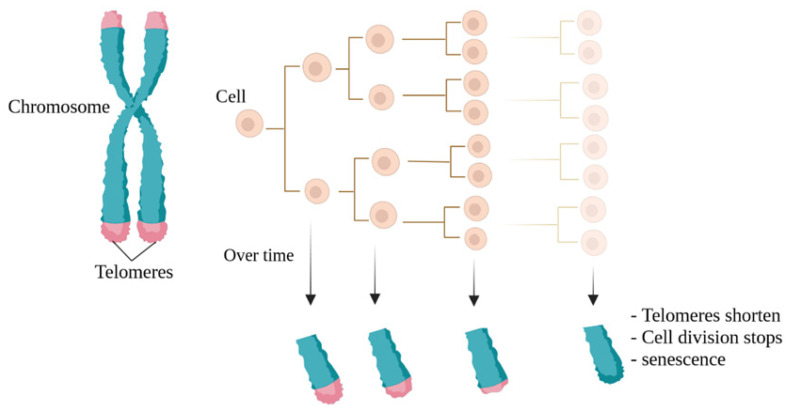
Cells are very important to researchers due to their use in various biological studies in in vitro and in vivo settings. This importance stems from the short lifespan of most cells under laboratory conditions, which can pose significant challenges, such as the difficulties associated with extraction from the source tissue, ethical concerns about separating cells from human or animal models, limited cell passage ability, and variation in results due to differences in the source of the obtained cells, among other issues. In general, cells in laboratory conditions can divide into a limited number, known as the Hayflick limit, due to telomere erosion at the end of each cellular cycle. Given this problem, researchers require cell lines that do not enter the senescence phase after a limited number of divisions. This can allow for more stable studies over time, prevent the laborious work associated with cell separation and repeated cultivation, and save time and money in research projects. The aim of this review is to summarize the function and effect of immortalization techniques, various methods, their advantages and disadvantages, and ultimately the application of immortalization and cell line production in various research fields.
Overview
CoChat Summary
Written by AI from the paper’s full text.
TL;DR
This review summarizes in vitro techniques for cell immortalization, including viral oncoproteins, oncogene overexpression, hTERT, chemical/radiation exposure, and CRISPR/Cas9, and discusses applications and challenges. It concludes that immortalized cell lines are valuable but carry risks such as genomic instability, phenotypic drift, and contamination.
Key findings
- Cells normally face the Hayflick limit after approximately 60 population doublings due to telomere shortening; immortalized lines bypass senescence, with HeLa being the first successful human cell immortalization and having active telomerase.
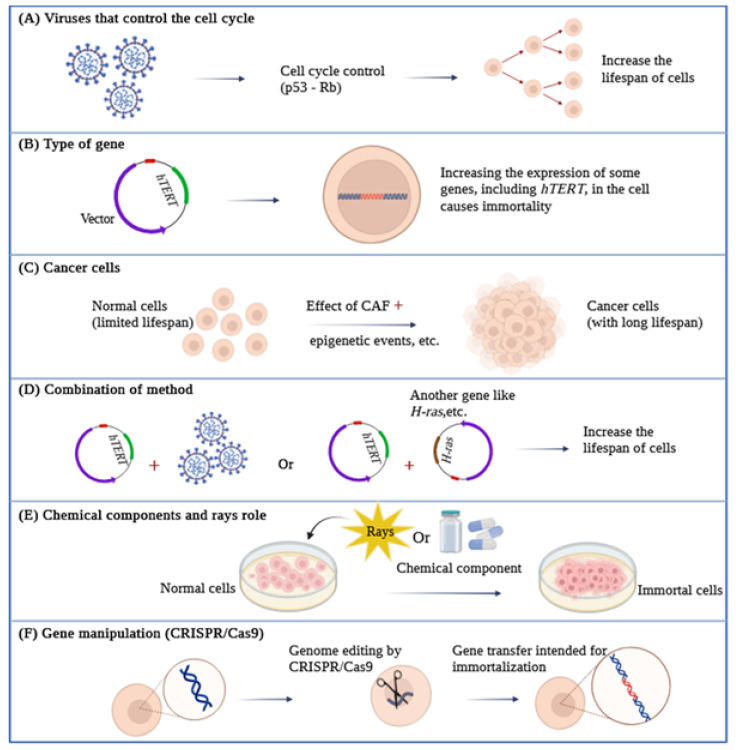
- Major immortalization methods include viral oncoproteins (SV40 large/small T antigen, HPV E6/E7, HTLV Tax1/Tax2, adenovirus 12S E1A, EBV), overexpression of genes such as HOX/TLX1, Lhx2, c-Myc, CDK4, and hTERT, cancer-associated fibroblasts, combined methods, chemical/radiation exposure, and CRISPR/Cas9 gene editing.
- hTERT overexpression is presented as a safer approach because hTERT is not an oncogene; hTERT-immortalized cells can retain normal cell cycle control, active p53 and pRb checkpoints, contact inhibition, growth factor dependence, and stable karyotypes.
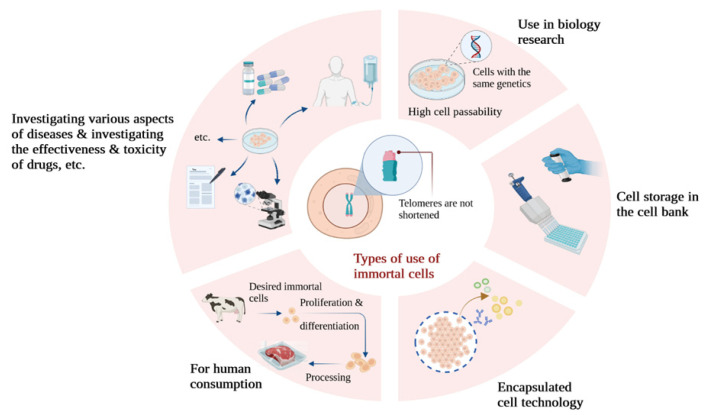
- Applications include vaccine development, drug testing, antibody production, gene function studies, artificial tissues, therapeutic proteins, regenerative medicine, and cultured meat; challenges include cell line misidentification, with one 2011 study finding 37 of 122 head and neck cancer cell lines (30%) misidentified and analyses suggesting at least 15% of cell lines are misidentified or contaminated.
Methods
- Design: narrative review of in vitro cell immortalization techniques, their advantages and disadvantages, and applications.
- Data or sample: no experimental sample or primary data are reported; the paper synthesizes published literature and cited studies.
- Main analysis: descriptive/thematic synthesis of immortalization mechanisms, including viral oncoproteins, gene overexpression, cancer cells, combined methods, chemical/radiation exposure, and CRISPR/Cas9.
Limitations
- The paper states that cell lines may not fully mirror primary cells because genetic manipulation can alter phenotype, inherent functions, and responses to stimuli; repeated cultivation can cause genetic drift and heterogeneity, and contamination by other cell lines or mycoplasma can persist undetected and alter gene expression and cellular behavior.
- The paper states that viral oncoprotein methods inactivate p53 and Rb, can lead to genomic instability, polyploidy, and altered chromosome numbers, and are not considered safe or risk-free; p53 loss is observed in about half of human malignant cancers.
- Evident from the text: as a narrative review, no systematic search strategy, inclusion/exclusion criteria, or quantitative synthesis is described, and no primary experimental validation is reported.
Model-written summary. Check it against the paper before relying on it.
Integrity signals
Registry
Cites
Statistics
Figures
Verification
Claims the paper makes
47 Check pending · 37 No full text of the sources · 16 Own interpretation · 5 Not checked yet
A claim is checked only against the cited paper’s full text, never its abstract, and none is available for its sources.
In the paper
“The immortalized NTera2 (NT2) cell line has undergone a thorough examination for its potential in brain grafting. Notably, these cells have been safely employed in clinical trials focused on treating brain injuries [36,37].”
§ Cell Immortality: In Vitro Effective Techniques to Achieve and Investigate Its Applications and Challenges > 2. The Application of Immortalized Cell Lines
What the sources say
- Not checked — no full text of the sourcecites [36] Richardson, 2007, Ectopic telomerase expression inhibits neuronal differentiation of NT2 neural progenitor cells, Neurosci. Lett. source
- Not checked — no full text of the sourcecites [37] Hara, 2008, Neural progenitor NT2N cell lines from teratocarcinoma for transplantation therapy in stroke, Prog. Neurobiol. source
plain- Asserted: passes — The authors put it forward as true.
- Checkable: passes — It can be checked against evidence.
- Load-bearing: unclear — It is unclear whether the paper’s conclusions depend on it.
- Based: passes — The paper gives a reason why it holds.
In the paper
“Types 1 and 2 encode for the Tax1 and Tax2 proteins, respectively, which are necessary for the infection of human T-cells by the associated viruses.”
§ Cell Immortality: In Vitro Effective Techniques to Achieve and Investigate Its Applications and Challenges > 4. Immortality and a Review of Its Techniques > 4.1. Viral Genes Can Control the Cell Cycle
What the sources say
- Check pendingcites [79] Sieburg, 2004, Human T-cell leukemia virus type 1 (HTLV-1) and HTLV-2 tax oncoproteins modulate cell cycle progression and apoptosis, J. Virol. source
plainstates a cause- Asserted: passes — The authors put it forward as true.
- Checkable: passes — It can be checked against evidence.
- Load-bearing: unclear — It is unclear whether the paper’s conclusions depend on it.
- Based: passes — The paper gives a reason why it holds.
In the paper
“Conversely, pre-adipocytes showed aberrant differentiation after immortalization with the SV40 T antigen. In fact, the ability of the SV40 T antigen to block the transcription factor p300/cAMP-response element-binding protein (CBP), which is essential for adipocyte differentiation, inhibits pre-adipocyte differentiation [71].”
§ Cell Immortality: In Vitro Effective Techniques to Achieve and Investigate Its Applications and Challenges > 4. Immortality and a Review of Its Techniques > 4.1. Viral Genes Can Control the Cell Cycle
What the sources say
- Not checked — no full text of the sourcecites [71] Darimont, 2003, Immortalization of human preadipocytes, Biochimie source
plainstates a cause- Asserted: passes — The authors put it forward as true.
- Checkable: passes — It can be checked against evidence.
- Load-bearing: unclear — It is unclear whether the paper’s conclusions depend on it.
- Based: passes — The paper gives a reason why it holds.
In the paper
“For example, they have used immortalized cell lines as model systems for studying neuronal development and performance recovery in neurological disease models, such as Huntington’s disease [28,29].”
§ Cell Immortality: In Vitro Effective Techniques to Achieve and Investigate Its Applications and Challenges > 2. The Application of Immortalized Cell Lines
What the sources say
- Not checked — no full text of the sourcecites [28] Geller, 1991, Applications of immortalized cells in basic and clinical neurology, J. Cell Biochem. source
- Check pendingcites [29] Yoon, 2020, Implantation of the clinical-grade human neural stem cell line, CTX0E03, rescues the behavioral and pathological deficits in the quinolinic acid-lesioned rodent model of Huntington’s disease, Stem Cells source
plain- Asserted: passes — The authors put it forward as true.
- Checkable: passes — It can be checked against evidence.
- Load-bearing: unclear — It is unclear whether the paper’s conclusions depend on it.
- Based: passes — The paper gives a reason why it holds.
In the paper
“It has been shown that EBNA-2 is genetically essential for B cell immortalization by EBV.”
§ Cell Immortality: In Vitro Effective Techniques to Achieve and Investigate Its Applications and Challenges > 4. Immortality and a Review of Its Techniques > 4.1. Viral Genes Can Control the Cell Cycle
What the sources say
- Not checked — no full text of the sourcecites [87] Middleton, 1991, Immortalizing genes of Epstein-Barr virus, Adv. Virus Res. source
boostedstates a cause- Asserted: passes — The authors put it forward as true.
- Checkable: passes — It can be checked against evidence.
- Load-bearing: unclear — It is unclear whether the paper’s conclusions depend on it.
- Based: passes — The paper gives a reason why it holds.
- Probably not a substantial claim. 16
- It may state two separate claims as one. 45
Create a free account to see these claims.
Create a free account to see these assumptions.
44 more claims
Create a free account to see all 105 claims and to verify the 66 references still open.
Self-check
Percentages, sums and reported differences re-computed from the paper’s own numbers.
Each contradiction between two passages listed here was confirmed by an independent check.
Rated minor: it would not touch a result — a value no result rests on, a p-value that stays on the same side of the significance level, or a conflict that is clerical, resolved elsewhere in the paper, or outside its own findings.
In the paper
§ Cell Immortality: In Vitro Effective Techniques to Achieve and Investigate Its Applications and Challenges > 2. The Application of Immortalized Cell Lines
“non-immortalized human lung epithelial cells created by hTERT overexpression without the use of viral oncogenes have been used to investigate various aspects of lung cancer”
§ Cell Immortality: In Vitro Effective Techniques to Achieve and Investigate Its Applications and Challenges > References
“34. Sato M. Shay J.W. Minna J.D. Immortalized normal human lung epithelial cell models for studying lung cancer biology”
Rated minor: it would not touch a result — a value no result rests on, a p-value that stays on the same side of the significance level, or a conflict that is clerical, resolved elsewhere in the paper, or outside its own findings.
In the paper
§ Cell Immortality: In Vitro Effective Techniques to Achieve and Investigate Its Applications and Challenges > 1. Introduction
“In the late 1950s, George Otto Gey, head of tissue culture research at Johns Hopkins, initiated the process of immortalization and established a non-aging cell line called HeLa, derived from a rare adenocarcinoma found in the cervix of a young woman named Henrietta Lacks.”
§ Cell Immortality: In Vitro Effective Techniques to Achieve and Investigate Its Applications and Challenges > 1. Introduction
“Major discoveries have been made using this cell line, including the development of the polio vaccine in 1953 [25]”
Citations
Cites
The serial cultivation of human diploid cell strains
Hayflick, L., & Moorhead, P. S. (1961) · Experimental Cell Research · doi:10.1016/0014-4827(61)90192-6 · Cited by 8,508
The new frontier of genome engineering with CRISPR-Cas9
Doudna, J. A., & Charpentier, E. (2014) · Science · doi:10.1126/science.1258096 · Cited by 7,062
The limited in vitro lifetime of human diploid cell strains
Hayflick, L. (1965) · Experimental Cell Research · doi:10.1016/0014-4827(65)90211-9 · Cited by 5,876
Telomeres shorten during ageing of human fibroblasts
Harley, C. B., Futcher, A. B., & Greider, C. W. (1990) · Nature · doi:10.1038/345458a0 · Cited by 5,750
The biology and function of fibroblasts in cancer
Kalluri, R. (2016) · Nature Reviews Cancer · doi:10.1038/nrc.2016.73 · Cited by 4,366
The E6 oncoprotein encoded by human papillomavirus types 16 and 18 promotes the degradation of p53
Scheffner, M., Werness, B. A., Huibregtse, J. M., Levine, A. J., & Howley, P. M. (1990) · Cell · doi:10.1016/0092-8674(90)90409-8 · Cited by 3,995
Identification of a specific telomere terminal transferase activity in tetrahymena extracts
Greider, C. W., & Blackburn, E. H. (1985) · Cell · doi:10.1016/0092-8674(85)90170-9 · Cited by 3,400
The human papilloma virus-16 E7-oncoprotein is able to bind to the retinoblastoma gene product
Dyson, N., Howley, P. M., Münger, K., & Harlow, E. (1989) · Science · doi:10.1126/science.2537532 · Cited by 3,017
The RNA Component of Human Telomerase
Feng, J., Funk, W. D., Wang, S.-S., Weinrich, S. L., Avilion, A. A., Chiu, C.-P., Adams, R. R., Chang, E., Allsopp, R. C., Yu, J., et al. (1995) · Science · doi:10.1126/science.7544491 · Cited by 2,227
Counter, C. M., Avilion, A. A., LeFeuvre, C. E., Stewart, N. G., Greider, C. W., Harley, C. B., & Bacchetti, S. (1992) · The EMBO Journal · doi:10.1002/j.1460-2075.1992.tb05245.x · Cited by 2,096 · cited 1×
“…in the telomerase enzyme, which had recently been discovered in the single-cell Life 2024 , 14 , 417 6 of 22 Several reports confirmed the decrease in average telomere length with cell division in fibroblasts [6,57,58] and with age in somatic blood and colon cells [59], but not in germ cells.”
BackgroundOlovnikov (1973) · doi:10.1016/0022-5193(73)90198-7 · Cited by 1,847
A highly conserved repetitive DNA sequence,(TTAGGG) n, present at the telomeres of human chromosomes
Moyzis, R. K., Buckingham, J. M., Cram, L. S., Dani, M., Deaven, L. L., Jones, M. D., Meyne, J., Ratliff, R. L., & Wu, J. R. (1988) · Proceedings of the National Academy of Sciences · doi:10.1073/pnas.85.18.6622 · Cited by 1,820
Meyerson, M., Counter, C. M., Eaton, E. N., Ellisen, L. W., Steiner, P., Caddle, S. D., Ziaugra, L., Beijersbergen, R. L., Davidoff, M. J., Liu, Q., et al. (1997) · Cell · doi:10.1016/s0092-8674(00)80538-3 · Cited by 1,784
Telomere reduction in human colorectal carcinoma and with ageing
Hastie, N. D., Dempster, M., Dunlop, M. G., Thompson, A. M., Green, D. K., & Allshire, R. C. (1990) · Nature · doi:10.1038/346866a0 · Cited by 1,650
WATSON, J. D. (1972) · Nature New Biology · doi:10.1038/newbio239197a0 · Cited by 1,632
Cas9 as a versatile tool for engineering biology
Mali, P., Esvelt, K. M., & Church, G. M. (2013) · Nature Methods · doi:10.1038/nmeth.2649 · Cited by 1,197
Aubert, G., & Lansdorp, P. M. (2008) · Physiological Reviews · doi:10.1152/physrev.00026.2007 · Cited by 1,188
CRISPR/Cas9 in Genome Editing and Beyond
Wang, H., La Russa, M., & Qi, L. S. (2016) · Annual Review of Biochemistry · doi:10.1146/annurev-biochem-060815-014607 · Cited by 1,110
Münger, K., Phelps, W. C., Bubb, V, Howley, P. M., & Schlegel, R. (1989) · Journal of Virology · doi:10.1128/jvi.63.10.4417-4421.1989 · Cited by 1,030
(1952) · Cancer Research · Cited by 987
Heterogeneity in telomere length of human chromosomes
Lansdorp, P. M. (1996) · Human Molecular Genetics · doi:10.1093/hmg/5.5.685 · Cited by 886
p53-Dependent apoptosis suppresses tumor growth and progression in vivo
Symonds, H., Krall, L., Remington, L., Saenz-Robles, M., Lowe, S., Jacks, T., & Van Dyke, T. (1994) · Cell · doi:10.1016/0092-8674(94)90534-7 · Cited by 880
Protection of telomeres through independent control of ATM and ATR by TRF2 and POT1
Denchi, E. L., & de Lange, T. (2007) · Nature · doi:10.1038/nature06065 · Cited by 880
c-Myc Can Induce DNA Damage, Increase Reactive Oxygen Species, and Mitigate p53 Function
Vafa, O., Wade, M., Kern, S., Beeche, M., Pandita, T. K., Hampton, G. M., & Wahl, G. M. (2002) · Molecular Cell · doi:10.1016/s1097-2765(02)00520-8 · Cited by 876
STUDIES ON THE PROPAGATION IN VITRO OF POLIOMYELITIS VIRUSES
Scherer, W. F., Syverton, J. T., & Gey, G. O. (1953) · Journal of Experimental Medicine · doi:10.1084/jem.97.5.695 · Cited by 856
Weinrich, S. L., Pruzan, R., Ma, L., Ouellette, M., Tesmer, V. M., Holt, S. E., Bodnar, A. G., Lichtsteiner, S., Kim, N. W., Trager, J. B., et al. (1997) · Nature Genetics · doi:10.1038/ng1297-498 · Cited by 766
Pathogenesis of Human Papillomaviruses in Differentiating Epithelia
Longworth, M. S., & Laimins, L. A. (2004) · Microbiology and Molecular Biology Reviews · doi:10.1128/mmbr.68.2.362-372.2004 · Cited by 680
Senescence and immortalization: Role of telomeres and telomerase
Shay, J. W., & Wright, W. E. (2005) · Carcinogenesis · doi:10.1093/carcin/bgh296 · Cited by 610
Immortalization of human bronchial epithelial cells in the absence of viral oncoproteins
Ramirez, R. D., Sheridan, S., Girard, L., Sato, M., Kim, Y., Pollack, J., Peyton, M., Zou, Y., Kurie, J. M., DiMaio, J. M., et al. (2004) · Cancer Research · doi:10.1158/0008-5472.can-04-3703 · Cited by 607
Extensive allelic variation and ultrashort telomeres in senescent human cells
Baird, D. M., Rowson, J., Wynford-Thomas, D., & Kipling, D. (2003) · Nature Genetics · doi:10.1038/ng1084 · Cited by 570
Telomerase activity in normal and malignant hematopoietic cells
Broccoli, D., Young, J. W., & de Lange, T. (1995) · Proceedings of the National Academy of Sciences · doi:10.1073/pnas.92.20.9082 · Cited by 567
HeLa cells 50 years on: the good, the bad and the ugly
Masters, J. R. (2002) · Nature Reviews Cancer · doi:10.1038/nrc775 · Cited by 560
The Behavior in Successive Nuclear Divisions of a Chromosome Broken at Meiosis
McClintock, B. (1939) · Proceedings of the National Academy of Sciences · doi:10.1073/pnas.25.8.405 · Cited by 559
Kaur, G., & Dufour, J. M. (2012) · Spermatogenesis · doi:10.4161/spmg.19885 · Cited by 517
Telomeres in the mouse have large inter-chromosomal variations in the number of T 2 AG 3 repeats
Zijlmans, J. M. J. M., Martens, U. M., Poon, S. S. S., Raap, A. K., Tanke, H. J., Ward, R. K., & Lansdorp, P. M. (1997) · Proceedings of the National Academy of Sciences · doi:10.1073/pnas.94.14.7423 · Cited by 505
Cong, Y. (1999) · Human Molecular Genetics · doi:10.1093/hmg/8.1.137 · Cited by 485
Telomerase activity in normal leukocytes and in hematologic malignancies
Counter, C., Gupta, J., Harley, C., Leber, B., & Bacchetti, S. (1995) · Blood · doi:10.1182/blood.v85.9.2315.bloodjournal8592315 · Cited by 477
Telomerase activation by hTRT in human normal fibroblasts and hepatocellular carcinomas
Nakayama, J.-I., Tahara, H., Tahara, E., Saito, M., Ito, K., Nakamura, H., Nakanishi, T., Nakanishi, E., Ide, T., & Ishikawa, F. (1998) · Nature Genetics · doi:10.1038/ng0198-65 · Cited by 467
Human telomerase contains evolutionarily conserved catalytic and structural subunits
Harrington, L., Zhou, W., McPhail, T., Oulton, R., Yeung, D. S. K., Mar, V., Bass, M. B., & Robinson, M. O. (1997) · Genes & Development · doi:10.1101/gad.11.23.3109 · Cited by 465
Muller, H. J. (1938) · Medical Entomology and Zoology · Cited by 463
Inside and out: the activities of senescence in cancer
Pérez-Mancera, P. A., Young, A. R. J., & Narita, M. (2014) · Nature Reviews Cancer · doi:10.1038/nrc3773 · Cited by 462
The genomic and transcriptomic landscape of a HeLa cell line
Landry, J. J. M., Pyl, P. T., Rausch, T., Zichner, T., Tekkedil, M. M., Stütz, A. M., Jauch, A., Aiyar, R. S., Pau, G., Delhomme, N., et al. (2013) · G3 Genes|Genomes|Genetics · doi:10.1534/g3.113.005777 · Cited by 416
Human endothelial cell life extension by telomerase expression
Yang, J., Chang, E., Cherry, A. M., Bangs, C. D., Oei, Y., Bodnar, A., Bronstein, A., Chiu, C.-P., & Herron, G. S. (1999) · Journal of Biological Chemistry · doi:10.1074/jbc.274.37.26141 · Cited by 410
Applications of the CRISPR-Cas9 system in cancer biology
Sánchez-Rivera, F. J., & Jacks, T. (2015) · Nature Reviews Cancer · doi:10.1038/nrc3950 · Cited by 405
Short telomeres on human chromosome 17p
Martens, U. M., Zijlmans, J. M. J. M., Poon, S. S. S., Dragowska, W., Yui, J., Chavez, E. A., Ward, R. K., & Lansdorp, P. M. (1998) · Nature Genetics · doi:10.1038/ng0198-018 · Cited by 393
The haplotype-resolved genome and epigenome of the aneuploid HeLa cancer cell line
Adey, A., Burton, J. N., Kitzman, J. O., Hiatt, J. B., Lewis, A. P., Martin, B. K., Qiu, R., Lee, C., & Shendure, J. (2013) · Nature · doi:10.1038/nature12064 · Cited by 362
Cross-contamination of cells in culture
Nelson-Rees, W. A., Daniels, D. W., & Flandermeyer, R. R. (1981) · Science · doi:10.1126/science.6451928 · Cited by 329
Reconstitution of human telomerase activity in vitro
Beattie, T. L., Zhou, W., Robinson, M. O., & Harrington, L. (1998) · Current Biology · doi:10.1016/s0960-9822(98)70067-3 · Cited by 286
Abdallah, B. M., Haack‐Sørensen, M., Burns, J. S., Elsnab, B., Jakob, F. J., Hokland, P., & Kassem, M. S. (2004) · Biochemical and Biophysical Research Communications · doi:10.1016/j.bbrc.2004.11.059 · Cited by 274
Blackburn, E. H. (1994) · Cell · doi:10.1016/0092-8674(94)90046-9 · Cited by 260
Zhao, M., Sano, D., Pickering, C. R., Jasser, S. A., Henderson, Y. C., Clayman, G. L., Sturgis, E. M., Ow, T. J., Lotan, R., Carey, T. E., et al. (2011) · Clinical Cancer Research · doi:10.1158/1078-0432.ccr-11-0690 · Cited by 250
IL-6 Mediates Cross-Talk between Tumor Cells and Activated Fibroblasts in the Tumor Microenvironment
Karakasheva, T. A., Lin, E. W., Tang, Q., Qiao, E., Waldron, T. J., Soni, M., Klein-Szanto, A. J., Sahu, V., Basu, D., Ohashi, S., et al. (2018) · Cancer Research · doi:10.1158/0008-5472.can-17-2268 · Cited by 250
Human hepatocytes as a tool for studying toxicity and drug metabolism
Gomez-Lechon, M., Donato, M., Castell, J., & Jover, R. (2003) · Current Drug Metabolism · doi:10.2174/1389200033489424 · Cited by 242
Variability at the Telomeres of the Human X/Y Pseudoautosomal Region
Cooke, H. J., & Smith, B. A. (1986) · Cold Spring Harbor Symposia on Quantitative Biology · doi:10.1101/sqb.1986.051.01.026 · Cited by 233
Immortality of cell lines: challenges and advantages of establishment
Irfan Maqsood, M., Matin, M. M., Bahrami, A. R., & Ghasroldasht, M. M. (2013) · Cell Biology International · doi:10.1002/cbin.10137 · Cited by 217
Trakarnsanga, K., Griffiths, R. E., Wilson, M. C., Blair, A., Satchwell, T. J., Meinders, M., Cogan, N. M., Kupzig, S., Kurita, R., Nakamura, Y., et al. (2017) · Nature Communications · doi:10.1038/ncomms14750 · Cited by 212
García‐Mesa, Y., Jay, T. R., Checkley, M. A., Luttge, B. G., Dobrowolski, C. N., Valadkhan, S., Landreth, G. E., Karn, J., & Alvarez-Carbonell, D. (2016) · Journal of NeuroVirology · doi:10.1007/s13365-016-0499-3 · Cited by 197
Complex interactions between the DNA-damage response and mammalian telomeres
Arnoult, N., & Karlseder, J. (2015) · Nature Structural & Molecular Biology · doi:10.1038/nsmb.3092 · Cited by 195
Srinivasan, A., McClellan, A. J., Vartikar, J., Marks, I., Cantalupo, P., Li, Y., Whyte, P., Rundell, K., Brodsky, J. L., & Pipas, J. M. (1997) · Molecular and Cellular Biology · doi:10.1128/mcb.17.8.4761 · Cited by 192
The role of telomeres in the mechanisms and evolution of life-history trade-offs and ageing
Young, A. J. (2018) · Philosophical Transactions of the Royal Society B: Biological Sciences · doi:10.1098/rstb.2016.0452 · Cited by 189
Mutagenicity of carcinogenic methylating agents is associated with a specific DNA modification
Newbold, R. F., Warren, W., Medcalf, A. S. C., & Amos, J. (1980) · Nature · doi:10.1038/283596a0 · Cited by 185
Fixing problems with cell lines
Lorsch, J. R., Collins, F. S., & Lippincott-Schwartz, J. (2014) · Science · doi:10.1126/science.1259110 · Cited by 179
SV40-lnduced Immortalization of Human Cells
Bryan, T., & Redder, R. R. (1994) · Critical Reviews™ in Oncogenesis · doi:10.1615/critrevoncog.v5.i4.10 · Cited by 170
Shi, T., Song, X., Wang, Y., Liu, F., & Wei, J. (2020) · Frontiers in Immunology · doi:10.3389/fimmu.2020.00683 · Cited by 169
p53 and disease: when the guardian angel fails
Royds, J. A., & Iacopetta, B. M. (2006) · Cell Death and Differentiation · doi:10.1038/sj.cdd.4401913 · Cited by 168
Telomerase: Structure, functions, and activity regulation
Zvereva, M. I., Shcherbakova, D. M., & Dontsova, O. A. (2010) · Biochemistry (Moscow) · doi:10.1134/s0006297910130055 · Cited by 165
In Vitro Human Cell Line Models to Predict Clinical Response to Anticancer Drugs
Niu, N., & Wang, L. (2015) · Pharmacogenomics · doi:10.2217/pgs.14.170 · Cited by 162
Harley, C. B. (2002) · Oncogene · doi:10.1038/sj.onc.1205076 · Cited by 150
Breaking Bad: How Viruses Subvert the Cell Cycle
Fan, Y., Sanyal, S., & Bruzzone, R. (2018) · Frontiers in Cellular and Infection Microbiology · doi:10.3389/fcimb.2018.00396 · Cited by 150
Generation of Epstein‐Barr Virus (EBV)–Immortalized B Cell Lines
Tosato, G., & Cohen, J. I. (2007) · Current Protocols in Immunology · doi:10.1002/0471142735.im0722s76 · Cited by 142
Shiomi, K., Kiyono, T., Okamura, K., Uezumi, M., Goto, Y., Yasumoto, S., Shimizu, S., & Hashimoto, N. (2011) · Gene Therapy · doi:10.1038/gt.2011.44 · Cited by 130
Calvo, K. R., Sykes, D. B., Pasillas, M. P., & Kamps, M. P. (2000) · Molecular and Cellular Biology · doi:10.1128/mcb.20.9.3274-3285.2000 · Cited by 128
Toouli, C. D., Huschtscha, L. I., Neumann, A. A., Noble, J. R., Colgin, L. M., Hukku, B., & Reddel, R. R. (2002) · Oncogene · doi:10.1038/sj.onc.1205014 · Cited by 125
Use of exogenous hTERT to immortalize primary human cells
Lee, K. M., Choi, K. H., & Ouellette, M. M. (2004) · Cytotechnology · doi:10.1007/10.1007/s10616-004-5123-3 · Cited by 122
Telomerase: Biochemical considerations for enzyme and substrate
Kelleher, C., Teixeira, M. T., Förstemann, K., & Lingner, J. (2002) · Trends in Biochemical Sciences · doi:10.1016/s0968-0004(02)02206-5 · Cited by 120
Mammary epithelial cell transformation: Insights from cell culture and mouse models
Dimri, G., Band, H., & Band, V. (2005) · Breast Cancer Research · doi:10.1186/bcr1275 · Cited by 120
Telomeres and telomerase in oncogenesis (Review)
Trybek, T., Kowalik, A., Góźdź, S., & Kowalska, A. (2020) · Oncology Letters · doi:10.3892/ol.2020.11659 · Cited by 119
Immortalizing Cells for Human Consumption
Soice, E., & Johnston, J. (2021) · International Journal of Molecular Sciences · doi:10.3390/ijms222111660 · Cited by 119
Britt-Compton, B., Rowson, J., Locke, M., Mackenzie, I., Kipling, D., & Baird, D. M. (2006) · Human Molecular Genetics · doi:10.1093/hmg/ddi486 · Cited by 114
Mycoplasma infection of cultured cells
Hay, R. J., Macy, M. L., & Chen, T. R. (1989) · Nature · doi:10.1038/339487a0 · Cited by 111
Perkins, A. C., & Cory, S. (1993) · The EMBO Journal · doi:10.1002/j.1460-2075.1993.tb06062.x · Cited by 109
Immortalization of primary human prostate epithelial cells by c-Myc
Gil, J., Kerai, P., Lleonart, M., Bernard, D., Cigudosa, J. C., Peters, G., Carnero, A., & Beach, D. (2005) · Cancer Research · doi:10.1158/0008-5472.can-03-4030 · Cited by 105
Addis, R., Campesi, I., Fois, M., Capobianco, G., Dessole, S., Fenu, G., Montella, A., Cattaneo, M. G., Vicentini, L. M., & Franconi, F. (2014) · Biology of Sex Differences · doi:10.1186/s13293-014-0018-2 · Cited by 104
The role of human papilloma virus in the molecular biology of cervical carcinogenesis.
Motoyama, S., Ladines‐Llave, C. A., Villanueva, S. L., & Maruo, T. (2004) · PubMed · doi:10.24546/00408171 · Cited by 102
Stem cell sources for vascular tissue engineering and regeneration
Bajpai, V. K., & Andreadis, S. T. (2012) · Tissue Engineering Part B: Reviews · doi:10.1089/ten.teb.2011.0264 · Cited by 95
De Masi, C., Spitalieri, P., Murdocca, M., Novelli, G., & Sangiuolo, F. (2020) · Human Genomics · doi:10.1186/s40246-020-00276-2 · Cited by 91
Ebrahimi, N., Afshinpour, M., Fakhr, S. S., Kalkhoran, P. G., Shadman-Manesh, V., Adelian, S., Beiranvand, S., Rezaei‐Tazangi, F., Khorram, R., Hamblin, M. R., et al. (2023) · Critical Reviews in Oncology/Hematology · doi:10.1016/j.critrevonc.2023.103920 · Cited by 90
Characterization of telomerase-immortalized, non-neoplastic, human Barrett’s cell line (BAR-T)
Jaiswal, K. R., Morales, C. P., Feagins, L. A., Gandia, K., Zhang, X., Zhang, H.-Y., Hormi‐Carver, K., Shen, Y., Elder, F. F. B., Ramirez, R. D., et al. (2007) · Diseases of the Esophagus · doi:10.1111/j.1442-2050.2007.00683.x · Cited by 87
Neural progenitor NT2N cell lines from teratocarcinoma for transplantation therapy in stroke
HARA, K., YASUHARA, T., MAKI, M., MATSUKAWA, N., MASUDA, T., YU, S., ALI, M., YU, G., XU, L., & KIM, S. (2008) · Progress in Neurobiology · doi:10.1016/j.pneurobio.2008.04.005 · Cited by 85
Aspirin reduces endothelial cell senescence
Bode-Böger, S. M., Martens-Lobenhoffer, J., Täger, M., Schröder, H., & Scalera, F. (2005) · Biochemical and Biophysical Research Communications · doi:10.1016/j.bbrc.2005.07.014 · Cited by 85
Telomerase Regulation from Beginning to the End
MacNeil, D., Bensoussan, H., & Autexier, C. (2016) · Genes · doi:10.3390/genes7090064 · Cited by 85
Transcriptional regulation of telomerase activity: Roles of the the Ets transcription factor family
DWYER, J., LI, H., XU, D., & LIU, J. (2007) · Annals of the New York Academy of Sciences · doi:10.1196/annals.1396.022 · Cited by 77
Tang, X., Tu, G., Yang, G., Wang, X., Kang, L., Yang, L., Zeng, H., Wan, X., Qiao, Y., Cui, X., et al. (2019) · Cancer Letters · doi:10.1016/j.canlet.2019.02.044 · Cited by 76
Moosmann, A., Khan, N., Cobbold, M., Zentz, C., Delecluse, H., Hollweck, G., Hislop, A. D., BLAKE, N. W., Croom-Carter, D. S. G., Wollenberg, B., et al. (2002) · Blood · doi:10.1182/blood.v100.5.1755.h81702001755_1755_1764 · Cited by 74
Liu, T. M., Ng, W. M., Tan, H. S., Vinitha, D., Yang, Z., Fan, J. B., Zou, Y., Hui, J. H., Lee, E. H., & Lim, B. (2013) · Stem Cells and Development · doi:10.1089/scd.2012.0222 · Cited by 74
Lorenz, M., Koschate, J., Kaufmann, K., Kreye, C., Mertens, M., Kuebler, W. M., Baumann, G., Gossing, G., Marki, A., Zakrzewicz, A., et al. (2015) · Atherosclerosis · doi:10.1016/j.atherosclerosis.2015.02.018 · Cited by 70
Drug Inducible CRISPR/Cas Systems
Zhang, J., Chen, L., Zhang, J., & Wang, Y. (2019) · Computational and Structural Biotechnology Journal · doi:10.1016/j.csbj.2019.07.015 · Cited by 69
Palanca-Wessels, M. C., Barrett, M. T., Galipeau, P. C., Rohrer, K. L., Reid, B. J., & Rabinovitch, P. S. (1998) · Gastroenterology · doi:10.1016/s0016-5085(98)70480-9 · Cited by 67
Tsuruga, Y., Kiyono, T., Matsushita, M., Takahashi, T., Kasai, H., & Todo, S. (2008) · Cell Transplantation · doi:10.3727/096368908786991542 · Cited by 66
Cone, R. D., Grodzicker, T., & Jaramillo, M. (1988) · Molecular and Cellular Biology · doi:10.1128/mcb.8.3.1036 · Cited by 65
Cifuentes-Rojas, C., & Shippen, D. E. (2012) · Mutation Research - Fundamental and Molecular Mechanisms of Mutagenesis · doi:10.1016/j.mrfmmm.2011.10.003 · Cited by 64
Pinto do Ó, P., Richter, K., & Carlsson, L. (2002) · Blood · doi:10.1182/blood.v99.11.3939 · Cited by 62
Hu, X., Li, L., Yu, X., Zhang, R., Yan, S., Zeng, Z., Shu, Y., Zhao, C., Wu, X., Lei, J., et al. (2017) · Oncotarget · doi:10.18632/oncotarget.22915 · Cited by 62
Hong, H. X., Zhang, Y. M., Xu, H., Su, Z., & Sun, P. (2007) · Molecules and Cells · doi:10.1016/s1016-8478(23)07351-x · Cited by 61
Yang, G., Rosen, D. G., Mercado-Uribe, I., Colacino, J. A., Mills, G. B., Bast, R. C., Zhou, C., & Liu, J. (2007) · Carcinogenesis · doi:10.1093/carcin/bgl115 · Cited by 60
Immortalization of Primary Keratinocytes and Its Application to Skin Research
Choi, M., & Lee, C.-H. (2015) · Biomolecules & Therapeutics · doi:10.4062/biomolther.2015.038 · Cited by 58
The IKK2/NF-κB pathway suppresses MYC-induced lymphomagenesis
Klapproth, K., Sander, S., Marinković, D., Baumann, B., & Wirth, T. (2009) · Blood · doi:10.1182/blood-2008-09-181008 · Cited by 56
Yasaei, H., Gilham, E., Pickles, J. C., Roberts, T. P., O'Donovan, M., & Newbold, R. F. (2013) · Oncogene · doi:10.1038/onc.2012.45 · Cited by 56
Wang, Y., Chen, S., Yan, Z., & Pei, M. (2019) · Cell & Bioscience · doi:10.1186/s13578-018-0264-9 · Cited by 56
Nguyen, T. H., Mai, G., Villiger, P., Oberholzer, J., Salmon, P., Morel, P., Bühler, L., & Trono, D. (2005) · Journal of Hepatology · doi:10.1016/j.jhep.2005.05.036 · Cited by 53
Casillas, M. A., Brotherton, S. L., Andrews, L. G., Ruppert, J. M., & Tollefsbol, T. O. (2003) · Gene · doi:10.1016/s0378-1119(03)00739-x · Cited by 51
Phase I/II Clinical Evaluation of StrataGraft: A Consistent, Pathogen-Free Human Skin Substitute
Schurr, M. J., Foster, K. N., Centanni, J. M., Comer, A. R., Wicks, A., Gibson, A. L., Thomas-Virnig, C. L., Schlosser, S. J., Faucher, L. D., Lokuta, M. A., et al. (2009) · Journal of Trauma: Injury, Infection & Critical Care · doi:10.1097/ta.0b013e31819849d6 · Cited by 49
Immortalization of Human Neural Stem Cells with the c-Myc Mutant T58A
Filippis, L. D., Ferrari, D., Nodari, L. R., Amati, B. B., Snyder, E., & Vescovi, A. L. (2008) · PLoS ONE · doi:10.1371/journal.pone.0003310 · Cited by 47
c-Ski activates cancer-associated fibroblasts to regulate breast cancer cell invasion
Wang, L., Hou, Y., Sun, Y., Zhao, L., Tang, X., Hu, P., Yang, J., Zeng, Z., Yang, G., Cui, X., et al. (2013) · Molecular Oncology · doi:10.1016/j.molonc.2013.08.007 · Cited by 43
Immortalizing genes of Epstein-Barr virus
Middleton, T., Gahn, T. A., Martin, J. M., & Sugden, B. (1991) · Advances in Virus Research · doi:10.1016/s0065-3527(08)60276-6 · Cited by 42
Sieburg, M., Tripp, A., Ma, J.-W., & Feuer, G. (2004) · Journal of Virology · doi:10.1128/jvi.78.19.10399-10409.2004 · Cited by 40
Lorenz, M., Blaschke, B., Benn, A., Hammer, E., Witt, E., Kirwan, J., Fritsche-Guenther, R., Gloaguen, Y., Bartsch, C., Vietzke, A., et al. (2019) · Atherosclerosis · doi:10.1016/j.atherosclerosis.2019.10.007 · Cited by 39
Thi, M. M., Urban-Maldonado, M., Spray, D. C., & Suadicani, S. O. (2010) · American Journal of Physiology-Cell Physiology · doi:10.1152/ajpcell.00544.2009 · Cited by 38
Cell Immortalization: In Vivo Molecular Bases and In Vitro Techniques for Obtention
de Bardet, J. C., Cardentey, C. R., González, B. L., Patrone, D., Mulet, I. L., Siniscalco, D., & Robinson-Agramonte, M. D. L. A. (2023) · BioTech · doi:10.3390/biotech12010014 · Cited by 35
Differential sex-specific effects of oxygen toxicity in human umbilical vein endothelial cells
Zhang, Y., & Lingappan, K. (2017) · Biochemical and Biophysical Research Communications · doi:10.1016/j.bbrc.2017.03.058 · Cited by 35
Olea‐Flores, M., Kan, J., Carlson, A., Syed, S. A., McCann, C., Mondal, V., Szady, C., Ricker, H. M., McQueen, A., Navea, J. G., et al. (2022) · Frontiers in Cell and Developmental Biology · doi:10.3389/fcell.2022.895433 · Cited by 35
Quinlan, M. P., & Douglas, J. L. (1992) · Journal of Virology · doi:10.1128/jvi.66.4.2020-2030.1992 · Cited by 34
Yoon, Y., Kim, H. S., Jeon, I., Noh, J.-E., Park, H. J., Lee, S., Park, I.-H., Stevanato, L., Hicks, C., Corteling, R., et al. (2020) · Stem Cells · doi:10.1002/stem.3191 · Cited by 34
Wang, J., Hu, R., Wang, Z., Guo, Y., Wang, S., Zou, H., Peng, Q., & Jiang, Y. (2022) · Oxidative Medicine and Cellular Longevity · doi:10.1155/2022/8128028 · Cited by 34
Shin, H., Yang, W., Lee, E.-J., Han, G. H., Cho, H., Chay, D. B., & Kim, J. (2018) · PLoS ONE · doi:10.1371/journal.pone.0205297 · Cited by 33
The Generation and Characterization of a Cell Line Derived from a Sporadic Renal Angiomyolipoma
Arbiser, J. L., Yeung, R., Weiss, S. W., Arbiser, Z. K., Amin, M. B., Cohen, C., Frank, D., Mahajan, S., Herron, G. S., Yang, J., et al. (2001) · The American Journal of Pathology · doi:10.1016/s0002-9440(10)61720-8 · Cited by 32
Dalerba, P. D., Guiducci, C., Poliani, P. L., Cifola, I., Parenza, M., Frattini, M., Gallino, G., Carnevali, I. W., Giulio, I. D., Andreola, S. A., et al. (2005) · Cancer Research · doi:10.1158/0008-5472.can-04-3678 · Cited by 32
Disruptive chemicals, senescence and immortality
Carnero, A., Blanco-Aparicio, C., Kondoh, H., Lleonart, M. E., Martinez-Leal, J. F., Mondello, C., Scovassi, A. I., Bisson, W. H., Amedei, A., Roy, R., et al. (2015) · Carcinogenesis · doi:10.1093/carcin/bgv029 · Cited by 29
La Porta, C. A. M., & Zapperi, S. (2018) · Seminars in Cancer Biology · doi:10.1016/j.semcancer.2018.07.003 · Cited by 27
Immortalized normal human lung epithelial cell models for studying lung cancer biology
Sato, M., Shay, J. W., & Minna, J. D. (2020) · Respiratory Investigation · doi:10.1016/j.resinv.2020.04.005 · Cited by 27
Development of new cell lines for animal cell biotechnology
Macdonald, C. (1990) · Critical Reviews in Biotechnology · doi:10.3109/07388559009068265 · Cited by 25
Li, Z., Oganesyan, D., Mooney, R., Rong, X., Christensen, M. J., Shahmanyan, D., Perrigue, P. M., Benetatos, J., Tsaturyan, L., Aramburo, S., et al. (2016) · Stem Cell Reports · doi:10.1016/j.stemcr.2016.07.013 · Cited by 25
Mu, X., Sang, Y., Fang, C., Shao, B., Yang, L., Yao, K., Zhao, X., Gou, J., Wei, Y., Yi, T., et al. (2015) · International Journal of Oncology · doi:10.3892/ijo.2015.3175 · Cited by 24
Immortalization of human preadipocytes
Darimont, C. (2003) · Biochimie · doi:10.1016/j.biochi.2003.10.015 · Cited by 23
Telomerase activity in HeLa cervical carcinoma cell line proliferation
Ivanković, M., Ćukušić, A., Gotić, I., Škrobot, N., Matijašić, M., Polančec, D., & Rubelj, I. (2007) · Biogerontology · doi:10.1007/s10522-006-9043-9 · Cited by 23
Ectopic telomerase expression inhibits neuronal differentiation of NT2 neural progenitor cells
Richardson, R. M., Nguyen, B., Holt, S. E., Broaddus, W. C., & Fillmore, H. L. (2007) · Neuroscience Letters · doi:10.1016/j.neulet.2007.03.079 · Cited by 21
Robin, T., Bairoch, A., Müller, M., Lisacek, F., & Lane, L. (2018) · Journal of Proteome Research · doi:10.1021/acs.jproteome.8b00392 · Cited by 20
Ex vivo generation of platelet products from human iPS cells
Nakamura, S., Sugimoto, N., & Eto, K. (2020) · Inflammation and Regeneration · doi:10.1186/s41232-020-00139-2 · Cited by 16
Immortalization effect of SV40T lentiviral vectors on canine corneal epithelial cells
Guo, L., Wang, Z., Li, J., Li, J., Cui, L., Dong, J., Meng, X., Chen, Q., & Wang, H. (2022) · BMC Veterinary Research · doi:10.1186/s12917-022-03288-3 · Cited by 16
Lathuiliere, A., Vernet, R., Charrier, E., Urwyler, M., Von Rohr, O., Belkouch, M.-C., Saingier, V., Bouvarel, T., Guillarme, D., Engel, A., et al. (2022) · Molecular Therapy - Methods & Clinical Development · doi:10.1016/j.omtm.2022.07.017 · Cited by 14
Saglam‐Metiner, P., Can, H., Ayyıldız-Tamis, D., Karakavuk, M., Gebologlu, I. K., İz, S. G., Şahar, E. A., Döşkaya, A. D., Gürüz, Y., Gürhan, S. İ., et al. (2019) · Cytotechnology · doi:10.1007/s10616-018-0269-6 · Cited by 13
Schulze-Tanzil, G. G., Arnold, P., Gögele, C., Hahn, J., Breier, A., Meyer, M., Kohl, B., Schröpfer, M., & Schwarz, S. (2020) · International Journal of Molecular Sciences · doi:10.3390/ijms21020593 · Cited by 13
Novel immortalized human vocal fold epithelial cell line: In vitro tool for mucosal biology
Chen, X., Lungová, V., Zhang, H., Mohanty, C., Kendziorski, C. M., & Thibeault, S. L. (2021) · The FASEB Journal · doi:10.1096/fj.202001423r · Cited by 13
Khoshdel-Rad, N., Zahmatkesh, E., Moeinvaziri, F., Haghparast, N., Baharvand, H., Aghdami, N., & Moghadasali, R. (2021) · Stem Cells and Development · doi:10.1089/scd.2020.0189 · Cited by 13
Imai, M., Higuchi, M., Kawamura, H., Yoshita, M., Takahashi, M., Oie, M., Matsuki, H., Tanaka, Y., Aoyagi, Y., & Fujii, M. (2013) · Virus Genes · doi:10.1007/s11262-012-0831-9 · Cited by 12
Telomere dynamics in induced pluripotent stem cells: Potentials for human disease modeling
Ly, H. (2011) · World Journal of Stem Cells · doi:10.4252/wjsc.v3.i10.89 · Cited by 12
Construction of a human hTERT RPE-1 cell line with inducible Cre for editing of endogenous genes
Hindul, N. L., Jhita, A., Oprea, D. G., Hussain, T. A., Gonchar, O., Campillo, M. A. M., O'Regan, L., Kanemaki, M. T., Fry, A. M., Hirota, K., et al. (2022) · Biology Open · doi:10.1242/bio.059056 · Cited by 12
Interaction between Bovine leukemia virus (BLV) infection and age on telomerase misregulation
Hemmatzadeh, F., Keyvanfar, H., Hasan, N. H., Niap, F., Bani Hassan, E., Hematzade, A., Ebrahimie, E., McWhorter, A., & Ignjatovic, J. (2015) · Veterinary Research Communications · doi:10.1007/s11259-015-9629-2 · Cited by 11
Self-citationZhang, P., Zhao, X., Zhang, W., He, A., Lei, B., Zhang, W., & Chen, Y. (2017) · PLoS ONE · doi:10.1371/journal.pone.0186868 · Cited by 11
Zhuang, Y., Grainger, J. M., Vedell, P. T., Yu, J., Moyer, A. M., Gao, H., Fan, X.-Y., Qin, S., Liu, D., Kalari, K. R., et al. (2021) · npj Breast Cancer · doi:10.1038/s41523-021-00285-x · Cited by 11
Lin, H., Mensch, J., Haschke, M., Jäger, K., Köttgen, B., Dernedde, J., Orsó, E., & Walter, M. (2022) · Cells · doi:10.3390/cells11182784 · Cited by 11
Immortalization of primary marmoset skin fibroblasts by CRISPR-Cas9-mediated gene targeting
Jeong, Y.-J., Cho, J., Kwak, J., Sung, Y. H., & Kang, B.-C. (2022) · Animal Cells and Systems · doi:10.1080/19768354.2022.2151509 · Cited by 11
Svalastog, A. L., & Martinelli, L. (2013) · Croatian Medical Journal · doi:10.3325/cmj.2013.54.397 · Cited by 10
Public repositories: Users reluctant to give materials
MacLeod, R. A. F., & Drexler, H. G. (2006) · Nature · doi:10.1038/439912b · Cited by 10
Applications of immortalized cells in basic and clinical neurology
Geller, H. M., Quiñ;ones‐Jenab, V., Poltorak, M., & Freed, W. J. (1991) · Journal of Cellular Biochemistry · doi:10.1002/jcb.240450310 · Cited by 10
Giri, S., & Bader, A. (2014) · Journal of Clinical and Experimental Hepatology · doi:10.1016/j.jceh.2014.08.001 · Cited by 9
Yap, H.-Y., Siow, T.-S., Chow, S.-K., & Teow, S.-Y. (2019) · Advances in Virology · doi:10.1155/2019/6464521 · Cited by 9
Paracetamol treatment increases telomerase activity in rat embryonic liver cells
Bader, A., Oliver, P., Keller, M., & Pavlica, S. (2011) · Pharmacological Reports · doi:10.1016/s1734-1140(11)70707-1 · Cited by 6
CRISPR clear? Dimeric Cas9-Fok1 nucleases improve genome-editing specificity
Zhang, H., Yan, Z., Li, M., Peabody, M., & He, T.-C. (2014) · Genes & Diseases · doi:10.1016/j.gendis.2014.08.004 · Cited by 4
Hawley, R. G., Hawley, T. S., & Cantor, A. B. (2008) · Current Protocols in Stem Cell Biology · doi:10.1002/9780470151808.sc01f07s7 · Cited by 4
C-Myc misregulation triggers complex process of genomic instability
Marinković, D., & Marinković, T. (2018) · Genetika · doi:10.2298/gensr1802731m · Cited by 4
Semmrich, M., Marchand, J.-B., Fend, L., Rehn, M., Silvestre, N., Mårtensson, L., Foloppe, J., Teige, I., Quéméneur, E., & Frendeus, B. (2020) · Regular and young investigator award abstracts · doi:10.1136/jitc-2020-sitc2020.0594 · Cited by 4
(1994) · PubMed
(2002) · PubMed
(2003) · PubMed
Buehring (2004) · doi:10.1290/1543-706x(2004)40
(2003) · PubMed
(1997) · PubMed
Research works printed but not linked: 4
- Kulshreshtha, A., and Agrawal, A. (2020). RNA-Based Regulation in Human Health and Disease, Elsevier.
- Cooke, H.J., and Smith, B. (2019). Cold Spring Harbor Symposia on Quantitative Biology, Cold Spring Harbor Laboratory Press.
- Depcrynski, A.N., Sachs, P.C., Elmore, L.W., and Holt, S.E. (2009). Telomeres and Telomerase in Cancer, Humana Press.
- Earle, 1943, Production of malignancy in vitro, J. Natl. Cancer Inst., 4, 165
Cited by
Macrophage variants in laboratory research: most are well done, but some are RAW
Herb, M., Schatz, V., Hadrian, K., Hos, D., Holoborodko, B., Jantsch, J., & Brigo, N. (2024) · Frontiers in Cellular and Infection Microbiology · doi:10.3389/fcimb.2024.1457323 · Cited by 68
Sánchez‐Díez, M., Romero-Jiménez, P., Alegría‐Aravena, N., Gavira-O’Neill, C. E., Vicente-García, E., Quiroz‐Troncoso, J., González‐Martos, R., Ramírez‐Castillejo, C., & Pastor, J. M. (2025) · Pharmaceutics · doi:10.3390/pharmaceutics17020247 · Cited by 68
Yamaguchi, N., Horio, E., Sonoda, J., Yamagishi, M., Miyakawa, S., Murakami, F., Hasegawa, H., Katahira, Y., Mizoguchi, I., Fujii, Y., et al. (2024) · International Journal of Molecular Sciences · doi:10.3390/ijms252413562 · Cited by 50
Sun, C., Zhu, J., Sun, X., Zhang, Z., Sun, Y., Jin, Y., & Wu, T. (2025) · Journal of Advanced Research · doi:10.1016/j.jare.2025.12.032 · Cited by 32
Research progress on interferon and cellular senescence
Wang, D., Chen, K., Wang, Z., Wu, H., & Li, Y. (2024) · The FASEB Journal · doi:10.1096/fj.202400808rr · Cited by 23
Metadata
- Authors
- Chalak, M., Hesaraki, M., Mirbahari, S. N., Yeganeh, M., Abdi, S., Rajabi, S., & Hemmatzadeh, F.
- Affiliations
- University of Science and Culture (IR)
- Royan Institute (IR)
- University of Tehran (IR)
- Adelaide University (AU)
- Corresponding author
- Rajabi, Sarah
- Hemmatzadeh, Farhid
- Venue
- Life
- Publisher
- MDPI AG
- Published
- 2024-03-21
- Volume
- 14
- Issue
- 3
- Pages
- 417
- ISSN
- 2075-1729 (ISSN-L)
- PMC
- PMC10971253
- OpenAlex
- W4393039470
- Cited by
- 66
- References
- 174
- Citations by year
- 2026: 28 · 2025: 29 · 2024: 9
- FWCI
- 2.71
- Type
- journal article
- Language
- en
- Open access
- gold
- doi.org
- Licence
- Locations
- Life (publishedVersion, cc-by)
- PubMed Central (publishedVersion, cc-by)
- PubMed (publishedVersion)
- DOAJ (DOAJ: Directory of Open Access Journals) (submittedVersion, cc-by-sa)
- Funders
- University of Adelaide
- Topics
- Life Sciences › Biochemistry, Genetics and Molecular Biology › Cell Biology › Telomeres, Telomerase, and Senescence
- Life Sciences › Biochemistry, Genetics and Molecular Biology › Aging › Genetics, Aging, and Longevity in Model Organisms
- Life Sciences › Biochemistry, Genetics and Molecular Biology › Molecular Biology › Pluripotent Stem Cells Research
- Keywords
- cell immortalization, cellular senescence, Hayflick limit, telomere shortening, cell lines, in vitro cell culture, subculture
About these checks
Registry, retraction, Cites and statistics results are computed, not judged, with one exception: a printed reference that no index lists is read once by a model before it counts as a citation error. Claims are extracted by a model and kept only when their quote appears verbatim in the text; each cited source is then checked, with a model’s help, for whether it says what the claim relies on. Those verdicts can be wrong — read the claim’s quote and the cited source before relying on one.
A language model drew the claims from the paper on 2026-11-12, under version 3 of the claim definition (model deepseek-v4.1-flash, prompt extract-v3).
A second model labelled each claim on 2026-11-12 (model jev-1.13-20260917, definition revision gold-guideline-v0.2).
Statistics and arithmetic are recomputed, not judged.
Confidence bands are shown only for fields calibrated on our annotated test set. None is calibrated yet, so no band is shown.
What counts as a claim ›How we measure confidence ›How we check this ›
Are you an author, or do you see a problem with this page? Request a review
