

Structure, function and diversity of the healthy human microbiome
Open accessThe DOI matches its Crossref record; 29 of the 29 references it cites were found in a registry or an index.
Abstract
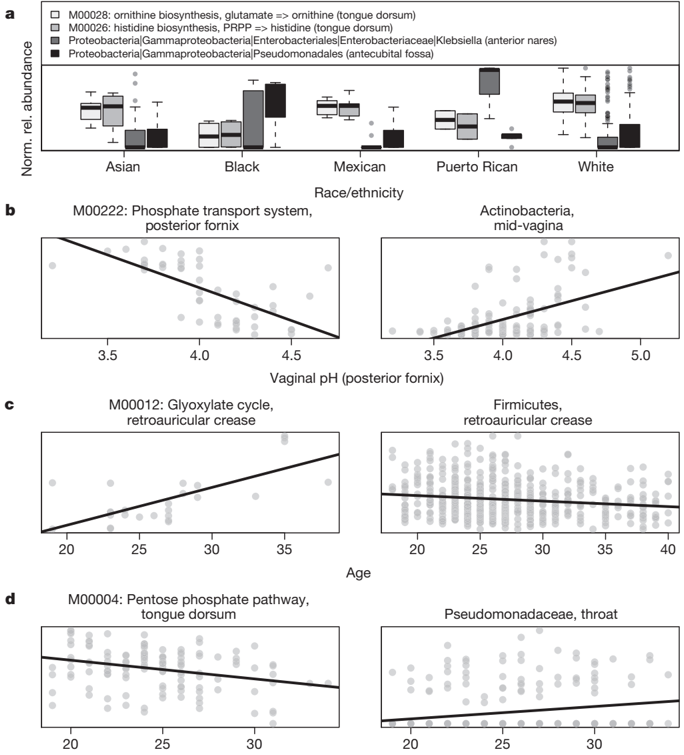
Studies of the human microbiome have revealed that even healthy individuals differ remarkably in the microbes that occupy habitats such as the gut, skin and vagina. Much of this diversity remains unexplained, although diet, environment, host genetics and early microbial exposure have all been implicated. Accordingly, to characterize the ecology of human-associated microbial communities, the Human Microbiome Project has analysed the largest cohort and set of distinct, clinically relevant body habitats so far. We found the diversity and abundance of each habitat’s signature microbes to vary widely even among healthy subjects, with strong niche specialization both within and among individuals. The project encountered an estimated 81–99% of the genera, enzyme families and community configurations occupied by the healthy Western microbiome. Metagenomic carriage of metabolic pathways was stable among individuals despite variation in community structure, and ethnic/racial background proved to be one of the strongest associations of both pathways and microbes with clinical metadata. These results thus delineate the range of structural and functional configurations normal in the microbial communities of a healthy population, enabling future characterization of the epidemiology, ecology and translational applications of the human microbiome.
Overview
The claims and statistics of this paper haven’t been checked yet.
Free: it reads the open-access text and checks the first 5 claims that cite a source we can check. Create a free account to check every claim.
Integrity signals
Registry
Cites
Statistics
Figures
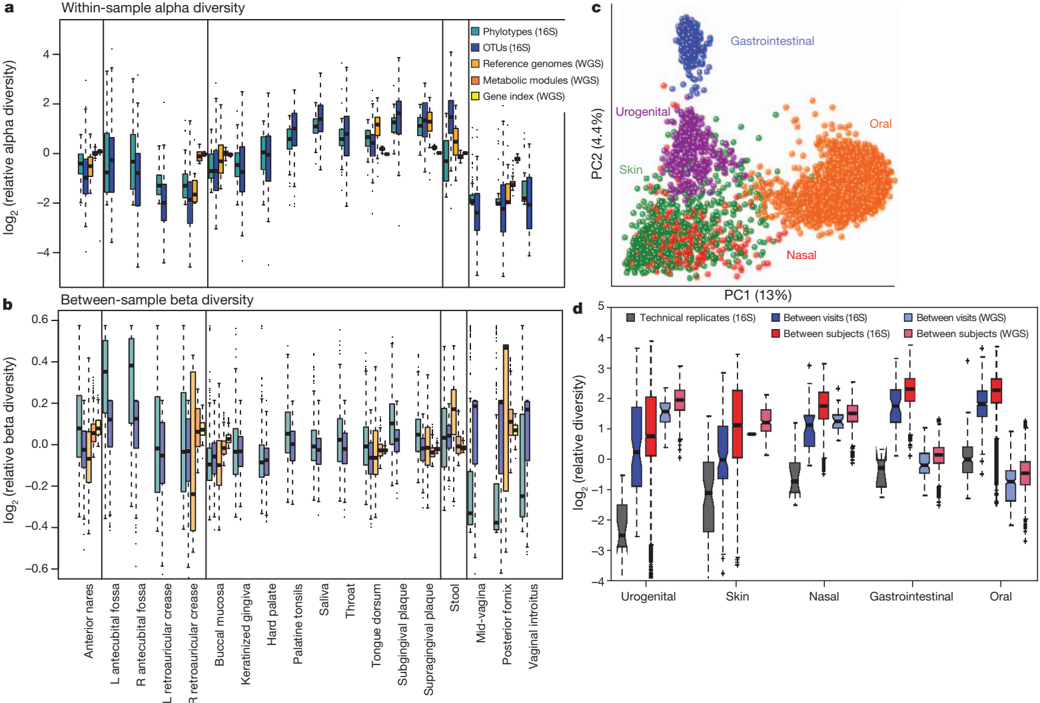
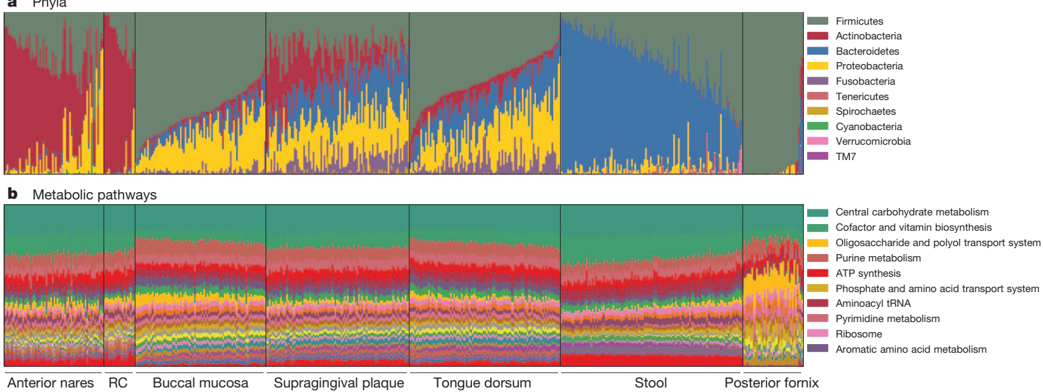
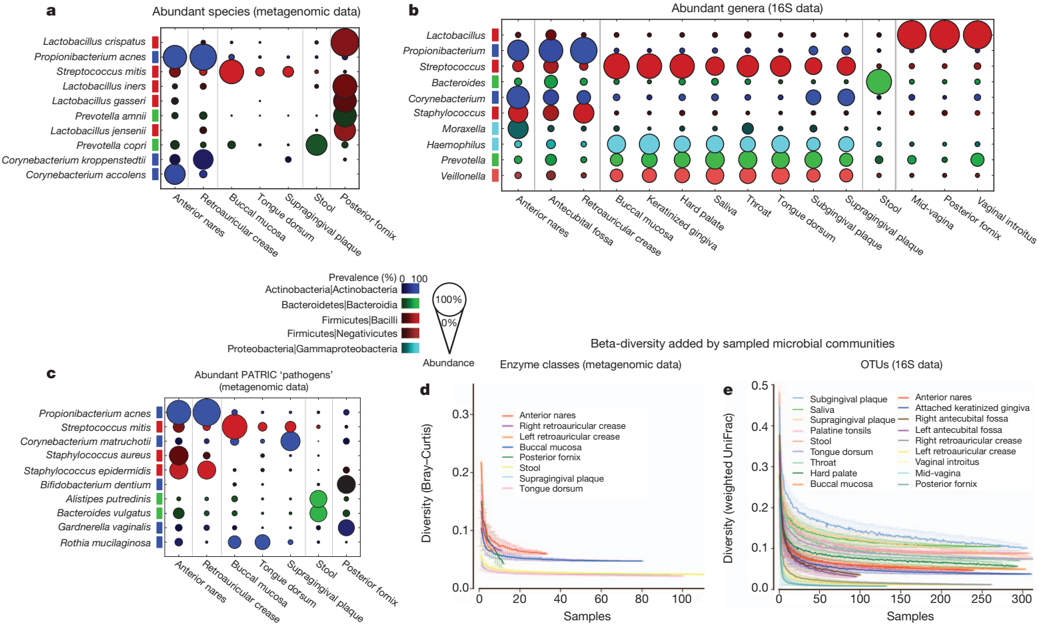
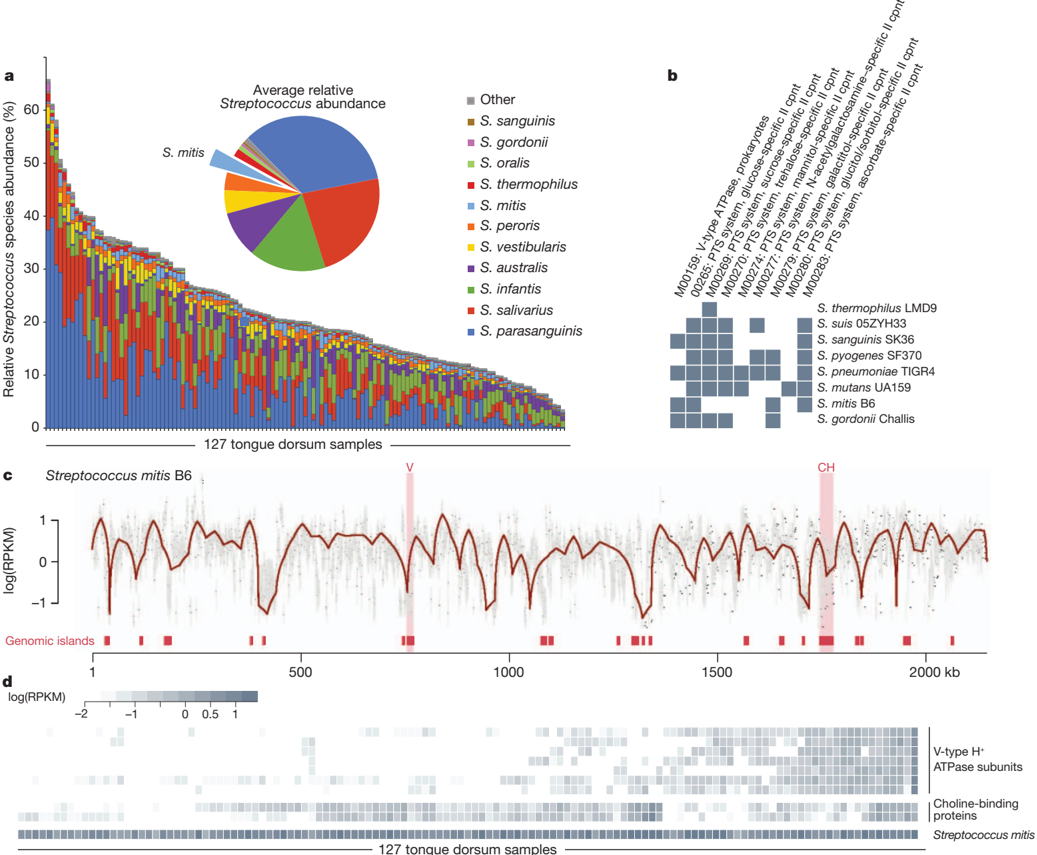
Verification
Claims the paper makes
The claims and statistics of this paper haven’t been checked yet.
Free: it reads the open-access text and checks the first 5 claims that cite a source we can check. Create a free account to check every claim.
Claims other papers make about this one
Each is checked against this paper’s own text: does it say what the citing paper says it does?
The cited source doesn’t support the claim as written.
In the citing paper
“newly diagnosed cases with adenocarcinoma of the colon or rectum were recruited prior to surgery and treatment during 1985–19891, 2. Controls were patients awaiting elective surgery for non-oncologic, non-gastrointestinal conditions at these hospitals during the same period.”
From Assessment of variation in microbial community amplicon sequencing by the Microbiome Quality Control (MBQC) project consortium (2017) · cites this paper as [1]
Checked by a reasoning model — may be wrong.
Experimental — accuracy not yet measuredThe source backs part of the claim, not all of it — or backs it for a different population, condition or comparison.
In the citing paper
“Multiple factors affect the composition of the human gut microbiome, including geography, diet, infection and drug usage56,61–64.”
From Intestinal microbiota signatures of clinical response and immune-related adverse events in melanoma patients treated with anti-PD-1 (2022) · cites this paper as [64]
Experimental — accuracy not yet measuredThe source backs part of the claim, not all of it — or backs it for a different population, condition or comparison.
In the citing paper
“suggesting that no severe gut microbiome dysbiosis was present in the study group at baseline”
From Gut microbiome affects the response to anti-PD-1 immunotherapy in patients with hepatocellular carcinoma (2019) · cites this paper as [9]
Experimental — accuracy not yet measuredThe source backs part of the claim, not all of it — or backs it for a different population, condition or comparison.
In the citing paper
“Gut microbiota comprise thousands of microbial species that are involved in host metabolism by regulating energy extraction, activation of the immune system, drug metabolism, and other processes.”
From The Gut Microbiome Contributes to a Substantial Proportion of the Variation in Blood Lipids (2015) · cites this paper as [3]
Experimental — accuracy not yet measuredThe source backs part of the claim, not all of it — or backs it for a different population, condition or comparison.
In the citing paper
“The human gut microbiota contains thousands of different bacterial taxa as well as various archaea, eukaryotic microbes and viruses, more than three million genes, and harbors an enormous metabolic capacity [1, 2].”
From The athletic gut microbiota (2020) · cites this paper as [1]
Experimental — accuracy not yet measured
20 more claims about this paper
Create a free account to see every claim other papers make about this one.
Self-check
Percentages, sums and reported differences re-computed from the paper’s own numbers.
The self-check needs the paper’s full text.
Citations
Cites
Fast and accurate short read alignment with Burrows-Wheeler transform
Li, H., & Durbin, R. (2009) · Bioinformatics · doi:10.1093/bioinformatics/btp324 · Cited by 58,607
QIIME allows analysis of high-throughput community sequencing data
Caporaso, J. G., Kuczynski, J., Stombaugh, J., Bittinger, K., Bushman, F. D., Costello, E. K., Fierer, N., Peña, A. G., Goodrich, J. K., Gordon, J. I., et al. (2010) · Nature Methods · doi:10.1038/nmeth.f.303 · Cited by 34,887
Fast and accurate long-read alignment with Burrows-Wheeler transform.
Li, H., & Durbin, R. (2010) · Bioinformatics · doi:10.1093/bioinformatics/btp698 · Cited by 12,063
A human gut microbial gene catalogue established by metagenomic sequencing
MetaHIT Consortium, Qin, J., Li, R., Raes, J., Arumugam, M., Burgdorf, K. S., Manichanh, C., Nielsen, T., Pons, N., Levenez, F., et al. (2010) · Nature · doi:10.1038/nature08821 · Cited by 11,624
A core gut microbiome in obese and lean twins
Turnbaugh, P. J., Hamady, M., Yatsunenko, T., Cantarel, B. L., Duncan, A., Ley, R. E., Sogin, M. L., Jones, W. J., Roe, B. A., Affourtit, J. P., et al. (2009) · Nature · doi:10.1038/nature07540 · Cited by 7,823
Self-citationSokol, H., Pigneur, B., Watterlot, L., Lakhdari, O., Bermúdez-Humarán, L. G., Gratadoux, J.-J., Blugeon, S., Bridonneau, C., Furet, J.-P., Corthier, G., et al. (2008) · Proceedings of the National Academy of Sciences · doi:10.1073/pnas.0804812105 · Cited by 4,413
Vaginal microbiome of reproductive-age women
Ravel, J., Gajer, P., Abdo, Z., Schneider, G. M., Koenig, S. S. K., McCulle, S. L., Karlebach, S., Gorle, R., Russell, J., Tacket, C. O., et al. (2011) · Proceedings of the National Academy of Sciences · doi:10.1073/pnas.1002611107 · Cited by 4,254
Bacterial Community Variation in Human Body Habitats Across Space and Time
Costello, E. K., Lauber, C. L., Hamady, M., Fierer, N., Gordon, J. I., & Knight, R. (2009) · Science · doi:10.1126/science.1177486 · Cited by 3,231
Defining the normal bacterial flora of the oral cavity
Aas, J. A., Paster, B. J., Stokes, L. N., Olsen, I., & Dewhirst, F. E. (2005) · Journal of Clinical Microbiology · doi:10.1128/jcm.43.11.5721-5732.2005 · Cited by 3,092
Topographical and Temporal Diversity of the Human Skin Microbiome
Grice, E. A., Kong, H. H., Conlan, S., Deming, C. B., Davis, J., Young, A. C., Program, N. C. S., Bouffard, G. G., Blakesley, R. W., Murray, P. R., et al. (2009) · Science · doi:10.1126/science.1171700 · Cited by 2,953
Cited by
Items 401–500 of 1,676
The microbiome of the upper respiratory tract in health and disease
Kumpitsch, C., Koskinen, K., Schöpf, V., & Moissl-Eichinger, C. (2019) · BMC Biology · doi:10.1186/s12915-019-0703-z · Cited by 465
The microbiome and gynaecological cancer development, prevention and therapy
Łaniewski, P., Ilhan, Z. E., & Herbst-Kralovetz, M. M. (2020) · Nature Reviews Urology · doi:10.1038/s41585-020-0286-z · Cited by 450
Zhou, J., He, Z., Yang, Y., Deng, Y., Tringe, S. G., & Alvarez-Cohen, L. (2015) · mBio · doi:10.1128/mbio.02288-14 · Cited by 474
Gut Bacteria and Neurotransmitters
Dicks, L. M. T. (2022) · Microorganisms · doi:10.3390/microorganisms10091838 · Cited by 482
“Abbreviations CNS, central nervous system; SCFAs, short-chain fatty acids; Glu, glutamate; GABA, γ-aminobutyric acid; DA, dopamine; NE, norepinephrine; NAd, noradrenaline; 5-HT, serotonin; VN, vagus nerve; GIT, gastro-intestinal tract; ENS, enteric nervous system; HPA, hypothalamic pituitary adrenal axis; FFARs, free…”
The Vaginal Microbiota: What Have We Learned after a Decade of Molecular Characterization?
van de Wijgert, J. H. H. M., Borgdorff, H., Verhelst, R., Crucitti, T., Francis, S., Verstraelen, H., & Jespers, V. (2014) · PLoS ONE · doi:10.1371/journal.pone.0105998 · Cited by 465
Global prevalence and distribution of genes and microorganisms involved in mercury methylation
Podar, M., Gilmour, C. C., Brandt, C. C., Soren, A., Brown, S. D., Crable, B. R., Palumbo, A. V., Somenahally, A. C., & Elias, D. A. (2015) · Science Advances · doi:10.1126/sciadv.1500675 · Cited by 452
Lactobacillus iners : Friend or Foe?
Petrova, M. I., Reid, G., Vaneechoutte, M., & Lebeer, S. (2017) · Trends in Microbiology · doi:10.1016/j.tim.2016.11.007 · Cited by 459
Tett, A., Huang, K. D., Asnicar, F., Fehlner-Peach, H., Pasolli, E., Karcher, N., Armanini, F., Manghi, P., Bonham, K., Zolfo, M., et al. (2019) · Cell Host & Microbe · doi:10.1016/j.chom.2019.08.018 · Cited by 476
Self-citationHildebrand, F., Nguyen, T. L. A., Brinkman, B., Yunta, R. G., Cauwe, B., Vandenabeele, P., Liston, A., & Raes, J. (2013) · Genome Biology · doi:10.1186/gb-2013-14-1-r4 · Cited by 465
Lung microbiome: new insights into the pathogenesis of respiratory diseases
Li, R., Li, J., & Zhou, X. (2024) · Signal Transduction and Targeted Therapy · doi:10.1038/s41392-023-01722-y · Cited by 434
Nagarajan, N., & Pop, M. (2013) · Nature Reviews Genetics · doi:10.1038/nrg3367 · Cited by 474
Evaluating the Information Content of Shallow Shotgun Metagenomics
Hillmann, B., Al-Ghalith, G. A., Shields-Cutler, R. R., Zhu, Q., Gohl, D. M., Beckman, K. B., Knight, R., & Knights, D. (2018) · mSystems · doi:10.1128/msystems.00069-18 · Cited by 474
“5 million sequences per sample, as demonstrated on deep whole-genome sequencing (WMS) samples from the Human Microbiome Project (HMP) data set (4), the HMP mock community (12), a diabetes study (17), simulated human gut microbiomes, and two novel human stool samples on which we performed ultradeep sequencing of 2.”
BackgroundMethodInfluentialMcCulloch, J. A., Davar, D., Rodrigues, R. R., Badger, J. H., Fang, J. R., Cole, A. M., Balaji, A. K., Vetizou, M., Prescott, S. M., Fernandes, M. R., et al. (2022) · Nature Medicine · doi:10.1038/s41591-022-01698-2 · Cited by 472
Links of gut microbiota composition with alcohol dependence syndrome and alcoholic liver disease
Dubinkina, V. B., Tyakht, A. V., Odintsova, V. Y., Yarygin, K. S., Kovarsky, B. A., Pavlenko, A. V., Ischenko, D. S., Popenko, A. S., Alexeev, D. G., Taraskina, A. Y., et al. (2017) · Microbiome · doi:10.1186/s40168-017-0359-2 · Cited by 465
Advances in inflammatory bowel disease pathogenesis: linking host genetics and the microbiome
Knights, D., Lassen, K. G., & Xavier, R. J. (2013) · Gut · doi:10.1136/gutjnl-2012-303954 · Cited by 468
Sorbara, M. T., & Pamer, E. G. (2022) · Nature Reviews Microbiology · doi:10.1038/s41579-021-00667-9 · Cited by 468
Power and sample-size estimation for microbiome studies using pairwise distances and PERMANOVA
Kelly, B. J., Gross, R., Bittinger, K., Sherrill-Mix, S., Lewis, J. D., Collman, R. G., Bushman, F. D., & Li, H. (2015) · Bioinformatics · doi:10.1093/bioinformatics/btv183 · Cited by 454
Gut microbiome, liver immunology, and liver diseases
Wang, R., Tang, R., Li, B., Ma, X., Schnabl, B., & Tilg, H. (2021) · Cellular & Molecular Immunology · doi:10.1038/s41423-020-00592-6 · Cited by 466
Computational approaches to predict bacteriophage–host relationships
Edwards, R. A., McNair, K., Faust, K., Raes, J., & Dutilh, B. E. (2016) · FEMS Microbiology Reviews · doi:10.1093/femsre/fuv048 · Cited by 475
Fight them or feed them: How the intestinal mucus layer manages the gut microbiota
Schroeder, B. O. (2019) · Gastroenterology report · doi:10.1093/gastro/goy052 · Cited by 464
Zhang, J., Guo, Z., Xue, Z., Sun, Z., Zhang, M., Wang, L., Wang, G., Wang, F., Xu, J., Cao, H., et al. (2015) · The ISME Journal · doi:10.1038/ismej.2015.11 · Cited by 462
“Given the tight relationship between the gut microbiota and these factors (De Filippo et al., 2010, Huttenhower et al., 2012, Tyakht et al., 2013, Yatsunenko et al., 2012), the Chinese people with truly diverse ethnic origins offer us good opportunities to visit and understand the diversity,…”
BackgroundResultInfluentialInterpreting prevotella and bacteroides as biomarkers of diet and lifestyle
Gorvitovskaia, A., Holmes, S. P., & Huse, S. M. (2016) · Microbiome · doi:10.1186/s40168-016-0160-7 · Cited by 461
“For the studies for which sequence counts were available, the Malawi, Venezuela, and American study [11] and the HMP study of healthy Americans [15], we ran both SparCC [32] and nbinomTest of DESeq2 package [18] on the count data.”
BackgroundMethodInfluentialDeng, Y., Zhang, P., Qin, Y., Tu, Q., Yang, Y., He, Z., Schadt, C. W., & Zhou, J. (2016) · Environmental Microbiology · doi:10.1111/1462-2920.12981 · Cited by 465
“In HTS studies, abundant taxa and their distributions solicited even more attentions in both human microbiomes (Huttenhower et al., 2012) and environmental microbiomes (Nealson and Venter, 2007; DeLong, 2009) since the dominant species in a habitat could contribute more to ecosystem function or performance for a long…”
BackgroundGut Microbiome: What We Do and Don't Know
Cresci, G. A., & Bawden, E. (2015) · Nutrition in Clinical Practice · doi:10.1177/0884533615609899 · Cited by 417
Ketone body metabolism and cardiovascular disease
Cotter, D. G., Schugar, R. C., & Crawford, P. A. (2013) · American Journal of Physiology-Heart and Circulatory Physiology · doi:10.1152/ajpheart.00646.2012 · Cited by 440
Kumar Singh, A., Cabral, C., Kumar, R., Ganguly, R., Kumar Rana, H., Gupta, A., Rosaria Lauro, M., Carbone, C., Reis, F., & Pandey, A. K. (2019) · Nutrients · doi:10.3390/nu11092216 · Cited by 433
“In spite of the fact that people have several hundreds of microbial species inside their gut, newer findings obtained by the Human Microbiome Project and other relevant studies demonstrate that microbial composition is highly variable between individuals [3].”
BackgroundDietary effects on human gut microbiome diversity
Xu, Z., & Knight, R. (2015) · British Journal Of Nutrition · doi:10.1017/s0007114514004127 · Cited by 456
Self-citationDietary Fiber Intake and Gut Microbiota in Human Health
Fu, J., Zheng, Y., Gao, Y., & Xu, W. (2022) · Microorganisms · doi:10.3390/microorganisms10122507 · Cited by 394
Ma, J., Prince, A. L., Bader, D., Hu, M., Ganu, R., Baquero, K., Blundell, P., Alan Harris, R., Frias, A. E., Grove, K. L., et al. (2014) · Nature Communications · doi:10.1038/ncomms4889 · Cited by 438
Advances and Challenges in Metatranscriptomic Analysis
Shakya, M., Lo, C.-C., & Chain, P. S. G. (2019) · Frontiers in Genetics · doi:10.3389/fgene.2019.00904 · Cited by 424
“In the past decade, our understanding of the human microbiome has rapidly expanded thanks to sequencing technologies that made possible the description of human gut microbial diversity across large human cohorts (Arumugam et al., 2011; Human Microbiome Project, 2012).”
BackgroundCommunity differentiation of the cutaneous microbiota in psoriasis
Alekseyenko, A. V., Perez-Perez, G. I., De Souza, A., Strober, B., Gao, Z., Bihan, M., Li, K., Methé, B. A., & Blaser, M. J. (2013) · Microbiome · doi:10.1186/2049-2618-1-31 · Cited by 441
The gut microbiota in human energy homeostasis and obesity
Rosenbaum, M., Knight, R., & Leibel, R. L. (2015) · Trends in Endocrinology & Metabolism · doi:10.1016/j.tem.2015.07.002 · Cited by 450
Self-citationThe microbiome extends to subepidermal compartments of normal skin
Nakatsuji, T., Chiang, H.-I., Jiang, S. B., Nagarajan, H., Zengler, K., & Gallo, R. L. (2013) · Nature Communications · doi:10.1038/ncomms2441 · Cited by 450
Country-specific antibiotic use practices impact the human gut resistome
Forslund, K., Sunagawa, S., Kultima, J. R., Mende, D. R., Arumugam, M., Typas, A., & Bork, P. (2013) · Genome Research · doi:10.1101/gr.155465.113 · Cited by 442
Laczny, C. C., Sternal, T., Plugaru, V., Gawron, P., Atashpendar, A., Margossian, H. H., Coronado, S., der Maaten, L. V., Vlassis, N., & Wilmes, P. (2015) · Microbiome · doi:10.1186/s40168-014-0066-1 · Cited by 452
Resilience of the Oral Microbiota in Health: Mechanisms That Prevent Dysbiosis
Rosier, B. T., Marsh, P. D., & Mira, A. (2018) · Journal of Dental Research · doi:10.1177/0022034517742139 · Cited by 448
Salazar, G., Paoli, L., Alberti, A., Huerta-Cepas, J., Ruscheweyh, H.-J., Cuenca, M., Field, C. M., Coelho, L. P., Cruaud, C., Engelen, S., et al. (2019) · Cell · doi:10.1016/j.cell.2019.10.014 · Cited by 465
“Recent advances in sequencing technology and the analysis of DNA extracted from environmental samples (metagenomics) have made it possible to systematically characterize the taxonomic and genomic composition of microbial communities in diverse biomes (Fierer et al., 2012; Human Microbiome Project Consortium, 2012; Sun…”
BackgroundMetabolites: messengers between the microbiota and the immune system
Levy, M., Thaiss, C. A., & Elinav, E. (2016) · Genes & Development · doi:10.1101/gad.284091.116 · Cited by 439
Temporal variability is a personalized feature of the human microbiome
Flores, G. E., Caporaso, J. G., Henley, J. B., Rideout, J. R., Domogala, D., Chase, J., Leff, J. W., Vázquez-Baeza, Y., Gonzalez, A., Knight, R., et al. (2014) · Genome Biology · doi:10.1186/s13059-014-0531-y · Cited by 446
“Previous studies that have characterized human associated microbial communities over time have been based on relatively few individuals [3,4], intermittent sampling intervals [2,5,6], single body habitats [4,7-10], or focused on disease states [11], leaving us with an incomplete picture of the range of normal variabil…”
Self-citationMicrobial abundance, activity and population genomic profiling with mOTUs2
Milanese, A., Mende, D. R., Paoli, L., Salazar, G., Ruscheweyh, H.-J., Cuenca, M., Hingamp, P., Alves, R., Costea, P. I., Coelho, L. P., et al. (2019) · Nature Communications · doi:10.1038/s41467-019-08844-4 · Cited by 446
“Using both ref-mOTUs and meta-mOTUs, we compared strain population similarities of body site samples collected in the HMP project 14, 15 and found that stool and vaginal samples display the highest degree of individuality, followed by oral and skin samples.”
InfluentialMutlu, E. A., Keshavarzian, A., Losurdo, J., Swanson, G., Siewe, B., Forsyth, C., French, A., DeMarais, P., Sun, Y., Koenig, L., et al. (2014) · PLoS Pathogens · doi:10.1371/journal.ppat.1003829 · Cited by 438
Valm, A. M. (2019) · Journal of Molecular Biology · doi:10.1016/j.jmb.2019.05.016 · Cited by 401
Asnicar, F., Manara, S., Zolfo, M., Truong, D. T., Scholz, M., Armanini, F., Ferretti, P., Gorfer, V., Pedrotti, A., Tett, A., et al. (2017) · mSystems · doi:10.1128/msystems.00164-16 · Cited by 445
Self-citationGrowth dynamics of gut microbiota in health and disease inferred from single metagenomic samples
Korem, T., Zeevi, D., Suez, J., Weinberger, A., Avnit-Sagi, T., Pompan-Lotan, M., Matot, E., Jona, G., Harmelin, A., Cohen, N., et al. (2015) · Science · doi:10.1126/science.aac4812 · Cited by 446
Gut microbiome and type 2 diabetes: where we are and where to go?
Sharma, S., & Tripathi, P. (2019) · The Journal of Nutritional Biochemistry · doi:10.1016/j.jnutbio.2018.10.003 · Cited by 428
France, M. T., Ma, B., Gajer, P., Brown, S., Humphrys, M. S., Holm, J. B., Waetjen, L. E., Brotman, R. M., & Ravel, J. (2020) · Microbiome · doi:10.1186/s40168-020-00934-6 · Cited by 441
The microbiome and gut homeostasis
Lee, J.-Y., Tsolis, R. M., & Bäumler, A. J. (2022) · Science · doi:10.1126/science.abp9960 · Cited by 428
The Gut Microbiota in Immune-Mediated Inflammatory Diseases
Forbes, J. D., Van Domselaar, G., & Bernstein, C. N. (2016) · Frontiers in Microbiology · doi:10.3389/fmicb.2016.01081 · Cited by 429
“…has revealed that although the diversity and abundance of microbial communities of particular niches vary widely both within and among individuals (Huttenhower et al., 2012), the functional repertoire of the healthy microbiome, including the gut, is relatively stable regardless of the microbe…”
BackgroundInfluentialMarcos-Zambrano, L. J., Karaduzovic-Hadziabdic, K., Loncar Turukalo, T., Przymus, P., Trajkovik, V., Aasmets, O., Berland, M., Gruca, A., Hasic, J., Hron, K., et al. (2021) · Frontiers in Microbiology · doi:10.3389/fmicb.2021.634511 · Cited by 416
“In the last decade, the number of microbiome-related studies has increased notably, and big populational studies such the Human Microbiome Project (Human Microbiome Project Consortium, 2012), the metagenomics of the Human Intestinal Tract (Qin et al., 2010), and the American Gut Project (McDonald et al., 2018), among…”
BackgroundInfluentialProbiotic application for sustainable aquaculture
Dawood, M. A. O., Koshio, S., Abdel‐Daim, M. M., & Van Doan, H. (2019) · Reviews in Aquaculture · doi:10.1111/raq.12272 · Cited by 414
Single-cell genome sequencing at ultra-high-throughput with microfluidic droplet barcoding
Lan, F., Demaree, B., Ahmed, N., & Abate, A. R. (2017) · Nature Biotechnology · doi:10.1038/nbt.3880 · Cited by 431
Pathophysiology of Hypertension: The Mosaic Theory and Beyond
Harrison, D. G., Coffman, T. M., & Wilcox, C. S. (2021) · Circulation Research · doi:10.1161/circresaha.121.318082 · Cited by 365
The Gut Microbial Endocrine Organ: Bacterially Derived Signals Driving Cardiometabolic Diseases
Brown, J. M., & Hazen, S. L. (2015) · Annual Review of Medicine · doi:10.1146/annurev-med-060513-093205 · Cited by 438
MacFabe, D. F. (2012) · Microbial Ecology in Health & Disease · doi:10.3402/mehd.v23i0.19260 · Cited by 422
Microbial shifts in the aging mouse gut
Langille, M. G., Meehan, C. J., Koenig, J. E., Dhanani, A. S., Rose, R. A., Howlett, S. E., & Beiko, R. G. (2014) · Microbiome · doi:10.1186/s40168-014-0050-9 · Cited by 437
Gut microbiota signatures are associated with toxicity to combined CTLA-4 and PD-1 blockade
Andrews, M. C., Duong, C. P. M., Gopalakrishnan, V., Iebba, V., Chen, W.-S., Derosa, L., Khan, M. A. W., Cogdill, A. P., White, M. G., Wong, M. C., et al. (2021) · Nature Medicine · doi:10.1038/s41591-021-01406-6 · Cited by 437
Touchefeu, Y., Montassier, E., Nieman, K., Gastinne, T., Potel, G., Bruley des Varannes, S., Le Vacon, F., & de La Cochetière, M. F. (2014) · Alimentary Pharmacology & Therapeutics · doi:10.1111/apt.12878 · Cited by 425
Signatures of early frailty in the gut microbiota
Jackson, M. A., Jeffery, I. B., Beaumont, M., Bell, J. T., Clark, A. G., Ley, R. E., O’Toole, P. W., Spector, T. D., & Steves, C. J. (2016) · Genome Medicine · doi:10.1186/s13073-016-0262-7 · Cited by 436
“It is highly variable between individuals [6], with substantial heritable elements [7], and relatively stable within a healthy adult over time [8].”
Chumpitazi, B. P., Cope, J. L., Hollister, E. B., Tsai, C. M., McMeans, A. R., Luna, R. A., Versalovic, J., & Shulman, R. J. (2015) · Alimentary Pharmacology & Therapeutics · doi:10.1111/apt.13286 · Cited by 436
Intestinal Commensal Microbes as Immune Modulators
Ivanov, I. I., & Honda, K. (2012) · Cell Host & Microbe · doi:10.1016/j.chom.2012.09.009 · Cited by 425
Hansson, G. C. (2020) · Annual Review of Biochemistry · doi:10.1146/annurev-biochem-011520-105053 · Cited by 409
Adaptive Evolution within Gut Microbiomes of Healthy People
Zhao, S., Lieberman, T. D., Poyet, M., Kauffman, K. M., Gibbons, S. M., Groussin, M., Xavier, R. J., & Alm, E. J. (2019) · Cell Host & Microbe · doi:10.1016/j.chom.2019.03.007 · Cited by 434
Self-citationThe Super-Donor Phenomenon in Fecal Microbiota Transplantation
Wilson, B. C., Vatanen, T., Cutfield, W. S., & O'Sullivan, J. M. (2019) · Frontiers in Cellular and Infection Microbiology · doi:10.3389/fcimb.2019.00002 · Cited by 413
Lecomte, V., Kaakoush, N. O., Maloney, C. A., Raipuria, M., Huinao, K. D., Mitchell, H. M., & Morris, M. J. (2015) · PLOS ONE · doi:10.1371/journal.pone.0126931 · Cited by 418
The role of the immune system in governing host-microbe interactions in the intestine
Brown, E. M., Sadarangani, M., & Finlay, B. B. (2013) · Nature Immunology · doi:10.1038/ni.2611 · Cited by 404
Separating host and microbiome contributions to drug pharmacokinetics and toxicity
Zimmermann, M., Zimmermann-Kogadeeva, M., Wegmann, R., & Goodman, A. L. (2019) · Science · doi:10.1126/science.aat9931 · Cited by 423
Lu, L., Luo, T., Zhao, Y., Cai, C., Fu, Z., & Jin, Y. (2019) · Science of The Total Environment · doi:10.1016/j.scitotenv.2019.02.380 · Cited by 419
Current concepts in the pathogenesis of periodontitis: from symbiosis to dysbiosis
Abdulkareem, A. A., Al-Taweel, F. B., Al-Sharqi, A. J. B., Gul, S. S., Sha, A., & Chapple, I. L. C. (2023) · Journal of Oral Microbiology · doi:10.1080/20002297.2023.2197779 · Cited by 367
“The EPM of dental plaque biofilms consists of inorganic and organic materials derived from the host, mainly saliva, GCF and bacterial products [54].”
BackgroundMetagenome-wide association studies: fine-mining the microbiome
Wang, J., & Jia, H. (2016) · Nature Reviews Microbiology · doi:10.1038/nrmicro.2016.83 · Cited by 429
Analysis of the chronic wound microbiota of 2,963 patients by 16S rDNA pyrosequencing
Wolcott, R. D., Hanson, J. D., Rees, E. J., Koenig, L. D., Phillips, C. D., Wolcott, R. A., Cox, S. B., & White, J. S. (2016) · Wound Repair and Regeneration · doi:10.1111/wrr.12370 · Cited by 414
Application of a Neutral Community Model To Assess Structuring of the Human Lung Microbiome
Venkataraman, A., Bassis, C. M., Beck, J. M., Young, V. B., Curtis, J. L., Huffnagle, G. B., & Schmidt, T. M. (2015) · mBio · doi:10.1128/mbio.02284-14 · Cited by 428
Westcott, S. L., & Schloss, P. D. (2017) · mSphere · doi:10.1128/mspheredirect.00073-17 · Cited by 420
Extreme Dysbiosis of the Microbiome in Critical Illness
McDonald, D., Ackermann, G., Khailova, L., Baird, C., Heyland, D., Kozar, R., Lemieux, M., Derenski, K., King, J., Vis-Kampen, C., et al. (2016) · mSphere · doi:10.1128/msphere.00199-16 · Cited by 426
Self-citationKummen, M., Holm, K., Anmarkrud, J. A., Nygård, S., Vesterhus, M., Høivik, M. L., Trøseid, M., Marschall, H.-U., Schrumpf, E., Moum, B., et al. (2017) · Gut · doi:10.1136/gutjnl-2015-310500 · Cited by 426
Nutrition, immunity and COVID-19
Calder, P. C. (2020) · BMJ Nutrition, Prevention & Health · doi:10.1136/bmjnph-2020-000085 · Cited by 426
Quantifying Diet-Induced Metabolic Changes of the Human Gut Microbiome
Shoaie, S., Ghaffari, P., Kovatcheva-Datchary, P., Mardinoglu, A., Sen, P., Pujos-Guillot, E., de Wouters, T., Juste, C., Rizkalla, S., Chilloux, J., et al. (2015) · Cell Metabolism · doi:10.1016/j.cmet.2015.07.001 · Cited by 420
Metagenomics meets time series analysis: unraveling microbial community dynamics
Faust, K., Lahti, L., Gonze, D., de Vos, W. M., & Raes, J. (2015) · Current Opinion in Microbiology · doi:10.1016/j.mib.2015.04.004 · Cited by 415
“While large-scale studies such as the Human Microbiome and MetaHIT projects explored the phylogenetic and functional composition of the healthy human microbiota and its inter-individual variation [8,9], studies that investigate its temporal variation are still rare and either include many time points of a few subjects…”
BackgroundVolatile Metabolites of Pathogens: A Systematic Review
Bos, L. D. J., Sterk, P. J., & Schultz, M. J. (2013) · PLoS Pathogens · doi:10.1371/journal.ppat.1003311 · Cited by 415
Meta-analyses of studies of the human microbiota
Lozupone, C. A., Stombaugh, J., Gonzalez, A., Ackermann, G., Wendel, D., Vázquez-Baeza, Y., Jansson, J. K., Gordon, J. I., & Knight, R. (2013) · Genome Research · doi:10.1101/gr.151803.112 · Cited by 424
Self-citationMicrobiota in Allergy and Asthma and the Emerging Relationship with the Gut Microbiome
Fujimura, K. E., & Lynch, S. V. (2015) · Cell Host & Microbe · doi:10.1016/j.chom.2015.04.007 · Cited by 414
“While the lower airways do not appear to be overtly colonized in healthy humans, the oropharynx supports a thriving and diverse microbial ecosystem (Huttenhower et al., 2012; Lemon et al., 2010).”
The links between gut microbiota and obesity and obesity related diseases
Geng, J., Ni, Q., Sun, W., Li, L., & Feng, X. (2022) · Biomedicine & Pharmacotherapy · doi:10.1016/j.biopha.2022.112678 · Cited by 399
Role of the Microbiome in Energy Regulation and Metabolism
Nieuwdorp, M., Gilijamse, P. W., Pai, N., & Kaplan, L. M. (2014) · Gastroenterology · doi:10.1053/j.gastro.2014.02.008 · Cited by 421
Microbiota-Gut-Brain Axis: New Therapeutic Opportunities
Long-Smith, C., O'Riordan, K. J., Clarke, G., Stanton, C., Dinan, T. G., & Cryan, J. F. (2020) · Annual Review of Pharmacology and Toxicology · doi:10.1146/annurev-pharmtox-010919-023628 · Cited by 419
Role of the gut microbiota in type 2 diabetes and related diseases
Yang, G., Wei, J., Liu, P., Zhang, Q., Tian, Y., Hou, G., Meng, L., Xin, Y., & Jiang, X. (2021) · Metabolism · doi:10.1016/j.metabol.2021.154712 · Cited by 418
Application of metagenomics in the human gut microbiome
Wang, W.-L., Xu, S.-Y., Ren, Z.-G., Tao, L., Jiang, J.-W., & Zheng, S.-S. (2015) · World Journal of Gastroenterology · doi:10.3748/wjg.v21.i3.803 · Cited by 397
Ecology and evolution of antimicrobial resistance in bacterial communities
Bottery, M. J., Pitchford, J. W., & Friman, V.-P. (2021) · The ISME Journal · doi:10.1038/s41396-020-00832-7 · Cited by 396
Song, H., Yoo, Y., Hwang, J., Na, Y.-C., & Kim, H. S. (2016) · Journal of Allergy and Clinical Immunology · doi:10.1016/j.jaci.2015.08.021 · Cited by 416
Systematic Review: Adverse Events of Fecal Microbiota Transplantation
Wang, S., Xu, M., Wang, W., Cao, X., Piao, M., Khan, S., Yan, F., Cao, H., & Wang, B. (2016) · PLOS ONE · doi:10.1371/journal.pone.0161174 · Cited by 409
Tissue-Specific Immunity at the Oral Mucosal Barrier
Moutsopoulos, N. M., & Konkel, J. E. (2018) · Trends in Immunology · doi:10.1016/j.it.2017.08.005 · Cited by 409
Blautia genus associated with visceral fat accumulation in adults 20–76 years of age
Ozato, N., Saito, S., Yamaguchi, T., Katashima, M., Tokuda, I., Sawada, K., Katsuragi, Y., Kakuta, M., Imoto, S., Ihara, K., et al. (2019) · npj Biofilms and Microbiomes · doi:10.1038/s41522-019-0101-x · Cited by 416
Ha, C. W. Y., Martin, A., Sepich-Poore, G. D., Shi, B., Wang, Y., Gouin, K., Humphrey, G., Sanders, K., Ratnayake, Y., Chan, K. S. L., et al. (2020) · Cell · doi:10.1016/j.cell.2020.09.009 · Cited by 410
Romero, R., Hassan, S. S., Gajer, P., Tarca, A. L., Fadrosh, D. W., Bieda, J., Chaemsaithong, P., Miranda, J., Chaiworapongsa, T., & Ravel, J. (2014) · Microbiome · doi:10.1186/2049-2618-2-18 · Cited by 409
Physiological role for nitrate-reducing oral bacteria in blood pressure control
Kapil, V., Haydar, S. M. A., Pearl, V., Lundberg, J. O., Weitzberg, E., & Ahluwalia, A. (2013) · Free Radical Biology and Medicine · doi:10.1016/j.freeradbiomed.2012.11.013 · Cited by 413
Levy, R., & Borenstein, E. (2013) · Proceedings of the National Academy of Sciences · doi:10.1073/pnas.1300926110 · Cited by 405
Michaud, D. S., Izard, J., Wilhelm-Benartzi, C. S., You, D.-H., Grote, V. A., Tjønneland, A., Dahm, C. C., Overvad, K., Jenab, M., Fedirko, V., et al. (2013) · Gut · doi:10.1136/gutjnl-2012-303006 · Cited by 406
Ménage à trois in the human gut: interactions between host, bacteria and phages
Mirzaei, M. K., & Maurice, C. F. (2017) · Nature Reviews Microbiology · doi:10.1038/nrmicro.2017.30 · Cited by 403
Smillie, C. S., Sauk, J., Gevers, D., Friedman, J., Sung, J., Youngster, I., Hohmann, E. L., Staley, C., Khoruts, A., Sadowsky, M. J., et al. (2018) · Cell Host & Microbe · doi:10.1016/j.chom.2018.01.003 · Cited by 411
Trøseid, M., Andersen, G. Ø., Broch, K., & Hov, J. R. (2020) · EBioMedicine · doi:10.1016/j.ebiom.2020.102649 · Cited by 408
Towards a deeper understanding of the vaginal microbiota
France, M., Alizadeh, M., Brown, S., Ma, B., & Ravel, J. (2022) · Nature Microbiology · doi:10.1038/s41564-022-01083-2 · Cited by 382
Tsilingiri, K., & Rescigno, M. (2013) · Beneficial Microbes · doi:10.3920/bm2012.0046 · Cited by 382
Metadata
- Authors
- The Human Microbiome Project Consortium
- Venue
- Nature
- Published
- 2012-06
- Volume
- 486
- Issue
- 7402
- Pages
- 207-214
- ISSN
- 0028-0836 (ISSN-L)
- 1476-4687
- PMC
- PMC3564958
- OpenAlex
- W2128769815
- Semantic Scholar
- 0c431405ec1eb4b84a52ed1fcc530454a4b8bf6f
- Cited by
- 11,726
- References
- 29
- Citations by year
- 2026: 586 · 2025: 748 · 2024: 890 · 2023: 950 · 2022: 1024 · 2021: 1202 · 2020: 1137 · 2019: 1032 · 2018: 863 · 2017: 853 · 2016: 732 · 2015: 651 · 2014: 532 · 2013: 413 · 2012: 104
- FWCI
- 218.52
- Type
- journal article
- Language
- en
- Open access
- hybrid
- doi.org
- Licence
- cc-by-nc-sa
- creativecommons.org/licenses/by-nc-sa/3.0/ (tdm)
- Locations
- Nature (publishedVersion, cc-by-nc-sa)
- PubMed (publishedVersion)
- Goce Delchev University Repository (Goce Delčev University of Štip) (acceptedVersion)
- Europe PMC (PubMed Central) (acceptedVersion)
- PubMed Central (acceptedVersion)
- eScholarship (California Digital Library) (submittedVersion, cc-by)
- Rutgers University Community Repository (Rutgers University) (submittedVersion)
- Open Access Server of the Woods Hole Scientific Community (Woods Hole Scientific Community) (submittedVersion)
- eScholarship (California Digital Library) (submittedVersion)
- Funders
- National Science Foundation (DEAC02-05CH11231, 1053486, 0812111)
- Howard Hughes Medical Institute (DE-AC02-05CH11231)
- U.S. Department of Energy (-AC02-05CH11231, Contract No. DE-AC02-05-CH11231, 05CH11231, No. DE-AC02-05-CH11231, DE AC02 05CH11231, DE-AC02-)
- Gordon and Betty Moore Foundation
- Rice University
- Gladstone Institutes
- Crohn's and Colitis Foundation
- Crohn's and Colitis Foundation of Canada
- Fonds Wetenschappelijk Onderzoek (DE-AC02-05CH11231)
- Vlaamse regering
- National Institutes of Health (5r01hg005172-03, n01hg62088-6-0-1, DE-AC02–05CH11231, DBI-1053486, DP2OD001500, 5r01hg004857-03, n01ai30071-19-0-3)
- Defense Threat Reduction Agency (B104153I, DE-AC02-05CH11231, B084531I)
- Office of Science (No. DE-AC02- 05-CH11231, DEAC02–05CH11231, AC02-05CH11231, DE-AC02, 05CH11231, Contract No. DE-AC02-05CH11231)
- Horace H. Rackham School of Graduate Studies, University of Michigan
- National Human Genome Research Institute (R01HG004885, U54HG003067, R01HG005975, R01-HG004857, U54HG004969, R01HG004853, U54HG003079, U01HG004866, R01HG005969, R01-HG005172, U54HG003273, R01HG004872, R21HG005811, U54HG004968, N01 HG062088, R01HG004906, R01HG004908, U54HG004973, R01HG004856, R01HG004900, R01HG005171, R01HG004877)
- National Cancer Institute (R21CA139193)
- National Institute of General Medical Sciences (T32GM087237)
- National Institute of Allergy and Infectious Diseases (UH2AI083263, UH3AI083263, U54AI084844, T32AI007528, N01 AI030071)
- National Institute of Diabetes and Digestive and Kidney Diseases (UH2DK083990, UH3DK083993)
- National Institute of Arthritis and Musculoskeletal and Skin Diseases (UH2 AR057504, UH2AR057506, UH3-AR057504)
- National Institute of Dental and Craniofacial Research (P30DE020751, R01DE021574, U01DE016937, RC1DE0202098, R37DE016937, RC1DE020298)
- U.S. National Library of Medicine
- Division of Biological Infrastructure (DBI-1053486)
- Army Research Office (DE-AC02-05CH11231, W911NF-11-1-0473, W911NF, W911NF-11)
- Los Alamos National Laboratory (DE-AC02-05CH11231)
- Topics
- Life Sciences › Biochemistry, Genetics and Molecular Biology › Molecular Biology › Gut microbiota and health
- Physical Sciences › Environmental Science › Ecology › Microbial Community Ecology and Physiology
- Health Sciences › Dentistry › Periodontics › Oral microbiology and periodontitis research
- Keywords
- human microbiome, healthy individuals, microbial diversity, gut microbiota, skin microbiome, vaginal microbiota, ecological specialization, metabolic pathways, Human Microbiome Project, metagenomics, microbial ecology
- MeSH terms
- Adolescent, Adult, Bacteria, Female, Health, Humans, Male, Phenotype, RNA, Ribosomal, 16S, Ecosystem, Biodiversity, Metabolic Networks and Pathways, Metagenome, Young Adult, Metagenomics
About these checks
Registry, retraction, Cites and statistics results are computed, not judged, with one exception: a printed reference that no index lists is read once by a model before it counts as a citation error. Claims are extracted by a model and kept only when their quote appears verbatim in the text; each cited source is then checked, with a model’s help, for whether it says what the claim relies on. Those verdicts can be wrong — read the claim’s quote and the cited source before relying on one.
Statistics and arithmetic are recomputed, not judged.
Confidence bands are shown only for fields calibrated on our annotated test set. None is calibrated yet, so no band is shown.
What counts as a claim ›How we measure confidence ›How we check this ›
Are you an author, or do you see a problem with this page? Request a review
Data sources
Bibliographic data: Semantic Scholar, OpenAlex, Crossref.
Contains information from the Semantic Scholar Academic Graph Datasets, made available under the ODC Attribution License (ODC-BY 1.0).
Semantic Scholar’s data is described in: Kinney, R., et al. (2023). The Semantic Scholar Open Data Platform. arXiv:2301.10140.
