

Impact of airborne particulate matter on skin: a systematic review from epidemiology to in vitro studies
Open accessThe DOI matches its Crossref record; 272 of the 275 references it cites were found in a registry or an index.
Abstract
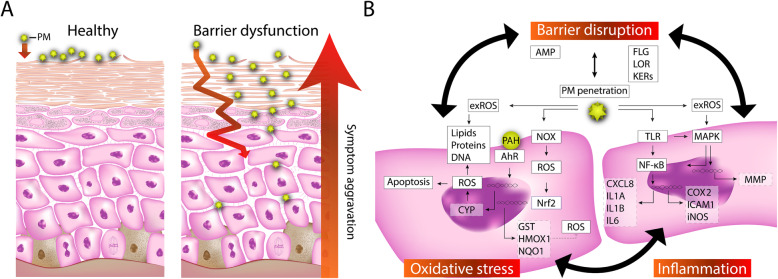
Background: Air pollution is killing close to 5 million people a year, and harming billions more. Air pollution levels remain extremely high in many parts of the world, and air pollution-associated premature deaths have been reported for urbanized areas, particularly linked to the presence of airborne nano-sized and ultrafine particles. Main text: To date, most of the research studies did focus on the adverse effects of air pollution on the human cardiovascular and respiratory systems. Although the skin is in direct contact with air pollutants, their damaging effects on the skin are still under investigation. Epidemiological data suggested a correlation between exposure to air pollutants and aggravation of symptoms of chronic immunological skin diseases. In this study, a systematic literature review was conducted to understand the current knowledge on the effects of airborne particulate matter on human skin. It aims at providing a deeper understanding of the interactions between air pollutants and skin to further assess their potential risks for human health. Conclusion: Particulate matter was shown to induce a skin barrier dysfunction and provoke the formation of reactive oxygen species through direct and indirect mechanisms, leading to oxidative stress and induced activation of the inflammatory cascade in human skin. Moreover, a positive correlation was reported between extrinsic aging and atopic eczema relative risk with increasing particulate matter exposure.
Overview
The claims and statistics of this paper haven’t been checked yet.
Free: it reads the open-access text and checks the first 5 claims that cite a source we can check. Create a free account to check every claim.
Integrity signals
Registry
Cites
Statistics
Figures
Verification
Claims the paper makes
The claims and statistics of this paper haven’t been checked yet.
Free: it reads the open-access text and checks the first 5 claims that cite a source we can check. Create a free account to check every claim.
Claims other papers make about this one
Each is checked against this paper’s own text: does it say what the citing paper says it does?
The cited source says what the claim attributes to it.
In the citing paper
“Air pollutants can also stimulate inflammatory reaction in human skin42.”
From Air Pollution and Skin Diseases (2025) · cites this paper as [42]
The cited source says what the claim attributes to it.
In the citing paper
“Air pollutants can interfere with the integrity of the skin barrier and initiate inflammation in human skin42.”
From Air Pollution and Skin Diseases (2025) · cites this paper as [42]
Self-check
Percentages, sums and reported differences re-computed from the paper’s own numbers.
The self-check needs the paper’s full text.
Citations
Cites
1 retracted
Kelleher, M., Dunn-Galvin, A., Hourihane, J. O., Murray, D., Campbell, L. E., McLean, W. H. I., & Irvine, A. D. (2015) · Journal of Allergy and Clinical Immunology · doi:10.1016/j.jaci.2014.12.013 · Cited by 225 · cited 1×
“5 and transepidermal water loss (TEWL), which is a measure for skin barrier dysfunction [63].”
BackgroundRetractedPattern Recognition Receptors and Inflammation
Takeuchi, O., & Akira, S. (2010) · Cell · doi:10.1016/j.cell.2010.01.022 · Cited by 8,895
NF-κB signaling in inflammation
Liu, T., Zhang, L., Joo, D., & Sun, S.-C. (2017) · Signal Transduction and Targeted Therapy · doi:10.1038/sigtrans.2017.23 · Cited by 8,791
ROS function in redox signaling and oxidative stress
Schieber, M., & Chandel, N. S. (2014) · Current Biology · doi:10.1016/j.cub.2014.03.034 · Cited by 6,931
Williams, H. C., Leung, D. Y. M., Thestrup‐Pedersen, K., & David, T. J. (2000) · Cited by 4,599
Human health effects of air pollution
Kampa, M., & Castanas, E. (2008) · Environmental Pollution · doi:10.1016/j.envpol.2007.06.012 · Cited by 4,496 · cited 1×
“Among many sources, the primary source of PM is due to anthropogenic activities, arising from the combustion of fossil fuels used for transport and the generation of energy [3].”
BackgroundRemodelling the extracellular matrix in development and disease
Bonnans, C., Chou, J., & Werb, Z. (2014) · Nature Reviews Molecular Cell Biology · doi:10.1038/nrm3904 · Cited by 4,367
The extracellular matrix at a glance
Frantz, C., Stewart, K. M., & Weaver, V. M. (2010) · Journal of Cell Science · doi:10.1242/jcs.023820 · Cited by 4,334 · cited 1×
“These cells secrete collagen and elastin, which contribute to the generation of the extracellular matrix, providing the dermis with strain resistance and elasticity, respectively [23, 25, 26].”
BackgroundNormal keratinization in a spontaneously immortalized aneuploid human keratinocyte cell line.
Boukamp, P., Petrussevska, R. T., Breitkreutz, D., Hornung, J., Markham, A., & Fusenig, N. E. (1988) · The Journal of cell biology · doi:10.1083/jcb.106.3.761 · Cited by 4,170 · cited 1×
“Human adult low calcium high temperature (HaCaT) cells are an immortalized keratinocyte cell line that is frequently used for 2D in vitro studies [100].”
BackgroundMutation of the mouse klotho gene leads to a syndrome resembling ageing
Kuro-o, M., Matsumura, Y., Aizawa, H., Kawaguchi, H., Suga, T., Utsugi, T., Ohyama, Y., Kurabayashi, M., Kaname, T., Kume, E., et al. (1997) · Nature · doi:10.1038/36285 · Cited by 3,837
Approaching the Asymptote? Evolution and Revolution in Immunology
Janeway, C. A. (1989) · Cold Spring Harbor Symposia on Quantitative Biology · doi:10.1101/sqb.1989.054.01.003 · Cited by 3,252
Grice, E. A., & Segre, J. A. (2011) · Nature Reviews Microbiology · doi:10.1038/nrmicro2537 · Cited by 3,143
NOX enzymes and the biology of reactive oxygen
Lambeth, J. D. (2004) · Nature Reviews Immunology · doi:10.1038/nri1312 · Cited by 3,125
Byrd, A. L., Belkaid, Y., & Segre, J. A. (2018) · Nature Reviews Microbiology · doi:10.1038/nrmicro.2017.157 · Cited by 2,806 · cited 1×
“Although the research field of the skin’s microbiome has been given rise to many investigations over the last years [116, 117], studies on PM and the skin’s microbiome are scarce.”
BackgroundThe family of five: TIR-domain-containing adaptors in Toll-like receptor signalling
O'Neill, L. A. J., & Bowie, A. G. (2007) · Nature Reviews Immunology · doi:10.1038/nri2079 · Cited by 2,667
The Inflammasomes: Guardians of the Body
Martinon, F., Mayor, A., & Tschopp, J. (2009) · Annual Review of Immunology · doi:10.1146/annurev.immunol.021908.132715 · Cited by 2,436
Endoplasmic reticulum stress: cell life and death decisions
Xu, C. (2005) · Journal of Clinical Investigation · doi:10.1172/jci26373 · Cited by 2,255
Kohen, R., & Nyska, A. (2002) · Toxicologic Pathology · doi:10.1080/01926230290166724 · Cited by 2,178
Ultrafine particulate pollutants induce oxidative stress and mitochondrial damage
Li, N., Sioutas, C., Cho, A., Schmitz, D., Misra, C., Sempf, J., Wang, M., Oberley, T., Froines, J., & Nel, A. (2003) · Environmental Health Perspectives · doi:10.1289/ehp.6000 · Cited by 2,097
Ambient air pollution: a global assessment of exposure and burden of disease
Health Organization, W. (2016) · Clean Air Journal · doi:10.17159/2410-972x/2016/v26n2a4 · Cited by 2,024
Prostaglandin Endoperoxide H Synthases (Cyclooxygenases)-1 and −2
Smith, W. L., Garavito, R. M., & DeWitt, D. L. (1996) · Journal of Biological Chemistry · doi:10.1074/jbc.271.52.33157 · Cited by 1,978
Weidinger, S., & Novak, N. (2016) · The Lancet · doi:10.1016/s0140-6736(15)00149-x · Cited by 1,908
Denison, M. S., & Nagy, S. R. (2003) · Annual Review of Pharmacology and Toxicology · doi:10.1146/annurev.pharmtox.43.100901.135828 · Cited by 1,895
PAH diagnostic ratios for the identification of pollution emission sources
Tobiszewski, M., & Namieśnik, J. (2012) · Environmental Pollution · doi:10.1016/j.envpol.2011.10.025 · Cited by 1,881 · cited 1×
“An example of hydrocarbons that are frequently adsorbed on the PM’s surface is polycyclic aromatic hydrocarbons (PAHs) [10].”
BackgroundKawai, T., & Akira, S. (2006) · Cell Death & Differentiation · doi:10.1038/sj.cdd.4401850 · Cited by 1,810
Boström, C.-E., Gerde, P., Hanberg, A., Jernström, B., Johansson, C., Kyrklund, T., Rannug, A., Törnqvist, M., Victorin, K., & Westerholm, R. (2002) · Environmental Health Perspectives · doi:10.1289/ehp.110-1241197 · Cited by 1,683 · cited 1×
“PAHs are considered to cause one of the most relevant health hazards due to their ability to induce the formation of reactive oxygen species (ROS) [11], as mediators of cardiovascular effects [12] and increases the risks of cancer in humans [13].”
BackgroundConney, A. H. (1982) · PubMed · Cited by 1,557
Skin immune sentinels in health and disease
Nestle, F. O., Di Meglio, P., Qin, J.-Z., & Nickoloff, B. J. (2009) · Nature Reviews Immunology · doi:10.1038/nri2622 · Cited by 1,420 · cited 2×
“Numerous dermal immune cells provide an effective defense mechanism against the invasion of pathogens and exogenous substances [27, 28].”
BackgroundScheuplein, R. J., & Blank, I. H. (1971) · Physiological Reviews · doi:10.1152/physrev.1971.51.4.702 · Cited by 1,398
Pulmonary effects of inhaled ultrafine particles
Oberd�rster, G. (2000) · International Archives of Occupational and Environmental Health · doi:10.1007/s004200000185 · Cited by 1,335 · cited 1×
“1 with the greater surface area can carry a large amount of adsorbed pollutants, oxygen gases, organic compounds, and transition metals [9].”
BackgroundThe autophagosome: origins unknown, biogenesis complex
Lamb, C. A., Yoshimori, T., & Tooze, S. A. (2013) · Nature Reviews Molecular Cell Biology · doi:10.1038/nrm3696 · Cited by 1,314
Barrier Function of the Skin: “La Raison d'Être” of the Epidermis
Madison, K. C. (2003) · Journal of Investigative Dermatology · doi:10.1046/j.1523-1747.2003.12359.x · Cited by 1,188
Karagulian, F., Belis, C. A., Dora, C. F. C., Prüss-Ustün, A. M., Bonjour, S., Adair-Rohani, H., & Amann, M. (2015) · Atmospheric Environment · doi:10.1016/j.atmosenv.2015.08.087 · Cited by 1,099 · cited 1×
“Traffic is one of the most significant contributors to urban PM [4], resulting in a ubiquitous”
BackgroundThe pig as a model for human wound healing
Sullivan, T. P., Eaglstein, W. H., Davis, S. C., & Mertz, P. (2001) · Wound Repair and Regeneration · doi:10.1046/j.1524-475x.2001.00066.x · Cited by 1,091
Oxidative Stress in Aging Human Skin
Rinnerthaler, M., Bischof, J., Streubel, M., Trost, A., & Richter, K. (2015) · Biomolecules · doi:10.3390/biom5020545 · Cited by 1,053
LL-37, the only human member of the cathelicidin family of antimicrobial peptides
Dürr, U. H. N., Sudheendra, U. S., & Ramamoorthy, A. (2006) · Biochimica et Biophysica Acta (BBA) - Biomembranes · doi:10.1016/j.bbamem.2006.03.030 · Cited by 1,049
Sonnenberg, G. F., Fouser, L. A., & Artis, D. (2011) · Nature Immunology · doi:10.1038/ni.2025 · Cited by 1,044
Toll-like receptor function and signaling
Kaisho, T., & Akira, S. (2006) · Journal of Allergy and Clinical Immunology · doi:10.1016/j.jaci.2006.02.023 · Cited by 898
Molecular Mechanisms of Dermal Aging and Antiaging Approaches
Shin, J.-W., Kwon, S.-H., Choi, J.-Y., Na, J.-I., Huh, C.-H., Choi, H.-R., & Park, K.-C. (2019) · International Journal of Molecular Sciences · doi:10.3390/ijms20092126 · Cited by 875
Expert position paper on air pollution and cardiovascular disease
Newby, D. E., Mannucci, P. M., Tell, G. S., Baccarelli, A. A., Brook, R. D., Donaldson, K., Forastiere, F., Franchini, M., Franco, O. H., Graham, I., et al. (2015) · European Heart Journal · doi:10.1093/eurheartj/ehu458 · Cited by 869 · cited 1×
“Although most of the attention of airborne PM has focused on the impact on human respiratory and cardiovascular systems [15, 16], many other primary and secondary organs (e.”
BackgroundAir Pollution and Noncommunicable Diseases
Schraufnagel, D. E., Balmes, J. R., Cowl, C. T., De Matteis, S., Jung, S.-H., Mortimer, K., Perez-Padilla, R., Rice, M. B., Riojas-Rodriguez, H., Sood, A., et al. (2019) · Chest · doi:10.1016/j.chest.2018.10.041 · Cited by 851
Active Caspase-1 Is a Regulator of Unconventional Protein Secretion
Keller, M., Rüegg, A., Werner, S., & Beer, H.-D. (2008) · Cell · doi:10.1016/j.cell.2007.12.040 · Cited by 850
Shimada, T., & Fujii‐Kuriyama, Y. (2004) · Cancer Science · doi:10.1111/j.1349-7006.2004.tb03162.x · Cited by 804
Development of atopic dermatitis-like skin lesion with IgE hyperproduction in NC/Nga mice
Matsuda, H. (1997) · International Immunology · doi:10.1093/intimm/9.3.461 · Cited by 797
Krutmann, J., Bouloc, A., Sore, G., Bernard, B. A., & Passeron, T. (2017) · Journal of Dermatological Science · doi:10.1016/j.jdermsci.2016.09.015 · Cited by 768
Air pollution and its effects on the immune system
Glencross, D. A., Ho, T.-R., Camiña, N., Hawrylowicz, C. M., & Pfeffer, P. E. (2020) · Free Radical Biology and Medicine · doi:10.1016/j.freeradbiomed.2020.01.179 · Cited by 726
Antimicrobial psoriasin (S100A7) protects human skin from Escherichia coli infection
Gläser, R., Harder, J., Lange, H., Bartels, J., Christophers, E., & Schröder, J.-M. (2005) · Nature Immunology · doi:10.1038/ni1142 · Cited by 651
Negre‐Salvayre, A., Coatrieux, C., Ingueneau, C., & Salvayre, R. (2008) · British Journal of Pharmacology · doi:10.1038/sj.bjp.0707395 · Cited by 641
Structure of the skin barrier and its modulation by vesicular formulations
Bouwstra, J. (2003) · Progress in Lipid Research · doi:10.1016/s0163-7827(02)00028-0 · Cited by 635
Health effects of diesel exhaust emissions
Sydbom, A., Blomberg, A., Parnia, S., Stenfors, N., Sandström, T., & Dahlén, S.-E. (2001) · European Respiratory Journal · doi:10.1183/09031936.01.17407330 · Cited by 595 · cited 1×
“Long-term effects of air pollution on the pulmonary and cardiovascular system have been extensively studied, and include a strong correlation between different levels of air pollution and mortality, exacerbation of asthma, chronic bronchitis, respiratory tract infections, ischemic heart disease and stroke [14].”
BackgroundHealth Effects of Ambient Air Pollution in Developing Countries
Mannucci, P., & Franchini, M. (2017) · International Journal of Environmental Research and Public Health · doi:10.3390/ijerph14091048 · Cited by 574
Alternatives to animal testing: a review
Doke, S. K., & Dhawale, S. C. (2015) · Saudi Pharmaceutical Journal · doi:10.1016/j.jsps.2013.11.002 · Cited by 564 · cited 1×
“, reduction, refinement, and replacement) [98] for the laboratory use of animals, alternatives to animal testing like 2D and 3D in vitro human skin models should be considered to comply with the reduction and replacement concept [99].”
MethodGhadially, R., Brown, B. E., Sequeira-Martin, S. M., Feingold, K. R., & Elias, P. M. (1995) · Journal of Clinical Investigation · doi:10.1172/jci117919 · Cited by 563
AhR signaling pathways and regulatory functions
Larigot, L., Juricek, L., Dairou, J., & Coumoul, X. (2018) · Biochimie Open · doi:10.1016/j.biopen.2018.05.001 · Cited by 562
The immunology of the porcine skin and its value as a model for human skin
Summerfield, A., Meurens, F., & Ricklin, M. E. (2015) · Molecular Immunology · doi:10.1016/j.molimm.2014.10.023 · Cited by 551 · cited 1×
“On the contrary, porcine skin more closely resembles the structural properties of the human skin [81–84]; however the animals are more challenging to handle and have higher fat storage [85].”
Backgroundde Kok, T. M. C. M., Driece, H. A. L., Hogervorst, J. G. F., & Briedé, J. J. (2006) · Mutation Research/Reviews in Mutation Research · doi:10.1016/j.mrrev.2006.07.001 · Cited by 489 · cited 1×
“1 are predominantly produced by combustion processes and consist primarily of metals, hydrocarbons, and secondary particles formed by chemical reactions with gaseous compounds in the atmosphere [7, 8].”
BackgroundHuman Keratinocytes Express Functional Toll-Like Receptor 3, 4, 5, and 9
Lebre, M. C., van der Aar, A. M. G., van Baarsen, L., van Capel, T. M. M., Schuitemaker, J. H. N., Kapsenberg, M. L., & de Jong, E. C. (2007) · Journal of Investigative Dermatology · doi:10.1038/sj.jid.5700530 · Cited by 486
Methods for cultivation of keratinocytes with an air-liquid interface
Pruniéras, M., Régnier, M., & Woodley, D. (1983) · Journal of Investigative Dermatology · doi:10.1111/1523-1747.ep12540324 · Cited by 484
Airborne Particle Exposure and Extrinsic Skin Aging
Vierkötter, A., Schikowski, T., Ranft, U., Sugiri, D., Matsui, M., Krämer, U., & Krutmann, J. (2010) · Journal of Investigative Dermatology · doi:10.1038/jid.2010.204 · Cited by 473
CHOP is a multifunctional transcription factor in the ER stress response
Nishitoh, H. (2012) · Journal of Biochemistry · doi:10.1093/jb/mvr143 · Cited by 469
Kim, K. E., Cho, D., & Park, H. J. (2016) · Life Sciences · doi:10.1016/j.lfs.2016.03.039 · Cited by 455
Redox homeostasis: The Golden Mean of healthy living
Ursini, F., Maiorino, M., & Forman, H. J. (2016) · Redox Biology · doi:10.1016/j.redox.2016.01.010 · Cited by 415
Skin models for the testing of transdermal drugs
Abd, E., Yousuf, S., Pastore, M., Telaprolu, K., Mohammed, Y., Namjoshi, S., Grice, J., & Roberts, M. (2016) · Clinical Pharmacology: Advances and Applications · doi:10.2147/cpaa.s64788 · Cited by 413
Overproduction of Th2-specific chemokines in NC/Nga mice exhibiting atopic dermatitis–like lesions
Vestergaard, C., Yoneyama, H., Murai, M., Nakamura, K., Tamaki, K., Terashima, Y., Imai, T., Yoshie, O., Irimura, T., Mizutani, H., et al. (1999) · Journal of Clinical Investigation · doi:10.1172/jci7613 · Cited by 405
Nanoparticles skin absorption: New aspects for a safety profile evaluation
Larese Filon, F., Mauro, M., Adami, G., Bovenzi, M., & Crosera, M. (2015) · Regulatory Toxicology and Pharmacology · doi:10.1016/j.yrtph.2015.05.005 · Cited by 390
Beyond the obvious: Environmental health implications of polar polycyclic aromatic hydrocarbons
Idowu, O., Semple, K. T., Ramadass, K., O'Connor, W., Hansbro, P., & Thavamani, P. (2019) · Environment International · doi:10.1016/j.envint.2018.12.051 · Cited by 387 · cited 1×
“PAHs are considered to cause one of the most relevant health hazards due to their ability to induce the formation of reactive oxygen species (ROS) [11], as mediators of cardiovascular effects [12] and increases the risks of cancer in humans [13].”
BackgroundDieu-Nosjean, M.-C., Massacrier, C., Homey, B., Vanbervliet, B., Pin, J.-J., Vicari, A., Lebecque, S., Dezutter-Dambuyant, C., Schmitt, D., Zlotnik, A., et al. (2000) · The Journal of Experimental Medicine · doi:10.1084/jem.192.5.705 · Cited by 378
Coal tar induces AHR-dependent skin barrier repair in atopic dermatitis
van den Bogaard, E. H., Bergboer, J. G. M., Vonk-Bergers, M., van Vlijmen-Willems, I. M. J. J., Hato, S. V., van der Valk, P. G. M., Schröder, J. M., Joosten, I., Zeeuwen, P. L. J. M., & Schalkwijk, J. (2013) · Journal of Clinical Investigation · doi:10.1172/jci65642 · Cited by 373
Environmental Stressors on Skin Aging. Mechanistic Insights
Parrado, C., Mercado-Saenz, S., Perez-Davo, A., Gilaberte, Y., Gonzalez, S., & Juarranz, A. (2019) · Frontiers in Pharmacology · doi:10.3389/fphar.2019.00759 · Cited by 372
Environmental risk factors and their role in the management of atopic dermatitis
Kantor, R., & Silverberg, J. I. (2017) · Expert Review of Clinical Immunology · doi:10.1080/1744666x.2016.1212660 · Cited by 365 · cited 1×
“Additionally, determining the synergistic effects of different air pollutants while taking solar radiation into account can be challenging and is often not addressed when studying the effect of a single pollutant on the skin [70].”
BackgroundHolbrook, K. A., & Odland, G. F. (1974) · Journal of Investigative Dermatology · doi:10.1111/1523-1747.ep12701670 · Cited by 353
Hallmarks of senescence and aging
Dodig, S., Čepelak, I., & Pavić, I. (2019) · Biochemia medica · doi:10.11613/bm.2019.030501 · Cited by 344
Mitochondria-dependent apoptosis and cellular pH regulation
Matsuyama, S., & Reed, J. C. (2000) · Cell Death & Differentiation · doi:10.1038/sj.cdd.4400779 · Cited by 343
Piao, M. J., Ahn, M. J., Kang, K. A., Ryu, Y. S., Hyun, Y. J., Shilnikova, K., Zhen, A. X., Jeong, J. W., Choi, Y. H., Kang, H. K., et al. (2018) · Archives of Toxicology · doi:10.1007/s00204-018-2197-9 · Cited by 339 · cited 8×
“- Increased intracellular and mitochondrial calcium levels after 24 h. - Increased protein expression of CHOP, GRP78, active caspase-3, caspase-9, PARP, and BAX after 24 h. - Downregulated protein expression of Bcl-1 and Mcl-1 after 24 h. - Increased mitochondrial permeability after 24 h. - Reduced ATP levels after 24…”
BackgroundInfluentialThe role of air pollutants in atopic dermatitis
Ahn, K. (2014) · Journal of Allergy and Clinical Immunology · doi:10.1016/j.jaci.2014.09.023 · Cited by 337 · cited 1×
“, filaggrin mutation) and a dysregulated immune system but also triggered by several environmental factors, including air pollution, as suggested by recent epidemiological reports [20, 52].”
BackgroundThe critical role of GRP78 in physiologic and pathologic stress
Pfaffenbach, K. T., & Lee, A. S. (2011) · Current Opinion in Cell Biology · doi:10.1016/j.ceb.2010.09.007 · Cited by 327
Sun, T., Jackson, S., Haycock, J. W., & MacNeil, S. (2006) · Journal of Biotechnology · doi:10.1016/j.jbiotec.2005.12.021 · Cited by 308 · cited 1×
“It was found that the keratinocytes cultured in 3D, even upon a systemic treatment, are more resistant to cytotoxic agents such as hydrogen peroxide compared to keratinocytes cultured in 2D [104].”
BackgroundMontagna, W., & Yun, J. S. (1964) · Journal of Investigative Dermatology · doi:10.1038/jid.1964.110 · Cited by 306
Basic histological structure and functions of facial skin
Arda, O., Göksügür, N., & Tüzün, Y. (2014) · Clinics in Dermatology · doi:10.1016/j.clindermatol.2013.05.021 · Cited by 297 · cited 1×
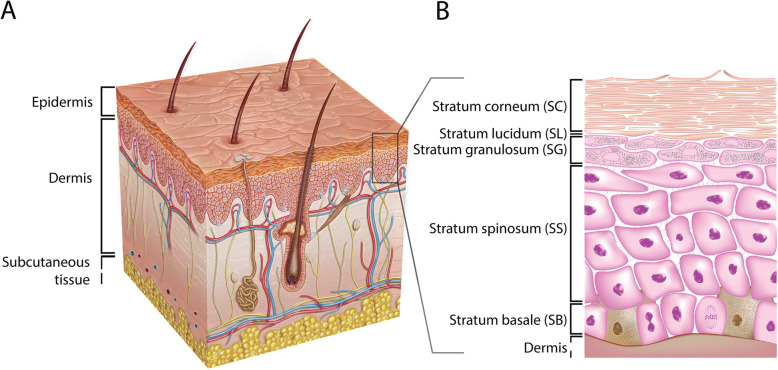
“In thick skin, such as on the palms of the hands and soles of the feet, there is an additional thin layer named the stratum lucidum (SL), located between the SG and SC [32].”
BackgroundPollution and skin: from epidemiological and mechanistic studies to clinical implications.
Krutmann, J., Liu, W., Li, L., Pan, X., Crawford, M., Sore, G., & Seite, S. (2014) · Journal of Dermatological Science · doi:10.1016/j.jdermsci.2014.08.008 · Cited by 290 · cited 1×
“, filaggrin mutation) and a dysregulated immune system but also triggered by several environmental factors, including air pollution, as suggested by recent epidemiological reports [20, 52].”
BackgroundAtopic dermatitis: the skin barrier and beyond
Tsakok, T., Woolf, R., Smith, C. H., Weidinger, S., & Flohr, C. (2019) · British Journal of Dermatology · doi:10.1111/bjd.16934 · Cited by 287
Particulate matter components, sources, and health: Systematic approaches to testing effects
Adams, K., Greenbaum, D. S., Shaikh, R., van Erp, A. M., & Russell, A. G. (2015) · Journal of the Air & Waste Management Association · doi:10.1080/10962247.2014.1001884 · Cited by 286 · cited 2×
“It is important to add that the thorough characterization of the particles, including particle size and chemical analysis of the adsorbed chemicals onto the particles to correlate observed effects, is challenging but highly relevant [5].”
BackgroundHidaka, T., Ogawa, E., Kobayashi, E. H., Suzuki, T., Funayama, R., Nagashima, T., Fujimura, T., Aiba, S., Nakayama, K., Okuyama, R., et al. (2017) · Nature Immunology · doi:10.1038/ni.3614 · Cited by 274 · cited 1×
“It is suggested that PM and AE are linked by the activation of the aryl hydrocarbon receptor signaling pathway and transactivation of neurotrophic factor artemin, by ligand species that are adsorbed onto airborne PM [72, 73].”
BackgroundRelationship between redox activity and chemical speciation of size-fractionated particulate matter
Ntziachristos, L., Froines, J. R., Cho, A. K., & Sioutas, C. (2007) · Particle and Fibre Toxicology · doi:10.1186/1743-8977-4-5 · Cited by 255
Janeway, C. A. (2013) · PubMed · Cited by 253
Antimicrobial skin peptides and proteins
Schröder, J. M., & Harder, J. (2006) · Cellular and Molecular Life Sciences CMLS · doi:10.1007/s00018-005-5364-0 · Cited by 253
NC/Nga Mice: A Mouse Model for Atopic Dermatitis
Suto, H., Matsuda, H., Mitsuishi, K., Hira, K., Uchida, T., Unno, T., Ogawa, H., & Ra, C. (1999) · International Archives of Allergy and Immunology · doi:10.1159/000053599 · Cited by 250
The role of tight junctions in skin barrier function and dermal absorption
Bäsler, K., Bergmann, S., Heisig, M., Naegel, A., Zorn-Kruppa, M., & Brandner, J. M. (2016) · Journal of Controlled Release · doi:10.1016/j.jconrel.2016.08.007 · Cited by 245
Cutaneous responses to environmental stressors
Valacchi, G., Sticozzi, C., Pecorelli, A., Cervellati, F., Cervellati, C., & Maioli, E. (2012) · Annals of the New York Academy of Sciences · doi:10.1111/j.1749-6632.2012.06724.x · Cited by 243
Self-citationOn the role of 4-hydroxynonenal in health and disease
Csala, M., Kardon, T., Legeza, B., Lizák, B., Mandl, J., Margittai, É., Puskás, F., Száraz, P., Szelényi, P., & Bánhegyi, G. (2015) · Biochimica et Biophysica Acta (BBA) - Molecular Basis of Disease · doi:10.1016/j.bbadis.2015.01.015 · Cited by 243
Transdermal Permeation of Drugs in Various Animal Species
Todo, H. (2017) · Pharmaceutics · doi:10.3390/pharmaceutics9030033 · Cited by 243 · cited 1×
“Rodent skin differs significantly from human skin, due to considerably thinner skin layers and a higher hair follicle density, leading to higher substance permeation [80].”
BackgroundØvrevik, J., Refsnes, M., Låg, M., Holme, J., & Schwarze, P. (2015) · Biomolecules · doi:10.3390/biom5031399 · Cited by 241
T cells and the skin: from protective immunity to inflammatory skin disorders
Ho, A. W., & Kupper, T. S. (2019) · Nature Reviews Immunology · doi:10.1038/s41577-019-0162-3 · Cited by 241
Keratinocytes in Inflammatory Skin Diseases
Albanesi, C., Scarponi, C., Giustizieri, M., & Girolomoni, G. (2005) · Current Drug Target -Inflammation & Allergy · doi:10.2174/1568010054022033 · Cited by 234
Yaar, M., Eller, M. S., & Gilchrest, B. A. (2002) · Journal of Investigative Dermatology Symposium Proceedings · doi:10.1046/j.1523-1747.2002.19636.x · Cited by 233 · cited 1×
“In healthy skin, exposure to urban PM has been associated with accelerated extrinsic aging [40–42], its clinical symptoms being pigment spot formation, coarse wrinkle development, and elastosis [43].”
BackgroundThe impact of airborne pollution on skin
Araviiskaia, E., Berardesca, E., Bieber, T., Gontijo, G., Sanchez Viera, M., Marrot, L., Chuberre, B., & Dreno, B. (2019) · Journal of the European Academy of Dermatology and Venereology · doi:10.1111/jdv.15583 · Cited by 214
New Acylceramide in Native and Reconstructed Epidermis
Ponec, M., Weerheim, A., Lankhorst, P., & Wertz, P. (2003) · Journal of Investigative Dermatology · doi:10.1046/j.1523-1747.2003.12103.x · Cited by 212
Niehues, H., Bouwstra, J. A., El Ghalbzouri, A., Brandner, J. M., Zeeuwen, P. L. J. M., & van den Bogaard, E. H. (2018) · Experimental Dermatology · doi:10.1111/exd.13531 · Cited by 210 · cited 15×
“- Phosphorylation of ERK, not of p38 and JNK. [233] Abbreviations: h, hour; d, day; HSE, human skin equivalent; HEE, human epidermal equivalent; NHEK, normal human epidermal keratinocyte; SRM, standard reference material; PM, particulate matter; CAP, concentrated ambient particles; ppm, parts per million; CRM, certifi…”
BackgroundInfluentialComparative histology and immunohistochemistry of porcine versus human skin
Debeer, S., Le Luduec, J.-B., Kaiserlian, D., Laurent, P., Nicolas, J.-F., Dubois, B., & Kanitakis, J. (2013) · European Journal of Dermatology · doi:10.1684/ejd.2013.2060 · Cited by 205
Jin, S.-P., Li, Z., Choi, E. K., Lee, S., Kim, Y. K., Seo, E. Y., Chung, J. H., & Cho, S. (2018) · Journal of Dermatological Science · doi:10.1016/j.jdermsci.2018.04.015 · Cited by 205 · cited 4×
“, an indicator for activation of the inflammatory cascade) and neutrophil infiltration was observed [121, 168, 179, 226].”
BackgroundInfluentialGasoline cars produce more carbonaceous particulate matter than modern filter-equipped diesel cars
Platt, S. M., El Haddad, I., Pieber, S. M., Zardini, A. A., Suarez-Bertoa, R., Clairotte, M., Daellenbach, K. R., Huang, R.-J., Slowik, J. G., Hellebust, S., et al. (2017) · Scientific Reports · doi:10.1038/s41598-017-03714-9 · Cited by 200
Advances in the Biofabrication of 3D Skin in vitro: Healthy and Pathological Models
Randall, M. J., Jüngel, A., Rimann, M., & Wuertz-Kozak, K. (2018) · Frontiers in Bioengineering and Biotechnology · doi:10.3389/fbioe.2018.00154 · Cited by 194
Recognizing the impact of ambient air pollution on skin health
Mancebo, S. E., & Wang, S. Q. (2015) · Journal of the European Academy of Dermatology and Venereology · doi:10.1111/jdv.13250 · Cited by 190
Steven, A. C., Bisher, M. E., Roop, D. R., & Steinert, P. M. (1990) · Journal of Structural Biology · doi:10.1016/1047-8477(90)90071-j · Cited by 190
Lee, C.-W., Lin, Z.-C., Hu, S. C.-S., Chiang, Y.-C., Hsu, L.-F., Lin, Y.-C., Lee, I.-T., Tsai, M.-H., & Fang, J.-Y. (2016) · Scientific Reports · doi:10.1038/srep27995 · Cited by 188 · cited 15×
“- Phosphorylation of ERK, not of p38 and JNK. [233] Abbreviations: h, hour; d, day; HSE, human skin equivalent; HEE, human epidermal equivalent; NHEK, normal human epidermal keratinocyte; SRM, standard reference material; PM, particulate matter; CAP, concentrated ambient particles; ppm, parts per million; CRM, certifi…”
BackgroundInfluentialFunctions of the aryl hydrocarbon receptor in the skin
Esser, C., Bargen, I., Weighardt, H., Haarmann-Stemmann, T., & Krutmann, J. (2013) · Seminars in Immunopathology · doi:10.1007/s00281-013-0394-4 · Cited by 187
Skin Damage Mechanisms Related to Airborne Particulate Matter Exposure
Magnani, N. D., Muresan, X. M., Belmonte, G., Cervellati, F., Sticozzi, C., Pecorelli, A., Miracco, C., Marchini, T., Evelson, P., & Valacchi, G. (2016) · Toxicological Sciences · doi:10.1093/toxsci/kfv230 · Cited by 187 · cited 15×
“[138] ERM-CZ120 3, 10, 30 and 100 μg/mL, systemic 24 and 48 h - Increased IL1B, IL6, CXCL8, and TNF mRNA expression after 24 h. - Increased IL-1β, IL-6, IL-8, and TNF-α protein secretion after 48 h. - Increased MMP1 mRNA expression and protein secretion after 24 h. [173] SRM® 1650b Unknown 24 h - Increased IL-1β and I…”
BackgroundInfluentialSelf-citationHolme, J. A., Brinchmann, B. C., Refsnes, M., Låg, M., & Øvrevik, J. (2019) · Environmental Health · doi:10.1186/s12940-019-0514-2 · Cited by 185 · cited 1×
“PAHs are considered to cause one of the most relevant health hazards due to their ability to induce the formation of reactive oxygen species (ROS) [11], as mediators of cardiovascular effects [12] and increases the risks of cancer in humans [13].”
BackgroundEndoplasmic reticulum stress response in cancer: molecular mechanism and therapeutic potential.
Wang, G., Yang, Z. Q., & Zhang, K. (2010) · PubMed Central · Cited by 182
Immunity at the surface: Homeostatic mechanisms of the skin immune system
Williams, I. R., & Kupper, T. S. (1996) · Life Sciences · doi:10.1016/0024-3205(96)00042-2 · Cited by 181 · cited 1×
“Numerous dermal immune cells provide an effective defense mechanism against the invasion of pathogens and exogenous substances [27, 28].”
BackgroundRole of AhR/ARNT system in skin homeostasis
Furue, M., Takahara, M., Nakahara, T., & Uchi, H. (2014) · Archives of Dermatological Research · doi:10.1007/s00403-014-1481-7 · Cited by 175
Interleukin-1, inflammasomes and the skin
Feldmeyer, L., Werner, S., French, L. E., & Beer, H. (2010) · European Journal of Cell Biology · doi:10.1016/j.ejcb.2010.04.008 · Cited by 174
Chemistry and analysis of HNE and other prominent carbonyl-containing lipid oxidation compounds
Sousa, B. C., Pitt, A. R., & Spickett, C. M. (2017) · Free Radical Biology and Medicine · doi:10.1016/j.freeradbiomed.2017.02.003 · Cited by 172
Atmospheric skin aging—Contributors and inhibitors
McDaniel, D., Farris, P., & Valacchi, G. (2018) · Journal of Cosmetic Dermatology · doi:10.1111/jocd.12518 · Cited by 170
Self-citationNLRP3 inflammasome activation and lung fibrosis caused by airborne fine particulate matter
Zheng, R., Tao, L., Jian, H., Chang, Y., Cheng, Y., Feng, Y., & Zhang, H. (2018) · Ecotoxicology and Environmental Safety · doi:10.1016/j.ecoenv.2018.07.076 · Cited by 168
Siddens, L. K., Larkin, A., Krueger, S. K., Bradfield, C. A., Waters, K. M., Tilton, S. C., Pereira, C. B., Löhr, C. V., Arlt, V. M., Phillips, D. H., et al. (2012) · Toxicology and Applied Pharmacology · doi:10.1016/j.taap.2012.08.014 · Cited by 162
Variability in the Chemical Composition of Human Skin Surface Lipids*
Downing, D. T., Strauss, J. S., & Pochi, P. E. (1969) · Journal of Investigative Dermatology · doi:10.1038/jid.1969.157 · Cited by 161
Systematic Review and Meta-Analysis of Human Skin Diseases Due to Particulate Matter
Ngoc, L., Park, D., Lee, Y., & Lee, Y.-C. (2017) · International Journal of Environmental Research and Public Health · doi:10.3390/ijerph14121458 · Cited by 159 · cited 1×
“5-exposure and several skin diseases [53].”
Pan, T.-L., Wang, P.-W., Aljuffali, I. A., Huang, C.-T., Lee, C.-W., & Fang, J.-Y. (2015) · Journal of Dermatological Science · doi:10.1016/j.jdermsci.2015.01.011 · Cited by 158 · cited 1×
“In porcine skin, deterioration of the skin barrier by PM due to disrupted tight junctions led to increased skin permeability [120].”
BackgroundSynergistic damage by UVA radiation and pollutants
Burke, K., & Wei, H. (2009) · Toxicology and Industrial Health · doi:10.1177/0748233709106067 · Cited by 155
Dissolution of materials in artificial skin surface film liquids
Stefaniak, A. B., & Harvey, C. J. (2006) · Toxicology in Vitro · doi:10.1016/j.tiv.2006.05.011 · Cited by 152
Niwa, Y., Sumi, H., Kawahira, K., Terashima, T., Nakamura, T., & Akamatsu, H. (2003) · British Journal of Dermatology · doi:10.1046/j.1365-2133.2003.05417.x · Cited by 152 · cited 1×
“In a study from Japan, biopsies from 75 AE patients were investigated and a correlation was found between several oxidative stress markers in the SC and the severity of the disease [71].”
BackgroundThe integumentary system: anatomy, physiology and function of skin
McLafferty, E., Hendry, C., & Farley, A. (2012) · Nursing Standard · doi:10.7748/ns2012.09.27.3.35.c9299 · Cited by 149 · cited 1×
“The layer above the dermis, the epidermis, is divided into four to five layers and contains mainly keratinocytes [29].”
BackgroundBiological effects of airborne fine particulate matter (PM 2.5 ) exposure on pulmonary immune system
Wei, T., & Tang, M. (2018) · Environmental Toxicology and Pharmacology · doi:10.1016/j.etap.2018.04.004 · Cited by 148
Modelling the human epidermis in vitro: tools for basic and applied research
Poumay, Y., & Coquette, A. (2006) · Archives of Dermatological Research · doi:10.1007/s00403-006-0709-6 · Cited by 147 · cited 14×
“- Phosphorylation of ERK, not of p38 and JNK. [233] Abbreviations: h, hour; d, day; HSE, human skin equivalent; HEE, human epidermal equivalent; NHEK, normal human epidermal keratinocyte; SRM, standard reference material; PM, particulate matter; CAP, concentrated ambient particles; ppm, parts per million; CRM, certifi…”
BackgroundInfluentialRyu, Y. S., Kang, K. A., Piao, M. J., Ahn, M. J., Yi, J. M., Hyun, Y.-M., Kim, S. H., Ko, M. K., Park, C. O., & Hyun, J. W. (2019) · Redox Biology · doi:10.1016/j.redox.2018.101080 · Cited by 147
Matsumoto, M., Ra, C., Kawamoto, K., Sato, H., Itakura, A., Sawada, J., Ushio, H., Suto, H., Mitsuishi, K., Hikasa, Y., et al. (1999) · The Journal of Immunology · doi:10.4049/jimmunol.162.2.1056 · Cited by 145
Exposure to Polycyclic Aromatic Hydrocarbons: Bulky DNA Adducts and Cellular Responses
Henkler, F., Stolpmann, K., & Luch, A. (2012) · Proceedings of the Fourth International Symposium on Polarization Phenomena in Nuclear Reactions · doi:10.1007/978-3-7643-8340-4_5 · Cited by 143
Outdoor air pollution, green space, and cancer incidence in Saxony: a semi-individual cohort study
Datzmann, T., Markevych, I., Trautmann, F., Heinrich, J., Schmitt, J., & Tesch, F. (2018) · BMC Public Health · doi:10.1186/s12889-018-5615-2 · Cited by 141
Seo, M., Kang, T.-J., Lee, C., Lee, A., & Noh, M. (2012) · Biomolecules & Therapeutics · doi:10.4062/biomolther.2012.20.2.171 · Cited by 139 · cited 1×
“It was shown that HaCaT cells respond differently to these pro-inflammatory cytokines compared to primary cells, resulting in different expression profiles of genes related to the development of the skin barrier [102].”
BackgroundBurke, K. E. (2018) · Mechanisms of Ageing and Development · doi:10.1016/j.mad.2017.12.003 · Cited by 136
DiStefano, E., Eiguren-Fernandez, A., Delfino, R. J., Sioutas, C., Froines, J. R., & Cho, A. K. (2009) · Inhalation Toxicology · doi:10.1080/08958370802491433 · Cited by 133
Soeur, J., Belaïdi, J.-P., Chollet, C., Denat, L., Dimitrov, A., Jones, C., Perez, P., Zanini, M., Zobiri, O., Mezzache, S., et al. (2017) · Journal of Dermatological Science · doi:10.1016/j.jdermsci.2017.01.007 · Cited by 131
Lehtimäki, J., Karkman, A., Laatikainen, T., Paalanen, L., von Hertzen, L., Haahtela, T., Hanski, I., & Ruokolainen, L. (2017) · Scientific Reports · doi:10.1038/srep45651 · Cited by 131 · cited 1×
“, rural versus urban), indicating a possible link between PM exposure and the skin microbiome composition [118].”
Background‘Every breath we take: the lifelong impact of air pollution’ – a call for action
Holgate, S. T. (2017) · Clinical Medicine · doi:10.7861/clinmedicine.17-1-8 · Cited by 129 · cited 1×
“Although most of the attention of airborne PM has focused on the impact on human respiratory and cardiovascular systems [15, 16], many other primary and secondary organs (e.”
BackgroundFang, T., Lakey, P. S. J., Weber, R. J., & Shiraiwa, M. (2019) · Environmental Science & Technology · doi:10.1021/acs.est.9b03823 · Cited by 128
van Smeden, J., Boiten, W. A., Hankemeier, T., Rissmann, R., Bouwstra, J., & Vreeken, R. (2014) · Biochimica et Biophysica Acta · doi:10.1016/j.bbalip.2013.10.002 · Cited by 121
Zhao, R., Guo, Z., Zhang, R., Deng, C., Xu, J., Dong, W., Hong, Z., Yu, H., Situ, H., Liu, C., et al. (2018) · Journal of Applied Toxicology · doi:10.1002/jat.3573 · Cited by 120
Ryu, Y. S., Kang, K. A., Piao, M. J., Ahn, M. J., Yi, J. M., Bossis, G., Hyun, Y.-M., Park, C. O., & Hyun, J. W. (2019) · Experimental & Molecular Medicine · doi:10.1038/s12276-019-0305-4 · Cited by 119
Costa, C., Catania, S., Pasquale, R. D., Stancanelli, R., Scribano, G. M., & Melchini, A. (2010) · Toxicology · doi:10.1016/j.tox.2010.02.014 · Cited by 117
Wang, T., Wang, L., Moreno-Vinasco, L., Lang, G. D., Siegler, J. H., Mathew, B., Usatyuk, P. V., Samet, J. M., Geyh, A. S., Breysse, P. N., et al. (2012) · Particle and Fibre Toxicology · doi:10.1186/1743-8977-9-35 · Cited by 117
Park, S.-Y., Byun, E. J., Lee, J. D., Kim, S., & Kim, H. S. (2018) · International Journal of Molecular Sciences · doi:10.3390/ijms19092727 · Cited by 117 · cited 16×
“[138] ERM-CZ120 3, 10, 30 and 100 μg/mL, systemic 24 and 48 h - Increased IL1B, IL6, CXCL8, and TNF mRNA expression after 24 h. - Increased IL-1β, IL-6, IL-8, and TNF-α protein secretion after 48 h. - Increased MMP1 mRNA expression and protein secretion after 24 h. [173] SRM® 1650b Unknown 24 h - Increased IL-1β and I…”
BackgroundInfluentialThe anatomy and physiology of the locomotor system
Farley, A., McLafferty, E., & Hendry, C. (2012) · Nursing Standard · doi:10.7748/ns.27.7.35.s56 · Cited by 114
ROS Quenching Potential of the Epidermal Cornified Cell Envelope
Vermeij, W. P., Alia, A., & Backendorf, C. (2011) · Journal of Investigative Dermatology · doi:10.1038/jid.2010.433 · Cited by 108
Human Keratinocyte Toll-like Receptors Promote Distinct Immune Responses
Miller, L. S., & Modlin, R. L. (2007) · Journal of Investigative Dermatology · doi:10.1038/sj.jid.5700559 · Cited by 107
Electrophilic and redox properties of diesel exhaust particles
Shinyashiki, M., Eiguren-Fernández, A., Schmitz, D. A., Distefano, E. W., Li, N., Linak, W. P., Cho, S., Froines, J. R., & Cho, A. K. (2009) · Environmental Research · doi:10.1016/j.envres.2008.12.008 · Cited by 106
van den Bogaard, E. H., Podolsky, M. A., Smits, J. P., Cui, X., John, C., Gowda, K., Desai, D., Amin, S. G., Schalkwijk, J., Perdew, G. H., et al. (2015) · Journal of Investigative Dermatology · doi:10.1038/jid.2015.6 · Cited by 106
Kong, R., & Bhargava, R. (2011) · The Analyst · doi:10.1039/c1an15111h · Cited by 106
Fernando, I. P. S., Jayawardena, T. U., Sanjeewa, K. K. A., Wang, L., Jeon, Y.-J., & Lee, W. W. (2018) · Ecotoxicology and Environmental Safety · doi:10.1016/j.ecoenv.2018.05.024 · Cited by 105
Unraveling Barrier Properties of Three Different In-House Human Skin Equivalents
Thakoersing, V. S., Gooris, G. S., Mulder, A., Rietveld, M., El Ghalbzouri, A., & Bouwstra, J. A. (2012) · Tissue Engineering Part C: Methods · doi:10.1089/ten.tec.2011.0175 · Cited by 102
Wang, L., Lee, W., Cui, Y. R., Ahn, G., & Jeon, Y.-J. (2019) · Environmental Pollution · doi:10.1016/j.envpol.2019.06.029 · Cited by 102 · cited 4×
“Indeed, PM induces the phosphorylation and nuclear translation of the p65 unit [128, 130, 136, 137, 145, 169, 179, 181, 231, 233].”
BackgroundInfluentialIto, A., Sato, T., Iga, T., & Mori, Y. (1990) · FEBS Letters · doi:10.1016/0014-5793(90)81127-a · Cited by 100
The impact of airborne pollution on atopic dermatitis: a literature review
Hendricks, A. J., Eichenfield, L. F., & Shi, V. Y. (2020) · British Journal of Dermatology · doi:10.1111/bjd.18781 · Cited by 99 · cited 1×
“The aforementioned results have been supported by a recent review on the impact of different air pollutants on AE, which included a total of 21 in vitro studies, animal studies, clinical trials, and case studies [69].”
ResultThe Effects of Air Pollution on the Development of Atopic Disease
Hassoun, Y., James, C., & Bernstein, D. I. (2019) · Clinical Reviews in Allergy & Immunology · doi:10.1007/s12016-019-08730-3 · Cited by 95
Diesel exhaust particles modulate the tight junction protein occludin in lung cells in vitro
Lehmann, A. D., Blank, F., Baum, O., Gehr, P., & Rothen-Rutishauser, B. M. (2009) · Particle and Fibre Toxicology · doi:10.1186/1743-8977-6-26 · Cited by 94
Self-citationIntercellular Skin Barrier Lipid Composition and Organization in Netherton Syndrome Patients
van Smeden, J., Janssens, M., Boiten, W. A., van Drongelen, V., Furio, L., Vreeken, R. J., Hovnanian, A., & Bouwstra, J. A. (2013) · Journal of Investigative Dermatology · doi:10.1038/jid.2013.517 · Cited by 93 · cited 1×
“However, it is hypothesized that patients with other inflammatory skin diseases with an impaired barrier function, such as the rare genetic skin disease Netherton syndrome [74] and psoriasis [75], are more prone to the effects of PM.”
BackgroundYang, H.-J., Lee, S.-Y., Suh, D. I., Shin, Y. H., Kim, B.-J., Seo, J.-H., Chang, H. Y., Kim, K. W., Ahn, K., Shin, Y.-J., et al. (2014) · BMC Pulmonary Medicine · doi:10.1186/1471-2466-14-109 · Cited by 92 · cited 1×
“From the prospective birth cohort study, Cohort for Childhood Origin of Asthma and Allergic Diseases (COCOA) [62], 468 oneyear-olds were included with measurements of outdoor PM10 and PM2.”
BackgroundYAO, C., OH, J.-H., LEE, D. H., BAE, J.-S., JIN, C. L., PARK, C.-H., & CHUNG, J. H. (2015) · International Journal of Molecular Medicine · doi:10.3892/ijmm.2015.2146 · Cited by 90
Role of the Aryl Hydrocarbon Receptor in Environmentally Induced Skin Aging and Skin Carcinogenesis
Vogeley, C., Esser, C., Tüting, T., Krutmann, J., & Haarmann-Stemmann, T. (2019) · International Journal of Molecular Sciences · doi:10.3390/ijms20236005 · Cited by 89
Choi, H., Shin, D. W., Kim, W., Doh, S.-J., Lee, S. H., & Noh, M. (2011) · Toxicology Letters · doi:10.1016/j.toxlet.2010.10.019 · Cited by 88 · cited 14×
“[138] ERM-CZ120 3, 10, 30 and 100 μg/mL, systemic 24 and 48 h - Increased IL1B, IL6, CXCL8, and TNF mRNA expression after 24 h. - Increased IL-1β, IL-6, IL-8, and TNF-α protein secretion after 48 h. - Increased MMP1 mRNA expression and protein secretion after 24 h. [173] SRM® 1650b Unknown 24 h - Increased IL-1β and I…”
BackgroundInfluentialInvolvement of 4‐hydroxy‐2‐nonenal in pollution‐induced skin damage
Pecorelli, A., Woodby, B., Prieux, R., & Valacchi, G. (2019) · BioFactors · doi:10.1002/biof.1513 · Cited by 86
Self-citationThe AhR–Nrf2 Pathway in Keratinocytes: On the Road to Chemoprevention?
Haarmann-Stemmann, T., Abel, J., Fritsche, E., & Krutmann, J. (2012) · Journal of Investigative Dermatology · doi:10.1038/jid.2011.359 · Cited by 85
Chen, L., Wu, M., Jiang, S., Zhang, Y., Li, R., Lu, Y., Liu, L., Wu, G., Liu, Y., Xie, L., et al. (2019) · International Journal of Nanomedicine · doi:10.2147/ijn.s225451 · Cited by 85 · cited 1×
“A recent study compared the effect of silver nanoparticles on oxidative stress and inflammation in 2D and 3D skin models [105].”
BackgroundMicrofibrillar elements of the dermal matrix
Kielty, C. M., & Shuttleworth, C. A. (1997) · Microscopy Research and Technique · doi:10.1002/(sici)1097-0029(19970815)38:4<413::aid-jemt9>3.0.co;2-j · Cited by 82 · cited 1×
“These cells secrete collagen and elastin, which contribute to the generation of the extracellular matrix, providing the dermis with strain resistance and elasticity, respectively [23, 25, 26].”
BackgroundCommon skin bacteria protect their host from oxidative stress through secreted antioxidant RoxP
Andersson, T., Ertürk Bergdahl, G., Saleh, K., Magnúsdóttir, H., Stødkilde, K., Andersen, C. B. F., Lundqvist, K., Jensen, A., Brüggemann, H., & Lood, R. (2019) · Scientific Reports · doi:10.1038/s41598-019-40471-3 · Cited by 82
Miyazaki, H., Tsunoi, Y., Akagi, T., Sato, S., Akashi, M., & Saitoh, D. (2019) · Scientific Reports · doi:10.1038/s41598-019-44113-6 · Cited by 81
Effects of Ambient Fine Particles PM2.5 on Human HaCaT Cells
Li, Q., Kang, Z., Jiang, S., Zhao, J., Yan, S., Xu, F., & Xu, J. (2017) · International Journal of Environmental Research and Public Health · doi:10.3390/ijerph14010072 · Cited by 77
Atopic Dermatitis Studies through In Vitro Models
De Vuyst, E., Salmon, M., Evrard, C., Lambert de Rouvroit, C., & Poumay, Y. (2017) · Frontiers in Medicine · doi:10.3389/fmed.2017.00119 · Cited by 77
Lamellar Bodies: The Key to Cutaneous Barrier Function
Feingold, K. R. (2012) · Journal of Investigative Dermatology · doi:10.1038/jid.2012.177 · Cited by 76 · cited 1×
“They also produce lamellar bodies (LBs) that secrete specific lipid compounds, which are essential for the formation of the uppermost layer of the skin, the stratum corneum (SC) [30, 31].”
BackgroundFocus on Skin as a Possible Port of Entry for Solid Nanoparticles and the Toxicological Impact
Smijs, T. G. M., & Bouwstra, J. A. (2010) · Journal of Biomedical Nanotechnology · doi:10.1166/jbn.2010.1146 · Cited by 75
Hu, R., Xie, X.-Y., Xu, S.-K., Wang, Y.-N., Jiang, M., Wen, L.-R., Lai, W., & Guan, L. (2017) · Chinese Medical Journal · doi:10.4103/0366-6999.212942 · Cited by 75
Abnormal epidermal barrier in the pathogenesis of psoriasis
Wolf, R., Orion, E., Ruocco, E., & Ruocco, V. (2012) · Clinics in Dermatology · doi:10.1016/j.clindermatol.2011.08.022 · Cited by 72 · cited 1×
“However, it is hypothesized that patients with other inflammatory skin diseases with an impaired barrier function, such as the rare genetic skin disease Netherton syndrome [74] and psoriasis [75], are more prone to the effects of PM.”
BackgroundPeng, F., Xue, C. ‐., Hwang, S. K., Li, W. ‐., Chen, Z., & Zhang, J. ‐. (2017) · Journal of the European Academy of Dermatology and Venereology · doi:10.1111/jdv.13834 · Cited by 71
Pan, C.-J. G. (2004) · Toxicological Sciences · doi:10.1093/toxsci/kfh199 · Cited by 70
Human synthetic sebum formulation and stability under conditions of use and storage
Wertz, P. W. (2009) · International Journal of Cosmetic Science · doi:10.1111/j.1468-2494.2008.00468.x · Cited by 69
Ushio, H., Nohara, K., & Fujimaki, H. (1999) · Toxicology Letters · doi:10.1016/s0378-4274(98)00379-8 · Cited by 68
Increased Presence of Monounsaturated Fatty Acids in the Stratum Corneum of Human Skin Equivalents
Thakoersing, V. S., van Smeden, J., Mulder, A. A., Vreeken, R. J., Ghalbzouri, A. E., & Bouwstra, J. A. (2012) · Journal of Investigative Dermatology · doi:10.1038/jid.2012.262 · Cited by 67
MORPHOLOGY AND THICKNESS OF THE HUMAN STRATUM CORNEUM
BLAIR, C. (1968) · British Journal of Dermatology · doi:10.1111/j.1365-2133.1968.tb11978.x · Cited by 67
Lotte, C., Patouillet, C., Zanini, M., Messager, A., & Roguet, R. (2002) · Skin Pharmacology and Physiology · doi:10.1159/000066679 · Cited by 66
Toward Immunocompetent 3D Skin Models
Pupovac, A., Senturk, B., Griffoni, C., Maniura‐Weber, K., Rottmar, M., & McArthur, S. L. (2018) · Advanced Healthcare Materials · doi:10.1002/adhm.201701405 · Cited by 65
Yen, F.-L., Lin, Z.-C., Lee, C.-W., Tsai, M.-H., Ko, H.-H., Fang, J.-Y., Chiang, Y.-C., Liang, C.-J., Hsu, L.-F. H., & Hu, S. C.-S. (2016) · International Journal of Nanomedicine · doi:10.2147/ijn.s109062 · Cited by 63
Fernando, I. P. S., Kim, H.-S., Sanjeewa, K. K. A., Oh, J.-Y., Jeon, Y., & Lee, W. (2017) · ALGAE · doi:10.4490/algae.2017.32.8.14 · Cited by 63
Kim, M., Kim, J. H., Jeong, G. J., Park, K. Y., Lee, M., & Seo, S. J. (2019) · Experimental Dermatology · doi:10.1111/exd.13943 · Cited by 63
Mori, I., Sun, Z., Ukachi, M., Nagano, K., McLeod, C. W., Cox, A. G., & Nishikawa, M. (2008) · Analytical and Bioanalytical Chemistry · doi:10.1007/s00216-008-2076-y · Cited by 62 · cited 2×
“The National Institute for Environmental Studies (NIES) in Japan offers PM10-like urban dust certified reference material (CRM) no. 28 that have been collected from a central ventilating system in a building in Beijing, China [78].”
BackgroundSeok, J. K., Lee, J.-W., Kim, Y. M., & Boo, Y. C. (2018) · Skin Pharmacology and Physiology · doi:10.1159/000487400 · Cited by 62
Gerritsen, M., van Erp, P. E. J., van Vlijmen‐Willems, I. M. J. J., Lenders, L. T. M., & van de Kerkhof, P. C. M. (1994) · Archives of Dermatological Research · doi:10.1007/bf00371571 · Cited by 61
Lee, J.-Y., Lamichhane, D., Lee, M., Ye, S., Kwon, J.-H., Park, M.-S., Kim, H.-C., Leem, J.-H., Hong, Y.-C., Kim, Y., et al. (2018) · International Journal of Environmental Research and Public Health · doi:10.3390/ijerph15010102 · Cited by 61
Cellular Changes that Accompany Shedding of Human Corneocytes
Lin, T.-K., Crumrine, D., Ackerman, L. D., Santiago, J.-L., Roelandt, T., Uchida, Y., Hupe, M., Fabriàs, G., Abad, J. L., Rice, R. H., et al. (2012) · Journal of Investigative Dermatology · doi:10.1038/jid.2012.173 · Cited by 60
Lee, C., Lin, Z., Hsu, L.-F., Fang, J., Chiang, Y., Tsai, M.-H., Lee, M., Li, S.-Y., Hu, S. C., Lee, I.-T., et al. (2016) · Journal of Ethnopharmacology · doi:10.1016/j.jep.2016.05.002 · Cited by 60
Eckol Inhibits Particulate Matter 2.5-Induced Skin Keratinocyte Damage via MAPK Signaling Pathway
Zhen, A. X., Hyun, Y. J., Piao, M. J., Fernando, P. D. S. M., Kang, K. A., Ahn, M. J., Yi, J. M., Kang, H. K., Koh, Y. S., Lee, N. H., et al. (2019) · Marine Drugs · doi:10.3390/md17080444 · Cited by 59
Du, X., Jiang, S., Zeng, X., Zhang, J., Pan, K., Song, L., Zhou, J., Kan, H., Sun, Q., Zhao, J., et al. (2019) · Ecotoxicology and Environmental Safety · doi:10.1016/j.ecoenv.2019.02.064 · Cited by 59
Transcriptome analysis of airborne PM 2.5-induced detrimental effects on human keratinocytes
Kim, H.-J., Bae, I.-H., Son, E. D., Park, J., Cha, N., Na, H.-W., Jung, C., Go, Y.-S., Kim, D.-Y., Lee, T. R., et al. (2017) · Toxicology Letters · doi:10.1016/j.toxlet.2017.03.010 · Cited by 58 · cited 2×
“Increased AMP expression was observed in a 3D HEE and primary keratinocytes treated with PM [132, 134], indicating an alteration in the chemical epidermal barrier.”
BackgroundAfzelin suppresses proinflammatory responses in�particulate matter-exposed human keratinocytes
Kim, J., Kim, M., Kim, J. G., Lee, M., Seo, S. J., & Park, K. Y. (2019) · International Journal of Molecular Medicine · doi:10.3892/ijmm.2019.4162 · Cited by 58
Acute skin barrier disruption with repeated tape stripping: an in vivo model for damage skin barrier
Gao, Y., Wang, X., Chen, S., Li, S., & Liu, X. (2012) · Skin Research and Technology · doi:10.1111/srt.12028 · Cited by 57
Resveratrol Inhibits Particulate Matter-Induced Inflammatory Responses in Human Keratinocytes
Shin, J. W., Lee, H.-S., Na, J., Huh, C., Park, K.-C., & Choi, H.-R. (2020) · International Journal of Molecular Sciences · doi:10.3390/ijms21103446 · Cited by 57
Ranjit, S., Midde, N. M., Sinha, N., Patters, B. J., Rahman, M. A., Cory, T. J., Rao, S., & Kumar, S. (2016) · PLoS ONE · doi:10.1371/journal.pone.0163827 · Cited by 56
Cervellati, F., Benedusi, M., Manarini, F., Woodby, B., Russo, M., Valacchi, G., & Pietrogrande, M. C. (2020) · Chemosphere · doi:10.1016/j.chemosphere.2019.124746 · Cited by 56
Self-citationStudies on Epidermal Regeneration by Means of the Strip Method*
Williams, M. G., & Hunter, R. (1957) · Journal of Investigative Dermatology · doi:10.1038/jid.1957.116 · Cited by 54
Qiao, Y., Li, Q., Du, H.-Y., Wang, Q.-W., Huang, Y., & Liu, W. (2017) · Biochemical and Biophysical Research Communications · doi:10.1016/j.bbrc.2017.04.160 · Cited by 53
Guo, Q., Xiong, X., Liang, F., Tian, L., Liu, W., Wang, Z., & Pan, X. (2019) · Journal of the European Academy of Dermatology and Venereology · doi:10.1111/jdv.15820 · Cited by 53
Research works printed but not linked: 2
- Kielty CM, Shuttleworth CA. Microfibrillar elements of the dermal matrix. Microsc Res Tech. 1997;38:413–27. 9297691 · DOI · Paper page
- Ranganatha N, Kuppast IJ. A review on alternatives to animal testing methods in drug development. Int J Pharm Pharm Sci. 2012;4:28–32.
Cited by
Afshari, M., Koláčková, M., Rosecká, M., Čelakovská, J., & Krejsek, J. (2024) · Frontiers in Immunology · doi:10.3389/fimmu.2024.1361005 · Cited by 213
Association Between Short-term Exposure to Environmental Air Pollution and Psoriasis Flare
Bellinato, F., Adami, G., Vaienti, S., Benini, C., Gatti, D., Idolazzi, L., Fassio, A., Rossini, M., Girolomoni, G., & Gisondi, P. (2022) · JAMA Dermatology · doi:10.1001/jamadermatol.2021.6019 · Cited by 101
Effects of Air Pollution on Cellular Senescence and Skin Aging
Martic, I., Jansen-Dürr, P., & Cavinato, M. (2022) · Cells · doi:10.3390/cells11142220 · Cited by 95
“5 exposure, leading to increased skin permeability [100,101].”
BackgroundAir pollution and skin diseases: A comprehensive evaluation of the associated mechanism.
Gu, X., Li, Z., & Su, J. (2024) · Ecotoxicology and Environmental Safety · doi:10.1016/j.ecoenv.2024.116429 · Cited by 91
Sözener, Z. Ç., Treffeisen, E. R., Öztürk, B. Ö., & Schneider, L. C. (2023) · Journal of Allergy and Clinical Immunology · doi:10.1016/j.jaci.2023.09.001 · Cited by 94
Metadata
- Authors
- Dijkhoff, I. M., Drasler, B., Karakocak, B. B., Petri-Fink, A., Valacchi, G., Eeman, M., & Rothen-Rutishauser, B.
- Affiliations
- University of Fribourg (CH)
- North Carolina State University (US)
- Venue
- Particle and Fibre Toxicology
- Published
- 2020-07-25
- Volume
- 17
- Issue
- 1
- Pages
- 35-35
- ISSN
- 1743-8977 (ISSN-L)
- PMC
- PMC7382801
- OpenAlex
- W3045020382
- Cited by
- 202
- References
- 275
- Citations by year
- 2026: 22 · 2025: 50 · 2024: 31 · 2023: 37 · 2022: 37 · 2021: 23 · 2020: 2
- FWCI
- 2.20
- Type
- journal article
- Language
- en
- Open access
- gold
- doi.org
- Licence
- cc-by
- creativecommons.org/licenses/by/4.0 (tdm)
- creativecommons.org/licenses/by/4.0 (vor)
- Locations
- Particle and Fibre Toxicology (publishedVersion, cc-by)
- PubMed Central (publishedVersion, cc-by)
- PubMed (publishedVersion)
- RERO DOC (Universität Bern) (submittedVersion)
- DOAJ (DOAJ: Directory of Open Access Journals) (submittedVersion, cc-by-sa)
- Institutional Research Information System University of Ferrara (University of Ferrara) (submittedVersion, other-oa)
- Zenodo (CERN European Organization for Nuclear Research) (submittedVersion, cc-by)
- Funders
- Horizon 2020 Framework Programme (765602)
- Adolphe Merkle Foundation
- Topics
- Physical Sciences › Environmental Science › Health, Toxicology and Mutagenesis › Air Quality and Health Impacts
- Health Sciences › Medicine › Dermatology › Dermatology and Skin Diseases
- Health Sciences › Medicine › Dermatology › Skin Protection and Aging
- Keywords
- airborne particulate matter, air pollution, skin, skin barrier dysfunction, oxidative stress, reactive oxygen species, inflammation, atopic dermatitis, extrinsic aging, ultrafine particles, nanosized particles, skin diseases
- MeSH terms
- Air Pollutants, Air Pollution, Humans, Skin, Reactive Oxygen Species, Oxidative Stress, Particulate Matter
About these checks
Registry, retraction, Cites and statistics results are computed, not judged, with one exception: a printed reference that no index lists is read once by a model before it counts as a citation error. Claims are extracted by a model and kept only when their quote appears verbatim in the text; each cited source is then checked, with a model’s help, for whether it says what the claim relies on. Those verdicts can be wrong — read the claim’s quote and the cited source before relying on one.
Statistics and arithmetic are recomputed, not judged.
Confidence bands are shown only for fields calibrated on our annotated test set. None is calibrated yet, so no band is shown.
What counts as a claim ›How we measure confidence ›How we check this ›
Are you an author, or do you see a problem with this page? Request a review
Data sources
Bibliographic data: Semantic Scholar, OpenAlex, Crossref.
Contains information from the Semantic Scholar Academic Graph Datasets, made available under the ODC Attribution License (ODC-BY 1.0).
Semantic Scholar’s data is described in: Kinney, R., et al. (2023). The Semantic Scholar Open Data Platform. arXiv:2301.10140.
