

Infraslow closed-loop brain training for anxiety and depression (ISAD): a protocol for a randomized, double-blind, sham-controlled pilot trial in adult females with internalizing disorders
Open accessThe DOI matches its Crossref record; 317 of the 318 references it cites were found in a registry or an index; 84 of the 206 sources its claims cite were checked for support.
Abstract
Background: The core intrinsic connectivity networks (core-ICNs), encompassing the default-mode network (DMN), salience network (SN) and central executive network (CEN), have been shown to be dysfunctional in individuals with internalizing disorders (IDs, e.g. major depressive disorder, MDD; generalized anxiety disorder, GAD; social anxiety disorder, SOC). As such, source-localized, closed-loop brain training of electrophysiological signals, also known as standardized low-resolution electromagnetic tomography (sLORETA) neurofeedback (NFB), targeting key cortical nodes within these networks has the potential to reduce symptoms associated with IDs and restore normal core ICN function. We intend to conduct a randomized, double-blind (participant and assessor), sham-controlled, parallel-group (3-arm) trial of sLORETA infraslow (<0.1 Hz) fluctuation neurofeedback (sLORETA ISF-NFB) 3 times per week over 4 weeks in participants (n=60) with IDs. Our primary objectives will be to examine patient-reported outcomes (PROs) and neurophysiological measures to (1) compare the potential effects of sham ISF-NFB to either genuine 1-region ISF-NFB or genuine 2-region ISF-NFB, and (2) assess for potential associations between changes in PRO scores and modifications of electroencephalographic (EEG) activity/connectivity within/between the trained regions of interest (ROIs). As part of an exploratory analysis, we will investigate the effects of additional training sessions and the potential for the potentiation of the effects over time. Methods: We will randomly assign participants who meet the criteria for MDD, GAD, and/or SOC per the MINI (Mini International Neuropsychiatric Interview for DSM-5) to one of three groups: (1) 12 sessions of posterior cingulate cortex (PCC) ISF-NFB up-training (n=15), (2) 12 sessions of concurrent PCC ISF up-training and dorsal anterior cingulate cortex (dACC) ISF-NFB down-training (n=15), or (3) 6 sessions of yoked-sham training followed by 6 sessions genuine ISF-NFB (n=30). Transdiagnostic PROs (Hospital Anxiety and Depression Scale, HADS; Inventory of Depression and Anxiety Symptoms – Second Version, IDAS-II; Multidimensional Emotional Disorder Inventory, MEDI; Intolerance of Uncertainty Scale – Short Form, IUS-12; Repetitive Thinking Questionnaire, RTQ-10) as well as resting-state neurophysiological measures (full-band EEG and ECG) will be collected from all subjects during two baseline sessions (approximately 1 week apart) then at post 6 sessions, post 12 sessions, and follow-up (1 month later). We will employ Bayesian methods in R and advanced source-localisation software (i.e. exact low-resolution brain electromagnetic tomography; eLORETA) in our analysis. Discussion: This protocol will outline the rationale and research methodology for a clinical pilot trial of sLORETA ISF-NFB targeting key nodes within the core-ICNs in a female ID population with the primary aims being to assess its potential efficacy via transdiagnostic PROs and relevant neurophysiological measures. Trial registration: Our study was prospectively registered with the Australia New Zealand Clinical Trials Registry (ANZCTR; Trial ID: ACTRN12619001428156). Registered on October 15, 2019. © 2022, The Author(s).
Overview
CoChat Summary
## TL;DR
This is a protocol for a randomized, double-blind, sham-controlled pilot trial testing source-localized infraslow neurofeedback (ISF-NFB) in adult females with internalizing disorders. It will compare sham, single-region, and two-region training across 12 sessions and assess patient-reported and neurophysiological outcomes over baseline, post-treatment, and 1-month follow-up.
## Key findings
- Not stated in the paper.
- The planned sample is 60 adult females with DSM-5 GAD, SOC, and/or MDD, allocated in a 2:1:1 ratio to sham (n=30), ISF1/PCC up-training (n=15), or ISF2/PCC up-training + dACC down-training (n=15).
- Outcomes will be collected at two baseline sessions ~1 week apart, post 6 sessions, post 12 sessions, and 1-month follow-up.
- The paper’s stated primary objective is to compare sham vs genuine ISF-NFB on HADS and EEG/HRV measures, and to test associations between changes in HADS and targeted ROI activity/connectivity.
## Methods
- Design: Randomized, double-blind (participants and assessors), yoked-sham-controlled, parallel-group, superiority pilot trial.
- Sample/setting: Adult biological females aged 18–64 in Dunedin, New Zealand, with current GAD, SOC, and/or MDD per the MINI; the trial was amended to recruit 60 females after COVID-19-related disruption.
- Analysis: Planned Bayesian analyses in R/JAGS/Stan with eLORETA/LORETA-Key for EEG source-localization, plus regression for PRO–EEG associations; complete-case analysis will be used and missing data handled by requiring at least 5 of 6 sessions per block.
## Limitations
- The paper states that no formal sample size or power calculations were made because this is the first study of sLORETA ISF-NFB in an ID population and there were no existing standard deviations for the outcomes of interest.
- The paper states that this is a pilot study, so “only potential efficacy (or lack thereof)” can be established.
- Evident from the text: the study is restricted to adult females from one community in Dunedin, New Zealand, which limits generalizability beyond that population.
Model-written summary. Check it against the paper before relying on it.
Integrity signals
Registry
Cites
Statistics
Figures
Verification
Claims the paper makes
44 Valid · 1 Not valid · 23 Not checked · 30 Own results and interpretations
The cited sources support only part of this claim — read each source’s verdict below.
In the paper
“Notably, IDs are highly comorbid [17–19] with females [20–23] and young people (i.e. <65 years) [8, 10, 17–19, 22, 24–29] disproportionately affected.”
§ Infraslow closed-loop brain training for anxiety and depression (ISAD): a protocol for a randomized, double-blind, sham-controlled pilot trial in adult females with internalizing disorders > Introduction > Background and rationale
What the sources say
- Supportedcites [20] Altemus M Sarvaiya N Neill Epperson C Sex differences in anxiety and depression clinical perspectives Front Neuroendocrinol 2014 35 3 320 330 24887405 PMC4890708 source
The Introduction reports that females have significantly greater risk of anxiety and depressive disorders, with twice the lifetime rates of depression and most anxiety disorders. It notes exceptions for obsessive–compulsive and bipolar disorders, but supports the general claim. (LLM, conf=0.93)
- Not checked — no full text of the sourcecites [21] Asher M Asnaani A Aderka IM Gender differences in social anxiety disorder: a review Clin Psychol Rev 2017 56 1 12 28578248 source
- Partly supportedcites [22] Bandelow B Michaelis S Epidemiology of anxiety disorders in the 21st century Dialogues Clin Neurosci 2015 17 3 327 26487813 PMC4610617 sourceExperimental — accuracy not yet measured
The Conclusions and future perspectives section says anxiety disorders are more common in women. The cited paper addresses anxiety disorders, however, not the broader category of internalizing disorders named in the claim. (LLM, conf=0.86)
- Not checked — no full text of the sourcecites [23] Hammen C Risk factors for depression: an autobiographical review Annu Rev Clin Psychol 2018 14 1 1 28 29328780 source
plainstates an association- Asserted: passes — The authors put it forward as true.
- Checkable: passes — It can be checked against evidence.
- Load-bearing: passes — The paper’s conclusions depend on it.
- Based: passes — The paper gives a reason why it holds.
- Supported
The cited sources support only part of this claim — read each source’s verdict below.
In the paper
“The core intrinsic connectivity networks (core-ICNs), encompassing the default-mode network (DMN), salience network (SN) and central executive network (CEN), have been shown to be dysfunctional in individuals with internalizing disorders (IDs, e.g. major depressive disorder, MDD; generalized anxiety disorder, GAD; social anxiety disorder, SOC).”
- Also stated in: § Background and rationale · hedged
“In recent years, neuropsychiatric research is pointing to transdiagnostic, neurobiological aberrations specifically involving the so-called core intrinsic connectivity networks (c-ICNs) which include the default mode network (DMN), central executive network (CEN) and salience network (SN) [30–33].”
§ Infraslow closed-loop brain training for anxiety and depression (ISAD): a protocol for a randomized, double-blind, sham-controlled pilot trial in adult females with internalizing disorders > Abstract > Background The core intrinsic connectivity networks (core-ICNs), encompassing the default-mode network (DMN), salience network (SN) and central executive network (CEN), have been shown to be dysfunctional in individuals with internalizing disorders (IDs, e.g. major depressive disorder, MDD; generalized anxiety disorder, GAD; social anxiety disorder, SOC). As such, source-localized, closed-loop brain training of electrophysiological signals, also known as standardized low-resolution electromagnetic tomography (sLORETA) neurofeedback (NFB), targeting key cortical nodes within these networks has the potential to reduce symptoms associated with IDs and restore normal core ICN function. We intend to conduct a randomized, double-blind (participant and assessor), sham-controlled, parallel-group (3-arm) trial of sLORETA infraslow (<0.1 Hz) fluctuation neurofeedback (sLORETA ISF-NFB) 3 times per week over 4 weeks in participants (n=60) with IDs. Our primary objectives will be to examine patient-reported outcomes (PROs) and neurophysiological measures to (1) compare the potential effects of sham ISF-NFB to either genuine 1-region ISF-NFB or genuine 2-region ISF-NFB, and (2) assess for potential associations between changes in PRO scores and modifications of electroencephalographic (EEG) activity/connectivity within/between the trained regions of interest (ROIs). As part of an exploratory analysis, we will investigate the effects of additional training sessions and the potential for the potentiation of the effects over time.
What the sources say
- Not checked — no full text of the sourcecites [30] Kim Y-K Yoon H-K Common and distinct brain networks underlying panic and social anxiety disorders Prog Neuro-Psychopharmacol Biol Psychiatry 2018 80 Pt B 115 122 28642079 source
- Not checked — no full text of the sourcecites [31] Menon V Large-scale brain networks and psychopathology: a unifying triple network model Trends Cogn Sci 2011 15 10 483 506 21908230 source
- Not checked — no full text of the sourcecites [32] Xu J Van Dam NT Feng C Luo Y Ai H Gu R Anxious brain networks: a coordinate-based activation likelihood estimation meta-analysis of resting-state functional connectivity studies in anxiety Neurosci Biobehav Rev 2019 96 21 30 30452934 source
- Partly supportedcites [33] Hamilton JP, Farmer M, Fogelman P, Gotlib IH. Depressive rumination, the default-mode network, and the dark matter of clinical neuroscience. Biol Psychiatry. 2015;78(4):224–230. PMC4524294 25861700 sourceExperimental — accuracy not yet measured
The ‘DMN in MDD > Resting-state fMRI’ section reports increased connectivity between the default-mode network and several brain regions in major depressive disorder. The paper describes the salience network in ‘Introduction > Properties of the DMN,’ but the cited passages do not establish that the salience and central executive networks are dysfunctional across MDD, generalized anxiety disorder, and social anxiety disorder. No page numbers are provided in our copy. (LLM, conf=0.88)
plainstates an association- Asserted: passes — The authors put it forward as true.
- Checkable: passes — It can be checked against evidence.
- Load-bearing: passes — The paper’s conclusions depend on it.
- Based: passes — The paper gives a reason why it holds.
- Also stated in: § Background and rationale · hedged
The cited sources support only part of this claim — read each source’s verdict below.
In the paper
“and are believed to coordinate large-scale ICN organization and long-range information exchange [68, 83–91].”
§ Infraslow closed-loop brain training for anxiety and depression (ISAD): a protocol for a randomized, double-blind, sham-controlled pilot trial in adult females with internalizing disorders > Introduction > Background and rationale
What the sources say
- Not matchedcites [68] He BJ Raichle ME The fMRI signal, slow cortical potential and consciousness 2009 302 309 PMC2855786 19535283
We searched by its title and found no matching paper.
- Partly supportedcites [83] Abbas A Belloy M Kashyap A Billings J Nezafati M Schumacher EH Quasi-periodic patterns contribute to functional connectivity in the brain Neuroimage. 2019 191 193 204 30753928 PMC6440826 sourceExperimental — accuracy not yet measured
The Introduction says infra-slow activity appears relevant to functional connectivity between distant brain regions and that low-frequency neural dynamics could provide a framework for organizing functional systems. It does not establish that these fluctuations coordinate long-range information exchange; functional connectivity alone does not demonstrate information exchange. Page numbers are unavailable in our copy. (LLM, conf=0.82)
- Not checked — no full text of the sourcecites [84] Grooms JK Thompson GJ Pan WJ Billings J Schumacher EH Epstein CM Infraslow electroencephalographic and dynamic resting state network activity Brain Connect 2017 7 5 265 280 28462586 PMC5510044 source
- Not checked — no full text of the sourcecites [85] Buzsáki G Draguhn A Neuronal oscillations in cortical networks Science (New York, NY) 2004 304 5679 1926 1929 15218136 source
- Not checked — no full text of the sourcecites [86] Palva JM Palva S Roles of multiscale brain activity fluctuations in shaping the variability and dynamics of psychophysical performance Prog Brain Res 2011 193 335 350 21854973 source
- Not checked — no full text of the sourcecites [87] Palva JM Palva S Infra-slow fluctuations in electrophysiological recordings, blood-oxygenation-level-dependent signals, and psychophysical time series Neuroimage. 2012 62 4 2201 2211 22401756 source
- Not checked — no full text of the sourcecites [88] Engel Andreas K Gerloff C Hilgetag Claus C Nolte G Intrinsic coupling modes: multiscale interactions in ongoing brain activity Neuron. 2013 80 4 867 886 24267648 source
- Partly supportedcites [89] Weaver KE Wander JD Ko AL Casimo K Grabowski TJ Ojemann JG Directional patterns of cross frequency phase and amplitude coupling within the resting state mimic patterns of fMRI functional connectivity Neuroimage. 2016 128 238 251 26747745 PMC4762762 sourceExperimental — accuracy not yet measured
The Introduction links electrophysiological infraslow oscillations to intrinsic networks, and the Discussion describes low-frequency phase–amplitude coupling as a possible mechanism for long-distance resting-state interactions. But the coordinating oscillations studied here are chiefly in the 1–10 Hz range; the paper does not establish that infraslow electrophysiological fluctuations specifically coordinate network organization or long-range exchange. (LLM, conf=0.86)
- Partly supportedcites [90] Florin E Baillet S The brain's resting-state activity is shaped by synchronized cross-frequency coupling of neural oscillations Neuroimage. 2015 111 26 35 25680519 PMC4387013 sourceExperimental — accuracy not yet measured
The Introduction and the Discussion’s ‘Neural Network Formation with Synchronized Gating’ section support a role for synchronized slower oscillations in resting-state network formation and long-range communication. But the Introduction identifies the studied low-frequency components as delta (2–4 Hz), theta (4–8 Hz), and alpha (8–12 Hz); it does not establish the claim specifically for infraslow fluctuations. Page numbers are unavailable in our copy. (LLM, conf=0.88)
- Partly supportedcites [91] Wang L Saalmann Yuri B Pinsk Mark A Arcaro Michael J Kastner S Electrophysiological low-frequency coherence and cross-frequency coupling contribute to BOLD connectivity Neuron. 2012 76 5 1010 1020 23217748 PMC3531830 sourceExperimental — accuracy not yet measured
The Results section ('Slow Fluctuations of Low Frequency...'; page unavailable) links infraslow fluctuations in oscillatory power to BOLD connectivity. But the Results ('Low Frequency Coherence Predicts BOLD Connectivity') distinguish slow oscillations, associated with general network excitability, from faster oscillations better suited to information exchange. The Discussion conclusion likewise attributes effective transmission between remote areas to phase-locking of low-frequency oscillations, not specifically to infraslow fluctuations. (LLM, conf=0.88)
hedgedstates a possible cause- Asserted: passes — The authors put it forward as true.
- Checkable: passes — It can be checked against evidence.
- Load-bearing: passes — The paper’s conclusions depend on it.
- Based: passes — The paper gives a reason why it holds.
- Not matched
The sources with a verdict support this claim; the rest weren’t checked yet, have no full text we could read, or their verdicts aren’t rated yet.
In the paper
“Further, clinicians have reported success in ID populations using sensor-space EEG-NFB targeting eISFs (ISF-NFB) [156–158].”
§ Infraslow closed-loop brain training for anxiety and depression (ISAD): a protocol for a randomized, double-blind, sham-controlled pilot trial in adult females with internalizing disorders > Introduction > Background and rationale
What the sources say
- Not checked — no full text of the sourcecites [156] Othmer S Othmer S Post traumatic stress disorder-the Neurofeedback remedy Biofeedback. 2009 37 1 24 31 source
- Supportedcites [157] Grin-Yatsenko VA Othmer S Ponomarev VA Evdokimov SA Konoplev YY Kropotov JD Infra-low frequency neurofeedback in depression: three case studies NeuroRegulation. 2018 5 1 30 42 source
The Neurofeedback section describes infra-slow-frequency training using scalp EEG electrodes. The Discussion reports that all three depressed patients improved on depression rating scales after training. Depression is an internalizing disorder, so these case studies support the claim that clinicians have reported success, without establishing effectiveness across all internalizing disorders. (LLM, conf=0.90)
- Not matchedcites [158] Villanueva M, Benson A, LaDou T. Clinical practice and observations of infralow neurofeedback as an adjunctive treatment within Camp Pendleton’s deployment health center. NCCOSC Confer. 2011:27–37
Its entry has no title and year that we can search by.
plainstates a cause- Asserted: passes — The authors put it forward as true.
- Checkable: passes — It can be checked against evidence.
- Load-bearing: passes — The paper’s conclusions depend on it.
- Based: passes — The paper gives a reason why it holds.
The sources with a verdict support this claim; the rest weren’t checked yet, have no full text we could read, or their verdicts aren’t rated yet.
In the paper
“In any case, EEG-NFB has shown promising clinical effects in a wide various of conditions [130–135] including IDs [102, 136–155].”
§ Infraslow closed-loop brain training for anxiety and depression (ISAD): a protocol for a randomized, double-blind, sham-controlled pilot trial in adult females with internalizing disorders > Introduction > Background and rationale
What the sources say
- Not checked — no full text of the sourcecites [130] Vaitl D Birbaumer N Gruzelier J Jamieson GA Kotchoubey B Kubler A Psychobiology of altered states of consciousness Psychol Bull 2005 131 1 98 127 15631555 source
- Not checked — no full text of the sourcecites [131] Imperatori C Valenti EM Della Marca G Amoroso N Massullo C Carbone GA Coping food craving with neurofeedback. Evaluation of the usefulness of alpha/theta training in a non-clinical sample Int J Psychophysiol 2017 112 89 97 27845156 source
- Supportedcites [132] Kluetsch RC Ros T Theberge J Frewen PA Calhoun VD Schmahl C Plastic modulation of PTSD resting-state networks and subjective wellbeing by EEG neurofeedback Acta Psychiatr Scand 2014 130 2 123 136 24266644 PMC4442612 source
This paper is cited among the sources for internalizing disorders, not for the preceding claim about a wide variety of conditions. In the Results (Subjective results), participants with PTSD reported significantly increased calmness after EEG neurofeedback; the Discussion describes this as a measurable effect on immediate subjective wellbeing. The paper does not establish lasting symptom improvement, but the citing sentence claims only promising effects. (LLM, conf=0.86)
- Not checked — no full text of the sourcecites [133] Lackner N Unterrainer HF Skliris D Shaheen S Dunitz-Scheer M Wood G EEG neurofeedback effects in the treatment of adolescent anorexia nervosa Eat Disord 2016 24 4 354 374 27027700 source
- Not checked — no full text of the sourcecites [134] Raymond J Varney C Parkinson LA Gruzelier JH The effects of alpha/theta neurofeedback on personality and mood Cogn Brain Res 2005 23 2-3 287 292 15820636 source
- Not checked — no full text of the sourcecites [135] Trudeau DL EEG biofeedback for addictive disorders - the state of the art in 2004 J Adult Dev 2005 12 2-3 139 146 source
- Not checked — no full text of the sourcecites [102] Schoenberg P David A Biofeedback for psychiatric disorders: a systematic review Appl Psychophysiol Biofeedback 2014 39 2 109 135 24806535 source
- Not checked — no full text of the sourcecites [136] Cheon EJ Choi JH Lee GW Koo BH Seo WS Kim HG P.2.F.009 - Neurofeedback treatment on depressive symptoms and functional recovery and brain-derived neurotrophic factor in treatment-resistant major depression Eur Neuropsychopharmacol 2017 27 S851 source
- Not checked — no full text of the sourcecites [137] Liu H. Neurofeedback training intervention for persons with major depression disorder: reducing depressive symptoms. NeuroQuantology. 2017;15(3):1091. source
- Not checked — no full text of the sourcecites [138] Wang S-Y Lin IM Fan S-Y Tsai Y-C Yen C-F Yeh Y-C The effects of alpha asymmetry and high-beta down-training neurofeedback for patients with the major depressive disorder and anxiety symptoms J Affect Disord 2019 257 287 296 31302517 source
plainstates a possible cause- Asserted: passes — The authors put it forward as true.
- Checkable: passes — It can be checked against evidence.
- Load-bearing: passes — The paper’s conclusions depend on it.
- Based: passes — The paper gives a reason why it holds.
21 more claims · 11 with their cited sources checked
Create a free account to see all 98 claims and to verify the 7 references still open.
- It may state two separate claims as one. 29
- Probably not a substantial claim. 64
Citations
Cites
Items 201–318 of 318
Corsi-Cabrera, M., Galindo-Vilchis, L., del-Río-Portilla, Y., Arce, C., & Ramos-Loyo, J. (2007) · Clinical Neurophysiology · doi:10.1016/j.clinph.2006.08.013 · Cited by 100 · cited 1×
“We chose the eyes-closed condition because it has been reported to improve EEG reliability [200, 201].”
MethodAcute effects of caffeine on heart rate variability
Sondermeijer, H. P., van Marle, A. G. J., Kamen, P., & Krum, H. (2002) · The American Journal of Cardiology · doi:10.1016/s0002-9149(02)02725-x · Cited by 99 · cited 1×
“Together, these standardization procedures are in line with current recommendations for neurophysiological data collection [181–183] and will help to control for variability in neurophysiological output stemming from important factors like circadian rhythms [184, 185], gastric distention [182, 186, 187], hydration lev…”
ResultOn the relationship between slow cortical potentials and BOLD signal changes in humans
Khader, P., Schicke, T., Röder, B., & Rösler, F. (2008) · International Journal of Psychophysiology · doi:10.1016/j.ijpsycho.2007.05.018 · Cited by 99
Pascual-Marqui, R. D., Biscay, R. J., Bosch-Bayard, J., Lehmann, D., Kochi, K., Kinoshita, T., Yamada, N., & Sadato, N. (2014) · Frontiers in Human Neuroscience · doi:10.3389/fnhum.2014.00448 · Cited by 98
Chiba, T., Kanazawa, T., Koizumi, A., Ide, K., Taschereau-Dumouchel, V., Boku, S., Hishimoto, A., Shirakawa, M., Sora, I., Lau, H., et al. (2019) · Frontiers in Human Neuroscience · doi:10.3389/fnhum.2019.00233 · Cited by 98
A Pilot Study of Neurofeedback for Chronic PTSD
Gapen, M., van der Kolk, B. A., Hamlin, E., Hirshberg, L., Suvak, M. K., & Spinazzola, J. (2016) · Applied Psychophysiology and Biofeedback · doi:10.1007/s10484-015-9326-5 · Cited by 97
Resting respiratory sinus arrhythmia and posttraumatic stress disorder: A meta-analysis
Campbell, A. A., Wisco, B. E., Silvia, P. J., & Gay, N. G. (2019) · Biological Psychology · doi:10.1016/j.biopsycho.2019.02.005 · Cited by 92
Network analysis reveals disrupted functional brain circuitry in drug-naive social anxiety disorder
Yang, X., Liu, J., Meng, Y., Xia, M., Cui, Z., Wu, X., Hu, X., Zhang, W., Gong, G., Gong, Q., et al. (2019) · NeuroImage · doi:10.1016/j.neuroimage.2017.12.011 · Cited by 91
Review of the therapeutic neurofeedback method using electroencephalography: EEG Neurofeedback
Omejc, N., Rojc, B., Battaglini, P. P., & Marusic, U. (2018) · Bosnian Journal of Basic Medical Sciences · doi:10.17305/bjbms.2018.3785 · Cited by 91
Neurofeedback Tunes Scale-Free Dynamics in Spontaneous Brain Activity
Ros, T., Frewen, P., Théberge, J., Michela, A., Kluetsch, R., Mueller, A., Candrian, G., Jetly, R., Vuilleumier, P. O., & Lanius, R. A. (2016) · Cerebral Cortex · doi:10.1093/cercor/bhw285 · Cited by 91
How feedback, motor imagery, and reward influence brain self‐regulation using real‐time fMRI
Sepulveda, P., Sitaram, R., Rana, M., Montalba, C., Tejos, C., & Ruiz, S. (2016) · Human Brain Mapping · doi:10.1002/hbm.23228 · Cited by 90
Brain networks and cognitive impairment in psychiatric disorders
Menon, V. (2020) · World Psychiatry · doi:10.1002/wps.20799 · Cited by 88
Zimmermann-Viehoff, F., Thayer, J., Koenig, J., Herrmann, C., Weber, C. S., & Deter, H.-C. (2016) · Nutritional Neuroscience · doi:10.1179/1476830515y.0000000018 · Cited by 87 · cited 1×
“Together, these standardization procedures are in line with current recommendations for neurophysiological data collection [181–183] and will help to control for variability in neurophysiological output stemming from important factors like circadian rhythms [184, 185], gastric distention [182, 186, 187], hydration lev…”
ResultCheon, E., Koo, B., & Choi, J.-H. (2015) · Applied Psychophysiology and Biofeedback · doi:10.1007/s10484-015-9315-8 · Cited by 86
Huang, M., Shah, A. J., Su, S., Goldberg, J. H., Lampert, R. J., Levantsevych, O. M., Shallenberger, L. H., Pimple, P. M., Bremner, J. D., & Vaccarino, V. (2018) · JAMA Psychiatry · doi:10.1001/jamapsychiatry.2018.0747 · Cited by 86
Quasi-periodic patterns contribute to functional connectivity in the brain
Abbas, A., Belloy, M., Kashyap, A., Billings, J., Nezafati, M., Schumacher, E. H., & Keilholz, S. (2019) · NeuroImage · doi:10.1016/j.neuroimage.2019.01.076 · Cited by 81
Predictors of neurofeedback training outcome: A systematic review
Weber, L. A., Ethofer, T., & Ehlis, A.-C. (2020) · NeuroImage: Clinical · doi:10.1016/j.nicl.2020.102301 · Cited by 81 · cited 1×
“That said, assessments of differential EEG-learning are complicated by a lack of standardized criteria for the determination of learning (or a lack thereof ) [129].”
BackgroundFornaro, M., Anastasia, A., Novello, S., Fusco, A., Pariano, R., De Berardis, D., Solmi, M., Veronese, N., Stubbs, B., Vieta, E., et al. (2019) · Pharmacological Research · doi:10.1016/j.phrs.2018.10.025 · Cited by 80
McEvoy, P. M., Hyett, M. P., Ehring, T. W., Johnson, S. L., Samtani, S., Anderson, R., & Moulds, M. L. (2018) · Journal of Affective Disorders · doi:10.1016/j.jad.2018.02.072 · Cited by 79
Reiter, K., Andersen, S. B., & Carlsson, J. (2016) · Journal of Nervous & Mental Disease · doi:10.1097/nmd.0000000000000418 · Cited by 78
Common and distinct brain networks underlying panic and social anxiety disorders
Kim, Y.-K., & Yoon, H.-K. (2018) · Progress in Neuro-Psychopharmacology and Biological Psychiatry · doi:10.1016/j.pnpbp.2017.06.017 · Cited by 78
Wang, S.-Y., Lin, I.-M., Fan, S.-Y., Tsai, Y.-C., Yen, C.-F., Yeh, Y.-C., Huang, M.-F., Lee, Y., Chiu, N.-M., Hung, C.-F., et al. (2019) · Journal of Affective Disorders · doi:10.1016/j.jad.2019.07.026 · Cited by 78
HRVTool - an Open-Source Matlab Toolbox for Analyzing Heart Rate Variability
Vollmer, M. (2019) · Computing in Cardiology Conference (CinC) · doi:10.22489/cinc.2019.032 · Cited by 78
Implications of the Hierarchical Structure of Psychopathology for Psychiatric Neuroimaging
Zald, D. H., & Lahey, B. B. (2017) · Biological Psychiatry: Cognitive Neuroscience and Neuroimaging · doi:10.1016/j.bpsc.2017.02.003 · Cited by 77
Bayes’ Rule for Clinicians: An Introduction
Westbury, C. F. (2010) · Frontiers in Psychology · doi:10.3389/fpsyg.2010.00192 · Cited by 76 · cited 1×
“Bayesian statistical analysis is based on the concept of prior knowledge/beliefs regarding random variables P(A) that are combined with a model relating data to those variables P(B|A) to generate a posterior probability distribution reflecting updated knowledge/beliefs about the variables given the collected data P(A|…”
MethodKaplan, D. M., Palitsky, R., Carey, A. L., Crane, T. E., Havens, C. M., Medrano, M. R., Reznik, S. J., Sbarra, D. A., & O'Connor, M. (2018) · Journal of Clinical Psychology · doi:10.1002/jclp.22585 · Cited by 76
Panisch, L. S., & Hai, A. H. (2020) · Trauma, Violence, & Abuse · doi:10.1177/1524838018781103 · Cited by 75
Cannon, R., Congedo, M., Lubar, J., & Hutchens, T. (2009) · International Journal of Neuroscience · doi:10.1080/00207450802480325 · Cited by 74 · cited 1×
“operant conditioning), to self-regulate their brain function via auditory, visual, and/or tactile feedback [106].”
BackgroundInfraslow Electroencephalographic and Dynamic Resting State Network Activity
Grooms, J. K., Thompson, G. J., Pan, W.-J., Billings, J., Schumacher, E. H., Epstein, C. M., & Keilholz, S. D. (2017) · Brain Connectivity · doi:10.1089/brain.2017.0492 · Cited by 74
Cognitive and Physiologic Impacts of the Infraslow Oscillation
Watson, B. O. (2018) · Frontiers in Systems Neuroscience · doi:10.3389/fnsys.2018.00044 · Cited by 74
Orndorff-Plunkett, F., Singh, F., Aragón, O. R., & Pineda, J. A. (2017) · Brain Sciences · doi:10.3390/brainsci7080095 · Cited by 73
Origin of slow spontaneous resting-state neuronal fluctuations in brain networks
Krishnan, G. P., González, O. C., & Bazhenov, M. (2018) · Proceedings of the National Academy of Sciences · doi:10.1073/pnas.1715841115 · Cited by 73
Functional connectivity in a triple-network saliency model is associated with real-life self-control
Krönke, K., Wolff, M., Shi, Y., Kräplin, A., Smolka, M. N., Bühringer, G., & Goschke, T. (2020) · Neuropsychologia · doi:10.1016/j.neuropsychologia.2020.107667 · Cited by 70 · cited 1×
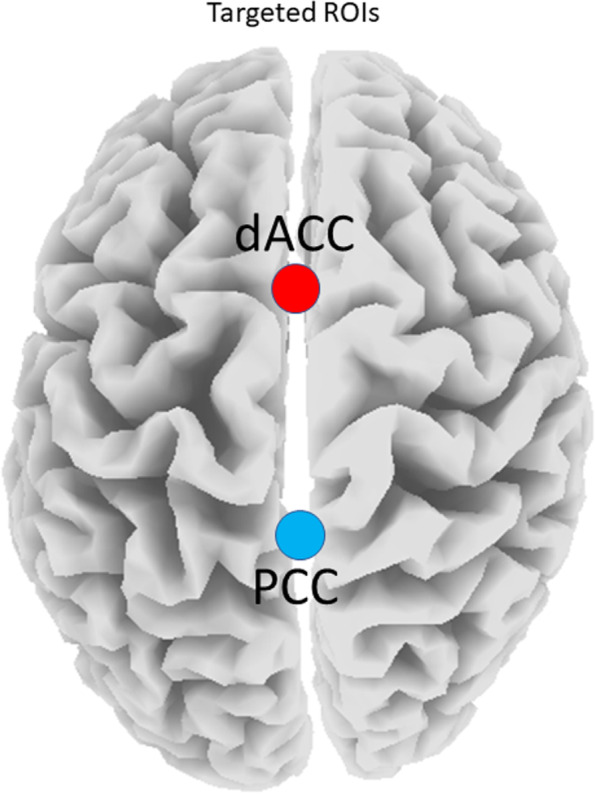
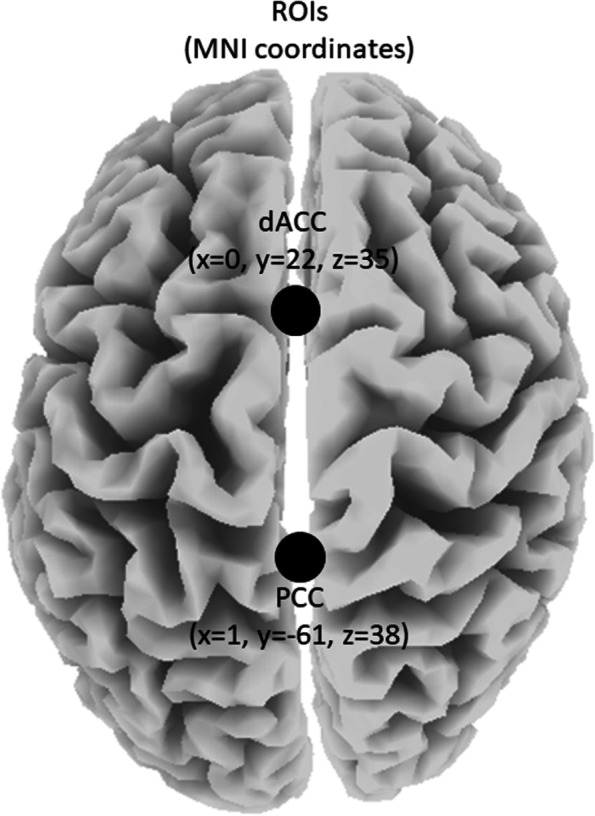
“Furthermore, for each condition, log-CSDs were averaged across all voxels within a 10-mm radius of the centre of mass MNI coordinates derived from previous literature [244] of the targeted ROIs (Fig.”
MethodNeurofeedback Tunes Scale-Free Dynamics in Spontaneous Brain Activity
Ros, T., Frewen, P., Théberge, J., Michela, A., Kluetsch, R. C., Mueller, A., Candrian, G., Jetly, R., Vuilleumier, P. O., & Lanius, R. A. (2016) · Archive ouverte UNIGE (University of Geneva) · Cited by 69
Sjoberg, N., & Saint, D. A. (2011) · Nicotine & Tobacco Research · doi:10.1093/ntr/ntr004 · Cited by 68 · cited 1×
“Together, these standardization procedures are in line with current recommendations for neurophysiological data collection [181–183] and will help to control for variability in neurophysiological output stemming from important factors like circadian rhythms [184, 185], gastric distention [182, 186, 187], hydration lev…”
ResultShinba, T. (2017) · Psychiatry and Clinical Neurosciences · doi:10.1111/pcn.12494 · Cited by 68
Shihata, S., McEvoy, P. M., & Mullan, B. A. (2018) · Psychological Assessment · doi:10.1037/pas0000540 · Cited by 66
Wynne, S. C., Patel, S., Barker, R. E., Jones, S. E., Walsh, J. A., Kon, S. S., Cairn, J., Loebinger, M. R., Wilson, R., Man, W. D.-C., et al. (2020) · Chronic Respiratory Disease · doi:10.1177/1479973120933292 · Cited by 66
When can neurofeedback join the clinical armamentarium?
Thibault, R. T., & Raz, A. (2016) · The Lancet Psychiatry · doi:10.1016/s2215-0366(16)30040-2 · Cited by 65
Bell, A. N., Moss, D., & Kallmeyer, R. J. (2019) · NeuroRegulation · doi:10.15540/nr.6.2.54 · Cited by 65
Rosellini, A. J., & Brown, T. A. (2019) · Psychological Assessment · doi:10.1037/pas0000649 · Cited by 64 · cited 9×
“Second Version; ISAD: Infraslow closed-loop brain training for Anxiety and Depression; ISF-NFB: Infraslow fluctuation neurofeedback; ISF1: 1-region Infraslow neurofeedback; ISF2: 2-region Infraslow neurofeedback; IUS-12: Intolerance of Uncertainty Scale – 12-item version; MDD: Major depressive disorder; MEDI: Multidim…”
MethodInfluentialPalva, J. M., & Palva, S. (2011) · Progress in Brain Research · doi:10.1016/b978-0-444-53839-0.00022-3 · Cited by 63
The Fallacy of Sham-Controlled Neurofeedback Trials: A Reply to Thibault and Colleagues (2018)
Pigott, H. E., Cannon, R. L., & Trullinger, M. (2018) · Journal of Attention Disorders · doi:10.1177/1087054718790802 · Cited by 60
Quintana, D. S., Guastella, A. J., McGregor, I. S., Hickie, I. B., & Kemp, A. H. (2013) · Psychophysiology · doi:10.1111/psyp.12134 · Cited by 56 · cited 1×
“Together, these standardization procedures are in line with current recommendations for neurophysiological data collection [181–183] and will help to control for variability in neurophysiological output stemming from important factors like circadian rhythms [184, 185], gastric distention [182, 186, 187], hydration lev…”
ResultIs the future for clinical trials internet-based? A cluster randomized clinical trial
Litchfield, J., Freeman, J., Schou, H., Elsley, M., Fuller, R., & Chubb, B. (2005) · Clinical Trials · doi:10.1191/1740774505cn069oa · Cited by 56
Liao, W., Fan, Y., Yang, S., Li, J., Duan, X., Cui, Q., & Chen, H. (2018) · Schizophrenia Bulletin · doi:10.1093/schbul/sby184 · Cited by 54 · cited 1×
“Together, these standardization procedures are in line with current recommendations for neurophysiological data collection [181–183] and will help to control for variability in neurophysiological output stemming from important factors like circadian rhythms [184, 185], gastric distention [182, 186, 187], hydration lev…”
ResultPinter, A., Szatmari Jr, S., Horvath, T., Penzlin, A. I., Barlinn, K., Siepmann, M., & Siepmann, T. (2019) · Neuropsychiatric Disease and Treatment · doi:10.2147/ndt.s200360 · Cited by 53
Neurofeedback training improves anxiety trait and depressive symptom in GAD
Hou, Y., Zhang, S., Li, N., Huang, Z., Wang, L., & Wang, Y. (2021) · Brain and Behavior · doi:10.1002/brb3.2024 · Cited by 52
Full-Band EEG (FbEEG): A New Standard for Clinical Electroencephalography
Vanhatalo, S., Voipio, J., & Kaila, K. (2005) · Clinical EEG and Neuroscience · doi:10.1177/155005940503600411 · Cited by 47 · cited 1×
“sweat gland) potentials which are known to mimic brain-derived eISFs [63, 69].”
BackgroundWhy I think antidepressants cause more harm than good
Gøtzsche, P. C. (2014) · The Lancet Psychiatry · doi:10.1016/s2215-0366(14)70280-9 · Cited by 47
Management of Obsessive-Compulsive Disorder
Seibell, P. J., & Hollander, E. (2014) · F1000Prime Reports · doi:10.12703/p6-68 · Cited by 46
Leong, S. L., Vanneste, S., Lim, J., Smith, M., Manning, P., & De Ridder, D. (2018) · Scientific Reports · doi:10.1038/s41598-018-30181-7 · Cited by 46 · cited 3×
“standardized LORETA, sLORETA [62]) combined with ISF-NFB is a novel introduction to the field that has been shown by our research group in a feasibility trial on obese females to improve sleep and wellbeing with minimal side-effects [159, 160].”
MethodResultSelf-citationVanneste, S., Joos, K., Ost, J., & De Ridder, D. (2018) · Neurobiology of Stress · doi:10.1016/j.ynstr.2016.11.003 · Cited by 45 · cited 1×
“sLORETA permits the selection of any cortical region for feedback of the current density using voxels selected based on Montreal Neurological Institute (MNI) coordinates [211].”
MethodYoung, H. A., Cousins, A. L., Johnston, S. J., Fletcher, J. M., & Benton, D. (2019) · Scientific Reports · doi:10.1038/s41598-019-52775-5 · Cited by 45 · cited 1×
“Together, these standardization procedures are in line with current recommendations for neurophysiological data collection [181–183] and will help to control for variability in neurophysiological output stemming from important factors like circadian rhythms [184, 185], gastric distention [182, 186, 187], hydration lev…”
ResultPost Traumatic Stress Disorder—The Neurofeedback Remedy
Othmer, S., & Othmer, S. F. (2009) · Biofeedback · doi:10.5298/1081-5937-37.1.24 · Cited by 44
Weaver, K. E., Wander, J. D., Ko, A. L., Casimo, K., Grabowski, T. J., Ojemann, J. G., & Darvas, F. (2016) · NeuroImage · doi:10.1016/j.neuroimage.2015.12.043 · Cited by 44
Efficacy of EEG neurofeedback in psychiatry: A comprehensive overview and meta-analysis
J.H. Begemann, M., J.R. Florisse, E., van Lutterveld, R., Kooyman, M., & E. Sommer, I. (2016) · Translational Brain Rhythmicity · doi:10.15761/tbr.1000105 · Cited by 44
Heart rate variability in patients with major depression disorder during a clinical autonomic test
Chen, X., Yang, R., Kuang, D., Zhang, L., Lv, R., Huang, X., Wu, F., Lao, G., & Ou, S. (2017) · Psychiatry Research · doi:10.1016/j.psychres.2017.06.041 · Cited by 44
The climate of neurofeedback: scientific rigour and the perils of ideology
Thibault, R. T., Lifshitz, M., & Raz, A. (2018) · Brain · doi:10.1093/brain/awx330 · Cited by 44
Kerson, C., & The Collaborative Neurofeedback Group (2013) · Journal of Attention Disorders · doi:10.1177/1087054713482580 · Cited by 43
From depression to anxiety, and back
Bui, E., & Fava, M. (2017) · Acta Psychiatrica Scandinavica · doi:10.1111/acps.12801 · Cited by 41
Hoertel, N., McMahon, K., Olfson, M., Wall, M. M., Rodríguez-Fernández, J. M., Lemogne, C., Limosin, F., & Blanco, C. (2015) · Journal of Psychiatric Research · doi:10.1016/j.jpsychires.2015.03.017 · Cited by 40
van Eekelen, A. P. J., Houtveen, J. H., & Kerkhof, G. A. (2004) · Chronobiology International · doi:10.1081/cbi-120027983 · Cited by 38 · cited 1×
“Together, these standardization procedures are in line with current recommendations for neurophysiological data collection [181–183] and will help to control for variability in neurophysiological output stemming from important factors like circadian rhythms [184, 185], gastric distention [182, 186, 187], hydration lev…”
ResultEEG neurofeedback effects in the treatment of adolescent anorexia nervosa
Lackner, N., Unterrainer, H.-F., Skliris, D., Shaheen, S., Dunitz-Scheer, M., Wood, G., Scheer, P. J. Z., Wallner-Liebmann, S. J., & Neuper, C. (2016) · Eating Disorders · doi:10.1080/10640266.2016.1160705 · Cited by 38
Neurofeedback: the power of psychosocial therapeutics
Thibault, R. T., & Raz, A. (2016) · The Lancet Psychiatry · doi:10.1016/s2215-0366(16)30326-1 · Cited by 38
Askovic, M., Watters, A. J., Coello, M., Aroche, J., Harris, A. W. F., & Kropotov, J. D. (2019) · Clinical EEG and Neuroscience · doi:10.1177/1550059419849170 · Cited by 38
Correa, K. A., Liu, H., & Shankman, S. A. (2019) · Journal of Anxiety Disorders · doi:10.1016/j.janxdis.2019.01.001 · Cited by 37
Rosellini, A. J., Boettcher, H., Brown, T. A., & Barlow, D. H. (2015) · Psychopathology Review · doi:10.5127/pr.036014 · Cited by 36 · cited 8×
“Second Version; ISAD: Infraslow closed-loop brain training for Anxiety and Depression; ISF-NFB: Infraslow fluctuation neurofeedback; ISF1: 1-region Infraslow neurofeedback; ISF2: 2-region Infraslow neurofeedback; IUS-12: Intolerance of Uncertainty Scale – 12-item version; MDD: Major depressive disorder; MEDI: Multidim…”
MethodInfluentialAskovic, M., Watters, A. J., Aroche, J., & Harris, A. W. F. (2017) · Australasian Psychiatry · doi:10.1177/1039856217715988 · Cited by 36
Noisy but not placebo: defining metrics for effects of neurofeedback
Witte, M., Kober, S. E., & Wood, G. (2018) · Brain · doi:10.1093/brain/awy060 · Cited by 36
Sie, J.-H., Chen, Y.-H., Shiau, Y.-H., & Chu, W.-C. (2019) · Frontiers in Human Neuroscience · doi:10.3389/fnhum.2019.00369 · Cited by 35
EEG Biofeedback for Addictive Disorders—The State of the Art in 2004
Trudeau, D. L. (2005) · Journal of Adult Development · doi:10.1007/s10804-005-7030-z · Cited by 34
Infra-Low Frequency Neurofeedback in Depression: Three case studies
Grin-Yatsenko, V. A., Othmer, S., Ponomarev, V. A., Evdokimov, S. A., Konoplev, Y. Y., & Kropotov, J. D. (2018) · NeuroRegulation · doi:10.15540/nr.5.1.30 · Cited by 34
Effects of Neurofeedback on Adult Patients with Psychiatric Disorders in a Naturalistic Setting
Cheon, E., Koo, B., Seo, W. S., Lee, J.-Y., Choi, J.-H., & Song, S.-H. (2015) · Applied Psychophysiology and Biofeedback · doi:10.1007/s10484-015-9269-x · Cited by 32
Lesnewich, L. M., Conway, F. N., Buckman, J. F., Brush, C. J., Ehmann, P. J., Eddie, D., Olson, R. L., Alderman, B. L., & Bates, M. E. (2019) · International Journal of Psychophysiology · doi:10.1016/j.ijpsycho.2019.06.005 · Cited by 32
Heart Rate Variability for the Prediction of Treatment Response in Major Depressive Disorder
Choi, K. W., & Jeon, H. J. (2020) · Frontiers in Psychiatry · doi:10.3389/fpsyt.2020.00607 · Cited by 32
Regulating posttraumatic stress disorder symptoms with neurofeedback: Regaining control of the mind
Nicholson, A. A., Ros, T., Jetly, R., & Lanius, R. A. (2020) · Journal of Military Veteran and Family Health · doi:10.3138/jmvfh.2019-0032 · Cited by 30
Rogel, A., Guez, J., Getter, N., Keha, E., Cohen, T., Amor, T., & Todder, D. (2015) · Applied Psychophysiology and Biofeedback · doi:10.1007/s10484-015-9289-6 · Cited by 29 · cited 1×
“The DESS has been used for the assessment of treatment-related sideeffects in ID populations [310, 311] and, recently, has been employed to monitor adverse-effects specifically associated with NFB therapy [312].”
MethodImperatori, C., Valenti, E. M., Della Marca, G., Amoroso, N., Massullo, C., Carbone, G. A., Maestoso, G., Quintiliani, M. I., Contardi, A., & Farina, B. (2017) · International Journal of Psychophysiology · doi:10.1016/j.ijpsycho.2016.11.010 · Cited by 29
Bailey, T., Shahabi, L., Tarvainen, M., Shapiro, D., & Ottaviani, C. (2019) · Anxiety, Stress, & Coping · doi:10.1080/10615806.2019.1570821 · Cited by 29
Understanding the Emotional Disorders
Watson, D., & O'Hara, M. W. (2017) · Oxford Clinical Psychology · doi:10.1093/med:psych/9780199301096.001.0001 · Cited by 29
Montgomery, S. A., Fava, M., Padmanabhan, S. K., J. Guico-Pabia, C., & Tourian, K. A. (2009) · International Clinical Psychopharmacology · doi:10.1097/yic.0b013e32832fbb5a · Cited by 27 · cited 1×
“The DESS has been used for the assessment of treatment-related sideeffects in ID populations [310, 311] and, recently, has been employed to monitor adverse-effects specifically associated with NFB therapy [312].”
MethodInfraslow EEG activity modulates cortical excitability in postanoxic encephalopathy
van Putten, M. J. A. M., Tjepkema-Cloostermans, M. C., & Hofmeijer, J. (2015) · Journal of Neurophysiology · doi:10.1152/jn.00714.2014 · Cited by 27 · cited 1×
“This IIR filter has been utilized in previous studies of eISFs [80, 241].”
MethodLatent class analysis of indicators of intolerance of uncertainty
Boelen, P. A., & Lenferink, L. I. M. (2018) · Scandinavian Journal of Psychology · doi:10.1111/sjop.12440 · Cited by 24
Infraslow activity as a potential modulator of corticomotor excitability
de Goede, A. A., & van Putten, M. J. A. M. (2019) · Journal of Neurophysiology · doi:10.1152/jn.00663.2018 · Cited by 24 · cited 1×
“This IIR filter has been utilized in previous studies of eISFs [80, 241].”
MethodComment: Fuzzy and Bayesian p-Values and u-Values
Gelman, A. (2005) · Statistical Science · doi:10.1214/088342305000000368 · Cited by 22
The efficacy of neurofeedback among patients with major depressive disorder: preliminary study
Wang, S.-Y., Lin, I., Peper, E., Chen, Y., Tang, T., Yeh, Y., Tsai, Y., & Chu, C.-C. (2016) · NeuroRegulation · doi:10.15540/nr.3.3.127 · Cited by 22
Navid, M. S., Niazi, I. K., Lelic, D., Drewes, A. M., & Haavik, H. (2019) · Sensors · doi:10.3390/s19112610 · Cited by 22 · cited 1×
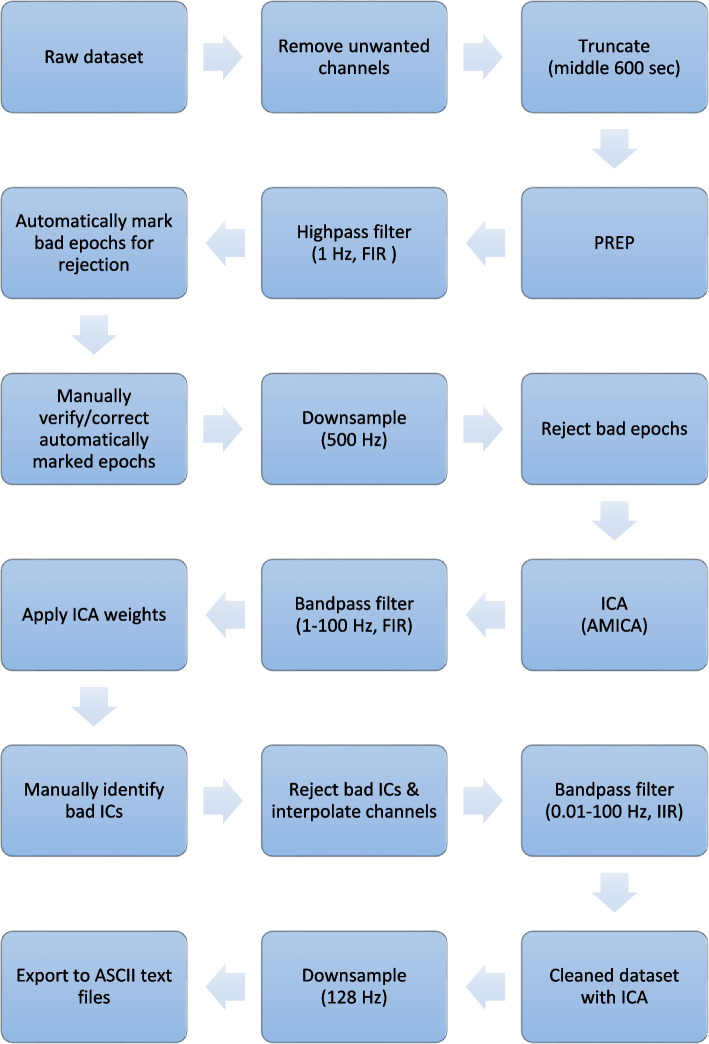
“This pipeline has been used previously for evoked potentials and resting-state EEG data [233, 234].”
MethodSelf-citationOsma, J., Loredo, V. M., Quilez-Orden, A. B., Péris-Baquero, Ó., & Suso‐Ribera, C. (2021) · International Journal of Environmental Research and Public Health · doi:10.3390/ijerph18168251 · Cited by 22 · cited 1×
“Multidimensional emotional disorder inventory (MEDI) The MEDI, which has been validated on both clinical [247] and non-clinical [255] populations, is a 49-item, trans-diagnostic PRO measure that employs a response scale ranging from 0 (not characteristic of me/ does not apply to me) to 8 (extremely characteristic of m…”
MethodMood and anxiety disorders across the adult lifespan: a European perspective
McDowell, R. D., Ryan, A., Bunting, B., O’Neill, S. M., Alonso, J., Bruffaerts, R., de Graaf, R., Florescu, S., Vilagut, G., de Almeida, J. M. C., et al. (2013) · Psychological Medicine · doi:10.1017/s0033291713001116 · Cited by 21
Filippov, I. V., Williams, W. C., & Frolov, V. A. (2004) · Neuroscience Letters · doi:10.1016/j.neulet.2004.03.048 · Cited by 20
Introduction to Heart Rate Variability
Hayano, J. (2017) · Clinical Assessment of the Autonomic Nervous System · doi:10.1007/978-4-431-56012-8_7 · Cited by 20 · cited 1×
“RR interval), the dynamics of which can give insight into cardiac autonomic function [281].”
BackgroundInvestigating the Effects of Chiropractic Spinal Manipulation on EEG in Stroke Patients
Navid, M. S., Niazi, I. K., Lelic, D., Nedergaard, R. B., Holt, K., Amjad, I., Drewes, A. M., & Haavik, H. (2020) · Brain Sciences · doi:10.3390/brainsci10050253 · Cited by 18 · cited 1×
“This pipeline has been used previously for evoked potentials and resting-state EEG data [233, 234].”
MethodSelf-citationNicholson, A. A., Ros, T., Jetly, R., Hosseiny, F., & Lanius, R. A. (2024) · Journal of Military Veteran and Family Health · doi:10.3138/jmvfh-0718-0014 · Cited by 18
Furukawa, T. A., Kato, T., Shinagawa, Y., Miki, K., Fujita, H., Tsujino, N., Kondo, M., Inagaki, M., & Yamada, M. (2018) · Psychological Medicine · doi:10.1017/s0033291718003331 · Cited by 17
Confusion regarding operant conditioning of the EEG – Authors' reply
Schönenberg, M., Wiedemann, E., Schneidt, A., Scheeff, J., Logemann, H. N. A., Keune, P. M., & Hautzinger, M. (2017) · The Lancet Psychiatry · doi:10.1016/s2215-0366(17)30437-6 · Cited by 16
Factor mixture modeling of intolerance of uncertainty.
Oglesby, M. E., Allan, N. P., Short, N. A., Raines, A. M., & Schmidt, N. B. (2017) · Psychological Assessment · doi:10.1037/pas0000357 · Cited by 15
Spontaneous Infraslow Fluctuations Modulate Hippocampal EPSP-PS Coupling
Dash, M. B., Ajayi, S., Folsom, L., Gold, P. E., & Korol, D. L. (2018) · eneuro · doi:10.1523/eneuro.0403-17.2017 · Cited by 14
Boettcher, H., Correa, J., Cassiello-Robbins, C., Ametaj, A., Rosellini, A. J., Brown, T. A., Kennedy, K., Farchione, T. J., & Barlow, D. H. (2020) · Cognitive and Behavioral Practice · doi:10.1016/j.cbpra.2019.11.001 · Cited by 13
Social Anxiety Disorder and Its Relation to Clinical Syndromes in Adulthood
Wenzel, A. E., & Jager‐Hyman, S. (2014) · Elsevier eBooks · doi:10.1016/b978-0-12-394427-6.00009-1 · Cited by 12
Intolerance of Uncertainty Scale Short Form--Italian Version
Lauriola, M., Mosca, O., & Carleton, R. N. (2016) · PsycTESTS Dataset · doi:10.1037/t57434-000 · Cited by 12
The Neglected Problem of the Neurofeedback Learning (In)Ability
Szewczyk, R. Ł., Ratomska, M., & Jaśkiewicz, M. (2018) · Advances in Intelligent Systems and Computing · doi:10.1007/978-3-319-75025-5_6 · Cited by 12
Biomedical Engineering and Neuroscience
(2018) · Advances in intelligent systems and computing · doi:10.1007/978-3-319-75025-5 · Cited by 11
Buchan, H., Sunderland, M., Carragher, N., Batterham, P. J., & Slade, T. N. (2013) · Journal of Affective Disorders · doi:10.1016/j.jad.2013.09.015 · Cited by 10
Cannon, R. L. (2012) · Journal of Neurotherapy · doi:10.1080/10874208.2012.677611 · Cited by 8
Magnetoencephalography discriminates modality-specific infraslow signals less than 0.1 Hz
Leistner, S., Sander, T. H., Wuebbeler, G., Link, A., Elster, C., Curio, G., Trahms, L., & Mackert, B.-M. (2010) · NeuroReport · doi:10.1097/wnr.0b013e328335b38b · Cited by 8
Chrapusta, A., Pąchalska, M., Wilk-Frańczuk, M., Starczyńska, M., & Kropotov, J. D. (2015) · Annals of Agricultural and Environmental Medicine · doi:10.5604/12321966.1167734 · Cited by 8
Perspectives on Type III Statistical Errors: Exaggerating the Effects of Placebo in Neurofeedback
Trullinger, M., Novian, A., Russell‐Chapin, L. A., & Pradhan, D. (2019) · NeuroRegulation · doi:10.15540/nr.6.1.38 · Cited by 8 · cited 1×
“greater change in the targeted electrophysiological variable(s) and/or region(s)-of-interest (ROIs) in the genuine versus sham groups), considered by many to be essential for a valid evaluation of EEG-NFB’s specificity [120–126], was noticeably absent in the trials presented as evidence for wholly non-specific effects…”
BackgroundEffects of Neurofeedback on Panic Disorder Patients’ anxiety
Lu, Y., Wang, C., Su, L., et al. (2017) · NeuroQuantology · doi:10.14704/nq.2017.15.3.1083 · Cited by 6
Liu, H. (2017) · NeuroQuantology · doi:10.14704/nq.2017.15.3.1091 · Cited by 5
Leong, S. L., Vanneste, S., Lim, J., Smith, M., Manning, P., De Ridder, D., & Stoeckl-Drax, T. (2018) · International Journal of Psychophysiology · doi:10.1016/j.ijpsycho.2018.07.402 · Cited by 5 · cited 2×
“As detailed in the PIS, a brief (4-item) interview used during our group’s prior sLORETA ISF-NFB feasibility trial revealed that, although unusual or vivid dreams were experienced by some participants, there were no serious adverse effects [160].”
MethodSelf-citationGhaziri, J., & Thibault, R. T. (2019) · Elsevier eBooks · doi:10.1016/b978-0-12-816179-1.00019-0 · Cited by 5
Wynne, S. C., Patel, S., Barker, R. E., et al. (2019) · doi:10.1183/13993003.congress-2019.pa3407 · Cited by 5
Very slow rhythmic variations in the potential of the nuclei of the hypothalamus and the thalamus
Aladzhalova, N. A., & Kol'tsova, A. V. (1958) · Bulletin of Experimental Biology and Medicine · doi:10.1007/bf00788054 · Cited by 3 · cited 1×
“Russian scientists discovered eISFs over half a century ago, first in rabbits [64, 65] and shortly thereafter in humans [66] but, due in large part to technological challenges, they have received little interest from the scientific and clinicical communities until recently [63, 67–70].”
Background“If the Shoe Fits …”: The Hierarchical Structure of Psychopathology and Psychiatric Neuroimaging
Dickinson, D. (2017) · Biological Psychiatry Cognitive Neuroscience and Neuroimaging · doi:10.1016/j.bpsc.2017.03.015 · Cited by 3
Zhang, P., & Cheng, L. Z. (2017) · NeuroQuantology · doi:10.14704/nq.2017.15.4.1136 · Cited by 3
Cheon, E. J., Choi, J. H., Lee, G. W., Koo, B. H., Seo, W. S., Kim, H. G., Lee, Y. J., & Keum, M. S. (2017) · European Neuropsychopharmacology · doi:10.1016/s0924-977x(17)31529-8 · Cited by 2
Research works printed but not linked: 9
- Kris N ‘Once in a generation’: the crucial passages from the mental health inquiry 2018
- Menon V Salience network 2015 597 611
- Perez TM Glue P Adhia DB Dillingham P Zeng J Navid MS Transdiagnostic, brain-Centred approaches to psychopathology: a study in Internalzing disorders 2022 Dunedin University of Otago
- Smith M Infra-slow fluctuation training; on the down-low in neuromodulation 2013
- Palmer J Kreutz-Delgado K Makeig S AMICA: an adaptive mixture of independent component analyzers with shared components 2011
- Pascual-Marqui RD. Discrete, 3D distributed, linear imaging methods of electric neuronal activity. Part 1: exact, zero error localization. arXiv preprint arXiv:07103341. 2007.
- Stan Development T Stan modeling language users guide and reference manual, v. 2.22 2021 1
- Cohen J Conner BE Statistical power analysis for the behavioral sciences The box in the barn. Columbus: highlights for …; 1988 1988 Erlbaum
- Acock AC A gentle introduction to Stata 2016 5 College Station A Stata Press Publication, StataCorp LP
Cited by
Adhia, D. B., Mani, R., Mathew, J., O’Leary, F., Smith, M. L., Vanneste, S., & Ridder, D. D. (2023) · Scientific Reports · doi:10.1038/s41598-023-28344-2 · Cited by 29
Self-citationMathew, J., Adhia, D. B., Hall, M. J., Ridder, D. D., & Mani, R. (2023) · Journal of Pain · doi:10.1016/j.jpain.2023.11.012 · Cited by 20
Self-citationBialostocki, L. S., Adhia, D. B., Mudiyanselage, D. R., Smith, M. L., Çakmak, Y. Ö., Ridder, D. D., Mani, R., & Mathew, J. (2025) · JMIR Research Protocols · doi:10.2196/78806 · Cited by 3
“Previous studies, using comparable protocols have conducted dual region source-localized ISF EEG-NF training in individuals with chronic low back pain and major depressive disorders [50,147].”
Self-citationMolaeizadeh, S. Z., Aritzeta, A., & Zolghadr, Z. (2026) · Applied Psychophysiology and Biofeedback · doi:10.1007/s10484-025-09764-4 · Cited by 3
Perez, T. M., Adhia, D. B., Glue, P., Zeng, J., Dillingham, P. W., Navid, M. S., Niazi, I. K., Young, C. K., Smith, M. L., & Ridder, D. J. M. K. D. (2025) · Cognitive Affective & Behavioral Neuroscience · doi:10.3758/s13415-025-01279-z · Cited by 4
“As noted in our published protocol (Perez et al., 2022a, 2022b, 2022c), recruitment began on February 15, 2020, but was prematurely halted due to COVID-19 lockdown measures in New Zealand.”
InfluentialSelf-citation
Metadata
- Authors
- Perez, T. M., Glue, P., Adhia, D. B., Navid, M. S., Zeng, J., Dillingham, P., Smith, M., Niazi, I. K., Young, C. K., & De Ridder, D.
- Affiliations
- University of Otago (NZ)
- Radboud University Nijmegen (NL)
- New Zealand College of Chiropractic (NZ)
- Corresponding author
- Perez, Tyson M.
- ORCID
- Venue
- Trials
- Published
- 2022-11-17
- Volume
- 23
- Issue
- 1
- Pages
- 949-949
- ISSN
- 1745-6215 (ISSN-L)
- PMC
- PMC9670077
- OpenAlex
- W4309467649
- Semantic Scholar
- 3656ccda5f0fd76aa9fa010dde9c473387026f3d
- Cited by
- 8
- References
- 308
- Citations by year
- 2026: 1 · 2025: 3 · 2024: 2 · 2023: 2
- FWCI
- 0.90
- Type
- journal article
- Language
- en
- Open access
- gold
- doi.org
- Licence
- cc-by
- creativecommons.org/licenses/by/4.0 (tdm)
- creativecommons.org/licenses/by/4.0 (vor)
- Locations
- Trials (publishedVersion, cc-by)
- PubMed Central (publishedVersion, cc-by)
- PubMed (publishedVersion)
- DOAJ (DOAJ: Directory of Open Access Journals) (submittedVersion, cc-by-sa)
- Funders
- University of Otago
- Topics
- Life Sciences › Neuroscience › Cognitive Neuroscience › EEG and Brain-Computer Interfaces
- Life Sciences › Neuroscience › Neurology › Transcranial Magnetic Stimulation Studies
- Social Sciences › Psychology › Experimental and Cognitive Psychology › Anxiety, Depression, Psychometrics, Treatment, Cognitive Processes
- Keywords
- internalizing disorders, major depressive disorder, generalized anxiety disorder, social anxiety disorder, default mode network, salience network, frontoparietal network, posterior cingulate cortex, dorsal anterior cingulate cortex, sham neurofeedback, transdiagnostic treatment, depression, intolerance of uncertainty
- MeSH terms
- Adult, Anxiety, Anxiety Disorders, Bayes Theorem, Brain, Depression, Major Depressive Disorder, Female, Humans, Pilot Projects, Randomized Controlled Trials as Topic
About these checks
Registry, retraction, Cites and statistics results are computed, not judged, with one exception: a printed reference that no index lists is read once by a model before it counts as a citation error. Claims are extracted by a model and kept only when their quote appears verbatim in the text; each cited source is then checked, with a model’s help, for whether it says what the claim relies on. Those verdicts can be wrong — read the claim’s quote and the cited source before relying on one.
The claim verdicts this report counts are experimental: their accuracy is not yet measured.
A language model drew the claims from the paper on 2026-10-11, under version 3 of the claim definition (model deepseek-v4.1-flash, prompt extract-v3).
A second model labelled each claim on 2026-10-11 (model jev-1.13-20260917, definition revision gold-guideline-v0.2).
Cited sources are checked with a language model’s help (gpt-6-sol).
Statistics and arithmetic are recomputed, not judged.
Confidence bands are shown only for fields calibrated on our annotated test set. None is calibrated yet, so no band is shown.
What counts as a claim ›How we measure confidence ›How we check this ›
Are you an author, or do you see a problem with this page? Request a review
Data sources
Bibliographic data: Semantic Scholar, OpenAlex, Crossref.
Contains information from the Semantic Scholar Academic Graph Datasets, made available under the ODC Attribution License (ODC-BY 1.0).
Semantic Scholar’s data is described in: Kinney, R., et al. (2023). The Semantic Scholar Open Data Platform. arXiv:2301.10140.
