

Functionalized Hydrogel-Based Wearable Gas and Humidity Sensors.
Open accessThe DOI matches its Crossref record; 286 of the 289 references it cites were found in a registry or an index; 74 of the 284 sources its claims cite were checked for support.
Abstract
Functionalized hydrogels are intrinsically conductive, self-healing, self-adhesive, biocompatible, and room-temperature sensitive.
Overview
CoChat Summary
TL;DR
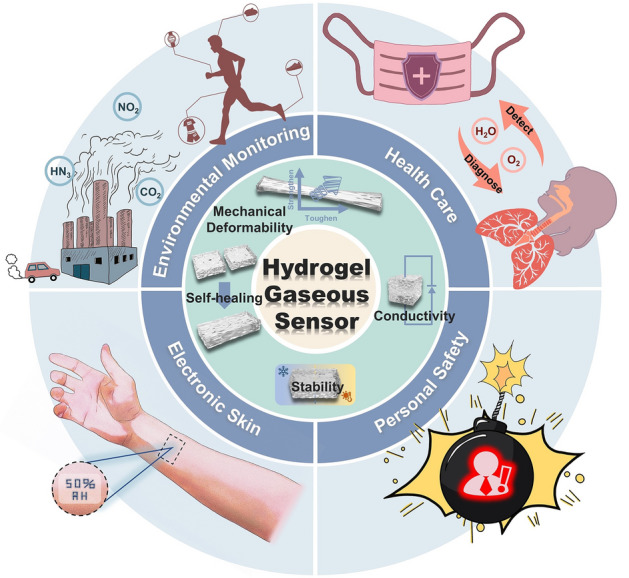
This review summarizes how hydrogel properties are optimized for wearable gas and humidity sensors, and how these devices work for monitoring gases such as NO2, NH3, O2, CO2, and explosives, as well as humidity. It argues that hydrogels are promising because they can be stretchable, conductive, self-healing, and room-temperature operable, but the field is still in its early stages.
Key findings
- Hydrogels can be engineered for wearable sensing by improving mechanical deformability, conductivity, anti-freezing/water retention, self-healing, biocompatibility, self-adhesion, and transparency.
- For gas sensing, the review highlights reported examples with specific performance values, including NO2 detection limits as low as 4.1 ppb, 1.2 ppb, 0.1 ppb, and 2.23 ppb; NH3 detection limits as low as 0.42 ppm, 0.07 ppm, 0.5 ppm, 50 ppb, and 92 ppb; O2 detection limit as low as 5.7 ppm; and CO2 detection limit of 20 ppm in one hydrogel sensor example.
- For humidity sensing, hydrogels show strong swelling-based and conductivity-based responses, with reported sensitivities including 13,462.1% RH%−1, 78,785.5% RH%−1, and 25,000 to 98% RH operation in one sensor example.
- The review says hydrogel-based wearable sensors have been used for environmental monitoring, healthcare, respiratory monitoring, electronic skin, and wireless monitoring, but still need better selectivity, stability, standardization, and integration.
Methods
- This is a review article, not an experimental study; it systematically summarizes published work on functionalized hydrogel-based wearable gas and humidity sensors.
- The paper organizes the literature by hydrogel design/optimization and by application area: gas sensing, humidity sensing, and wearable use cases such as respiratory monitoring and e-skin.
- Its synthesis is based on reported studies and their performance parameters, with tables and example devices used to compare sensing mechanisms and outcomes.
Limitations
- The paper explicitly states that research on hydrogel-based vapor sensors is still in its infancy and that many practical problems remain.
- It says the gas- and humidity-sensing mechanisms are not yet unified or fully understood, and that factors such as electrode properties, crosslinking method, crosslinking density, and conductivity need further study.
- It notes that most gas-sensor work focuses on NO2, NH3, and O2, so other gases still need exploration.
- Evident from the text: this is a narrative review rather than a systematic meta-analysis, so its comparisons are descriptive and depend on the cited studies rather than a standardized pooled evaluation.
Model-written summary. Check it against the paper before relying on it.
Integrity signals
Registry
Cites
Statistics
Figures
Verification
Claims the paper makes
58 Valid · 11 Not valid · 136 Not checked · 82 Own results and interpretations
The cited sources support only part of this claim — read each source’s verdict below.
In the paper
“flammable and explosive gases, such as H2 and CH4, pose a direct threat to the safety of human life and property”
§ Functionalized Hydrogel-Based Wearable Gas and Humidity Sensors > Introduction
What the sources say
- Not checked — no full text of the sourcecites [12] Park K-R Cho H-B Lee J Song Y Kim W-B Design of highly porous SnO2-CuO nanotubes for enhancing H2S gas sensor performance Sens. Actuator B Chem. 2020 302 127179 10.1016/j.snb.2019.127179 source
- Not checked — no full text of the sourcecites [13] Liu X Qiao S Ma Y Highly sensitive methane detection based on light-induced thermoelastic spectroscopy with a 2.33 µm diode laser and adaptive Savitzky-Golay filtering Opt. Express 2022 30 1304 10.1364/OE.446294 35209293 source
- Not checked — no full text of the sourcecites [14] Mishra GP Kumar D Chaudhary VS Kumar S Design and sensitivity improvement of microstructured-core photonic crystal fiber based sensor for methane and hydrogen fluoride detection IEEE Sens. J. 2022 22 1265 10.1109/JSEN.2021.3131694 source
- Not checked — no full text of the sourcecites [15] Chen Y Xu P Li X Ren Y Deng Y High-performance H2 sensors with selectively hydrophobic micro-plate for self-aligned upload of Pd nanodots modified mesoporous In2O3 sensing-material Sens. Actuator B Chem. 2018 267 83 10.1016/j.snb.2018.03.180 source
- Partly supportedcites [16] Lee J-H Kim J-H Kim J-Y Mirzaei A Kim HW Ppb-level selective hydrogen gas detection of Pd-functionalized In2O3-loaded ZnO nanofiber gas sensors Sensors 2019 19 4276 10.3390/s19194276 31581664 PMC6806323 sourceExperimental — accuracy not yet measured
The Introduction describes H2 as highly flammable and says an unexpected leak can be catastrophic. It does not address CH4 or its threat to life and property, so the claim is supported only for H2. (LLM, conf=0.88)
- Not checked — no full text of the sourcecites [17] Dong C Jiang M Tao Y Shen Y Lu Y Nonaqueous synthesis of Pd-functionalized SnO2/In2O3 nanocomposites for excellent butane sensing properties Sens. Actuator B Chem. 2018 257 419 10.1016/j.snb.2017.10.175 source
plainstates a cause- Asserted: passes — The authors put it forward as true.
- Checkable: passes — It can be checked against evidence.
- Load-bearing: passes — The paper’s conclusions depend on it.
- Based: passes — The paper gives a reason why it holds.
The cited sources support only part of this claim — read each source’s verdict below.
In the paper
“synthetic hydrogels with enhanced mechanical deformability and controlled structure and degradation, such as polyethylene glycol (PEG), polyvinyl alcohol (PVA), poly(2-hydroxyethyl methacrylate) (PHEMA) and polyacrylamide (PAM), can be used in sensors, actuators, soft robots, and wastewater treatment”
§ Functionalized Hydrogel-Based Wearable Gas and Humidity Sensors > Design and Optimization of Hydrogels Hydrogels are classified based on their properties. According to the source, hydrogels can be divided into natural and synthetic hydrogels [85–87]. Natural hydrogels, such as collagen, chitosan (CS), hyaluronic acid, alginate, gelatin, elastin, chondroitin sulfate, and heparin, have excellent biocompatibility, and are used in a wide range of applications, such as bioengineering, medical health, and food processing [88–94]. Nonetheless, their unsatisfactory mechanical deformability, uncontrollable structure, and degradation limit their broader spectrum of applications [48, 49]. Meanwhile, synthetic hydrogels with enhanced mechanical deformability and controlled structure and degradation, such as polyethylene glycol (PEG), polyvinyl alcohol (PVA), poly(2-hydroxyethyl methacrylate) (PHEMA) and polyacrylamide (PAM), can be used in sensors, actuators, soft robots, and wastewater treatment [95–101]. However, synthetic hydrogels have lower biocompatibility than that of natural hydrogels, making them unsuited for health-related applications [48, 49]. According to the different methods of crosslinking polymer chains, they can be divided into physically and chemically crosslinked hydrogels [85–87]. Physically crosslinked hydrogels are formed by various strong/weak intermolecular interactions between polymer chains and usually have poor mechanical deformability, which limit their applications [102–104]. In contrast, chemically crosslinked hydrogels are crosslinked by covalent bonding between polymer chains, resulting in superior mechanical deformability [105–107]. However, the degradation of biocompatibility owing to the residual chemical crosslinkers, organic solvents, and photoinitiators in chemically crosslinked hydrogels limit their usage in biomedical-related applications. Based on the practical application of wearable vapor sensors, large deformability, long-term stability, conductivity, self-healing, high responsiveness, and biocompatibility are desired. As different hydrogels have their own advantages and disadvantages, simple hydrogels cannot meet these complex requirements for stretchable and wearable vapor sensors. Hence, simple hydrogels should be optimized and modified to meet practical application demands. In the recent decades, important advances have focused on the preparation of hydrogels with the modulation of their properties, such as porosity, biocompatibility, electrical conductivity, and mechanical deformability, by different design and optimization approaches to meet different application requirements. In this section, we will briefly introduce some inherent and functionalized properties of hydrogels, and the corresponding design and optimization approaches from the application requirements of flexible wearable vapor sensors to provide possible theoretical support for the design and preparation of gas/humidity sensors for personal health and safety monitoring.
What the sources say
- Not checked — no full text of the sourcecites [95] Liu J Wang H Ou R Yi X Liu T Anti-bacterial silk-based hydrogels for multifunctional electrical skin with mechanical-thermal dual sensitive integration Chem. Eng. J. 2021 426 130722 10.1016/j.cej.2021.130722 source
- Partly supportedcites [96] Liu X Yang Y Inda ME Lin S Wu J Magnetic living hydrogels for intestinal localization, retention, and diagnosis Adv. Funct. Mater. 2021 31 2010918 10.1002/adfm.202010918 35903441 PMC9328153 sourceExperimental — accuracy not yet measured
The Results and Discussion section describes a PVA magnetic hydrogel with low stiffness and high toughness, and the Abstract reports its use to carry intestinal sensors. The paper does not establish the claimed properties or applications for PEG, PHEMA, or PAM, nor does it address controlled degradation, soft robots, or wastewater treatment. Page numbers are unavailable in our copy. (LLM, conf=0.86)
- Not checked — no full text of the sourcecites [97] Shin MK Spinks GM Shin SR Kim SI Kim SJ Nanocomposite hydrogel with high toughness for bioactuators Adv. Mater. 2009 21 1712 10.1002/adma.200802205 source
- Partly supportedcites [98] Liu L Jiang S Sun Y Agarwal S Giving direction to motion and surface with ultra-fast speed using oriented hydrogel fibers Adv. Funct. Mater. 2016 26 1021 10.1002/adfm.201503612 sourceExperimental — accuracy not yet measured
Our copy supports only the actuator/deformation part of the claim: the Abstract and Introduction describe thermoresponsive hydrogel (PNIPAM) bilayer/fibrous actuators undergoing large reversible swelling-driven shape changes, with applications listed as 'encapsulation, microfabrication, robotics, smart drug carrier' and tissue engineering. Nothing in our copy mentions the four named polymers PEG, PVA, PHEMA or PAM (the only hydrogel used is cross-linked P(NIPAM-ABP) with a TPU passive layer), nor controlled structure and degradation, sensors, soft robots as such, or wastewater treatment (searched: 'polyethylene glycol PEG polyvinyl alcohol PVA PHEMA polyacrylamide', 'wastewater treatment adsorption sensors soft robots biodegradable degradation'). The sweeping background statement is therefore only partly carried by this source, and the polymer list, degradation control, sensor and wastewater-treatment applications are unsupported. (LLM, conf=0.62)
- Partly supportedcites [99] Odent J Vanderstappen S Toncheva A Pichon E Wallin TJ Hierarchical chemomechanical encoding of multi-responsive hydrogel actuators via 3D printing J. Mater. Chem. A 2019 7 15395 10.1039/C9TA03547H sourceExperimental — accuracy not yet measured
Our copy supports only the actuator/controlled-structure part of the claim: the Abstract and Conclusions describe 3D-printed multi-responsive hydrogel actuators with anisotropic swelling, 'rapid and controllable motion' and tunable structure (surface-area-to-volume ratio, crosslinking density, composition). The specific polymer classes the claim attributes to this source — PEG, PVA, PHEMA and PAM — do not appear anywhere in our copy; the paper's hydrogels are PNIPAM and PCEA with MBA crosslinker (Materials; Design and 3D printing of gradient-like structures). Nor does our copy address controlled degradation, sensors, soft robots or wastewater treatment — the applications discussion is limited to bending actuation and gripper demonstrations (Fig. 5) plus a generic 'wide range of technological applications' (Conclusions). (LLM, conf=0.72)
- Partly supportedcites [100] Liu J Lin S Liu X Qin Z Yang Y Fatigue-resistant adhesion of hydrogels Nat. Commun. 2020 11 1071 10.1038/s41467-020-14871-3 32103027 PMC7044439 sourceExperimental — accuracy not yet measured
The Introduction and Results describe PVA hydrogels with tunable crystallinity and use polyacrylamide hydrogels as controls. The Discussion proposes durable hydrogel coatings for devices, including interfaces with robots. Our copy does not support the full list of PEG and PHEMA, controlled degradation, or the claimed uses in sensors, actuators, soft robots, and wastewater treatment. (LLM, conf=0.86)
- Partly supportedcites [101] Lei H Dong L Li Y Zhang J Chen H Stretchable hydrogels with low hysteresis and anti-fatigue fracture based on polyprotein cross-linkers Nat. Commun. 2020 11 4032 10.1038/s41467-020-17877-z 32788575 PMC7423981 sourceExperimental — accuracy not yet measured
The Discussion (page not specified) reports highly stretchable engineered hydrogels and identifies sensors, actuators, and soft robotics as potential applications. The Results describe PEG- and polyacrylamide-based hydrogels, but the cited passages do not support the inclusion of PVA or PHEMA, controlled degradation, or wastewater treatment. (LLM, conf=0.87)
plainstates a cause- Asserted: passes — The authors put it forward as true.
- Checkable: passes — It can be checked against evidence.
- Load-bearing: unclear — It is unclear whether the paper’s conclusions depend on it.
- Based: passes — The paper gives a reason why it holds.
The sources with a verdict support this claim; the rest weren’t checked yet, have no full text we could read, or their verdicts aren’t rated yet.
In the paper
“hydrogels can be functionalized to achieve specific properties and structures”
§ Functionalized Hydrogel-Based Wearable Gas and Humidity Sensors > Introduction
What the sources say
- Not checked — no full text of the sourcecites [64] Huang W Cheng S Wang X Zhang Y Chen L Noncompressible hemostasis and bone regeneration induced by an absorbable bioadhesive self-healing hydrogel Adv. Funct. Mater. 2021 31 2009189 10.1002/adfm.202009189 source
- Supportedcites [65] Caló E Khutoryanskiy VV Biomedical applications of hydrogels: A review of patents and commercial products Eur. Polym. J. 2015 65 252 10.1016/j.eurpolymj.2014.11.024 source
The Introduction (Sec. 1) states that hydrogel networks 'may be charged or non-charged depending on the nature of functional groups present in their structure', and that these groups dictate swelling and shape-response behaviour, i.e. properties set by the chemistry introduced into the network. The review repeatedly illustrates functionalization to obtain particular structures and properties: derivatized phenylboronate ligands complexed with poly(vinyl alcohol) to give saccharide-degradable cell-culture scaffolds (Sec. 5, Kumar), AgNO3-incorporated nanofibre networks with 'unique mechanical properties and adjustable swelling ratios' for antimicrobial wound dressings (Sec. 3), and stimuli-responsive cross-linked copolymers for self-regulated drug delivery (Sec. 4). The wording 'functionalized' is not used verbatim, but our copy clearly treats the topic that way, so the broad background claim is supported. (LLM, conf=0.85)
- Supportedcites [66] Thoniyot P Tan MJ Karim AA Young DJ Loh XJ Nanoparticle–hydrogel composites: Concept, design, and applications of these promising, multi-functional materials Adv. Sci. 2015 2 1400010 10.1002/advs.201400010 PMC5115280 27980900 source
The Introduction says that combining nanoparticles with hydrogels generates structural diversity and property enhancements. The Design, Synthesis, and Properties section gives examples of changing gel morphology and tuning properties through nanoparticle cross-linking. No page numbers are provided in our copy. (LLM, conf=0.88)
plainstates a cause- Asserted: passes — The authors put it forward as true.
- Checkable: passes — It can be checked against evidence.
- Load-bearing: passes — The paper’s conclusions depend on it.
- Based: passes — The paper gives a reason why it holds.
The sources with a verdict support this claim; the rest weren’t checked yet, have no full text we could read, or their verdicts aren’t rated yet.
In the paper
“During the stretching of DN hydrogels, the mechanical energy is dissipated by sacrificing the breakage of chemical bonds in the densely crosslinked polymer network, or by the perturbation of non-covalent interactions, thereby improving the mechanical deformability of the hydrogel”
§ Functionalized Hydrogel-Based Wearable Gas and Humidity Sensors > Design and Optimization of Hydrogels Hydrogels are classified based on their properties. According to the source, hydrogels can be divided into natural and synthetic hydrogels [85–87]. Natural hydrogels, such as collagen, chitosan (CS), hyaluronic acid, alginate, gelatin, elastin, chondroitin sulfate, and heparin, have excellent biocompatibility, and are used in a wide range of applications, such as bioengineering, medical health, and food processing [88–94]. Nonetheless, their unsatisfactory mechanical deformability, uncontrollable structure, and degradation limit their broader spectrum of applications [48, 49]. Meanwhile, synthetic hydrogels with enhanced mechanical deformability and controlled structure and degradation, such as polyethylene glycol (PEG), polyvinyl alcohol (PVA), poly(2-hydroxyethyl methacrylate) (PHEMA) and polyacrylamide (PAM), can be used in sensors, actuators, soft robots, and wastewater treatment [95–101]. However, synthetic hydrogels have lower biocompatibility than that of natural hydrogels, making them unsuited for health-related applications [48, 49]. According to the different methods of crosslinking polymer chains, they can be divided into physically and chemically crosslinked hydrogels [85–87]. Physically crosslinked hydrogels are formed by various strong/weak intermolecular interactions between polymer chains and usually have poor mechanical deformability, which limit their applications [102–104]. In contrast, chemically crosslinked hydrogels are crosslinked by covalent bonding between polymer chains, resulting in superior mechanical deformability [105–107]. However, the degradation of biocompatibility owing to the residual chemical crosslinkers, organic solvents, and photoinitiators in chemically crosslinked hydrogels limit their usage in biomedical-related applications. Based on the practical application of wearable vapor sensors, large deformability, long-term stability, conductivity, self-healing, high responsiveness, and biocompatibility are desired. As different hydrogels have their own advantages and disadvantages, simple hydrogels cannot meet these complex requirements for stretchable and wearable vapor sensors. Hence, simple hydrogels should be optimized and modified to meet practical application demands. In the recent decades, important advances have focused on the preparation of hydrogels with the modulation of their properties, such as porosity, biocompatibility, electrical conductivity, and mechanical deformability, by different design and optimization approaches to meet different application requirements. In this section, we will briefly introduce some inherent and functionalized properties of hydrogels, and the corresponding design and optimization approaches from the application requirements of flexible wearable vapor sensors to provide possible theoretical support for the design and preparation of gas/humidity sensors for personal health and safety monitoring. > Mechanical Deformability
What the sources say
- Not checked — no full text of the sourcecites [123] Chimene D Kaunas R Gaharwar AK Hydrogel bioink reinforcement for additive manufacturing: a focused review of emerging strategies Adv. Mater. 2020 32 1902026 10.1002/adma.201902026 31599073 source
- Supportedcites [124] Sun TL Kurokawa T Kuroda S Ihsan AB Akasaki T Physical hydrogels composed of polyampholytes demonstrate high toughness and viscoelasticity Nat. Mater. 2013 12 932 10.1038/nmat3713 23892784 source
Split into 2 atoms — 2 confirmed, 0 partially supported, 0 disputed, 0 misattributed, 0 unverifiable. Expand the claim to see per-atom verdicts.
- Not checked — no full text of the sourcecites [125] Xia S Song S Gao G Robust and flexible strain sensors based on dual physically cross-linked double network hydrogels for monitoring human-motion Chem. Eng. J. 2018 354 817 10.1016/j.cej.2018.08.053 source
plainstates a cause- Asserted: passes — The authors put it forward as true.
- Checkable: passes — It can be checked against evidence.
- Load-bearing: passes — The paper’s conclusions depend on it.
- Based: passes — The paper gives a reason why it holds.
Every source the paper cites for this claim was checked and supports it.
In the paper
“The biodegradability of the hydrogels can be regulated by adjusting the PACG/Gelma ratio”
§ Functionalized Hydrogel-Based Wearable Gas and Humidity Sensors > Design and Optimization of Hydrogels Hydrogels are classified based on their properties. According to the source, hydrogels can be divided into natural and synthetic hydrogels [85–87]. Natural hydrogels, such as collagen, chitosan (CS), hyaluronic acid, alginate, gelatin, elastin, chondroitin sulfate, and heparin, have excellent biocompatibility, and are used in a wide range of applications, such as bioengineering, medical health, and food processing [88–94]. Nonetheless, their unsatisfactory mechanical deformability, uncontrollable structure, and degradation limit their broader spectrum of applications [48, 49]. Meanwhile, synthetic hydrogels with enhanced mechanical deformability and controlled structure and degradation, such as polyethylene glycol (PEG), polyvinyl alcohol (PVA), poly(2-hydroxyethyl methacrylate) (PHEMA) and polyacrylamide (PAM), can be used in sensors, actuators, soft robots, and wastewater treatment [95–101]. However, synthetic hydrogels have lower biocompatibility than that of natural hydrogels, making them unsuited for health-related applications [48, 49]. According to the different methods of crosslinking polymer chains, they can be divided into physically and chemically crosslinked hydrogels [85–87]. Physically crosslinked hydrogels are formed by various strong/weak intermolecular interactions between polymer chains and usually have poor mechanical deformability, which limit their applications [102–104]. In contrast, chemically crosslinked hydrogels are crosslinked by covalent bonding between polymer chains, resulting in superior mechanical deformability [105–107]. However, the degradation of biocompatibility owing to the residual chemical crosslinkers, organic solvents, and photoinitiators in chemically crosslinked hydrogels limit their usage in biomedical-related applications. Based on the practical application of wearable vapor sensors, large deformability, long-term stability, conductivity, self-healing, high responsiveness, and biocompatibility are desired. As different hydrogels have their own advantages and disadvantages, simple hydrogels cannot meet these complex requirements for stretchable and wearable vapor sensors. Hence, simple hydrogels should be optimized and modified to meet practical application demands. In the recent decades, important advances have focused on the preparation of hydrogels with the modulation of their properties, such as porosity, biocompatibility, electrical conductivity, and mechanical deformability, by different design and optimization approaches to meet different application requirements. In this section, we will briefly introduce some inherent and functionalized properties of hydrogels, and the corresponding design and optimization approaches from the application requirements of flexible wearable vapor sensors to provide possible theoretical support for the design and preparation of gas/humidity sensors for personal health and safety monitoring. > Other Properties
What the sources say
- Supportedcites [200] Gao F Xu Z Liang Q Li H Peng L Osteochondral regeneration with 3d-printed biodegradable high-strength supramolecular polymer reinforced-gelatin hydrogel scaffolds Adv. Sci. 2019 6 1900867 10.1002/advs.201900867 PMC6685475 31406678 source
The Results and Discussion section (Preparation and Characterization of PACG-GelMA Hydrogels, Figure 2) reports that changing ACG or GelMA content changes the hydrogels’ degradation rate. This supports regulating biodegradability through their formulation ratio; the reported degradation test was conducted in collagenase solution. (LLM, conf=0.92)
plainstates a cause- Asserted: passes — The authors put it forward as true.
- Checkable: passes — It can be checked against evidence.
- Load-bearing: unclear — It is unclear whether the paper’s conclusions depend on it.
- Based: passes — The paper gives a reason why it holds.
- Supported
108 more claims · 18 with their cited sources checked
Create a free account to see all 287 claims and to verify the 30 references still open.
- It may state two separate claims as one. 159
- Probably not a substantial claim. 29
- The quote only partly states this claim. 1
Citations
Cites
Hydrogel: Preparation, characterization, and applications: A review
Ahmed, E. M. (2015) · Journal of Advanced Research · doi:10.1016/j.jare.2013.07.006 · Cited by 5,800 · cited 1×
“The hydrophilic functional groups on the polymer backbone endows the water absorption of hydrogels, whereas the crosslinking between the polymer network chains resist dissolution [53].”
BackgroundHydrogels for tissue engineering: scaffold design variables and applications
Drury, J. L., & Mooney, D. J. (2003) · Biomaterials · doi:10.1016/s0142-9612(03)00340-5 · Cited by 5,136
Hydrogels for biomedical applications
Hoffman, A. S. (2002) · Advanced Drug Delivery Reviews · doi:10.1016/s0169-409x(01)00239-3 · Cited by 4,864
Hydrogels for biomedical applications
Hoffman, A. S. (2012) · Advanced Drug Delivery Reviews · doi:10.1016/j.addr.2012.09.010 · Cited by 3,396
Functional Hydrogels as Wound Dressing to Enhance Wound Healing
Liang, Y., He, J., & Guo, B. (2021) · ACS Nano · doi:10.1021/acsnano.1c04206 · Cited by 3,135 · cited 2×
“However, synthetic hydrogels have lower biocompatibility than that of natural hydrogels, making them unsuited for health-related applications [48, 49].”
BackgroundHydrophilic gels for biological use
WICHTERLE, O., & LÍM, D. (1960) · Nature · doi:10.1038/185117a0 · Cited by 2,996
Advances in engineering hydrogels
Zhang, Y. S., & Khademhosseini, A. (2017) · Science · doi:10.1126/science.aaf3627 · Cited by 2,908 · cited 1×
“However, conventional hydrogels have low mechanical deformability with a small fracture energy, low elastic modulus, and brittleness, which does not meet the large mechanical deformability demand for flexible and wearable vapor sensors [108–110].”
BackgroundBiomedical applications of hydrogels: A review of patents and commercial products
Caló, E., & Khutoryanskiy, V. V. (2015) · European Polymer Journal · doi:10.1016/j.eurpolymj.2014.11.024 · Cited by 2,634
Haraguchi, K., & Takehisa, T. (2002) · Advanced Materials · doi:10.1002/1521-4095(20020816)14:16<1120::aid-adma1120>3.0.co;2-9 · Cited by 2,108
Physical hydrogels composed of polyampholytes demonstrate high toughness and viscoelasticity
Sun, T. L., Kurokawa, T., Kuroda, S., Ihsan, A. B., Akasaki, T., Sato, K., Haque, M. A., Nakajima, T., & Gong, J. P. (2013) · Nature Materials · doi:10.1038/nmat3713 · Cited by 2,089
Metallic Ti3C2T x MXene Gas Sensors with Ultrahigh Signal-to-Noise Ratio
Kim, S. J., Koh, H.-J., Ren, C. E., Kwon, O., Maleski, K., Cho, S.-Y., Anasori, B., Kim, C.-K., Choi, Y.-K., Kim, J., et al. (2018) · ACS Nano · doi:10.1021/acsnano.7b07460 · Cited by 1,699
Photopolymerizable hydrogels for tissue engineering applications
Nguyen, K. T., & West, J. L. (2002) · Biomaterials · doi:10.1016/s0142-9612(02)00175-8 · Cited by 1,669
Holten-Andersen, N., Harrington, M. J., Birkedal, H., Lee, B. P., Messersmith, P. B., Lee, K. Y. C., & Waite, J. H. (2011) · Proceedings of the National Academy of Sciences · doi:10.1073/pnas.1015862108 · Cited by 1,597
Self-healing polymeric materials
Yang, Y., & Urban, M. W. (2013) · Chemical Society Reviews · doi:10.1039/c3cs60109a · Cited by 1,444
Skin-inspired highly stretchable and conformable matrix networks for multifunctional sensing
Hua, Q., Sun, J., Liu, H., Bao, R., Yu, R., Zhai, J., Pan, C., & Wang, Z. L. (2018) · Nature Communications · doi:10.1038/s41467-017-02685-9 · Cited by 1,413
25th Anniversary Article: Rational Design and Applications of Hydrogels in Regenerative Medicine
Annabi, N., Tamayol, A., Uquillas, J. A., Akbari, M., Bertassoni, L. E., Cha, C., Camci‐Unal, G., Dokmeci, M. R., Peppas, N. A., & Khademhosseini, A. (2014) · Advanced Materials · doi:10.1002/adma.201303233 · Cited by 1,409
Monitoring of Vital Signs with Flexible and Wearable Medical Devices
Khan, Y., Ostfeld, A. E., Lochner, C. M., Pierre, A., & Arias, A. C. (2016) · Advanced Materials · doi:10.1002/adma.201504366 · Cited by 1,408
Sakai, T., Matsunaga, T., Yamamoto, Y., Ito, C., Yoshida, R., Suzuki, S., Sasaki, N., Shibayama, M., & Chung, U.-I. (2008) · Macromolecules · doi:10.1021/ma800476x · Cited by 1,274 · cited 1×
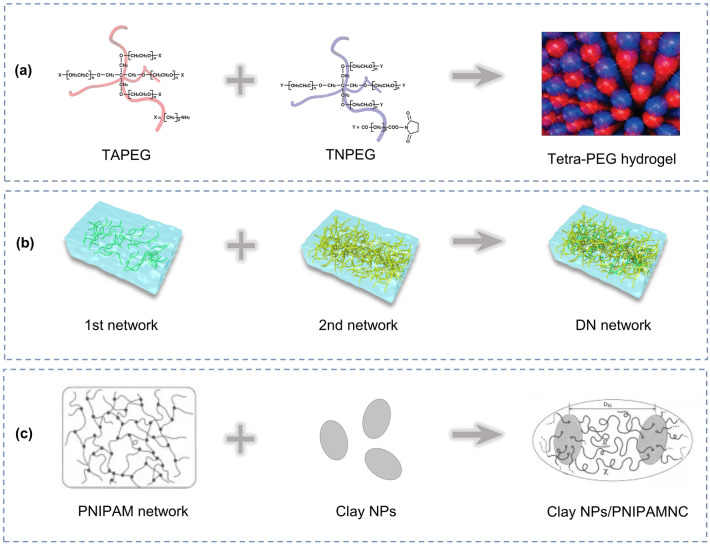
“designed a homogeneous tetra-polyethylene glycol hydrogel [111].”
Fluorescence based explosive detection: from mechanisms to sensory materials
Sun, X., Wang, Y., & Lei, Y. (2015) · Chemical Society Reviews · doi:10.1039/c5cs00496a · Cited by 1,243 · cited 2×
“In addition to directly endangering the property security and life safety of the country and its citizens, explosives may also cause damage to human health through long-term or short-term exposure [238].”
BackgroundHierarchical nanostructured conducting polymer hydrogel with high electrochemical activity
Pan, L., Yu, G., Zhai, D., Lee, H. R., Zhao, W., Liu, N., Wang, H., Tee, B. C.-K., Shi, Y., Cui, Y., et al. (2012) · Proceedings of the National Academy of Sciences · doi:10.1073/pnas.1202636109 · Cited by 1,216
Self-citationRoom-temperature gas sensing of ZnO-based gas sensor: A review
Zhu, L., & Zeng, W. (2017) · Sensors and Actuators A: Physical · doi:10.1016/j.sna.2017.10.021 · Cited by 1,105
Liang, Y., Li, Z., Huang, Y., Yu, R., & Guo, B. (2021) · ACS Nano · doi:10.1021/acsnano.1c00204 · Cited by 1,083 · cited 1×
“Liang et al. [202] synthesized a series of hydrogels with good adhesion properties.”
BackgroundSkin-inspired hydrogel–elastomer hybrids with robust interfaces and functional microstructures
Yuk, H., Zhang, T., Parada, G. A., Liu, X., & Zhao, X. (2016) · Nature Communications · doi:10.1038/ncomms12028 · Cited by 1,035
Gan, D., Xing, W., Jiang, L., Fang, J., Zhao, C., Ren, F., Fang, L., Wang, K., & Lu, X. (2019) · Nature Communications · doi:10.1038/s41467-019-09351-2 · Cited by 1,029
Liu, X., Liu, J., Lin, S., & Zhao, X. (2020) · Materials Today · doi:10.1016/j.mattod.2019.12.026 · Cited by 1,023 · cited 2×
“It is extremely hydrophilic and rapidly swells in water to retain a large volume of water without dissolving [51, 52].”
BackgroundSelf-Healing Materials Based on Disulfide Links
Canadell, J., Goossens, H., & Klumperman, B. (2011) · Macromolecules · doi:10.1021/ma2001492 · Cited by 1,007
Griffin, D. R., Weaver, W. M., Scumpia, P. O., Di Carlo, D., & Segura, T. (2015) · Nature Materials · doi:10.1038/nmat4294 · Cited by 981
Recent Progress in Electronic Skin
Wang, X., Dong, L., Zhang, H., Yu, R., Pan, C., & Wang, Z. L. (2015) · Advanced Science · doi:10.1002/advs.201500169 · Cited by 976 · cited 1×
“Flexible and wearable vapor sensors can fit directly on human skin or clothing, and endure human movement without mechanical damage, which greatly broaden their application [37–39].”
BackgroundMussel-Inspired Adhesive and Tough Hydrogel Based on Nanoclay Confined Dopamine Polymerization
Han, L., Lu, X., Liu, K., Wang, K., Fang, L., Weng, L.-T., Zhang, H., Tang, Y., Ren, F., Zhao, C., et al. (2017) · ACS Nano · doi:10.1021/acsnano.6b05318 · Cited by 976
Thoniyot, P., Tan, M. J., Karim, A. A., Young, D. J., & Loh, X. J. (2015) · Advanced Science · doi:10.1002/advs.201400010 · Cited by 928 · cited 1×
“For different 1 3 application requirements, hydrogels can be functionalized to achieve specific properties and structures [64–66].”
BackgroundCai, G., Wang, J., Qian, K., Chen, J., Li, S., & Lee, P. S. (2017) · Advanced Science · doi:10.1002/advs.201600190 · Cited by 921 · cited 1×
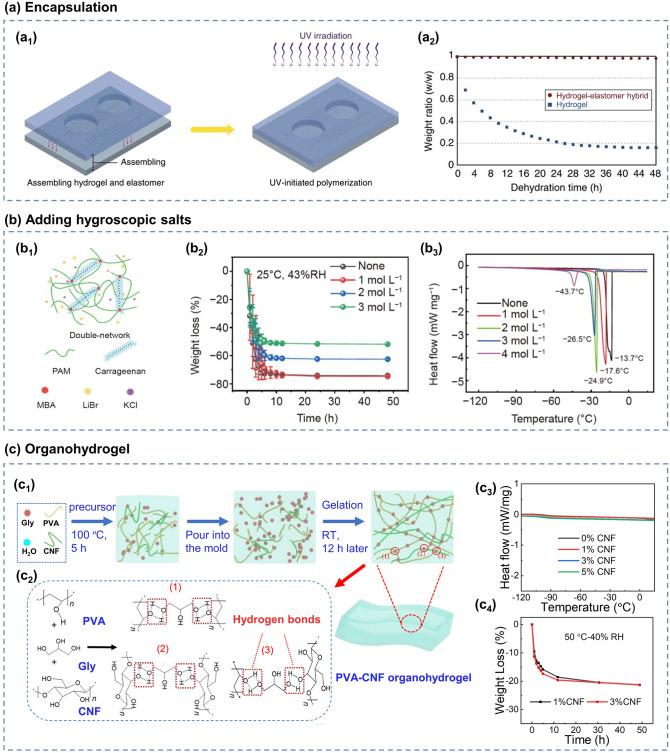
“The encapsulation of hydrogel sensors with elastomeric materials is an effective approach to prevent the evaporation of water from hydrogels [151, 153, 154].”
BackgroundChou, H.-H., Nguyen, A., Chortos, A., To, J. W. F., Lu, C., Mei, J., Kurosawa, T., Bae, W.-G., Tok, J. B.-H., & Bao, Z. (2015) · Nature Communications · doi:10.1038/ncomms9011 · Cited by 914
Self-healing gels based on constitutional dynamic chemistry and their potential applications
Wei, Z., Yang, J. H., Zhou, J., Xu, F., Zrínyi, M., Dussault, P. H., Osada, Y., & Chen, Y. M. (2014) · Chem. Soc. Rev. · doi:10.1039/c4cs00219a · Cited by 896
Room Temperature Gas Sensing of Two-Dimensional Titanium Carbide (MXene)
Lee, E., VahidMohammadi, A., Prorok, B. C., Yoon, Y. S., Beidaghi, M., & Kim, D.-J. (2017) · ACS Applied Materials & Interfaces · doi:10.1021/acsami.7b11055 · Cited by 878
Inorganic Semiconductors for Flexible Electronics
Sun, Y., & Rogers, J. A. (2007) · Advanced Materials · doi:10.1002/adma.200602223 · Cited by 874
Dai, X., Zhang, Y., Gao, L., Bai, T., Wang, W., Cui, Y., & Liu, W. (2015) · Advanced Materials · doi:10.1002/adma.201500534 · Cited by 848
Microengineered hydrogels for tissue engineering
Khademhosseini, A., & Langer, R. (2007) · Biomaterials · doi:10.1016/j.biomaterials.2007.07.021 · Cited by 830
Ye, Y., Zhang, Y., Chen, Y., Han, X., & Jiang, F. (2020) · Advanced Functional Materials · doi:10.1002/adfm.202003430 · Cited by 826
Zhao, X., Liang, Y., Huang, Y., He, J., Han, Y., & Guo, B. (2020) · Advanced Functional Materials · doi:10.1002/adfm.201910748 · Cited by 814
Amann, A., Costello, B. D. L., Miekisch, W., Schubert, J., Buszewski, B., Pleil, J., Ratcliffe, N., & Risby, T. (2014) · Journal of Breath Research · doi:10.1088/1752-7155/8/3/034001 · Cited by 804 · cited 1×
“As human exhalation contains a large number of gas and water molecules, monitoring and analyzing information related to it, such as respiratory rate and composition of exhalation, can achieve the non-invasive and comfortable early prevention and treatment of certain diseases [21, 22].”
BackgroundThe design of reversible hydrogels to capture extracellular matrix dynamics
Rosales, A. M., & Anseth, K. S. (2016) · Nature Reviews Materials · doi:10.1038/natrevmats.2015.12 · Cited by 772 · cited 1×
“According to the different methods of crosslinking polymer chains, they can be divided into physically and chemically crosslinked hydrogels [85–87].”
MethodTough and Self-Healing Hydrogels Formed via Hydrophobic Interactions
Tuncaboylu, D. C., Sari, M., Oppermann, W., & Okay, O. (2011) · Macromolecules · doi:10.1021/ma200579v · Cited by 768
Li, Z., Li, H., Wu, Z., Wang, M., Luo, J., Torun, H., Hu, P., Yang, C., Grundmann, M., Liu, X., et al. (2019) · Materials Horizons · doi:10.1039/c8mh01365a · Cited by 760
Xia, D., Wang, P., Ji, X., Khashab, N. M., Sessler, J. L., & Huang, F. (2020) · Chemical Reviews · doi:10.1021/acs.chemrev.9b00839 · Cited by 734
Rong, Q., Lei, W., Chen, L., Yin, Y., Zhou, J., & Liu, M. (2017) · Angewandte Chemie International Edition · doi:10.1002/anie.201708614 · Cited by 733
Phadke, A., Zhang, C., Arman, B., Hsu, C.-C., Mashelkar, R. A., Lele, A. K., Tauber, M. J., Arya, G., & Varghese, S. (2012) · Proceedings of the National Academy of Sciences · doi:10.1073/pnas.1201122109 · Cited by 726 · cited 1×
“In contrast, chemically crosslinked hydrogels are crosslinked by covalent bonding between polymer chains, resulting in superior mechanical deformability [105–107].”
BackgroundSelf‐Healing Polymers Based on Coordination Bonds
Li, C., & Zuo, J. (2020) · Advanced Materials · doi:10.1002/adma.201903762 · Cited by 717
Chen, Q., Zhu, L., Zhao, C., Wang, Q., & Zheng, J. (2013) · Advanced Materials · doi:10.1002/adma.201300817 · Cited by 716
Carbon dioxide gas sensor using a graphene sheet
Yoon, H. J., Jun, D. H., Yang, J. H., Zhou, Z., Yang, S. S., & Cheng, M. M.-C. (2011) · Sensors and Actuators B: Chemical · doi:10.1016/j.snb.2011.03.035 · Cited by 714 · cited 1×
“Exceeding CO 2 levels may not only have adverse effects on human health, such as headaches, fatigue, eye diseases, nasal, or respiratory diseases, but also bring about the greenhouse effect and global warming [235, 236].”
BackgroundCovalent Cross-Linked Polymer Gels with Reversible Sol−Gel Transition and Self-Healing Properties
Deng, G., Tang, C., Li, F., Jiang, H., & Chen, Y. (2010) · Macromolecules · doi:10.1021/ma9022197 · Cited by 676 · cited 1×
“Deng et al. [189] prepared a covalent dynamic gel using bis-acylhydrazine functionalized poly(ethylene oxide) (A 2 ) and tris[(4-formylphenoxy)methyl]ethane (B 3 ) as raw materials.”
MethodDarabi, M. A., Khosrozadeh, A., Mbeleck, R., Liu, Y., Chang, Q., Jiang, J., Cai, J., Wang, Q., Luo, G., & Xing, M. (2017) · Advanced Materials · doi:10.1002/adma.201700533 · Cited by 672 · cited 1×
“The dual network is composed of polymer network chains with opposite properties [104, 118–122].”
BackgroundZhang, Y., Tao, L., Li, S., & Wei, Y. (2011) · Biomacromolecules · doi:10.1021/bm200423f · Cited by 670
“Nonswellable” Hydrogel Without Mechanical Hysteresis
Kamata, H., Akagi, Y., Kayasuga-Kariya, Y., Chung, U.-I., & Sakai, T. (2014) · Science · doi:10.1126/science.1247811 · Cited by 669
Zhang, F., Zang, Y., Huang, D., Di, C.-A., & Zhu, D. (2015) · Nature Communications · doi:10.1038/ncomms9356 · Cited by 668
Hydrogel Electrolytes for Flexible Aqueous Energy Storage Devices
Wang, Z., Li, H., Tang, Z., Liu, Z., Ruan, Z., Ma, L., Yang, Q., Wang, D., & Zhi, C. (2018) · Advanced Functional Materials · doi:10.1002/adfm.201804560 · Cited by 664 · cited 1×
“According to the different methods of crosslinking polymer chains, they can be divided into physically and chemically crosslinked hydrogels [85–87].”
MethodRecent advances in energy-saving chemiresistive gas sensors: A review
Majhi, S. M., Mirzaei, A., Kim, H. W., Kim, S. S., & Kim, T. W. (2021) · Nano Energy · doi:10.1016/j.nanoen.2020.105369 · Cited by 653 · cited 1×
“When their concentration exceeds a certain threshold, which is as low as 1 ppm, this causes indelible harm to human health and the environment [1–11].”
BackgroundAssessment, origin, and implementation of breath volatile cancer markers
Haick, H., Broza, Y. Y., Mochalski, P., Ruzsanyi, V., & Amann, A. (2014) · Chem. Soc. Rev. · doi:10.1039/c3cs60329f · Cited by 644
Chen, Q., Zhu, L., Chen, H., Yan, H., Huang, L., Yang, J., & Zheng, J. (2015) · Advanced Functional Materials · doi:10.1002/adfm.201404357 · Cited by 632
Tough Stimuli-Responsive Supramolecular Hydrogels with Hydrogen-Bonding Network Junctions
Guo, M., Pitet, L. M., Wyss, H. M., Vos, M., Dankers, P. Y. W., & Meijer, E. W. (2014) · Journal of the American Chemical Society · doi:10.1021/ja500205v · Cited by 627
Kakuta, T., Takashima, Y., Nakahata, M., Otsubo, M., Yamaguchi, H., & Harada, A. (2013) · Advanced Materials · doi:10.1002/adma.201205321 · Cited by 621
Deng, G., Li, F., Yu, H., Liu, F., Liu, C., Sun, W., Jiang, H., & Chen, Y. (2012) · ACS Macro Letters · doi:10.1021/mz200195n · Cited by 620
Self-citationStretchable and tough conductive hydrogels for flexible pressure and strain sensors
Wang, Z., Cong, Y., & Fu, J. (2020) · Journal of Materials Chemistry B · doi:10.1039/c9tb02570g · Cited by 607 · cited 1×
“3d) [127, 146, 147].”
Multifunctional Skin‐Inspired Flexible Sensor Systems for Wearable Electronics
Xu, K., Lu, Y., & Takei, K. (2019) · Advanced Materials Technologies · doi:10.1002/admt.201800628 · Cited by 602 · cited 1×
“Flexible and wearable vapor sensors can fit directly on human skin or clothing, and endure human movement without mechanical damage, which greatly broaden their application [37–39].”
BackgroundSelf‐Healing Hydrogels: The Next Paradigm Shift in Tissue Engineering?
Talebian, S., Mehrali, M., Taebnia, N., Pennisi, C. P., Kadumudi, F. B., Foroughi, J., Hasany, M., Nikkhah, M., Akbari, M., Orive, G., et al. (2019) · Advanced Science · doi:10.1002/advs.201801664 · Cited by 602
Ti3C2 MXene-Based Sensors with High Selectivity for NH3 Detection at Room Temperature
Wu, M., He, M., Hu, Q., Wu, Q., Sun, G., Xie, L., Zhang, Z., Zhu, Z., & Zhou, A. (2019) · ACS Sensors · doi:10.1021/acssensors.9b01308 · Cited by 602
A Review on Graphene-Based Gas/Vapor Sensors with Unique Properties and Potential Applications
Wang, T., Huang, D., Yang, Z., Xu, S., He, G., Li, X., Hu, N., Yin, G., He, D., & Zhang, L. (2016) · Nano-Micro Letters · doi:10.1007/s40820-015-0073-1 · Cited by 600
Hydrogel Bioink Reinforcement for Additive Manufacturing: A Focused Review of Emerging Strategies
Chimene, D., Kaunas, R., & Gaharwar, A. K. (2020) · Advanced Materials · doi:10.1002/adma.201902026 · Cited by 600
Tang, S., Yang, J., Lin, L., Peng, K., Chen, Y., Jin, S., & Yao, W. (2020) · Chemical Engineering Journal · doi:10.1016/j.cej.2020.124728 · Cited by 596
Tough, self-healable and tissue-adhesive hydrogel with tunable multifunctionality
Han, L., Yan, L., Wang, K., Fang, L., Zhang, H., Tang, Y., Ding, Y., Weng, L.-T., Xu, J., Weng, J., et al. (2017) · NPG Asia Materials · doi:10.1038/am.2017.33 · Cited by 595 · cited 1×
“Furthermore, these interactions can be combined to form multiple inter-molecular interactions [185–187].”
BackgroundHuang, S., Hou, L., Li, T., Jiao, Y., & Wu, P. (2022) · Advanced Materials · doi:10.1002/adma.202110140 · Cited by 595
Injectable Self‐Healing Glucose‐Responsive Hydrogels with pH‐Regulated Mechanical Properties
Yesilyurt, V., Webber, M. J., Appel, E. A., Godwin, C., Langer, R., & Anderson, D. G. (2016) · Advanced Materials · doi:10.1002/adma.201502902 · Cited by 590
Ge, G., Zhang, Y., Shao, J., Wang, W., Si, W., Huang, W., & Dong, X. (2018) · Advanced Functional Materials · doi:10.1002/adfm.201802576 · Cited by 579 · cited 1×
“With acrylamide and PVA as the primary materials, and using N,N-methylenebisacrylamide (MBAA) crosslinking, Ge et al. [205] prepared a DN conductive hydrogel with high stretchability (> 500%), high transparency (> 90%), good adhesion, and biocompatibility.”
MethodSensors for Breath Testing: From Nanomaterials to Comprehensive Disease Detection
Konvalina, G., & Haick, H. (2014) · Accounts of Chemical Research · doi:10.1021/ar400070m · Cited by 561
Novel Mussel‐Inspired Injectable Self‐Healing Hydrogel with Anti‐Biofouling Property
Li, L., Yan, B., Yang, J., Chen, L., & Zeng, H. (2015) · Advanced Materials · doi:10.1002/adma.201405166 · Cited by 553
Berto, F., & Lazzarin, P. (2014) · Materials Science and Engineering: R: Reports · doi:10.1016/j.mser.2013.11.001 · Cited by 550 · cited 1×
“The uneven crosslinking density between polymer chains, varying chain lengths between crosslinking points, and presence of dangling chains and rings are the factors that contribute to the localized stress concentration [113–115].”
BackgroundLiu, Y.-J., Cao, W.-T., Ma, M.-G., & Wan, P. (2017) · ACS Applied Materials & Interfaces · doi:10.1021/acsami.7b07639 · Cited by 544
Miyamae, K., Nakahata, M., Takashima, Y., & Harada, A. (2015) · Angewandte Chemie International Edition · doi:10.1002/anie.201502957 · Cited by 532 · cited 1×
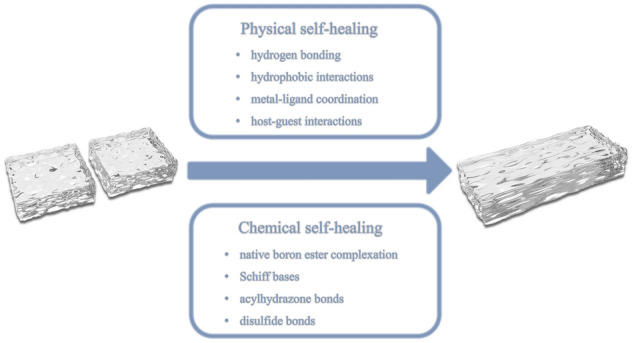
“…be achieved by the hydrophobic part of hydrogels by the autonomous loading between hydrophobic structural domains/conjugation, metal–ligand coordination by the reversible chelation between ligands and metal atoms, and host–guest by combining interactions with different binding affinities [179–184].”
BackgroundInorganic Salts Induce Thermally Reversible and Anti‐Freezing Cellulose Hydrogels
Zhang, X., Ma, X., Hou, T., Guo, K., Yin, J., Wang, Z., Shu, L., He, M., & Yao, J. (2019) · Angewandte Chemie International Edition · doi:10.1002/anie.201902578 · Cited by 530
Hierarchically buckled sheath-core fibers for superelastic electronics, sensors, and muscles
Liu, Z. F., Fang, S., Moura, F. A., Ding, J. N., Jiang, N., Di, J., Zhang, M., Lepró, X., Galvão, D. S., Haines, C. S., et al. (2015) · Science · doi:10.1126/science.aaa7952 · Cited by 529 · cited 1×
“For flexible applications, sensitive materials are commonly integrated on a flexible substrate [40–43].”
BackgroundSelf-citationMechanically Flexible Conductors for Stretchable and Wearable E‐Skin and E‐Textile Devices
Wang, B., & Facchetti, A. (2019) · Advanced Materials · doi:10.1002/adma.201901408 · Cited by 515
Poly(vinyl alcohol) Hydrogel Can Autonomously Self-Heal
Zhang, H., Xia, H., & Zhao, Y. (2012) · ACS Macro Letters · doi:10.1021/mz300451r · Cited by 509 · cited 1×
“Zhang et al. [178] used the freezing/thawing method to prepare a PVA hydrogels with self-healing ability against mechanical damage at room-temperature.”
MethodUV-Activated MoS2 Based Fast and Reversible NO2 Sensor at Room Temperature
Kumar, R., Goel, N., & Kumar, M. (2017) · ACS Sensors · doi:10.1021/acssensors.7b00731 · Cited by 490
Yoon, J. A., Kamada, J., Koynov, K., Mohin, J., Nicolaÿ, R., Zhang, Y., Balazs, A. C., Kowalewski, T., & Matyjaszewski, K. (2012) · Macromolecules · doi:10.1021/ma2015134 · Cited by 485
Chen, W., & Yan, X. (2020) · Journal of Materials Science & Technology · doi:10.1016/j.jmst.2019.11.010 · Cited by 481
Self‐Powered Respiration Monitoring Enabled By a Triboelectric Nanogenerator
Su, Y., Chen, G., Chen, C., Gong, Q., Xie, G., Yao, M., Tai, H., Jiang, Y., & Chen, J. (2021) · Advanced Materials · doi:10.1002/adma.202101262 · Cited by 481
Paper‐Based Electrical Respiration Sensor
Güder, F., Ainla, A., Redston, J., Mosadegh, B., Glavan, A., Martin, T. J., & Whitesides, G. M. (2016) · Angewandte Chemie International Edition · doi:10.1002/anie.201511805 · Cited by 472 · cited 1×
“As human exhalation contains a large number of gas and water molecules, monitoring and analyzing information related to it, such as respiratory rate and composition of exhalation, can achieve the non-invasive and comfortable early prevention and treatment of certain diseases [21, 22].”
BackgroundHigh‐Performance NO2 Sensors Based on Chemically Modified Graphene
Yuan, W., Liu, A., Huang, L., Li, C., & Shi, G. (2013) · Advanced Materials · doi:10.1002/adma.201203172 · Cited by 453
Paper-Based Sensors for Gas, Humidity, and Strain Detections: A Review
Tai, H., Duan, Z., Wang, Y., Wang, S., & Jiang, Y. (2020) · ACS Applied Materials & Interfaces · doi:10.1021/acsami.0c06435 · Cited by 441 · cited 1×
“For portable and wearable sensors, flexible and wearable electronic systems have received copious attention because of their huge potential applications in human–machine interfaces, health monitoring, and smart skins for robots [27–36].”
BackgroundSong, Z., Wei, Z., Wang, B., Luo, Z., Xu, S., Zhang, W., Yu, H., Li, M., Huang, Z., Zang, J., et al. (2016) · Chemistry of Materials · doi:10.1021/acs.chemmater.5b04850 · Cited by 438
Han, L., Yan, L., Wang, M., Wang, K., Fang, L., Zhou, J., Fang, J., Ren, F., & Lu, X. (2018) · Chemistry of Materials · doi:10.1021/acs.chemmater.8b01446 · Cited by 438 · cited 1×
“Han et al. [204] synthesized transparent, stretchable, adhesive, and conductive hydrogels by the in-situ polymerization of polydopamine-doped PPy nanofibers in a PAM network.”
BackgroundChen, J., Peng, Q., Thundat, T., & Zeng, H. (2019) · Chemistry of Materials · doi:10.1021/acs.chemmater.9b01239 · Cited by 437
Hydrogel Based Sensors for Biomedical Applications: An Updated Review
Tavakoli, J., & Tang, Y. (2017) · Polymers · doi:10.3390/polym9080364 · Cited by 434 · cited 1×
“It is extremely hydrophilic and rapidly swells in water to retain a large volume of water without dissolving [51, 52].”
BackgroundSensitive and selective NO2 gas sensor based on WO3 nanoplates
Shendage, S. S., Patil, V. L., Vanalakar, S. A., Patil, S. P., Harale, N. S., Bhosale, J. L., Kim, J. H., & Patil, P. S. (2017) · Sensors and Actuators B: Chemical · doi:10.1016/j.snb.2016.08.177 · Cited by 431
Ultrahigh‐Conductivity Polymer Hydrogels with Arbitrary Structures
Yao, B., Wang, H., Zhou, Q., Wu, M., Zhang, M., Li, C., & Shi, G. (2017) · Advanced Materials · doi:10.1002/adma.201700974 · Cited by 423
Self-citationLi, G., Cheng, Z., Xiang, Q., Yan, L., Wang, X., & Xu, J. (2019) · Sensors and Actuators B: Chemical · doi:10.1016/j.snb.2018.09.117 · Cited by 422 · cited 1×
“For example, the acetone concentration in the breath can be used as a bio-marker for diabetes, and the detection of breath humidity enables respiratory monitoring [23–26].”
BackgroundFatigue-resistant adhesion of hydrogels
Liu, J., Lin, S., Liu, X., Qin, Z., Yang, Y., Zang, J., & Zhao, X. (2020) · Nature Communications · doi:10.1038/s41467-020-14871-3 · Cited by 420
Hydrogel-Based Controlled Drug Delivery for Cancer Treatment: A Review
Sun, Z., Song, C., Wang, C., Hu, Y., & Wu, J. (2020) · Molecular Pharmaceutics · doi:10.1021/acs.molpharmaceut.9b01020 · Cited by 413
Self-citationSupramolecular nanofibrillar hydrogels as highly stretchable, elastic and sensitive ionic sensors
Zhang, X., Sheng, N., Wang, L., Tan, Y., Liu, C., Xia, Y., Nie, Z., & Sui, K. (2019) · Materials Horizons · doi:10.1039/c8mh01188e · Cited by 412
Self-citationEvolution of breath analysis based on humidity and gas sensors: Potential and challenges
Tai, H., Wang, S., Duan, Z., & Jiang, Y. (2020) · Sensors and Actuators B: Chemical · doi:10.1016/j.snb.2020.128104 · Cited by 412
Breath Sensors for Health Monitoring
Güntner, A. T., Abegg, S., Königstein, K., Gerber, P. A., Schmidt-Trucksäss, A., & Pratsinis, S. E. (2019) · ACS Sensors · doi:10.1021/acssensors.8b00937 · Cited by 410
Single-layer MoSe2 based NH3 gas sensor
Late, D. J., Doneux, T., & Bougouma, M. (2014) · Applied Physics Letters · doi:10.1063/1.4903358 · Cited by 407
Quantitative analysis of ammonia on the breath of patients in end-stage renal failure
Davies, S., Spanel, P., & Smith, D. (1997) · Kidney International · doi:10.1038/ki.1997.324 · Cited by 406 · cited 2×
“In addition, ammonia is one of the gases in the body’s exhaled breath that can be used to mark the presence of a certain disease [218].”
BackgroundWang, Z., Chen, J., Cong, Y., Zhang, H., Xu, T., Nie, L., & Fu, J. (2018) · Chemistry of Materials · doi:10.1021/acs.chemmater.8b03999 · Cited by 396
Conductive Hydrogel- and Organohydrogel-Based Stretchable Sensors
Wu, Z., Yang, X., & Wu, J. (2021) · ACS Applied Materials & Interfaces · doi:10.1021/acsami.0c21841 · Cited by 393 · cited 1×
“Currently, reviews have focused on hydrogel research in vapor sensing when introducing recent work on flexible wearable sensors, or describing research on hydrogels [80–84].”
BackgroundSelf-citationWu, J., Wu, Z., Xu, H., Wu, Q., Liu, C., Yang, B.-R., Gui, X., Xie, X., Tao, K., Shen, Y., et al. (2019) · Materials Horizons · doi:10.1039/c8mh01160e · Cited by 391 · cited 1×
“Wu et al. [270] prepared an electrochemical humidity sensor that can be directly sensitive to humidity.”
BackgroundSelf-citationQin, Z., Sun, X., Yu, Q., Zhang, H., Wu, X., Yao, M., Liu, W., Yao, F., & Li, J. (2020) · ACS Applied Materials & Interfaces · doi:10.1021/acsami.9b21659 · Cited by 384
Self-citationPhase Diagram for the System Water–Dimethylsulphoxide
RASMUSSEN, D. H., & MACKENZIE, A. P. (1968) · Nature · doi:10.1038/2201315a0 · Cited by 383
Transparent hydrogel with enhanced water retention capacity by introducing highly hydratable salt
Bai, Y., Chen, B., Xiang, F., Zhou, J., Wang, H., & Suo, Z. (2014) · Applied Physics Letters · doi:10.1063/1.4898189 · Cited by 383
Self-citationTurner, C., Španěl, P., & Smith, D. (2006) · Physiological Measurement · doi:10.1088/0967-3334/27/4/001 · Cited by 379 · cited 1×
“While when the concentration decreases, it indicates possible asthma [218–220].”
BackgroundWearable humidity sensor based on porous graphene network for respiration monitoring
Pang, Y., Jian, J., Tu, T., Yang, Z., Ling, J., Li, Y., Wang, X., Qiao, Y., Tian, H., Yang, Y., et al. (2018) · Biosensors and Bioelectronics · doi:10.1016/j.bios.2018.05.038 · Cited by 369 · cited 1×
“By monitoring the concentration of water vapor, the identification of respiratory characteristics can also be achieved to further predict sleep apnea, asthma, anemia and other chronic lung diseases for the early detection and treatment [273–275].”
BackgroundNanosensors for trace explosive detection
Senesac, L., & Thundat, T. G. (2008) · Materials Today · doi:10.1016/s1369-7021(08)70017-8 · Cited by 368
Shao, J., Ruan, C., Xie, H., Li, Z., Wang, H., Chu, P. K., & Yu, X. (2018) · Advanced Science · doi:10.1002/advs.201700848 · Cited by 367 · cited 1×
“Using black phosphorus (BP) nanosheets and thermosensitive hydrogel [poly( D , L -lactide)-poly(ethylene glycol)-poly( D , L -lactide) (PDLLA–PEG–PDLLA:PLEL)] as raw materials, Shao et al. [201] prepared a novel photothermal therapy (PTT) system for the postoperative treatment of tumors.”
BackgroundSelf-citationGao, F., Xu, Z., Liang, Q., Li, H., Peng, L., Wu, M., Zhao, X., Cui, X., Ruan, C., & Liu, W. (2019) · Advanced Science · doi:10.1002/advs.201900867 · Cited by 365
Lim, C., Hong, Y. J., Jung, J., Shin, Y., Sunwoo, S.-H., Baik, S., Park, O. K., Choi, S. H., Hyeon, T., Kim, J. H., et al. (2021) · Science Advances · doi:10.1126/sciadv.abd3716 · Cited by 365 · cited 1×
“Kim and his team [230] propose a skin device interface with tissue-like characteristics that is formed by using an ultrathin type of functionalized hydrogel (PAM).”
BackgroundChen, Z., To, J. W. F., Wang, C., Lu, Z., Liu, N., Chortos, A., Pan, L., Wei, F., Cui, Y., & Bao, Z. (2014) · Advanced Energy Materials · doi:10.1002/aenm.201400207 · Cited by 364
Sun, H., Zhao, Y., Wang, C., Zhou, K., Yan, C., Zheng, G., Huang, J., Dai, K., Liu, C., & Shen, C. (2020) · Nano Energy · doi:10.1016/j.nanoen.2020.105035 · Cited by 364
Self-citationChen, G., Huang, J., Gu, J., Peng, S., Xiang, X., Chen, K., Yang, X., Guan, L., Jiang, X., & Hou, L. (2020) · Journal of Materials Chemistry A · doi:10.1039/d0ta00002g · Cited by 359
A practical carbon dioxide gas sensor using room-temperature hydrogen plasma reduced graphene oxide
Muhammad Hafiz, S., Ritikos, R., Whitcher, T. J., Md. Razib, N., Bien, D. C. S., Chanlek, N., Nakajima, H., Saisopa, T., Songsiriritthigul, P., Huang, N. M., et al. (2014) · Sensors and Actuators B: Chemical · doi:10.1016/j.snb.2013.12.017 · Cited by 332
A review on latest innovations in natural gums based hydrogels: Preparations & applications
Ahmad, S., Ahmad, M., Manzoor, K., Purwar, R., & Ikram, S. (2019) · International Journal of Biological Macromolecules · doi:10.1016/j.ijbiomac.2019.06.113 · Cited by 332 · cited 1×
“Finally, the conceivable future research trends for hydrogel gas/humidity sensing are discussed. biocompatibility, and are used in a wide range of applications, such as bioengineering, medical health, and food processing [88–94].”
BackgroundHan, Z., Wang, P., Lu, Y., Jia, Z., Qu, S., & Yang, W. (2022) · Science Advances · doi:10.1126/sciadv.abl5066 · Cited by 322 · cited 1×
“However, conventional hydrogels have low mechanical deformability with a small fracture energy, low elastic modulus, and brittleness, which does not meet the large mechanical deformability demand for flexible and wearable vapor sensors [108–110].”
BackgroundZhou, L., Dai, C., Fan, L., Jiang, Y., Liu, C., Zhou, Z., Guan, P., Tian, Y., Xing, J., Li, X., et al. (2021) · Advanced Functional Materials · doi:10.1002/adfm.202007457 · Cited by 318 · cited 1×
“Zhou et al. [199] synthesized a bio-compatible hydrogel using extracellular matrix-derived biopolymer gelatin and chondroitin sulfate.”
BackgroundSelf-citationWang, Q., Pan, X., Lin, C., Lin, D., Ni, Y., Chen, L., Huang, L., Cao, S., & Ma, X. (2019) · Chemical Engineering Journal · doi:10.1016/j.cej.2019.03.287 · Cited by 311
Walsh, M. (2001) · Talanta · doi:10.1016/s0039-9140(00)00541-5 · Cited by 304
Engineering Smart Composite Hydrogels for Wearable Disease Monitoring
Li, J., Ding, Q., Wang, H., Wu, Z., Gui, X., Li, C., Hu, N., Tao, K., & Wu, J. (2023) · Nano-Micro Letters · doi:10.1007/s40820-023-01079-5 · Cited by 304
Self-citationPorous Ionic Membrane Based Flexible Humidity Sensor and its Multifunctional Applications
Li, T., Li, L., Sun, H., Xu, Y., Wang, X., Luo, H., Liu, Z., & Zhang, T. (2017) · Advanced Science · doi:10.1002/advs.201600404 · Cited by 298
Wang, J., Jiu, J., Nogi, M., Sugahara, T., Nagao, S., Koga, H., He, P., & Suganuma, K. (2015) · Nanoscale · doi:10.1039/c4nr06494a · Cited by 293
Sensors, Chemical Sensors, Electrochemical Sensors, and ECS
Stetter, J. R., Penrose, W. R., & Yao, S. (2003) · Journal of The Electrochemical Society · doi:10.1149/1.1539051 · Cited by 290 · cited 1×
“It has applications in meteor-ology, hydrology, medicine, biology, agriculture, forestry, and production and storage of various products [261–266].”
BackgroundLei, H., Dong, L., Li, Y., Zhang, J., Chen, H., Wu, J., Zhang, Y., Fan, Q., Xue, B., Qin, M., et al. (2020) · Nature Communications · doi:10.1038/s41467-020-17877-z · Cited by 288 · cited 1×
“…with enhanced mechanical deformability and controlled structure and degradation, such as polyethylene glycol (PEG), polyvinyl alcohol (PVA), poly(2-hydroxyethyl methacrylate) (PHEMA) and polyacrylamide (PAM), can be used in sensors, actuators, soft robots, and wastewater treatment [95–101].”
BackgroundSelf-citationZhao, D., Feng, M., Zhang, L., He, B., Chen, X., & Sun, J. (2021) · Carbohydrate Polymers · doi:10.1016/j.carbpol.2020.117580 · Cited by 286
Chen, M., Tian, J., Liu, Y., Cao, H., Li, R., Wang, J., Wu, J., & Zhang, Q. (2019) · Chemical Engineering Journal · doi:10.1016/j.cej.2019.05.043 · Cited by 281 · cited 1×
“By utilizing the dynamic reaction of aminated gelatin, adipic acid dihydrazine, and oxidized dextrose, Chen et al. [173] synthesized a self-healing hydrogel.”
MethodSelf-citationLiu, C., Tai, H., Zhang, P., Yuan, Z., Du, X., Xie, G., & Jiang, Y. (2018) · Sensors and Actuators B: Chemical · doi:10.1016/j.snb.2017.12.022 · Cited by 277
Self-citationNatural Hydrogel-Based Bio-Inks for 3D Bioprinting in Tissue Engineering: A Review
Fatimi, A., Okoro, O. V., Podstawczyk, D., Siminska-Stanny, J., & Shavandi, A. (2022) · Gels · doi:10.3390/gels8030179 · Cited by 276
Materials, Structures, and Functions for Flexible and Stretchable Biomimetic Sensors
Li, T., Li, Y., & Zhang, T. (2019) · Accounts of Chemical Research · doi:10.1021/acs.accounts.8b00497 · Cited by 274
Huang, W., Cheng, S., Wang, X., Zhang, Y., Chen, L., & Zhang, L. (2021) · Advanced Functional Materials · doi:10.1002/adfm.202009189 · Cited by 272 · cited 1×
“For different 1 3 application requirements, hydrogels can be functionalized to achieve specific properties and structures [64–66].”
BackgroundSANS and SLS Studies on Tetra-Arm PEG Gels in As-Prepared and Swollen States
Matsunaga, T., Sakai, T., Akagi, Y., Chung, U.-I., & Shibayama, M. (2009) · Macromolecules · doi:10.1021/ma901013q · Cited by 265
Superior acetone gas sensor based on electrospun SnO2 nanofibers by Rh doping
Kou, X., Xie, N., Chen, F., Wang, T., Guo, L., Wang, C., Wang, Q., Ma, J., Sun, Y., Zhang, H., et al. (2018) · Sensors and Actuators B: Chemical · doi:10.1016/j.snb.2017.10.011 · Cited by 265 · cited 1×
“For example, widely studied metal–oxide semiconductor vapor sensors require high temperatures to ensure the sensing operation of their sensitive material, which is contrary to the operation of wearable devices [45–47].”
BackgroundWang, J., Fan, S., Xia, Y., Yang, C., & Komarneni, S. (2020) · Journal of Hazardous Materials · doi:10.1016/j.jhazmat.2019.120919 · Cited by 264
Design of highly porous SnO2-CuO nanotubes for enhancing H2S gas sensor performance
Park, K.-R., Cho, H.-B., Lee, J., Song, Y., Kim, W.-B., & Choa, Y.-H. (2020) · Sensors and Actuators B: Chemical · doi:10.1016/j.snb.2019.127179 · Cited by 260 · cited 1×
“Moreover, flammable and explosive gases, such as H 2 and CH 4 , pose a direct threat to the safety of human life and property [12–17].”
BackgroundXia, S., Song, S., & Gao, G. (2018) · Chemical Engineering Journal · doi:10.1016/j.cej.2018.08.053 · Cited by 259 · cited 1×
“During the stretching of DN hydrogels, the mechanical energy is dissipated by sacrificing the breakage of chemical bonds in the densely crosslinked polymer network, or by the perturbation of non-covalent interactions, thereby improving the mechanical deformability of the hydrogel [123–125].”
BackgroundNatural biopolymer‐based hydrogels for use in food and agriculture
Klein, M., & Poverenov, E. (2020) · Journal of the Science of Food and Agriculture · doi:10.1002/jsfa.10274 · Cited by 259
Pita-López, M. L., Fletes-Vargas, G., Espinosa-Andrews, H., & Rodríguez-Rodríguez, R. (2021) · European Polymer Journal · doi:10.1016/j.eurpolymj.2020.110176 · Cited by 256
Out of Shape During Stress: A Key Role for Auxin
Korver, R. A., Koevoets, I. T., & Testerink, C. (2018) · Trends in Plant Science · doi:10.1016/j.tplants.2018.05.011 · Cited by 254
Ionic Conductivity of Polyelectrolyte Hydrogels
Lee, C.-J., Wu, H., Hu, Y., Young, M., Wang, H., Lynch, D., Xu, F., Cong, H., & Cheng, G. (2018) · ACS Applied Materials & Interfaces · doi:10.1021/acsami.7b15934 · Cited by 248 · cited 1×
“The ionic conductivity of hydrogels is commonly enhanced by preparing polyelectrolyte networks or constructing ion channels in hydrogel networks [148, 149].”
BackgroundSelf-citationDesign of Au@WO3 core−shell structured nanospheres for ppb-level NO2 sensing
Zhao, S., Shen, Y., Zhou, P., Zhong, X., Han, C., Zhao, Q., & Wei, D. (2019) · Sensors and Actuators B: Chemical · doi:10.1016/j.snb.2018.11.142 · Cited by 247
Multistimuli-Responsive Intrinsic Self-Healing Epoxy Resin Constructed by Host–Guest Interactions
Hu, Z., Zhang, D., Lu, F., Yuan, W., Xu, X., Zhang, Q., Liu, H., Shao, Q., Guo, Z., & Huang, Y. (2018) · Macromolecules · doi:10.1021/acs.macromol.8b01124 · Cited by 246
Li, Z., Liu, X., Zhou, M., Zhang, S., Cao, S., Lei, G., Lou, C., & Zhang, J. (2021) · Journal of Hazardous Materials · doi:10.1016/j.jhazmat.2021.125757 · Cited by 245
Transcutaneous oxygen monitoring of critically ill adults, with and without low flow shock
TREMPER, K. K., & SHOEMAKER, W. C. (1981) · Critical Care Medicine · doi:10.1097/00003246-198110000-00007 · Cited by 243 · cited 1×
“At this time, monitoring the oxygen partial pressure of the skin can reflect the actual oxygen supply to the tissue cells, thus directly reflecting the microcirculation of the skin and indirectly reflecting the macrovascular condition [231, 232].”
BackgroundSui, L., Yu, T., Zhao, D., Cheng, X., Zhang, X., Wang, P., Xu, Y., Gao, S., Zhao, H., Gao, Y., et al. (2020) · Journal of Hazardous Materials · doi:10.1016/j.jhazmat.2019.121570 · Cited by 238 · cited 1×
“When their concentration exceeds a certain threshold, which is as low as 1 ppm, this causes indelible harm to human health and the environment [1–11].”
BackgroundRole of oxygen functional groups in graphene oxide for reversible room-temperature NO2 sensing
Choi, Y. R., Yoon, Y.-G., Choi, K. S., Kang, J. H., Shim, Y.-S., Kim, Y. H., Chang, H. J., Lee, J.-H., Park, C. R., Kim, S. Y., et al. (2015) · Carbon · doi:10.1016/j.carbon.2015.04.082 · Cited by 233 · cited 1×
“…oxygen-containing functional groups such as − OH, SO 3− and − NH 2 play a non-negligible role in promoting the adsorption of NO 2 and NH 3 molecules, so functionalized hydrogels such as PVA and PAM rich in oxygen-containing groups are also commonly used in the preparation of gas sensors [221, 222].”
BackgroundA Highly Elastic and Reversibly Stretchable All‐Polymer Supercapacitor
Wang, Y., Chen, F., Liu, Z., Tang, Z., Yang, Q., Zhao, Y., Du, S., Chen, Q., & Zhi, C. (2019) · Angewandte Chemie International Edition · doi:10.1002/anie.201908985 · Cited by 232
Pan, X., Wang, Q., Ning, D., Dai, L., Liu, K., Ni, Y., Chen, L., & Huang, L. (2018) · ACS Biomaterials Science & Engineering · doi:10.1021/acsbiomaterials.8b00657 · Cited by 228
Wu, J., Wu, Z., Han, S., Yang, B.-R., Gui, X., Tao, K., Liu, C., Miao, J., & Norford, L. K. (2019) · ACS Applied Materials & Interfaces · doi:10.1021/acsami.8b17437 · Cited by 225
Self-citationYu, R., Yang, Y., He, J., Li, M., & Guo, B. (2021) · Chemical Engineering Journal · doi:10.1016/j.cej.2020.128278 · Cited by 224
Nanocomposite Hydrogel with High Toughness for Bioactuators
Shin, M. K., Spinks, G. M., Shin, S. R., Kim, S. I., & Kim, S. J. (2009) · Advanced Materials · doi:10.1002/adma.200802205 · Cited by 222
Li, T., Yin, W., Gao, S., Sun, Y., Xu, P., Wu, S., Kong, H., Yang, G., & Wei, G. (2022) · Nanomaterials · doi:10.3390/nano12060982 · Cited by 222
Amirian, J., Zeng, Y., Shekh, M. I., Sharma, G., Stadler, F. J., Song, J., Du, B., & Zhu, Y. (2021) · Carbohydrate Polymers · doi:10.1016/j.carbpol.2020.117005 · Cited by 219 · cited 1×
“In contrast, chemical self-healing is achieved by the dynamic covalent chemistry in hydrogels, including native boron ester complexation, Schiff bases, acylhydrazone bonds, disulfide bonds, and other dynamic chemical bonds and reactions [172–177].”
BackgroundWei, Z., Yang, J. H., Du, X. J., Xu, F., Zrinyi, M., Osada, Y., Li, F., & Chen, Y. M. (2013) · Macromolecular Rapid Communications · doi:10.1002/marc.201300494 · Cited by 217 · cited 1×
“Moreover, dynamic reversible reactions, such as the Diels–Alder (DA) and reversible radical reactions, can achieve chemical self-healing [198].”
BackgroundRecent Advancements in Development of Wearable Gas Sensors
Bag, A., & Lee, N. (2021) · Advanced Materials Technologies · doi:10.1002/admt.202000883 · Cited by 214
Wang, Z., Zhou, H., Lai, J., Yan, B., Liu, H., Jin, X., Ma, A., Zhang, G., Zhao, W., & Chen, W. (2018) · Journal of Materials Chemistry C · doi:10.1039/c8tc02505c · Cited by 213
Bai, X., Lv, H., Liu, Z., Chen, J., Wang, J., Sun, B., Zhang, Y., Wang, R., & Shi, K. (2021) · Journal of Hazardous Materials · doi:10.1016/j.jhazmat.2021.125830 · Cited by 213
Stretchable patterned graphene gas sensor driven by integrated micro-supercapacitor array
Yun, J., Lim, Y., Jang, G. N., Kim, D., Lee, S.-J., Park, H., Hong, S. Y., Lee, G., Zi, G., & Ha, J. S. (2016) · Nano Energy · doi:10.1016/j.nanoen.2015.11.023 · Cited by 207
Mussel-inspired hydrogels for biomedical and environmental applications
Li, L., Smitthipong, W., & Zeng, H. (2015) · Polymer Chemistry · doi:10.1039/c4py01415d · Cited by 203 · cited 1×
“Furthermore, these interactions can be combined to form multiple inter-molecular interactions [185–187].”
Background3D bioprinting of structural proteins
Włodarczyk-Biegun, M. K., & del Campo, A. (2017) · Biomaterials · doi:10.1016/j.biomaterials.2017.04.019 · Cited by 185
A 3D Chemically Modified Graphene Hydrogel for Fast, Highly Sensitive, and Selective Gas Sensor
Wu, J., Tao, K., Guo, Y., Li, Z., Wang, X., Luo, Z., Feng, S., Du, C., Chen, D., Miao, J., et al. (2017) · Advanced Science · doi:10.1002/advs.201600319 · Cited by 184 · cited 1×
“With the aim of real time monitoring of NO 2 and NH 3 , Wu et al. [208] developed a hydrogel-based gas sensor with detection limit as low as 4.1 ppb NO 2 and 1.48 ppm NH 3 , respectively.”
BackgroundInfluentialSelf-citationWei, P., Chen, T., Chen, G., Liu, H., Mugaanire, I. T., Hou, K., & Zhu, M. (2020) · ACS Applied Materials & Interfaces · doi:10.1021/acsami.9b20254 · Cited by 181
Magnetic Living Hydrogels for Intestinal Localization, Retention, and Diagnosis
Liu, X., Yang, Y., Inda, M. E., Lin, S., Wu, J., Kim, Y., Chen, X., Ma, D., Lu, T. K., & Zhao, X. (2021) · Advanced Functional Materials · doi:10.1002/adfm.202010918 · Cited by 175
Self-citationStructurally Dynamic Hydrogels Derived from 1,2-Dithiolanes
Barcan, G. A., Zhang, X., & Waymouth, R. M. (2015) · Journal of the American Chemical Society · doi:10.1021/jacs.5b02161 · Cited by 174 · cited 1×
“…chemical reaction to generate a phenylboronic ester complexation; thiol/disulfide bond exchange reaction that form a dynamic covalent bond disulfide bond; and the amine bond Schiff base formed by the nucleophilic attack of the amine on the aldehyde group as a dynamic covalent bond [190–197].”
BackgroundTong, Z., Jin, L., Oliveira, J. M., Reis, R. L., Zhong, Q., Mao, Z., & Gao, C. (2020) · Bioactive Materials · doi:10.1016/j.bioactmat.2020.10.029 · Cited by 174 · cited 1×
“Hydrogel is a gel composed of polymer network chains and a large amount of water molecules with a three-dimensional network structure [48–50].”
BackgroundBarron, L., & Gilchrist, E. (2014) · Analytica Chimica Acta · doi:10.1016/j.aca.2013.10.047 · Cited by 172
Li, P., Liu, S., Yang, X., Du, S., Tang, W., Cao, W., Zhou, J., Gong, X., & Xing, X. (2021) · Chemical Engineering Journal · doi:10.1016/j.cej.2020.126387 · Cited by 170
Sun, L., Huang, H., Ding, Q., Guo, Y., Sun, W., Wu, Z., Qin, M., Guan, Q., & You, Z. (2022) · Advanced Fiber Materials · doi:10.1007/s42765-021-00086-8 · Cited by 168
Self-citationJung, C., Kim, S.-J., Jang, J., Ko, J. H., Kim, D., Ko, B., Song, Y. M., Hong, S.-H., & Rho, J. (2022) · Science Advances · doi:10.1126/sciadv.abm8598 · Cited by 168
Chen, P., Sukcharoenchoke, S., Ryu, K., Gomez de Arco, L., Badmaev, A., Wang, C., & Zhou, C. (2010) · Advanced Materials · doi:10.1002/adma.200904005 · Cited by 166
Development of an Ultrastretchable Double-Network Hydrogel for Flexible Strain Sensors
Li, H., Zheng, H., Tan, Y. J., Tor, S. B., & Zhou, K. (2021) · ACS Applied Materials & Interfaces · doi:10.1021/acsami.0c19104 · Cited by 164
Ding, Q., Wu, Z., Tao, K., Wei, Y., Wang, W., Yang, B.-R., Xie, X., & Wu, J. (2022) · Materials Horizons · doi:10.1039/d1mh01871j · Cited by 163 · cited 1×
“Currently, reviews have focused on hydrogel research in vapor sensing when introducing recent work on flexible wearable sensors, or describing research on hydrogels [80–84].”
BackgroundSelf-citationHumidity Sensing of Stretchable and Transparent Hydrogel Films for Wireless Respiration Monitoring
Liang, Y., Ding, Q., Wang, H., Wu, Z., Li, J., Li, Z., Tao, K., Gui, X., & Wu, J. (2022) · Nano-Micro Letters · doi:10.1007/s40820-022-00934-1 · Cited by 162 · cited 4×
“Liang et al. [206] prepared a transparent DN hydrogel with good mechanical deformability using PAM and cassava gum as raw materials, and introduced polyol and LiBr to further enhance its stability and reliability.”
BackgroundMethodInfluentialSelf-citationWu, Z., Wang, H., Ding, Q., Tao, K., Shi, W., Liu, C., Chen, J., & Wu, J. (2023) · Advanced Functional Materials · doi:10.1002/adfm.202300046 · Cited by 162
Self-citationSi@SiOx/graphene hydrogel composite anode for lithium-ion battery
Bai, X., Yu, Y., Kung, H. H., Wang, B., & Jiang, J. (2016) · Journal of Power Sources · doi:10.1016/j.jpowsour.2015.11.102 · Cited by 159
Chang, J. W., Park, S. A., Park, J., Choi, J. W., Kim, Y., Shin, Y. S., & Kim, C. (2014) · Artificial Organs · doi:10.1111/aor.12310 · Cited by 154
Wu, J., Tao, K., Miao, J., & Norford, L. K. (2015) · ACS Applied Materials & Interfaces · doi:10.1021/acsami.5b09695 · Cited by 154 · cited 1×
“Reduced graphene oxide hydrogel (RGOH) is synthesized from graphene oxide using a one-pot hydrothermal self-assembly method by Wu et al. [135].”
MethodSelf-citationGuan, L., Yan, S., Liu, X., Li, X., & Gao, G. (2019) · Journal of Materials Chemistry B · doi:10.1039/c9tb01340g · Cited by 149
Zeng, S., Zhang, J., Zu, G., & Huang, J. (2021) · Carbohydrate Polymers · doi:10.1016/j.carbpol.2021.118198 · Cited by 148 · cited 1×
“Zeng et al. [276] used a simple one-step method to develop a transparent and highly flexible starch/PAM DN hydrogel humidity sensor based on natural renewable starch.”
MethodErdmann, C. A., & Apte, M. G. (2004) · Indoor Air · doi:10.1111/j.1600-0668.2004.00298.x · Cited by 147 · cited 1×
“The concentration of CO 2 should not be higher than 1,000 ppm in human working and living environments [234].”
BackgroundAn ambient-stable and stretchable ionic skin with multimodal sensation
Ying, B., Wu, Q., Li, J., & Liu, X. (2020) · Materials Horizons · doi:10.1039/c9mh00715f · Cited by 146
Self-citationZhai, K., Wang, H., Ding, Q., Wu, Z., Ding, M., Tao, K., Yang, B., Xie, X., Li, C., & Wu, J. (2022) · Advanced Science · doi:10.1002/advs.202205632 · Cited by 145 · cited 1×
“Since 1954, when Wichterle and Lim first synthesized hydrogel [54], it has been widely used in various fields, including food preparation, bioengineering, agriculture, healthcare, and biosensors [55–63].”
MethodSelf-citationRecent advances in the structure, synthesis, and applications of natural polymeric hydrogels
Gul, K., Gan, R.-Y., Sun, C.-X., Jiao, G., Wu, D.-T., Li, H.-B., Kenaan, A., Corke, H., & Fang, Y.-P. (2022) · Critical Reviews in Food Science and Nutrition · doi:10.1080/10408398.2020.1870034 · Cited by 144
Liquid‐Metal‐Based Dynamic Thermoregulating and Self‐Powered Electronic Skin
Xiang, S., Liu, D., Jiang, C., Zhou, W., Ling, D., Zheng, W., Sun, X., Li, X., Mao, Y., & Shan, C. (2021) · Advanced Functional Materials · doi:10.1002/adfm.202100940 · Cited by 144
Dean, R. N., Rane, A. K., Baginski, M. E., Richard, J. T., Hartzog, Z., & Elton, D. J. (2011) · IEEE Transactions on Instrumentation and Measurement · doi:10.1109/tim.2011.2173041 · Cited by 143
Dynamic Coordination Chemistry Enables Free Directional Printing of Biopolymer Hydrogel
Shi, L., Carstensen, H., Hölzl, K., Lunzer, M., Li, H., Hilborn, J., Ovsianikov, A., & Ossipov, D. A. (2017) · Chemistry of Materials · doi:10.1021/acs.chemmater.7b00128 · Cited by 142
Giving Direction to Motion and Surface with Ultra‐Fast Speed Using Oriented Hydrogel Fibers
Liu, L., Jiang, S., Sun, Y., & Agarwal, S. (2016) · Advanced Functional Materials · doi:10.1002/adfm.201503612 · Cited by 140
Liu, J., Li, S., Zhang, B., Xiao, Y., Gao, Y. L., Yang, Q., Wang, Y., & Lu, G. (2017) · Sensors and Actuators B Chemical · doi:10.1016/j.snb.2017.04.190 · Cited by 139
Su, G., Cao, J., Zhang, X., Zhang, Y., Yin, S., Jia, L., Guo, Q., Zhang, X., Zhang, J., & Zhou, T. (2020) · Journal of Materials Chemistry A · doi:10.1039/c9ta08111a · Cited by 139
Self-Powered Multifunction Ionic Skins Based on Gradient Polyelectrolyte Hydrogels
Xia, M., Pan, N., Zhang, C., Zhang, C., Fan, W., Xia, Y., Wang, Z., & Sui, K. (2022) · ACS Nano · doi:10.1021/acsnano.1c11505 · Cited by 138 · cited 1×
“[79] developed a self-driven human-like ionic skin (I-skin) based on gradient polyelectrolyte membranes (GPMs).”
BackgroundA new polymeric coating for protein microarrays
Cretich, M., Pirri, G., Damin, F., Solinas, I., & Chiari, M. (2004) · Analytical Biochemistry · doi:10.1016/j.ab.2004.05.041 · Cited by 136
Liang, Y., Wu, Z., Wei, Y., Ding, Q., Zilberman, M., Tao, K., Xie, X., & Wu, J. (2022) · Nano-Micro Letters · doi:10.1007/s40820-021-00787-0 · Cited by 127 · cited 2×
“Liang et al. [77] used PAM and CS to prepare a PAM–CS DN hydrogel-based O 2 sensor.”
MethodSelf-citationLi, L., Zhao, S., Ran, W., Li, Z., Yan, Y., Zhong, B., Lou, Z., Wang, L., & Shen, G. (2022) · Nature Communications · doi:10.1038/s41467-022-33716-9 · Cited by 127
Wu, Z., Shi, W., Ding, H., Zhong, B., Huang, W., Zhou, Y., Gui, X., Xie, X., & Wu, J. (2021) · Journal of Materials Chemistry C · doi:10.1039/d1tc02506f · Cited by 121
Self-citationThree-Dimensional Crumpled Graphene-Based Nanosheets with Ultrahigh NO 2 Gas Sensibility
Chen, Z., Wang, J., Umar, A., Wang, Y., Li, H., & Zhou, G. (2017) · ACS Applied Materials & Interfaces · doi:10.1021/acsami.7b01229 · Cited by 120 · cited 1×
“When the concentration of NO 2 exceeds 20 ppm, it can even be directly harmful to human health [207].”
BackgroundTransparent stretchable hydrogel sensors: materials, design and applications
Liu, Y., Wang, L., Mi, Y., Zhao, S., Qi, S., Sun, M., Peng, B., Xu, Q., Niu, Y., & Zhou, Y. (2022) · Journal of Materials Chemistry C · doi:10.1039/d2tc01104b · Cited by 119
Yaqoob, U., Phan, D.-T., Uddin, A. S. M. I., & Chung, G. (2015) · Sensors and Actuators B Chemical · doi:10.1016/j.snb.2015.06.137 · Cited by 118
Cited by
Sun, T., Feng, B., Huo, J., Xiao, Y., Wang, W., Peng, J., Li, Z., Du, C., Wang, W., Zou, G., et al. (2024) · Nano-Micro Letters · doi:10.1007/s40820-023-01235-x · Cited by 384
Smart Gas Sensors: Recent Developments and Future Prospective
Zong, B., Wu, S., Yang, Y., Li, Q., Tao, T., & Mao, S. (2025) · Nano-Micro Letters · doi:10.1007/s40820-024-01543-w · Cited by 282
Mei, H., Peng, J., Wang, T., Zhou, T., Zhao, H., Zhang, T., & Yang, Z. (2024) · Nano-Micro Letters · doi:10.1007/s40820-024-01489-z · Cited by 177
The Challenges and Opportunities for TiO2 Nanostructures in Gas Sensing
Zhao, J., Wang, H., Cai, Y., Zhao, J., Gao, Z., & Song, Y.-Y. (2024) · ACS Sensors · doi:10.1021/acssensors.4c00137 · Cited by 164
Self-citationAdvances in ionic conductive hydrogels for skin sensor applications
Mo, F., Lin, Y., Liu, Y., Zhou, P., Yang, J., Ji, Z., & Wang, Y. (2025) · Materials Science and Engineering R Reports · doi:10.1016/j.mser.2025.100989 · Cited by 169
Metadata
- Authors
- Luo, Y., Li, J., Ding, Q., Wang, H., Liu, C., & Wu, J.
- Affiliations
- Sun Yat-sen University (CN)
- Corresponding author
- Wu, Jin
- Venue
- Nano-Micro Letters
- Published
- 2023-05-24
- Volume
- 15
- Issue
- 1
- Pages
- 136-136
- ISSN
- 2150-5551 (ISSN-L)
- 2311-6706
- PMC
- PMC10209388
- OpenAlex
- W4378070105
- Cited by
- 236
- References
- 289
- Citations by year
- 2026: 55 · 2025: 97 · 2024: 68 · 2023: 16
- FWCI
- 3.97
- Type
- journal article
- Language
- en
- Open access
- gold
- doi.org
- Licence
- cc-by
- creativecommons.org/licenses/by/4.0 (tdm)
- creativecommons.org/licenses/by/4.0 (vor)
- Locations
- Nano-Micro Letters (publishedVersion, cc-by)
- PubMed Central (publishedVersion, cc-by)
- PubMed (publishedVersion)
- DOAJ (DOAJ: Directory of Open Access Journals) (submittedVersion, cc-by-sa)
- Funders
- Shanghai Jiao Tong University
- Topics
- Physical Sciences › Engineering › Electrical and Electronic Engineering › Gas Sensing Nanomaterials and Sensors
- Physical Sciences › Engineering › Biomedical Engineering › Advanced Sensor and Energy Harvesting Materials
- Physical Sciences › Materials Science › Biomaterials › Hydrogels: synthesis, properties, applications
- Keywords
- hydrogel-based sensors, wearable sensors, gas sensors, humidity sensor, vapor sensing, functionalized hydrogels, personal health monitoring, self-healing hydrogels, stretchable sensors, home health care
About these checks
Registry, retraction, Cites and statistics results are computed, not judged, with one exception: a printed reference that no index lists is read once by a model before it counts as a citation error. Claims are extracted by a model and kept only when their quote appears verbatim in the text; each cited source is then checked, with a model’s help, for whether it says what the claim relies on. Those verdicts can be wrong — read the claim’s quote and the cited source before relying on one.
The claim verdicts this report counts are experimental: their accuracy is not yet measured.
A language model drew the claims from the paper on 2026-10-10, under version 3 of the claim definition (model deepseek-v4.1-flash, prompt extract-v3).
A second model labelled each claim on 2026-10-10 (model jev-1.13-20260917, definition revision gold-guideline-v0.2).
Cited sources are checked with a language model’s help (gpt-6-sol and qwen3.8-omni-flash).
Statistics and arithmetic are recomputed, not judged.
Confidence bands are shown only for fields calibrated on our annotated test set. None is calibrated yet, so no band is shown.
What counts as a claim ›How we measure confidence ›How we check this ›
Are you an author, or do you see a problem with this page? Request a review
Data sources
Bibliographic data: Semantic Scholar, OpenAlex, Crossref.
Contains information from the Semantic Scholar Academic Graph Datasets, made available under the ODC Attribution License (ODC-BY 1.0).
Semantic Scholar’s data is described in: Kinney, R., et al. (2023). The Semantic Scholar Open Data Platform. arXiv:2301.10140.
