

The DOI matches its Crossref record; 324 of the 331 references it cites were found in a registry or an index; 6 of the 255 sources its claims cite were checked for support.
Metabolic Flexibility as an Adaptation to Energy Resources and Requirements in Health and Disease
Open accessAbstract
The ability to efficiently adapt metabolism by substrate sensing, trafficking, storage, and utilization, dependent on availability and requirement, is known as metabolic flexibility.In this review, we discuss the breadth and depth of metabolic flexibility and its impact on health and disease.Metabolic flexibility is essential to maintain energy homeostasis in times of either caloric excess or caloric restriction, and in times of either low or high energy demand, such as during exercise.The liver, adipose tissue, and muscle govern systemic metabolic flexibility and manage nutrient sensing, uptake, transport, storage, and expenditure by communication via endocrine cues.At a molecular level, metabolic flexibility relies on the configuration of metabolic pathways, which are regulated by key metabolic enzymes and transcription factors, many of which interact closely with the mitochondria.Disrupted metabolic flexibility, or metabolic inflexibility, however, is associated with many pathological conditions including metabolic syndrome, type 2 diabetes mellitus, and cancer.Multiple factors such as dietary composition and feeding frequency, exercise training, and use of pharmacological compounds, influence metabolic flexibility and will be discussed here.Last, we outline important advances in metabolic flexibility research and discuss medical horizons and translational aspects.(Endocrine Reviews 39: 489 -517, 2018) H uman physiology evolved during times of dramatic fluctuations in energy supply and demand.Coping with these changes has entrained the human body with the ability to manage energy metabolism for optimal substrate storage and use during states of either food surplus or famine, and periods of either rest or increased energy demand.The ability to efficiently adapt metabolism depending on demand or supply is known as metabolic flexibility ().In general, the human body can aptly use moderate amounts of carbohydrates, fatty acids, and amino acids.The modern era, however, is characterized by unprecedented levels of food supply ().This near continuous intake of calorically dense processed foods, combined with physical inactivity, reduces a predilection for, and directly impedes, metabolic flexibility ().This is caused by substrate competition and metabolic insensitivity, characterized by distorted nutrient sensing, blunted substrate switching, and impaired energy homeostasis ().Importantly, this metabolic inflexibility may underlie the epidemic changes in metabolic disease that affect all demographic groups and burden health-care systems (, ). Defining Metabolic FlexibilityMaintaining energy homeostasis requires substrate sensing, trafficking, storage, and utilization, dependent on substrate availability (push concept) and energy requirement (pull concept).Metabolic plasticity (or adaptability) was recognized in by Saltin and Gollnick () when they reviewed the metabolic adaptations of skeletal muscle to exercise (see "Physical exercise").The term metabolic flexibility was coined by Kelley et al. () in when they studied fuel selection in skeletal muscle in lean and obese individuals after an overnight fast.Specifically, they discovered that skeletal muscle of lean individuals showed a remarkable ability to adapt fuel preference to fasting and insulin infusions and were therefore designated as
Overview
AI snapshot
Written from the paper’s full text.
TL;DR
This review argues that metabolic flexibility—efficient substrate sensing, trafficking, storage, and use—is central to energy homeostasis, with mitochondria and endocrine signals as key regulators. Disrupted metabolic flexibility is linked to metabolic syndrome, type 2 diabetes, cancer, inflammation, and aging, and may be improved by exercise, dietary restriction, and pharmacological agents.
Key findings
- Metabolic flexibility is defined as the ability to adapt fuel selection and metabolism to nutrient availability and energy demand; mitochondria are placed at its core, and metabolic inflexibility is associated with metabolic syndrome, T2DM, cancer, and immune dysfunction.
- The review reports that an estimated 45% of the adult US population is obese or overweight, and that metabolic syndrome is associated with a 33% elevated total cancer mortality.
- Caloric restriction reduced the incidence of neoplasia by 50% in rhesus monkeys, while CR and exercise are described as interventions that improve metabolic health and may delay age-related disease.
- After an overnight fast, ketone bodies are in the micromolar range (∼30 μM for women and ∼60 μM for men), and the CNS requires approximately 140 g glucose per day (almost 600 kcal); 100 g d-3-hydroxybutyrate yields 10.5 kg ATP versus 8.7 kg ATP from 100 g glucose.
Methods
- Narrative review synthesizing human, animal, cellular, and computational literature on metabolic flexibility in health and disease.
- Covers physiological states (feeding/fasting, prolonged fasting, caloric excess, exercise, cold exposure, hibernation, circadian rhythm, aging), disease contexts (obesity, metabolic syndrome/T2DM, inflammation, immune responses, cardiovascular disease, cancer), and interventions (lifestyle, exercise, diet, pharmaceuticals).
- No primary experimental design, sample, or systematic search strategy is reported; the paper states it is not comprehensive because of the vast literature and complexity of the field.
Limitations
- Stated: the review is not comprehensive; many mechanistic links remain unknown, including how metabolic flexibility is perturbed in the elderly, the mechanistic link between circadian disruption and metabolic disease, and the exact contribution of some pathways to thermogenesis.
- Stated: solid translational steps are often missing, clinical evidence supporting energy-restricting diets in humans is limited, and more work is needed before interventions such as cold-induced browning or carnitine supplementation can be regarded as suitable treatments.
- Evident from the text: as a narrative review, it lacks a described systematic search or quantitative synthesis; it also notes that animal models differ from humans in vitamin C and bile acid synthesis, and that sex, strain, temperature, and cage-housing density can affect metabolic outcomes, which may limit translation.
Model-written summary. Check it against the paper before relying on it.
Integrity signals
Registry
Cites
Statistics
Figures
Verification
Claims the paper makes
192 Not checked yet · 17 Own interpretation · 11 No basis given · 3 Supported · 2 Partly supported · accuracy not yet measured
Every source the paper cites for this claim was checked and supports it.
In the paper
“Generally, energy-restricting diets are aimed at inducing a state of negative energy balance so that stored lipids inside adipocytes are used as alternative substrates (233).”
§ Metabolic Flexibility as an Adaptation to Energy Resources and Requirements in Health and Disease > Interventions to Improve Metabolic Flexibility > Lifestyle
What the sources say
- Supportedcites [233] de la Iglesia, 2016, Dietary strategies implicated in the prevention and treatment of metabolic syndrome, Int J Mol Sci source
Section 2.1, “Energy-Restricted Diets,” says hypocaloric diets create a negative energy balance and that weight loss occurs through fat mobilization and lipolysis to provide an energy substrate. This supports the citing sentence’s account of using stored fat for energy. (LLM, conf=0.92)
plaindirect- Asserted: passes — The authors put it forward as true.
- Checkable: passes — It can be checked against evidence.
- Load-bearing: unclear — It is unclear whether the paper’s conclusions depend on it.
- Based: passes — The paper gives a reason why it holds.
- Supported
In the paper
“This is caused by substrate competition and metabolic insensitivity, characterized by distorted nutrient sensing, blunted substrate switching, and impaired energy homeostasis (4).”
§ Metabolic Flexibility as an Adaptation to Energy Resources and Requirements in Health and Disease > Essential Points
What the sources say
- Not checked yetcites [4] Muoio, 2014, Metabolic inflexibility: when mitochondrial indecision leads to metabolic gridlock, Cell source
plaindirect- Asserted: passes — The authors put it forward as true.
- Checkable: passes — It can be checked against evidence.
- Load-bearing: passes — The paper’s conclusions depend on it.
- Based: passes — The paper gives a reason why it holds.
None of the sources cited for this claim have been checked yet.
In the paper
“Importantly, this metabolic inflexibility may underlie the epidemic changes in metabolic disease that affect all demographic groups and burden health-care systems (5, 6).”
§ Metabolic Flexibility as an Adaptation to Energy Resources and Requirements in Health and Disease > Essential Points
What the sources say
- Not checked yetcites [5] World Health Organization. Global report on diabetes. Available at: www.who.int/diabetes/publications/grd-2016/en/. Accessed 24 April 2018.doi:978 92 4 156525 7.
- Not checked yetcites [6] International Food Policy Research Institute. Global Nutrition report 2016: from promise to impact ending malnutrition by 2030. Available at: www.ifpri.org/publication/global-nutrition-report-2016-promise-impact-ending-malnutrition-2030. Accessed 24 April 2018. doi:10.2499/9780896295841. source
hedgedconditional- Asserted: passes — The authors put it forward as true.
- Checkable: passes — It can be checked against evidence.
- Load-bearing: passes — The paper’s conclusions depend on it.
- Based: passes — The paper gives a reason why it holds.
The paper states this without a source or data behind it here, so there is nothing to check it against. The quote shows it is in the paper.
In the paper
“Skeletal muscle assists in glucose clearance as insulin receptor binding of insulin results in translocation of glucose transporters (GLUT), mainly GLUT4, to the plasma membrane, allowing glucose to enter the cell.”
§ Metabolic Flexibility as an Adaptation to Energy Resources and Requirements in Health and Disease > Physiological Relevance of Metabolic Flexibility > Feeding/fasting
plaindirect- Asserted: passes — The authors put it forward as true.
- Checkable: passes — It can be checked against evidence.
- Load-bearing: unclear — It is unclear whether the paper’s conclusions depend on it.
- Based: passes — The paper gives a reason why it holds.
None of the sources cited for this claim have been checked yet.
In the paper
“Many studies support the idea that deregulation of mitochondrial function underlies the onset of metabolic inflexibility [reviewed in Muoio (4)], although a causal link between the two still remains to be fully established (100, 101).”
§ Metabolic Flexibility as an Adaptation to Energy Resources and Requirements in Health and Disease > Regulation of Metabolic Flexibility > Mitochondrial function is essential for metabolic flexibility
What the sources say
- Not checked yetcites [4] Muoio, 2014, Metabolic inflexibility: when mitochondrial indecision leads to metabolic gridlock, Cell source
- Not checked yetcites [100] Gao, 2014, Mitochondrial response to nutrient availability and its role in metabolic disease, EMBO Mol Med source
- Not checked yetcites [101] van de Weijer, 2013, Relationships between mitochondrial function and metabolic flexibility in type 2 diabetes mellitus, PLoS One source
hedgeddirect- Asserted: passes — The authors put it forward as true.
- Checkable: passes — It can be checked against evidence.
- Load-bearing: passes — The paper’s conclusions depend on it.
- Based: passes — The paper gives a reason why it holds.
In the paper
“Specifically, they discovered that skeletal muscle of lean individuals showed a remarkable ability to adapt fuel preference to fasting and insulin infusions and were therefore designated as metabolically flexible (8).”
§ Metabolic Flexibility as an Adaptation to Energy Resources and Requirements in Health and Disease > Defining Metabolic Flexibility
What the sources say
- Not checked yetcites [8] Kelley, 1999, Skeletal muscle fatty acid metabolism in association with insulin resistance, obesity, and weight loss, Am J Physiol
boosteddirect- Asserted: passes — The authors put it forward as true.
- Checkable: passes — It can be checked against evidence.
- Load-bearing: passes — The paper’s conclusions depend on it.
- Based: passes — The paper gives a reason why it holds.
The paper states this without a source or data behind it here, so there is nothing to check it against. The quote shows it is in the paper.
In the paper
“On a systemic level, maintaining metabolic homeostasis during feeding or fasting relies on multiorgan coordinated control of available fuel.”
§ Metabolic Flexibility as an Adaptation to Energy Resources and Requirements in Health and Disease > Physiological Relevance of Metabolic Flexibility > Feeding/fasting
plaindirect- Asserted: passes — The authors put it forward as true.
- Checkable: passes — It can be checked against evidence.
- Load-bearing: passes — The paper’s conclusions depend on it.
- Based: passes — The paper gives a reason why it holds.
The paper states this without a source or data behind it here, so there is nothing to check it against. The quote shows it is in the paper.
In the paper
“In healthy individuals, metabolism is distinctly different during a state of fasting compared with a state of caloric availability.”
§ Metabolic Flexibility as an Adaptation to Energy Resources and Requirements in Health and Disease > Physiological Relevance of Metabolic Flexibility > Feeding/fasting
plaincorrelational- Asserted: passes — The authors put it forward as true.
- Checkable: passes — It can be checked against evidence.
- Load-bearing: passes — The paper’s conclusions depend on it.
- Based: passes — The paper gives a reason why it holds.
A conclusion the paper draws from its own results — it cites no other source for it, so there is none to check. The quote shows it is in the paper.
In the paper
“This is important because it emphasizes that an overnight fast already induces changes in metabolic flexibility in healthy humans.”
§ Metabolic Flexibility as an Adaptation to Energy Resources and Requirements in Health and Disease > Physiological Relevance of Metabolic Flexibility > Feeding/fasting
plaindirect- Asserted: passes — The authors put it forward as true.
- Checkable: passes — It can be checked against evidence.
- Load-bearing: unclear — It is unclear whether the paper’s conclusions depend on it.
- Based: passes — The paper gives a reason why it holds.
None of the sources cited for this claim have been checked yet.
In the paper
“Recently, isolated skeletal muscle mitochondria from rats fed high-sugar or high-fat diets showed reduced metabolic flexibility, indicating that substrate preference is independent of cytosolic-mitochondrial communication and in fact a consequence of inherent mitochondrial biochemical network interactions (92, 93).”
§ Metabolic Flexibility as an Adaptation to Energy Resources and Requirements in Health and Disease > Regulation of Metabolic Flexibility > Mitochondrial function is essential for metabolic flexibility
What the sources say
- Not checked yetcites [92] Jørgensen, 2017, Your mitochondria are what you eat: a high-fat or a high-sucrose diet eliminates metabolic flexibility in isolated mitochondria from rat skeletal muscle, Physiol Rep source
- Not checked yetcites [93] Kuzmiak-Glancy, 2014, Skeletal muscle fuel selection occurs at the mitochondrial level, J Exp Biol source
hedgeddirect- Asserted: passes — The authors put it forward as true.
- Checkable: passes — It can be checked against evidence.
- Load-bearing: passes — The paper’s conclusions depend on it.
- Based: passes — The paper gives a reason why it holds.
- It may state two separate claims as one. 107
- Probably not a substantial claim. 45
Every source the paper cites for this claim was checked and supports it.
In the paper
“Aspartate is used to support protein and nucleotide synthesis in proliferating cells and sustains proliferation in the face of OXPHOS impairment (214).”
§ Metabolic Flexibility as an Adaptation to Energy Resources and Requirements in Health and Disease > Pathophysiology of Metabolic Inflexibility > Cancer
What the sources say
- Supportedcites [214] Sullivan, 2015, Supporting aspartate biosynthesis is an essential function of respiration in proliferating cells, Cell source
The Discussion states that aspartate is an amino acid in proteins and is required for purine and pyrimidine nucleotide synthesis. In the Results section, supra-physiological aspartate supplementation supported growth in respiration-deficient cells and restored proliferation in cells treated with ETC inhibitors. (LLM, conf=0.93)
plaindirect- Asserted: passes — The authors put it forward as true.
- Checkable: passes — It can be checked against evidence.
- Load-bearing: unclear — It is unclear whether the paper’s conclusions depend on it.
- Based: passes — The paper gives a reason why it holds.
It may state two separate claims as one.
- Supported
The cited sources support only part of this claim — read each source’s verdict below.
In the paper
“Glutamine can either be used as an important anaplerotic substrate in the TCA cycle, a carbon and nitrogen donor, or for production of purine and pyrimidine nucleotides that are necessary for DNA replication (216).”
§ Metabolic Flexibility as an Adaptation to Energy Resources and Requirements in Health and Disease > Pathophysiology of Metabolic Inflexibility > Cancer
What the sources say
- Partly supportedcites [216] Tardito, 2015, Glutamine synthetase activity fuels nucleotide biosynthesis and supports growth of glutamine-restricted glioblastoma, Nat Cell Biol sourceExperimental — accuracy not yet measured
The Introduction (page unavailable) says glutamine carbons can enter the TCA cycle and describes glutamine-derived carbon and nitrogen as supporting anabolism. The Results section on purine availability (page unavailable) traces glutamine-derived nitrogen into both a pyrimidine nucleotide and purine precursors. Our copy does not explicitly connect that nucleotide production to DNA replication; it also finds that glutamine-based anaplerosis is not essential for proliferation in the glioblastoma cells studied. (LLM, conf=0.83)
plain- Asserted: passes — The authors put it forward as true.
- Checkable: passes — It can be checked against evidence.
- Load-bearing: unclear — It is unclear whether the paper’s conclusions depend on it.
- Based: passes — The paper gives a reason why it holds.
It may state two separate claims as one.
- Partly supported
The cited sources support only part of this claim — read each source’s verdict below.
In the paper
“For instance, nicotinamide riboside, which is converted to nicotinamide mononucleotide via the NAD+ salvage pathway in eukaryote cells, can boost NAD+ synthesis and can enhance oxidative metabolism and protect mouse tissues from high-fat diet-induced metabolic abnormalities (264) by means of PPARγ and antioxidant gene upregulation (265).”
§ Metabolic Flexibility as an Adaptation to Energy Resources and Requirements in Health and Disease > Interventions to Improve Metabolic Flexibility > Pharmaceuticals
What the sources say
- Partly supportedcites [264] Cantó, 2012, The NAD(+) precursor nicotinamide riboside enhances oxidative metabolism and protects against high-fat diet-induced obesity, Cell Metab sourceExperimental — accuracy not yet measured
Split into 2 atoms — 1 confirmed, 1 partially supported, 0 disputed, 0 misattributed, 0 unverifiable. Expand the claim to see per-atom verdicts.
- Partly supportedcites [265] Shi, 2017, Effects of a wide range of dietary nicotinamide riboside (NR) concentrations on metabolic flexibility and white adipose tissue (WAT) of mice fed a mildly obesogenic diet, Mol Nutr Food Res sourceExperimental — accuracy not yet measured
Split into 2 atoms — 0 confirmed, 2 partially supported, 0 disputed, 0 misattributed, 0 unverifiable. Expand the claim to see per-atom verdicts.
plaindirect- Asserted: passes — The authors put it forward as true.
- Checkable: passes — It can be checked against evidence.
- Load-bearing: unclear — It is unclear whether the paper’s conclusions depend on it.
- Based: passes — The paper gives a reason why it holds.
It may state two separate claims as one.
- Partly supported
Every source the paper cites for this claim was checked and supports it.
In the paper
“The natural variation in gene expression that is present in the human population is also recapitulated in these models and therefore more honestly reflect genotype-phenotype associations than artificial loss-of-function situations, such as gene knockouts or knock-down experiments (82).”
§ Metabolic Flexibility as an Adaptation to Energy Resources and Requirements in Health and Disease > Future Perspectives > How to understand metabolic flexibility from whole body/animal physiology
What the sources say
- Supportedcites [82] Houtkooper, 2010, Metabolic networks of longevity, Cell source
Split into 2 atoms — 2 confirmed, 0 partially supported, 0 disputed, 0 misattributed, 0 unverifiable. Expand the claim to see per-atom verdicts.
plaincorrelational- Asserted: passes — The authors put it forward as true.
- Checkable: passes — It can be checked against evidence.
- Load-bearing: unclear — It is unclear whether the paper’s conclusions depend on it.
- Based: passes — The paper gives a reason why it holds.
It may state two separate claims as one.
- Supported
In the paper
“After an overnight fast, ketone bodies are in the micromolar range (∼30 μM for women and ∼60 μM for men), which is not detected by most assays (23).”
§ Metabolic Flexibility as an Adaptation to Energy Resources and Requirements in Health and Disease > Physiological Relevance of Metabolic Flexibility > Feeding/fasting
What the sources say
- Not checked yetcites [23] Marinou, 2011, Young women partition fatty acids towards ketone body production rather than VLDL-TAG synthesis, compared with young men, Br J Nutr source
plain- Asserted: passes — The authors put it forward as true.
- Checkable: passes — It can be checked against evidence.
- Load-bearing: passes — The paper’s conclusions depend on it.
- Based: passes — The paper gives a reason why it holds.
It may state two separate claims as one.
The paper states this without a source or data behind it here, so there is nothing to check it against. The quote shows it is in the paper.
In the paper
“Multiple factors such as dietary composition and feeding frequency, exercise training, and use of pharmacological compounds, influence metabolic flexibility and will be discussed here.”
§ Metabolic Flexibility as an Adaptation to Energy Resources and Requirements in Health and Disease > Abstract
plaindirect- Asserted: passes — The authors put it forward as true.
- Checkable: passes — It can be checked against evidence.
- Load-bearing: passes — The paper’s conclusions depend on it.
- Based: fails — The paper may give no reason why it holds.
Probably not a substantial claim. The paper may give no reason why it holds.
None of the sources cited for this claim have been checked yet.
In the paper
“At a molecular level, metabolic flexibility relies on the configuration of metabolic pathways, which are regulated by key metabolic enzymes and transcription factors, many of which interact closely with the mitochondria.”
- Also stated in: § Defining Metabolic Flexibility · plain
“At a molecular level, metabolic flexibility relies on the configuration of metabolic pathways that manage nutrient sensing, uptake, transport, storage, and utilization.”
§ Metabolic Flexibility as an Adaptation to Energy Resources and Requirements in Health and Disease > Abstract
What the sources say
- Not checked yetcites [11] Obre, 2015, Emerging concepts in bioenergetics and cancer research: metabolic flexibility, coupling, symbiosis, switch, oxidative tumors, metabolic remodeling, signaling and bioenergetic therapy, Int J Biochem Cell Biol source
- Not checked yetcites [12] Vitkup, 2006, Influence of metabolic network structure and function on enzyme evolution, Genome Biol source
plaindirect- Asserted: passes — The authors put it forward as true.
- Checkable: passes — It can be checked against evidence.
- Load-bearing: unclear — It is unclear whether the paper’s conclusions depend on it.
- Based: passes — The paper gives a reason why it holds.
It may state two separate claims as one.
- Also stated in: § Defining Metabolic Flexibility · plain
A conclusion the paper draws from its own results — it cites no other source for it, so there is none to check. The quote shows it is in the paper.
In the paper
“Metabolic flexibility is essential to maintain energy homeostasis in times of either caloric excess or caloric restriction, and in times of either low or high energy demand, such as during exercise.”
§ Metabolic Flexibility as an Adaptation to Energy Resources and Requirements in Health and Disease > Abstract
plaindirect- Asserted: passes — The authors put it forward as true.
- Checkable: passes — It can be checked against evidence.
- Load-bearing: passes — The paper’s conclusions depend on it.
- Based: fails — The paper may give no reason why it holds.
Probably not a substantial claim. The paper may give no reason why it holds.
The paper states this without a source or data behind it here, so there is nothing to check it against. The quote shows it is in the paper.
In the paper
“The liver, adipose tissue, and muscle govern systemic metabolic flexibility and manage nutrient sensing, uptake, transport, storage, and expenditure by communication via endocrine cues.”
§ Metabolic Flexibility as an Adaptation to Energy Resources and Requirements in Health and Disease > Abstract
plaindirect- Asserted: passes — The authors put it forward as true.
- Checkable: passes — It can be checked against evidence.
- Load-bearing: passes — The paper’s conclusions depend on it.
- Based: fails — The paper may give no reason why it holds.
Probably not a substantial claim. The paper may give no reason why it holds.
The paper states this without a source or data behind it here, so there is nothing to check it against. The quote shows it is in the paper.
In the paper
“Mitochondria play a crucial role in determining metabolic flexibility”
§ Metabolic Flexibility as an Adaptation to Energy Resources and Requirements in Health and Disease > Essential Points
plaindirect- Asserted: passes — The authors put it forward as true.
- Checkable: passes — It can be checked against evidence.
- Load-bearing: passes — The paper’s conclusions depend on it.
- Based: fails — The paper may give no reason why it holds.
Probably not a substantial claim. The paper may give no reason why it holds.
The paper states this without a source or data behind it here, so there is nothing to check it against. The quote shows it is in the paper.
In the paper
“Disrupted metabolic flexibility, or metabolic inflexibility, however, is associated with many pathological conditions including metabolic syndrome, type 2 diabetes mellitus, and cancer.”
§ Metabolic Flexibility as an Adaptation to Energy Resources and Requirements in Health and Disease > Abstract
plaincorrelational- Asserted: passes — The authors put it forward as true.
- Checkable: passes — It can be checked against evidence.
- Load-bearing: passes — The paper’s conclusions depend on it.
- Based: fails — The paper may give no reason why it holds.
Probably not a substantial claim. The paper may give no reason why it holds.
The paper states this without a source or data behind it here, so there is nothing to check it against. The quote shows it is in the paper.
In the paper
“Molecular and signaling pathways drive metabolic flexibility and often serve as metabolic sensors”
§ Metabolic Flexibility as an Adaptation to Energy Resources and Requirements in Health and Disease > Essential Points
plaindirect- Asserted: passes — The authors put it forward as true.
- Checkable: passes — It can be checked against evidence.
- Load-bearing: passes — The paper’s conclusions depend on it.
- Based: fails — The paper may give no reason why it holds.
Probably not a substantial claim. The paper may give no reason why it holds. It may state two separate claims as one.
A conclusion the paper draws from its own results — it cites no other source for it, so there is none to check. The quote shows it is in the paper.
In the paper
“Metabolic flexibility pathways are therapeutic targets for age-related diseases, similar to caloric restriction or exercise”
§ Metabolic Flexibility as an Adaptation to Energy Resources and Requirements in Health and Disease > Essential Points
plaindirect- Asserted: passes — The authors put it forward as true.
- Checkable: passes — It can be checked against evidence.
- Load-bearing: passes — The paper’s conclusions depend on it.
- Based: fails — The paper may give no reason why it holds.
Probably not a substantial claim. The paper may give no reason why it holds.
The paper states this without a source or data behind it here, so there is nothing to check it against. The quote shows it is in the paper.
In the paper
“Metabolic inflexibility is a hallmark of many age-related metabolic diseases but also plays a central role in, for instance, cancer and immune metabolism”
§ Metabolic Flexibility as an Adaptation to Energy Resources and Requirements in Health and Disease > Essential Points
plaincorrelational- Asserted: passes — The authors put it forward as true.
- Checkable: passes — It can be checked against evidence.
- Load-bearing: passes — The paper’s conclusions depend on it.
- Based: unclear — It is unclear why the paper says it holds.
It may state two separate claims as one.
In the paper
“This near continuous intake of calorically dense processed foods, combined with physical inactivity, reduces a predilection for, and directly impedes, metabolic flexibility (3).”
§ Metabolic Flexibility as an Adaptation to Energy Resources and Requirements in Health and Disease > Essential Points
What the sources say
- Not checked yetcites [3] López-Otín, 2016, Metabolic control of longevity, Cell source
plaindirect- Asserted: passes — The authors put it forward as true.
- Checkable: passes — It can be checked against evidence.
- Load-bearing: passes — The paper’s conclusions depend on it.
- Based: passes — The paper gives a reason why it holds.
It may state two separate claims as one.
In the paper
“The modern era, however, is characterized by unprecedented levels of food supply (2).”
§ Metabolic Flexibility as an Adaptation to Energy Resources and Requirements in Health and Disease > Essential Points
What the sources say
- Not checked yetcites [2] Speakman, 2013, Evolutionary perspectives on the obesity epidemic: adaptive, maladaptive, and neutral viewpoints, Annu Rev Nutr source
plain- Asserted: passes — The authors put it forward as true.
- Checkable: passes — It can be checked against evidence.
- Load-bearing: fails — The paper’s conclusions may not depend on it.
- Based: passes — The paper gives a reason why it holds.
Probably not a substantial claim. The paper’s conclusions may not depend on it.
None of the sources cited for this claim have been checked yet.
In the paper
“Mitochondria are pliable organelles, and they adapt their morphology to nutrient availability and in doing so regulate OXPHOS activity and substrate preference (90, 91).”
§ Metabolic Flexibility as an Adaptation to Energy Resources and Requirements in Health and Disease > Regulation of Metabolic Flexibility > Mitochondrial function is essential for metabolic flexibility
What the sources say
plaindirect- Asserted: passes — The authors put it forward as true.
- Checkable: passes — It can be checked against evidence.
- Load-bearing: passes — The paper’s conclusions depend on it.
- Based: passes — The paper gives a reason why it holds.
It may state two separate claims as one.
In the paper
“More recent work showed that, upon consumption of a high-fat diet, lean subjects with adequate metabolic flexibility were able to increase fatty acid oxidation (FAO) at the expense of glucose, whereas obese individuals were not (10).”
§ Metabolic Flexibility as an Adaptation to Energy Resources and Requirements in Health and Disease > Defining Metabolic Flexibility
What the sources say
- Not checked yetcites [10] Battaglia, 2012, Effect of exercise training on metabolic flexibility in response to a high-fat diet in obese individuals, Am J Physiol Endocrinol Metab source
plaindirect- Asserted: passes — The authors put it forward as true.
- Checkable: passes — It can be checked against evidence.
- Load-bearing: passes — The paper’s conclusions depend on it.
- Based: passes — The paper gives a reason why it holds.
It may state two separate claims as one.
None of the sources cited for this claim have been checked yet.
In the paper
“Insulin-resistant obese patients however manifested a lesser reliance on fatty acid oxidation compared with lean individuals and did not show increased fatty acid oxidation after fasting or reduced fatty acid oxidation after insulin infusion.”
§ Metabolic Flexibility as an Adaptation to Energy Resources and Requirements in Health and Disease > Defining Metabolic Flexibility
What the sources say
- Not checked yetcites [8] Kelley, 1999, Skeletal muscle fatty acid metabolism in association with insulin resistance, obesity, and weight loss, Am J Physiol
- Not checked yetcites [9] Kelley, 2000, Fuel selection in human skeletal muscle in insulin resistance: a reexamination, Diabetes source
plain- Asserted: passes — The authors put it forward as true.
- Checkable: passes — It can be checked against evidence.
- Load-bearing: passes — The paper’s conclusions depend on it.
- Based: passes — The paper gives a reason why it holds.
It may state two separate claims as one.
None of the sources cited for this claim have been checked yet.
In the paper
“Glucagon stimulates hepatic glycogenolysis and ketogenesis, and the decrease in insulin suppresses hepatocyte malonyl-coenzyme A (CoA) synthesis and lipogenesis, with concomitant activation of FAO (21, 22).”
§ Metabolic Flexibility as an Adaptation to Energy Resources and Requirements in Health and Disease > Physiological Relevance of Metabolic Flexibility > Feeding/fasting
What the sources say
plaindirect- Asserted: passes — The authors put it forward as true.
- Checkable: passes — It can be checked against evidence.
- Load-bearing: passes — The paper’s conclusions depend on it.
- Based: passes — The paper gives a reason why it holds.
It may state two separate claims as one.
The paper states this without a source or data behind it here, so there is nothing to check it against. The quote shows it is in the paper.
In the paper
“Under the influence of insulin, the liver is triggered to absorb glucose from the circulation and stop glycogenolysis and gluconeogenesis.”
§ Metabolic Flexibility as an Adaptation to Energy Resources and Requirements in Health and Disease > Physiological Relevance of Metabolic Flexibility > Feeding/fasting
plaindirect- Asserted: passes — The authors put it forward as true.
- Checkable: passes — It can be checked against evidence.
- Load-bearing: unclear — It is unclear whether the paper’s conclusions depend on it.
- Based: passes — The paper gives a reason why it holds.
It may state two separate claims as one.
In the paper
“Fatty acids derived from a meal trigger adipose tissue to reduce nonesterified fatty acid release and prompt hepatocytes to reduce endogenous triacylglycerol release, together stimulating the clearance of circulating triacylglycerol (19).”
§ Metabolic Flexibility as an Adaptation to Energy Resources and Requirements in Health and Disease > Physiological Relevance of Metabolic Flexibility > Feeding/fasting
What the sources say
- Not checked yetcites [19] Frayn, 2002, Adipose tissue as a buffer for daily lipid flux, Diabetologia source
plaindirect- Asserted: passes — The authors put it forward as true.
- Checkable: passes — It can be checked against evidence.
- Load-bearing: unclear — It is unclear whether the paper’s conclusions depend on it.
- Based: passes — The paper gives a reason why it holds.
It may state two separate claims as one.
In the paper
“Adipose tissue responds to insulin by decreasing the rate of lipolysis and stimulating fatty acid and triacylglycerol synthesis from lipids and glucose (18).”
§ Metabolic Flexibility as an Adaptation to Energy Resources and Requirements in Health and Disease > Physiological Relevance of Metabolic Flexibility > Feeding/fasting
What the sources say
- Not checked yetcites [18] Dimitriadis, 2011, Insulin effects in muscle and adipose tissue, Diabetes Res Clin Pract source
plaindirect- Asserted: passes — The authors put it forward as true.
- Checkable: passes — It can be checked against evidence.
- Load-bearing: unclear — It is unclear whether the paper’s conclusions depend on it.
- Based: passes — The paper gives a reason why it holds.
It may state two separate claims as one.
None of the sources cited for this claim have been checked yet.
In the paper
“Taken together, metabolic flexibility can be understood as an adaptive response of an organism’s metabolism to maintain energy homeostasis by matching fuel availability and demand to periodic fasting, varying meal composition, physical activity, and environmental fluctuations (13, 14).”
§ Metabolic Flexibility as an Adaptation to Energy Resources and Requirements in Health and Disease > Defining Metabolic Flexibility
What the sources say
- Not checked yetcites [13] Carstens, 2013, Fasting substrate oxidation in relation to habitual dietary fat intake and insulin resistance in non-diabetic women: a case for metabolic flexibility, Nutr Metab (Lond) source
- Not checked yetcites [14] van Ommen, 2009, Challenging homeostasis to define biomarkers for nutrition related health, Mol Nutr Food Res source
plaindirect- Asserted: passes — The authors put it forward as true.
- Checkable: fails — It may be too vague to check against evidence.
- Load-bearing: passes — The paper’s conclusions depend on it.
- Based: passes — The paper gives a reason why it holds.
Probably not a substantial claim. It may be too vague to check against evidence.
The paper states this without a source or data behind it here, so there is nothing to check it against. The quote shows it is in the paper.
In the paper
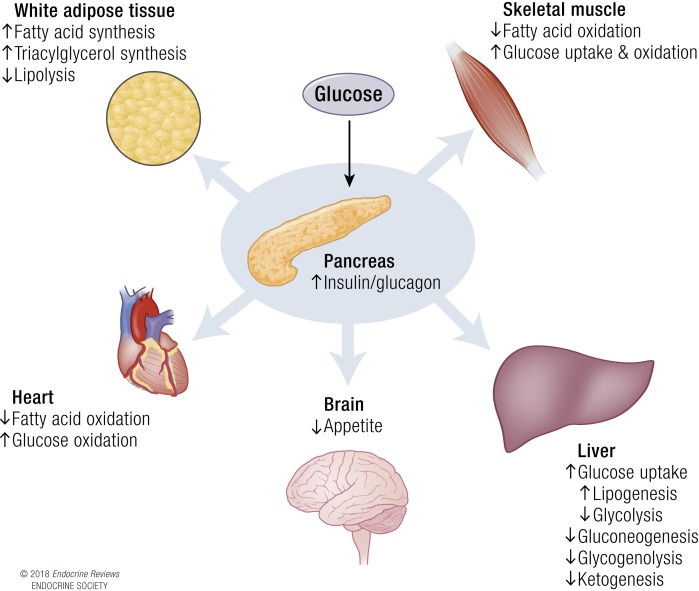
“During the postprandial period of a carbohydrate-rich meal for instance, pancreatic β cells respond to the rise in nutrients by releasing insulin into the bloodstream, increasing the insulin-glucagon ratio (Fig. 1).”
§ Metabolic Flexibility as an Adaptation to Energy Resources and Requirements in Health and Disease > Physiological Relevance of Metabolic Flexibility > Feeding/fasting
plaindirect- Asserted: passes — The authors put it forward as true.
- Checkable: passes — It can be checked against evidence.
- Load-bearing: unclear — It is unclear whether the paper’s conclusions depend on it.
- Based: passes — The paper gives a reason why it holds.
It may state two separate claims as one.
None of the sources cited for this claim have been checked yet.
In the paper
“The concept of metabolic flexibility was particularly linked to the capacity of mitochondria to select fuel in response to nutritional changes (4) and placed mitochondrial function at its core (11).”
§ Metabolic Flexibility as an Adaptation to Energy Resources and Requirements in Health and Disease > Defining Metabolic Flexibility
What the sources say
- Not checked yetcites [4] Muoio, 2014, Metabolic inflexibility: when mitochondrial indecision leads to metabolic gridlock, Cell source
- Not checked yetcites [11] Obre, 2015, Emerging concepts in bioenergetics and cancer research: metabolic flexibility, coupling, symbiosis, switch, oxidative tumors, metabolic remodeling, signaling and bioenergetic therapy, Int J Biochem Cell Biol source
plaincorrelational- Asserted: passes — The authors put it forward as true.
- Checkable: passes — It can be checked against evidence.
- Load-bearing: fails — The paper’s conclusions may not depend on it.
- Based: passes — The paper gives a reason why it holds.
Probably not a substantial claim. The paper’s conclusions may not depend on it. It may state two separate claims as one.
In the paper
“Ectopic fat deposition is related to metabolic abnormalities and defects in insulin sensitivity, T2DM, cardiovascular disease, and cancer (143).”
§ Metabolic Flexibility as an Adaptation to Energy Resources and Requirements in Health and Disease > Pathophysiology of Metabolic Inflexibility > Obesity
What the sources say
- Not checked yetcites [143] Tahergorabi, 2016, From obesity to cancer: a review on proposed mechanisms, Cell Biochem Funct source
plaincorrelational- Asserted: passes — The authors put it forward as true.
- Checkable: passes — It can be checked against evidence.
- Load-bearing: unclear — It is unclear whether the paper’s conclusions depend on it.
- Based: passes — The paper gives a reason why it holds.
It may state two separate claims as one.
None of the sources cited for this claim have been checked yet.
In the paper
“Bile acids induce insulin secretion directly via the transmembrane bile acid receptor Takeda G protein–coupled receptor 5 (on β cells and indirectly via stimulation of l-cell derived GLP-1 and subsequent insulin release (110–112).”
§ Metabolic Flexibility as an Adaptation to Energy Resources and Requirements in Health and Disease > Regulation of Metabolic Flexibility > Endocrine regulation of metabolic flexibility
What the sources say
- Not checked yetcites [110] Kumar, 2012, Activation of transmembrane bile acid receptor TGR5 stimulates insulin secretion in pancreatic β cells, Biochem Biophys Res Commun source
- Not checked yetcites [111] Vettorazzi, 2016, The bile acid TUDCA increases glucose-induced insulin secretion via the cAMP/PKA pathway in pancreatic beta cells, Metabolism source
- Not checked yetcites [112] Thomas, 2009, TGR5-mediated bile acid sensing controls glucose homeostasis, Cell Metab source
plaindirect- Asserted: passes — The authors put it forward as true.
- Checkable: passes — It can be checked against evidence.
- Load-bearing: unclear — It is unclear whether the paper’s conclusions depend on it.
- Based: passes — The paper gives a reason why it holds.
It may state two separate claims as one.
In the paper
“The postprandial decrease in ghrelin lowers hepatic glucose production while increasing peripheral glucose-uptake in both skeletal muscle and adipose tissue (113).”
§ Metabolic Flexibility as an Adaptation to Energy Resources and Requirements in Health and Disease > Regulation of Metabolic Flexibility > Endocrine regulation of metabolic flexibility
What the sources say
- Not checked yetcites [113] Alamri, 2016, The role of ghrelin in the regulation of glucose homeostasis, Horm Mol Biol Clin Investig source
plaindirect- Asserted: passes — The authors put it forward as true.
- Checkable: passes — It can be checked against evidence.
- Load-bearing: unclear — It is unclear whether the paper’s conclusions depend on it.
- Based: passes — The paper gives a reason why it holds.
It may state two separate claims as one.
In the paper
“Finally, obesity is associated with a state of chronic low-grade inflammation because ectopic fat depots release more inflammatory mediators than peripheral fat depots and infiltration of macrophages (24).”
§ Metabolic Flexibility as an Adaptation to Energy Resources and Requirements in Health and Disease > Pathophysiology of Metabolic Inflexibility > Obesity
What the sources say
- Not checked yetcites [24] Paniagua, 2016, Nutrition, insulin resistance and dysfunctional adipose tissue determine the different components of metabolic syndrome, World J Diabetes source
plaincorrelational- Asserted: passes — The authors put it forward as true.
- Checkable: passes — It can be checked against evidence.
- Load-bearing: unclear — It is unclear whether the paper’s conclusions depend on it.
- Based: passes — The paper gives a reason why it holds.
It may state two separate claims as one.
In the paper
“People with a family history for T2DM have an increased risk for developing metabolic inflexibility; the lower HK II activity and PGC1 expression play a role in this (136).”
§ Metabolic Flexibility as an Adaptation to Energy Resources and Requirements in Health and Disease > Regulation of Metabolic Flexibility > Epigenetic regulation of metabolic flexibility
What the sources say
- Not checked yetcites [136] Ozanne, 2007, Mechanisms of disease: the developmental origins of disease and the role of the epigenotype, Nat Clin Pract Endocrinol Metab source
plaindirect- Asserted: passes — The authors put it forward as true.
- Checkable: passes — It can be checked against evidence.
- Load-bearing: unclear — It is unclear whether the paper’s conclusions depend on it.
- Based: passes — The paper gives a reason why it holds.
It may state two separate claims as one.
None of the sources cited for this claim have been checked yet.
In the paper
“Adiponectin suppresses glucose production in the liver and enhances FAO in skeletal muscle (117, 118).”
§ Metabolic Flexibility as an Adaptation to Energy Resources and Requirements in Health and Disease > Regulation of Metabolic Flexibility > Endocrine regulation of metabolic flexibility
What the sources say
plaindirect- Asserted: passes — The authors put it forward as true.
- Checkable: passes — It can be checked against evidence.
- Load-bearing: unclear — It is unclear whether the paper’s conclusions depend on it.
- Based: passes — The paper gives a reason why it holds.
It may state two separate claims as one.
None of the sources cited for this claim have been checked yet.
In the paper
“Adipose tissue macrophages that have been activated and rely on glucose are proinflammatory (type M1) and contribute to adipose inflammation and insulin resistance.”
§ Metabolic Flexibility as an Adaptation to Energy Resources and Requirements in Health and Disease > Pathophysiology of Metabolic Inflexibility > Metabolic flexibility in immune responses
plaindirect- Asserted: passes — The authors put it forward as true.
- Checkable: passes — It can be checked against evidence.
- Load-bearing: passes — The paper’s conclusions depend on it.
- Based: passes — The paper gives a reason why it holds.
It may state two separate claims as one.
None of the sources cited for this claim have been checked yet.
In the paper
“iNOS is an important metabolic regulator of the immune response because NO inhibits OXPHOS and oxidative metabolism, thus promoting the glycolytic and proinflammatory phenotype (169, 170).”
§ Metabolic Flexibility as an Adaptation to Energy Resources and Requirements in Health and Disease > Pathophysiology of Metabolic Inflexibility > Metabolic flexibility in immune responses
What the sources say
- Not checked yetcites [169] Johnson, 2016, Metabolic reprogramming through fatty acid transport protein 1 (FATP1) regulates macrophage inflammatory potential and adipose inflammation, Mol Metab source
- Not checked yetcites [170] Van den Bossche, 2016, Mitochondrial dysfunction prevents repolarization of inflammatory macrophages, Cell Reports source
plaindirect- Asserted: passes — The authors put it forward as true.
- Checkable: passes — It can be checked against evidence.
- Load-bearing: passes — The paper’s conclusions depend on it.
- Based: passes — The paper gives a reason why it holds.
It may state two separate claims as one.
In the paper
“Today, we understand that mitochondrial respiration is not impaired but that cancer cells place emphasis on acquisition and generation of building blocks necessary for cell division. They do so by enhancing biosynthetic metabolism using glycolytic intermediates (209).”
§ Metabolic Flexibility as an Adaptation to Energy Resources and Requirements in Health and Disease > Pathophysiology of Metabolic Inflexibility > Cancer
What the sources say
- Not checked yetcites [209] Lunt, 2011, Aerobic glycolysis: meeting the metabolic requirements of cell proliferation, Annu Rev Cell Dev Biol source
plaindirect- Asserted: passes — The authors put it forward as true.
- Checkable: passes — It can be checked against evidence.
- Load-bearing: passes — The paper’s conclusions depend on it.
- Based: passes — The paper gives a reason why it holds.
It may state two separate claims as one.
In the paper
“Metabolic syndrome is associated with a 33% elevated total cancer mortality (184).”
§ Metabolic Flexibility as an Adaptation to Energy Resources and Requirements in Health and Disease > Pathophysiology of Metabolic Inflexibility > Cancer
What the sources say
- Not checked yetcites [184] Gathirua-Mwangi, 2017, Metabolic syndrome and total cancer mortality in the Third National Health and Nutrition Examination Survey, Cancer Causes Control source
plaincorrelational- Asserted: passes — The authors put it forward as true.
- Checkable: passes — It can be checked against evidence.
- Load-bearing: fails — The paper’s conclusions may not depend on it.
- Based: passes — The paper gives a reason why it holds.
Probably not a substantial claim. The paper’s conclusions may not depend on it.
In the paper
“Metabolic inflexibility drives sepsis-related innate immunoparalysis as the metabolism through glycolysis, β-oxidation, and OXPHOS pathways in leukocytes is downregulated, resulting in their inability to mount any response whatsoever (171).”
§ Metabolic Flexibility as an Adaptation to Energy Resources and Requirements in Health and Disease > Pathophysiology of Metabolic Inflexibility > Metabolic flexibility in immune responses
What the sources say
- Not checked yetcites [171] Cheng, 2016, Broad defects in the energy metabolism of leukocytes underlie immunoparalysis in sepsis, Nat Immunol source
plaindirect- Asserted: passes — The authors put it forward as true.
- Checkable: passes — It can be checked against evidence.
- Load-bearing: passes — The paper’s conclusions depend on it.
- Based: passes — The paper gives a reason why it holds.
It may state two separate claims as one.
In the paper
“Even TCA cycle intermediates are not solely used to produce NADH for mitochondrial respiration, but intermediates can also be used to form nonessential amino acids and fatty acids, which facilitate protein synthesis, membrane construction and cholesterol synthesis (206).”
§ Metabolic Flexibility as an Adaptation to Energy Resources and Requirements in Health and Disease > Pathophysiology of Metabolic Inflexibility > Cancer
What the sources say
- Not checked yetcites [206] Pavlova, 2016, The emerging hallmarks of cancer metabolism, Cell Metab source
plaindirect- Asserted: passes — The authors put it forward as true.
- Checkable: passes — It can be checked against evidence.
- Load-bearing: unclear — It is unclear whether the paper’s conclusions depend on it.
- Based: passes — The paper gives a reason why it holds.
It may state two separate claims as one.
In the paper
“Obesity can cause metabolic inflexibility of the heart and alter substrate selection (179).”
§ Metabolic Flexibility as an Adaptation to Energy Resources and Requirements in Health and Disease > Pathophysiology of Metabolic Inflexibility > Cardiovascular disease
What the sources say
- Not checked yetcites [179] Pascual, 2016, Fuel availability and fate in cardiac metabolism: a tale of two substrates, Biochim Biophys Acta source
plaindirect- Asserted: passes — The authors put it forward as true.
- Checkable: passes — It can be checked against evidence.
- Load-bearing: passes — The paper’s conclusions depend on it.
- Based: passes — The paper gives a reason why it holds.
It may state two separate claims as one.
In the paper
“Increased glucose uptake and metabolism is very often mediated by the oncogenic signaling protein Ras, which activates the PI3K/Akt pathway. PI3K/Akt signaling increases the expression of GLUT1 and its translocation to the cell surface, and enhances HK and phosphofructokinase activity, thus capturing glucose and increasing glycolytic flux (196).”
§ Metabolic Flexibility as an Adaptation to Energy Resources and Requirements in Health and Disease > Pathophysiology of Metabolic Inflexibility > Cancer
What the sources say
- Not checked yetcites [196] Muñoz-Pinedo, 2012, Cancer metabolism: current perspectives and future directions, Cell Death Dis source
plaindirect- Asserted: passes — The authors put it forward as true.
- Checkable: passes — It can be checked against evidence.
- Load-bearing: unclear — It is unclear whether the paper’s conclusions depend on it.
- Based: passes — The paper gives a reason why it holds.
It may state two separate claims as one.
None of the sources cited for this claim have been checked yet.
In the paper
“Conversely, macrophages that rely on fatty acid metabolism secrete anti-inflammatory cytokines and thus preserve insulin sensitivity of liver and adipose tissue (type M2) (167, 168).”
§ Metabolic Flexibility as an Adaptation to Energy Resources and Requirements in Health and Disease > Pathophysiology of Metabolic Inflexibility > Metabolic flexibility in immune responses
What the sources say
- Not checked yetcites [167] Johnson, 2012, The inflammation highway: metabolism accelerates inflammatory traffic in obesity, Immunol Rev source
- Not checked yetcites [168] Kang, 2008, Adipocyte-derived Th2 cytokines and myeloid PPARdelta regulate macrophage polarization and insulin sensitivity, Cell Metab source
plaindirect- Asserted: passes — The authors put it forward as true.
- Checkable: passes — It can be checked against evidence.
- Load-bearing: passes — The paper’s conclusions depend on it.
- Based: passes — The paper gives a reason why it holds.
It may state two separate claims as one.
In the paper
“Indeed, reducing metabolic flexibility in cancer cells may lead to potential treatment options, because metabolic interference can come at a substantial cost to oncogenic potential (1).”
§ Metabolic Flexibility as an Adaptation to Energy Resources and Requirements in Health and Disease > Pathophysiology of Metabolic Inflexibility > Cancer
What the sources say
- Not checked yetcites [1] Olson, 2016, Pyruvate and metabolic flexibility: illuminating a path toward selective cancer therapies, Trends Biochem Sci source
hedgedconditional- Asserted: passes — The authors put it forward as true.
- Checkable: passes — It can be checked against evidence.
- Load-bearing: passes — The paper’s conclusions depend on it.
- Based: passes — The paper gives a reason why it holds.
It may state two separate claims as one.
In the paper
“Conversely, the failing heart becomes metabolically inflexible with a decreased capacity to use fatty acids and an increased dependence on glucose metabolism (175).”
§ Metabolic Flexibility as an Adaptation to Energy Resources and Requirements in Health and Disease > Pathophysiology of Metabolic Inflexibility > Cardiovascular disease
What the sources say
- Not checked yetcites [175] Kaimoto, 2017, Activation of PPAR-α in the early stage of heart failure maintained myocardial function and energetics in pressure-overload heart failure, Am J Physiol Heart Circ Physiol source
plaindirect- Asserted: passes — The authors put it forward as true.
- Checkable: passes — It can be checked against evidence.
- Load-bearing: passes — The paper’s conclusions depend on it.
- Based: passes — The paper gives a reason why it holds.
It may state two separate claims as one.
In the paper
“These alternative pathways include the PPP using glucose-6-phosphate, hexosamine biosynthesis using fructose-6-phosphate, phospholipid biosynthesis using dihydroxyacetone phosphate, and glycine and serine biosynthesis using 3-phosphoglycerate.”
§ Metabolic Flexibility as an Adaptation to Energy Resources and Requirements in Health and Disease > Pathophysiology of Metabolic Inflexibility > Cancer
What the sources say
- Not checked yetcites [196] Muñoz-Pinedo, 2012, Cancer metabolism: current perspectives and future directions, Cell Death Dis source
plain- Asserted: passes — The authors put it forward as true.
- Checkable: passes — It can be checked against evidence.
- Load-bearing: unclear — It is unclear whether the paper’s conclusions depend on it.
- Based: passes — The paper gives a reason why it holds.
It may state two separate claims as one.
In the paper
“Metabolic adaptations that underlie clonal evolution of tumor cells to a metastatic phenotype suggest that tumor cells do not become metabolically hardwired but remain able to reroute metabolism to adapt to their phenotype and the newly acquired environment (200).”
§ Metabolic Flexibility as an Adaptation to Energy Resources and Requirements in Health and Disease > Pathophysiology of Metabolic Inflexibility > Cancer
What the sources say
- Not checked yetcites [200] Herst, 2013, Cell hierarchy, metabolic flexibility and systems approaches to cancer treatment, Curr Pharm Biotechnol source
hedged- Asserted: passes — The authors put it forward as true.
- Checkable: passes — It can be checked against evidence.
- Load-bearing: passes — The paper’s conclusions depend on it.
- Based: passes — The paper gives a reason why it holds.
It may state two separate claims as one.
In the paper
“Lactate, produced from glycolysis, is excreted from the cell or used in biosynthetic reactions such as aspartate synthesis (1).”
§ Metabolic Flexibility as an Adaptation to Energy Resources and Requirements in Health and Disease > Pathophysiology of Metabolic Inflexibility > Cancer
What the sources say
- Not checked yetcites [1] Olson, 2016, Pyruvate and metabolic flexibility: illuminating a path toward selective cancer therapies, Trends Biochem Sci source
plaindirect- Asserted: passes — The authors put it forward as true.
- Checkable: passes — It can be checked against evidence.
- Load-bearing: unclear — It is unclear whether the paper’s conclusions depend on it.
- Based: passes — The paper gives a reason why it holds.
It may state two separate claims as one.
In the paper
“FAO in skeletal muscle increases during physical exertion independent of body mass index, although regular exercise is likely needed to sustain a long-lasting impact on metabolic flexibility (10).”
§ Metabolic Flexibility as an Adaptation to Energy Resources and Requirements in Health and Disease > Interventions to Improve Metabolic Flexibility > Lifestyle
What the sources say
- Not checked yetcites [10] Battaglia, 2012, Effect of exercise training on metabolic flexibility in response to a high-fat diet in obese individuals, Am J Physiol Endocrinol Metab source
hedgeddirect- Asserted: passes — The authors put it forward as true.
- Checkable: passes — It can be checked against evidence.
- Load-bearing: unclear — It is unclear whether the paper’s conclusions depend on it.
- Based: passes — The paper gives a reason why it holds.
It may state two separate claims as one.
In the paper
“Intriguingly, type II, glycolytic, muscle fiber density is higher in obese and insulin-resistant patients, although it is unknown whether these are due to inactivity or impaired glucose metabolism (226).”
§ Metabolic Flexibility as an Adaptation to Energy Resources and Requirements in Health and Disease > Interventions to Improve Metabolic Flexibility > Lifestyle
What the sources say
- Not checked yetcites [226] da Silva Aragão, 2014, Maternal protein restriction impairs the transcriptional metabolic flexibility of skeletal muscle in adult rat offspring, Br J Nutr source
plaincorrelational- Asserted: passes — The authors put it forward as true.
- Checkable: passes — It can be checked against evidence.
- Load-bearing: unclear — It is unclear whether the paper’s conclusions depend on it.
- Based: passes — The paper gives a reason why it holds.
It may state two separate claims as one.
In the paper
“In rats, chronic endurance exercise induces browning in subcutaneous WAT concomitant with increased mobilization of energy stores, which were attenuated in animals fed high-fat diets.”
§ Metabolic Flexibility as an Adaptation to Energy Resources and Requirements in Health and Disease > Interventions to Improve Metabolic Flexibility > Lifestyle
What the sources say
- Not checked yetcites [229] Sepa-Kishi, 2016, Exercise-mediated effects on white and brown adipose tissue plasticity and metabolism, Exerc Sport Sci Rev source
plaindirect- Asserted: passes — The authors put it forward as true.
- Checkable: passes — It can be checked against evidence.
- Load-bearing: unclear — It is unclear whether the paper’s conclusions depend on it.
- Based: passes — The paper gives a reason why it holds.
It may state two separate claims as one.
In the paper
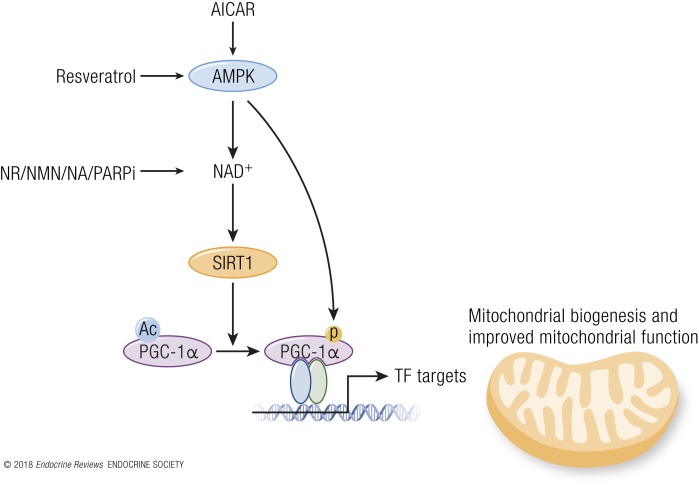
“Acute AMPK activation reduces glycogen and protein synthesis while promoting glucose transport and FAO (222).”
§ Metabolic Flexibility as an Adaptation to Energy Resources and Requirements in Health and Disease > Interventions to Improve Metabolic Flexibility > Lifestyle
What the sources say
- Not checked yetcites [222] Egan, 2013, Exercise metabolism and the molecular regulation of skeletal muscle adaptation, Cell Metab source
plaindirect- Asserted: passes — The authors put it forward as true.
- Checkable: passes — It can be checked against evidence.
- Load-bearing: unclear — It is unclear whether the paper’s conclusions depend on it.
- Based: passes — The paper gives a reason why it holds.
It may state two separate claims as one.
In the paper
“However, not all tumors are glutamine dependent because some tumors and embryonic stem cells are capable of proliferation without an exogenous supply of glutamine, because they can synthesize it (206).”
§ Metabolic Flexibility as an Adaptation to Energy Resources and Requirements in Health and Disease > Pathophysiology of Metabolic Inflexibility > Cancer
What the sources say
- Not checked yetcites [206] Pavlova, 2016, The emerging hallmarks of cancer metabolism, Cell Metab source
plaindirect- Asserted: passes — The authors put it forward as true.
- Checkable: passes — It can be checked against evidence.
- Load-bearing: unclear — It is unclear whether the paper’s conclusions depend on it.
- Based: passes — The paper gives a reason why it holds.
It may state two separate claims as one.
In the paper
“Particularly combined with weight loss, exercise training improves insulin sensitivity, mitochondrial content, and fasting FAO (220).”
§ Metabolic Flexibility as an Adaptation to Energy Resources and Requirements in Health and Disease > Interventions to Improve Metabolic Flexibility > Lifestyle
What the sources say
- Not checked yetcites [220] Bergouignan, 2013, Effect of contrasted levels of habitual physical activity on metabolic flexibility, J Appl Physiol (1985) source
plaindirect- Asserted: passes — The authors put it forward as true.
- Checkable: passes — It can be checked against evidence.
- Load-bearing: passes — The paper’s conclusions depend on it.
- Based: passes — The paper gives a reason why it holds.
It may state two separate claims as one.
In the paper
“Also, in the human heart, exercise reduces cardiometabolic risk factors by increasing insulin sensitivity, decreasing cardiac lipid content, and improving glucose tolerance (232).”
§ Metabolic Flexibility as an Adaptation to Energy Resources and Requirements in Health and Disease > Interventions to Improve Metabolic Flexibility > Lifestyle
What the sources say
- Not checked yetcites [232] Vettor, 2014, Exercise training boosts eNOS-dependent mitochondrial biogenesis in mouse heart: role in adaptation of glucose metabolism, Am J Physiol Endocrinol Metab source
plaindirect- Asserted: passes — The authors put it forward as true.
- Checkable: passes — It can be checked against evidence.
- Load-bearing: unclear — It is unclear whether the paper’s conclusions depend on it.
- Based: passes — The paper gives a reason why it holds.
It may state two separate claims as one.
In the paper
“Glutamine is an essential nutrient for cancer proliferation and its dependency is also referred to as “glutamine addiction” (215).”
§ Metabolic Flexibility as an Adaptation to Energy Resources and Requirements in Health and Disease > Pathophysiology of Metabolic Inflexibility > Cancer
What the sources say
- Not checked yetcites [215] Wise, 2008, Myc regulates a transcriptional program that stimulates mitochondrial glutaminolysis and leads to glutamine addiction, Proc Natl Acad Sci USA source
plaindirect- Asserted: passes — The authors put it forward as true.
- Checkable: passes — It can be checked against evidence.
- Load-bearing: unclear — It is unclear whether the paper’s conclusions depend on it.
- Based: passes — The paper gives a reason why it holds.
It may state two separate claims as one.
None of the sources cited for this claim have been checked yet.
In the paper
“Contraction-induced calcium uptake acutely increases OXPHOS (94, 177) and augments glucose transport and stimulates lipid uptake and oxidation through MEF2-induced expression of GLUT4 and PGC1α, respectively.”
§ Metabolic Flexibility as an Adaptation to Energy Resources and Requirements in Health and Disease > Interventions to Improve Metabolic Flexibility > Lifestyle
What the sources say
- Not checked yetcites [94] Wüst, 2013, On-off asymmetries in oxygen consumption kinetics of single Xenopus laevis skeletal muscle fibres suggest higher-order control, J Physiol source
- Not checked yetcites [177] Wüst, 2017, Rapid frequency-dependent changes in free mitochondrial calcium concentration in rat cardiac myocytes, J Physiol source
plaindirect- Asserted: passes — The authors put it forward as true.
- Checkable: passes — It can be checked against evidence.
- Load-bearing: unclear — It is unclear whether the paper’s conclusions depend on it.
- Based: passes — The paper gives a reason why it holds.
It may state two separate claims as one.
In the paper
“A high-intensity exercise training program, however, showed elevated citrate synthase and β-hydroxyacyl CoA dehydrogenase activity after 5 days and increased levels of mitochondrial complexes after 10 days (51).”
§ Metabolic Flexibility as an Adaptation to Energy Resources and Requirements in Health and Disease > Interventions to Improve Metabolic Flexibility > Lifestyle
What the sources say
- Not checked yetcites [51] Perry, 2010, Repeated transient mRNA bursts precede increases in transcriptional and mitochondrial proteins during training in human skeletal muscle, J Physiol source
plaindirect- Asserted: passes — The authors put it forward as true.
- Checkable: passes — It can be checked against evidence.
- Load-bearing: unclear — It is unclear whether the paper’s conclusions depend on it.
- Based: passes — The paper gives a reason why it holds.
It may state two separate claims as one.
In the paper
“Both promote considerable health benefits such as increased mitochondrial content and improvements in glycemic control (222).”
§ Metabolic Flexibility as an Adaptation to Energy Resources and Requirements in Health and Disease > Interventions to Improve Metabolic Flexibility > Lifestyle
What the sources say
- Not checked yetcites [222] Egan, 2013, Exercise metabolism and the molecular regulation of skeletal muscle adaptation, Cell Metab source
plaindirect- Asserted: passes — The authors put it forward as true.
- Checkable: passes — It can be checked against evidence.
- Load-bearing: unclear — It is unclear whether the paper’s conclusions depend on it.
- Based: passes — The paper gives a reason why it holds.
It may state two separate claims as one.
In the paper
“Short-term, high-intensity exercise decreases muscle promoter methylation of genes involved in mitochondrial function such as PGC1α, TFAM, MEF2A, and PDK4, whereas in patients with T2DM, these regions usually have higher methylation levels (137).”
§ Metabolic Flexibility as an Adaptation to Energy Resources and Requirements in Health and Disease > Interventions to Improve Metabolic Flexibility > Lifestyle
What the sources say
- Not checked yetcites [137] Kirchner, 2013, Epigenetic flexibility in metabolic regulation: disease cause and prevention, Trends Cell Biol source
plaindirect- Asserted: passes — The authors put it forward as true.
- Checkable: passes — It can be checked against evidence.
- Load-bearing: passes — The paper’s conclusions depend on it.
- Based: passes — The paper gives a reason why it holds.
It may state two separate claims as one.
In the paper
“In proliferating cells, the transcription factor Myc is a major driver of glutamine utilization and is frequently targeted for upregulation in various tumors, despite the abundance of glucose.”
§ Metabolic Flexibility as an Adaptation to Energy Resources and Requirements in Health and Disease > Pathophysiology of Metabolic Inflexibility > Cancer
What the sources say
- Not checked yetcites [215] Wise, 2008, Myc regulates a transcriptional program that stimulates mitochondrial glutaminolysis and leads to glutamine addiction, Proc Natl Acad Sci USA source
plaindirect- Asserted: passes — The authors put it forward as true.
- Checkable: passes — It can be checked against evidence.
- Load-bearing: unclear — It is unclear whether the paper’s conclusions depend on it.
- Based: passes — The paper gives a reason why it holds.
It may state two separate claims as one.
In the paper
“High-fat feeding in mice induced PGC1α hypermethylation that was transferable to the offspring. Maternal exercise, on the other hand, prevented high-fat feeding hypermethylation of PGC1α and mitigated epigenetic associated metabolic dysfunction in the offspring (138).”
§ Metabolic Flexibility as an Adaptation to Energy Resources and Requirements in Health and Disease > Interventions to Improve Metabolic Flexibility > Lifestyle
What the sources say
- Not checked yetcites [138] Barrès, 2016, The role of diet and exercise in the transgenerational epigenetic landscape of T2DM, Nat Rev Endocrinol source
plaindirect- Asserted: passes — The authors put it forward as true.
- Checkable: passes — It can be checked against evidence.
- Load-bearing: passes — The paper’s conclusions depend on it.
- Based: passes — The paper gives a reason why it holds.
It may state two separate claims as one.
In the paper
“This glutamine addiction is beneficial for the cancer cell because it maintains mitochondrial TCA cycle integrity and provides the cell with large quantities of NADPH needed to meet the demands of cell proliferation (215).”
§ Metabolic Flexibility as an Adaptation to Energy Resources and Requirements in Health and Disease > Pathophysiology of Metabolic Inflexibility > Cancer
What the sources say
- Not checked yetcites [215] Wise, 2008, Myc regulates a transcriptional program that stimulates mitochondrial glutaminolysis and leads to glutamine addiction, Proc Natl Acad Sci USA source
plaindirect- Asserted: passes — The authors put it forward as true.
- Checkable: passes — It can be checked against evidence.
- Load-bearing: unclear — It is unclear whether the paper’s conclusions depend on it.
- Based: passes — The paper gives a reason why it holds.
It may state two separate claims as one.
None of the sources cited for this claim have been checked yet.
In the paper
“Clinical studies in humans suggest that resveratrol may improve insulin sensitivity and reduce plasma levels of glucose and insulin in patients with T2DM and mimic CR in obese subjects (253, 254).”
§ Metabolic Flexibility as an Adaptation to Energy Resources and Requirements in Health and Disease > Interventions to Improve Metabolic Flexibility > Pharmaceuticals
What the sources say
- Not checked yetcites [253] Timmers, 2011, Calorie restriction-like effects of 30 days of resveratrol supplementation on energy metabolism and metabolic profile in obese humans, Cell Metab source
- Not checked yetcites [254] Bhatt, 2012, Resveratrol supplementation improves glycemic control in type 2 diabetes mellitus, Nutr Res source
hedgedconditional- Asserted: passes — The authors put it forward as true.
- Checkable: passes — It can be checked against evidence.
- Load-bearing: passes — The paper’s conclusions depend on it.
- Based: passes — The paper gives a reason why it holds.
It may state two separate claims as one.
None of the sources cited for this claim have been checked yet.
In the paper
“AICAR also rescued mitochondrial function in mice deficient in cytochrome c oxidase and augmented exercise endurance in healthy animals in a PGC1α-dependent manner, even if they were untrained (255, 256).”
§ Metabolic Flexibility as an Adaptation to Energy Resources and Requirements in Health and Disease > Interventions to Improve Metabolic Flexibility > Pharmaceuticals
What the sources say
plaindirect- Asserted: passes — The authors put it forward as true.
- Checkable: passes — It can be checked against evidence.
- Load-bearing: passes — The paper’s conclusions depend on it.
- Based: passes — The paper gives a reason why it holds.
It may state two separate claims as one.
In the paper
“CR without hunger- or disease-related malnutrition in animals and humans results in healthier aging through improved metabolic health, reduced obesity, and the risk of T2DM, cancer, and cardiovascular disease (236).”
§ Metabolic Flexibility as an Adaptation to Energy Resources and Requirements in Health and Disease > Interventions to Improve Metabolic Flexibility > Lifestyle
What the sources say
- Not checked yetcites [236] Mattison, 2017, Caloric restriction improves health and survival of rhesus monkeys, Nat Commun source
plaindirect- Asserted: passes — The authors put it forward as true.
- Checkable: passes — It can be checked against evidence.
- Load-bearing: passes — The paper’s conclusions depend on it.
- Based: passes — The paper gives a reason why it holds.
It may state two separate claims as one.
In the paper
“Additionally, CR is considered the most robust intervention to increase longevity in animal model systems and ameliorate age-associated disease in primates and humans (see “Prolonged fasting and caloric/dietary restriction” and “Aging”) (38).”
§ Metabolic Flexibility as an Adaptation to Energy Resources and Requirements in Health and Disease > Interventions to Improve Metabolic Flexibility > Lifestyle
What the sources say
- Not checked yetcites [38] Fontana, 2015, Promoting health and longevity through diet: from model organisms to humans, Cell source
plaindirect- Asserted: passes — The authors put it forward as true.
- Checkable: passes — It can be checked against evidence.
- Load-bearing: unclear — It is unclear whether the paper’s conclusions depend on it.
- Based: passes — The paper gives a reason why it holds.
It may state two separate claims as one.
In the paper
“Carnitine plays a role in the import of long-chain fatty acids into the mitochondria for use in β-oxidation and in the mitochondrial efflux of excess carbons in the form of acyl-carnitines (242).”
§ Metabolic Flexibility as an Adaptation to Energy Resources and Requirements in Health and Disease > Interventions to Improve Metabolic Flexibility > Lifestyle
What the sources say
- Not checked yetcites [242] Noland, 2009, Carnitine insufficiency caused by aging and overnutrition compromises mitochondrial performance and metabolic control, J Biol Chem source
plaindirect- Asserted: passes — The authors put it forward as true.
- Checkable: passes — It can be checked against evidence.
- Load-bearing: passes — The paper’s conclusions depend on it.
- Based: passes — The paper gives a reason why it holds.
It may state two separate claims as one.
In the paper
“In obese rats, free carnitine in skeletal muscle is decreased and supplementation of l-carnitine restored metabolic flexibility (242).”
§ Metabolic Flexibility as an Adaptation to Energy Resources and Requirements in Health and Disease > Interventions to Improve Metabolic Flexibility > Lifestyle
What the sources say
- Not checked yetcites [242] Noland, 2009, Carnitine insufficiency caused by aging and overnutrition compromises mitochondrial performance and metabolic control, J Biol Chem source
plaindirect- Asserted: passes — The authors put it forward as true.
- Checkable: passes — It can be checked against evidence.
- Load-bearing: passes — The paper’s conclusions depend on it.
- Based: passes — The paper gives a reason why it holds.
It may state two separate claims as one.
In the paper
“Time-restricted feeding restores both cycling of metabolic regulators such as cAMP response element-binding protein, mTOR and AMPK, and circadian clock gene expression (214).”
§ Metabolic Flexibility as an Adaptation to Energy Resources and Requirements in Health and Disease > Interventions to Improve Metabolic Flexibility > Lifestyle
What the sources say
- Not checked yetcites [214] Sullivan, 2015, Supporting aspartate biosynthesis is an essential function of respiration in proliferating cells, Cell source
plaindirect- Asserted: passes — The authors put it forward as true.
- Checkable: passes — It can be checked against evidence.
- Load-bearing: unclear — It is unclear whether the paper’s conclusions depend on it.
- Based: passes — The paper gives a reason why it holds.
It may state two separate claims as one.
In the paper
“Resveratrol (3,5,4′-trihydroxystilbene) is a plant-derived polyphenol that activates AMPK and, via SIRT1, increases PGC1α, PGC1α deacetylation, mitochondrial size and density, and mtDNA content in skeletal muscle [reviewed in de Ligt et al. (247)].”
§ Metabolic Flexibility as an Adaptation to Energy Resources and Requirements in Health and Disease > Interventions to Improve Metabolic Flexibility > Pharmaceuticals
What the sources say
- Not checked yetcites [247] de Ligt, 2015, Resveratrol and obesity: can resveratrol relieve metabolic disturbances, Biochim Biophys Acta source
plaindirect- Asserted: passes — The authors put it forward as true.
- Checkable: passes — It can be checked against evidence.
- Load-bearing: passes — The paper’s conclusions depend on it.
- Based: passes — The paper gives a reason why it holds.
It may state two separate claims as one.
In the paper
“The AMPK agonist 5-aminoimidazole-4-carboxamide riboside (AICAR) improves skeletal muscle glucose uptake and transport, fatty acid uptake, mitochondrial protein content, and insulin sensitivity in mice (223).”
§ Metabolic Flexibility as an Adaptation to Energy Resources and Requirements in Health and Disease > Interventions to Improve Metabolic Flexibility > Pharmaceuticals
What the sources say
- Not checked yetcites [223] Kjøbsted, 2017, Enhanced muscle insulin sensitivity after contraction/exercise is mediated by AMPK, Diabetes source
plaindirect- Asserted: passes — The authors put it forward as true.
- Checkable: passes — It can be checked against evidence.
- Load-bearing: passes — The paper’s conclusions depend on it.
- Based: passes — The paper gives a reason why it holds.
It may state two separate claims as one.
In the paper
“Metformin is one of the first-line treatments of patients with T2DM, but it has also been used to treat patients at risk for T2DM, such as those with metabolic syndrome (87).”
§ Metabolic Flexibility as an Adaptation to Energy Resources and Requirements in Health and Disease > Interventions to Improve Metabolic Flexibility > Pharmaceuticals
What the sources say
- Not checked yetcites [87] Fadini, 2011, At the crossroads of longevity and metabolism: the metabolic syndrome and lifespan determinant pathways, Aging Cell source
plain- Asserted: passes — The authors put it forward as true.
- Checkable: passes — It can be checked against evidence.
- Load-bearing: fails — The paper’s conclusions may not depend on it.
- Based: passes — The paper gives a reason why it holds.
Probably not a substantial claim. The paper’s conclusions may not depend on it. It may state two separate claims as one.
In the paper
“Intermittent fasting in rodents improved insulin and leptin sensitivity increases ketone body levels and reduced adiposity and inflammation (235).”
§ Metabolic Flexibility as an Adaptation to Energy Resources and Requirements in Health and Disease > Interventions to Improve Metabolic Flexibility > Lifestyle
What the sources say
- Not checked yetcites [235] Mattson, 2017, Impact of intermittent fasting on health and disease processes, Ageing Res Rev source
plaindirect- Asserted: passes — The authors put it forward as true.
- Checkable: passes — It can be checked against evidence.
- Load-bearing: passes — The paper’s conclusions depend on it.
- Based: passes — The paper gives a reason why it holds.
It may state two separate claims as one.
None of the sources cited for this claim have been checked yet.
In the paper
“Because resveratrol activates mitochondrial biogenesis through the AMPK-SIRT1-PGC1α axis, it prompts mitochondrial biogenesis, the unfolded protein response, and autophagy machinery that are known to extend longevity in animals (37, 249).”
§ Metabolic Flexibility as an Adaptation to Energy Resources and Requirements in Health and Disease > Interventions to Improve Metabolic Flexibility > Pharmaceuticals
What the sources say
boosteddirect- Asserted: passes — The authors put it forward as true.
- Checkable: passes — It can be checked against evidence.
- Load-bearing: unclear — It is unclear whether the paper’s conclusions depend on it.
- Based: passes — The paper gives a reason why it holds.
It may state two separate claims as one.
In the paper
“Resveratrol treatment also increased physical endurance and protected from high-fat diet-induced muscle accumulation of diacylglyceride and ceramide, and related mitochondrial dysfunction (248).”
§ Metabolic Flexibility as an Adaptation to Energy Resources and Requirements in Health and Disease > Interventions to Improve Metabolic Flexibility > Pharmaceuticals
What the sources say
- Not checked yetcites [248] Um, 2010, AMP-activated protein kinase-deficient mice are resistant to the metabolic effects of resveratrol, Diabetes source
plaindirect- Asserted: passes — The authors put it forward as true.
- Checkable: passes — It can be checked against evidence.
- Load-bearing: passes — The paper’s conclusions depend on it.
- Based: passes — The paper gives a reason why it holds.
It may state two separate claims as one.
None of the sources cited for this claim have been checked yet.
In the paper
“In patients with T2DM, carnitine acetyltransferase expression is severely perturbed and free carnitine concentrations in diabetic mice are decreased compared with controls (243, 244).”
§ Metabolic Flexibility as an Adaptation to Energy Resources and Requirements in Health and Disease > Interventions to Improve Metabolic Flexibility > Lifestyle
What the sources say
- Not checked yetcites [243] Muoio, 2012, Muscle-specific deletion of carnitine acetyltransferase compromises glucose tolerance and metabolic flexibility, Cell Metab source
- Not checked yetcites [244] Xia, 2011, L-carnitine ameliorated fatty liver in high-calorie diet/STZ-induced type 2 diabetic mice by improving mitochondrial function, Diabetol Metab Syndr source
plaincorrelational- Asserted: passes — The authors put it forward as true.
- Checkable: passes — It can be checked against evidence.
- Load-bearing: unclear — It is unclear whether the paper’s conclusions depend on it.
- Based: passes — The paper gives a reason why it holds.
It may state two separate claims as one.
None of the sources cited for this claim have been checked yet.
In the paper
“Chronic exposure of AICAR reduced white adiposity and increased OXPHOS in rat hearts by increasing PGC1α expression and FAO (229), as well as glucose uptake (257).”
§ Metabolic Flexibility as an Adaptation to Energy Resources and Requirements in Health and Disease > Interventions to Improve Metabolic Flexibility > Pharmaceuticals
What the sources say
- Not checked yetcites [229] Sepa-Kishi, 2016, Exercise-mediated effects on white and brown adipose tissue plasticity and metabolism, Exerc Sport Sci Rev source
- Not checked yetcites [257] Russell, 1999, Translocation of myocardial GLUT-4 and increased glucose uptake through activation of AMPK by AICAR, Am J Physiol
plaindirect- Asserted: passes — The authors put it forward as true.
- Checkable: passes — It can be checked against evidence.
- Load-bearing: unclear — It is unclear whether the paper’s conclusions depend on it.
- Based: passes — The paper gives a reason why it holds.
It may state two separate claims as one.
In the paper
“Although not yet in clinical practice, l-carnitine supplementation improves metabolic flexibility by decreasing plasma glucose and insulin levels and increasing PDH activity in muscle of insulin-resistant subjects (243).”
§ Metabolic Flexibility as an Adaptation to Energy Resources and Requirements in Health and Disease > Interventions to Improve Metabolic Flexibility > Lifestyle
What the sources say
- Not checked yetcites [243] Muoio, 2012, Muscle-specific deletion of carnitine acetyltransferase compromises glucose tolerance and metabolic flexibility, Cell Metab source
plaindirect- Asserted: passes — The authors put it forward as true.
- Checkable: passes — It can be checked against evidence.
- Load-bearing: passes — The paper’s conclusions depend on it.
- Based: passes — The paper gives a reason why it holds.
It may state two separate claims as one.
In the paper
“Energy-restricting dietary regimens have proven effective in augmenting metabolic flexibility in animal studies and hold promise for application in humans (234).”
§ Metabolic Flexibility as an Adaptation to Energy Resources and Requirements in Health and Disease > Interventions to Improve Metabolic Flexibility > Lifestyle
What the sources say
- Not checked yetcites [234] Tay, 2018, Effects of an energy-restricted low-carbohydrate, high unsaturated fat/low saturated fat diet versus a high-carbohydrate, low-fat diet in type 2 diabetes: a 2-year randomized clinical trial, Diabetes Obes Metab source
boosteddirect- Asserted: passes — The authors put it forward as true.
- Checkable: passes — It can be checked against evidence.
- Load-bearing: unclear — It is unclear whether the paper’s conclusions depend on it.
- Based: passes — The paper gives a reason why it holds.
It may state two separate claims as one.
In the paper
“In rodents, food intake outside the active phase causes obesity, whereas time-restricted feeding protects against obesity and insulin resistance (240).”
§ Metabolic Flexibility as an Adaptation to Energy Resources and Requirements in Health and Disease > Interventions to Improve Metabolic Flexibility > Lifestyle
What the sources say
- Not checked yetcites [240] Zarrinpar, 2016, Daily eating patterns and their impact on health and disease, Trends Endocrinol Metab source
plaindirect- Asserted: passes — The authors put it forward as true.
- Checkable: passes — It can be checked against evidence.
- Load-bearing: passes — The paper’s conclusions depend on it.
- Based: passes — The paper gives a reason why it holds.
It may state two separate claims as one.
In the paper
“Metformin is a biguanide and reduces hepatic glucose production and increases insulin sensitivity by activating AMPK, although several AMPK-independent mechanisms have been proposed [reviewed in Pryor and Cabreiro (246)].”
§ Metabolic Flexibility as an Adaptation to Energy Resources and Requirements in Health and Disease > Interventions to Improve Metabolic Flexibility > Pharmaceuticals
What the sources say
- Not checked yetcites [246] Pryor, 2015, Repurposing metformin: an old drug with new tricks in its binding pockets, Biochem J source
plaindirect- Asserted: passes — The authors put it forward as true.
- Checkable: passes — It can be checked against evidence.
- Load-bearing: unclear — It is unclear whether the paper’s conclusions depend on it.
- Based: passes — The paper gives a reason why it holds.
It may state two separate claims as one.
None of the sources cited for this claim have been checked yet.
In the paper
“Animal studies have also demonstrated that resveratrol could stimulate energy expenditure and protect against a high-fat diet-induced weight gain (250), via induction of FAO and reduced lipogenesis, mediated by activation of the AMPK-SIRT1 axis (251, 252).”
§ Metabolic Flexibility as an Adaptation to Energy Resources and Requirements in Health and Disease > Interventions to Improve Metabolic Flexibility > Pharmaceuticals
What the sources say
- Not checked yetcites [250] Lagouge, 2006, Resveratrol improves mitochondrial function and protects against metabolic disease by activating SIRT1 and PGC-1alpha, Cell source
- Not checked yetcites [251] Baur, 2006, Resveratrol improves health and survival of mice on a high-calorie diet, Nature source
- Not checked yetcites [252] Shang, 2008, Resveratrol improves non-alcoholic fatty liver disease by activating AMP-activated protein kinase, Acta Pharmacol Sin source
boosteddirect- Asserted: passes — The authors put it forward as true.
- Checkable: passes — It can be checked against evidence.
- Load-bearing: passes — The paper’s conclusions depend on it.
- Based: passes — The paper gives a reason why it holds.
It may state two separate claims as one.
In the paper
“Although weight loss is generally achieved in overweight and obese subjects, potential adverse effects exist for leaner subjects (237).”
§ Metabolic Flexibility as an Adaptation to Energy Resources and Requirements in Health and Disease > Interventions to Improve Metabolic Flexibility > Lifestyle
What the sources say
- Not checked yetcites [237] Harvie, 2017, Potential benefits and harms of intermittent energy restriction and intermittent fasting amongst obese, overweight and normal weight subjects-a narrative review of human and animal evidence, Behav Sci (Basel) source
hedgeddirect- Asserted: passes — The authors put it forward as true.
- Checkable: passes — It can be checked against evidence.
- Load-bearing: unclear — It is unclear whether the paper’s conclusions depend on it.
- Based: passes — The paper gives a reason why it holds.
It may state two separate claims as one.
None of the sources cited for this claim have been checked yet.
In the paper
“Finally, thiazolidinediones, such as rosiglitazone, potently activate PPARγ and lower blood glucose levels in patients with T2DM.”
§ Metabolic Flexibility as an Adaptation to Energy Resources and Requirements in Health and Disease > Interventions to Improve Metabolic Flexibility > Pharmaceuticals
What the sources say
boosteddirect- Asserted: passes — The authors put it forward as true.
- Checkable: passes — It can be checked against evidence.
- Load-bearing: unclear — It is unclear whether the paper’s conclusions depend on it.
- Based: passes — The paper gives a reason why it holds.
It may state two separate claims as one.
None of the sources cited for this claim have been checked yet.
In the paper
“Thiazolidinediones improve skeletal muscle glucose disposal via upregulation of GLUT1, decrease liver glucose output, and, as a primary target, improve the lipid-buffering capacity of WAT and as such improve hepatic steatosis (270, 273).”
§ Metabolic Flexibility as an Adaptation to Energy Resources and Requirements in Health and Disease > Interventions to Improve Metabolic Flexibility > Pharmaceuticals
What the sources say
plaindirect- Asserted: passes — The authors put it forward as true.
- Checkable: passes — It can be checked against evidence.
- Load-bearing: unclear — It is unclear whether the paper’s conclusions depend on it.
- Based: passes — The paper gives a reason why it holds.
It may state two separate claims as one.
In the paper
“Tesaglitazar increases whole-body glucose metabolic insulin action in obese rats by reducing hepatic glucose output, restoring skeletal muscle glucose uptake, and suppressing free fatty acid release by adipocytes (272).”
§ Metabolic Flexibility as an Adaptation to Energy Resources and Requirements in Health and Disease > Interventions to Improve Metabolic Flexibility > Pharmaceuticals
What the sources say
- Not checked yetcites [272] Wallenius, 2013, The PPAR α/γhagonist, tesaglitazar, improves insulin mediated switching of tissue glucose and free fatty acid utilization in vivo in the obese Zucker rat, PPAR Res source
plaindirect- Asserted: passes — The authors put it forward as true.
- Checkable: passes — It can be checked against evidence.
- Load-bearing: unclear — It is unclear whether the paper’s conclusions depend on it.
- Based: passes — The paper gives a reason why it holds.
It may state two separate claims as one.
None of the sources cited for this claim have been checked yet.
In the paper
“Additionally, rapamycin has earned great interest over the years to prolong lifespan (195, 280), even when administered to aged animals (281).”
§ Metabolic Flexibility as an Adaptation to Energy Resources and Requirements in Health and Disease > Interventions to Improve Metabolic Flexibility > Pharmaceuticals
What the sources say
- Not checked yetcites [195] Riera, 2015, Tipping the metabolic scales towards increased longevity in mammals, Nat Cell Biol source
- Not checked yetcites [280] Kennedy, 2016, The mechanistic target of rapamycin: the grand conducTOR of metabolism and aging, Cell Metab source
- Not checked yetcites [281] Harrison, 2009, Rapamycin fed late in life extends lifespan in genetically heterogeneous mice, Nature source
plain- Asserted: passes — The authors put it forward as true.
- Checkable: passes — It can be checked against evidence.
- Load-bearing: fails — The paper’s conclusions may not depend on it.
- Based: passes — The paper gives a reason why it holds.
Probably not a substantial claim. The paper’s conclusions may not depend on it.
In the paper
“Similarly, synthetic PPARβ/δ agonists such as GW501516 or L-165041 reduce adiposity improve insulin sensitivity and hyperlipidemia in obese patients, through their ability to augment mitochondrial biogenesis and activity (249).”
§ Metabolic Flexibility as an Adaptation to Energy Resources and Requirements in Health and Disease > Interventions to Improve Metabolic Flexibility > Pharmaceuticals
What the sources say
- Not checked yetcites [249] Andreux, 2013, Pharmacological approaches to restore mitochondrial function, Nat Rev Drug Discov source
plaindirect- Asserted: passes — The authors put it forward as true.
- Checkable: passes — It can be checked against evidence.
- Load-bearing: unclear — It is unclear whether the paper’s conclusions depend on it.
- Based: passes — The paper gives a reason why it holds.
It may state two separate claims as one.
In the paper
“Rapamycin, however, has poor solubility and pharmacokinetics, which led to the production of rapamycin analogs (rapalogs), which are currently used in some cancer therapies (279).”
§ Metabolic Flexibility as an Adaptation to Energy Resources and Requirements in Health and Disease > Interventions to Improve Metabolic Flexibility > Pharmaceuticals
What the sources say
- Not checked yetcites [279] Li, 2014, Rapamycin: one drug, many effects, Cell Metab source
plaindirect- Asserted: passes — The authors put it forward as true.
- Checkable: passes — It can be checked against evidence.
- Load-bearing: fails — The paper’s conclusions may not depend on it.
- Based: passes — The paper gives a reason why it holds.
Probably not a substantial claim. The paper’s conclusions may not depend on it. It may state two separate claims as one.
In the paper
“Nicotinamide mononucleotide conversion to NAD+ activates SIRT1 and improves glucose homeostasis in mice (42).”
§ Metabolic Flexibility as an Adaptation to Energy Resources and Requirements in Health and Disease > Interventions to Improve Metabolic Flexibility > Pharmaceuticals
What the sources say
- Not checked yetcites [42] Houtkooper, 2012, Sirtuins as regulators of metabolism and healthspan, Nat Rev Mol Cell Biol source
plaindirect- Asserted: passes — The authors put it forward as true.
- Checkable: passes — It can be checked against evidence.
- Load-bearing: unclear — It is unclear whether the paper’s conclusions depend on it.
- Based: passes — The paper gives a reason why it holds.
It may state two separate claims as one.
In the paper
“SIRT3, which is localized in the mitochondrial matrix, targets many proteins involved in metabolic homeostasis, including OXPHOS subunits (42).”
§ Metabolic Flexibility as an Adaptation to Energy Resources and Requirements in Health and Disease > Interventions to Improve Metabolic Flexibility > Pharmaceuticals
What the sources say
- Not checked yetcites [42] Houtkooper, 2012, Sirtuins as regulators of metabolism and healthspan, Nat Rev Mol Cell Biol source
plain- Asserted: passes — The authors put it forward as true.
- Checkable: passes — It can be checked against evidence.
- Load-bearing: unclear — It is unclear whether the paper’s conclusions depend on it.
- Based: passes — The paper gives a reason why it holds.
It may state two separate claims as one.
None of the sources cited for this claim have been checked yet.
In the paper
“Acetylation of mitochondrial proteins propagates metabolic inflexibility and deacetylation promotes metabolic flexibility (178, 259).”
§ Metabolic Flexibility as an Adaptation to Energy Resources and Requirements in Health and Disease > Interventions to Improve Metabolic Flexibility > Pharmaceuticals
What the sources say
plaindirect- Asserted: passes — The authors put it forward as true.
- Checkable: passes — It can be checked against evidence.
- Load-bearing: passes — The paper’s conclusions depend on it.
- Based: passes — The paper gives a reason why it holds.
It may state two separate claims as one.
In the paper
“PPARs are lipid sensors that transcriptionally modulate metabolic programs in response to nutrition and are interesting drug targets to improve metabolic flexibility [reviewed in Bugge and Holst (269)].”
§ Metabolic Flexibility as an Adaptation to Energy Resources and Requirements in Health and Disease > Interventions to Improve Metabolic Flexibility > Pharmaceuticals
What the sources say
- Not checked yetcites [269] Bugge, 2017, PPAR agonists, - could tissue targeting pave the way, Biochimie source
plaindirect- Asserted: passes — The authors put it forward as true.
- Checkable: passes — It can be checked against evidence.
- Load-bearing: passes — The paper’s conclusions depend on it.
- Based: passes — The paper gives a reason why it holds.
It may state two separate claims as one.
In the paper
“A reduction in cellular energy charge, such as during glucose deprivation or fasting, inhibits mTORC1 by AMPK-dependent as well as AMPK-independent pathways, and is required for the generation of ketone bodies in the liver (277).”
§ Metabolic Flexibility as an Adaptation to Energy Resources and Requirements in Health and Disease > Interventions to Improve Metabolic Flexibility > Pharmaceuticals
What the sources say
- Not checked yetcites [277] Sengupta, 2010, mTORC1 controls fasting-induced ketogenesis and its modulation by ageing, Nature source
plaindirect- Asserted: passes — The authors put it forward as true.
- Checkable: passes — It can be checked against evidence.
- Load-bearing: unclear — It is unclear whether the paper’s conclusions depend on it.
- Based: passes — The paper gives a reason why it holds.
It may state two separate claims as one.
In the paper
“Moreover, poly (ADP-ribose) polymerase inhibition rescued mitochondrial respiration defects and increased FAO in myotubes from obese patients by augmenting mitochondrial function (268).”
§ Metabolic Flexibility as an Adaptation to Energy Resources and Requirements in Health and Disease > Interventions to Improve Metabolic Flexibility > Pharmaceuticals
What the sources say
- Not checked yetcites [268] Pirinen, 2014, Pharmacological Inhibition of poly(ADP-ribose) polymerases improves fitness and mitochondrial function in skeletal muscle, Cell Metab source
plaindirect- Asserted: passes — The authors put it forward as true.
- Checkable: passes — It can be checked against evidence.
- Load-bearing: unclear — It is unclear whether the paper’s conclusions depend on it.
- Based: passes — The paper gives a reason why it holds.
It may state two separate claims as one.
In the paper
“Moreover, because mTOR controls many vital cellular processes, its complete inhibition by high doses of rapamycin may negatively affect the maintenance of tissue functions and provoke adverse events (275).”
§ Metabolic Flexibility as an Adaptation to Energy Resources and Requirements in Health and Disease > Interventions to Improve Metabolic Flexibility > Pharmaceuticals
What the sources say
- Not checked yetcites [275] Laplante, 2012, mTOR signaling in growth control and disease, Cell source
hedgedconditional- Asserted: passes — The authors put it forward as true.
- Checkable: passes — It can be checked against evidence.
- Load-bearing: unclear — It is unclear whether the paper’s conclusions depend on it.
- Based: passes — The paper gives a reason why it holds.
It may state two separate claims as one.
In the paper
“Alternatively, pharmacological inhibition of the NAD+ consuming enzyme poly (ADP-ribose) polymerase in mice activates SIRT1 and increases mitochondrial respiratory capacity leading to augmented fitness and protection from diet-induced obesity (268).”
§ Metabolic Flexibility as an Adaptation to Energy Resources and Requirements in Health and Disease > Interventions to Improve Metabolic Flexibility > Pharmaceuticals
What the sources say
- Not checked yetcites [268] Pirinen, 2014, Pharmacological Inhibition of poly(ADP-ribose) polymerases improves fitness and mitochondrial function in skeletal muscle, Cell Metab source
plaindirect- Asserted: passes — The authors put it forward as true.
- Checkable: passes — It can be checked against evidence.
- Load-bearing: passes — The paper’s conclusions depend on it.
- Based: passes — The paper gives a reason why it holds.
It may state two separate claims as one.
None of the sources cited for this claim have been checked yet.
In the paper
“Indeed, mTOR signaling is dysregulated in cancer, T2DM and obesity, and is therefore actively perused as a promising drug target [reviewed in Laplante and Sabatini (275 and Albert and Hall (278)].”
§ Metabolic Flexibility as an Adaptation to Energy Resources and Requirements in Health and Disease > Interventions to Improve Metabolic Flexibility > Pharmaceuticals
What the sources say
plaindirect- Asserted: passes — The authors put it forward as true.
- Checkable: passes — It can be checked against evidence.
- Load-bearing: unclear — It is unclear whether the paper’s conclusions depend on it.
- Based: passes — The paper gives a reason why it holds.
It may state two separate claims as one.
In the paper
“There are three PPAR isotypes (PARα, PPARβ/δ, and PPARγ), which differ in ligand affinity and tissue distribution [reviewed in Gross et al. (270)].”
§ Metabolic Flexibility as an Adaptation to Energy Resources and Requirements in Health and Disease > Interventions to Improve Metabolic Flexibility > Pharmaceuticals
What the sources say
- Not checked yetcites [270] Gross, 2017, PPARs in obesity-induced T2DM, dyslipidaemia and NAFLD, Nat Rev Endocrinol source
plain- Asserted: passes — The authors put it forward as true.
- Checkable: passes — It can be checked against evidence.
- Load-bearing: fails — The paper’s conclusions may not depend on it.
- Based: passes — The paper gives a reason why it holds.
Probably not a substantial claim. The paper’s conclusions may not depend on it. It may state two separate claims as one.
None of the sources cited for this claim have been checked yet.
In the paper
“In insulin-deficient mice, bezafibrate improves impaired glucose metabolism by augmenting hepatic mitochondrial performance [reviewed in Komen and Thorburn (255)], suppressing hepatic inflammatory pathways, and improving insulin sensitivity (271).”
§ Metabolic Flexibility as an Adaptation to Energy Resources and Requirements in Health and Disease > Interventions to Improve Metabolic Flexibility > Pharmaceuticals
What the sources say
- Not checked yetcites [255] Komen, 2014, Turn up the power - pharmacological activation of mitochondrial biogenesis in mouse models, Br J Pharmacol source
- Not checked yetcites [271] Franko, 2016, Bezafibrate improves insulin sensitivity and metabolic flexibility in STZ-induced diabetic mice, Diabetes source
plaindirect- Asserted: passes — The authors put it forward as true.
- Checkable: passes — It can be checked against evidence.
- Load-bearing: unclear — It is unclear whether the paper’s conclusions depend on it.
- Based: passes — The paper gives a reason why it holds.
It may state two separate claims as one.
In the paper
“Nicotinamide mononucleotide administration to mice also enhances energy metabolism, promotes physical activity, improves lipid profiles, and ameliorates age-related pathophysiology (267).”
§ Metabolic Flexibility as an Adaptation to Energy Resources and Requirements in Health and Disease > Interventions to Improve Metabolic Flexibility > Pharmaceuticals
What the sources say
- Not checked yetcites [267] Mills, 2016, Long-term administration of nicotinamide mononucleotide mitigates age-associated physiological decline in mice, Cell Metab source
plaindirect- Asserted: passes — The authors put it forward as true.
- Checkable: passes — It can be checked against evidence.
- Load-bearing: unclear — It is unclear whether the paper’s conclusions depend on it.
- Based: passes — The paper gives a reason why it holds.
It may state two separate claims as one.
In the paper
“mTOR is a central regulator of growth and metabolism in all eukaryotes and its activity depends on the cells energy and nutrient levels [reviewed in Laplante and Sabatini (275)].”
§ Metabolic Flexibility as an Adaptation to Energy Resources and Requirements in Health and Disease > Interventions to Improve Metabolic Flexibility > Pharmaceuticals
What the sources say
- Not checked yetcites [275] Laplante, 2012, mTOR signaling in growth control and disease, Cell source
plaindirect- Asserted: passes — The authors put it forward as true.
- Checkable: passes — It can be checked against evidence.
- Load-bearing: fails — The paper’s conclusions may not depend on it.
- Based: passes — The paper gives a reason why it holds.
Probably not a substantial claim. The paper’s conclusions may not depend on it. It may state two separate claims as one.
In the paper
“Prolonged treatment improves metabolic profiles, increases oxygen consumption and ketogenesis, and markedly enhances insulin sensitivity [reviewed in Li et al. (279)].”
§ Metabolic Flexibility as an Adaptation to Energy Resources and Requirements in Health and Disease > Interventions to Improve Metabolic Flexibility > Pharmaceuticals
What the sources say
- Not checked yetcites [279] Li, 2014, Rapamycin: one drug, many effects, Cell Metab source
plaindirect- Asserted: passes — The authors put it forward as true.
- Checkable: passes — It can be checked against evidence.
- Load-bearing: unclear — It is unclear whether the paper’s conclusions depend on it.
- Based: passes — The paper gives a reason why it holds.
It may state two separate claims as one.
In the paper
“Additionally, nicotinamide riboside treatment in aging mice increased skeletal muscle function by preventing stem cell senescence, improved mitochondrial function, and a higher expression of genes involved in the TCA cycle and OXPHOS (266).”
§ Metabolic Flexibility as an Adaptation to Energy Resources and Requirements in Health and Disease > Interventions to Improve Metabolic Flexibility > Pharmaceuticals
What the sources say
- Not checked yetcites [266] Zhang, 2016, NAD+ repletion improves mitochondrial and stem cell function and enhances life span in mice, Science source
plaindirect- Asserted: passes — The authors put it forward as true.
- Checkable: passes — It can be checked against evidence.
- Load-bearing: unclear — It is unclear whether the paper’s conclusions depend on it.
- Based: passes — The paper gives a reason why it holds.
It may state two separate claims as one.
In the paper
“mTORC1 facilitates cellular growth by a shift in glucose metabolism from OXPHOS to glycolysis, likely through an mTORC1-mediated increase in the translation of the transcription factor HIF1α and an increased flux through the PPP, which uses carbons from glucose to generate NADPH and other intermediary metabolites needed for proliferation and growth (276).”
§ Metabolic Flexibility as an Adaptation to Energy Resources and Requirements in Health and Disease > Interventions to Improve Metabolic Flexibility > Pharmaceuticals
What the sources say
- Not checked yetcites [276] Düvel, 2010, Activation of a metabolic gene regulatory network downstream of mTOR complex 1, Mol Cell source
hedgeddirect- Asserted: passes — The authors put it forward as true.
- Checkable: passes — It can be checked against evidence.
- Load-bearing: unclear — It is unclear whether the paper’s conclusions depend on it.
- Based: passes — The paper gives a reason why it holds.
It may state two separate claims as one.
In the paper
“For instance, 25% of the BXD strains, which were generated by crossing C57BL/6J and DBA/2J, have a hypersecretion of insulin in response to glucose (301).”
§ Metabolic Flexibility as an Adaptation to Energy Resources and Requirements in Health and Disease > Future Perspectives > How to understand metabolic flexibility from whole body/animal physiology
What the sources say
- Not checked yetcites [301] Wong, 2013, A novel mechanism regulating insulin secretion involving Herpud1 in mice, Diabetologia source
plaincorrelational- Asserted: passes — The authors put it forward as true.
- Checkable: passes — It can be checked against evidence.
- Load-bearing: fails — The paper’s conclusions may not depend on it.
- Based: passes — The paper gives a reason why it holds.
Probably not a substantial claim. The paper’s conclusions may not depend on it.
In the paper
“Moreover, important advances have been made in quantifying the metabolic spectrum in C. elegans (299).”
§ Metabolic Flexibility as an Adaptation to Energy Resources and Requirements in Health and Disease > Future Perspectives > How to understand metabolic flexibility from whole body/animal physiology
What the sources say
- Not checked yetcites [299] Gao, 2017, A sensitive mass spectrometry platform identifies metabolic changes of life history traits in C. elegans, Sci Rep source
plain- Asserted: passes — The authors put it forward as true.
- Checkable: passes — It can be checked against evidence.
- Load-bearing: fails — The paper’s conclusions may not depend on it.
- Based: passes — The paper gives a reason why it holds.
Probably not a substantial claim. The paper’s conclusions may not depend on it.
In the paper
“For instance, genome-scale models of cancer metabolism can help us comprehend the complexity of human cancer heterogeneity in relation to substrate preference and therefore expedite the discovery of putative anticancer targets (285).”
§ Metabolic Flexibility as an Adaptation to Energy Resources and Requirements in Health and Disease > Future Perspectives > Systems biology, mathematical modeling, and stoichiometric network analysis
What the sources say
- Not checked yetcites [285] Lewis, 2013, The evolution of genome-scale models of cancer metabolism, Front Physiol source
plaindirect- Asserted: passes — The authors put it forward as true.
- Checkable: passes — It can be checked against evidence.
- Load-bearing: fails — The paper’s conclusions may not depend on it.
- Based: passes — The paper gives a reason why it holds.
Probably not a substantial claim. The paper’s conclusions may not depend on it.
In the paper
“suggested that insulin resistance in one tissue created a knock-on effect in other tissues that tries to compensate for the reduced flexibility”
§ Metabolic Flexibility as an Adaptation to Energy Resources and Requirements in Health and Disease > Future Perspectives > Systems biology, mathematical modeling, and stoichiometric network analysis
What the sources say
- Not checked yetcites [312] Pearson, 2016, The effects of insulin resistance on individual tissues: an application of a mathematical model of metabolism in humans, Bull Math Biol source
hedgeddirect- Asserted: passes — The authors put it forward as true.
- Checkable: passes — It can be checked against evidence.
- Load-bearing: fails — The paper’s conclusions may not depend on it.
- Based: passes — The paper gives a reason why it holds.
Probably not a substantial claim. The paper’s conclusions may not depend on it.
In the paper
“For instance, vitamin C and bile acid synthesis pathways are different in rats and humans (303).”
§ Metabolic Flexibility as an Adaptation to Energy Resources and Requirements in Health and Disease > Future Perspectives > How to understand metabolic flexibility from whole body/animal physiology
What the sources say
- Not checked yetcites [303] Blais, 2017, Reconciled rat and human metabolic networks for comparative toxicogenomics and biomarker predictions, Nat Commun source
plain- Asserted: passes — The authors put it forward as true.
- Checkable: passes — It can be checked against evidence.
- Load-bearing: fails — The paper’s conclusions may not depend on it.
- Based: passes — The paper gives a reason why it holds.
Probably not a substantial claim. The paper’s conclusions may not depend on it.
In the paper
“As such, systems biological approaches can represent, analyze, and predict the behavior of the whole system (158).”
§ Metabolic Flexibility as an Adaptation to Energy Resources and Requirements in Health and Disease > Future Perspectives > Systems biology, mathematical modeling, and stoichiometric network analysis
What the sources say
- Not checked yetcites [158] Calçada, 2014, The role of low-grade inflammation and metabolic flexibility in aging and nutritional modulation thereof: a systems biology approach, Mech Ageing Dev source
plain- Asserted: passes — The authors put it forward as true.
- Checkable: passes — It can be checked against evidence.
- Load-bearing: unclear — It is unclear whether the paper’s conclusions depend on it.
- Based: passes — The paper gives a reason why it holds.
It may state two separate claims as one.
In the paper
“A good example of this is the global human metabolic network, Recon 1, which was released in 1997 (308).”
§ Metabolic Flexibility as an Adaptation to Energy Resources and Requirements in Health and Disease > Future Perspectives > Systems biology, mathematical modeling, and stoichiometric network analysis
What the sources say
- Not checked yetcites [308] Bordbar, 2012, Using the reconstructed genome-scale human metabolic network to study physiology and pathology, J Intern Med source
plain- Asserted: passes — The authors put it forward as true.
- Checkable: passes — It can be checked against evidence.
- Load-bearing: fails — The paper’s conclusions may not depend on it.
- Based: passes — The paper gives a reason why it holds.
Probably not a substantial claim. The paper’s conclusions may not depend on it.
In the paper
“Among other topics, Recon is used to predict biomarkers for inborn errors of metabolism, to identify drug targets and possible side effects, and to study cancer metabolism and the interactions between microorganisms and their host (310).”
§ Metabolic Flexibility as an Adaptation to Energy Resources and Requirements in Health and Disease > Future Perspectives > Systems biology, mathematical modeling, and stoichiometric network analysis
What the sources say
- Not checked yetcites [310] Swainston, 2016, Recon 2.2: from reconstruction to model of human metabolism, Metabolomics source
plaindirect- Asserted: passes — The authors put it forward as true.
- Checkable: passes — It can be checked against evidence.
- Load-bearing: fails — The paper’s conclusions may not depend on it.
- Based: passes — The paper gives a reason why it holds.
Probably not a substantial claim. The paper’s conclusions may not depend on it. It may state two separate claims as one.
None of the sources cited for this claim have been checked yet.
In the paper
“The round worm Caenorhabditis elegans, for instance, is used to investigate metabolic pathways and has been instrumental in elucidating key genetic regulators of metabolism in relation to lifespan (36, 293, 294).”
§ Metabolic Flexibility as an Adaptation to Energy Resources and Requirements in Health and Disease > Future Perspectives > How to understand metabolic flexibility from whole body/animal physiology
What the sources say
- Not checked yetcites [36] Kapahi, 2017, Dietary restriction and lifespan: lessons from invertebrate models, Ageing Res Rev source
- Not checked yetcites [293] Maglioni, 2016, C. elegans as a model organism for human mitochondrial associated disorders, Mitochondrion source
- Not checked yetcites [294] Lapierre, 2012, Lessons from C. elegans: signaling pathways for longevity, Trends Endocrinol Metab source
plaindirect- Asserted: passes — The authors put it forward as true.
- Checkable: passes — It can be checked against evidence.
- Load-bearing: fails — The paper’s conclusions may not depend on it.
- Based: passes — The paper gives a reason why it holds.
Probably not a substantial claim. The paper’s conclusions may not depend on it. It may state two separate claims as one.
None of the sources cited for this claim have been checked yet.
In the paper
“Finally, metabolic flexibility modeling can give us insight into the evolution of metabolic pathways (291), demonstrating that genes encoding enzymes with high connectivity and high metabolic flux have a greater chance of conservation (12) and are the most likely sites of metabolic regulation (292).”
§ Metabolic Flexibility as an Adaptation to Energy Resources and Requirements in Health and Disease > Future Perspectives > How to understand metabolic flexibility from cellular studies
What the sources say
- Not checked yetcites [291] Abedpour, 2015, Resource constrained flux balance analysis predicts selective pressure on the global structure of metabolic networks, BMC Syst Biol source
- Not checked yetcites [12] Vitkup, 2006, Influence of metabolic network structure and function on enzyme evolution, Genome Biol source
- Not checked yetcites [292] Kuehne, 2017, Metabolic network segmentation: a probabilistic graphical modeling approach to identify the sites and sequential order of metabolic regulation from non-targeted metabolomics data, PLOS Comput Biol source
boosteddirect- Asserted: passes — The authors put it forward as true.
- Checkable: passes — It can be checked against evidence.
- Load-bearing: fails — The paper’s conclusions may not depend on it.
- Based: passes — The paper gives a reason why it holds.
Probably not a substantial claim. The paper’s conclusions may not depend on it. It may state two separate claims as one.
In the paper
“Labeling with [1,2-13C]-glucose and [U-13C]-glutamine revealed considerable differences in metabolic pathway fluxes between the exponential growth and stationary phase of Chinese hamster ovary cells. Specifically, glycolytic flux and lactate production was high and PPP flux low in the exponential growth phase, which was collectively reversed in the stationary phase concomitant with lactate”
§ Metabolic Flexibility as an Adaptation to Energy Resources and Requirements in Health and Disease > Future Perspectives > How to understand metabolic flexibility from cellular studies
What the sources say
- Not checked yetcites [288] Ahn, 2013, Parallel labeling experiments with [1,2-(13)C]glucose and [U-(13)C]glutamine provide new insights into CHO cell metabolism, Metab Eng source
plaincorrelational- Asserted: passes — The authors put it forward as true.
- Checkable: passes — It can be checked against evidence.
- Load-bearing: unclear — It is unclear whether the paper’s conclusions depend on it.
- Based: passes — The paper gives a reason why it holds.
It may state two separate claims as one.
None of the sources cited for this claim have been checked yet.
In the paper
“Inbred lines have been generated for C. elegans (295) and, recently, metabolic network models became available (296, 297).”
§ Metabolic Flexibility as an Adaptation to Energy Resources and Requirements in Health and Disease > Future Perspectives > How to understand metabolic flexibility from whole body/animal physiology
What the sources say
- Not checked yetcites [295] Doroszuk, 2009, A genome-wide library of CB4856/N2 introgression lines of Caenorhabditis elegans, Nucleic Acids Res source
- Not checked yetcites [296] Yilmaz, 2016, A Caenorhabditis elegans genome-scale metabolic network model, Cell Syst source
- Not checked yetcites [297] Gebauer, 2016, A genome-scale database and reconstruction of Caenorhabditis elegans metabolism, Cell Syst source
plain- Asserted: passes — The authors put it forward as true.
- Checkable: passes — It can be checked against evidence.
- Load-bearing: fails — The paper’s conclusions may not depend on it.
- Based: passes — The paper gives a reason why it holds.
Probably not a substantial claim. The paper’s conclusions may not depend on it. It may state two separate claims as one.
In the paper
“For example, mice have been the driving force behind research into CR (300), and the use of recombinant inbred lines such as the BXD mouse strains now offer insights into the role of genetic background effects and can help translate the differences between gene variants into meaningful data for human populations and disease.”
§ Metabolic Flexibility as an Adaptation to Energy Resources and Requirements in Health and Disease > Future Perspectives > How to understand metabolic flexibility from whole body/animal physiology
What the sources say
- Not checked yetcites [300] Demetrius, 2005, Of mice and men. When it comes to studying ageing and the means to slow it down, mice are not just small humans, EMBO Rep source
plaindirect- Asserted: passes — The authors put it forward as true.
- Checkable: passes — It can be checked against evidence.
- Load-bearing: unclear — It is unclear whether the paper’s conclusions depend on it.
- Based: passes — The paper gives a reason why it holds.
It may state two separate claims as one.
In the paper
“The model also simulated that insulin resistance causes fatty liver regardless of the site of insulin resistance in the body”
§ Metabolic Flexibility as an Adaptation to Energy Resources and Requirements in Health and Disease > Future Perspectives > Systems biology, mathematical modeling, and stoichiometric network analysis
What the sources say
- Not checked yetcites [312] Pearson, 2016, The effects of insulin resistance on individual tissues: an application of a mathematical model of metabolism in humans, Bull Math Biol source
plaindirect- Asserted: passes — The authors put it forward as true.
- Checkable: passes — It can be checked against evidence.
- Load-bearing: fails — The paper’s conclusions may not depend on it.
- Based: passes — The paper gives a reason why it holds.
Probably not a substantial claim. The paper’s conclusions may not depend on it.
In the paper
“Such a multilayered cross-omics approach can help elucidate complex traits associated with metabolic flexibility (302).”
§ Metabolic Flexibility as an Adaptation to Energy Resources and Requirements in Health and Disease > Future Perspectives > How to understand metabolic flexibility from whole body/animal physiology
What the sources say
- Not checked yetcites [302] Williams, 2016, Systems proteomics of liver mitochondria function, Science source
plainconditional- Asserted: passes — The authors put it forward as true.
- Checkable: passes — It can be checked against evidence.
- Load-bearing: fails — The paper’s conclusions may not depend on it.
- Based: passes — The paper gives a reason why it holds.
Probably not a substantial claim. The paper’s conclusions may not depend on it.
In the paper
“Methodological differences can severely impact interpretation of study data (106), advocating for a gold-standard application of available methods and technology.”
§ Metabolic Flexibility as an Adaptation to Energy Resources and Requirements in Health and Disease > Future Perspectives > How to understand metabolic flexibility from whole body/animal physiology
What the sources say
- Not checked yetcites [106] Dubé, 2014, Effects of acute lipid overload on skeletal muscle insulin resistance, metabolic flexibility, and mitochondrial performance, Am J Physiol Endocrinol Metab source
plaindirect- Asserted: passes — The authors put it forward as true.
- Checkable: fails — It may be too vague to check against evidence.
- Load-bearing: fails — The paper’s conclusions may not depend on it.
- Based: passes — The paper gives a reason why it holds.
Probably not a substantial claim. It may be too vague to check against evidence. The paper’s conclusions may not depend on it. It may state two separate claims as one.
In the paper
“A community-driven reconstruction, Recon 2, was released in 2013 and included 65 cell type–specific models (309).”
§ Metabolic Flexibility as an Adaptation to Energy Resources and Requirements in Health and Disease > Future Perspectives > Systems biology, mathematical modeling, and stoichiometric network analysis
What the sources say
- Not checked yetcites [309] Thiele, 2013, A community-driven global reconstruction of human metabolism, Nat Biotechnol source
plain- Asserted: passes — The authors put it forward as true.
- Checkable: passes — It can be checked against evidence.
- Load-bearing: fails — The paper’s conclusions may not depend on it.
- Based: passes — The paper gives a reason why it holds.
Probably not a substantial claim. The paper’s conclusions may not depend on it. It may state two separate claims as one.
In the paper
“Genome-scale metabolic models can also be applied to investigate genetic variation in genotype-phenotype interactions and as such can be used to identify metabolic biomarkers and discover treatments based on genetic markers (311).”
§ Metabolic Flexibility as an Adaptation to Energy Resources and Requirements in Health and Disease > Future Perspectives > Systems biology, mathematical modeling, and stoichiometric network analysis
What the sources say
- Not checked yetcites [311] McGarrity, 2016, Understanding the causes and implications of endothelial metabolic variation in cardiovascular disease through genome-scale metabolic modeling, Front Cardiovasc Med source
plaindirect- Asserted: passes — The authors put it forward as true.
- Checkable: passes — It can be checked against evidence.
- Load-bearing: fails — The paper’s conclusions may not depend on it.
- Based: passes — The paper gives a reason why it holds.
Probably not a substantial claim. The paper’s conclusions may not depend on it. It may state two separate claims as one.
In the paper
“Recent advances in metabolite extraction from isolated mitochondria demonstrate that metabolic flux models can be built with increasing precision (289).”
§ Metabolic Flexibility as an Adaptation to Energy Resources and Requirements in Health and Disease > Future Perspectives > How to understand metabolic flexibility from cellular studies
What the sources say
- Not checked yetcites [289] Chen, 2016, Absolute quantification of matrix metabolites reveals the dynamics of mitochondrial metabolism, Cell source
boosteddirect- Asserted: passes — The authors put it forward as true.
- Checkable: passes — It can be checked against evidence.
- Load-bearing: fails — The paper’s conclusions may not depend on it.
- Based: passes — The paper gives a reason why it holds.
Probably not a substantial claim. The paper’s conclusions may not depend on it.
In the paper
“However, metabolic flexibility is likely best understood as a system of interacting components (282).”
§ Metabolic Flexibility as an Adaptation to Energy Resources and Requirements in Health and Disease > Future Perspectives
What the sources say
- Not checked yetcites [282] van Ommen, 2014, Phenotypic flexibility as key factor in the human nutrition and health relationship, Genes Nutr source
hedged- Asserted: passes — The authors put it forward as true.
- Checkable: fails — It may be too vague to check against evidence.
- Load-bearing: passes — The paper’s conclusions depend on it.
- Based: passes — The paper gives a reason why it holds.
Probably not a substantial claim. It may be too vague to check against evidence.
None of the sources cited for this claim have been checked yet.
In the paper
“Metabolic flux analysis, flux balance analysis, and metabolic pathway analysis are among the most popular tools in stoichiometric network analysis and are used extensively to study (cancer) metabolism (284, 285).”
§ Metabolic Flexibility as an Adaptation to Energy Resources and Requirements in Health and Disease > Future Perspectives > How to understand metabolic flexibility from cellular studies
What the sources say
plain- Asserted: passes — The authors put it forward as true.
- Checkable: passes — It can be checked against evidence.
- Load-bearing: fails — The paper’s conclusions may not depend on it.
- Based: passes — The paper gives a reason why it holds.
Probably not a substantial claim. The paper’s conclusions may not depend on it. It may state two separate claims as one.
In the paper
“To standardize and validate phenotyping in mice, standard operating procedures were developed by the Eumorphia program to ensure that test outcomes are comparable between different laboratories (307).”
§ Metabolic Flexibility as an Adaptation to Energy Resources and Requirements in Health and Disease > Future Perspectives > How to understand metabolic flexibility from whole body/animal physiology
What the sources say
- Not checked yetcites [307] Argmann, 2005, Mouse phenogenomics: the fast track to “systems metabolism, Cell Metab source
plaindirect- Asserted: passes — The authors put it forward as true.
- Checkable: passes — It can be checked against evidence.
- Load-bearing: fails — The paper’s conclusions may not depend on it.
- Based: passes — The paper gives a reason why it holds.
Probably not a substantial claim. The paper’s conclusions may not depend on it.
In the paper
“Metabolic flexibility is likely best understood as a system of interacting components to manage energy resources and requirements in health and disease”
§ Metabolic Flexibility as an Adaptation to Energy Resources and Requirements in Health and Disease > Conclusion
What the sources say
- Not checked yetcites [289] Chen, 2016, Absolute quantification of matrix metabolites reveals the dynamics of mitochondrial metabolism, Cell source
hedged- Asserted: passes — The authors put it forward as true.
- Checkable: fails — It may be too vague to check against evidence.
- Load-bearing: passes — The paper’s conclusions depend on it.
- Based: passes — The paper gives a reason why it holds.
Probably not a substantial claim. It may be too vague to check against evidence.
- Rests on an assumption: Metabolic flexibility occurs at the substrate, cell, tissue, organ, and organism level and is affected by disease, diet, body composition, and many other (epigenetic) factors.
In the paper
“great progress has been made over the past few decades to understand its underpinnings”
§ Metabolic Flexibility as an Adaptation to Energy Resources and Requirements in Health and Disease > Conclusion
What the sources say
- Not checked yetcites [107] Goodpaster, 2017, Metabolic flexibility in health and disease, Cell Metab source
plain- Asserted: passes — The authors put it forward as true.
- Checkable: fails — It may be too vague to check against evidence.
- Load-bearing: fails — The paper’s conclusions may not depend on it.
- Based: passes — The paper gives a reason why it holds.
Probably not a substantial claim. It may be too vague to check against evidence. The paper’s conclusions may not depend on it.
A conclusion the paper draws from its own results — it cites no other source for it, so there is none to check. The quote shows it is in the paper.
In the paper
“because of the complexity of metabolic flexibility, many ends remain untied and solid translational steps are often missing”
§ Metabolic Flexibility as an Adaptation to Energy Resources and Requirements in Health and Disease > Conclusion
plaindirect- Asserted: passes — The authors put it forward as true.
- Checkable: fails — It may be too vague to check against evidence.
- Load-bearing: passes — The paper’s conclusions depend on it.
- Based: passes — The paper gives a reason why it holds.
Probably not a substantial claim. It may be too vague to check against evidence. It may state two separate claims as one.
- Rests on an assumption: Metabolic flexibility occurs at the substrate, cell, tissue, organ, and organism level and is affected by disease, diet, body composition, and many other (epigenetic) factors.
A conclusion the paper draws from its own results — it cites no other source for it, so there is none to check. The quote shows it is in the paper.
In the paper
“The wealth of available preclinical data suggests that metabolic flexibility is the cornerstone of many (patho)biological processes.”
§ Metabolic Flexibility as an Adaptation to Energy Resources and Requirements in Health and Disease > Future Perspectives > Medical horizons and translational aspects
hedged- Asserted: passes — The authors put it forward as true.
- Checkable: fails — It may be too vague to check against evidence.
- Load-bearing: fails — The paper’s conclusions may not depend on it.
- Based: fails — The paper may give no reason why it holds.
Probably not a substantial claim. It may be too vague to check against evidence. The paper’s conclusions may not depend on it. The paper may give no reason why it holds.
In the paper
“The use of isotope labeling to determine metabolic flux and substrate preference is a common practice”
§ Metabolic Flexibility as an Adaptation to Energy Resources and Requirements in Health and Disease > Conclusion
What the sources say
- Not checked yetcites [319] Amoedo, 2017, Drug discovery strategies in the field of tumor energy metabolism: Limitations by metabolic flexibility and metabolic resistance to chemotherapy, Biochim Biophys Acta source
plain- Asserted: passes — The authors put it forward as true.
- Checkable: passes — It can be checked against evidence.
- Load-bearing: fails — The paper’s conclusions may not depend on it.
- Based: passes — The paper gives a reason why it holds.
Probably not a substantial claim. The paper’s conclusions may not depend on it.
A conclusion the paper draws from its own results — it cites no other source for it, so there is none to check. The quote shows it is in the paper.
In the paper
“it is evident that metabolic flexibility can be placed in the broad context of health and disease”
§ Metabolic Flexibility as an Adaptation to Energy Resources and Requirements in Health and Disease > Conclusion
plain- Asserted: passes — The authors put it forward as true.
- Checkable: fails — It may be too vague to check against evidence.
- Load-bearing: passes — The paper’s conclusions depend on it.
- Based: passes — The paper gives a reason why it holds.
Probably not a substantial claim. It may be too vague to check against evidence.
A conclusion the paper draws from its own results — it cites no other source for it, so there is none to check. The quote shows it is in the paper.
In the paper
“It is this wealth, however, that hampers translation to applicable human interventions.”
§ Metabolic Flexibility as an Adaptation to Energy Resources and Requirements in Health and Disease > Future Perspectives > Medical horizons and translational aspects
plaindirect- Asserted: passes — The authors put it forward as true.
- Checkable: fails — It may be too vague to check against evidence.
- Load-bearing: passes — The paper’s conclusions depend on it.
- Based: fails — The paper may give no reason why it holds.
Probably not a substantial claim. It may be too vague to check against evidence. The paper may give no reason why it holds.
A conclusion the paper draws from its own results — it cites no other source for it, so there is none to check. The quote shows it is in the paper.
In the paper
“the situation portrayed here does not necessarily reflect that of each individual”
§ Metabolic Flexibility as an Adaptation to Energy Resources and Requirements in Health and Disease > Conclusion
hedged- Asserted: passes — The authors put it forward as true.
- Checkable: fails — It may be too vague to check against evidence.
- Load-bearing: fails — The paper’s conclusions may not depend on it.
- Based: passes — The paper gives a reason why it holds.
Probably not a substantial claim. It may be too vague to check against evidence. The paper’s conclusions may not depend on it.
- Rests on an assumption: Metabolic flexibility occurs at the substrate, cell, tissue, organ, and organism level and is affected by disease, diet, body composition, and many other (epigenetic) factors.
A conclusion the paper draws from its own results — it cites no other source for it, so there is none to check. The quote shows it is in the paper.
In the paper
“Flux measurements can aptly portray the dynamics of metabolism, whereas protein and gene expression analyses are typically static snapshots in time.”
§ Metabolic Flexibility as an Adaptation to Energy Resources and Requirements in Health and Disease > Conclusion
plaincorrelational- Asserted: passes — The authors put it forward as true.
- Checkable: passes — It can be checked against evidence.
- Load-bearing: passes — The paper’s conclusions depend on it.
- Based: unclear — It is unclear why the paper says it holds.
It may state two separate claims as one.
A conclusion the paper draws from its own results — it cites no other source for it, so there is none to check. The quote shows it is in the paper.
In the paper
“Besides abating metabolic inflexibility such strategies may even prolong health span and lifespan.”
§ Metabolic Flexibility as an Adaptation to Energy Resources and Requirements in Health and Disease > Conclusion
hedgedconditional- Asserted: passes — The authors put it forward as true.
- Checkable: passes — It can be checked against evidence.
- Load-bearing: passes — The paper’s conclusions depend on it.
- Based: fails — The paper may give no reason why it holds.
Probably not a substantial claim. The paper may give no reason why it holds.
A conclusion the paper draws from its own results — it cites no other source for it, so there is none to check. The quote shows it is in the paper.
In the paper
“Together with the endocrine system, mitochondria orchestrate the metabolic reprogramming necessary to sustain cell function in both healthy and pathological conditions.”
§ Metabolic Flexibility as an Adaptation to Energy Resources and Requirements in Health and Disease > Conclusion
plaindirect- Asserted: passes — The authors put it forward as true.
- Checkable: passes — It can be checked against evidence.
- Load-bearing: passes — The paper’s conclusions depend on it.
- Based: fails — The paper may give no reason why it holds.
Probably not a substantial claim. The paper may give no reason why it holds.
The paper relies on this without support.
Human physiology evolved during times of dramatic fluctuations in energy supply and demand.
“Human physiology evolved during times of dramatic fluctuations in energy supply and demand.”
The paper relies on this without support.
The central nervous system requires approximately 140 g of glucose per day (equivalent to almost 600 kcal), also during fasting.
“The central nervous system requires approximately 140 g of glucose per day (equivalent to almost 600 kcal), also during fasting.”
The paper relies on this without support.
A sedentary lifestyle is an underlying cause to age-related metabolic pathophysiology and is steadily increasing in prevalence in the general population and strongly increases as people age.
“One underlying cause to age-related metabolic pathophysiology is a sedentary lifestyle that is steadily increasing in prevalence in the general population and in particular strongly increases as people age.”
The paper relies on this without support.
Mitochondria transform metabolic intermediates such as pyruvate, fatty acids, and amino acids into NADH and/or FAD through β-oxidation and the TCA cycle.
“Mitochondria are equipped to transform metabolism intermediates such as pyruvate, fatty acids, and amino acids, into the reduced energetic equivalents NADH and/or flavin adenine dinucleotide through β-oxidation and the TCA cycle.”
The paper relies on this without support.
The postprandial state is characterized by various, mainly gut-derived, factors that affect metabolism.
“The postprandial state is characterized by various, mainly gut-derived, factors that somehow affect metabolism.”
The paper relies on this without support.
Fully functional adipocytes reduce lipotoxicity in tissues such as the heart and liver and maintain a healthy balance of adipokines.
“Fully functional adipocytes reduce lipotoxicity in tissues such as the heart and liver and they maintain a healthy balance of adipokines, which exert paracrine effects on adipocytes in their direct vicinity and endocrine effects on the central nervous system, immune system, and peripheral tissues.”
The paper relies on this without support.
At the heart of obesity lies the inability to regulate lipolytic and antilipolytic processes in adipose tissue during starvation and feeding, respectively.
“At the heart of obesity lies the inability to regulate lipolytic and antilipolytic processes in adipose tissue during starvation and feeding, respectively.”
The paper relies on this without support.
Cardiac performance is sustained by fatty acid and glucose oxidation, although fatty acids are the preferred substrate in the heart because of the higher energy yield compared with glucose.
“Cardiac performance is sustained by fatty acid and glucose oxidation, although fatty acids are the preferred substrate in the heart because of the higher energy yield compared with glucose.”
The paper relies on this without support.
Most patients with T2DM are overweight or obese and do not exercise frequently.
“Most patients with T2DM are overweight or obese and do not exercise frequently.”
The paper relies on this without support.
Maintaining an energy-restricting diet is challenging because most people have difficulties maintaining compliance over long periods.
“Maintaining an energy-restricting diet, however, is challenging, because most people have difficulties maintaining compliance over long periods.”
The paper relies on this without support.
Metabolic flexibility occurs at the substrate, cell, tissue, organ, and organism level and is affected by disease, diet, body composition, and many other (epigenetic) factors.
“Metabolic flexibility occurs at the substrate, cell, tissue, organ, and organism level and is affected by disease, diet, body composition, and many other (epigenetic) factors.”
Claims other papers make about this one
Each is checked against this paper’s own text: does it say what the citing paper says it does?
The source backs part of the claim, not all of it — or backs it for a different population, condition or comparison.
In the citing paper
“In older adults there are two possible major lifestyle interventions to help preserve metabolic flexibility: caloric restriction and exercise [14,18].”
From Exercise-Induced Muscle–Fat Crosstalk: Molecular Mediators and Their Pharmacological Modulation for the Maintenance of Metabolic Flexibility in Aging (2025) · cites this paper as [14]
Experimental — accuracy not yet measuredThe source backs part of the claim, not all of it — or backs it for a different population, condition or comparison.
In the citing paper
“Metabolic flexibility is attenuated in obesity and more so in T2DM”
From Effect of Exercise Training on Fat Loss—Energetic Perspectives and the Role of Improved Adipose Tissue Function and Body Fat Distribution (2021) · cites this paper as Smith et al., 2018
Experimental — accuracy not yet measuredThe cited source says what the claim attributes to it.
In the citing paper
“Enhancing inter-tissue communication through exercise may thus represent a key strategy to preserve metabolic adaptability and systemic homeostasis during aging”
From Exercise-Induced Muscle–Fat Crosstalk: Molecular Mediators and Their Pharmacological Modulation for the Maintenance of Metabolic Flexibility in Aging (2025) · cites this paper as [14]
In the citing paper
“the body readily shifts between metabolic fuels during carbohydrate restriction to maintain energy and blood glucose”
From FGF21 and the physiological regulation of macronutrient preference (2020) · cites this paper as [36]
Citations
Cites
Understanding the Warburg Effect: The Metabolic Requirements of Cell Proliferation
Vander Heiden, M. G., Cantley, L. C., & Thompson, C. B. (2009) · Science · doi:10.1126/science.1160809 · Cited by 16,197
López-Otín, C., Blasco, M. A., Partridge, L., Serrano, M., & Kroemer, G. (2013) · Cell · doi:10.1016/j.cell.2013.05.039 · Cited by 14,982
Inflammation and metabolic disorders
Hotamisligil, G. S. (2006) · Nature · doi:10.1038/nature05485 · Cited by 9,199
mTOR Signaling in Growth Control and Disease
Laplante, M., & Sabatini, D. M. (2012) · Cell · doi:10.1016/j.cell.2012.03.017 · Cited by 8,509
Serum Immunoreactive-Leptin Concentrations in Normal-Weight and Obese Humans
Considine, R. V., Sinha, M. K., Heiman, M. L., Kriauciunas, A., Stephens, T. W., Nyce, M. R., Ohannesian, J. P., Marco, C. C., McKee, L. J., Bauer, T. L., et al. (1996) · New England Journal of Medicine · doi:10.1056/nejm199602013340503 · Cited by 6,326
The emerging hallmarks of cancer metabolism
Pavlova, N. N., & Thompson, C. B. (2016) · Cell Metabolism · doi:10.1016/j.cmet.2015.12.006 · Cited by 5,926
Insulin signalling and the regulation of glucose and lipid metabolism
Saltiel, A. R., & Kahn, C. R. (2001) · Nature · doi:10.1038/414799a · Cited by 5,326
Identification and Importance of Brown Adipose Tissue in Adult Humans
Cypess, A. M., Lehman, S., Williams, G., Tal, I., Rodman, D., Goldfine, A. B., Kuo, F. C., Palmer, E. L., Tseng, Y.-H., Doria, A., et al. (2009) · New England Journal of Medicine · doi:10.1056/nejmoa0810780 · Cited by 4,399
Resveratrol improves health and survival of mice on a high-calorie diet
Baur, J. A., Pearson, K. J., Price, N. L., Jamieson, H. A., Lerin, C., Kalra, A., Prabhu, V. V., Allard, J. S., Lopez-Lluch, G., Lewis, K., et al. (2006) · Nature · doi:10.1038/nature05354 · Cited by 4,290
Yamauchi, T., Kamon, J., Minokoshi, Y., Ito, Y., Waki, H., Uchida, S., Yamashita, S., Noda, M., Kita, S., Ueki, K., et al. (2002) · Nature Medicine · doi:10.1038/nm788 · Cited by 4,238
Research works printed but not linked: 1
- Saltin, Skeletal muscle adaptability: significance for metabolism and performance, 555
Cited by
Sorted by citations
Items 201–300 of 765
Perelló-Amorós, M., Fernández‐Borràs, J., Sánchez-Moya, A., Vélez, E. J., García-Pérez, I., Gutiérrez, J., & Blasco, J. (2021) · Frontiers in Physiology · doi:10.3389/fphys.2021.678985 · Cited by 18
Hernández-Baixauli, J., Abasolo-Zabalo, N., Palacios-Jordan, H., Foguet‐Romero, E., Suñol, D., Galofré, M., Caimari, A., Baselga‐Escudero, L., Bas-Prior, J. M. D., & Mulero, M. (2022) · International Journal of Molecular Sciences · doi:10.3390/ijms23052563 · Cited by 19
“The study of chronic systemic inflammation is important because it can trigger and propagate metabolic inflexibility; this fact can cause a vicious circle, because such metabolic inflexibility can also trigger systemic inflammation [31].”
BackgroundStoroschuk, K. L., Lesiuk, D., Nuttall, J., LeBouedec, M. A., Khansari, A., Islam, H., & Gurd, B. J. (2023) · Metabolism · doi:10.1016/j.metabol.2023.155768 · Cited by 21
Tareen, S. H. K., Kutmon, M., de Kok, T. M. C. M., Mariman, E. C. M., van Baak, M. A., Evelo, C. T., Adriaens, M. E., & Arts, I. C. W. (2020) · Scientific Reports · doi:10.1038/s41598-020-58358-z · Cited by 17
Paracardial fat remodeling affects systemic metabolism through alcohol dehydrogenase 1
Petrosino, J. M., Longenecker, J. Z., Ramkumar, S., Xu, X., Dorn, L. E., Bratasz, A., Yu, L., Maurya, S. K., Tolstikov, V., Bussberg, V., et al. (2021) · Journal of Clinical Investigation · doi:10.1172/jci141799 · Cited by 18
“Metabolic flexibility is necessary for organs and cells to adjust fuel substrate selection during periods of altered energetic demands (8).”
BackgroundThe power of microRNA regulation—insights into immunity and metabolism
Oliveto, S., Manfrini, N., & Biffo, S. (2025) · FEBS Letters · doi:10.1002/1873-3468.70039 · Cited by 21
Kim, H., Richardson, K. K., Krager, K. J., Ling, W., Simmons, P., Allen, A. R., & Aykin‐Burns, N. (2021) · International Journal of Molecular Sciences · doi:10.3390/ijms222111711 · Cited by 17
“Mitochondria are capable of transitioning between alternative substrates to fuel metabolism according to cells’ needs [92].”
BackgroundVadivalagan, C., Krishnan, A., Chen, S.-J., Hseu, Y., Muthu, S., Dhar, R., Aljabali, A. A. A., & Tambuwala, M. M. (2022) · Cellular Signalling · doi:10.1016/j.cellsig.2022.110488 · Cited by 17
Wu, C., Bongmba, O. Y. N., Lee, J. H., Tuchaai, E., Zhou, Y., Li, D., Xue, B., Chen, Z., & Sun, Y. (2019) · Journal of Neuroendocrinology · doi:10.1111/jne.12763 · Cited by 17
Metabolic Chaos in Kidney Disease: Unraveling Energy Dysregulation
Gupta, P., Zhu, S., Gui, Y., & Zhou, D. F. (2024) · Journal of Clinical Medicine · doi:10.3390/jcm13226772 · Cited by 18
Kumar, S., Kumar, H., Nayak, R., Pandey, S., Kumar, N., & Pai, K. S. R. (2025) · Molecular Diversity · doi:10.1007/s11030-024-11075-5 · Cited by 19
“The metabolic flexibility of cancer cells may be disrupted, for example, by their influence on energy production and lipid metabolism [80].”
Warren, A., & Frame, L. A. (2025) · Nutrients · doi:10.3390/nu17152466 · Cited by 25
“Metabolic flexibility—i.e., the ability to efficiently switch between fuel sources—has been studied for decades [79,80] and offers a promising framework; it is still in early stages of clinical validation and applicability across populations [80].”
Blood Plasma Metabolome Profiling at Different Stages of Renal Cell Carcinoma
Maslov, D. L., Trifonova, O. P., Lichtenberg, S., Balashova, E. E., Mamedli, Z. Z., Alferov, A. A., Stilidi, I. S., Lokhov, P. G., Кушлинский, Н. Е., & Archakov, A. I. (2022) · Cancers · doi:10.3390/cancers15010140 · Cited by 17
Bioenergetics: the evolutionary basis of progressive kidney disease
Chevalier, R. L. (2023) · Physiological Reviews · doi:10.1152/physrev.00029.2022 · Cited by 17
Zou, Y., Guo, S., Liao, Y., Chen, W., Chen, Z., Chen, J., Wen, L., & Xie, X. (2023) · Translational Oncology · doi:10.1016/j.tranon.2023.101840 · Cited by 16
“…with metabolic dysregulation influencing tumorigenesis and Abbreviations: LASSO, Least absolute shrinkage and selection operator; ST3GAL1, ST3 Beta-Galactoside Alpha-2,3-Sialyltransferase 1; TAMs, Tumor associated macrophages; IL-10, Interleukin 10; IL-6, Interleukin 6. progression [8].”
BackgroundBasso, E. K. G., Ju, J., Soliman, E., de Jager, C., Wei, X., Pridham, K. J., Olsen, M. L., & Theus, M. H. (2024) · Journal of Neuroinflammation · doi:10.1186/s12974-024-03032-8 · Cited by 16
“For example, they rely on both oxidative phosphorylation and glycolysis for ATP production but shift their bioenergetic state during inflammation [24].”
BackgroundZetterman, T., Nieminen, A. I., Markkula, R., Kalso, E. A., & Lötsch, J. (2024) · Clinical and Translational Science · doi:10.1111/cts.13740 · Cited by 17
“35 A major finding of the present work was that capturing metabolomic markers in fibromyalgia may be difficult at baseline, therefore necessitating the induction of stress, such as by the OGTT or the CPET.”
BackgroundOxidized Carbon Nanoparticles Enhance Cellular Energetics With Application to Injured Brain
Mouli, K., Liopo, A. V., McHugh, E. A., Underwood, E. L., Zhao, J., Dash, P. K., Vo, A. T. T., Malojirao, V. H., Hegde, M. L., Tour, J. M., et al. (2024) · Advanced Healthcare Materials · doi:10.1002/adhm.202401629 · Cited by 16
Long noncoding RNAs in cardiometabolic disorders
Juni, R. P., Hart, K. C. ‘., Houtkooper, R. H., & Boon, R. A. (2022) · FEBS Letters · doi:10.1002/1873-3468.14370 · Cited by 16
Self-citationWelhaven, H. D., Welfley, A. H., Brahmachary, P. P., Bergstrom, A. R., Houske, E. A., Glimm, M. G., Bothner, B. B., Hahn, A. K., & June, R. K. (2024) · Metabolites · doi:10.3390/metabo14040183 · Cited by 15
“While healthy cartilage relies on both glucose and lipids as energy sources, OA cartilage exhibits a greater dependence on lipids [35,36].”
BackgroundExploiting metabolic vulnerabilities in cancer: From mechanisms to therapeutic opportunities
Xue, Z.-R., Xin, Y.-Y., & Jin, W. (2025) · Cancer Letters · doi:10.1016/j.canlet.2025.218067 · Cited by 21
Glaves, A., Díaz‐Castro, F., Farías, J., Ramírez-Romero, R., Galgani, J. E., & Fernández‐Verdejo, R. (2021) · Frontiers in Nutrition · doi:10.3389/fnut.2021.744187 · Cited by 15
“We also excluded in vitro studies because of the difficulty in operationalizing MetF in that model, but many of those studies have been described in previous narrative reviews (43, 44).”
ResultSystemic proteome phenotypes reveal defective metabolic flexibility in Mecp2 mutants
Zlatic, S. A., Werner, E., Surapaneni, V., Lee, C. E., Gokhale, A., Singleton, K. S., Duong, D. M., Crocker, A. J., Gentile, K. L., Middleton, F. A., et al. (2023) · Human Molecular Genetics · doi:10.1093/hmg/ddad154 · Cited by 15
Çiçek, G., Özcan, O., Akyol, P., Işık, Ö., Novak, D., & Küçük, H. (2024) · PeerJ · doi:10.7717/peerj.18123 · Cited by 15
“Physical exercise may have regulated glucose metabolism not only in muscle but also in fat and liver tissue, resulting in an overall improvement in insulin sensitivity ( Smith et al., 2018 ).”
BackgroundOrtega, M. A., Fraile‐Μartinez, O., Montero, C. G., Díaz, R., López-González, L., Monserrat, J., Barrena-Blázquez, S., Álvarez-Mon, M. Á., Lahera, G., & Álvarez‐Mon, M. (2024) · Military Medical Research · doi:10.1186/s40779-024-00577-w · Cited by 21
“Many of them act on key enzymes in metabolic stress (AMP-activated protein kinase, sirtuins, mechanistic target of rapamycin, etc.) [338, 339].”
Uehara, M., Yamazaki, H., Yoshikawa, N., Souta-Kuribara, A., & Tanaka, H. (2019) · Endocrine Journal · doi:10.1507/endocrj.ej19-0205 · Cited by 15
“Systemic metabolism is considered to be regulated by complex, not yet fully clarified, interactions between a battery of biological systems, including glucocorticoids [4, 5].”
BackgroundDubash, S., Keat, N., Kozlowski, K., Barnes, C., Allott, L., Bričkutė, D., Hill, S., Huiban, M., Barwick, T. D., Kenny, L. M., et al. (2020) · European Journal of Nuclear Medicine and Molecular Imaging · doi:10.1007/s00259-020-04724-y · Cited by 15
Jurado‐Fasoli, L., Amaro‐Gahete, F. J., Merchán-Ramírez, E., Labayen, I., & Ruiz, J. R. (2020) · Nutrition Metabolism and Cardiovascular Diseases · doi:10.1016/j.numecd.2020.11.021 · Cited by 15
Mitochondrial Dysfunction in Mitochondrial Medicine: Current Limitations, Pitfalls, and Tomorrow
Guéguen, N., Lenaers, G., Reynier, P., Weissig, V., & Edeas, M. A. (2021) · Methods in molecular biology · doi:10.1007/978-1-0716-1266-8_1 · Cited by 17
Akond, Z., Ahsan, M. A., Alam, M., & Mollah, M. N. H. (2021) · Scientific Reports · doi:10.1038/s41598-021-90774-7 · Cited by 15
Role of Distinct Fat Depots in Metabolic Regulation and Pathological Implications
Sahu, B., Tikoo, O., Pati, B., Senapati, U., & Bal, N. C. (2022) · Reviews of physiology, biochemistry and pharmacology · doi:10.1007/112_2022_73 · Cited by 15
Tippairote, T., Janssen, S., & Chunhabundit, R. (2020) · Critical Reviews in Food Science and Nutrition · doi:10.1080/10408398.2020.1781050 · Cited by 16
Targeting Intramyocellular Lipids to Improve Aging Muscle Function
Russ, D. W., Manickam, R., & Tipparaju, S. M. (2025) · Lipids in Health and Disease · doi:10.1186/s12944-025-02622-6 · Cited by 15
“First described in the context of a shift between aerobic and anaerobic metabolism in parasitic worms [76], the term was adopted to describe the capacity to adjust metabolic rate and substrate utilization to changing environmental demands and substrate availability [77, 78].”
Elguezabal-Rodelo, R. G., Ochoa-Précoma, R., Vazquez-Marroquin, G., Porchia, L. M., Montes-Arana, I., Torres‐Rasgado, E., Méndez-Fernández, E., Pérez-Fuentes, R., & González-Mejía, M. E. (2020) · Medicina Clínica · doi:10.1016/j.medcli.2020.07.026 · Cited by 15
Battista, F., Belligoli, A., Neunhäeuserer, D., Gasperetti, A., Bettini, S., Compagnin, C., Marchese, R., Quinto, G., Bergamin, M., Vettor, R., et al. (2021) · Obesity Facts · doi:10.1159/000517589 · Cited by 17
Bakare, A. B., Dean, J., Chen, Q., et al. (2021) · International Journal of Molecular Sciences · doi:10.3390/ijms221910344 · Cited by 14
“Therefore, rapid oxidation of substrates could occur to meet this metabolic challenge, thus stimulating the respiratory chain to operate at maximum capacity [39,40].”
BackgroundCeddia, R. P., Zurawski, Z., Gray, A. T., Adegboye, F. O., McDonald-Boyer, A., Shi, F., Liu, D., Maldonado, J. A., Feng, J., Li, Y., et al. (2023) · Journal of Clinical Investigation · doi:10.1172/jci160617 · Cited by 14
“For example, when a palatable high-fat diet (HFD) is made available, it is unknown whether G βγ -SNARE–dependent signals serve to limit or amplify weight gain or contribute to the glucose dysregulation and metabolic inflexibility commonly seen in metabolic disease (22, 23).”
BackgroundFranczak, E., Maurer, A., Csikós, V., Kugler, B. A., Wells, E., Wenger, M., Peelor, F. F., Crosswhite, A., McCoin, C. S., Koch, L. G., et al. (2023) · GeroScience · doi:10.1007/s11357-023-00985-1 · Cited by 13
“Both total EE and metabolic flexibility are largely governed by the energetic demand of metabolically active tissues, primarily skeletal muscle, liver, brain and adipose tissues [52].”
Fernández‐Calleja, J. M. S., Bouwman, L. M. S., Swarts, H. J. M., Oosting, A., Keijer, J., & van Schothorst, E. M. (2018) · Nutrients · doi:10.3390/nu10111788 · Cited by 13
Xia, H., Shi, X., Zhou, B., Sui, J., Yang, C., Liu, H., Yang, L., Wang, S., & Sun, G. (2021) · Food Science and Human Wellness · doi:10.1016/j.fshw.2021.07.004 · Cited by 14
Scott, K. A., Phan, T., Boukelmoune, N., Heijnen, C. J., & Dantzer, R. (2022) · Brain Behavior and Immunity · doi:10.1016/j.bbi.2022.10.017 · Cited by 13
Ketogenic Diet Increases Serum and White Adipose Tissue SIRT1 Expression in Mice
Tozzi, R., Campolo, F., Baldini, E., Venneri, M. A., Lubrano, C., Ulisse, S., Gnessi, L., & Mariani, S. (2022) · International Journal of Molecular Sciences · doi:10.3390/ijms232415860 · Cited by 16
“It is capable of determining metabolic flexibility by its fat storing capacity, thermoregulatory role, and adipokine production [34,35].”
Backgroundde Jong, T. A., Semmelink, J. F., Denis, S. W., Bolt, J. W., Maas, M. M., van de Sande, M. G. H., Houtkooper, R. H., & van Baarsen, L. G. M. (2022) · Cells · doi:10.3390/cells12010001 · Cited by 14
“Metabolic potential or flexibility is intimately linked to cellular fitness and is crucial for supporting the required shift from quiescent to active immune cells in case of danger signals [34].”
BackgroundSelf-citationWang, Q., Xu, Z., Wang, Y., Huo, G., Zhang, X., Li, J., Hua, C., Li, S., & Zhou, F. (2023) · International Journal of Environmental Research and Public Health · doi:10.3390/ijerph20031836 · Cited by 14
“At the molecular level, metabolic changes depend on the configuration of the metabolic pathways, which are regulated by key metabolic enzymes, transcription factors, protein modifications, and the metabolite clearance status; many of these pathways are closely related to the mitochondrial and lysosomal digestive funct…”
BackgroundKynurenic Acid and Its Analogs Are Beneficial Physiologic Attenuators in Bdelloid Rotifers
Datki, Z., Galik-Olah, Z., Bohár, Z., Zádori, D., Fülöp, F., Szatmári, I., Gálik, B., Kálmán, J., & Vécsei, L. (2019) · Molecules · doi:10.3390/molecules24112171 · Cited by 14
“The most common property of the above-described in vivo physiological parameters was the alteration in metabolism [15,27], since all these processes had relatively high-energy demands [28,29].”
BackgroundSalto, R., Girón, M. D., Manzano, M., Martín, M. J., Vílchez, J. D., Bueno-Vargas, P., Cabrera, E., Pérez-Alegre, M., Andújar, E., Rueda, R., et al. (2020) · Nutrients · doi:10.3390/nu12020528 · Cited by 15
Wusiman, R., Haimiti, S., Abuduaini, H., Yang, M., Wang, Y., Gu, M., Sailike, A., & Gao, L. (2025) · Biochemical Pharmacology · doi:10.1016/j.bcp.2025.116920 · Cited by 15
Do, L. H., da Costa, R. T., & Solesio, M. E. (2025) · Biomedicine & Pharmacotherapy · doi:10.1016/j.biopha.2025.118493 · Cited by 13
“Differences in specific substrate availability are known to sensitize cells to bioenergetics rewiring, thereby affecting mitochondrial physiology [69,70].”
Waldman, H. S., Bryant, A. R., Knight, S. N., Killen, L. G., Davis, B. A., Robinson, M. A., & O'Neal, E. K. (2022) · The Journal of Strength and Conditioning Research · doi:10.1519/jsc.0000000000004316 · Cited by 14
“In the context of metabolism, metabolic flexibility is a cell’s adaptive capacity to match fuel availability to the intensity and duration of exercise (45).”
BackgroundIs Fasting Good When One Is at Risk of Liver Cancer?
Minciună, I., van Kleef, L. A., Ştefănescu, H., & Procopeț, B. (2022) · Cancers · doi:10.3390/cancers14205084 · Cited by 13
“The inverse correlation between PPARα gene expression and NASH histological severity could be responsible for NASH’s impaired FA oxidation and decreased level of ketone bodies, another possible key target of IF [41].”
BackgroundVieira‐Lara, M. A., & Bakker, B. M. (2024) · Biochimica et Biophysica Acta (BBA) - Molecular Basis of Disease · doi:10.1016/j.bbadis.2024.167172 · Cited by 16
Human MicroRNAs Modulated by Diet: A Scoping Review
Chodur, G., & Steinberg, F. M. (2024) · Advances in Nutrition · doi:10.1016/j.advnut.2024.100241 · Cited by 13
Trinchese, G., Cimmino, F., Cavaliere, G., Rosati, L., Catapano, A., Sorriento, D., Murru, E., Bernardo, L., Pagani, L., Bergamo, P., et al. (2021) · Antioxidants · doi:10.3390/antiox10111807 · Cited by 14
Meessen, E. C. E., Andresen, H., van Barneveld, T., van Riel, A., Johansen, E. I., Kolnes, A. J., Kemper, E. M., Olde Damink, S. W. M., Schaap, F. G., Romijn, J. A., et al. (2022) · Frontiers in Physiology · doi:10.3389/fphys.2021.771944 · Cited by 12
Self-citationHerrera-Ojeda, J. L., Blanco-Palma, R. S., Chávez-Tapia, N. C., Uribe, M., Montalvo-Jave, E. E., & Nuño‐Lámbarri, N. (2025) · Journal of Endocrinological Investigation · doi:10.1007/s40618-025-02621-5 · Cited by 13
Clemente‐Suárez, V. J., Redondo-Flórez, L., Beltrán-Velasco, A. I., Sepulveda, R. A. Y., Rubio-Zarapuz, A., Martín-Rodríguez, A., Navarro-Jiménez, E., & Tornero-Aguilera, J. F. (2025) · Metabolites · doi:10.3390/metabo15070453 · Cited by 16
Mitochondrial control of fuel switching via carnitine biosynthesis
Auger, C., Nishida, H., Yuan, B., Silva, G. M., Fujimoto, M., Li, M., Katoh, D., Wang, D., Granath-Panelo, M., Shin, J., et al. (2026) · Science · doi:10.1126/science.ady5532 · Cited by 13
“This metabolic flexibility enables cells and tissues to utilize distinct pools of substrates, such as carbohydrates, lipids, and amino acids, in response to their energetic and biosynthetic needs ( 1, 2 ).”
Livelo, C., Guo, Y., & Melkani, G. C. (2022) · International Journal of Molecular Sciences · doi:10.3390/ijms24010422 · Cited by 11
“Downstream consequences may lead to impaired energy production and accumulation of glucose and lipids [63].”
BackgroundChronic exercise improves hepatic acylcarnitine handling
Hernández‐Saavedra, D., Hinkley, J. M., Baer, L. A., Pinckard, K. M., Vidal, P., Nirengi, S., Brennan, A. M., Chen, E. Y.-S., Narain, N. R., Bussberg, V., et al. (2024) · iScience · doi:10.1016/j.isci.2024.109083 · Cited by 13
Opgenorth, J., Abeyta, M. A., Goetz, B. M., Rodríguez-Jiménez, S., Freestone, A. D., Rhoads, R. P., McMillan, R. P., McGill, J. L., & Baumgard, L. H. (2024) · Journal of Dairy Science · doi:10.3168/jds.2023-24488 · Cited by 13
“As anticipated, hepatic metabolic flexibility was increased in EL compared with ML cows before LPS, and indicated EL cows have an enhanced capacity to sense and switch preference to FA oxidation (Smith et al., 2018; Palmer and Clegg, 2022).”
Ramzan, F., D’Souza, R. F., Durainayagam, B. R., Milan, A. M., Roy, N. C., Kruger, M. C., Henry, C. J., Mitchell, C. J., & Cameron‐Smith, D. (2020) · Genes & Nutrition · doi:10.1186/s12263-020-0660-8 · Cited by 12
“Further, whilst it was also demonstrated that the CPT1A and IL8 gene expressions altered postmeal when analysed from a PBMC population, it is unclear whether this is evident either of transcriptional inflexibility or related to the inflexibility in miR-15a-5p and miR-17-5p.”
BackgroundInfluentialHuang, S. S. Y., Makhlouf, M., AbouMoussa, E. H., Segura, M. L. R. T., Mathew, L. S., Wang, K., Leung, M. C., Chaussabel, D., Logan, D. W., Scialdone, A., et al. (2020) · Molecular Metabolism · doi:10.1016/j.molmet.2020.101038 · Cited by 11
“The adaptation to energy deprivation, however, requires a multiorgan integration of metabolic modulations to protect the organism from an irreversible loss of resources [17].”
DNA methylation profile of liver of mice conceived by in vitro fertilization
Lira-Albarrán, S., Liu, X., Lee, S. H., et al. (2021) · Journal of Developmental Origins of Health and Disease · doi:10.1017/s2040174421000313 · Cited by 12
Manola, M. S., Gumeni, S., & Trougakos, I. P. (2021) · Cells · doi:10.3390/cells10123577 · Cited by 12
“Muscle-tissues (thorax’s fibrillar flight muscles, heart tube’s myocardial cell layer, and intestine’s visceral muscle layer) are central in the regulation of metabolic flexibility and plasticity in the fly, while studies show that effective interorgan signaling instigated by muscle-tissue responses plays a major role…”
BackgroundInsulin infusion decreases medium-sized extracellular vesicles in adults with metabolic syndrome
Heiston, E. M., Ballantyne, A. C., Stewart, N. R., Salvia, S. L., Musante, L., Lanningan, J., Erdbrügger, U., & Malin, S. K. (2022) · American Journal of Physiology-Endocrinology and Metabolism · doi:10.1152/ajpendo.00022.2022 · Cited by 12
On-chip analysis of glycolysis and mitochondrial respiration in human induced pluripotent stem cells
Fuchs, S., van Helden, R. W. J., Wiendels, M., de Graaf, M. N. S., Orlova, V. V., Mummery, C. L., van Meer, B. J., & Mayr, T. (2022) · Materials Today Bio · doi:10.1016/j.mtbio.2022.100475 · Cited by 12
“The aza-BODIPY pH indicator dye 4-(5, 5-difluoro-7-(4-hydroxyphenyl)-1,9-diphenyl-5H-5λ4,6λ4-dipyrrolo [1, 2-c:20,10 f] [1,3,5,2] triazaborinin-3-yl)-N-dodecylbenzamide (compound 5; OHC12) [11] and microcrystalline powder of silanized Egyptian Blue [12] were synthesized in our lab as previously described.”
BackgroundMethodRonda, O. A. H. O., van de Heijning, B. J. M., Martini, I. A., Gerding, A., Wolters, J. C., van der Veen, Y. T., Koehorst, M., Jurdzinski, A., Havinga, R., van der Beek, E. M., et al. (2020) · Scientific Reports · doi:10.1038/s41598-020-72777-y · Cited by 12
Yu, E. A., He, S., Jones, D. P., Sun, Y. V., Ramírez‐Zea, M., & Stein, A. D. (2021) · Journal of Nutrition · doi:10.1093/jn/nxab183 · Cited by 12
Holloway, C., Zhong, G. G., Kim, Y., Ye, H., Sampath, H., Hämmerling, U., Isoherranen, N., & Quadro, L. (2022) · The FASEB Journal · doi:10.1096/fj.202101910rr · Cited by 10
Effect of Prior Exercise on Postprandial Lipemia: An Updated Meta-Analysis and Systematic Review
Pearson, R. C., Cogan, B., Garcia, S. A., & Jenkins, N. T. (2022) · International Journal of Sport Nutrition and Exercise Metabolism · doi:10.1123/ijsnem.2022-0043 · Cited by 12
Hassan, A. I., & Saleh, H. M. (2023) · Green Energy and Environmental Technology · doi:10.5772/geet.21 · Cited by 12
Martino, D., Schultz, N., Kaur, R., et al. (2024) · Clinical Epigenetics · doi:10.1186/s13148-024-01703-0 · Cited by 11
“Conversely, hypo-methylated DMRs were primarily enriched with genes involved in cellular metabolism, such as glutathione metabolism ( GCLC , GSTA4 and GSTM3) [33], and starch and sucrose metabolism ( HK2 and PYGB ) [34, 35] (Fig.”
Maternal high fat–high energy diet alters metabolic factors in the non‐human primate fetal heart
Bertossa, M. R., Darby, J. R. T., Holman, S. L., Meakin, A. S., Li, C., Huber, H. F., Wiese, M. D., Nathanielsz, P. W., & Morrison, J. L. (2024) · The Journal of Physiology · doi:10.1113/jp286861 · Cited by 12
“Although beyond the scope of the present study, the downregulation of insulin-mediated glucose uptake in utero , if programmed to continue after birth, may reduce the metabolic flexibility of the adult heart and contribute to the development of cardiometabolic disorders (Smith et al., 2018).”
Rehman, I. U., Park, J. S., Choe, K., Park, H. Y., Park, T. J., & Kim, M. O. (2024) · Ageing Research Reviews · doi:10.1016/j.arr.2024.102447 · Cited by 12
“The nutrient sensing, uptake, transportation, storage, and usage are regulated due to the active role of the liver, muscle, and adipose tissue in maintenance of the metabolic homeostatic balance via the communication of endocrine signals(R. L. Smith et al., 2018).”
BackgroundFemales have better metabolic flexibility in different metabolically challenging stimuli
Benítez‐Muñoz, J. A., Guisado‐Cuadrado, I., Rojo‐Tirado, M. Á., Alcocer‐Ayuga, M., Romero‐Parra, N., Peinado, A. B., & Cupeiro, R. (2024) · Applied Physiology, Nutrition, and Metabolism · doi:10.1139/apnm-2024-0217 · Cited by 12
microRNA-1 regulates metabolic flexibility by programming adult skeletal muscle pyruvate metabolism
Ismaeel, A., Peck, B. D., Montgomery, M. M., Burke, B. I., Goh, J. Z., Kang, G., Burrows-Franco, A., Xia, Q., Goljanek‐Whysall, K., McDonagh, B., et al. (2025) · Molecular Metabolism · doi:10.1016/j.molmet.2025.102182 · Cited by 13
Childhood Leukemia Survivors and Metabolic Response to Exercise: A Pilot Controlled Study
Pegon, C., Rochette, E., Rouel, N., Pereira, B., Doré, É., Isfan, F., Grèze, V., Merlin, É., Kanold, J., & Duché, P. (2020) · Journal of Clinical Medicine · doi:10.3390/jcm9020562 · Cited by 11
“Skeletal muscle is the main site where exercise adaptation reactions occur in terms of metabolic flexibility, in close interaction with mitochondrial signaling pathways [43].”
BackgroundAssessment of energy expenditure: are calories measured differently for different diets?
Sánchez‐Delgado, G., & Ravussin, É. (2020) · Current Opinion in Clinical Nutrition & Metabolic Care · doi:10.1097/mco.0000000000000680 · Cited by 11
“metabolic flexibility) is hypothesized to be a determinant of ectopic fat accumulation and insulin resistance [11,12].”
BackgroundSong, H., Zhu, J., Li, P., Han, F., Fang, L., & Yu, P. (2021) · Journal of Biological Chemistry · doi:10.1016/j.jbc.2021.101149 · Cited by 12
“Notably, the impairment of metabolic flexibility is strongly associated with obesity, type 2 diabetes mellitus, and heart failure and impacts the pathophysiological processes underlying these diseases (1, 3, 5, 6).”
BackgroundMetabolic and Transcriptional Adaptations Improve Physical Performance of Zebrafish
Heinkele, F. J., Lou, B., Erben, V., Bennewitz, K., Poschet, G., Sticht, C., & Krøll, J. (2021) · Antioxidants · doi:10.3390/antiox10101581 · Cited by 10
“Similar effects were seen in muscles when increased oxidative phosphorylation and ATP production was induced by physical exercise [40].”
BackgroundDelgadillo-Puga, C., Torre-Villalvazo, I., Cariño-Cervantes, Y. Y., García-Luna, C., Soberanes-Chávez, P., de Gortari, P., Noriega, L. G., Bautista, C. J., & Cisneros‐Zevallos, L. (2023) · International Journal of Molecular Sciences · doi:10.3390/ijms24043909 · Cited by 11
“However, RER of EC groups was lower and higher than controls duri fasting and feeding period , respect vely (Figure 6E,F).”
BackgroundInfluentialAmaro‐Gahete, F. J., Jurado‐Fasoli, L., Ruiz, J. R., & Castillo, M. J. (2020) · Nutrients · doi:10.3390/nu12041186 · Cited by 11
“The failing capacity to use fatty acids and an increased dependence on glucose oxidation could cause cardiac metabolic inflexibility [10].”
BackgroundInfluentialMaffetone, P. B., & Laursen, P. B. (2025) · Frontiers in Public Health · doi:10.3389/fpubh.2025.1585680 · Cited by 13
“The resulting human diet also promoted metabolic flexibility, an adaptation allowing early humans to efficiently use glucose and fatty acids for muscle energy, and glucose and ketones for the brain (200).”
Zhou, Y., Kong, Q., Lin, Z., et al. (2021) · Ecotoxicology and Environmental Safety · doi:10.1016/j.ecoenv.2021.112928 · Cited by 10
Validation of Resting Energy Expenditure Equations in Older Adults with Obesity
Griffith, R., Shean, R. C., Petersen, C. L., Al-Nimr, R. I., Gooding, T., Roderka, M. N., & Batsis, J. A. (2022) · Journal of Nutrition in Gerontology and Geriatrics · doi:10.1080/21551197.2022.2070320 · Cited by 11
Carnitine derivatives beyond fatigue: an update
Malaguarnera, M., Catania, V. E., & Malaguarnera, M. (2023) · Current Opinion in Gastroenterology · doi:10.1097/mog.0000000000000906 · Cited by 11
“Metabolic flexibility represents the capacity to switch from oxidation while fasting to carbohydrate oxidation in the insulin-stimulated state [5].”
BackgroundZheng, H., Li, Q., Li, S., Li, Z., Brotto, M. A. P., Weiss, D., Prosdocimo, D. A., Xu, C., Reddy, A., Puchowicz, M., et al. (2023) · eLife · doi:10.7554/elife.86944 · Cited by 10
Sen, D., Maniyadath, B., Chowdhury, S., Kaur, A., Khatri, S., Chakraborty, A., Mehendale, N., Nadagouda, S., Sandra, U. S., Kamat, S. S., et al. (2023) · iScience · doi:10.1016/j.isci.2023.107128 · Cited by 9
Sheeter, D. A., Garza, S., Park, H. G., Benhamou, L.-R. E., Badi, N. R., Espinosa, E. C., Kothapalli, K. S. D., Brenna, J. T., & Powers, J. T. (2024) · Cancers · doi:10.3390/cancers16081590 · Cited by 11
“MiRNAs have also been implicated throughout the steps of glycolysis (Figure 1a) [16,17].”
BackgroundAmmonia transporter RhBG initiates downstream signaling and functional responses by activating NFκB
Mishra, S., Welch, N., Singh, S. S., et al. (2024) · Proceedings of the National Academy of Sciences · doi:10.1073/pnas.2314760121 · Cited by 10
Macrophage-Specific Lactate Dehydrogenase Expression Modulates Inflammatory Function In Vitro
Lu, Y., Osis, G., Zmijewska, A. A., Traylor, A., Thukral, S., Wilson, L. S., Barnes, S., George, J. F., & Agarwal, A. (2024) · Kidney360 · doi:10.34067/kid.0000000630 · Cited by 11
Exercise Testing for Metabolic Flexibility: Time for Protocol Standardization
Lovell, D. I., Stuelcken, M., & Eagles, A. N. (2025) · Sports Medicine - Open · doi:10.1186/s40798-025-00825-w · Cited by 14
“Pathological condition Many chronic diseases and disorders have a profound effect on the body’s ability to utilize fats and carbohydrates as a fuel source [58].”
Li, K., Li, T., Wang, K., Wang, Y., Wang, Z., Cheng, B., Ouyang, Y., Zhang, P., & Huang, S. (2025) · Matter · doi:10.1016/j.matt.2025.102329 · Cited by 12
The Metabolic Switch of Physical Activity in Non-Obese Insulin Resistant Individuals
Almuraikhy, S., Anwardeen, N. R., Doudin, A., Sellami, M., Dömling, A. S. S., Agouni, A., Thani, A. A. A., & Elrayess, M. A. (2023) · International Journal of Molecular Sciences · doi:10.3390/ijms24097816 · Cited by 10
“At this exercise level, oxidative muscle fibers primarily use fatty acid oxidation for ATP production [40].”
BackgroundTeng, T., Zheng, Y., Zhang, M., Sun, G., Li, Z., Shi, B., & Shang, T. (2024) · Environmental Pollution · doi:10.1016/j.envpol.2024.124647 · Cited by 10
Rochette, E., Bourdier, P., Pereira, B., Doré, É., Birat, A., Ratel, S., Echaubard, S., Duché, P., & Merlin, É. (2019) · Pediatric Rheumatology · doi:10.1186/s12969-019-0354-1 · Cited by 9
Mulberroside A from Cortex Mori Enhanced Gut Integrity in Diabetes
Xu, Y., Guo, H., Zhao, T., et al. (2021) · Evidence-based Complementary and Alternative Medicine · doi:10.1155/2021/6655555 · Cited by 10
“Although a series of anti-T2DM agents are emerging within this decade, such as GLP-1 analogues [1], this epidemic tendency seems not to be shacked.”
BackgroundCardiovascular Aging and Physical Activity: Insights From Metabolomics
Lim, R. M. H., & Koh, A. S.-M. (2021) · Frontiers in Cardiovascular Medicine · doi:10.3389/fcvm.2021.728228 · Cited by 10
“In the failing heart, this metabolic flexibility is reduced and glycolysis predominates even in the absence of haemodynamic stress, with reduction in respiratory chain activity and impaired reserve for mitochondrial oxidative flux (40, 41).”
BackgroundThe Role of Mitochondrial Dysfunction in Sepsis-Associated Acute Kidney Injury: A Narrative Review
Liu, J., Zheng, J., Xu, Y., & Jiang, Y. (2025) · Drug Design Development and Therapy · doi:10.2147/dddt.s553838 · Cited by 13
Energy Allocation Resilience and Endocrine Integration
Schuler, C. B., Sayre, A. B., Zakaria, L., Tassone, S., Rinehart, A., & Harris, R. (2026) · International Journal of Molecular Sciences · doi:10.3390/ijms27031345 · Cited by 9
“These effects are not independent but synergistic: metabolic inflexibility increases reliance on stress-mediated mobilization, inflammation impairs mitochondrial throughput, and circadian disruption limits nighttime restoration of energetic reserves [33–35].”
Metadata
- Authors
- Smith, R. L., Soeters, M. R., Wüst, R. C. I., & Houtkooper, R. H.
- Affiliations
- Amsterdam UMC Location University of Amsterdam (NL)
- Corresponding author
- Houtkooper, Riekelt H
- Venue
- Endocrine Reviews
- Publisher
- The Endocrine Society
- Published
- 2018-04-24
- Volume
- 39
- Issue
- 4
- Pages
- 489-517
- ISSN
- 0163-769X (ISSN-L)
- 1945-7189
- PMC
- PMC6093334
- OpenAlex
- W2800658350
- Semantic Scholar
- 6aff06657411b2d403a6c2ffe9974379dbd751f5
- Cited by
- 787
- References
- 331
- Citations by year
- 2026: 143 · 2025: 166 · 2024: 114 · 2023: 86 · 2022: 98 · 2021: 79 · 2020: 74 · 2019: 21 · 2018: 4
- FWCI
- 4.36
- Type
- journal article
- Language
- en
- Open access
- hybrid
- doi.org
- Licence
- Locations
- Endocrine Reviews (publishedVersion, cc-by)
- Europe PMC (PubMed Central) (publishedVersion, cc-by)
- PubMed Central (publishedVersion, cc-by)
- PubMed (publishedVersion)
- VU Research Portal (publishedVersion, other-oa)
- Pure Amsterdam UMC (submittedVersion, cc-by)
- Data Archiving and Networked Services (DANS) (submittedVersion, other-oa)
- Funders
- ZonMw
- H2020 European Research Council (638290)
- Topics
- Life Sciences › Biochemistry, Genetics and Molecular Biology › Molecular Biology › Metabolism, Diabetes, and Cancer
- Health Sciences › Medicine › Physiology (medical) › Adipose Tissue and Metabolism
- Health Sciences › Medicine › Endocrinology, Diabetes and Metabolism › Adipokines, Inflammation, and Metabolic Diseases
- MeSH terms
- Adaptation, Physiological, Animals, Energy Metabolism, Humans, Inflammation, Metabolic Diseases, Mitochondria, Neoplasms, Signal Transduction, Metabolic Networks and Pathways
About these checks
Registry, retraction, Cites and statistics results are computed, not judged, with one exception: a printed reference that no index lists is read once by a model before it counts as a citation error. Claims are extracted by a model and kept only when their quote appears verbatim in the text; each cited source is then checked, with a model’s help, for whether it says what the claim relies on. Those verdicts can be wrong — read the claim’s quote and the cited source before relying on one.
A language model drew the claims from the paper on 2026-10-09, under version 3 of the claim definition (model deepseek-v4.1-flash, prompt extract-v3).
A second model labelled each claim on 2026-10-09 (model jev-1.13-20260917, definition revision gold-guideline-v0.2).
Cited sources are checked with a language model’s help (gpt-6-sol).
Statistics and arithmetic are recomputed, not judged.
Confidence bands are shown only for fields calibrated on our annotated test set. None is calibrated yet, so no band is shown.
What counts as a claim ›How we measure confidence ›How we check this ›
Are you an author, or do you see a problem with this page? Request a review
