

Diabetic gastroparesis: pathophysiology and impact on insulin timing choices
Open accessThe DOI matches its Crossref record; 183 of the 183 references it cites were found in a registry or an index; 140 of the 258 sources its claims cite were checked for support.
Abstract
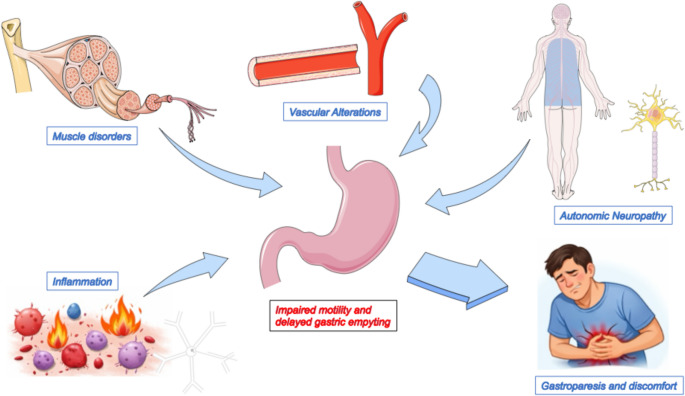
Diabetic gastroparesis (DGP) is a chronic and frequently underrecognized complication of diabetes mellitus, characterized by delayed gastric emptying in the absence of mechanical obstruction. ... The altered timing and variability of gastric emptying disturb the physiological coordination between nutrient absorption and insulin pharmacokinetics, generating a temporal mismatch that predisposes patients to early postprandial hypoglycemia followed by late hyperglycemia.
Overview
CoChat Summary
## TL;DR
This narrative review explains diabetic gastroparesis as a multifactorial complication of diabetes that disrupts gastric emptying and creates a mismatch between nutrient absorption and insulin action. It argues that insulin timing must be individualized using symptoms, meal characteristics, and CGM data, because delayed and erratic emptying can cause early hypoglycemia and late hyperglycemia.
## Key findings
- Diabetic gastroparesis is estimated to affect 5%–12% of individuals with long-term diabetes when systematic gastric emptying evaluation is used; in one large US cohort based on clinical diagnosis, prevalence was 4.6% in type 1 diabetes and 1.3% in type 2 diabetes.
- In diabetic subjects without gastroparesis, prandial insulin is typically given 10–15 min before a meal; in DGP, delayed and variable emptying causes insulin-nutrient mismatch, with early postprandial hypoglycemia and late postprandial hyperglycemia.
- For refractory disease, the review reports that G-POEM has shown around 70% success at 1 year in small series, while gastric electrical stimulation and laparoscopic pyloromyotomy are also discussed as options for selected patients.
- The review states that CGM, CSII/SAP, and hybrid closed-loop/AID systems can improve glycemic management in DGP, but the evidence remains limited and largely observational.
## Methods
- This is a narrative review, not a systematic review or meta-analysis.
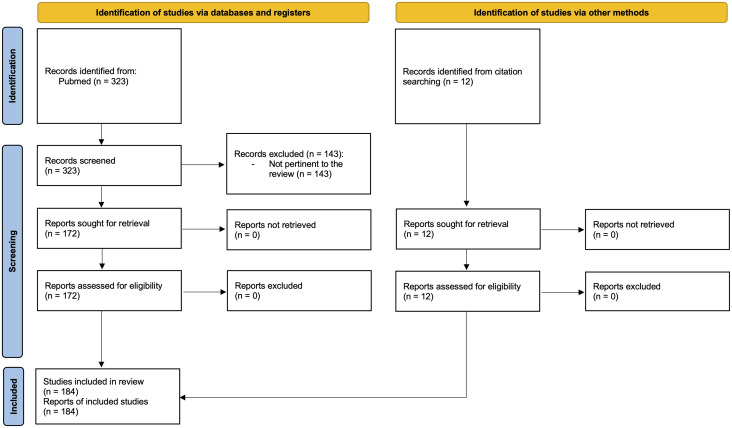
- The authors searched MEDLINE via PubMed up to 14 December 2025, using terms related to diabetic gastroparesis, autonomic/enteric neuropathy, gastric motor dysfunction, and gastric emptying disorders, and also screened reference lists of included articles and prior reviews.
- Studies were selected by relevance and study quality; data were extracted using a PICO framework from text, tables, and figures. No formal risk-of-bias assessment was performed.
## Limitations
- The paper explicitly states that it is a narrative review, with no formal meta-analysis, no systematic review methodology, and no formal risk-of-bias assessment.
- The authors say that robust clinical evidence specifically addressing patients with DGP remains limited, and that prospective validation of some technologies in DGP is still needed.
- Evident from the text: many treatment claims are based on small series, observational data, or selected studies, so conclusions about efficacy are not supported by high-level comparative evidence.
Model-written summary. Check it against the paper before relying on it.
Integrity signals
Registry
Cites
Statistics
Figures
Verification
Claims the paper makes
63 Valid · 7 Not valid · 20 Not checked · 9 Own results and interpretations
Some cited sources support this claim and some don’t — read each source’s verdict below.
In the paper
“In diabetes, chronic hyperglycemia, and reduced trophic factors, in particular the reduction of KIT/stem cell factor (SCF), cause the loss or dysfunction of ICCs [52], leading to dysregulated gastric emptying [4, 19, 53].”
§ Diabetic gastroparesis: pathophysiology and impact on insulin timing choices > Pathophysiology > “Cajalopathy”: dysfunction of interstitial cells of cajal (ICCs)
What the sources say
- Disputedcites [52] V.J. Horváth, H. Vittal, T. Ördög, Reduced Insulin and IGF-I Signaling, not Hyperglycemia, Underlies the Diabetes-Associated Depletion of Interstitial Cells of Cajal in the Murine Stomach. Diabetes. 54, 1528–1533 (2005). 10.2337/DIABETES.54.5.1528 15855342 sourceExperimental — accuracy not yet measured
The Results and Discussion (pp. 3–4) report that long-term hyperglycemia did not damage ICC networks; insulin or IGF-I prevented their depletion. The Discussion (p. 4) mentions stem cell factor only as a possible mediator of insulin’s effects, not as a demonstrated factor reduced in diabetes. The paper therefore contradicts the claim that chronic hyperglycemia causes ICC loss and does not establish the claimed SCF mechanism. (LLM, conf=0.89)
Checked by a reasoning model — may be wrong.
- Not checked — no full text of the sourcecites [4] M. Camilleri, Diabetic Gastroparesis. N Engl. J. Med. 356, 820–829 (2007). 10.1056/NEJMCP062614 17314341 source
- Partly supportedcites [19] A.E. Bharucha, Y.C. Kudva, D.O. Prichard, Diabetic Gastroparesis. Endocr. Rev. 40, 1318–1352 (2019). 10.1210/ER.2018-00161 31081877 PMC6736218 sourceExperimental — accuracy not yet measured
The enteric neuromuscular disturbances passage (indexed as Abstract; page unavailable) reports ICC loss in human diabetic gastroparesis and says reduced stem cell factor production may deplete ICCs in murine models. It also says the mechanisms of ICC loss are unclear and describes the link to delayed gastric emptying as a hypothesis. The claim overstates these tentative findings as an established causal chain from chronic hyperglycemia and reduced SCF to ICC loss and dysregulated emptying. (LLM, conf=0.88)
- Not checked — no full text of the sourcecites [53] I. Soykan, B. Sivri, I. Sarosiek et al., Demography, clinical characteristics, psychological and abuse profiles, treatment, and long-term follow-up of patients with gastroparesis. Dig. Dis. Sci. 43, 2398–2404 (1998). 10.1023/A:1026665728213 9824125 source
plainstates a cause- Asserted: passes — The authors put it forward as true.
- Checkable: passes — It can be checked against evidence.
- Load-bearing: passes — The paper’s conclusions depend on it.
- Based: passes — The paper gives a reason why it holds.
- Disputed
At least one cited source doesn’t support this claim or points to a different paper, and none confirmed it — see the verdicts below.
In the paper
“whereas Domperidone and Erythromycin require careful cardiac monitoring [3, 14, 123].”
§ Diabetic gastroparesis: pathophysiology and impact on insulin timing choices > Clinical impact and management of insulin therapy > Management of insulin therapy
What the sources say
- Disputedcites [3] M. Camilleri, B. Kuo, L. Nguyen et al., ACG Clinical Guideline: Gastroparesis. Am. J. Gastroenterol. 117, 1197 (2022). 10.14309/AJG.0000000000001874 35926490 PMC9373497 sourceExperimental — accuracy not yet measured
The guideline’s motilin-agonists discussion (page unavailable) says macrolide use, which includes erythromycin, was not associated with arrhythmia or cardiovascular mortality. Its domperidone trial summary (page unavailable) reports no significant cardiovascular complications in one cohort. Rather than recommending careful cardiac monitoring for either drug, the cited passages make contrary cardiac-safety points. (LLM, conf=0.76)
Checked by a reasoning model — may be wrong.
- Not checked yetcites [14] K. Staller, H.P. Parkman, K.B. Greer et al., AGA Clinical Practice Guideline on Management of Gastroparesis. Gastroenterology. 169, 828–861 (2025). 10.1053/J.GASTRO.2025.08.004/ATTACHMENT/F1152A5A-1B30-4C2F-8DEE-598E8130010E/MMC2.PDF 40976635 doi:10.1053/j.gastro.2025.08.004/attachment/f1152a5a-1b30-4c2f-8dee-598e8130010e/mmc2.pdf
- Not checked — no full text of the sourcecites [123] S.C. Reddymasu, I. Soykan, R.W. McCallum, Domperidone: review of pharmacology and clinical applications in gastroenterology. Am. J. Gastroenterol. 102, 2036–2045 (2007). 10.1111/J.1572-0241.2007.01255.X 17488253 source
plain- Asserted: passes — The authors put it forward as true.
- Checkable: passes — It can be checked against evidence.
- Load-bearing: unclear — It is unclear whether the paper’s conclusions depend on it.
- Based: passes — The paper gives a reason why it holds.
- Disputed
Every source the paper cites for this claim was checked and supports it.
In the paper
“This condition, often referred to as “cajalopathy”, is considered the most common alteration found in both diabetic and idiopathic gastroparesis [54].”
§ Diabetic gastroparesis: pathophysiology and impact on insulin timing choices > Pathophysiology > “Cajalopathy”: dysfunction of interstitial cells of cajal (ICCs)
What the sources say
- Supportedcites [54] S. Krishnasamy, T.L. Abell, (2018) Diabetic Gastroparesis: Principles and Current Trends in Management. Diabetes Therapy 2018 9:1 9:1–42. 10.1007/S13300-018-0454-9 PMC6028327 29934758 source
The Pathogenesis section identifies loss of interstitial cells of Cajal (ICC) as “cajalopathy.” The Mechanisms of Diabetic Gastroparesis subsection states that loss of ICC is the most common enteric abnormality in both diabetic and idiopathic gastroparesis (page not available). (LLM, conf=0.95)
plainstates an association- Asserted: passes — The authors put it forward as true.
- Checkable: passes — It can be checked against evidence.
- Load-bearing: unclear — It is unclear whether the paper’s conclusions depend on it.
- Based: passes — The paper gives a reason why it holds.
- Supported
The sources with a verdict support this claim; the rest weren’t checked yet, have no full text we could read, or their verdicts aren’t rated yet.
In the paper
“These cells act as gastrointestinal pacemakers, coordinating the rhythmic contractions necessary for the transit of gastric contents [50, 51].”
§ Diabetic gastroparesis: pathophysiology and impact on insulin timing choices > Pathophysiology > “Cajalopathy”: dysfunction of interstitial cells of cajal (ICCs)
What the sources say
- Supportedcites [50] D. Foong, J. Zhou, A. Zarrouk et al., Understanding the Biology of Human Interstitial Cells of Cajal in Gastrointestinal Motility. Int. J. Mol. Sci. 21, 1–18 (2020). 10.3390/IJMS21124540 PMC7352366 32630607 source
The Introduction describes ICC as specialised GI pacemaker cells and explains that coordinated waves of contraction move contents through the GI tract. The ICC Subtypes section specifically links stomach ICC to the generation and propagation of slow-wave activity in muscle. The supplied passages do not give page numbers. (LLM, conf=0.90)
- Not checked — no full text of the sourcecites [51] J.D. Huizinga, A. Hussain, J.H. Chen, Interstitial cells of Cajal and human colon motility in health and disease. Am. J. Physiol. Gastrointest. Liver Physiol. 321, G552–G575 (2021). 10.1152/AJPGI.00264.2021 34612070 source
plainstates a cause- Asserted: passes — The authors put it forward as true.
- Checkable: passes — It can be checked against evidence.
- Load-bearing: unclear — It is unclear whether the paper’s conclusions depend on it.
- Based: passes — The paper gives a reason why it holds.
- Supported
The cited sources support only part of this claim — read each source’s verdict below.
In the paper
“Importantly, these myogenic changes may occur in parallel with neuronal injury, supporting the concept of a partly independent muscular pathway in the disease process [42].”
§ Diabetic gastroparesis: pathophysiology and impact on insulin timing choices > Pathophysiology > Autonomic and enteric neuropathy
What the sources say
- Partly supportedcites [42] M. Camilleri, K.M. Sanders, Gastroparesis Gastroenterol. 162, 68–87e1 (2022). 10.1053/J.GASTRO.2021.10.028 PMC8678360 34717924 sourceExperimental — accuracy not yet measured
The Pathophysiology section (Pyloric Dysfunction; page not available) reports changes around smooth muscle cells and abnormalities of neurons or nerve endings in gastroparesis. It also suggests that pyloric dysfunction could reflect ICC damage rather than neuropathy. These passages support a possible non-neuronal contribution, but do not establish that myogenic changes occur in parallel with neuronal injury or identify a partly independent muscular pathway. (LLM, conf=0.78)
hedgedstates an association- Asserted: passes — The authors put it forward as true.
- Checkable: passes — It can be checked against evidence.
- Load-bearing: unclear — It is unclear whether the paper’s conclusions depend on it.
- Based: passes — The paper gives a reason why it holds.
- Partly supported
37 more claims · 26 with their cited sources checked
Create a free account to see all 99 claims and to verify the 28 references still open.
- Probably not a substantial claim. 11
- It may state two separate claims as one. 51
Citations
Cites
Battelino, T., Danne, T., Bergenstal, R. M., Amiel, S. A., Beck, R., Biester, T., Bosi, E., Buckingham, B. A., Cefalu, W. T., Close, K. L., et al. (2019) · Diabetes Care · doi:10.2337/dci19-0028 · Cited by 4,237
Utilization of the PICO framework to improve searching PubMed for clinical questions
Schardt, C., Adams, M. B., Owens, T., Keitz, S., & Fontelo, P. (2007) · BMC Medical Informatics and Decision Making · doi:10.1186/1472-6947-7-16 · Cited by 3,053 · cited 1×
“All data were extracted from articles’ text, tables, and figures using the Population, Intervention, Comparison, and Outcome (PICO) framework [26] and included at least the following: title, authors, year of publication, study design, study population, outcomes, and main results.”
International consensus on use of continuous glucose monitoring
Danne, T., Nimri, R., Battelino, T., Bergenstal, R. M., Close, K. L., DeVries, J. H., Garg, S., Heinemann, L., Hirsch, I., Amiel, S. A., et al. (2017) · Diabetes Care · doi:10.2337/dc17-1600 · Cited by 2,069 · cited 3×
“CGM helps characterize the timing, amplitude, and frequency of excursions [133–139], and provides quantitative metrics such as TIR, time in hypoglycemia (TBR) and hyperglycemia (TAR), and indices of glycemic variability, which are increasingly used as clinically meaningful targets in diabetes…”
Vinik, A. I., Maser, R. E., Mitchell, B. D., & Freeman, R. (2003) · Diabetes Care · doi:10.2337/diacare.26.5.1553 · Cited by 2,044
New Horizons in Diabetic Neuropathy: Mechanisms, Bioenergetics, and Pain
Feldman, E. L., Nave, K.-A., Jensen, T. S., & Bennett, D. L. H. (2017) · Neuron · doi:10.1016/j.neuron.2017.02.005 · Cited by 915 · cited 1×
“Excess intracellular glucose promotes mitochondrial over-activity, leading to an increased formation of reactive oxygen and nitrogen species (ROS, RNS) [32].”
Continuous glucose monitoring and metrics for clinical trials: an international consensus statement
Battelino, T., Alexander, C. M., Amiel, S. A., Arreaza-Rubin, G., Beck, R. W., Bergenstal, R. M., Buckingham, B. A., Carroll, J., Ceriello, A., Chow, E., et al. (2023) · The Lancet Diabetes & Endocrinology · doi:10.1016/s2213-8587(22)00319-9 · Cited by 831 · cited 1×
“…the timing, amplitude, and frequency of excursions [133–139], and provides quantitative metrics such as TIR, time in hypoglycemia (TBR) and hyperglycemia (TAR), and indices of glycemic variability, which are increasingly used as clinically meaningful targets in diabetes management [140–144].”
Parkman, H. P., Hasler, W. L., & Fisher, R. S. (2004) · Gastroenterology · doi:10.1053/j.gastro.2004.09.055 · Cited by 738
DiMeglio, L. A., Acerini, C. L., Codner, E., Craig, M. E., Hofer, S. E., Pillay, K., & Maahs, D. M. (2018) · Pediatric Diabetes · doi:10.1111/pedi.12737 · Cited by 604 · cited 1×
“Avaiable data suggest that such systems can increase TIR and reduce hypoglycemia in patients with DGP, with improvements comparable to those observed in individuals without gastrointestinal complications, although data remain limited and largely observational [153–157].”
Glycaemic variability in diabetes: clinical and therapeutic implications
Ceriello, A., Monnier, L., & Owens, D. (2019) · The Lancet Diabetes & Endocrinology · doi:10.1016/s2213-8587(18)30136-0 · Cited by 588 · cited 1×
“It also complicates both the achievement of recommended glycated hemoglobin (HbA1c) and time in range (TIR) targets [101, 102].”
Soykan, I., Sivri, B., Sarosiek, I., Kiernan, B., & Mccallum, R. W. (1998) · Digestive Diseases and Sciences · doi:10.1023/a:1026665728213 · Cited by 575 · cited 1×
“In diabetes, chronic hyperglycemia, and reduced trophic factors, in particular the reduction of KIT/stem cell factor (SCF), cause the loss or dysfunction of ICCs [52], leading to dysregulated gastric emptying [4, 19, 53].”
Relationship between oral glucose tolerance and gastric emptying in normal healthy subjects
Horowitz, M., Edelbroek, M. A. L., Wishart, J. M., & Straathof, J. W. (1993) · Diabetologia · doi:10.1007/bf00400362 · Cited by 469 · cited 3×
“late postprandial hyperglycemia: Once nutrients finally reach the absorptive surface of the small intes - tine, the circulating insulin concentration has declined, leading to a disproportionate and often prolonged glycemic rise [64, 94, 95].”
Ultrasound Assessment of Gastric Content and Volume
Perlas, A., Chan, V. W. S., Lupu, C. M., Mitsakakis, N., & Hanbidge, A. (2009) · Anesthesiology · doi:10.1097/aln.0b013e3181a97250 · Cited by 451
6. Glycemic Goals and Hypoglycemia: Standards of Care in Diabetes—2025
American Diabetes Association Professional Practice Committee, ElSayed, N. A., McCoy, R. G., Aleppo, G., Balapattabi, K., Beverly, E. A., Briggs Early, K., Bruemmer, D., Echouffo-Tcheugui, J. B., Ekhlaspour, L., et al. (2025) · Diabetes Care · doi:10.2337/dc25-s006 · Cited by 440
Revicki, D. A., Rentz, A. M., Dubois, D., Kahrilas, P., Stanghellini, V., Talley, N. J., & Tack, J. (2004) · Quality of Life Research · doi:10.1023/b:qure.0000021689.86296.e4 · Cited by 418 · cited 1×
“…Cardinal Symptom Index (GCSI) and the Patient Assessment of Gastrointestinal Disorders–Symptom Severity Index (PAGI-SYM) provide validated, quantitative measures of gastroparetic symptoms and are useful for screening and monitoring treatment response in clinical practice and trials [62, 63].”
Role of the gut microbiota in type 2 diabetes and related diseases
Yang, G., Wei, J., Liu, P., Zhang, Q., Tian, Y., Hou, G., Meng, L., Xin, Y., & Jiang, X. (2021) · Metabolism · doi:10.1016/j.metabol.2021.154712 · Cited by 418
Rentz, A. M., Kahrilas, P., Stanghellini, V., Tack, J., Talley, N. J., De la loge, C., Trudeau, E., Dubois, D., & Revicki, D. A. (2004) · Quality of Life Research · doi:10.1007/s11136-004-9567-x · Cited by 406 · cited 1×
“…Cardinal Symptom Index (GCSI) and the Patient Assessment of Gastrointestinal Disorders–Symptom Severity Index (PAGI-SYM) provide validated, quantitative measures of gastroparetic symptoms and are useful for screening and monitoring treatment response in clinical practice and trials [62, 63].”
7. Diabetes Technology: Standards of Care in Diabetes—2025
American Diabetes Association Professional Practice Committee, ElSayed, N. A., McCoy, R. G., Aleppo, G., Balapattabi, K., Beverly, E. A., Briggs Early, K., Bruemmer, D., Echouffo-Tcheugui, J. B., Ekhlaspour, L., et al. (2025) · Diabetes Care · doi:10.2337/dc25-s007 · Cited by 348 · cited 6×
“These data facilitate a dynamic, iterative optimization of insulin dosing, bolus timing, and fractionation, moving away from purely empirical adjustments [132, 143, 145, 146].”
InfluentialRemodeling of networks of interstitial cells of Cajal in a murine model of diabetic gastroparesis.
Ordög, T., Takayama, I., Cheung, W. K., Ward, S. M., & Sanders, K. M. (2000) · Diabetes · doi:10.2337/diabetes.49.10.1731 · Cited by 336 · cited 1×
“At the same time, regenerative strategies targeting ICCs and enteric neuronal networks seek to correct the cause of delated gastric emptying [56, 172, 173].”
ACG Clinical Guideline: Gastroparesis
Camilleri, M., Kuo, B., Nguyen, L., Vaughn, V. M., Petrey, J., Greer, K., Yadlapati, R., & Abell, T. L. (2022) · American Journal of Gastroenterology · doi:10.14309/ajg.0000000000001874 · Cited by 332
Camilleri, M. (2007) · New England Journal of Medicine · doi:10.1056/nejmcp062614 · Cited by 329
Insulin resistance in the nervous system
Kim, B., & Feldman, E. L. (2012) · Trends in Endocrinology & Metabolism · doi:10.1016/j.tem.2011.12.004 · Cited by 321 · cited 1×
“Its deficiency or reduced biological efficacy, contributes to neuronal damage and impaired gastric motility [40, 41].”
Domperidone: Review of Pharmacology and Clinical Applications in Gastroenterology
Reddymasu, S. C., Soykan, I., & McCallum, R. W. (2007) · The American Journal of Gastroenterology · doi:10.1111/j.1572-0241.2007.01255.x · Cited by 304 · cited 1×
“…is limited to 12 weeks due to extrapyramidal and tardive dyskinesia risk [3, 14, 120, 121], (although an intranasal formulation of metoclopramide was designed to help alleviate symptoms [64, 122]), whereas Domperi-done and Erythromycin require careful cardiac monitoring [3, 14, 123].”
Wang, Y. R., Fisher, R. S., & Parkman, H. P. (2008) · The American Journal of Gastroenterology · doi:10.1111/j.1572-0241.2007.01658.x · Cited by 302 · cited 2×
“…hyperglycemia inhibit gastric motility by reducing vagal cholinergic activity, impairing fundic relaxation, slowing antral peristalsis, and diminishing pyloric compliance, creating a self-perpetuating cycle between worsening metabolic control and gastro-intestinal symptoms [6, 23, 92, 103, 104].”
Molecular mechanism of diabetic neuropathy and its pharmacotherapeutic targets
Dewanjee, S., Das, S., Das, A. K., Bhattacharjee, N., Dihingia, A., Dua, T. K., Kalita, J., & Manna, P. (2018) · European Journal of Pharmacology · doi:10.1016/j.ejphar.2018.06.034 · Cited by 300
Epidemiology, mechanisms, and management of diabetic gastroparesis
Camilleri, M., Bharucha, A. E., & Farrugia, G. (2011) · Clinical Gastroenterology and Hepatology · doi:10.1016/j.cgh.2010.09.022 · Cited by 287 · cited 3×
“DGP is estimated to affect 5% − 12% of individuals with long-term diabetes, in cohorts with systematic gastric emptying evaluation (symptom-based criteria plus objective testing) [7, 8], although epidemiological figures vary widely due to different diagnostic criteria and assessment methods.”
InfluentialRomagnuolo, J., Schiller, D., & Bailey, R. J. (2002) · The American Journal of Gastroenterology · doi:10.1111/j.1572-0241.2002.05664.x · Cited by 283 · cited 1×
“However, results can be influenced by extra gastric factors such as liver function, pulmonary disease, and small-intestinal absorption kinetics [3, 14, 66, 69, 70].”
Gastric emptying and glycaemia in health and diabetes mellitus
Phillips, L. K., Deane, A. M., Jones, K. L., Rayner, C. K., & Horowitz, M. (2015) · Nature Reviews Endocrinology · doi:10.1038/nrendo.2014.202 · Cited by 273 · cited 2×
“…2022 [92] Narrative review Gastric emptying–glycaemia interaction Provides biological rationale for individualized insulin timing strategies 2015 [93] Narrative review PK/PD of rapid-acting insulin analogues Explains mismatch between insulin action and delayed carbohydrate absorption in DGP 2012…”
Pasricha, P. J., Grover, M., Yates, K. P., Abell, T. L., Bernard, C. E., Koch, K. L., McCallum, R. W., Sarosiek, I., Kuo, B., Bulat, R., et al. (2021) · Gastroenterology · doi:10.1053/j.gastro.2021.01.230 · Cited by 268 · cited 1×
“Despite its clinical relevance, DGP remains underrecognized because of nonspecific symptomatology overlapping with functional dyspepsia or gastroesophageal reflux disease (GERD) [ 24].”
Variability of Insulin Absorption and Insulin Action
Heinemann, L. (2002) · Diabetes Technology & Therapeutics · doi:10.1089/152091502320798312 · Cited by 267
Dyslipidemia-Induced Neuropathy in Mice
Vincent, A. M., Hayes, J. M., McLean, L. L., Vivekanandan-Giri, A., Pennathur, S., & Feldman, E. L. (2009) · Diabetes · doi:10.2337/db09-0047 · Cited by 264
Gastroparesis: a turning point in understanding and treatment
Grover, M., Farrugia, G., & Stanghellini, V. (2019) · Gut · doi:10.1136/gutjnl-2019-318712 · Cited by 256 · cited 3×
“Variability associated with adverse outcomes 2022 [99] CGM-based medicine, with the goal of mitigating the fundamental temporal mismatch between insulin action and nutrient absorption [14, 15, 25, 119].”
Bharucha, A. E., Kudva, Y. C., & Prichard, D. O. (2019) · Endocrine Reviews · doi:10.1210/er.2018-00161 · Cited by 252
Greene, D. A., & Lattimer, S. A. (1983) · Journal of Clinical Investigation · doi:10.1172/jci111030 · Cited by 244
Advances in technology for management of type 1 diabetes
Beck, R. W., Bergenstal, R. M., Laffel, L. M., & Pickup, J. C. (2019) · The Lancet · doi:10.1016/s0140-6736(19)31142-0 · Cited by 242 · cited 1×
“…the timing, amplitude, and frequency of excursions [133–139], and provides quantitative metrics such as TIR, time in hypoglycemia (TBR) and hyperglycemia (TAR), and indices of glycemic variability, which are increasingly used as clinically meaningful targets in diabetes management [140–144].”
Choi, K. M., Gibbons, S. J., Nguyen, T. V., Stoltz, G. J., Lurken, M. S., Ordog, T., Szurszewski, J. H., & Farrugia, G. (2008) · Gastroenterology · doi:10.1053/j.gastro.2008.09.003 · Cited by 239 · cited 1×
“Oxidative stress, resulting from increased ROS production under chronic hyperglycemia, leads to direct damage to ICCs and neuronal terminals [23, 55, 56], also the enzyme HO-1 reduced expression promotes ICC loss and the development of gastroparesis [57].”
Yarandi, S. S., & Srinivasan, S. (2014) · Neurogastroenterology & Motility · doi:10.1111/nmo.12330 · Cited by 236 · cited 1×
“Sustained hyperglycemia represents the principal driver; however, disease duration, chronic glycemic variability, and acute hyperglycemia episodes also contribute independently to neural and motor disfunction, resulting in impaired motility and delayed gastric emptying [27–31].”
Horváth, V. J., Vittal, H., Lörincz, A., Chen, H., Almeida–Porada, G., Redelman, D., & Ördög, T. (2006) · Gastroenterology · doi:10.1053/j.gastro.2005.12.027 · Cited by 228
Olausson, E. A., Störsrud, S., Grundin, H., Isaksson, M., Attvall, S., & Simrén, M. (2014) · American Journal of Gastroenterology · doi:10.1038/ajg.2013.453 · Cited by 217 · cited 1×
“…108, 115, 116]; ● Liquid or homogenized foods, which are better tolerated than solids [105, 108, 115, 116]; ● Small-particle size diets, which have been shown to improve symptom severity and quality of life compared with a standard soft diet, despite similar effects on gas - tric emptying [118].”
Home, P. D. (2012) · Diabetes, Obesity and Metabolism · doi:10.1111/j.1463-1326.2012.01580.x · Cited by 212 · cited 4×
“late postprandial hyperglycemia: Once nutrients finally reach the absorptive surface of the small intes - tine, the circulating insulin concentration has declined, leading to a disproportionate and often prolonged glycemic rise [64, 94, 95].”
InfluentialSzarka, L. A., Camilleri, M., Vella, A., Burton, D., Baxter, K., Simonson, J., & Zinsmeister, A. R. (2008) · Clinical Gastroenterology and Hepatology · doi:10.1016/j.cgh.2008.01.009 · Cited by 209 · cited 1×
“However, results can be influenced by extra gastric factors such as liver function, pulmonary disease, and small-intestinal absorption kinetics [3, 14, 66, 69, 70].”
Prucalopride in Gastroparesis: A Randomized Placebo-Controlled Crossover Study
Carbone, F., Van den Houte, K., Clevers, E., Andrews, C. N., Papathanasopoulos, A., Holvoet, L., Van Oudenhove, L., Caenepeel, P., Arts, J., Vanuytsel, T., et al. (2019) · American Journal of Gastroenterology · doi:10.14309/ajg.0000000000000304 · Cited by 206 · cited 1×
“The selective 5-HT4 receptor agonist prucalopride may improve nausea, early satiety, bloating, and quality of life in selected patients, though it carries gastrointestinal side effects and requires individualization [ 49, 124, 125].”
Greene, D. A., Lattimer, S. A., & Sima, A. A. F. (1988) · Diabetes · doi:10.2337/diab.37.6.688 · Cited by 199
Diabetic Gastroparesis: Principles and Current Trends in Management
Krishnasamy, S., & Abell, T. L. (2018) · Diabetes Therapy · doi:10.1007/s13300-018-0454-9 · Cited by 199 · cited 3×
“…pump systems (SAP) enable adaptive insulin delivery, including dual-wave or square-wave boluses, which distribute insulin over several hours and better match the slow and prolonged glucose absorption typical of DGP [54, 112, 132, 148, 149], particularly in high-fat or high-protein meals [150–152].”
Dietary Intake and Nutritional Deficiencies in Patients With Diabetic or Idiopathic Gastroparesis
Parkman, H. P., Yates, K. P., Hasler, W. L., Nguyan, L., Pasricha, P. J., Snape, W. J., Farrugia, G., Calles, J., Koch, K. L., Abell, T. L., et al. (2011) · Gastroenterology · doi:10.1053/j.gastro.2011.04.045 · Cited by 198
Treatment of Diabetic Gastroparesis by High-Frequency Gastric Electrical Stimulation
Lin, Z., Forster, J., Sarosiek, I., & McCallum, R. W. (2004) · Diabetes Care · doi:10.2337/diacare.27.5.1071 · Cited by 188 · cited 1×
“…(GES), which may reduce vomiting and improve quality of life and glycemic variability in selected patients, although data are largely observational [128]; ● G-POEM (gastric per-oral endoscopic myotomy), which reduce pyloric resistance improve symptoms in refractory DGP, with success rates around…”
Autonomic Neuropathy in Diabetes Mellitus
Verrotti, A., Prezioso, G., Scattoni, R., & Chiarelli, F. (2014) · Frontiers in Endocrinology · doi:10.3389/fendo.2014.00205 · Cited by 187
How to Assess Regional and Whole Gut Transit Time With Wireless Motility Capsule
Lee, Y. Y., Erdogan, A., & Rao, S. S. C. (2014) · Journal of Neurogastroenterology and Motility · doi:10.5056/jnm.2014.20.2.265 · Cited by 187
Clinical and Upper Gastrointestinal Motility Features in Systemic Sclerosis and Related Disorders
Weston, S., Thumshirn, M., Wiste, J., & Camilleri, M. (1998) · American Journal of Gastroenterology · doi:10.1111/j.1572-0241.1998.00334.x · Cited by 186 · cited 1×
“Advanced techniques, including antroduodenal-jejunal manometry [71–75], wireless motility capsule [76–79], gastric ultrasound [80–82], and high-resolution electrogas-trography (EGG) [83–87] may provide additional pathophysiological insight, particularly in complex or mixed-pattern cases.”
Disordered gastric motor function in diabetes mellitus
Horowitz, M., & Fraser, R. (1994) · Diabetologia · doi:10.1007/bf00403371 · Cited by 178
12. Retinopathy, Neuropathy, and Foot Care: Standards of Care in Diabetes—2025
American Diabetes Association Professional Practice Committee, ElSayed, N. A., McCoy, R. G., Aleppo, G., Balapattabi, K., Beverly, E. A., Briggs Early, K., Bruemmer, D., Callaghan, B. C., Echouffo-Tcheugui, J. B., et al. (2025) · Diabetes Care · doi:10.2337/dc25-s012 · Cited by 176 · cited 3×
“Prokinetics, such as metoclopramide and erythromycin, modifies emptying times and may require earlier or split bolus dosing to avoid early hypoglycemia [2, 3, 14, 119, 120 ], although their efficacy is often limited and long-term use requires careful monitorg for adverse effects [2, 14, 120].”
Diabetic gastroparesis: what we have learned and had to unlearn in the past 5 years: Figure 1
Kashyap, P., & Farrugia, G. (2010) · Gut · doi:10.1136/gut.2009.199703 · Cited by 175 · cited 1×
“As a consequence, gastroparesis profoundly affects postprandial glycemic excursions, insulin require - ments, and the overall management of diabetes [15, 19, 23, 88, 89].”
Obrosova, I. G. (2005) · Antioxidants & Redox Signaling · doi:10.1089/ars.2005.7.1543 · Cited by 174 · cited 1×
“Activation of the polyol pathway further increases oxidative stress, damaging neurons and endothelial cells and reducing blood supply to neural tissues [33–37].”
Physiology, Injury, and Recovery of Interstitial Cells of Cajal: Basic and Clinical Science
Huizinga, J. D., Zarate, N., & Farrugia, G. (2009) · Gastroenterology · doi:10.1053/j.gastro.2009.09.023 · Cited by 172 · cited 1×
“These strategies represent a conceptual shift toward disease-modifying interventions althought their translation into safe and effective clinical therapies will require substantial further research [183] .”
Sun, B., Luo, Z., & Zhou, J. (2021) · Cardiovascular Diabetology · doi:10.1186/s12933-020-01200-7 · Cited by 168 · cited 1×
“This glycaemic variability, is associated with both micro-vascular and macrovascular complications, with reduced quality of life, and increasing in the psychological burden of diabetes management [98–100].”
Roles of Reactive Oxygen Species on Insulin Resistance in Adipose Tissue
Han, C. Y. (2016) · Diabetes & Metabolism Journal · doi:10.4093/dmj.2016.40.4.272 · Cited by 159 · cited 1×
“Insulin resistance has direct effects on gastrointestinal function [39] : insulin acts as a trophic factor for neurons, promoting their survival and supporting nerve transmission.”
Clinical Consequences of Delayed Gastric Emptying With GLP-1 Receptor Agonists and Tirzepatide
Jalleh, R. J., Plummer, M. P., Marathe, C. S., Umapathysivam, M. M., Quast, D. R., Rayner, C. K., Jones, K. L., Wu, T., Horowitz, M., & Nauck, M. A. (2024) · The Journal of Clinical Endocrinology & Metabolism · doi:10.1210/clinem/dgae719 · Cited by 157
Calles-Escandon, J., & Robbins, D. C. (1987) · Diabetes · doi:10.2337/diab.36.10.1167 · Cited by 154 · cited 1×
“In diabetic subjects without gastroparesis, prandial insulin is typically administered 10–15 min before a meal to align insulin peak action with carbohydrate absorption into the duodenum and proximal jejunum. allowing efficient postprandial control [90].”
Camilleri, M., & Sanders, K. M. (2022) · Gastroenterology · doi:10.1053/j.gastro.2021.10.028 · Cited by 151
Outcomes and Factors Associated With Reduced Symptoms in Patients With Gastroparesis
Pasricha, P. J., Yates, K. P., Nguyen, L., Clarke, J., Abell, T. L., Farrugia, G., Hasler, W. L., Koch, K. L., Snape, W. J., McCallum, R. W., et al. (2015) · Gastroenterology · doi:10.1053/j.gastro.2015.08.008 · Cited by 143 · cited 1×
“Moreover, changes in symptom intensity do not always parallel objective GE measurements, high-lighting the complex interplay between pathophysiological derangements and central processing of visceral signals [14, 21–23].”
Ye, Y., Yin, Y., Huh, S. Y., Almansa, C., Bennett, D., & Camilleri, M. (2022) · Gastroenterology · doi:10.1053/j.gastro.2021.09.064 · Cited by 142 · cited 2×
“In contrast, studies applying stricter criteria for “definite gastro - paresis”, show that diabetic etiology represents the leading cause of gastroparesis among identified etiologies, account - ing for approximately 57.4% of all reported cases in large national claims databases [10].”
InfluentialInterstitial cells of Cajal in diabetic gastroenteropathy
ördög, T. (2008) · Neurogastroenterology & Motility · doi:10.1111/j.1365-2982.2007.01056.x · Cited by 137 · cited 3×
“ICC survival and network integrity depend on tightly regulated signaling pathways, particularly the SCF/c-KIT signal, which regulates ICC proliferation and function [56, 174, 175].”
Sherr, J. L., Heinemann, L., Fleming, G. A., Bergenstal, R. M., Bruttomesso, D., Hanaire, H., Holl, R. W., Petrie, J. R., Peters, A. L., & Evans, M. (2022) · Diabetes Care · doi:10.2337/dci22-0018 · Cited by 136
Optimal prandial timing of bolus insulin in diabetes management: a review
Slattery, D., Amiel, S. A., & Choudhary, P. (2018) · Diabetic Medicine · doi:10.1111/dme.13525 · Cited by 132
Vosoughi, K., Ichkhanian, Y., Benias, P., Miller, L., Aadam, A. A., Triggs, J. R., Law, R., Hasler, W., Bowers, N., Chaves, D., et al. (2022) · Gut · doi:10.1136/gutjnl-2020-322756 · Cited by 128 · cited 1×
“…endoscopic myotomy), which reduce pyloric resistance improve symptoms in refractory DGP, with success rates around 70% at 1 year in small series [129, 130]; ● Laparoscopic pyloromyotomy, reserved for selected patients with focal pyloric dysfunction, although there are limited long-term outcome…”
Hasler, W. L., Parkman, H. P., Wilson, L. A., Pasricha, P. J., Koch, K. L., Abell, T. L., Snape, W. J., Farrugia, G., Lee, L., Tonascia, J., et al. (2010) · American Journal of Gastroenterology · doi:10.1038/ajg.2010.253 · Cited by 127 · cited 1×
“…of other diabetic complications (especially peripheral and autonomic neuropathy) [4, 13], prior bariatric surgery [14, 15], and female sex [16, 17], while psychological factors (anxiety, depression, and somatization) may modulate symptom severity despite similar objective findings [ 4, 18–20].”
Understanding the Biology of Human Interstitial Cells of Cajal in Gastrointestinal Motility
Foong, D., Zhou, J., Zarrouk, A., Ho, V., & O’Connor, M. D. (2020) · International Journal of Molecular Sciences · doi:10.3390/ijms21124540 · Cited by 127 · cited 1×
“These cells act as gastrointestinal pacemakers, coordinating the rhythmic contractions necessary for the transit of gastric contents [50, 51].”
Type 1 diabetes glycemic management: Insulin therapy, glucose monitoring, and automation
Perkins, B. A., Sherr, J. L., & Mathieu, C. (2021) · Science · doi:10.1126/science.abg4502 · Cited by 125
Ultrastructural differences between diabetic and idiopathic gastroparesis
Faussone‐Pellegrini, M. S., Grover, M., Pasricha, P. J., Bernard, C. E., Lurken, M. S., Smyrk, T. C., Parkman, H. P., Abell, T. L., Snape, W. J., Hasler, W. L., et al. (2012) · Journal of Cellular and Molecular Medicine · doi:10.1111/j.1582-4934.2011.01451.x · Cited by 123
Chase, H. P., Saib, S. Z., MacKenzie, T., Hansen, M. M., & Garg, S. K. (2002) · Diabetic Medicine · doi:10.1046/j.1464-5491.2002.00685.x · Cited by 116
Gingras, V., Taleb, N., Roy‐Fleming, A., Legault, L., & Rabasa‐Lhoret, R. (2018) · Diabetes, Obesity and Metabolism · doi:10.1111/dom.13052 · Cited by 113 · cited 3×
“These systems improve time in range and reduce hypoglycemia in the context of highly variable gastric emptying, although manual meal-related adjustments remain necessary due to delayed carbohydrate absorption and insulin pharmacokinetics [158–161].”
Guy, R. J., Dawson, J. L., Garrett, J. R., Laws, J. W., Thomas, P. K., Sharma, A. K., & Watkins, P. J. (1984) · Journal of Neurology, Neurosurgery & Psychiatry · doi:10.1136/jnnp.47.7.686 · Cited by 109
Interstitial cells of Cajal and human colon motility in health and disease
Huizinga, J. D., Hussain, A., & Chen, J.-H. (2021) · American Journal of Physiology-Gastrointestinal and Liver Physiology · doi:10.1152/ajpgi.00264.2021 · Cited by 108 · cited 1×
“These cells act as gastrointestinal pacemakers, coordinating the rhythmic contractions necessary for the transit of gastric contents [50, 51].”
Artificial intelligence for diabetes care: current and future prospects
Sheng, B., Pushpanathan, K., Guan, Z., Lim, Q. H., Lim, Z. W., Yew, S. M. E., Goh, J. H. L., Bee, Y. M., Sabanayagam, C., Sevdalis, N., et al. (2024) · The Lancet Diabetes & Endocrinology · doi:10.1016/s2213-8587(24)00154-2 · Cited by 106 · cited 1×
“In patients with DGP, algorithms could “learn” the individual’s gastric emptying behavior over time and reducing both hypoglycemia and late postprandial hyperglycemia [159, 167–170].”
Carson, D. A., O’Grady, G., Du, P., Gharibans, A. A., & Andrews, C. N. (2021) · Neurogastroenterology & Motility · doi:10.1111/nmo.14048 · Cited by 104
Tumminia, A., Crimi, S., Sciacca, L., Buscema, M., Frittitta, L., Squatrito, S., Vigneri, R., & Tomaselli, L. (2015) · Diabetes/Metabolism Research and Reviews · doi:10.1002/dmrr.2557 · Cited by 100
Self-citationHorváth, V. J., Vittal, H., & Ördög, T. (2005) · Diabetes · doi:10.2337/diabetes.54.5.1528 · Cited by 98 · cited 3×
“In diabetes, chronic hyperglycemia, and reduced trophic factors, in particular the reduction of KIT/stem cell factor (SCF), cause the loss or dysfunction of ICCs [52], leading to dysregulated gastric emptying [4, 19, 53].”
Koch, K. L., & Calles-Escandón, J. (2015) · Gastroenterology Clinics of North America · doi:10.1016/j.gtc.2014.11.005 · Cited by 92
Can VEGF reverse diabetic neuropathy in human subjects?
Veves, A., & King, G. L. (2001) · Journal of Clinical Investigation · doi:10.1172/jci13038 · Cited by 88 · cited 1×
“Activation of the polyol pathway further increases oxidative stress, damaging neurons and endothelial cells and reducing blood supply to neural tissues [33–37].”
Pańkowska, E., Szypowska, A., Lipka, M., Szpotańska, M., Błazik, M., & Groele, L. (2009) · Pediatric Diabetes · doi:10.1111/j.1399-5448.2008.00471.x · Cited by 88 · cited 1×
“…pump systems (SAP) enable adaptive insulin delivery, including dual-wave or square-wave boluses, which distribute insulin over several hours and better match the slow and prolonged glucose absorption typical of DGP [54, 112, 132, 148, 149], particularly in high-fat or high-protein meals [150–152].”
Simultaneous Measurement of Gastric Emptying of A Solid Meal by Ultrasound and by Scintigraphy
Benini, L., Sembenini, C., Heading, R. C., Giorgetti, P. G., Montemezzi, S., Zamboni, M., De Benedetto, P., Brighenti, F., & Vantini, I. (1999) · American Journal of Gastroenterology · doi:10.1111/j.1572-0241.1999.01429.x · Cited by 88 · cited 1×
“Advanced techniques, including antroduodenal-jejunal manometry [71–75], wireless motility capsule [76–79], gastric ultrasound [80–82], and high-resolution electrogas-trography (EGG) [83–87] may provide additional pathophysiological insight, particularly in complex or mixed-pattern cases.”
Change in populations of macrophages promotes development of delayed gastric emptying in mice
Cipriani, G., Gibbons, S. J., Miller, K. E., Yang, D. S., Terhaar, M. L., Eisenman, S. T., Ördög, T., Linden, D. R., Gajdos, G. B., Szurszewski, J. H., et al. (2018) · Gastroenterology · doi:10.1053/j.gastro.2018.02.027 · Cited by 88 · cited 1×
“Oxidative stress, resulting from increased ROS production under chronic hyperglycemia, leads to direct damage to ICCs and neuronal terminals [23, 55, 56], also the enzyme HO-1 reduced expression promotes ICC loss and the development of gastroparesis [57].”
Jalleh, R. J., Jones, K. L., Rayner, C. K., Marathe, C. S., Wu, T., & Horowitz, M. (2022) · Diabetologia · doi:10.1007/s00125-022-05796-1 · Cited by 87 · cited 6×
“Splitting the bolus (e.g., part at mealtime and part 30–60 min later) may improve alignment between insulin and nutrient appearance, particularly when supported by CGM trends [92, 112].”
InfluentialmiR-10b-5p Rescues Diabetes and Gastrointestinal Dysmotility
Singh, R., Ha, S. E., Wei, L., Jin, B., Zogg, H., Poudrier, S. M., Jorgensen, B. G., Park, C., Ronkon, C. F., Bartlett, A., et al. (2021) · Gastroenterology · doi:10.1053/j.gastro.2020.12.062 · Cited by 86 · cited 2×
“ICC survival and network integrity depend on tightly regulated signaling pathways, particularly the SCF/c-KIT signal, which regulates ICC proliferation and function [56, 174, 175].”
Diabetic Enteropathy: From Molecule to Mechanism-Based Treatment
Meldgaard, T., Olesen, S. S., Farmer, A. D., Krogh, K., Wendel, A. A., Brock, B., Drewes, A. M., & Brock, C. (2018) · Journal of Diabetes Research · doi:10.1155/2018/3827301 · Cited by 83 · cited 1×
“Risk correlates include long disease duration [8, 11, 12], poor glycemic control [3, 13], presence of other diabetic complications (especially peripheral and autonomic neuropathy) [4, 13], prior bariatric surgery [14, 15], and female sex [16, 17], while psychological factors (anxiety, depression,…”
Metoclopramide for the treatment of diabetic gastroparesis
Shakhatreh, M., Jehangir, A., Malik, Z., & Parkman, H. P. (2019) · Expert Review of Gastroenterology & Hepatology · doi:10.1080/17474124.2019.1645594 · Cited by 83 · cited 1×
“…the only drug approved by the FDA for gastroparesis, is limited to 12 weeks due to extrapyramidal and tardive dyskinesia risk [3, 14, 120, 121], (although an intranasal formulation of metoclopramide was designed to help alleviate symptoms [64, 122]), whereas Domperi-done and Erythromycin…”
Epidemiology and Diagnosis of Gastroparesis in the United States: A Population-based Study
Syed, A. R., Wolfe, M. M., & Calles-Escandon, J. (2020) · Journal of Clinical Gastroenterology · doi:10.1097/mcg.0000000000001231 · Cited by 82
Diaz Tartera, H. O., Webb, D. ‐., Al‐Saffar, A. K., Halim, M. A., Lindberg, G., Sangfelt, P., & Hellström, P. M. (2017) · Neurogastroenterology & Motility · doi:10.1111/nmo.13107 · Cited by 81
Neuropathology of the oesophagus in diabetes mellitus
Smith, B. (1974) · Journal of Neurology, Neurosurgery & Psychiatry · doi:10.1136/jnnp.37.10.1151 · Cited by 80 · cited 1×
“Damage to these pathways results in alteration of impulse tramission [28] with loss of gastric tone, reduced contractility and impaired coordination of peristaltic waves, slowing gastric emptying [25, 29, 30].”
Comprehensive assessment of gastric emptying with a stable isotope breath test
Bharucha, A. E., Camilleri, M., Veil, E., Burton, D., & Zinsmeister, A. R. (2013) · Neurogastroenterology & Motility · doi:10.1111/nmo.12054 · Cited by 77 · cited 3×
“However, results can be influenced by extra gastric factors such as liver function, pulmonary disease, and small-intestinal absorption kinetics [3, 14, 66, 69, 70].”
Psychological controversies in gastroparesis: a systematic review
Woodhouse, S., Hebbard, G., & Knowles, S. R. (2017) · World Journal of Gastroenterology · doi:10.3748/wjg.v23.i7.1298 · Cited by 75 · cited 1×
“…of other diabetic complications (especially peripheral and autonomic neuropathy) [4, 13], prior bariatric surgery [14, 15], and female sex [16, 17], while psychological factors (anxiety, depression, and somatization) may modulate symptom severity despite similar objective findings [ 4, 18–20].”
The Wireless Motility Capsule: a One-Stop Shop for the Evaluation of GI Motility Disorders
Saad, R. J. (2016) · Current Gastroenterology Reports · doi:10.1007/s11894-016-0489-x · Cited by 73 · cited 1×
“Advanced techniques, including antroduodenal-jejunal manometry [71–75], wireless motility capsule [76–79], gastric ultrasound [80–82], and high-resolution electrogas-trography (EGG) [83–87] may provide additional pathophysiological insight, particularly in complex or mixed-pattern cases.”
AGA Clinical Practice Guideline on Management of Gastroparesis
Staller, K. D., Parkman, H. P., Greer, K. B., Leiman, D. A., Zhou, M. J., Singh, S., Camilleri, M., & Altayar, O. (2025) · Gastroenterology · doi:10.1053/j.gastro.2025.08.004 · Cited by 72
Scott, E. S., Januszewski, A. S., O’Connell, R., Fulcher, G., Scott, R., Kesaniemi, A., Wu, L., Colagiuri, S., Keech, A., & Jenkins, A. J. (2020) · The Journal of Clinical Endocrinology & Metabolism · doi:10.1210/clinem/dgaa361 · Cited by 70 · cited 2×
“This glycaemic variability, is associated with both micro-vascular and macrovascular complications, with reduced quality of life, and increasing in the psychological burden of diabetes management [98–100].”
Chen, J., Yi, Q., Wang, Y., Wang, J., Yu, H., Zhang, J., Hu, M., Xu, J., Wu, Z., Hou, L., et al. (2022) · Diabetes Research and Clinical Practice · doi:10.1016/j.diabres.2022.110085 · Cited by 69 · cited 1×
“Variability associated with adverse outcomes 2022 [99] CGM-based medicine, with the goal of mitigating the fundamental temporal mismatch between insulin action and nutrient absorption [14, 15, 25, 119].”
Glucose-Responsive Materials for Smart Insulin Delivery: From Protein-Based to Protein-Free Design
Pal, S., Rakshit, T., Saha, S., & Jinagal, D. (2025) · ACS Materials Au · doi:10.1021/acsmaterialsau.4c00138 · Cited by 69
Parkman, H. P., Carlson, M. R., & Gonyer, D. (2014) · Neurogastroenterology & Motility · doi:10.1111/nmo.12296 · Cited by 67 · cited 1×
“…is limited to 12 weeks due to extrapyramidal and tardive dyskinesia risk [3, 14, 120, 121], (although an intranasal formulation of metoclopramide was designed to help alleviate symptoms [64, 122]), whereas Domperi-done and Erythromycin require careful cardiac monitoring [3, 14, 123].”
Chedid, V., Brandler, J., Vijayvargiya, P., Park, S.-Y., Szarka, L. A., & Camilleri, M. (2019) · American Journal of Gastroenterology · doi:10.1038/s41395-018-0234-1 · Cited by 65 · cited 1×
“Continuous glucose monitoring (CGM) consistently reveals sharp oscillations, delayed peaks, and late postprandial waves of hyperglycaemia alternating with unpredictable hypoglycae-mic drops [97].”
Glucose-sensitive insulin with attenuation of hypoglycaemia
Hoeg-Jensen, T., Kruse, T., Brand, C. L., Sturis, J., Fledelius, C., Nielsen, P. K., Nishimura, E., Madsen, A. R., Lykke, L., Halskov, K. S., et al. (2024) · Nature · doi:10.1038/s41586-024-08042-3 · Cited by 65 · cited 1×
“However, these agents remain in early stages of development, being used only in preclinical models [165, 166].”
Fregonesi, C. E. P. T., Miranda-Neto, M. H. D., Molinari, S. L., & Zanoni, J. N. (2001) · Arquivos de Neuro-Psiquiatria · doi:10.1590/s0004-282x2001000100011 · Cited by 61 · cited 1×
“Damage to these pathways results in alteration of impulse tramission [28] with loss of gastric tone, reduced contractility and impaired coordination of peristaltic waves, slowing gastric emptying [25, 29, 30].”
Parkman, H. P., Yamada, G., Van Natta, M. L., Yates, K., Hasler, W. L., Sarosiek, I., Grover, M., Schey, R., Abell, T. L., Koch, K. L., et al. (2019) · Clinical Gastroenterology and Hepatology · doi:10.1016/j.cgh.2018.10.050 · Cited by 61 · cited 1×
“…of other diabetic complications (especially peripheral and autonomic neuropathy) [4, 13], prior bariatric surgery [14, 15], and female sex [16, 17], while psychological factors (anxiety, depression, and somatization) may modulate symptom severity despite similar objective findings [ 4, 18–20].”
Digital Technology for Diabetes
Hughes, M. S., Addala, A., & Buckingham, B. (2023) · New England Journal of Medicine · doi:10.1056/nejmra2215899 · Cited by 59 · cited 1×
“Provides metrics such as time in range, time in hypoglycemia, and glycemic variability, which are essential for dynamic insulin adjustment in gastroparesis [133, 135–138].”
Technique of Functional and Motility Test: How to Perform Antroduodenal Manometry
Patcharatrakul, T., & Gonlachanvit, S. (2013) · Journal of Neurogastroenterology and Motility · doi:10.5056/jnm.2013.19.3.395 · Cited by 58 · cited 1×
“Advanced techniques, including antroduodenal-jejunal manometry [71–75], wireless motility capsule [76–79], gastric ultrasound [80–82], and high-resolution electrogas-trography (EGG) [83–87] may provide additional pathophysiological insight, particularly in complex or mixed-pattern cases.”
Huang, I., Schol, J., Khatun, R., Carbone, F., Van den Houte, K., Colomier, E., Balsiger, L. M., Törnblom, H., Vanuytsel, T., Sundelin, E., et al. (2022) · United European Gastroenterology Journal · doi:10.1002/ueg2.12289 · Cited by 57 · cited 1×
“Risk correlates include long disease duration [8, 11, 12], poor glycemic control [3, 13], presence of other diabetic complications (especially peripheral and autonomic neuropathy) [4, 13], prior bariatric surgery [14, 15], and female sex [16, 17], while psychological factors (anxiety, depression,…”
Insulin, Synaptic Function, and Opportunities for Neuroprotection
Mielke, J. G., & Wang, Y.-T. (2011) · Progress in Molecular Biology and Translational Science · doi:10.1016/b978-0-12-385506-0.00004-1 · Cited by 55 · cited 1×
“Its deficiency or reduced biological efficacy, contributes to neuronal damage and impaired gastric motility [40, 41].”
Macrophages in diabetic gastroparesis – the missing link?
Neshatian, L., Gibbons, S. J., & Farrugia, G. (2015) · Neurogastroenterology & Motility · doi:10.1111/nmo.12418 · Cited by 55 · cited 1×
“In diabetes, insulin and IGF-1 deficiency causes muscle atrophy and reduced SCF production, leading to ICC depletion and impaired neuromuscular transmission [52–60].”
Calles-Escandón, J., Koch, K. L., Hasler, W. L., Van Natta, M. L., Pasricha, P. J., Tonascia, J., Parkman, H. P., Hamilton, F., Herman, W. H., Basina, M., et al. (2018) · PLOS ONE · doi:10.1371/journal.pone.0194759 · Cited by 55 · cited 3×
“…(CSII) expands therapeutic possibilities, allowing for more precise and safer glycemic control, with possible improvements in HbA1c, gastrointestinal symptoms, tolerance to liquid meals and quality of life [135, 136, Reduces gastric distension and symptom burden (nausea, early satiety, bloating).”
Nutritional approaches for gastroparesis
Limketkai, B. N., LeBrett, W., Lin, L., & Shah, N. D. (2020) · The Lancet Gastroenterology & Hepatology · doi:10.1016/s2468-1253(20)30078-9 · Cited by 55 · cited 5×
“Small-particle and liquid meals empty more rapidly from the stomach, improving symptom control and partially stabilizing postprandial glycemic excursions by reducing the variability of nutrient delivery to the intestine [105, 115–117].”
InfluentialThe role of continuous subcutaneous insulin infusion therapy in patients with diabetic gastroparesis
Sharma, D., Morrison, G., Joseph, F., Purewal, T. S., & Weston, P. J. (2011) · Diabetologia · doi:10.1007/s00125-011-2282-6 · Cited by 53 · cited 2×
“…(CSII) expands therapeutic possibilities, allowing for more precise and safer glycemic control, with possible improvements in HbA1c, gastrointestinal symptoms, tolerance to liquid meals and quality of life [135, 136, Reduces gastric distension and symptom burden (nausea, early satiety, bloating).”
Efficacy and Safety of Drugs for Gastroparesis: Systematic Review and Network Meta-analysis
Ingrosso, M. R., Camilleri, M., Tack, J., Ianiro, G., Black, C. J., & Ford, A. C. (2023) · Gastroenterology · doi:10.1053/j.gastro.2022.12.014 · Cited by 53
Petri, M., Singh, I., Baker, C., Underkofler, C., & Rasouli, N. (2021) · Journal of Diabetes and its Complications · doi:10.1016/j.jdiacomp.2020.107733 · Cited by 50 · cited 4×
“late postprandial hyperglycemia: Once nutrients finally reach the absorptive surface of the small intes - tine, the circulating insulin concentration has declined, leading to a disproportionate and often prolonged glycemic rise [64, 94, 95].”
InfluentialLu, J., Ma, X., Zhang, L., Mo, Y., Lu, W., Zhu, W., Bao, Y., Jia, W., & Zhou, J. (2020) · Diabetes Research and Clinical Practice · doi:10.1016/j.diabres.2020.108032 · Cited by 49
Gastric Emptying Abnormalities in Diabetes Mellitus
Goyal, R. K. (2021) · New England Journal of Medicine · doi:10.1056/nejmra2020927 · Cited by 49
Mihai, B. M., Mihai, C., Cijevschi-Prelipcean, C., Grigorescu, E.-D., Dranga, M., Drug, V., Sporea, I., & Lăcătușu, C. M. (2018) · Journal of Diabetes Research · doi:10.1155/2018/1736959 · Cited by 46
Enteric neuropathy in diabetes: Implications for gastrointestinal function
Abdalla, M. M. I. (2024) · World Journal of Gastroenterology · doi:10.3748/wjg.v30.i22.2852 · Cited by 45 · cited 1×
“As a consequence, gastroparesis profoundly affects postprandial glycemic excursions, insulin require - ments, and the overall management of diabetes [15, 19, 23, 88, 89].”
The History, Evolution and Future of Continuous Glucose Monitoring (CGM)
Bender, C., Vestergaard, P., & Cichosz, S. L. (2025) · Diabetology · doi:10.3390/diabetology6030017 · Cited by 43
The future of type 1 diabetes therapy
Ziegler, A.-G., Cengiz, E., & Kay, T. W. H. (2025) · The Lancet · doi:10.1016/s0140-6736(25)01438-2 · Cited by 42 · cited 1×
“In parallel, the evolution of insulin delivery systems is expected to further improve glycemic control [163, 167 ].”
Heinemann, L. (2009) · Journal of Diabetes Science and Technology · doi:10.1177/193229680900300631 · Cited by 40 · cited 1×
“…pump systems (SAP) enable adaptive insulin delivery, including dual-wave or square-wave boluses, which distribute insulin over several hours and better match the slow and prolonged glucose absorption typical of DGP [54, 112, 132, 148, 149], particularly in high-fat or high-protein meals [150–152].”
Significance of Glycemic Variability in Diabetes Mellitus
Kusunoki, Y., Konishi, K., Tsunoda, T., & Koyama, H. (2022) · Internal Medicine · doi:10.2169/internalmedicine.8424-21 · Cited by 40 · cited 1×
“It also complicates both the achievement of recommended glycated hemoglobin (HbA1c) and time in range (TIR) targets [101, 102].”
Park, K. S., Cho, K. B., Hwang, I. S., Park, J. H., Jang, B. I., Kim, K. O., Jeon, S. W., Kim, E. S., Park, C. S., & Kwon, J. G. (2016) · World Journal of Gastroenterology · doi:10.3748/wjg.v22.i46.10131 · Cited by 38
Gastric function in diabetic gastroparesis assessed by ultrasound and scintigraphy
Steinsvik, E. K., Sangnes, D. A., Søfteland, E. W., Biermann, M., Aßmus, J., Dimcevski, G. G., Gilja, O. H., & Hausken, T. (2021) · Neurogastroenterology & Motility · doi:10.1111/nmo.14235 · Cited by 36 · cited 1×
“Advanced techniques, including antroduodenal-jejunal manometry [71–75], wireless motility capsule [76–79], gastric ultrasound [80–82], and high-resolution electrogas-trography (EGG) [83–87] may provide additional pathophysiological insight, particularly in complex or mixed-pattern cases.”
Artificial Intelligence in Diabetes Care: Applications, Challenges, and Opportunities Ahead
Parab, R., Feeley, J. M., Valero, M., Chadalawada, L., Garcia, G. P., Kar, S. S., Madabhushi, A., Breton, M. D., Li, J., Shao, H., et al. (2025) · Endocrine Practice · doi:10.1016/j.eprac.2025.07.008 · Cited by 36 · cited 2×
“In patients with DGP, algorithms could “learn” the individual’s gastric emptying behavior over time and reducing both hypoglycemia and late postprandial hyperglycemia [159, 167–170].”
Zheng, T., BouSaba, J., Sannaa, W., Eckert, D. J., Burton, D. D., & Camilleri, M. (2022) · American Journal of Physiology-Gastrointestinal and Liver Physiology · doi:10.1152/ajpgi.00119.2022 · Cited by 35
Prevalence of gastroparesis in diabetic patients: a systematic review and meta-analysis
Li, L., Wang, L., Long, R., Song, L., & Yue, R. (2023) · Scientific Reports · doi:10.1038/s41598-023-41112-6 · Cited by 35 · cited 1×
“…presence of other diabetic complications (especially peripheral and autonomic neuropathy) [4, 13], prior bariatric surgery [14, 15], and female sex [16, 17], while psychological factors (anxiety, depression, and somatization) may modulate symptom severity despite similar objective findings [ 4,…”
Wang, X., Si, J., Li, Y., Tse, P., Zhang, G., Wang, X., Ren, J., Xu, J., Sun, J., & Yao, X. (2025) · Diabetology & Metabolic Syndrome · doi:10.1186/s13098-025-01819-0 · Cited by 33 · cited 1×
“Although these systems are under active investigation, prospective validation specifically in patients with DGP remains lim - ited, and their effectiveness in this setting requires further study [171].”
Schernthaner, G., Wein, W., Shnawa, N., Bates, P. C., & Birkett, M. A. (2004) · Diabetic Medicine · doi:10.1111/j.1464-5491.2004.01132.x · Cited by 32
Hypoglycaemia and gastric emptying
Marathe, C. S., Marathe, J. A., Rayner, C. K., Kar, P., Jones, K. L., & Horowitz, M. (2019) · Diabetes, Obesity and Metabolism · doi:10.1111/dom.13570 · Cited by 32
Schol, J., Huang, I.-H., Carbone, F., Fernandez, L. M. B., Gourcerol, G., Ho, V., Kohn, G., Lacy, B. E., Colombo, A. L., Miwa, H., et al. (2025) · The Lancet Gastroenterology & Hepatology · doi:10.1016/s2468-1253(24)00284-x · Cited by 32 · cited 6×
“The recommended protocol involves the ingestion of a standardized radiolabeled solid meal with imaging at 0, 1, 2, and 4 h [14, 61].”
InfluentialContinuous Glucose Monitoring in Gastroparesis
Ramzan, Z., Duffy, F., Gomez, J., Fisher, R. S., & Parkman, H. P. (2011) · Digestive Diseases and Sciences · doi:10.1007/s10620-011-1810-z · Cited by 31
Shin, A. (2024) · The Lancet Gastroenterology & Hepatology · doi:10.1016/s2468-1253(24)00231-0 · Cited by 30 · cited 2×
“…muscle may contribute: in the gastric fundus, impaired inhibitory neurotransmission is accompanied by reduced tonic contraction because of defective muscle contractility, whereas in the antrum both cholinergic neuromuscular transmission and smooth muscle strength are altered [19, 23, 42, 43].”
Gastric emptying of solids in children: reference values for the 13C‐octanoic acid breath test
Hauser, B., Roelants, M., De Schepper, J., Veereman, G., Caveliers, V., Devreker, T., De Greef, E., & Vandenplas, Y. (2016) · Neurogastroenterology & Motility · doi:10.1111/nmo.12845 · Cited by 30 · cited 1×
“It indirectly reflects solid meal gastric emptying, providing a radiation-free option for repeated measurements and for use in children, pregnant women, and breastfeeding women [67, 68].”
Metwally, M., Cheung, T. O., Smith, R., & Bell, K. J. (2021) · Diabetes Research and Clinical Practice · doi:10.1016/j.diabres.2020.108516 · Cited by 29 · cited 1×
“…pump systems (SAP) enable adaptive insulin delivery, including dual-wave or square-wave boluses, which distribute insulin over several hours and better match the slow and prolonged glucose absorption typical of DGP [54, 112, 132, 148, 149], particularly in high-fat or high-protein meals [150–152].”
Brown, S. A., Basu, A., & Kovatchev, B. P. (2019) · Diabetic Medicine · doi:10.1111/dme.13944 · Cited by 27 · cited 1×
“These data facilitate a dynamic, iterative optimization of insulin dosing, bolus timing, and fractionation, moving away from purely empirical adjustments [132, 143, 145, 146].”
Jendle, J., & Reznik, Y. (2023) · Diabetes, Obesity and Metabolism · doi:10.1111/dom.15087 · Cited by 26
Bonetto, S., Gruden, G., Beccuti, G., Ferro, A., Saracco, G. M., & Pellicano, R. (2021) · Journal of Clinical Medicine · doi:10.3390/jcm10061313 · Cited by 26 · cited 2×
“Prokinetics, such as metoclopramide and erythromycin, modifies emptying times and may require earlier or split bolus dosing to avoid early hypoglycemia [2, 3, 14, 119, 120 ], although their efficacy is often limited and long-term use requires careful monitorg for adverse effects [2, 14, 120].”
Saha, B., Kamalumpundi, V., & Codipilly, D. C. (2025) · Mayo Clinic Proceedings · doi:10.1016/j.mayocp.2025.09.017 · Cited by 26
Li, H., Cao, W., Zhang, X.-B., Zhang, X.-X., Gu, C., Gu, L.-M., Pan, C.-Y., Tian, Y.-Z., & Lu, M. (2021) · Molecular Medicine Reports · doi:10.3892/mmr.2021.12331 · Cited by 25 · cited 2×
“ICC survival and network integrity depend on tightly regulated signaling pathways, particularly the SCF/c-KIT signal, which regulates ICC proliferation and function [56, 174, 175].”
Efficacy of hybrid closed-loop system in adults with type 1 diabetes and gastroparesis
Kaur, H., Schneider, N., Pyle, L., Campbell, K., Akturk, H. K., & Shah, V. N. (2019) · Diabetes Technology & Therapeutics · doi:10.1089/dia.2019.0254 · Cited by 24
Hybrid Closed-loop to Manage Gastroparesis in People With Type 1 Diabetes: a Case Series
Daly, A., Hartnell, S., Boughton, C. K., & Evans, M. (2021) · Journal of Diabetes Science and Technology · doi:10.1177/19322968211035447 · Cited by 23 · cited 1×
“Avaiable data suggest that such systems can increase TIR and reduce hypoglycemia in patients with DGP, with improvements comparable to those observed in individuals without gastrointestinal complications, although data remain limited and largely observational [153–157].”
Yang, S., Wu, B., Sun, H., Sun, T., Han, K., Li, D., Ji, F., Zhang, G., & Zhou, D. (2017) · Bioscience Reports · doi:10.1042/bsr20170776 · Cited by 23
Imaging Review of Gastrointestinal Motility Disorders
Nehra, A. K., Sheedy, S. P., Johnson, C. D., Flicek, K. T., Venkatesh, S. K., Heiken, J. P., Wells, M. L., Ehman, E. C., Barlow, J. M., Fletcher, J. G., et al. (2022) · Radiographics · doi:10.1148/rg.220052 · Cited by 23 · cited 1×
“Advanced techniques, including antroduodenal-jejunal manometry [71–75], wireless motility capsule [76–79], gastric ultrasound [80–82], and high-resolution electrogas-trography (EGG) [83–87] may provide additional pathophysiological insight, particularly in complex or mixed-pattern cases.”
Diabetic gastroenteropathy: a pan-alimentary complication
Kornum, D. S., Krogh, K., Keller, J., Malagelada, C., Drewes, A. M., & Brock, C. (2025) · Diabetologia · doi:10.1007/s00125-025-06365-y · Cited by 23 · cited 3×
“Antiemetics such as 5-HT3 receptor antagonists (e.g., ondansetron) and dopamine-D2/D3 antagonists (e.g., pro-chlorperazine) are commonly used to control nausea and vomiting, often in combination with prokinetics [49, 61, 124].”
Varghese, C., Pasricha, P. J., Abell, T. L., Parkman, H. P., Andrews, C. N., Keszthelyi, D., Gharibans, A. A., Farrugia, G., & O’Grady, G. (2025) · The American Journal of Gastroenterology · doi:10.14309/ajg.0000000000003646 · Cited by 23 · cited 1×
“At the same time, regenerative strategies targeting ICCs and enteric neuronal networks seek to correct the cause of delated gastric emptying [56, 172, 173].”
The Potential for Gut Organoid Derived Interstitial Cells of Cajal in Replacement Therapy
Zhou, J., O’Connor, M., & Ho, V. (2017) · International Journal of Molecular Sciences · doi:10.3390/ijms18102059 · Cited by 22 · cited 1×
“…being explored along multiple, complementary lines, including the differen - tiation of stem or progenitor cells into ICC-like phenotypes [176, 177], pharmacological stimulation of endogenous ICC proliferation or survival through growth factor modulation [178–180], and the engineering of…”
Dietary Interventions for Gastroparesis: A Systematic Review
Eseonu, D., Su, T., Lee, K., Chumpitazi, B. P., Shulman, R. J., & Hernaez, R. (2022) · Advances in Nutrition · doi:10.1093/advances/nmac037 · Cited by 22
Tumminia, A., Sciacca, L., Frittitta, L., Squatrito, S., Vigneri, R., Le Moli, R., & Tomaselli, L. (2015) · Patient Preference and Adherence · doi:10.2147/ppa.s69482 · Cited by 20 · cited 1×
“…pump systems (SAP) enable adaptive insulin delivery, including dual-wave or square-wave boluses, which distribute insulin over several hours and better match the slow and prolonged glucose absorption typical of DGP [54, 112, 132, 148, 149], particularly in high-fat or high-protein meals [150–152].”
Self-citationRodriguez, L., Heinz, N., Colliard, K., Amicangelo, M., & Nurko, S. (2021) · Neurogastroenterology & Motility · doi:10.1111/nmo.14032 · Cited by 20 · cited 1×
“Advanced techniques, including antroduodenal-jejunal manometry [71–75], wireless motility capsule [76–79], gastric ultrasound [80–82], and high-resolution electrogas-trography (EGG) [83–87] may provide additional pathophysiological insight, particularly in complex or mixed-pattern cases.”
The Future of Automated Insulin Delivery Systems
Hughes, M. S., & Levy, C. J. (2025) · Endocrine Practice · doi:10.1016/j.eprac.2025.05.752 · Cited by 20
Recent Progress in Glucose-Responsive Insulin
Liu, Y., Wang, S., Wang, Z., Yu, J., Wang, J., Buse, J. B., & Gu, Z. (2024) · Diabetes · doi:10.2337/dbi23-0028 · Cited by 19 · cited 1×
“…aim to decouple metabolic efficacy from rigid injection timing, modulating insu - lin activity in response to ambient glucose levels: GRIs are designed to increase their activity or release rate during hyperglycemia and to reduce activity during normogly-cemia or impending hypoglycemia [162–164].”
Agrusa, A. S., Kunkel, D. C., & Coleman, T. P. (2022) · IEEE Transactions on Biomedical Engineering · doi:10.1109/tbme.2022.3167338 · Cited by 18
Diabetic Gastroparesis: Navigating Pathophysiology and Nutritional Interventions
Caturano, A., Cavallo, M., Nilo, D., Vaudo, G., Russo, V., Galiero, R., Rinaldi, L., Marfella, R., Monda, M., Luca, G., et al. (2024) · Gastrointestinal Disorders · doi:10.3390/gidisord6010016 · Cited by 17 · cited 1×
“…hyperglycemia inhibit gastric motility by reducing vagal cholinergic activity, impairing fundic relaxation, slowing antral peristalsis, and diminishing pyloric compliance, creating a self-perpetuating cycle between worsening metabolic control and gastro-intestinal symptoms [6, 23, 92, 103, 104].”
Chen, Y., Zhang, S., Li, Y., Yan, H., Ba, Y., Wang, X., Shi, N., & Liu, C. (2022) · Neuromodulation Technology at the Neural Interface · doi:10.1016/j.neurom.2021.10.003 · Cited by 16
Hai, L., Chen, Y., Liu, S., & Hou, X. (2016) · World Journal of Gastroenterology · doi:10.3748/wjg.v22.i23.5353 · Cited by 15 · cited 1×
“…cells into ICC-like phenotypes [176, 177], pharmacological stimulation of endogenous ICC proliferation or survival through growth factor modulation [178–180], and the engineering of biointegrated tissue constructs that combine ICCs with enteric neurons to restore coordinated pacemaker activity and…”
13C‐gastric emptying breath tests: Clinical use in adults and children
Keller, J., Hammer, H. F., & Hauser, B. (2021) · Neurogastroenterology & Motility · doi:10.1111/nmo.14172 · Cited by 15
Cichosz, S. L., & Hejlesen, O. (2022) · Journal of Diabetes Science and Technology · doi:10.1177/19322968211015206 · Cited by 15 · cited 1×
“These data facilitate a dynamic, iterative optimization of insulin dosing, bolus timing, and fractionation, moving away from purely empirical adjustments [132, 143, 145, 146].”
Soliman, H., Wuestenberghs, F., Desprez, C., Leroi, A.-M., Melchior, C., & Gourcerol, G. (2024) · American Journal of Physiology-Gastrointestinal and Liver Physiology · doi:10.1152/ajpgi.00101.2023 · Cited by 15
Pathogenesis and management of diabetic gastroparesis: An updated clinically oriented review
Uppaluri, S., Jain, M. A., Ali, H., Shingala, J., Amin, D., Ajwani, T., Fatima, I., Patel, N., Kaka, N., Sethi, Y., et al. (2024) · Diabetes & Metabolic Syndrome: Clinical Research & Reviews · doi:10.1016/j.dsx.2024.102994 · Cited by 14 · cited 5×
“Variability associated with adverse outcomes 2022 [99] CGM-based medicine, with the goal of mitigating the fundamental temporal mismatch between insulin action and nutrient absorption [14, 15, 25, 119].”
InfluentialPharmacologic treatments for gastroparesis
Camilleri, M., & Jencks, K. J. (2025) · Pharmacological Reviews · doi:10.1016/j.pharmr.2024.100019 · Cited by 14
Høyer, K. L., Dahl Baunwall, S. M., Kornum, D. S., Klinge, M. W., Drewes, A. M., Yderstræde, K. B., Thingholm, L. B., Mortensen, M. S., Mikkelsen, S., Erikstrup, C., et al. (2025) · eClinicalMedicine · doi:10.1016/j.eclinm.2024.103000 · Cited by 13
Longitudinal evaluation of gastric emptying in type 2 diabetes
Watson, L. E., Phillips, L. K., Wu, T., Bound, M. J., Jones, K. L., Horowitz, M., & Rayner, C. K. (2019) · Diabetes Research and Clinical Practice · doi:10.1016/j.diabres.2019.06.010 · Cited by 13
Propagation patterns of jejunal motor activity measured by high‐resolution water‐perfused manometry
Alcala‐Gonzalez, L. G., Malagelada, C., Galan, C., Nieto, A., Accarino, A., & Azpiroz, F. (2021) · Neurogastroenterology & Motility · doi:10.1111/nmo.14240 · Cited by 13
Jafar, A., & Pasqua, M. (2024) · Diabetes Obesity and Metabolism · doi:10.1111/dom.15463 · Cited by 11 · cited 1×
“In patients with DGP, algorithms could “learn” the individual’s gastric emptying behavior over time and reducing both hypoglycemia and late postprandial hyperglycemia [159, 167–170].”
Electrogastrography in Adult Gastroparesis: A Systematic Review and Meta-Analysis
Peralta-Palmezano, J. J., Escobar-Serna, D. P., Peralta-Palmezano, F. J., Acosta-Murillo, N. R., & Guerrero‐Lozano, R. (2024) · Digestive Diseases and Sciences · doi:10.1007/s10620-024-08727-9 · Cited by 11 · cited 1×
“Advanced techniques, including antroduodenal-jejunal manometry [71–75], wireless motility capsule [76–79], gastric ultrasound [80–82], and high-resolution electrogas-trography (EGG) [83–87] may provide additional pathophysiological insight, particularly in complex or mixed-pattern cases.”
Bergenstal, R. M., Martens, T. W., & Beck, R. W. (2025) · JAMA · doi:10.1001/jama.2025.19197 · Cited by 10
Nutritional challenges in patients with gastroparesis
Aguilar, A., Malagelada, C., & Serra, J. (2022) · Current Opinion in Clinical Nutrition & Metabolic Care · doi:10.1097/mco.0000000000000856 · Cited by 9
Tao, W., Yu, Y., Tan, D., Huang, X., Huang, J., Lin, C., & Yu, R. (2025) · Frontiers in Cellular and Infection Microbiology · doi:10.3389/fcimb.2025.1603442 · Cited by 9 · cited 2×
“These microbiota-related changes may also help explain the frequent overlap between upper and lower gastrointestinal symptoms, including the coexistence of constipation and gastroparetic complaints [43, 48].”
Mussa, B. M., Khan, A. A., Srivastava, A., & Abdallah, S. H. (2021) · International Journal of Molecular Sciences · doi:10.3390/ijms22073514 · Cited by 9
Tumminia, A., Santoro, G. M., Oteri, V., Galeano, F., Baratta, R., Gullo, D., Frittitta, L., Sciacca, L., Moli, R. L., Piticchio, T., et al. (2025) · Diabetes Research and Clinical Practice · doi:10.1016/j.diabres.2025.112173 · Cited by 9 · cited 1×
“CGM helps characterize the timing, amplitude, and frequency of excursions [133–139], and provides quantitative metrics such as TIR, time in hypoglycemia (TBR) and hyperglycemia (TAR), and indices of glycemic variability, which are increasingly used as clinically meaningful targets in diabetes…”
Self-citationLupoli, R., Creanza, A., Griffo, E., Nardone, G., Rocco, A., Bozzetto, L., Annuzzi, G., Riccardi, G., & Capaldo, B. (2018) · The Journal of Clinical Endocrinology & Metabolism · doi:10.1210/jc.2017-02811 · Cited by 8 · cited 2×
“In DGP, gastric emptying becomes both delayed and erratic; as a consequence, the timing of nutrient arrival in the small intestine may be hours after food intake and highly variable between meals [91 ].”
Dadhich, P., & Bitar, K. N. (2020) · Stem Cells Translational Medicine · doi:10.1002/sctm.19-0316 · Cited by 8 · cited 1×
“…pharmacological stimulation of endogenous ICC proliferation or survival through growth factor modulation [178–180], and the engineering of biointegrated tissue constructs that combine ICCs with enteric neurons to restore coordinated pacemaker activity and neuromuscular transmission [179, 181, 182].”
The role of diet in diabetes gastroparesis treatment: a systematic review and meta-analysis
Lin, D., Wang, H., Ou, Y., Li, L., Zhang, Q., Yan, J., Peng, D., & Peng, S. (2024) · Frontiers in Endocrinology · doi:10.3389/fendo.2024.1379398 · Cited by 7 · cited 4×
“First-line strategies include: ● Small, frequent meals (4–6 per day) to reduce gastric distension and symptom burden [105, 115–117]; ● Low-fat and low-fiber diets, as dietary fat and insoluble fiber delay gastric emptying and exacerbate symptoms [105, 108, 115, 116]; ● Liquid or homogenized foods,…”
InfluentialKarrento, K., Chumpitazi, B. P., Zhang, L., Simpson, P. M., & Shulman, R. J. (2025) · The American Journal of Gastroenterology · doi:10.14309/ajg.0000000000003545 · Cited by 7 · cited 1×
“Non-invasive alternatives include the 13 C breath test whicj measures exhaled ¹³CO₂ following ingestion of a meal containing a stable isotope–labeled substrate [14, 61, 65, 66 ].”
Park, J. M., Lee, S. H., Kim, K. I., Kim, W. H., Cho, J. Y., Hahm, K. B., & Hong, S. P. (2018) · Journal of Gastroenterology and Hepatology · doi:10.1111/jgh.14045 · Cited by 6 · cited 1×
“…pharmacological stimulation of endogenous ICC proliferation or survival through growth factor modulation [178–180], and the engineering of biointegrated tissue constructs that combine ICCs with enteric neurons to restore coordinated pacemaker activity and neuromuscular transmission [179, 181, 182].”
Electrogastrography in patients with gastric motility disorders
Kafee, A. A., & Kayar, Y. (2023) · Proceedings of the Institution of Mechanical Engineers Part H Journal of Engineering in Medicine · doi:10.1177/09544119231212269 · Cited by 6
Digital Technology for Diabetes
Kinny‐Köster, B., Michalski, C. W., & Loos, M. (2024) · New England Journal of Medicine · doi:10.1056/nejmc2315000 · Cited by 6
Diet consistency modification improves postprandial glycemic and gastroparesis symptoms
Betônico, C. C., Cobello, A. V., Santos-Bezerra, D. P., de A. Leite, A. Z., Correa-Giannella, M. L., Nery, M., & Queiroz, M. S. (2022) · Journal of Diabetes & Metabolic Disorders · doi:10.1007/s40200-022-01117-w · Cited by 5 · cited 2×
“First-line strategies include: ● Small, frequent meals (4–6 per day) to reduce gastric distension and symptom burden [105, 115–117]; ● Low-fat and low-fiber diets, as dietary fat and insoluble fiber delay gastric emptying and exacerbate symptoms [105, 108, 115, 116]; ● Liquid or homogenized foods,…”
Long-acting glucose-responsive insulin with swift onset-of-action
Liu, W., Zhang, J., Wang, Y., He, Y., Wang, Y., Wei, X., Yao, Y., Xu, J., Zhang, W., Sheng, T., et al. (2025) · Journal of Controlled Release · doi:10.1016/j.jconrel.2025.113826 · Cited by 5 · cited 1×
“…aim to decouple metabolic efficacy from rigid injection timing, modulating insu - lin activity in response to ambient glucose levels: GRIs are designed to increase their activity or release rate during hyperglycemia and to reduce activity during normogly-cemia or impending hypoglycemia [162–164].”
Papa, G. F. S., Cannarella, R., Gusmano, C., Finocchiaro, C., Anzaldi, M., Gruttadauria, G., Patti, L., Presti, D. L., Calabrisotto, S. S., Condorelli, R. A., et al. (2025) · Diabetes Research and Clinical Practice · doi:10.1016/j.diabres.2025.112476 · Cited by 5 · cited 2×
“These systems improve time in range and reduce hypoglycemia in the context of highly variable gastric emptying, although manual meal-related adjustments remain necessary due to delayed carbohydrate absorption and insulin pharmacokinetics [158–161].”
Wifi, M.-N., El-Sherbiny, M., Mohamed, R. S., Kandeel, A., & Rizk, S. E. (2025) · BMC Gastroenterology · doi:10.1186/s12876-025-03977-x · Cited by 3 · cited 1×
“Abbreviations: MDI: Multiple Daily Injections; CGM: Continuous Glucose Monitoring; CSII: Continuous Subcutaneous Insulin Infusion; AID: Automated Insulin Delivery 147].”
Investigating the role of IGF-1 in diabetic gastroparesis: a preliminary review
Lu, Y., Wei, W., Chen, H., Xie, Y., Tian, J., Zhao, Z., Wu, Q., & Zhou, X. (2025) · Acta Diabetologica · doi:10.1007/s00592-025-02578-0 · Cited by 3 · cited 1×
“…into ICC-like phenotypes [176, 177], pharmacological stimulation of endogenous ICC proliferation or survival through growth factor modulation [178–180], and the engineering of biointegrated tissue constructs that combine ICCs with enteric neurons to restore coordinated pacemaker activity and…”
Khan, S., Shafiq, M., Khan, M. A., Ahmad, A., Ehsan, N., Ahmad, N., Tripathi, A., & Esfandyari, T. (2025) · Journal of Clinical Gastroenterology · doi:10.1097/mcg.0000000000002279 · Cited by 3
Gastroparesis and its Nutritional Implications
Kasem, F., Franz, A., & Omer, E. (2025) · Current Gastroenterology Reports · doi:10.1007/s11894-025-00974-8 · Cited by 2 · cited 4×
“…delay gastric emptying and exacerbate symptoms [105, 108, 115, 116]; ● Liquid or homogenized foods, which are better tolerated than solids [105, 108, 115, 116]; ● Small-particle size diets, which have been shown to improve symptom severity and quality of life compared with a standard soft…”
InfluentialKey variables associated with gastroparesis in diabetes patients with gastroparesis-like symptoms
Bekkelund, M., Steinsvik, E. K., Valeur, J., Søfteland, E., Dimcevski, G., & Sangnes, D. A. (2025) · Scandinavian Journal of Gastroenterology · doi:10.1080/00365521.2025.2531038 · Cited by 2 · cited 2×
“Risk correlates include long disease duration [8, 11, 12], poor glycemic control [3, 13], presence of other diabetic complications (especially peripheral and autonomic neuropathy) [4, 13], prior bariatric surgery [14, 15], and female sex [16, 17], while psychological factors (anxiety, depression,…”
A Study on Assessment and Management of Diabetic Gastropathy
Korivi, R., & Krishna, B. R. (2021) · IARS International Research Journal · doi:10.51611/iars.irj.v11i2.2021.134 · Cited by 1 · cited 3×
“In consistently slow gastric emptying, switching from rapid-acting insulin analogues to regular human insulin may be beneficial, as its slower onset (30–60 min) and longer duration (6–8 h) can better match the delayed absorption of carbohydrates [3, 14, 92, 113, 114].”
Research works printed but not linked: 1
- S. Krishnasamy, T.L. Abell, Diabetic Gastroparesis: Principles and Current Trends in Management. Diabetes Therapy. 9, 1 (2018). 10.1007/S13300-018-0454-9 29934758 PMC6028327 · DOI · Paper page
Metadata
- Authors
- Galeano, F., Tumminia, A., Oteri, V., Le Moli, R., Piticchio, T., Scilletta, S., Di Marco, M., Di Pino, A., & Frasca, F.
- Affiliations
- University of Catania (IT)
- Ospedale Garibaldi (IT)
- Ospedale Cannizzaro (IT)
- Corresponding author
- Galeano, Francesco
- ORCID
- Venue
- Endocrine
- Published
- 2026-06-23
- Volume
- 91
- Issue
- 1
- ISSN
- 0969-711X (ISSN-L)
- 1559-0100
- PMC
- PMC13290835
- OpenAlex
- W7165660797
- Cited by
- 0
- References
- 179
- FWCI
- 0.00
- Type
- journal article
- Language
- en
- Open access
- hybrid
- doi.org
- Licence
- cc-by
- creativecommons.org/licenses/by/4.0 (tdm)
- creativecommons.org/licenses/by/4.0 (vor)
- Locations
- Endocrine (publishedVersion, cc-by)
- PubMed (publishedVersion)
- PubMed Central (publishedVersion, cc-by)
- Funders
- Università degli Studi di Catania
- Topics
- Health Sciences › Medicine › Gastroenterology › Gastrointestinal motility and disorders
- Health Sciences › Medicine › Endocrinology, Diabetes and Metabolism › Diabetes Management and Research
- Health Sciences › Medicine › Endocrinology, Diabetes and Metabolism › Diabetes Treatment and Management
- Keywords
- diabetic gastroparesis, delayed gastric emptying, diabetic autonomic neuropathy, postprandial hypoglycemia, glycemic variability, oxidative stress, advanced glycation end products, IGF-1 signaling, interstitial cells of Cajal, continuous glucose monitoring, artificial pancreas, glucose-responsive insulin, diabetes complications
- MeSH terms
- Animals, Diabetic Neuropathies, Gastric Emptying, Humans, Hypoglycemic Agents, Insulin, Gastroparesis, Diabetes Complications
About these checks
Registry, retraction, Cites and statistics results are computed, not judged, with one exception: a printed reference that no index lists is read once by a model before it counts as a citation error. Claims are extracted by a model and kept only when their quote appears verbatim in the text; each cited source is then checked, with a model’s help, for whether it says what the claim relies on. Those verdicts can be wrong — read the claim’s quote and the cited source before relying on one.
The claim verdicts this report counts are experimental: their accuracy is not yet measured.
A language model drew the claims from the paper on 2026-10-10, under version 3 of the claim definition (model deepseek-v4.1-flash, prompt extract-v3).
A second model labelled each claim on 2026-10-10 (model jev-1.13-20260917, definition revision gold-guideline-v0.2).
Cited sources are checked with a language model’s help (gpt-6-sol).
Statistics and arithmetic are recomputed, not judged.
Confidence bands are shown only for fields calibrated on our annotated test set. None is calibrated yet, so no band is shown.
What counts as a claim ›How we measure confidence ›How we check this ›
Are you an author, or do you see a problem with this page? Request a review
Data sources
Bibliographic data: Semantic Scholar, OpenAlex, Crossref.
Contains information from the Semantic Scholar Academic Graph Datasets, made available under the ODC Attribution License (ODC-BY 1.0).
Semantic Scholar’s data is described in: Kinney, R., et al. (2023). The Semantic Scholar Open Data Platform. arXiv:2301.10140.
