

Cholinesterase Inhibitors from Plants and Their Potential in Alzheimer’s Treatment: Systematic Review
Open accessThe DOI matches its Crossref record; 103 of the 103 references it cites were found in a registry or an index; 57 of the 96 sources its claims cite were checked for support.
Abstract
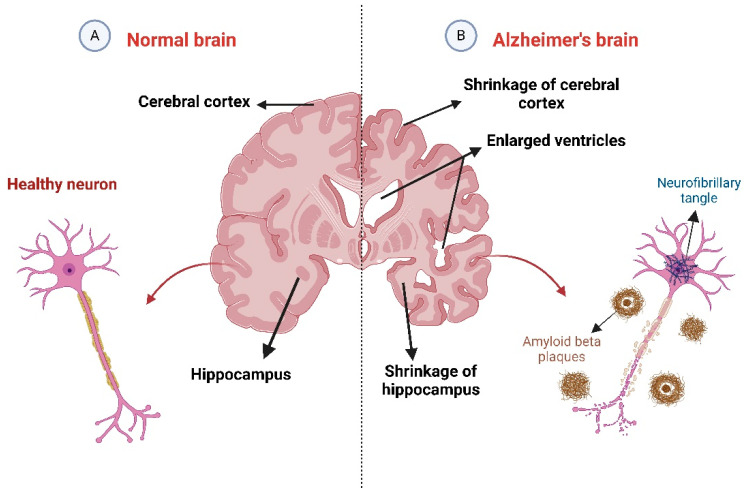
INTRODUCTION: Alzheimer's disease (AD) is a neurodegenerative disorder characterized by memory loss and cognitive decline, primarily due to dysfunction of acetylcholine caused by acetylcholinesterase and butyrylcholinesterase. While synthetic cholinesterase inhibitors like donepezil, rivastigmine, and galantamine are commonly used, they have notable side effects, prompting interest in natural alternatives. Medicinal plants, rich in bioactive compounds like flavonoids and alkaloids, have shown potential as cholinesterase inhibitors with additional antioxidants and anti-inflammatory benefits. This study aimed to evaluate the cholinesterase-inhibiting effects of various plant species and their compounds to identify new therapeutic candidates and reduce side effects. METHOD: A PRISMA-compliant review was conducted, screening studies from multiple databases, with a final inclusion of 64 in vivo studies. RESULTS: , which improved memory, reduced oxidative stress, and provided neuroprotection. Some extracts also reduced amyloid plaques, enhanced neuronal integrity, and restored cholinesterase activity, indicating their potential as therapeutic agents for AD and other neurodegenerative diseases. CONCLUSIONS: The findings underscore the promise of plant-based compounds in treating cognitive decline and cholinergic dysfunction in AD, advocating for further research into their therapeutic potential.
Overview
CoChat Summary
TL;DR
This PRISMA-guided systematic review assessed whether plant species and their components inhibit cholinesterase activity in Alzheimer’s-related neuron and animal models. It included 64 in vivo studies and concluded that many plant extracts and compounds reduced AChE and/or BChE activity while also improving memory, oxidative stress, and other neuroprotective outcomes.
Key findings
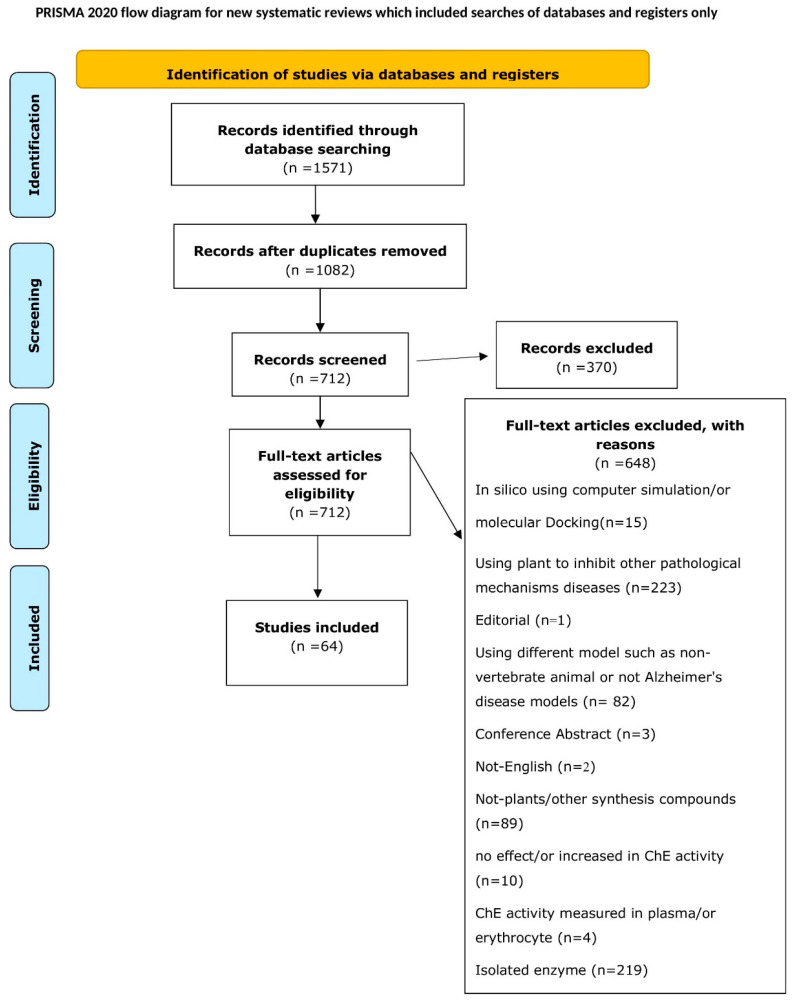
- The search yielded 1,571 records; after screening and eligibility assessment, 64 articles met inclusion criteria.
- Included studies were all in vivo animal models of Alzheimer’s disease or Alzheimer’s-like impairment, with scopolamine the most common inducer (n = 39), followed by AlCl3 (n = 9), Aβ (n = 6), STZ (n = 4), TMT (n = 2), transgenic dementia models (n = 2), H2O2 (n = 1), and 3-NPA (n = 1).
- Across the included studies, plant extracts and compounds frequently reduced AChE and/or BChE activity and improved cognition, including examples such as Ferula ammoniacum and Elaeagnus umbellata in scopolamine models, Canna indica and Centella asiatica in AlCl3 models, and Evolvulus alsinoides and Clitoria ternatea in STZ models.
- The review states that many extracts also showed antioxidant, anti-inflammatory, reduced amyloid plaque, and enhanced neuronal integrity effects, suggesting multitarget potential beyond cholinesterase inhibition.
Methods
- PRISMA-compliant systematic review with protocol registered in PROSPERO (CRD42025585536).
- Searched Medline (OvidSP), Embase (OvidSP), Web of Science Core Collection, PubMed, and Scopus from 29 August to 1 September 2024.
- Included original in vivo animal studies of Alzheimer’s disease or Alzheimer’s-like models assessing plant extracts or isolated compounds for direct effects on AChE and/or BChE; data were extracted by three independent reviewers and qualitatively synthesized.
Limitations
- The paper states that only in vivo animal studies were included; it excludes humans, in silico studies, molecular docking, isolated-enzyme studies, and studies without control groups, which limits direct clinical inference.
- The text makes evident that the evidence base is heterogeneous in models, species, plant materials, doses, and routes of administration, which likely limits comparability across studies (not stated explicitly as a limitation).
- The paper does not report a formal risk-of-bias or meta-analysis in the provided text, so the synthesis appears qualitative only (not stated in the paper).
Model-written summary. Check it against the paper before relying on it.
Integrity signals
Registry
Cites
Statistics
Figures
Verification
Claims the paper makes
33 Valid · 2 Not valid · 20 Not checked · 9 Own results and interpretations
At least one cited source doesn’t support this claim or points to a different paper, and none confirmed it — see the verdicts below.
In the paper
“AChE, responsible for the breakdown of ACh, is typically elevated in AD patients, especially in the cortex and hippocampus, contributing to cognitive impairment.”
§ Cholinesterase Inhibitors from Plants and Their Potential in Alzheimer’s Treatment: Systematic Review > 1. Introduction
What the sources say
- Disputedcites [6] Mushtaq G. Greig N. Khan J. Kamal M. Status of acetylcholinesterase and butyrylcholinesterase in Alzheimer’s disease and type 2 diabetes mellitus CNS Neurol. Disord. Drug Targets 2014 13 1432 1439 10.2174/1871527313666141023141545 25345511 PMC5878042 sourceExperimental — accuracy not yet measured
The Introduction says AChE levels fall by as much as 85% in certain brain areas in AD, while BuChE levels rise; it also reports a changed BuChE-to-AChE ratio in cortical areas. The section on targeting these enzymes likewise says AChE activity declines as AD progresses, contrary to the claim that AChE is typically elevated. (LLM, conf=0.91)
Checked by a reasoning model — may be wrong.
- Disputedcites [7] Nordberg A. Ballard C. Bullock R. Darreh-Shori T. Somogyi M. A review of butyrylcholinesterase as a therapeutic target in the treatment of Alzheimer’s disease Prim. Care Companion CNS Disord. 2013 15 26731 10.4088/PCC.12r01412 PMC3733526 23930233 sourceExperimental — accuracy not yet measured
The Results section on cholinesterase activity says AChE activity is decreased, not typically elevated, in certain AD brain regions. The section on expression also reports decreases in synaptic AChE and in a major AChE form in the hippocampus and cortex. Page numbers were not supplied. (LLM, conf=0.93)
Checked by a reasoning model — may be wrong.
plainstates a cause- Asserted: passes — The authors put it forward as true.
- Checkable: passes — It can be checked against evidence.
- Load-bearing: passes — The paper’s conclusions depend on it.
- Based: passes — The paper gives a reason why it holds.
- Disputed
The sources with a verdict support this claim; the rest weren’t checked yet, have no full text we could read, or their verdicts aren’t rated yet.
In the paper
“The diverse mechanisms through which these plant extracts exert their effects—ranging from ChE inhibition to antioxidant activity—suggested that they may serve as valuable adjuncts or alternatives to conventional pharmacological treatments for AD [103,104].”
§ Cholinesterase Inhibitors from Plants and Their Potential in Alzheimer’s Treatment: Systematic Review > 4. Discussion
What the sources say
- Not checked — no full text of the sourcecites [103] Jabir N. Khan F. Tabrez S. Cholinesterase targeting by polyphenols: A therapeutic approach for the treatment of Alzheimer’s disease CNS Neurosci. Ther. 2018 24 753 762 10.1111/cns.12971 29770579 PMC6489761 source
- Supportedcites [104] Andrade S. Ramalho M.J. Loureiro J.A. Pereira M.d.C. Natural Compounds for Alzheimer’s Disease Therapy: A Systematic Review of Preclinical and Clinical Studies Int. J. Mol. Sci. 2019 20 2313 10.3390/ijms20092313 31083327 PMC6539304 source
The Discussion describes plant-derived extracts as potential ways to treat AD through different therapeutic mechanisms. The clinical-trials section calls natural compounds an emerging approach to AD therapy and reports cognitive improvements with several plant extracts. This supports the hedged suggestion that such extracts may be therapeutic options, though it does not establish their effectiveness as adjuncts to conventional drugs. (LLM, conf=0.85)
hedgedstates a possible cause- Asserted: passes — The authors put it forward as true.
- Checkable: passes — It can be checked against evidence.
- Load-bearing: passes — The paper’s conclusions depend on it.
- Based: passes — The paper gives a reason why it holds.
- Rests on 2 assumptions not shown here.
Every source the paper cites for this claim was checked and supports it.
In the paper
“essential oils from Pistacia khinjuk leaves (PKEO) and Allium sativum cloves (ASEO) showed strong AChE and BChE inhibitory effects in rats, suggesting their potential as treatments for Alzheimer’s [82].”
§ Cholinesterase Inhibitors from Plants and Their Potential in Alzheimer’s Treatment: Systematic Review > 3. Results > 3.4. Neuroprotective Effects of Plant Extracts and Essential Oils in Amyloid Beta (Aβ)-Induced Alzheimer’s Disease Models Various plant extracts and essential oils have demonstrated neuroprotective effects against Alzheimer’s-like symptoms by modulating AChE activity and enhancing cognitive function. Chamaecyparis obtusa essential oil (1 mL/cage via inhalation) in rats exhibited cognitive improvement, decreased AChE activity, and prevented neuronal apoptosis after Aβ-induced damage [77]. Bacopa monnieri extract (40–80 mg/kg) reduced Alzheimer’s-like symptoms in Aβ42-injected rats by improving cognitive function, preserving hippocampal neurons, modulating the GSK-3β/Wnt/β-catenin pathway, and significantly decreasing AChE activity at 80 mg/kg [78]. Pinus densiflora extract (15–30 mg/kg) improved cognitive function and reduced AChE activity, while increasing antioxidant levels, reducing neuroinflammation, and enhancing mitochondrial activity in Aβ-treated ICR mice [79]. Cistanche tubulosa aqueous extract (100–200 mg/kg) improved cognitive function, reduced amyloid deposition, and reversed cholinergic and dopaminergic dysfunction, with the 200 mg/kg dose significantly decreasing cortical AChE activity in Aβ-infused rats [80]. Blueberry leaf extract (ethyl acetate fraction, 5–20 mg/kg) alleviated Aβ-induced memory impairment by inhibiting AChE activity and oxidative stress in Aβ-treated mice [81]. Additionally, essential oils from Pistacia khinjuk leaves (PKEO) and Allium sativum cloves (ASEO) showed strong AChE and BChE inhibitory effects in rats, suggesting their potential as treatments for Alzheimer’s [82].
What the sources say
- Supportedcites [82] Ghajarbeygi P. Hajhoseini A. Hosseini M.S. Sharifan A. An in vitro and in vivo cholinesterase inhibitory activity of Pistacia khinjuk and Allium sativum essential oils J. Pharmacopunct. 2019 22 231 238 10.3831/KPI.2019.22.031 PMC6970573 31970020 source
The Abstract Conclusion describes PKEO and ASEO as potent AChE and BChE inhibitors in rats and says they hold promise for Alzheimer’s disease treatment. The Results also report that both oils reduced enzyme activity in rats, while the Conclusion identifies the oils as derived from P. khinjuk leaves and A. sativum cloves. (LLM, conf=0.93)
boostedstates a cause- Asserted: passes — The authors put it forward as true.
- Checkable: passes — It can be checked against evidence.
- Load-bearing: unclear — It is unclear whether the paper’s conclusions depend on it.
- Based: passes — The paper gives a reason why it holds.
- Supported
The cited sources support only part of this claim — read each source’s verdict below.
In the paper
“Phytochemicals like alkaloids, flavonoids, and terpenoids have demonstrated potential in addressing neurodegenerative diseases (NNDs), including AD, by combating oxidative stress, minimizing inflammation, and protecting neurons [13,14].”
§ Cholinesterase Inhibitors from Plants and Their Potential in Alzheimer’s Treatment: Systematic Review > 1. Introduction
What the sources say
- Supportedcites [13] Riaz M. Khalid R. Afzal M. Anjum F. Fatima H. Zia S. Rasool G. Egbuna C. Mtewa A.G. Uche C.Z. Phytobioactive compounds as therapeutic agents for human diseases: A review Food Sci. Nutr. 2023 11 2500 2529 10.1002/fsn3.3308 37324906 PMC10261751 source
The Alkaloids section describes berberine’s antineurodegenerative potential, attenuation of neuroinflammation, and protection of neurons. The Polyphenols section links the flavonoid quercetin to potential treatment of Alzheimer’s disease, while the Terpenes section describes neuroprotective, anti-inflammatory, and oxidative-stress-inhibiting effects. Page numbers are not provided in our copy. (LLM, conf=0.88)
- Partly supportedcites [14] Sun W. Shahrajabian M.H. Therapeutic Potential of Phenolic Compounds in Medicinal Plants-Natural Health Products for Human Health Molecules 2023 28 1845 10.3390/molecules28041845 36838831 PMC9960276 sourceExperimental — accuracy not yet measured
The Resveratrol section (no page supplied) reports neuroprotective effects through antioxidant and anti-inflammatory pathways and potential application to Alzheimer’s disease; the Conclusions also identify neuroprotective potential among the benefits of phenolic compounds. But the paper does not extend that neurodegenerative-disease claim to all three named groups: its Introduction mentions alkaloids and terpenoids in connection with diabetes, not neuronal protection. (LLM, conf=0.88)
boostedstates a cause- Asserted: passes — The authors put it forward as true.
- Checkable: passes — It can be checked against evidence.
- Load-bearing: unclear — It is unclear whether the paper’s conclusions depend on it.
- Based: passes — The paper gives a reason why it holds.
- Supported
The cited sources support only part of this claim — read each source’s verdict below.
In the paper
“Additionally, increased BChE activity, especially in the hippocampus and temporal cortex, may exacerbate this cognitive decline by promoting amyloid-beta aggregation and plaque formation, which are key features of AD [94,95].”
§ Cholinesterase Inhibitors from Plants and Their Potential in Alzheimer’s Treatment: Systematic Review > 4. Discussion
What the sources say
- Partly supportedcites [94] Asik R.M. Suganthy N. Palanisamy P. Abdul-Kader A.M. Archunan G. Antioxidant and Cholinesterase Inhibitory Activities of Ethyl Acetate Extract of Terminalia chebula: Cell-Free in Vitro and in Silico Studies Pharmacogn. Mag. 2017 13 437 10.4103/pm.pm_57_17 PMC5669079 29142396 sourceExperimental — accuracy not yet measured
The Results and Discussion section says BuChE levels rise as Alzheimer’s disease progresses and links BuChE to plaque changes and neuronal degeneration. It does not locate increased BuChE activity in the hippocampus or temporal cortex; its hippocampus passage concerns AChE instead. The source therefore supports the general BuChE–plaque link, but not the claim’s anatomical specificity. (LLM, conf=0.88)
- Partly supportedcites [95] Markowicz-Piasecka M. Sikora J. Mateusiak Ł. Mikiciuk-Olasik E. Huttunen K.M. Metformin and Its Sulfenamide Prodrugs Inhibit Human Cholinesterase Activity Oxid. Med. Cell. Longev. 2017 2017 7303096 10.1155/2017/7303096 28770024 PMC5523189 sourceExperimental — accuracy not yet measured
The Discussion (page not provided) says BuChE activity increases as Alzheimer’s disease progresses and reports that BuChE inhibition in aged rats improved cognitive function and decreased amyloid deposits. It does not identify the hippocampus or temporal cortex as sites of increased BuChE activity, or say that BuChE promotes amyloid-beta aggregation and plaque formation. (LLM, conf=0.85)
hedgedstates a possible cause- Asserted: passes — The authors put it forward as true.
- Checkable: passes — It can be checked against evidence.
- Load-bearing: passes — The paper’s conclusions depend on it.
- Based: passes — The paper gives a reason why it holds.
- Partly supported
14 more claims · 1 with their cited sources checked
Create a free account to see all 64 claims and to verify the 1 reference still open.
- It may state two separate claims as one. 40
- The quote only partly states this claim. 1
- Probably not a substantial claim. 8
Citations
Cites
The PRISMA 2020 statement: An updated guideline for reporting systematic reviews
Page, M. J., McKenzie, J. E., Bossuyt, P. M., Boutron, I., Hoffmann, T. C., Mulrow, C. D., Shamseer, L., Tetzlaff, J. M., Akl, E. A., Brennan, S. E., et al. (2021) · BMJ · doi:10.1136/bmj.n71 · Cited by 108,283
The PRISMA 2020 statement: an updated guideline for reporting systematic reviews
Page, M. J., McKenzie, J. E., Bossuyt, P. M., Boutron, I., Hoffmann, T. C., Mulrow, C. D., Shamseer, L., Tetzlaff, J. M., Akl, E. A., Brennan, S. E., et al. (2021) · Systematic Reviews · doi:10.1186/s13643-021-01626-4 · Cited by 13,874
Page, M. J., Moher, D., Bossuyt, P. M., Boutron, I., Hoffmann, T. C., Mulrow, C. D., Shamseer, L., Tetzlaff, J. M., Akl, E. A., Brennan, S. E., et al. (2021) · BMJ · doi:10.1136/bmj.n160 · Cited by 13,262 · cited 1×
“This study was performed according to the standards of the Preferred Reporting Items for Systematic Reviews and Meta-Analyses (PRISMA) (Table S1) [23,24].”
Alzheimer Disease: An Update on Pathobiology and Treatment Strategies
Long, J. M., & Holtzman, D. M. (2019) · Cell · doi:10.1016/j.cell.2019.09.001 · Cited by 3,204
Comprehensive Review on Alzheimer’s Disease: Causes and Treatment
Breijyeh, Z., & Karaman, R. (2020) · Molecules · doi:10.3390/molecules25245789 · Cited by 2,789 · cited 1×
“AD is characterized by neurodegeneration due to neuronal cell death, starting in the entorhinal cortex of the hippocampus, primarily affecting individuals aged 65 and older [1].”
Plant-Derived Natural Products: A Source for Drug Discovery and Development
Chaachouay, N., & Zidane, L. (2024) · Drugs and Drug Candidates · doi:10.3390/ddc3010011 · Cited by 1,081 · cited 1×
“These plants are a source of bioactive compounds with potential pharmacological benefits, including antibacterial, anti-inflammatory, and neuroprotective effects [11,12].”
Sun, W., & Shahrajabian, M. H. (2023) · Molecules · doi:10.3390/molecules28041845 · Cited by 806 · cited 1×
“Phytochemicals like alkaloids, flavonoids, and terpenoids have demonstrated potential in addressing neurodegenerative diseases (NNDs), including AD, by combating oxidative stress, minimizing inflammation, and protecting neurons [13,14].”
Alzheimer’s disease hypothesis and related therapies
Du, X., Wang, X., & Geng, M. (2018) · Translational Neurodegeneration · doi:10.1186/s40035-018-0107-y · Cited by 607 · cited 2×
“The main pathological features include amyloid beta (A β ) accumulation, tau pathology, and cholinergic dysfunction [4,5].”
Drug treatments in Alzheimer’s disease
Briggs, R., Kennelly, S. P., & O’Neill, D. (2016) · Clinical Medicine · doi:10.7861/clinmedicine.16-3-247 · Cited by 571 · cited 2×
“It is used for moderate-to-severe AD and can be combined with ChEIs to improve cognitive function [8–10].”
Kwon, S.-H., Lee, H.-K., Kim, J.-A., Hong, S.-I., Kim, H.-C., Jo, T.-H., Park, Y.-I., Lee, C.-K., Kim, Y.-B., Lee, S.-Y., et al. (2010) · European Journal of Pharmacology · doi:10.1016/j.ejphar.2010.09.001 · Cited by 437 · cited 1×
“Moreover, chlorogenic acid extract demonstrated neuroprotective effects by reducing AChE activity, oxidative stress, and memory impairment, while wild ginseng also improved learning and reduced cholinergic loss and AChE activity in the hippocampus [57,58].”
Santos, T. C. D., Gomes, T. M., Pinto, B. A. S., Camara, A. L., & Paes, A. M. D. A. (2018) · Frontiers in Pharmacology · doi:10.3389/fphar.2018.01192 · Cited by 389
Pathogenesis, diagnostics, and therapeutics for Alzheimer's disease: Breaking the memory barrier
Kamatham, P. T., Shukla, R., Khatri, D. K., & Vora, L. K. (2024) · Ageing Research Reviews · doi:10.1016/j.arr.2024.102481 · Cited by 371 · cited 3×
“Early symptoms include memory problems, sleep issues, and mood disorders, progressing to difficulties in walking and communicating in later stages [4].”
Phytobioactive compounds as therapeutic agents for human diseases: A review
Riaz, M., Khalid, R., Afzal, M., Anjum, F., Fatima, H., Zia, S., Rasool, G., Egbuna, C., Mtewa, A. G., Uche, C. Z., et al. (2023) · Food Science & Nutrition · doi:10.1002/fsn3.3308 · Cited by 355
Mushtaq, G., Greig, N., Khan, J., & Kamal, M. (2014) · CNS & Neurological Disorders - Drug Targets · doi:10.2174/1871527313666141023141545 · Cited by 331
A review of butyrylcholinesterase as a therapeutic target in the treatment of Alzheimer’s disease
Nordberg, A., Ballard, C., Bullock, R., Darreh-Shori, T., & Somogyi, M. (2013) · The Primary Care Companion For CNS Disorders · doi:10.4088/pcc.12r01412 · Cited by 323 · cited 2×
“BuChE, although less prominent in healthy brains, increases in AD, particularly in regions affected by amyloid pathology, potentially compensating for the loss of cholinergic neurons [6,7].”
A comparative study in rodents of standardized extracts of Bacopa monniera and Ginkgo biloba
Das, A., Shanker, G., Nath, C., Pal, R., Singh, S., & Singh, H. K. (2002) · Pharmacology Biochemistry and Behavior · doi:10.1016/s0091-3057(02)00940-1 · Cited by 264
Andrade, S., Ramalho, M. J., Loureiro, J. A., & Pereira, M. D. C. (2019) · International Journal of Molecular Sciences · doi:10.3390/ijms20092313 · Cited by 240 · cited 1×
“The diverse mechanisms through which these plant extracts exert their effects—ranging from ChE inhibition to antioxidant activity—suggested that they may serve as valuable adjuncts or alternatives to conventional pharmacological treatments for AD [103,104].”
Anti-Alzheimer’s Studies on β-Sitosterol Isolated from Polygonum hydropiper L.
Ayaz, M., Junaid, M., Ullah, F., Subhan, F., Sadiq, A., Ali, G., Ovais, M., Shahid, M., Ahmad, A., Wadood, A., et al. (2017) · Frontiers in Pharmacology · doi:10.3389/fphar.2017.00697 · Cited by 220 · cited 1×
“In a double-transgenic Alzheimer’s model, β -sitosterol (10 mg/kg) from Polygonum hydropiper enhanced memory and motor coordination and reduced AChE and BChE activity, indicating its neuroprotective potential [85].”
Structural Aspects of Flavonoids as Inhibitors of Human Butyrylcholinesterase
Katalinić, M., Rusak, G., Domaćinović Barović, J., Šinko, G., Jelić, D., Antolović, R., & Kovarik, Z. (2010) · European Journal of Medicinal Chemistry · doi:10.1016/j.ejmech.2009.09.041 · Cited by 206
Jabir, N. R., Khan, F. R., & Tabrez, S. (2018) · CNS Neuroscience & Therapeutics · doi:10.1111/cns.12971 · Cited by 187 · cited 1×
“The diverse mechanisms through which these plant extracts exert their effects—ranging from ChE inhibition to antioxidant activity—suggested that they may serve as valuable adjuncts or alternatives to conventional pharmacological treatments for AD [103,104].”
Fisetin Reduces the Impact of Aging on Behavior and Physiology in the Rapidly Aging SAMP8 Mouse
Currais, A., Farrokhi, C., Dargusch, R., Armando, A., Quehenberger, O., Schubert, D., & Maher, P. (2018) · The Journals of Gerontology: Series A · doi:10.1093/gerona/glx104 · Cited by 133 · cited 1×
“Many of the extracts not only inhibited ChE activity but also exhibited antioxidant properties, thereby reducing oxidative stress—a key factor in the pathogenesis of NDDs [98,99].”
Sharifi-Rad, J., Rapposelli, S., Sestito, S., Herrera-Bravo, J., Arancibia-Diaz, A., Salazar, L. A., Yeskaliyeva, B., Beyatli, A., Leyva-Gómez, G., González-Contreras, C., et al. (2022) · Journal of Personalized Medicine · doi:10.3390/jpm12091515 · Cited by 125
An update on the novel and approved drugs for Alzheimer disease
Alhazmi, H. A., & Albratty, M. (2022) · Saudi Pharmaceutical Journal · doi:10.1016/j.jsps.2022.10.004 · Cited by 122
Cholinesterase inhibitors from botanicals
Ahmed, F., Ghalib, R. M., Sasikala, P., & Ahmed, K. M. (2013) · Pharmacognosy Reviews/Bioinformatics Trends/Pharmacognosy review · doi:10.4103/0973-7847.120511 · Cited by 121 · cited 1×
“The decline in ACh levels due to increased AChE activity is a hallmark of AD, contributing to cognitive decline and memory impairment [16].”
Lee, J.-S., Kim, H.-G., Lee, H.-W., Han, J.-M., Lee, S.-K., Kim, D.-W., Saravanakumar, A., & Son, C.-G. (2015) · Scientific Reports · doi:10.1038/srep09651 · Cited by 110
Hoffmann, M., Stiller, C., Endres, E., Scheiner, M., Gunesch, S., Sotriffer, C., Maurice, T., & Decker, M. (2019) · Journal of Medicinal Chemistry · doi:10.1021/acs.jmedchem.9b01012 · Cited by 105 · cited 1×
“Notably, during the progression of AD, BChE activity can increase significantly, potentially contributing to the aggregation of amyloid beta-peptides and the formation of senile plaques, which are characteristic of the disease [90,91].”
El-Hawary, S. S., Sobeh, M., Badr, W. K., Abdelfattah, M. A. O., Ali, Z. Y., El-Tantawy, M. E., Rabeh, M. A., & Wink, M. (2020) · Saudi Journal of Biological Sciences · doi:10.1016/j.sjbs.2020.07.003 · Cited by 102
Taqui, R., Debnath, M., Ahmed, S., & Ghosh, A. (2021) · Phytomedicine Plus · doi:10.1016/j.phyplu.2021.100184 · Cited by 99
Marrelli, M. (2021) · Plants · doi:10.3390/plants10071355 · Cited by 91
Multitarget drugs of plants origin acting on Alzheimer’s disease
Russo, P., Frustaci, A., Del Bufalo, A., Fini, M., & Cesario, A. (2013) · Current Medicinal Chemistry · doi:10.2174/0929867311320130008 · Cited by 88 · cited 1×
“For example, galantamine and rivastigmine (ChEIs), two FDA-approved drugs for AD, are derived from natural sources, highlighting the importance of traditional medicine in modern therapeutic strategies [18–20].”
Plant Terpenoids as the Promising Source of Cholinesterase Inhibitors for Anti-AD Therapy
Min, S. L. S., Liew, S. Y., Chear, N. J., Goh, B. H., Tan, W., & Khaw, K. Y. (2022) · Biology · doi:10.3390/biology11020307 · Cited by 86 · cited 1×
“This study supported recent review studies, highlighting the potential of plant extracts and their isolated active compounds with anti-cholinesterase properties in advancing drug discovery for AD [100–102].”
Wu, C.-R., Lin, H.-C., & Su, M.-H. (2014) · BMC Complementary and Alternative Medicine · doi:10.1186/1472-6882-14-202 · Cited by 85 · cited 1×
“Cistanche tubulosa aqueous extract (100–200 mg/kg) improved cognitive function, reduced amyloid deposition, and reversed cholinergic and dopaminergic dysfunction, with the 200 mg/kg dose significantly decreasing cortical AChE activity in A β -infused rats [80].”
Non-Alkaloid Cholinesterase Inhibitory Compounds from Natural Sources
Tamfu, A. N., Küçükaydın, S., Yeskaliyeva, B. K., Öztürk, M., & Dinică, R. M. (2021) · Molecules · doi:10.3390/molecules26185582 · Cited by 80 · cited 1×
“This study supported recent review studies, highlighting the potential of plant extracts and their isolated active compounds with anti-cholinesterase properties in advancing drug discovery for AD [100–102].”
Arora, R., Kumar, R., Agarwal, A., Reeta, K. H., & Gupta, Y. K. (2018) · Biomedicine & Pharmacotherapy · doi:10.1016/j.biopha.2018.05.156 · Cited by 73
(2012) · PubMed · Cited by 68
Singh, V., Kahol, A., Singh, I. P., Saraf, I., & Shri, R. (2016) · Journal of Ethnopharmacology · doi:10.1016/j.jep.2016.10.026 · Cited by 64 · cited 1×
“Further investigations into extracts from Ocimum basilicum , Lavandula stoechas , Schisan-dra chinensis, and Ginkgo biloba have highlighted their neuroprotective effects, with significant reductions in AChE activity ( p 0.001) and improvements in memory and oxidative stress markers [49–53].”
InfluentialXu, P., Wang, K., Lu, C., Dong, L., Gao, L., Yan, M., Aibai, S., & Liu, X. (2016) · Journal of Ethnopharmacology · doi:10.1016/j.jep.2016.08.030 · Cited by 64
Nagori, K., Nakhate, K. T., Yadav, K., Ajazuddin, & Pradhan, M. (2023) · Future Pharmacology · doi:10.3390/futurepharmacol3040053 · Cited by 61
Identification of Compounds for Butyrylcholinesterase Inhibition
Li, S., Li, A. J., Travers, J., Xu, T., Sakamuru, S., Klumpp-Thomas, C., Huang, R., & Xia, M. (2021) · SLAS Discovery · doi:10.1177/24725552211030897 · Cited by 60 · cited 2×
“Therefore, the identification of natural compounds that can inhibit both AChE and BChE represents a promising therapeutic strategy for AD, as it may help restore cholinergic function and mitigate the neurodegenerative processes associated with this condition [92,93].”
Nazir, N., Zahoor, M., Nisar, M., Karim, N., Latif, A., Ahmad, S., & Uddin, Z. (2020) · BMC Complementary Medicine and Therapies · doi:10.1186/s12906-020-02942-3 · Cited by 57
Recent Advances in Therapeutics for the Treatment of Alzheimer’s Disease
Thawabteh, A. M., Ghanem, A. W., AbuMadi, S., Thaher, D., Jaghama, W., Karaman, D., & Karaman, R. (2024) · Molecules · doi:10.3390/molecules29215131 · Cited by 56
Ayaz, M., Mosa, O. F., Nawaz, A., Hamdoon, A. A. E., Elkhalifa, M. E. M., Sadiq, A., Ullah, F., Ahmed, A., Kabra, A., Khan, H. Z., et al. (2023) · Phytomedicine · doi:10.1016/j.phymed.2023.155272 · Cited by 56 · cited 2×
“The diversity of plant compounds makes them valuable sources for developing new treatments for AD, offering a holistic approach with fewer side effects compared to synthetic drugs [15,18].”
Kouémou, N. E., Taiwe, G. S., Moto, F. C. O., Pale, S., Ngoupaye, G. T., Njapdounke, J. S. K., Nkantchoua, G. C. N., Pahaye, D. B., & Bum, E. N. (2017) · Frontiers in Pharmacology · doi:10.3389/fphar.2017.00847 · Cited by 55
Walnut Oil Prevents Scopolamine-Induced Memory Dysfunction in a Mouse Model
Liao, J., Nai, Y., Feng, L., Chen, Y., Li, M., & Xu, H. (2020) · Molecules · doi:10.3390/molecules25071630 · Cited by 53 · cited 1×
“Moreover, Sapindus laurifolia and walnut oil significantly reduced oxidative stress and AChE levels ( p 0.001) [36,37].”
InfluentialSaleem, U., Akhtar, R., Anwar, F., Shah, M. A., Chaudary, Z., Ayaz, M., & Ahmad, B. (2021) · Metabolic Brain Disease · doi:10.1007/s11011-021-00683-x · Cited by 53 · cited 1×
“Malva neglecta methanolic extract (200–600 mg/kg) and Tecoma stans extract (200–400 mg/kg) both improved cognition, reduced AChE activity, and alleviated oxidative stress in AlCl 3 -treated mice [70,71].”
Ishola, I. O., Tota, S., Adeyemi, O. O., Agbaje, E. O., Narender, T., & Shukla, R. (2013) · Pharmaceutical Biology · doi:10.3109/13880209.2013.767360 · Cited by 51 · cited 1×
“Studies on the methanolic extracts of Bergenia ciliata , Cnestis ferruginea , and Emblica officinalis also reported significant reductions in AChE activity and improvements in cognitive functions [54–56].”
Qu, Z., Zhang, J., Yang, H., Gao, J., Chen, H., Liu, C., & Gao, W. (2017) · Journal of Agricultural and Food Chemistry · doi:10.1021/acs.jafc.6b04597 · Cited by 46 · cited 1×
“Finally, Nine-Herb Decoction, containing various plant extracts, and Prunella vulgaris aqueous extract have also exhibited protective effects against SCO-induced memory impairments by inhibiting AChE activity [62,63].”
KIM, J. K., BAE, H., KIM, M.-J., CHOI, S. J., CHO, H. Y., HWANG, H.-J., KIM, Y. J., LIM, S. T., KIM, E. K., KIM, H. K., et al. (2009) · Bioscience, Biotechnology, and Biochemistry · doi:10.1271/bbb.80859 · Cited by 44 · cited 1×
“In TMT-induced memory impairment models, Poncirus trifoliata extract (400–1200 mg/kg) improved learning and memory and reduced AChE activity, highlighting its potential for NDDs [83].”
Bonesi, M., Loizzo, M. R., Conforti, F., PASSALACQUA, N. G., Saab, A. M., Menichini, F., & Tundis, R. (2013) · Journal of Pharmacy and Pharmacology · doi:10.1111/jphp.12172 · Cited by 43
Barai, P., Raval, N., Acharya, S., & Acharya, N. (2018) · Biomedicine & Pharmacotherapy · doi:10.1016/j.biopha.2018.03.115 · Cited by 43 · cited 1×
“Similarly, Bergenia ciliata methanolic extract (125–500 mg/kg) normalized AChE and BuChE activities in STZ-treated rats, highlighting its potential as a therapeutic agent for AD [76].”
Chen, H.-W., He, X.-H., Yuan, R., Wei, B.-J., Chen, Z., Dong, J.-X., & Wang, J. (2016) · Fitoterapia · doi:10.1016/j.fitote.2016.03.011 · Cited by 41 · cited 1×
“Valeriana officinalis extracts, particularly volvalerenic acid K, inhibited AChE activity in a dose-dependent manner and improved learning and memory in APPswe/PS1E9 double-transgenic mice [86].”
Uddin, M. J., Russo, D., Rahman, M. M., Uddin, S. B., Halim, M. A., Zidorn, C., & Milella, L. (2021) · Evidence-based Complementary and Alternative Medicine · doi:10.1155/2021/9995614 · Cited by 40 · cited 1×
“Therefore, the ability of these plant-derived compounds to inhibit both AChE and BChE indicates a promising therapeutic strategy for restoring cholinergic function and alleviating cognitive impairments associated with AD [96,97].”
Singh, V., Kaur, K., Kaur, S., Shri, R., Singh, T. G., & Singh, M. (2022) · Journal of Ethnopharmacology · doi:10.1016/j.jep.2022.115438 · Cited by 40 · cited 1×
“Further investigations into extracts from Ocimum basilicum , Lavandula stoechas , Schisan-dra chinensis, and Ginkgo biloba have highlighted their neuroprotective effects, with significant reductions in AChE activity ( p 0.001) and improvements in memory and oxidative stress markers [49–53].”
InfluentialEffect of wild ginseng on scopolamine-induced acetylcholine depletion in the rat hippocampus
Lee, B., Park, J., Kwon, S., Park, M.-W., Oh, S.-M., Yeom, M.-J., Shim, I., Lee, H.-J., & Hahm, D.-H. (2010) · Journal of Pharmacy and Pharmacology · doi:10.1211/jpp.62.02.0015 · Cited by 40
Mehla, J., Pahuja, M., Dethe, S. M., Agarwal, A., & Gupta, Y. K. (2012) · Neurochemistry International · doi:10.1016/j.neuint.2012.07.022 · Cited by 36 · cited 2×
“For example, Evolvulus alsinoides and Clitoria ternatea exhibited significant AChE inhibition and cognitive improvement in STZ-treated rats, indicating their potential as therapeutic agents for AD [73,74].”
Bae, D., Seol, H., Yoon, H.-G., Na, J.-R., Oh, K., Choi, C. Y., Lee, D.-W., Jun, W., Youl Lee, K., Lee, J., et al. (2012) · Pharmaceutical Biology · doi:10.3109/13880209.2011.642886 · Cited by 35 · cited 2×
“Furthermore, essential oils and extracts from Chamaecyparis obtusa and Bacopa monnieri had shown promise in ameliorating A β -induced cognitive deficits, further supporting the role of phytochemicals in neuroprotection [77,78].”
Aluminum-induced molecular neurodegeneration: The protective role of genistein and chickpea extract
Wahby, M. M., Mohammed, D. S., Newairy, A. A., Abdou, H. M., & Zaky, A. (2017) · Food and Chemical Toxicology · doi:10.1016/j.fct.2017.05.044 · Cited by 35 · cited 1×
“Moreover, genistein and chickpea ethanol extracts (10 mg/kg) mitigated AlCl 3 - induced neurotoxicity by reducing AChE activity, inflammation, and oxidative stress [67].”
Karthivashan, G., Kweon, M.-H., Park, S.-Y., Kim, J.-S., Kim, D.-H., Ganesan, P., & Choi, D.-K. (2019) · Food and Chemical Toxicology · doi:10.1016/j.fct.2019.04.062 · Cited by 34 · cited 1×
“B), at doses of 10–20 mg/kg significantly decreased AChE levels in both the hippocampus and cortical regions compared to the scopolamine-treated group ( p 0.05) [27].”
InfluentialDeng, G., Wu, C., Rong, X., Li, S., Ju, Z., Wang, Y., Ma, C., Ding, W., Guan, H., Cheng, X., et al. (2019) · Phytomedicine · doi:10.1016/j.phymed.2019.153007 · Cited by 34
Oboh, G., Adedayo, B. C., Adetola, M. B., Oyeleye, I. S., & Ogunsuyi, O. B. (2022) · Drug and Chemical Toxicology · doi:10.1080/01480545.2020.1773845 · Cited by 33 · cited 2×
“In addition, the administration of Vernonia amygdalina alkaloid-rich extract (BLAE) at doses of 100 and 200 mg/kg showed a protective effect by reducing AChE and BChE activity, which were elevated by scopo-lamine [29].”
Metformin and Its Sulfenamide Prodrugs Inhibit Human Cholinesterase Activity
Markowicz-Piasecka, M., Sikora, J., Mateusiak, Ł., Mikiciuk-Olasik, E., & Huttunen, K. M. (2017) · Oxidative Medicine and Cellular Longevity · doi:10.1155/2017/7303096 · Cited by 32
Lobine, D., Sadeer, N., Jugreet, S., Suroowan, S., Keenoo, B. S., Imran, M., Venugopala, K. N., Ibrahim, F. M., Zengin, G., & Mahomoodally, M. F. (2021) · Current Neuropharmacology · doi:10.2174/1570159x19666210412095251 · Cited by 32 · cited 1×
“Moreover, many plant extracts showed multitarget effects in AD treatment by addressing amyloid plaques, tau aggregation, oxidative stress, inflammation, cholinergic dysfunction, and excitotoxicity, while generally demonstrating safety and low toxicity or no toxicity in studies [18,21,22].”
Abd El-Aziz, N. M. A., Shehata, M. G., Alsulami, T., Badr, A. N., Elbakatoshy, M. R., Ali, H. S., & El-Sohaimy, S. A. (2022) · Pharmaceuticals · doi:10.3390/ph16010012 · Cited by 31 · cited 1×
“Orange peel extract (100–200 mg/kg) also significantly decreased AChE activity and mRNA expression and protected brain tissue by decreasing oxidative stress in AlCl 3 -treated rats [69].”
Nazir, N., Nisar, M., Zahoor, M., Uddin, F., Ullah, S., Ullah, R., Ansari, S. A., Mahmood, H. M., Bari, A., & Alobaid, A. (2021) · Brain Sciences · doi:10.3390/brainsci11020259 · Cited by 30 · cited 2×
“For instance, the administration of ethyl acetate extract of Ferula ammoniacum and hydro-methanolic extract of Elaeagnus umbellata significantly reduced AChE and BChE activity in the cortex and hippocampus, enhancing memory performance [25,26].”
Mehla, J., Pahuja, M., Gupta, P., Dethe, S., Agarwal, A., & Gupta, Y. K. (2013) · Psychopharmacology · doi:10.1007/s00213-013-3185-7 · Cited by 29 · cited 2×
“For example, Evolvulus alsinoides and Clitoria ternatea exhibited significant AChE inhibition and cognitive improvement in STZ-treated rats, indicating their potential as therapeutic agents for AD [73,74].”
Brinza, I., Ayoub, I. M., Eldahshan, O. A., & Hritcu, L. (2021) · Plants · doi:10.3390/plants10061245 · Cited by 29 · cited 1×
“…Nepeta nuda, Indigofera sessiliflora, Dendropanax morbifera , Pinus densiflora , Dichrocephala integrifolia , Alnus rugosa , Salvia moorcroftiana , and Sanguisorba minor have similarly reported reduced AChE activity and enhanced cognitive function in SCO-induced memory impairment models [40–47].”
Pruthi, S., Kaur, K., Singh, V., & Shri, R. (2021) · Metabolic Brain Disease · doi:10.1007/s11011-021-00687-7 · Cited by 28
Ravichandran, V. A., Kim, M., Han, S. K., & Cha, Y. S. (2018) · Nutrients · doi:10.3390/nu10070917 · Cited by 28 · cited 1×
“The ethanolic extract of Stachys sieboldii (250 and 500 mg/kg) improved memory, reduced AChE activity, increased acetylcholine (ACh) and antioxidant enzyme catalase (CAT) levels, and enhanced neuroplasticity in rats and mice, suggesting neuroprotective effects [48].”
Suryavanshi, J., Prakash, C., & Sharma, D. (2022) · Metabolic Brain Disease · doi:10.1007/s11011-022-00998-3 · Cited by 27 · cited 2×
“Asiatic acid (AA) from Centella asiatica (75 mg/kg) enhanced antioxidant activity and reduced AChE activity, oxidative stress, and brain damage, especially in the cortex and hippocampus of AlCl 3 -exposed rats ( p ≤ 0.05 and p ≤ 0.01, respectively) [66].”
InfluentialGuesmi, F., Bellamine, H., & Landoulsi, A. (2018) · Applied Physiology, Nutrition, and Metabolism · doi:10.1139/apnm-2018-0107 · Cited by 27 · cited 1×
“In H 2 O 2 -treated rats, oral administration of hydrophobic fractions from Thymus alge-riensis (180 mg/kg/day) significantly reduced elevated ROS and AChE levels, alleviating neuronal degeneration and restoring AChE activity to near control levels ( p 0.05) [87].”
InfluentialSadeghi, M., Seyedebrahimi, S., Ghanadian, M., & Miroliaei, M. (2024) · Current Research in Structural Biology · doi:10.1016/j.crstbi.2024.100146 · Cited by 26 · cited 1×
“Therefore, the ability of these plant-derived compounds to inhibit both AChE and BChE indicates a promising therapeutic strategy for restoring cholinergic function and alleviating cognitive impairments associated with AD [96,97].”
Jeong, H. R., Jo, Y. N., Jeong, J. H., Kim, H. J., Kim, M.-J., & Heo, H. J. (2013) · Journal of Medicinal Food · doi:10.1089/jmf.2013.2881 · Cited by 26
Palit, P., Mukherjee, D., & Mandal, S. C. (2015) · Journal of Ethnopharmacology · doi:10.1016/j.jep.2014.09.008 · Cited by 25 · cited 1×
“Other notable plant extracts, such as Gelsemium sempervirens , Diospyros lotus , and Lavandula angustifolia , have demonstrated improved cognitive performance and significant reductions in AChE activity, further supporting their potential neuroprotective benefits [59–61].”
Ojha, P. S., Biradar, P. R., Tubachi, S., & Patil, V. S. (2023) · Advances in Traditional Medicine · doi:10.1007/s13596-021-00627-x · Cited by 24 · cited 2×
“For instance, oral administration of three Canna indica extracts (derived from aerial parts, roots, and a combination of both) at 200 mg/kg significantly reduced AChE levels in the cortex and hippocampus ( p 0.001) and BChE levels in the cortex ( p 0.0001) [64].”
InfluentialHosseini, Z., Mansouritorghabeh, F., Kakhki, F. S. H., Hosseini, M., Rakhshandeh, H., Hosseini, A., Hasanpour, M., Iranshahi, M., & Rajabian, A. (2022) · Metabolic Brain Disease · doi:10.1007/s11011-021-00898-y · Cited by 24
Ghajarbeygi, P., Hajhoseini, A., Hosseini, M.-S., & Sharifan, A. (2019) · Journal of pharmacopuncture · doi:10.3831/kpi.2019.22.031 · Cited by 23 · cited 1×
“Additionally, essential oils from Pistacia khinjuk leaves (PKEO) and Allium sativum cloves (ASEO) showed strong AChE and BChE inhibitory effects in rats, suggesting their potential as treatments for Alzheimer’s [82].”
Mohamed, S. M., Shalaby, M. A., Al‑Mokaddem, A. K., El-Banna, A. H., EL-Banna, H. A., & Nabil, G. (2023) · Journal of Chemical Neuroanatomy · doi:10.1016/j.jchemneu.2023.102234 · Cited by 21 · cited 2×
“Similarly, Echinacea purpurea extracts (250 mg/kg, aqueous and alcoholic) improved cognitive behavior, reduced oxidative stress, lowered amyloid plaque density, and inhibit AChE in rats, suggesting its neuroprotective properties [65].”
Yadav, E., Singh, D., Debnath, B., Rathee, P., Yadav, P., & Verma, A. (2019) · Neurochemical Research · doi:10.1007/s11064-019-02792-7 · Cited by 21
Tuzimski, T., Petruczynik, A., Szultka-Młyńska, M., Sugajski, M., & Buszewski, B. (2022) · Molecules · doi:10.3390/molecules27113606 · Cited by 21
Barai, P., Raval, N., Acharya, S., & Acharya, N. (2018) · Biomedicine & Pharmacotherapy · doi:10.1016/j.biopha.2018.09.011 · Cited by 21 · cited 2×
“Studies on the methanolic extracts of Bergenia ciliata , Cnestis ferruginea , and Emblica officinalis also reported significant reductions in AChE activity and improvements in cognitive functions [54–56].”
Natarajan, S., Govindaraju, A., Rajmohamed, M., Palanisamy, P., & Abdulkader, A. (2017) · Pharmacognosy Magazine · doi:10.4103/pm.pm_57_17 · Cited by 20 · cited 1×
“Additionally, increased BChE activity, especially in the hippocampus and temporal cortex, may exacerbate this cognitive decline by promoting amyloid-beta aggregation and plaque formation, which are key features of AD [94,95].”
Sajjad Haider, M., Ashraf, W., Javaid, S., Fawad Rasool, M., Muhammad Abdur Rahman, H., Saleem, H., Muhammad Muneeb Anjum, S., Siddique, F., Morales-Bayuelo, A., Kaya, S., et al. (2021) · Saudi Journal of Biological Sciences · doi:10.1016/j.sjbs.2021.04.033 · Cited by 19
Biomolecular Evaluation of Lavandula stoechas L. for Nootropic Activity
Mushtaq, A., Anwar, R., Gohar, U. F., Ahmad, M., Marc (Vlaic), R. A., Mureşan, C. C., Irimie, M., & Bobescu, E. (2021) · Plants · doi:10.3390/plants10061259 · Cited by 19
Sushma, Sahu, M. R., Murugan, N. A., & Mondal, A. C. (2024) · Molecular Nutrition & Food Research · doi:10.1002/mnfr.202300245 · Cited by 17
Jee, S.-C., Lee, K. M., Kim, M., Lee, Y.-J., Kim, S., Park, J.-O., & Sung, J.-S. (2020) · International Journal of Molecular Sciences · doi:10.3390/ijms21239202 · Cited by 15 · cited 1×
“…from Amygdalus spinosissima roots, Peganum harmala , Trianthema portulastrum , Centella asiatica , and other plants, including Citrus reticulata and Cudrania tricuspidata , have also shown promising results in reducing AChE activity and improving cognitive function in SCO-treated mice [30–35].”
Ferdous, R., Islam, M. B., Al-Amin, M. Y., Dey, A. K., Mondal, M. O. A., Islam, M. N., Alam, A. K., Rahman, A. A., & Sadik, M. G. (2024) · Journal of Ethnopharmacology · doi:10.1016/j.jep.2023.117095 · Cited by 13 · cited 1×
“Other plant extracts such as Drynaria quercifolia , administered intraperitoneally, significantly inhibited AChE activity in scopolamine-induced memory-impaired mice in a dose-dependent manner ( p 0.0001) [28].”
InfluentialKaur, R., Randhawa, K., Kaur, S., & Shri, R. (2020) · Journal of Basic and Clinical Physiology and Pharmacology · doi:10.1515/jbcpp-2019-0197 · Cited by 13
Weon, J. B., Lee, J., Eom, M. R., Jung, Y. S., & Ma, C. J. (2016) · Nutritional Neuroscience · doi:10.1179/1476830514y.0000000152 · Cited by 12 · cited 1×
“Finally, Nine-Herb Decoction, containing various plant extracts, and Prunella vulgaris aqueous extract have also exhibited protective effects against SCO-induced memory impairments by inhibiting AChE activity [62,63].”
Black soybean extract protects against TMT-induced cognitive defects in mice
Jeong, J. H., Jo, Y. N., Kim, H. J., Jin, D. E., Kim, D.-O., & Heo, H. J. (2014) · Journal of Medicinal Food · doi:10.1089/jmf.2013.3023 · Cited by 11 · cited 1×
“Similarly, black soybean nonanthocyanin extracts (5–20 mg/kg) enhanced learning and memory, reduced oxidative stress, and inhibited AChE activity, with the 20 mg/kg dose showing significant AChE reduction in TMT-treated mice [84].”
Dept. of Biology, F. O. S., Akbaba, E., Bagci, E., Dept. of Biology, F. O. S., Hritcu, L., Dept. of Biology, A. I. C. U. O. I., Maniu, C., & Dept. of Biology, A. I. C. U. O. I. (2021) · Kuwait Journal of Science · doi:10.48129/kjs.v48i3.9217 · Cited by 10 · cited 1×
“…Nepeta nuda, Indigofera sessiliflora, Dendropanax morbifera , Pinus densiflora , Dichrocephala integrifolia , Alnus rugosa , Salvia moorcroftiana , and Sanguisorba minor have similarly reported reduced AChE activity and enhanced cognitive function in SCO-induced memory impairment models [40–47].”
Wahid, F., Jan, T., Al-Joufi, F. A., Ali Shah, S. W., Nisar, M., & Zahoor, M. (2022) · Brain Sciences · doi:10.3390/brainsci12070894 · Cited by 10
Neuroprotective evaluation of diospyrin against drug-induced Alzheimer’s disease
Alam, A., Ali, G., Nawaz, A., AlOmar, T. S., Rauf, A., Ayaz, M., Ahmad, S., Almasoud, N., AlOmar, A. S., Khalil, A. A., et al. (2023) · Fitoterapia · doi:10.1016/j.fitote.2023.105703 · Cited by 9
Go, M. J., Kim, J. M., Kang, J. Y., Park, S. K., Lee, C. J., Kim, M. J., Lee, H. R., Kim, T. Y., Joo, S. G., Kim, D.-O., et al. (2022) · Journal of Microbiology and Biotechnology · doi:10.4014/jmb.2207.07015 · Cited by 9
Kim, S. B., Ryu, H. Y., Nam, W., Lee, S. M., Jang, M. R., Kwak, Y. G., Kang, G. I., Song, K. S., & Lee, J. W. (2023) · International Journal of Molecular Sciences · doi:10.3390/ijms242216444 · Cited by 8
Song, X., Wang, T., Guo, L., Jin, Y., Wang, J., Yin, G., Jiang, K., Wang, L., Huang, H., & Zeng, L. (2020) · Evidence-based Complementary and Alternative Medicine · doi:10.1155/2020/2804849 · Cited by 8
Anti-Amnesic effect of methanolic leaf extract of Tecoma stans: An experimental study in rodents
Raju M, G., Gouthami K, G., Reddy V, N. V. L. S., & Nicholas, M. (2020) · Journal of Young Pharmacists · doi:10.5530/jyp.2020.12s.54 · Cited by 7 · cited 1×
“Malva neglecta methanolic extract (200–600 mg/kg) and Tecoma stans extract (200–400 mg/kg) both improved cognition, reduced AChE activity, and alleviated oxidative stress in AlCl 3 -treated mice [70,71].”
Hegde, M. (2014) · Journal of Pharmacy And Bioallied Sciences · doi:10.4103/0975-7406.129168 · Cited by 6
Adeniyi, I. A., Oregbesan, P. O., Adesanya, A., Olubori, M. A., Olayinka, G. S., Ajayi, A. M., & Onasanwo, S. A. (2024) · Journal of Ethnopharmacology · doi:10.1016/j.jep.2023.116995 · Cited by 5
Bandaru, N., Ramu, A., & Vidhyadhara, S. (2020) · Pharmacognosy Research · doi:10.4103/pr.pr_50_19 · Cited by 3 · cited 1×
“Moreover, Sapindus laurifolia and walnut oil significantly reduced oxidative stress and AChE levels ( p 0.001) [36,37].”
InfluentialSajjadi, M., Oskoueian, E., Karimi, E., & Ebrahimi, M. (2021) · Metabolic Brain Disease · doi:10.1007/s11011-021-00768-7 · Cited by 3 · cited 2×
“Similarly, administration of extracts from Vernonia amygdalina , Amygdalus spinosissima , and Bergenia ciliata demonstrated protective effects against SCO-induced cognitive impairment by significantly reducing both AChE and BChE activity in treated animals [29,30,54].”
Ranjan, N., & Kumari, M. (2016) · International Journal of Bioassays · doi:10.21746/ijbio.2017.01.004 · Cited by 2 · cited 1×
“Many of the extracts not only inhibited ChE activity but also exhibited antioxidant properties, thereby reducing oxidative stress—a key factor in the pathogenesis of NDDs [98,99].”
Arora, R., Kumar, R., Agarwal, A., & Gupta, Y. K. (2021) · Natural Product Research · doi:10.1080/14786419.2020.1817919
VELAYUTHAM, S., SUNDARARAJU, A., GOVINDHASWAMY, T., GURUPACKIYAM, M., BALAKRISHNAN, A., ABDUL, M. Y., ASHOK, C., & JEYABALAN, S. (2023) · Journal of Research in Pharmacy · doi:10.29228/jrp.405
Research works printed but not linked: 1
- Ibrahim A.Y. Youness E.R. Shalaby A.S. El-Din M.M. Anti-acetylcholinesterase, anti-inflammatory and anti-oxidant activities of Mentha longifolia for treating alzheimer disease Der Pharm. Lett. 2016 8 34 39
Cited by
Karakuş, Z. (2026) · International Journal of Secondary Metabolite · doi:10.21448/ijsm.1721228 · Cited by 14
El-Sheekh, M. M., Bases, E., Shafay, S. M. E., El‐Shenody, R. A., Elshobary, M. E., Wahab, A. H. A. A., Yousuf, W. E., Essa, D. I., & Alkafaas, S. S. (2025) · Pharmaceuticals · doi:10.3390/ph18111720 · Cited by 6
Çömlekçioğlu, N., Sevindik, М., Gürgen, A., Sevindik, E., Uysal, İ., & Koçer, O. (2025) · Scientific Reports · doi:10.1038/s41598-025-31940-z · Cited by 4
“To ensure experimental reproducibility and minimize genetic drift, all antiproliferative assays were conducted using cells between passages 5 and 15.”
Shah, L., Iqbal, A., Imran, M., Jan, M. S., Elsharkawy, E. R., & Shah, Z. (2025) · Chemistry & Biodiversity · doi:10.1002/cbdv.202500947 · Cited by 1
Nădășan, I., Babotă, M., Rusu, A., & Tanase, C. (2025) · Plants · doi:10.3390/plants14192966 · Cited by 3
“The inhibition of both enzymes has been linked to a neuroprotective effect and therefore, to the prevention of neurodegenerative diseases, although in vivo tests should also be employed to assess the actual applicability of these results [118–120].”
Metadata
- Authors
- ALNasser, M. N., Alboraiy, G. M., Alsowig, E. M., & Alqattan, F. M.
- Affiliations
- King Faisal University (SA)
- Corresponding author
- ALNasser, Maryam N.
- ORCID
- ALNasser, Maryam N.
- Venue
- Brain Sciences
- Publisher
- MDPI AG
- Published
- 2025-02-19
- Volume
- 15
- Issue
- 2
- Pages
- 215
- ISSN
- 2076-3425 (ISSN-L)
- PMC
- PMC11852592
- OpenAlex
- W4407740417
- Semantic Scholar
- 92c3bb9081db1f0f18880fdb42ca9a4482830741
- Cited by
- 35
- References
- 14
- Citations by year
- 2026: 25 · 2025: 10
- FWCI
- 4.70
- Type
- journal article
- Language
- en
- Open access
- gold
- doi.org
- Licence
- Locations
- Brain Sciences (publishedVersion, cc-by)
- PubMed Central (publishedVersion, cc-by)
- PubMed (publishedVersion)
- DOAJ (DOAJ: Directory of Open Access Journals) (submittedVersion)
- Funders
- Deanship of Scientific Research, Vice Presidency for Graduate Studies and Scientific Research, King Faisal University, Saudi Arabia (KFU250395)
- Topics
- Health Sciences › Medicine › Pharmacology (medical) › Cholinesterase and Neurodegenerative Diseases
- Health Sciences › Medicine › Complementary and alternative medicine › Medicinal Plants and Neuroprotection
- Life Sciences › Neuroscience › Cellular and Molecular Neuroscience › Alzheimer's disease research and treatments
- Keywords
- cholinesterase inhibitors, Alzheimer's disease, medicinal plants, acetylcholinesterase, butyrylcholinesterase, flavonoids, alkaloids, neuroprotection, oxidative stress, amyloid plaques, cognitive decline, cholinergic dysfunction, plant extracts
About these checks
Registry, retraction, Cites and statistics results are computed, not judged, with one exception: a printed reference that no index lists is read once by a model before it counts as a citation error. Claims are extracted by a model and kept only when their quote appears verbatim in the text; each cited source is then checked, with a model’s help, for whether it says what the claim relies on. Those verdicts can be wrong — read the claim’s quote and the cited source before relying on one.
The claim verdicts this report counts are experimental: their accuracy is not yet measured.
A language model drew the claims from the paper on 2026-10-10, under version 3 of the claim definition (model deepseek-v4.1-flash, prompt extract-v3).
A second model labelled each claim on 2026-10-10 (model jev-1.13-20260917, definition revision gold-guideline-v0.2).
Cited sources are checked with a language model’s help (gpt-6-sol).
Statistics and arithmetic are recomputed, not judged.
Confidence bands are shown only for fields calibrated on our annotated test set. None is calibrated yet, so no band is shown.
What counts as a claim ›How we measure confidence ›How we check this ›
Are you an author, or do you see a problem with this page? Request a review
Data sources
Bibliographic data: Semantic Scholar, OpenAlex, Crossref.
Contains information from the Semantic Scholar Academic Graph Datasets, made available under the ODC Attribution License (ODC-BY 1.0).
Semantic Scholar’s data is described in: Kinney, R., et al. (2023). The Semantic Scholar Open Data Platform. arXiv:2301.10140.
