

The DOI matches its Crossref record; 209 of the 211 references it cites were found in a registry or an index; none of the 216 sources its claims cite is checked for support yet.
Diabetes and Sarcopenic Obesity: Pathogenesis, Diagnosis, and Treatments
Open accessAbstract
Sarcopenic obesity and diabetes are two increasing health problems worldwide, which both share many common risk factors, such as aging, and general obesity. The pathogenesis of sarcopenic obesity includes aging, physical inactivity, malnutrition, low-grade inflammation, insulin resistance, and hormonal changes. Nevertheless, there are two major reasons to cause diabetes: impaired insulin secretion and impaired insulin action. Furthermore, the individual diagnosis of obesity and sarcopenia should be combined to adequately define sarcopenic obesity. Also, the diagnosis of diabetes includes fasting plasma glucose test (FPG), 2-h oral glucose tolerance test (OGTT), glycated hemoglobin (A1C), and random plasma glucose coupled with symptoms. Healthy diet and physical activity are beneficial to both sarcopenic obesity and diabetes, but there are only recommended drugs for diabetes. This review consolidates and discusses the latest research in pathogenesis, diagnosis, and treatments of diabetes and sarcopenic obesity.
Overview
AI snapshot
Written from the paper’s full text.
TL;DR
This narrative review consolidates pathogenesis, diagnosis, and treatment evidence for sarcopenic obesity (SO) and diabetes, emphasizing shared risk factors such as aging, obesity, low-grade inflammation, and insulin resistance. It concludes that diet and physical activity benefit both conditions, while pharmacological treatment is approved for diabetes but not for SO.
Key findings
- SO prevalence was reported as 12.6% in men and 33.5% in women in NHANES data, with an estimated 100–200 million affected people from 2016 to 2051; in 120 young adults with class II/III obesity, SO prevalence was 23.3% in women and 58.8% in men using appendicular skeletal muscle mass/weight × 100%.
- Diabetes prevalence was projected to rise from 422 million in 2014 to at least 592 million by 2035, with more than 50% of diabetics being obese; a meta-analysis of 606 articles found SO increased type 2 diabetes risk by almost 38% compared with excess weight or obesity alone.
- SO was associated with a 24% increased risk of all-cause mortality in a meta-analysis of 12 prospective cohort studies, with higher mortality when defined by mid-arm muscle circumference (HR 1.46, 95% CI 1.23–1.73) or muscle strength (HR 1.23, 95% CI 1.09–1.38) than by skeletal muscle mass (pooled HR 1.24, 95% CI 1.12–1.37, P < 0.001).
- For diabetes complications, diabetic kidney disease prevalence was 30% in T1D and 40% in T2D; diabetic retinopathy was expected to increase from 415 million in 2015 to 642 million by 2040; diabetic neuropathy prevalence varied from 10% to 90%; and diabetes was linked to a 49% increased colorectal cancer risk in men and a 27% increased breast cancer risk in women.
Methods
- Narrative review consolidating and discussing latest research on pathogenesis, diagnosis, and treatments of diabetes and SO.
- No primary sample or systematic search strategy is described; evidence is drawn from previously published studies, meta-analyses, RCTs, and reviews.
- Main analysis is a qualitative synthesis of mechanisms, diagnostic criteria, and treatment approaches, including dietary, physical activity, pharmacological, herbal, and acupuncture interventions.
Limitations
- The paper states there is currently no consistent diagnosis of SO; diagnosis varies with changes in obesity and sarcopenia definitions.
- The paper states that lack of proper RCTs makes expert opinion the major guideline for dietary interventions in SO, and there are currently no approved drugs for SO.
- The paper states that evidence for complementary and alternative treatments is of low overall quality with too few data, and that the mechanism linking SO and diabetes remains unclear; evident from the text, this is a narrative review without a described systematic search or formal quality appraisal, and it relies on heterogeneous SO definitions across cited studies.
Model-written summary. Check it against the paper before relying on it.
Integrity signals
Registry
Cites
Statistics
Figures
Verification
Claims the paper makes
166 Not checked yet · 31 No basis given · 22 Own interpretation
None of the sources cited for this claim have been checked yet.
In the paper
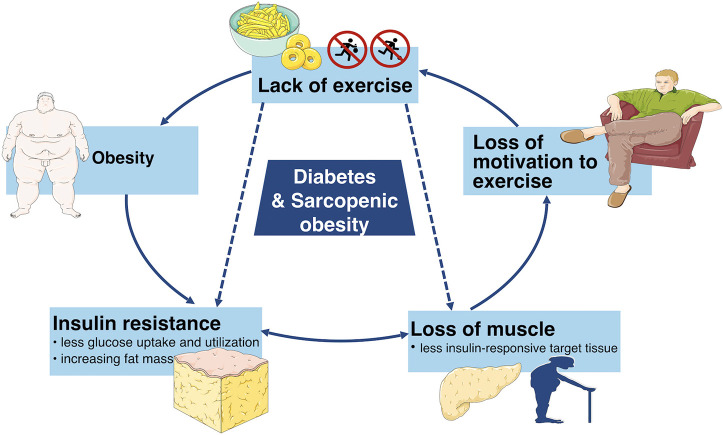
“On the other hand, the loss of muscle mass leads to less insulin-responsive target tissue, resulting in a severe condition of insulin resistance (12, 13).”
§ Diabetes and Sarcopenic Obesity: Pathogenesis, Diagnosis, and Treatments > Introduction
What the sources say
- Not checked yetcites [12] Dominguez, 2007, The cardiometabolic syndrome and sarcopenic obesity in older persons , J Cardiometab Syndr. source
- Not checked yetcites [13] Baek, 2014, Sarcopenia and sarcopenic obesity and their association with dyslipidemia in Korean elderly men: the 2008–2010 Korea National health and nutrition examination survey, J Endocrinol Invest. source
plaindirect- Asserted: passes — The authors put it forward as true.
- Checkable: passes — It can be checked against evidence.
- Load-bearing: passes — The paper’s conclusions depend on it.
- Based: passes — The paper gives a reason why it holds.
In the paper
“it has been shown that more than 50% of the diabetics are obese (10).”
§ Diabetes and Sarcopenic Obesity: Pathogenesis, Diagnosis, and Treatments > Introduction
What the sources say
- Not checked yetcites [10] Khan, 2019, From pre-diabetes to diabetes: diagnosis, treatments and translational research, Medicina (Kaunas). source
boostedcorrelational- Asserted: passes — The authors put it forward as true.
- Checkable: passes — It can be checked against evidence.
- Load-bearing: unclear — It is unclear whether the paper’s conclusions depend on it.
- Based: passes — The paper gives a reason why it holds.
The paper states this without a source or data behind it here, so there is nothing to check it against. The quote shows it is in the paper.
In the paper
“Furthermore, the increasing fat mass facilitates various cytokines which accelerate the catabolism of muscles.”
§ Diabetes and Sarcopenic Obesity: Pathogenesis, Diagnosis, and Treatments > Introduction
plaindirect- Asserted: passes — The authors put it forward as true.
- Checkable: passes — It can be checked against evidence.
- Load-bearing: passes — The paper’s conclusions depend on it.
- Based: unclear — It is unclear why the paper says it holds.
A conclusion the paper draws from its own results — it cites no other source for it, so there is none to check. The quote shows it is in the paper.
In the paper
“Therefore, the vicious cycle continues until more negative health consequences occur (Figure 1).”
§ Diabetes and Sarcopenic Obesity: Pathogenesis, Diagnosis, and Treatments > Introduction
plaindirect- Asserted: passes — The authors put it forward as true.
- Checkable: passes — It can be checked against evidence.
- Load-bearing: passes — The paper’s conclusions depend on it.
- Based: passes — The paper gives a reason why it holds.
In the paper
“Although the impact of sarcopenia has been well-demonstrated, the effect of obesity on it emerges as a new public health problem (2).”
§ Diabetes and Sarcopenic Obesity: Pathogenesis, Diagnosis, and Treatments > Introduction
What the sources say
- Not checked yetcites [2] Koliaki, 2019, Sarcopenic obesity: epidemiologic evidence, pathophysiology, therapeutic perspectives, Curr Obesity Rep. source
plaindirect- Asserted: passes — The authors put it forward as true.
- Checkable: passes — It can be checked against evidence.
- Load-bearing: passes — The paper’s conclusions depend on it.
- Based: passes — The paper gives a reason why it holds.
In the paper
“Hence, there is a good reason to suspect that diabetes and SO have a strong relationship (11).”
§ Diabetes and Sarcopenic Obesity: Pathogenesis, Diagnosis, and Treatments > Introduction
What the sources say
- Not checked yetcites [11] Khadra, 2019, Association between sarcopenic obesity and higher risk of type 2 diabetes in adults: a systematic review and meta-analysis, World J Diabetes. source
hedgedcorrelational- Asserted: passes — The authors put it forward as true.
- Checkable: passes — It can be checked against evidence.
- Load-bearing: passes — The paper’s conclusions depend on it.
- Based: passes — The paper gives a reason why it holds.
The paper states this without a source or data behind it here, so there is nothing to check it against. The quote shows it is in the paper.
In the paper
“As less amount of fatty acid are oxidized in muscles, more fat mass deposits in visceral such as liver, heart, and spleen.”
§ Diabetes and Sarcopenic Obesity: Pathogenesis, Diagnosis, and Treatments > Pathogenesis and Complications of Sarcopenic Obesity > Pathogenesis of Sarcopenic Obesity
plaindirect- Asserted: passes — The authors put it forward as true.
- Checkable: passes — It can be checked against evidence.
- Load-bearing: passes — The paper’s conclusions depend on it.
- Based: passes — The paper gives a reason why it holds.
The paper states this without a source or data behind it here, so there is nothing to check it against. The quote shows it is in the paper.
In the paper
“Furthermore, the reduction of fatty acid consumption is coupled with the increase of reactive oxygen species generation.”
§ Diabetes and Sarcopenic Obesity: Pathogenesis, Diagnosis, and Treatments > Pathogenesis and Complications of Sarcopenic Obesity > Pathogenesis of Sarcopenic Obesity
plaincorrelational- Asserted: passes — The authors put it forward as true.
- Checkable: passes — It can be checked against evidence.
- Load-bearing: passes — The paper’s conclusions depend on it.
- Based: passes — The paper gives a reason why it holds.
None of the sources cited for this claim have been checked yet.
In the paper
“Oxidative stress is strongly associated with the expression of various inflammatory transcription factors, such as nuclear factor-kB (NF- kB) that modulates proteolytic pathways and promotes inflammation (29–31).”
§ Diabetes and Sarcopenic Obesity: Pathogenesis, Diagnosis, and Treatments > Pathogenesis and Complications of Sarcopenic Obesity > Pathogenesis of Sarcopenic Obesity
What the sources say
- Not checked yetcites [29] Jensen, 2008, Inflammation: roles in aging and sarcopenia, JPEN J Parenter Enteral Nutr. source
- Not checked yetcites [30] Meng, 2010, Oxidative stress, molecular inflammation and sarcopenia, Int J Mol Sci source
- Not checked yetcites [31] Liao, 2019, Reactive oxygen species: a volatile driver of field cancerization and metastasis, Mol Cancer. source
boostedcorrelational- Asserted: passes — The authors put it forward as true.
- Checkable: passes — It can be checked against evidence.
- Load-bearing: unclear — It is unclear whether the paper’s conclusions depend on it.
- Based: passes — The paper gives a reason why it holds.
In the paper
“It is difficult to sustain muscle mass and strength with insufficient amount of protein intake (18).”
§ Diabetes and Sarcopenic Obesity: Pathogenesis, Diagnosis, and Treatments > Pathogenesis and Complications of Sarcopenic Obesity > Pathogenesis of Sarcopenic Obesity
What the sources say
- Not checked yetcites [18] Muscariello, 2016, Dietary protein intake in sarcopenic obese older women, Clin Interv Aging. source
plaindirect- Asserted: passes — The authors put it forward as true.
- Checkable: passes — It can be checked against evidence.
- Load-bearing: passes — The paper’s conclusions depend on it.
- Based: passes — The paper gives a reason why it holds.
- It may state two separate claims as one. 92
- Probably not a substantial claim. 38
In the paper
“In the case of diabetes, it may be linked to impaired insulin secretion (insulin deficiency), impaired insulin action (insulin resistance), or both (71).”
§ Diabetes and Sarcopenic Obesity: Pathogenesis, Diagnosis, and Treatments > Pathogenesis and Complications of Diabetes > Pathogenesis of Diabetes
What the sources say
- Not checked yetcites [71] Liu, 2020, Past, present and future of latent autoimmune diabetes in adults, Diabetes Metab Res Rev. source
hedgedcorrelational- Asserted: passes — The authors put it forward as true.
- Checkable: passes — It can be checked against evidence.
- Load-bearing: unclear — It is unclear whether the paper’s conclusions depend on it.
- Based: passes — The paper gives a reason why it holds.
It may state two separate claims as one.
In the paper
“Aging is associated with the decrease in muscle mass and strength and the increase in body fat mass, which leads to frailty, falls, disability, social isolation, and hospitalization.”
§ Diabetes and Sarcopenic Obesity: Pathogenesis, Diagnosis, and Treatments > Introduction
What the sources say
- Not checked yetcites [1] Zamboni, 2019, Sarcopenia and obesity, Curr Opin Clin Nutr. source
plaindirect- Asserted: passes — The authors put it forward as true.
- Checkable: passes — It can be checked against evidence.
- Load-bearing: unclear — It is unclear whether the paper’s conclusions depend on it.
- Based: passes — The paper gives a reason why it holds.
It may state two separate claims as one.
The paper states this without a source or data behind it here, so there is nothing to check it against. The quote shows it is in the paper.
In the paper
“Also, the diagnosis of diabetes includes fasting plasma glucose test (FPG), 2-h oral glucose tolerance test (OGTT), glycated hemoglobin (A1C), and random plasma glucose coupled with symptoms.”
§ Diabetes and Sarcopenic Obesity: Pathogenesis, Diagnosis, and Treatments > Abstract
plain- Asserted: passes — The authors put it forward as true.
- Checkable: passes — It can be checked against evidence.
- Load-bearing: fails — The paper’s conclusions may not depend on it.
- Based: fails — The paper may give no reason why it holds.
Probably not a substantial claim. The paper’s conclusions may not depend on it. The paper may give no reason why it holds.
A conclusion the paper draws from its own results — it cites no other source for it, so there is none to check. The quote shows it is in the paper.
In the paper
“The pathogenesis of sarcopenic obesity includes aging, physical inactivity, malnutrition, low-grade inflammation, insulin resistance, and hormonal changes.”
§ Diabetes and Sarcopenic Obesity: Pathogenesis, Diagnosis, and Treatments > Abstract
plaindirect- Asserted: passes — The authors put it forward as true.
- Checkable: passes — It can be checked against evidence.
- Load-bearing: passes — The paper’s conclusions depend on it.
- Based: fails — The paper may give no reason why it holds.
Probably not a substantial claim. The paper may give no reason why it holds.
In the paper
“Compared to simple sarcopenia or obesity alone, the medical sequelae related to SO are much greater, causing significantly higher healthcare costs (4).”
§ Diabetes and Sarcopenic Obesity: Pathogenesis, Diagnosis, and Treatments > Introduction
What the sources say
- Not checked yetcites [4] Xie, 2019, Sarcopenic obesity: research advances in pathogenesis and diagnostic criteria, Aging Clin Exp Res source
plaindirect- Asserted: passes — The authors put it forward as true.
- Checkable: passes — It can be checked against evidence.
- Load-bearing: unclear — It is unclear whether the paper’s conclusions depend on it.
- Based: passes — The paper gives a reason why it holds.
It may state two separate claims as one.
In the paper
“A study in America has suggested that the percentage of diabetics rises with age (9).”
§ Diabetes and Sarcopenic Obesity: Pathogenesis, Diagnosis, and Treatments > Introduction
What the sources say
- Not checked yetcites [9] Fang, 2018, Trends in the prevalence of diabetes among US adults: 1999-2016, Am J Prevent Med. source
hedgeddirect- Asserted: passes — The authors put it forward as true.
- Checkable: passes — It can be checked against evidence.
- Load-bearing: fails — The paper’s conclusions may not depend on it.
- Based: passes — The paper gives a reason why it holds.
Probably not a substantial claim. The paper’s conclusions may not depend on it.
The paper states this without a source or data behind it here, so there is nothing to check it against. The quote shows it is in the paper.
In the paper
“On the one hand, insulin loses the function to enhance cellular glucose uptake and utilization in diabetics, which is defined clinically as insulin resistance which promotes obesity.”
§ Diabetes and Sarcopenic Obesity: Pathogenesis, Diagnosis, and Treatments > Introduction
plaindirect- Asserted: passes — The authors put it forward as true.
- Checkable: passes — It can be checked against evidence.
- Load-bearing: passes — The paper’s conclusions depend on it.
- Based: fails — The paper may give no reason why it holds.
Probably not a substantial claim. The paper may give no reason why it holds. It may state two separate claims as one.
None of the sources cited for this claim have been checked yet.
In the paper
“Moreover, aging and obesity are two risk factors of diabetes as well. A variety of studies have the consensus that aging as well as obesity have positive associations with diabetes.”
§ Diabetes and Sarcopenic Obesity: Pathogenesis, Diagnosis, and Treatments > Introduction
boostedcorrelational- Asserted: passes — The authors put it forward as true.
- Checkable: passes — It can be checked against evidence.
- Load-bearing: unclear — It is unclear whether the paper’s conclusions depend on it.
- Based: passes — The paper gives a reason why it holds.
It may state two separate claims as one.
In the paper
“Due to the chronic progress of SO, the symptoms hardly draw people's attention, resulting in poor diagnosis, which causes negative consequences of quality of life and all-cause mortality (8).”
§ Diabetes and Sarcopenic Obesity: Pathogenesis, Diagnosis, and Treatments > Introduction
What the sources say
- Not checked yetcites [8] Stephen, 2009, Sarcopenic-obesity and cardiovascular disease risk in the elderly, J Nutr Health Aging. source
plaindirect- Asserted: passes — The authors put it forward as true.
- Checkable: passes — It can be checked against evidence.
- Load-bearing: unclear — It is unclear whether the paper’s conclusions depend on it.
- Based: passes — The paper gives a reason why it holds.
It may state two separate claims as one.
A conclusion the paper draws from its own results — it cites no other source for it, so there is none to check. The quote shows it is in the paper.
In the paper
“Sarcopenic obesity and diabetes are two increasing health problems worldwide, which both share many common risk factors, such as aging, and general obesity.”
§ Diabetes and Sarcopenic Obesity: Pathogenesis, Diagnosis, and Treatments > Abstract
plaincorrelational- Asserted: passes — The authors put it forward as true.
- Checkable: passes — It can be checked against evidence.
- Load-bearing: fails — The paper’s conclusions may not depend on it.
- Based: fails — The paper may give no reason why it holds.
Probably not a substantial claim. The paper’s conclusions may not depend on it. The paper may give no reason why it holds. It may state two separate claims as one.
The paper states this without a source or data behind it here, so there is nothing to check it against. The quote shows it is in the paper.
In the paper
“However, it is also common that SO occurs in the old without increase of body weight, which could be due to the ectopic redistribution of fat.”
§ Diabetes and Sarcopenic Obesity: Pathogenesis, Diagnosis, and Treatments > Pathogenesis and Complications of Sarcopenic Obesity > Pathogenesis of Sarcopenic Obesity
hedgedconditional- Asserted: passes — The authors put it forward as true.
- Checkable: passes — It can be checked against evidence.
- Load-bearing: unclear — It is unclear whether the paper’s conclusions depend on it.
- Based: passes — The paper gives a reason why it holds.
It may state two separate claims as one.
In the paper
“A study conducted in Italy has verified that elevated levels of IL-6 and C-reactive protein (CRP) are related to SO, which in turn have suppressive effects on muscle strength (26).”
§ Diabetes and Sarcopenic Obesity: Pathogenesis, Diagnosis, and Treatments > Pathogenesis and Complications of Sarcopenic Obesity > Pathogenesis of Sarcopenic Obesity
What the sources say
- Not checked yetcites [26] Schrager, 2007, Sarcopenic obesity and inflammation in the InCHIANTI study, J Appl Physiol source
plaindirect- Asserted: passes — The authors put it forward as true.
- Checkable: passes — It can be checked against evidence.
- Load-bearing: passes — The paper’s conclusions depend on it.
- Based: passes — The paper gives a reason why it holds.
It may state two separate claims as one.
The paper states this without a source or data behind it here, so there is nothing to check it against. The quote shows it is in the paper.
In the paper
“With aging, the reduction of basal metabolic rates may lead to weight gain and muscle mass decrease, which are associated with SO.”
§ Diabetes and Sarcopenic Obesity: Pathogenesis, Diagnosis, and Treatments > Pathogenesis and Complications of Sarcopenic Obesity > Pathogenesis of Sarcopenic Obesity
hedgedconditional- Asserted: passes — The authors put it forward as true.
- Checkable: passes — It can be checked against evidence.
- Load-bearing: unclear — It is unclear whether the paper’s conclusions depend on it.
- Based: passes — The paper gives a reason why it holds.
It may state two separate claims as one.
In the paper
“Studies have found that fat tends to move to viscera, muscle and abdomen with age, and the ectopic fat cause disorders of inflammatory factors, insulin and hormones, thus resulting in SO (15).”
§ Diabetes and Sarcopenic Obesity: Pathogenesis, Diagnosis, and Treatments > Pathogenesis and Complications of Sarcopenic Obesity > Pathogenesis of Sarcopenic Obesity
What the sources say
- Not checked yetcites [15] Polyzos, 2018, Sarcopenic obesity, Hormones. source
plaindirect- Asserted: passes — The authors put it forward as true.
- Checkable: passes — It can be checked against evidence.
- Load-bearing: passes — The paper’s conclusions depend on it.
- Based: passes — The paper gives a reason why it holds.
It may state two separate claims as one.
None of the sources cited for this claim have been checked yet.
In the paper
“It is believed that myostatin inhibits muscle cell growth and differentiation, and irisin stimulates the increase of muscle mass (42, 43).”
§ Diabetes and Sarcopenic Obesity: Pathogenesis, Diagnosis, and Treatments > Pathogenesis and Complications of Sarcopenic Obesity > Pathogenesis of Sarcopenic Obesity
What the sources say
hedgeddirect- Asserted: passes — The authors put it forward as true.
- Checkable: passes — It can be checked against evidence.
- Load-bearing: passes — The paper’s conclusions depend on it.
- Based: passes — The paper gives a reason why it holds.
It may state two separate claims as one.
None of the sources cited for this claim have been checked yet.
In the paper
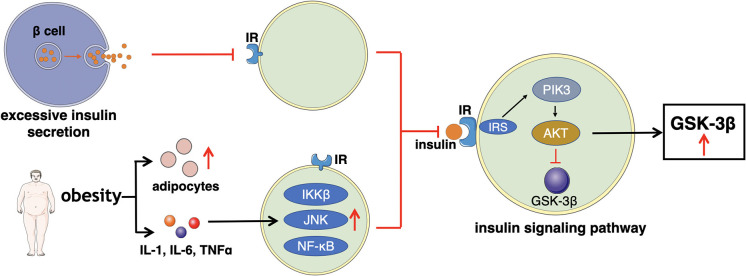
“Meanwhile, obesity is related to a low-grade inflammation, the increased production and secretion of multifarious inflammatory factors including TNF-α, IL-6 modulate insulin sensitivity by altering some key steps in the insulin signaling pathway, which is responsible for the subsequent insulin resistance (34–36).”
§ Diabetes and Sarcopenic Obesity: Pathogenesis, Diagnosis, and Treatments > Pathogenesis and Complications of Sarcopenic Obesity > Pathogenesis of Sarcopenic Obesity
What the sources say
- Not checked yetcites [34] Mcternan, 2006, Recent advances in the relationship between obesity, inflammation, insulin resistance, Eur Cytokine Netw. source
- Not checked yetcites [35] Shoelson, 2007, Inflammation, insulin resistance, Gastroenterology. source
- Not checked yetcites [36] Matulewicz, 2016, Insulin resistance and chronic inflammation, Postepy Hig Med Dosw. source
plaindirect- Asserted: passes — The authors put it forward as true.
- Checkable: passes — It can be checked against evidence.
- Load-bearing: passes — The paper’s conclusions depend on it.
- Based: passes — The paper gives a reason why it holds.
It may state two separate claims as one.
In the paper
“However, several studies have documented that the content of myostatin is upregulated while irisin is downregulated in sarcopenia (44).”
§ Diabetes and Sarcopenic Obesity: Pathogenesis, Diagnosis, and Treatments > Pathogenesis and Complications of Sarcopenic Obesity > Pathogenesis of Sarcopenic Obesity
What the sources say
- Not checked yetcites [44] Chang, 2017, Circulating irisin levels as a predictive biomarker for sarcopenia: a cross-sectional community-based study, Geriatr Gerontol Int source
boostedcorrelational- Asserted: passes — The authors put it forward as true.
- Checkable: passes — It can be checked against evidence.
- Load-bearing: passes — The paper’s conclusions depend on it.
- Based: passes — The paper gives a reason why it holds.
It may state two separate claims as one.
The paper states this without a source or data behind it here, so there is nothing to check it against. The quote shows it is in the paper.
In the paper
“In fact, old people tend to decrease physical activity, which contributes to the severe loss of muscle strength.”
§ Diabetes and Sarcopenic Obesity: Pathogenesis, Diagnosis, and Treatments > Pathogenesis and Complications of Sarcopenic Obesity > Pathogenesis of Sarcopenic Obesity
plaindirect- Asserted: passes — The authors put it forward as true.
- Checkable: passes — It can be checked against evidence.
- Load-bearing: passes — The paper’s conclusions depend on it.
- Based: passes — The paper gives a reason why it holds.
It may state two separate claims as one.
The paper states this without a source or data behind it here, so there is nothing to check it against. The quote shows it is in the paper.
In the paper
“Then atrophic muscles make even more difficult for elderly people to exercise, further aggravating the sedentary lifestyle.”
§ Diabetes and Sarcopenic Obesity: Pathogenesis, Diagnosis, and Treatments > Pathogenesis and Complications of Sarcopenic Obesity > Pathogenesis of Sarcopenic Obesity
plaindirect- Asserted: passes — The authors put it forward as true.
- Checkable: passes — It can be checked against evidence.
- Load-bearing: unclear — It is unclear whether the paper’s conclusions depend on it.
- Based: passes — The paper gives a reason why it holds.
It may state two separate claims as one.
A conclusion the paper draws from its own results — it cites no other source for it, so there is none to check. The quote shows it is in the paper.
In the paper
“There are multiple factors that cause sarcopenic obesity, such as aging, lack of physical activity, malnutrition low-grade inflammation, insulin resistance and hormonal changes, which leads to body composition changes (muscle mass and strength decline and fat mass increase).”
§ Diabetes and Sarcopenic Obesity: Pathogenesis, Diagnosis, and Treatments > Pathogenesis and Complications of Sarcopenic Obesity > Pathogenesis of Sarcopenic Obesity
plaindirect- Asserted: passes — The authors put it forward as true.
- Checkable: passes — It can be checked against evidence.
- Load-bearing: passes — The paper’s conclusions depend on it.
- Based: passes — The paper gives a reason why it holds.
It may state two separate claims as one.
In the paper
“Thereby, dysfunctional insulin production occurs, gradually leading to insulin resistance (28).”
§ Diabetes and Sarcopenic Obesity: Pathogenesis, Diagnosis, and Treatments > Pathogenesis and Complications of Sarcopenic Obesity > Pathogenesis of Sarcopenic Obesity
What the sources say
- Not checked yetcites [28] Michio, 2017, Leptin resistance and lipolysis of white adipose tissue: an implication to ectopic fat disposition and its consequences, J Atheroscler Thromb. source
plaindirect- Asserted: passes — The authors put it forward as true.
- Checkable: passes — It can be checked against evidence.
- Load-bearing: passes — The paper’s conclusions depend on it.
- Based: passes — The paper gives a reason why it holds.
It may state two separate claims as one.
None of the sources cited for this claim have been checked yet.
In the paper
“Numerous studies have proven that physical activity is necessary to lose weight and improve muscle strength, which is beneficial to ameliorate the state of SO (16, 17).”
§ Diabetes and Sarcopenic Obesity: Pathogenesis, Diagnosis, and Treatments > Pathogenesis and Complications of Sarcopenic Obesity > Pathogenesis of Sarcopenic Obesity
What the sources say
boosteddirect- Asserted: passes — The authors put it forward as true.
- Checkable: passes — It can be checked against evidence.
- Load-bearing: passes — The paper’s conclusions depend on it.
- Based: passes — The paper gives a reason why it holds.
It may state two separate claims as one.
None of the sources cited for this claim have been checked yet.
In the paper
“Moreover, either low-grade inflammation or ectopic fat distribution generates myokine imbalance and mitochondrial dysfunction (32, 33).”
§ Diabetes and Sarcopenic Obesity: Pathogenesis, Diagnosis, and Treatments > Pathogenesis and Complications of Sarcopenic Obesity > Pathogenesis of Sarcopenic Obesity
What the sources say
- Not checked yetcites [32] Goya, 2015, Muscle loss and obesity: the health implications of sarcopenia and sarcopenic obesity, Proc Nutr Soc. source
- Not checked yetcites [33] Kalinkovich, 2017, Sarcopenic obesity or obese sarcopenia: a cross talk between age-associated adipose tissue and skeletal muscle inflammation as a main mechanism of the pathogenesis, Ageing Res Rev. source
plaindirect- Asserted: passes — The authors put it forward as true.
- Checkable: passes — It can be checked against evidence.
- Load-bearing: passes — The paper’s conclusions depend on it.
- Based: passes — The paper gives a reason why it holds.
It may state two separate claims as one.
None of the sources cited for this claim have been checked yet.
In the paper
“A down-regulation of genes involving mitochondrial enzymes declines mitochondrial content, which has been found in insulin resistant states (39, 40), augmenting accumulation of fat in muscle and liver.”
§ Diabetes and Sarcopenic Obesity: Pathogenesis, Diagnosis, and Treatments > Pathogenesis and Complications of Sarcopenic Obesity > Pathogenesis of Sarcopenic Obesity
What the sources say
- Not checked yetcites [39] Mootha, 2003, PGC-1α-responsive genes involved in oxidative phosphorylation are coordinately downregulated in human diabetes, Nat Genet. source
- Not checked yetcites [40] Patti, 2003, Coordinated reduction of genes of oxidative metabolism in humans with insulin resistance and diabetes: potential role of PGC1 and NRF1, Proc Natl Acad Sci USA. source
plaindirect- Asserted: passes — The authors put it forward as true.
- Checkable: passes — It can be checked against evidence.
- Load-bearing: passes — The paper’s conclusions depend on it.
- Based: passes — The paper gives a reason why it holds.
It may state two separate claims as one.
In the paper
“Studies have elucidated that insulin resistance is essential for protein anabolism, thus directly concerns muscle fiber atrophy (37).”
§ Diabetes and Sarcopenic Obesity: Pathogenesis, Diagnosis, and Treatments > Pathogenesis and Complications of Sarcopenic Obesity > Pathogenesis of Sarcopenic Obesity
What the sources say
- Not checked yetcites [37] Nomura, 2007, Muscle strength is a marker of insulin resistance in patients with type 2 diabetes: a pilot study, Endocr J. source
boosteddirect- Asserted: passes — The authors put it forward as true.
- Checkable: passes — It can be checked against evidence.
- Load-bearing: passes — The paper’s conclusions depend on it.
- Based: passes — The paper gives a reason why it holds.
It may state two separate claims as one.
In the paper
“The study has found the highest level of monocyte chemoattractant protein-1 (MCP-1) and the lowest level of appendicular lean mass in SO group (27), which supports the theory that low-grade inflammation is linked to SO.”
§ Diabetes and Sarcopenic Obesity: Pathogenesis, Diagnosis, and Treatments > Pathogenesis and Complications of Sarcopenic Obesity > Pathogenesis of Sarcopenic Obesity
What the sources say
- Not checked yetcites [27] Lim, 2015, Monocyte chemoattractant protein-1: a proinflammatory cytokine elevated in sarcopenic obesity, Clin Intervent Aging. source
plaincorrelational- Asserted: passes — The authors put it forward as true.
- Checkable: passes — It can be checked against evidence.
- Load-bearing: passes — The paper’s conclusions depend on it.
- Based: passes — The paper gives a reason why it holds.
It may state two separate claims as one.
The paper states this without a source or data behind it here, so there is nothing to check it against. The quote shows it is in the paper.
In the paper
“The production and efficiency of insulin decline in elderly and obese people.”
§ Diabetes and Sarcopenic Obesity: Pathogenesis, Diagnosis, and Treatments > Pathogenesis and Complications of Sarcopenic Obesity > Pathogenesis of Sarcopenic Obesity
plaindirect- Asserted: passes — The authors put it forward as true.
- Checkable: passes — It can be checked against evidence.
- Load-bearing: passes — The paper’s conclusions depend on it.
- Based: passes — The paper gives a reason why it holds.
It may state two separate claims as one.
A conclusion the paper draws from its own results — it cites no other source for it, so there is none to check. The quote shows it is in the paper.
In the paper
“Therefore, weight generally increases in elderly people.”
§ Diabetes and Sarcopenic Obesity: Pathogenesis, Diagnosis, and Treatments > Pathogenesis and Complications of Sarcopenic Obesity > Pathogenesis of Sarcopenic Obesity
plaindirect- Asserted: passes — The authors put it forward as true.
- Checkable: passes — It can be checked against evidence.
- Load-bearing: fails — The paper’s conclusions may not depend on it.
- Based: passes — The paper gives a reason why it holds.
Probably not a substantial claim. The paper’s conclusions may not depend on it.
The paper states this without a source or data behind it here, so there is nothing to check it against. The quote shows it is in the paper.
In the paper
“Besides, the increased level of leptin contributes to leptin resistance, resulting in accumulation of free fatty acids.”
§ Diabetes and Sarcopenic Obesity: Pathogenesis, Diagnosis, and Treatments > Pathogenesis and Complications of Sarcopenic Obesity > Pathogenesis of Sarcopenic Obesity
plaindirect- Asserted: passes — The authors put it forward as true.
- Checkable: passes — It can be checked against evidence.
- Load-bearing: passes — The paper’s conclusions depend on it.
- Based: passes — The paper gives a reason why it holds.
It may state two separate claims as one.
In the paper
“Meanwhile, studies have validated that the amount of bone mass and muscle mass peak around 30 years old, and after that, a gradual loss of muscle mass is accompanied with a parallel gain of fat mass (14).”
§ Diabetes and Sarcopenic Obesity: Pathogenesis, Diagnosis, and Treatments > Pathogenesis and Complications of Sarcopenic Obesity > Pathogenesis of Sarcopenic Obesity
What the sources say
- Not checked yetcites [14] Mourtzakis, 2008, A practical and precise approach to quantifica- tion of body composition in cancer patients using computed tomog- raphy images acquired during routine care, Appl Physiol Nutr Metab source
boostedcorrelational- Asserted: passes — The authors put it forward as true.
- Checkable: passes — It can be checked against evidence.
- Load-bearing: unclear — It is unclear whether the paper’s conclusions depend on it.
- Based: passes — The paper gives a reason why it holds.
It may state two separate claims as one.
None of the sources cited for this claim have been checked yet.
In the paper
“Specifically, adipocytes promote macrophage recruitment (21), then adipocytes and immune cells secrete more adipokines such as leptin, chemerin, resistin, and more cytokines such as tumor necrosis factor-α (TNF-α), interleukins (ILs), interferon-γ (INF-γ) (22–25), creating a circumstance of low-grade inflammation.”
§ Diabetes and Sarcopenic Obesity: Pathogenesis, Diagnosis, and Treatments > Pathogenesis and Complications of Sarcopenic Obesity > Pathogenesis of Sarcopenic Obesity
What the sources say
- Not checked yetcites [21] Neels, 2005, Inflamed fat: what starts the fire?, J Clin Invest. source
- Not checked yetcites [22] Polyzos, 2016, Adipose tissue, obesity and nonalcoholic fatty liver disease, Minerva Endocrinologica. source
- Not checked yetcites [23] Kim, 2013, Relationships between sarcopenic obesity and insulin resistance, inflammation, and vitamin D status: the Korean sarcopenic obesity study, Clin Endocrinol. source
- Not checked yetcites [24] Dong, 2019, Molecular dynamics of the recruitment of immunoreceptor signaling module DAP12 homodimer to lipid raft boundary regulated by PIP2, J Phys Chem B. source
- Not checked yetcites [25] Wei, 2017, Critical residues and motifs for homodimerization of the first transmembrane domain of the plasma membrane glycoprotein CD36, J Biol Chem. source
plaindirect- Asserted: passes — The authors put it forward as true.
- Checkable: passes — It can be checked against evidence.
- Load-bearing: passes — The paper’s conclusions depend on it.
- Based: passes — The paper gives a reason why it holds.
It may state two separate claims as one.
In the paper
“Also, mitochondrial dysfunction causes more lipid peroxidation, which reinforces the collections of lipid intermediates and reactive oxygen metabolites, accelerating inflammation, insulin resistance, and oxidative stress (33).”
§ Diabetes and Sarcopenic Obesity: Pathogenesis, Diagnosis, and Treatments > Pathogenesis and Complications of Sarcopenic Obesity > Pathogenesis of Sarcopenic Obesity
What the sources say
- Not checked yetcites [33] Kalinkovich, 2017, Sarcopenic obesity or obese sarcopenia: a cross talk between age-associated adipose tissue and skeletal muscle inflammation as a main mechanism of the pathogenesis, Ageing Res Rev. source
plaindirect- Asserted: passes — The authors put it forward as true.
- Checkable: passes — It can be checked against evidence.
- Load-bearing: unclear — It is unclear whether the paper’s conclusions depend on it.
- Based: passes — The paper gives a reason why it holds.
It may state two separate claims as one.
In the paper
“At the same time, the increase in myostatin and decrease in irisin are tightly associated with poor browning reaction of white fat, reducing energy expenditure, triggering fat gain (45).”
§ Diabetes and Sarcopenic Obesity: Pathogenesis, Diagnosis, and Treatments > Pathogenesis and Complications of Sarcopenic Obesity > Pathogenesis of Sarcopenic Obesity
What the sources say
- Not checked yetcites [45] Colaianni, 2017, Irisin and musculoskeletal health, Ann N Y Acad Sci. source
plaindirect- Asserted: passes — The authors put it forward as true.
- Checkable: passes — It can be checked against evidence.
- Load-bearing: passes — The paper’s conclusions depend on it.
- Based: passes — The paper gives a reason why it holds.
It may state two separate claims as one.
The paper states this without a source or data behind it here, so there is nothing to check it against. The quote shows it is in the paper.
In the paper
“Both aging and physical inactivity have contributions on weight gain, by which an increase in adipose cell size may be determined.”
§ Diabetes and Sarcopenic Obesity: Pathogenesis, Diagnosis, and Treatments > Pathogenesis and Complications of Sarcopenic Obesity > Pathogenesis of Sarcopenic Obesity
hedgedconditional- Asserted: passes — The authors put it forward as true.
- Checkable: passes — It can be checked against evidence.
- Load-bearing: unclear — It is unclear whether the paper’s conclusions depend on it.
- Based: passes — The paper gives a reason why it holds.
It may state two separate claims as one.
A conclusion the paper draws from its own results — it cites no other source for it, so there is none to check. The quote shows it is in the paper.
In the paper
“Moreover, each factor has independent impacts on the quality and quantity of muscle and fat, whereas, the cross-talks of them have stronger influences.”
§ Diabetes and Sarcopenic Obesity: Pathogenesis, Diagnosis, and Treatments > Pathogenesis and Complications of Sarcopenic Obesity > Pathogenesis of Sarcopenic Obesity
plaindirect- Asserted: passes — The authors put it forward as true.
- Checkable: passes — It can be checked against evidence.
- Load-bearing: fails — The paper’s conclusions may not depend on it.
- Based: fails — The paper may give no reason why it holds.
Probably not a substantial claim. The paper’s conclusions may not depend on it. The paper may give no reason why it holds. It may state two separate claims as one.
In the paper
“Obese individuals with insulin resistance have a higher rate of muscle catabolism, which has been evidenced in a study that leg muscle strength and quality decrease distinctly in older diabetics (38).”
§ Diabetes and Sarcopenic Obesity: Pathogenesis, Diagnosis, and Treatments > Pathogenesis and Complications of Sarcopenic Obesity > Pathogenesis of Sarcopenic Obesity
What the sources say
- Not checked yetcites [38] Abbatecola, 2005, Insulin resistance and muscle strength in older persons, J Gerontol. source
plaindirect- Asserted: passes — The authors put it forward as true.
- Checkable: passes — It can be checked against evidence.
- Load-bearing: passes — The paper’s conclusions depend on it.
- Based: passes — The paper gives a reason why it holds.
It may state two separate claims as one.
In the paper
“Moreover, testosterone and estrogen are essential for muscle health (47), but the production of these hormones decline naturally with aging.”
§ Diabetes and Sarcopenic Obesity: Pathogenesis, Diagnosis, and Treatments > Pathogenesis and Complications of Sarcopenic Obesity > Pathogenesis of Sarcopenic Obesity
What the sources say
- Not checked yetcites [47] Choi, 2013, Sarcopenia and sarcopenic obesity, Endocrinol Metab (Seoul). source
plaindirect- Asserted: passes — The authors put it forward as true.
- Checkable: passes — It can be checked against evidence.
- Load-bearing: passes — The paper’s conclusions depend on it.
- Based: passes — The paper gives a reason why it holds.
It may state two separate claims as one.
None of the sources cited for this claim have been checked yet.
In the paper
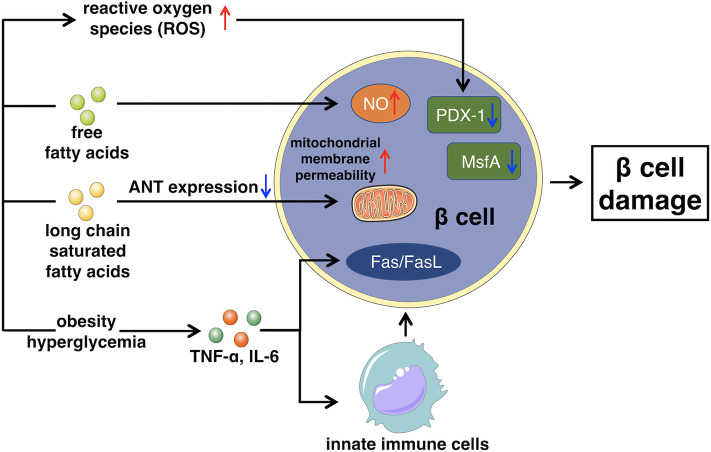
“Thus, the inner mitochondrial membrane of islet β cells fails to protect, which increases the permeability of mitochondrial membrane, leading to β cells apoptosis (75, 76).”
§ Diabetes and Sarcopenic Obesity: Pathogenesis, Diagnosis, and Treatments > Pathogenesis and Complications of Diabetes > Pathogenesis of Diabetes
What the sources say
- Not checked yetcites [75] Nolan, 2014, Lipotoxicity, β cell dysfunction, gestational diabetes, Cell Metab. source
- Not checked yetcites [76] Farrell, 2018, Pathogenesis of NASH: how metabolic complications of overnutrition favour lipotoxicity and pro-inflammatory fatty liver disease, Adv Exp Med Biol. source
plaindirect- Asserted: passes — The authors put it forward as true.
- Checkable: passes — It can be checked against evidence.
- Load-bearing: unclear — It is unclear whether the paper’s conclusions depend on it.
- Based: passes — The paper gives a reason why it holds.
It may state two separate claims as one.
In the paper
“A meta-analysis of 12 prospective cohort studies has indicated that compare to non-SO participants, subjects with SO have a 24% increased risk of all-cause mortality, especially in men.”
§ Diabetes and Sarcopenic Obesity: Pathogenesis, Diagnosis, and Treatments > Pathogenesis and Complications of Sarcopenic Obesity > Complications of Sarcopenic Obesity
What the sources say
- Not checked yetcites [52] Tian, 2016, Association of sarcopenic obesity with the risk of all-cause mortality: a meta-analysis of prospective cohort studies, Geriatr Gerontol Int. source
hedgedcorrelational- Asserted: passes — The authors put it forward as true.
- Checkable: passes — It can be checked against evidence.
- Load-bearing: unclear — It is unclear whether the paper’s conclusions depend on it.
- Based: passes — The paper gives a reason why it holds.
It may state two separate claims as one.
None of the sources cited for this claim have been checked yet.
In the paper
“Persistent elevated levels of glucose can swamp the glycolytic process and inhibit glyceraldehyde catabolism, which promotes reactive oxygen species (ROS) production and oxidative damage, inducing β cells apoptosis and inhibiting β cells secretion (73, 74).”
§ Diabetes and Sarcopenic Obesity: Pathogenesis, Diagnosis, and Treatments > Pathogenesis and Complications of Diabetes > Pathogenesis of Diabetes
What the sources say
plaindirect- Asserted: passes — The authors put it forward as true.
- Checkable: passes — It can be checked against evidence.
- Load-bearing: unclear — It is unclear whether the paper’s conclusions depend on it.
- Based: passes — The paper gives a reason why it holds.
It may state two separate claims as one.
The paper states this without a source or data behind it here, so there is nothing to check it against. The quote shows it is in the paper.
In the paper
“It is acknowledged that either low muscle mass and strength or obesity is an independent risk factor for reduced physical capacity and quality of life.”
§ Diabetes and Sarcopenic Obesity: Pathogenesis, Diagnosis, and Treatments > Pathogenesis and Complications of Sarcopenic Obesity > Complications of Sarcopenic Obesity
plaindirect- Asserted: passes — The authors put it forward as true.
- Checkable: passes — It can be checked against evidence.
- Load-bearing: passes — The paper’s conclusions depend on it.
- Based: passes — The paper gives a reason why it holds.
It may state two separate claims as one.
None of the sources cited for this claim have been checked yet.
In the paper
“As the loss of muscle mass and strength makes a higher risk of osteoarthritis (63, 64), this exacerbates physical inactivity, worsening both physical and mental health.”
§ Diabetes and Sarcopenic Obesity: Pathogenesis, Diagnosis, and Treatments > Pathogenesis and Complications of Sarcopenic Obesity > Complications of Sarcopenic Obesity
What the sources say
- Not checked yetcites [63] Lee, 2012, Sarcopenic obesity is more closely associated with knee osteoarthritis than is nonsarcopenic obesity: a cross-sectional study, Arthritis Rheum. source
- Not checked yetcites [64] Misra, 2019, Risk of knee osteoarthritis with obesity, sarcopenic obesity, and sarcopenia, Arthritis Rheumatol. source
plaindirect- Asserted: passes — The authors put it forward as true.
- Checkable: passes — It can be checked against evidence.
- Load-bearing: unclear — It is unclear whether the paper’s conclusions depend on it.
- Based: passes — The paper gives a reason why it holds.
It may state two separate claims as one.
None of the sources cited for this claim have been checked yet.
In the paper
“Therefore, it is reasonable to speculate when muscle damage and obesity coexist, they act synergistically on the risk of mortality, metabolic disorders, and quality of life (47, 51).”
§ Diabetes and Sarcopenic Obesity: Pathogenesis, Diagnosis, and Treatments > Pathogenesis and Complications of Sarcopenic Obesity > Complications of Sarcopenic Obesity
What the sources say
hedgedconditional- Asserted: passes — The authors put it forward as true.
- Checkable: passes — It can be checked against evidence.
- Load-bearing: passes — The paper’s conclusions depend on it.
- Based: passes — The paper gives a reason why it holds.
Probably not a substantial claim.
None of the sources cited for this claim have been checked yet.
In the paper
“The reduction of IGF-1 is accompanied by the downregulation of irisin (45), and high level of free fatty acids in obese people inhibits both IGF-1 and growth hormone (48), which lowers the mass and strength of muscle, leading to muscle impairment and thus to SO (49).”
§ Diabetes and Sarcopenic Obesity: Pathogenesis, Diagnosis, and Treatments > Pathogenesis and Complications of Sarcopenic Obesity > Pathogenesis of Sarcopenic Obesity
What the sources say
- Not checked yetcites [45] Colaianni, 2017, Irisin and musculoskeletal health, Ann N Y Acad Sci. source
- Not checked yetcites [48] Weltman, 2001, Body composition, physical exercise, growth hormone and obesity, Eat Weight Disord.
- Not checked yetcites [49] Waters, 2008, Altered growth hormone, cortisol, and leptin secretion in healthy elderly persons with sarcopenia and mixed body composition phenotypes, J Gerontol. source
plaindirect- Asserted: passes — The authors put it forward as true.
- Checkable: passes — It can be checked against evidence.
- Load-bearing: passes — The paper’s conclusions depend on it.
- Based: passes — The paper gives a reason why it holds.
It may state two separate claims as one.
In the paper
“Impaired insulin secretion is multifactorial, the exact mechanism is still unclear, but commonly develops from glucose toxicity, lipid toxicity, immunoinflammatory response, and oxidative stress, leading to the dysfunction of islet β cells (72).”
§ Diabetes and Sarcopenic Obesity: Pathogenesis, Diagnosis, and Treatments > Pathogenesis and Complications of Diabetes > Pathogenesis of Diabetes
What the sources say
- Not checked yetcites [72] Zhang, 2018, Diabetes mellitus and Alzheimer's disease: GSK-3β as a potential link, Behav Brain Res. source
plaindirect- Asserted: passes — The authors put it forward as true.
- Checkable: passes — It can be checked against evidence.
- Load-bearing: unclear — It is unclear whether the paper’s conclusions depend on it.
- Based: passes — The paper gives a reason why it holds.
It may state two separate claims as one.
In the paper
“Therefore, these factors, which significantly affect the quality of life for elderly people, have been illustrated in another study that the highest fall risk and the lowest muscle function test results in the SO group, confirming an inverse association with health-related quality of life scores (66).”
§ Diabetes and Sarcopenic Obesity: Pathogenesis, Diagnosis, and Treatments > Pathogenesis and Complications of Sarcopenic Obesity > Complications of Sarcopenic Obesity
What the sources say
- Not checked yetcites [66] Öztürk, 2018, Health-related quality of life and fall risk associated with age-related body composition changes; sarcopenia, obesity and sarcopenic obesity, Inter Med J. source
boostedcorrelational- Asserted: passes — The authors put it forward as true.
- Checkable: passes — It can be checked against evidence.
- Load-bearing: unclear — It is unclear whether the paper’s conclusions depend on it.
- Based: passes — The paper gives a reason why it holds.
It may state two separate claims as one.
In the paper
“Moreover, in a Japanese study, all-cause mortality increases in men with SO defined by waist circumference (HR, 1.19; 95% CI, 1.02–1.38), but not body mass index (BMI) or percent body fat (BF%) (53).”
§ Diabetes and Sarcopenic Obesity: Pathogenesis, Diagnosis, and Treatments > Pathogenesis and Complications of Sarcopenic Obesity > Complications of Sarcopenic Obesity
What the sources say
- Not checked yetcites [53] Sanada, 2017, Association of sarcopenic obesity predicted by anthropometric measurements and twenty-four year all-cause mortality in elderly men: the kuakini honolulu heart program, Nutrition. source
plaindirect- Asserted: passes — The authors put it forward as true.
- Checkable: passes — It can be checked against evidence.
- Load-bearing: passes — The paper’s conclusions depend on it.
- Based: passes — The paper gives a reason why it holds.
It may state two separate claims as one.
In the paper
“As mentioned above, prolonged as well as elevated levels of glucose blood, high free fatty acids, and chronic inflammatory environment, all increase the levels of ROS, activating the mechanism of oxidative stress (81).”
§ Diabetes and Sarcopenic Obesity: Pathogenesis, Diagnosis, and Treatments > Pathogenesis and Complications of Diabetes > Pathogenesis of Diabetes
What the sources say
- Not checked yetcites [81] Rendra, 2019, Reactive oxygen species (ROS) in macrophage activation and function in diabetes, Immunobiology. source
plaindirect- Asserted: passes — The authors put it forward as true.
- Checkable: passes — It can be checked against evidence.
- Load-bearing: passes — The paper’s conclusions depend on it.
- Based: passes — The paper gives a reason why it holds.
It may state two separate claims as one.
None of the sources cited for this claim have been checked yet.
In the paper
“Both obesity and hyperglycemia promote the release of inflammatory mediators, like TNF-α, or IL-6, released mediators stimulate macrophages and other innate immune cells, as well as some apoptosis-related signaling pathways, such as Fas/FasL signaling pathway (78, 79).”
§ Diabetes and Sarcopenic Obesity: Pathogenesis, Diagnosis, and Treatments > Pathogenesis and Complications of Diabetes > Pathogenesis of Diabetes
What the sources say
plaindirect- Asserted: passes — The authors put it forward as true.
- Checkable: passes — It can be checked against evidence.
- Load-bearing: passes — The paper’s conclusions depend on it.
- Based: passes — The paper gives a reason why it holds.
It may state two separate claims as one.
In the paper
“Besides, chronic inflammatory environment is also beneficial for the formation of free radicals such as reactive oxygen species (ROS), exacerbating β cells damage and yielding a positive feedback circle with the secretion of more detrimental cytokines to trigger further damage to β cells (80).”
§ Diabetes and Sarcopenic Obesity: Pathogenesis, Diagnosis, and Treatments > Pathogenesis and Complications of Diabetes > Pathogenesis of Diabetes
What the sources say
- Not checked yetcites [80] Blaser, 2016, TNF and ROS crosstalk in inflammation, Trends Cell Biol. source
plaindirect- Asserted: passes — The authors put it forward as true.
- Checkable: passes — It can be checked against evidence.
- Load-bearing: unclear — It is unclear whether the paper’s conclusions depend on it.
- Based: passes — The paper gives a reason why it holds.
It may state two separate claims as one.
None of the sources cited for this claim have been checked yet.
In the paper
“Therefore, ROS is capable to directly damage β cells, promoting apoptosis, or it can indirectly regulate insulin signaling pathway to inhibit the function of β cells (82, 83).”
§ Diabetes and Sarcopenic Obesity: Pathogenesis, Diagnosis, and Treatments > Pathogenesis and Complications of Diabetes > Pathogenesis of Diabetes
What the sources say
- Not checked yetcites [82] Robertson, 2004, Chronic oxidative stress as a central mechanism for glucose toxicity in pancreatic islet beta cells in diabetes, J Biol Chem. source
- Not checked yetcites [83] Panigrahy, 2017, Reactive oxygen species: sources, consequences and targeted therapy in type 2 diabetes, J Drug Target. source
plaindirect- Asserted: passes — The authors put it forward as true.
- Checkable: passes — It can be checked against evidence.
- Load-bearing: unclear — It is unclear whether the paper’s conclusions depend on it.
- Based: passes — The paper gives a reason why it holds.
It may state two separate claims as one.
In the paper
“In addition, studies have also estimated 10-years risk of CVD in SO group, non-sarcopenic group, and non-obese group, and a significant increase has been found in the SO group (58).”
§ Diabetes and Sarcopenic Obesity: Pathogenesis, Diagnosis, and Treatments > Pathogenesis and Complications of Sarcopenic Obesity > Complications of Sarcopenic Obesity
What the sources say
- Not checked yetcites [58] Jeong-Hyeon, 2015, Relationship between sarcopenic obesity and cardiovascular disease risk as estimated by the framingham risk score, J Korean Med Sci. source
hedgedcorrelational- Asserted: passes — The authors put it forward as true.
- Checkable: passes — It can be checked against evidence.
- Load-bearing: unclear — It is unclear whether the paper’s conclusions depend on it.
- Based: passes — The paper gives a reason why it holds.
It may state two separate claims as one.
None of the sources cited for this claim have been checked yet.
In the paper
“Several Korean studies have indicated that individuals with SO are associated with increased waist circumference, elevated fasting blood glucose, insulin resistance, higher blood pressure, and abnormal blood lipids as compared to sarcopenia or obesity alone (13, 23, 56).”
§ Diabetes and Sarcopenic Obesity: Pathogenesis, Diagnosis, and Treatments > Pathogenesis and Complications of Sarcopenic Obesity > Complications of Sarcopenic Obesity
What the sources say
- Not checked yetcites [13] Baek, 2014, Sarcopenia and sarcopenic obesity and their association with dyslipidemia in Korean elderly men: the 2008–2010 Korea National health and nutrition examination survey, J Endocrinol Invest. source
- Not checked yetcites [23] Kim, 2013, Relationships between sarcopenic obesity and insulin resistance, inflammation, and vitamin D status: the Korean sarcopenic obesity study, Clin Endocrinol. source
- Not checked yetcites [56] Kim, 2009, Prevalence of sarcopenia and sarcopenic obesity in Korean adults: the Korean sarcopenic obesity study, Int J Obes (Lond). source
hedgedcorrelational- Asserted: passes — The authors put it forward as true.
- Checkable: passes — It can be checked against evidence.
- Load-bearing: passes — The paper’s conclusions depend on it.
- Based: passes — The paper gives a reason why it holds.
It may state two separate claims as one.
In the paper
“Moreover, recent studies have shown that diabetes is considered as an independent risk factor for coronary heart diseases (114).”
§ Diabetes and Sarcopenic Obesity: Pathogenesis, Diagnosis, and Treatments > Pathogenesis and Complications of Diabetes > Complications of Diabetes
What the sources say
- Not checked yetcites [114] Leon, 2015, Diabetes and cardiovascular disease: epidemiology, biological mechanisms, treatment recommendations and future research, World J Diabetes. source
plaindirect- Asserted: passes — The authors put it forward as true.
- Checkable: passes — It can be checked against evidence.
- Load-bearing: fails — The paper’s conclusions may not depend on it.
- Based: passes — The paper gives a reason why it holds.
Probably not a substantial claim. The paper’s conclusions may not depend on it.
In the paper
“It has been proven that there is 1–2% of diabetic patients who will develop pancreatic cancer in 3 years (118).”
§ Diabetes and Sarcopenic Obesity: Pathogenesis, Diagnosis, and Treatments > Pathogenesis and Complications of Diabetes > Complications of Diabetes
What the sources say
- Not checked yetcites [118] Magruder, 2016, Diabetes and pancreatic cancer: chicken or egg? source
boostedcorrelational- Asserted: passes — The authors put it forward as true.
- Checkable: passes — It can be checked against evidence.
- Load-bearing: fails — The paper’s conclusions may not depend on it.
- Based: passes — The paper gives a reason why it holds.
Probably not a substantial claim. The paper’s conclusions may not depend on it.
In the paper
“Individuals with diabetes suffer from a higher risk of cardiovascular diseases compared to those without diabetes, which is associated with a number of common risk factors such as age, obesity, smoking, hypertension, and dyslipidemia (113).”
§ Diabetes and Sarcopenic Obesity: Pathogenesis, Diagnosis, and Treatments > Pathogenesis and Complications of Diabetes > Complications of Diabetes
What the sources say
- Not checked yetcites [113] de Matheus, 2013, Impact of diabetes on cardiovascular disease: an update, Int J Hypertens. source
plaincorrelational- Asserted: passes — The authors put it forward as true.
- Checkable: passes — It can be checked against evidence.
- Load-bearing: fails — The paper’s conclusions may not depend on it.
- Based: passes — The paper gives a reason why it holds.
Probably not a substantial claim. The paper’s conclusions may not depend on it. It may state two separate claims as one.
In the paper
“GSK3β is one of the few protein kinases of which the activity can be inhibited by phosphorylation (94).”
§ Diabetes and Sarcopenic Obesity: Pathogenesis, Diagnosis, and Treatments > Pathogenesis and Complications of Diabetes > Pathogenesis of Diabetes
What the sources say
- Not checked yetcites [94] Yaribeygi, 2019, Insulin resistance: review of the underlying molecular mechanisms, J Cell Physiol. source
plaindirect- Asserted: passes — The authors put it forward as true.
- Checkable: passes — It can be checked against evidence.
- Load-bearing: fails — The paper’s conclusions may not depend on it.
- Based: passes — The paper gives a reason why it holds.
Probably not a substantial claim. The paper’s conclusions may not depend on it.
In the paper
“It has been reported that neuropathy is associated with a 1.7-fold increase in the risk of amputation, and even higher when coupled with other problems (107).”
§ Diabetes and Sarcopenic Obesity: Pathogenesis, Diagnosis, and Treatments > Pathogenesis and Complications of Diabetes > Complications of Diabetes
What the sources say
- Not checked yetcites [107] Vinik, 2013, Diabetic neuropathy, Endocrinol Metab Clin North Am. source
plaincorrelational- Asserted: passes — The authors put it forward as true.
- Checkable: passes — It can be checked against evidence.
- Load-bearing: fails — The paper’s conclusions may not depend on it.
- Based: passes — The paper gives a reason why it holds.
Probably not a substantial claim. The paper’s conclusions may not depend on it. It may state two separate claims as one.
In the paper
“Recent studies have regarded Alzheimer's disease as type 3 diabetes because of insulin signaling pathways damage (123).”
§ Diabetes and Sarcopenic Obesity: Pathogenesis, Diagnosis, and Treatments > Pathogenesis and Complications of Diabetes > Complications of Diabetes
What the sources say
- Not checked yetcites [123] Kandimalla, 2017, Is alzheimer's disease a type 3 diabetes? a critical appraisal, Biochim Biophys Acta Mol Basis Dis. source
plaindirect- Asserted: passes — The authors put it forward as true.
- Checkable: passes — It can be checked against evidence.
- Load-bearing: fails — The paper’s conclusions may not depend on it.
- Based: passes — The paper gives a reason why it holds.
Probably not a substantial claim. The paper’s conclusions may not depend on it.
In the paper
“Moreover, sexual dysfunction becomes more and more popular in both men and women with diabetes (124).”
§ Diabetes and Sarcopenic Obesity: Pathogenesis, Diagnosis, and Treatments > Pathogenesis and Complications of Diabetes > Complications of Diabetes
What the sources say
- Not checked yetcites [124] Bak, 2017, Relationships of sexual dysfunction with depression and acceptance of illness in women and men with type 2 diabetes mellitus, Int J Environ Res Public Health. source
plaincorrelational- Asserted: passes — The authors put it forward as true.
- Checkable: passes — It can be checked against evidence.
- Load-bearing: fails — The paper’s conclusions may not depend on it.
- Based: passes — The paper gives a reason why it holds.
Probably not a substantial claim. The paper’s conclusions may not depend on it.
In the paper
“Interestingly, a study has indicated that patients with T2D in Asian countries have a lower risk of coronary diseases than those from eastern Europe or Established Market Economies (100).”
§ Diabetes and Sarcopenic Obesity: Pathogenesis, Diagnosis, and Treatments > Pathogenesis and Complications of Diabetes > Complications of Diabetes
What the sources say
- Not checked yetcites [100] Clarke, 2010, Event rates, hospital utilization, and costs associated with major complications of diabetes: a multicountry comparative analysis, PLoS Med. source
hedgedcorrelational- Asserted: passes — The authors put it forward as true.
- Checkable: passes — It can be checked against evidence.
- Load-bearing: fails — The paper’s conclusions may not depend on it.
- Based: passes — The paper gives a reason why it holds.
Probably not a substantial claim. The paper’s conclusions may not depend on it.
None of the sources cited for this claim have been checked yet.
In the paper
“When the insulin signaling pathway fails, the expression of GSK3β improves, which reduces the insulin sensitivity and increases the levels of blood glucose, thus subsequently leading to T2D (72, 96, 97).”
§ Diabetes and Sarcopenic Obesity: Pathogenesis, Diagnosis, and Treatments > Pathogenesis and Complications of Diabetes > Pathogenesis of Diabetes
What the sources say
- Not checked yetcites [72] Zhang, 2018, Diabetes mellitus and Alzheimer's disease: GSK-3β as a potential link, Behav Brain Res. source
- Not checked yetcites [96] Arneth, 2019, Metabolomics of type 1 and type 2 diabetes, Int J Mol Sci. source
- Not checked yetcites [97] Gao, 2011, GSK3: a key target for the development of novel treatments for type 2 diabetes mellitus and Alzheimer disease, Rev Neurosci. source
plaindirect- Asserted: passes — The authors put it forward as true.
- Checkable: passes — It can be checked against evidence.
- Load-bearing: unclear — It is unclear whether the paper’s conclusions depend on it.
- Based: passes — The paper gives a reason why it holds.
It may state two separate claims as one.
In the paper
“Moreover, diabetes contributes a 27% increased risk of breast cancer in women and predisposes to more aggressive cancer stages (120).”
§ Diabetes and Sarcopenic Obesity: Pathogenesis, Diagnosis, and Treatments > Pathogenesis and Complications of Diabetes > Complications of Diabetes
What the sources say
- Not checked yetcites [120] Boyle, 2012, Diabetes and breast cancer risk: a meta-analysis, Br J Cancer. source
plaindirect- Asserted: passes — The authors put it forward as true.
- Checkable: passes — It can be checked against evidence.
- Load-bearing: unclear — It is unclear whether the paper’s conclusions depend on it.
- Based: passes — The paper gives a reason why it holds.
It may state two separate claims as one.
In the paper
“Also, diabetes serves as an independent risk factor for colorectal cancer as a study has found that there is a 49% increased risk of colorectal cancer in men with diabetes (119).”
§ Diabetes and Sarcopenic Obesity: Pathogenesis, Diagnosis, and Treatments > Pathogenesis and Complications of Diabetes > Complications of Diabetes
What the sources say
- Not checked yetcites [119] Larsson, 2005, Diabetes and colorectal cancer incidence in the cohort of Swedish men, Diabetes Care. source
plaindirect- Asserted: passes — The authors put it forward as true.
- Checkable: passes — It can be checked against evidence.
- Load-bearing: unclear — It is unclear whether the paper’s conclusions depend on it.
- Based: passes — The paper gives a reason why it holds.
It may state two separate claims as one.
In the paper
“Besides, high prevalence of depression as one of psychological complications that result from diabetes, makes it harder for diabetics to manage blood glucose, thus leading to further complications (125).”
§ Diabetes and Sarcopenic Obesity: Pathogenesis, Diagnosis, and Treatments > Pathogenesis and Complications of Diabetes > Complications of Diabetes
What the sources say
- Not checked yetcites [125] Semenkovich, 2015, Depression in type 2 diabetes mellitus: prevalence, impact, and treatment, Drugs. source
plaindirect- Asserted: passes — The authors put it forward as true.
- Checkable: passes — It can be checked against evidence.
- Load-bearing: unclear — It is unclear whether the paper’s conclusions depend on it.
- Based: passes — The paper gives a reason why it holds.
It may state two separate claims as one.
In the paper
“Diabetic neuropathy involves various syndromes, such as mono- and polyneuropathies, plexopathies, radiculopathies and autonomic neuropathy, among which distal symmetric polyneuropathy is very prevalent (108).”
§ Diabetes and Sarcopenic Obesity: Pathogenesis, Diagnosis, and Treatments > Pathogenesis and Complications of Diabetes > Complications of Diabetes
What the sources say
- Not checked yetcites [108] Feldman, 2019, Diabetic neuropathy, Nat Rev Dis Primers. source
plain- Asserted: passes — The authors put it forward as true.
- Checkable: passes — It can be checked against evidence.
- Load-bearing: fails — The paper’s conclusions may not depend on it.
- Based: passes — The paper gives a reason why it holds.
Probably not a substantial claim. The paper’s conclusions may not depend on it. It may state two separate claims as one.
The paper states this without a source or data behind it here, so there is nothing to check it against. The quote shows it is in the paper.
In the paper
“One of the structural changes in diabetic retinopathy is widened retinal arteriolar caliber which might be an early sign of microvascular dysfunction.”
§ Diabetes and Sarcopenic Obesity: Pathogenesis, Diagnosis, and Treatments > Pathogenesis and Complications of Diabetes > Complications of Diabetes
hedgedconditional- Asserted: passes — The authors put it forward as true.
- Checkable: passes — It can be checked against evidence.
- Load-bearing: fails — The paper’s conclusions may not depend on it.
- Based: passes — The paper gives a reason why it holds.
Probably not a substantial claim. The paper’s conclusions may not depend on it.
In the paper
“The true prevalence is unclear but it varies from 10 to 90% in diabetics, according to the different standards and approaches used to define diabetic neuropathy (107).”
§ Diabetes and Sarcopenic Obesity: Pathogenesis, Diagnosis, and Treatments > Pathogenesis and Complications of Diabetes > Complications of Diabetes
What the sources say
- Not checked yetcites [107] Vinik, 2013, Diabetic neuropathy, Endocrinol Metab Clin North Am. source
plain- Asserted: passes — The authors put it forward as true.
- Checkable: passes — It can be checked against evidence.
- Load-bearing: fails — The paper’s conclusions may not depend on it.
- Based: passes — The paper gives a reason why it holds.
Probably not a substantial claim. The paper’s conclusions may not depend on it.
The paper states this without a source or data behind it here, so there is nothing to check it against. The quote shows it is in the paper.
In the paper
“Diabetic neuropathy is one of the most prominent complications of diabetes.”
§ Diabetes and Sarcopenic Obesity: Pathogenesis, Diagnosis, and Treatments > Pathogenesis and Complications of Diabetes > Complications of Diabetes
plain- Asserted: passes — The authors put it forward as true.
- Checkable: passes — It can be checked against evidence.
- Load-bearing: fails — The paper’s conclusions may not depend on it.
- Based: passes — The paper gives a reason why it holds.
Probably not a substantial claim. The paper’s conclusions may not depend on it.
None of the sources cited for this claim have been checked yet.
In the paper
“Also, another change is widened retinal venular caliber which might be independently related to the prevalence and progression in diabetic retinopathy, as well as an indicator of developing retinopathy (105, 106).”
§ Diabetes and Sarcopenic Obesity: Pathogenesis, Diagnosis, and Treatments > Pathogenesis and Complications of Diabetes > Complications of Diabetes
What the sources say
- Not checked yetcites [105] Cheung, 2010, Diabetic retinopathy, Lancet. source
- Not checked yetcites [106] Sosna, 2016, History of diagnosis and therapy of diabetic retinopathy, Vnitr Lek.
hedgedcorrelational- Asserted: passes — The authors put it forward as true.
- Checkable: passes — It can be checked against evidence.
- Load-bearing: fails — The paper’s conclusions may not depend on it.
- Based: passes — The paper gives a reason why it holds.
Probably not a substantial claim. The paper’s conclusions may not depend on it. It may state two separate claims as one.
The paper states this without a source or data behind it here, so there is nothing to check it against. The quote shows it is in the paper.
In the paper
“Unmanaged diabetes can cause multiple complications, most common of which are microvascular complications: nephropathy, retinopathy, and neuropathy, and macrovascular complications: cardiovascular diseases.”
§ Diabetes and Sarcopenic Obesity: Pathogenesis, Diagnosis, and Treatments > Pathogenesis and Complications of Diabetes > Complications of Diabetes
plaindirect- Asserted: passes — The authors put it forward as true.
- Checkable: passes — It can be checked against evidence.
- Load-bearing: fails — The paper’s conclusions may not depend on it.
- Based: fails — The paper may give no reason why it holds.
Probably not a substantial claim. The paper’s conclusions may not depend on it. The paper may give no reason why it holds. It may state two separate claims as one.
None of the sources cited for this claim have been checked yet.
In the paper
“Cancer is a class of diseases resulted from external factors such as environment, diet and radiation as well as internal factors including obesity and diabetes (31, 116, 117).”
§ Diabetes and Sarcopenic Obesity: Pathogenesis, Diagnosis, and Treatments > Pathogenesis and Complications of Diabetes > Complications of Diabetes
What the sources say
- Not checked yetcites [31] Liao, 2019, Reactive oxygen species: a volatile driver of field cancerization and metastasis, Mol Cancer. source
- Not checked yetcites [116] Yang, 2019, Concentrated ambient PM2. 5 exposure affects mice sperm quality and testosterone biosynthesis, PeerJ. source
- Not checked yetcites [117] Stone, 2018, Obesity and cancer: existing and new hypotheses for a causal connection, EBioMedicine. source
plaindirect- Asserted: passes — The authors put it forward as true.
- Checkable: passes — It can be checked against evidence.
- Load-bearing: fails — The paper’s conclusions may not depend on it.
- Based: passes — The paper gives a reason why it holds.
Probably not a substantial claim. The paper’s conclusions may not depend on it.
In the paper
“There are many diabetes-related ocular diseases, such as cataract, glaucoma, ischemic optic neuropathy, cranial nerve palsies, and recurrent corneal erosion syndrome (102).”
§ Diabetes and Sarcopenic Obesity: Pathogenesis, Diagnosis, and Treatments > Pathogenesis and Complications of Diabetes > Complications of Diabetes
What the sources say
- Not checked yetcites [102] Henriques, 2015, Diabetic eye disease, Acta Med Port. source
plain- Asserted: passes — The authors put it forward as true.
- Checkable: passes — It can be checked against evidence.
- Load-bearing: fails — The paper’s conclusions may not depend on it.
- Based: passes — The paper gives a reason why it holds.
Probably not a substantial claim. The paper’s conclusions may not depend on it.
The paper states this without a source or data behind it here, so there is nothing to check it against. The quote shows it is in the paper.
In the paper
“Meanwhile, the transduction of the insulin PI3K/AKT signaling pathway is weakened, which may be the major manifestation of insulin resistance, impacting the downstream mediator—glycogen synthase kinase-3β (GSK3β).”
§ Diabetes and Sarcopenic Obesity: Pathogenesis, Diagnosis, and Treatments > Pathogenesis and Complications of Diabetes > Pathogenesis of Diabetes
hedgedconditional- Asserted: passes — The authors put it forward as true.
- Checkable: passes — It can be checked against evidence.
- Load-bearing: unclear — It is unclear whether the paper’s conclusions depend on it.
- Based: passes — The paper gives a reason why it holds.
It may state two separate claims as one.
In the paper
“With the destruction of β cells, the peak of insulin secretion will be delayed, intensifying the fluctuation of blood glucose, resulting in further severe damage of β cells (85).”
§ Diabetes and Sarcopenic Obesity: Pathogenesis, Diagnosis, and Treatments > Pathogenesis and Complications of Diabetes > Pathogenesis of Diabetes
What the sources say
- Not checked yetcites [85] Newsholme, 2016, Molecular mechanisms of ROS production and oxidative stress in diabetes, Biochem J. source
plaindirect- Asserted: passes — The authors put it forward as true.
- Checkable: passes — It can be checked against evidence.
- Load-bearing: unclear — It is unclear whether the paper’s conclusions depend on it.
- Based: passes — The paper gives a reason why it holds.
It may state two separate claims as one.
In the paper
“A study has found that the risk of diabetic kidney disease is much higher in Asian countries than in Western countries due to different economic outcomes (100).”
§ Diabetes and Sarcopenic Obesity: Pathogenesis, Diagnosis, and Treatments > Pathogenesis and Complications of Diabetes > Complications of Diabetes
What the sources say
- Not checked yetcites [100] Clarke, 2010, Event rates, hospital utilization, and costs associated with major complications of diabetes: a multicountry comparative analysis, PLoS Med. source
plaindirect- Asserted: passes — The authors put it forward as true.
- Checkable: passes — It can be checked against evidence.
- Load-bearing: fails — The paper’s conclusions may not depend on it.
- Based: passes — The paper gives a reason why it holds.
Probably not a substantial claim. The paper’s conclusions may not depend on it.
In the paper
“Cardiovascular diseases, involving coronary heart disease, peripheral vascular disease and cerebrovascular disease, are the primary contributors of death and disability in diabetic people (112).”
§ Diabetes and Sarcopenic Obesity: Pathogenesis, Diagnosis, and Treatments > Pathogenesis and Complications of Diabetes > Complications of Diabetes
What the sources say
- Not checked yetcites [112] Henning, 2018, Type-2 diabetes mellitus and cardiovascular disease, Future Cardiol. source
plaindirect- Asserted: passes — The authors put it forward as true.
- Checkable: passes — It can be checked against evidence.
- Load-bearing: fails — The paper’s conclusions may not depend on it.
- Based: passes — The paper gives a reason why it holds.
Probably not a substantial claim. The paper’s conclusions may not depend on it.
In the paper
“The macrobiotic and vegan diets were beneficial to glycemic control, while the vegetarian diet demonstrated better weight loss and insulin sensitivity.”
§ Diabetes and Sarcopenic Obesity: Pathogenesis, Diagnosis, and Treatments > Treatments for Sarcopenic Obesity and Diabetes > Conventional Treatments for Sarcopenic Obesity and Diabetes
What the sources say
- Not checked yetcites [159] Papamichou, 2019, Dietary patterns and management of type 2 diabetes: a systematic review of randomised clinical trials, Nutr Metab Cardiovasc Dis. source
boosteddirect- Asserted: passes — The authors put it forward as true.
- Checkable: passes — It can be checked against evidence.
- Load-bearing: passes — The paper’s conclusions depend on it.
- Based: passes — The paper gives a reason why it holds.
It may state two separate claims as one.
In the paper
“In addition, a study has also found that the benefits of Mediterranean diets were greater than low-fat diets in diabetic retinopathy, but no significant differences were found in diabetic nephropathy (160).”
§ Diabetes and Sarcopenic Obesity: Pathogenesis, Diagnosis, and Treatments > Treatments for Sarcopenic Obesity and Diabetes > Conventional Treatments for Sarcopenic Obesity and Diabetes
What the sources say
- Not checked yetcites [160] Díaz-López, 2015, Mediterranean diet, retinopathy, nephropathy, and microvascular diabetes complications: a post hoc analysis of a randomized trial, Diabetes Care. source
plaindirect- Asserted: passes — The authors put it forward as true.
- Checkable: passes — It can be checked against evidence.
- Load-bearing: unclear — It is unclear whether the paper’s conclusions depend on it.
- Based: passes — The paper gives a reason why it holds.
It may state two separate claims as one.
The paper states this without a source or data behind it here, so there is nothing to check it against. The quote shows it is in the paper.
In the paper
“Therefore, another relatively inexpensive and low radiation method called dual-energy-X-ray absorptiometry (DXA) is recommended to estimate the lean and fat mass of the whole body or certain regions of body.”
§ Diabetes and Sarcopenic Obesity: Pathogenesis, Diagnosis, and Treatments > Diagnosis of Sarcopenic Obesity and Diabetes > Diagnosis of Sarcopenic Obesity
plain- Asserted: passes — The authors put it forward as true.
- Checkable: passes — It can be checked against evidence.
- Load-bearing: passes — The paper’s conclusions depend on it.
- Based: passes — The paper gives a reason why it holds.
Probably not a substantial claim.
In the paper
“Moreover, another study has demonstrated that even caloric restriction might cause loss of muscle mass, and hence, it is still more beneficial to mobility and strength when accompanying with resistance training (148).”
§ Diabetes and Sarcopenic Obesity: Pathogenesis, Diagnosis, and Treatments > Treatments for Sarcopenic Obesity and Diabetes > Conventional Treatments for Sarcopenic Obesity and Diabetes
What the sources say
- Not checked yetcites [148] Nicklas, 2015, Effects of resistance training with and without caloric restriction on physical function and mobility in overweight and obese older adults: a randomized controlled trial, Am J Clin Nutr. source
boostedconditional- Asserted: passes — The authors put it forward as true.
- Checkable: passes — It can be checked against evidence.
- Load-bearing: passes — The paper’s conclusions depend on it.
- Based: passes — The paper gives a reason why it holds.
It may state two separate claims as one.
The paper states this without a source or data behind it here, so there is nothing to check it against. The quote shows it is in the paper.
In the paper
“Furthermore, keen flexion/extension is strongly related with certain functional activities.”
§ Diabetes and Sarcopenic Obesity: Pathogenesis, Diagnosis, and Treatments > Diagnosis of Sarcopenic Obesity and Diabetes > Diagnosis of Sarcopenic Obesity
boostedcorrelational- Asserted: passes — The authors put it forward as true.
- Checkable: passes — It can be checked against evidence.
- Load-bearing: fails — The paper’s conclusions may not depend on it.
- Based: fails — The paper may give no reason why it holds.
Probably not a substantial claim. The paper’s conclusions may not depend on it. The paper may give no reason why it holds.
None of the sources cited for this claim have been checked yet.
In the paper
“Moreover, it also manifests strength in assessment of bone mass and density, thus simultaneously providing the conditions of bone, muscle, and fat (130, 131).”
§ Diabetes and Sarcopenic Obesity: Pathogenesis, Diagnosis, and Treatments > Diagnosis of Sarcopenic Obesity and Diabetes > Diagnosis of Sarcopenic Obesity
What the sources say
- Not checked yetcites [130] Ilich, 2016, Osteosarcopenic obesity syndrome: what is it and how can it be identified and diagnosed?, Curr Gerontol Geriatr Res. source
- Not checked yetcites [131] Berger-Groch, 2020, Assessment of bone quality at the lumbar and sacral spine using CT scans: a retrospective feasibility study in 50 comparing CT and DXA data, Eur Spine J. source
boosteddirect- Asserted: passes — The authors put it forward as true.
- Checkable: passes — It can be checked against evidence.
- Load-bearing: passes — The paper’s conclusions depend on it.
- Based: passes — The paper gives a reason why it holds.
It may state two separate claims as one.
None of the sources cited for this claim have been checked yet.
In the paper
“Indeed, there are multiple biological effects of physical activity: promote insulin sensitivity, improve anabolic response to endogenous amino acids, activate skeletal muscle satellites cells and trigger the proliferation and differentiation of them, amplify irisin production, adjust hormonal milieu, increase mitochondrial biogenesis, ameliorate inflammation and reduce oxidative stress (162–164).”
§ Diabetes and Sarcopenic Obesity: Pathogenesis, Diagnosis, and Treatments > Treatments for Sarcopenic Obesity and Diabetes > Conventional Treatments for Sarcopenic Obesity and Diabetes
What the sources say
- Not checked yetcites [162] Barazzoni, 2018, Sarcopenic obesity: time to meet the challenge, Obesity Facts. source
- Not checked yetcites [163] Joseph, 2016, Beneficial effects of exercise on age-related mitochondrial dysfunction and oxidative stress in skeletal muscle, J Physiol. source
- Not checked yetcites [164] Mooren, 2015, Exercise autophagy, and apoptosis, Prog Mol Biol Transl Sci. source
plaindirect- Asserted: passes — The authors put it forward as true.
- Checkable: passes — It can be checked against evidence.
- Load-bearing: passes — The paper’s conclusions depend on it.
- Based: passes — The paper gives a reason why it holds.
It may state two separate claims as one.
None of the sources cited for this claim have been checked yet.
In the paper
“While in older people, a higher protein intake should be provided in order to promote muscle protein synthesis due to anabolic resistance.”
§ Diabetes and Sarcopenic Obesity: Pathogenesis, Diagnosis, and Treatments > Treatments for Sarcopenic Obesity and Diabetes > Conventional Treatments for Sarcopenic Obesity and Diabetes
What the sources say
- Not checked yetcites [149] Deutz, 2014, Protein intake and exercise for optimal muscle function with aging: recommendations from the ESPEN Expert Group, Clin Nutr. source
- Not checked yetcites [150] Bauer, 2013, Evidence-based recommendations for optimal dietary protein intake in older people: a position paper from the PROT-AGE Study Group, J Am Med Direct Assoc. source
- Not checked yetcites [151] Paddon-Jones, 2009, Dietary protein recommendations and the prevention of sarcopenia, Curr Opin Cin Nutr Metab Care. source
plaindirect- Asserted: passes — The authors put it forward as true.
- Checkable: passes — It can be checked against evidence.
- Load-bearing: passes — The paper’s conclusions depend on it.
- Based: passes — The paper gives a reason why it holds.
It may state two separate claims as one.
In the paper
“A similar result has been shown in another study that high-protein diet improves muscle strength in SO patients and prevent weight loss-induced sarcopenia (152).”
§ Diabetes and Sarcopenic Obesity: Pathogenesis, Diagnosis, and Treatments > Treatments for Sarcopenic Obesity and Diabetes > Conventional Treatments for Sarcopenic Obesity and Diabetes
What the sources say
- Not checked yetcites [152] Sammarco, 2017, Evaluation of hypocaloric diet with protein supplementation in middle-aged sarcopenic obese women: a pilot study, Obesity Facts. source
plaindirect- Asserted: passes — The authors put it forward as true.
- Checkable: passes — It can be checked against evidence.
- Load-bearing: passes — The paper’s conclusions depend on it.
- Based: passes — The paper gives a reason why it holds.
It may state two separate claims as one.
The paper states this without a source or data behind it here, so there is nothing to check it against. The quote shows it is in the paper.
In the paper
“Handgrip strength is a great predictor of extremity muscle power and mobility.”
§ Diabetes and Sarcopenic Obesity: Pathogenesis, Diagnosis, and Treatments > Diagnosis of Sarcopenic Obesity and Diabetes > Diagnosis of Sarcopenic Obesity
boostedcorrelational- Asserted: passes — The authors put it forward as true.
- Checkable: passes — It can be checked against evidence.
- Load-bearing: passes — The paper’s conclusions depend on it.
- Based: fails — The paper may give no reason why it holds.
Probably not a substantial claim. The paper may give no reason why it holds.
In the paper
“According to American Diabetes Association (ADA), there are four approaches to diagnosis diabetes: Fasting plasma glucose test (FPG), Two-Hour Oral Glucose Tolerance Test (OGTT), Glycated Hemoglobin (A1C), and Random plasma glucose coupled with symptoms (67).”
§ Diabetes and Sarcopenic Obesity: Pathogenesis, Diagnosis, and Treatments > Diagnosis of Sarcopenic Obesity and Diabetes > Diagnosis of Diabetes
What the sources say
- Not checked yetcites [67] 2015, (2) Classification and diagnosis of diabetes, Diabetes Care. source
plain- Asserted: passes — The authors put it forward as true.
- Checkable: passes — It can be checked against evidence.
- Load-bearing: fails — The paper’s conclusions may not depend on it.
- Based: passes — The paper gives a reason why it holds.
Probably not a substantial claim. The paper’s conclusions may not depend on it.
In the paper
“A1C shows the average of blood glucose over last 2–3 months, and it is relative accurate since less influence by acute illness or stress.”
§ Diabetes and Sarcopenic Obesity: Pathogenesis, Diagnosis, and Treatments > Diagnosis of Sarcopenic Obesity and Diabetes > Diagnosis of Diabetes
What the sources say
- Not checked yetcites [67] 2015, (2) Classification and diagnosis of diabetes, Diabetes Care. source
plaindirect- Asserted: passes — The authors put it forward as true.
- Checkable: passes — It can be checked against evidence.
- Load-bearing: unclear — It is unclear whether the paper’s conclusions depend on it.
- Based: passes — The paper gives a reason why it holds.
It may state two separate claims as one.
In the paper
“In addition, as an affordable and available tool, bioelectrical impedance analysis (BIA) is used to measure muscle mass as well, whereas, the inaccuracy makes it unrecommended to diagnose sarcopenia (132).”
§ Diabetes and Sarcopenic Obesity: Pathogenesis, Diagnosis, and Treatments > Diagnosis of Sarcopenic Obesity and Diabetes > Diagnosis of Sarcopenic Obesity
What the sources say
- Not checked yetcites [132] Bosy-Westphal, 2017, Quantification of whole-body and segmental skeletal muscle mass using phase-sensitive 8-electrode medical bioelectrical impedance devices, Eur J Clin Nutr source
plaindirect- Asserted: passes — The authors put it forward as true.
- Checkable: passes — It can be checked against evidence.
- Load-bearing: fails — The paper’s conclusions may not depend on it.
- Based: passes — The paper gives a reason why it holds.
Probably not a substantial claim. The paper’s conclusions may not depend on it. It may state two separate claims as one.
A conclusion the paper draws from its own results — it cites no other source for it, so there is none to check. The quote shows it is in the paper.
In the paper
“However, the diagnosis of SO varies with the changes of the diagnosis of obesity and sarcopenia.”
§ Diabetes and Sarcopenic Obesity: Pathogenesis, Diagnosis, and Treatments > Diagnosis of Sarcopenic Obesity and Diabetes > Diagnosis of Sarcopenic Obesity
plaincorrelational- Asserted: passes — The authors put it forward as true.
- Checkable: passes — It can be checked against evidence.
- Load-bearing: fails — The paper’s conclusions may not depend on it.
- Based: passes — The paper gives a reason why it holds.
Probably not a substantial claim. The paper’s conclusions may not depend on it.
In the paper
“However, it is hard to generalize CT and MRI due to the high cost, and the risk of radiation (for CT) (129).”
§ Diabetes and Sarcopenic Obesity: Pathogenesis, Diagnosis, and Treatments > Diagnosis of Sarcopenic Obesity and Diabetes > Diagnosis of Sarcopenic Obesity
What the sources say
- Not checked yetcites [129] Donini, 2020, Critical appraisal of definitions and diagnostic criteria for sarcopenic obesity based on a systematic review, Clin Nutr. source
plaindirect- Asserted: passes — The authors put it forward as true.
- Checkable: passes — It can be checked against evidence.
- Load-bearing: passes — The paper’s conclusions depend on it.
- Based: passes — The paper gives a reason why it holds.
It may state two separate claims as one.
None of the sources cited for this claim have been checked yet.
In the paper
“many professional organizations recommend that a combination of resistance training and aerobic training seems to be the most practical way to improve physical performance (165, 166).”
§ Diabetes and Sarcopenic Obesity: Pathogenesis, Diagnosis, and Treatments > Treatments for Sarcopenic Obesity and Diabetes > Conventional Treatments for Sarcopenic Obesity and Diabetes
What the sources say
hedgedconditional- Asserted: passes — The authors put it forward as true.
- Checkable: passes — It can be checked against evidence.
- Load-bearing: fails — The paper’s conclusions may not depend on it.
- Based: passes — The paper gives a reason why it holds.
Probably not a substantial claim. The paper’s conclusions may not depend on it.
In the paper
“several studies have suggested that vitamin D deficiency is associated with lower muscle strength, greater body instability, falls and disability in geriatric population (153).”
§ Diabetes and Sarcopenic Obesity: Pathogenesis, Diagnosis, and Treatments > Treatments for Sarcopenic Obesity and Diabetes > Conventional Treatments for Sarcopenic Obesity and Diabetes
What the sources say
- Not checked yetcites [153] Bellia, 2013, Serum 25-hydroxyvitamin D levels are inversely associated with systemic inflammation in severe obese subjects, Inter Emerg Med. source
hedgedcorrelational- Asserted: passes — The authors put it forward as true.
- Checkable: passes — It can be checked against evidence.
- Load-bearing: passes — The paper’s conclusions depend on it.
- Based: passes — The paper gives a reason why it holds.
It may state two separate claims as one.
The paper states this without a source or data behind it here, so there is nothing to check it against. The quote shows it is in the paper.
In the paper
“Although peak expiratory flow manifests the strength of respiratory muscles, it is not considered as a separated method.”
§ Diabetes and Sarcopenic Obesity: Pathogenesis, Diagnosis, and Treatments > Diagnosis of Sarcopenic Obesity and Diabetes > Diagnosis of Sarcopenic Obesity
plain- Asserted: passes — The authors put it forward as true.
- Checkable: passes — It can be checked against evidence.
- Load-bearing: fails — The paper’s conclusions may not depend on it.
- Based: fails — The paper may give no reason why it holds.
Probably not a substantial claim. The paper’s conclusions may not depend on it. The paper may give no reason why it holds. It may state two separate claims as one.
None of the sources cited for this claim have been checked yet.
In the paper
“Major RCTs in non-sarcopenic women with obesity have suggested that caloric restriction (500 kcal deficit) with at least 0.8 g/kg of protein intake can effectively lose fat and improve physical function (146, 147).”
§ Diabetes and Sarcopenic Obesity: Pathogenesis, Diagnosis, and Treatments > Treatments for Sarcopenic Obesity and Diabetes > Conventional Treatments for Sarcopenic Obesity and Diabetes
What the sources say
hedgeddirect- Asserted: passes — The authors put it forward as true.
- Checkable: passes — It can be checked against evidence.
- Load-bearing: passes — The paper’s conclusions depend on it.
- Based: passes — The paper gives a reason why it holds.
It may state two separate claims as one.
The paper states this without a source or data behind it here, so there is nothing to check it against. The quote shows it is in the paper.
In the paper
“Various techniques emerge for assessing muscle mass, among which, computed tomography (CT) and magnetic resonance imaging (MRI) are deemed as the gold standard to distinguish fat from other soft tissues, thereby, effectively estimating fat mass and muscle mass.”
§ Diabetes and Sarcopenic Obesity: Pathogenesis, Diagnosis, and Treatments > Diagnosis of Sarcopenic Obesity and Diabetes > Diagnosis of Sarcopenic Obesity
boosteddirect- Asserted: passes — The authors put it forward as true.
- Checkable: passes — It can be checked against evidence.
- Load-bearing: passes — The paper’s conclusions depend on it.
- Based: passes — The paper gives a reason why it holds.
It may state two separate claims as one.
In the paper
“Therefore, the study has concluded that vegan, vegetarian and Mediterranean diets are better strategies to control glycemic marker in diabetics (159).”
§ Diabetes and Sarcopenic Obesity: Pathogenesis, Diagnosis, and Treatments > Treatments for Sarcopenic Obesity and Diabetes > Conventional Treatments for Sarcopenic Obesity and Diabetes
What the sources say
- Not checked yetcites [159] Papamichou, 2019, Dietary patterns and management of type 2 diabetes: a systematic review of randomised clinical trials, Nutr Metab Cardiovasc Dis. source
boosteddirect- Asserted: passes — The authors put it forward as true.
- Checkable: passes — It can be checked against evidence.
- Load-bearing: passes — The paper’s conclusions depend on it.
- Based: passes — The paper gives a reason why it holds.
It may state two separate claims as one.
None of the sources cited for this claim have been checked yet.
In the paper
“Also, thiazolidinediones can promote insulin sensitivity, increase glucose metabolism, and preserve the β-cell function through activating PPAR-γ (185, 186).”
§ Diabetes and Sarcopenic Obesity: Pathogenesis, Diagnosis, and Treatments > Treatments for Sarcopenic Obesity and Diabetes > Conventional Treatments for Sarcopenic Obesity and Diabetes
What the sources say
- Not checked yetcites [185] Tyagi, 2011, The peroxisome proliferator-activated receptor: a family of nuclear receptors role in various diseases, J Adv Pharmac Technol Res. source
- Not checked yetcites [186] Wendy, 2018, An aPPARent functional consequence in skeletal muscle physiology via peroxisome proliferator-activated receptors, Int J Mol Sci. source
plaindirect- Asserted: passes — The authors put it forward as true.
- Checkable: passes — It can be checked against evidence.
- Load-bearing: unclear — It is unclear whether the paper’s conclusions depend on it.
- Based: passes — The paper gives a reason why it holds.
It may state two separate claims as one.
In the paper
“Metformin is considered as one of the most prevalent medications for diabetes management (179).”
§ Diabetes and Sarcopenic Obesity: Pathogenesis, Diagnosis, and Treatments > Treatments for Sarcopenic Obesity and Diabetes > Conventional Treatments for Sarcopenic Obesity and Diabetes
What the sources say
- Not checked yetcites [179] Vallianou, 2019, Metformin and gut microbiota: their interactions and their impact on diabetes, Hormones (Athens). source
plain- Asserted: passes — The authors put it forward as true.
- Checkable: passes — It can be checked against evidence.
- Load-bearing: fails — The paper’s conclusions may not depend on it.
- Based: passes — The paper gives a reason why it holds.
Probably not a substantial claim. The paper’s conclusions may not depend on it.
None of the sources cited for this claim have been checked yet.
In the paper
“A considerable number of studies have also found that metformin decreases fasting plasma glucose (PG) concentration and hemoglobin A1c by conserving the β-cell function or by decreasing liver glucose production (hepatic gluconeogenesis) (181–184).”
§ Diabetes and Sarcopenic Obesity: Pathogenesis, Diagnosis, and Treatments > Treatments for Sarcopenic Obesity and Diabetes > Conventional Treatments for Sarcopenic Obesity and Diabetes
What the sources say
- Not checked yetcites [181] DeFronzo, 1991, Mechanism of metformin action in obese and lean noninsulin-dependent diabetic subjects, J Clin Endocrinol Metab. source
- Not checked yetcites [182] DeFronzo, 1995, Efficacy of metformin in patients with non-insulin-dependent diabetes mellitus. the multicenter metformin study group, N Engl J Med. source
- Not checked yetcites [183] Foretz, 2019, Understanding the glucoregulatory mechanisms of metformin in type 2 diabetes mellitus, Nat Rev Endocrinol. source
- Not checked yetcites [184] Turner, 1999, Glycemic control with diet, sulfonylurea, metformin, or insulin in patients with type 2 diabetes mellitus: progressive requirement for multiple therapies (UKPDS 49). UK Prospective Diabetes Study (UKPDS) group, JAMA. source
plaindirect- Asserted: passes — The authors put it forward as true.
- Checkable: passes — It can be checked against evidence.
- Load-bearing: unclear — It is unclear whether the paper’s conclusions depend on it.
- Based: passes — The paper gives a reason why it holds.
It may state two separate claims as one.
In the paper
“A randomized controlled trial, using electrical acupuncture coupled with essential amino acid supplementation to treat SO in male older people, has indicated that both electrical acupuncture with oral essential amino acids group and oral essential amino acids alone group can decrease BF% and increase ASM/H2, with the combination group being more effective than another group.”
§ Diabetes and Sarcopenic Obesity: Pathogenesis, Diagnosis, and Treatments > Treatments for Sarcopenic Obesity and Diabetes > Complementary and Alternative Treatments for Sarcopenic Obesity and Diabetes
What the sources say
- Not checked yetcites [197] Zhou, 2018, The effects of electrical acupuncture and essential amino acid supplementation on sarcopenic obesity in male older adults: a randomized control study, Obes Facts. source
hedgeddirect- Asserted: passes — The authors put it forward as true.
- Checkable: passes — It can be checked against evidence.
- Load-bearing: passes — The paper’s conclusions depend on it.
- Based: passes — The paper gives a reason why it holds.
It may state two separate claims as one.
In the paper
“But strength increased more in the resistance group (19% increase) than in the combination group (18% increase) and aerobic group (4% increase).”
§ Diabetes and Sarcopenic Obesity: Pathogenesis, Diagnosis, and Treatments > Treatments for Sarcopenic Obesity and Diabetes > Conventional Treatments for Sarcopenic Obesity and Diabetes
What the sources say
- Not checked yetcites [171] Villareal, 2017, Aerobic or resistance exercise, or both, in dieting obese older adults, N Engl J Med. source
plaindirect- Asserted: passes — The authors put it forward as true.
- Checkable: passes — It can be checked against evidence.
- Load-bearing: passes — The paper’s conclusions depend on it.
- Based: passes — The paper gives a reason why it holds.
It may state two separate claims as one.
In the paper
“Noteworthy, high-intensity interval training was not able to regulate the levels of fasting plasma glucose, insulin, C-peptide, pro- insulin, and free fatty acids, nor did the levels of first-phase (0–30 min) and late-phase (30–180 min) plasma glucose, insulin, C-peptide, and proinsulin (174).”
§ Diabetes and Sarcopenic Obesity: Pathogenesis, Diagnosis, and Treatments > Treatments for Sarcopenic Obesity and Diabetes > Conventional Treatments for Sarcopenic Obesity and Diabetes
What the sources say
- Not checked yetcites [174] Nieuwoudt, 2017, Functional high-intensity training improves pancreatic β-cell function in adults with type 2 diabetes, Am J Physiol Endocrinol Metab. source
plain- Asserted: passes — The authors put it forward as true.
- Checkable: passes — It can be checked against evidence.
- Load-bearing: unclear — It is unclear whether the paper’s conclusions depend on it.
- Based: passes — The paper gives a reason why it holds.
It may state two separate claims as one.
In the paper
“The total body-fat percentage was reduced, whereas lean body mass was protected.”
§ Diabetes and Sarcopenic Obesity: Pathogenesis, Diagnosis, and Treatments > Treatments for Sarcopenic Obesity and Diabetes > Conventional Treatments for Sarcopenic Obesity and Diabetes
What the sources say
- Not checked yetcites [174] Nieuwoudt, 2017, Functional high-intensity training improves pancreatic β-cell function in adults with type 2 diabetes, Am J Physiol Endocrinol Metab. source
plaindirect- Asserted: passes — The authors put it forward as true.
- Checkable: passes — It can be checked against evidence.
- Load-bearing: passes — The paper’s conclusions depend on it.
- Based: passes — The paper gives a reason why it holds.
It may state two separate claims as one.
In the paper
“Based on existing evidence, the National Institute for Health and Care Excellence (NICE) guidance for adults with type 2 diabetes recommends standard-release metformin as the initial drug treatment (180).”
§ Diabetes and Sarcopenic Obesity: Pathogenesis, Diagnosis, and Treatments > Treatments for Sarcopenic Obesity and Diabetes > Conventional Treatments for Sarcopenic Obesity and Diabetes
What the sources say
- Not checked yetcites [180] 2019, Type 2 Diabetes In Adults: Management
plain- Asserted: passes — The authors put it forward as true.
- Checkable: passes — It can be checked against evidence.
- Load-bearing: fails — The paper’s conclusions may not depend on it.
- Based: passes — The paper gives a reason why it holds.
Probably not a substantial claim. The paper’s conclusions may not depend on it.
In the paper
“Moreover, incretins can shrink appetite, thus reduce food intake, leading to weight reduction (192).”
§ Diabetes and Sarcopenic Obesity: Pathogenesis, Diagnosis, and Treatments > Treatments for Sarcopenic Obesity and Diabetes > Conventional Treatments for Sarcopenic Obesity and Diabetes
What the sources say
- Not checked yetcites [192] Tasyurek, 2014, Incretins: their physiology and application in the treatment of diabetes mellitus, Diabetes Metab Res Rev. source
plaindirect- Asserted: passes — The authors put it forward as true.
- Checkable: passes — It can be checked against evidence.
- Load-bearing: passes — The paper’s conclusions depend on it.
- Based: passes — The paper gives a reason why it holds.
It may state two separate claims as one.
In the paper
“Meanwhile, as resistance training can improve flexibility, muscle strength, and muscle hypertrophy, aerobic training focuses on increasing physical endurance of older people (166).”
§ Diabetes and Sarcopenic Obesity: Pathogenesis, Diagnosis, and Treatments > Treatments for Sarcopenic Obesity and Diabetes > Conventional Treatments for Sarcopenic Obesity and Diabetes
What the sources say
- Not checked yetcites [166] Batsis, 2018, Sarcopenic obesity in older adults: aetiology, epidemiology and treatment strategies, Nat Rev Endocrinol. source
plaindirect- Asserted: passes — The authors put it forward as true.
- Checkable: passes — It can be checked against evidence.
- Load-bearing: passes — The paper’s conclusions depend on it.
- Based: passes — The paper gives a reason why it holds.
It may state two separate claims as one.
None of the sources cited for this claim have been checked yet.
In the paper
“Acupuncture has been used in diabetes for a long time in Asian countries and recent studies have also suggested that acupuncture may alleviate SO (197–199).”
§ Diabetes and Sarcopenic Obesity: Pathogenesis, Diagnosis, and Treatments > Treatments for Sarcopenic Obesity and Diabetes > Complementary and Alternative Treatments for Sarcopenic Obesity and Diabetes
What the sources say
- Not checked yetcites [197] Zhou, 2018, The effects of electrical acupuncture and essential amino acid supplementation on sarcopenic obesity in male older adults: a randomized control study, Obes Facts. source
- Not checked yetcites [198] Liao, 2018, Effect of heat-producing needling technique on the local skin temperature: clinical dataset, Data. source
- Not checked yetcites [199] Wang, 2020, Mechanism of traditional chinese medicine in treating knee osteoarthritis, J Pain Res. source
hedgedconditional- Asserted: passes — The authors put it forward as true.
- Checkable: passes — It can be checked against evidence.
- Load-bearing: unclear — It is unclear whether the paper’s conclusions depend on it.
- Based: passes — The paper gives a reason why it holds.
It may state two separate claims as one.
In the paper
“In addition, Sodium-Glucose Cotransporter (SGLT) 2 Inhibitors are one of the latest pharmacological interventions to decrease the reabsorption of glucose in kidney and lower FGP and A1C, which enhances urinary glucose elimination and attenuates blood glucose level.”
§ Diabetes and Sarcopenic Obesity: Pathogenesis, Diagnosis, and Treatments > Treatments for Sarcopenic Obesity and Diabetes > Conventional Treatments for Sarcopenic Obesity and Diabetes
What the sources say
- Not checked yetcites [194] List, 2011, Glucose dynamics and mechanistic implications of SGLT2 inhibitors in animals and humans, Kidney Int. source
plaindirect- Asserted: passes — The authors put it forward as true.
- Checkable: passes — It can be checked against evidence.
- Load-bearing: unclear — It is unclear whether the paper’s conclusions depend on it.
- Based: passes — The paper gives a reason why it holds.
It may state two separate claims as one.
In the paper
“Therefore, in spite of the benefits of resistance training alone and aerobic training alone on diabetics, the combination of both could improve the level of A1C, which could hardly be obtained by each training exercise alone (175).”
§ Diabetes and Sarcopenic Obesity: Pathogenesis, Diagnosis, and Treatments > Treatments for Sarcopenic Obesity and Diabetes > Conventional Treatments for Sarcopenic Obesity and Diabetes
What the sources say
- Not checked yetcites [175] Church, 2010, Effects of aerobic and resistance training on hemoglobin A1c levels in patients with type 2 diabetes: a randomized controlled trial, JAMA. source
hedgeddirect- Asserted: passes — The authors put it forward as true.
- Checkable: passes — It can be checked against evidence.
- Load-bearing: passes — The paper’s conclusions depend on it.
- Based: passes — The paper gives a reason why it holds.
It may state two separate claims as one.
In the paper
“Besides, α-Glucosidase Inhibitors contribute for prolonging the overall carbohydrate digestion duration and reducing the rate of glucose absorption (189).”
§ Diabetes and Sarcopenic Obesity: Pathogenesis, Diagnosis, and Treatments > Treatments for Sarcopenic Obesity and Diabetes > Conventional Treatments for Sarcopenic Obesity and Diabetes
What the sources say
- Not checked yetcites [189] Teng, 2017, α-Glucosidase and α-amylase inhibitors from seed oil: a review of liposoluble substance to treat diabetes, Crit Rev Food Sci Nutr. source
plaindirect- Asserted: passes — The authors put it forward as true.
- Checkable: passes — It can be checked against evidence.
- Load-bearing: unclear — It is unclear whether the paper’s conclusions depend on it.
- Based: passes — The paper gives a reason why it holds.
It may state two separate claims as one.
In the paper
“Compared to control group, there were no significant mean changes of A1C in either the resistance training alone group (−0.16%; 95% CI: −0.46–0.15%; P = 0.32) or the aerobic training alone group (-0.24%; 95% CI: −0.55–0.07%; P = 0.14)”
§ Diabetes and Sarcopenic Obesity: Pathogenesis, Diagnosis, and Treatments > Treatments for Sarcopenic Obesity and Diabetes > Conventional Treatments for Sarcopenic Obesity and Diabetes
What the sources say
- Not checked yetcites [175] Church, 2010, Effects of aerobic and resistance training on hemoglobin A1c levels in patients with type 2 diabetes: a randomized controlled trial, JAMA. source
plain- Asserted: passes — The authors put it forward as true.
- Checkable: passes — It can be checked against evidence.
- Load-bearing: passes — The paper’s conclusions depend on it.
- Based: passes — The paper gives a reason why it holds.
It may state two separate claims as one.
In the paper
“The amount of pancreatic fat decreased in both healthy group (from 4.4 to 3.6%) and prediabetes/T2D group (from 8.7 to 6.7%), without significant differences observed for the improvement of β-cell function in different exercise strategies (173).”
§ Diabetes and Sarcopenic Obesity: Pathogenesis, Diagnosis, and Treatments > Treatments for Sarcopenic Obesity and Diabetes > Conventional Treatments for Sarcopenic Obesity and Diabetes
What the sources say
- Not checked yetcites [173] Heiskanen, 2018, Exercise training decreases pancreatic fat content and improves beta cell function regardless of baseline glucose tolerance: a randomised controlled trial, Diabetologia. source
plain- Asserted: passes — The authors put it forward as true.
- Checkable: passes — It can be checked against evidence.
- Load-bearing: unclear — It is unclear whether the paper’s conclusions depend on it.
- Based: passes — The paper gives a reason why it holds.
It may state two separate claims as one.
None of the sources cited for this claim have been checked yet.
In the paper
“Meanwhile, they can reduce plasma free fatty acid and intramyocellular lipid content to increase insulin sensitivity and redistribute fats from visceral to subcutaneous adipose to alleviate diabetes.”
§ Diabetes and Sarcopenic Obesity: Pathogenesis, Diagnosis, and Treatments > Treatments for Sarcopenic Obesity and Diabetes > Conventional Treatments for Sarcopenic Obesity and Diabetes
What the sources say
- Not checked yetcites [185] Tyagi, 2011, The peroxisome proliferator-activated receptor: a family of nuclear receptors role in various diseases, J Adv Pharmac Technol Res. source
- Not checked yetcites [186] Wendy, 2018, An aPPARent functional consequence in skeletal muscle physiology via peroxisome proliferator-activated receptors, Int J Mol Sci. source
plaindirect- Asserted: passes — The authors put it forward as true.
- Checkable: passes — It can be checked against evidence.
- Load-bearing: unclear — It is unclear whether the paper’s conclusions depend on it.
- Based: passes — The paper gives a reason why it holds.
It may state two separate claims as one.
A conclusion the paper draws from its own results — it cites no other source for it, so there is none to check. The quote shows it is in the paper.
In the paper
“Noteworthily, physical activity is helpful for both SO and diabetes.”
§ Diabetes and Sarcopenic Obesity: Pathogenesis, Diagnosis, and Treatments > Discussion
plaindirect- Asserted: passes — The authors put it forward as true.
- Checkable: passes — It can be checked against evidence.
- Load-bearing: passes — The paper’s conclusions depend on it.
- Based: fails — The paper may give no reason why it holds.
Probably not a substantial claim. The paper may give no reason why it holds. It may state two separate claims as one.
A conclusion the paper draws from its own results — it cites no other source for it, so there is none to check. The quote shows it is in the paper.
In the paper
“Although several studies have revealed some positive results, the overall quality of the evidence is low, and the available data are too few to adequately suggest that herbal medicine and derivative and acupuncture are useful.”
§ Diabetes and Sarcopenic Obesity: Pathogenesis, Diagnosis, and Treatments > Discussion
plain- Asserted: passes — The authors put it forward as true.
- Checkable: passes — It can be checked against evidence.
- Load-bearing: passes — The paper’s conclusions depend on it.
- Based: passes — The paper gives a reason why it holds.
It may state two separate claims as one.
A conclusion the paper draws from its own results — it cites no other source for it, so there is none to check. The quote shows it is in the paper.
In the paper
“Therefore, SO may have synergistic effect with low-grade inflammation to exacerbate insulin resistance, further impairing glucose metabolism.”
§ Diabetes and Sarcopenic Obesity: Pathogenesis, Diagnosis, and Treatments > Discussion
hedgedconditional- Asserted: passes — The authors put it forward as true.
- Checkable: passes — It can be checked against evidence.
- Load-bearing: passes — The paper’s conclusions depend on it.
- Based: passes — The paper gives a reason why it holds.
Probably not a substantial claim.
In the paper
“a study has found that in the case of similar BMI, diabetics have decreased lean body mass and increased body fat mass compared with non-diabetics (57)”
§ Diabetes and Sarcopenic Obesity: Pathogenesis, Diagnosis, and Treatments > Discussion
What the sources say
- Not checked yetcites [57] Kim, 2010, Prevalence and determinant factors of sarcopenia in patients with type 2 diabetes: the Korean Sarcopenic Obesity Study (KSOS), Diabetes Care. source
plaincorrelational- Asserted: passes — The authors put it forward as true.
- Checkable: passes — It can be checked against evidence.
- Load-bearing: passes — The paper’s conclusions depend on it.
- Based: passes — The paper gives a reason why it holds.
It may state two separate claims as one.
The paper relies on this without support.
There is currently no consistent diagnosis of sarcopenic obesity.
“There is currently no consistent diagnosis of SO, nevertheless an adequate one should include the individual diagnosis of obesity and sarcopenia.”
The paper relies on this without support.
Healthy diet and physical activity are beneficial to both sarcopenic obesity and diabetes, but there are only recommended drugs for diabetes.
“Healthy diet and physical activity are beneficial to both sarcopenic obesity and diabetes, but there are only recommended drugs for diabetes.”
The paper relies on this without support.
Sarcopenic obesity is more common in older people due to the natural changes in body composition.
“Although SO is more common in older people due to the natural changes in body composition, it is estimated that younger people with class II or III obesity are vulnerable as well.”
The paper relies on this without support.
The main dietary interventions for sarcopenic obesity consist of caloric restriction, protein intake, and micronutrient supplementation.
“The main dietary interventions for SO consist of caloric restriction, protein intake, and micronutrient supplementation.”
The paper relies on this without support.
There is a lack of proper randomized clinical trials for dietary interventions for sarcopenic obesity, so expert opinion is the major guideline at present.
“It is noted that lack of proper randomized clinical trials (RCTs) makes expert opinions to be the major guidelines at present of dietary interventions for SO.”
The paper relies on this without support.
The most common treatments of sarcopenic obesity and diabetes are dietary intervention and physical activity.
“The most common treatments of SO and diabetes are dietary intervention and physical activity.”
The paper relies on this without support.
Metformin causes deficiency in vitamin B12 and folic acid.
“Metformin has been reported to cause deficiency in vitamin 12 and folic acid.”
The paper relies on this without support.
Thiazolidinediones can cause bladder cancer and fractures, and combined insulin-thiazolidinediones therapy may lead to heart failure.
“Thiazolidinediones can cause bladder cancer and fractures, and combined insulin-thiazolidinediones therapy may lead to heart failure.”
The paper relies on this without support.
Common adverse reactions of SGLT2 inhibitors are urinary tract infections, increase in LDL cholesterol, bone fractures, and they may sometimes cause ketoacidosis.
“The common adverse reactions of SGLT2 inhibitors are urinary tract infections, increase in low-density lipoprotein (LDL) cholesterol, bone fractures, and they may sometimes cause ketoacidosis.”
Claims other papers make about this one
Each is checked against this paper’s own text: does it say what the citing paper says it does?
In the citing paper
“However, current BIA devices cannot accurately quantify muscle mass, for it indirectly reflects whole body composition, which is influenced by fluid and food intake, internal body fat, and disease‐related conditions.[ 115 ]”
From Pathogenesis of sarcopenia and the relationship with fat mass: descriptive review (2022) · cites this paper as [115]
In the citing paper
“Importantly, therapeutic weight loss targeting excess fat inevitably leads to loss of variable amounts of skeletal muscle mass, which may be more pronounced in individuals with predisposing catabolic conditions (chronic diseases, ageing), following bariatric surgery (particularly in the absence of nutritional supervision and follow-up) or in the presence of long-lasting inappropriate or unbalanced”
From Definition and Diagnostic Criteria for Sarcopenic Obesity: ESPEN and EASO Consensus Statement (2022) · cites this paper as [9]
Self-check
Percentages, sums and reported differences re-computed from the paper’s own numbers.
Each contradiction between two passages listed here was confirmed by an independent check.
Rated minor: it would not touch a result — a value no result rests on, a p-value that stays on the same side of the significance level, or a conflict that is clerical, resolved elsewhere in the paper, or outside its own findings.
In the paper
§ Diabetes and Sarcopenic Obesity: Pathogenesis, Diagnosis, and Treatments > Treatments for Sarcopenic Obesity and Diabetes > Complementary and Alternative Treatments for Sarcopenic Obesity and Diabetes
“Besides, a meta-analysis of randomized controlled trials has confirmed that acupuncture should be recommended as a complementary treatment in T2D control, particularly with obesity or other metabolic disorders (195).”
§ Diabetes and Sarcopenic Obesity: Pathogenesis, Diagnosis, and Treatments > References
“195. Hwang JH Jung HW. Effects of pharmacopuncture with wild ginseng complex in 2 elderly patients with obesity: case report.”
Rated minor: it would not touch a result — a value no result rests on, a p-value that stays on the same side of the significance level, or a conflict that is clerical, resolved elsewhere in the paper, or outside its own findings.
In the paper
§ Diabetes and Sarcopenic Obesity: Pathogenesis, Diagnosis, and Treatments > Pathogenesis and Complications of Sarcopenic Obesity > Complications of Sarcopenic Obesity
“all-cause mortality is higher basing on the criteria of mid-arm muscle circumference or muscle strength”
§ Diabetes and Sarcopenic Obesity: Pathogenesis, Diagnosis, and Treatments > Pathogenesis and Complications of Sarcopenic Obesity > Complications of Sarcopenic Obesity
“HR 1.46, 95% CI 1.23–1.73 and 1.23, 1.09–1.38, respectively) rather than on the definition of skeletal muscle mass (pooled HR 1.24, 95% CI 1.12–1.37, P < 0.001)”
Citations
Cites
Sarcopenia: revised European consensus on definition and diagnosis
Cruz-Jentoft, A. J., Bahat, G., Bauer, J., Boirie, Y., Bruyère, O., Cederholm, T., Cooper, C., Landi, F., Rolland, Y., Sayer, A. A., et al. (2019) · Age and Ageing · doi:10.1093/ageing/afy169 · Cited by 13,818
Sarcopenia: European consensus on definition and diagnosis
Cruz-Jentoft, A. J., Baeyens, J. P., Bauer, J. M., Boirie, Y., Cederholm, T., Landi, F., Martin, F. C., Michel, J.-P., Rolland, Y., Schneider, S. M., et al. (2010) · Age and Ageing · doi:10.1093/ageing/afq034 · Cited by 11,601
Mootha, V. K., Lindgren, C. M., Eriksson, K.-F., Subramanian, A., Sihag, S., Lehar, J., Puigserver, P., Carlsson, E., Ridderstråle, M., Laurila, E., et al. (2003) · Nature Genetics · doi:10.1038/ng1180 · Cited by 10,197
Garber, C. E., Blissmer, B., Deschenes, M. R., Franklin, B. A., Lamonte, M. J., Lee, I.-M., Nieman, D. C., & Swain, D. P. (2011) · Medicine & Science in Sports & Exercise · doi:10.1249/mss.0b013e318213fefb · Cited by 9,319
Lang, G. E., Vaiser, A., Snyder, W. B., & Lynn, J. R. (2007) · Developments in ophthalmology · doi:10.1159/isbn.978-3-318-01439-6 · Cited by 5,607
Epidemiology of Sarcopenia among the Elderly in New Mexico
Baumgartner, R. N., Koehler, K. M., Gallagher, D., Romero, L., Heymsfield, S. B., Ross, R. R., Garry, P. J., & Lindeman, R. D. (1998) · American Journal of Epidemiology · doi:10.1093/oxfordjournals.aje.a009520 · Cited by 4,004
Sarcopenia: revised European consensus on definition and diagnosis
Cruz-Jentoft, A. J., Bahat, G., Bauer, J., Boirie, Y., Bruyère, O., Cederholm, T., Cooper, C., Landi, F., Rolland, Y., Sayer, A. A., et al. (2019) · Age and Ageing · doi:10.1093/ageing/afz046 · Cited by 3,803
Cheung, N., Mitchell, P., & Wong, T. Y. (2010) · The Lancet · doi:10.1016/s0140-6736(09)62124-3 · Cited by 3,288
Janssen, I., Heymsfield, S. B., & Ross, R. (2002) · Journal of the American Geriatrics Society · doi:10.1046/j.1532-5415.2002.50216.x · Cited by 3,139 · cited 1×
“(139) proposed a definition of sarcopenia that the skeletal muscle mass index [skeletal muscle mass (kg)/weight (kg)× 100] is one or two standard deviations below the reference value of younger, healthy individuals measured by BIA.”
BackgroundPhysical activity/exercise and diabetes: A position statement of the American Diabetes Association
Colberg, S. R., Sigal, R. J., Yardley, J. E., Riddell, M. C., Dunstan, D. W., Dempsey, P. C., Horton, E. S., Castorino, K., & Tate, D. F. (2016) · Diabetes Care · doi:10.2337/dc16-1728 · Cited by 2,991
Cited by
Sorted by citations
Definition and Diagnostic Criteria for Sarcopenic Obesity: ESPEN and EASO Consensus Statement
Donini, L. M., Busetto, L., Bischoff, S. C., Cederholm, T., Ballesteros-Pomar, M. D., Batsis, J. A., Bauer, J. M., Boirie, Y., Cruz-Jentoft, A. J., Dicker, D., et al. (2022) · Obesity Facts · doi:10.1159/000521241 · Cited by 1,019
Pathogenesis of sarcopenia and the relationship with fat mass: descriptive review
Li, C., Yu, K., Shyh‐Chang, N., Jiang, Z., Liu, T., Ma, S., Luo, L., Guang, L., Liang, K., Ma, W., et al. (2022) · Journal of Cachexia, Sarcopenia and Muscle · doi:10.1002/jcsm.12901 · Cited by 626
Definition and diagnostic criteria for sarcopenic obesity: ESPEN and EASO consensus statement
Donini, L. M., Busetto, L., Bischoff, S. C., Cederholm, T., Ballesteros-Pomar, M. D., Batsis, J. A., Bauer, J. M., Boirie, Y., Cruz-Jentoft, A. J., Dicker, D., et al. (2022) · Clinical Nutrition · doi:10.1016/j.clnu.2021.11.014 · Cited by 566
A Narrative Review on Sarcopenia in Type 2 Diabetes Mellitus: Prevalence and Associated Factors
Izzo, A. C., Massimino, E., Riccardi, G., & Pepa, G. D. (2021) · Nutrients · doi:10.3390/nu13010183 · Cited by 438
PPAR-α Modulators as Current and Potential Cancer Treatments
Chi, T., Wang, M., Wang, X., Ke, Y., Xie, F., Zehuan, L., & Wei, P. (2021) · Frontiers in Oncology · doi:10.3389/fonc.2021.599995 · Cited by 253
Self-citation
Metadata
- Authors
- Wang, M., Tan, Y., Shi, Y., Wang, X., Liao, Z., & Wei, P.
- Affiliations
- Beijing University of Chinese Medicine (CN)
- Nanyang Technological University (SG)
- Corresponding author
- Liao, Zehuan
- Wei, Peng
- Venue
- Frontiers in Endocrinology
- Publisher
- Frontiers Media SA
- Published
- 2020-08-25
- Volume
- 11
- Pages
- 568-568
- ISSN
- 1664-2392 (ISSN-L)
- PMC
- PMC7477770
- OpenAlex
- W3080775941
- Semantic Scholar
- 2dbb99ea4d500bf11a4b6eb291efdb9f2160d471
- Cited by
- 231
- References
- 211
- Citations by year
- 2026: 33 · 2025: 45 · 2024: 45 · 2023: 47 · 2022: 50 · 2021: 10 · 2020: 1
- FWCI
- 3.44
- Type
- journal article
- Language
- en
- Open access
- gold
- doi.org
- Licence
- Locations
- Frontiers in Endocrinology (publishedVersion, cc-by)
- PubMed Central (publishedVersion, cc-by)
- PubMed (publishedVersion)
- DOAJ (DOAJ: Directory of Open Access Journals) (submittedVersion, cc-by-sa)
- DR-NTU (Nanyang Technological University) (submittedVersion, cc-by)
- Funders
- National Natural Science Foundation of China (31800652, 81904049)
- Topics
- Health Sciences › Medicine › Physiology (medical) › Nutrition and Health in Aging
- Health Sciences › Medicine › Endocrinology, Diabetes and Metabolism › Diabetes, Cardiovascular Risks, and Lipoproteins
- Health Sciences › Medicine › Endocrinology, Diabetes and Metabolism › Diabetes Treatment and Management
- Keywords
- sarcopenic obesity, diabetes mellitus, pathogenesis, aging, physical inactivity, malnutrition, low-grade inflammation, insulin resistance, impaired insulin secretion, fasting blood glucose, oral glucose tolerance test, HbA1c, diagnosis, treatment, diet, physical activity, antidiabetic drugs
- MeSH terms
- Insulin Secretion, Aging, Diabetes Mellitus, Type 2, Humans, Insulin Resistance, Obesity, Sarcopenia
About these checks
Registry, retraction, Cites and statistics results are computed, not judged, with one exception: a printed reference that no index lists is read once by a model before it counts as a citation error. Claims are extracted by a model and kept only when their quote appears verbatim in the text; each cited source is then checked, with a model’s help, for whether it says what the claim relies on. Those verdicts can be wrong — read the claim’s quote and the cited source before relying on one.
A language model drew the claims from the paper on 2026-10-06, under version 3 of the claim definition (model deepseek-v4.1-flash, prompt extract-v3).
A second model labelled each claim on 2026-10-06 (model jev-1.13-20260917, definition revision gold-guideline-v0.2).
Statistics and arithmetic are recomputed, not judged.
Confidence bands are shown only for fields calibrated on our annotated test set. None is calibrated yet, so no band is shown.
What counts as a claim ›How we measure confidence ›How we check this ›
Are you an author, or do you see a problem with this page? Request a review
