

The DOI matches its Crossref record; 298 of the 314 references it cites were found in a registry or an index; 7 of the 236 sources its claims cite were checked for support.
Mitochondrial Uncoupling: A Key Controller of Biological Processes in Physiology and Diseases
Open accessAbstract
Mitochondrial uncoupling can be defined as a dissociation between mitochondrial membrane potential generation and its use for mitochondria-dependent ATP synthesis. Although this process was originally considered a mitochondrial dysfunction, the identification of UCP-1 as an endogenous physiological uncoupling protein suggests that the process could be involved in many other biological processes. In this review, we first compare the mitochondrial uncoupling agents available in term of mechanistic and non-specific effects. Proteins regulating mitochondrial uncoupling, as well as chemical compounds with uncoupling properties are discussed. Second, we summarize the most recent findings linking mitochondrial uncoupling and other cellular or biological processes, such as bulk and specific autophagy, reactive oxygen species production, protein secretion, cell death, physical exercise, metabolic adaptations in adipose tissue, and cell signaling. Finally, we show how mitochondrial uncoupling could be used to treat several human diseases, such as obesity, cardiovascular diseases, or neurological disorders.
Overview
AI snapshot
Written from the paper’s full text.
TL;DR
Mitochondrial uncoupling is a dissociation between mitochondrial membrane potential generation and ATP synthesis, and this review argues it is not merely dysfunction but a regulator of autophagy, ROS, secretion, cell death, exercise adaptation, adipose biology, and disease. It surveys natural and synthetic uncouplers and their therapeutic potential, while cautioning that most mechanistic evidence comes from non-specific agents such as DNP and FCCP.
Key findings
- Basal proton leak can account for up to 30–50% of resting cellular metabolic rate, and ANTs can account for up to 50% of basal mitochondrial membrane proton conductance.
- UCP-1 is a well-established uncoupling protein, but uncoupling properties of other UCPs remain debated; UCP-3 expression is 200–700-fold lower than UCP-1 in mouse skeletal muscle, so overexpression models may be artefactual.
- Mitochondrial uncoupling is linked to bulk and specific autophagy/mitophagy, ROS production, protein secretion, cell death, physical exercise, adipose tissue browning, and cell signaling; mitochondrial ROS release can account for 0.1–0.2% of O₂ consumed in rat tissues.
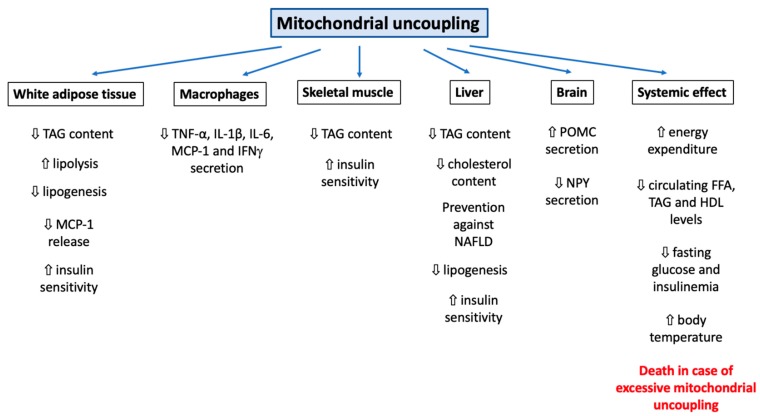
- Therapeutic potential is discussed for obesity, diabetes, cardiovascular disease, and neurological disorders; controlled-release DNP in rats decreased fasting plasma glucose, fatty acids by 30%, TAG, HDL by 30%, and hyperinsulinemia by 50%, with 50–90% decreases in TAG in plasma, liver, and skeletal muscle. DNP at 30 °C decreased energy expenditure by 17% and weight loss by 23% in female C57BL/6J mice, while no significant effect was observed at 22 °C.
Methods
- Narrative review comparing mitochondrial uncoupling agents, uncoupling proteins (UCPs and ANTs), and chemical compounds with uncoupling properties.
- Synthesizes cited literature on cellular and biological processes including autophagy, mitophagy, ROS production, protein secretion, cell death, physical exercise, adipose tissue browning, and cell signaling.
- Discusses possible use of mitochondrial uncouplers in human diseases such as obesity, cardiovascular diseases, and neurological disorders; no primary experimental data or systematic search strategy is reported.
Limitations
- The authors state that most mechanistic studies have focused on classical but non-specific uncouplers such as DNP or FCCP, making it difficult to discriminate effects directly imputable to mitochondrial uncoupling from unspecific effects.
- The authors state that cellular consequences have not been studied rigorously and that continuous development of mitochondria-specific uncoupling agents is needed to improve knowledge and safety.
- Evident from the text: this is a narrative review without stated systematic search or inclusion criteria, and many findings are described as conflicting or dependent on species, cell type, temperature, membrane composition, and uncoupler used.
Model-written summary. Check it against the paper before relying on it.
Integrity signals
Registry
Cites
Statistics
Figures
Verification
Claims the paper makes
162 Not checked yet · 10 Own interpretation · 4 No basis given · 2 Supported · 2 Partly supported · accuracy not yet measured
The cited sources support only part of this claim — read each source’s verdict below.
In the paper
“By decreasing the Ca2+ buffering capacity of mitochondria, CCCP or FCCP increases global exocytosis in chromaffin cells [164,165,166].”
§ Mitochondrial Uncoupling: A Key Controller of Biological Processes in Physiology and Diseases > 3. Cellular Responses to Mitochondrial Uncoupling > 3.8. Cell Signaling
What the sources say
- Partly supportedcites [164] Giovannucci, 1999, Mitochondria regulate the Ca(2+)-exocytosis relationship of bovine adrenal chromaffin cells, J. Neurosci. sourceExperimental — accuracy not yet measured
In “Effect of FCCP on the stimulus-evoked Cm response,” the paper reports that FCCP reduces mitochondrial Ca2+ import and increases stimulus-evoked exocytosis in bovine chromaffin cells. It does not establish the same effect for CCCP, and it reports no significant effect of FCCP on basal membrane capacitance. The supported finding is therefore an increase in evoked, rather than unqualified, exocytosis. (LLM, conf=0.86)
- Partly supportedcites [165] Jurkiewicz, 2013, Novel features on the regulation by mitochondria of calcium and secretion transients in chromaffin cells challenged with acetylcholine at 37°C, Physiol. Rep. sourceExperimental — accuracy not yet measured
The Introduction says CCCP and FCCP suppress mitochondrial Ca2+ buffering and increase exocytosis in bovine chromaffin cells; the Results also report that FCCP potentiates ACh-evoked secretion. But the Introduction notes that protonophores reduce K+-evoked secretory responses in mouse chromaffin cells, so the unqualified claim about chromaffin cells is too broad. (LLM, conf=0.87)
- Not checked yetcites [166] Jurkiewicz, 2009, Role of the Endoplasmic Reticulum and Mitochondria on Quantal Catecholamine Release from Chromaffin Cells of Control and Hypertensive Rats, J. Pharmacol. Exp. Ther. source
plaindirect- Asserted: passes — The authors put it forward as true.
- Checkable: passes — It can be checked against evidence.
- Load-bearing: unclear — It is unclear whether the paper’s conclusions depend on it.
- Based: passes — The paper gives a reason why it holds.
- Partly supported
None of the sources cited for this claim have been checked yet.
In the paper
“Regarding UCP-3, several groups reported that UCP-3 has no clear uncoupling effect as it does, for instance, in CHO cells overexpressing this protein [19] or in rat skeletal muscles [20].”
§ Mitochondrial Uncoupling: A Key Controller of Biological Processes in Physiology and Diseases > 2. Mitochondrial Uncouplers > 2.1. UCPs and ANTs
What the sources say
- Not checked yetcites [19] Mozo, 2006, Expression of UCP3 in CHO cells does not cause uncoupling, but controls mitochondrial activity in the presence of glucose, Biochem. J. source
- Not checked yetcites [20] Cadenas, 1999, UCP2 and UCP3 rise in starved rat skeletal muscle but mitochondrial proton conductance is unchanged, FEBS Lett. source
plain- Asserted: passes — The authors put it forward as true.
- Checkable: passes — It can be checked against evidence.
- Load-bearing: unclear — It is unclear whether the paper’s conclusions depend on it.
- Based: passes — The paper gives a reason why it holds.
In the paper
“First, purine nucleotides, such as GDP, directly bind UCP-1 and lead to its inactivation [8].”
§ Mitochondrial Uncoupling: A Key Controller of Biological Processes in Physiology and Diseases > 2. Mitochondrial Uncouplers > 2.1. UCPs and ANTs
What the sources say
- Not checked yetcites [8] Rial, 1983, Brown-adipose-tissue mitochondria: The regulation of the 32000-Mr uncoupling protein by fatty acids and purine nucleotides, JBIC J. Biol. Inorg. Chem.
plaindirect- Asserted: passes — The authors put it forward as true.
- Checkable: passes — It can be checked against evidence.
- Load-bearing: unclear — It is unclear whether the paper’s conclusions depend on it.
- Based: passes — The paper gives a reason why it holds.
In the paper
“UCP-2 could then only be activated under some circumstances, such as a massive entry of FFAs into mitochondria [18].”
§ Mitochondrial Uncoupling: A Key Controller of Biological Processes in Physiology and Diseases > 2. Mitochondrial Uncouplers > 2.1. UCPs and ANTs
What the sources say
- Not checked yetcites [18] Berardi, 2014, Fatty Acid Flippase Activity of UCP2 Is Essential for Its Proton Transport in Mitochondria, Cell Metab. source
hedgedconditional- Asserted: passes — The authors put it forward as true.
- Checkable: passes — It can be checked against evidence.
- Load-bearing: unclear — It is unclear whether the paper’s conclusions depend on it.
- Based: passes — The paper gives a reason why it holds.
In the paper
“Underlining their importance, ANTs can account for up to 50% of basal mitochondrial membrane proton conductance [25].”
§ Mitochondrial Uncoupling: A Key Controller of Biological Processes in Physiology and Diseases > 2. Mitochondrial Uncouplers > 2.1. UCPs and ANTs
What the sources say
- Not checked yetcites [25] Brand, 2005, The basal proton conductance of mitochondria depends on adenine nucleotide translocase content, Biochem. J. source
plaindirect- Asserted: passes — The authors put it forward as true.
- Checkable: passes — It can be checked against evidence.
- Load-bearing: unclear — It is unclear whether the paper’s conclusions depend on it.
- Based: passes — The paper gives a reason why it holds.
None of the sources cited for this claim have been checked yet.
In the paper
“Second, free fatty acids (FFAs) are well-known to promote UCP-1-dependent protein leak [8,9].”
§ Mitochondrial Uncoupling: A Key Controller of Biological Processes in Physiology and Diseases > 2. Mitochondrial Uncouplers > 2.1. UCPs and ANTs
What the sources say
- Not checked yetcites [8] Rial, 1983, Brown-adipose-tissue mitochondria: The regulation of the 32000-Mr uncoupling protein by fatty acids and purine nucleotides, JBIC J. Biol. Inorg. Chem.
- Not checked yetcites [9] Strieleman, 1985, Fatty acid activation of the reconstituted brown adipose tissue mitochondria uncoupling protein, J. Biol. Chem. source
boosteddirect- Asserted: passes — The authors put it forward as true.
- Checkable: passes — It can be checked against evidence.
- Load-bearing: unclear — It is unclear whether the paper’s conclusions depend on it.
- Based: passes — The paper gives a reason why it holds.
None of the sources cited for this claim have been checked yet.
In the paper
“First, they stimulate directly mitochondrial respiration, as seen in intact isolated brown adipocytes or mitochondria isolated from these cells [28,29].”
§ Mitochondrial Uncoupling: A Key Controller of Biological Processes in Physiology and Diseases > 2. Mitochondrial Uncouplers > 2.2. Natural Uncouplers
What the sources say
- Not checked yetcites [28] Bukowiecki, 1981, Metabolic relationships between lipolysis and respiration in rat brown adipocytes. The role of long chain fatty acids as regulators of mitochondrial respiration and feedback inhibitors of lipolysis, J. Biol. Chem. source
- Not checked yetcites [29] Wojtczak, 1993, Effect of fatty acids on energy coupling processes in mitochondria, Biochim. Biophys. Acta source
plaindirect- Asserted: passes — The authors put it forward as true.
- Checkable: passes — It can be checked against evidence.
- Load-bearing: passes — The paper’s conclusions depend on it.
- Based: passes — The paper gives a reason why it holds.
In the paper
“For instance, UCP-3 expression is expressed at a much lower level than UCP-1 (200–700 fold) in mouse skeletal muscle [21].”
§ Mitochondrial Uncoupling: A Key Controller of Biological Processes in Physiology and Diseases > 2. Mitochondrial Uncouplers > 2.1. UCPs and ANTs
What the sources say
- Not checked yetcites [21] Harper, 2002, Artifactual uncoupling by uncoupling protein 3 in yeast mitochondria at the concentrations found in mouse and rat skeletal-muscle mitochondria, Biochem. J. source
plain- Asserted: passes — The authors put it forward as true.
- Checkable: passes — It can be checked against evidence.
- Load-bearing: unclear — It is unclear whether the paper’s conclusions depend on it.
- Based: passes — The paper gives a reason why it holds.
In the paper
“However, others found that UCP-2 could indeed induce mitochondrial uncoupling by essentially acting as a fatty acid flippase transporter [18].”
§ Mitochondrial Uncoupling: A Key Controller of Biological Processes in Physiology and Diseases > 2. Mitochondrial Uncouplers > 2.1. UCPs and ANTs
What the sources say
- Not checked yetcites [18] Berardi, 2014, Fatty Acid Flippase Activity of UCP2 Is Essential for Its Proton Transport in Mitochondria, Cell Metab. source
plaindirect- Asserted: passes — The authors put it forward as true.
- Checkable: passes — It can be checked against evidence.
- Load-bearing: unclear — It is unclear whether the paper’s conclusions depend on it.
- Based: passes — The paper gives a reason why it holds.
The paper states this without a source or data behind it here, so there is nothing to check it against. The quote shows it is in the paper.
In the paper
“Besides this activity, ANT also possesses some uncoupling properties.”
§ Mitochondrial Uncoupling: A Key Controller of Biological Processes in Physiology and Diseases > 2. Mitochondrial Uncouplers > 2.1. UCPs and ANTs
plaindirect- Asserted: passes — The authors put it forward as true.
- Checkable: passes — It can be checked against evidence.
- Load-bearing: unclear — It is unclear whether the paper’s conclusions depend on it.
- Based: passes — The paper gives a reason why it holds.
- It may state two separate claims as one. 63
- Probably not a substantial claim. 14
- The quote only partly states this claim. 1
The cited sources support only part of this claim — read each source’s verdict below.
In the paper
“Importantly, although strong evidence of the mitochondrial uncoupling property is clear for UCP-1 [7,12], it is still heavily debated for the other UCPs [13,14,15].”
§ Mitochondrial Uncoupling: A Key Controller of Biological Processes in Physiology and Diseases > 2. Mitochondrial Uncouplers > 2.1. UCPs and ANTs
What the sources say
- Partly supportedcites [7] Jacobsson, 1985, Mitochondrial uncoupling protein from mouse brown fat. Molecular cloning, genetic mapping, and mRNA expression, J. Biol. Chem. sourceExperimental — accuracy not yet measured
The Discussion (page unavailable) identifies the brown-fat UCP as a mitochondrial protein and says it is believed to produce heat by uncoupling respiration from ATP production. That supports the UCP-1 mechanism, but the paper hedges it rather than establishing the claim’s stronger assertion that the evidence is clear. The debate about other UCPs is attached to different citations, not this source. (LLM, conf=0.84)
- Supportedcites [12] Nedergaard, 2001, UCP1: The only protein able to mediate adaptive non-shivering thermogenesis and metabolic inefficiency, Biochim. Biophys. Acta source
Section 5.3 reports that mitochondria from UCP1-ablated mice are fully coupled, supporting UCP1’s role in uncoupled respiration. Section 5.4 contrasts UCP1’s clear effect with the lack of consistent evidence for uncoupling by UCP2/UCP3 when expressed at normal levels; the Conclusions likewise call evidence for their uncoupling function weak. (LLM, conf=0.93)
- Supportedcites [13] Bouillaud, 2009, UCP2, not a physiologically relevant uncoupler but a glucose sparing switch impacting ROS production and glucose sensing, Biochim. Biophys. Acta source
Section 2 states that UCP1 clearly uncouples mitochondria, while evidence for uncoupling by UCP2 and UCP3 remains ambiguous. The Conclusion (section 8) says conclusive evidence for the transport activity underlying UCP2/3’s effects is still lacking and that the uncoupling hypothesis needs further support. (LLM, conf=0.93)
- Not checked yetcites [14] Shabalina, 2011, Mitochondrial (‘mild’) uncoupling and ROS production: Physiologically relevant or not?, Biochem. Soc. Trans. source
- Not checked yetcites [15] Stuart, 2001, Physiological Levels of Mammalian Uncoupling Protein 2 Do Not Uncouple Yeast Mitochondria, J. Biol. Chem. source
boosted- Asserted: passes — The authors put it forward as true.
- Checkable: passes — It can be checked against evidence.
- Load-bearing: unclear — It is unclear whether the paper’s conclusions depend on it.
- Based: passes — The paper gives a reason why it holds.
It may state two separate claims as one.
- Partly supported
Every source the paper cites for this claim was checked and supports it.
In the paper
“Indeed, mice treated with DNP present a decrease in mTOR activity, in the insulin-PI3K-MAPK signaling pathways, and a stimulation of the Ca2+-CREB axis accompanied by an increase in autophagy [94].”
§ Mitochondrial Uncoupling: A Key Controller of Biological Processes in Physiology and Diseases > 3. Cellular Responses to Mitochondrial Uncoupling > 3.1. Autophagy
What the sources say
- Supportedcites [94] Liu, 2015, The Mitochondrial Uncoupler DNP Triggers Brain Cell mTOR Signaling Network Reprogramming and CREB Pathway Upregulation, J. Neurochem. source
The Results sections report reduced mTOR and phosphorylated mTOR in DNP-treated mouse cortex, suppressed insulin/PI3K–AKT and MAPK–ERK signaling, and up-regulated calcium–calmodulin–CREB signaling. The autophagy Results section reports increased autophagy-related genes and protein markers; it does not directly measure autophagic flux. Page numbers were not available in our copy. (LLM, conf=0.88)
plaindirect- Asserted: passes — The authors put it forward as true.
- Checkable: passes — It can be checked against evidence.
- Load-bearing: unclear — It is unclear whether the paper’s conclusions depend on it.
- Based: passes — The paper gives a reason why it holds.
It may state two separate claims as one.
- Supported
Every source the paper cites for this claim was checked and supports it.
In the paper
“IL-18 expression seems to be tightly correlated to other proinflammatory markers, such as TNFα, and a linear correlation between IL-18 and BMI was found in humans [237].”
§ Mitochondrial Uncoupling: A Key Controller of Biological Processes in Physiology and Diseases > 3. Cellular Responses to Mitochondrial Uncoupling > 3.7. Adipose Tissue Browning
What the sources say
- Supportedcites [237] Ahmad, 2017, Increased adipose tissue expression of IL-18R and its ligand IL-18 associates with inflammation and insulin resistance in obesity, Immun. Inflamm. Dis. source
The Results section, under “Association of IL‐18R/IL‐18 adipose tissue expression with local inflammation and insulin resistance,” reports a positive correlation between adipose-tissue IL‐18 and TNF‐α expression (r = 0.60, P = 0.04). The Discussion also states that IL‐18 mRNA correlated positively with TNF‐α gene expression. (LLM, conf=0.90)
hedgedcorrelational- Asserted: passes — The authors put it forward as true.
- Checkable: passes — It can be checked against evidence.
- Load-bearing: fails — The paper’s conclusions may not depend on it.
- Based: passes — The paper gives a reason why it holds.
Probably not a substantial claim. The paper’s conclusions may not depend on it.
- Supported
In the paper
“UCP-1 is a transmembrane protein localized in the inner mitochondrial membrane catalyzing the transport of protons across the mitochondrial membrane and thereby inducing mitochondrial uncoupling [7].”
§ Mitochondrial Uncoupling: A Key Controller of Biological Processes in Physiology and Diseases > 2. Mitochondrial Uncouplers > 2.1. UCPs and ANTs
What the sources say
- Not checked yetcites [7] Jacobsson, 1985, Mitochondrial uncoupling protein from mouse brown fat. Molecular cloning, genetic mapping, and mRNA expression, J. Biol. Chem. source
plaindirect- Asserted: passes — The authors put it forward as true.
- Checkable: passes — It can be checked against evidence.
- Load-bearing: unclear — It is unclear whether the paper’s conclusions depend on it.
- Based: passes — The paper gives a reason why it holds.
It may state two separate claims as one.
In the paper
“In addition, UCP-1 activity is also tightly modulated by phosphorylation, a phenomenon shown to increase in response to cold in rats [10].”
§ Mitochondrial Uncoupling: A Key Controller of Biological Processes in Physiology and Diseases > 2. Mitochondrial Uncouplers > 2.1. UCPs and ANTs
What the sources say
- Not checked yetcites [10] Carroll, 2008, Identification of serine phosphorylation in mitochondrial uncoupling protein 1, Biochim. Biophys. Acta source
plaindirect- Asserted: passes — The authors put it forward as true.
- Checkable: passes — It can be checked against evidence.
- Load-bearing: unclear — It is unclear whether the paper’s conclusions depend on it.
- Based: passes — The paper gives a reason why it holds.
It may state two separate claims as one.
In the paper
“The same authors suggested that UCP-2 activity could be completely blocked by GDP at the basal state (100 µM, which corresponds to the basal intracellular GDP/GTP concentration) [18].”
§ Mitochondrial Uncoupling: A Key Controller of Biological Processes in Physiology and Diseases > 2. Mitochondrial Uncouplers > 2.1. UCPs and ANTs
What the sources say
- Not checked yetcites [18] Berardi, 2014, Fatty Acid Flippase Activity of UCP2 Is Essential for Its Proton Transport in Mitochondria, Cell Metab. source
hedgeddirect- Asserted: passes — The authors put it forward as true.
- Checkable: passes — It can be checked against evidence.
- Load-bearing: fails — The paper’s conclusions may not depend on it.
- Based: passes — The paper gives a reason why it holds.
Probably not a substantial claim. The paper’s conclusions may not depend on it.
In the paper
“This process essentially depends on the composition of the inner mitochondrial membrane and could account for up to 30–50% of the resting cellular metabolic rate [3].”
§ Mitochondrial Uncoupling: A Key Controller of Biological Processes in Physiology and Diseases > 1. Introduction
What the sources say
- Not checked yetcites [3] Jastroch, 2010, Mitochondrial proton and electron leaks, Essays Biochem. source
hedgeddirect- Asserted: passes — The authors put it forward as true.
- Checkable: passes — It can be checked against evidence.
- Load-bearing: unclear — It is unclear whether the paper’s conclusions depend on it.
- Based: passes — The paper gives a reason why it holds.
It may state two separate claims as one.
None of the sources cited for this claim have been checked yet.
In the paper
“The molecular mechanism is not entirely clear but has been suggested to depend on the transport of fatty acids [23,24].”
§ Mitochondrial Uncoupling: A Key Controller of Biological Processes in Physiology and Diseases > 2. Mitochondrial Uncouplers > 2.1. UCPs and ANTs
What the sources say
- Not checked yetcites [23] Andreyev, 1989, The ATP/ADP-antiporter is involved in the uncoupling effect of fatty acids on mitochondria, JBIC J. Biol. Inorg. Chem.
- Not checked yetcites [24] Sparks, 2016, ANT1-mediated fatty acid-induced uncoupling as a target for improving myocellular insulin sensitivity, Diabetologia source
hedgedconditional- Asserted: passes — The authors put it forward as true.
- Checkable: passes — It can be checked against evidence.
- Load-bearing: fails — The paper’s conclusions may not depend on it.
- Based: passes — The paper gives a reason why it holds.
Probably not a substantial claim. The paper’s conclusions may not depend on it.
In the paper
“For instance, BAM15 ((2-fluorophenyl)6-[(2-fluorophenyl)amino](1,2,5-oxadiazolo[3,4-e]pyrazin-5-yl)amine) is a novel mitochondria-specific protonophore uncoupler that possesses a similar potency to FCCP or DNP [45].”
§ Mitochondrial Uncoupling: A Key Controller of Biological Processes in Physiology and Diseases > 2. Mitochondrial Uncouplers > 2.3. Synthetic Mitochondrial Uncouplers
What the sources say
- Not checked yetcites [45] Kenwood, 2014, Identification of a novel mitochondrial uncoupler that does not depolarize the plasma membrane, Mol. Metab. source
plaincorrelational- Asserted: passes — The authors put it forward as true.
- Checkable: passes — It can be checked against evidence.
- Load-bearing: unclear — It is unclear whether the paper’s conclusions depend on it.
- Based: passes — The paper gives a reason why it holds.
It may state two separate claims as one.
In the paper
“For instance, CCCP can interfere with lysosomal function and inhibit autophagic cargo degradation in both yeast and HeLa cells [83].”
§ Mitochondrial Uncoupling: A Key Controller of Biological Processes in Physiology and Diseases > 2. Mitochondrial Uncouplers > 2.4. Mitochondrial Uncouplers Affect Lysosomal Ion Homeostasis
What the sources say
- Not checked yetcites [83] Padman, 2013, The protonophore CCCP interferes with lysosomal degradation of autophagic cargo in yeast and mammalian cells, Autophagy source
plaindirect- Asserted: passes — The authors put it forward as true.
- Checkable: passes — It can be checked against evidence.
- Load-bearing: unclear — It is unclear whether the paper’s conclusions depend on it.
- Based: passes — The paper gives a reason why it holds.
It may state two separate claims as one.
In the paper
“In this model, a low concentration (0.5 μM) in this mitochondrial uncoupler is sufficient to reduce adipocyte triacylglycerol (TAG) content, resulting from a lipolysis activation that is independent of the classical cytosolic lipases HSL (Hormone Sensitive Lipase) and ATGL (Adipose Triglyceride Lipase) [91].”
§ Mitochondrial Uncoupling: A Key Controller of Biological Processes in Physiology and Diseases > 3. Cellular Responses to Mitochondrial Uncoupling > 3.1. Autophagy
What the sources say
- Not checked yetcites [91] Demine, 2018, Mild mitochondrial uncoupling induces HSL/ATGL-independent lipolysis relying on a form of autophagy in 3T3-L1 adipocytes, J. Cell. Physiol. source
plaindirect- Asserted: passes — The authors put it forward as true.
- Checkable: passes — It can be checked against evidence.
- Load-bearing: passes — The paper’s conclusions depend on it.
- Based: passes — The paper gives a reason why it holds.
It may state two separate claims as one.
None of the sources cited for this claim have been checked yet.
In the paper
“These molecules are also known to upregulate UCP-1 expression in many models, including mouse [40,41], rat [42,43], and human [44] brown adipose tissues.”
§ Mitochondrial Uncoupling: A Key Controller of Biological Processes in Physiology and Diseases > 2. Mitochondrial Uncouplers > 2.2. Natural Uncouplers
What the sources say
- Not checked yetcites [40] Rehnmark, 1990, Alpha- and beta-adrenergic induction of the expression of the uncoupling protein thermogenin in brown adipocytes differentiated in culture, J. Biol. Chem. source
- Not checked yetcites [41] Champigny, 1992, Regulation of UCP gene expression in brown adipocytes differentiated in primary culture. Effects of a new beta-adrenoceptor agonist, Mol. Cell. Endocrinol. source
- Not checked yetcites [42] Silva, 1988, Full Expression of Uncoupling Protein Gene Requires the Concurrence of Norepinephrine and Triiodothyronine, Mol. Endocrinol. source
- Not checked yetcites [43] Herron, 1990, Norepinephrine-induced synthesis of the uncoupling protein thermogenin (UCP) and its mitochondrial targeting in brown adipocytes differentiated in culture, FEBS Lett. source
- Not checked yetcites [44] Champigny, 1996, Evidence from in vitro differentiating cells that adrenoceptor agonists can increase uncoupling protein mRNA level in adipocytes of adult humans: An RT-PCR study, J. Lipid Res. source
plaindirect- Asserted: passes — The authors put it forward as true.
- Checkable: passes — It can be checked against evidence.
- Load-bearing: unclear — It is unclear whether the paper’s conclusions depend on it.
- Based: passes — The paper gives a reason why it holds.
It may state two separate claims as one.
In the paper
“In summary, FR58P1 mildly uncouples mitochondria, leading to a mitochondrial clearance by mitophagy, activation of the cytoprotective AMPK/Sirt1 axis, and a glycolytic shift.”
§ Mitochondrial Uncoupling: A Key Controller of Biological Processes in Physiology and Diseases > 2. Mitochondrial Uncouplers > 2.3. Synthetic Mitochondrial Uncouplers
What the sources say
- Not checked yetcites [54] Urra, 2018, FR58P1a; a new uncoupler of OXPHOS that inhibits migration in triple-negative breast cancer cells via Sirt1/AMPK/β1-integrin pathway, Sci. Rep. source
plaindirect- Asserted: passes — The authors put it forward as true.
- Checkable: passes — It can be checked against evidence.
- Load-bearing: unclear — It is unclear whether the paper’s conclusions depend on it.
- Based: passes — The paper gives a reason why it holds.
It may state two separate claims as one.
In the paper
“Indeed, mice deficient for LAL (Lysosomal Acid Lipase, lysosomal lipase) exhibit BAT with lysosome and lipid droplet accumulation, reduced UCP-1 expression, and mitochondrial dysfunction [97].”
§ Mitochondrial Uncoupling: A Key Controller of Biological Processes in Physiology and Diseases > 3. Cellular Responses to Mitochondrial Uncoupling > 3.1. Autophagy
What the sources say
- Not checked yetcites [97] Sachdev, 2018, Lysosomal acid lipase regulates fatty acid channeling in brown adipose tissue to maintain thermogenesis, Biochim. Biophys. Acta Mol. Cell. Biol. Lipids
plaindirect- Asserted: passes — The authors put it forward as true.
- Checkable: passes — It can be checked against evidence.
- Load-bearing: passes — The paper’s conclusions depend on it.
- Based: passes — The paper gives a reason why it holds.
It may state two separate claims as one.
In the paper
“For instance, low doses of CCCP (5 μM) or C12TPP (0.2 nM) do not upregulate macroautophagy in human EAhy926 endothelial cells but still induce an anti-inflammatory response, including reduction in the expression of E-selectin, ICAM1, and VCAM1 and in the adhesion of neutrophils to endothelium induced by TNFα (Tumor Necrosis Factor α) [95].”
§ Mitochondrial Uncoupling: A Key Controller of Biological Processes in Physiology and Diseases > 3. Cellular Responses to Mitochondrial Uncoupling > 3.1. Autophagy
What the sources say
- Not checked yetcites [95] Romaschenko, 2015, Low concentrations of uncouplers of oxidative phosphorylation prevent inflammatory activation of endothelial cells by tumor necrosis factor, Biochemistry
plaindirect- Asserted: passes — The authors put it forward as true.
- Checkable: passes — It can be checked against evidence.
- Load-bearing: unclear — It is unclear whether the paper’s conclusions depend on it.
- Based: passes — The paper gives a reason why it holds.
It may state two separate claims as one.
In the paper
“Indeed, the mitochondrial uncoupler cloxyquin (5-chloro-8-hydroxyquinoline) protects mouse cardiomyocytes against ischemia-reperfusion, an effect requiring autophagy [99].”
§ Mitochondrial Uncoupling: A Key Controller of Biological Processes in Physiology and Diseases > 3. Cellular Responses to Mitochondrial Uncoupling > 3.1. Autophagy
What the sources say
- Not checked yetcites [99] Zhang, 2016, The cardioprotective compound cloxyquin uncouples mitochondria and induces autophagy, Am. J. Physiol. Heart Circ. Physiol. source
plaindirect- Asserted: passes — The authors put it forward as true.
- Checkable: passes — It can be checked against evidence.
- Load-bearing: unclear — It is unclear whether the paper’s conclusions depend on it.
- Based: passes — The paper gives a reason why it holds.
It may state two separate claims as one.
None of the sources cited for this claim have been checked yet.
In the paper
“T3 regulates mitochondrial uncoupling by different mechanisms: (1) by sympathetic stimulation [61], (2) by increasing acylcarnitine production [61], thereby activating mitochondrial respiration/uncoupling, and (3) by directly stimulating the transcription of the Ucp1 gene [37].”
§ Mitochondrial Uncoupling: A Key Controller of Biological Processes in Physiology and Diseases > 2. Mitochondrial Uncouplers > 2.2. Natural Uncouplers
What the sources say
plaindirect- Asserted: passes — The authors put it forward as true.
- Checkable: passes — It can be checked against evidence.
- Load-bearing: unclear — It is unclear whether the paper’s conclusions depend on it.
- Based: passes — The paper gives a reason why it holds.
It may state two separate claims as one.
None of the sources cited for this claim have been checked yet.
In the paper
“PUFAs such as eicosapentaenoic acid (EPA) and docosahexaenoic acid (DHA) also stimulate UCP1 expression and thus adaptive non-shivering or diet-induced thermogenesis in brown adipocytes, as well as the browning of the white adipose tissue (WAT) in C57BL/6 mice [67,68], Sprague-Dawley rats [69,70], and overweight humans [71].”
§ Mitochondrial Uncoupling: A Key Controller of Biological Processes in Physiology and Diseases > 2. Mitochondrial Uncouplers > 2.2. Natural Uncouplers
What the sources say
- Not checked yetcites [67] Bargut, T.C.L., Martins, F.F., Santos, L.P., Aguila, M.B., and Mandarim-de-Lacerda, C.A. (2018). Administration of eicosapentaenoic and docosahexaenoic acids may improve the remodeling and browning in subcutaneous white adipose tissue and thermogenic markers in brown adipose tissue in mice. Mol. Cell. Endocrinol. source
- Not checked yetcites [68] Zhao, 2014, Eicosapentaenoic acid promotes thermogenic and fatty acid storage capacity in mouse subcutaneous adipocytes, Biochem. Biophys. Res. Commun. source
- Not checked yetcites [69] Oudart, 1997, Brown fat thermogenesis in rats fed high-fat diets enriched with n-3 polyunsaturated fatty acids, Int. J. Obes. source
- Not checked yetcites [70] Takahashi, 2000, Dietary n-3 fatty acids affect mRNA level of brown adipose tissue uncoupling protein 1, and white adipose tissue leptin and glucose transporter 4 in the rat, Br. J. Nutr. source
- Not checked yetcites [71] Laiglesia, 2016, Eicosapentaenoic acid promotes mitochondrial biogenesis and beige-like features in subcutaneous adipocytes from overweight subjects, J. Nutr. Biochem. source
plaindirect- Asserted: passes — The authors put it forward as true.
- Checkable: passes — It can be checked against evidence.
- Load-bearing: unclear — It is unclear whether the paper’s conclusions depend on it.
- Based: passes — The paper gives a reason why it holds.
It may state two separate claims as one.
In the paper
“However, BAM15 has low or no effect on plasma membrane polarization, as seen in rat L6 myoblasts [45].”
§ Mitochondrial Uncoupling: A Key Controller of Biological Processes in Physiology and Diseases > 2. Mitochondrial Uncouplers > 2.3. Synthetic Mitochondrial Uncouplers
What the sources say
- Not checked yetcites [45] Kenwood, 2014, Identification of a novel mitochondrial uncoupler that does not depolarize the plasma membrane, Mol. Metab. source
plainSingle case- Asserted: passes — The authors put it forward as true.
- Checkable: passes — It can be checked against evidence.
- Load-bearing: unclear — It is unclear whether the paper’s conclusions depend on it.
- Based: passes — The paper gives a reason why it holds.
It may state two separate claims as one. The quote only partly states this claim.
In the paper
“Indeed, hyperthyroidic Atg5KO mice are characterized by a lower body temperature and lower mitochondrial uncoupling than WT littermates [61].”
§ Mitochondrial Uncoupling: A Key Controller of Biological Processes in Physiology and Diseases > 2. Mitochondrial Uncouplers > 2.2. Natural Uncouplers
What the sources say
- Not checked yetcites [61] Yau, 2019, Thyroid hormone (T3) stimulates brown adipose tissue activation via mitochondrial biogenesis and MTOR-mediated mitophagy, Autophagy source
plainconditional- Asserted: passes — The authors put it forward as true.
- Checkable: passes — It can be checked against evidence.
- Load-bearing: unclear — It is unclear whether the paper’s conclusions depend on it.
- Based: passes — The paper gives a reason why it holds.
It may state two separate claims as one.
In the paper
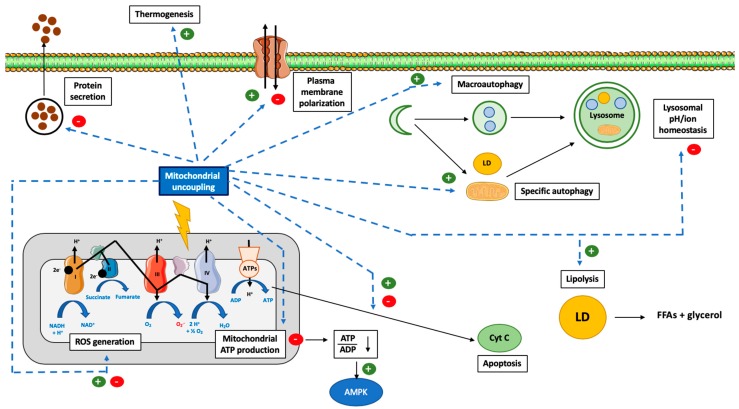
“Mitochondrial uncoupling has often been associated with autophagy activation, and more specifically, with mitophagy (specific degradation of mitochondria by macroautophagy) (Figure 1).”
§ Mitochondrial Uncoupling: A Key Controller of Biological Processes in Physiology and Diseases > 3. Cellular Responses to Mitochondrial Uncoupling > 3.1. Autophagy
What the sources say
- Not checked yetcites [90] Lyamzaev, 2018, Induction of autophagy by depolarization of mitochondria, Autophagy source
plaincorrelational- Asserted: passes — The authors put it forward as true.
- Checkable: passes — It can be checked against evidence.
- Load-bearing: unclear — It is unclear whether the paper’s conclusions depend on it.
- Based: passes — The paper gives a reason why it holds.
It may state two separate claims as one.
In the paper
“Interestingly, rapamycin treatment is accompanied by an increase in mitochondrial potential membrane [100], suggesting, again, a link between mitochondrial (un)coupling and autophagy.”
§ Mitochondrial Uncoupling: A Key Controller of Biological Processes in Physiology and Diseases > 3. Cellular Responses to Mitochondrial Uncoupling > 3.1. Autophagy
What the sources say
- Not checked yetcites [100] Radad, 2015, Rapamycin protects dopaminergic neurons against rotenone-induced cell death in primary mesencephalic cell culture, Folia Neuropathol. source
hedgeddirect- Asserted: passes — The authors put it forward as true.
- Checkable: passes — It can be checked against evidence.
- Load-bearing: unclear — It is unclear whether the paper’s conclusions depend on it.
- Based: passes — The paper gives a reason why it holds.
It may state two separate claims as one.
In the paper
“In humans, physical exercise increases total mitochondrial mass and uncoupling in skeletal muscular cells [192].”
§ Mitochondrial Uncoupling: A Key Controller of Biological Processes in Physiology and Diseases > 3. Cellular Responses to Mitochondrial Uncoupling > 3.6. Physical Exercise
What the sources say
- Not checked yetcites [192] Phielix, 2010, Exercise training increases mitochondrial content and ex vivo mitochondrial function similarly in patients with type 2 diabetes and in control individuals, Diabetologia source
plaindirect- Asserted: passes — The authors put it forward as true.
- Checkable: passes — It can be checked against evidence.
- Load-bearing: unclear — It is unclear whether the paper’s conclusions depend on it.
- Based: passes — The paper gives a reason why it holds.
It may state two separate claims as one.
None of the sources cited for this claim have been checked yet.
In the paper
“In accordance with this theory, use of CCCP or FCCP decreases the Ca2+ buffering capacity of mitochondria and increases global exocytosis in bovine [164,165] and rat chromaffin cells [166] but not in the same cell type in mice [167], suggesting species differences.”
§ Mitochondrial Uncoupling: A Key Controller of Biological Processes in Physiology and Diseases > 3. Cellular Responses to Mitochondrial Uncoupling > 3.4. Protein Secretion
What the sources say
- Not checked yetcites [164] Giovannucci, 1999, Mitochondria regulate the Ca(2+)-exocytosis relationship of bovine adrenal chromaffin cells, J. Neurosci. source
- Not checked yetcites [165] Jurkiewicz, 2013, Novel features on the regulation by mitochondria of calcium and secretion transients in chromaffin cells challenged with acetylcholine at 37°C, Physiol. Rep. source
- Not checked yetcites [166] Jurkiewicz, 2009, Role of the Endoplasmic Reticulum and Mitochondria on Quantal Catecholamine Release from Chromaffin Cells of Control and Hypertensive Rats, J. Pharmacol. Exp. Ther. source
- Not checked yetcites [167] Fuentealba, 2005, Depolarization evokes different patterns of calcium signals and exocytosis in bovine and mouse chromaffin cells: The role of mitochondria, Eur. J. Neurosci. source
hedgeddirect- Asserted: passes — The authors put it forward as true.
- Checkable: passes — It can be checked against evidence.
- Load-bearing: unclear — It is unclear whether the paper’s conclusions depend on it.
- Based: passes — The paper gives a reason why it holds.
It may state two separate claims as one.
None of the sources cited for this claim have been checked yet.
In the paper
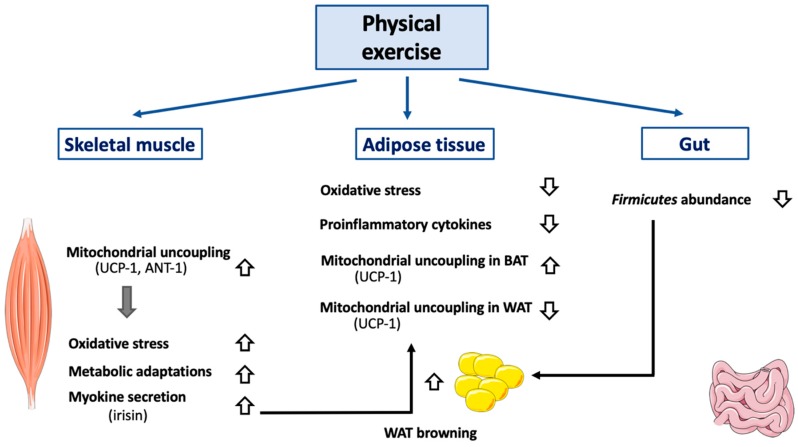
“First, physical exercise by itself directly reduces proton leak and ROS production and increases mitochondrial membrane potential, suggesting an improvement of mitochondrial coupling (Figure 3).”
§ Mitochondrial Uncoupling: A Key Controller of Biological Processes in Physiology and Diseases > 3. Cellular Responses to Mitochondrial Uncoupling > 3.6. Physical Exercise
hedgeddirect- Asserted: passes — The authors put it forward as true.
- Checkable: passes — It can be checked against evidence.
- Load-bearing: unclear — It is unclear whether the paper’s conclusions depend on it.
- Based: passes — The paper gives a reason why it holds.
It may state two separate claims as one.
None of the sources cited for this claim have been checked yet.
In the paper
“Irisin is mainly secreted by skeletal muscle cells, although some secretion was also reported in WAT [204] and, to a lesser extent, in BAT [204,205].”
§ Mitochondrial Uncoupling: A Key Controller of Biological Processes in Physiology and Diseases > 3. Cellular Responses to Mitochondrial Uncoupling > 3.6. Physical Exercise
What the sources say
- Not checked yetcites [204] Roca-Rivada, A., Castelao, C., Senin, L.L., Landrove, M.O., Baltar, J., Crujeiras, A.B., Seoane, L.M., Casanueva, F.F., and Pardo, M. (2013). FNDC5/Irisin Is Not Only a Myokine but Also an Adipokine. PLoS ONE, 8. source
- Not checked yetcites [205] 2018, Irisin a Novel Metabolic biomarker: Present knowledge and future directions, Int. J. Endocrinol.
plain- Asserted: passes — The authors put it forward as true.
- Checkable: passes — It can be checked against evidence.
- Load-bearing: unclear — It is unclear whether the paper’s conclusions depend on it.
- Based: passes — The paper gives a reason why it holds.
It may state two separate claims as one.
The paper states this without a source or data behind it here, so there is nothing to check it against. The quote shows it is in the paper.
In the paper
“Another hallmark of this tissue is the expression of UCP-1, allowing these cells to oxidize fatty acids in order to dissipate and produce energy as heat, a phenomenon called “non-shivering adaptive thermogenesis.””
§ Mitochondrial Uncoupling: A Key Controller of Biological Processes in Physiology and Diseases > 3. Cellular Responses to Mitochondrial Uncoupling > 3.7. Adipose Tissue Browning
plaindirect- Asserted: passes — The authors put it forward as true.
- Checkable: passes — It can be checked against evidence.
- Load-bearing: fails — The paper’s conclusions may not depend on it.
- Based: passes — The paper gives a reason why it holds.
Probably not a substantial claim. The paper’s conclusions may not depend on it. It may state two separate claims as one.
In the paper
“Contrary to UCP-1, the effect of the overexpression of ANT-1 (but not ANT2 [184]) is well-known to promote apoptosis.”
§ Mitochondrial Uncoupling: A Key Controller of Biological Processes in Physiology and Diseases > 3. Cellular Responses to Mitochondrial Uncoupling > 3.5. Cell Death
What the sources say
- Not checked yetcites [184] Zamora, 2004, Recruitment of NF-κB into Mitochondria Is Involved in Adenine Nucleotide Translocase 1 (ANT1)-induced Apoptosis, J. Biol. Chem. source
boosteddirect- Asserted: passes — The authors put it forward as true.
- Checkable: passes — It can be checked against evidence.
- Load-bearing: unclear — It is unclear whether the paper’s conclusions depend on it.
- Based: passes — The paper gives a reason why it holds.
It may state two separate claims as one.
None of the sources cited for this claim have been checked yet.
In the paper
“Three types of adipose tissues have been identified so far: The WAT [218], the BAT [219,220], and the beige or brite (brown in white) adipose tissue (BIWAT) [220].”
§ Mitochondrial Uncoupling: A Key Controller of Biological Processes in Physiology and Diseases > 3. Cellular Responses to Mitochondrial Uncoupling > 3.7. Adipose Tissue Browning
What the sources say
- Not checked yetcites [218] Rutkowski, 2015, The cell biology of fat expansion, J. Cell Biol. source
- Not checked yetcites [219] Schulz, 2013, Brown adipose tissue: Development, metabolism and beyond, Biochem. J. source
- Not checked yetcites [220] Harms, 2013, Brown and beige fat: Development, function and therapeutic potential, Nat. Med. source
plain- Asserted: passes — The authors put it forward as true.
- Checkable: passes — It can be checked against evidence.
- Load-bearing: fails — The paper’s conclusions may not depend on it.
- Based: passes — The paper gives a reason why it holds.
Probably not a substantial claim. The paper’s conclusions may not depend on it.
In the paper
“To explain this effect, it was suggested that mitochondrial uncoupling, by decreasing ATP content, could slow down the energy-demanding steps in protein secretion [160].”
§ Mitochondrial Uncoupling: A Key Controller of Biological Processes in Physiology and Diseases > 3. Cellular Responses to Mitochondrial Uncoupling > 3.4. Protein Secretion
What the sources say
- Not checked yetcites [160] Argon, 1989, Two steps in the intracellular transport of IgD are sensitive to energy depletion, J. Immunol. source
hedgedconditional- Asserted: passes — The authors put it forward as true.
- Checkable: passes — It can be checked against evidence.
- Load-bearing: fails — The paper’s conclusions may not depend on it.
- Based: passes — The paper gives a reason why it holds.
Probably not a substantial claim. The paper’s conclusions may not depend on it.
A conclusion the paper draws from its own results — it cites no other source for it, so there is none to check. The quote shows it is in the paper.
In the paper
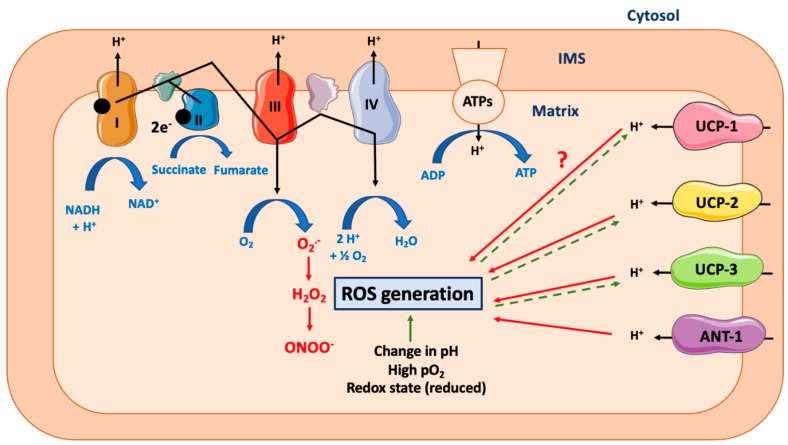
“Based on the simple model described above, the induction of mitochondrial uncoupling would theoretically lead to a decrease in ROS production (Figure 2).”
§ Mitochondrial Uncoupling: A Key Controller of Biological Processes in Physiology and Diseases > 3. Cellular Responses to Mitochondrial Uncoupling > 3.3. Reactive Oxygen Species Production
hedgedconditional- Asserted: passes — The authors put it forward as true.
- Checkable: passes — It can be checked against evidence.
- Load-bearing: passes — The paper’s conclusions depend on it.
- Based: passes — The paper gives a reason why it holds.
Probably not a substantial claim.
In the paper
“In fine, excessive ROS production damages mitochondria and induces secondary mitochondrial respiration uncoupling [158].”
§ Mitochondrial Uncoupling: A Key Controller of Biological Processes in Physiology and Diseases > 3. Cellular Responses to Mitochondrial Uncoupling > 3.3. Reactive Oxygen Species Production
What the sources say
- Not checked yetcites [158] Ma, 2015, Mitochondrial targeted β-lapachone induces mitochondrial dysfunction and catastrophic vacuolization in cancer cells, Bioorg. Med. Chem. Lett. source
plaindirect- Asserted: passes — The authors put it forward as true.
- Checkable: passes — It can be checked against evidence.
- Load-bearing: unclear — It is unclear whether the paper’s conclusions depend on it.
- Based: passes — The paper gives a reason why it holds.
It may state two separate claims as one.
In the paper
“However, this coupling is not complete and leads in fine to the production of ROS, a process called electron leak [3] (Figure 2).”
§ Mitochondrial Uncoupling: A Key Controller of Biological Processes in Physiology and Diseases > 3. Cellular Responses to Mitochondrial Uncoupling > 3.3. Reactive Oxygen Species Production
What the sources say
- Not checked yetcites [3] Jastroch, 2010, Mitochondrial proton and electron leaks, Essays Biochem. source
plaindirect- Asserted: passes — The authors put it forward as true.
- Checkable: passes — It can be checked against evidence.
- Load-bearing: unclear — It is unclear whether the paper’s conclusions depend on it.
- Based: passes — The paper gives a reason why it holds.
It may state two separate claims as one.
In the paper
“Indeed, no increase in the mitochondrial uncoupling rate in subcutaneous inguinal WAT of rats exposed to cold was found, even though UCP-1 protein expression was elevated as expected [223].”
§ Mitochondrial Uncoupling: A Key Controller of Biological Processes in Physiology and Diseases > 3. Cellular Responses to Mitochondrial Uncoupling > 3.7. Adipose Tissue Browning
What the sources say
- Not checked yetcites [223] Jani, 2019, Cold acclimation enhances UCP1 content, lipolysis, and triacylglycerol resynthesis, but not mitochondrial uncoupling and fat oxidation, in rat white adipocytes, Am. J. Physiol. Physiol. source
plain- Asserted: passes — The authors put it forward as true.
- Checkable: passes — It can be checked against evidence.
- Load-bearing: passes — The paper’s conclusions depend on it.
- Based: passes — The paper gives a reason why it holds.
It may state two separate claims as one.
None of the sources cited for this claim have been checked yet.
In the paper
“In the adipose tissue, the latest cytokine is released by both macrophages and adipocytes in obese mice and humans [237,238].”
§ Mitochondrial Uncoupling: A Key Controller of Biological Processes in Physiology and Diseases > 3. Cellular Responses to Mitochondrial Uncoupling > 3.7. Adipose Tissue Browning
What the sources say
- Not checked yetcites [237] Ahmad, 2017, Increased adipose tissue expression of IL-18R and its ligand IL-18 associates with inflammation and insulin resistance in obesity, Immun. Inflamm. Dis. source
- Not checked yetcites [238] Skurk, 2005, The proatherogenic cytokine interleukin-18 is secreted by human adipocytes, Eur. J. Endocrinol. source
plain- Asserted: passes — The authors put it forward as true.
- Checkable: passes — It can be checked against evidence.
- Load-bearing: fails — The paper’s conclusions may not depend on it.
- Based: passes — The paper gives a reason why it holds.
Probably not a substantial claim. The paper’s conclusions may not depend on it.
In the paper
“Indeed, C57BL7 mice deficient for IL-18 are extremely sensitive to obesity but also exhibit larger brown adipocytes and a higher UCP-1 expression in BAT compared to wild-type littermates [240].”
§ Mitochondrial Uncoupling: A Key Controller of Biological Processes in Physiology and Diseases > 3. Cellular Responses to Mitochondrial Uncoupling > 3.7. Adipose Tissue Browning
What the sources say
- Not checked yetcites [240] Yamanishi, 2018, Deficiency in interleukin-18 promotes differentiation of brown adipose tissue resulting in fat accumulation despite dyslipidemia, J. Transl. Med. source
plaincorrelational- Asserted: passes — The authors put it forward as true.
- Checkable: passes — It can be checked against evidence.
- Load-bearing: unclear — It is unclear whether the paper’s conclusions depend on it.
- Based: passes — The paper gives a reason why it holds.
It may state two separate claims as one.
In the paper
“The effect of IL-1β on white adipocytes includes an increase in ROS production, a decrease in SOD activity, and mitochondrial depolarization [229].”
§ Mitochondrial Uncoupling: A Key Controller of Biological Processes in Physiology and Diseases > 3. Cellular Responses to Mitochondrial Uncoupling > 3.7. Adipose Tissue Browning
What the sources say
- Not checked yetcites [229] Okla, 2018, Inhibitory effects of toll-like receptor 4, NLRP3 inflammasome, and interleukin-1β on white adipocyte browning, Inflammation source
plaindirect- Asserted: passes — The authors put it forward as true.
- Checkable: passes — It can be checked against evidence.
- Load-bearing: unclear — It is unclear whether the paper’s conclusions depend on it.
- Based: passes — The paper gives a reason why it holds.
It may state two separate claims as one.
In the paper
“If both mouse models are overweight at the basal state but protected against diet-induced obesity, only IL-18r KO mice can increase thermogenesis and white browning in response to HFD or cold [241].”
§ Mitochondrial Uncoupling: A Key Controller of Biological Processes in Physiology and Diseases > 3. Cellular Responses to Mitochondrial Uncoupling > 3.7. Adipose Tissue Browning
What the sources say
- Not checked yetcites [241] Pazos, 2015, Divergent responses to thermogenic stimuli in BAT and subcutaneous adipose tissue from interleukin 18 and interleukin 18 receptor 1-deficient mice, Sci. Rep. source
plaincorrelational- Asserted: passes — The authors put it forward as true.
- Checkable: passes — It can be checked against evidence.
- Load-bearing: passes — The paper’s conclusions depend on it.
- Based: passes — The paper gives a reason why it holds.
It may state two separate claims as one.
A conclusion the paper draws from its own results — it cites no other source for it, so there is none to check. The quote shows it is in the paper.
In the paper
“The precise action of IL-18 is likely to be complex and possibly independent from the IL-18 receptor (IL-18r).”
§ Mitochondrial Uncoupling: A Key Controller of Biological Processes in Physiology and Diseases > 3. Cellular Responses to Mitochondrial Uncoupling > 3.7. Adipose Tissue Browning
hedgedconditional- Asserted: passes — The authors put it forward as true.
- Checkable: passes — It can be checked against evidence.
- Load-bearing: unclear — It is unclear whether the paper’s conclusions depend on it.
- Based: passes — The paper gives a reason why it holds.
It may state two separate claims as one.
None of the sources cited for this claim have been checked yet.
In the paper
“Sestrins are a family of stress-inducible proteins involved in the negative regulation of the AMPK/TORC1 axis [227] and in ROS detoxifying by restoration of the activity of oxidized peroxiredoxins [227,228].”
§ Mitochondrial Uncoupling: A Key Controller of Biological Processes in Physiology and Diseases > 3. Cellular Responses to Mitochondrial Uncoupling > 3.7. Adipose Tissue Browning
What the sources say
plaindirect- Asserted: passes — The authors put it forward as true.
- Checkable: passes — It can be checked against evidence.
- Load-bearing: passes — The paper’s conclusions depend on it.
- Based: passes — The paper gives a reason why it holds.
It may state two separate claims as one.
In the paper
“This effect seems to be due to IL-1β release by macrophages, as IL-1β blocking antibodies protected the human white adipocytes.”
§ Mitochondrial Uncoupling: A Key Controller of Biological Processes in Physiology and Diseases > 3. Cellular Responses to Mitochondrial Uncoupling > 3.7. Adipose Tissue Browning
What the sources say
- Not checked yetcites [229] Okla, 2018, Inhibitory effects of toll-like receptor 4, NLRP3 inflammasome, and interleukin-1β on white adipocyte browning, Inflammation source
hedgedconditional- Asserted: passes — The authors put it forward as true.
- Checkable: passes — It can be checked against evidence.
- Load-bearing: unclear — It is unclear whether the paper’s conclusions depend on it.
- Based: passes — The paper gives a reason why it holds.
It may state two separate claims as one.
In the paper
“For instance, in combination with IL-2, IL-18 can promote a Th2 response, while a Th1 response will be promoted in response to IL-12 (reviewed here [239]).”
§ Mitochondrial Uncoupling: A Key Controller of Biological Processes in Physiology and Diseases > 3. Cellular Responses to Mitochondrial Uncoupling > 3.7. Adipose Tissue Browning
What the sources say
- Not checked yetcites [239] Seljeflot, 2010, The role of interleukin-18 in the metabolic syndrome, Cardiovasc. Diabetol. source
plaindirect- Asserted: passes — The authors put it forward as true.
- Checkable: passes — It can be checked against evidence.
- Load-bearing: fails — The paper’s conclusions may not depend on it.
- Based: passes — The paper gives a reason why it holds.
Probably not a substantial claim. The paper’s conclusions may not depend on it. It may state two separate claims as one.
In the paper
“IL-18 is known to enhance both T cell and natural killer cell maturation and promote proinflammatory cytokine release [239].”
§ Mitochondrial Uncoupling: A Key Controller of Biological Processes in Physiology and Diseases > 3. Cellular Responses to Mitochondrial Uncoupling > 3.7. Adipose Tissue Browning
What the sources say
- Not checked yetcites [239] Seljeflot, 2010, The role of interleukin-18 in the metabolic syndrome, Cardiovasc. Diabetol. source
boosteddirect- Asserted: passes — The authors put it forward as true.
- Checkable: passes — It can be checked against evidence.
- Load-bearing: fails — The paper’s conclusions may not depend on it.
- Based: passes — The paper gives a reason why it holds.
Probably not a substantial claim. The paper’s conclusions may not depend on it. It may state two separate claims as one.
None of the sources cited for this claim have been checked yet.
In the paper
“Oxidative stress is usually observed in adipocytes during obesity.”
§ Mitochondrial Uncoupling: A Key Controller of Biological Processes in Physiology and Diseases > 3. Cellular Responses to Mitochondrial Uncoupling > 3.7. Adipose Tissue Browning
What the sources say
plaincorrelational- Asserted: passes — The authors put it forward as true.
- Checkable: passes — It can be checked against evidence.
- Load-bearing: fails — The paper’s conclusions may not depend on it.
- Based: passes — The paper gives a reason why it holds.
Probably not a substantial claim. The paper’s conclusions may not depend on it.
In the paper
“To support the role of IL-18 in this process, exogenous administration of IL-18 in these mice restores the adipocyte size as well as the expression of UCP-1 [240].”
§ Mitochondrial Uncoupling: A Key Controller of Biological Processes in Physiology and Diseases > 3. Cellular Responses to Mitochondrial Uncoupling > 3.7. Adipose Tissue Browning
What the sources say
- Not checked yetcites [240] Yamanishi, 2018, Deficiency in interleukin-18 promotes differentiation of brown adipose tissue resulting in fat accumulation despite dyslipidemia, J. Transl. Med. source
plaindirect- Asserted: passes — The authors put it forward as true.
- Checkable: passes — It can be checked against evidence.
- Load-bearing: unclear — It is unclear whether the paper’s conclusions depend on it.
- Based: passes — The paper gives a reason why it holds.
It may state two separate claims as one.
In the paper
“Though most studies often focus on WAT adipokine secretion, BAT is also characterized by its own set of (non-BAT-specific) adipokines, including, for instance, IL-6, IL-8, and MCP-1 [242].”
§ Mitochondrial Uncoupling: A Key Controller of Biological Processes in Physiology and Diseases > 3. Cellular Responses to Mitochondrial Uncoupling > 3.7. Adipose Tissue Browning
What the sources say
- Not checked yetcites [242] Veress, 2019, Interleukin-6 released from differentiating human beige adipocytes improves browning, Exp. Cell Res. source
plain- Asserted: passes — The authors put it forward as true.
- Checkable: passes — It can be checked against evidence.
- Load-bearing: fails — The paper’s conclusions may not depend on it.
- Based: passes — The paper gives a reason why it holds.
Probably not a substantial claim. The paper’s conclusions may not depend on it.
In the paper
“IL-18 expression seems to be tightly correlated to other proinflammatory markers, such as TNFα, and a linear correlation between IL-18 and BMI was found in humans [237].”
§ Mitochondrial Uncoupling: A Key Controller of Biological Processes in Physiology and Diseases > 3. Cellular Responses to Mitochondrial Uncoupling > 3.7. Adipose Tissue Browning
What the sources say
- Not checked yetcites [237] Ahmad, 2017, Increased adipose tissue expression of IL-18R and its ligand IL-18 associates with inflammation and insulin resistance in obesity, Immun. Inflamm. Dis. source
plaincorrelational- Asserted: passes — The authors put it forward as true.
- Checkable: passes — It can be checked against evidence.
- Load-bearing: fails — The paper’s conclusions may not depend on it.
- Based: passes — The paper gives a reason why it holds.
Probably not a substantial claim. The paper’s conclusions may not depend on it.
None of the sources cited for this claim have been checked yet.
In the paper
“The reported side effects of DNP include acute cataract [261,262], sensory axonal polyneuropathy [263], fever, tachycardia, sweating, nausea, rash, breathing difficulties, abdominal pain, agitation, headache, and death [264,265].”
§ Mitochondrial Uncoupling: A Key Controller of Biological Processes in Physiology and Diseases > 4. Possible Use of Mitochondrial Uncouplers for Human Diseases
What the sources say
- Not checked yetcites [261] Margo, 2014, Diet pills and the cataract outbreak of 1935: Reflections on the evolution of consumer protection legislation, Surv. Ophthalmol. source
- Not checked yetcites [262] Horner, 1936, Cataract following di-nitrophenol treatment for obesity, Arch. Ophthalmol. source
- Not checked yetcites [263] Izumoto, 2017, Sensory axonal polyneuropathy due to 2,4-dinitrophenol, Rinsho Shinkeigaku source
- Not checked yetcites [264] Kamour, 2015, Increasing frequency of severe clinical toxicity after use of 2,4-dinitrophenol in the UK: A report from the National Poisons Information Service, Emerg. Med. J. source
- Not checked yetcites [265] Grundlingh, 2011, 2,4-Dinitrophenol (DNP): A Weight Loss Agent with Significant Acute Toxicity and Risk of Death, J. Med. Toxicol. source
plaindirect- Asserted: passes — The authors put it forward as true.
- Checkable: passes — It can be checked against evidence.
- Load-bearing: passes — The paper’s conclusions depend on it.
- Based: passes — The paper gives a reason why it holds.
It may state two separate claims as one.
In the paper
“Moreover, these mice also showed a similar intolerance to physical activity and a degeneration of smooth muscle cells [259].”
§ Mitochondrial Uncoupling: A Key Controller of Biological Processes in Physiology and Diseases > 3. Cellular Responses to Mitochondrial Uncoupling > 3.8. Cell Signaling
What the sources say
- Not checked yetcites [259] Ost, M., Werner, F., Dokas, J., Klaus, S., and Voigt, A. (2014). Activation of AMPKα2 Is Not Crucial for Mitochondrial Uncoupling-Induced Metabolic Effects but Required to Maintain Skeletal Muscle Integrity. PLoS ONE, 9. source
plaincorrelational- Asserted: passes — The authors put it forward as true.
- Checkable: passes — It can be checked against evidence.
- Load-bearing: unclear — It is unclear whether the paper’s conclusions depend on it.
- Based: passes — The paper gives a reason why it holds.
It may state two separate claims as one.
In the paper
“Interestingly, the effects of UCP-1 overexpression are fat depot-dependent and can be explained by differences in term of AMPK subunit activation (reviewed here [258]).”
§ Mitochondrial Uncoupling: A Key Controller of Biological Processes in Physiology and Diseases > 3. Cellular Responses to Mitochondrial Uncoupling > 3.8. Cell Signaling
What the sources say
- Not checked yetcites [258] Klaus, 2012, Augmenting energy expenditure by mitochondrial uncoupling: A role of AMP-activated protein kinase, Genes Nutr. source
plaindirect- Asserted: passes — The authors put it forward as true.
- Checkable: passes — It can be checked against evidence.
- Load-bearing: unclear — It is unclear whether the paper’s conclusions depend on it.
- Based: passes — The paper gives a reason why it holds.
It may state two separate claims as one.
In the paper
“Indeed, DNP induces a decrease in energy expenditure by 17% and weight loss by 23% at 30 °C in female C57BL/6J, while no significant effect has been observed at 22 °C [269].”
§ Mitochondrial Uncoupling: A Key Controller of Biological Processes in Physiology and Diseases > 4. Possible Use of Mitochondrial Uncouplers for Human Diseases
What the sources say
- Not checked yetcites [269] Goldgof, 2014, The Chemical Uncoupler 2,4-Dinitrophenol (DNP) Protects against Diet-induced Obesity and Improves Energy Homeostasis in Mice at Thermoneutrality, J. Biol. Chem. source
plaindirect- Asserted: passes — The authors put it forward as true.
- Checkable: passes — It can be checked against evidence.
- Load-bearing: unclear — It is unclear whether the paper’s conclusions depend on it.
- Based: passes — The paper gives a reason why it holds.
It may state two separate claims as one.
In the paper
“Indeed, intermittent fasting is associated with body weight decrease and WAT browning, also by increasing the Firmicutes level [248].”
§ Mitochondrial Uncoupling: A Key Controller of Biological Processes in Physiology and Diseases > 3. Cellular Responses to Mitochondrial Uncoupling > 3.7. Adipose Tissue Browning
What the sources say
- Not checked yetcites [248] Li, 2017, Intermittent Fasting Promotes White Adipose Browning and Decreases Obesity by Shaping the Gut Microbiota, Cell Metab. source
plaincorrelational- Asserted: passes — The authors put it forward as true.
- Checkable: passes — It can be checked against evidence.
- Load-bearing: unclear — It is unclear whether the paper’s conclusions depend on it.
- Based: passes — The paper gives a reason why it holds.
It may state two separate claims as one.
None of the sources cited for this claim have been checked yet.
In the paper
“More recently, an increase in the use of DNP as a self-medication has been observed in China [266] and the United Kingdom [267], leading to new cases of DNP-associated fatalities.”
§ Mitochondrial Uncoupling: A Key Controller of Biological Processes in Physiology and Diseases > 4. Possible Use of Mitochondrial Uncouplers for Human Diseases
What the sources say
- Not checked yetcites [266] Lee, 2014, 2,4-Dinitrophenol: A threat to Chinese body-conscious groups, J. Chin. Med. Assoc. source
- Not checked yetcites [267] Holborow, A., Purnell, R.M., and Wong, J.F. (2016). Beware the yellow slimming pill: Fatal 2,4-dinitrophenol overdose. BMJ Case Rep., 2016. source
plaindirect- Asserted: passes — The authors put it forward as true.
- Checkable: passes — It can be checked against evidence.
- Load-bearing: unclear — It is unclear whether the paper’s conclusions depend on it.
- Based: passes — The paper gives a reason why it holds.
It may state two separate claims as one.
In the paper
“For instance, FCCP leads to an increase in intracellular/cytosolic Ca2+ concentration and to the secondary opening of Ca2+-activated K+ channels, causing a plasma membrane hyperpolarization in mouse sensory neurons [77].”
§ Mitochondrial Uncoupling: A Key Controller of Biological Processes in Physiology and Diseases > 3. Cellular Responses to Mitochondrial Uncoupling > 3.8. Cell Signaling
What the sources say
- Not checked yetcites [77] Duchen, 1990, Effects of metabolic inhibition on the membrane properties of isolated mouse primary sensory neurones, J. Physiol. source
plaindirect- Asserted: passes — The authors put it forward as true.
- Checkable: passes — It can be checked against evidence.
- Load-bearing: unclear — It is unclear whether the paper’s conclusions depend on it.
- Based: passes — The paper gives a reason why it holds.
It may state two separate claims as one.
In the paper
“Moreover, interindividual sensitivity largely differs, i.e., side effects could be observed in some patients but not in others, even at therapeutically efficient doses, thereby complicating its medical use.”
§ Mitochondrial Uncoupling: A Key Controller of Biological Processes in Physiology and Diseases > 4. Possible Use of Mitochondrial Uncouplers for Human Diseases
What the sources say
- Not checked yetcites [260] Ingbe, S.Z., and Carlson-Lynch, H. (1995). Toxicological Profile for Dinitrophenols.
hedgedcorrelational- Asserted: passes — The authors put it forward as true.
- Checkable: passes — It can be checked against evidence.
- Load-bearing: passes — The paper’s conclusions depend on it.
- Based: passes — The paper gives a reason why it holds.
It may state two separate claims as one.
None of the sources cited for this claim have been checked yet.
In the paper
“In terms of cell signaling, the best-known effect of mitochondrial uncouplers is probably a drop in ATP/AMP levels, which induces the activation of the AMPK signaling pathway (Figure 1).”
§ Mitochondrial Uncoupling: A Key Controller of Biological Processes in Physiology and Diseases > 3. Cellular Responses to Mitochondrial Uncoupling > 3.8. Cell Signaling
What the sources say
- Not checked yetcites [91] Demine, 2018, Mild mitochondrial uncoupling induces HSL/ATGL-independent lipolysis relying on a form of autophagy in 3T3-L1 adipocytes, J. Cell. Physiol. source
- Not checked yetcites [251] Matejkova, 2004, Possible involvement of AMP-activated protein kinase in obesity resistance induced by respiratory uncoupling in white fat, FEBS Lett. source
- Not checked yetcites [252] Neschen, 2008, Uncoupling protein 1 expression in murine skeletal muscle increases AMPK activation, glucose turnover, and insulin sensitivity in vivo, Physiol. Genom. source
- Not checked yetcites [253] Han, 2004, UCP-mediated energy depletion in skeletal muscle increases glucose transport despite lipid accumulation and mitochondrial dysfunction, Am. J. Physiol. Metab.
- Not checked yetcites [54] Urra, 2018, FR58P1a; a new uncoupler of OXPHOS that inhibits migration in triple-negative breast cancer cells via Sirt1/AMPK/β1-integrin pathway, Sci. Rep. source
- Not checked yetcites [254] Figarola, 2015, SR4 Uncouples Mitochondrial Oxidative Phosphorylation, Modulates AMP-dependent Kinase (AMPK)-Mammalian Target of Rapamycin (mTOR) Signaling, and Inhibits Proliferation of HepG2 Hepatocarcinoma Cells, J. Biol. Chem. source
- Not checked yetcites [255] Singhal, 2012, 1,3-bis(3,5-dichlorophenyl) Urea Compound ‘COH-SR4’ Inhibits Proliferation and Activates Apoptosis in Melanoma, Biochem. Pharmacol. source
- Not checked yetcites [256] Singhal, 2013, Novel Compound 1, 3-bis (3, 5-dichlorophenyl) urea Inhibits Lung Cancer Progression, Biochem. Pharmacol. source
hedgeddirect- Asserted: passes — The authors put it forward as true.
- Checkable: passes — It can be checked against evidence.
- Load-bearing: unclear — It is unclear whether the paper’s conclusions depend on it.
- Based: passes — The paper gives a reason why it holds.
It may state two separate claims as one.
In the paper
“MCP-1 release was also decreased by lower concentrations (1.5 μM) of DNP in murine 3T3-L1 adipocytes, an effect which relies on endoplasmic reticulum stress induction and AMPK activation [272].”
§ Mitochondrial Uncoupling: A Key Controller of Biological Processes in Physiology and Diseases > 4. Possible Use of Mitochondrial Uncouplers for Human Diseases
What the sources say
- Not checked yetcites [272] Takahashi, 2012, Induction of mitochondrial uncoupling enhances VEGF₁₂₀ but reduces MCP-1 release in mature 3T3-L1 adipocytes: Possible regulatory mechanism through endogenous ER stress and AMPK-related pathways, Biochem. Biophys. Res. Commun. source
plaindirect- Asserted: passes — The authors put it forward as true.
- Checkable: passes — It can be checked against evidence.
- Load-bearing: unclear — It is unclear whether the paper’s conclusions depend on it.
- Based: passes — The paper gives a reason why it holds.
It may state two separate claims as one.
In the paper
“Rats exposed to 1 mg/kg DNP using an orally available, controlled-release formulation of DNP exhibit a decrease in fasting plasma glucose, fatty acids (by 30%), TAG concentrations, HDL concentrations (by 30%) and hyperinsulinemia (50%) [277].”
§ Mitochondrial Uncoupling: A Key Controller of Biological Processes in Physiology and Diseases > 4. Possible Use of Mitochondrial Uncouplers for Human Diseases
What the sources say
- Not checked yetcites [277] Perry, 2015, Controlled-release mitochondrial protonophore reverses diabetes and steatohepatitis in rats, Science source
plaindirect- Asserted: passes — The authors put it forward as true.
- Checkable: passes — It can be checked against evidence.
- Load-bearing: passes — The paper’s conclusions depend on it.
- Based: passes — The paper gives a reason why it holds.
It may state two separate claims as one.
In the paper
“The mechanism seems to depend on (1) a direct activation of AMPK via the β1 subunit by salsalate and (2) an AMPK-independent increase in mitochondrial proton conductance [281].”
§ Mitochondrial Uncoupling: A Key Controller of Biological Processes in Physiology and Diseases > 4. Possible Use of Mitochondrial Uncouplers for Human Diseases
What the sources say
- Not checked yetcites [281] Smith, 2016, Salsalate (Salicylate) Uncouples Mitochondria, Improves Glucose Homeostasis, and Reduces Liver Lipids Independent of AMPK-β1, Diabetes source
hedgedconditional- Asserted: passes — The authors put it forward as true.
- Checkable: passes — It can be checked against evidence.
- Load-bearing: unclear — It is unclear whether the paper’s conclusions depend on it.
- Based: passes — The paper gives a reason why it holds.
It may state two separate claims as one.
In the paper
“Indeed, mitochondrial dysfunction, a common hallmark in neurodegenerative diseases, points especially to the mitochondrial uncoupling process as a critical player [288].”
§ Mitochondrial Uncoupling: A Key Controller of Biological Processes in Physiology and Diseases > 4. Possible Use of Mitochondrial Uncouplers for Human Diseases
What the sources say
- Not checked yetcites [288] Montesanto, 2018, Uncoupling protein 4 (UCP4) gene variability in neurodegenerative disorders: Further evidence of association in Frontotemporal dementia, Aging source
boosteddirect- Asserted: passes — The authors put it forward as true.
- Checkable: passes — It can be checked against evidence.
- Load-bearing: passes — The paper’s conclusions depend on it.
- Based: passes — The paper gives a reason why it holds.
It may state two separate claims as one.
In the paper
“When used in rats, the treatment reduces hepatic steatosis development and lowers TAG liver levels as well as total cholesterol content, while body temperature is not increased [279].”
§ Mitochondrial Uncoupling: A Key Controller of Biological Processes in Physiology and Diseases > 4. Possible Use of Mitochondrial Uncouplers for Human Diseases
What the sources say
- Not checked yetcites [279] Wei, 2017, Sustained-release mitochondrial protonophore reverses nonalcoholic fatty liver disease in rats, Int. J. Pharm. source
plaindirect- Asserted: passes — The authors put it forward as true.
- Checkable: passes — It can be checked against evidence.
- Load-bearing: passes — The paper’s conclusions depend on it.
- Based: passes — The paper gives a reason why it holds.
It may state two separate claims as one.
In the paper
“For instance, a long-chain PUFA (PolyUnsaturated Fatty Acids)-enriched HFD protects C57BL/6J mice against obesity, while an isocaloric diet strongly induces weight gain in the same mouse model [282].”
§ Mitochondrial Uncoupling: A Key Controller of Biological Processes in Physiology and Diseases > 4. Possible Use of Mitochondrial Uncouplers for Human Diseases
What the sources say
- Not checked yetcites [282] Worsch, 2018, Dietary n-3 long-chain polyunsaturated fatty acids upregulate energy dissipating metabolic pathways conveying anti-obesogenic effects in mice, Nutr. Metab. source
boosteddirect- Asserted: passes — The authors put it forward as true.
- Checkable: passes — It can be checked against evidence.
- Load-bearing: passes — The paper’s conclusions depend on it.
- Based: passes — The paper gives a reason why it holds.
It may state two separate claims as one.
In the paper
“Interestingly, food consumption of mice housed at 22 °C was higher than at 30 °C, which could counter-balance the effect of DNP [269].”
§ Mitochondrial Uncoupling: A Key Controller of Biological Processes in Physiology and Diseases > 4. Possible Use of Mitochondrial Uncouplers for Human Diseases
What the sources say
- Not checked yetcites [269] Goldgof, 2014, The Chemical Uncoupler 2,4-Dinitrophenol (DNP) Protects against Diet-induced Obesity and Improves Energy Homeostasis in Mice at Thermoneutrality, J. Biol. Chem. source
hedgedconditional- Asserted: passes — The authors put it forward as true.
- Checkable: passes — It can be checked against evidence.
- Load-bearing: unclear — It is unclear whether the paper’s conclusions depend on it.
- Based: passes — The paper gives a reason why it holds.
It may state two separate claims as one.
In the paper
“Molecular mechanisms include diminished de novo lipogenesis and increased hepatic and intestinal fatty acid oxidation [282].”
§ Mitochondrial Uncoupling: A Key Controller of Biological Processes in Physiology and Diseases > 4. Possible Use of Mitochondrial Uncouplers for Human Diseases
What the sources say
- Not checked yetcites [282] Worsch, 2018, Dietary n-3 long-chain polyunsaturated fatty acids upregulate energy dissipating metabolic pathways conveying anti-obesogenic effects in mice, Nutr. Metab. source
plaindirect- Asserted: passes — The authors put it forward as true.
- Checkable: passes — It can be checked against evidence.
- Load-bearing: passes — The paper’s conclusions depend on it.
- Based: passes — The paper gives a reason why it holds.
It may state two separate claims as one.
In the paper
“Indeed, although HFD supplemented with n-3 PUFA protects C57BL/6J mice against weight gain, no effect on the expression and/or activation of the gene encoding the thermogenic UCP-1 could be found [286].”
§ Mitochondrial Uncoupling: A Key Controller of Biological Processes in Physiology and Diseases > 4. Possible Use of Mitochondrial Uncouplers for Human Diseases
What the sources say
- Not checked yetcites [286] Flachs, 2005, Polyunsaturated fatty acids of marine origin upregulate mitochondrial biogenesis and induce β-oxidation in white fat, Diabetologia source
plain- Asserted: passes — The authors put it forward as true.
- Checkable: passes — It can be checked against evidence.
- Load-bearing: unclear — It is unclear whether the paper’s conclusions depend on it.
- Based: passes — The paper gives a reason why it holds.
It may state two separate claims as one.
In the paper
“Mutations in VCP (Valosin-Containing Protein), a type II AAA+ ATPase family, could also cause mitochondrial uncoupling and play a role in frontotemporal dementia (IBMPFD) and some familial cases of amyotrophic lateral sclerosis, as it could sensitize deficient neuronal cells to subsequent stress, such as ischemia and other conditions requiring high energy demand [290].”
§ Mitochondrial Uncoupling: A Key Controller of Biological Processes in Physiology and Diseases > 4. Possible Use of Mitochondrial Uncouplers for Human Diseases
What the sources say
- Not checked yetcites [290] Wu, 2013, Pathogenic VCP Mutations Induce Mitochondrial Uncoupling and Reduced ATP Levels, Neuron source
hedgedconditional- Asserted: passes — The authors put it forward as true.
- Checkable: passes — It can be checked against evidence.
- Load-bearing: unclear — It is unclear whether the paper’s conclusions depend on it.
- Based: passes — The paper gives a reason why it holds.
It may state two separate claims as one.
In the paper
“Mechanistically, the treatment seems to induce AMPKα phosphorylation (possibly due to UCP-1 uncoupling/thermogenic activity and a decrease in ATP/AMP level), PPARα activation, and the expression of Fgf21 [282].”
§ Mitochondrial Uncoupling: A Key Controller of Biological Processes in Physiology and Diseases > 4. Possible Use of Mitochondrial Uncouplers for Human Diseases
What the sources say
- Not checked yetcites [282] Worsch, 2018, Dietary n-3 long-chain polyunsaturated fatty acids upregulate energy dissipating metabolic pathways conveying anti-obesogenic effects in mice, Nutr. Metab. source
hedgedconditional- Asserted: passes — The authors put it forward as true.
- Checkable: passes — It can be checked against evidence.
- Load-bearing: unclear — It is unclear whether the paper’s conclusions depend on it.
- Based: passes — The paper gives a reason why it holds.
It may state two separate claims as one.
In the paper
“DNP treatment also prevents NAFLD (Non-Alcoholic Fatty Liver Disease) development in rats by reducing fasting plasma glucose as well as concentrations of non-esterified fatty acids and insulin, accompanied by a 50–90% decrease in TAG concentrations in plasma, liver, and skeletal muscle [277].”
§ Mitochondrial Uncoupling: A Key Controller of Biological Processes in Physiology and Diseases > 4. Possible Use of Mitochondrial Uncouplers for Human Diseases
What the sources say
- Not checked yetcites [277] Perry, 2015, Controlled-release mitochondrial protonophore reverses diabetes and steatohepatitis in rats, Science source
plaindirect- Asserted: passes — The authors put it forward as true.
- Checkable: passes — It can be checked against evidence.
- Load-bearing: passes — The paper’s conclusions depend on it.
- Based: passes — The paper gives a reason why it holds.
It may state two separate claims as one.
In the paper
“For instance, DNP can affect melanocortin-secreting neuron activity by inhibiting orexigenic NPY (Neuropeptide Y) and activating anorexigenic POMC (Proopiomelanocortin) neurons [270].”
§ Mitochondrial Uncoupling: A Key Controller of Biological Processes in Physiology and Diseases > 4. Possible Use of Mitochondrial Uncouplers for Human Diseases
What the sources say
- Not checked yetcites [270] Michael, 2017, Mitochondrial uncoupling in the melanocortin system differentially regulates NPY and POMC neurons to promote weight-loss, Mol. Metab. source
plaindirect- Asserted: passes — The authors put it forward as true.
- Checkable: passes — It can be checked against evidence.
- Load-bearing: unclear — It is unclear whether the paper’s conclusions depend on it.
- Based: passes — The paper gives a reason why it holds.
It may state two separate claims as one.
In the paper
“Global glucose tolerance was also improved in DNP-treated rats, an effect resulting from an increase in liver- and muscle-insulin sensitivity [277].”
§ Mitochondrial Uncoupling: A Key Controller of Biological Processes in Physiology and Diseases > 4. Possible Use of Mitochondrial Uncouplers for Human Diseases
What the sources say
- Not checked yetcites [277] Perry, 2015, Controlled-release mitochondrial protonophore reverses diabetes and steatohepatitis in rats, Science source
plaindirect- Asserted: passes — The authors put it forward as true.
- Checkable: passes — It can be checked against evidence.
- Load-bearing: passes — The paper’s conclusions depend on it.
- Based: passes — The paper gives a reason why it holds.
It may state two separate claims as one.
In the paper
“Indeed, a putative role in stroke, dementia, and depression has been suggested.”
§ Mitochondrial Uncoupling: A Key Controller of Biological Processes in Physiology and Diseases > 4. Possible Use of Mitochondrial Uncouplers for Human Diseases
What the sources say
- Not checked yetcites [288] Montesanto, 2018, Uncoupling protein 4 (UCP4) gene variability in neurodegenerative disorders: Further evidence of association in Frontotemporal dementia, Aging source
hedgedconditional- Asserted: passes — The authors put it forward as true.
- Checkable: passes — It can be checked against evidence.
- Load-bearing: unclear — It is unclear whether the paper’s conclusions depend on it.
- Based: passes — The paper gives a reason why it holds.
It may state two separate claims as one.
In the paper
“Cholesterol synthesis was also reduced, while its reabsorption was increased [287].”
§ Mitochondrial Uncoupling: A Key Controller of Biological Processes in Physiology and Diseases > 4. Possible Use of Mitochondrial Uncouplers for Human Diseases
What the sources say
- Not checked yetcites [287] Van Schothorst, E.M., Flachs, P., Hal, N.L.F.-V., Kuda, O., Bunschoten, A., Molthoff, J., Vink, C., Hooiveld, G.J.E.J., Kopecky, J., and Keijer, J. (2009). Induction of lipid oxidation by polyunsaturated fatty acids of marine origin in small intestine of mice fed a high-fat diet. BMC Genom., 10. source
plaindirect- Asserted: passes — The authors put it forward as true.
- Checkable: passes — It can be checked against evidence.
- Load-bearing: unclear — It is unclear whether the paper’s conclusions depend on it.
- Based: passes — The paper gives a reason why it holds.
It may state two separate claims as one.
A conclusion the paper draws from its own results — it cites no other source for it, so there is none to check. The quote shows it is in the paper.
In the paper
“These responses are complex and often rely on the combination of several biological features (species, cell type), physical (temperature), and/or chemical (ion concentration, lipid composition of membranes, nature of the uncoupler) parameters.”
§ Mitochondrial Uncoupling: A Key Controller of Biological Processes in Physiology and Diseases > 5. Conclusions
plaincorrelational- Asserted: passes — The authors put it forward as true.
- Checkable: passes — It can be checked against evidence.
- Load-bearing: passes — The paper’s conclusions depend on it.
- Based: fails — The paper may give no reason why it holds.
Probably not a substantial claim. The paper may give no reason why it holds.
A conclusion the paper draws from its own results — it cites no other source for it, so there is none to check. The quote shows it is in the paper.
In the paper
“However, the induction of such a condition not only impacts mitochondrial respiration but can also activate or hamper multiple cellular mechanisms, including bulk and specific forms of autophagy, ROS production regulation, protein secretion, physical exercise capacity, and adipose tissue biology (Figure 1).”
§ Mitochondrial Uncoupling: A Key Controller of Biological Processes in Physiology and Diseases > 5. Conclusions
plaindirect- Asserted: passes — The authors put it forward as true.
- Checkable: passes — It can be checked against evidence.
- Load-bearing: passes — The paper’s conclusions depend on it.
- Based: passes — The paper gives a reason why it holds.
It may state two separate claims as one.
The paper relies on this without support.
During browning, UCP-1 must be expressed, imported into mitochondria, and activated; during whitening, UCP-1 protein must be cleared from the mitochondrial population.
“During browning, UCP-1 must be expressed, imported in mitochondria, and activated; while, conversely, UCP-1 protein must be cleared from the mitochondrial population during whitening (Figure 4).”
The paper relies on this without support.
The beige-to-white adipocyte transition is often associated with mitochondrial disposal by mitophagy.
“The beige-to-white adipocyte transition is often associated with a mitochondrial disposal by mitophagy.”
The paper relies on this without support.
The cellular consequences of mitochondrial uncoupling have not been studied rigorously.
“Unfortunately, the cellular consequences have not been studied rigorously.”
Claims other papers make about this one
Each is checked against this paper’s own text: does it say what the citing paper says it does?
The source backs part of the claim, not all of it — or backs it for a different population, condition or comparison.
In the citing paper
“Under high-workload conditions, mitochondria exhibit an increased electrochemical (proton) gradient across the inner mitochondrial membrane, which may initially reduce electron leakage per unit of oxygen consumed.”
From Exercise-Induced Muscle–Fat Crosstalk: Molecular Mediators and Their Pharmacological Modulation for the Maintenance of Metabolic Flexibility in Aging (2025) · cites this paper as [31]
Experimental — accuracy not yet measuredThe source backs part of the claim, not all of it — or backs it for a different population, condition or comparison.
In the citing paper
“However, because of the marked increase in total mitochondrial respiration, the absolute number of electrons escaping the electron transport chain (ETC) increases, even if the percentage of leakage is lower [31].”
From Exercise-Induced Muscle–Fat Crosstalk: Molecular Mediators and Their Pharmacological Modulation for the Maintenance of Metabolic Flexibility in Aging (2025) · cites this paper as [31]
Experimental — accuracy not yet measuredThe source backs part of the claim, not all of it — or backs it for a different population, condition or comparison.
In the citing paper
“Higher oxygen consumption together with an increased glycolysis while having reduced ATP production is a sign of mitochondrial uncoupling.”
From APOE genotype-dependent differences in human astrocytic energy metabolism (2025) · cites this paper as Demine et al., 2019
Experimental — accuracy not yet measuredThe source backs part of the claim, not all of it — or backs it for a different population, condition or comparison.
In the citing paper
“Increased mitochondrial respiration together with decreased ATP levels can also be induced by treating cells with mitochondrial uncouplers supporting our hypothesis of APOE4 may induce mitochondrial uncoupling (Demine et al., 2019; Shrestha et al.,”
From APOE genotype-dependent differences in human astrocytic energy metabolism (2025) · cites this paper as Demine et al., 2019
Experimental — accuracy not yet measured
Self-check
Percentages, sums and reported differences re-computed from the paper’s own numbers.
Each contradiction between two passages listed here was confirmed by an independent check.
Rated minor: it would not touch a result — a value no result rests on, a p-value that stays on the same side of the significance level, or a conflict that is clerical, resolved elsewhere in the paper, or outside its own findings.
In the paper
§ Mitochondrial Uncoupling: A Key Controller of Biological Processes in Physiology and Diseases > 3. Cellular Responses to Mitochondrial Uncoupling > 3.2. Mitophagy
“both the increase in mitochondrial fission and the decrease in mitochondrial fission are a prerequisite for mitochondrial uncoupling-induced mitophagy.”
§ Mitochondrial Uncoupling: A Key Controller of Biological Processes in Physiology and Diseases > 3. Cellular Responses to Mitochondrial Uncoupling > 3.2. Mitophagy
“The overexpression of SIRT4 is also sufficient to counteract the effect of CCCP in HEK293 cells [126]”
Rated minor: it would not touch a result — a value no result rests on, a p-value that stays on the same side of the significance level, or a conflict that is clerical, resolved elsewhere in the paper, or outside its own findings.
In the paper
§ Mitochondrial Uncoupling: A Key Controller of Biological Processes in Physiology and Diseases > 2. Mitochondrial Uncouplers > 2.3. Synthetic Mitochondrial Uncouplers
“However, exposure of MDA-MB-231 cells to 30 μM FR58P1 still leads to a rapid decrease in intracellular ATP content, a drop in NAD+/NADH ratio, AMPK activation, and Sirt1 inhibition”
§ Mitochondrial Uncoupling: A Key Controller of Biological Processes in Physiology and Diseases > 2. Mitochondrial Uncouplers > 2.3. Synthetic Mitochondrial Uncouplers
“FR58P1 mildly uncouples mitochondria, leading to a mitochondrial clearance by mitophagy, activation of the cytoprotective AMPK/Sirt1 axis, and a glycolytic shift.”
Citations
Cites
1 retracted
Mitochondrial protein UCP1 mediates liver injury induced by LPS through EKR signaling pathway.
Liu, P., Yang, J., Chen, Z.-Y., et al. (2017) · PubMed · doi:10.26355/eurrev_202007_21863 · Cited by 4 · cited 2×
“Similar results were obtained in the liver tissue of sepsis patients [182].”
BackgroundResultRetractedA PGC1-α-dependent myokine that drives brown-fat-like development of white fat and thermogenesis
Boström, P., Wu, J., Jedrychowski, M. P., Korde, A., Ye, L., Lo, J. C., Rasbach, K. A., Boström, E. A., Choi, J. H., Long, J. Z., et al. (2012) · Nature · doi:10.1038/nature10777 · Cited by 4,810 · cited 3×
“Indeed, physical exercise would reduce UCP-1 and PGC-1α (Peroxisome Proliferator-Activated Receptor γ Coactivator 1α) protein expression in sub-cutaneous WAT of HFD-treated C57BL/6 mice [196].”
BackgroundAdipokines in inflammation and metabolic disease
Ouchi, N., Parker, J. L., Lugus, J. J., & Walsh, K. (2011) · Nature Reviews Immunology · doi:10.1038/nri2921 · Cited by 4,625 · cited 1×
“By acting on white adipocyte mass, mitochondrial uncouplers could protect against diabetes, as limiting hyperaccumulation of triacyglycerol (TAG) in these cells might limit organelle stress [91,273–275] and modifications in the expression pattern of genes encoding adipokines, which are known to communicate the level o…”
BackgroundParkin is recruited selectively to impaired mitochondria and promotes their autophagy
Narendra, D., Tanaka, A., Suen, D.-F., & Youle, R. J. (2008) · The Journal of Cell Biology · doi:10.1083/jcb.200809125 · Cited by 4,026 · cited 2×
“Indeed, CCCP is known to rapidly activate mitochondrial degradation by mitophagy [83,85] via a mechanism discussed later in this review, and it has been suggested that this could be due to the generation of a negative lysosomal membrane potential (by decreasing the lysosomal pH gradient without affecting ion counter-g…”
BackgroundBoveris, A., & Chance, B. (1973) · Biochemical Journal · doi:10.1042/bj1340707 · Cited by 2,626 · cited 12×
“Indeed, skeletal muscles from ANT-1-deficient mice exhibit a 3- to 4-fold increase in H2O2 levels [156].”
BackgroundInfluentialBrown and beige fat: Development, function and therapeutic potential
Harms, M., & Seale, P. (2013) · Nature Medicine · doi:10.1038/nm.3361 · Cited by 2,328
The machinery of macroautophagy
Feng, Y., He, D., Yao, Z., & Klionsky, D. J. (2014) · Cell Research · doi:10.1038/cr.2013.168 · Cited by 2,083 · cited 3×
“CMA seems to only exist in mammals, while both macro- and micro-autophagy have been reported in mammals and yeast [86,87].”
BackgroundMitophagy and Quality Control Mechanisms in Mitochondrial Maintenance
Pickles, S., Vigié, P., & Youle, R. J. (2018) · Current Biology · doi:10.1016/j.cub.2018.01.004 · Cited by 2,081
Molecular definitions of autophagy and related processes
Galluzzi, L., Baehrecke, E. H., Ballabio, A., Boya, P., Bravo‐San Pedro, J. M., Cecconi, F., Choi, A. M., Chu, C. T., Codogno, P., Colombo, M. I., et al. (2017) · The EMBO Journal · doi:10.15252/embj.201796697 · Cited by 1,646 · cited 1×
“We will not discuss here the molecular actors of autophagy, but we invite the reader to continue reading with a dedicated review [89].”
BackgroundInflammation, Oxidative Stress, and Obesity
Fernández-Sánchez, A., Madrigal‐Santillán, E., Bautista, M., Esquivel-Soto, J., Morales‐González, Á., Esquivel-Chirino, C., Durante-Montiel, I., Sánchez-Rivera, G., Valadez-Vega, M. D. C., & Morales‐González, J. A. (2011) · International Journal of Molecular Sciences · doi:10.3390/ijms12053117 · Cited by 1,536
FGF21 regulates PGC-1α and browning of white adipose tissues in adaptive thermogenesis
Fisher, F. M., Kleiner, S., Douris, N., Fox, E. C., Mepani, R. J., Verdeguer, F., Wu, J., Kharitonenkov, A., Flier, J. S., Maratos-Flier, E., et al. (2012) · Genes & Development · doi:10.1101/gad.177857.111 · Cited by 1,478
Chu, C. T., Ji, J., Dagda, R. K., Jiang, J. F., Tyurina, Y. Y., Kapralov, A. A., Tyurin, V. A., Yanamala, N., Shrivastava, I. H., Mohammadyani, D., et al. (2013) · Nature Cell Biology · doi:10.1038/ncb2837 · Cited by 1,083 · cited 1×
“Another example is the parkinsonian neurotoxin 6-OHDA (6-hydroxydopamine), which also induces a mild mitochondrial uncoupling (10%) without triggering mitophagy in neurons and SH-SY5Y cells [113].”
BackgroundBroad activation of the ubiquitin–proteasome system by Parkin is critical for mitophagy
Chan, N. C., Salazar, A. M., Pham, A. H., Sweredoski, M. J., Kolawa, N. J., Graham, R. L. J., Hess, S., & Chan, D. C. (2011) · Human Molecular Genetics · doi:10.1093/hmg/ddr048 · Cited by 993 · cited 3×
“As a consequence, ubiquitinated proteins are accumulated at the outer mitochondrial membrane (to form a protein complex >500 kDa [102]), which will be recognized by adaptor proteins (such as VDAC1 (Voltage-Dependent Anion Chanel 1), HDAC6 (Histone DeAcetylase 6) and p62/SQSTM1 (Sequestosome 1)) [93,103,104].”
BackgroundThe machineries, regulation and cellular functions of mitochondrial calcium
Giorgi, C., Marchi, S., & Pinton, P. (2018) · Nature Reviews Molecular Cell Biology · doi:10.1038/s41580-018-0052-8 · Cited by 941 · cited 1×
“While calcium is essential for the activity of three enzymes regulating the TCA/Krebs cycle (pyruvate dehydrogenase, α-ketoglutarate dehydrogenase, and isocitrate dehydrogenase), mitochondria are also a key actor involved in Ca2+ homeostasis, as they act as a cellular reservoir with a calcium buffering capacity [162].”
BackgroundOxidative stress in obesity: A critical component in human diseases
Marseglia, L., Manti, S., D’Angelo, G., Nicotera, A., Parisi, E., Di Rosa, G., Gitto, E., & Arrigo, T. (2014) · International Journal of Molecular Sciences · doi:10.3390/ijms16010378 · Cited by 933
Chaperone-mediated autophagy: roles in disease and aging
Cuervo, A. M., & Wong, E. S. P. (2013) · Cell Research · doi:10.1038/cr.2013.153 · Cited by 899 · cited 2×
“CMA seems to only exist in mammals, while both macro- and micro-autophagy have been reported in mammals and yeast [86,87].”
BackgroundMicroautophagy: lesser-known self-eating
Li, W., Li, J., & Bao, J. (2011) · Cellular and Molecular Life Sciences · doi:10.1007/s00018-011-0865-5 · Cited by 889 · cited 1×
“Microautophagy consists in the direct capture of material by lysosomal invaginations [88].”
BackgroundMitochondrial proton and electron leaks
Jastroch, M., Divakaruni, A. S., Mookerjee, S., Treberg, J. R., & Brand, M. D. (2010) · Essays in Biochemistry · doi:10.1042/bse0470053 · Cited by 829 · cited 4×
“Electron slip consists of the transfer of electrons through the respiratory complexes without proton pumping [3,4].”
BackgroundInfluentialGut Microbiota Orchestrates Energy Homeostasis during Cold
Chevalier, C., Stojanović, O., Colin, D. J., Suarez-Zamorano, N., Tarallo, V., Veyrat-Durebex, C., Rigo, D., Fabbiano, S., Stevanović, A., Hagemann, S., et al. (2015) · Cell · doi:10.1016/j.cell.2015.11.004 · Cited by 829
The Role of Sirtuins in Antioxidant and Redox Signaling
Singh, C. K., Chhabra, G., Ndiaye, M. A., Garcia‐Peterson, L. M., Mack, N. J., & Ahmad, N. (2017) · Antioxidants and Redox Signaling · doi:10.1089/ars.2017.7290 · Cited by 820 · cited 1×
“Mitochondrial Sirtuins form a group of 3 proteins, namely SIRT3, SIRT4, and SIRT5, involved in metabolic homeostasis, protein acetylation, antioxidant defenses [123,124] and mitophagy regulation.”
BackgroundMitochondrial Fission Inhibitors Suppress Endothelin-1-Induced Artery Constriction
Chen, C., Gao, J., Liu, M., Li, S., Xuan, X., Zhang, X., Zhang, X.-Y., Wei, Y., Zhen, C., Jin, J., et al. (2017) · Cellular Physiology and Biochemistry · doi:10.1159/000479536 · Cited by 782
Regeneration of peroxiredoxins by p53-regulated sestrins, homologs of bacterial AhpD
Budanov, A. V., Sablina, A. A., Feinstein, E., Koonin, E. V., & Chumakov, P. M. (2004) · Science · doi:10.1126/science.1095569 · Cited by 731
Adipocytokines in Obesity and Metabolic Disease
Cao, H. (2014) · Journal of Endocrinology · doi:10.1530/joe-13-0339 · Cited by 705
Kushnareva, Y., Murphy, A. N., & Andreyev, A. Y. (2002) · Biochemical Journal · doi:10.1042/bj20021121 · Cited by 696 · cited 1×
“Of note, although ROS production is often seen as a result of mitochondrial potential membrane disruption, many other parameters also impact the ROS production rate, including (1) the mitochondrial/cytosol pH difference or any pH disturbance leading to ROS production [138], (2) the redox cellular state (reduced state…”
BackgroundLi, G., Xie, C., Lu, S., Nichols, R. G., Tian, Y., Li, L., Patel, D., Ma, Y., Brocker, C. N., Yan, T., et al. (2017) · Cell Metabolism · doi:10.1016/j.cmet.2017.08.019 · Cited by 667
REVERSIBLE INHIBITION OF THE COUPLING BETWEEN PHOSPHORYLATION AND OXIDATION
Loomis, W. F., & Lipmann, F. A. (1948) · Journal of Biological Chemistry · doi:10.1016/s0021-9258(18)57455-x · Cited by 656
Mitophagy receptor FUNDC1 regulates mitochondrial dynamics and mitophagy
Chen, M., Chen, Z., Wang, Y., Tan, Z. L., Zhu, C., Li, Y., Han, Z., Chen, L., Gao, R., Liu, L., et al. (2016) · Autophagy · doi:10.1080/15548627.2016.1151580 · Cited by 617 · cited 2×
“FCCP mitochondrial depolarization could induce the disassembly of the FUNDC1-OPA1 complex, Drp1 binding to mitochondria, and mitophagy induction [128].”
BackgroundNedergaard, J., Golozoubova, V., Matthias, A., Asadi, A., Jacobsson, A., & Cannon, B. (2001) · Biochimica et Biophysica Acta (BBA) - Bioenergetics · doi:10.1016/s0005-2728(00)00247-4 · Cited by 615 · cited 1×
“Importantly, although strong evidence of the mitochondrial uncoupling property is clear for UCP-1 [7,12], it is still heavily debated for the other UCPs [13–15].”
BackgroundFNDC5/irisin is not only a myokine but also an adipokine
Roca-Rivada, A., Castelao, C., Senin, L. L., Landrove, M. O., Baltar, J., Crujeiras, A. B., Seoane, L. M., Casanueva, F. F., & Pardo, M. (2013) · PLoS ONE · doi:10.1371/journal.pone.0060563 · Cited by 612
Response to myocardial ischemia/reperfusion injury involves Bnip3 and autophagy
Hamacher-Brady, A., Brady, N. R., Logue, S. E., Sayen, M. R., Jinno, M., Kirshenbaum, L. A., Gottlieb, R. A., & Gustafsson, Å. B. (2007) · Cell Death & Differentiation · doi:10.1038/sj.cdd.4401936 · Cited by 609 · cited 1×
“Mitophagy is a complex process triggered by many pathophysiological conditions, such as reticulocyte maturation [107], hypoxia [108], cold exposure in brown adipocytes [109], mitochondrial DNA damage [110] or sperm mitochondria removal after fertilization [111], and mitochondrial uncoupling.”
BackgroundCao, W., Daniel, K. W., Robidoux, J., Puigserver, P., Medvedev, A. V., Bai, X., Floering, L. M., Spiegelman, B. M., & Collins, S. (2004) · Molecular and Cellular Biology · doi:10.1128/mcb.24.7.3057-3067.2004 · Cited by 605
Mitochondrial ATP synthase: architecture, function and pathology
Jonckheere, A. I., Smeitink, J. A. M., & Rodenburg, R. J. T. (2012) · Journal of Inherited Metabolic Disease · doi:10.1007/s10545-011-9382-9 · Cited by 605 · cited 1×
“Mitochondrial electron transfer is usually assessed by oxygen consumption measurement and establishes electrochemical potential that is finally used by F0-F1 ATP synthase to generate ATP [2].”
BackgroundMitochondrial uncoupling, ROS generation and cardioprotection
Cadenas, S. (2018) · Biochimica et Biophysica Acta (BBA) - Bioenergetics · doi:10.1016/j.bbabio.2018.05.019 · Cited by 591 · cited 3×
“These UCP members are known to alleviate oxidative stress by decreasing mitochondrial ROS production [153].”
BackgroundInfluentialThe position of lysosomes within the cell determines their luminal pH
Johnson, D. E., Ostrowski, P., Jaumouillé, V., & Grinstein, S. (2016) · Journal of Cell Biology · doi:10.1083/jcb.201507112 · Cited by 590 · cited 1×
“The positive effect of CCCP on lysosomal pH was demonstrated in single HeLa cells using the ratiometric pH-sensitive probe fluorescein-dextran [84].”
The Gut Microbiome Profile in Obesity: A Systematic Review
Castaner, O., Goday, A., Park, Y.-M., Lee, S.-H., Magkos, F., Shiow, S.-A. T. E., & Schröder, H. (2018) · International Journal of Endocrinology · doi:10.1155/2018/4095789 · Cited by 570
Ding, W.-X., Ni, H.-M., Li, M., Liao, Y., Chen, X., Stolz, D. B., Dorn, G. W., & Yin, X.-M. (2010) · Journal of Biological Chemistry · doi:10.1074/jbc.m110.119537 · Cited by 551 · cited 1×
“As a consequence, ubiquitinated proteins are accumulated at the outer mitochondrial membrane (to form a protein complex >500 kDa [102]), which will be recognized by adaptor proteins (such as VDAC1 (Voltage-Dependent Anion Chanel 1), HDAC6 (Histone DeAcetylase 6) and p62/SQSTM1 (Sequestosome 1)) [93,103,104].”
BackgroundLee, J., Nagano, Y., Taylor, J. P., Lim, K. L., & Yao, T. (2010) · The Journal of Cell Biology · doi:10.1083/jcb.201001039 · Cited by 545 · cited 1×
“As a consequence, ubiquitinated proteins are accumulated at the outer mitochondrial membrane (to form a protein complex >500 kDa [102]), which will be recognized by adaptor proteins (such as VDAC1 (Voltage-Dependent Anion Chanel 1), HDAC6 (Histone DeAcetylase 6) and p62/SQSTM1 (Sequestosome 1)) [93,103,104].”
BackgroundThe cell biology of fat expansion
Rutkowski, J. M., Stern, J. H., & Scherer, P. E. (2015) · Journal of Cell Biology · doi:10.1083/jcb.201409063 · Cited by 541
Mitochondrial dysfunction in obesity
de Mello, A. H., Costa, A. B., Engel, J. D. G., & Rezin, G. T. (2018) · Life Sciences · doi:10.1016/j.lfs.2017.11.019 · Cited by 508
Intrinsic and extrinsic uncoupling of oxidative phosphorylation
Kadenbach, B. (2003) · Biochimica et Biophysica Acta (BBA) - Bioenergetics · doi:10.1016/s0005-2728(03)00027-6 · Cited by 507 · cited 1×
“Electron slip consists of the transfer of electrons through the respiratory complexes without proton pumping [3,4].”
BackgroundInflammatory cytokines in general and central obesity and modulating effects of physical activity
Schmidt, F. M., Weschenfelder, J., Sander, C., Minkwitz, J., Thormann, J., Chittka, T., Mergl, R., Kirkby, K. C., Faßhauer, M., Stumvoll, M., et al. (2015) · PLoS ONE · doi:10.1371/journal.pone.0121971 · Cited by 483
Tahara, E. B., Navarete, F. D. T., & Kowaltowski, A. J. (2009) · Free Radical Biology and Medicine · doi:10.1016/j.freeradbiomed.2009.02.008 · Cited by 479 · cited 3×
“Indeed, FCCP reduces O2•− production in ML-1 cells when used in combination with antimycin A (an inhibitor of complex III) [146], while inhibition of both complexes I and III further stimulates CCCP-induced mitochondrial H2O2 production [137].”
BackgroundLAMBERT, A. J., & BRAND, M. D. (2004) · Biochemical Journal · doi:10.1042/bj20040485 · Cited by 470 · cited 1×
“Of note, although ROS production is often seen as a result of mitochondrial potential membrane disruption, many other parameters also impact the ROS production rate, including (1) the mitochondrial/cytosol pH difference or any pH disturbance leading to ROS production [138], (2) the redox cellular state (reduced state…”
Background2,4-Dinitrophenol (DNP): A Weight Loss Agent with Significant Acute Toxicity and Risk of Death
Grundlingh, J., Dargan, P. I., El-Zanfaly, M., & Wood, D. M. (2011) · Journal of Medical Toxicology · doi:10.1007/s13181-011-0162-6 · Cited by 470
Mitochondrial ROS regulate thermogenic energy expenditure and sulfenylation of UCP1
Chouchani, E. T., Kazak, L., Jedrychowski, M. P., Lu, G. Z., Erickson, B. K., Szpyt, J., Pierce, K. A., Laznik-Bogoslavski, D., Vetrivelan, R., Clish, C. B., et al. (2016) · Nature · doi:10.1038/nature17399 · Cited by 469 · cited 2×
“murine brown adipocytes in vivo, suggesting that UCP-1 does not totally prevent these cells from producing ROS [152].”
BackgroundFatty acid circuit as a physiological mechanism of uncoupling of oxidative phosphorylation
Skulachev, V. P. (1991) · FEBS Letters · doi:10.1016/0014-5793(91)80658-p · Cited by 467 · cited 3×
“First, purine nucleotides, such as GDP, directly bind UCP-1 and lead to its inactivation [8].”
BackgroundChemiosmotic Hypothesis of Oxidative Phosphorylation
MITCHELL, P., & MOYLE, J. (1967) · Nature · doi:10.1038/213137a0 · Cited by 431 · cited 2×
“According to the chemiosmotic theory developed by Peter Mitchell, mitochondrial electron transfer is accompanied by proton fluxes and coupled through the redox proton pumps mediated by mitochondrial complexes (CI, CIII, and CIV) [1].”
BackgroundThe basal proton conductance of mitochondria depends on adenine nucleotide translocase content
Brand, M. D., Pakay, J. L., Ocloo, A., Kokoszka, J., Wallace, D. C., Brookes, P. S., & Cornwall, E. J. (2005) · Biochemical Journal · doi:10.1042/bj20050890 · Cited by 410 · cited 1×
“Underlining their importance, ANTs can account for up to 50% of basal mitochondrial membrane proton conductance [25].”
BackgroundO'Neill, H. M., Maarbjerg, S. J., Crane, J. D., Jeppesen, J., Jørgensen, S. B., Schertzer, J. D., Shyroka, O., Kiens, B., van Denderen, B. J., Tarnopolsky, M. A., et al. (2011) · Proceedings of the National Academy of Sciences · doi:10.1073/pnas.1105062108 · Cited by 406
Microbiota depletion promotes browning of white adipose tissue and reduces obesity
Suárez-Zamorano, N., Fabbiano, S., Chevalier, C., Stojanović, O., Colin, D. J., Stevanović, A., Veyrat-Durebex, C., Tarallo, V., Rigo, D., Germain, S., et al. (2015) · Nature Medicine · doi:10.1038/nm.3994 · Cited by 403
Flachs, P., Horakova, O., Brauner, P., Rossmeisl, M., Pecina, P., Franssen-van Hal, N., Ruzickova, J., Sponarova, J., Drahota, Z., Vlcek, C., et al. (2005) · Diabetologia · doi:10.1007/s00125-005-1944-7 · Cited by 388 · cited 2×
“Indeed, although HFD supplemented with n-3 PUFA protects C57BL/6J mice against weight gain, no effect on the expression and/or activation of the gene encoding the thermogenic UCP-1 could be found [286].”
BackgroundGut microbiota-mediated inflammation in obesity: a link with gastrointestinal cancer
Cani, P. D., & Jordan, B. F. (2018) · Nature Reviews Gastroenterology & Hepatology · doi:10.1038/s41575-018-0025-6 · Cited by 383
Leal, L. G., Lopes, M. A., & Batista, M. L. (2018) · Frontiers in Physiology · doi:10.3389/fphys.2018.01307 · Cited by 382 · cited 1×
“This polypeptide of 112 amino acid residues results from the cleavage of the extracellular domain of a protein named fibronectin type III domain-containing protein 5 (FNDC5) [203].”
BackgroundEffect of fatty acids on energy coupling processes in mitochondria
Wojtczak, L., & Schönfeld, P. (1993) · Biochimica et Biophysica Acta (BBA) - Bioenergetics · doi:10.1016/0005-2728(93)90004-y · Cited by 363 · cited 2×
“Experiments performed on liposomes enriched in UCP-1 showed that FFAs are a required co-factor for UCP-1-catalyzed proton transport [29], suggesting that the uncoupling effect of FFAs could depend on this channel.”
BackgroundMitochondrial reactive oxygen species are obligatory signals for glucose-induced insulin secretion
Leloup, C., Tourrel-Cuzin, C., Magnan, C., Karaca, M., Castel, J., Carneiro, L., Colombani, A.-L., Ktorza, A., Casteilla, L., & Pénicaud, L. (2009) · Diabetes · doi:10.2337/db07-1056 · Cited by 361
Beige adipocyte maintenance is regulated by autophagy-induced mitochondrial clearance
Altshuler-Keylin, S., Shinoda, K., Hasegawa, Y., Ikeda, K., Hong, H., Kang, Q., Yang, Y., Perera, R. M., Debnath, J., & Kajimura, S. (2016) · Cell Metabolism · doi:10.1016/j.cmet.2016.08.002 · Cited by 349
Hyperoxia increases H2O2 release by lung mitochondria and microsomes
Turrens, J. F., Freeman, B. Α., & Crapo, J. D. (1982) · Archives of Biochemistry and Biophysics · doi:10.1016/0003-9861(82)90519-7 · Cited by 335
Kang, Y. E., Kim, J. M., Joung, K. H., Lee, J. H., You, B. R., Choi, M. J., Ryu, M. J., Ko, Y. B., Lee, M. A., Lee, J., et al. (2016) · PLOS ONE · doi:10.1371/journal.pone.0154003 · Cited by 306 · cited 11×
“The precise action of IL-18 is likely to be complex and possibly independent from the IL-18 receptor (IL-18r).”
BackgroundInfluentialThe ATP/ADP‐antiporter is involved in the uncoupling effect of fatty acids on mitochondria
Andreyev, A. Y., BONDAREVA, T. O., Dedukhova, V. I., MOKHOVA, E. N., Skulachev, V. P., TSOFINA, L. M., Волков, Н. И., & VYGODINA, T. V. (1989) · European Journal of Biochemistry · doi:10.1111/j.1432-1033.1989.tb14867.x · Cited by 302
Jacobsson, A., Stadler, U., Glotzer, M. A., & Kozak, L. P. (1985) · Journal of Biological Chemistry · doi:10.1016/s0021-9258(17)36228-2 · Cited by 300 · cited 2×
“UCP-1 is a transmembrane protein localized in the inner mitochondrial membrane catalyzing the transport of protons across the mitochondrial membrane and thereby inducing mitochondrial uncoupling [7].”
BackgroundBauer, M. K. A., Schubert, A., Rocks, O., & Grimm, S. (1999) · The Journal of Cell Biology · doi:10.1083/jcb.147.7.1493 · Cited by 284 · cited 1×
“Interestingly, point mutations inhibiting the ANT-1 uncoupling property do not protect against ANT-1-mediated apoptosis in 293T cells, suggesting that this effect is independent of mitochondrial uncoupling [185].”
BackgroundControlled-release mitochondrial protonophore reverses diabetes and steatohepatitis in rats
Perry, R. J., Zhang, D., Zhang, X.-M., Boyer, J. L., & Shulman, G. I. (2015) · Science · doi:10.1126/science.aaa0672 · Cited by 283 · cited 3×
“DNP treatment also prevents NAFLD (NonAlcoholic Fatty Liver Disease) development in rats by reducing fasting plasma glucose as well as concentrations of non-esterified fatty acids and insulin, accompanied by a 50–90% decrease in TAG concentrations in plasma, liver, and skeletal muscle [277].”
BackgroundMethodInfluentialBenz, R., & McLaughlin, S. (1983) · Biophysical Journal · doi:10.1016/s0006-3495(83)84449-x · Cited by 279
Mitochondrial uncoupling proteins and energy metabolism
Busiello, R. A., Savarese, S., & Lombardi, A. (2015) · Frontiers in Physiology · doi:10.3389/fphys.2015.00036 · Cited by 269 · cited 1×
“Finally, other functions have been suggested for UCP-2 and UCP-3 and include redox regulation or glucose sensing [13,22].”
BackgroundMitochondrial and lysosomal biogenesis are activated following PINK 1/parkin‐mediated mitophagy
Ivankovic, D., Chau, K., Schapira, A. H. V., & Gegg, M. E. (2016) · Journal of Neurochemistry · doi:10.1111/jnc.13412 · Cited by 264
Engin, A. B. (2017) · Advances in experimental medicine and biology · doi:10.1007/978-3-319-48382-5_8 · Cited by 260
Calcium uptake and membrane potential in mitochondria
Rottenberg, H., & Scarpa, A. (1974) · Biochemistry · doi:10.1021/bi00720a020 · Cited by 249 · cited 1×
“As a mitochondrial potential membrane is required for Ca2+ entry into mitochondria [163], mitochondrial uncoupling will interfere with Ca2+ homeostasis and with Ca2+-mediated protein exocytosis.”
BackgroundXin, C., Liu, J., Zhang, J., Zhu, D., Wang, H., Xiong, L., Lee, Y., Ye, J., Lian, K., Xu, C., et al. (2016) · International Journal of Obesity · doi:10.1038/ijo.2015.199 · Cited by 248
Identification of a novel mitochondrial uncoupler that does not depolarize the plasma membrane
Kenwood, B. M., Weaver, J. L., Bajwa, A., Poon, I. K., Byrne, F. L., Murrow, B. A., Calderone, J. A., Huang, L., Divakaruni, A. S., Tomsig, J. L., et al. (2014) · Molecular Metabolism · doi:10.1016/j.molmet.2013.11.005 · Cited by 243 · cited 3×
“However, BAM15 has low or no effect on plasma membrane polarization, as seen in rat L6 myoblasts [45].”
BackgroundBRENNAN, J., SOUTHWORTH, R., MEDINA, R., DAVIDSON, S., DUCHEN, M., & SHATTOCK, M. (2006) · Cardiovascular Research · doi:10.1016/j.cardiores.2006.07.019 · Cited by 242 · cited 1×
“The protective effect of low doses of FCCP seems to be dependent on ROS and is completely inhibited by N-acetyl cysteine, an antioxidant molecule active in the cytosol [177].”
BackgroundSelective degeneration by capsaicin of a subpopulation of primary sensory neurons in the adult rat
Jancsó, G., Király, E., Joó, F., Such, G., & Nagy, A. (1985) · Neuroscience Letters · doi:10.1016/0304-3940(85)90201-0 · Cited by 237 · cited 1×
“Of note, capsaicin is also a potent neurotoxin, a high concentration of which could lead to sensory denervation, which impairs the brown adipose tissue (BAT) function [66].”
BackgroundLiang, H., He, S., Yang, J., Jia, X., Wang, P., Chen, X., Zhang, Z., Zou, X., McNutt, M. A., Shen, W. H., et al. (2014) · Cell Metabolism · doi:10.1016/j.cmet.2014.03.023 · Cited by 235 · cited 2×
“Interestingly, the opposite was also observed: The overexpression of miR-181a is sufficient to alter the mitochondrial potential membrane and to induce mitophagy [116].”
BackgroundFabbiano, S., Suárez-Zamorano, N., Chevalier, C., Lazarević, V., Kieser, S., Rigo, D., Léo, S., Veyrat‐Durebex, C., Gaïa, N., Maresca, M., et al. (2018) · Cell Metabolism · doi:10.1016/j.cmet.2018.08.005 · Cited by 233 · cited 1×
“Similar results were obtained with caloric restriction [249].”
ResultThe mitochondrial uncoupling protein-2 promotes chemoresistance in cancer cells
Derdak, Z., Mark, N. M., Beldi, G., Robson, S. C., Wands, J. R., & Baffy, G. (2008) · Cancer Research · doi:10.1158/0008-5472.can-08-0053 · Cited by 229 · cited 1×
“Low concentrations (1–5 μM) of FCCP also promote cancer cell survival in response to topoisomerase inhibitors [178] or other chemotherapeutic agents, such as gemcitabine [179], reducing apoptosis triggered by these molecules.”
BackgroundYau, W. W., Singh, B. K., Lesmana, R., Zhou, J., Sinha, R. A., Wong, K. A., Wu, Y., Bay, B.-H., Sugii, S., Sun, L., et al. (2019) · Autophagy · doi:10.1080/15548627.2018.1511263 · Cited by 229 · cited 2×
“Indeed, hyperthyroidic Atg5KO mice are characterized by a lower body temperature and lower mitochondrial uncoupling than WT littermates [61].”
BackgroundBarja, G. (2007) · Rejuvenation Research · doi:10.1089/rej.2006.0516 · Cited by 228 · cited 1×
“Of note, although ROS production is often seen as a result of mitochondrial potential membrane disruption, many other parameters also impact the ROS production rate, including (1) the mitochondrial/cytosol pH difference or any pH disturbance leading to ROS production [138], (2) the redox cellular state (reduced state…”
BackgroundUCP2 and UCP3 rise in starved rat skeletal muscle but mitochondrial proton conductance is unchanged
Cadenas, S., Buckingham, J. A., Samec, S., Seydoux, J., Din, N., Dulloo, A. G., & Brand, M. D. (1999) · FEBS Letters · doi:10.1016/s0014-5793(99)01540-9 · Cited by 227 · cited 1×
“Regarding UCP-3, several groups reported that UCP-3 has no clear uncoupling effect as it does, for instance, in CHO cells overexpressing this protein [19] or in rat skeletal muscles [20].”
BackgroundBrowning of white fat: agents and implications for beige adipose tissue to type 2 diabetes
Kaisanlahti, A., & Glumoff, T. (2018) · Journal of Physiology and Biochemistry · doi:10.1007/s13105-018-0658-5 · Cited by 224
Keipert, S., Ost, M., Johann, K., Imber, F., Jastroch, M., van Schothorst, E. M., Keijer, J., & Klaus, S. (2014) · American Journal of Physiology-Endocrinology and Metabolism · doi:10.1152/ajpendo.00330.2013 · Cited by 221 · cited 1×
“In addition, the specific overexpression of UCP-1 in mice skeletal muscle cells not only induces mitochondrial uncoupling but also triggers the ISR (Integrated Stress Response) pathway, which is characterized by the phosphorylation of eIF2α and the activation of ATF4 [174] accompanied by an increase in Fgf21 secretion…”
BackgroundHirota, Y., Yamashita, S.-I., Kurihara, Y., Jin, X., Aihara, M., Saigusa, T., Kang, D., & Kanki, T. (2015) · Autophagy · doi:10.1080/15548627.2015.1023047 · Cited by 218 · cited 1×
“CCCP-induced mitophagy in mammalian cells seems to also be based, at least partially, on an unconventional form of autophagy independent of Atg5/7/12 but requires Erk2/p38 signaling [131].”
BackgroundMacLellan, J. D., Gerrits, M. F., Gowing, A., Smith, P. J. S., Wheeler, M. B., & Harper, M.-E. (2005) · Diabetes · doi:10.2337/diabetes.54.8.2343 · Cited by 213 · cited 1×
“In accordance with this hypothesis, UCP-2 and -3 protect L6 muscle cells against mitochondrial ROS production without inducing mitochondrial uncoupling [154].”
BackgroundStressin’ Sestrins take an aging fight
Budanov, A. V., Lee, J. H., & Karin, M. (2010) · EMBO Molecular Medicine · doi:10.1002/emmm.201000097 · Cited by 208
Phielix, E., Meex, R., Moonen-Kornips, E., Hesselink, M. K. C., & Schrauwen, P. (2010) · Diabetologia · doi:10.1007/s00125-010-1764-2 · Cited by 206 · cited 1×
“In humans, physical exercise increases total mitochondrial mass and uncoupling in skeletal muscular cells [192].”
BackgroundRegulation of the uncoupling protein gene expression
Silva, J. E., & Rabelo, R. (1997) · European Journal of Endocrinology · doi:10.1530/eje.0.1360251 · Cited by 204 · cited 1×
“Of note, a rise in intracellular cAMP also induces the expression of thyroxine 5′-deiodinase in brown adipocytes and allows the generation of T3 close to these cells, which can form an amplification signal loop [37,72].”
BackgroundRehnmark, S., Néchad, M., Herron, D., Cannon, B., & Nedergaard, J. (1990) · Journal of Biological Chemistry · doi:10.1016/s0021-9258(17)46245-4 · Cited by 201 · cited 1×
“These molecules are also known to upregulate UCP-1 expression in many models, including mouse [40,41], rat [42,43], and human [44] brown adipose tissues.”
BackgroundPenetrating cation/fatty acid anion pair as a mitochondria-targeted protonophore
Severin, F. F., Severina, I. I., Antonenko, Y. N., Rokitskaya, T. I., Cherepanov, D. A., MOKHOVA, E. N., Vyssokikh, M. Y., Pustovidko, A. V., Маркова, О. В., Yaguzhinsky, L. S., et al. (2009) · Proceedings of the National Academy of Sciences · doi:10.1073/pnas.0910216107 · Cited by 200 · cited 2×
“[49] Carbonyl cyanide ptrifluoro-methoxyphenyl hydrazone FCCP No Protonophore Benz et al.”
BackgroundTranscriptional regulation of mammalian autophagy at a glance
Füllgrabe, J., Ghislat, G., Cho, D., & Rubinsztein, D. C. (2016) · Journal of Cell Science · doi:10.1242/jcs.188920 · Cited by 200 · cited 1×
“In addition, TFEB controls the expression of the Atg family [134,135].”
BackgroundIrisin exerts dual effects on browning and adipogenesis of human white adipocytes
Zhang, Y., Xie, C., Wang, H., Foss, R. M., Clare, M., George, E. V., Li, S., Katz, A. J., Cheng, H., Ding, Y., et al. (2016) · American Journal of Physiology-Endocrinology and Metabolism · doi:10.1152/ajpendo.00094.2016 · Cited by 197
Retinoids activate proton transport by the uncoupling proteins UCP1 and UCP2
Rial, E., González‐Barroso, M., Fleury, C., Iturrizaga, S., Sanchı́s, D., Jiménez‐Jiménez, J., Ricquier, D., Goubern, M., & Bouillaud, F. (1999) · The EMBO Journal · doi:10.1093/emboj/18.21.5827 · Cited by 195 · cited 1×
“Regarding UCP-2, Bouillaud and collaborators first suggested that this protein could have uncoupling properties in yeast expression systems [16], but they later reported that it does not possess any uncoupling effect in mice [17].”
BackgroundKazak, L., Chouchani, E. T., Stavrovskaya, I. G., Lu, G. Z., Jedrychowski, M. P., Egan, D. F., Kumari, M., Kong, X., Erickson, B. K., Szpyt, J., et al. (2017) · Proceedings of the National Academy of Sciences · doi:10.1073/pnas.1705406114 · Cited by 195 · cited 1×
“Indeed, such a condition could lead to (1) mitochondrial dysfunction (decreased mitochondrial calcium buffering capacity and increased sensitivity to mitochondrial permeability transition opening induced by ROS) and (2) activation of the innate immune signaling and cell death in brown adipocytes [150].”
BackgroundPriming of insulin granules for exocytosis by granular Cl(-) uptake and acidification
Barg, S., Huang, P., Eliasson, L., Nelson, D. J., Obermüller, S., Rorsman, P., Thévenod, F., & Renström, E. (2001) · Journal of Cell Science · doi:10.1242/jcs.114.11.2145 · Cited by 194
Kasianowicz, J., Benz, R., & McLaughlin, S. (1984) · The Journal of Membrane Biology · doi:10.1007/bf01868942 · Cited by 191
Gut Microbes and Health: A Focus on the Mechanisms Linking Microbes, Obesity, and Related Disorders
Rastelli, M., Knauf, C., & Cani, P. D. (2018) · Obesity · doi:10.1002/oby.22175 · Cited by 191
Rial, E., POUSTIE, A., & Nicholls, D. G. (1983) · European Journal of Biochemistry · doi:10.1111/j.1432-1033.1983.tb07815.x · Cited by 186 · cited 2×
“First, purine nucleotides, such as GDP, directly bind UCP-1 and lead to its inactivation [8].”
BackgroundSong, W., Yi, Y., Sutovsky, M., Meyers, S. A., & Šutovský, P. (2016) · Proceedings of the National Academy of Sciences · doi:10.1073/pnas.1605844113 · Cited by 181 · cited 1×
“Mitophagy is a complex process triggered by many pathophysiological conditions, such as reticulocyte maturation [107], hypoxia [108], cold exposure in brown adipocytes [109], mitochondrial DNA damage [110] or sperm mitochondria removal after fertilization [111], and mitochondrial uncoupling.”
BackgroundZhang, J., Valverde, P., Zhu, X., Murray, D., Wu, Y., Yu, L., Jiang, H., Dard, M. M., Huang, J., Zhi-wei, X., et al. (2017) · Bone Research · doi:10.1038/boneres.2016.56 · Cited by 179
Takahashi, Y., & Ide, T. (2000) · British Journal of Nutrition · doi:10.1017/s0007114500001409 · Cited by 175 · cited 1×
“PUFAs such as eicosapentaenoic acid (EPA) and docosahexaenoic acid (DHA) also stimulate UCP1 expression and thus adaptive non-shivering or diet-induced thermogenesis in brown adipocytes, as well as the browning of the white adipose tissue (WAT) in C57BL/6 mice [67,68], Sprague-Dawley rats [69,70], and overweight human…”
BackgroundMitohormesis, an Antiaging Paradigm
Bárcena, C., Mayoral, P., & Quirós, P. M. (2018) · International review of cytology · doi:10.1016/bs.ircmb.2018.05.002 · Cited by 174 · cited 1×
“However, depending on the concentration used, mitochondrial uncoupling could also help to protect cells against cell death (mitohormetic response [175], Figure 1).”
BackgroundBrown adipose tissue: Development, metabolism and beyond
Schulz, T. J., & Tseng, Y.-H. (2013) · Biochemical Journal · doi:10.1042/bj20130457 · Cited by 173
Slip and leak in mitochondrial oxidative phosphorylation
Murphy, M. P. (1989) · Biochimica et Biophysica Acta (BBA) - Bioenergetics · doi:10.1016/s0005-2728(89)80063-5 · Cited by 169 · cited 1×
“find more details about the differences between proton leak, electron slip, and uncoupling in previous reports [5].”
Hoffman, D. L., Salter, J. D., & Brookes, P. S. (2006) · American Journal of Physiology-Heart and Circulatory Physiology · doi:10.1152/ajpheart.00699.2006 · Cited by 165
Couplan, E., del Mar Gonzalez-Barroso, M., Alves-Guerra, M. C., Ricquier, D., Goubern, M., & Bouillaud, F. (2002) · Journal of Biological Chemistry · doi:10.1074/jbc.m202535200 · Cited by 161
Pathogenic VCP Mutations Induce Mitochondrial Uncoupling and Reduced ATP Levels
Bartolome, F., Wu, H.-C., Burchell, V. S., Preza, E., Wray, S., Mahoney, C. J., Fox, N. C., Calvo, A., Canosa, A., Moglia, C., et al. (2013) · Neuron · doi:10.1016/j.neuron.2013.02.028 · Cited by 156 · cited 1×
“Mutations in VCP (Valosin-Containing Protein), a type II AAA+ ATPase family, could also cause mitochondrial uncoupling and play a role in frontotemporal dementia (IBMPFD) and some familial cases of amyotrophic lateral sclerosis, as it could sensitize deficient neuronal cells to subsequent stress, such as ischemia and…”
BackgroundThe role of interleukin-18 in the metabolic syndrome
Trøseid, M., Seljeflot, I., & Arnesen, H. (2010) · Cardiovascular Diabetology · doi:10.1186/1475-2840-9-11 · Cited by 155 · cited 2×
“For instance, in combination with IL-2, IL-18 can promote a Th2 response, while a Th1 response will be promoted in response to IL-12 (reviewed here [239]).”
BackgroundCrichton, P. G., Lee, Y., & Kunji, E. R. S. (2017) · Biochimie · doi:10.1016/j.biochi.2016.12.016 · Cited by 147 · cited 6×
“These models have been deeply discussed in a dedicated review [11].”
BackgroundInfluentialBouillaud, F. (2009) · Biochimica et Biophysica Acta (BBA) - Bioenergetics · doi:10.1016/j.bbabio.2009.01.003 · Cited by 146 · cited 1×
“Finally, other functions have been suggested for UCP-2 and UCP-3 and include redox regulation or glucose sensing [13,22].”
BackgroundLi, Y. R., Zhu, H., & Trush, M. A. (1999) · Biochimica et Biophysica Acta (BBA) - General Subjects · doi:10.1016/s0304-4165(99)00040-9 · Cited by 145 · cited 4×
“Indeed, FCCP reduces O2•− production in ML-1 cells when used in combination with antimycin A (an inhibitor of complex III) [146], while inhibition of both complexes I and III further stimulates CCCP-induced mitochondrial H2O2 production [137].”
BackgroundInfluentialSIRT4 interacts with OPA1 and regulates mitochondrial quality control and mitophagy
Lang, A., Anand, R., Altinoluk-Hambüchen, S., Ezzahoini, H., Stefanski, A., Iram, A., Bergmann, L., Urbach, J., Böhler, P., Hänsel, J., et al. (2017) · Aging · doi:10.18632/aging.101307 · Cited by 145 · cited 2×
“Although the precise enzymatic activity of SIRT4 is still unclear [125], its moderate overexpression leads to an increase in the inner-membrane-bound long form of the OPA-1 GTPase (L-OPA1) and to an increase in mitochondrial fusion [126].”
BackgroundMasuda, Y., Haramizu, S., Oki, K., Ohnuki, K., Watanabe, T., Yazawa, S., Kawada, T., Hashizume, S.-I., & Fushiki, T. (2003) · Journal of Applied Physiology · doi:10.1152/japplphysiol.00828.2002 · Cited by 143 · cited 1×
“Capsaicins and their derivatives are red-pepper components and are long known for their capacity to induce the upregulation of uncoupling proteins, even in vivo [62].”
BackgroundLu, X., Altshuler-Keylin, S., Wang, Q., Chen, Y., Henrique Sponton, C., Ikeda, K., Maretich, P., Yoneshiro, T., & Kajimura, S. (2018) · Science Signaling · doi:10.1126/scisignal.aap8526 · Cited by 143
Intracellular pH Modulates Autophagy and Mitophagy
Berezhnov, A. V., Soutar, M. P. M., Fedotova, E. I., Frolova, M. S., Plun‐Favreau, H., Zinchenko, V. P., & Abramov, A. Y. (2016) · Journal of Biological Chemistry · doi:10.1074/jbc.m115.691774 · Cited by 141 · cited 2×
“Finally, FCCP-induced autophagy also seems to be independent from mitochondrial depolarization and could instead rely on a cytosol acidification [114].”
BackgroundBartolomé, A., García-Aguilar, A., Asahara, S.-I., Kido, Y., Guillén, C., Pajvani, U. B., & Benito, M. (2017) · Molecular and Cellular Biology · doi:10.1128/mcb.00441-17 · Cited by 141 · cited 1×
“In terms of cellular signaling, mitochondrial uncoupling-induced mitophagy seems to rely mainly on mTORC1 inhibition, as TSC2-/- MEFs still exhibit mitophagy activation in the presence of mitochondrial uncouplers [130].”
BackgroundGoldgof, M., Xiao, C., Chanturiya, T., Jou, W., Gavrilova, O., & Reitman, M. L. (2014) · Journal of Biological Chemistry · doi:10.1074/jbc.m114.568204 · Cited by 138 · cited 2×
“Indeed, DNP induces a decrease in energy expenditure by 17% and weight loss by 23% at 30 °C in female C57BL/6J, while no significant effect has been observed at 22 °C [269].”
BackgroundEmerging functional cross-talk between the Keap1-Nrf2 system and mitochondria
Itoh, K., Ye, P., Matsumiya, T., Tanji, K., & Ozaki, T. (2015) · Journal of Clinical Biochemistry and Nutrition · doi:10.3164/jcbn.14-134 · Cited by 138 · cited 1×
“Altogether, they stimulate mitochondrial [133] and lysosomal biogenesis, respectively [132].”
BackgroundThe proatherogenic cytokine interleukin-18 is secreted by human adipocytes
Skurk, T., Kolb, H., Müller-Scholze, S., Röhrig, K., Hauner, H., & Herder, C. (2005) · European Journal of Endocrinology · doi:10.1530/eje.1.01897 · Cited by 135 · cited 1×
“In the adipose tissue, the latest cytokine is released by both macrophages and adipocytes in obese mice and humans [237,238].”
BackgroundUCPs, at the interface between bioenergetics and metabolism
Bouillaud, F., Alves‐Guerra, M., & Ricquier, D. (2016) · Biochimica et Biophysica Acta (BBA) - Molecular Cell Research · doi:10.1016/j.bbamcr.2016.04.013 · Cited by 134
Ježek, P., Holendová, B., Garlid, K., & Jabůrek, M. (2018) · Antioxidants and Redox Signaling · doi:10.1089/ars.2017.7225 · Cited by 131 · cited 1×
“It is now largely admitted that in the presence of certain types of FFAs, UCP-1 catalyzes the electrophoretic transport of protons but also performs the electrophoresis of selective anions (reviewed recently [31]).”
Mitochondrial Sirtuins in the Regulation of Mitochondrial Activity and Metabolic Adaptation
Lombard, D. B., Tishkoff, D. X., & Bao, J. (2011) · Handbook of experimental pharmacology · doi:10.1007/978-3-642-21631-2_8 · Cited by 128 · cited 1×
“Mitochondrial Sirtuins form a group of 3 proteins, namely SIRT3, SIRT4, and SIRT5, involved in metabolic homeostasis, protein acetylation, antioxidant defenses [123,124] and mitophagy regulation.”
BackgroundUncoupling of oxidative phosphorylation in rat liver mitochondria by general anesthetics.
Rottenberg, H. (1983) · Proceedings of the National Academy of Sciences · doi:10.1073/pnas.80.11.3313 · Cited by 128 · cited 1×
“Although they were thought to act primarily as protonophores, the increase in mitochondrial ATPase activity induced by such compounds can be explained by direct effects on the activity or integrity of mitochondrial complexes [80].”
BackgroundHofmann, W. E., Liu, X., Bearden, C. M., Harper, M., & Kozak, L. P. (2001) · Journal of Biological Chemistry · doi:10.1074/jbc.m100466200 · Cited by 126 · cited 1×
“However, other experiments challenged these findings, suggesting instead that FFAs can directly act as mitochondrial uncouplers even in the absence of UCP-1 [33,34], although conflicting results were also found [35].”
ResultBukowiecki, L. J., Folléa, N., Lupien, J., & Paradis, A. (1981) · Journal of Biological Chemistry · doi:10.1016/s0021-9258(18)42972-9 · Cited by 122 · cited 1×
“First, they stimulate directly mitochondrial respiration, as seen in intact isolated brown adipocytes or mitochondria isolated from these cells [28,29].”
BackgroundDuchen, M. R. (1990) · The Journal of Physiology · doi:10.1113/jphysiol.1990.sp018073 · Cited by 121 · cited 3×
“For instance, FCCP leads to an increase in intracellular/cytosolic Ca2+ concentration and to the secondary opening of Ca2+-activated K+ channels, causing a plasma membrane hyperpolarization in mouse sensory neurons [77].”
BackgroundInduction of autophagy by depolarization of mitochondria
Lyamzaev, K. G., Tokarchuk, A. V., Panteleeva, A. A., Mulkidjanian, A. Y., Skulachev, V. P., & Chernyak, B. V. (2018) · Autophagy · doi:10.1080/15548627.2018.1436937 · Cited by 121 · cited 2×
“The positive effect of mitochondrial uncoupling on autophagy has been established in many cellular and animal models, including adipocytes [91], MEFs [92], HeLa cells [93], HepG2 cells [90], SH-SY5Y neuroblastoma cells [93], or C57BL6 mice [94].”
BackgroundBlessing, A. M., Rajapakshe, K., Bollu, L. R., Shi, Y., White, M. A., Pham, A. H., Lin, C., Jonsson, P., Cortés, C. J., Cheung, E. C. W., et al. (2016) · Autophagy · doi:10.1080/15548627.2016.1268300 · Cited by 120 · cited 1×
“In addition, TFEB controls the expression of the Atg family [134,135].”
BackgroundChalmers, S., Caldwell, S. T., Quin, C., Prime, T. A., James, A. M., Cairns, A. G., Murphy, M. P., McCarron, J. G., & Hartley, R. C. (2011) · Journal of the American Chemical Society · doi:10.1021/ja2077922 · Cited by 118 · cited 1×
“Opposite of the other molecules, the latter compound can be activated by illumination at 355 nm, allowing the uncoupling of specific mitochondria in some specific cell areas [58].”
BackgroundIrisin a Novel Metabolic Biomarker: Present Knowledge and Future Directions
Muñoz, I. Y. M., Camarillo-Romero, E. D. S., & Garduño‐García, J. D. J. (2018) · International Journal of Endocrinology · doi:10.1155/2018/7816806 · Cited by 118
Xiao, B., Deng, X., Lim, G. G. Y., Xie, S., Zhou, Z. D., Lim, K.-L., & Tan, E.-K. (2017) · Cell Death & Disease · doi:10.1038/cddis.2017.463 · Cited by 117 · cited 4×
“A short exposure of HeLa cells to CCCP (2 h) is sufficient to trigger the mitochondrial translocation of Parkin—but when CCCP is removed, mitophagy does not proceed further, suggesting that another actor is required [119].”
BackgroundInfluentialThe Bioenergetics of Brown Fat Mitochondria from UCP1-ablated Mice
Matthias, A., Jacobsson, A., Cannon, B., & Nedergaard, J. (1999) · Journal of Biological Chemistry · doi:10.1074/jbc.274.40.28150 · Cited by 112
Mitophagy and the release of inflammatory cytokines
Harris, J., Deen, N. S., Zamani, S., & Hasnat, M. A. (2017) · Mitochondrion · doi:10.1016/j.mito.2017.10.009 · Cited by 111 · cited 1×
“The molecular mechanisms of mitophagy were reviewed in detail elsewhere and will not be discussed here [105,106].”
BackgroundBrown fat thermogenesis in rats fed high-fat diets enriched with n-3 polyunsaturated fatty acids
Oudart, H., Groscolas, R., Calgari, C., Nibbelink, M., Leray, C., Le Maho, Y., & Malan, A. (1997) · International Journal of Obesity · doi:10.1038/sj.ijo.0800500 · Cited by 110 · cited 1×
“PUFAs such as eicosapentaenoic acid (EPA) and docosahexaenoic acid (DHA) also stimulate UCP1 expression and thus adaptive non-shivering or diet-induced thermogenesis in brown adipocytes, as well as the browning of the white adipose tissue (WAT) in C57BL/6 mice [67,68], Sprague-Dawley rats [69,70], and overweight human…”
BackgroundMitochondrial (‘mild’) uncoupling and ROS production: Physiologically relevant or not?
Shabalina, I. G., & Nedergaard, J. (2011) · Biochemical Society Transactions · doi:10.1042/bst0391305 · Cited by 110 · cited 1×
“However, despite these pieces of evidence, the putative effects of mitochondrial uncouplers on ROS generation are still debated [14,144].”
BackgroundPark, K., Jo, I., Pak, Y. K., Bae, S., Rhim, H., Suh, S.-H., Park, S. M., Zhu, M. H., So, I., & Kim, K. (2002) · Pflügers Archiv - European Journal of Physiology · doi:10.1007/s004240100703 · Cited by 110 · cited 1×
“For instance, FCCP induces H+ and Na+ currents across the plasma membrane in bovine aortic endothelial cells [75].”
BackgroundMacVicar, T., & Lane, J. D. (2014) · Journal of Cell Science · doi:10.1242/jcs.144337 · Cited by 108
Transcriptional regulation of the uncoupling protein-1 gene
Villarroya, F., Peyrou, M., & Giralt, M. (2017) · Biochimie · doi:10.1016/j.biochi.2016.09.017 · Cited by 108 · cited 3×
“Of note, a rise in intracellular cAMP also induces the expression of thyroxine 5′-deiodinase in brown adipocytes and allows the generation of T3 close to these cells, which can form an amplification signal loop [37,72].”
BackgroundPadman, B. S., Bach, M., Lucarelli, G., Prescott, M., & Ramm, G. (2013) · Autophagy · doi:10.4161/auto.26557 · Cited by 106 · cited 4×
“However, some structures positive for TOMM20 (Translocase of Outer Mitochondrial Membrane 20) were observed in HeLa cells exposed to CCCP (20 μM, 24 h), suggesting that mitochondrial morphology and structure are severely affected by the mitochondrial uncoupler [83] (which limits their detection using mitochondria-spec…”
BackgroundMethodInfluentialMoreno‐Navarrete, J. M., Serino, M., Blasco‐Baque, V., Azalbert, V., Barton, R. H., Cardellini, M., Latorre, J., Ortega, F., Sabater‐Masdeu, M., Burcelin, R., et al. (2018) · Molecular Nutrition & Food Research · doi:10.1002/mnfr.201700721 · Cited by 106 · cited 1×
“Interestingly, the Firmicutes level was found to be directly correlated with PRDM16 mRNA expression (a key transcription factor involved in BAT differentiation) and UCP-1 expression in subcutaneous and visceral WAT [247].”
BackgroundGeisler, J. G. (2019) · Cells · doi:10.3390/cells8030280 · Cited by 104
Kubli, D. A., Cortez, M. Q., Moyzis, A. G., Najor, R. H., Lee, Y., & Gustafsson, Å. B. (2015) · PLOS ONE · doi:10.1371/journal.pone.0130707 · Cited by 102 · cited 1×
“Indeed, in PINK1−/− murine cardiomyocytes, mitochondrial depolarization induced by FCCP is still able to induce Parkin1 recruitment and mitophagy [122].”
BackgroundSilva, J. E., & Matthews, P. S. (1988) · Molecular Endocrinology · doi:10.1210/mend-2-8-706 · Cited by 100 · cited 1×
“These molecules are also known to upregulate UCP-1 expression in many models, including mouse [40,41], rat [42,43], and human [44] brown adipose tissues.”
BackgroundPhysiological Levels of Mammalian Uncoupling Protein 2 Do Not Uncouple Yeast Mitochondria
Stuart, J. A., Harper, J. A., Brindle, K. M., Jekabsons, M. B., & Brand, M. D. (2001) · Journal of Biological Chemistry · doi:10.1074/jbc.m011566200 · Cited by 99
Morrow, R. M., Picard, M. A., Derbeneva, O. A., Leipzig, J. N., McManus, M. J., Gouspillou, G., Barbat‐Artigas, S., Santos, C. D., Hepple, R. T., Murdock, D. G., et al. (2017) · Proceedings of the National Academy of Sciences · doi:10.1073/pnas.1700997114 · Cited by 98 · cited 1×
“Indeed, skeletal muscles from ANT-1-deficient mice exhibit a 3- to 4-fold increase in H2O2 levels [156].”
BackgroundZamora, M., Meroño, C., Viñas, O., & Mampel, T. (2004) · Journal of Biological Chemistry · doi:10.1074/jbc.m404928200 · Cited by 96 · cited 2×
“Contrary to UCP-1, the effect of the overexpression of ANT-1 (but not ANT2 [184]) is wellknown to promote apoptosis.”
BackgroundOkla, M., Zaher, W., Alfayez, M., & Chung, S. (2018) · Inflammation · doi:10.1007/s10753-017-0718-y · Cited by 96
Ma, S., Zhang, X., Zheng, L., Li, Z., Zhao, X., Lai, W., Shen, H., Lv, J., Yang, G., Wang, Q., et al. (2015) · Antioxidants and Redox Signaling · doi:10.1089/ars.2015.6336 · Cited by 93 · cited 11×
“As for Parkin, PINK1-independent forms of mitophagy have been reported.”
BackgroundInfluentialUncoupling Protein 1 Decreases Superoxide Production in Brown Adipose Tissue Mitochondria
Oelkrug, R., Kutschke, M., Meyer, C. W., Heldmaier, G., & Jastroch, M. (2010) · Journal of Biological Chemistry · doi:10.1074/jbc.m110.122861 · Cited by 92 · cited 1×
“Mitochondrial H2O2 production is decreased in cold-stimulated brown adipose tissue mitochondria of wild-type C57BL/6J mice when compared to UCP1-ablated littermates [147,148].”
BackgroundBRENNAN, J., BERRY, R., BAGHAI, M., DUCHEN, M., & SHATTOCK, M. (2006) · Cardiovascular Research · doi:10.1016/j.cardiores.2006.08.006 · Cited by 92 · cited 2×
“For instance, pretreatment with low doses of FCCP (100 nM) protects cardiomyocytes against ischemia stress [176].”
BackgroundCheng, M., Liu, L., Lao, Y., Liao, W., Liao, M., Luo, X., Wu, J., Xie, W., Zhang, Y., & Xu, N. (2016) · Oncotarget · doi:10.18632/oncotarget.9786 · Cited by 92 · cited 1×
“In addition, mitochondrial uncoupling itself seems to decrease Parkin protein abundance by increasing miR-181a abundance in SH-SY5Y cells (human neuroblastoma cells) and A172 cells (human glioblastoma cells) [121].”
BackgroundMitochondria and Aging—The Role of Exercise as a Countermeasure
Nilsson, M. I., & Tarnopolsky, M. A. (2019) · Biology · doi:10.3390/biology8020040 · Cited by 92 · cited 1×
“For an excellent review describing the many beneficial effects of physical exercise on mitochondria, cell signaling, and life span/aging, see [188].”
BackgroundStier, A., Bize, P., Habold, C., Bouillaud, F., Massemin, S., & Criscuolo, F. (2013) · Journal of Experimental Biology · doi:10.1242/jeb.092700 · Cited by 91
Adenine nucleotide translocase family: four isoforms for apoptosis modulation in cancer
Brenner, C., Subramaniam, K., Pertuiset, C., & Pervaiz, S. (2010) · Oncogene · doi:10.1038/onc.2010.501 · Cited by 88 · cited 1×
“The structure and function of UCPs and ANTs have been reviewed elsewhere [26,27].”
BackgroundBarquissau, V., Léger, B., Beuzelin, D., Martins, F., Amri, E., Pisani, D. F., Saris, W. H. M., Astrup, A. V., Maoret, J.-J., Iacovoni, J. S., et al. (2018) · Cell Reports · doi:10.1016/j.celrep.2017.12.102 · Cited by 88
HARPER, J. A., STUART, J. A., JEKABSONS, M. B., ROUSSEL, D., BRINDLE, K. M., DICKINSON, K., JONES, R. B., & BRAND, M. D. (2002) · Biochemical Journal · doi:10.1042/bj3610049 · Cited by 87 · cited 1×
“For instance, UCP-3 expression is expressed at a much lower level than UCP-1 (200–700 fold) in mouse skeletal muscle [21].”
BackgroundMitochondrial energy dissipation by fatty acids
Bernardi, P., Penzo, D., & Wojtczak, L. (2002) · Vitamins and hormones · doi:10.1016/s0083-6729(02)65061-7 · Cited by 85 · cited 2×
“5 nm) seem to have the most potent effect [30].”
BackgroundOxidative Stress and Obesity: The Chicken or the Egg?
Aroor, A. R., & DeMarco, V. G. (2014) · Diabetes · doi:10.2337/db14-0424 · Cited by 85
Laiglesia, L. M., Lorente-Cebrián, S., Prieto-Hontoria, P. L., Fernández-Galilea, M., Ribeiro, S. M. R., Sáinz, N., Martínez, J. A., & Moreno-Aliaga, M. J. (2016) · The Journal of Nutritional Biochemistry · doi:10.1016/j.jnutbio.2016.07.019 · Cited by 85 · cited 1×
“PUFAs such as eicosapentaenoic acid (EPA) and docosahexaenoic acid (DHA) also stimulate UCP1 expression and thus adaptive non-shivering or diet-induced thermogenesis in brown adipocytes, as well as the browning of the white adipose tissue (WAT) in C57BL/6 mice [67,68], Sprague-Dawley rats [69,70], and overweight human…”
BackgroundRole of mitochondrial uncoupling protein 2 in cancer cell resistance to gemcitabine
Dalla Pozza, E., Fiorini, C., Dando, I., Menegazzi, M., Sgarbossa, A., Costanzo, C., Palmieri, M., & Donadelli, M. (2012) · Biochimica et Biophysica Acta (BBA) - Molecular Cell Research · doi:10.1016/j.bbamcr.2012.06.007 · Cited by 84
Fatty acid activation of the reconstituted brown adipose tissue mitochondria uncoupling protein
Strieleman, P. J., Schalinske, K. L., & Shrago, E. (1985) · Journal of Biological Chemistry · doi:10.1016/s0021-9258(17)38735-5 · Cited by 82 · cited 1×
“Second, free fatty acids (FFAs) are well-known to promote UCP-1dependent protein leak [8,9].”
BackgroundZhao, M., & Chen, X. (2014) · Biochemical and Biophysical Research Communications · doi:10.1016/j.bbrc.2014.07.010 · Cited by 80 · cited 1×
“PUFAs such as eicosapentaenoic acid (EPA) and docosahexaenoic acid (DHA) also stimulate UCP1 expression and thus adaptive non-shivering or diet-induced thermogenesis in brown adipocytes, as well as the browning of the white adipose tissue (WAT) in C57BL/6 mice [67,68], Sprague-Dawley rats [69,70], and overweight human…”
BackgroundIntracellular pH Modulates Autophagy and Mitophagy
Berezhnov, A., Soutar, M. P. M., Fedotova, E., Frolova, M., Plun‐Favreau, H., Zinchenko, V., & Abramov, A. Y. (2016) · UCL Discovery (University College London) · Cited by 80
Smith, B. K., Ford, R. J., Desjardins, E. M., Green, A. E., Hughes, M. C., Houde, V. P., Day, E. A., Marcinko, K., Crane, J. D., Mottillo, E. P., et al. (2016) · Diabetes · doi:10.2337/db16-0564 · Cited by 79
Kaczara, P., Motterlini, R., Rosen, G. M., Augustynek, B., Bednarczyk, P., Szewczyk, A. M., Foresti, R., & Chłopicki, S. (2015) · Biochimica et Biophysica Acta (BBA) - Bioenergetics · doi:10.1016/j.bbabio.2015.07.004 · Cited by 77 · cited 1×
“hy926), CO-releasing molecules also present some uncoupling properties by activating mitochondrial large-conductance calcium-regulated potassium ion channels, suggesting that CO could regulate mitochondrial function [52].”
BackgroundPTENα regulates mitophagy and maintains mitochondrial quality control
Li, G., Yang, J., Yang, C., Zhu, M., Jin, Y., McNutt, M. A., & Yin, Y. (2018) · Autophagy · doi:10.1080/15548627.2018.1489477 · Cited by 77 · cited 2×
“Importantly, loss of PTENα is sufficient to impair degradation of CCCP-depolarized mitochondria in mouse cardiomyocytes [117], suggesting an impairment of the recognition of damaged mitochondria by mitophagy machinery.”
BackgroundInterleukin-6 released from differentiating human beige adipocytes improves browning
Kristóf, E., Klusóczki, Á., Veress, R., Shaw, A., Combi, Z. S., Varga, K., Győry, F., Balajthy, Z., Bai, P., Bacso, Z., et al. (2019) · Experimental Cell Research · doi:10.1016/j.yexcr.2019.02.015 · Cited by 77
Fatty Acid Flippase Activity of UCP2 Is Essential for Its Proton Transport in Mitochondria
Berardi, M. J., & Chou, J. J. (2014) · Cell Metabolism · doi:10.1016/j.cmet.2014.07.004 · Cited by 76 · cited 3×
“The same authors suggested that UCP-2 activity could be completely blocked by GDP at the basal state (100 μM, which corresponds to the basal intracellular GDP/GTP concentration) [18].”
BackgroundInfluentialEndurance training increases the efficiency of rat skeletal muscle mitochondria
Zoladz, J. A., Kozieł, A., Woyda-Ploszczyca, A. M., Celichowski, J., & Jarmuszkiewicz, W. (2016) · Pflügers Archiv - European Journal of Physiology · doi:10.1007/s00424-016-1867-9 · Cited by 76
Mitophagy is required for brown adipose tissue mitochondrial homeostasis during cold challenge
Lu, Y., Fujioka, H., Joshi, D., Li, Q., Sangwung, P., Hsieh, P., Zhu, J., Torio, J., Sweet, D., Wang, L., et al. (2018) · Scientific Reports · doi:10.1038/s41598-018-26394-5 · Cited by 76 · cited 4×
“Such coordination between mitochondrial disposal and biogenesis was also observed in cold-induced mitophagy in brown adipocytes [109].”
BackgroundInfluentialSaito, M. (2015) · Advances in food and nutrition research · doi:10.1016/bs.afnr.2015.07.002 · Cited by 71 · cited 1×
“The molecular mechanisms are still unclear but could involve sympathetic stimulation [63] or binding to the receptor Trpv1 (transient receptor potential cation channel subfamily V member 1) at the brown adipocyte surface [64].”
BackgroundUrra, F. A., Muñoz, F., Córdova-Delgado, M., Ramírez, M. P., Peña-Ahumada, B., Rios, M., Cruz, P., Ahumada-Castro, U., Bustos, G., Silva-Pavez, E., et al. (2018) · Scientific Reports · doi:10.1038/s41598-018-31367-9 · Cited by 69 · cited 8×
“More recently, another mitochondrial uncoupler was discovered, FR58P1 (a bromoalkyl ester of a hydroquinone derivative) [54].”
BackgroundInfluentialPINK1-dependent mitophagy is driven by the UPS and can occur independently of LC3 conversion
Rakovic, A., Ziegler, J., Mårtensson, C. U., Prasuhn, J., Shurkewitsch, K., König, P., Paulson, H. L., & Klein, C. (2019) · Cell Death & Differentiation · doi:10.1038/s41418-018-0219-z · Cited by 69 · cited 1×
“Of note, some forms of mitophagy triggered by mitochondrial uncoupling do not seem to require Parkin binding to mitochondria [106,119,120].”
BackgroundDlasková, A., Clarke, K. J., & Porter, R. K. (2010) · Biochimica et Biophysica Acta (BBA) - Bioenergetics · doi:10.1016/j.bbabio.2010.04.008 · Cited by 68 · cited 1×
“However, the ablation of Ucp1 expression was shown to increase H2O2 production in murine brown adipocytes [149].”
BackgroundFatty Acids Change the Conformation of Uncoupling Protein 1 (UCP1)
Divakaruni, A. S., Humphrey, D. M., & Brand, M. D. (2012) · Journal of Biological Chemistry · doi:10.1074/jbc.m112.381780 · Cited by 68 · cited 1×
“Other studies proved that FFAs, such as palmitate, can physically interact with UCP-1, leading to a change in the protein conformation and inducing in fine mitochondrial uncoupling [32].”
BackgroundLiu, D., Zhang, Y., Gharavi, R., Park, H. R., Lee, J., Siddiqui, S., Telljohann, R., Nassar, M. R., Cutler, R. G., Becker, K. G., et al. (2015) · Journal of Neurochemistry · doi:10.1111/jnc.13176 · Cited by 68 · cited 4×
“Injection of DNP in C57BL/6 mice leads to the suppression of this pathway [94,251] and to the upregulation of genes involved in autophagy, such as LC3B, p62, or Ulk1 [94].”
BackgroundInfluentialMatejkova, O., Mustard, K. J., Sponarova, J., Flachs, P., Rossmeisl, M., Miksik, I., Thomason-Hughes, M., Grahame Hardie, D., & Kopecky, J. (2004) · FEBS Letters · doi:10.1016/j.febslet.2004.06.002 · Cited by 66
van Schothorst, E. M., Flachs, P., Franssen-van Hal, N. L., Kuda, O., Bunschoten, A., Molthoff, J., Vink, C., Hooiveld, G. J., Kopecky, J., & Keijer, J. (2009) · BMC Genomics · doi:10.1186/1471-2164-10-110 · Cited by 64
Kenny, H. C., Rudwill, F., Breen, L., Salanova, M., Blottner, D., Heise, T., Heer, M., Blanc, S., & O’Gorman, D. J. (2017) · Diabetologia · doi:10.1007/s00125-017-4298-z · Cited by 64 · cited 2×
“Physical inactivity has the opposite effect and reduces mitochondrial uncoupling in skeletal muscles of humans [193].”
BackgroundSIRT4 is the last puzzle of mitochondrial sirtuins
Li, Y., Zhou, Y., Wang, F., Chen, X., Wang, C., Wang, J., Liu, T., Li, Y., & He, B. (2018) · Bioorganic & Medicinal Chemistry · doi:10.1016/j.bmc.2018.07.031 · Cited by 63
Khailova, L. S., Silachev, D. N., Rokitskaya, T. I., Avetisyan, A. V., Lyamsaev, K. G., Severina, I. I., Ilyasova, T. M., Gulyaev, M. V., Dedukhova, V. I., Trendeleva, T. A., et al. (2014) · Biochimica et Biophysica Acta (BBA) - Bioenergetics · doi:10.1016/j.bbabio.2014.07.006 · Cited by 62 · cited 1×
“Other mitochondria-specific uncouplers have also been reported: (1) MitoFluo, which is the result of the conjugation of a triphenylphosphonium cation to fluorescein, acting as a fluorescent uncoupler that accumulates preferentially in mitochondria [57,79]; (2) dodecyltriphenylphosphonium (C12TPP), which operates as a…”
BackgroundCouplan, E., Gelly, C., Goubern, M., Fleury, C., Quesson, B., Silberberg, M., Thiaudière, E., Matéo, P., Lonchampt, M., Levens, N. R., et al. (2002) · Journal of Biological Chemistry · doi:10.1074/jbc.m206726200 · Cited by 62
ROS production in brown adipose tissue mitochondria: The question of UCP1-dependence
Shabalina, I. G., Vrbacký, M., Pecinová, A., Kalinovich, A., Drahota, Z., Houštěk, J., Mráček, T., Cannon, B., & Nedergaard, J. (2014) · Biochimica et Biophysica Acta (BBA) - Bioenergetics · doi:10.1016/j.bbabio.2014.04.005 · Cited by 61 · cited 2×
“The activation of UCP-1 and its potential effect on mitochondrial ROS production are also unclear [144].”
BackgroundLiu, L., Tao, Z., Zheng, L., Brooke, J., Smith, C., Liu, D., Long, Y. C., & Cheng, Z. (2016) · Cell Death Discovery · doi:10.1038/cddiscovery.2016.66 · Cited by 61 · cited 1×
“The transcription factors FoxO1 (Forkhead box protein O1) and TFEB (Transcription Factor EB) interact with each other and regulate directly and negatively UCP-1 expression [98].”
BackgroundParkin‐mediated mitophagy is downregulated in browning of white adipose tissue
Taylor, D., & Gottlieb, R. A. (2017) · Obesity · doi:10.1002/oby.21786 · Cited by 61 · cited 1×
“It must also be kept in mind that some authors have indeed demonstrated that mitochondria are progressively degraded by mitophagy and replaced during browning, while others have found that mitophagy was clearly downregulated in the rosiglitazone-induced browning of white 3T3-L1 adipocytes [226], suggesting possible sp…”
BackgroundAhmad, R., Thomas, R., Kochumon, S., & Sindhu, S. (2017) · Immunity Inflammation and Disease · doi:10.1002/iid3.170 · Cited by 60
Mitochondria Regulate the Ca2+–Exocytosis Relationship of Bovine Adrenal Chromaffin Cells
Giovannucci, D. R., Hlubek, M. D., & Stuenkel, E. L. (1999) · The Journal of Neuroscience · doi:10.1523/jneurosci.19-21-09261.1999 · Cited by 59 · cited 1×
“In accordance with this theory, use of CCCP or FCCP decreases the Ca2+ buffering capacity of mitochondria and increases global exocytosis in bovine [164,165] and rat chromaffin cells [166] but not in the same cell type in mice [167], suggesting species differences.”
MethodDirect action of capsaicin in brown adipogenesis and activation of brown adipocytes
Kida, R., Yoshida, H., Murakami, M., Shirai, M., Hashimoto, O., Kawada, T., Matsui, T., & Funaba, M. (2016) · Cell Biochemistry and Function · doi:10.1002/cbf.3162 · Cited by 59 · cited 1×
“The molecular mechanisms are still unclear but could involve sympathetic stimulation [63] or binding to the receptor Trpv1 (transient receptor potential cation channel subfamily V member 1) at the brown adipocyte surface [64].”
BackgroundWinn, N. C., Vieira‐Potter, V. J., Gastecki, M. L., Welly, R. J., Scroggins, R. J., Zidon, T. M., Gaines, T. L., Woodford, M. L., Karasseva, N. G., Kanaley, J. A., et al. (2016) · American Journal of Physiology-Regulatory, Integrative and Comparative Physiology · doi:10.1152/ajpregu.00425.2016 · Cited by 59 · cited 3×
“The importance of UCP-1 expression was illustrated in a recent study performed in Ucp1−/− C57BL/6J female mice, showing an increased sensitivity to Western diet [172].”
BackgroundAcrolein induces mtDNA damages, mitochondrial fission and mitophagy in human lung cells
Wang, H., Lin, J.-H., Yang, C.-H., Haung, C.-H., Weng, C.-W., Lin, A. M.-Y., Lo, Y., Chen, W.-S., & Tang, M.-S. (2017) · Oncotarget · doi:10.18632/oncotarget.19710 · Cited by 59 · cited 1×
“Mitophagy is a complex process triggered by many pathophysiological conditions, such as reticulocyte maturation [107], hypoxia [108], cold exposure in brown adipocytes [109], mitochondrial DNA damage [110] or sperm mitochondria removal after fertilization [111], and mitochondrial uncoupling.”
BackgroundNeschen, S., Katterle, Y., Richter, J., Augustin, R., Scherneck, S., Mirhashemi, F., Schürmann, A., Joost, H.-G., & Klaus, S. (2008) · Physiological Genomics · doi:10.1152/physiolgenomics.00226.2007 · Cited by 58
Toxicological Profile for Dinitrophenols
(2002) · CRC Press eBooks · doi:10.1201/9781420061888_ch78 · Cited by 56
CCCP induces autophagy in an AMPK-independent manner
Kwon, K.-Y., Viollet, B., & Yoo, O. J. (2011) · Biochemical and Biophysical Research Communications · doi:10.1016/j.bbrc.2011.11.038 · Cited by 55 · cited 21×
“Moreover, there was no difference in term of colocalization between mitochondria and autophagosomes in WT and double KO MEFs [92].”
BackgroundInfluentialZhang, Y., Shen, X., Xiao, X., Liu, M., Li, S., Yan, J., Jin, J., Gao, J., Zhen, C., Hu, N., et al. (2016) · British Journal of Pharmacology · doi:10.1111/bph.13578 · Cited by 55 · cited 1×
“For instance, while both FCCP and CCCP increase O2•− production in rat vascular smooth muscle cells [145], BAM15, a mitochondria-specific uncoupler, does not change ROS production in this cell type despite efficient induction of mitochondrial uncoupling [45].”
BackgroundKleszczyński, K., Bilska, B., Stegemann, A., Flis, D. J., Ziolkowski, W., Pyza, E., Luger, T. A., Reiter, R. J., Böhm, M., & Slominski, A. T. (2018) · International Journal of Molecular Sciences · doi:10.3390/ijms19123786 · Cited by 54 · cited 1×
“A micromolar concentration is sufficient to significantly increase mitochondrial respiration in human MNT-1 melanoma cells [73].”
BackgroundMonemdjou, S., Kozak, L. P., & Harper, M. (1999) · American Journal of Physiology-Endocrinology and Metabolism · doi:10.1152/ajpendo.1999.276.6.e1073 · Cited by 53 · cited 1×
“However, other experiments challenged these findings, suggesting instead that FFAs can directly act as mitochondrial uncouplers even in the absence of UCP-1 [33,34], although conflicting results were also found [35].”
ResultMozo, J., Ferry, G., Studeny, A., Pecqueur, C., Rodriguez, M., Boutin, J. A., & Bouillaud, F. (2006) · Biochemical Journal · doi:10.1042/bj20050494 · Cited by 52 · cited 1×
“Regarding UCP-3, several groups reported that UCP-3 has no clear uncoupling effect as it does, for instance, in CHO cells overexpressing this protein [19] or in rat skeletal muscles [20].”
BackgroundChampigny, O., & Ricquier, D. (1996) · Journal of Lipid Research · doi:10.1016/s0022-2275(20)37555-6 · Cited by 52
Reversal of high-fat diet-induced hepatic steatosis by n-3 LCPUFA: Role of PPAR-α and SREBP-1c
Dossi, C. G., Tapia, G. S., Espinosa, A., Videla, L. A., & D'Espessailles, A. (2014) · The Journal of Nutritional Biochemistry · doi:10.1016/j.jnutbio.2014.04.011 · Cited by 51
Champigny, O., Holloway, B. R., & Ricquier, D. (1992) · Molecular and Cellular Endocrinology · doi:10.1016/0303-7207(92)90177-8 · Cited by 51 · cited 1×
“These molecules are also known to upregulate UCP-1 expression in many models, including mouse [40,41], rat [42,43], and human [44] brown adipose tissues.”
BackgroundSi, Y., Palani, S., Jayaraman, A., & Lee, K. (2007) · Journal of Lipid Research · doi:10.1194/jlr.m600343-jlr200 · Cited by 50 · cited 2×
“Our results are in accordance with the increase in glycerol release found in 3T3-L1 murine adipocytes overexpressing UCP-1 [96].”
BackgroundResultResponse to: Comment on “The Gut Microbiome Profile in Obesity: A Systematic Review”
Castañer, O., & Schröder, H. (2018) · International Journal of Endocrinology · doi:10.1155/2018/9109451 · Cited by 50
Jhun, B. S., Lee, H., Jin, Z.-G., & Yoon, Y. (2013) · PLoS ONE · doi:10.1371/journal.pone.0060810 · Cited by 49
Han, D.-H., Nolte, L. A., Ju, J.-S., Coleman, T., Holloszy, J. O., & Semenkovich, C. F. (2004) · American Journal of Physiology-Endocrinology and Metabolism · doi:10.1152/ajpendo.00434.2003 · Cited by 49
Research works printed but not linked: 2
- Gnaiger, E., Aasander Frostner, E., Abdul Karim, N., Abdel-Rahman, E.A., Abumrad, N.A., Acuna-Castroviejo, D., Adiele, R.C., Ahn, B., Alencar, M.B., and Ali, S.S. (2019). Mitochondrial respiratory states and rates. MitoFit Preprint Arch.
- Garlid, 2018, Mitochondrial uncoupling proteins: Subtle regulators of cellular redox signaling, Antioxid. Redox Signal., 29, 667
Cited by
Sorted by citations
Nolfi-Donegan, D., Braganza, A., & Shiva, S. (2020) · Redox Biology · doi:10.1016/j.redox.2020.101674 · Cited by 1,488
“Free fatty acids can also act as uncouplers, though this function appears to be distinct from their ability to act as substrate to fuel respiration [15].”
BackgroundMitochondrial dysfunction: mechanisms and advances in therapy
Yao, Z., Li, H., Liao, P., Chen, L., Pan, Y., Zheng, Y., Zhang, C., Liu, D., Zheng, M., & Gao, J. (2024) · Signal Transduction and Targeted Therapy · doi:10.1038/s41392-024-01839-8 · Cited by 1,382
“368 This led to the development of safer alternatives with higher therapeutic indexes, such as DNP derivatives and controlled-release formulations like DNP-methyl ether (DNP-ME) and controlled-release mitochondrial protonophore (CRMP).”
BackgroundKang, Q., & Yang, C. (2020) · Redox Biology · doi:10.1016/j.redox.2020.101799 · Cited by 1,134
“which can be mediated by overexpressing uncoupling protein (UCP) to collapse voltage gradient [39,40].”
BackgroundAnti-obesity drug discovery: advances and challenges
Müller, T. D., Blüher, M., Tschöp, M. H., & DiMarchi, R. D. (2022) · Nature Reviews Drug Discovery · doi:10.1038/s41573-021-00337-8 · Cited by 1,021
Mitochondria in health, disease, and aging
Harrington, J. S., Ryter, S. W., Plataki, M. E., Price, D. R., & Choi, A. M. K. (2023) · Physiological Reviews · doi:10.1152/physrev.00058.2021 · Cited by 641
Metadata
- Authors
- Demine, S., Renard, P., & Arnould, T.
- Affiliations
- Université Libre de Bruxelles (BE)
- University of Namur (BE)
- Corresponding author
- Arnould, Thierry
- Venue
- Cells
- Publisher
- MDPI AG
- Published
- 2019-07-30
- Volume
- 8
- Issue
- 8
- Pages
- 795
- ISSN
- 2073-4409 (ISSN-L)
- PMC
- PMC6721602
- OpenAlex
- W2964584752
- Semantic Scholar
- 5fe753e811e24f270976b9bc449a6cba68aac805
- Cited by
- 476
- References
- 314
- Citations by year
- 2026: 47 · 2025: 77 · 2024: 78 · 2023: 89 · 2022: 70 · 2021: 74 · 2020: 35 · 2019: 5
- FWCI
- 4.06
- Type
- journal article
- Language
- en
- Open access
- gold
- dx.doi.org
- Licence
- Locations
- Cells (publishedVersion, cc-by)
- PubMed Central (publishedVersion, cc-by)
- PubMed (publishedVersion)
- Repository of the University of Namur (publishedVersion, cc-by)
- Dépôt institutionnel de l'Université libre de Bruxelles (Université Libre de Bruxelles) (submittedVersion, other-oa)
- DOAJ (DOAJ: Directory of Open Access Journals) (submittedVersion, cc-by-sa)
- Funders
- Fonds De La Recherche Scientifique - FNRS (Crédit de Recherche J.0034.18, Crédit de Recherche 19497337)
- Topics
- Life Sciences › Biochemistry, Genetics and Molecular Biology › Molecular Biology › Mitochondrial Function and Pathology
- Health Sciences › Medicine › Physiology (medical) › Adipose Tissue and Metabolism
- Life Sciences › Biochemistry, Genetics and Molecular Biology › Cell Biology › Autophagy in Disease and Therapy
- Keywords
- mitochondrial uncoupling, UCP1, uncoupling proteins, mitochondrial membrane potential, ATP production, autophagy, reactive oxygen species, protein secretion, cell death, physical activity, adipose tissue metabolism, signal transduction, obesity, cardiovascular disease, neurological disorders, disease therapy
- MeSH terms
- Mitochondrial Uncoupling Proteins, Animals, Autophagy, Humans, Mitochondria, Oxidative Phosphorylation, Uncoupling Agents, Signal Transduction, Reactive Oxygen Species
About these checks
Registry, retraction, Cites and statistics results are computed, not judged, with one exception: a printed reference that no index lists is read once by a model before it counts as a citation error. Claims are extracted by a model and kept only when their quote appears verbatim in the text; each cited source is then checked, with a model’s help, for whether it says what the claim relies on. Those verdicts can be wrong — read the claim’s quote and the cited source before relying on one.
A language model drew the claims from the paper on 2026-10-09, under version 3 of the claim definition (model deepseek-v4.1-flash, prompt extract-v3).
A second model labelled each claim on 2026-10-09 (model jev-1.13-20260917, definition revision gold-guideline-v0.2).
Cited sources are checked with a language model’s help (gpt-6-sol).
Statistics and arithmetic are recomputed, not judged.
Confidence bands are shown only for fields calibrated on our annotated test set. None is calibrated yet, so no band is shown.
What counts as a claim ›How we measure confidence ›How we check this ›
Are you an author, or do you see a problem with this page? Request a review
