

The pursuit for markers of disease progression in behavioral variant frontotemporal dementia: a scoping review to optimize outcome measures for clinical trials
Open accessThe DOI matches its Crossref record; 173 of the 174 references it cites were found in a registry or an index; 34 of the 178 sources its claims cite were checked for support.
Abstract
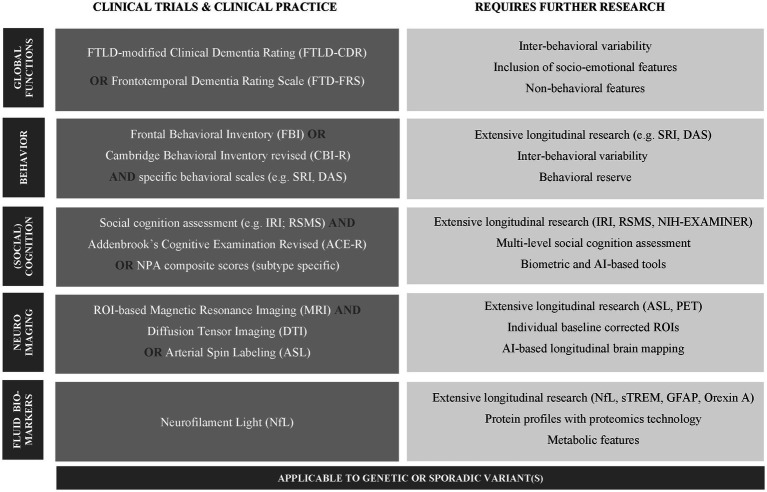
Behavioral variant frontotemporal dementia (bvFTD) is a neurodegenerative disorder characterized by diverse and prominent changes in behavior and personality. One of the greatest challenges in bvFTD is to capture, measure and predict its disease progression, due to clinical, pathological and genetic heterogeneity. Availability of reliable outcome measures is pivotal for future clinical trials and disease monitoring. Detection of change should be objective, clinically meaningful and easily assessed, preferably associated with a biological process. The purpose of this scoping review is to examine the status of longitudinal studies in bvFTD, evaluate current assessment tools and propose potential progression markers. A systematic literature search (in PubMed and Embase.com ) was performed. Literature on disease trajectories and longitudinal validity of frequently-used measures was organized in five domains: global functioning, behavior, (social) cognition, neuroimaging and fluid biomarkers. Evaluating current longitudinal data, we propose an adaptive battery, combining a set of sensitive clinical, neuroimaging and fluid markers, adjusted for genetic and sporadic variants, for adequate detection of disease progression in bvFTD.
Overview
CoChat Summary
TL;DR
This scoping review of 149 studies concludes that no single measure adequately captures behavioral variant frontotemporal dementia (bvFTD) progression and recommends a multimodal, bvFTD-specific battery adjusted for genetic versus sporadic variants. It identifies FTD-specific clinical scales, social cognition questionnaires, structural/functional neuroimaging, and neurofilament light (NfL) as the most evidence-supported candidate progression markers.
Key findings
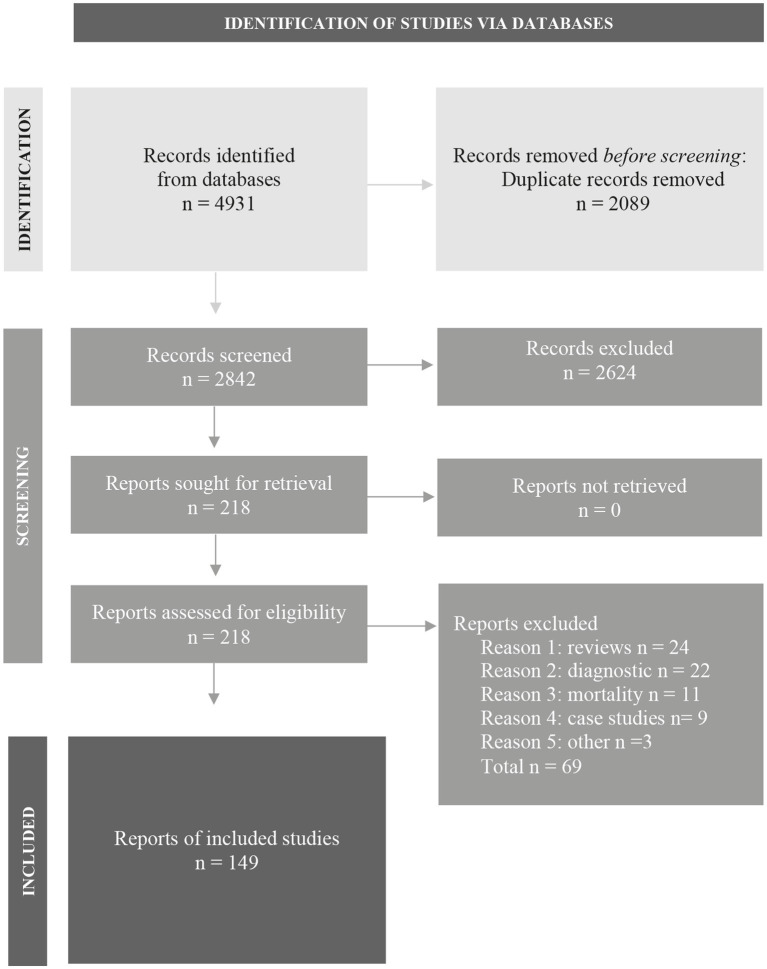
- The search generated 4,931 articles (2,245 PubMed, 2,686 Embase), 2,842 after deduplication, and 149 included articles; evidence was organized into global functioning, behavior, (social) cognition, neuroimaging, and fluid biomarkers.
- For global functioning and behavior, FTLD-CDR is useful for coarse staging but has low sensitivity; FTD-FRS captures multi-domain deterioration over 1–5 years; FBI and CBI-R were more consistently sensitive to progression in sporadic and genetic bvFTD over 1–4 years than the NPI. DAS and SRI are promising but have limited or lacking follow-up.
- For cognition and social cognition, ACE-R is a more valid cognitive progression screener with marked decline over 1–5 years, whereas MMSE decline is modest or lacking and unrelated to frontotemporal imaging changes; composite scores increase sensitivity. Social cognition tools such as EK-60, IRI, and RSMS are promising, but longitudinal evidence is limited or inconsistent.
- For neuroimaging and fluid biomarkers, MRI grey matter atrophy and DTI white matter changes detect progression, with DTI possibly preceding grey matter atrophy; FDG-PET and ASL show metabolic/perfusion changes. NfL in CSF or serum increased over 9–12 months in genetic and sporadic bvFTD and predicted prodromal-to-symptomatic conversion in genetic bvFTD; most other fluid markers still need longitudinal validation. The paper notes that 70% of bvFTD cases are non-genetic, yet leading progression studies, especially neuroimaging, were predominantly in genetic cohorts.
Methods
- Scoping review conducted according to PRISMA; systematic search in PubMed and Embase.com from inception to September 5, 2022, without date or language restrictions, using terms for “behavioral,” “frontotemporal dementia,” and “longitudinal studies”; duplicates removed with Endnote X20.4 using the Amsterdam Efficient Deduplication method and Bramer-method.
- Two reviewers screened titles/abstracts and full texts. Inclusion required a bvFTD population and either multiple follow-up measurements or relevant cross-sectional associations with disease progression/severity; exclusions were case reports, animal studies, reviews, and studies focused on topics other than disease progression.
- Methodological quality was weighed by diagnostic accuracy (probable or definite bvFTD by international criteria), sample size, follow-up time, and appropriateness of outcome measures; findings were narratively synthesized across five prespecified domains, and meta-analysis was not performed.
Limitations
- Stated: heterogeneous cohorts (genetically undefined versus mutation-specific patients), variable follow-up time, mixed longitudinal and cross-sectional designs, and use of staging instruments less sensitive for bvFTD seriously complicated comparative weighing of results; meta-analysis was therefore not possible.
- Stated: most large and leading progression studies, particularly neuroimaging studies, were predominantly performed in genetic bvFTD cohorts; sporadic cases are typically diagnosed later, are less well defined, and often rely on clinical diagnosis rather than underlying pathology, so current recommendations rest on fewer validation studies in sporadic bvFTD.
- Evident: the search ended September 5, 2022, so later literature is not captured; the paper also states that social cognition tools require further longitudinal, preferably cross-cultural validation and improved psychometrics to overcome floor effects.
Model-written summary. Check it against the paper before relying on it.
Integrity signals
Registry
Cites
Statistics
Figures
Verification
Claims the paper makes
20 Valid · 6 Not valid · 92 Not checked · 26 Own results and interpretations
Some cited sources support this claim and some don’t — read each source’s verdict below.
In the paper
“The majority of longitudinal studies (including a clinico-pathological study) supported a crescendo-decrescendo trajectory of behavior in bvFTD, in which progressive and diverse behavioral disturbances were followed by dominating apathy (Chow et al., 2012; O’Connor et al., 2016; Borges et al., 2019; Cosseddu et al., 2019).”
§ The pursuit for markers of disease progression in behavioral variant frontotemporal dementia: a scoping review to optimize outcome measures for clinical trials > Results > Behavior
What the sources say
- Supportedcites Chow et al., 2012 matched to “Trajectories of behavioral disturbance in dementia” (2012) source
The Abstract describes progressively severe behavioral disturbance followed by increasing apathy in bvFTD and says the results support a crescendo-decrescendo trajectory. The Introduction describes the later stage as one in which apathy dominates. This paper supports the trajectory attributed to it; the sentence’s reference to a majority of studies and a clinico-pathological study concerns the cited group, not necessarily this paper individually. (LLM, conf=0.88)
- Partly supportedcites O’Connor et al., 2016 matched to “Longitudinal change in everyday function and behavioral symptoms in frontotemporal dementia” (2016) sourceExperimental — accuracy not yet measured
The Results and Discussion (page numbers unavailable) report that disinhibition and stereotypical behavior declined over time in bvFTD while apathy increased, supporting the later-phase pattern. The paper does not establish an earlier crescendo of diverse behavioral disturbances or show that apathy came to dominate all other symptoms; eating changes also increased. Its own longitudinal findings cannot establish what a majority of studies found. (LLM, conf=0.84)
- Disputedcites Borges et al., 2019 matched to “Apathy and disinhibition related to neuropathology in amnestic versus behavioral dementias” (2019) sourceExperimental — accuracy not yet measured
The longitudinal Results (page unavailable) report that in bvFTD with FTLD neuropathology, apathy alone remained at the same frequency from baseline to last visit, while the combination of apathy and disinhibition decreased. This does not show progressive behavioral disturbances followed by apathy becoming dominant; it reports a contrary pattern for apathy alone. (LLM, conf=0.84)
Checked by a reasoning model — may be wrong.
plainstates a cause- Asserted: passes — The authors put it forward as true.
- Checkable: passes — It can be checked against evidence.
- Load-bearing: unclear — It is unclear whether the paper’s conclusions depend on it.
- Based: passes — The paper gives a reason why it holds.
- Supported
Some cited sources support this claim and some don’t — read each source’s verdict below.
In the paper
“Longitudinal studies, with 9 to 12 months follow-up, concluded levels of CSF or serum NfL increased over time, in both genetic and sporadic bvFTD (Ljubenkov et al., 2018; Gendron et al., 2022).”
§ The pursuit for markers of disease progression in behavioral variant frontotemporal dementia: a scoping review to optimize outcome measures for clinical trials > Results > Fluid biomarkers
What the sources say
- Disputedcites Ljubenkov et al., 2018 matched to “Cerebrospinal fluid biomarkers predict frontotemporal dementia trajectory” (2018) sourceExperimental — accuracy not yet measured
The Results section, “CSF NfL levels over time,” reports no statistically significant increase in CSF NfL in the FTD cohort or the bvFTD subgroup. The Discussion says the study did not detect a consistent increase over time; one bvFTD participant had an increase over nine months, but that does not support the claimed conclusion for both genetic and sporadic bvFTD. (LLM, conf=0.90)
Checked by a reasoning model — may be wrong.
- Partly supportedcites Gendron et al., 2022 matched to “Comprehensive cross-sectional and longitudinal analyses of plasma neurofilament light across FTD spectrum disorders” (2022) sourceExperimental — accuracy not yet measured
The Results section, “Plasma NfL increases throughout presymptomatic and symptomatic disease phases” (page unavailable), reports faster NfL increases in genetic bvFTD mutation carriers. But this study measured plasma, not CSF or serum, NfL; its rate analysis used measurements at least one year apart and excluded bvFTD patients without a mutation because too few had follow-up measurements. It therefore does not establish the claimed 9–12-month increase in both genetic and sporadic bvFTD. (LLM, conf=0.88)
plainstates a cause- Asserted: passes — The authors put it forward as true.
- Checkable: passes — It can be checked against evidence.
- Load-bearing: passes — The paper’s conclusions depend on it.
- Based: passes — The paper gives a reason why it holds.
- Disputed
The cited sources support only part of this claim — read each source’s verdict below.
In the paper
“The Neuropsychiatric Inventory (NPI), developed to evaluate psychopathology in AD (Cummings et al., 1994), generally showed increased scores during follow-up in bvFTD (Linds et al., 2015; Da Silva et al., 2021).”
§ The pursuit for markers of disease progression in behavioral variant frontotemporal dementia: a scoping review to optimize outcome measures for clinical trials > Results > Behavior
What the sources say
- Partly supportedcites Linds et al., 2015 matched to “Trajectories of behavioural disturbances across dementia types” (2015) sourceExperimental — accuracy not yet measured
The Introduction (page unavailable) reports an initial rise in total NPI scores in an earlier bvFTD dataset, but says those scores subsequently declined. In this study, the Results report that NPI-apathy increased after lower initial scores but decreased after higher initial scores; neither passage supports a general increase in NPI scores during follow-up. (LLM, conf=0.84)
- Not checked yetcites Da Silva et al., 2021
plainstates a cause- Asserted: passes — The authors put it forward as true.
- Checkable: passes — It can be checked against evidence.
- Load-bearing: unclear — It is unclear whether the paper’s conclusions depend on it.
- Based: passes — The paper gives a reason why it holds.
- Partly supported
The sources with a verdict support this claim; the rest weren’t checked yet, have no full text we could read, or their verdicts aren’t rated yet.
In the paper
“Similar to the FBI, the Cambridge Behavioral Inventory-Revised (CBI-R) assesses frequency of FTD-related symptoms (Nagahama et al., 2006; Wear et al., 2008).”
§ The pursuit for markers of disease progression in behavioral variant frontotemporal dementia: a scoping review to optimize outcome measures for clinical trials > Results > Behavior
What the sources say
- Not checked yetcites Nagahama et al., 2006 matched to “The Cambridge behavioral inventory: validation and application in a memory clinic” (2006) source
- Supportedcites Wear et al., 2008 matched to “The Cambridge Behavioural Inventory revised” (2008) source
The paper describes the CBI-R as a shorter version of the CBI that retains items assessing behavioural symptoms. It states that the CBI rates how frequently behaviours occur on a 0–4 scale, and the Results section reports that the CBI-R captures behavioural profiles in bv-FTD. The inventory also covers other neurodegenerative disorders; the claim does not say it is exclusive to FTD. (LLM, conf=0.91)
plain- Asserted: passes — The authors put it forward as true.
- Checkable: passes — It can be checked against evidence.
- Load-bearing: unclear — It is unclear whether the paper’s conclusions depend on it.
- Based: passes — The paper gives a reason why it holds.
Every source the paper cites for this claim was checked and supports it.
In the paper
“Such clinical, pathological and genetic heterogeneity complicates the pursuit for a reliable biomarker of disease progression in bvFTD (Meeter et al., 2017).”
§ The pursuit for markers of disease progression in behavioral variant frontotemporal dementia: a scoping review to optimize outcome measures for clinical trials > Introduction
What the sources say
- Supportedcites Meeter et al., 2017 matched to “Imaging and fluid biomarkers in frontotemporal dementia” (2017) source
The Introduction says sensitive biomarkers are crucial because FTD is heterogeneous and describes poor correspondence between clinical presentation and underlying pathology in bvFTD. It also identifies staging biomarkers as a means of assessing disease severity; the Conclusions describe the continuing search for biomarkers to monitor progression. (LLM, conf=0.88)
plainstates a cause- Asserted: passes — The authors put it forward as true.
- Checkable: passes — It can be checked against evidence.
- Load-bearing: passes — The paper’s conclusions depend on it.
- Based: passes — The paper gives a reason why it holds.
- Supported
82 more claims · 11 with their cited sources checked
Create a free account to see all 144 claims and to verify the 140 references still open.
- It may state two separate claims as one. 44
- Probably not a substantial claim. 17
- The quote only partly states this claim. 1
Claims other papers make about this one
Each is checked against this paper’s own text: does it say what the citing paper says it does?
The source backs part of the claim, not all of it — or backs it for a different population, condition or comparison.
In the citing paper
“Further, biomarkers relevant for bvFTD, such as neurofilament light chain in CSF and synaptic proteins such as Synaptophysin and GAP4398, 99, 100 were not available.”
From Altered spatiotemporal brain dynamics of interoception in behavioural-variant frontotemporal dementia (2025) · cites this paper as [99]
Experimental — accuracy not yet measured
Self-check
Percentages, sums and reported differences re-computed from the paper’s own numbers.
Each contradiction between two passages listed here was confirmed by an independent check.
Rated minor: it would not touch a result — a value no result rests on, a p-value that stays on the same side of the significance level, or a conflict that is clerical, resolved elsewhere in the paper, or outside its own findings.
In the paper
§ The pursuit for markers of disease progression in behavioral variant frontotemporal dementia: a scoping review to optimize outcome measures for clinical trials > Discussion
“Regarding fluid biomarkers, NfL was most researched and most valid, clearly showing significant decline over time.”
§ The pursuit for markers of disease progression in behavioral variant frontotemporal dementia: a scoping review to optimize outcome measures for clinical trials > Results > Fluid biomarkers
“Longitudinal studies, with 9 to 12 months follow-up, concluded levels of CSF or serum NfL increased over time, in both genetic and sporadic bvFTD (Ljubenkov et al., 2018; Gendron et al., 2022).”
Citations
Cites
The PRISMA 2020 statement: An updated guideline for reporting systematic reviews
Page, M. J., McKenzie, J. E., Bossuyt, P. M., Boutron, I., Hoffmann, T. C., Mulrow, C. D., Shamseer, L., Tetzlaff, J. M., Akl, E. A., Brennan, S. E., et al. (2021) · BMJ · doi:10.1136/bmj.n71 · Cited by 108,283
Folstein, M. F., Folstein, S. E., & McHugh, P. R. (1975) · Journal of Psychiatric Research · doi:10.1016/0022-3956(75)90026-6 · Cited by 88,282 · cited 1×
“In bvFTD, most frequently used cognitive screeners are the Mini-Mental State Examination [MMSE; (Folstein et al., 1975)], the Frontal Assessment Battery [FAB; (Dubois et al., 2000)] and, originated as extension of the MMSE, the Addenbrook’s Cognitive Examination Revised [ACE-R; (Mioshi et al.,…”
MethodRayyan-a web and mobile app for systematic reviews.
Ouzzani, M., Hammady, H., Fedorowicz, Z., & Elmagarmid, A. (2016) · Systematic Reviews · doi:10.1186/s13643-016-0384-4 · Cited by 26,092 · cited 1×
“Two reviewers (JF and DP) screened all potentially relevant titles and abstracts for eligibility using Rayyan (Ouzzani et al., 2016).”
BackgroundHirono, N., Mori, E., Ikejiri, Y., Imamura, T., Shimomura, T., Hashimoto, M., Yamashita, H., & Ikeda, M. (1997) · Brain and nerve · Cited by 21,039
Kok, J. S., Berg, I. J., & Scherder, E. J. A. (2013) · Dementia and Geriatric Cognitive Disorders Extra · doi:10.1159/000353441 · Cited by 20,589
Older Adults' Reasons for Using Technology while Aging in Place
Peek, S. T. M., Luijkx, K. G., Rijnaard, M. D., Nieboer, M. E., van der Voort, C. S., Aarts, S., van Hoof, J., Vrijhoef, H. J. M., & Wouters, E. J. M. (2016) · Gerontology · doi:10.1159/000430949 · Cited by 19,690
Sensitivity and False Alarm Rate of a Fall Sensor in Long-Term Fall Detection in the Elderly
Kangas, M., Korpelainen, R., Vikman, I., Nyberg, L., & Jämsä, T. (2015) · Gerontology · doi:10.1159/000362720 · Cited by 18,909
Assessment of Older People: Self-Maintaining and Instrumental Activities of Daily Living
Lawton, M. P., & Brody, E. M. (1969) · The Gerontologist · doi:10.1093/geront/9.3_part_1.179 · Cited by 18,540
Measuring individual differences in empathy: Evidence for a multidimensional approach.
Davis, M. H. (1983) · Journal of Personality and Social Psychology · doi:10.1037/0022-3514.44.1.113 · Cited by 10,272 · cited 2×
“Importantly, informant-rated questionnaires on impaired social behavior propose promising markers for progression (Table 1) such as the Revised Self Monitoring Scale (RSMS) and the (modified) Interpersonal Reactivity Index (IRI) (Davis, 1980, 1983; Foster et al., 2022).”
The Clinical Dementia Rating (CDR): Current version and scoring rules
Morris, J. C. (1993) · Neurology · doi:10.1212/wnl.43.11.2412-a · Cited by 9,882 · cited 1×
“The Clinical Dementia Rating scale (CDR), developed for disease staging of dementia (Morris, 1993), dominated FTD research for many years.”
MethodThe Neuropsychiatric Inventory: Comprehensive assessment of psychopathology in dementia
Cummings, J. L., Mega, M., Gray, K., Rosenberg-Thompson, S., Carusi, D. A., & Gornbein, J. (1994) · Neurology · doi:10.1212/wnl.44.12.2308 · Cited by 7,568
Sensitivity of revised diagnostic criteria for the behavioural variant of frontotemporal dementia
Rascovsky, K., Hodges, J. R., Knopman, D., Mendez, M. F., Kramer, J. H., Neuhaus, J., van Swieten, J. C., Seelaar, H., Dopper, E. G. P., Onyike, C. U., et al. (2011) · Brain · doi:10.1093/brain/awr179 · Cited by 5,221 · cited 4×
“Prominent behavioral change is an important feature of bvFTD, including the core behavioral symptoms of disinhibition, apathy, loss of empathy, stereotypy and hyperorality (Rascovsky et al., 2011).”
BackgroundInfluentialSelf-citationFrontotemporal lobar degeneration: A consensus on clinical diagnostic criteria
Neary, D., Snowden, J. S., Gustafson, L., Passant, U., Stuss, D., Black, S., Freedman, M., Kertesz, A., Robert, P. H., Albert, M., et al. (1998) · Neurology · doi:10.1212/wnl.51.6.1546 · Cited by 5,047
(1980) · Medical Entomology and Zoology · Cited by 4,712
The FAB: A frontal assessment battery at bedside
Dubois, B., Slachevsky, A., Litvan, I., & Pillon, B. (2000) · Neurology · doi:10.1212/wnl.55.11.1621 · Cited by 3,913 · cited 1×
“…bvFTD, most frequently used cognitive screeners are the Mini-Mental State Examination [MMSE; (Folstein et al., 1975)], the Frontal Assessment Battery [FAB; (Dubois et al., 2000)] and, originated as extension of the MMSE, the Addenbrook’s Cognitive Examination Revised [ACE-R; (Mioshi et al., 2006)].”
MethodMeasurement of Functional Activities in Older Adults in the Community
Pfeffer, R. I., Kurosaki, T. T., Harrah, C. H., Chance, J. M., & Filos, S. (1982) · Journal of Gerontology · doi:10.1093/geronj/37.3.323 · Cited by 2,972 · cited 1×
“…daily functioning and independence are the Basic Activities of Daily Living (BADL), the Instrumental ADL (IADL), the Disability Assessment for Dementia (DAD), and the Functional Activities questionnaire (FAQ) (Katz et al., 1963; Lawton and Brody, 1969; Pfeffer et al., 1982; Gélinas et al., 1999).”
Appelhof, B., Bakker, C., Van Duinen-van den Ijssel, J. C. L., Zwijsen, S. A., Smalbrugge, M., Verhey, F. R. J., de Vugt, M. E., Zuidema, S. U., & Koopmans, R. T. C. M. (2017) · Dementia and Geriatric Cognitive Disorders · doi:10.1159/000477087 · Cited by 2,760
Katz, S. (1963) · JAMA · doi:10.1001/jama.1963.03060120024016 · Cited by 2,421
De-duplication of database search results for systematic reviews in EndNote
Bramer, W. M., Giustini, D., de Jonge, G. B., Holland, L., & Bekhuis, T. (2016) · Journal of the Medical Library Association : JMLA · doi:10.3163/1536-5050.104.3.014 · Cited by 2,103
Mioshi, E., Dawson, K., Mitchell, J., Arnold, R., & Hodges, J. R. (2006) · International Journal of Geriatric Psychiatry · doi:10.1002/gps.1610 · Cited by 2,016
Gélinas, I., Gauthier, L., McIntyre, M., & Gauthier, S. (1999) · The American Journal of Occupational Therapy · doi:10.5014/ajot.53.5.471 · Cited by 900
Mcdonald (2003) · doi:10.1097/00001199-200305000-00001 · Cited by 657 · cited 1×
“Longitudinal assessment of sarcasm detection, assessed with The Awareness of Social Inference Test [TASIT; (McDonald et al., 2003)], showed a decline in cases with marked atrophy only, indicating it is relatively spared in early stages (Kumfor et al., 2014).”
MethodFrontal behavioral inventory: diagnostic criteria for frontal lobe dementi
Kertesz, A., Davidson, W., & Fox, H. (1997) · Canadian Journal of Neurological Sciences / Journal Canadien des Sciences Neurologiques · doi:10.1017/s0317167100021053 · Cited by 571 · cited 1×
“The Frontal Behavioral Inventory (FBI) covers a range of FTD-related functional and behavioral symptoms, resulting in a positive (e.g., impulsivity; hyperorality) and a negative symptom score (e.g., lack of empathy; apathy) (Kertesz et al., 1997).”
BackgroundWoolley, J. D., Khan, B. K., Murthy, N. K., Miller, B. L., & Rankin, K. P. (2011) · The Journal of Clinical Psychiatry · doi:10.4088/jcp.10m06382oli · Cited by 549
Frontal Paralimbic Network Atrophy in Very Mild Behavioral Variant Frontotemporal Dementia
Seeley, W. W., Crawford, R., Rascovsky, K., Kramer, J. H., Weiner, M., Miller, B. L., & Gorno-Tempini, M. L. (2008) · Archives of Neurology · doi:10.1001/archneurol.2007.38 · Cited by 506
An update on genetic frontotemporal dementia
Greaves, C. V., & Rohrer, J. D. (2019) · Journal of Neurology · doi:10.1007/s00415-019-09363-4 · Cited by 500 · cited 1×
“However, since 70 % of bvFTD cases is non-genetic (Greaves and Rohrer, 2019), clearly this knowledge gap needs to be addressed.”
BackgroundDevelopment of methodology for conducting clinical trials in frontotemporal lobar degeneration
Knopman, D. S., Kramer, J. H., Boeve, B. F., Caselli, R. J., Graff-Radford, N. R., Mendez, M. F., Miller, B. L., & Mercaldo, N. (2008) · Brain · doi:10.1093/brain/awn234 · Cited by 442
Clinical staging and disease progression in frontotemporal dementia
Mioshi, E., Hsieh, S., Savage, S., Hornberger, M., & Hodges, J. R. (2010) · Neurology · doi:10.1212/wnl.0b013e3181e04070 · Cited by 362
Primary Progressive Aphasia: Longitudinal Course, Neuropsychological Profile, and Language Features
Weintraub, S. (1990) · Archives of Neurology · doi:10.1001/archneur.1990.00530120075013 · Cited by 310
The Prevalence and Incidence of Frontotemporal Dementia: a Systematic Review
Hogan, D. B., Jetté, N., Fiest, K. M., Roberts, J. I., Pearson, D., Smith, E. E., Roach, P., Kirk, A., Pringsheim, T., & Maxwell, C. J. (2016) · Canadian Journal of Neurological Sciences / Journal Canadien des Sciences Neurologiques · doi:10.1017/cjn.2016.25 · Cited by 285 · cited 1×
“Behavioral variant frontotemporal dementia (bvFTD), as part of the frontotemporal lobar degeneration (FTLD) spectrum, is a common cause of young-onset dementia (Hogan et al., 2016).”
BackgroundScherling, C. S., Hall, T., Berisha, F., Klepac, K., Karydas, A., Coppola, G., Kramer, J. H., Rabinovici, G., Ahlijanian, M., Miller, B. L., et al. (2014) · Annals of Neurology · doi:10.1002/ana.24052 · Cited by 249
The Cambridge Behavioural Inventory revised
Wear, H. J., Wedderburn, C. J., Mioshi, E., Williams-Gray, C. H., Mason, S. L., Barker, R. A., & Hodges, J. R. (2008) · Dementia & Neuropsychologia · doi:10.1590/s1980-57642009dn20200005 · Cited by 225
Developing a new apathy measurement scale: Dimensional Apathy Scale
Radakovic, R., & Abrahams, S. (2014) · Psychiatry Research · doi:10.1016/j.psychres.2014.06.010 · Cited by 224
Imaging and fluid biomarkers in frontotemporal dementia
Meeter, L. H., Kaat, L. D., Rohrer, J. D., & van Swieten, J. C. (2017) · Nature Reviews Neurology · doi:10.1038/nrneurol.2017.75 · Cited by 210
Decline of cerebral glucose metabolism in frontotemporal dementia: a longitudinal 18F-FDG-PET-study
Diehl-Schmid, J., Grimmer, T., Drzezga, A., Bornschein, S., Riemenschneider, M., Förstl, H., Schwaiger, M., & Kurz, A. (2007) · Neurobiology of Aging · doi:10.1016/j.neurobiolaging.2005.11.002 · Cited by 199
Ber, I. L., Guedj, E., Gabelle, A., Verpillat, P., Volteau, M., Thomas-Anterion, C., Decousus, M., Hannequin, D., Vera, P., Lacomblez, L., et al. (2006) · Brain · doi:10.1093/brain/awl288 · Cited by 179
Frontotemporal Dementia Associated With the C9ORF72 Mutation: A Unique Clinical Profile
Devenney, E., Hornberger, M., Irish, M., Mioshi, E., Burrell, J., Tan, R., Kiernan, M. C., & Hodges, J. R. (2014) · JAMA Neurology · doi:10.1001/jamaneurol.2013.6002 · Cited by 167
18F-flortaucipir (AV-1451) tau PET in frontotemporal dementia syndromes
Tsai, R. M., Bejanin, A., Lesman-Segev, O., LaJoie, R., Visani, A., Bourakova, V., O’Neil, J. P., Janabi, M., Baker, S., Lee, S. E., et al. (2019) · Alzheimer's Research & Therapy · doi:10.1186/s13195-019-0470-7 · Cited by 164
Kazui, H., Yoshiyama, K., Kanemoto, H., Suzuki, Y., Sato, S., Hashimoto, M., Ikeda, M., Tanaka, H., Hatada, Y., Matsushita, M., et al. (2016) · PLOS ONE · doi:10.1371/journal.pone.0161092 · Cited by 160
Diagnostic and prognostic value of serum NfL and p-Tau181in frontotemporal lobar degeneration
Benussi, A., Karikari, T. K., Ashton, N., Gazzina, S., Premi, E., Benussi, L., Ghidoni, R., Rodriguez, J. L., Emeršič, A., Simrén, J., et al. (2020) · Journal of Neurology, Neurosurgery & Psychiatry · doi:10.1136/jnnp-2020-323487 · Cited by 155
A longitudinal study of language decline in Alzheimer’s disease and frontotemporal dementia
BLAIR, M., MARCZINSKI, C. A., DAVIS-FAROQUE, N., & KERTESZ, A. (2007) · Journal of the International Neuropsychological Society · doi:10.1017/s1355617707070269 · Cited by 154 · cited 1×
“Despite cognitive heterogeneity, disease progression in bvFTD has been marked by decline in executive functioning, memory, language and attention (1 to 8 years) (Blair et al., 2007; Wicklund et al., 2007; Smits et al., 2015; Ramanan et al., 2017).”
BackgroundExecutive function in progressive and nonprogressive behavioral variant frontotemporal dementia
Hornberger, M., Piguet, O., Kipps, C., & Hodges, J. R. (2008) · Neurology · doi:10.1212/01.wnl.0000334299.72023.c8 · Cited by 151 · cited 2×
“%) may present with intact cognition at first visit, and thereafter, cognitive decline is variable (Hornberger et al., 2008; Diehl-Schmid et al., 2011; Devenney et al., 2015).”
BackgroundTemporal order of clinical and biomarker changes in familial frontotemporal dementia
Staffaroni, A. M., Quintana, M., Wendelberger, B., Heuer, H. W., Russell, L. L., Cobigo, Y., Wolf, A., Goh, S.-Y. M., Petrucelli, L., Gendron, T. F., et al. (2022) · Nature Medicine · doi:10.1038/s41591-022-01942-9 · Cited by 140
Trajectories of cognitive decline in different types of dementia
Smits, L. L., van Harten, A. C., Pijnenburg, Y. A. L., Koedam, E. L. G. E., Bouwman, F. H., Sistermans, N., Reuling, I. E. W., Prins, N. D., Lemstra, A. W., Scheltens, P., et al. (2015) · Psychological Medicine · doi:10.1017/s0033291714002153 · Cited by 134 · cited 1×
“Despite cognitive heterogeneity, disease progression in bvFTD has been marked by decline in executive functioning, memory, language and attention (1 to 8 years) (Blair et al., 2007; Wicklund et al., 2007; Smits et al., 2015; Ramanan et al., 2017).”
BackgroundSelf-citationClinical value of neurofilament and phospho-tau/tau ratio in the frontotemporal dementia spectrum
Meeter, L. H. H., Vijverberg, E. G., Del Campo, M., Rozemuller, A. J. M., Donker Kaat, L., de Jong, F. J., van der Flier, W. M., Teunissen, C. E., van Swieten, J. C., & Pijnenburg, Y. A. L. (2018) · Neurology · doi:10.1212/wnl.0000000000005261 · Cited by 122
Self-citationSerum neurofilament light chain in behavioral variant frontotemporal dementia
Steinacker, P., Anderl-Straub, S., Diehl-Schmid, J., Semler, E., Uttner, I., von Arnim, C. A. F., Barthel, H., Danek, A., Fassbender, K., Fliessbach, K., et al. (2018) · Neurology · doi:10.1212/wnl.0000000000006318 · Cited by 116
Landin-Romero, R., Kumfor, F., Leyton, C. E., Irish, M., Hodges, J. R., & Piguet, O. (2017) · NeuroImage · doi:10.1016/j.neuroimage.2016.03.032 · Cited by 116
Lavenu, I., & Pasquier, F. (2005) · Dementia and Geriatric Cognitive Disorders · doi:10.1159/000080969 · Cited by 116
Cognition and neuropsychiatry in behavioral variant frontotemporal dementia by disease stage
Ranasinghe, K. G., Rankin, K. P., Lobach, I. V., Kramer, J. H., Sturm, V. E., Bettcher, B. M., Possin, K., Christine You, S., Lamarre, A. K., Shany-Ur, T., et al. (2016) · Neurology · doi:10.1212/wnl.0000000000002373 · Cited by 112
Laganà, V., Bruno, F., Altomari, N., Bruni, G., Smirne, N., Curcio, S., Mirabelli, M., Colao, R., Puccio, G., Frangipane, F., et al. (2022) · Frontiers in Neurology · doi:10.3389/fneur.2022.832199 · Cited by 105
Language and behavior domains enhance the value of the clinical dementia rating scale
Knopman, D. S., Weintraub, S., & Pankratz, V. S. (2011) · Alzheimer's & Dementia · doi:10.1016/j.jalz.2010.12.006 · Cited by 105 · cited 1×
“The adapted version of the CDR, FTLD-modified Clinical Dementia Rating scale (FTLD-CDR); (Knopman et al., 2008), added domains of language and behavior to the original scale, accounting for the most prominent symptoms in bvFTD (Knopman et al., 2011).”
MethodLongitudinal multimodal imaging and clinical endpoints for frontotemporal dementia clinical trials
Staffaroni, A. M., Ljubenkov, P. A., Kornak, J., Cobigo, Y., Datta, S., Marx, G., Walters, S. M., Chiang, K., Olney, N., Elahi, F. M., et al. (2019) · Brain · doi:10.1093/brain/awy319 · Cited by 105
The Stereotypy Rating Inventory for frontotemporal lobar degeneration
Shigenobu, K., Ikeda, M., Fukuhara, R., Maki, N., Hokoishi, K., Nebu, A., Yasuoka, T., Komori, K., & Tanabe, H. (2002) · Psychiatry Research · doi:10.1016/s0165-1781(02)00094-x · Cited by 105 · cited 14×
“Regarding single tests, the letter fluency detected decline over 18 months in genetic bvFTD (mostly C9ORF72), associated to frontotemporal atrophy and FTLD-CDR progression (Floeter et al., 2016, 2017; Agarwal et al., 2019).”
BackgroundInfluentialLongitudinal diffusion tensor imaging in frontotemporal dementia
Mahoney, C. J., Simpson, I. J. A., Nicholas, J. M., Fletcher, P. D., Downey, L. E., Golden, H. L., Clark, C. N., Schmitz, N., Rohrer, J. D., Schott, J. M., et al. (2015) · Annals of Neurology · doi:10.1002/ana.24296 · Cited by 101
Tracking the progression of social cognition in neurodegenerative disorders
Kumfor, F., Irish, M., Leyton, C., Miller, L., Lah, S., Devenney, E., Hodges, J. R., & Piguet, O. (2014) · Journal of Neurology, Neurosurgery & Psychiatry · doi:10.1136/jnnp-2013-307098 · Cited by 97 · cited 2×
“A longitudinal study on emotion recognition, assessed with the Ekman 60-faces test (Aw et al., 2002), reported decline during follow-up (1.5 years), with most rapid decline in bvFTD with marked atrophy (Kumfor et al., 2014).”
MethodInfluentialOeckl, P., Anderl-Straub, S., Von Arnim, C. A. F., Baldeiras, I., Diehl-Schmid, J., Grimmer, T., Halbgebauer, S., Kort, A. M., Lima, M., Marques, T. M., et al. (2022) · Journal of Neurology, Neurosurgery & Psychiatry · doi:10.1136/jnnp-2021-328547 · Cited by 94
Determinants of survival in behavioral variant frontotemporal dementia
Garcin, B., Lillo, P., Hornberger, M., Piguet, O., Dawson, K., Nestor, P. J., & Hodges, J. R. (2009) · Neurology · doi:10.1212/wnl.0b013e3181c1dee7 · Cited by 94 · cited 1×
“Also, language impairment was associated with mortality (Garcin et al., 2009).”
BackgroundLam, B. Y. K., Halliday, G. M., Irish, M., Hodges, J. R., & Piguet, O. (2014) · Human Brain Mapping · doi:10.1002/hbm.22420 · Cited by 90
Ramanan, S., Bertoux, M., Flanagan, E., Irish, M., Piguet, O., Hodges, J. R., & Hornberger, M. (2017) · Journal of the International Neuropsychological Society · doi:10.1017/s1355617716000837 · Cited by 90
A tensor based morphometry study of longitudinal gray matter contraction in FTD
Brambati, S. M., Renda, N. C., Rankin, K. P., Rosen, H. J., Seeley, W. W., Ashburner, J., Weiner, M. W., Miller, B. L., & Gorno-Tempini, M. L. (2007) · NeuroImage · doi:10.1016/j.neuroimage.2007.01.028 · Cited by 89
A longitudinal study of behavior in frontotemporal dementia and primary progressive aphasia.
Marczinski, C. A., Davidson, W., & Kertesz, A. (2004) · PubMed · Cited by 86
Brain and ventricular volumetric changes in frontotemporal lobar degeneration over 1 year
Knopman, D. S., Jack, C. R., Kramer, J. H., Boeve, B. F., Caselli, R. J., Graff-Radford, N. R., Mendez, M. F., Miller, B. L., & Mercaldo, N. D. (2009) · Neurology · doi:10.1212/wnl.0b013e3181a71236 · Cited by 85
Hornberger, M., Shelley, B. P., Kipps, C. M., Piguet, O., & Hodges, J. R. (2009) · Journal of Neurology, Neurosurgery & Psychiatry · doi:10.1136/jnnp.2008.163873 · Cited by 84
Benussi, A., Premi, E., Gazzina, S., Brattini, C., Bonomi, E., Alberici, A., Jiskoot, L., van Swieten, J. C., Sanchez-Valle, R., Moreno, F., et al. (2021) · JAMA Network Open · doi:10.1001/jamanetworkopen.2020.30194 · Cited by 84
Distribution of brain atrophy in behavioral variant frontotemporal dementia
Kril, J. J., Macdonald, V., Patel, S., Png, F., & Halliday, G. M. (2005) · Journal of the Neurological Sciences · doi:10.1016/j.jns.2005.02.003 · Cited by 83 · cited 1×
“However, since many years regional GM atrophy patterns are known to be heterogeneous in bvFTD, of which a cross-sectional study suggested at least four distinct (data-driven) subtypes (Kril et al., 2005; Ranasinghe et al., 2021).”
BackgroundLeroy, M., Bertoux, M., Skrobala, E., Mode, E., Adnet‐Bonte, C., Ber, I. L., Bombois, S., Cassagnaud, P., Chen, Y. S., Deramecourt, V., et al. (2021) · Alzheimer s Research & Therapy · doi:10.1186/s13195-020-00753-9 · Cited by 82
Rate of Change of Functional Abilities in Frontotemporal Dementia
Mioshi, E., & Hodges, J. R. (2009) · Dementia and Geriatric Cognitive Disorders · doi:10.1159/000255652 · Cited by 82 · cited 2×
“Literature demonstrated declines of MMSE, FAB and ACE-R total scores in bvFTD (Mioshi and Hodges, 2009; Devenney et al., 2015; Schubert et al., 2016; Reus et al., 2018), but a principal component analysis of these measures (reflecting global cognitive status) showed no association with mortality…”
BackgroundResultLongitudinal decline in autopsy-defined frontotemporal lobar degeneration
Grossman, M., Xie, S. X., Libon, D. J., Wang, X., Massimo, L., Moore, P., Vesely, L., Berkowitz, R., Chatterjee, A., Coslett, H. B., et al. (2008) · Neurology · doi:10.1212/01.wnl.0000303816.25065.bc · Cited by 77 · cited 1×
“Pathology-specific profiles point to impaired visual construction in tau-positive FTLD and confrontation naming in tau-negative FTLD, and linguistic deficits in FTLD-TDP (Grossman et al., 2008; Kawakami et al., 2021).”
BackgroundLoss of emotional insight in behavioral variant frontotemporal dementia or “frontal anosodiaphoria”
Mendez, M. F., & Shapira, J. S. (2011) · Consciousness and Cognition · doi:10.1016/j.concog.2011.09.005 · Cited by 77
Bickart, K. C., Brickhouse, M., Negreira, A., Sapolsky, D., Barrett, L. F., & Dickerson, B. C. (2014) · Journal of Neurology, Neurosurgery & Psychiatry · doi:10.1136/jnnp-2012-304656 · Cited by 75
Longitudinal imaging in C9ORF72 mutation carriers: relationship to phenotype
Floeter, M. K., Bageac, D., Danielian, L. E., Braun, L. E., Traynor, B. J., & Kwan, J. Y. (2016) · NeuroImage: Clinical · doi:10.1016/j.nicl.2016.10.014 · Cited by 75 · cited 3×
“Regarding single tests, the letter fluency detected decline over 18 months in genetic bvFTD (mostly C9ORF72), associated to frontotemporal atrophy and FTLD-CDR progression (Floeter et al., 2016, 2017; Agarwal et al., 2019).”
BackgroundLongitudinal change in everyday function and behavioral symptoms in frontotemporal dementia
O'Connor, C. M., Clemson, L., Hornberger, M., Leyton, C. E., Hodges, J. R., Piguet, O., & Mioshi, E. (2016) · Neurology Clinical Practice · doi:10.1212/cpj.0000000000000264 · Cited by 73
Salience Network Resting-State Activity: Prediction of Frontotemporal Dementia Progression
Day, G. S., Farb, N. A. S., Tang-Wai, D. F., Masellis, M., Black, S. E., Freedman, M., Pollock, B. G., & Chow, T. W. (2013) · JAMA Neurology · doi:10.1001/jamaneurol.2013.3258 · Cited by 73 · cited 8×
“The Frontal Behavioral Inventory (FBI) covers a range of FTD-related functional and behavioral symptoms, resulting in a positive (e.g., impulsivity; hyperorality) and a negative symptom score (e.g., lack of empathy; apathy) (Kertesz et al., 1997).”
BackgroundInfluentialBehavioral disturbances in the course of frontotemporal dementia
Diehl-Schmid, J., Pohl, C., Perneczky, R., Förstl, H., & Kurz, A. (2006) · Dementia and Geriatric Cognitive Disorders · doi:10.1159/000095625 · Cited by 72
Gendron, T. F., Heckman, M. G., White, L. J., Veire, A. M., Pedraza, O., Burch, A. R., Bozoki, A. C., Dickerson, B. C., Domoto-Reilly, K., Foroud, T., et al. (2022) · Cell Reports Medicine · doi:10.1016/j.xcrm.2022.100607 · Cited by 70
Measuring disease progression in frontotemporal lobar degeneration: A clinical and MRI study
Gordon, E., Rohrer, J. D., Kim, L. G., Omar, R., Rossor, M. N., Fox, N. C., & Warren, J. D. (2010) · Neurology · doi:10.1212/wnl.0b013e3181d1a879 · Cited by 70 · cited 2×
“…atrophy and ventricular volume increased in both genetic and sporadic bvFTD, in several one-year follow-up studies and one six-month follow-up (Knopman et al., 2009; Gordon et al., 2010; Lam et al., 2014; Floeter et al., 2016; Sheelakumari et al., 2018; Manera et al., 2019; Gordon et al., 2021).”
BackgroundLongitudinal Grey and White Matter Changes in Frontotemporal Dementia and Alzheimer’s Disease
Frings, L., Yew, B., Flanagan, E., Lam, B. Y. K., Hüll, M., Huppertz, H.-J., Hodges, J. R., & Hornberger, M. (2014) · PLoS ONE · doi:10.1371/journal.pone.0090814 · Cited by 69
Magnetic resonance elastography of frontotemporal dementia
Huston, J., Murphy, M. C., Boeve, B. F., Fattahi, N., Arani, A., Glaser, K. J., Manduca, A., Jones, D. T., & Ehman, R. L. (2016) · Journal of Magnetic Resonance Imaging · doi:10.1002/jmri.24977 · Cited by 68 · cited 1×
“Second, a couple of cross-sectional studies detected processes of synaptic loss (11C-UCB-J-PET, N = 11) (Malpetti et al., 2021, 2022), and reduced brain stiffness, which is hypothesized to occur prior to gliosis and cellular damage (magnetic resonance elastography, N = 5) (Huston et al., 2016).”
BackgroundHughes, L. E., & Rowe, J. B. (2013) · Journal of Cognitive Neuroscience · doi:10.1162/jocn_a_00356 · Cited by 68 · cited 1×
“…information processing, as measured by magnetoencephalography (MEG) analysis of cortical microcircuits, suggested these changes in frontotemporal networks may be a useful biomarker to detect (early) disease progression (2013, N = 12, 2019, N = 44) (Hughes and Rowe, 2013; Shaw et al., 2019).”
MethodPrognostic importance of apathy in syndromes associated with frontotemporal lobar degeneration
Lansdall, C. J., Coyle-Gilchrist, I. T. S., Vázquez Rodríguez, P., Wilcox, A., Wehmann, E., Robbins, T. W., & Rowe, J. B. (2019) · Neurology · doi:10.1212/wnl.0000000000007249 · Cited by 66
Illán‐Gala, I., Casaletto, K. B., Borrego‐Écija, S., Arenaza‐Urquijo, E. M., Wolf, A., Cobigo, Y., Goh, S. Y. M., Staffaroni, A. M., Alcolea, D., Fortea, J., et al. (2021) · Alzheimer's & Dementia · doi:10.1002/alz.12299 · Cited by 66
Borroni, B., Agosti, C., Premi, E., Cerini, C., Cosseddu, M., Paghera, B., Bellelli, G., & Padovani, A. (2010) · European Journal of Neurology · doi:10.1111/j.1468-1331.2009.02911.x · Cited by 65
Manera, A. L., Dadar, M., Collins, D. L., & Ducharme, S. (2019) · NeuroImage: Clinical · doi:10.1016/j.nicl.2019.102079 · Cited by 65 · cited 1×
“…atrophy and ventricular volume increased in both genetic and sporadic bvFTD, in several one-year follow-up studies and one six-month follow-up (Knopman et al., 2009; Gordon et al., 2010; Lam et al., 2014; Floeter et al., 2016; Sheelakumari et al., 2018; Manera et al., 2019; Gordon et al., 2021).”
BackgroundIrish, M., Landin-Romero, R., Mothakunnel, A., Ramanan, S., Hsieh, S., Hodges, J. R., & Piguet, O. (2018) · Neuropsychologia · doi:10.1016/j.neuropsychologia.2017.03.014 · Cited by 65
Plasma tau is increased in frontotemporal dementia
Foiani, M. S., Woollacott, I. O., Heller, C., Bocchetta, M., Heslegrave, A., Dick, K. M., Russell, L. L., Marshall, C. R., Mead, S., Schott, J. M., et al. (2018) · Journal of Neurology, Neurosurgery & Psychiatry · doi:10.1136/jnnp-2017-317260 · Cited by 64 · cited 3×
“Also interpreted as a more general response to neuronal injury, first cross-sectional results showed CSF sTREM2 levels increased during neuro-inflammation in familial bvFTD associated with GRN mutations ( N = 3) (Woollacott et al., 2018).”
BackgroundResultInfluentialWoollacott, I. O. C., Nicholas, J. M., Heslegrave, A., Heller, C., Foiani, M. S., Dick, K. M., Russell, L. L., Paterson, R. W., Keshavan, A., Fox, N. C., et al. (2018) · Alzheimer's Research & Therapy · doi:10.1186/s13195-018-0405-8 · Cited by 62
Progression in Behavioral Variant Frontotemporal Dementia: A Longitudinal Study
Devenney, E., Bartley, L., Hoon, C., O’Callaghan, C., Kumfor, F., Hornberger, M., Kwok, J. B., Halliday, G. M., Kiernan, M. C., Piguet, O., et al. (2015) · JAMA Neurology · doi:10.1001/jamaneurol.2015.2061 · Cited by 61
O’Connor (2017) · doi:10.1212/wnl.0000000000004215 · Cited by 60
Elahi, F. M., Marx, G., Cobigo, Y., Staffaroni, A. M., Kornak, J., Tosun, D., Boxer, A. L., Kramer, J. H., Miller, B. L., & Rosen, H. J. (2017) · NeuroImage: Clinical · doi:10.1016/j.nicl.2017.09.007 · Cited by 59
Krudop, W. A., Dols, A., Kerssens, C. J., Eikelenboom, P., Prins, N. D., Möller, C., Schouws, S., Rhebergen, D., van Exel, E., van der Flier, W. M., et al. (2017) · Journal of Alzheimer's Disease · doi:10.3233/jad-170608 · Cited by 57 · cited 1×
“Specificity of possible bvFTD diagnosis is low (Vijverberg et al., 2016; Krudop et al., 2017; de Boer et al., 2023), and certain genetic mutations have been characterized by a typical disease profile, such as mild clinical symptoms and slow disease progression in C9ORF72 mutation carriers (Devenney…”
BackgroundSelf-citationDopper, E. G. P., Chalos, V., Ghariq, E., den Heijer, T., Hafkemeijer, A., Jiskoot, L. C., de Koning, I., Seelaar, H., van Minkelen, R., van Osch, M. J. P., et al. (2016) · NeuroImage: Clinical · doi:10.1016/j.nicl.2016.08.001 · Cited by 57
Predicting functional decline in behavioural variant frontotemporal dementia
Josephs, K. A., Whitwell, J. L., Weigand, S. D., Senjem, M. L., Boeve, B. F., Knopman, D. S., Smith, G. E., Ivnik, R. J., Jack, C. R., & Petersen, R. C. (2011) · Brain · doi:10.1093/brain/awq348 · Cited by 56
Wei, G., Irish, M., Hodges, J. R., Piguet, O., & Kumfor, F. (2020) · Journal of Neurology · doi:10.1007/s00415-019-09679-1 · Cited by 54
Torralva, T., Gleichgerrcht, E., Torres Ardila, M. J., Roca, M., & Manes, F. F. (2015) · Cognitive and Behavioral Neurology · doi:10.1097/wnn.0000000000000053 · Cited by 52
Kessels, R. P. C., Gerritsen, L., Montagne, B., Ackl, N., Diehl, J., & Danek, A. (2007) · Behavioural Neurology · doi:10.1155/2007/868431 · Cited by 51
Longitudinal diffusion imaging across the C9orf72 clinical spectrum
Floeter, M. K., Danielian, L. E., Braun, L. E., & Wu, T. (2018) · Journal of Neurology, Neurosurgery & Psychiatry · doi:10.1136/jnnp-2017-316799 · Cited by 51 · cited 1×
“…visualizing the microstructure of white matter (WM) tracts, concluded sensitive detection of WM changes in an early phase of the disease, over varying follow-up time (0.5 to 2.5 years) (Mahoney et al., 2015; Elahi et al., 2017; Floeter et al., 2018; Kassubek et al., 2018; Staffaroni et al., 2019b).”
BackgroundInfluentialCerebrospinal fluid biomarkers predict frontotemporal dementia trajectory
Ljubenkov, P. A., Staffaroni, A. M., Rojas, J. C., Allen, I. E., Wang, P., Heuer, H., Karydas, A., Kornak, J., Cobigo, Y., Seeley, W. W., et al. (2018) · Annals of Clinical and Translational Neurology · doi:10.1002/acn3.643 · Cited by 49 · cited 1×
“Longitudinal studies, with 9 to 12 months follow-up, concluded levels of CSF or serum NfL increased over time, in both genetic and sporadic bvFTD (Ljubenkov et al., 2018; Gendron et al., 2022).”
BackgroundBiomarker discovery and development for frontotemporal dementia and amyotrophic lateral sclerosis
Katzeff, J. S., Bright, F., Phan, K., Kril, J. J., Ittner, L. M., Kassiou, M., Hodges, J. R., Piguet, O., Kiernan, M. C., Halliday, G. M., et al. (2022) · Brain · doi:10.1093/brain/awac077 · Cited by 48 · cited 1×
“…patterns) reflecting social-emotional and/or linguistic deficits (Mendez et al., 2018; Singleton et al., 2022; El Haj et al., 2024), AI-based imaging algorithms for longitudinal brain mapping (Pérez-Millan et al., 2023), and proteomics technology detecting protein profiles (Katzeff et al., 2022).”
BackgroundA remote speech-based AI system to screen for early Alzheimer's disease via smartphones
Fristed, E., Skirrow, C., Meszaros, M., Lenain, R., Meepegama, U., Cappa, S., Aarsland, D., & Weston, J. (2022) · Alzheimer's & Dementia: Diagnosis, Assessment & Disease Monitoring · doi:10.1002/dad2.12366 · Cited by 47 · cited 1×
“For instance, a crescendo-decrescendo pattern, including dominating apathy (measured with DAS or sub scores of FBI or CBI) in late stages, (Fristed et al., 2022), biometric measures (e.g., skin conduction, pupillometry and eye-tracking patterns) reflecting social-emotional and/or linguistic…”
MethodAsh, S., Nevler, N., Phillips, J., Irwin, D. J., McMillan, C. T., Rascovsky, K., & Grossman, M. (2019) · Brain and Language · doi:10.1016/j.bandl.2019.04.006 · Cited by 47
Staffaroni, A. M., Bajorek, L., Casaletto, K. B., Cobigo, Y., Goh, S. M., Wolf, A., Heuer, H. W., Elahi, F. M., Ljubenkov, P. A., Dever, R., et al. (2020) · Alzheimer's & Dementia · doi:10.1016/j.jalz.2019.01.012 · Cited by 47
Cosseddu, M., Benussi, A., Gazzina, S., Alberici, A., Dell'Era, V., Manes, M., Cristillo, V., Borroni, B., & Padovani, A. (2020) · European Journal of Neurology · doi:10.1111/ene.14071 · Cited by 47
The Cambridge behavioral inventory: validation and application in a memory clinic
Nagahama, Y., Okina, T., Suzuki, N., & Matsuda, M. (2006) · Journal of Geriatric Psychiatry and Neurology · doi:10.1177/0891988706286545 · Cited by 45
Synaptic density in carriers of C9orf72 mutations: a [11C]UCB‐J PET study
Malpetti, M., Holland, N., Jones, P. S., Ye, R., Cope, T. E., Fryer, T. D., Hong, Y. T., Savulich, G., Rittman, T., Passamonti, L., et al. (2021) · Annals of Clinical and Translational Neurology · doi:10.1002/acn3.51407 · Cited by 44
Huynh, K., Piguet, O., Kwok, J., Dobson-Stone, C., Halliday, G. M., Hodges, J. R., & Landin-Romero, R. (2021) · Neurology · doi:10.1212/wnl.0000000000011638 · Cited by 43
Jiskoot, L. C., Poos, J. M., Vollebergh, M. E., Franzen, S., van Hemmen, J., Papma, J. M., van Swieten, J. C., Kessels, R. P. C., & van den Berg, E. (2021) · Journal of Neurology · doi:10.1007/s00415-020-10096-y · Cited by 42
Santacruz Escudero, J. M., Beltrán, J., Palacios, Á., Chimbí, C. M., Matallana, D., Reyes, P., Perez-Sola, V., & Santamaría-García, H. (2019) · Frontiers in Aging Neuroscience · doi:10.3389/fnagi.2019.00176 · Cited by 41
Vijverberg, E. G. B., Dols, A., Krudop, W. A., Peters, A., Kerssens, C. J., van Berckel, B. N. M., Wattjes, M. P., Barkhof, F., Gossink, F., Prins, N. D., et al. (2016) · Dementia and Geriatric Cognitive Disorders · doi:10.1159/000444849 · Cited by 40
Self-citationSkin Conductance Levels May Reflect Emotional Blunting in Behavioral Variant Frontotemporal Dementia
Karve, S. J., Mendez, M. F., Kaiser, N., Jimenez, E., Mather, M., & Shapira, J. S. (2014) · The Journal of Neuropsychiatry and Clinical Neurosciences · doi:10.1176/appi.neuropsych.12110332 · Cited by 40
Disease progression in C9orf72 mutation carriers
Floeter, M. K., Traynor, B. J., Farren, J., Braun, L. E., Tierney, M., Wiggs, E. A., & Wu, T. (2017) · Neurology · doi:10.1212/wnl.0000000000004115 · Cited by 40 · cited 1×
“…bvFTD (C9ORF72) more consistently than the NPI, over varying follow-up time (1–4 years), despite one study stating comparable decline of FBI and NPI (Marczinski et al., 2004; Boutoleau-Bretonniere et al., 2012; Linds et al., 2015; O’Connor et al., 2016; Floeter et al., 2017; Reus et al., 2018).”
BackgroundRevised Self-Monitoring Scale: A potential endpoint for frontotemporal dementia clinical trials
Toller, G., Ranasinghe, K., Cobigo, Y., Staffaroni, A., Appleby, B., Brushaber, D., Coppola, G., Dickerson, B., Domoto-Reilly, K., Fields, J., et al. (2020) · Neurology · doi:10.1212/wnl.0000000000009451 · Cited by 40
Early symptoms in symptomatic and preclinical genetic frontotemporal lobar degeneration
Tavares, T. P., Mitchell, D. G. V., Coleman, K. K., Coleman, B. L., Shoesmith, C. L., Butler, C. R., Santana, I., Danek, A., Gerhard, A., de Mendonca, A., et al. (2020) · Journal of Neurology, Neurosurgery & Psychiatry · doi:10.1136/jnnp-2020-322987 · Cited by 39
Frings, L., Mader, I., Landwehrmeyer, B. G., Weiller, C., Hüll, M., & Huppertz, H. (2012) · Human Brain Mapping · doi:10.1002/hbm.21304 · Cited by 38 · cited 1×
“…mostly extensive follow-up (2.5–5 years), showed fastest progression rates in the temporal lobe (compared with frontal), whereas distinctive regions such as the primary and sensory cortices remain spared (Seeley et al., 2008; Frings et al., 2012; Staffaroni et al., 2019b; Whitwell et al., 2020).”
BackgroundInfluentialDevenney, E., Swinn, T., Mioshi, E., Hornberger, M., Dawson, K. E., Mead, S., Rowe, J. B., & Hodges, J. R. (2018) · BMC Neurology · doi:10.1186/s12883-018-1060-1 · Cited by 37 · cited 1×
“Apart from clinically mimicking bvFTD while lacking clear etiology, phFTD showed to be non-progressive over an extensive period of time (10+ years) (Devenney et al., 2018).”
BackgroundLongitudinal memory profiles in behavioral-variant frontotemporal dementia and Alzheimer’s disease
Schubert, S., Leyton, C. E., Hodges, J. R., & Piguet, O. (2016) · Journal of Alzheimer's Disease · doi:10.3233/jad-150802 · Cited by 37
Tan, K. S., Libon, D. J., Rascovsky, K., Grossman, M., & Xie, S. X. (2013) · Alzheimer Disease & Associated Disorders · doi:10.1097/wad.0b013e31827bdc6f · Cited by 36
Progranulin as a candidate biomarker for therapeutic trial in patients with ALS and FTLD
Feneberg, E., Steinacker, P., Volk, A. E., Weishaupt, J. H., Wollmer, M. A., Boxer, A., Tumani, H., Ludolph, A. C., & Otto, M. (2016) · Journal of Neural Transmission · doi:10.1007/s00702-015-1486-1 · Cited by 36
Spotorno, N., Lindberg, O. E., Nilsson, C., Waldö, M. L., van Westen, D., Nilsson, K., Vestberg, S., Englund, E. M., Zetterberg, H., Blennow, K., et al. (2020) · PLoS ONE · doi:10.1371/journal.pone.0236384 · Cited by 33
Pérez‐Millan, A., Contador, J., Juncà‐Parella, J., Bosch, B., Borrell, L., Tort‐Merino, A., Falgàs, N., Borrego‐Écija, S., Bargalló, N., Rami, L., et al. (2023) · Human Brain Mapping · doi:10.1002/hbm.26205 · Cited by 33
Dodich, A., Carli, G., Cerami, C., Iannaccone, S., Magnani, G., & Perani, D. (2017) · Cortex · doi:10.1016/j.cortex.2017.12.006 · Cited by 33
Trajectories of behavioral disturbance in dementia
Chow, T. W., Fridhandler, J. D., Binns, M. A., Lee, A., Merrilees, J., Rosen, H. J., Ketelle, R., & Miller, B. L. (2012) · Journal of Alzheimer's Disease · doi:10.3233/jad-2012-111916 · Cited by 32
Looking but not seeing: Increased eye fixations in behavioural-variant frontotemporal dementia
Hutchings, R., Palermo, R., Bruggemann, J., Hodges, J. R., Piguet, O., & Kumfor, F. (2018) · Cortex · doi:10.1016/j.cortex.2018.02.011 · Cited by 32 · cited 1×
“Based on the phenomenon of “emotional blunting,” first results on physiological measures (e.g., altered skin conduction or eye gaze) in bvFTD are promising (Joshi et al., 2014; Hutchings et al., 2018; Singleton et al., 2022).”
BackgroundMaiovis, P., Ioannidis, P., Gerasimou, G., Psarrakou, A. G., & Karacostas, D. (2018) · Neurodegenerative Diseases · doi:10.1159/000486621 · Cited by 32
Cognitive profiles discriminate between genetic variants of behavioral frontotemporal dementia
Poos, J. M., Jiskoot, L. C., Leijdesdorff, S. M. J., Seelaar, H., Panman, J. L., van der Ende, E. L., Mol, M. O., Meeter, L. H. H., Pijnenburg, Y. A. L., Donker Kaat, L., et al. (2020) · Journal of Neurology · doi:10.1007/s00415-020-09738-y · Cited by 31
Self-citationPredictors of survival and progression in behavioural variant frontotemporal dementia
Agarwal, S., Ahmed, R. M., D'Mello, M., Foxe, D., Kaizik, C., Kiernan, M. C., Halliday, G. M., Piguet, O., & Hodges, J. R. (2019) · European Journal of Neurology · doi:10.1111/ene.13887 · Cited by 31
Macfarlane, M. D., Jakabek, D., Walterfang, M., Vestberg, S., Velakoulis, D., Wilkes, F. A., Nilsson, C., van Westen, D., Looi, J. C. L., & Santillo, A. F. (2015) · PLOS ONE · doi:10.1371/journal.pone.0129692 · Cited by 31
Shaw, A. D., Hughes, L. E., Moran, R., Coyle-Gilchrist, I., Rittman, T., & Rowe, J. B. (2021) · Cerebral Cortex · doi:10.1093/cercor/bhz024 · Cited by 30
Recognition memory and divergent cognitive profiles in prodromal genetic frontotemporal dementia
Barker, M. S., Manoochehri, M., Rizer, S. J., Appleby, B. S., Brushaber, D., Dev, S. I., Devick, K. L., Dickerson, B. C., Fields, J. A., Foroud, T. M., et al. (2021) · Cortex · doi:10.1016/j.cortex.2021.03.006 · Cited by 29 · cited 1×
“…decline of confrontational naming, episodic and semantic memory in MAPT carriers, variable deficits (with frequent executive dysfunction) in GRN carriers, and a global and relatively stable profile (e.g., mildly slowed processing speed) in C9ORF72 carriers (Poos et al., 2020; Barker et al., 2021).”
BackgroundDetecting clinical change with the CDR-FTLD: differences between FTLD and AD dementia
Mioshi, E., Flanagan, E., & Knopman, D. (2017) · International Journal of Geriatric Psychiatry · doi:10.1002/gps.4556 · Cited by 29 · cited 1×
“Findings showed the FTLD-CDR demonstrated annual decline over years in genetic and sporadic FTD population (Knopman et al., 2008; Mioshi et al., 2017; Staffaroni et al., 10.3389/fnagi.2024.1382593 Frontiers in Aging Neuroscience 03 frontiersin.org 2019a,b; Anderl-Straub et al., 2021; Lima-Silva et…”
BackgroundInfluentialChen, Q., & Kantarci, K. (2020) · Frontiers in Neurology · doi:10.3389/fneur.2020.00080 · Cited by 29
Quantitative analysis of grey matter degeneration in FTD patients using fractal dimension analysis
Raghavan, S., Rajagopalan, V., Chandran, A., Varghese, T., Zhang, L., Yue, G. H., Mathuranath, P. S., & Kesavadas, C. (2017) · Brain Imaging and Behavior · doi:10.1007/s11682-017-9784-x · Cited by 28
Illán‐Gala, I., Falgàs, N., Friedberg, A., Castro‐Suárez, S., Keret, O., Rogers, N., Öz, D., Nigro, S. L., Quattrone, A., Quattrone, A., et al. (2021) · JAMA Network Open · doi:10.1001/jamanetworkopen.2021.1290 · Cited by 27
Prodromal frontotemporal dementia: clinical features and predictors of progression
Benussi, A., Ashton, N. J., Karikari, T. K., Alberici, A., Saraceno, C., Ghidoni, R., Benussi, L., Zetterberg, H., Blennow, K., & Borroni, B. (2021) · Alzheimer's Research & Therapy · doi:10.1186/s13195-021-00932-2 · Cited by 26
Wicklund, A. H., Rademaker, A., Johnson, N., Weitner, B. B., & Weintraub, S. (2007) · Alzheimer Disease & Associated Disorders · doi:10.1097/wad.0b013e31815bf8a5 · Cited by 26
Looking for measures of disease severity in the frontotemporal dementia continuum
Premi, E., Gualeni, V., Costa, P., Cosseddu, M., Gasparotti, R., Padovani, A., & Borroni, B. (2016) · Journal of Alzheimer’s Disease · doi:10.3233/jad-160178 · Cited by 26
Reus, L. M., Vijverberg, E. G., Tijms, B. M., Kate, M. T., Gossink, F., Krudop, W. A., Campo, M. D., Teunissen, C. E., Barkhof, F., van der Flier, W. M., et al. (2018) · Journal of Psychiatric Research · doi:10.1016/j.jpsychires.2018.07.014 · Cited by 26
Self-citationClinical Phenotypes of Behavioral Variant Frontotemporal Dementia by Age at Onset
Fieldhouse, J. L. P., Gossink, F. T., Feenstra, T. C., de Boer, S. C. M., Lemstra, A. W., Prins, N. D., Bouwman, F. H., Koene, T., Rhodius‐Meester, H. F. M., Gillissen, F., et al. (2021) · Journal of Alzheimer s Disease · doi:10.3233/jad-210179 · Cited by 26 · cited 1×
“…bvFTD presented with more behavioral symptoms, women showed greater frontotemporal atrophy burden with similar clinical characteristics, and there was a (positive) effect of educational level on rate of change in disinhibition (Linds et al., 2015; Fieldhouse et al., 2021; Illán-Gala et al., 2021a).”
BackgroundSelf-citationYu, J., & Lee, T. M. C. (2019) · Neurobiology of Aging · doi:10.1016/j.neurobiolaging.2018.12.005 · Cited by 26 · cited 1×
“WM pathology has been correlated with a decline in executive functioning (1 year) (Yu and Lee, 2019), the presence of a MOPB-risk allele (Massimo et al., 2021) and an increase of WM hyperintensities, both independent of and related to cortical atrophy (cross-sectional) (Huynh et al., 2021).”
BackgroundSocial cognition deficits and biometric signatures in the behavioural variant of Alzheimer’s disease
Singleton, E. H., Fieldhouse, J. L. P., Hooft, J. J. V. ’., Scarioni, M., van Engelen, M. E., Sikkes, S. A. M., de Boer, C., Bocancea, D. I., van den Berg, E., Scheltens, P., et al. (2022) · Brain · doi:10.1093/brain/awac382 · Cited by 25 · cited 2×
“Based on the phenomenon of “emotional blunting,” first results on physiological measures (e.g., altered skin conduction or eye gaze) in bvFTD are promising (Joshi et al., 2014; Hutchings et al., 2018; Singleton et al., 2022).”
BackgroundMethodSelf-citationLongitudinal anatomic, functional, and molecular characterization of Pick disease phenotypes
Whitwell, J. L., Tosakulwong, N., Schwarz, C. C., Senjem, M. L., Spychalla, A. J., Duffy, J. R., Graff-Radford, J., Machulda, M. M., Boeve, B. F., Knopman, D. S., et al. (2020) · Neurology · doi:10.1212/wnl.0000000000010948 · Cited by 24
Toller, G., Mandelli, M. L., Cobigo, Y., Rosen, H. J., Kramer, J. H., Miller, B. L., Gorno-Tempini, M. L., & Rankin, K. P. (2022) · NeuroImage: Clinical · doi:10.1016/j.nicl.2022.102994 · Cited by 23
Kassubek, J., Müller, H.-P., Del Tredici, K., Hornberger, M., Schroeter, M. L., Müller, K., Anderl-Straub, S., Uttner, I., Grossman, M., Braak, H., et al. (2018) · Frontiers in Aging Neuroscience · doi:10.3389/fnagi.2018.00047 · Cited by 23
Massimo, L. M., Xie, S. X., Rennert, L., Fick, D. M., Halpin, A., Placek, K., Williams, A., Rascovsky, K., Irwin, D. J., Grossman, M., et al. (2018) · Brain Imaging and Behavior · doi:10.1007/s11682-018-9852-x · Cited by 23 · cited 1×
“…cognitive control, which were associated to frontotemporal abnormalities on multiple imaging modalities, including involvement of areas associated to social functioning (prefrontal, anterior temporal and insula) (Dodich et al., 2018; Maiovis et al., 2018; Massimo et al., 2019; Kinney et al., 2021).”
BackgroundBinney, R. J., Pankov, A., Marx, G., He, X., McKenna, F., Staffaroni, A. M., Kornak, J., Attygalle, S., Boxer, A. L., Schuff, N., et al. (2017) · Brain and Behavior · doi:10.1002/brb3.675 · Cited by 21
Midorikawa, A., Leyton, C. E., Foxe, D., Landin-Romero, R., Hodges, J. R., & Piguet, O. (2016) · Journal of Alzheimer's Disease · doi:10.3233/jad-160440 · Cited by 20 · cited 1×
“…abilities and increased multi-dimensional apathy, to specific changes, e.g., increased fat preference and hypersensitivity to loud noises (Midorikawa et al., 2016; Wei et al., 2020; Ahmed et al., 2021; Foster et al., 2022), that correlate with FTD-specific progression measures (FTLD-CDR;…”
BackgroundIrish, M., Graham, A., Graham, K. S., Hodges, J. R., & Hornberger, M. (2012) · Archives of Clinical Neuropsychology · doi:10.1093/arclin/acs033 · Cited by 20
da Silva, T. B. L., Ordonez, T. N., Brígola, A. G., Bahia, V. S., Cecchini, M. A., Guimarães, H. C., Gambogi, L. B., Caramelli, P., Balthazar, M. L. F., Damasceno, B. P., et al. (2021) · Frontiers in Neurology · doi:10.3389/fneur.2021.728108 · Cited by 20
Prospective evaluation of behavioral scales in the behavioral variant of frontotemporal dementia
Boutoleau-Bretonnière, C., Lebouvier, T., Volteau, C., Jaulin, P., Lacomblez, L., Damier, P., Thomas-Anterion, C., & Vercelletto, M. (2012) · Dementia and Geriatric Cognitive Disorders · doi:10.1159/000341784 · Cited by 19
Metabolomic changes associated with frontotemporal lobar degeneration syndromes
Murley, A. G., Jones, P. S., Coyle Gilchrist, I., Bowns, L., Wiggins, J., Tsvetanov, K. A., & Rowe, J. B. (2020) · Journal of Neurology · doi:10.1007/s00415-020-09824-1 · Cited by 18 · cited 1×
“…metabolites in a wide range of pathways (including amino acids, energy and carbohydrate, cofactor and vitamin, lipid and nucleotide) and increased fat preference, offering a new field to reveal possible physiological progression markers ( N = 30, N = 20) (Murley et al., 2020; Ahmed et al., 2021).”
BackgroundLima-Silva, T. B., Mioshi, E., Bahia, V. S., Cecchini, M. A., Cassimiro, L., Guimarães, H. C., Gambogi, L. B., Caramelli, P., Balthazar, M., Damasceno, B., et al. (2021) · Journal of Geriatric Psychiatry and Neurology · doi:10.1177/0891988720944239 · Cited by 18
Giebel, C. M., Knopman, D. S., Mioshi, E., & Khondoker, M. R. (2020) · Journal of Geriatric Psychiatry and Neurology · doi:10.1177/0891988720901791 · Cited by 17
Olfactory bulb integrity in frontotemporal dementia and Alzheimer’s disease
Carnemolla, S. E., Kumfor, F., Liang, C. T., Foxe, D., Ahmed, R. M., & Piguet, O. (2022) · Journal of Alzheimer’s Disease · doi:10.3233/jad-220080 · Cited by 16 · cited 1×
“…(cross-sectional) (Macfarlane et al., 2015), posterior parietal atrophy and loss of recent autobiographical memory over one year (Irish et al., 2018), and olfactory bulb atrophy (specific to more severe disease stages) and olfactory dysfunction (loss of smell) over 1 year (Carnemolla et al., 2022).”
BackgroundApathy and disinhibition related to neuropathology in amnestic versus behavioral dementias
Borges, L. G., Rademaker, A. W., Bigio, E. H., Mesulam, M.-M., & Weintraub, S. (2019) · American Journal of Alzheimer's Disease & Other Dementias® · doi:10.1177/1533317519853466 · Cited by 16
Examining empathy deficits across familial forms of frontotemporal dementia within the GENFI cohort
Foster, P. H., Russell, L. L., Peakman, G., Convery, R. S., Bouzigues, A., Greaves, C. V., Bocchetta, M., Cash, D. M., van Swieten, J. C., Jiskoot, L. C., et al. (2022) · Cortex · doi:10.1016/j.cortex.2022.01.012 · Cited by 16 · cited 3×
“Importantly, informant-rated questionnaires on impaired social behavior propose promising markers for progression (Table 1) such as the Revised Self Monitoring Scale (RSMS) and the (modified) Interpersonal Reactivity Index (IRI) (Davis, 1980, 1983; Foster et al., 2022).”
BackgroundSelf-citationDiagnostic Instability Over Time in the Late-Onset Frontal Lobe Syndrome: When Can We Say it's FTD?
de Boer, S. C. M., Gossink, F., Krudop, W., Vijverberg, E., Schouws, S., Reus, L. M., Pijnenburg, Y. A. L., & Dols, A. (2023) · The American Journal of Geriatric Psychiatry · doi:10.1016/j.jagp.2023.02.006 · Cited by 15
Self-citationMaiovis, P., Ioannidis, P., Gerasimou, G., Gotzamani-Psarrakou, A., & Karacostas, D. (2017) · The Journal of Neuropsychiatry and Clinical Neurosciences · doi:10.1176/appi.neuropsych.16020034 · Cited by 15
Benussi, A., Libri, I., Premi, E., Alberici, A., Cantoni, V., Gadola, Y., Rivolta, J., Pengo, M., Gazzina, S., Calhoun, V. D., et al. (2022) · Alzheimer's & Dementia: Translational Research & Clinical Interventions · doi:10.1002/trc2.12326 · Cited by 14
Skin Conduction Levels Differentiate Frontotemporal Dementia From Alzheimer’s Disease
Mendez, M. F., Fong, S. S., Ashla, M. M., Jimenez, E. E., & Carr, A. R. (2018) · Journal of Neuropsychiatry · doi:10.1176/appi.neuropsych.17080168 · Cited by 14
Ranasinghe, K. G., Toller, G., Cobigo, Y., Chiang, K., Callahan, P., Eliazer, C., Kramer, J. H., Rosen, H. J., Miller, B. L., & Rankin, K. P. (2021) · Alzheimer's & Dementia: Diagnosis, Assessment & Disease Monitoring · doi:10.1002/dad2.12183 · Cited by 13
Cognitive decline in the behavioral variant of frontotemporal dementia
Diehl-Schmid, J., Bornschein, S., Pohl, C., Förstl, H., Kurz, A., & Jahn, T. (2011) · International Psychogeriatrics · doi:10.1017/s104161021000164x · Cited by 13
Ahmed, R. M., Tse, N. Y., Chen, Y., Henning, E., Hodges, J. R., Kiernan, M. C., Irish, M., Farooqi, I. S., & Piguet, O. (2021) · Annals of Clinical and Translational Neurology · doi:10.1002/acn3.51369 · Cited by 12
Kinney, N. G., Bove, J., Phillips, J. S., Cousins, K. A. Q., Olm, C. A., Wakeman, D. G., McMillan, C. T., & Massimo, L. M. (2021) · NeuroImage Clinical · doi:10.1016/j.nicl.2021.102629 · Cited by 12
Predicting disease progression in behavioral variant frontotemporal dementia
Anderl‐Straub, S., Lausser, L., Lombardi, J., Uttner, I., Fassbender, K., Fliessbach, K., Huppertz, H., Jahn, H., Kornhuber, J., Obrig, H., et al. (2021) · Alzheimer's & Dementia: Diagnosis, Assessment & Disease Monitoring · doi:10.1002/dad2.12262 · Cited by 11
Predicting progression in the late onset frontal lobe syndrome
Gossink, F. T., Vijverberg, E., Krudop, W., Scheltens, P., Stek, M. L., Pijnenburg, Y. A. L., & Dols, A. (2019) · International Psychogeriatrics · doi:10.1017/s1041610218001242 · Cited by 10 · cited 2×
“While one study reported no change of stereotypy over time, the SRI predicted progression of frontotemporal atrophy, institutionalization and death (Reus et al., 2018; Gossink et al., 2019) (Table 1).”
BackgroundSelf-citationBehavioral reserve in behavioral variant frontotemporal dementia
Kim, S. H., Kim, Y. J., Lee, B. H., Lee, P., Park, J. H., Seo, S. W., & Jeong, Y. (2022) · Frontiers in Aging Neuroscience · doi:10.3389/fnagi.2022.875589 · Cited by 8
Haj, M. E., Kapogiannis, D., & Boutoleau‐Bretonnière, C. (2023) · Journal of Neurolinguistics · doi:10.1016/j.jneuroling.2023.101164 · Cited by 8
Distinct early symptoms in neuropathologically proven frontotemporal lobar degeneration
Kawakami, I., Arai, T., Shinagawa, S., Niizato, K., Oshima, K., & Ikeda, M. (2021) · International Journal of Geriatric Psychiatry · doi:10.1002/gps.5387 · Cited by 7
Walia, N., Eratne, D., Loi, S. M., Li, Q.-X., Varghese, S., Malpas, C. B., Walterfang, M., Evans, A. H., Parker, S., Collins, S. J., et al. (2021) · Journal of the Neurological Sciences · doi:10.1016/j.jns.2021.120088 · Cited by 7
Trajectories of behavioural disturbances across dementia types
Linds, A. B., Kirstein, A. B., Freedman, M., Verhoeff, N. P. L. G., Wolf, U., & Chow, T. W. (2015) · Canadian Journal of Neurological Sciences / Journal Canadien des Sciences Neurologiques · doi:10.1017/cjn.2015.266 · Cited by 7
Massimo, L., Rennert, L., Xie, S. X., Olm, C., Bove, J., Van Deerlin, V., Irwin, D. J., Grossman, M., & McMillan, C. T. (2021) · Neurobiology of Aging · doi:10.1016/j.neurobiolaging.2021.07.018 · Cited by 6
Lower CSF amyloid-beta1–42 predicts a higher mortality rate in frontotemporal dementia
Vieira, D., Durães, J., Baldeiras, I., Santiago, B., Duro, D., Lima, M., Leitão, M. J., Tábuas-Pereira, M., & Santana, I. (2019) · Diagnostics · doi:10.3390/diagnostics9040162 · Cited by 6 · cited 1×
“Next to this, CSF amyloid-beta, which is typically decreased in AD, showed to decrease in both genetic and sporadic bvFTD over five year follow-up, and has been associated with higher mortality (Vieira et al., 2019).”
BackgroundRoveta, F., Marcinnò, A., Cremascoli, R., Priano, L., Cattaldo, S., Rubino, E., Gallo, E., Boschi, S., Mauro, A., & Rainero, I. (2022) · Neurological Sciences · doi:10.1007/s10072-021-05250-x · Cited by 6
Gordón, E., Bocchetta, M., Nicholas, J. M., Cash, D. M., & Rohrer, J. D. (2021) · NeuroImage Clinical · doi:10.1016/j.nicl.2021.102842 · Cited by 6
Research works printed but not linked: 2
- Aw Y. Perrett D. Calder A. Sprengelmeyer R. Ekman P. (2002). Facial expressions of emotion: stimuli and tests (FEEST). Bury St Edmunds, England: Thames Valley Test Company (TVTC).
- Malpetti M. Simon Jones P. Cope T. E. Holland N. Naessens M. Rouse M. A.. (2022). Synaptic loss in behavioural variant frontotemporal dementia revealed by [11C]UCB-J PET. Cambridge, United Kingdom: Department Of Clinical Neurosciences, University Of Cambridge, Herchel Smith Building, Cambridge Biomedical Campus.
Cited by
Hazelton, J. L., Della Bella, G., Barttfeld, P., Dottori, M., Gonzalez-Gomez, R., Migeot, J., Moguilner, S., Legaz, A., Hernandez, H., Prado, P., et al. (2025) · eBioMedicine · doi:10.1016/j.ebiom.2025.105614 · Cited by 14
Chatzidimitriou, E., Ntritsos, G., Lagoudaki, R., Poptsi, E., Tsardoulias, E., Symeonidis, A. L., Tsolaki, M., Konstantinopoulou, E., Papadopoulou, K., Charalambous, P., et al. (2025) · Journal of Personalized Medicine · doi:10.3390/jpm15100466 · Cited by 16
“Within this framework, these measures can also be utilized as potential endpoints in longitudinal studies or clinical trials [128–130], helping to monitor disease trajectory and evaluate the effectiveness of therapeutic interventions.”
Quantitative assessment of brain atrophy in bvFTD: Implications for diagnostic conversion
Beydoun, C., Quang, H., Matis, S., Hazelton, J. L., Carrick, J., Fumagalli, G., Piguet, O., & Landín-Romero, R. (2026) · Alzheimer s & Dementia Diagnosis Assessment & Disease Monitoring · doi:10.1002/dad2.70307 · Cited by 1
“2 Integratingstructuralandclinicaldataisessential for diagnostic accuracy: over-reliance on imaging findings may lead to false positives, while typical bvFTD behaviors can occur in the absence of neurodegeneration.”
Diagnosis and management of frontotemporal dementia: a narrative review
Cenacchi, V., Lombardo, T., Palacino, F., Cattaruzza, T., Manganotti, P., & Benussi, A. (2026) · Neurodegenerative Disease Management · doi:10.1080/17582024.2026.2687481 · Cited by 2
Advances in diffusion MRI in frontotemporal dementia
Ferraro, P. M., & Spinelli, E. G. (2026) · Elsevier eBooks · doi:10.1016/b978-0-443-23812-3.00009-6
Metadata
- Authors
- Fieldhouse, J. L. P., van Paassen, D. N., van Engelen, M.-P. E., De Boer, S. C. M., Hartog, W. L., Braak, S., Schoonmade, L. J., Schouws, S. N. T. M., Krudop, W. A., Oudega, M. L., Mutsaerts, H. J. M. M., Teunissen, C. E., Vijverberg, E. G. B., & Pijnenburg, Y. A. L.
- Affiliations
- Amsterdam Neuroscience (NL)
- Vrije Universiteit Amsterdam (NL)
- GGZ inGeest (NL)
- Amsterdam UMC Location Vrije Universiteit Amsterdam (NL)
- Corresponding author
- Fieldhouse, Jay L. P.
- van Paassen, Dirk N.
- ORCID
- Venue
- Frontiers in Aging Neuroscience
- Publisher
- Frontiers Media SA
- Published
- 2024-05-09
- Volume
- 16
- Pages
- 1382593-1382593
- ISSN
- 1663-4365 (ISSN-L)
- PMC
- PMC11112081
- OpenAlex
- W4396775414
- Cited by
- 8
- References
- 174
- Citations by year
- 2026: 6 · 2025: 2
- FWCI
- 0.64
- Type
- journal article
- Language
- en
- Open access
- gold
- doi.org
- Licence
- Locations
- Frontiers in Aging Neuroscience (publishedVersion, cc-by)
- PubMed Central (publishedVersion, cc-by)
- PubMed (publishedVersion)
- Pure Amsterdam UMC (submittedVersion, other-oa)
- Amsterdam UMC (VU Amsterdam) - Institutional Repository (submittedVersion, other-oa)
- DOAJ (DOAJ: Directory of Open Access Journals) (submittedVersion, cc-by-sa)
- Funders
- Stichting Dioraphte
- Alzheimer Nederland
- Amsterdam Neuroscience
- Topics
- Health Sciences › Medicine › Psychiatry and Mental health › Dementia and Cognitive Impairment Research
- Health Sciences › Medicine › Clinical Neurology › Amyotrophic Lateral Sclerosis Research
- Social Sciences › Psychology › Clinical Psychology › Historical and Modern Theater Studies
- Keywords
- behavioral variant frontotemporal dementia, disease progression, outcome measures, clinical trial design, longitudinal study, disease trajectories, global functioning, behavior, social cognition, neuroimaging biomarkers, fluid biomarkers, genetic heterogeneity
About these checks
Registry, retraction, Cites and statistics results are computed, not judged, with one exception: a printed reference that no index lists is read once by a model before it counts as a citation error. Claims are extracted by a model and kept only when their quote appears verbatim in the text; each cited source is then checked, with a model’s help, for whether it says what the claim relies on. Those verdicts can be wrong — read the claim’s quote and the cited source before relying on one.
The claim verdicts this report counts are experimental: their accuracy is not yet measured.
A language model drew the claims from the paper on 2026-10-05, under version 3 of the claim definition (model deepseek-v4.1-flash, prompt extract-v3).
A second model labelled each claim on 2026-10-05 (model jev-1.13-20260917, definition revision gold-guideline-v0.2).
Cited sources are checked with a language model’s help (gpt-6-sol).
Statistics and arithmetic are recomputed, not judged.
Confidence bands are shown only for fields calibrated on our annotated test set. None is calibrated yet, so no band is shown.
What counts as a claim ›How we measure confidence ›How we check this ›
Are you an author, or do you see a problem with this page? Request a review
Data sources
Bibliographic data: Semantic Scholar, OpenAlex, Crossref.
Contains information from the Semantic Scholar Academic Graph Datasets, made available under the ODC Attribution License (ODC-BY 1.0).
Semantic Scholar’s data is described in: Kinney, R., et al. (2023). The Semantic Scholar Open Data Platform. arXiv:2301.10140.
