

The Neurobiology of Love and Pair Bonding from Human and Animal Perspectives
Open accessThe DOI matches its Crossref record; 179 of the 183 references it cites were found in a registry or an index; 167 of the 272 sources its claims cite were checked for support.
Abstract
Love is a powerful emotional experience that is rooted in ancient neurobiological processes shared with other species that pair bond. Considerable insights have been gained into the neural mechanisms driving the evolutionary antecedents of love by studies in animal models of pair bonding, particularly in monogamous species such as prairie voles (Microtus ochrogaster). Here, we provide an overview of the roles of oxytocin, dopamine, and vasopressin in regulating neural circuits responsible for generating bonds in animals and humans alike. We begin with the evolutionary origins of bonding in mother–infant relationships and then examine the neurobiological underpinnings of each stage of bonding. Oxytocin and dopamine interact to link the neural representation of partner stimuli with the social reward of courtship and mating to create a nurturing bond between individuals. Vasopressin facilitates mate-guarding behaviors, potentially related to the human experience of jealousy. We further discuss the psychological and physiological stress following partner separation and their adaptive function, as well as evidence of the positive health outcomes associated with being pair-bonded based on both animal and human studies.
Overview
CoChat Summary
## TL;DR
This review synthesizes human and animal evidence to argue that romantic love and pair bonding are built on ancient neurobiological systems shared across species, especially oxytocin (OT), dopamine (DA), and vasopressin (AVP). It emphasizes prairie vole studies as a translational model for understanding attraction, bond formation, maintenance, separation distress, and health effects of being pair-bonded.
## Key findings
- Pair bonds are selective associations between two individuals; the paper notes that approximately 9% of mammals are socially monogamous, and in humans social monogamy is observed across diverse cultures throughout history.
- In prairie voles, mating and cohabitation increase partner preference, and a standard partner preference test measures time spent with a partner versus a stranger in a three-chamber enclosure; pair-bonded voles spend more time with their partner than meadow voles, which are non-monogamous.
- The paper argues that OT, DA, and AVP jointly regulate bonding: OT and DA link partner cues to social reward, while AVP supports mate-guarding and selective aggression toward strangers.
- Health associations discussed include that married individuals are less likely to die following cancer diagnosis and heart failure, adults over 65 who are married have an increased life expectancy of ~2 years, and in patients with ovarian cancer, high OT levels at the tumor location were associated with a 34% decreased risk of death.
## Methods
- This is a narrative review comparing rodent and human literature on attachment, attraction, pair bonding, bond maintenance, and separation distress.
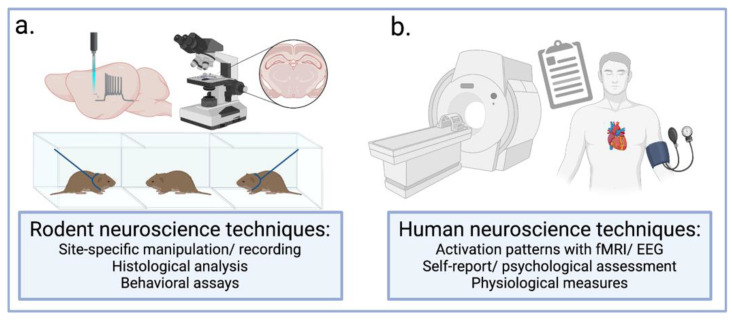
- The paper draws on prairie vole, mouse, rat, sheep, titi monkey, and human studies, including behavioral assays such as the partner preference test, plus fMRI, hormone measurements, pharmacological manipulations, viral knockdown/overexpression, and post-mortem or transcriptomic analyses.
- The main analysis is cross-species synthesis of converging neural circuits, neuromodulators, and social behaviors relevant to romantic love and bonding.
## Limitations
- The paper states that biological studies of human bonding are limited in their ability to elucidate the underlying neural mechanisms culminating in bonding.
- It also notes that human imaging studies face technical, ethical, and logistical constraints, and that human research has less experimental control than rodent work.
- Evident from the text: this is a review rather than an original empirical study, so its conclusions depend on prior studies and do not present a new dataset or a formal meta-analysis.
Model-written summary. Check it against the paper before relying on it.
Integrity signals
Registry
Cites
Statistics
Figures
Verification
Claims the paper makes
124 Valid · 7 Not valid · 47 Not checked · 18 Own results and interpretations
At least one cited source doesn’t support this claim or points to a different paper, and none confirmed it — see the verdicts below.
In the paper
“Voles receiving high parental care spend more time nursing and huddling with parents than those receiving low parental care [63].”
§ The Neurobiology of Love and Pair Bonding from Human and Animal Perspectives > 2. The Relationship between Parental Nurturing and Pair Bonding > 2.2. The Influence of Parental Care of Offspring in Later-Life Bonding
What the sources say
- Disputedcites [63] Perkeybile A.M. Griffin L.L. Bales K.L. Natural variation in early parental care correlates with social behaviors in adolescent prairie voles (Microtus ochrogaster) Front. Behav. Neurosci. 2013 7 21 10.3389/fnbeh.2013.00021 23515227 PMC3600544 sourceExperimental — accuracy not yet measured
The Results (Early parental care of subject offspring, Figure 2; page not provided) report the opposite pattern for huddling: fathers of low-contact offspring spent more time huddling over pups. High-contact offspring spent more time in passive nursing postures, but low-contact offspring received more active nursing; the paper does not present the claimed across-the-board increase in nursing and huddling. (LLM, conf=0.88)
Checked by a reasoning model — may be wrong.
plainstates an association- Asserted: passes — The authors put it forward as true.
- Checkable: passes — It can be checked against evidence.
- Load-bearing: unclear — It is unclear whether the paper’s conclusions depend on it.
- Based: passes — The paper gives a reason why it holds.
- Disputed
Every source the paper cites for this claim was checked and supports it.
In the paper
“Considerable insights have been gained into the neural mechanisms driving the evolutionary antecedents of love by studies in animal models of pair bonding, particularly in monogamous species such as prairie voles (Microtus ochrogaster).”
§ The Neurobiology of Love and Pair Bonding from Human and Animal Perspectives > Abstract
What the sources say
- Supportedcites [4] Bales K.L. Ardekani C.S. Baxter A. Karaskiewicz C.L. Kuske J.X. Lau A.R. Savidge L.E. Sayler K.R. Witczak L.R. What is a pair bond? Horm. Behav. 2021 136 105062 10.1016/j.yhbeh.2021.105062 34601430 source
The Introduction says prairie-vole studies are foundational to understanding the neural and hormonal basis of pair bonding. Section 3.5 (Mammals) identifies prairie voles as the primary animal model, describes neural circuits revealed by their study, and notes their relevance as a model for human pair bonds. (LLM, conf=0.91)
- Supportedcites [5] Rilling J.K. Young L.J. The biology of mammalian parenting and its effect on offspring social development Science 2014 345 771 776 10.1126/science.1252723 25124431 PMC4306567 source
The section on social development in rodents reports that stimulating oxytocin neurons facilitates later pair bonding in monogamous voles, and that prairie voles raised without fathers show impaired adult pair bonding. The section on oxytocin and parenting also links oxytocin’s role in maternal bonding to its possible evolutionary role in pair bonding. Together, these passages support the broad claim that vole studies offer insight into neural processes relevant to love. (LLM, conf=0.86)
boostedstates an association- Asserted: passes — The authors put it forward as true.
- Checkable: passes — It can be checked against evidence.
- Load-bearing: passes — The paper’s conclusions depend on it.
- Based: passes — The paper gives a reason why it holds.
- Supported
The cited sources support only part of this claim — read each source’s verdict below.
In the paper
“Here, we provide an overview of the roles of oxytocin, dopamine, and vasopressin in regulating neural circuits responsible for generating bonds in animals and humans alike.”
§ The Neurobiology of Love and Pair Bonding from Human and Animal Perspectives > Abstract
What the sources say
- Partly supportedcites [15] Keebaugh A.C. Barrett C.E. Laprairie J.L. Jenkins J.J. Young L.J. RNAi knockdown of oxytocin receptor in the nucleus accumbens inhibits social attachment and parental care in monogamous female prairie voles Soc. Neurosci. 2015 10 561 570 10.1080/17470919.2015.1040893 25874849 PMC4618772 sourceExperimental — accuracy not yet measured
The Introduction (page unavailable) links oxytocin signaling in the nucleus accumbens and dopamine D2 signaling in the striatum to pair-bond formation in prairie voles. It also discusses oxytocin-related social behavior in humans, but does not establish that all three substances—including vasopressin—regulate bond-forming neural circuits in both animals and humans. (LLM, conf=0.87)
- Partly supportedcites [16] Hung L.W. Neuner S. Polepalli J.S. Beier K.T. Wright M. Walsh J.J. Lewis E.M. Luo L. Deisseroth K. Dölen G. Gating of social reward by oxytocin in the ventral tegmental area Science 2017 357 1406 1411 10.1126/science.aan4994 28963257 PMC6214365 sourceExperimental — accuracy not yet measured
The Abstract reports that oxytocin acts on VTA dopamine neurons to promote social reward in mice, and its background discussion mentions oxytocin receptors in prairie-vole pair bonding. It does not show that vasopressin regulates bonding circuits, and it describes relevance to human social behavior as a possibility rather than an established finding. (LLM, conf=0.88)
- Partly supportedcites [17] Barrett C.E. Keebaugh A.C. Ahern T.H. Bass C.E. Terwilliger E.F. Young L.J. Variation in vasopressin receptor (Avpr1a) expression creates diversity in behaviors related to monogamy in prairie voles Horm. Behav. 2013 63 518 526 10.1016/j.yhbeh.2013.01.005 23370363 PMC3602142 sourceExperimental — accuracy not yet measured
The Discussion (page unavailable) describes pair bonding as involving neuropeptide-mediated social cues and dopaminergic reward pathways, and reports that altering vasopressin V1a receptor expression impaired partner preference in male prairie voles. It does not establish the same bond-generating mechanism in humans or specifically demonstrate oxytocin’s role in that mechanism. (LLM, conf=0.85)
- Partly supportedcites [18] Scheele D. Wille A. Kendrick K.M. Stoffel-Wagner B. Becker B. Güntürkün O. Maier W. Hurlemann R. Oxytocin enhances brain reward system responses in men viewing the face of their female partner Proc. Natl. Acad. Sci. USA 2013 110 20308 20313 10.1073/pnas.1314190110 24277856 PMC3864312 sourceExperimental — accuracy not yet measured
The introductory section (page not supplied) describes oxytocin, vasopressin, and dopamine in neural mechanisms of bond formation in prairie voles. The Discussion (page not supplied) reports that oxytocin enhances responses in human reward regions and suggests an effect on dopaminergic areas, but the paper does not establish that all three regulate bond-generating circuits in humans; it does not address a human vasopressin role. (LLM, conf=0.86)
- Partly supportedcites [19] Walum H. Westberg L. Henningsson S. Neiderhiser J.M. Reiss D. Igl W. Ganiban J.M. Spotts E.L. Pedersen N.L. Eriksson E. Genetic variation in the vasopressin receptor 1a gene (AVPR1A) associates with pair-bonding behavior in humans Proc. Natl. Acad. Sci. USA 2008 105 14153 14156 10.1073/pnas.0803081105 18765804 PMC2533683 sourceExperimental — accuracy not yet measured
The paper's introductory passage says vasopressin regulates pair-bonding in male voles, and its Discussion reports an association between an AVPR1A variant and pair-bonding traits in men. It does not establish that vasopressin regulates bond-generating neural circuits in humans, or discuss dopamine's role; oxytocin appears only in a cited study's title. Page numbers are not available in our copy. (LLM, conf=0.87)
plainstates a cause- Asserted: passes — The authors put it forward as true.
- Checkable: passes — It can be checked against evidence.
- Load-bearing: passes — The paper’s conclusions depend on it.
- Based: passes — The paper gives a reason why it holds.
- Partly supported
The cited sources support only part of this claim — read each source’s verdict below.
In the paper
“Much of our understanding of neural mechanisms responsible for pair bonding comes from studies in prairie voles (Microtus ochrogaster), a socially monogamous rodent.”
§ The Neurobiology of Love and Pair Bonding from Human and Animal Perspectives > 1. Introduction
What the sources say
- Supportedcites [9] Walum H. Young L.J. The neural mechanisms and circuitry of the pair bond Nat. Rev. Neurosci. 2018 19 643 654 10.1038/s41583-018-0072-6 30301953 PMC6283620 source
The Pair bonding section says that most current knowledge of pair-bonding neurobiology comes from studies in voles, then identifies the prairie vole (Microtus ochrogaster) as socially monogamous. This supports the citing sentence’s characterization. (LLM, conf=0.94)
- Partly supportedcites [14] Zablocki-Thomas P.B. Rogers F.D. Bales K.L. Neuroimaging of human and non-human animal emotion and affect in the context of social relationships Front. Behav. Neurosci. 2022 16 994504 10.3389/fnbeh.2022.994504 36338883 PMC9633678 sourceExperimental — accuracy not yet measured
In “Bond creation and maintenance” (page unavailable), the review says most research on the neural substrates of pair-bond formation has been performed in rodents and humans. Its “Lack of studies on females” section discusses neural processes during pair-bond formation in monogamous prairie voles, but the copy does not say that much of the field’s understanding comes specifically from prairie-vole studies. (LLM, conf=0.77)
plainstates an association- Asserted: passes — The authors put it forward as true.
- Checkable: passes — It can be checked against evidence.
- Load-bearing: passes — The paper’s conclusions depend on it.
- Based: passes — The paper gives a reason why it holds.
- Supported
Every source the paper cites for this claim was checked and supports it.
In the paper
“In mandarin voles (Microtus mandarinus), paternal behavior is faciliated by the activation of OT projection neurons from the paraventricular nucleus of the hypothalamus (PVN) to the VTA and NAc [37].”
§ The Neurobiology of Love and Pair Bonding from Human and Animal Perspectives > 2. The Relationship between Parental Nurturing and Pair Bonding > 2.1. Parental Bonding as the Evolutionary Antecedent to Pair Bonding
What the sources say
- Supportedcites [37] He Z. Zhang L. Hou W. Zhang X. Young L.J. Li L. Liu L. Ma H. Xun Y. Lv Z. Paraventricular Nucleus Oxytocin Subsystems Promote Active Paternal Behaviors in Mandarin Voles J. Neurosci. 2021 41 6699 6713 10.1523/JNEUROSCI.2864-20.2021 34226275 PMC8336703 source
The Abstract reports that chemogenetic activation of PVN oxytocin projections to the VTA promoted paternal care, while activation of the PVN-to-NAc oxytocin circuit enhanced it in male mandarin voles. The Discussion likewise identifies both projections as regulators of active paternal nurturing behavior. (LLM, conf=0.94)
plainstates a cause- Asserted: passes — The authors put it forward as true.
- Checkable: passes — It can be checked against evidence.
- Load-bearing: unclear — It is unclear whether the paper’s conclusions depend on it.
- Based: passes — The paper gives a reason why it holds.
- Supported
102 more claims · 56 with their cited sources checked
Create a free account to see all 196 claims and to verify the 4 references still open.
- It may state two separate claims as one. 87
- Probably not a substantial claim. 6
Citations
Cites
Mikulincer, M., Shaver, P. R., & Pereg, D. (2003) · Motivation and Emotion · doi:10.1023/a:1024515519160 · Cited by 2,403 · cited 1×
“Insecurely attached individuals learn to self-soothe instead of relying on co-regulation with caregivers and distance themselves from attachments with others [59].”
BackgroundSalience processing and insular cortical function and dysfunction
Uddin, L. Q. (2015) · Nature Reviews Neuroscience · doi:10.1038/nrn3857 · Cited by 2,083
The neural correlates of maternal and romantic love
Bartels, A., & Zeki, S. (2004) · NeuroImage · doi:10.1016/j.neuroimage.2003.11.003 · Cited by 1,497 · cited 5×
“Many of the structures of the SBN and SDMN have been implicated in human social function [43,46,81].”
BackgroundInfluentialNEWMAN, S. W. (1999) · Annals of the New York Academy of Sciences · doi:10.1111/j.1749-6632.1999.tb09271.x · Cited by 1,189 · cited 1×
“The SBN, described in rodents, birds, and reptiles, comprises hypothalamic structures as well as the periaqueductal gray (PAG), MeA, bed nucleus of the stria terminalis (BNST), and the LS that are reciprocally connected with the other regions of the network, contain receptors for gonadal hormones, and are implicated i…”
BackgroundThe Vertebrate mesolimbic reward system and social behavior network: A comparative synthesis
O'Connell, L. A., & Hofmann, H. A. (2011) · Journal of Comparative Neurology · doi:10.1002/cne.22735 · Cited by 1,023
The neural basis of romantic love
Bartels, A., & Zeki, S. (2000) · NeuroReport · doi:10.1097/00001756-200011270-00046 · Cited by 1,020 · cited 2×
“Interestingly, individuals in long-term romantic relationships show similar activation of DA-rich rewards and social regions when viewing pictures of their partner [46,47].”
BackgroundHiser, J., & Koenigs, M. (2018) · Biological Psychiatry · doi:10.1016/j.biopsych.2017.10.030 · Cited by 972 · cited 1×
“Many of the structures of the SBN and SDMN have been implicated in human social function [43,46,81].”
BackgroundBernhardt, B. C., & Singer, T. (2012) · Annual Review of Neuroscience · doi:10.1146/annurev-neuro-062111-150536 · Cited by 952
Oxytocin receptor distribution reflects social organization in monogamous and polygamous voles
Insel, T. R., & Shapiro, L. E. (1992) · Proceedings of the National Academy of Sciences · doi:10.1073/pnas.89.13.5981 · Cited by 833
The vertebrate social behavior network: Evolutionary themes and variations
Goodson, J. L. (2005) · Hormones and Behavior · doi:10.1016/j.yhbeh.2005.02.003 · Cited by 771 · cited 1×
“The SBN, described in rodents, birds, and reptiles, comprises hypothalamic structures as well as the periaqueductal gray (PAG), MeA, bed nucleus of the stria terminalis (BNST), and the LS that are reciprocally connected with the other regions of the network, contain receptors for gonadal hormones, and are implicated i…”
BackgroundSocial relationships and physiological determinants of longevity across the human life span
Yang, Y. C., Boen, C., Gerken, K., Li, T., Schorpp, K., & Harris, K. M. (2016) · Proceedings of the National Academy of Sciences · doi:10.1073/pnas.1511085112 · Cited by 751 · cited 2×
“Love ensures successful reproduction, and our physiology relies on pair bonds to maintain mental and physical well-being [1,2].”
BackgroundOxytocin enables maternal behaviour by balancing cortical inhibition
Marlin, B. J., Mitre, M., D’amour, J. A., Chao, M. V., & Froemke, R. C. (2015) · Nature · doi:10.1038/nature14402 · Cited by 744 · cited 1×
“OT thereby influences the signal-to-noise ratio of stimuli to increase the saliency of pup calls [27].”
BackgroundSocial rejection shares somatosensory representations with physical pain
Kross, E., Berman, M. G., Mischel, W., Smith, E. E., & Wager, T. D. (2011) · Proceedings of the National Academy of Sciences · doi:10.1073/pnas.1102693108 · Cited by 689
The evolution of social monogamy in mammals
Lukas, D., & Clutton-Brock, T. H. (2013) · Science · doi:10.1126/science.1238677 · Cited by 678 · cited 3×
“Male involvement in parental care is relatively uncommon in mammals; however, paternal care is more prevalent in socially monogamous mammals [12].”
BackgroundInfluentialA Cross-Cultural Perspective on Romantic Love
Jankowiak, W. R., & Fischer, E. F. (1992) · Ethnology · doi:10.2307/3773618 · Cited by 646 · cited 2×
“Although humans have remarkable flexibility in mating styles, from polygyny to serial monogamy, we have a strong tendency to pair bond, with social monogamy observed across diverse cultures throughout history [13].”
BackgroundAinsworth, M. D. S., Blehar, M. C., Waters, E., & Wall, S. (2014) · PsycTESTS Dataset · doi:10.1037/t28248-000 · Cited by 641
Lim, M. M., Wang, Z., Olazábal, D. E., Ren, X., Terwilliger, E. F., & Young, L. J. (2004) · Nature · doi:10.1038/nature02539 · Cited by 628
Self-citationThe Bowlby-Ainsworth attachment theory
Bowlby, J. (1979) · Behavioral and Brain Sciences · doi:10.1017/s0140525x00064955 · Cited by 594
Gating of social reward by oxytocin in the ventral tegmental area
Hung, L. W., Neuner, S., Polepalli, J. S., Beier, K. T., Wright, M., Walsh, J. J., Lewis, E. M., Luo, L., Deisseroth, K., Dölen, G., et al. (2017) · Science · doi:10.1126/science.aan4994 · Cited by 578 · cited 1×
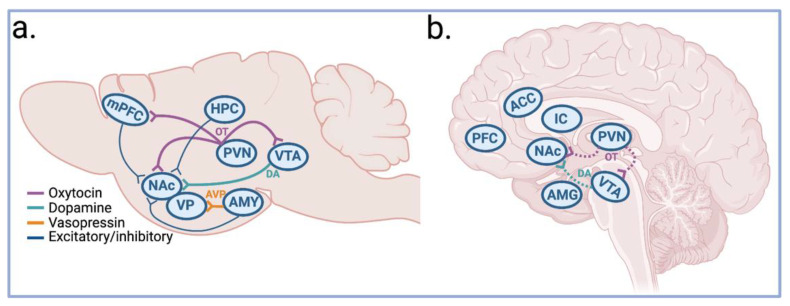
“Social interactions in rodents stimulate the release of OT from the PVN in the NAc and VTA, and OT binding in the VTA leads to the release of DA in the NAc, thus contributing to the rewarding properties of social stimuli [16,26] (Figure 3a).”
BackgroundPlasma oxytocin increases in the human sexual response
CARMICHAEL, M. S., HUMBERT, R., DIXEN, J., PALMISANO, G., GREENLEAF, W., & DAVIDSON, J. M. (1987) · The Journal of Clinical Endocrinology & Metabolism · doi:10.1210/jcem-64-1-27 · Cited by 554
Dopamine Signaling in reward-related behaviors
Baik, J.-H. (2013) · Frontiers in Neural Circuits · doi:10.3389/fncir.2013.00152 · Cited by 531 · cited 1×
“This system comprises DA-producing neurons in the substantia nigra (SN) and the ventral tegmental area (VTA) that project to the striatum, cortex, limbic regions, and hypothalamus to influence motivation, emotion, and reward-related behaviors [31].”
BackgroundAreas of brain activation in males and females during viewing of erotic film excerpts
Karama, S., Lecours, A. R., Leroux, J., Bourgouin, P., Beaudoin, G., Joubert, S., & Beauregard, M. (2002) · Human Brain Mapping · doi:10.1002/hbm.10014 · Cited by 522
Aragona, B. J., Liu, Y., Yu, Y. J., Curtis, J. T., Detwiler, J. M., Insel, T. R., & Wang, Z. (2006) · Nature Neuroscience · doi:10.1038/nn1613 · Cited by 473
WILLIAMS, J. (1992) · Hormones and Behavior · doi:10.1016/0018-506x(92)90004-f · Cited by 471
What’s in a smile? Maternal brain responses to infant facial cues
Strathearn, L., Li, J., Fonagy, P., & Montague, P. R. (2008) · Pediatrics · doi:10.1542/peds.2007-1566 · Cited by 460
Walum, H., Westberg, L., Henningsson, S., Neiderhiser, J. M., Reiss, D., Igl, W., Ganiban, J. M., Spotts, E. L., Pedersen, N. L., Eriksson, E., et al. (2008) · Proceedings of the National Academy of Sciences · doi:10.1073/pnas.0803081105 · Cited by 460 · cited 1×
“The RS3 repetitive polymorphism of the AVPR1A gene is associated with bonding in men, with those carrying one or two copies of the 334 alleles scoring lower on the Partner Bonding Scale than men who do not carry the 334 alleles [19].”
BackgroundThe biology of mammalian parenting and its effect on offspring social development
Rilling, J. K., & Young, L. J. (2014) · Science · doi:10.1126/science.1252723 · Cited by 452 · cited 6×
“neural mechanisms driving evolutionary antecedents of love [4,5].”
BackgroundInfluentialSelf-citationBrain Activation during Human Male Ejaculation
Holstege, G., Georgiadis, J. R., Paans, A. M. J., Meiners, L. C., van der Graaf, F. H. C. E., & Reinders, A. A. T. S. (2003) · The Journal of Neuroscience · doi:10.1523/jneurosci.23-27-09185.2003 · Cited by 424
Atzil, S., Gao, W., Fradkin, I., & Barrett, L. F. (2018) · Nature Human Behaviour · doi:10.1038/s41562-018-0384-6 · Cited by 415
Romantic love: a mammalian brain system for mate choice
Fisher, H. E., Aron, A., & Brown, L. L. (2006) · Philosophical Transactions of the Royal Society B: Biological Sciences · doi:10.1098/rstb.2006.1938 · Cited by 411
Estrogen masculinizes neural pathways and sex-specific behaviors
Wu, M. V., Manoli, D. S., Fraser, E. J., Coats, J. K., Tollkuhn, J., Honda, S.-I., Harada, N., & Shah, N. M. (2009) · Cell · doi:10.1016/j.cell.2009.07.036 · Cited by 404
Pair-Bonding, Romantic Love, and Evolution: The Curious Case of Homo sapiens
Fletcher, G. J. O., Simpson, J. A., Campbell, L., & Overall, N. C. (2015) · Perspectives on Psychological Science · doi:10.1177/1745691614561683 · Cited by 401 · cited 1×
“Selection for monogamy likely evolved as a mating strategy for males in situations where breeding females are solitary, female density is low, and males are unable to defend access to multiple females across territorial ranges [34].”
BackgroundKeyes, K. M., Pratt, C., Galea, S., McLaughlin, K. A., Koenen, K. C., & Shear, M. K. (2014) · American Journal of Psychiatry · doi:10.1176/appi.ajp.2014.13081132 · Cited by 398 · cited 2×
“Loving romantic relationships can last throughout a lifetime, requiring continued commitment and communication to maintain, and when these relationships end, they can pose threats to psychological and physiological well-being [75].”
BackgroundRomantic love: an fMRI study of a neural mechanism for mate choice.
Fisher, H., Aron, A., & Brown, L. L. (2005) · Journal of Comparative Neurology · doi:10.1002/cne.20772 · Cited by 396 · cited 2×
“As the relationship begins to deepen and familiarity grows a bond forms, and people may experience feelings of being in love [74].”
BackgroundTopography of social touching depends on emotional bonds between humans
Suvilehto, J. T., Glerean, E., Dunbar, R. I. M., Hari, R., & Nummenmaa, L. (2015) · Proceedings of the National Academy of Sciences · doi:10.1073/pnas.1519231112 · Cited by 385
Role of septal vasopressin innervation in paternal behavior in prairie voles (Microtus ochrogaster).
Wang, Z., Ferris, C. F., & De Vries, G. J. (1994) · Proceedings of the National Academy of Sciences · doi:10.1073/pnas.91.1.400 · Cited by 381
Oxytocin–dopamine interactions mediate variations in maternal behavior in the rat
Shahrokh, D. K., Zhang, T.-Y., Diorio, J., Gratton, A., & Meaney, M. J. (2010) · Endocrinology · doi:10.1210/en.2009-1271 · Cited by 366 · cited 1×
“Following birth, activity in the mesolimbic dopamine (DA) system drives continuous interactions with offspring, including retrieval, licking, and grooming of pups [29,30].”
BackgroundOxytocin enhances social recognition by modulating cortical control of early olfactory processing
Oettl, L.-L., Ravi, N., Schneider, M., Scheller, M. F., Schneider, P., Mitre, M., da Silva Gouveia, M., Froemke, R. C., Chao, M. V., Young, W. S., et al. (2016) · Neuron · doi:10.1016/j.neuron.2016.03.033 · Cited by 359 · cited 1×
“OT in the AON facilitates an increased inhibitory tone in the main olfactory bulb (MOB), resulting in a greater signal-to-noise ratio for odors associated with social interactions and subsequently leading to a higher quality signal being transmitted to downstream regions [9,88].”
BackgroundThe neural mechanisms and circuitry of the pair bond
Walum, H., & Young, L. J. (2018) · Nature Reviews Neuroscience · doi:10.1038/s41583-018-0072-6 · Cited by 353 · cited 10×
“Research in humans and in other mammals demonstrates a role for OT in promoting prosocial behavior, bonding, and the saliency of social cues [9,23,24].”
BackgroundInfluentialSelf-citationA critical role for nucleus accumbens dopamine in partner-preference formation in male prairie voles
Aragona, B. J., Liu, Y., Curtis, J. T., Stephan, F. K., & Wang, Z. (2003) · The Journal of Neuroscience · doi:10.1523/jneurosci.23-08-03483.2003 · Cited by 351
Neuroendocrine regulation of maternal behavior
Bridges, R. S. (2015) · Frontiers in Neuroendocrinology · doi:10.1016/j.yfrne.2014.11.007 · Cited by 346
Oxytocin enhances brain reward system responses in men viewing the face of their female partner
Scheele, D., Wille, A., Kendrick, K. M., Stoffel-Wagner, B., Becker, B., Güntürkün, O., Maier, W., & Hurlemann, R. (2013) · Proceedings of the National Academy of Sciences · doi:10.1073/pnas.1314190110 · Cited by 340 · cited 1×
“fMRI revealed that IN-OT in combination with viewing the partner enhanced activation of the NAc and VTA consistent with the hypothesis of pair bonding based on vole studies [18] (Figure 3b).”
MethodGingrich, B., Liu, Y., Cascio, C., Wang, Z., & Insel, T. R. (2000) · Behavioral Neuroscience · doi:10.1037/0735-7044.114.1.173 · Cited by 339
Craving love? Enduring grief activates brain’s reward center
O'Connor, M.-F., Wellisch, D. K., Stanton, A. L., Eisenberger, N. I., Irwin, M. R., & Lieberman, M. D. (2008) · NeuroImage · doi:10.1016/j.neuroimage.2008.04.256 · Cited by 317
Characterization of the oxytocin system regulating affiliative behavior in female prairie voles
Ross, H. E., Cole, C. D., Smith, Y., Neumann, I. D., Landgraf, R., Murphy, A. Z., & Young, L. J. (2009) · Neuroscience · doi:10.1016/j.neuroscience.2009.05.055 · Cited by 309 · cited 3×
“Collaterals of those hypothalamic neurons release OT into the brain, resulting in neural circuit alterations contributing to the emergence of maternal behavior [25,26].”
BackgroundSelf-citationOxytocin Modulates Social Distance between Males and Females
Scheele, D., Striepens, N., Güntürkün, O., Deutschländer, S., Maier, W., Kendrick, K. M., & Hurlemann, R. (2012) · The Journal of Neuroscience · doi:10.1523/jneurosci.2755-12.2012 · Cited by 301
Komisaruk, B. R., Whipple, B., Crawford, A., Grimes, S., Liu, W.-C., Kalnin, A., & Mosier, K. (2004) · Brain Research · doi:10.1016/j.brainres.2004.07.029 · Cited by 296
Pitkow, L. J., Sharer, C. A., Ren, X., Insel, T. R., Terwilliger, E. F., & Young, L. J. (2001) · The Journal of Neuroscience · doi:10.1523/jneurosci.21-18-07392.2001 · Cited by 295
Self-citationDynamics of male sexual arousal: distinct components of brain activation revealed by fMRI
Ferretti, A., Caulo, M., Del Gratta, C., Di Matteo, R., Merla, A., Montorsi, F., Pizzella, V., Pompa, P., Rigatti, P., Rossini, P. M., et al. (2005) · NeuroImage · doi:10.1016/j.neuroimage.2005.03.025 · Cited by 288
Brain vasopressin is an important regulator of maternal behavior independent of dams’ trait anxiety
Bosch, O. J., & Neumann, I. D. (2008) · Proceedings of the National Academy of Sciences · doi:10.1073/pnas.0807412105 · Cited by 280 · cited 1×
“In female rats, viral vector-mediated upregulation of the AVP 1a receptor (AVPR1a) within the MPOA improves maternal care, whereas blockade of the same receptor impairs maternal actions [49].”
BackgroundDopamine, the medial preoptic area, and male sexual behavior
DOMINGUEZ, J., & HULL, E. (2005) · Physiology & Behavior · doi:10.1016/j.physbeh.2005.08.006 · Cited by 277
Centrally released oxytocin mediates mating-induced anxiolysis in male rats
Waldherr, M., & Neumann, I. D. (2007) · Proceedings of the National Academy of Sciences · doi:10.1073/pnas.0705860104 · Cited by 261
The development of adult attachment styles: four lessons
Fraley, R. C., & Roisman, G. I. (2019) · Current Opinion in Psychology · doi:10.1016/j.copsyc.2018.02.008 · Cited by 253 · cited 1×
“However, a variety of additional factors contribute to adult romantic attachment styles, including interpersonal peer relationships, romantic history, and genetics [61].”
BackgroundWeisman, O., Zagoory-Sharon, O., & Feldman, R. (2012) · Biological Psychiatry · doi:10.1016/j.biopsych.2012.06.011 · Cited by 240 · cited 1×
“In humans, intranasal application of OT (IN-OT) increases parenting behaviors that support parentinfant bonding in fathers toward their infants [38].”
BackgroundAhern, T. H. (2009) · Frontiers in Behavioral Neuroscience · doi:10.3389/neuro.08.017.2009 · Cited by 239 · cited 2×
“Furthermore, voles raised by a single mother display decreased turnover of DA in the NAc following cohabitation and mating with an opposite-sex conspecific, suggesting less activity in reward regions during sexual contact [64,65].”
The neural response to facial attractiveness
Chatterjee, A., Thomas, A., Smith, S. E., & Aguirre, G. K. (2009) · Neuropsychology · doi:10.1037/a0014430 · Cited by 239
Sexual activity increases dopamine transmission in the nucleus accumbens and striatum of female rats
Pfaus, J. G., Damsma, G., Wenkstern, D., & Fibiger, H. C. (1995) · Brain Research · doi:10.1016/0006-8993(95)00679-k · Cited by 236
Marital behavior, oxytocin, vasopressin, and wound healing
Gouin, J.-P., Carter, C. S., Pournajafi-Nazarloo, H., Glaser, R., Malarkey, W. B., Loving, T. J., Stowell, J., & Kiecolt-Glaser, J. K. (2010) · Psychoneuroendocrinology · doi:10.1016/j.psyneuen.2010.01.009 · Cited by 227
Atzil, S., Hendler, T., Zagoory-Sharon, O., Winetraub, Y., & Feldman, R. (2012) · Journal of the American Academy of Child & Adolescent Psychiatry · doi:10.1016/j.jaac.2012.06.008 · Cited by 225 · cited 2×
“Furthermore, plasma levels of AVP in human fathers, but not mothers, are related to activation of the inferior frontal gyrus and in the insular cortex (IC), both regions implicated in socio-cognitive function, suggesting a distinct role for AVP in promoting paternal behavior [45].”
BackgroundFemale mice ultrasonically interact with males during courtship displays
Neunuebel, J. P., Taylor, A. L., Arthur, B. J., & Egnor, S. R. (2015) · eLife · doi:10.7554/elife.06203 · Cited by 224 · cited 1×
“Similarly, male mice alter behavior in response to female USVs, and these calls contain information about the female’s reproductive receptivity [92,93].”
BackgroundNeural mechanisms for voice recognition
Andics, A., McQueen, J. M., Petersson, K. M., Gál, V., Rudas, G., & Vidnyánszky, Z. (2010) · NeuroImage · doi:10.1016/j.neuroimage.2010.05.048 · Cited by 222
Bosch, O. J., Nair, H. P., Ahern, T. H., Neumann, I. D., & Young, L. J. (2009) · Neuropsychopharmacology · doi:10.1038/npp.2008.154 · Cited by 216
Self-citationYuan, L., Liu, S., Bai, X., Gao, Y., Liu, G., Wang, X., Liu, D., Li, T., Hao, A., & Wang, Z. (2016) · Journal of Neuroinflammation · doi:10.1186/s12974-016-0541-7 · Cited by 213
Parental Attachment and Peer Relationships in Adolescence: A Systematic Review
Delgado, E., Serna, C., Martínez, I., & Cruise, E. (2022) · International Journal of Environmental Research and Public Health · doi:10.3390/ijerph19031064 · Cited by 199
King, L. B., Walum, H., Inoue, K., Eyrich, N. W., & Young, L. J. (2016) · Biological Psychiatry · doi:10.1016/j.biopsych.2015.12.008 · Cited by 191 · cited 1×
“These genetic variations may also influence social behavior, as male C/C prairie voles display enhanced social attachment as compared to C/T and T/T animals [71].”
BackgroundSelf-citationOxytocin, Vasopressin, and Social Behavior: From Neural Circuits to Clinical Opportunities
Rigney, N., de Vries, G. J., Petrulis, A., & Young, L. J. (2022) · Endocrinology · doi:10.1210/endocr/bqac111 · Cited by 191 · cited 2×
“Research in humans and in other mammals demonstrates a role for OT in promoting prosocial behavior, bonding, and the saliency of social cues [9,23,24].”
BackgroundSelf-citationFreeman, S. M., Inoue, K., Smith, A. L., Goodman, M. M., & Young, L. J. (2014) · Psychoneuroendocrinology · doi:10.1016/j.psyneuen.2014.03.023 · Cited by 185 · cited 1×
“Similarly, in humans, visual processing of social cues is facilitated by IN-OT through increased attention to and recognition of emotional cues in faces [98,99].”
BackgroundDopamine in the medial amygdala network mediates human bonding
Atzil, S., Touroutoglou, A., Rudy, T., Salcedo, S., Feldman, R., Hooker, J. M., Dickerson, B. C., Catana, C., & Barrett, L. F. (2017) · Proceedings of the National Academy of Sciences · doi:10.1073/pnas.1612233114 · Cited by 182 · cited 2×
“In human mothers, behavioral synchrony between mother and infant is related to changes in endogenous DA and the functional connectivity of the NAc, MeA, and the medial (mPFC), together comprising the MeA network implicated in social functioning [43,44].”
BackgroundGobrogge, K. L., Liu, Y., Young, L. J., & Wang, Z. (2009) · Proceedings of the National Academy of Sciences · doi:10.1073/pnas.0908620106 · Cited by 178
Self-citationNeural plasticity in fathers of human infants
Kim, P., Rigo, P., Mayes, L. C., Feldman, R., Leckman, J. F., & Swain, J. E. (2014) · Social Neuroscience · doi:10.1080/17470919.2014.933713 · Cited by 164 · cited 1×
“Fathers also exhibit increases in gray matter volume in regions involved in motivation, including the striatum, medial amygdala (MeA), and lateral prefrontal cortex (lPFC) [39].”
BackgroundOxytocin and Social Relationships: From Attachment to Bond Disruption
Bosch, O. J., & Young, L. J. (2017) · Current Topics in Behavioral Neurosciences · doi:10.1007/7854_2017_10 · Cited by 162
Self-citationFeldman, R., & Bakermans-Kranenburg, M. J. (2017) · Current Opinion in Psychology · doi:10.1016/j.copsyc.2017.02.011 · Cited by 160 · cited 2×
“Collaterals of those hypothalamic neurons release OT into the brain, resulting in neural circuit alterations contributing to the emergence of maternal behavior [25,26].”
BackgroundEarly nurture epigenetically tunes the oxytocin receptor
Perkeybile, A. M., Carter, C. S., Wroblewski, K. L., Puglia, M. H., Kenkel, W. M., Lillard, T. S., Karaoli, T., Gregory, S. G., Mohammadi, N., Epstein, L., et al. (2019) · Psychoneuroendocrinology · doi:10.1016/j.psyneuen.2018.08.037 · Cited by 160 · cited 1×
“Prairie voles receiving lower levels of parental care have hypermethylation of the MT2 region, which is predictive of lower OXTR expression in the NAc [67,68].”
BackgroundLong, M., Verbeke, W., Ein-Dor, T., & Vrtička, P. (2020) · Cortex · doi:10.1016/j.cortex.2020.01.010 · Cited by 159
Increased Risk of Acute Cardiovascular Events After Partner Bereavement: A Matched Cohort Study
Carey, I. M., Shah, S. M., DeWilde, S., Harris, T., Victor, C. R., & Cook, D. G. (2014) · JAMA Internal Medicine · doi:10.1001/jamainternmed.2013.14558 · Cited by 158
Sexual fidelity trade-offs promote regulatory variation in the prairie vole brain
Okhovat, M., Berrio, A., Wallace, G., Ophir, A. G., & Phelps, S. M. (2015) · Science · doi:10.1126/science.aac5791 · Cited by 155
Keebaugh, A. C., & Young, L. J. (2011) · Hormones and Behavior · doi:10.1016/j.yhbeh.2011.07.018 · Cited by 154
Facial attractiveness predicts longevity
Henderson, J. (2003) · Evolution and Human Behavior · doi:10.1016/s1090-5138(03)00036-9 · Cited by 154
Keebaugh, A. C., Barrett, C. E., Laprairie, J. L., Jenkins, J. J., & Young, L. J. (2015) · Social Neuroscience · doi:10.1080/17470919.2015.1040893 · Cited by 150
Self-citationSchacht, R., & Kramer, K. L. (2019) · Frontiers in Ecology and Evolution · doi:10.3389/fevo.2019.00230 · Cited by 148
Yu, H., Miao, W., Ji, E., Huang, S., Jin, S., Zhu, X., Liu, M.-Z., Sun, Y.-G., Xu, F., & Yu, X. (2022) · Neuron · doi:10.1016/j.neuron.2021.12.022 · Cited by 144
Bosch, O. J., Dabrowska, J., Modi, M. E., Johnson, Z. V., Keebaugh, A. C., Barrett, C. E., Ahern, T. H., Guo, J., Grinevich, V., Rainnie, D. G., et al. (2016) · Psychoneuroendocrinology · doi:10.1016/j.psyneuen.2015.11.011 · Cited by 140
Self-citationMcNeal, N., Scotti, M.-A. L., Wardwell, J., Chandler, D. L., Bates, S. L., LaRocca, M., Trahanas, D. M., & Grippo, A. J. (2014) · Autonomic Neuroscience · doi:10.1016/j.autneu.2013.10.001 · Cited by 135
Social but not genetic monogamy is associated with greater breeding success in prairie voles
Ophir, A. G., Phelps, S. M., Sorin, A. B., & Wolff, J. O. (2008) · Animal Behaviour · doi:10.1016/j.anbehav.2007.09.022 · Cited by 132
Stolzenberg, D. S., & Rissman, E. F. (2011) · Journal of Neuroendocrinology · doi:10.1111/j.1365-2826.2011.02112.x · Cited by 128 · cited 1×
“During mother-pup interactions, OT binds to oxytocin receptors (OXTRs) in the medial preoptic area (MPOA), which in turn leads to DA release from projections from the VTA to the nucleus accumbens (NAc), both regions implicated in motivation and reward [32,33].”
BackgroundThomas, A. G., Jonason, P. K., Blackburn, J. D., Kennair, L. E. O., Lowe, R., Malouff, J., Stewart‐Williams, S., Sulikowski, D., & Li, N. P. (2020) · Journal of Personality · doi:10.1111/jopy.12514 · Cited by 126
Little, A. C. (2014) · Wiley Interdisciplinary Reviews Cognitive Science · doi:10.1002/wcs.1316 · Cited by 123
Monogamy Evolves through Multiple Mechanisms: Evidence from V1aR in Deer Mice
Turner, L. M., Young, A. R., Römpler, H., Schöneberg, T., Phelps, S. M., & Hoekstra, H. E. (2010) · Molecular Biology and Evolution · doi:10.1093/molbev/msq013 · Cited by 122
An insular view of the social decision-making network
Rogers-Carter, M. M., & Christianson, J. P. (2019) · Neuroscience & Biobehavioral Reviews · doi:10.1016/j.neubiorev.2019.06.005 · Cited by 121
Grace, S. A., Rossell, S. L., Heinrichs, M., Kordsachia, C., & Labuschagne, I. (2018) · Psychoneuroendocrinology · doi:10.1016/j.psyneuen.2018.05.031 · Cited by 120
Phelps, S. M., & Young, L. J. (2003) · Journal of Comparative Neurology · doi:10.1002/cne.10902 · Cited by 116
Self-citationLong-term immune-endocrine effects of bereavement: Relationships with anxiety levels and mood
Gerra, G., Monti, D., Panerai, A. E., Sacerdote, P., Anderlini, R., Avanzini, P., Zaimovic, A., Brambilla, F., & Franceschi, C. (2003) · Psychiatry Research · doi:10.1016/s0165-1781(03)00255-5 · Cited by 116
Barrett, C. E., Arambula, S. E., & Young, L. J. (2015) · Translational Psychiatry · doi:10.1038/tp.2015.73 · Cited by 115 · cited 1×
“In one study, prairie vole pups were isolated from their parents and littermates for 3 h per day for the first two weeks of life, then raised normally by both parents [66].”
MethodSelf-citationCues to fertility: Perceived attractiveness and facial shape predict reproductive success
Pflüger, L. S., Oberzaucher, E., Katina, S., Holzleitner, I. J., & Grammer, K. (2012) · Evolution and Human Behavior · doi:10.1016/j.evolhumbehav.2012.05.005 · Cited by 115
Dynamic corticostriatal activity biases social bonding in monogamous female prairie voles
Amadei, E. A., Johnson, Z. V., Jun Kwon, Y., Shpiner, A. C., Saravanan, V., Mays, W. D., Ryan, S. J., Walum, H., Rainnie, D. G., Young, L. J., et al. (2017) · Nature · doi:10.1038/nature22381 · Cited by 115
Self-citationPerkeybile, A. M., Griffin, L. L., & Bales, K. L. (2013) · Frontiers in Behavioral Neuroscience · doi:10.3389/fnbeh.2013.00021 · Cited by 114 · cited 1×
“Voles receiving high parental care spend more time nursing and huddling with parents than those receiving low parental care [63].”
BackgroundPredicting vocal emotion expressions from the human brain
Kotz, S. A., Kalberlah, C., Bahlmann, J., Friederici, A. D., & Haynes, J. (2013) · Human Brain Mapping · doi:10.1002/hbm.22041 · Cited by 113
Oxytocin receptors modulate a social salience neural network in male prairie voles
Johnson, Z. V., Walum, H., Xiao, Y., Riefkohl, P. C., & Young, L. J. (2017) · Hormones and Behavior · doi:10.1016/j.yhbeh.2016.10.009 · Cited by 113
Self-citationMaternal behaviour and lamb survival: from neuroendocrinology to practical application
Dwyer, C. M. (2014) · Animal · doi:10.1017/s1751731113001614 · Cited by 110 · cited 1×
“Discrimination between olfactory cues from offspring versus alien lambs is facilitated by OT within the olfactory bulb, increasing the release of noradrenaline (NA), acetylcholine (ACh), and glutamate [28].”
Backgroundκ-Opioid Receptors within the Nucleus Accumbens Shell Mediate Pair Bond Maintenance
Resendez, S. L., Kuhnmuench, M., Krzywosinski, T., & Aragona, B. J. (2012) · The Journal of Neuroscience · doi:10.1523/jneurosci.5779-11.2012 · Cited by 110
Bales, K. L., Ardekani, C. S., Baxter, A., Karaskiewicz, C. L., Kuske, J. X., Lau, A. R., Savidge, L. E., Sayler, K. R., & Witczak, L. R. (2021) · Hormones and Behavior · doi:10.1016/j.yhbeh.2021.105062 · Cited by 108
Fox, J., & Tokunaga, R. S. (2015) · Cyberpsychology, Behavior, and Social Networking · doi:10.1089/cyber.2015.0123 · Cited by 105
Intranasal oxytocin, but not vasopressin, augments neural responses to toddlers in human fathers
Li, T., Chen, X., Mascaro, J., Haroon, E., & Rilling, J. K. (2017) · Hormones and Behavior · doi:10.1016/j.yhbeh.2017.01.006 · Cited by 105
On the role of corticotropin-releasing hormone receptors in anxiety and depression
Reul, J. M. H. M., & Holsboer, F. (2002) · Dialogues in Clinical Neuroscience · doi:10.31887/dcns.2002.4.1/jreul · Cited by 103
Barrett, C. E., Keebaugh, A. C., Ahern, T. H., Bass, C. E., Terwilliger, E. F., & Young, L. J. (2013) · Hormones and Behavior · doi:10.1016/j.yhbeh.2013.01.005 · Cited by 100 · cited 1×
“Prairie voles show much higher AVPR1a expression in the ventral pallidum (VP) than meadow voles and viral knockdown of AVPR1a in the VP of prairie voles impairs partner preference [17,145].”
BackgroundSelf-citationSocial memory engram in the hippocampus
Okuyama, T. (2018) · Neuroscience Research · doi:10.1016/j.neures.2017.05.007 · Cited by 95 · cited 1×
“Social recognition of a potential partner is then encoded as the neural representation of partner cues in the hippocampus [89].”
BackgroundAssessment of Modifiable Factors for the Association of Marital Status With Cancer-Specific Survival
Chen, Z.-H., Yang, K.-B., Zhang, Y.-Z., Wu, C.-F., Wen, D.-W., Lv, J.-W., Zhu, G.-L., Du, X.-J., Chen, L., Zhou, G.-Q., et al. (2021) · JAMA Network Open · doi:10.1001/jamanetworkopen.2021.11813 · Cited by 95 · cited 2×
“For example, married individuals, compared to unmarried individuals, are less likely to die following cancer diagnosis and heart failure, likely due, in part, to more involved care provided by a partner [76,175].”
BackgroundMaternal behavior induced by maternal blood plasma injected into virgin rats.
Terkel, J., & Rosenblatt, J. S. (1968) · Journal of Comparative and Physiological Psychology · doi:10.1037/h0025817 · Cited by 91 · cited 2×
“lating levels of the hormones estrogen, progesterone, prolactin, and OT [21,22].”
BackgroundDopamine and opioid systems interact within the nucleus accumbens to maintain monogamous pair bonds
Resendez, S. L., Keyes, P. C., Day, J. J., Hambro, C., Austin, C. J., Maina, F. K., Eidson, L. N., Porter-Stransky, K. A., Nevárez, N., McLean, J. W., et al. (2016) · eLife · doi:10.7554/elife.15325 · Cited by 88
Inadvertent social information and the avoidance of parasitized male mice: A role for oxytocin
Kavaliers, M., Choleris, E., Ågmo, A., Braun, W. J., Colwell, D. D., Muglia, L. J., Ogawa, S., & Pfaff, D. W. (2006) · Proceedings of the National Academy of Sciences · doi:10.1073/pnas.0600410103 · Cited by 87 · cited 2×
“OT plays an important role in processing olfactory signals involved in assessing partner quality and social recognition [87].”
BackgroundMale and female voices activate distinct regions in the male brain
Sokhi, D. S., Hunter, M. D., Wilkinson, I. D., & Woodruff, P. W. R. (2005) · NeuroImage · doi:10.1016/j.neuroimage.2005.04.023 · Cited by 87
Titi Monkeys as a Novel Non-Human Primate Model for the Neurobiology of Pair Bonding .
Bales, K. L., Razo, R. A., Conklin, Q. A., Hartman, S., Mayer, H. S., Rogers, F. D., Simmons, T. C., Smith, L. K., Williams, A. V., Williams, D. R., et al. (2017) · Europe PMC (PubMed Central) · Cited by 87
Oxytocin receptor DNA methylation and alterations of brain volumes in maltreated children
Fujisawa, T. X., Nishitani, S., Takiguchi, S., Shimada, K., Smith, A. K., & Tomoda, A. (2019) · Neuropsychopharmacology · doi:10.1038/s41386-019-0414-8 · Cited by 85 · cited 4×
“Facial attractiveness is additionally evaluated by a network of cortical regions, including the lateral OFC, ventromedial PFC (vmPFC), and the anterior IC (aIC), with the degree of activity in these regions correlating with perceived facial attractiveness, which is then translated into a romantic interest [104,105].”
ResultInfluentialGenetic, epigenetic, and environmental factors controlling oxytocin receptor gene expression
Danoff, J. S., Wroblewski, K. L., Graves, A. J., Quinn, G. C., Perkeybile, A. M., Kenkel, W. M., Lillard, T. S., Parikh, H. I., Golino, H. F., Gregory, S. G., et al. (2021) · Clinical Epigenetics · doi:10.1186/s13148-021-01017-5 · Cited by 85 · cited 2×
“Prairie voles receiving lower levels of parental care have hypermethylation of the MT2 region, which is predictive of lower OXTR expression in the NAc [67,68].”
BackgroundTouch neurons underlying dopaminergic pleasurable touch and sexual receptivity
Elias, L. J., Succi, I. K., Schaffler, M. D., Foster, W., Gradwell, M. A., Bohic, M., Fushiki, A., Upadhyay, A., Ejoh, L. L., Schwark, R., et al. (2023) · Cell · doi:10.1016/j.cell.2022.12.034 · Cited by 85
Pohl, T. T., Young, L. J., & Bosch, O. J. (2019) · International Journal of Psychophysiology · doi:10.1016/j.ijpsycho.2017.12.011 · Cited by 83
Self-citationA neurochemical hypothesis for the origin of hominids
Raghanti, M. A., Edler, M. K., Stephenson, A. R., Munger, E. L., Jacobs, B., Hof, P. R., Sherwood, C. C., Holloway, R. L., & Lovejoy, C. O. (2018) · Proceedings of the National Academy of Sciences · doi:10.1073/pnas.1719666115 · Cited by 83 · cited 1×
“with a specific female throughout the menstrual cycle to ensure a greater probability of fertilization [35].”
BackgroundCommon and unique representations in pFC for face and place attractiveness
Pegors, T. K., Kable, J. W., Chatterjee, A., & Epstein, R. A. (2015) · Journal of Cognitive Neuroscience · doi:10.1162/jocn_a_00777 · Cited by 82
The Monogamy Paradox: What Do Love and Sex Have to Do With It?
Carter, C. S., & Perkeybile, A. M. (2018) · Frontiers in Ecology and Evolution · doi:10.3389/fevo.2018.00202 · Cited by 81
Physiological synchrony is associated with attraction in a blind date setting
Prochazkova, E., Sjak-Shie, E., Behrens, F., Lindh, D., & Kret, M. E. (2021) · Nature Human Behaviour · doi:10.1038/s41562-021-01197-3 · Cited by 80
The Representation of Social Facial Touch in Rat Barrel Cortex
Bobrov, E., Wolfe, J., Rao, R. P., & Brecht, M. (2014) · Current Biology · doi:10.1016/j.cub.2013.11.049 · Cited by 76 · cited 1×
“Social touch, as opposed to non-social touch, results in stronger responses from cells within the rodent barrel cortex, a division of the primary somatosensory cortex corresponding to processing signals emerging from whiskers [94].”
BackgroundNeural circuits regulating prosocial behaviors
Walsh, J. J., Christoffel, D. J., & Malenka, R. C. (2023) · Neuropsychopharmacology · doi:10.1038/s41386-022-01348-8 · Cited by 72 · cited 2×
“Research in humans and in other mammals demonstrates a role for OT in promoting prosocial behavior, bonding, and the saliency of social cues [9,23,24].”
BackgroundDonaldson, Z. R., Spiegel, L., & Young, L. J. (2010) · Behavioral Neuroscience · doi:10.1037/a0018094 · Cited by 71
Self-citationMeyer, M. L., Berkman, E. T., Karremans, J. C., & Lieberman, M. D. (2011) · Cognition and Emotion · doi:10.1080/02699931.2010.527494 · Cited by 70
Conserved features of anterior cingulate networks support observational learning across species
Burgos-Robles, A., Gothard, K. M., Monfils, M., Morozov, A., & Vicentic, A. (2019) · Neuroscience & Biobehavioral Reviews · doi:10.1016/j.neubiorev.2019.09.009 · Cited by 67
Brain Activity Unique to Orgasm in Women: An fMRI Analysis
Wise, N. J., Frangos, E., & Komisaruk, B. R. (2017) · The Journal of Sexual Medicine · doi:10.1016/j.jsxm.2017.08.014 · Cited by 66
Oxytocin Influences Male Sexual Activity via Non-synaptic Axonal Release in the Spinal Cord
Oti, T., Satoh, K., Uta, D., Nagafuchi, J., Tateishi, S., Ueda, R., Takanami, K., Young, L. J., Galione, A., Morris, J. F., et al. (2021) · Current Biology · doi:10.1016/j.cub.2020.09.089 · Cited by 63
Self-citationMaternal Behavior: Neural Circuits, Stimulus Valence, and Motivational Processes
Numan, M. (2012) · Parenting · doi:10.1080/15295192.2012.680406 · Cited by 62 · cited 3×
“Mother–infant bonding is dependent on mothers recognizing infant stimuli through various sensory modalities and a motivational drive to care for their offspring [20].”
BackgroundMitochondria, Oxytocin, and Vasopressin: Unfolding the Inflammatory Protein Response
Bordt, E. A., Smith, C. J., Demarest, T. G., Bilbo, S. D., & Kingsbury, M. A. (2019) · Neurotoxicity Research · doi:10.1007/s12640-018-9962-7 · Cited by 58
Mate Choice: The Evolution of Sexual Decision Making from Microbes to Humans
Rosenthal, G. G. (2017) · doi:10.23943/princeton/9780691150673.001.0001 · Cited by 57
Asaba, A., Osakada, T., Touhara, K., Kato, M., Mogi, K., & Kikusui, T. (2017) · Hormones and Behavior · doi:10.1016/j.yhbeh.2017.06.006 · Cited by 56 · cited 1×
“Additionally, upon hearing male USVs, female mice show activation of kisspeptin neurons in the arcuate nucleus responsible for driving reproduction, providing a mechanism whereby male auditory cues promote fertility and approach behavior in females [91].”
BackgroundOdor Communication and Mate Choice in Rodents
Ferkin, M. (2018) · Biology · doi:10.3390/biology7010013 · Cited by 55
Kramer, K. L., Schacht, R., & Bell, A. (2017) · Philosophical Transactions of the Royal Society B Biological Sciences · doi:10.1098/rstb.2016.0316 · Cited by 54
Lu, M. L. R., Davila, C. D., Shah, M., Wheeler, D. S., Ziccardi, M. R., Banerji, S., & Figueredo, V. M. (2016) · International Journal of Cardiology · doi:10.1016/j.ijcard.2016.07.185 · Cited by 52
A Neuroscientist’s Guide to the Vole
Kenkel, W. M., Gustison, M. L., & Beery, A. K. (2021) · Current Protocols · doi:10.1002/cpz1.175 · Cited by 52
Selective localization of oxytocin receptors and vasopressin 1a receptors in the human brainstem
Freeman, S. M., Smith, A. L., Goodman, M. M., & Bales, K. L. (2017) · Social Neuroscience · doi:10.1080/17470919.2016.1156570 · Cited by 51 · cited 1×
“Similarly, in humans, visual processing of social cues is facilitated by IN-OT through increased attention to and recognition of emotional cues in faces [98,99].”
BackgroundImaging, Behavior and Endocrine Analysis of “Jealousy” in a Monogamous Primate
Maninger, N., Mendoza, S. P., Williams, D. R., Mason, W. A., Cherry, S. R., Rowland, D. J., Schaefer, T., & Bales, K. L. (2017) · Frontiers in Ecology and Evolution · doi:10.3389/fevo.2017.00119 · Cited by 51
Jia, H., & Lubetkin, E. I. (2020) · SSM - Population Health · doi:10.1016/j.ssmph.2020.100642 · Cited by 51 · cited 2×
“Additionally, individuals over 65 who are married have an increased life expectancy of ~2 years compared to non-married individuals [77].”
BackgroundValera-Marín, G., Young, L. J., Camacho, F., Paredes, R. G., Rodríguez, V. M., Díaz, N. F., & Portillo, W. (2021) · Behavioural Brain Research · doi:10.1016/j.bbr.2021.113264 · Cited by 50
Self-citationUltrashort-range, high-frequency communication by female mice shapes social interactions
Warren, M. R., Clein, R. S., Spurrier, M. S., Roth, E. D., & Neunuebel, J. P. (2020) · Scientific Reports · doi:10.1038/s41598-020-59418-0 · Cited by 47 · cited 1×
“Similarly, male mice alter behavior in response to female USVs, and these calls contain information about the female’s reproductive receptivity [92,93].”
BackgroundNeural Activation Toward Erotic Stimuli in Homosexual and Heterosexual Males
Kagerer, S., Klucken, T. M., Wehrum, S., Zimmermann, M., Schienle, A., Walter, B., Vaitl, D., & Stark, R. (2011) · The Journal of Sexual Medicine · doi:10.1111/j.1743-6109.2011.02449.x · Cited by 46
Does dorsolateral prefrontal cortex (DLPFC) activation return to baseline when sexual stimuli cease?
Leon-Carrion, J., Martín-Rodríguez, J. F., Damas-López, J., Pourrezai, K., Izzetoglu, K., Barroso y Martin, J. M., & Dominguez-Morales, M. R. (2007) · Neuroscience Letters · doi:10.1016/j.neulet.2007.01.058 · Cited by 46
Cooper, J. C., Dunne, S., Furey, T., & O'Doherty, J. P. (2012) · The Journal of Neuroscience · doi:10.1523/jneurosci.2558-12.2012 · Cited by 45 · cited 2×
“photos of opposite-sex individuals, activity in the dorsomedial PFC (dmPFC) predicted whether the participant was romantically interested in the person from the photo upon meeting them at a later real-life “speed dating” event [73].”
BackgroundParaventricular nucleus oxytocin subsystems promote active paternal behaviors in mandarin voles
He, Z., Zhang, L., Hou, W., Zhang, X., Young, L. J., Li, L., Liu, L., Ma, H., Xun, Y., Lv, Z., et al. (2021) · The Journal of Neuroscience · doi:10.1523/jneurosci.2864-20.2021 · Cited by 45 · cited 2×
“In mandarin voles (Microtus mandarinus), paternal behavior is faciliated by the activation of OT projection neurons from the paraventricular nucleus of the hypothalamus (PVN) to the VTA and NAc [37].”
BackgroundSelf-citationAkbari, E. M., Shams, S., Belay, H. T., Kaiguo, M., Razak, Z., Kent, C. F., Westwood, T., Sokolowski, M. B., & Fleming, A. S. (2013) · Behavioral Neuroscience · doi:10.1037/a0034884 · Cited by 41 · cited 1×
“During mother-pup interactions, OT binds to oxytocin receptors (OXTRs) in the medial preoptic area (MPOA), which in turn leads to DA release from projections from the VTA to the nucleus accumbens (NAc), both regions implicated in motivation and reward [32,33].”
BackgroundCooper, J. C., Dunne, S., Furey, T., & O'Doherty, J. P. (2014) · Cerebral Cortex · doi:10.1093/cercor/bht102 · Cited by 39
Lambert, C. T., Sabol, A. C., & Solomon, N. G. (2018) · Frontiers in Ecology and Evolution · doi:10.3389/fevo.2018.00139 · Cited by 39
River, L. M., O’Reilly Treter, M., Rhoades, G. K., & Narayan, A. J. (2022) · Family Process · doi:10.1111/famp.12650 · Cited by 37 · cited 4×
“Attachment style, relationship history, and familial or cultural expectations work in tandem with neurobiological mechanisms to influence mate choice and romantic engagements [60,117,118,182].”
BackgroundInfluentialMale mice adjust courtship behavior in response to female multimodal signals
Ronald, K. L., Zhang, X., Morrison, M. V., Miller, R., & Hurley, L. M. (2020) · PLoS ONE · doi:10.1371/journal.pone.0229302 · Cited by 36 · cited 1×
“Importantly, olfactory, auditory, and somatosensory cues promote courtship in multi-modal and non-redundant ways, with the combination of the modalities resulting in greater courtship displays for both males and females as compared to either modality alone [90,97].”
BackgroundGlasper, E. R., LaMarca, E. A., Bocarsly, M. E., Fasolino, M., Opendak, M., & Gould, E. (2015) · Neurobiology of Learning and Memory · doi:10.1016/j.nlm.2015.07.007 · Cited by 35
Shih, H.-C., Kuo, M.-E., Wu, C., Chao, Y.-P., Huang, H.-W., & Huang, C.-M. (2022) · Brain Sciences · doi:10.3390/brainsci12070830 · Cited by 32
Rigney, N., Zbib, A., de Vries, G. J., & Petrulis, A. (2022) · Journal of Neuroendocrinology · doi:10.1111/jne.13083 · Cited by 29 · cited 1×
“In male but not female mice, AVP cells in the BNST and MeA are active during mating, and the knockdown of BNST AVP cells inhibits male sexual behaviors [48,51].”
BackgroundThe role of oxytocin and vasopressin in conditioned mate guarding behavior in the female rat
Holley, A., Bellevue, S., Vosberg, D., Wenzel, K., Roorda, S., & Pfaus, J. G. (2015) · Physiology & Behavior · doi:10.1016/j.physbeh.2015.02.039 · Cited by 28
Spritzer, M. D., Weinberg, A., Viau, V., & Galea, L. A. M. (2009) · Behavioural Brain Research · doi:10.1016/j.bbr.2009.01.003 · Cited by 27
Ahern, T. H., Olsen, S., Tudino, R., & Beery, A. K. (2021) · Psychoneuroendocrinology · doi:10.1016/j.psyneuen.2021.105209 · Cited by 27 · cited 2×
“The C/C, C/T, and T/T variants of the single nucleotide polymorphism NT213739 of Oxtr predict high, medium, and low OXTR expression in the NAc, respectively [70].”
BackgroundMonin, J. K., Goktas, S. O., Kershaw, T., & DeWan, A. (2019) · PLOS ONE · doi:10.1371/journal.pone.0213083 · Cited by 26
Grebe, N. M., Sharma, A., Freeman, S. M., Palumbo, M. C., Patisaul, H. B., Bales, K. L., & Drea, C. M. (2021) · Scientific Reports · doi:10.1038/s41598-021-83342-6 · Cited by 26
Touching moments: desire modulates the neural anticipation of active romantic caress
Ebisch, S. J., Ferri, F., & Gallese, V. (2014) · Frontiers in Behavioral Neuroscience · doi:10.3389/fnbeh.2014.00060 · Cited by 25
Coria-Avila, G. A., Herrera-Covarrubias, D., García, L. I., Toledo, R., Hernández, M. E., Paredes-Ramos, P., Corona-Morales, A. A., & Manzo, J. (2022) · Animals · doi:10.3390/ani12243589 · Cited by 25 · cited 1×
“Following birth, activity in the mesolimbic dopamine (DA) system drives continuous interactions with offspring, including retrieval, licking, and grooming of pups [29,30].”
BackgroundNon-random mate choice in humans: Insights from a genome scan
LAURENT, R., TOUPANCE, B., & CHAIX, R. (2012) · Molecular Ecology · doi:10.1111/j.1365-294x.2011.05376.x · Cited by 21
Neuroendocrine Regulation of Male Sexual Behavior
Hull, E. M., & Dominguez, J. M. (2019) · Comprehensive Physiology · doi:10.1002/cphy.c180018 · Cited by 21
Roth, T. S., Samara, I., & Kret, M. E. (2021) · Evolution and Human Behavior · doi:10.1016/j.evolhumbehav.2021.04.004 · Cited by 21 · cited 1×
“Our initial evaluations of another’s attractiveness are often primarily influenced by appearance, although many factors influence the decision of whether to pursue a relationship with another individual, such as personality, compatibility, and shared values [84].”
BackgroundThe Science of Love: State of the Art
Marazziti, D., Palermo, S., & Mucci, F. (2021) · Advances in Experimental Medicine and Biology · doi:10.1007/978-3-030-74046-7_16 · Cited by 20 · cited 2×
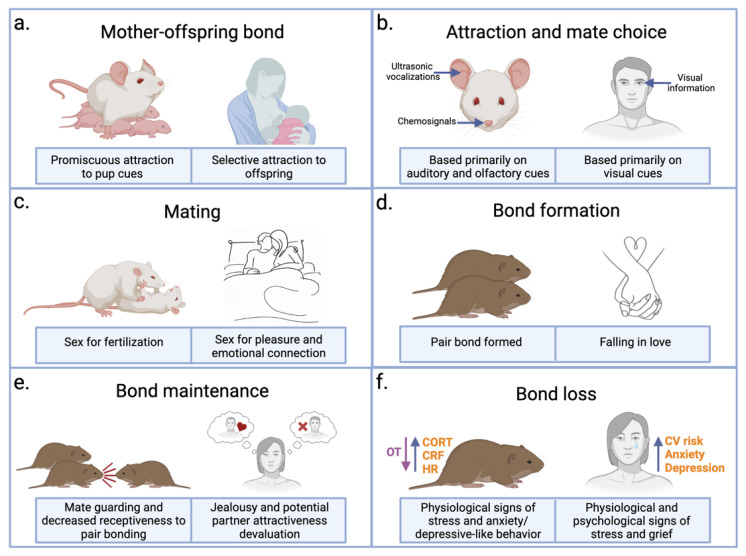
“Romantic love involves several stages, beginning with attraction, followed by the formation of a bond, often facilitated by sexual intimacy, and finally, the maintenance of the bond over time [6,7].”
BackgroundCuneo, M. G., Szeto, A., Schrepf, A., Kinner, E. M., Schachner, B. I., Ahmed, R., Thaker, P. H., Goodheart, M., Bender, D., Cole, S. W., et al. (2019) · Psychoneuroendocrinology · doi:10.1016/j.psyneuen.2019.04.007 · Cited by 18
Common neural responses to romantic rejection and acceptance in healthy adults
Hsu, D. T., Sankar, A., Malik, M. A., Langenecker, S. A., Mickey, B. J., & Love, T. M. (2020) · Social Neuroscience · doi:10.1080/17470919.2020.1801502 · Cited by 18
Hearing, touching, and multisensory integration during mate choice
Lenschow, C., Mendes, A. R. P., & Lima, S. Q. (2022) · Frontiers in Neural Circuits · doi:10.3389/fncir.2022.943888 · Cited by 17 · cited 3×
“Importantly, olfactory, auditory, and somatosensory cues promote courtship in multi-modal and non-redundant ways, with the combination of the modalities resulting in greater courtship displays for both males and females as compared to either modality alone [90,97].”
BackgroundExecutive control and faithfulness: Only long-term romantic relationships require prefrontal control
Ueda, R., Yanagisawa, K., Ashida, H., & Abe, N. (2018) · Experimental Brain Research · doi:10.1007/s00221-018-5181-y · Cited by 15
Mercier, F., Witczak, L. R., & Bales, K. L. (2020) · American Journal of Primatology · doi:10.1002/ajp.23141 · Cited by 15
Cai, W., Ma, H., Xun, Y., Hou, W., Wang, L., Zhang, X., Ran, Y., Yuan, W., Guo, Q., Zhang, J., et al. (2021) · Behavioural Brain Research · doi:10.1016/j.bbr.2021.113519 · Cited by 15 · cited 1×
“The emergence of paternal behavior, similar to maternal behavior, is driven in part by OT activity in the mesolimbic DA system [36,37].”
BackgroundRice, M. A., Restrepo, L. F., & Ophir, A. G. (2018) · Frontiers in Ecology and Evolution · doi:10.3389/fevo.2018.00141 · Cited by 13
Neuroimaging of human and non-human animal emotion and affect in the context of social relationships
Zablocki-Thomas, P. B., Rogers, F. D., & Bales, K. L. (2022) · Frontiers in Behavioral Neuroscience · doi:10.3389/fnbeh.2022.994504 · Cited by 13
Maternal dopamine encodes affective signals of human infants
Zeevi, L., Irani, M., Catana, C., Feldman Barrett, L., & Atzil, S. (2022) · Social Cognitive and Affective Neuroscience · doi:10.1093/scan/nsab116 · Cited by 12 · cited 1×
“In human mothers, behavioral synchrony between mother and infant is related to changes in endogenous DA and the functional connectivity of the NAc, MeA, and the medial (mPFC), together comprising the MeA network implicated in social functioning [43,44].”
BackgroundNeural Representations of the Committed Romantic Partner in the Nucleus Accumbens
Ueda, R., & Abe, N. (2021) · Psychological Science · doi:10.1177/09567976211021854 · Cited by 12
Zheng, X., Luo, L., Li, J., Xu, L., Zhou, F., Gao, Z., Becker, B., & Kendrick, K. M. (2019) · Brain Structure and Function · doi:10.1007/s00429-019-01958-x · Cited by 10
Interactive effects of OXTR and GAD1 on envy-associated behaviors and neural responses
Tanaka, T., Nishimura, F., Kakiuchi, C., Kasai, K., Kimura, M., & Haruno, M. (2019) · PLOS ONE · doi:10.1371/journal.pone.0210493 · Cited by 9
Persistent effects of pair bonding in lung cancer cell growth in monogamous Peromyscus californicus
Naderi, A., Soltanmaohammadi, E., Kaza, V., Barlow, S., Chatzistamou, I., & Kiaris, H. (2021) · eLife · doi:10.7554/elife.64711 · Cited by 8
Separation from a bonded partner alters neural response to inflammatory pain in monogamous rodents
Okuda, T., Osako, Y., Hidaka, C., Nishihara, M., Young, L. J., Mitsui, S., & Yuri, K. (2022) · Behavioural Brain Research · doi:10.1016/j.bbr.2021.113650 · Cited by 7
Self-citationArquilla, A. M., Wilson, K. M., Razak, K. A., & Saltzman, W. (2023) · Animal Behaviour · doi:10.1016/j.anbehav.2023.02.001 · Cited by 6 · cited 1×
“In males, similar processes, such as attraction to infant-related stimuli, emerge in animals adopting a monogamous mating and social strategy [11,52].”
BackgroundEffects of maternal experience on pup-induced activation of maternal neural circuits in virgin mice
Mayer, H. S., Rosinger, Z. J., Kruithof, V. B., Mishra, S., BlackOwl Sr., A. L., & Stolzenberg, D. S. (2022) · Hormones and Behavior · doi:10.1016/j.yhbeh.2022.105129 · Cited by 2
Research works printed but not linked: 2
- Young L. Alexander B. The Chemistry between Us: Love, Sex, and the Science of Attraction Current/Penguin Group London, UK 2012 310p
- Halliday T. The study of mate choice Mate Choice 1983 1 462
Cited by
Rappeneau, V., & Castillo Díaz, F. (2024) · Neuroscience & Biobehavioral Reviews · doi:10.1016/j.neubiorev.2024.105675 · Cited by 51
Oxytocin and vasopressin signaling in health and disease
Perisic, M., Woolcock, K., Hering, A., Mendel, H. C., & Muttenthaler, M. (2024) · Trends in Biochemical Sciences · doi:10.1016/j.tibs.2024.01.010 · Cited by 45
The Evolution of Human Social Behavior
Grinde, B. (2024) · Encyclopedia · doi:10.3390/encyclopedia4010029 · Cited by 42
Reflections on the Six Motives That Drive Tourists’ Pleasure Vacation Behavior
Crompton, J. L. (2024) · Journal of Travel Research · doi:10.1177/00472875241281520 · Cited by 39
“The major focus of this research addresses the role of the peptide hormones oxytocin and arginine vasopressin; dopamine; opioids, and prolactin and progesteron (Blumenthal & Young, 2023; Massen et al., 2010; Seyfarth & Cheney, 2012).”
A narrative on the neurobiological roots of attachment-system functioning
Izaki, A., Verbeke, W. J. M. I., Vrtička, P., & Ein‐Dor, T. (2024) · Communications Psychology · doi:10.1038/s44271-024-00147-9 · Cited by 26
“…players in attachment, social learning, and social allostasis, the main ones being the endocrine hormones oxytocin 14,32 and arginine vasopressin 14,33,34 , reward system neuromodulators by dopamine 14,35 and endogenous opioids 36 , the monoamine neurotransmitter serotonin 37 , stress hormones…”
BackgroundInfluential
Metadata
- Authors
- Blumenthal, S. A., & Young, L. J.
- Affiliations
- Emory University (US)
- Corresponding author
- Young, Larry J.
- Venue
- Biology
- Publisher
- MDPI AG
- Published
- 2023-06-12
- Volume
- 12
- Issue
- 6
- Pages
- 844
- ISSN
- 2079-7737 (ISSN-L)
- PMC
- PMC10295201
- OpenAlex
- W4380627124
- Cited by
- 59
- References
- 183
- Citations by year
- 2026: 23 · 2025: 16 · 2024: 20
- FWCI
- 2.88
- Type
- journal article
- Language
- en
- Open access
- gold
- doi.org
- Licence
- Locations
- Biology (publishedVersion, cc-by)
- PubMed Central (publishedVersion, cc-by)
- PubMed (publishedVersion)
- DOAJ (DOAJ: Directory of Open Access Journals) (submittedVersion, cc-by-sa)
- Funders
- National Institutes of Health (R01MH112788, P50MH100023, P51OD11132)
- Topics
- Life Sciences › Neuroscience › Endocrine and Autonomic Systems › Neuroendocrine regulation and behavior
- Life Sciences › Neuroscience › Cellular and Molecular Neuroscience › Neurotransmitter Receptor Influence on Behavior
- Social Sciences › Psychology › Social Psychology › Attachment and Relationship Dynamics
- Keywords
- love, pair bonding, monogamy, oxytocin, dopamine, vasopressin, Microtus ochrogaster, mother-infant bonding, mate guarding, jealousy, separation stress
About these checks
Registry, retraction, Cites and statistics results are computed, not judged, with one exception: a printed reference that no index lists is read once by a model before it counts as a citation error. Claims are extracted by a model and kept only when their quote appears verbatim in the text; each cited source is then checked, with a model’s help, for whether it says what the claim relies on. Those verdicts can be wrong — read the claim’s quote and the cited source before relying on one.
The claim verdicts this report counts are experimental: their accuracy is not yet measured.
A language model drew the claims from the paper on 2026-10-09, under version 3 of the claim definition (model deepseek-v4.1-flash, prompt extract-v3).
A second model labelled each claim on 2026-10-09 (model jev-1.13-20260917, definition revision gold-guideline-v0.2).
Cited sources are checked with a language model’s help (gpt-6-sol).
Statistics and arithmetic are recomputed, not judged.
Confidence bands are shown only for fields calibrated on our annotated test set. None is calibrated yet, so no band is shown.
What counts as a claim ›How we measure confidence ›How we check this ›
Are you an author, or do you see a problem with this page? Request a review
Data sources
Bibliographic data: Semantic Scholar, OpenAlex, Crossref.
Contains information from the Semantic Scholar Academic Graph Datasets, made available under the ODC Attribution License (ODC-BY 1.0).
Semantic Scholar’s data is described in: Kinney, R., et al. (2023). The Semantic Scholar Open Data Platform. arXiv:2301.10140.
