

The DOI matches its Crossref record; 228 of the 228 references it cites were found in a registry or an index; 15 of the 193 sources its claims cite were checked for support.
Tumor-on-a-chip: from bioinspired design to biomedical application
Open accessAbstract
Cancer is one of the leading causes of human death, despite enormous efforts to explore cancer biology and develop anticancer therapies. The main challenges in cancer research are establishing an efficient tumor microenvironment in vitro and exploring efficient means for screening anticancer drugs to reveal the nature of cancer and develop treatments. The tumor microenvironment possesses human-specific biophysical and biochemical factors that are difficult to recapitulate in conventional in vitro planar cell models and in vivo animal models. Therefore, model limitations have hindered the translation of basic research findings to clinical applications. In this review, we introduce the recent progress in tumor-on-a-chip devices for cancer biology research, medicine assessment, and biomedical applications in detail. The emerging tumor-on-a-chip platforms integrating 3D cell culture, microfluidic technology, and tissue engineering have successfully mimicked the pivotal structural and functional characteristics of the in vivo tumor microenvironment. The recent advances in tumor-on-a-chip platforms for cancer biology studies and biomedical applications are detailed and analyzed in this review. This review should be valuable for further understanding the mechanisms of the tumor evolution process, screening anticancer drugs, and developing cancer therapies, and it addresses the challenges and potential opportunities in predicting drug screening and cancer treatment.
Overview
AI snapshot
Written from the paper’s full text.
TL;DR
This review surveys tumor-on-a-chip platforms that combine microfluidics, 3D cell culture, and tissue engineering to better mimic the human tumor microenvironment for cancer biology and drug screening. It covers fabrication methods, materials, organ-specific tumor chip types, and applications, while outlining challenges for clinical and industrial translation.
Key findings
- Conventional preclinical models have predictive limits: over 80% of anticancer drug candidates fail clinical screening due to weak efficacy or adverse events, and concordance between animal models and clinical trials averages barely 8%.
- Tumor-on-a-chip systems can recreate key TME features such as 3D architecture, biochemical gradients, dynamic flow, cell–cell and cell–matrix interactions, and vascular structures; examples include lung, liver, brain, colorectal, breast, and pancreatic tumor chips.
- Applications include modeling organ-level physiology, tumor morphology and drug response, cancer invasion/metastasis, and drug screening; multiorgan chips have been used to assess efficacy and off-target toxicity of anticancer therapeutics.
- The review reports cancer burden figures: an estimated 18.1 million new cancer cases and 9.6 million cancer-related deaths in 2018; by 2040, worldwide cancer cases are projected to increase by 60%, with ~81% in developing countries. It also notes metastasis is responsible for more than 90% of cancer-related deaths and breast cancer bone metastases occur at ~70% frequency.
Methods
- Narrative review of tumor-on-a-chip platforms, covering microfabrication techniques (photolithography, soft lithography, replica molding, microcontact printing, bioprinting), materials (PDMS, PMMA, gelatin/GelMA, bacterial cellulose paper, BME/Matrigel), and advanced models including organoids, spheroids, vascularized systems, and multiorgan chips.
- The paper synthesizes prior studies across tumor types—lung, liver, brain, colorectal, breast, and pancreatic—and applications in cancer biology, drug screening, and metastasis modeling.
- No primary experimental data, systematic search strategy, or meta-analysis is reported; the work is a review.
Limitations
- The authors state that tumor chips still struggle to simulate complex signal regulation, especially endocrine and immune signals from nonadjacent organs.
- The authors state challenges in industrial manufacture and data standardization, including the need for user-friendly systems and standardized data across laboratories.
- The authors state that new biocompatible materials are needed because PDMS can adsorb hydrophobic compounds such as drugs and proteins, potentially reducing effective drug concentrations and causing experimental errors. As evident from the text, this is a review without original experimental validation or systematic review methodology.
Model-written summary. Check it against the paper before relying on it.
Integrity signals
Registry
Cites
Statistics
Figures
Verification
Claims the paper makes
100 Not checked yet · 30 Own interpretation · 12 No basis given · 6 Supported · 2 Supported so far · 1 Partly supported · 1 Mixed support · 1 Own result · accuracy not yet measured
The sources with a verdict support this claim; the rest weren’t checked yet, have no full text we could read, or their verdicts aren’t rated yet.
In the paper
“One major reason for these issues is that the results of animal experiments cannot directly verify the toxicity and side effects of drugs in humans due to species differences12,13.”
§ Tumor-on-a-chip: from bioinspired design to biomedical application > Introduction
What the sources say
- Not checked yetcites [12] Sertkaya, A., Wong, H.-H., Jessup, A. & Beleche, T. Key cost drivers of pharmaceutical clinical trials in the United States. Clin. Trials 13, 117–126 (2016). source
- Supportedcites [13] Hachey, S. J. & Hughes, C. C. W. Applications of tumor chip technology. Lab Chip 18, 2893–2912 (2018). source
The Animal Models section says species-specific differences impede translation of animal-study results to humans. The Integrated Tumor-Organ-Chip Systems section adds that drug toxicity and side effects can remain undetected until clinical trials or later, supporting the claim that animal results cannot directly establish human safety. (LLM, conf=0.88)
plaindirect- Asserted: passes — The authors put it forward as true.
- Checkable: passes — It can be checked against evidence.
- Load-bearing: passes — The paper’s conclusions depend on it.
- Based: passes — The paper gives a reason why it holds.
The cited sources support only part of this claim — read each source’s verdict below.
In the paper
“Alternatively, animal models, as the gold standard in cancer biology, can imitate the TME to provide essential information regarding tumor growth and tumor response to drug compounds in vivo for the study of the pharmacokinetics and mechanism of action after drug treatment26–30.”
§ Tumor-on-a-chip: from bioinspired design to biomedical application > Introduction
What the sources say
- Partly supportedcites [26] NDong, C. et al. Tumor cell targeting by iron oxide nanoparticles is dominated by different factors in vitro versus in vivo. PLoS ONE 10, e0115636 (2015). sourceExperimental — accuracy not yet measured
The Methods (BT-474 tumor model; page not provided) describe a mouse tumor model, and the Results (In vivo tumor targeting of IONP; page not provided) report nanoparticle distribution in tumor-bearing mice. This supports the use of an animal model to study in vivo tumor targeting, but the paper does not establish that animal models are the gold standard or report tumor growth, response to drug treatment, or a drug’s mechanism of action. (LLM, conf=0.85)
- Partly supportedcites [27] Petryk, A. A., Giustini, A. J., Gottesman, R. E., Kaufman, P. A. & Hoopes, P. J. Magnetic nanoparticle hyperthermia enhancement of cisplatin chemotherapy cancer treatment. Int. J. Hyperth. 29, 845–851 (2013). sourceExperimental — accuracy not yet measured
The Materials and methods (Model; page unavailable) describe a mouse tumour model, and the Results (page unavailable) measure tumour growth and response to cisplatin treatment in vivo. The paper does not establish that animal models are the gold standard or imitate the tumour microenvironment, and this experiment does not study drug pharmacokinetics or investigate its mechanism of action after treatment. (LLM, conf=0.86)
- Not checked yetcites [28] Chakrabarti, R. & Kang, Y. Mouse Models of Cancer 367–380 (Springer, 2015). source
- Partly supportedcites [29] Cekanova, M. & Rathore, K. Animal models and therapeutic molecular targets of cancer: utility and limitations. Drug Des., Dev. Ther. 8, 1911 (2014). sourceExperimental — accuracy not yet measured
The Introduction (page not available) says in vivo animal models can recapitulate cancer development and response to therapy, supporting their use to study tumor growth and drug response. The Rodent xenograft cancer model section (page not available) cautions that xenografts lack stroma–tumor interactions, so the claim that animal models imitate the tumor microenvironment needs qualification. The retrieved passages do not establish their use specifically for pharmacokinetics or post-treatment mechanism-of-action studies. (LLM, conf=0.86)
- Supportedcites [30] Day, C.-P., Merlino, G. & Van Dyke, T. Preclinical mouse cancer models: a maze of opportunities and challenges. Cell 163, 39–53 (2015). source
The Mouse Models Designed after Patient Cancers section says that some mouse models preserve tumor-microenvironment characteristics and allow evaluation of tumor growth, drug delivery, and therapeutic response. Experimental Considerations says that drug pharmacokinetics and target modification (pharmacodynamics) should be measured in tumor-bearing mice. The paper qualifies these capabilities by model type, consistent with the claim that animal models can provide this information. (LLM, conf=0.87)
plaindirect- Asserted: passes — The authors put it forward as true.
- Checkable: passes — It can be checked against evidence.
- Load-bearing: passes — The paper’s conclusions depend on it.
- Based: passes — The paper gives a reason why it holds.
- Partly supported
The sources with a verdict support this claim; the rest weren’t checked yet, have no full text we could read, or their verdicts aren’t rated yet.
In the paper
“Seymour and Ghert et al. demonstrated that obtaining concordance between animal models and clinical trials remains challenging, with an average rate of concordant results that barely reaches 8%21,39,40.”
§ Tumor-on-a-chip: from bioinspired design to biomedical application > Introduction
What the sources say
- Supportedcites [21] Hoarau-Véchot, J., Rafii, A., Touboul, C. & Pasquier, J. Halfway between 2D and animal models: are 3D cultures the ideal tool to study cancer-microenvironment interactions? Int. J. Mol. Sci. 19, 181 (2018). source
The Introduction states that concordance between animal models and clinical trials remains challenging and that the average rate of concordant results barely reaches 8%. It cites works by Seymour and Ghert, listed as references 10 and 11. (LLM, conf=0.95)
- Not checked yetcites [39] Voskoglou-Nomikos, T., Pater, J. L. & Seymour, L. Clinical predictive value of the in vitro cell line, human xenograft, and mouse allograft preclinical cancer models. Clin. Cancer Res. 9, 4227–4239 (2003).
- Could not verifycites [40] Katt, M. E., Placone, A. L., Wong, A. D., Xu, Z. S. & Searson, P. C. In vitro tumor models: advantages, disadvantages, variables, and selecting the right platform. Front. Bioeng. Biotechnol. 4, 12 (2016). sourceExperimental — accuracy not yet measured
The Introduction discusses limitations of animal tumor models, but does not compare their results with clinical trials. Searches for concordance, clinical trials, and an 8% rate found no passage reporting the claimed figure; the clinical-trials passage in “Embedded Ex Vivo Tumor Sections” concerns an in vitro drug-sensitivity test instead. (LLM, conf=0.74)
boosted- Asserted: passes — The authors put it forward as true.
- Checkable: passes — It can be checked against evidence.
- Load-bearing: passes — The paper’s conclusions depend on it.
- Based: passes — The paper gives a reason why it holds.
- Supported
Every source the paper cites for this claim was checked and supports it.
In the paper
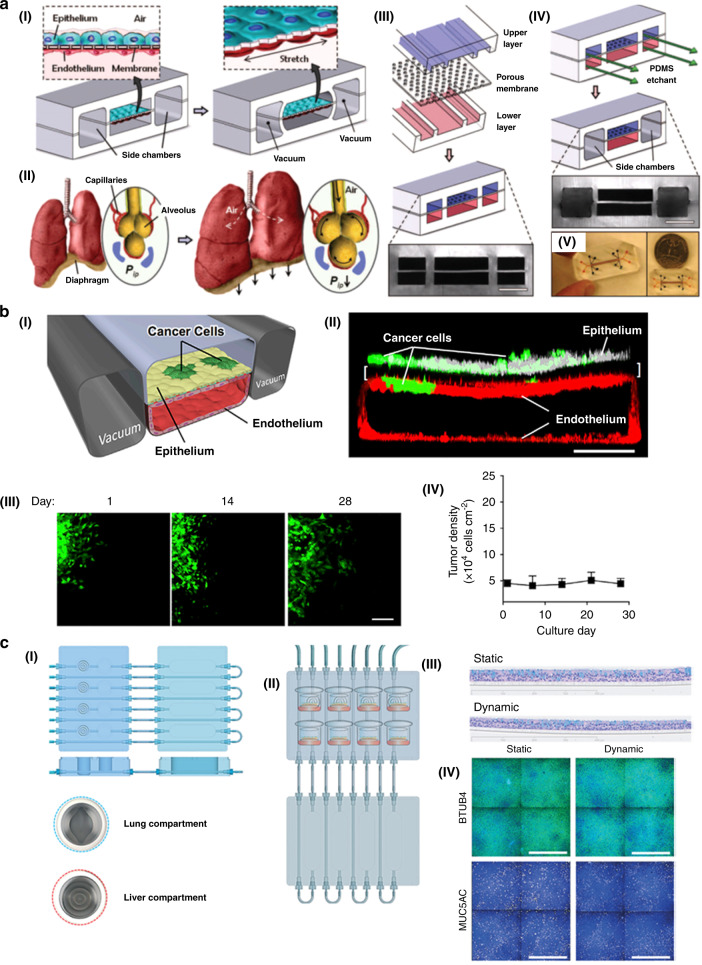
“This platform can evaluate cell viability by observing the content of adenosine triphosphate (ATP) and the number of apoptotic necrotic cells.”
§ Tumor-on-a-chip: from bioinspired design to biomedical application > Different types of tumor-on-a-chip > Lung tumor chip
What the sources say
- Supportedcites [79] Bovard, D. et al. A lung/liver-on-a-chip platform for acute and chronic toxicity studies. Lab a Chip 18, 3814–3829 (2018). source
The ‘Measurement of cell viability’ section explicitly says the authors evaluated viability of the lung and liver tissues using ATP content and the number of apoptotic and necrotic cells. This directly supports the attributed claim. (LLM, conf=0.95)
plain- Asserted: passes — The authors put it forward as true.
- Checkable: passes — It can be checked against evidence.
- Load-bearing: unclear — It is unclear whether the paper’s conclusions depend on it.
- Based: passes — The paper gives a reason why it holds.
- Supported
Every source the paper cites for this claim was checked and supports it.
In the paper
“Researchers have found that when liver spheroids are present, AFB1 toxicity in the lung-on-a-chip is reduced, demonstrating that liver detoxification can reduce AFB1 toxicity.”
§ Tumor-on-a-chip: from bioinspired design to biomedical application > Different types of tumor-on-a-chip > Lung tumor chip
What the sources say
- Supportedcites [79] Bovard, D. et al. A lung/liver-on-a-chip platform for acute and chronic toxicity studies. Lab a Chip 18, 3814–3829 (2018). source
The Introduction states that AFB1 toxicity was reduced in the presence of HepaRG™ liver spheroids. In “Assessment of AFB1 toxicity using the lung/liver-on-a-chip,” lung tissues cocultured with the spheroids showed delayed cytotoxicity, which the authors suggest resulted from conversion of AFB1 to a less toxic metabolite. (LLM, conf=0.94)
boosteddirect- Asserted: passes — The authors put it forward as true.
- Checkable: passes — It can be checked against evidence.
- Load-bearing: passes — The paper’s conclusions depend on it.
- Based: passes — The paper gives a reason why it holds.
- Supported
Every source the paper cites for this claim was checked and supports it.
In the paper
“They developed a multisite metastasis-on-a-chip platform to assess the metastatic preference of cancer cells117.”
§ Tumor-on-a-chip: from bioinspired design to biomedical application > Application of tumor modeling > Modeling cancer invasion and metastasis
What the sources say
- Supportedcites [117] Aleman, J. & Skardal, A. A multi-site metastasis-on-a-chip microphysiological system for assessing metastatic preference of cancer cells. Biotechnol. Bioeng. 116, 936–944, https://doi.org/10.1002/bit.26871 (2019). source
The Results and Discussion section describes expanding the metastasis-on-a-chip system to four downstream sites and tracking cancer cells from a primary organoid to potential metastatic sites. It explicitly says the platform can distinguish which tissue constructs metastatic cells prefer to home to and colonize. (LLM, conf=0.94)
plain- Asserted: passes — The authors put it forward as true.
- Checkable: passes — It can be checked against evidence.
- Load-bearing: unclear — It is unclear whether the paper’s conclusions depend on it.
- Based: passes — The paper gives a reason why it holds.
- Supported
Every source the paper cites for this claim was checked and supports it.
In the paper
“Compared with those in the monolayer model, the cells in the spheroid-based 3D model exhibit higher drug resistance during drug testing, and the 3D model is closer to the chemical environment of native tissues215.”
§ Tumor-on-a-chip: from bioinspired design to biomedical application > Different types of tumor-on-a-chip > Pancreatic tumor chip
What the sources say
- Supportedcites [215] Wen, Z. et al. A spheroid-based 3-D culture model for pancreatic cancer drug testing, using the acid phosphatase assay. Braz. J. Med. Biol. Res. 46, 634–642 (2013). source
The Introduction says 3-D cultures more closely mimic tumor-tissue microenvironments than 2-D cultures, including concentration gradients of signaling molecules and therapeutic agents. The Abstract also reports that the pancreatic cancer spheroids had much higher drug resistance than monolayers. (LLM, conf=0.93)
plaincorrelational- Asserted: passes — The authors put it forward as true.
- Checkable: passes — It can be checked against evidence.
- Load-bearing: passes — The paper’s conclusions depend on it.
- Based: passes — The paper gives a reason why it holds.
- Supported
None of the sources cited for this claim have been checked yet.
In the paper
“2D cell monolayers and three-dimensional cell culture models have been widely employed as initial screening models to provide a cost-efficient and simplified method to elucidate the mechanism of cancer biology or identify the efficacy and safety of a drug candidate14–16; however, they are unable to recapitulate complex biochemical and biophysical factors of the tumor microenvironment (TME) in vivo”
§ Tumor-on-a-chip: from bioinspired design to biomedical application > Introduction
What the sources say
- Not checked yetcites [17] Antoine, E. E., Vlachos, P. P., Rylander, M. N. & Zeugolis, D. Tunable collagen I hydrogels for engineered physiological tissue micro-environments. PLoS ONE 10, e0122500 (2015). source
- Not checked yetcites [18] Asghar, W. et al. Engineering cancer microenvironments for in vitro 3-D tumor models. Mater. Today 18, 539–553 (2015). source
- Not checked yetcites [19] Kapałczyńska, M. et al. 2D and 3D cell cultures–a comparison of different types of cancer cell cultures. Arch. Med. Sci. 14, 910 (2018).
- Not checked yetcites [20] Fang, Y. & Eglen, R. M. Three-dimensional cell cultures in drug discovery and development. SLAS Discov. 22, 456–472 (2017). source
- Not checked yetcites [21] Hoarau-Véchot, J., Rafii, A., Touboul, C. & Pasquier, J. Halfway between 2D and animal models: are 3D cultures the ideal tool to study cancer-microenvironment interactions? Int. J. Mol. Sci. 19, 181 (2018). source
- Not checked yetcites [22] Jabbarzadegan, M. et al. Application of arteether-loaded polyurethane nanomicelles to induce immune response in breast cancer model. Artif. Cells Nanomed. Biotechnol. 45, 808–816 (2017). source
- Not checked yetcites [23] Chung, M., Ahn, J., Son, K., Kim, S. & Jeon, N. L. Biomimetic model of tumor microenvironment on microfluidic platform. Adv. Healthc. Mater. 6, 1700196 (2017). source
- Not checked yetcites [24] Stock, K. et al. Capturing tumor complexity in vitro: Comparative analysis of 2D and 3D tumor models for drug discovery. Sci. Rep. 6, 1–15 (2016). source
plaindirect- Asserted: passes — The authors put it forward as true.
- Checkable: passes — It can be checked against evidence.
- Load-bearing: passes — The paper’s conclusions depend on it.
- Based: passes — The paper gives a reason why it holds.
None of the sources cited for this claim have been checked yet.
In the paper
“Furthermore, microfluidic systems can link different organs-on-a-chip to potentially simulate the complexity of multiorgan drug metabolism and pharmacokinetics9,47,50,68–71.”
§ Tumor-on-a-chip: from bioinspired design to biomedical application > Introduction
What the sources say
- Not checked yetcites [9] Satoh, T. et al. A multi-throughput multi-organ-on-a-chip system on a plate formatted pneumatic pressure-driven medium circulation platform. Lab a Chip 18, 115–125 (2018). source
- Not checked yetcites [47] Zhang, Y. S., Zhang, Y.-N. & Zhang, W. Cancer-on-a-chip systems at the frontier of nanomedicine. Drug Discov. Today 22, 1392–1399 (2017). source
- Not checked yetcites [50] Ronaldson-Bouchard, K. & Vunjak-Novakovic, G. Organs-on-a-chip: a fast track for engineered human tissues in drug development. Cell Stem Cell 22, 310–324 (2018). source
- Not checked yetcites [68] Wang, Y. I. et al. Self-contained, low-cost Body-on-a-Chip systems for drug development. Exp. Biol. Med. 242, 1701–1713 (2017). source
- Not checked yetcites [69] Tsamandouras, N. et al. Integrated gut and liver microphysiological systems for quantitative in vitro pharmacokinetic studies. AAPS J. 19, 1499–1512 (2017). source
- Not checked yetcites [70] Skardal, A. et al. Multi-tissue interactions in an integrated three-tissue organ-on-a-chip platform. Sci. Rep. 7, 8837 (2017). source
- Not checked yetcites [71] Edington, C. D. et al. Interconnected microphysiological systems for quantitative biology and pharmacology studies. Sci. Rep. 8, 4530 (2018). source
hedgedconditional- Asserted: passes — The authors put it forward as true.
- Checkable: passes — It can be checked against evidence.
- Load-bearing: unclear — It is unclear whether the paper’s conclusions depend on it.
- Based: passes — The paper gives a reason why it holds.
None of the sources cited for this claim have been checked yet.
In the paper
“Species-specific differences between animals and humans cause differences in drug efficacy and toxicity tests in physiology and cell biology31–37.”
§ Tumor-on-a-chip: from bioinspired design to biomedical application > Introduction
What the sources say
- Not checked yetcites [31] Engelman, R. & Kerr, W. G. Autoimmunity 433–441 (Springer, 2012). source
- Not checked yetcites [32] Kang, T. H. & Kim, H. J. Farewell to animal testing: innovations on human intestinal microphysiological systems. Micromachines 7, 107 (2016). source
- Not checked yetcites [33] Hintze, K. J. et al. Broad scope method for creating humanized animal models for animal health and disease research through antibiotic treatment and human fecal transfer. Gut Microbes 5, 183–191 (2014). source
- Not checked yetcites [34] Rongvaux, A. et al. Development and function of human innate immune cells in a humanized mouse model. Nat. Biotechnol. 32, 364–372 (2014). source
- Not checked yetcites [35] Seok, J. et al. Genomic responses in mouse models poorly mimic human inflammatory diseases. Proc. Natl Acad. Sci. USA 110, 3507–3512 (2013). source
- Not checked yetcites [36] Rubin, E. H. & Gilliland, D. G. Drug development and clinical trials—the path to an approved cancer drug. Nat. Rev. Clin. Oncol. 9, 215 (2012). source
- Not checked yetcites [37] Zhou, Z. et al. The use of functionalized silk fibroin films as a platform for optical diffraction‐based sensing applications. Adv. Mater. 29, 1605471 (2017). source
plaindirect- Asserted: passes — The authors put it forward as true.
- Checkable: passes — It can be checked against evidence.
- Load-bearing: passes — The paper’s conclusions depend on it.
- Based: passes — The paper gives a reason why it holds.
- It may state two separate claims as one. 56
- Probably not a substantial claim. 24
Some cited sources support this claim and some don’t — read each source’s verdict below.
In the paper
“Crucially, these organ chip microdevices are able to recapitulate organ-level responses to toxins79,96,97, drugs86,98, radiation99, cigarette smoke100, pathogens96, and normal microorganisms96, as well as the dependence on flow-circulating immune cells and organs to recruit specific in vitro inflammatory responses101, which are very important for preclinical drug screening and disease modeling.”
§ Tumor-on-a-chip: from bioinspired design to biomedical application > Introduction
What the sources say
- Not checked yetcites [79] Bovard, D. et al. A lung/liver-on-a-chip platform for acute and chronic toxicity studies. Lab a Chip 18, 3814–3829 (2018). source
- Not checked yetcites [96] Kim, H. J., Li, H., Collins, J. J. & Ingber, D. E. Contributions of microbiome and mechanical deformation to intestinal bacterial overgrowth and inflammation in a human gut-on-a-chip. Proc. Natl Acad. Sci. USA 113, E7–E15 (2016).
- Not checked yetcites [97] Ozkan, A., Ghousifam, N., Hoopes, P. J., Yankeelov, T. E. & Rylander, M. N. In vitro vascularized liver and tumor tissue microenvironments on a chip for dynamic determination of nanoparticle transport and toxicity. Biotechnol. Bioeng. 116, 1201–1219 (2019). source
- Not checked yetcites [98] Hassell, B. A. et al. Human organ chip models recapitulate orthotopic lung cancer growth, therapeutic responses, and tumor dormancy in vitro. Cell Rep. 21, 508–516 (2017). source
- Supportedcites [99] Jalili-Firoozinezhad, S. et al. Modeling radiation injury-induced cell death and countermeasure drug responses in a human gut-on-a-chip. Cell Death Dis. 9, 223 (2018). source
Split into 2 atoms — 2 confirmed, 0 partially supported, 0 disputed, 0 misattributed, 0 unverifiable. Expand the claim to see per-atom verdicts.
- Not checked yetcites [100] Benam, K. H. et al. Matched-comparative modeling of normal and diseased human airway responses using a microengineered breathing lung chip. Cell Syst. 3, 456–466.e454 (2016). source
- Disputedcites [101] Huh, D. et al. A human disease model of drug toxicity-induced pulmonary edema in a lung-on-a-chip microdevice. Sci. Transl. Med. 4, 159ra147 (2012). sourceExperimental — accuracy not yet measured
Split into 2 atoms — 0 confirmed, 1 partially supported, 1 disputed, 0 misattributed, 0 unverifiable. Expand the claim to see per-atom verdicts.
Checked by a reasoning model — may be wrong.
plaindirect- Asserted: passes — The authors put it forward as true.
- Checkable: passes — It can be checked against evidence.
- Load-bearing: passes — The paper’s conclusions depend on it.
- Based: passes — The paper gives a reason why it holds.
It may state two separate claims as one.
Every source the paper cites for this claim was checked and supports it.
In the paper
“In addition, the cell culture format (two-dimensional monolayer versus three-dimensional spheroid) and spheroid size play key roles in drug responses and show the advantages of connecting these two technologies in drug screening applications.”
§ Tumor-on-a-chip: from bioinspired design to biomedical application > Manufacture of tumor-on-a-chip > Advanced tumor-on-a-chip
What the sources say
- Supportedcites [178] Patra, B., Peng, C.-C., Liao, W.-H., Lee, C.-H. & Tung, Y.-C. Drug testing and flow cytometry analysis on a large number of uniform sized tumor spheroids using a microfluidic device. Sci. Rep. 6, 21061 (2016). source
The Abstract states that the experimental results suggest culture format (2D monolayer versus 3D spheroid) and spheroid size play critical roles in drug responses. It also says that bridging flow cytometry and microfluidics offers advantages for pharmaceutical drug screening. The experiments used HepG2 tumor spheroids. (LLM, conf=0.95)
plaincorrelational- Asserted: passes — The authors put it forward as true.
- Checkable: passes — It can be checked against evidence.
- Load-bearing: passes — The paper’s conclusions depend on it.
- Based: passes — The paper gives a reason why it holds.
It may state two separate claims as one.
- Supported
Every source the paper cites for this claim was checked and supports it.
In the paper
“Earlier, Huh et al.131 used a bionic microsystem to reconstruct the alveolar–capillary interface of the key function of the human lung. This model can produce a complex, integrated organ-level response to bacteria and inflammatory cytokines entering the alveolar space.”
§ Tumor-on-a-chip: from bioinspired design to biomedical application > Application of tumor modeling > Modeling organ-level physiology and disease
What the sources say
- Supportedcites [131] Huh, D. et al. Reconstituting organ-level lung functions on a chip. Science 328, 1662–1668 (2010). source
The Abstract describes a biomimetic microsystem that reconstitutes the human lung’s alveolar-capillary interface and reproduces integrated organ-level responses to bacteria and inflammatory cytokines introduced into the alveolar space. The ‘Recapitulation of Whole Organ Responses’ section also describes the bacterial and cytokine experiments. (LLM, conf=0.95)
plaindirect- Asserted: passes — The authors put it forward as true.
- Checkable: passes — It can be checked against evidence.
- Load-bearing: unclear — It is unclear whether the paper’s conclusions depend on it.
- Based: passes — The paper gives a reason why it holds.
It may state two separate claims as one.
- Supported
None of the sources cited for this claim have been checked yet.
In the paper
“In addition, animal studies are hindered by animal expenses, low‐throughput drug optimization and ethical controversy31–35,38.”
§ Tumor-on-a-chip: from bioinspired design to biomedical application > Introduction
What the sources say
- Not checked yetcites [31] Engelman, R. & Kerr, W. G. Autoimmunity 433–441 (Springer, 2012). source
- Not checked yetcites [32] Kang, T. H. & Kim, H. J. Farewell to animal testing: innovations on human intestinal microphysiological systems. Micromachines 7, 107 (2016). source
- Not checked yetcites [33] Hintze, K. J. et al. Broad scope method for creating humanized animal models for animal health and disease research through antibiotic treatment and human fecal transfer. Gut Microbes 5, 183–191 (2014). source
- Not checked yetcites [34] Rongvaux, A. et al. Development and function of human innate immune cells in a humanized mouse model. Nat. Biotechnol. 32, 364–372 (2014). source
- Not checked yetcites [35] Seok, J. et al. Genomic responses in mouse models poorly mimic human inflammatory diseases. Proc. Natl Acad. Sci. USA 110, 3507–3512 (2013). source
- Not checked yetcites [38] Mak, I. W., Evaniew, N. & Ghert, M. Lost in translation: animal models and clinical trials in cancer treatment. Am. J. Transl. Res. 6, 114–118 (2014).
plaindirect- Asserted: passes — The authors put it forward as true.
- Checkable: passes — It can be checked against evidence.
- Load-bearing: passes — The paper’s conclusions depend on it.
- Based: passes — The paper gives a reason why it holds.
It may state two separate claims as one.
None of the sources cited for this claim have been checked yet.
In the paper
“Organ-on-a-chip devices possess good performance and improved recapitulation of the native microenvironment, and they allow high‐throughput tests with decreased cost, ethical advantages and enhanced reproducibility47,55–57.”
§ Tumor-on-a-chip: from bioinspired design to biomedical application > Introduction
What the sources say
- Not checked yetcites [47] Zhang, Y. S., Zhang, Y.-N. & Zhang, W. Cancer-on-a-chip systems at the frontier of nanomedicine. Drug Discov. Today 22, 1392–1399 (2017). source
- Not checked yetcites [55] Chan, C. Y. et al. Accelerating drug discovery via organs-on-chips. Lab a Chip 13, 4697–4710 (2013). source
- Not checked yetcites [56] Park, S. E., Georgescu, A. & Huh, D. Organoids-on-a-chip. Science 364, 960–965 (2019). source
- Not checked yetcites [57] Zhang, B., Korolj, A., Lai, B. F. L. & Radisic, M. Advances in organ-on-a-chip engineering. Nat. Rev. Mater. 3, 257–278 (2018). source
plaindirect- Asserted: passes — The authors put it forward as true.
- Checkable: passes — It can be checked against evidence.
- Load-bearing: unclear — It is unclear whether the paper’s conclusions depend on it.
- Based: passes — The paper gives a reason why it holds.
It may state two separate claims as one.
A conclusion the paper draws from its own results — it cites no other source for it, so there is none to check. The quote shows it is in the paper.
In the paper
“The reason is that in these experiments, cells are grown in a monolayer, all well exposed to the drug, while in vivo tumors expand as three-dimensional multicellular masses, where inner cells have limited drug exposure.”
§ Tumor-on-a-chip: from bioinspired design to biomedical application > Introduction
plaindirect- Asserted: passes — The authors put it forward as true.
- Checkable: passes — It can be checked against evidence.
- Load-bearing: passes — The paper’s conclusions depend on it.
- Based: passes — The paper gives a reason why it holds.
It may state two separate claims as one.
None of the sources cited for this claim have been checked yet.
In the paper
“Tumors possess a complicated microenvironment with a dense extracellular matrix (ECM), irregular vessels, assorted stromal, immune and inflammatory cells, cancer stem cells, and limited perfusion of nutrients109–112.”
§ Tumor-on-a-chip: from bioinspired design to biomedical application > Introduction
What the sources say
- Not checked yetcites [109] Kim, J. Y. et al. 3D spherical microtissues and microfluidic technology for multi-tissue experiments and analysis. J. Biotechnol. 205, 24–35 (2015). source
- Not checked yetcites [110] Portillo-Lara, R. & Annabi, N. Microengineered cancer-on-a-chip platforms to study the metastatic microenvironment. Lab a Chip 16, 4063–4081 (2016). source
- Not checked yetcites [111] Maley, C. C. et al. Classifying the evolutionary and ecological features of neoplasms. Nat. Rev. Cancer 17, 605–619 (2017). source
- Not checked yetcites [112] Fetah, K. L. et al. Cancer modeling-on-a-chip with future artificial intelligence integration. Small 15, 1901985 (2019). source
plain- Asserted: passes — The authors put it forward as true.
- Checkable: passes — It can be checked against evidence.
- Load-bearing: passes — The paper’s conclusions depend on it.
- Based: passes — The paper gives a reason why it holds.
It may state two separate claims as one.
In the paper
“Currently, many types of healthy and diseased tissues and organs, including microvascular obstructions, cystic fibrosis models, heart72,73, kidney74–76, liver77–79, lung79,80, pancreas, brain81–86, skin87–89, eye90,91, intestine92, and neuropsychiatric disorder models93–95, have been constructed on microfluidic chips.”
§ Tumor-on-a-chip: from bioinspired design to biomedical application > Introduction
What the sources say
- Not checked yetcites 72–95
plain- Asserted: passes — The authors put it forward as true.
- Checkable: passes — It can be checked against evidence.
- Load-bearing: fails — The paper’s conclusions may not depend on it.
- Based: passes — The paper gives a reason why it holds.
Probably not a substantial claim. The paper’s conclusions may not depend on it.
In the paper
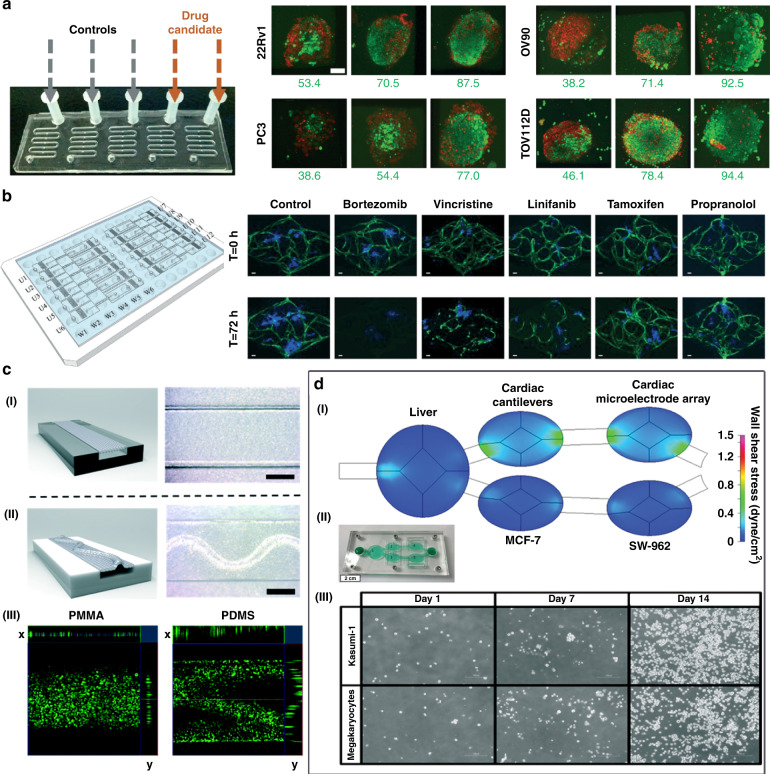
“The results of drug testing demonstrated that human lung adenocarcinoma cells cultured in the PMMA microfluidic device give more reliable results regarding the cytotoxicity of vincristine than human lung adenocarcinoma cells cultured in the polydimethylsiloxane (PDMS) device. This is because the small molecules cannot permeate the PMMA material.”
§ Tumor-on-a-chip: from bioinspired design to biomedical application > Manufacture of tumor-on-a-chip > Materials for tumor-on-a-chip
What the sources say
- Not checked yetcites [164] Nguyen, T. et al. Robust chemical bonding of PMMA microfluidic devices to porous PETE membranes for reliable cytotoxicity testing of drugs. Lab Chip 19, 3706–3713 (2019). source
boosteddirect- Asserted: passes — The authors put it forward as true.
- Checkable: passes — It can be checked against evidence.
- Load-bearing: passes — The paper’s conclusions depend on it.
- Based: passes — The paper gives a reason why it holds.
It may state two separate claims as one.
In the paper
“Organoids derived from these stem cells can be integrated into tumor chips, and because of the combination of the two technologies, organ-specific structures and gene expression signatures in vivo could be mimicked better than in either model alone172.”
§ Tumor-on-a-chip: from bioinspired design to biomedical application > Manufacture of tumor-on-a-chip > Advanced tumor-on-a-chip
What the sources say
- Not checked yetcites [172] Kasendra, M. et al. Development of a primary human small intestine-on-a-chip using biopsy-derived organoids. Sci. Rep. 8, 2871 (2018). source
hedgeddirect- Asserted: passes — The authors put it forward as true.
- Checkable: passes — It can be checked against evidence.
- Load-bearing: unclear — It is unclear whether the paper’s conclusions depend on it.
- Based: passes — The paper gives a reason why it holds.
It may state two separate claims as one.
In the paper
“BME/Matrigel can also enable 3D tumor culture and coculture of other cells, and researchers can adjust the microenvironment to be suitable for tumors by supplementing various factors on BME/Matrigel, which can better inform the mechanism of tumor growth169.”
§ Tumor-on-a-chip: from bioinspired design to biomedical application > Manufacture of tumor-on-a-chip > Materials for tumor-on-a-chip
What the sources say
- Not checked yetcites [169] Benton, G., Arnaoutova, I., George, J., Kleinman, H. K. & Koblinski, J. Matrigel: From discovery and ECM mimicry to assays and models for cancer research. Adv. Drug Deliv. Rev. 79-80, 3–18 (2014). source
plaindirect- Asserted: passes — The authors put it forward as true.
- Checkable: passes — It can be checked against evidence.
- Load-bearing: unclear — It is unclear whether the paper’s conclusions depend on it.
- Based: passes — The paper gives a reason why it holds.
It may state two separate claims as one.
- Rests on an assumption: BME/Matrigel is a biomaterial with a composition similar to that of the early conservative basement membrane, which promotes the organization of different tissue types and microtissues of different species.
- Rests on an assumption: Under similar conditions, tumor cells have high proliferation and are sometimes aggressive in BME/Matrigel, which can be used to evaluate the malignancy of tumors and explore tumor treatment methods.
A conclusion the paper draws from its own results — it cites no other source for it, so there is none to check. The quote shows it is in the paper.
In the paper
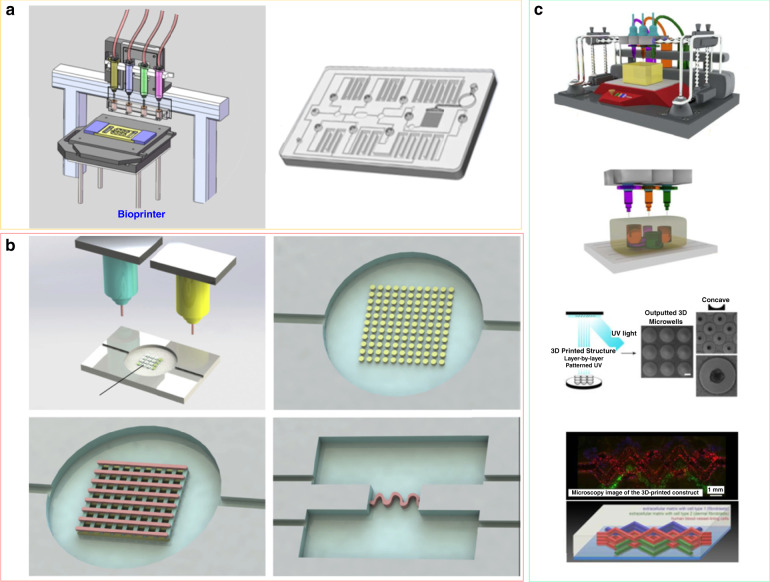
“Hence, bioprinting technology has the potential to build miniaturized, multiorgan bionic pathophysiological models, accelerate the pace of research, and promote the application of technology in the medical field.”
§ Tumor-on-a-chip: from bioinspired design to biomedical application > Manufacture of tumor-on-a-chip > Principle and fabrication of tumor-on-a-chip
hedgedconditional- Asserted: passes — The authors put it forward as true.
- Checkable: fails — It may be too vague to check against evidence.
- Load-bearing: fails — The paper’s conclusions may not depend on it.
- Based: passes — The paper gives a reason why it holds.
Probably not a substantial claim. It may be too vague to check against evidence. The paper’s conclusions may not depend on it. It may state two separate claims as one.
A conclusion the paper draws from its own results — it cites no other source for it, so there is none to check. The quote shows it is in the paper.
In the paper
“These tumor chips can simulate the 3D microstructure and microphysiological functions of in vivo human organs/tissues, providing a better understanding of the mechanisms of tumor growth and metastasis.”
§ Tumor-on-a-chip: from bioinspired design to biomedical application > Introduction
plaindirect- Asserted: passes — The authors put it forward as true.
- Checkable: passes — It can be checked against evidence.
- Load-bearing: passes — The paper’s conclusions depend on it.
- Based: fails — The paper may give no reason why it holds.
Probably not a substantial claim. The paper may give no reason why it holds. It may state two separate claims as one.
The paper states this without a source or data behind it here, so there is nothing to check it against. The quote shows it is in the paper.
In the paper
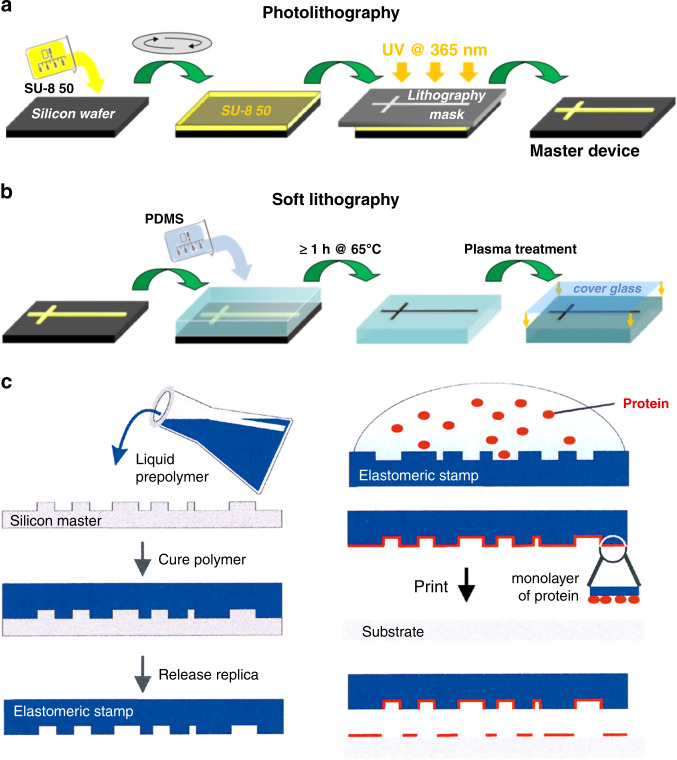
“It is worth mentioning that soft lithography fabrication technology has the ability to change the chemistry of the substrate surface, making it a promising low-cost method for manufacturing microfluidic chips.”
§ Tumor-on-a-chip: from bioinspired design to biomedical application > Manufacture of tumor-on-a-chip > Principle and fabrication of tumor-on-a-chip
plaindirect- Asserted: passes — The authors put it forward as true.
- Checkable: passes — It can be checked against evidence.
- Load-bearing: fails — The paper’s conclusions may not depend on it.
- Based: fails — The paper may give no reason why it holds.
Probably not a substantial claim. The paper’s conclusions may not depend on it. The paper may give no reason why it holds. It may state two separate claims as one.
A conclusion the paper draws from its own results — it cites no other source for it, so there is none to check. The quote shows it is in the paper.
In the paper
“In contrast to the tumor growth microenvironment in vivo, tumor models in vitro are usually under atmospheric oxygen conditions, which are not representative of the conditions in vivo. Therefore, the results of these studies can be misleading.”
§ Tumor-on-a-chip: from bioinspired design to biomedical application > Manufacture of tumor-on-a-chip
plaindirect- Asserted: passes — The authors put it forward as true.
- Checkable: passes — It can be checked against evidence.
- Load-bearing: passes — The paper’s conclusions depend on it.
- Based: passes — The paper gives a reason why it holds.
It may state two separate claims as one.
- Rests on an assumption: Oxygen tension is a key regulator of cellular behavior.
In the paper
“Although many tumor chips have been successfully manufactured by photolithography or related manufacturing processes involving photolithography, they still have some shortcomings, such as the need for multiple masks and a multistep photolithography process, which makes the fabrication process time-consuming and costly.”
§ Tumor-on-a-chip: from bioinspired design to biomedical application > Manufacture of tumor-on-a-chip > Principle and fabrication of tumor-on-a-chip
What the sources say
- Not checked yetcites [130] Yang, Q., Lian, Q. & Xu, F. Perspective: fabrication of integrated organ-on-a-chip via bioprinting. Biomicrofluidics 11, 031301 (2017). source
plaindirect- Asserted: passes — The authors put it forward as true.
- Checkable: passes — It can be checked against evidence.
- Load-bearing: unclear — It is unclear whether the paper’s conclusions depend on it.
- Based: passes — The paper gives a reason why it holds.
It may state two separate claims as one.
In the paper
“Gelatin is a collagen-derived natural biopolymer. Due to its cellular response characteristics and the ability to deliver a wide range of biomolecules, it is widely used in drug transport models and tissue engineering165.”
§ Tumor-on-a-chip: from bioinspired design to biomedical application > Manufacture of tumor-on-a-chip > Materials for tumor-on-a-chip
What the sources say
- Not checked yetcites [165] Hoch, E., Hirth, T., Tovar, G. E. M. & Borchers, K. Chemical tailoring of gelatin to adjust its chemical and physical properties for functional bioprinting. J. Mater. Chem. B 1, 5675–5685 (2013). source
plaindirect- Asserted: passes — The authors put it forward as true.
- Checkable: passes — It can be checked against evidence.
- Load-bearing: fails — The paper’s conclusions may not depend on it.
- Based: passes — The paper gives a reason why it holds.
Probably not a substantial claim. The paper’s conclusions may not depend on it. It may state two separate claims as one.
- Rests on an assumption: Gelatin can promote cell growth and polymerize with proteins, growth factor nucleotides, polysaccharides and other polyionic complexes, and has broad prospects for drug transport models due to controlled sustained and/or targeted release of bioactive molecules.
A conclusion the paper draws from its own results — it cites no other source for it, so there is none to check. The quote shows it is in the paper.
In the paper
“Multiorgan-on-a-chip systems that include the interactions of cell cocultures have shown great potential in screening anticancer drugs and cancer therapies.”
§ Tumor-on-a-chip: from bioinspired design to biomedical application > Introduction
boostedcorrelational- Asserted: passes — The authors put it forward as true.
- Checkable: passes — It can be checked against evidence.
- Load-bearing: fails — The paper’s conclusions may not depend on it.
- Based: fails — The paper may give no reason why it holds.
Probably not a substantial claim. The paper’s conclusions may not depend on it. The paper may give no reason why it holds.
None of the sources cited for this claim have been checked yet.
In the paper
“Chips based on microfluidics can be designed to realize oxygen gradients with high spatial and temporal resolution, which can be used to simulate the physiological effects of oxygen on tumor progression and metastasis127,128.”
§ Tumor-on-a-chip: from bioinspired design to biomedical application > Manufacture of tumor-on-a-chip
What the sources say
- Not checked yetcites [127] Chen, Y.-A. et al. Generation of oxygen gradients in microfluidic devices for cell culture using spatially confined chemical reactions. Lab a Chip 11, 3626–3633 (2011). source
- Not checked yetcites [128] Brennan, M. D., Rexius-Hall, M. L., Elgass, L. J. & Eddington, D. T. Oxygen control with microfluidics. Lab a Chip 14, 4305–4318 (2014). source
plaindirect- Asserted: passes — The authors put it forward as true.
- Checkable: passes — It can be checked against evidence.
- Load-bearing: passes — The paper’s conclusions depend on it.
- Based: passes — The paper gives a reason why it holds.
It may state two separate claims as one.
In the paper
“A bioprinted blood vessel network can imitate these abnormalities, which could be further used to test and compare the behavior of healthy and abnormal blood vessels under different conditions and treatments162.”
§ Tumor-on-a-chip: from bioinspired design to biomedical application > Manufacture of tumor-on-a-chip > Principle and fabrication of tumor-on-a-chip
What the sources say
- Not checked yetcites [162] Knowlton, S. et al. Advancing cancer research using bioprinting for tumor-on-a-chip platforms. Int. J. Bioprint. 2, 3–8 (2016). source
hedgedconditional- Asserted: passes — The authors put it forward as true.
- Checkable: passes — It can be checked against evidence.
- Load-bearing: passes — The paper’s conclusions depend on it.
- Based: passes — The paper gives a reason why it holds.
It may state two separate claims as one.
- Rests on an assumption: Vascularization is very important to maintain tissue activities and can be used to separate different tissue compartments.
None of the sources cited for this claim have been checked yet.
In the paper
“Researchers have used this paper equipment to make various microchannels and have successfully established 3D paper vascularized breast tumor models, resulting in the implementation of new materials for simple, low-cost models167,168.”
§ Tumor-on-a-chip: from bioinspired design to biomedical application > Manufacture of tumor-on-a-chip > Materials for tumor-on-a-chip
What the sources say
- Not checked yetcites [167] Cheng, F. et al. Generation of cost-effective paper-based tissue models through matrix-assisted sacrificial 3D printing. Nano Lett. 19, 3603–3611 (2019). source
- Not checked yetcites [168] Gao, Q., He, Y., Fu, J. Z., Liu, A. & Ma, L. Coaxial nozzle-assisted 3D bioprinting with built-in microchannels for nutrients delivery. Biomaterials 61, 203–215 (2015). source
plaindirect- Asserted: passes — The authors put it forward as true.
- Checkable: passes — It can be checked against evidence.
- Load-bearing: unclear — It is unclear whether the paper’s conclusions depend on it.
- Based: passes — The paper gives a reason why it holds.
It may state two separate claims as one.
- Rests on an assumption: Bacterial cellulose has good biocompatibility and cost effects, and bacterial cellulose nanofibers can be processed and dried to form a stable paper device for building models.
In the paper
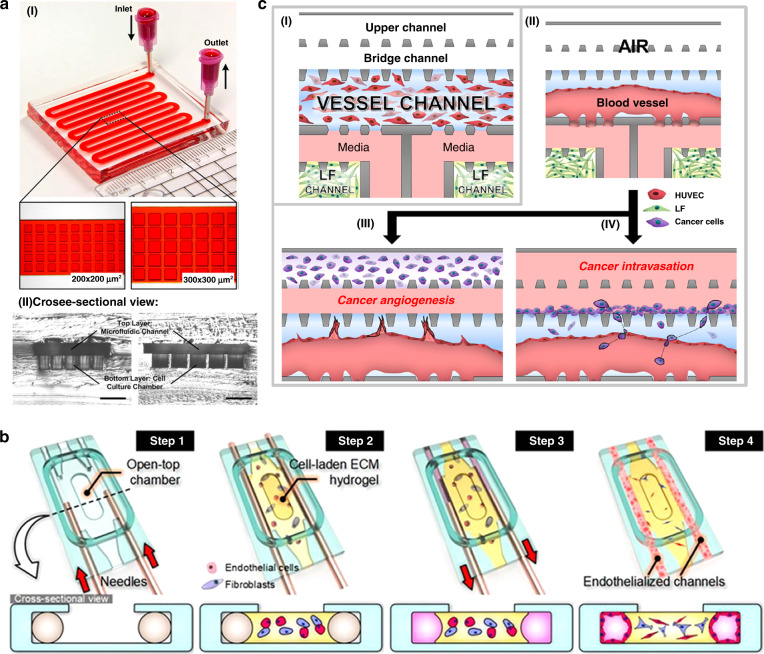
“Tumor-on-a-chip can be used to simulate tumor growth and expansion, angiogenesis, and progression from early to advanced lesions involving epithelial–mesenchymal transition (EMT), tumor cell invasion and metastasis129.”
§ Tumor-on-a-chip: from bioinspired design to biomedical application > Manufacture of tumor-on-a-chip > Principle and fabrication of tumor-on-a-chip
What the sources say
- Not checked yetcites [129] Sontheimer-Phelps, A., Hassell, B. A. & Ingber, D. E. Modelling cancer in microfluidic human organs-on-chips. Nat. Rev. Cancer 19, 65–81 (2019). source
plaindirect- Asserted: passes — The authors put it forward as true.
- Checkable: passes — It can be checked against evidence.
- Load-bearing: passes — The paper’s conclusions depend on it.
- Based: passes — The paper gives a reason why it holds.
It may state two separate claims as one.
In the paper
“In addition, photocrosslinked gelatin methacrylate (GelMA) hydrogels have been used in corneal tissue engineering, peripheral nerve regeneration and cartilage structure preparation166.”
§ Tumor-on-a-chip: from bioinspired design to biomedical application > Manufacture of tumor-on-a-chip > Materials for tumor-on-a-chip
What the sources say
- Not checked yetcites [166] Echave, M. C. et al. Recent advances in gelatin-based therapeutics. Expert Opin. Biol. Ther. 19, 773–779 (2019). source
plain- Asserted: passes — The authors put it forward as true.
- Checkable: passes — It can be checked against evidence.
- Load-bearing: fails — The paper’s conclusions may not depend on it.
- Based: passes — The paper gives a reason why it holds.
Probably not a substantial claim. The paper’s conclusions may not depend on it.
None of the sources cited for this claim have been checked yet.
In the paper
“A 3D coculture model of tumor spheroids has been developed to study different in vitro cancer types, such as lung and salivary gland cancers, as well as invasion and extravasation, as cell migration leads to infiltration and extravasation events during metastasis (Fig. 4)67,174.”
§ Tumor-on-a-chip: from bioinspired design to biomedical application > Manufacture of tumor-on-a-chip > Advanced tumor-on-a-chip
What the sources say
- Not checked yetcites [67] Rothbauer, M., Zirath, H. & Ertl, P. Recent advances in microfluidic technologies for cell-to-cell interaction studies. Lab Chip 18, 249–270 (2018). source
- Not checked yetcites [174] Swaminathan, S., Hamid, Q., Sun, W. & Clyne, A. M. Bioprinting of 3D breast epithelial spheroids for human cancer models. Biofabrication 11, 025003 (2019). source
plaindirect- Asserted: passes — The authors put it forward as true.
- Checkable: passes — It can be checked against evidence.
- Load-bearing: passes — The paper’s conclusions depend on it.
- Based: passes — The paper gives a reason why it holds.
It may state two separate claims as one.
None of the sources cited for this claim have been checked yet.
In the paper
“Ideally, tumor-on-a-chip platforms have the ability to recreate many cardinal TME features and show great promise as a novel technology for studying the mechanisms of tumor evolution, screening anticancer drugs and cancer therapies, and enabling precision medicine14,112,117–122.”
§ Tumor-on-a-chip: from bioinspired design to biomedical application > Introduction
What the sources say
- Not checked yetcites [14] Tsai, H.-F., Trubelja, A., Shen, A. Q. & Bao, G. Tumour-on-a-chip: microfluidic models of tumour morphology, growth and microenvironment. J. R. Soc. Interface 14, 20170137 (2017). source
- Not checked yetcites [112] Fetah, K. L. et al. Cancer modeling-on-a-chip with future artificial intelligence integration. Small 15, 1901985 (2019). source
- Not checked yetcites [117] Aleman, J. & Skardal, A. A multi-site metastasis-on-a-chip microphysiological system for assessing metastatic preference of cancer cells. Biotechnol. Bioeng. 116, 936–944, https://doi.org/10.1002/bit.26871 (2019). source
- Not checked yetcites [118] Han, B., Qu, C., Park, K., Konieczny, S. F. & Korc, M. Recapitulation of complex transport and action of drugs at the tumor microenvironment using tumor-microenvironment-on-chip. Cancer Lett. 380, 319–329 (2016). source
- Not checked yetcites [119] Kumar, V. & Varghese, S. Ex vivo tumor-on-a-chip platforms to study intercellular interactions within the tumor microenvironment. Adv. Healthc. Mater. 8, e1801198 (2019). source
- Not checked yetcites [120] Kennedy, R. et al. A patient tumour-on-a-chip system for personalised investigation of radiotherapy based treatment regimens. Sci. Rep. 9, 6327 (2019). source
- Not checked yetcites [121] Astolfi, M. et al. Micro-dissected tumor tissues on chip: an ex vivo method for drug testing and personalized therapy. Lab a Chip 16, 312–325 (2016). source
- Not checked yetcites [122] Shirure, V. S. et al. Tumor-on-a-chip platform to investigate progression and drug sensitivity in cell lines and patient-derived organoids. Lab a Chip 18, 3687–3702 (2018). source
plain- Asserted: passes — The authors put it forward as true.
- Checkable: passes — It can be checked against evidence.
- Load-bearing: passes — The paper’s conclusions depend on it.
- Based: passes — The paper gives a reason why it holds.
It may state two separate claims as one.
In the paper
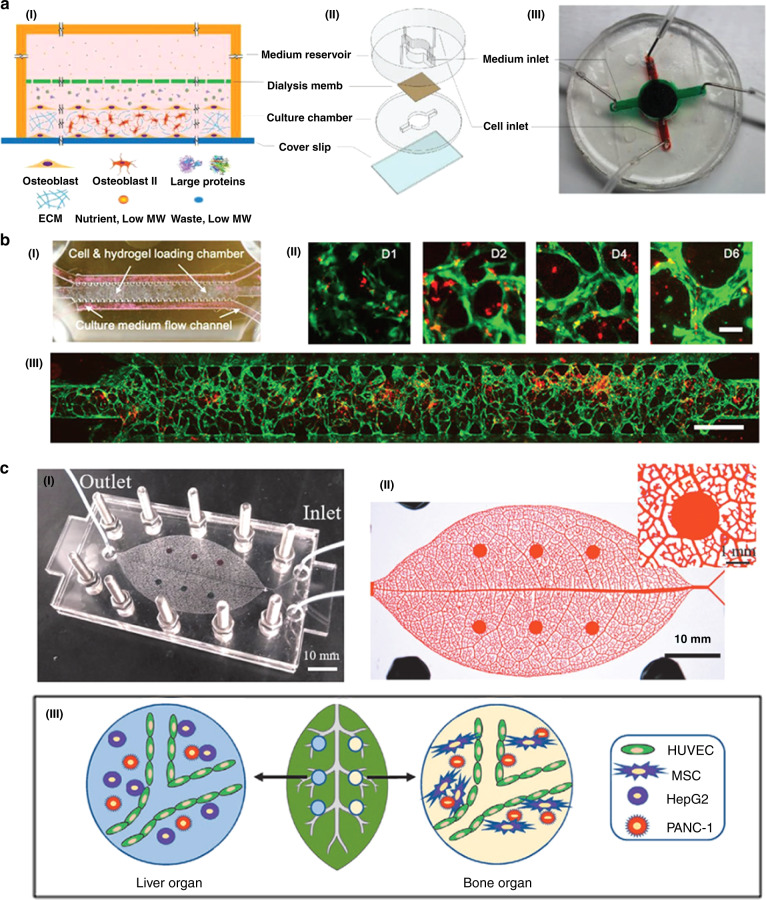
“The microvascular system plays an important role in the circulatory system, in which blood flows: the microvascular system provides nutrition and removes waste products from the body179.”
§ Tumor-on-a-chip: from bioinspired design to biomedical application > Manufacture of tumor-on-a-chip > Advanced tumor-on-a-chip
What the sources say
- Not checked yetcites [179] Wang, X., Sun, Q. & Pei, J. Microfluidic-based 3D engineered microvascular networks and their applications in vascularized microtumor models. Micromachines 9, https://doi.org/10.3390/mi9100493 (2018). source
plaindirect- Asserted: passes — The authors put it forward as true.
- Checkable: passes — It can be checked against evidence.
- Load-bearing: fails — The paper’s conclusions may not depend on it.
- Based: passes — The paper gives a reason why it holds.
Probably not a substantial claim. The paper’s conclusions may not depend on it. It may state two separate claims as one.
The paper states this without a source or data behind it here, so there is nothing to check it against. The quote shows it is in the paper.
In the paper
“A variety of human-derived in vitro tumor-on-a-chip models have been developed for studying various characteristics associated with tumor progression, such as growth, angiogenesis, metastasis, and drug response.”
§ Tumor-on-a-chip: from bioinspired design to biomedical application > Different types of tumor-on-a-chip
plaincorrelational- Asserted: passes — The authors put it forward as true.
- Checkable: passes — It can be checked against evidence.
- Load-bearing: fails — The paper’s conclusions may not depend on it.
- Based: passes — The paper gives a reason why it holds.
Probably not a substantial claim. The paper’s conclusions may not depend on it.
In the paper
“As a result, researchers believe that tumor cell growth fills the alveolar space and reduces lung breathing movement, which results in positive feedback and promotes tumor cell growth and invasion.”
§ Tumor-on-a-chip: from bioinspired design to biomedical application > Different types of tumor-on-a-chip > Lung tumor chip
What the sources say
- Not checked yetcites [98] Hassell, B. A. et al. Human organ chip models recapitulate orthotopic lung cancer growth, therapeutic responses, and tumor dormancy in vitro. Cell Rep. 21, 508–516 (2017). source
hedgeddirect- Asserted: passes — The authors put it forward as true.
- Checkable: passes — It can be checked against evidence.
- Load-bearing: passes — The paper’s conclusions depend on it.
- Based: passes — The paper gives a reason why it holds.
It may state two separate claims as one.
A conclusion the paper draws from its own results — it cites no other source for it, so there is none to check. The quote shows it is in the paper.
In the paper
“Briefly, using μCCA systems as a coculture model with liver cells can be the best candidate to research drug resistance and metastasis of cancers.”
§ Tumor-on-a-chip: from bioinspired design to biomedical application > Different types of tumor-on-a-chip > Liver tumor chip
plain- Asserted: passes — The authors put it forward as true.
- Checkable: fails — It may be too vague to check against evidence.
- Load-bearing: fails — The paper’s conclusions may not depend on it.
- Based: fails — The paper may give no reason why it holds.
Probably not a substantial claim. It may be too vague to check against evidence. The paper’s conclusions may not depend on it. The paper may give no reason why it holds.
In the paper
“It allows cells to be cultured in a small amount of liquid and is currently used for glioma research195.”
§ Tumor-on-a-chip: from bioinspired design to biomedical application > Different types of tumor-on-a-chip > Brain tumor chip
What the sources say
- Not checked yetcites [195] Saliba, J. et al. Development of microplatforms to mimic the in vivo architecture of CNS and PNS physiology and their diseases. Genes 9, https://doi.org/10.3390/genes9060285 (2018). source
plain- Asserted: passes — The authors put it forward as true.
- Checkable: passes — It can be checked against evidence.
- Load-bearing: unclear — It is unclear whether the paper’s conclusions depend on it.
- Based: passes — The paper gives a reason why it holds.
It may state two separate claims as one.
The paper states this without a source or data behind it here, so there is nothing to check it against. The quote shows it is in the paper.
In the paper
“Since the tumor-on-a-chip system is usually composed of cells from a single organ, its recombination ability is limited.”
§ Tumor-on-a-chip: from bioinspired design to biomedical application > Manufacture of tumor-on-a-chip > Advanced tumor-on-a-chip
plaindirect- Asserted: passes — The authors put it forward as true.
- Checkable: passes — It can be checked against evidence.
- Load-bearing: passes — The paper’s conclusions depend on it.
- Based: passes — The paper gives a reason why it holds.
It may state two separate claims as one.
A conclusion the paper draws from its own results — it cites no other source for it, so there is none to check. The quote shows it is in the paper.
In the paper
“The liver/lung-on-a-chip platform can evaluate the compound toxicity of drugs and provide new ideas for future drug development.”
§ Tumor-on-a-chip: from bioinspired design to biomedical application > Different types of tumor-on-a-chip > Lung tumor chip
plaindirect- Asserted: passes — The authors put it forward as true.
- Checkable: passes — It can be checked against evidence.
- Load-bearing: passes — The paper’s conclusions depend on it.
- Based: passes — The paper gives a reason why it holds.
It may state two separate claims as one.
In the paper
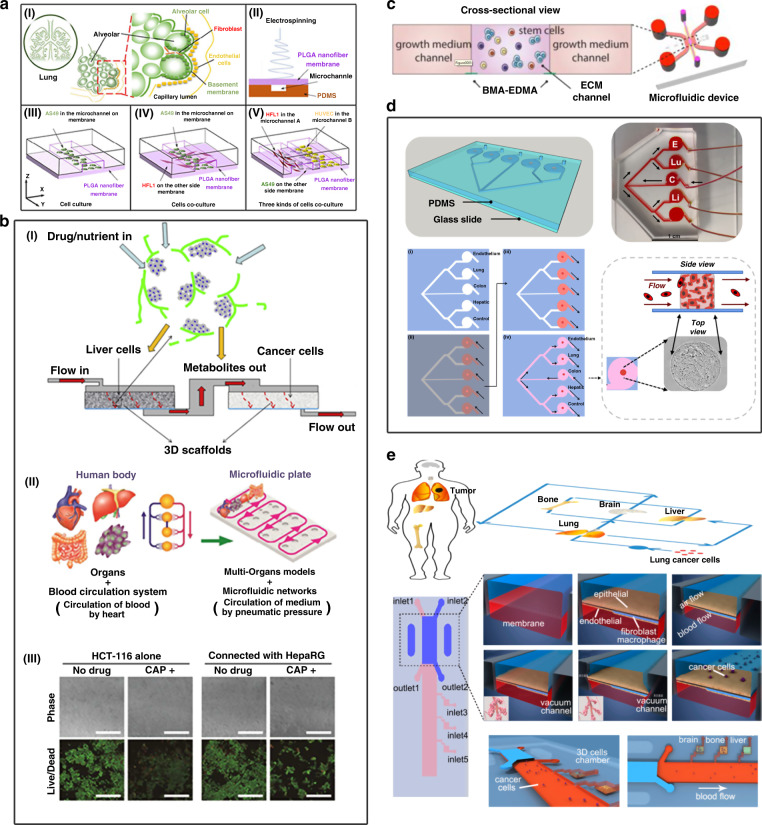
“This model can be used to describe the dynamics and heterogeneity of tumor cells in vivo and represents a new way to study specific tumors (Fig. 6b)196.”
§ Tumor-on-a-chip: from bioinspired design to biomedical application > Different types of tumor-on-a-chip > Brain tumor chip
What the sources say
- Not checked yetcites [196] Xiao, Y. et al. Ex vivo dynamics of human glioblastoma cells in a microvasculature‐on‐a‐chip system correlates with tumor heterogeneity and subtypes. Adv. Sci. 6, 1801531 (2019). source
plain- Asserted: passes — The authors put it forward as true.
- Checkable: passes — It can be checked against evidence.
- Load-bearing: passes — The paper’s conclusions depend on it.
- Based: passes — The paper gives a reason why it holds.
It may state two separate claims as one.
In the paper
“The blood vascular system can mimic the human colorectal-tumor microenvironment, which reconstructs the physiological function of microvascular tissue209.”
§ Tumor-on-a-chip: from bioinspired design to biomedical application > Different types of tumor-on-a-chip > Colorectal-tumor chip
What the sources say
- Not checked yetcites [209] Carvalho, M. R., Reis, R. L. & Oliveira, J. M. Dendrimer nanoparticles for colorectal cancer applications. J. Mater. Chem. B 8, 1128–1138 (2020). source
plaindirect- Asserted: passes — The authors put it forward as true.
- Checkable: passes — It can be checked against evidence.
- Load-bearing: passes — The paper’s conclusions depend on it.
- Based: passes — The paper gives a reason why it holds.
It may state two separate claims as one.
In the paper
“They can predict the direct toxicity of the drug itself or the indirect toxicity to the liver or other organs caused by the liver metabolites of the drug.”
§ Tumor-on-a-chip: from bioinspired design to biomedical application > Different types of tumor-on-a-chip > Liver tumor chip
What the sources say
- Not checked yetcites [188] Kashaninejad, N. et al. Organ-tumor-on-a-chip for chemosensitivity assay: a critical review. Micromachines 7, 130 (2016). source
plaindirect- Asserted: passes — The authors put it forward as true.
- Checkable: passes — It can be checked against evidence.
- Load-bearing: passes — The paper’s conclusions depend on it.
- Based: passes — The paper gives a reason why it holds.
It may state two separate claims as one.
In the paper
“CRC cells, labeled in red, and HCoMECs, in yellow, respond to the incoming VEGF growth factor.”
§ Tumor-on-a-chip: from bioinspired design to biomedical application > Different types of tumor-on-a-chip > Colorectal-tumor chip
What the sources say
- Not checked yetcites [210] Carvalho, M. R. et al. Colorectal tumor-on-a-chip system: a 3D tool for precision onco-nanomedicine. Sci. Adv. 5, eaaw1317 (2019). source
plaindirect- Asserted: passes — The authors put it forward as true.
- Checkable: passes — It can be checked against evidence.
- Load-bearing: passes — The paper’s conclusions depend on it.
- Based: passes — The paper gives a reason why it holds.
It may state two separate claims as one.
In the paper
“Through the platform, researchers recapitulated orthotopic lung cancer growth, therapeutic responses, and tumor dormancy in vitro (Fig. 5b)98.”
§ Tumor-on-a-chip: from bioinspired design to biomedical application > Different types of tumor-on-a-chip > Lung tumor chip
What the sources say
- Not checked yetcites [98] Hassell, B. A. et al. Human organ chip models recapitulate orthotopic lung cancer growth, therapeutic responses, and tumor dormancy in vitro. Cell Rep. 21, 508–516 (2017). source
plaindirect- Asserted: passes — The authors put it forward as true.
- Checkable: passes — It can be checked against evidence.
- Load-bearing: passes — The paper’s conclusions depend on it.
- Based: passes — The paper gives a reason why it holds.
It may state two separate claims as one.
The paper states this without a source or data behind it here, so there is nothing to check it against. The quote shows it is in the paper.
In the paper
“In addition, the trend of the target gene can be used to analyze the gene expression level.”
§ Tumor-on-a-chip: from bioinspired design to biomedical application > Different types of tumor-on-a-chip > Colorectal-tumor chip
plaincorrelational- Asserted: passes — The authors put it forward as true.
- Checkable: passes — It can be checked against evidence.
- Load-bearing: fails — The paper’s conclusions may not depend on it.
- Based: fails — The paper may give no reason why it holds.
Probably not a substantial claim. The paper’s conclusions may not depend on it. The paper may give no reason why it holds.
The paper states this without a source or data behind it here, so there is nothing to check it against. The quote shows it is in the paper.
In the paper
“Endothelial cells lining in the microvasculature play a key gatekeeper role in avoiding colorectal cancer.”
§ Tumor-on-a-chip: from bioinspired design to biomedical application > Different types of tumor-on-a-chip > Colorectal-tumor chip
plaindirect- Asserted: passes — The authors put it forward as true.
- Checkable: passes — It can be checked against evidence.
- Load-bearing: passes — The paper’s conclusions depend on it.
- Based: fails — The paper may give no reason why it holds.
Probably not a substantial claim. The paper may give no reason why it holds.
In the paper
“Employing this device, the researchers proved the relevance of tumor invasion and cell migration assays in breast cancer biology, showing good consistency in tumor invasion studies in in vivo xenograft models.”
§ Tumor-on-a-chip: from bioinspired design to biomedical application > Manufacture of tumor-on-a-chip > Advanced tumor-on-a-chip
What the sources say
- Not checked yetcites [177] Sung, K. E. et al. Transition to invasion in breast cancer: a microfluidic in vitro model enables examination of spatial and temporal effects. Integr. Biol. 3, 439–450 (2011). source
boosteddirect- Asserted: passes — The authors put it forward as true.
- Checkable: passes — It can be checked against evidence.
- Load-bearing: passes — The paper’s conclusions depend on it.
- Based: passes — The paper gives a reason why it holds.
It may state two separate claims as one.
In the paper
“This research will be helpful in developing glioma-related anticancer drugs and for developing glial cell-based biosensors for glioma detection198.”
§ Tumor-on-a-chip: from bioinspired design to biomedical application > Different types of tumor-on-a-chip > Brain tumor chip
What the sources say
- Not checked yetcites [198] Liu, W. et al. Assay of glioma cell responses to an anticancer drug in a cell-based microfluidic device. Microfluid. Nanofluid. 9, 717–725 (2010). source
plaindirect- Asserted: passes — The authors put it forward as true.
- Checkable: passes — It can be checked against evidence.
- Load-bearing: passes — The paper’s conclusions depend on it.
- Based: passes — The paper gives a reason why it holds.
It may state two separate claims as one.
A conclusion the paper draws from its own results — it cites no other source for it, so there is none to check. The quote shows it is in the paper.
In the paper
“The liver tumor chip could provide a platform for liver cancer treatment.”
§ Tumor-on-a-chip: from bioinspired design to biomedical application > Different types of tumor-on-a-chip > Liver tumor chip
hedgedconditional- Asserted: passes — The authors put it forward as true.
- Checkable: passes — It can be checked against evidence.
- Load-bearing: fails — The paper’s conclusions may not depend on it.
- Based: fails — The paper may give no reason why it holds.
Probably not a substantial claim. The paper’s conclusions may not depend on it. The paper may give no reason why it holds.
None of the sources cited for this claim have been checked yet.
In the paper
“There is a large difference in morphology between 2D and 3D cultures of breast tumor cells. In 2D culture, nonmalignant cells are morphologically similar to malignant cells. However, in 3D culture, nonmalignant breast tissue cells of are polar and arranged in a tube, and the malignant cells form spherical tissue.”
§ Tumor-on-a-chip: from bioinspired design to biomedical application > Different types of tumor-on-a-chip > Breast tumor chip
What the sources say
- Not checked yetcites [211] Lanz, H. L. et al. Therapy response testing of breast cancer in a 3D high-throughput perfused microfluidic platform. BMC Cancer 17, 709 (2017). source
- Not checked yetcites [212] Boyle, P. Triple-negative breast cancer: epidemiological considerations and recommendations. Ann. Oncol. 23, vi7–vi12 (2012). source
plaincorrelational- Asserted: passes — The authors put it forward as true.
- Checkable: passes — It can be checked against evidence.
- Load-bearing: passes — The paper’s conclusions depend on it.
- Based: passes — The paper gives a reason why it holds.
It may state two separate claims as one.
In the paper
“The 3 μm PLGA nanofiber membrane has good controlled porosity, molecular permeability and biocompatibility and can be used to simulate the alveolar respiratory membrane.”
§ Tumor-on-a-chip: from bioinspired design to biomedical application > Application of tumor modeling > Modeling organ-level physiology and disease
What the sources say
- Not checked yetcites [80] Yang, X. et al. Nanofiber membrane supported lung-on-a-chip microdevice for anti-cancer drug testing. Lab a Chip 18, 486–495 (2018). source
plain- Asserted: passes — The authors put it forward as true.
- Checkable: passes — It can be checked against evidence.
- Load-bearing: passes — The paper’s conclusions depend on it.
- Based: passes — The paper gives a reason why it holds.
It may state two separate claims as one.
A conclusion the paper draws from its own results — it cites no other source for it, so there is none to check. The quote shows it is in the paper.
In the paper
“Improved tumor modeling has great potential for studying the basic mechanisms of organ physiology and disease.”
§ Tumor-on-a-chip: from bioinspired design to biomedical application > Application of tumor modeling > Modeling organ-level physiology and disease
plainconditional- Asserted: passes — The authors put it forward as true.
- Checkable: fails — It may be too vague to check against evidence.
- Load-bearing: passes — The paper’s conclusions depend on it.
- Based: passes — The paper gives a reason why it holds.
Probably not a substantial claim. It may be too vague to check against evidence.
A conclusion the paper draws from its own results — it cites no other source for it, so there is none to check. The quote shows it is in the paper.
In the paper
“It has a potential role in the personalized treatment of lung tumors, other clinical treatments and tissue engineering.”
§ Tumor-on-a-chip: from bioinspired design to biomedical application > Application of tumor modeling > Modeling organ-level physiology and disease
hedged- Asserted: passes — The authors put it forward as true.
- Checkable: passes — It can be checked against evidence.
- Load-bearing: passes — The paper’s conclusions depend on it.
- Based: passes — The paper gives a reason why it holds.
Probably not a substantial claim.
In the paper
“Nguyen et al. used (3-glycidyloxypropyl) trimethoxysilane to bond polymethyl methacrylate (PMMA) polyethylene terephthalate (PETE) orbital etching film (GLYMO), which can be used in microfluidic devices that are not permeable to small molecules and can enable reliable cytotoxicity tests, such as those for anticancer drugs (Fig. 8c)164.”
§ Tumor-on-a-chip: from bioinspired design to biomedical application > Application of tumor modeling > Tumor models for drug screening
What the sources say
- Not checked yetcites [164] Nguyen, T. et al. Robust chemical bonding of PMMA microfluidic devices to porous PETE membranes for reliable cytotoxicity testing of drugs. Lab Chip 19, 3706–3713 (2019). source
plaindirect- Asserted: passes — The authors put it forward as true.
- Checkable: passes — It can be checked against evidence.
- Load-bearing: passes — The paper’s conclusions depend on it.
- Based: passes — The paper gives a reason why it holds.
It may state two separate claims as one.
In the paper
“This model was one of the first in vitro models to simulate tumor cell metastasis, reproducing metastasis from a three-dimensional primary tissue to a three-dimensional target tissue.”
§ Tumor-on-a-chip: from bioinspired design to biomedical application > Application of tumor modeling > Modeling cancer invasion and metastasis
What the sources say
- Not checked yetcites [224] Skardal, A., Devarasetty, M., Forsythe, S., Atala, A. & Soker, S. A reductionist metastasis‐on‐a‐chip platform for in vitro tumor progression modeling and drug screening. Biotechnol. Bioeng. 113, 2020–2032 (2016). source
plaindirect- Asserted: passes — The authors put it forward as true.
- Checkable: passes — It can be checked against evidence.
- Load-bearing: unclear — It is unclear whether the paper’s conclusions depend on it.
- Based: passes — The paper gives a reason why it holds.
It may state two separate claims as one.
A conclusion the paper draws from its own results — it cites no other source for it, so there is none to check. The quote shows it is in the paper.
In the paper
“Compared with conventional in vitro planar cell models and in vivo animal models, tumor-on-a-chip systems can mimic the complexity of in vivo tumor masses, which are considered to be reliable for the development of effective anticancer therapies.”
§ Tumor-on-a-chip: from bioinspired design to biomedical application > Conclusions and future perspectives
plaindirect- Asserted: passes — The authors put it forward as true.
- Checkable: passes — It can be checked against evidence.
- Load-bearing: passes — The paper’s conclusions depend on it.
- Based: fails — The paper may give no reason why it holds.
Probably not a substantial claim. The paper may give no reason why it holds.
- Rests on an assumption: Tumor-on-a-chip systems recapitulate in vivo tumors to improve anticancer drug screening strategies.
In the paper
“Anti-imatinib does not affect liver vitality, and diclofenac reduces liver vitality by 30%.”
§ Tumor-on-a-chip: from bioinspired design to biomedical application > Application of tumor modeling > Tumor models for drug screening
What the sources say
- Not checked yetcites [230] McAleer, C. W. et al. Multi-organ system for the evaluation of efficacy and off-target toxicity of anticancer therapeutics. Sci. Transl. Med. 11, https://doi.org/10.1126/scitranslmed.aav1386 (2019). source
plaindirect- Asserted: passes — The authors put it forward as true.
- Checkable: passes — It can be checked against evidence.
- Load-bearing: unclear — It is unclear whether the paper’s conclusions depend on it.
- Based: passes — The paper gives a reason why it holds.
It may state two separate claims as one.
In the paper
“The multiorgan chip system can be used not only for drug screening but also for predicting preclinical target efficacy, metabolic conversion rate, and target off-target toxicity228.”
§ Tumor-on-a-chip: from bioinspired design to biomedical application > Application of tumor modeling > Tumor models for drug screening
What the sources say
- Not checked yetcites [228] Abaci, H. E. & Shuler, M. L. Human-on-a-chip design strategies and principles for physiologically based pharmacokinetics/pharmacodynamics modeling. Integr. Biol. 7, 383–391 (2015). source
plaindirect- Asserted: passes — The authors put it forward as true.
- Checkable: passes — It can be checked against evidence.
- Load-bearing: passes — The paper’s conclusions depend on it.
- Based: passes — The paper gives a reason why it holds.
It may state two separate claims as one.
In the paper
“The bonding strength between the two substrates is sufficient for culture exchange, and even at a gauge pressure higher than 135 kPa, the fluid can still pass through the device without leakage.”
§ Tumor-on-a-chip: from bioinspired design to biomedical application > Application of tumor modeling > Tumor models for drug screening
What the sources say
- Not checked yetcites [164] Nguyen, T. et al. Robust chemical bonding of PMMA microfluidic devices to porous PETE membranes for reliable cytotoxicity testing of drugs. Lab Chip 19, 3706–3713 (2019). source
plain- Asserted: passes — The authors put it forward as true.
- Checkable: passes — It can be checked against evidence.
- Load-bearing: passes — The paper’s conclusions depend on it.
- Based: passes — The paper gives a reason why it holds.
It may state two separate claims as one.
In the paper
“This platform integrates a 3D microenvironment that plays a key role in the invasiveness of cancer cells, creating an attractive model for antimigration and anti-invasive cancer drug testing that can be multiplexed for high-throughput analysis.”
§ Tumor-on-a-chip: from bioinspired design to biomedical application > Application of tumor modeling > Modeling cancer invasion and metastasis
What the sources say
- Not checked yetcites [226] Toh, Y.-C., Raja, A., Yu, H. & Van Noort, D. A 3D microfluidic model to recapitulate cancer cell migration and invasion. Bioengineering 5, 29 (2018). source
plaindirect- Asserted: passes — The authors put it forward as true.
- Checkable: passes — It can be checked against evidence.
- Load-bearing: passes — The paper’s conclusions depend on it.
- Based: passes — The paper gives a reason why it holds.
It may state two separate claims as one.
A conclusion the paper draws from its own results — it cites no other source for it, so there is none to check. The quote shows it is in the paper.
In the paper
“A large number of tumor-on-a-chip platforms have been designed and established, simulating tumors in the lung, liver, breast, and brain.”
§ Tumor-on-a-chip: from bioinspired design to biomedical application > Conclusions and future perspectives
plain- Asserted: passes — The authors put it forward as true.
- Checkable: passes — It can be checked against evidence.
- Load-bearing: fails — The paper’s conclusions may not depend on it.
- Based: fails — The paper may give no reason why it holds.
Probably not a substantial claim. The paper’s conclusions may not depend on it. The paper may give no reason why it holds.
A conclusion the paper draws from its own results — it cites no other source for it, so there is none to check. The quote shows it is in the paper.
In the paper
“They are mainly applied to screen anticancer drugs and perform fundamental research on cancer metastasis to understand the biological basis of cancer.”
§ Tumor-on-a-chip: from bioinspired design to biomedical application > Conclusions and future perspectives
plain- Asserted: passes — The authors put it forward as true.
- Checkable: passes — It can be checked against evidence.
- Load-bearing: passes — The paper’s conclusions depend on it.
- Based: passes — The paper gives a reason why it holds.
It may state two separate claims as one.
In the paper
“Phan et al. created arrayed vascularized microtumors (VMTs) and used them for blind-hole screening (Fig. 8b)86.”
§ Tumor-on-a-chip: from bioinspired design to biomedical application > Application of tumor modeling > Tumor models for drug screening
What the sources say
- Not checked yetcites [86] Phan, D. T. et al. A vascularized and perfused organ-on-a-chip platform for large-scale drug screening applications. Lab a Chip 17, 511–520 (2017). source
plain- Asserted: passes — The authors put it forward as true.
- Checkable: passes — It can be checked against evidence.
- Load-bearing: unclear — It is unclear whether the paper’s conclusions depend on it.
- Based: passes — The paper gives a reason why it holds.
It may state two separate claims as one.
In the paper
“Tamoxifen reduces the activity of breast cancer cells only after producing metabolites but does not affect vulvar cancer cells.”
§ Tumor-on-a-chip: from bioinspired design to biomedical application > Application of tumor modeling > Tumor models for drug screening
What the sources say
- Not checked yetcites [230] McAleer, C. W. et al. Multi-organ system for the evaluation of efficacy and off-target toxicity of anticancer therapeutics. Sci. Transl. Med. 11, https://doi.org/10.1126/scitranslmed.aav1386 (2019). source
plaindirect- Asserted: passes — The authors put it forward as true.
- Checkable: passes — It can be checked against evidence.
- Load-bearing: unclear — It is unclear whether the paper’s conclusions depend on it.
- Based: passes — The paper gives a reason why it holds.
It may state two separate claims as one.
A conclusion the paper draws from its own results — it cites no other source for it, so there is none to check. The quote shows it is in the paper.
In the paper
“Tumor-on-a-chip platforms can mimic the main in vivo TME features, exhibiting great promise as more realistic and accurate models for studying the metastasis, distribution and mechanisms of tumor growth, as well as drug toxicity and therapeutic efficacy.”
§ Tumor-on-a-chip: from bioinspired design to biomedical application > Conclusions and future perspectives
plain- Asserted: passes — The authors put it forward as true.
- Checkable: passes — It can be checked against evidence.
- Load-bearing: passes — The paper’s conclusions depend on it.
- Based: passes — The paper gives a reason why it holds.
It may state two separate claims as one.
- Rests on an assumption: Tumor-on-a-chip systems recapitulate in vivo tumors to improve anticancer drug screening strategies.
The paper states this without a source or data behind it here, so there is nothing to check it against. The quote shows it is in the paper.
In the paper
“The key step in replicating the functions at the organ level is to combine two or more different tissue types.”
§ Tumor-on-a-chip: from bioinspired design to biomedical application > Application of tumor modeling > Modeling organ-level physiology and disease
plaindirect- Asserted: passes — The authors put it forward as true.
- Checkable: passes — It can be checked against evidence.
- Load-bearing: passes — The paper’s conclusions depend on it.
- Based: fails — The paper may give no reason why it holds.
Probably not a substantial claim. The paper may give no reason why it holds.
- Rests on an assumption: An organ is a hierarchical structure composed of two or more different tissues.
In the paper
“The combined use of tamoxifen and verapamil will produce nontargeted cardiac effects, which are manifested in reduced contractility, decreased beating frequency, and slower conduction speed but do not affect viability.”
§ Tumor-on-a-chip: from bioinspired design to biomedical application > Application of tumor modeling > Tumor models for drug screening
What the sources say
- Not checked yetcites [230] McAleer, C. W. et al. Multi-organ system for the evaluation of efficacy and off-target toxicity of anticancer therapeutics. Sci. Transl. Med. 11, https://doi.org/10.1126/scitranslmed.aav1386 (2019). source
hedgeddirect- Asserted: passes — The authors put it forward as true.
- Checkable: passes — It can be checked against evidence.
- Load-bearing: unclear — It is unclear whether the paper’s conclusions depend on it.
- Based: passes — The paper gives a reason why it holds.
It may state two separate claims as one.
In the paper
“They can analyze small compound libraries, including FDA-approved compounds, and successfully identify antitumor drugs.”
§ Tumor-on-a-chip: from bioinspired design to biomedical application > Application of tumor modeling > Tumor models for drug screening
What the sources say
- Not checked yetcites [86] Phan, D. T. et al. A vascularized and perfused organ-on-a-chip platform for large-scale drug screening applications. Lab a Chip 17, 511–520 (2017). source
plaindirect- Asserted: passes — The authors put it forward as true.
- Checkable: passes — It can be checked against evidence.
- Load-bearing: passes — The paper’s conclusions depend on it.
- Based: passes — The paper gives a reason why it holds.
It may state two separate claims as one.
A conclusion the paper draws from its own results — it cites no other source for it, so there is none to check. The quote shows it is in the paper.
In the paper
“These models show that cell-based in vitro culture systems can be used to evaluate the target efficacy and target toxicity of the parent drug and its metabolites and can improve the efficiency of drug evaluation in preclinical studies.”
§ Tumor-on-a-chip: from bioinspired design to biomedical application > Application of tumor modeling > Tumor models for drug screening
plaindirect- Asserted: passes — The authors put it forward as true.
- Checkable: passes — It can be checked against evidence.
- Load-bearing: passes — The paper’s conclusions depend on it.
- Based: passes — The paper gives a reason why it holds.
It may state two separate claims as one.
In the paper
“Compared with tumor cells cultured in the traditional planar monoculture method, tumor cells grown in channels have different morphologies and display different sensitivities to anticancer drugs.”
§ Tumor-on-a-chip: from bioinspired design to biomedical application > Application of tumor modeling > Modeling tumor morphology and drug response with high fidelity
What the sources say
- Not checked yetcites [218] Vidi, P.-A. et al. Disease-on-a-chip: mimicry of tumor growth in mammary ducts. Lab a Chip 14, 172–177 (2014). source
plaincorrelational- Asserted: passes — The authors put it forward as true.
- Checkable: passes — It can be checked against evidence.
- Load-bearing: passes — The paper’s conclusions depend on it.
- Based: passes — The paper gives a reason why it holds.
It may state two separate claims as one.
In the paper
“Nishiguchi et al. investigated a pancreatic cancer model with a blood capillary structure that is able to replicate cellular morphologies and reflect the death of endothelial cells during the metastasis process216.”
§ Tumor-on-a-chip: from bioinspired design to biomedical application > Different types of tumor-on-a-chip > Pancreatic tumor chip
What the sources say
- Not checked yetcites [216] Nishiguchi, A. et al. In vitro 3D blood/lymph-vascularized human stromal tissues for preclinical assays of cancer metastasis. Biomaterials 179, 144–155 (2018). source
plaincorrelational- Asserted: passes — The authors put it forward as true.
- Checkable: passes — It can be checked against evidence.
- Load-bearing: unclear — It is unclear whether the paper’s conclusions depend on it.
- Based: passes — The paper gives a reason why it holds.
It may state two separate claims as one.
A conclusion the paper draws from its own results — it cites no other source for it, so there is none to check. The quote shows it is in the paper.
In the paper
“Although tumor-on-a-chip platforms can mimic the in vivo TME and even establish a body-on-a-chip system through connections with organ-on-a-chip devices, it is difficult to simulate the various complex signal regulation responses of other nonadjacent organs in the human body to cancer, especially signals from the endocrine system or the immune system.”
§ Tumor-on-a-chip: from bioinspired design to biomedical application > Conclusions and future perspectives
plain- Asserted: passes — The authors put it forward as true.
- Checkable: passes — It can be checked against evidence.
- Load-bearing: passes — The paper’s conclusions depend on it.
- Based: fails — The paper may give no reason why it holds.
Probably not a substantial claim. The paper may give no reason why it holds. It may state two separate claims as one.
A conclusion the paper draws from its own results — it cites no other source for it, so there is none to check. The quote shows it is in the paper.
In the paper
“In conclusion, although tumor-on-a-chip platforms still face many challenges, they are promising platforms to facilitate the development of cancer therapies.”
§ Tumor-on-a-chip: from bioinspired design to biomedical application > Conclusions and future perspectives
plain- Asserted: passes — The authors put it forward as true.
- Checkable: fails — It may be too vague to check against evidence.
- Load-bearing: passes — The paper’s conclusions depend on it.
- Based: passes — The paper gives a reason why it holds.
Probably not a substantial claim. It may be too vague to check against evidence. It may state two separate claims as one.
A conclusion the paper draws from its own results — it cites no other source for it, so there is none to check. The quote shows it is in the paper.
In the paper
“A variety of candidate materials have been developed, but these devices need to be optically transparent, easily moldable, mechanically adjustable, nonreactive and economical, limiting the available candidates.”
§ Tumor-on-a-chip: from bioinspired design to biomedical application > Conclusions and future perspectives
plaindirect- Asserted: passes — The authors put it forward as true.
- Checkable: passes — It can be checked against evidence.
- Load-bearing: passes — The paper’s conclusions depend on it.
- Based: fails — The paper may give no reason why it holds.
Probably not a substantial claim. The paper may give no reason why it holds. It may state two separate claims as one.
A conclusion the paper draws from its own results — it cites no other source for it, so there is none to check. The quote shows it is in the paper.
In the paper
“As an alternative to conventional preclinical models, tumor-on-a-chip platforms have the potential to improve many fields of basic research and drug development.”
§ Tumor-on-a-chip: from bioinspired design to biomedical application > Conclusions and future perspectives
hedgedconditional- Asserted: passes — The authors put it forward as true.
- Checkable: fails — It may be too vague to check against evidence.
- Load-bearing: passes — The paper’s conclusions depend on it.
- Based: fails — The paper may give no reason why it holds.
Probably not a substantial claim. It may be too vague to check against evidence. The paper may give no reason why it holds.
A conclusion the paper draws from its own results — it cites no other source for it, so there is none to check. The quote shows it is in the paper.
In the paper
“Tumor-on-a-chip systems are based on esoteric microfabrication technologies, and there is a great need to explore how to rationally design microfluidic devices for precise control of the physicochemical properties of the chips.”
§ Tumor-on-a-chip: from bioinspired design to biomedical application > Conclusions and future perspectives
plain- Asserted: passes — The authors put it forward as true.
- Checkable: fails — It may be too vague to check against evidence.
- Load-bearing: passes — The paper’s conclusions depend on it.
- Based: passes — The paper gives a reason why it holds.
Probably not a substantial claim. It may be too vague to check against evidence. It may state two separate claims as one.
A conclusion the paper draws from its own results — it cites no other source for it, so there is none to check. The quote shows it is in the paper.
In the paper
“Moreover, not all researchers or users are proficient in microfabrication facilities and the related expertise; therefore, it is important to develop user-friendly on-chip systems and simultaneously standardize the data from different laboratories so that researchers who are not experts can immediately use these emerging models for research and obtain meaningful data for clinical translation.”
§ Tumor-on-a-chip: from bioinspired design to biomedical application > Conclusions and future perspectives
plaindirect- Asserted: passes — The authors put it forward as true.
- Checkable: fails — It may be too vague to check against evidence.
- Load-bearing: passes — The paper’s conclusions depend on it.
- Based: passes — The paper gives a reason why it holds.
Probably not a substantial claim. It may be too vague to check against evidence. It may state two separate claims as one.
The paper relies on this without support.
Oxygen tension is a key regulator of cellular behavior.
“To create biomimetic 3D tumor models that better encapsulate pathologic processes, several important factors in the tumor microenvironment must be considered, including oxygen tension, which is a key regulator of cellular behavior.”
The paper relies on this without support.
Vascularization is very important to maintain tissue activities and can be used to separate different tissue compartments.
“Vascularization is very important to maintain tissue activities and can be used to separate different tissue compartments.”
The paper relies on this without support.
The most widely used material for fabricating tumor-on-a-chip devices is polydimethylsiloxane (PDMS).
“The most widely used material for fabricating tumor-on-a-chip devices is polydimethylsiloxane (PDMS).”
The paper relies on this without support.
PDMS has advantages including optical transparency, breathability, biocompatibility, and flexibility, enabling continuous microscopic observation of tissue constructs for real-time evaluation of cell behavior and response to treatment.
“The advantages of PDMS include optical transparency, breathability, biocompatibility, and flexibility, enabling the continuous microscopic observation of tissue constructs for real-time evaluation of cell behavior and response to treatment.”
The paper relies on this without support.
In contrast to glass or plastic substrates, devices based on PDMS provide cells with a mechanical environment that is closer to the physical characteristics of soft tissues, possessing porosity and lower rigidity.
“In contrast to glass or plastic substrates, devices based on PDMS provide cells with a mechanical environment that is closer to the physical characteristics of soft tissues, possessing porosity and lower rigidity.”
The paper relies on this without support.
Gelatin can promote cell growth and polymerize with proteins, growth factor nucleotides, polysaccharides and other polyionic complexes, and has broad prospects for drug transport models due to controlled sustained and/or targeted release of bioactive molecules.
“Gelatin cannot only promote cell growth but also polymerize with proteins, growth factor nucleotides, polysaccharides and other polyionic complexes. This material has broad prospects for drug transport models due to the controlled sustained and/or targeted release of bioactive molecules.”
The paper relies on this without support.
Bacterial cellulose has good biocompatibility and cost effects, and bacterial cellulose nanofibers can be processed and dried to form a stable paper device for building models.
“Bacterial cellulose has the comprehensive advantages of cellulose at the nanoscale and is derived from natural sources, which have good biocompatibility and cost effects. The bacterial cellulose nanofibers are processed and dried to form a stable paper device for building models.”
The paper relies on this without support.
BME/Matrigel is a biomaterial with a composition similar to that of the early conservative basement membrane, which promotes the organization of different tissue types and microtissues of different species.
“Basement membrane extract (BME/Matrigel) is a biomaterial with a composition similar to that of the early conservative basement membrane, which promotes the organization of different tissue types and microtissues of different species.”
The paper relies on this without support.
Under similar conditions, tumor cells have high proliferation and are sometimes aggressive in BME/Matrigel, which can be used to evaluate the malignancy of tumors and explore tumor treatment methods.
“Under similar conditions, tumor cells have high proliferation and are sometimes aggressive in BME/Matrigel, which can be used to evaluate the malignancy of tumors and explore tumor treatment methods.”
The paper relies on this without support.
Tumor blood vessels have a great effect on the occurrence and development of tumors.
“Tumor blood vessels have a great effect on the occurrence and development of tumors; therefore, the microfluidic technology of organ chips is also used to study the formation of tumor blood vessels.”
The paper relies on this without support.
Lung cancer is one of the most common cancers and has a high fatality rate.
“Lung cancer is one of the most common cancers and has a high fatality rate.”
The paper relies on this without support.
Colorectal cancer is the second leading cause of cancer-related death due to the high incidence of cancer metastasis and the low cure rate of chemotherapy.
“Colorectal cancer (CRC) is the second leading cause of cancer-related death due to the high incidence of cancer metastasis and the low cure rate of chemotherapy.”
The paper relies on this without support.
In breast cancer, the frequency of bone metastases is approximately 70%.
“In breast cancer, the frequency of bone metastases is ~70%.”
The paper relies on this without support.
An organ is a hierarchical structure composed of two or more different tissues.
“An organ is a hierarchical structure composed of two or more different tissues.”
The paper relies on this without support.
The tissue itself is composed of different cell types.
“In addition, the tissue itself is composed of different cell types.”
The paper relies on this without support.
Tumor-on-a-chip systems recapitulate in vivo tumors to improve anticancer drug screening strategies.
“It is fundamental that tumor-on-a-chip systems recapitulate in vivo tumors to improve anticancer drug screening strategies.”
The paper relies on this without support.
Complex 3D organs are not well represented by monolayer cell models, the standard format for many drug screens.
“Complex 3D organs are not well represented by monolayer cell models, the standard format for many drug screens.”
The paper relies on this without support.
PDMS is the most widely used material to fabricate tumor-on-a-chip devices.
“Polydimethylsiloxane (PDMS) is the most widely used material to fabricate tumor-on-a-chip devices; however, PDMS is known to easily adsorb hydrophobic compounds, such as drugs and proteins, which may reduce effective drug concentrations and activity and can cause experimental errors, limiting its application.”
The paper relies on this without support.
PDMS easily adsorbs hydrophobic compounds, such as drugs and proteins, which may reduce effective drug concentrations and activity and can cause experimental errors.
“Polydimethylsiloxane (PDMS) is the most widely used material to fabricate tumor-on-a-chip devices; however, PDMS is known to easily adsorb hydrophobic compounds, such as drugs and proteins, which may reduce effective drug concentrations and activity and can cause experimental errors, limiting its application.”
The paper relies on this without support.
Most tumor-on-a-chip systems mimic tumors only in situ.
“Currently, most tumor-on-a-chip systems mimic tumors only in situ; thus, the mechanism of tumor cell metastasis is still unclear, particularly the reasons for the initial activation of tumor cell growth and metastasis (such as specific signaling pathways) and the role of the microenvironment in regulating this phenomenon.”
The paper relies on this without support.
The mechanism of tumor cell metastasis is still unclear, particularly the reasons for the initial activation of tumor cell growth and metastasis and the role of the microenvironment in regulating this phenomenon.
“Currently, most tumor-on-a-chip systems mimic tumors only in situ; thus, the mechanism of tumor cell metastasis is still unclear, particularly the reasons for the initial activation of tumor cell growth and metastasis (such as specific signaling pathways) and the role of the microenvironment in regulating this phenomenon.”
Claims other papers make about this one
Each is checked against this paper’s own text: does it say what the citing paper says it does?
The check wasn’t confident either way, so it gives no verdict — never disputed.
In the citing paper
“Depending on the presence and spatial distribution of these cytotoxic T cells, one can distinguish two immunophenotypes, namely, immunologically ‘hot’ and ‘cold’ tumors (Liu et al., 2021; Wang et al., 2023).”
From Microphysiological systems as models for immunologically ‘cold’ tumors (2024) · cites this paper as Liu et al., 2021
Experimental — accuracy not yet measuredThe check wasn’t confident either way, so it gives no verdict — never disputed.
In the citing paper
“Examples of immunologically ‘cold’ tumors include ovarian, prostate, pancreatic, glioma and some renal cell cancers, while ‘hot’ tumors are typically present in the liver, lung or bladder (Liu et al., 2021; Huang et al., 2022; Wang et al., 2023).”
From Microphysiological systems as models for immunologically ‘cold’ tumors (2024) · cites this paper as Liu et al., 2021
Experimental — accuracy not yet measuredThe check wasn’t confident either way, so it gives no verdict — never disputed.
In the citing paper
“In fact, in immune excluded ‘cold’ tumors, cytotoxic T cells accumulate around the tumor but fail to efficiently infiltrate, whereas in immune-desert ‘cold’ tumors, tumor-specific CD8+ T cells are completely absent from the tumor and its periphery (Liu et al., 2021).”
From Microphysiological systems as models for immunologically ‘cold’ tumors (2024) · cites this paper as Liu et al., 2021
Experimental — accuracy not yet measuredThe check wasn’t confident either way, so it gives no verdict — never disputed.
In the citing paper
“Additionally, immunologically ‘cold’ tumors are characterized by the presence of immunosuppressive cell populations such as tumor-associated macrophages (TAMs), myeloid-derived suppressor cells (MDSCs) and regulatory T cells (Tregs) (Hegde et al., 2016; Liu et al., 2021; Guha et al., 2022).”
From Microphysiological systems as models for immunologically ‘cold’ tumors (2024) · cites this paper as Liu et al., 2021
Experimental — accuracy not yet measuredThe check wasn’t confident either way, so it gives no verdict — never disputed.
In the citing paper
“While immunologically ‘hot’ tumors tend to be more responsive to ICI treatment, immunologically ‘cold’ tumors rarely respond to ICI monotherapy due to the absence or exhaustion of TILs (Liu et al. (2021); Herbst et al. (2014).”
From Microphysiological systems as models for immunologically ‘cold’ tumors (2024) · cites this paper as Liu et al., 2021
Experimental — accuracy not yet measured
Self-check
Percentages, sums and reported differences re-computed from the paper’s own numbers.
Each contradiction between two passages listed here was confirmed by an independent check.
Rated minor: it would not touch a result — a value no result rests on, a p-value that stays on the same side of the significance level, or a conflict that is clerical, resolved elsewhere in the paper, or outside its own findings.
In the paper
§ Tumor-on-a-chip: from bioinspired design to biomedical application > Different types of tumor-on-a-chip
“Brain tumor chip | 197 | Glioblastoma cells (U87) | Pitavastatin Irinotecan”
§ Tumor-on-a-chip: from bioinspired design to biomedical application > Different types of tumor-on-a-chip > Brain tumor chip
“They injected mepitastatin and irinotecan into the cells”
Rated minor: it would not touch a result — a value no result rests on, a p-value that stays on the same side of the significance level, or a conflict that is clerical, resolved elsewhere in the paper, or outside its own findings.
In the paper
§ Tumor-on-a-chip: from bioinspired design to biomedical application > References
“159. Knowlton S Advancing cancer research using bioprinting for tumor-on-a-chip platforms Int. J. Bioprint. 2016 2 111 116”
§ Tumor-on-a-chip: from bioinspired design to biomedical application > References
“162. Knowlton, S. et al. Advancing cancer research using bioprinting for tumor-on-a-chip platforms. Int. J. Bioprint.2, 3–8 (2016).”
Rated minor: it would not touch a result — a value no result rests on, a p-value that stays on the same side of the significance level, or a conflict that is clerical, resolved elsewhere in the paper, or outside its own findings.
In the paper
§ Tumor-on-a-chip: from bioinspired design to biomedical application > Manufacture of tumor-on-a-chip > Advanced tumor-on-a-chip
“Adapted with permission182. Copyright 2016, Springer Nature.”
§ Tumor-on-a-chip: from bioinspired design to biomedical application > References
“182. Paek J Microphysiological engineering of self-assembled and perfusable microvascular beds for the production of vascularized three-dimensional human microtissues ACS Nano 2019 13 7627 7643”
Rated minor: it would not touch a result — a value no result rests on, a p-value that stays on the same side of the significance level, or a conflict that is clerical, resolved elsewhere in the paper, or outside its own findings.
In the paper
§ Tumor-on-a-chip: from bioinspired design to biomedical application > Manufacture of tumor-on-a-chip > Advanced tumor-on-a-chip
“Adapted with permission183. Copyright 2016, Springer Nature.”
§ Tumor-on-a-chip: from bioinspired design to biomedical application > References
“183. Lee H Park W Ryu H Jeon NL A microfluidic platform for quantitative analysis of cancer angiogenesis and intravasation Biomicrofluidics 2014 8 054102 054102”
Citations
Cites
Bray, F., Ferlay, J., Soerjomataram, I., Siegel, R. L., Torre, L. A., & Jemal, A. (2018) · CA: A Cancer Journal for Clinicians · doi:10.3322/caac.21492 · Cited by 84,109
Ror2 signaling regulates Golgi structure and transport through IFT20 for tumor invasiveness
Nishita, M., Park, S.-Y., Nishio, T., Kamizaki, K., Wang, Z., Tamada, K., Takumi, T., Hashimoto, R., Otani, H., Pazour, G. J., et al. (2017) · Scientific Reports · doi:10.1038/s41598-016-0028-x · Cited by 15,947
Reconstituting organ-level lung functions on a chip
Huh, D., Matthews, B. D., Mammoto, A., Montoya-Zavala, M., Hsin, H. Y., & Ingber, D. E. (2010) · Science · doi:10.1126/science.1188302 · Cited by 4,250
Bhatia, S. N., & Ingber, D. E. (2014) · Nature Biotechnology · doi:10.1038/nbt.2989 · Cited by 3,305
Genomic responses in mouse models poorly mimic human inflammatory diseases
Seok, J., Warren, H. S., Cuenca, A. G., Mindrinos, M. N., Baker, H. V., Xu, W., Richards, D. R., McDonald-Smith, G. P., Gao, H., Hennessy, L., et al. (2013) · Proceedings of the National Academy of Sciences · doi:10.1073/pnas.1222878110 · Cited by 3,005
The present and future role of microfluidics in biomedical research
Sackmann, E. K., Fulton, A. L., & Beebe, D. J. (2014) · Nature · doi:10.1038/nature13118 · Cited by 2,995
Influence of tumour micro-environment heterogeneity on therapeutic response
Junttila, M. R., & de Sauvage, F. J. (2013) · Nature · doi:10.1038/nature12626 · Cited by 2,694
A 3D bioprinting system to produce human-scale tissue constructs with structural integrity
Kang, H.-W., Lee, S. J., Ko, I. K., Kengla, C., Yoo, J. J., & Atala, A. (2016) · Nature Biotechnology · doi:10.1038/nbt.3413 · Cited by 2,622
Clinical development success rates for investigational drugs
Hay, M., Thomas, D. W., Craighead, J. L., Economides, C., & Rosenthal, J. (2014) · Nature Biotechnology · doi:10.1038/nbt.2786 · Cited by 2,536
Ferlay, J., Colombet, M., Soerjomataram, I., Dyba, T., Randi, G., Bettio, M., Gavin, A., Visser, O. J., & Bray, F. (2018) · European Journal of Cancer · doi:10.1016/j.ejca.2018.07.005 · Cited by 2,479
Poly(dimethylsiloxane) as a Material for Fabricating Microfluidic Devices
McDonald, J. C., & Whitesides, G. M. (2002) · Accounts of Chemical Research · doi:10.1021/ar010110q · Cited by 2,463
Soft lithography for micro- and nanoscale patterning
Qin, D., Younan Xia, A., & Whitesides, G. M. (2010) · Nature Protocols · doi:10.1038/nprot.2009.234 · Cited by 2,399
Kim, H. J., Huh, D., Hamilton, G., & Ingber, D. E. (2012) · Lab on a Chip · doi:10.1039/c2lc40074j · Cited by 1,734
2D and 3D Cell Cultures - a Comparison of Different Types of Cancer Cell Cultures
Kapałczyńska, M., Kolenda, T., Przybyła, W., Zajączkowska, M., Teresiak, A., Filas, V., Ibbs, M., Bliźniak, R., Łuczewski, Ł., & Lamperska, K. (2016) · Archives of Medical Science · doi:10.5114/aoms.2016.63743 · Cited by 1,499
Three-dimensional bioprinting of thick vascularized tissues
Kolesky, D. B., Homan, K. A., Skylar-Scott, M. A., & Lewis, J. A. (2016) · Proceedings of the National Academy of Sciences · doi:10.1073/pnas.1521342113 · Cited by 1,492
Role of tumor microenvironment in tumorigenesis
Wang, M., Zhao, J., Zhang, L., Wei, F., Lian, Y., Wu, Y., Gong, Z., Zhang, S., Zhou, J., Cao, K., et al. (2017) · Journal of Cancer · doi:10.7150/jca.17648 · Cited by 1,404
Three-dimensional cell culture: the missing link in drug discovery
Breslin, S., & O’Driscoll, L. (2013) · Drug Discovery Today · doi:10.1016/j.drudis.2012.10.003 · Cited by 1,332
Spherical Cancer Models in Tumor Biology
Weiswald, L., Bellet, D. H., & Dangles‐Marie, V. (2015) · Neoplasia · doi:10.1016/j.neo.2014.12.004 · Cited by 1,194
Organs-on-chips at the frontiers of drug discovery
Esch, E. W., Bahinski, A., & Huh, D. (2015) · Nature Reviews Drug Discovery · doi:10.1038/nrd4539 · Cited by 1,185
Progress in 3D bioprinting technology for tissue/organ regenerative engineering
Matai, I., Kaur, G., Seyedsalehi, A., McClinton, A., & Laurencin, C. T. (2020) · Biomaterials · doi:10.1016/j.biomaterials.2019.119536 · Cited by 1,156
Targeting focal adhesion kinase renders pancreatic cancers responsive to checkpoint immunotherapy
Jiang, H., Hegde, S., Knolhoff, B. L., Zhu, Y., Herndon, J. M., Meyer, M. A., Nywening, T. M., Hawkins, W. G., Shapiro, I. M., Weaver, D. T., et al. (2016) · Nature Medicine · doi:10.1038/nm.4123 · Cited by 1,060
Lost in translation: animal models and clinical trials in cancer treatment.
(2014) · Europe PMC (PubMed Central) · Cited by 1,033
Advances in organ-on-a-chip engineering
Zhang, B., Korolj, A., Lai, B. F. L., & Radisic, M. (2018) · Nature Reviews Materials · doi:10.1038/s41578-018-0034-7 · Cited by 1,017
A Human Disease Model of Drug Toxicity–Induced Pulmonary Edema in a Lung-on-a-Chip Microdevice
Huh, D., Leslie, D. C., Matthews, B. D., Fraser, J. P., Jurek, S., Hamilton, G. A., Thorneloe, K. S., McAlexander, M. A., & Ingber, D. E. (2012) · Science Translational Medicine · doi:10.1126/scitranslmed.3004249 · Cited by 993
Topological-insulator-based terahertz modulator
Wang, X., Cheng, L., Wu, Y., Zhu, D., Wang, L., Zhu, J., Yang, H., & Chia, E. E. M. (2017) · Scientific Reports · doi:10.1038/s41598-017-13701-9 · Cited by 983
Kim, H. J., Li, H., Collins, J. J., & Ingber, D. E. (2016) · Proceedings of the National Academy of Sciences · doi:10.1073/pnas.1522193112 · Cited by 922
Modelling cancer in microfluidic human organs-on-chips
Sontheimer-Phelps, A., Hassell, B. A., & Ingber, D. E. (2019) · Nature Reviews Cancer · doi:10.1038/s41568-018-0104-6 · Cited by 906
Microfluidic Bioprinting of Heterogeneous 3D Tissue Constructs Using Low‐Viscosity Bioink
Colosi, C., Shin, S. R., Manoharan, V., Massa, S., Costantini, M., Barbetta, A., Dokmeci, M. R., Dentini, M., & Khademhosseini, A. (2016) · Advanced Materials · doi:10.1002/adma.201503310 · Cited by 863
Three-Dimensional Cell Cultures in Drug Discovery and Development
Fang, Y., & Eglen, R. M. (2017) · SLAS Discovery · doi:10.1177/1087057117696795 · Cited by 849
Park, S. E., Georgescu, A., & Huh, D. (2019) · Science · doi:10.1126/science.aaw7894 · Cited by 847
Comparison of 2D- and 3D-culture models as drug-testing platforms in breast cancer
IMAMURA, Y., MUKOHARA, T., SHIMONO, Y., FUNAKOSHI, Y., CHAYAHARA, N., TOYODA, M., KIYOTA, N., TAKAO, S., KONO, S., NAKATSURA, T., et al. (2015) · Oncology Reports · doi:10.3892/or.2015.3767 · Cited by 845
Development and function of human innate immune cells in a humanized mouse model
Rongvaux, A., Willinger, T., Martinek, J., Strowig, T., Gearty, S. V., Teichmann, L. L., Saito, Y., Marches, F., Halene, S., Palucka, A. K., et al. (2014) · Nature Biotechnology · doi:10.1038/nbt.2858 · Cited by 789
In Vitro Tumor Models: Advantages, Disadvantages, Variables, and Selecting the Right Platform
Katt, M. E., Placone, A. L., Wong, A. D., Xu, Z. S., & Searson, P. C. (2016) · Frontiers in Bioengineering and Biotechnology · doi:10.3389/fbioe.2016.00012 · Cited by 754
Development of a primary human Small Intestine-on-a-Chip using biopsy-derived organoids
Kasendra, M., Tovaglieri, A., Sontheimer-Phelps, A., Jalili-Firoozinezhad, S., Bein, A., Chalkiadaki, A., Scholl, W., Zhang, C., Rickner, H., Richmond, C. A., et al. (2018) · Scientific Reports · doi:10.1038/s41598-018-21201-7 · Cited by 754
Biofabrication strategies for 3D in vitro models and regenerative medicine
Moroni, L., Burdick, J. A., Highley, C., Lee, S. J., Morimoto, Y., Takeuchi, S., & Yoo, J. J. (2018) · Nature Reviews Materials · doi:10.1038/s41578-018-0006-y · Cited by 753
Organ-on-a-chip: recent breakthroughs and future prospects
Wu, Q., Liu, J., Wang, X., Feng, L., Wu, J., Zhu, X., Wen, W., & Gong, X. (2020) · BioMedical Engineering OnLine · doi:10.1186/s12938-020-0752-0 · Cited by 730
Nunes, A. S., Barros, A. S., Costa, E. C., Moreira, A. F., & Correia, I. J. (2019) · Biotechnology and Bioengineering · doi:10.1002/bit.26845 · Cited by 721
Phase II and Phase III attrition rates 2011–2012
Arrowsmith, J., & Miller, P. (2013) · Nature Reviews Drug Discovery · doi:10.1038/nrd4090 · Cited by 697
Preclinical Mouse Cancer Models: A Maze of Opportunities and Challenges
Day, C.-P., Merlino, G., & Van Dyke, T. (2015) · Cell · doi:10.1016/j.cell.2015.08.068 · Cited by 676
US Emergency Department Visits for Outpatient Adverse Drug Events, 2013-2014
Shehab, N., Lovegrove, M. C., Geller, A. I., Rose, K. O., Weidle, N. J., & Budnitz, D. S. (2016) · JAMA · doi:10.1001/jama.2016.16201 · Cited by 664
Organs-on-a-Chip: A Fast Track for Engineered Human Tissues in Drug Development
Ronaldson-Bouchard, K., & Vunjak-Novakovic, G. (2018) · Cell Stem Cell · doi:10.1016/j.stem.2018.02.011 · Cited by 657
Vascularization and Angiogenesis in Tissue Engineering: Beyond Creating Static Networks
Rouwkema, J., & Khademhosseini, A. (2016) · Trends in Biotechnology · doi:10.1016/j.tibtech.2016.03.002 · Cited by 651
Coaxial nozzle-assisted 3D bioprinting with built-in microchannels for nutrients delivery
Gao, Q., He, Y., Fu, J., Liu, A., & Ma, L. (2015) · Biomaterials · doi:10.1016/j.biomaterials.2015.05.031 · Cited by 646
Multi-tissue interactions in an integrated three-tissue organ-on-a-chip platform
Skardal, A., Murphy, S. V., Devarasetty, M., Mead, I., Kang, H.-W., Seol, Y.-J., Shrike Zhang, Y., Shin, S.-R., Zhao, L., Aleman, J., et al. (2017) · Scientific Reports · doi:10.1038/s41598-017-08879-x · Cited by 623
Why are tumour blood vessels abnormal and why is it important to know?
Nagy, J. A., Chang, S.-H., Dvorak, A. M., & Dvorak, H. F. (2009) · British Journal of Cancer · doi:10.1038/sj.bjc.6604929 · Cited by 611
Biomolecular gradients in cell culture systems
Keenan, T. M., & Folch, A. (2008) · Lab Chip · doi:10.1039/b711887b · Cited by 596
Triple-negative breast cancer: epidemiological considerations and recommendations
Boyle, P. (2012) · Annals of Oncology · doi:10.1093/annonc/mds187 · Cited by 593
Zhang, B., Montgomery, M., Chamberlain, M. D., Ogawa, S., Korolj, A., Pahnke, A., Wells, L. A., Massé, S., Kim, J., Reis, L., et al. (2016) · Nature Materials · doi:10.1038/nmat4570 · Cited by 593
Microcontact Printing of Proteins
Bernard, A., Renault, J., Michel, B., Bosshard, H. R., & Delamarche, E. (2000) · Advanced Materials · doi:10.1002/1521-4095(200007)12:14 · Cited by 581
Musah, S., Mammoto, A., Ferrante, T. C., Jeanty, S. S. F., Hirano-Kobayashi, M., Mammoto, T., Roberts, K., Chung, S., Novak, R., Ingram, M., et al. (2017) · Nature Biomedical Engineering · doi:10.1038/s41551-017-0069 · Cited by 550
Tumor Microenvironment Complexity: Emerging Roles in Cancer Therapy
Swartz, M. A., Iida, N., Roberts, E. W., Sangaletti, S., Wong, M. H., Yull, F. E., Coussens, L. M., & DeClerck, Y. A. (2012) · Cancer Research · doi:10.1158/0008-5472.can-12-0122 · Cited by 542
Prasad, V. K., & Mailankody, S. (2017) · JAMA Internal Medicine · doi:10.1001/jamainternmed.2017.3601 · Cited by 532
(2003) · PubMed · Cited by 523
Herland, A., van der Meer, A. D., Fitzgerald, E. A., Park, T., Sleeboom, J. J. F., & Ingber, D. E. (2016) · PLoS ONE · doi:10.1371/journal.pone.0150360 · Cited by 496
Hoarau-Véchot, J., Rafii, A., Touboul, C., & Pasquier, J. (2018) · International Journal of Molecular Sciences · doi:10.3390/ijms19010181 · Cited by 489
Interconnected Microphysiological Systems for Quantitative Biology and Pharmacology Studies
Edington, C. D., Chen, W. L. K., Geishecker, E., Kassis, T., Soenksen, L. R., Bhushan, B. M., Freake, D., Kirschner, J., Maass, C., Tsamandouras, N., et al. (2018) · Scientific Reports · doi:10.1038/s41598-018-22749-0 · Cited by 487
Matrigel: From discovery and ECM mimicry to assays and models for cancer research
Benton, G., Arnaoutova, I., George, J., Kleinman, H. K., & Koblinski, J. (2014) · Advanced Drug Delivery Reviews · doi:10.1016/j.addr.2014.06.005 · Cited by 477
Hassell, B. A., Goyal, G., Lee, E., Sontheimer-Phelps, A., Levy, O., Chen, C. S., & Ingber, D. E. (2017) · Cell Reports · doi:10.1016/j.celrep.2017.09.043 · Cited by 467
Bone marrow–on–a–chip replicates hematopoietic niche physiology in vitro
Torisawa, Y., Spina, C. S., Mammoto, T., Mammoto, A., Weaver, J. C., Tat, T., Collins, J. J., & Ingber, D. E. (2014) · Nature Methods · doi:10.1038/nmeth.2938 · Cited by 452
Perfused multiwell plate for 3D liver tissue engineering
Domanský, K., Inman, W., Serdy, J., Dash, A., Lim, M. H. M., & Griffith, L. G. (2009) · Lab on a Chip · doi:10.1039/b913221j · Cited by 449
Multi-Organ toxicity demonstration in a functional human in vitro system composed of four organs
Oleaga, C., Bernabini, C., Smith, A. S. T., Srinivasan, B., Jackson, M., McLamb, W., Platt, V., Bridges, R., Cai, Y., Santhanam, N., et al. (2016) · Scientific Reports · doi:10.1038/srep20030 · Cited by 442
Maoz, B. M., Herland, A., Fitzgerald, E. A., Grevesse, T., Vidoudez, C., Pacheco, A. R., Sheehy, S. P., Park, T., Dauth, S., Mannix, R. J., et al. (2018) · Nature Biotechnology · doi:10.1038/nbt.4226 · Cited by 437
Classifying the evolutionary and ecological features of neoplasms
Maley, C. C., Aktipis, A., Graham, T. A., Sottoriva, A., Boddy, A. M., Janiszewska, M., Silva, A. S., Gerlinger, M., Yuan, Y., Pienta, K. J., et al. (2017) · Nature reviews. Cancer · doi:10.1038/nrc.2017.69 · Cited by 435
Bioprinting Technology: A Current State-of-the-Art Review
Dababneh, A. B., & Ozbolat, I. T. (2014) · Journal of Manufacturing Science and Engineering · doi:10.1115/1.4028512 · Cited by 427
Brown, J. A., Pensabene, V., Markov, D. A., Allwardt, V., Neely, M. D., Shi, M., Britt, C. M., Hoilett, O. S., Yang, Q. K., Brewer, B. M., et al. (2015) · Biomicrofluidics · doi:10.1063/1.4934713 · Cited by 414
The production of 3D tumor spheroids for cancer drug discovery
Sant, S., & Johnston, P. A. (2017) · Drug Discovery Today: Technologies · doi:10.1016/j.ddtec.2017.03.002 · Cited by 404
Key cost drivers of pharmaceutical clinical trials in the United States
Sertkaya, A., Wong, H.-H., Jessup, A., & Beleche, T. (2016) · Clinical Trials · doi:10.1177/1740774515625964 · Cited by 401
Chen, M. B., Whisler, J. A., Fröse, J., Yu, C., Shin, Y., & Kamm, R. D. (2017) · Nature Protocols · doi:10.1038/nprot.2017.018 · Cited by 385
Park, J., Lee, B. K., Jeong, G. S., Hyun, J. K., Lee, C. J., & Lee, S. (2014) · Lab on a Chip · doi:10.1039/c4lc00962b · Cited by 363
Lee, H., & Cho, D.-W. (2016) · Lab on a Chip · doi:10.1039/c6lc00450d · Cited by 363
Bioprinting for cancer research
Knowlton, S., Onal, S., Yu, C. H., Zhao, J. J., & Tasoglu, S. (2015) · Trends in Biotechnology · doi:10.1016/j.tibtech.2015.06.007 · Cited by 361
Skin-on-a-chip model simulating inflammation, edema and drug-based treatment
Wufuer, M., Lee, G., Hur, W., Jeon, B., Kim, B. J., Choi, T. H., & Lee, S. (2016) · Scientific Reports · doi:10.1038/srep37471 · Cited by 356
Kidney-on-a-Chip technology for drug-induced nephrotoxicity screening
Wilmer, M. J., Ng, C. P., Lanz, H. L., Vulto, P., Suter-Dick, L., & Masereeuw, R. (2016) · Trends in Biotechnology · doi:10.1016/j.tibtech.2015.11.001 · Cited by 354
Zhang, C., Zhao, Z., Abdul Rahim, N. A., van Noort, D., & Yu, H. (2009) · Lab on a Chip · doi:10.1039/b915147h · Cited by 340
Organ-on-a chip systems: microengineering to biomimic living systems
Zheng, F., Fu, F., Cheng, Y., Wang, C., Zhao, Y., & Gu, Z. (2016) · Small · doi:10.1002/smll.201503208 · Cited by 338
Xu, F., Celli, J., Rizvi, I., Moon, S., Hasan, T., & Demirci, U. (2011) · Biotechnology Journal · doi:10.1002/biot.201000340 · Cited by 337
Tumour-on-a-chip provides an optical window into nanoparticle tissue transport
Albanese, A., Lam, A. K., Sykes, E. A., Rocheleau, J. V., & Chan, W. C. W. (2013) · Nature Communications · doi:10.1038/ncomms3718 · Cited by 330
A vascularized and perfused organ-on-a-chip platform for large-scale drug screening applications
Phan, D. T. T., Wang, X., Craver, B. M., Sobrino, A., Zhao, D., Chen, J. C., Lee, L. Y. N., George, S. C., Lee, A. P., & Hughes, C. C. W. (2017) · Lab on a Chip · doi:10.1039/c6lc01422d · Cited by 325
Engineering cancer microenvironments for in vitro 3-D tumor models
Asghar, W., El Assal, R., Shafiee, H., Pitteri, S., Paulmurugan, R., & Demirci, U. (2015) · Materials Today · doi:10.1016/j.mattod.2015.05.002 · Cited by 316
Shirure, V. S., Bi, Y., Curtis, M. B., Lezia, A., Goedegebuure, M. M., Goedegebuure, S. P., Aft, R., Fields, R. C., & George, S. C. (2018) · Lab on a Chip · doi:10.1039/c8lc00596f · Cited by 316
Benam, K. H., Novak, R., Nawroth, J., Hirano-Kobayashi, M., Ferrante, T. C., Choe, Y., Prantil-Baun, R., Weaver, J. C., Bahinski, A., Parker, K. K., et al. (2016) · Cell Systems · doi:10.1016/j.cels.2016.10.003 · Cited by 309
Trends in clinical success rates
Smietana, K., Siatkowski, M., & Møller, M. (2016) · Nature Reviews Drug Discovery · doi:10.1038/nrd.2016.85 · Cited by 277
Recent advances in microfluidic technologies for cell-to-cell interaction studies
Rothbauer, M., Zirath, H., & Ertl, P. (2018) · Lab on a Chip · doi:10.1039/c7lc00815e · Cited by 277
Animal models and therapeutic molecular targets of cancer: utility and limitations
Cekanova, M., & Rathore, K. (2014) · Drug Design, Development and Therapy · doi:10.2147/dddt.s49584 · Cited by 274
Personalised organs-on-chips: functional testing for precision medicine
van den Berg, A., Mummery, C. L., Passier, R., & van der Meer, A. D. (2019) · Lab on a Chip · doi:10.1039/c8lc00827b · Cited by 270
Microtechnology-based methods for organoid models
Velasco, V., Shariati, S. A., & Esfandyarpour, R. (2020) · Microsystems & Nanoengineering · doi:10.1038/s41378-020-00185-3 · Cited by 266
Mechanotransduction of fluid stresses governs 3D cell migration
Polacheck, W. J., German, A. E., Mammoto, A., Ingber, D. E., & Kamm, R. D. (2014) · Proceedings of the National Academy of Sciences · doi:10.1073/pnas.1316848111 · Cited by 265
Xu, Z., Li, E., Guo, Z., Yu, R., Hao, H., Xu, Y., Sun, Z., Li, X., Lyu, J., & Wang, Q. (2016) · ACS Applied Materials & Interfaces · doi:10.1021/acsami.6b08746 · Cited by 264
Cisplatin crosslinked pH-sensitive nanoparticles for efficient delivery of doxorubicin
Li, M., Tang, Z., Lv, S., Song, W., Hong, H., Jing, X., Zhang, Y., & Chen, X. (2014) · Biomaterials · doi:10.1016/j.biomaterials.2014.01.018 · Cited by 262
Hoch, E., Hirth, T., Tovar, G. E. M., & Borchers, K. (2013) · Journal of Materials Chemistry B · doi:10.1039/c3tb20745e · Cited by 256
Organs-on-a-Chip Module: A Review from the Development and Applications Perspective
Sosa‐Hernández, J. E., Villalba‐Rodríguez, A. M., Romero‐Castillo, K. D., Aguilar-Aguila-Isaías, M. A., García-Reyes, I. E., Hernández‐Antonio, A., Ahmed, I., Sharma, A. K., Parra‐Saldívar, R., & Iqbal, H. M. N. (2018) · Micromachines · doi:10.3390/mi9100536 · Cited by 256
Stock, K., Estrada, M. F., Vidic, S., Gjerde, K., Rudisch, A., Santo, V. E., Barbier, M., Blom, S., Arundkar, S. C., Selvam, I., et al. (2016) · Scientific Reports · doi:10.1038/srep28951 · Cited by 253
3D bioprinting of BM-MSCs-loaded ECM biomimetic hydrogels for in vitro neocartilage formation
Costantini, M., Idaszek, J., Szöke, K., Jaroszewicz, J., Dentini, M., Barbetta, A., Brinchmann, J. E., & Święszkowski, W. (2016) · Biofabrication · doi:10.1088/1758-5090/8/3/035002 · Cited by 250
Abaci, H. E., & Shuler, M. L. (2015) · Integrative Biology · doi:10.1039/c4ib00292j · Cited by 248
Nanofiber membrane supported lung-on-a-chip microdevice for anti-cancer drug testing
Yang, X., Li, K., Zhang, X., Liu, C., Guo, B., Wen, W., & Gao, X. (2018) · Lab on a Chip · doi:10.1039/c7lc01224a · Cited by 244
Paek, J., Park, S. E., Lu, Q., Park, K.-T., Cho, M., Oh, J. M., Kwon, K. W., Yi, Y.-S., Song, J. W., Edelstein, H. I., et al. (2019) · ACS Nano · doi:10.1021/acsnano.9b00686 · Cited by 238
Miniaturized iPS-Cell-Derived Cardiac Muscles for Physiologically Relevant Drug Response Analyses
Huebsch, N., Loskill, P., Deveshwar, N., Spencer, C. I., Judge, L. M., Mandegar, M. A., Fox, C. B., Mohamed, T., Ma, Z., Mathur, A., et al. (2016) · Scientific Reports · doi:10.1038/srep24726 · Cited by 236
Skardal, A., Devarasetty, M., Forsythe, S., Atala, A., & Soker, S. (2016) · Biotechnology and Bioengineering · doi:10.1002/bit.25950 · Cited by 230
Colorectal tumor-on-a-chip system: a 3D tool for precision onco-nanomedicine
Carvalho, M. R., Barata, D., Teixeira, L. M., Giselbrecht, S., Reis, R. L., Oliveira, J. M., Truckenmüller, R., & Habibovic, P. (2019) · Science Advances · doi:10.1126/sciadv.aaw1317 · Cited by 230
Microfluidic modelling of the tumor microenvironment for anti-cancer drug development
Shang, M., Soon, R. H., Lim, C. T., Khoo, B. L., & Han, J. (2019) · Lab on a Chip · doi:10.1039/c8lc00970h · Cited by 227
Sung, K. E., Yang, N., Pehlke, C., Keely, P. J., Eliceiri, K. W., Friedl, A., & Beebe, D. J. (2011) · Integr. Biol. · doi:10.1039/c0ib00063a · Cited by 226
Tsamandouras, N., Chen, W. L. K., Edington, C. D., Stokes, C. L., Griffith, L. G., & Cirit, M. (2017) · The AAPS Journal · doi:10.1208/s12248-017-0122-4 · Cited by 222
Organ-on-chip models of cancer metastasis for future personalized medicine: From chip to the patient
Caballero, D., Kaushik, S., Correlo, V. M., Oliveira, J. M., Reis, R. L., & Kundu, S. C. (2017) · Biomaterials · doi:10.1016/j.biomaterials.2017.10.005 · Cited by 221
Organ-on-a-Chip for Cancer and Immune Organs Modeling
Sun, W., Luo, Z., Lee, J., Kim, H., Lee, K., Tebon, P., Feng, Y., Dokmeci, M. R., Sengupta, S., & Khademhosseini, A. (2019) · Advanced Healthcare Materials · doi:10.1002/adhm.201801363 · Cited by 221
Bianchi, F., Klooster, J. S. V. ’., Ruiz, S. J., Luck, K., Pols, T., Urbatsch, I. L., & Poolman, B. (2016) · Scientific Reports · doi:10.1038/srep31443 · Cited by 219
Engineering a Brain Cancer Chip for High-throughput Drug Screening
Fan, Y., Nguyen, D. T., Akay, Y., Xu, F., & Akay, M. (2016) · Scientific Reports · doi:10.1038/srep25062 · Cited by 216
Beckwitt, C. H., Clark, A. M., Wheeler, S., Taylor, D. L., Stolz, D. B., Griffith, L. G., & Wells, A. H. (2017) · Experimental Cell Research · doi:10.1016/j.yexcr.2017.12.023 · Cited by 216
Patra, B., Peng, C.-C., Liao, W.-H., Lee, C.-H., & Tung, Y.-C. (2016) · Scientific Reports · doi:10.1038/srep21061 · Cited by 215
Tumour-on-a-chip: microfluidic models of tumour morphology, growth and microenvironment
Tsai, H.-F., Trubelja, A., Shen, A. Q., & Bao, G. (2017) · Journal of The Royal Society Interface · doi:10.1098/rsif.2017.0137 · Cited by 214
Jalili-Firoozinezhad, S., Prantil-Baun, R., Jiang, A., Potla, R., Mammoto, T., Weaver, J. C., Ferrante, T. C., Kim, H. J., Cabral, J. M. S., Levy, O., et al. (2018) · Cell Death & Disease · doi:10.1038/s41419-018-0304-8 · Cited by 209
In vitro micro-physiological immune-competent model of the human skin
Ramadan, Q., & Ting, F. C. W. (2016) · Lab on a Chip · doi:10.1039/c6lc00229c · Cited by 207
Multi-organ system for the evaluation of efficacy and off-target toxicity of anticancer therapeutics
McAleer, C. W., Long, C. J., Elbrecht, D., Sasserath, T., Bridges, L. R., Rumsey, J. W., Martin, C., Schnepper, M., Wang, Y., Schuler, F., et al. (2019) · Science Translational Medicine · doi:10.1126/scitranslmed.aav1386 · Cited by 199
A three-dimensional in vitro model of tumor cell intravasation
Ehsan, S. M., Welch-Reardon, K. M., Waterman, M. L., Hughes, C. C. W., & George, S. C. (2014) · Integrative Biology · doi:10.1039/c3ib40170g · Cited by 196
A Spontaneous 3D Bone‐On‐a‐Chip for Bone Metastasis Study of Breast Cancer Cells
Hao, S., Ha, L., Cheng, G., Wan, Y., Xia, Y., Sosnoski, D. M., Mastro, A. M., & Zheng, S. (2018) · Small · doi:10.1002/smll.201702787 · Cited by 195
A lung/liver-on-a-chip platform for acute and chronic toxicity studies
Bovard, D., Sandoz, A., Luettich, K., Frentzel, S., Iskandar, A., Marescotti, D., Trivedi, K., Guedj, E., Dutertre, Q., Peitsch, M. C., et al. (2018) · Lab on a Chip · doi:10.1039/c8lc01029c · Cited by 195
The arrival of commercial bioprinters – Towards 3D bioprinting revolution!
Choudhury, D., Anand, S., & Naing, M. W. (2024) · International Journal of Bioprinting · doi:10.18063/ijb.v4i2.139 · Cited by 189
Oxygen control with microfluidics
Brennan, M. D., Rexius-Hall, M. L., Elgass, L. J., & Eddington, D. T. (2014) · Lab Chip · doi:10.1039/c4lc00853g · Cited by 188
Viravaidya‐Pasuwat, K., & Shuler, M. L. (2004) · Biotechnology Progress · doi:10.1021/bp034238d · Cited by 188
A Novel Dynamic Neonatal Blood-Brain Barrier on a Chip
Deosarkar, S. P., Prabhakarpandian, B., Wang, B., Sheffield, J. B., Krynska, B., & Kiani, M. F. (2015) · PLoS ONE · doi:10.1371/journal.pone.0142725 · Cited by 188
Chen, Y.-A., King, A., Shih, H.-C., Peng, C., Wu, C., Liao, W., & Tung, Y. (2011) · Lab on a Chip · doi:10.1039/c1lc20325h · Cited by 185
Wiśniewski, J. R., Vildhede, A., Norén, A., & Artursson, P. (2016) · Journal of Proteomics · doi:10.1016/j.jprot.2016.01.016 · Cited by 185
Micro-dissected tumor tissues on chip: an ex vivo method for drug testing and personalized therapy
Astolfi, M., Péant, B., Lateef, M. A., Rousset, N., Kendall-Dupont, J., Carmona, E., Monet, F., Saad, F., Provencher, D., Mes-Masson, A.-M., et al. (2016) · Lab on a Chip · doi:10.1039/c5lc01108f · Cited by 182
Satoh, T., Sugiura, S., Shin, K., Onuki-Nagasaki, R., Ishida, S., Kikuchi, K., Kakiki, M., & Kanamori, T. (2018) · Lab on a Chip · doi:10.1039/c7lc00952f · Cited by 181
Yeon, J. H., Ryu, H. R., Chung, M., Hu, Q. P., & Jeon, N. L. (2012) · Lab on a Chip · doi:10.1039/c2lc40131b · Cited by 179
Impact of organ-on-a-chip technology on pharmaceutical R&D costs
Franzen, N., van Harten, W. H., Retèl, V. P., Loskill, P., Raaij, J. V. D. E., & IJzerman, M. J. (2019) · Drug Discovery Today · doi:10.1016/j.drudis.2019.06.003 · Cited by 178
Imura, Y., Sato, K., & Yoshimura, E. (2010) · Analytical Chemistry · doi:10.1021/ac100806x · Cited by 172
Microfluidic bioprinting for organ-on-a-chip models
Yu, F., & Choudhury, D. (2019) · Drug Discovery Today · doi:10.1016/j.drudis.2019.03.025 · Cited by 171
Lei, Q., Qiu, W., Hu, J., Cao, P., Zhu, C., Cheng, H. L., & Zhang, X. (2016) · Small · doi:10.1002/smll.201601137 · Cited by 165
Endothelial-cell FAK targeting sensitizes tumours to DNA-damaging therapy
Tavora, B., Reynolds, L. E., Batista, S., Demircioglu, F., Fernandez, I., Lechertier, T., Lees, D. M., Wong, P.-P., Alexopoulou, A., Elia, G., et al. (2014) · Nature · doi:10.1038/nature13541 · Cited by 163
A review on angiogenesis and its assays.
Tahergorabi, Z., & Khazaei, M. (2012) · Europe PMC (PubMed Central) · Cited by 160
Aleman, J., & Skardal, A. (2019) · Biotechnology and Bioengineering · doi:10.1002/bit.26871 · Cited by 160
3D Bioprinting of Breast Cancer Models for Drug Resistance Study
Wang, Y., Shi, W., Kuss, M., Mirza, S., Qi, D., Krasnoslobodtsev, A., Zeng, J., Band, H., Band, V., & Duan, B. (2018) · ACS Biomaterials Science & Engineering · doi:10.1021/acsbiomaterials.8b01277 · Cited by 157
Recent advances in gelatin-based therapeutics
Echave, M. C., Hernáez‐Moya, R., Iturriaga, L., Pedraz, J. L., Lakshminarayanan, R., Dolatshahi‐Pirouz, A., Taebnia, N., & Orive, G. (2019) · Expert Opinion on Biological Therapy · doi:10.1080/14712598.2019.1610383 · Cited by 156
A review of microfluidic approaches for investigating cancer extravasation during metastasis
Ma, Y.-H. V., Middleton, K., You, L., & Sun, Y. (2018) · Microsystems & Nanoengineering · doi:10.1038/micronano.2017.104 · Cited by 154
Bioprinting of 3D breast epithelial spheroids for human cancer models
Swaminathan, S., Hamid, Q., Sun, W., & Clyne, A. M. (2019) · Biofabrication · doi:10.1088/1758-5090/aafc49 · Cited by 154
Tatosian, D. A., & Shuler, M. L. (2008) · Biotechnology and Bioengineering · doi:10.1002/bit.22219 · Cited by 149
Zhou, Z., Shi, Z., Cai, X., Zhang, S., Corder, S. G., Li, X., Zhang, Y., Zhang, G., Chen, L., Liu, M., et al. (2017) · Advanced Materials · doi:10.1002/adma.201605471 · Cited by 148
Microfluidic Brain-on-a-Chip: Perspectives for Mimicking Neural System Disorders
Jahromi, M. A. M., Abdoli, A., Rahmanian, M., Bardania, H., Bayandori, M., Basri, S. M. M., Kalbasi, A., Aref, A. R., Karimi, M., & Hamblin, M. R. (2019) · Molecular Neurobiology · doi:10.1007/s12035-019-01653-2 · Cited by 141
Drug Toxicity Evaluation Based on Organ-on-a-chip Technology: A Review
Cong, Y., Han, X., Wang, Y., Chen, Z., Lu, Y., Liu, T., Wu, Z., Jin, Y., Luo, Y., & Zhang, X. (2020) · Micromachines · doi:10.3390/mi11040381 · Cited by 140
Asano, H., & Shiraishi, Y. (2015) · Analytica Chimica Acta · doi:10.1016/j.aca.2015.04.014 · Cited by 137
Hintze, K. J., Cox, J. E., Rompato, G., Benninghoff, A. D., Ward, R. E., Broadbent, J., & Lefevre, M. (2014) · Gut Microbes · doi:10.4161/gmic.28403 · Cited by 135
Drug development and clinical trials—the path to an approved cancer drug
Rubin, E. H., & Gilliland, D. G. (2012) · Nature Reviews Clinical Oncology · doi:10.1038/nrclinonc.2012.22 · Cited by 135
Therapy response testing of breast cancer in a 3D high-throughput perfused microfluidic platform
Lanz, H. L., Saleh, A., Kramer, B., Cairns, J., Ng, C. P., Yu, J., Trietsch, S. J., Hankemeier, T., Joore, J., Vulto, P., et al. (2017) · BMC Cancer · doi:10.1186/s12885-017-3709-3 · Cited by 135
Comparison of Drug Inhibitory Effects ($$\hbox {IC}_{50}$$) in Monolayer and Spheroid Cultures
Berrouet, C., Dorilas, N., Rejniak, K. A., & Tuncer, N. (2020) · Bulletin of Mathematical Biology · doi:10.1007/s11538-020-00746-7 · Cited by 133
A microfluidic platform for quantitative analysis of cancer angiogenesis and intravasation
Lee, H., Park, W., Ryu, H., & Jeon, N. L. (2014) · Biomicrofluidics · doi:10.1063/1.4894595 · Cited by 130
Microengineered cancer-on-a-chip platforms to study the metastatic microenvironment
Lara, R. P., & Annabi, N. (2016) · Lab on a Chip · doi:10.1039/c6lc00718j · Cited by 130
Accelerating drug discovery via organs-on-chips
Chan, C. Y., Huang, P., Guo, F., Ding, X., Kapur, V., Mai, J. D., Yuen, P. K., & Huang, T. J. (2013) · Lab on a Chip · doi:10.1039/c3lc90115g · Cited by 128
Applications of tumor chip technology
Hachey, S. J., & Hughes, C. C. W. (2018) · Lab on a Chip · doi:10.1039/c8lc00330k · Cited by 128
A pumpless multi‐organ‐on‐a‐chip (MOC) combined with a pharmacokinetic–pharmacodynamic (PK–PD) model
Lee, H., Kim, D. S., Ha, S. K., Choi, I., Lee, J. M., & Sung, J. H. (2016) · Biotechnology and Bioengineering · doi:10.1002/bit.26087 · Cited by 127
Cancer-on-a-chip systems at the frontier of nanomedicine
Zhang, Y. S., Zhang, Y.-N., & Zhang, W. (2017) · Drug Discovery Today · doi:10.1016/j.drudis.2017.03.011 · Cited by 127
3D spherical microtissues and microfluidic technology for multi-tissue experiments and analysis
Kim, J.-Y., Fluri, D. A., Marchan, R., Boonen, K., Mohanty, S., Singh, P., Hammad, S., Landuyt, B., Hengstler, J. G., Kelm, J. M., et al. (2015) · Journal of Biotechnology · doi:10.1016/j.jbiotec.2015.01.003 · Cited by 126
Biomimetic Model of Tumor Microenvironment on Microfluidic Platform
Chung, M., Ahn, J., Son, K., Kim, S., & Jeon, N. L. (2017) · Advanced Healthcare Materials · doi:10.1002/adhm.201700196 · Cited by 126
Multi-step microfluidic device for studying cancer metastasis
Chaw, K. C., Manimaran, M., Tay, E. H., & Swaminathan, S. (2007) · Lab on a Chip · doi:10.1039/b707399m · Cited by 125
Drewitz, M., Helbling, M. M., Fried, N., Bieri, M., Moritz, W., Lichtenberg, J., & Kelm, J. M. (2011) · Biotechnology Journal · doi:10.1002/biot.201100290 · Cited by 125
Tunable Collagen I Hydrogels for Engineered Physiological Tissue Micro-Environments
Antoine, E. E., Vlachos, P. P., & Rylander, M. N. (2015) · PLOS ONE · doi:10.1371/journal.pone.0122500 · Cited by 125
Romero-López, M., Trinh, A. L., Sobrino, A., Hatch, M. M. S., Keating, M. T., Fimbres, C., Lewis, D. E., Gershon, P. D., Botvinick, E. L., Digman, M., et al. (2017) · Biomaterials · doi:10.1016/j.biomaterials.2016.11.034 · Cited by 125
Shi, M., Majumdar, D., Gao, Y., Brewer, B. M., Goodwin, C. R., MCLEAN, J. A. J., Li, D., & Webb, D. J. (2013) · Lab on a Chip · doi:10.1039/c3lc50249j · Cited by 124
Kang, E., Shin, S.-J., Lee, K. H., & Lee, S. (2010) · Lab on a Chip · doi:10.1039/c002695f · Cited by 121
Dendrimer nanoparticles for colorectal cancer applications
Carvalho, M. R., Reis, R. L., & Oliveira, J. M. (2020) · Journal of Materials Chemistry B · doi:10.1039/c9tb02289a · Cited by 121
Tumor-on-a-chip for integrating a 3D tumor microenvironment: chemical and mechanical factors
Wan, L., Neumann, C. A., & LeDuc, P. R. (2020) · Lab on a Chip · doi:10.1039/c9lc00550a · Cited by 120
Low levels of physiological interstitial flow eliminate morphogen gradients and guide angiogenesis
Shirure, V. S., Lezia, A., Tao, A., Alonzo, L. F., & George, S. C. (2017) · Angiogenesis · doi:10.1007/s10456-017-9559-4 · Cited by 117
Cancer Modeling‐on‐a‐Chip with Future Artificial Intelligence Integration
Fetah, K., DiPardo, B. J., Kongadzem, E.-M. L., Tomlinson, J. S., Elzagheid, A. I., Elmusrati, M. S., Khademhosseini, A., & Ashammakhi, N. A. (2019) · Small · doi:10.1002/smll.201901985 · Cited by 116
Xiao, Y., Kim, D., Dura, B., Zhang, K., Yan, R., Li, H., Han, E., Ip, J., Zou, P., Liu, J., et al. (2019) · Advanced Science · doi:10.1002/advs.201801531 · Cited by 115
Dehne, E., Tonevitsky, A., & Marx, U. (2013) · Lab on a Chip · doi:10.1039/c3lc50240f · Cited by 109
Wang, X., Sun, Q., & Pei, J. (2018) · Micromachines · doi:10.3390/mi9100493 · Cited by 106
Wen, Z., Liao, Q., Hu, Y., You, L., Zhou, L., & Zhao, Y. (2013) · Brazilian Journal of Medical and Biological Research · doi:10.1590/1414-431x20132647 · Cited by 102
A Bioartificial Renal Tubule Device Embedding Human Renal Stem/Progenitor Cells
Sciancalepore, A. G., Sallustio, F., Girardo, S., Passione, L. G., Camposeo, A., Mele, E., Lorenzo, M. D., Costantino, V., Schena, F. P., & Pisignano, D. (2014) · PLoS ONE · doi:10.1371/journal.pone.0087496 · Cited by 99
Microfluidic-based vascularized microphysiological systems
Lee, S., Ko, J., Park, D., Lee, B., Chung, M., Lee, Y., & Jeon, N. L. (2018) · Lab on a Chip · doi:10.1039/c8lc00285a · Cited by 97
Perspective: Fabrication of integrated organ-on-a-chip via bioprinting
Yang, Q., Lian, Q., & Xu, F. (2017) · Biomicrofluidics · doi:10.1063/1.4982945 · Cited by 95
In vitro modeling of solid tumor interactions with perfused blood vessels
Kwak, T. J., & Lee, E. (2020) · Scientific Reports · doi:10.1038/s41598-020-77180-1 · Cited by 91
From cells-on-a-chip to organs-on-a-chip: scaffolding materials for 3D cell culture in microfluidics
Terrell, J. A., Jones, C. G., Kabandana, G. K. M., & Chen, C. (2020) · Journal of Materials Chemistry B · doi:10.1039/d0tb00718h · Cited by 90
A microengineered human corneal epithelium-on-a-chip for eye drops mass transport evaluation
Bennet, D., Estlack, Z., Reid, T. W., & Kim, J. (2018) · Lab on a Chip · doi:10.1039/c8lc00158h · Cited by 88
Chemical-PDMS binding kinetics and implications for bioavailability in microfluidic devices
Auner, A. W., Tasneem, K. M., Markov, D. A., McCawley, L. J., & Hutson, M. S. (2019) · Lab on a Chip · doi:10.1039/c8lc00796a · Cited by 87
Yu, X., Pu, X., Xie, C. L., Song, Y., He, H., Li, H., Lu, W., Fu, D., Jin, C., & Yang, D. (2015) · International Journal of Nanomedicine · doi:10.2147/ijn.s93835 · Cited by 83
Ma, L., Barker, J., Zhou, C., Li, W., Zhang, J., Lin, B., Foltz, G., Küblbeck, J., & Honkakoski, P. (2012) · Biomaterials · doi:10.1016/j.biomaterials.2012.02.054 · Cited by 83
Vunjak‐Novakovic, G., Bhatia, S. N., Chen, C. S., & Hirschi, K. K. (2013) · Stem Cell Research & Therapy · doi:10.1186/scrt369 · Cited by 83
Fabre, K. M., Livingston, C., & Tagle, D. A. (2014) · Experimental Biology and Medicine · doi:10.1177/1535370214538916 · Cited by 82
MMP1 expression is activated by Slug and enhances multi-drug resistance (MDR) in breast cancer
Shen, C., Kuo, Y.-L., Chen, C., Chen, M., & Cheng, Y.-M. (2017) · PLoS ONE · doi:10.1371/journal.pone.0174487 · Cited by 80
Organ-Tumor-on-a-Chip for Chemosensitivity Assay: A Critical Review
Kashaninejad, N., Nikmaneshi, M., Moghadas, H., Kiyoumarsi Oskouei, A., Rismanian, M., Barisam, M., Saidi, M., & Firoozabadi, B. (2016) · Micromachines · doi:10.3390/mi7080130 · Cited by 79
Safety in analytical laboratories: basic safety in volumetric analysis
(1977) · Proceedings of the Analytical Division of the Chemical Society · doi:10.1039/ad9771400225 · Cited by 79
Nguyen, T., Jung, S. H., Lee, M. S., Park, T.-E., Ahn, S.-K., & Kang, J. H. (2019) · Lab on a Chip · doi:10.1039/c9lc00338j · Cited by 77
Skin Diseases Modeling using Combined Tissue Engineering and Microfluidic Technologies
Mohammadi, M. H., Araghi, B. H., Beydaghi, V., Geraili, A., Moradi, F., Jafari, P., Janmaleki, M., Valente, K. P., Akbari, M., & Sanati‐Nezhad, A. (2016) · Advanced Healthcare Materials · doi:10.1002/adhm.201600439 · Cited by 74
Ozkan, A., Ghousifam, N., Hoopes, P. J., Yankeelov, T. E., & Rylander, M. N. (2019) · Biotechnology and Bioengineering · doi:10.1002/bit.26919 · Cited by 73
Kumar, V., & Varghese, S. (2018) · Advanced Healthcare Materials · doi:10.1002/adhm.201801198 · Cited by 73
Magnetic nanoparticle hyperthermia enhancement of cisplatin chemotherapy cancer treatment
Petryk, A. A., Giustini, A. J., Gottesman, R. E., Kaufman, P. A., & Hoopes, P. J. (2013) · International Journal of Hyperthermia · doi:10.3109/02656736.2013.825014 · Cited by 72
Disease-on-a-chip: mimicry of tumor growth in mammary ducts
Vidi, P.-A., Maleki, T., Ochoa, M., Wang, L., Clark, S. M., Leary, J. F., & Lelièvre, S. A. (2014) · Lab Chip · doi:10.1039/c3lc50819f · Cited by 71
Retina-on-a-chip: a microfluidic platform for point access signaling studies
Dodson, K. H., Echevarría, F. D., Li, D., Sappington, R. M., & Jon, F. (2015) · Biomedical Microdevices · doi:10.1007/s10544-015-0019-x · Cited by 71
Cheng, F., Cao, X., Li, H., Liu, T., Xie, X., Huang, D., Maharjan, S., Bei, H., Gómez, A., Li, ., et al. (2019) · Nano Letters · doi:10.1021/acs.nanolett.9b00583 · Cited by 71
Self-citationHuman‐on‐Leaf‐Chip: A Biomimetic Vascular System Integrated with Chamber‐Specific Organs
Mao, M., Bei, H. P., Lam, C. H., Chen, P., Wang, S., Chen, Y., He, J., & Zhao, X. (2020) · Small · doi:10.1002/smll.202000546 · Cited by 71
Jang, M., Koh, I., Lee, S. J., Cheong, J., & Kim, P. (2017) · Scientific Reports · doi:10.1038/srep41541 · Cited by 70
Advancing cancer research using bioprinting for tumor-on-a-chip platforms
Knowlton, S. M., Joshi, A. R., Yenilmez, B., Ozbolat, I. T., Chua, C. K., Khademhosseini, A., & Taşoğlu, S. (2016) · International Journal of Bioprinting · doi:10.18063/ijb.2016.02.003 · Cited by 67
3D cardiac μtissues within a microfluidic device with real-time contractile stress readout
Aung, A., Bhullar, I. S., Theprungsirikul, J., Davey, S. K., Lim, H. L., Chiu, Y., Ma, X., Dewan, S., Lo, Y.-H., McCulloch, A. D., et al. (2015) · Lab on a Chip · doi:10.1039/c5lc00820d · Cited by 66
Ma, Y., Thiele, J., Abdelmohsen, L. K. E. A., et al. (2013) · Chemical Communications · doi:10.1039/c3cc46733c · Cited by 63
Nishiguchi, A., Matsusaki, M., Kano, M. R., Nishihara, H., Okano, D., Asano, Y., Shimoda, H., Kishimoto, S., Iwai, S., & Akashi, M. (2018) · Biomaterials · doi:10.1016/j.biomaterials.2018.06.019 · Cited by 63
Neuromuscular junction in a microfluidic device
Park, H. S., Liu, S., McDonald, J. W., et al. (2013) · doi:10.1109/embc.2013.6610130 · Cited by 62
Cellular self-assembly and biomaterials-based organoid models of development and diseases
Shah, S. B., & Singh, A. K. (2017) · Acta Biomaterialia · doi:10.1016/j.actbio.2017.01.075 · Cited by 60
Self-contained, low-cost Body-on-a-Chip systems for drug development
Wang, Y. I., Oleaga, C., Long, C. J., Esch, M. B., McAleer, C. W., Miller, P. G., Hickman, J. J., & Shuler, M. L. (2017) · Experimental Biology and Medicine · doi:10.1177/1535370217694101 · Cited by 59
Matrix Metalloprotease-1a Promotes Tumorigenesis and Metastasis
Foley, C. J., Luo, C., O’Callaghan, K., Hinds, P. W., Covic, L., & Kuliopulos, A. (2012) · Journal of Biological Chemistry · doi:10.1074/jbc.m112.356303 · Cited by 57
A 3D Microfluidic Model to Recapitulate Cancer Cell Migration and Invasion
Toh, Y.-C., Raja, A., Yu, H., & Van Noort, D. (2018) · Bioengineering · doi:10.3390/bioengineering5020029 · Cited by 57
Heylman, C., Sobrino, A., Shirure, V. S., Hughes, C. C., & George, S. C. (2014) · Experimental Biology and Medicine · doi:10.1177/1535370214525295 · Cited by 53
Research works printed but not linked: 7
- Katt, M. E., Placone, A. L., Wong, A. D., Xu, Z. S. & Searson, P. C. In vitro tumor models: advantages, disadvantages, variables, and selecting the right platform. Front. Bioeng. Biotechnol. 4, 12 (2016). · DOI · Paper page
- Rothbauer, M., Zirath, H. & Ertl, P. Recent advances in microfluidic technologies for cell-to-cell interaction studies. Lab Chip 18, 249–270 (2018). · DOI · Paper page
- Hachey, S. J. & Hughes, C. C. Applications of tumor chip technology. Lab a Chip 18, 2893–2912 (2018). · DOI · Paper page
- Kumar, V. & Varghese, S. Ex vivo tumor-on-a-chip platforms to study intercellular interactions within the tumor microenvironment. Adv. Healthc. Mater. 8, 1801198 (2019). · DOI
- Knowlton, S. et al. Advancing cancer research using bioprinting for tumor-on-a-chip platforms. Int. J. Bioprint. 2, 3–8 (2016). · DOI
- Kashaninejad, N. et al. Organ-tumor-on-a-chip for chemosensitivity assay: a critical review. Micromachines 7, 130 (2016). · DOI · Paper page
- Fan, Y., Nguyen, D. T., Akay, Y., Xu, F. & Akay, M. Engineering a brain cancer chip for high-throughput drug screening. Sci. Rep. 6, 25062 (2016). · DOI · Paper page
Cited by
Sorted by citations
Shen, P., Jia, Y., Zhou, W., Zheng, W., Wu, Y., Qu, S., Du, S., Wang, S., Shi, H., Sun, J., et al. (2023) · Acta Pharmaceutica Sinica B · doi:10.1016/j.apsb.2023.04.010 · Cited by 42
Microfluidic-based human prostate-cancer-on-chip
Jiang, L., Khawaja, H., Tahsin, S., Clarkson, T. A., Miranti, C. K., & Zohar, Y. (2024) · Frontiers in Bioengineering and Biotechnology · doi:10.3389/fbioe.2024.1302223 · Cited by 26
Microphysiological systems as models for immunologically ‘cold’ tumors
Gaebler, D., Hachey, S. J., & Hughes, C. C. W. (2024) · Frontiers in Cell and Developmental Biology · doi:10.3389/fcell.2024.1389012 · Cited by 14
Metadata
- Authors
- Liu, X., Fang, J., Huang, S., Wu, X., Xie, X., Wang, J., Liu, F., Zhang, M., Peng, Z., & Hu, N.
- Affiliations
- Sun Yat-sen University (CN)
- Corresponding author
- Hu, Ning
- ORCID
- Venue
- Microsystems & Nanoengineering
- Published
- 2021-06-21
- Volume
- 7
- Issue
- 1
- Pages
- 50-50
- ISSN
- 2055-7434 (ISSN-L)
- PMC
- PMC8433302
- OpenAlex
- W3176320563
- Semantic Scholar
- 2f5d9685d30e06242dbb6e60ba18bcba059f9a94
- Cited by
- 246
- References
- 228
- Citations by year
- 2026: 46 · 2025: 53 · 2024: 57 · 2023: 41 · 2022: 44 · 2021: 5
- FWCI
- 3.11
- Type
- journal article
- Language
- en
- Open access
- gold
- doi.org
- Locations
- Microsystems & Nanoengineering (publishedVersion, cc-by)
- Europe PMC (PubMed Central) (publishedVersion, other-oa)
- PubMed Central (publishedVersion, cc-by)
- PubMed (publishedVersion)
- DOAJ (DOAJ: Directory of Open Access Journals) (submittedVersion, cc-by-sa)
- Funders
- the 100 Talents Program of Sun Yat-sen University
- GuangDong Basic and Applied Basic Research Foundation of China
- Open Fund of State Key Laboratory of Biocontrol at Sun Yat-sen University
- National Natural Science Foundation of China (81770608)
- Topics
- Physical Sciences › Engineering › Biomedical Engineering › 3D Printing in Biomedical Research
- Physical Sciences › Engineering › Biomedical Engineering › Microfluidic and Capillary Electrophoresis Applications
- Health Sciences › Medicine › Oncology › Cancer Cells and Metastasis
- Keywords
- tumor-on-a-chip, tumor microenvironment, 3D cell culture, microfluidics, tissue engineering, anticancer drug screening, cancer therapy, in vitro tumor model, biomimetic design, drug repurposing
About these checks
Registry, retraction, Cites and statistics results are computed, not judged, with one exception: a printed reference that no index lists is read once by a model before it counts as a citation error. Claims are extracted by a model and kept only when their quote appears verbatim in the text; each cited source is then checked, with a model’s help, for whether it says what the claim relies on. Those verdicts can be wrong — read the claim’s quote and the cited source before relying on one.
A language model drew the claims from the paper on 2026-10-07, under version 3 of the claim definition (model deepseek-v4.1-flash, prompt extract-v3).
A second model labelled each claim on 2026-10-07 (model jev-1.13-20260917, definition revision gold-guideline-v0.2).
Cited sources are checked with a language model’s help (gpt-6-sol).
Statistics and arithmetic are recomputed, not judged.
Confidence bands are shown only for fields calibrated on our annotated test set. None is calibrated yet, so no band is shown.
What counts as a claim ›How we measure confidence ›How we check this ›
Are you an author, or do you see a problem with this page? Request a review
