

Navigating the potential of algal peptides: health effects, market applications, and scientific challenges
Open accessThe DOI matches its Crossref record; 242 of the 244 references it cites were found in a registry or an index, and 1 are not checked yet; 100 of the 210 sources its claims cite were checked for support.
Abstract
Introduction Algae-derived bioactive peptides are gaining recognition as functional ingredients offering health benefits and sustainability advantages over conventional proteins. This review aimed to evaluate the current evidence on algal peptides, focusing on their nutritional content, mechanistic actions, health effects, potential for sustainability, and translational challenges.Materials and Methods A comprehensive literature search was conducted across PubMed, Scopus, ScienceDirect, Springer, Elsevier, and Google Scholar. Peer-reviewed studies reporting bioactive peptides derived from microalgae, macroalgae, or Cyanophyceae were included. In vitro, animal, and human intervention studies evaluating molecular mechanisms, metabolic outcomes, or clinical relevance were considered.Results Available evidence shows that algal peptides exert multifunctional bioactivities, including inhibition of angiotensin-converting enzyme and renin, antioxidant and anti-inflammatory effects, modulation of glucose metabolism via α-amylase, α-glucosidase, and DPP-IV inhibition, and regulation of lipid metabolism and adipogenesis. Frequently studied sources included Limnospira, Chlorella, Auxenochlorella, Nannochloropsis, Undaria, Palmaria, Ulva, and Neopyropia. Limited human trials suggest modest but clinically relevant improvements in blood pressure, glycemic control, lipid profiles, and body-weight-related outcomes, primarily using whole algal biomass or extracts. Life-cycle assessments highlight favorable land-use efficiency and carbon sequestration potential, although economic feasibility is constrained by energy-intensive downstream processing.Conclusion Algal-derived peptides demonstrate promising health-promoting effects and align with sustainable nutrition goals. However, their clinical translation is limited by variability in peptide characterization, uncertain bioavailability, and lack of robust human trials. Standardized production methods, improved delivery strategies, comprehensive safety assessments, and well-designed clinical studies are essential to support their application in functional foods and nutraceuticals.
Verified 2026-11-22 · 1 reference not checked yet
Overview
CoChat Summary
## TL;DR
This is a narrative review of algal-derived bioactive peptides that synthesizes evidence on health effects, sustainability, commercialization, and translational barriers. The paper argues that algal peptides are promising for functional foods and nutraceuticals, but clinical translation is limited by inconsistent characterization, uncertain bioavailability, and a shortage of robust human trials.
## Key findings
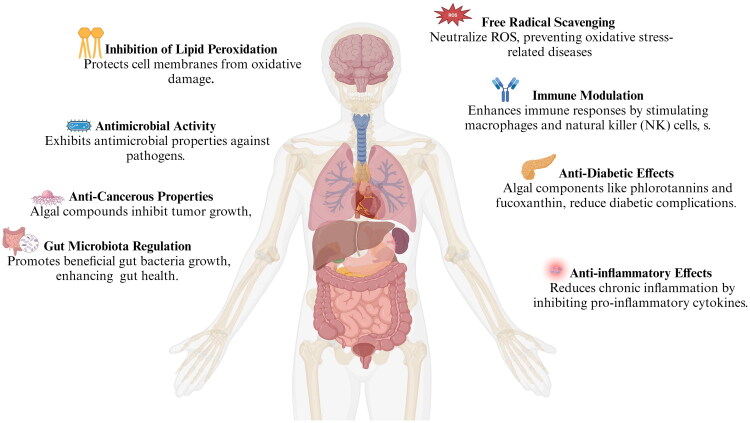
- The review reports multifunctional bioactivities of algal peptides, including inhibition of angiotensin-converting enzyme (ACE) and renin, antioxidant and anti-inflammatory effects, glucose-metabolism modulation via α-amylase, α-glucosidase, and DPP-IV inhibition, and regulation of lipid metabolism and adipogenesis.
- Frequently studied algal sources included Limnospira, Chlorella, Auxenochlorella, Nannochloropsis, Undaria, Palmaria, Ulva, and Neopyropia.
- Human intervention evidence in the paper suggests “modest but clinically relevant” improvements in blood pressure, glycemic control, lipid profiles, and body-weight-related outcomes, but the paper notes these studies were primarily on whole algal biomass or extracts rather than isolated peptides.
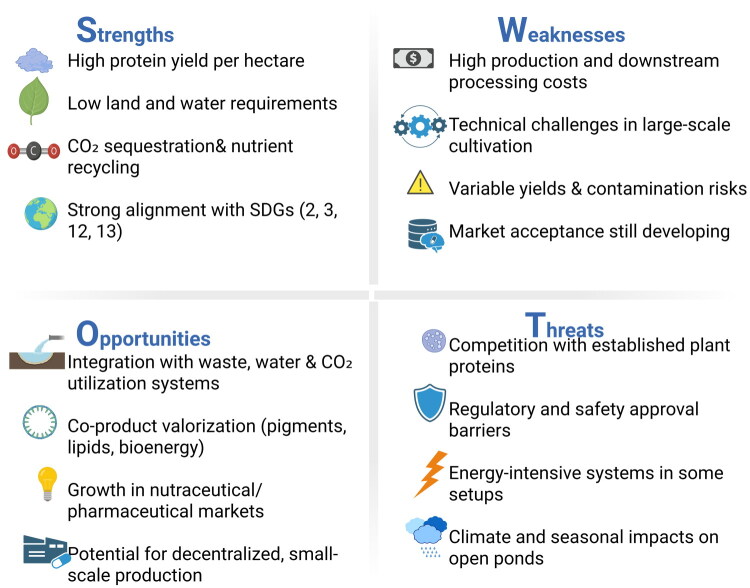
- Sustainability results cited in the review include favorable land-use efficiency and carbon sequestration potential; microalgal protein yields are reported as 4–15 t per hectare per year, and producing 1 kg of algal protein requires about 2.5 m² of land versus 47–64 m² for pork, 42–52 m² for chicken, and 144–258 m² for beef.
## Methods
- Narrative review design: the authors “aimed to evaluate the current evidence” on algal peptides, focusing on nutritional content, mechanisms, health effects, sustainability, and translational challenges.
- Literature search: a comprehensive search was conducted across PubMed, Scopus, ScienceDirect, Springer, Elsevier, and Google Scholar.
- Inclusion/analysis: peer-reviewed studies of peptides from microalgae, macroalgae, or Cyanophyceae were included, spanning in vitro, animal, and human intervention studies; the paper synthesizes mechanistic, preclinical, clinical, life-cycle, regulatory, and commercial evidence.
## Limitations
- The paper states that clinical translation is limited by variability in peptide characterization, uncertain bioavailability, and a lack of robust human trials.
- It also states that most current evidence is from laboratory and animal models, with limited human intervention data; the text makes evident that many human findings cited are for whole algal biomass or extracts rather than isolated peptides.
- The text makes evident that standardized protocols for hydrolysis, extraction, and peptide characterization are lacking, which hampers reproducibility and cross-study comparison.
- The paper also notes underexplored allergenicity/safety assessment and inconsistent regulatory frameworks; the text makes evident that these issues may limit commercialization and consumer trust.
Model-written summary. Check it against the paper before relying on it.
Integrity signals
Registry
Cites
Statistics
Figures
Verification
Claims the paper makes
80 Valid · 6 Not valid · 67 Not checked · 31 Own results and interpretations
Every source the paper cites for this claim was checked and supports it.
In the paper
“Furthermore, microalgae cultivation mounts less stress on arable land and freshwater resources, as they can be grown on non-arable land with a minimum quantity of freshwater or even cultivated in wastewater or seawater [6].”
§ Navigating the potential of algal peptides: health effects, market applications, and scientific challenges > Introduction
What the sources say
- Supportedcites [6] Fabris M, Abbriano RM, Pernice M, et al. Emerging technologies in algal biotechnology: toward the establishment of a sustainable, algae-based bioeconomy. Front Plant Sci. 2020; 11: 279. doi: 10.3389/fpls.2020.00279. 32256509 PMC7090149 source
The Introduction states that microalgae are more water-efficient than crop plants and can be cultivated on non-arable land with minimal freshwater, or grown in seawater or wastewater. The Algal Cultivation section likewise says their overall water requirement is lower than that of traditional plant-based crops. These passages support the claimed reduction in pressure on arable land and freshwater resources. (LLM, conf=0.94)
plainstates a cause- Asserted: passes — The authors put it forward as true.
- Checkable: passes — It can be checked against evidence.
- Load-bearing: unclear — It is unclear whether the paper’s conclusions depend on it.
- Based: passes — The paper gives a reason why it holds.
- Supported
The cited sources support only part of this claim — read each source’s verdict below.
In the paper
“In terms of land-use efficiency, algal proteins require substantially less land than both animal- and plant-derived protein sources.”
§ Navigating the potential of algal peptides: health effects, market applications, and scientific challenges > Introduction
What the sources say
- Partly supportedcites [8] Caporgno MP, Mathys A. Trends in microalgae incorporation into innovative food products with potential health benefits. Front Nutr. 2018; 5: 58. doi: 10.3389/fnut.2018.00058. 30109233 PMC6080594 sourceExperimental — accuracy not yet measured
The section “Microalgae as a source of proteins and other nutritional components” reports substantially lower land requirements than for pork, chicken and beef proteins. It also reports lower requirements than for *some* plant-based proteins, including soybean and pea protein meals; it does not establish the comparison for plant-derived proteins generally. (LLM, conf=0.86)
- Partly supportedcites [9] Kiran BR, Venkata Mohan S. Microalgal cell biofactory—therapeutic, nutraceutical and functional food applications. Plants. 2021; 10(5): 836. doi: 10.3390/plants10050836. 33919450 PMC8143517 sourceExperimental — accuracy not yet measured
Section 3.5 (Proteins; page not provided) says microalgal protein requires less land per kilogram than chicken, pork, and beef protein. It does not compare land use with plant-derived protein sources; its references to tofu and soybean concern amino-acid composition, not land use. (LLM, conf=0.88)
- Not checked — no full text of the sourcecites [10] Poore J, Nemecek T. Reducing food’s environmental impacts through producers and consumers. Science. 2018; 360(6392): 987– 992. doi: 10.1126/science.aaq0216. 29853680 source
plainstates a cause- Asserted: passes — The authors put it forward as true.
- Checkable: passes — It can be checked against evidence.
- Load-bearing: unclear — It is unclear whether the paper’s conclusions depend on it.
- Based: passes — The paper gives a reason why it holds.
- Partly supported
The cited sources support only part of this claim — read each source’s verdict below.
In the paper
“Moreover, controlling inflammation by reducing pro-inflammatory cytokines and blocking inflammatory pathways helps preserve vascular health and prevent hypertension [52].”
§ Navigating the potential of algal peptides: health effects, market applications, and scientific challenges > Health benefits of algal proteins > Impact on hypertension
What the sources say
- Partly supportedcites [52] Gallo G, Volpe M, Savoia C. Endothelial dysfunction in hypertension: current concepts and clinical implications. Front Med (Lausanne). 2021; 8: 798958. doi: 10.3389/fmed.2021.798958. 35127755 PMC8811286 sourceExperimental — accuracy not yet measured
The Conclusions (page unavailable) say that modulating vascular inflammation with RAS blockers and other antihypertensive drugs improves vascular function and remodeling. The therapeutic-intervention sections also describe reductions in inflammatory effects or markers, but do not establish that reducing pro-inflammatory cytokines and blocking inflammatory pathways prevents hypertension; their treatment discussion concerns vascular protection in hypertensive conditions. (LLM, conf=0.86)
plainstates a cause- Asserted: passes — The authors put it forward as true.
- Checkable: passes — It can be checked against evidence.
- Load-bearing: unclear — It is unclear whether the paper’s conclusions depend on it.
- Based: passes — The paper gives a reason why it holds.
- Partly supported
The cited sources support only part of this claim — read each source’s verdict below.
In the paper
“Other promising peptides have been identified from Gracilariopsis lemaneiformis, Mazzaella japonica (Rhodophyta), and Ulva intestinalis (Chlorophyta), each contributing to ACE inhibition and cardiovascular health [58–60].”
§ Navigating the potential of algal peptides: health effects, market applications, and scientific challenges > Health benefits of algal proteins > Impact on hypertension
What the sources say
- Partly supportedcites [58] Kumagai Y, Kitade Y, Kobayashi M, et al. Identification of ACE inhibitory peptides from red alga Mazzaella japonica. Eur Food Res Technol. 2020; 246(11): 2225– 2231. doi: 10.1007/s00217-020-03567-z. sourceExperimental — accuracy not yet measured
The Results (§6, page not available) report ACE-inhibitory activity in fractions of a Mazzaella japonica protein hydrolysate and identify peptides in those fractions. The Introduction links ACE inhibition to blood-pressure control, but the paper reports no human or animal studies, so a contribution to cardiovascular health is not established. This citation supports the Mazzaella japonica portion of the multi-source sentence, not claims about the other algae. (LLM, conf=0.86)
- Supportedcites [59] Deng Z, Liu Y, Wang J, et al. Antihypertensive effects of two novel angiotensin I-converting enzyme (ACE) inhibitory peptides from Gracilariopsis lemaneiformis (Rhodophyta) in spontaneously hypertensive rats (SHRs). Mar Drugs. 2018; 16(9): 299. doi: 10.3390/md16090299. 30150552 PMC6163600 source
The Conclusions report that two peptides from Gracilariopsis lemaneiformis inhibit ACE and reduced blood pressure in spontaneously hypertensive rats. This supports the portion of the multi-citation sentence concerning G. lemaneiformis; this source is not offered as evidence for the other two algae. (LLM, conf=0.94)
- Partly supportedcites [60] Sun S, Xu X, Sun X, et al. Preparation and identification of ACE inhibitory peptides from the marine macroalga Ulva intestinalis. Mar Drugs. 2019; 17(3): 179. doi: 10.3390/md17030179. 30893907 PMC6471128 sourceExperimental — accuracy not yet measured
For this paper, the relevant part of the multi-citation sentence concerns Ulva intestinalis. The Conclusions (page unavailable in our copy) report two peptides from that species with measured ACE-inhibitory activity, but say that antihypertensive experiments in mice are still needed. The paper therefore supports ACE inhibition and potential cardiovascular relevance, not an established cardiovascular-health benefit. (LLM, conf=0.86)
plainstates a cause- Asserted: passes — The authors put it forward as true.
- Checkable: passes — It can be checked against evidence.
- Load-bearing: passes — The paper’s conclusions depend on it.
- Based: passes — The paper gives a reason why it holds.
- Partly supported
Every source the paper cites for this claim was checked and supports it.
In the paper
“consumption of dried wakame powder significantly lowered systolic and diastolic blood pressure in older hypertensive adults [79]”
§ Navigating the potential of algal peptides: health effects, market applications, and scientific challenges > Health benefits of algal proteins > Impact on hypertension
What the sources say
- Supportedcites [79] Hata Y, Nakajima K, Uchida J-I, et al. Clinical effects of brown seaweed, Undaria pinnatifida (wakame), on blood pressure in hypertensive subjects. J Clin Biochem Nutr. 2001; 30: 43– 53. doi: 10.3164/jcbn.30.43. source
The Subjects and Methods section describes hypertensive patients with a mean age of 71 receiving dried wakame powder. The Abstract reports significant reductions in both systolic and diastolic blood pressure after four and eight weeks, with significant differences from the control group. (LLM, conf=0.94)
plainstates a cause- Asserted: passes — The authors put it forward as true.
- Checkable: passes — It can be checked against evidence.
- Load-bearing: passes — The paper’s conclusions depend on it.
- Based: passes — The paper gives a reason why it holds.
- Supported
67 more claims · 33 with their cited sources checked
Create a free account to see all 184 claims and to verify the 2 references still open.
- It may state two separate claims as one. 103
- Probably not a substantial claim. 23
- The quote only partly states this claim. 2
Citations
Cites
Chisti, Y. (2007) · Biotechnology Advances · doi:10.1016/j.biotechadv.2007.02.001 · Cited by 9,524 · cited 1×
“Co-products such as biofuels and residual biomass support SDG 7 (Affordable and Clean Energy), and the inherent CO 2 fixation of microalgae contributes to SDG 13 (Climate Action) by lowering net greenhouse gas emissions [188,189].”
Reducing food's environmental impacts through producers and consumers
Poore, J., & Nemecek, T. (2018) · Science · doi:10.1126/science.aaq0216 · Cited by 6,085 · cited 1×
“Algae also demonstrate superior land efficiency over several plant-based sources, with nuts requiring 7.9 m 2 , pulses 7.3 m 2 , grains 4.6 m 2 , and peas 3.4 m 2 of land per kg of protein [10].”
InfluentialCommercial Applications of Microalgae
Spolaore, P., Joannis-Cassan, C., Duran, E., & Isambert, A. (2006) · Journal of Bioscience and Bioengineering · doi:10.1263/jbb.101.87 · Cited by 4,285 · cited 1×
“Additionally, genetic engineering can be used to modify microalgal species, enhancing their diversity and competitiveness [19].”
Obesity and cardiovascular disease: a scientific statement from the American Heart Association
Powell-Wiley, T. M., Poirier, P., Burke, L. E., Després, J.-P., Gordon-Larsen, P., Lavie, C. J., Lear, S. A., Ndumele, C. E., Neeland, I. J., Sanders, P., et al. (2021) · Circulation · doi:10.1161/cir.0000000000000973 · Cited by 3,691 · cited 1×
“Additionally, algal peptides reduce inflammatory cytokines like Tnf-α and il-6, improving insulin sensitivity. collectively, these mechanisms support their potential in managing diabete. by elevated LDL-C and TGs levels, accelerates atherogenesis and plaque instability [113,114].”
Mills, K. T., Bundy, J. D., Kelly, T. N., Reed, J. E., Kearney, P. M., Reynolds, K., Chen, J., & He, J. (2016) · Circulation · doi:10.1161/circulationaha.115.018912 · Cited by 3,531
Inflammation in obesity, diabetes, and related disorders
Rohm, T. V., Meier, D. T., Olefsky, J. M., & Donath, M. Y. (2022) · Immunity · doi:10.1016/j.immuni.2021.12.013 · Cited by 2,066 · cited 2×
“Compounding these issues is chronic low-grade inflammation, characterized by elevated pro-inflammatory cytokines like TNF-α and IL-6, which further disrupt insulin signaling and lipid metabolism [38,140].”
Ambati, R., Phang, S.-M., Ravi, S., & Aswathanarayana, R. (2014) · Marine Drugs · doi:10.3390/md12010128 · Cited by 1,974
An outlook on microalgal biofuels
Wijffels, R. H., & Barbosa, M. J. (2010) · Science · doi:10.1126/science.1189003 · Cited by 1,886 · cited 1×
“Co-products such as biofuels and residual biomass support SDG 7 (Affordable and Clean Energy), and the inherent CO 2 fixation of microalgae contributes to SDG 13 (Climate Action) by lowering net greenhouse gas emissions [188,189].”
Diabetes, Hypertension, and Cardiovascular Disease: Clinical Insights and Vascular Mechanisms
Petrie, J. R., Guzik, T. J., & Touyz, R. M. (2018) · Canadian Journal of Cardiology · doi:10.1016/j.cjca.2017.12.005 · Cited by 1,787 · cited 1×
“These chronic conditions are closely interconnected through shared pathological mechanisms such as persistent low-grade inflammation, oxidative stress, and metabolic dysfunction [35].”
Chronic Kidney Disease: Effects on the Cardiovascular System
Schiffrin, E. L., Lipman, M. L., & Mann, J. F. E. (2007) · Circulation · doi:10.1161/circulationaha.106.678342 · Cited by 1,448 · cited 1×
“It plays a pivotal role in the onset and progression of cardiovascular diseases (CVD), and if not properly managed, can lead to serious complications such as heart attacks, strokes, and kidney failure [40–42].”
The Role of Inflammation in Diabetes: Current Concepts and Future Perspectives
Tsalamandris, S., Antonopoulos, A. S., Oikonomou, E., Papamikroulis, G.-A., Vogiatzi, G., Papaioannou, S., Deftereos, S., & Tousoulis, D. (2019) · European Cardiology Review · doi:10.15420/ecr.2018.33.1 · Cited by 1,381 · cited 1×
“Among these, inflammation plays a central role by contributing to insulin resistance, endothelial dysfunction, lipid accumulation, and vascular injury, thereby accelerating disease progression [36,37].”
Improved Docking of Polypeptides with Glide
Tubert-Brohman, I., Sherman, W., Repasky, M., & Beuming, T. (2013) · Journal of Chemical Information and Modeling · doi:10.1021/ci400128m · Cited by 1,308 · cited 1×
“They provide a three-dimensional model of peptide-ligand interactions, scoring the binding affinity and identifying the most thermodynamically favorable conformation [212,213].”
Chronic Adipose Tissue Inflammation Linking Obesity to Insulin Resistance and Type 2 Diabetes
Zatterale, F., Longo, M., Naderi, J., Raciti, G. A., Desiderio, A., Miele, C., & Beguinot, F. (2020) · Frontiers in Physiology · doi:10.3389/fphys.2019.01607 · Cited by 1,180 · cited 1×
“Compounding these issues is chronic low-grade inflammation, characterized by elevated pro-inflammatory cytokines like TNF-α and IL-6, which further disrupt insulin signaling and lipid metabolism [38,140].”
Oparil, S., Acelajado, M. C., Bakris, G. L., Berlowitz, D. R., Cífková, R., Dominiczak, A. F., Grassi, G., Jordan, J., Poulter, N. R., Rodgers, A., et al. (2018) · Nature Reviews Disease Primers · doi:10.1038/nrdp.2018.14 · Cited by 1,167 · cited 1×
“These diverse etiological components emphasize the necessity for integrated, evidence-based prevention and management strategies to mitigate its progression and associated health risks [43].”
Dietary protein quality evaluation in human nutrition. Report of an FAQ Expert Consultation.
(2013) · PubMed · Cited by 1,144
Algal Proteins: Extraction, Application, and Challenges Concerning Production
Bleakley, S., & Hayes, M. (2017) · Foods · doi:10.3390/foods6050033 · Cited by 1,092 · cited 3×
“Although it is estimated that between 200,000 and 800,000 microalgal species exist globally, only around 30,000 have been identified and studied to some extent, with just a small fraction evaluated for their health-related potential [3,111].”
BIOPEP-UWM Database of Bioactive Peptides: Current Opportunities
Minkiewicz, P., Iwaniak, A., & Darewicz, M. (2019) · International Journal of Molecular Sciences · doi:10.3390/ijms20235978 · Cited by 958 · cited 1×
“Libraries of bioactive peptide sequences obtained via proteolysis of food proteins are widely available in databases like BIOPEP-UWM and contain modules of in silico proteolysis, activity prediction, and structure-function analysis [209].”
Shah, M. M. R., Liang, Y., Cheng, J. J., & Daroch, M. (2016) · Frontiers in Plant Science · doi:10.3389/fpls.2016.00531 · Cited by 931
Microalgae: A potential alternative to health supplementation for humans
Koyande, A. K., Chew, K. W., Rambabu, K., Tao, Y., Chu, D.-T., & Show, P.-L. (2019) · Food Science and Human Wellness · doi:10.1016/j.fshw.2019.03.001 · Cited by 908 · cited 1×
“Unlike plant-based proteins, algal proteins are intracellular and protected by rigid cell walls composed of resistant polysaccharides, which makes them more difficult to access [196].”
The Endothelium and Its Role in Regulating Vascular Tone
Sandoo, A., Veldhuijzen van Zanten, J. J. C. S., Metsios, G. S., Carroll, D., & Kitas, G. D. (2010) · The Open Cardiovascular Medicine Journal · doi:10.2174/1874192401004010302 · Cited by 814 · cited 1×
“Maintaining healthy endothelial function is also critical, as it enhances the blood vessels’ ability to respond to vasodilators and regulate vascular tone effectively [51].”
Current Status of the Algae Production Industry in Europe: An Emerging Sector of the Blue Bioeconomy
Araújo, R., Vázquez Calderón, F., Sánchez López, J., Azevedo, I. C., Bruhn, A., Fluch, S., Garcia Tasende, M., Ghaderiardakani, F., Ilmjärv, T., Laurans, M., et al. (2021) · Frontiers in Marine Science · doi:10.3389/fmars.2020.626389 · Cited by 653
Trends in Microalgae Incorporation Into Innovative Food Products With Potential Health Benefits
Caporgno, M. P., & Mathys, A. (2018) · Frontiers in Nutrition · doi:10.3389/fnut.2018.00058 · Cited by 639 · cited 1×
“For instance, producing 1 kg of algal protein requires only about 2.5 m 2 of land, whereas pork, chicken, and beef require approximately 47–64 m 2 , 42–52 m 2 , and 144–258 m 2 of land, respectively [8,9].”
InfluentialChowdhury, R., Ramond, A., O’Keeffe, L. M., Shahzad, S., Kunutsor, S. K., Muka, T., Gregson, J., Willeit, P., Warnakula, S., Khan, H., et al. (2018) · BMJ · doi:10.1136/bmj.k3310 · Cited by 638 · cited 1×
“Toxic metals such as As, Cd, Pb, and Hg are associated with cancer, cognitive impairment, cardiovascular diseases, and other chronic health conditions [228,229].”
What causes the insulin resistance underlying obesity?
Hardy, O. T., Czech, M. P., & Corvera, S. (2012) · Current Opinion in Endocrinology, Diabetes & Obesity · doi:10.1097/med.0b013e3283514e13 · Cited by 563 · cited 1×
“Additionally, insulin resistance impairs the body’s ability to utilize glucose effectively, promoting fat accumulation [138,139].”
Commercial application of microalgae other than as biofuels: a brief review
Milledge, J. J. (2011) · Reviews in Environmental Science and Bio/Technology · doi:10.1007/s11157-010-9214-7 · Cited by 519 · cited 1×
“Microalgae are currently utilized across various industries, including human nutrition, animal feed, fertilizers, and as ingredients in cosmetic and pharmaceutical products [17,18].”
Inflammation and cardiovascular disease: From mechanisms to therapeutics
Alfaddagh, A., Martin, S. S., Leucker, T. M., Michos, E. D., Blaha, M. J., Lowenstein, C. J., Jones, S. R., & Toth, P. P. (2020) · American Journal of Preventive Cardiology · doi:10.1016/j.ajpc.2020.100130 · Cited by 473 · cited 1×
“Among these, inflammation plays a central role by contributing to insulin resistance, endothelial dysfunction, lipid accumulation, and vascular injury, thereby accelerating disease progression [36,37].”
An overview: biomolecules from microalgae for animal feed and aquaculture
Yaakob, Z., Ali, E., Zainal, A., Mohamad, M., & Takriff, M. S. (2014) · Journal of Biological Research-Thessaloniki · doi:10.1186/2241-5793-21-6 · Cited by 459 · cited 1×
“Microalgae are currently utilized across various industries, including human nutrition, animal feed, fertilizers, and as ingredients in cosmetic and pharmaceutical products [17,18].”
Endothelial Dysfunction in Hypertension: Current Concepts and Clinical Implications
Gallo, G., Volpe, M., & Savoia, C. (2022) · Frontiers in Medicine · doi:10.3389/fmed.2021.798958 · Cited by 446 · cited 1×
“Moreover, controlling inflammation by reducing pro-inflammatory cytokines and blocking inflammatory pathways helps preserve vascular health and prevent hypertension [52].”
Risks and benefits of consuming edible seaweeds
Cherry, P., O’Hara, C., Magee, P. J., McSorley, E. M., & Allsopp, P. J. (2019) · Nutrition Reviews · doi:10.1093/nutrit/nuy066 · Cited by 440 · cited 1×
“Mitigation strategies increasingly emphasize improved coastal monitoring, avoidance of harvesting from contaminated waters, and the adoption of post-harvest treatments such as boiling and soaking, which can reduce certain metal concentrations [237].”
Regulation of acetyl-CoA carboxylase
Brownsey, R. W., Boone, A. N., Elliott, J. E., Kulpa, J. E., & Lee, W. M. (2006) · Biochemical Society Transactions · doi:10.1042/bst0340223 · Cited by 428
Microalgae, old sustainable food and fashion nutraceuticals
García, J. L., de Vicente, M., & Galán, B. (2017) · Microbial Biotechnology · doi:10.1111/1751-7915.12800 · Cited by 422 · cited 5×
“Moreover, the filamentous cyanobacterium Nostoc flagelliforme has been a staple in the Chinese diet for over 2,000 years [1,2].”
InfluentialKim, C.-W., Addy, C., Kusunoki, J., Anderson, N. N., Deja, S., Fu, X., Burgess, S. C., Li, C., Ruddy, M., Chakravarthy, M., et al. (2017) · Cell Metabolism · doi:10.1016/j.cmet.2017.07.009 · Cited by 419
Carreira-Casais, A., Otero, P., Garcia-Perez, P., Garcia-Oliveira, P., Pereira, A. G., Carpena, M., Soria-Lopez, A., Simal-Gandara, J., & Prieto, M. A. (2021) · International Journal of Environmental Research and Public Health · doi:10.3390/ijerph18179153 · Cited by 395
Microalgae as Healthy Ingredients for Functional Food: A Review
Matos, J., Cardoso, C., Bandarra, N. M., & Afonso, C. (2017) · Food & Function · doi:10.1039/c7fo00409e · Cited by 393
Fabris, M., Abbriano, R. M., Pernice, M., Sutherland, D. L., Commault, A. S., Hall, C. C., Labeeuw, L., McCauley, J. I., Kuzhiuparambil, U., Ray, P., et al. (2020) · Frontiers in Plant Science · doi:10.3389/fpls.2020.00279 · Cited by 382 · cited 2×
“Algal proteins and peptides are commonly marketed as powders, capsules, or tablets and are valued for their broad spectrum of health benefits, including supporting cardiovascular health, boosting the immune system, reducing inflammation, and providing potent antioxidant protection [6].”
Roohinejad, S., Koubaa, M., Barba, F. J., Saljoughian, S., Amid, M., & Greiner, R. (2017) · Food Research International · doi:10.1016/j.foodres.2016.08.016 · Cited by 360 · cited 1×
“These processes are resource-intensive and demand considerable time, specialized equipment, and energy input [197].”
Kusmayadi, A., Leong, Y. K., Yen, H.-W., Huang, C.-Y., & Chang, J.-S. (2021) · Chemosphere · doi:10.1016/j.chemosphere.2021.129800 · Cited by 332 · cited 1×
“From a sustainability perspective, microalgae offer several advantages over land-based food systems [5].”
Microalgae as Sources of High-Quality Protein for Human Food and Protein Supplements
Wang, Y., Tibbetts, S., & McGinn, P. (2021) · Foods · doi:10.3390/foods10123002 · Cited by 332 · cited 2×
“The most common methods include the Amino Acid Score and the Protein Digestibility-Corrected Amino Acid Score (PDCAAS), both recommended by the FAO and WHO [26].”
Ranjha, M. M. A. N., Kanwal, R., Shafique, B., Arshad, R. N., Irfan, S., Kieliszek, M., Kowalczewski, P. Ł., Irfan, M., Khalid, M. Z., Roobab, U., et al. (2021) · Molecules · doi:10.3390/molecules26164893 · Cited by 316 · cited 1×
“While innovative methods such as bead milling, pulsed electric fields, and ultrasonication have shown some success in improving extraction efficiency, they remain economically challenging to implement at an industrial scale [198–200].”
Current Evidence on the Bioavailability of Food Bioactive Peptides
Amigo, L., & Hernández-Ledesma, B. (2020) · Molecules · doi:10.3390/molecules25194479 · Cited by 311 · cited 2×
“Most of the current evidence is derived from in vitro assays or animal models, which, although informative, do not necessarily translate to human outcomes [202].”
Microalgae: a promising tool for carbon sequestration
Singh, U. B., & Ahluwalia, A. S. (2013) · Mitigation and Adaptation Strategies for Global Change · doi:10.1007/s11027-012-9393-3 · Cited by 304 · cited 1×
“They are among the most efficient photosynthetic organisms, with reported photosynthetic efficiencies of approximately 10–20%, exceeding those of most terrestrial plants under optimized conditions [4].”
Admassu, H., Gasmalla, M. A. A., Yang, R., & Zhao, W. (2018) · Journal of Food Science · doi:10.1111/1750-3841.14011 · Cited by 293 · cited 2×
“Two novel peptides, Gly-Gly-Ser-Lys and Glu-Leu-Ser, derived from enzymatic hydrolysates of red seaweed laver ( Porphyra/Pyropia/Neopyropia sp.), showed strong α-amylase inhibition with IC 50 values of 2.58 ± 0.08 mM and 2.62 ± 0.05 mM, respectively [68].”
InfluentialExtraction and fractionation of microalgae-based protein products
Soto-Sierra, L., Stoykova, P., & Nikolov, Z. L. (2018) · Algal Research · doi:10.1016/j.algal.2018.10.023 · Cited by 286 · cited 1×
“During digestion, peptides may break down or be absorbed in altered forms, thereby reducing their bioactivity and therapeutic potential [203,204].”
AMP ‐activated protein kinase: a key regulator of energy balance with many roles in human disease
Grahame Hardie, D. (2014) · Journal of Internal Medicine · doi:10.1111/joim.12268 · Cited by 285 · cited 1×
“One of the most important regulators of energy balance in the body is an enzyme known as AMP-activated protein kinase (AMPK) [154].”
The contribution of genetics and environment to obesity
Albuquerque, D., Nóbrega, C., Manco, L., & Padez, C. (2017) · British Medical Bulletin · doi:10.1093/bmb/ldx022 · Cited by 280 · cited 1×
“This imbalance is often exacerbated by poor dietary habits, sedentary lifestyles, and disruptions in metabolic signaling [136].”
Sheih, I.-C., Fang, T. J., & Wu, T.-K. (2009) · Food Chemistry · doi:10.1016/j.foodchem.2008.12.019 · Cited by 280 · cited 3×
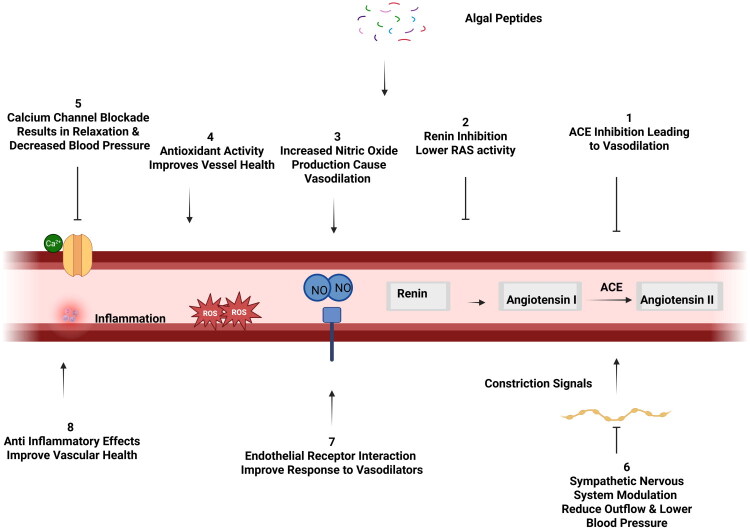
“Blood pressure regulation primarily involves the renin-angiotensin system (RAS), where the enzymes renin and angiotensin-converting enzyme ACE play central roles [44].”
Role of Microalgae in Achieving Sustainable Development Goals and Circular Economy
Olabi, A. G., Shehata, N., Sayed, E. T., Rodriguez, C., Anyanwu, R. C., Russell, C., & Abdelkareem, M. A. (2023) · Science of The Total Environment · doi:10.1016/j.scitotenv.2022.158689 · Cited by 273 · cited 2×
“The growing interest in microalgal products reflects their vast potential in sustainable energy, human health, and functional food innovation [11].”
Rimmer, M. A., Larson, S., Lapong, I., Purnomo, A. H., Pong-Masak, P. R., Swanepoel, L., & Paul, N. A. (2021) · Sustainability · doi:10.3390/su131910946 · Cited by 270
Kazir, M., Abuhassira, Y., Robin, A., Nahor, O., Luo, J., Israel, A., Golberg, A., & Livney, Y. D. (2019) · Food Hydrocolloids · doi:10.1016/j.foodhyd.2018.07.047 · Cited by 269 · cited 1×
“Similarly, peptides isolated from Ulva species demonstrated strong antioxidant activity, with FRAP and ORAC values reaching 20 µmol Trolox equivalents per gram of protein [125].”
Mitochondrial uncoupling proteins and energy metabolism
Busiello, R. A., Savarese, S., & Lombardi, A. (2015) · Frontiers in Physiology · doi:10.3389/fphys.2015.00036 · Cited by 259 · cited 1×
“A critical player in this process is a mitochondrial protein called Uncoupling Protein 1 (UCP-1) [147].”
Suetsuna, K., Maekawa, K., & Chen, J.-R. (2004) · The Journal of Nutritional Biochemistry · doi:10.1016/j.jnutbio.2003.11.004 · Cited by 249 · cited 1×
“Among seaweed-derived peptides, species such as Undaria pinnatifida (Phaeophyceae), Neopyropia yezoensis (formerly Porphyra yezoensis ) (Rhodophyta), Ulva rigida , and Ulva clathrata (formerly Enteromorpha clathrata ) have shown ACE inhibitory activity [53–57].”
Environmental impacts of beef production: Review of challenges and perspectives for durability
Gerber, P. J., Mottet, A., Opio, C. I., Falcucci, A., & Teillard, F. (2015) · Meat Science · doi:10.1016/j.meatsci.2015.05.013 · Cited by 248 · cited 1×
“Animal proteins generally score highest due to their balanced amino acid profile, with casein ranging from 1.03 to 1.32 [27,28].”
InfluentialGenerally recognized as safe (GRAS): history and description
Burdock, G. A., & Carabin, I. G. (2004) · Toxicology Letters · doi:10.1016/j.toxlet.2003.07.004 · Cited by 235 · cited 1×
“In the United States, the Food and Drug Administration (FDA) assigns Generally Recognized as Safe (GRAS) status to substances whose safety for human consumption has been established through a history of use or sound scientific evidence [2,239].”
Algae as Food in Europe: An Overview of Species Diversity and Their Application
Mendes, M., Navalho, S., Ferreira, A., Paulino, C., Figueiredo, D., Silva, D., Gao, F., Gama, F., Bombo, G., Jacinto, R., et al. (2022) · Foods · doi:10.3390/foods11131871 · Cited by 234 · cited 2×
“Depending on the intended application, algae may be classified across multiple sectors, such as conventional foods, dietary supplements, food additives, animal feed products, nutraceuticals, cosmetics, packaging materials, fertilizers, biostimulants, and biofuels [238].”
Valensi, P., Lorgis, L., & Cottin, Y. (2011) · Archives of Cardiovascular Diseases · doi:10.1016/j.acvd.2010.11.013 · Cited by 232 · cited 1×
“It plays a pivotal role in the onset and progression of cardiovascular diseases (CVD), and if not properly managed, can lead to serious complications such as heart attacks, strokes, and kidney failure [40–42].”
Food Safety Hazards in the European Seaweed Chain
Banach, J. L., Hoek‐van den Hil, E. F., & van der Fels‐Klerx, H. J. (2020) · Comprehensive Reviews in Food Science and Food Safety · doi:10.1111/1541-4337.12523 · Cited by 210 · cited 1×
“Although iodine is essential for thyroid hormone synthesis and beneficial in preventing deficiencies, excessive intake has been linked to thyroid dysfunction, autoimmune thyroiditis, and increased risk of thyroid cancers such as papillary carcinoma [231,232].”
AMP-activated protein kinase: balancing the scales
Carling, D. (2005) · Biochimie · doi:10.1016/j.biochi.2004.10.017 · Cited by 202 · cited 1×
“When activated, AMPK works as an energy sensor, switching the body into a mode that conserves energy and promotes fat usage rather than storage [155].”
Heavy metal contamination in the seaweeds of the Venice lagoon
Caliceti, M., Argese, E., Sfriso, A., & Pavoni, B. (2002) · Chemosphere · doi:10.1016/s0045-6535(01)00292-2 · Cited by 191 · cited 1×
“These contaminants derive primarily from anthropogenic sources, including mining effluents, industrial discharges, and urban pollution, and quickly integrate into algae tissues before entering the broader food chain [221,222].”
Oxidative Stress, Antioxidants and Hypertension
Amponsah-Offeh, M., Diaba‐Nuhoho, P., Speier, S., & Morawietz, H. (2023) · Antioxidants · doi:10.3390/antiox12020281 · Cited by 191 · cited 1×
“Additional mechanisms involved in blood pressure regulation include the sympathetic nervous system, which controls heart rate and blood vessel tone, and antioxidant defenses that protect blood vessels from oxidative stress [49,50].”
Pereira, L. (2016) · doi:10.1201/b19970 · Cited by 189 · cited 1×
“However, only about 30 species are formally authorized as novel foods [249].”
Biochemical composition of red, green and brown seaweeds on the Swedish west coast
Olsson, J., Toth, G. B., & Albers, E. (2020) · Journal of Applied Phycology · doi:10.1007/s10811-020-02145-w · Cited by 188 · cited 1×
“…species growing in polluted waters, especially those near industrial zones, mining areas, poorly managed sewage systems, or regions exposed to natural geological activity, can accumulate significant concentrations of toxic metals such as arsenic, cadmium, lead, mercury, and aluminum [219,220].”
Hypes, hopes, and the way forward for microalgal biotechnology
Barbosa, M. J., Janssen, M., Südfeld, C., D’Adamo, S., & Wijffels, R. H. (2023) · Trends in Biotechnology · doi:10.1016/j.tibtech.2022.12.017 · Cited by 181 · cited 1×
“In the 1970s, single-cell protein (SCP) derived from microalgal biomass emerged as a significant product in the market, primarily for use in food and nutritional supplements [15].”
Vázquez-Romero, B., Perales, J. A., Pereira, H., Barbosa, M., & Ruiz, J. (2022) · Science of The Total Environment · doi:10.1016/j.scitotenv.2022.155742 · Cited by 180 · cited 1×
“Production becomes more feasible when peptides are generated as part of a multi-product biorefinery that also recovers pigments, oils, or other high-value components [184,185].”
Determination of the protein quality of cooked Canadian pulses
Nosworthy, M. G., Neufeld, J., Frohlich, P., Young, G., Malcolmson, L., & House, J. D. (2017) · Food Science & Nutrition · doi:10.1002/fsn3.473 · Cited by 178
Fitzgerald, C., Mora-Soler, L., Gallagher, E., O’Connor, P., Prieto, J., Soler-Vila, A., & Hayes, M. (2012) · Journal of Agricultural and Food Chemistry · doi:10.1021/jf301361c · Cited by 177
Industrial and Biotechnological Applications of Algae: A Review
Poonam, S., & Nivedita, S. (2017) · Journal of Advances in Plant Biology · doi:10.14302/issn.2638-4469.japb-17-1534 · Cited by 168
Seaweeds as a Source of Functional Proteins
Thiviya, P., Gamage, A., Gama-Arachchige, N. S., Merah, O., & Madhujith, T. (2022) · Phycology · doi:10.3390/phycology2020012 · Cited by 167 · cited 1×
“Leucine is the predominant essential amino acid in many seaweeds [23], while glutamic acid contributes to their umami taste [24].”
EFSA Panel on Nutrition, N. F. A. F. A. (., Turck, D., Bohn, T., Castenmiller, J. J. M., Henauw, S. D., Hirsch‐Ernst, K. I., Maciuk, A., Mangelsdorf, I., McArdle, H. J., Naska, A., et al. (2024) · EFSA Journal · doi:10.2903/j.efsa.2024.8961 · Cited by 167
Sympathetic Nervous System Contributions to Hypertension: Updates and Therapeutic Relevance
DeLalio, L. J., Sved, A. F., & Stocker, S. D. (2020) · Canadian Journal of Cardiology · doi:10.1016/j.cjca.2020.03.003 · Cited by 164 · cited 1×
“Additional mechanisms involved in blood pressure regulation include the sympathetic nervous system, which controls heart rate and blood vessel tone, and antioxidant defenses that protect blood vessels from oxidative stress [49,50].”
Irisin as a muscle-derived hormone stimulating thermogenesis – A critical update
Hofmann, T., Elbelt, U., & Stengel, A. (2014) · Peptides · doi:10.1016/j.peptides.2014.01.016 · Cited by 162 · cited 1×
“Several algal peptides have been shown to activate peroxisome proliferator-activated receptor gamma (PPAR-γ), a transcription factor central to adipocyte differentiation and lipid metabolism [144].”
Harnedy, P. A., O’Keeffe, M. B., & Fitzgerald, R. J. (2017) · Food Research International · doi:10.1016/j.foodres.2017.07.037 · Cited by 162 · cited 1×
“In red seaweed Palmaria palmata , peptide sequences obtained from pepsin and corolase hydrolysates exhibited significant antioxidant activity, with the SDITRPGGQM peptide showing the highest ferric-reducing antioxidant power (FRAP) and oxygen radical absorbance capacity (ORAC) [81].”
Chen, Q., Pan, X.-D., Huang, B.-F., & Han, J.-L. (2018) · Scientific Reports · doi:10.1038/s41598-018-21732-z · Cited by 160 · cited 1×
“These contaminants derive primarily from anthropogenic sources, including mining effluents, industrial discharges, and urban pollution, and quickly integrate into algae tissues before entering the broader food chain [221,222].”
Bouga, M., & Combet, E. (2015) · Foods · doi:10.3390/foods4020240 · Cited by 156 · cited 1×
“In addition to heavy metal contamination, iodine accumulation remains a critical concern, particularly in seaweeds [230].”
Grover, P., Bhatnagar, A., Kumari, N., Narayan Bhatt, A., Kumar Nishad, D., & Purkayastha, J. (2021) · Saudi Journal of Biological Sciences · doi:10.1016/j.sjbs.2020.12.037 · Cited by 156 · cited 1×
“Phycocyanin, a pigment-protein complex from Limnospira , has demonstrated antioxidant properties that reduce oxidative stress and improve endothelial function, thereby enhancing the antihypertensive effects of co-occurring peptides [70].”
Safi, C., Frances, C., Ursu, A. V., Laroche, C., Pouzet, C., Vaca-Garcia, C., & Pontalier, P.-Y. (2015) · Algal Research · doi:10.1016/j.algal.2015.01.002 · Cited by 151 · cited 1×
“While innovative methods such as bead milling, pulsed electric fields, and ultrasonication have shown some success in improving extraction efficiency, they remain economically challenging to implement at an industrial scale [198–200].”
Identification of anti-diabetes peptides from Spirulina platensis
Hu, S., Fan, X., Qi, P., & Zhang, X. (2019) · Journal of Functional Foods · doi:10.1016/j.jff.2019.03.024 · Cited by 150 · cited 2×
“Similarly, Limnospira platensis peptide LRSELAAWSR exhibited potent DPP-IV inhibition (IC 50 = 167.3 μg/mL) [94].”
InfluentialApplication of algae for heavy metal adsorption: A 20-year meta-analysis
Lin, Z., Li, J., Luan, Y., & Dai, W. (2020) · Ecotoxicology and Environmental Safety · doi:10.1016/j.ecoenv.2019.110089 · Cited by 145 · cited 1×
“Environmental factors such as salinity, pH, sunlight exposure, nutrient availability, water currents, and seasonal changes further contribute to large geographic disparities in contamination levels [224,225].”
Du, Z., & Qin, Y. (2023) · Journal of Clinical Medicine · doi:10.3390/jcm12010363 · Cited by 140 · cited 1×
“Additionally, algal peptides reduce inflammatory cytokines like Tnf-α and il-6, improving insulin sensitivity. collectively, these mechanisms support their potential in managing diabete. by elevated LDL-C and TGs levels, accelerates atherogenesis and plaque instability [113,114].”
Sun, S., Xu, X., Sun, X., Zhang, X., Chen, X., & Xu, N. (2019) · Marine Drugs · doi:10.3390/md17030179 · Cited by 140
Consumer Knowledge and Attitudes towards Microalgae as Food: The Case of Spain
Lafarga, T., Rodríguez-Bermúdez, R., Morillas-España, A., Villaró, S., García-Vaquero, M., Morán, L., Sánchez-Zurano, A., González-López, C. V., & Acién-Fernández, F. G. (2021) · Algal Research · doi:10.1016/j.algal.2020.102174 · Cited by 133 · cited 1×
“Protein hydrolysates and algal peptides often have strong flavors, marine-like odors, or unfamiliar colors, which can negatively affect consumer perception, especially in regions where algae are not traditionally consumed [201,206].”
Montone, C. M., Capriotti, A. L., Cavaliere, C., Barbera, G. L., Piovesana, S., Chiozzi, R. Z., & Laganà, A. (2018) · Analytical and Bioanalytical Chemistry · doi:10.1007/s00216-018-0925-x · Cited by 132
Brown alga Ecklonia cava attenuates type 1 diabetes by activating AMPK and Akt signaling pathways
Kang, C., Jin, Y. B., Lee, H., Cha, M., Sohn, E.-T., Moon, J., Park, C., Chun, S., Jung, E.-S., Hong, J.-S., et al. (2010) · Food and Chemical Toxicology · doi:10.1016/j.fct.2009.11.004 · Cited by 129 · cited 1×
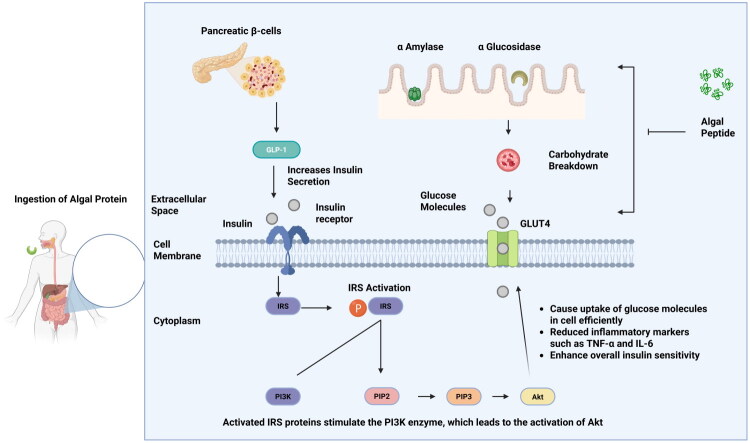
“Ecklonia cava (Phaeophyceae) also exhibited insulin via activation of AMP-activated protein kinase (AMPK)/ACC and PI3K/Akt signaling pathways [99], reinforcing its therapeutic potential.”
Su, M., Bastiaens, L., Verspreet, J., & Hayes, M. (2023) · Foods · doi:10.3390/foods12203878 · Cited by 129 · cited 2×
“Although EU Regulation (EC) No. 1333/2008 lists multiple algal-derived food additives (E401–E407a) [236], only France has established explicit seaweed-specific limits for metals and iodine.”
Zeinalian, R., Farhangi, M. A., Shariat, A., & Saghafi-Asl, M. (2017) · BMC Complementary and Alternative Medicine · doi:10.1186/s12906-017-1670-y · Cited by 127 · cited 1×
“…involving Spirulina/Limnospira supplementation have reported modest but consistent improvements in appetite regulation, reductions in triglyceride levels, and small decreases in body weight and BMI over intervention periods ranging from 8 to 12 weeks, particularly at doses around 2 g/day [159–161].”
Wu, J. Y., Tso, R., Teo, H. S., & Haldar, S. (2023) · Frontiers in Nutrition · doi:10.3389/fnut.2023.1277343 · Cited by 126 · cited 8×
“Algae also contain branched-chain amino acids (valine, leucine, and isoleucine) in amounts similar to those found in soy and eggs, making them a valuable protein source for muscle health [1].”
InfluentialAngiotensin converting enzyme (ACE)
Khurana, V., & Goswami, B. (2022) · Clinica Chimica Acta · doi:10.1016/j.cca.2021.10.029 · Cited by 125 · cited 1×
“Additionally, ACE degrades bradykinin, a peptide that promotes vessel relaxation, further contributing to hypertension [46].”
Bioactivities of the edible brown seaweed, Undaria pinnatifida: A review
Wang, L., Park, Y.-J., Jeon, Y.-J., & Ryu, B. (2018) · Aquaculture · doi:10.1016/j.aquaculture.2018.06.079 · Cited by 124 · cited 1×
“The bio-active ingredients obtained help in reducing blood glucose levels and help in diabetes management [106].”
Microalgal Cell Biofactory—Therapeutic, Nutraceutical and Functional Food Applications
Kiran, B. R., & Venkata Mohan, S. (2021) · Plants · doi:10.3390/plants10050836 · Cited by 124 · cited 1×
“For instance, producing 1 kg of algal protein requires only about 2.5 m 2 of land, whereas pork, chicken, and beef require approximately 47–64 m 2 , 42–52 m 2 , and 144–258 m 2 of land, respectively [8,9].”
InfluentialShimada, M., Hasegawa, T., Nishimura, C., Kan, H., Kanno, T., Nakamura, T., & Matsubayashi, T. (2009) · Clinical and Experimental Hypertension · doi:10.1080/10641960902977908 · Cited by 124 · cited 1×
“Similarly, long-term supplementation with Chlorella (approximately 1.5 g/day for up to six months) has been shown to reduce blood pressure in hypertensive and borderline hypertensive adults, with enhanced effects reported for GABA-enriched formulations [77,78].”
InfluentialOverview on the Antihypertensive and Anti-Obesity Effects of Secondary Metabolites from Seaweeds
Seca, A. M. L., & Pinto, D. C. G. A. (2018) · Marine Drugs · doi:10.3390/md16070237 · Cited by 123 · cited 2×
“…amino acid fragments from red and green seaweeds have been reported to block key inflammatory mediators, including COX-2 and inducible nitric oxide synthase, in endothelial and smooth muscle cells, thus reducing vascular adhesion molecule expression and monocyte recruitment to nascent plaques [54].”
Kratzer, R., & Murkovic, M. (2021) · Foods · doi:10.3390/foods10071626 · Cited by 123 · cited 1×
“Table 6 presents a comprehensive overview of commercially available nutraceuticals derived from various algal species, emphasizing the role of algal proteins [169,175–178].”
Heavy metals and potential risks in edible seaweed on the market in Italy
Filippini, M., Baldisserotto, A., Menotta, S., Fedrizzi, G., Rubini, S., Gigliotti, D., Valpiani, G., Buzzi, R., Manfredini, S., & Vertuani, S. (2021) · Chemosphere · doi:10.1016/j.chemosphere.2020.127983 · Cited by 122 · cited 1×
“…for their nutritional value, providing essential trace elements, minerals, vitamins, antioxidants, and bioactive compounds, their ability to bioaccumulate contaminants from the surrounding environment makes them susceptible to heavy metal uptake, posing potential risks to human health [218].”
Ma, Z., Lin, L., Wu, M., Yu, H., Shang, T., Zhang, T., & Zhao, M. (2018) · Aquaculture · doi:10.1016/j.aquaculture.2018.07.040 · Cited by 120 · cited 1×
“…species growing in polluted waters, especially those near industrial zones, mining areas, poorly managed sewage systems, or regions exposed to natural geological activity, can accumulate significant concentrations of toxic metals such as arsenic, cadmium, lead, mercury, and aluminum [219,220].”
Metabolic effects of low glycaemic index diets
Radulian, G., Rusu, E., Dragomir, A., & Posea, M. (2009) · Nutrition Journal · doi:10.1186/1475-2891-8-5 · Cited by 119 · cited 1×
“For example, consuming meals with a low glycemic index (GI), which helps to slow down digestion and absorption and improve glycemic control [88].”
Energy from Microalgae: A Short History
Borowitzka, M. A. (2012) · Springer eBooks · doi:10.1007/978-94-007-5479-9_1 · Cited by 119 · cited 1×
“Microalgae emerged billions of years ago and have been a fundamental food source for fish and other aquatic animals [13].”
Xie, J., Chen, X., Wu, J., Zhang, Y., Zhou, Y., Zhang, L., Tang, Y.-J., & Wei, D. (2018) · Journal of Agricultural and Food Chemistry · doi:10.1021/acs.jafc.7b04294 · Cited by 118 · cited 2×
“Although it is estimated that between 200,000 and 800,000 microalgal species exist globally, only around 30,000 have been identified and studied to some extent, with just a small fraction evaluated for their health-related potential [3,111].”
Samarakoon, K. W., O-Nam, K., Ko, J.-Y., Lee, J.-H., Kang, M.-C., Kim, D., Lee, J. B., Lee, J.-S., & Jeon, Y.-J. (2013) · Journal of Applied Phycology · doi:10.1007/s10811-013-9994-6 · Cited by 116
Seaweed as an alternative protein source: Prospective protein extraction technologies
Celente, G. D. S., Sui, Y., & Acharya, P. (2023) · Innovative Food Science & Emerging Technologies · doi:10.1016/j.ifset.2023.103374 · Cited by 114
Brown adipose tissue as a heat-producing thermoeffector
Nedergaard, J., & Cannon, B. (2018) · Handbook of clinical neurology · doi:10.1016/b978-0-444-63912-7.00009-6 · Cited by 113 · cited 1×
“Our bodies contain different types of fat cells: white fat, which stores energy, and brown or beige fat, which burns energy to produce heat [142,143].”
Subramaniyan, V., & Hanim, Y. U. (2025) · International Journal of Obesity · doi:10.1038/s41366-025-01729-1 · Cited by 112 · cited 1×
“When this enzyme is less active, less fat is digested and absorbed, and more is excreted from the body [158].”
Bioactivity of Marine-Derived Peptides and Proteins: A Review
Shahidi, F., & Saeid, A. (2025) · Marine Drugs · doi:10.3390/md23040157 · Cited by 112 · cited 1×
“Similar vasodilatory and antioxidant effects have been attributed to peptides from Chlorella vulgaris and Palmaria palmata (Rhodophyta), contributing to vascular homeostasis through both NO modulation and reactive oxygen species (ROS) scavenging [69].”
Grasa-López, A., Miliar-García, Á., Quevedo-Corona, L., Paniagua-Castro, N., Escalona-Cardoso, G., Reyes-Maldonado, E., & Jaramillo-Flores, M.-E. (2016) · Marine Drugs · doi:10.3390/md14080148 · Cited by 111 · cited 5×
“This enzyme initiates the conversion of carbohydrates and other substrates into fatty acids, which are then stored as fat [146].”
InfluentialAlgae as a potential source of protein meat alternatives
Espinosa-Ramírez, J., Mondragón-Portocarrero, A. C., Rodríguez, J. A., Lorenzo, J. M., & Santos, E. M. (2023) · Frontiers in Nutrition · doi:10.3389/fnut.2023.1254300 · Cited by 111 · cited 1×
“…to the generally lower protein content of macroalgae, the structural complexity of their polysaccharide-rich cell walls that limits protein extraction efficiency, and pronounced species-and season-dependent variability, which together complicate peptide isolation and standardization [193–195].”
Pan, S., Wang, S., Jing, L., & Yao, D. (2016) · Food Chemistry · doi:10.1016/j.foodchem.2016.05.087 · Cited by 110 · cited 1×
“Among seaweed-derived peptides, species such as Undaria pinnatifida (Phaeophyceae), Neopyropia yezoensis (formerly Porphyra yezoensis ) (Rhodophyta), Ulva rigida , and Ulva clathrata (formerly Enteromorpha clathrata ) have shown ACE inhibitory activity [53–57].”
Leong, Y. K., & Chang, J.-S. (2024) · Trends in Food Science & Technology · doi:10.1016/j.tifs.2024.104352 · Cited by 109 · cited 2×
“Macroalgae have traditionally been consumed in many coastal and Asian populations and can be cultivated at relatively low cost using open-water farming systems that do not require arable land, freshwater, or energy-intensive infrastructure [176,192].”
Algae as a Source of Natural Flavors in Innovative Foods
Francezon, N., Tremblay, A., Mouget, J.-L., Pasetto, P., & Beaulieu, L. (2021) · Journal of Agricultural and Food Chemistry · doi:10.1021/acs.jafc.1c04409 · Cited by 108 · cited 1×
“Addressing these sensory concerns requires thoughtful formulation strategies, such as the use of flavor-neutral blends, masking agents, or incorporation into familiar food formats [207,208].”
A novel anticoagulant peptide from the Nori hydrolysate
Indumathi, P., & Mehta, A. (2016) · Journal of Functional Foods · doi:10.1016/j.jff.2015.11.016 · Cited by 106 · cited 1×
“Indumathi et al. identified the anticoagulant properties of a peptide (NMEKGSSSVVSSRM) derived from a pepsin (EC 3.4.23.1)-treated hydrolysate of Neopyropia yezoensis [130].”
InfluentialSutherland, D. L., McCauley, J., Labeeuw, L., Ray, P., Kuzhiumparambil, U., Hall, C., Doblin, M., Nguyen, L. N., & Ralph, P. J. (2021) · Current Research in Environmental Sustainability · doi:10.1016/j.crsust.2021.100050 · Cited by 104 · cited 1×
“As such, microalgae align closely with several Sustainable Development Goals (SDGs) [11], particularly those related to food security, health promotion, responsible consumption, and environmental sustainability [12].”
Production and utilization of the blue-green alga Spirulina in India
Becker, E. W., & Venkataraman, L. V. (1984) · Biomass · doi:10.1016/0144-4565(84)90060-x · Cited by 104 · cited 1×
“Initially, the research centered on Tetradesmus obliquus (formerly Scenedesmus obliquus ) (Chlorophyta), but the focus transitioned to Spirulina (Cyanophyceae) due to the difficulties encountered in harvesting the former species, making Spirulina/Limnospira a more practical choice [14].”
Matin, M., Koszarska, M., Atanasov, A. G., Król-Szmajda, K., Jóźwik, A., Stelmasiak, A., & Hejna, M. (2024) · Molecules · doi:10.3390/molecules29194695 · Cited by 104 · cited 1×
“Algal peptides have been shown to downregulate pro-inflammatory cytokines like TNF-α and IL-6, thereby improving insulin sensitivity [102].”
Fitzgerald, C., Aluko, R. E., Hossain, M., Rai, D. K., & Hayes, M. (2014) · Journal of Agricultural and Food Chemistry · doi:10.1021/jf500983n · Cited by 103 · cited 1×
“Several bioactive peptides isolated from algal species, including Palmaria palmata [110], Gracilariopsis lemaneiformis [59], Caulerpa lentillifera (Chlorophyta) [85], Undaria pinnatifida (Phaeophyceae) , Ulva rigida (Chlorophyta) [54], Chlorella [111], and Spirulina/Limnospira species [112], target…”
Eilam, Y., Khattib, H., Pintel, N., & Avni, D. (2023) · Global Challenges · doi:10.1002/gch2.202200177 · Cited by 101 · cited 1×
“Notably, peptides from Limnospira platensis have been shown to suppress inflammatory marker expression in endothelial cells, promoting a healthier vascular environment [72].”
Purification and identification of anti-obesity peptides derived from Spirulina platensis
Fan, X., Cui, Y., Zhang, R., & Zhang, X. (2018) · Journal of Functional Foods · doi:10.1016/j.jff.2018.05.066 · Cited by 100 · cited 2×
“The peptides, i.e. NPVWKRK and CANPHELPNK, derived from significantly reduced triglyceride accumulation due to pancreatic lipase inhibition [118].”
InfluentialLawrence, B. J., Gasson, N., Bucks, R. S., Troeung, L., & Loftus, A. M. (2017) · Neurorehabilitation and neural repair · doi:10.1177/1545968317712468 · Cited by 100
Nosworthy, M. G., Franczyk, A. J., Medina, G., Neufeld, J., Appah, P., Utioh, A., Frohlich, P., & House, J. D. (2017) · Journal of Agricultural and Food Chemistry · doi:10.1021/acs.jafc.7b03597 · Cited by 99 · cited 1×
“Animal proteins generally score highest due to their balanced amino acid profile, with casein ranging from 1.03 to 1.32 [27,28].”
InfluentialO' Brien, R. O., Hayes, M., Sheldrake, G., Tiwari, B., & Walsh, P. (2022) · Foods · doi:10.3390/foods11040571 · Cited by 97 · cited 1×
“…to the generally lower protein content of macroalgae, the structural complexity of their polysaccharide-rich cell walls that limits protein extraction efficiency, and pronounced species-and season-dependent variability, which together complicate peptide isolation and standardization [193–195].”
Fal, S., Smouni, A., & Arroussi, H. E. (2023) · Environmental Advances · doi:10.1016/j.envadv.2023.100365 · Cited by 96 · cited 1×
“In parallel, integrating microalgae cultivation with wastewater treatment and carbon dioxide sequestration aligns with circular bioeconomy principles, offering a sustainable model for producing high-value bioproducts, including bioactive peptides [260].”
Bioactive compounds by microalgae and potentials for the management of some human disease conditions
Eze, C. N., Onyejiaka, C. K., Ihim, S. A., Ayoka, T. O., Aduba, C. C., Ndukwe, J. K., Nwaiwu, O., & Onyeaka, H. (2023) · AIMS Microbiology · doi:10.3934/microbiol.2023004 · Cited by 95
Chemical Compounds, Bioactivities, and Applications of Chlorella vulgaris in Food, Feed and Medicine
Mendes, A. R., Spínola, M. P., Lordelo, M., & Prates, J. A. M. (2024) · Applied Sciences · doi:10.3390/app142310810 · Cited by 95 · cited 1×
“Studies on Limnospira platensis and Chlorella vulgaris in animal models revealed reductions in total cholesterol, LDL, and triglycerides [103,104].”
Moradi, S., Ziaei, R., Foshati, S., Mohammadi, H., Nachvak, S. M., & Rouhani, M. H. (2019) · Complementary Therapies in Medicine · doi:10.1016/j.ctim.2019.102211 · Cited by 88
Ali, S. S., Al-Tohamy, R., Al-Zahrani, M., Schagerl, M., Kornaros, M., & Sun, J. (2025) · Microbial Cell Factories · doi:10.1186/s12934-025-02685-1 · Cited by 88 · cited 4×
“Algal systems can enhance sustainability and reduce costs by leveraging open pond cultivation, waste-water nutrient recycling, and co-product generation such as pigments and lipids, although pond systems trade off lower capital costs for increased contamination risk and variable yields [181].”
Influential(2016) · PubMed · Cited by 88
Michikawa, T., Inoue, M., Shimazu, T., Sawada, N., Iwasaki, M., Sasazuki, S., Yamaji, T., & Tsugane, S. (2012) · European Journal of Cancer Prevention · doi:10.1097/cej.0b013e32834a8042 · Cited by 87 · cited 1×
“A long-term follow-up study reported a 1.71-fold increased risk of papillary carcinoma among the daily seaweed consumers [234].”
InfluentialKarabulut, G., Purkiewicz, A., & Goksen, G. (2024) · Comprehensive Reviews in Food Science and Food Safety · doi:10.1111/1541-4337.13372 · Cited by 85 · cited 3×
“Macroalgae have traditionally been consumed in many coastal and Asian populations and can be cultivated at relatively low cost using open-water farming systems that do not require arable land, freshwater, or energy-intensive infrastructure [176,192].”
Sun, K., Gao, M., Wang, Y., Li, X., Wang, P., & Wang, B. (2022) · Frontiers in Microbiology · doi:10.3389/fmicb.2022.791248 · Cited by 83 · cited 1×
“…as two peptides (ZD10 and ZD60) isolated from Kappaphycopsis cottonii (formerly Eucheuma cottonii ) (Rhodophyta) protein hydrolysates, which scavenged ROS and protected human umbilical vein endothelial cells (HUVECs) from H 2 O 2 -induced apoptosis, indicating anti-atherosclerotic potential [124].”
Pimentel, F. B., Alves, R. C., Harnedy, P. A., FitzGerald, R. J., & Oliveira, M. B. P. P. (2019) · Trends in Food Science & Technology · doi:10.1016/j.tifs.2019.09.006 · Cited by 81 · cited 1×
“Algae are a rich source of protein, with microalgae containing 20–60% and macroalgae (or seaweed) 1.3–47% of dry weight [20,21].”
InfluentialDeng, Z., Liu, Y., Wang, J., Wu, S., Geng, L., Sui, Z., & Zhang, Q. (2018) · Marine Drugs · doi:10.3390/md16090299 · Cited by 81 · cited 1×
“Several bioactive peptides isolated from algal species, including Palmaria palmata [110], Gracilariopsis lemaneiformis [59], Caulerpa lentillifera (Chlorophyta) [85], Undaria pinnatifida (Phaeophyceae) , Ulva rigida (Chlorophyta) [54], Chlorella [111], and Spirulina/Limnospira species [112], target…”
O’Connor, J., Garcia-Vaquero, M., Meaney, S., & Tiwari, B. K. (2022) · Marine Drugs · doi:10.3390/md20050317 · Cited by 81 · cited 3×
“These tools enable precise prediction and modeling of peptide bioactivity based on amino acid sequences, facilitating the rational design of peptides tailored to specific therapeutic targets and enhancing both efficiency and functionality within development pipelines [257].”
Chen, J., Dai, L., Mataya, D., Cobb, K., Chen, P., & Ruan, R. (2022) · Bioresource Technology · doi:10.1016/j.biortech.2022.128188 · Cited by 79 · cited 1×
“However, true carbon efficiency is most evident when algal cultivation is embedded in circular-economy systems, such as industrial symbiosis or wastewater treatment co-location [182].”
Zhang, X., Cao, D., Sun, X., Sun, S., & Xu, N. (2019) · Journal of Applied Phycology · doi:10.1007/s10811-019-1746-9 · Cited by 79 · cited 1×
“For example, Gracilariopsis lemaneiformis peptides have good antioxidant potential [100].”
Barbier, M., Araújo, R., Rebours, C., Jacquemin, B., Holdt, S. L., & Charrier, B. (2020) · Botanica Marina · doi:10.1515/bot-2019-0051 · Cited by 77
Nitric oxide deficiency is a primary driver of hypertension
Bryan, N. S. (2022) · Biochemical Pharmacology · doi:10.1016/j.bcp.2022.115325 · Cited by 77 · cited 1×
“Another crucial mechanism involves nitric oxide (NO) production by endothelial nitric oxide synthase (eNOS); NO induces vasodilation, and its deficiency under high angiotensin II levels leads to increased constriction of blood vessels [48].”
Vo, T., & Kim, S. (2013) · European Journal of Pharmaceutical Sciences · doi:10.1016/j.ejps.2013.07.001 · Cited by 77 · cited 1×
“These peptides also reduced ROS levels and inhibited histamine and IL-8 release [127].”
Kumari, A., Garima, G., & Bharadvaja, N. (2023) · 3 Biotech · doi:10.1007/s13205-022-03454-2 · Cited by 77 · cited 1×
“Table 6 presents a comprehensive overview of commercially available nutraceuticals derived from various algal species, emphasizing the role of algal proteins [169,175–178].”
Barkia, I., Al‐Haj, L., Abdul Hamid, A., Zakaria, M., Saari, N., & Zadjali, F. (2019) · International Journal of Food Science & Technology · doi:10.1111/ijfs.14006 · Cited by 76 · cited 2×
“…Pyropia yezoensis ) (Rhodophyta) and Undaria pinnatifida (Phaeophyceae) (commonly known as wakame) as Foods for Specified Health Uses (FOSHU), based on their demonstrated antihypertensive effects [71] along with reported IC 50 values that demonstrate their potent enzyme-inhibitory activity.”
Hosny, S., Elshobary, M. E., & El-Sheekh, M. M. (2025) · Environmental Science and Pollution Research · doi:10.1007/s11356-025-35885-8 · Cited by 76 · cited 1×
“To date, research has focused primarily on a handful of well-known genera, including Spirulina/Limnospira , Chlorella , Haematococcus , Dunaliella , and Nannochloropsis [191].”
Tejano, L. A., Peralta, J. P., Yap, E. E. S., Panjaitan, F. C. A., & Chang, Y.-W. (2019) · International Journal of Molecular Sciences · doi:10.3390/ijms20071786 · Cited by 75 · cited 1×
“Such in silico-directed approaches have gained increasing popularity in recent studies of algal proteins (e.g. Limnospira platensis , Chlorella vulgaris , and Ulva lactuca ) to guide the discovery process faster and maximize the specificity of peptide selection [119,214,215].”
Batista de Oliveira, T. T., Miranda dos Reis, I., Bastos de Souza, M., da Silva Bispo, E., Fonseca Maciel, L., Druzian, J. I., Lordelo Guimarães Tavares, P. P., de Oliveira Cerqueira, A., dos Santos Boa Morte, E., Abreu Glória, M. B., et al. (2021) · LWT · doi:10.1016/j.lwt.2021.111674 · Cited by 74 · cited 1×
“Addressing these sensory concerns requires thoughtful formulation strategies, such as the use of flavor-neutral blends, masking agents, or incorporation into familiar food formats [207,208].”
Martínez-Sámano, J., Torres-Montes de Oca, A., Luqueño-Bocardo, O. I., Torres-Durán, P. V., & Juárez-Oropeza, M. A. (2018) · doi:10.20944/preprints201811.0283.v1 · Cited by 73
Ryu, N. H., Lim, Y., Park, J. E., Kim, J., Kim, J. Y., Kwon, S. W., & Kwon, O. (2014) · Nutrition Journal · doi:10.1186/1475-2891-13-57 · Cited by 71 · cited 1×
“…randomized controlled trials using Chlorella supplementation in hypercholesterolemic individuals have reported significant improvements in lipid profiles, including reductions in serum total cholesterol and LDL-cholesterol, together with favorable changes in endothelial function markers [134].”
Zhao, B., Cui, Y., Fan, X., Qi, P., Liu, C., Zhou, X., & Zhang, X. (2019) · PLOS ONE · doi:10.1371/journal.pone.0218543 · Cited by 69
Arulkumar, A., Nigariga, P., Paramasivam, S., & Rajaram, R. (2019) · Chemosphere · doi:10.1016/j.chemosphere.2019.01.007 · Cited by 69 · cited 1×
“Environmental factors such as salinity, pH, sunlight exposure, nutrient availability, water currents, and seasonal changes further contribute to large geographic disparities in contamination levels [224,225].”
Mohammed, H. O., O’Grady, M. N., O’Sullivan, M. G., Hamill, R. M., Kilcawley, K. N., & Kerry, J. P. (2021) · Foods · doi:10.3390/foods10112784 · Cited by 68 · cited 1×
“Leucine is the predominant essential amino acid in many seaweeds [23], while glutamic acid contributes to their umami taste [24].”
Kim, M., Kim, M., Kang, M., Yoo, H. J., Kim, M. S., Ahn, Y.-T., Sim, J.-H., Jee, S. H., & Lee, J. H. (2017) · Food & Function · doi:10.1039/c6fo00993j · Cited by 67 · cited 1×
“Peptides derived from L. platensis inhibit ACC activity, thereby reducing fatty acid synthesis and limiting lipid accumulation in hepatic and adipose tissues [151–153].”
Qudus B Aroyehun, A., Abdul Razak, S., Palaniveloo, K., Nagappan, T., Suraiza Nabila Rahmah, N., Wee Jin, G., Chellappan, D. K., Chellian, J., & Kunnath, A. P. (2020) · Foods · doi:10.3390/foods9091313 · Cited by 66 · cited 1×
“Furthermore, Caulerpa racemosa (Chlorophyta) extract significantly lowered blood glucose levels in diabetic rats at both 100 mg/kg and 200 mg/kg doses, further supporting its metabolic benefits [105].”
HATA, Y., NAKAJIMA, K., UCHIDA, J.-I., HIDAKA, H., & NAKANO, T. (2001) · Journal of Clinical Biochemistry and Nutrition · doi:10.3164/jcbn.30.43 · Cited by 66 · cited 1×
“…yielded comparable outcomes; consumption of dried wakame powder significantly lowered systolic and diastolic blood pressure in older hypertensive adults [79], while enzymatically derived nori peptides reduced blood pressure in hypertensive patients without affecting normotensive individuals [56].”
Exploitation of Microalgae Species for Nutraceutical Purposes: Cultivation Aspects
Saha, S. K., & Murray, P. (2018) · Fermentation · doi:10.3390/fermentation4020046 · Cited by 64
Fitzgerald, C., Gallagher, E., O’Connor, P. M., Prieto, J. M., Mora, L., Grealy, M., & Hayes, M. (2013) · Peptides · doi:10.1016/j.peptides.2013.10.006 · Cited by 64 · cited 1×
“As an alternative, Fitzgerald et al. identified NIGK (a tetrapeptide) obtained from papain hydrolysates of the seaweed Palmaria palmata , which has shown potential PAF-AH inhibitory activity with 2.32 mM IC 50 values [131].”
InfluentialNatural ACE inhibitory peptides discovery from Spirulina (Arthrospira platensis) strain C1
Anekthanakul, K., Senachak, J., Hongsthong, A., Charoonratana, T., & Ruengjitchatchawalya, M. (2019) · Peptides · doi:10.1016/j.peptides.2019.170107 · Cited by 63 · cited 1×
“…Caulerpa lentillifera (Chlorophyta) [85], Undaria pinnatifida (Phaeophyceae) , Ulva rigida (Chlorophyta) [54], Chlorella [111], and Spirulina/Limnospira species [112], target the RAS and enhance nitric‐oxide production, contributing to systemic blood‐pres-sure reduction and vascular protection.”
Nanocarrier system: An emerging strategy for bioactive peptide delivery
Zhang, X., Li, X., Zhao, Y., Zheng, Q., Wu, Q., & Yu, Y. (2022) · Frontiers in Nutrition · doi:10.3389/fnut.2022.1050647 · Cited by 63 · cited 1×
“Nanocarriers made out of biopolymers (e.g. chitosan-alginate nanoparticles) increase the solubility of peptide molecules and enable pH-dependent release in the intestine, which is of particular importance in the delivery of algal peptides with antihypertensive or antidiabetic properties [216].”
Heo, S.-Y., Ko, S.-C., Kim, C. S., Oh, G.-W., Ryu, B., Qian, Z.-J., Kim, G., Park, W. S., Choi, I.-W., Phan, T. T. V., et al. (2017) · International Journal of Molecular Medicine · doi:10.3892/ijmm.2017.2941 · Cited by 62 · cited 1×
“…Auxenochlorella pyrenoidosa (formerly Chlorella pyrenoidosa ), Chlorella sorokiniana (Chlorophyta), Nannochloropsis oculata (Eustigmatophyceae), Tetradesmus obliquus (Chlorophyta), and Isochrysis galbana (Coccolithophyceae) have emerged as rich sources of antihypertensive peptides [44,61–66].”
Wang, Y., Tibbetts, S. M., Berrue, F., McGinn, P. J., MacQuarrie, S. P., Puttaswamy, A., Patelakis, S., Schmidt, D., Melanson, R., & MacKenzie, S. E. (2020) · Foods · doi:10.3390/foods9111531 · Cited by 62 · cited 2×
“Microalgae like C. vulgaris and C. sorokiniana (Chlorophyta) have AAS values of 1.10 and 1.16, respectively, which are close to casein [29].”
InfluentialDisruptive potential of microalgae proteins: Shaping the future of the food industry
Severo, I. A., de Lira, G. S., Ambati, R. R., Gokare, R. A., Vargas, J. V. C., Ordonez, J., & Mariano, A. B. (2024) · Future Foods · doi:10.1016/j.fufo.2024.100318 · Cited by 62 · cited 1×
“Algae are a rich source of protein, with microalgae containing 20–60% and macroalgae (or seaweed) 1.3–47% of dry weight [20,21].”
InfluentialShih, M., Chen, L., & Cherng, J. (2013) · Marine Drugs · doi:10.3390/md11103861 · Cited by 61 · cited 1×
“An undecapeptide (Val-Glu-Cys-Tyr -Gly-Pro-Asn-Arg-Pro-Gln-Phe) isolated from Auxenochlorella pyrenoidosa significantly downregulated endothelial adhesion molecules, including E-selectin, ICAM-1, and VCAM-1, as well as MCP-1 and endothelin-1, thereby suppressing atherogenic processes [126].”
Different Antifungal Activity of Anabaena sp., Ecklonia sp., and Jania sp. against Botrytis cinerea
Righini, H., Baraldi, E., Fernández, Y. G., Quintana, A. M., & Roberti, R. (2019) · Marine Drugs · doi:10.3390/md17050299 · Cited by 59
Accumulation and effects of metal mixtures in two seaweed species
Jarvis, T. A., & Bielmyer-Fraser, G. K. (2015) · Comparative Biochemistry and Physiology Part C: Toxicology & Pharmacology · doi:10.1016/j.cbpc.2015.03.005 · Cited by 58 · cited 1×
“Variability in heavy metal concentrations is influenced not only by environmental contamination but also by species-specific uptake mechanisms [223].”
The Effect of Irisin as a Metabolic Regulator and Its Therapeutic Potential for Obesity
Li, H., Wang, F., Yang, M., Sun, J., Zhao, Y., & Tang, D. (2021) · International Journal of Endocrinology · doi:10.1155/2021/6572342 · Cited by 58 · cited 1×
“The activation of UCP-1 supports overall energy expenditure, which may support weight management when combined with dietary and lifestyle interventions [148,149].”
Li, Y., Aiello, G., Fassi, E. M. A., Boschin, G., Bartolomei, M., Bollati, C., Roda, G., Arnoldi, A., Grazioso, G., & Lammi, C. (2021) · Nutrients · doi:10.3390/nu13051624 · Cited by 58
Lin, Y.-H., Chen, G.-W., Yeh, C., Song, H., & Tsai, J.-S. (2018) · Nutrients · doi:10.3390/nu10101397 · Cited by 57 · cited 1×
“Trp-Val and Val-Trp from Chlorella sorokiniana [62] exhibit potent ACE inhibition.”
Revolutionizing peptide‐based drug discovery: Advances in the post‐AlphaFold era
Chang, L., Mondal, A., Singh, B., Martínez‐Noa, Y., & Perez, A. (2024) · WIREs Computational Molecular Science · doi:10.1002/wcms.1693 · Cited by 56 · cited 1×
“It is also useful in the study of the algal peptide-biomarker interactions, such as that between algal peptides and ACE (angiotensin-converting enzyme) or DPP-IV (dipeptidyl peptidase-IV) [211].”
Elizondo‐Montemayor, L., Mendoza-Lara, G., Gutierrez-DelBosque, G., Peschard-Franco, M., Nieblas, B., & García‐Rivas, G. (2018) · International Journal of Molecular Sciences · doi:10.3390/ijms19123727 · Cited by 55 · cited 1×
“The activation of UCP-1 supports overall energy expenditure, which may support weight management when combined with dietary and lifestyle interventions [148,149].”
Peng, Y., Li, Z., Yang, X., Yang, L., He, M., Zhang, H., Wei, X., Qin, J., Li, X., Lu, G., et al. (2020) · Chemosphere · doi:10.1016/j.chemosphere.2020.126535 · Cited by 54 · cited 1×
“Toxic metals such as As, Cd, Pb, and Hg are associated with cancer, cognitive impairment, cardiovascular diseases, and other chronic health conditions [228,229].”
Szulińska, M., Kręgielska-Narożna, M., Świątek, J., Styś, P., Kuźnar-Kamińska, B., Jakubowski, H., Walkowiak, J., & Bogdański, P. (2018) · Biomedicine & Pharmacotherapy · doi:10.1016/j.biopha.2018.03.131 · Cited by 53
Ouahabi, S., Loukili, E. H., Daoudi, N. E., Chebaibi, M., Ramdani, M., Rahhou, I., Bnouham, M., Fauconnier, M., Hammouti, B., Rhazi, L., et al. (2023) · Marine Drugs · doi:10.3390/md21070372 · Cited by 53
Arsenic species and their health risks in edible seaweeds collected along the Chinese coastline
Huang, Z., Bi, R., Musil, S., Pétursdóttir, Á. H., Bi, C., Zhao, P., Tan, X., & Jia, Y. (2022) · The Science of The Total Environment · doi:10.1016/j.scitotenv.2022.157429 · Cited by 52 · cited 1×
“For example, arsenic concentrations in the brown seaweed Undaria pinnatifida collected from different coastal regions of Eastern China ranged from 19.4 to 34.2 mg/kg dry weight, while Neopyropia yezoensis samples showed As levels of 24.5–32.0 mg /kg [226].”
InfluentialMohammadi, M., Hamishehkar, H., McClements, D. J., Shahvalizadeh, R., & Barri, A. (2023) · Food Chemistry · doi:10.1016/j.foodchem.2022.133973 · Cited by 51 · cited 1×
“During digestion, peptides may break down or be absorbed in altered forms, thereby reducing their bioactivity and therapeutic potential [203,204].”
Physiological process of fat loss
El-Zayat, S. R., Sibaii, H., & El-Shamy, K. A. (2019) · Bulletin of the National Research Centre/Bulletin of the National Research Center · doi:10.1186/s42269-019-0238-z · Cited by 51 · cited 1×
“Our bodies contain different types of fat cells: white fat, which stores energy, and brown or beige fat, which burns energy to produce heat [142,143].”
Villaró, S., Jiménez-Márquez, S., Musari, E., Bermejo, R., & Lafarga, T. (2023) · Food Research International · doi:10.1016/j.foodres.2022.112270 · Cited by 50 · cited 2×
“For example, peptides from Limnospira platensis [90], Ulva lactuca [91], Dunaliella salina [92], and Gracilaria bursa-pastoris (Rhodophyta) [93] have been shown to reduce enzyme activity and consequently lower blood glucose levels.”
Spence, J. D. (2019) · Brain Sciences · doi:10.3390/brainsci9020021 · Cited by 49
Screening of Angiotensin-I Converting Enzyme Inhibitory Peptides Derived from Caulerpa lentillifera
Joel, C. H., Sutopo, C. C. Y., Prajitno, A., Su, J.-H., & Hsu, J.-L. (2018) · Molecules · doi:10.3390/molecules23113005 · Cited by 48 · cited 1×
“…peptides isolated from algal species, including Palmaria palmata [110], Gracilariopsis lemaneiformis [59], Caulerpa lentillifera (Chlorophyta) [85], Undaria pinnatifida (Phaeophyceae) , Ulva rigida (Chlorophyta) [54], Chlorella [111], and Spirulina/Limnospira species [112], target the RAS and…”
A Systemic Review on Microalgal Peptides: Bioprocess and Sustainable Applications
Sathya, R., MubarakAli, D., MohamedSaalis, J., & Kim, J.-W. (2021) · Sustainability · doi:10.3390/su13063262 · Cited by 48 · cited 2×
“This natural anti-inflammatory potential has led to the formal recognition of certain algae-based products as functional foods [73].”
Trends and prospects in dairy protein replacement in yogurt and cheese
Diaz-Bustamante, M. L., Keppler, J. K., Reyes, L. H., & Alvarez Solano, O. A. (2023) · Heliyon · doi:10.1016/j.heliyon.2023.e16974 · Cited by 48 · cited 1×
“Although EFSA has generally concluded that allergenicity risks associated with microalgal novel foods are low [255], it has also highlighted specific cases where allergic reactions may occur, particularly in shrimp-allergic individuals due to cross-reactivity, emphasizing the importance of rigorous…”
Ebrahimi‐Mameghani, M., Aliashrafi, S., Javadzadeh, Y., & Jafarabadi, M. A. (2014) · PubMed · doi:10.5681/hpp.2014.014 · Cited by 47 · cited 1×
“Similarly, Chlorella supplementation has been associated with improvements in waist circumference, hepatic fat markers, serum triglycerides, and metabolic enzyme profiles in individuals with metabolic dysfunction or fatty liver features [162,163].”
Chen, C.-Y., Lu, J.-C., Chang, Y.-H., Chen, J.-H., Nagarajan, D., Lee, D.-J., & Chang, J.-S. (2023) · Bioresource Technology · doi:10.1016/j.biortech.2022.128538 · Cited by 47 · cited 1×
“Algal proteins are high in essential amino acids like arginine and glutamine, which help maintain healthy blood flow and support cell function [22].”
Abedpoor, N., Taghian, F., Ghaedi, K., Niktab, I., Safaeinejad, Z., Rabiee, F., Tanhaei, S., & Nasr‐Esfahani, M. H. (2018) · Nutrition & Metabolism · doi:10.1186/s12986-018-0298-3 · Cited by 47 · cited 1×
“This means that instead of storing excess calories, the body is encouraged to expend them, which can gradually lead to fat loss and better weight control [145].”
Zarezadeh, M., Faghfouri, A. H., Radkhah, N., Foroumandi, E., Khorshidi, M., Rasouli, A., Zarei, M., Mohammadzadeh Honarvar, N., Hazhir Karzar, N., & Ebrahimi Mamaghani, M. (2021) · Phytotherapy Research · doi:10.1002/ptr.6834 · Cited by 46 · cited 1×
“…involving Spirulina/Limnospira supplementation have reported modest but consistent improvements in appetite regulation, reductions in triglyceride levels, and small decreases in body weight and BMI over intervention periods ranging from 8 to 12 weeks, particularly at doses around 2 g/day [159–161].”
McLaughlin, C. M., Harnedy-Rothwell, P. A., Lafferty, R. A., Sharkey, S., Parthsarathy, V., Allsopp, P. J., McSorley, E. M., FitzGerald, R. J., & O’Harte, F. P. M. (2021) · European Journal of Nutrition · doi:10.1007/s00394-021-02583-3 · Cited by 45 · cited 5×
“Additionally, simulated digestion of Palmaria palmata protein hydrolysates also exhibited DPP-IV inhibitory activity [97].”
InfluentialDiscovery of a novel potent peptide agonist to adiponectin receptor 1
Kim, S., Lee, Y., Kim, J. W., Son, Y.-J., Ma, M. J., Um, J.-H., Kim, N. D., Min, S. H., Kim, D. I., & Kim, B. B. (2018) · PLOS ONE · doi:10.1371/journal.pone.0199256 · Cited by 44 · cited 1×
“Algal peptides such as BHD1028 , BHD43 , and BHD44 positively influence adiponectin signaling pathways through two specific receptors, AdipoR1 and AdipoR2 [156].”
Xia, E., Zhai, L., Huang, Z., Liang, H., Yang, H., Song, G., Li, W., & Tang, H. (2019) · BioMed Research International · doi:10.1155/2019/6424651 · Cited by 44 · cited 1×
“Similarly, peptides from Dunaliella salina (Chlorophyta) (e.g. ILTKAAIEGK, IIYFQGK) and Nannochloropsis oculata (GMNNLTP, LEQ) have demonstrated antioxidant and ACE inhibitory effects relevant to blood pressure regulation, respectively [63,67].”
Nasirian, F., Sarir, H., & Moradi-kor, N. (2019) · Biomolecular Concepts · doi:10.1515/bmc-2019-0004 · Cited by 42 · cited 1×
“Oral administration of Nannochloropsis oculata significantly reduced serum glucose and increased insulin levels in diabetic rats [107].”
Wu, Q., Cai, Q., Yoshida, A., Sun, L., Liu, Y., Liu, G., Su, W., & Cao, M. (2016) · European Food Research and Technology · doi:10.1007/s00217-016-2792-z · Cited by 42
Characterization of ACE Inhibitory Peptides Prepared from Pyropia pseudolinearis Protein
Kumagai, Y., Toji, K., Katsukura, S., Morikawa, R., Uji, T., Yasui, H., Shimizu, T., & Kishimura, H. (2021) · Marine Drugs · doi:10.3390/md19040200 · Cited by 42
Protein and amino acid digestibility of 15N Spirulina in rats
Tessier, R., Calvez, J., Khodorova, N., & Gaudichon, C. (2021) · European Journal of Nutrition · doi:10.1007/s00394-020-02368-0 · Cited by 42 · cited 1×
“The lower scores are mainly due to reduced digestibility caused by algae’s tough cell walls, highlighting the importance of improving processing methods to increase their nutritional value [29–31].”
How ACE inhibitors transformed the renin–angiotensin system
Bakhle, Y. S. (2020) · British Journal of Pharmacology · doi:10.1111/bph.15045 · Cited by 41 · cited 1×
“Excessive activity of renin or ACE leads to high levels of angiotensin II, causing abnormal vessel constriction and reduced vasodilation [45].”
Ko, S., Kang, M. C., Kang, N., Kim, H.-S., Lee, S., Ahn, G., Jung, W., & Jeon, Y. (2017) · Process Biochemistry · doi:10.1016/j.procbio.2017.04.014 · Cited by 41 · cited 1×
“…Auxenochlorella pyrenoidosa (formerly Chlorella pyrenoidosa ), Chlorella sorokiniana (Chlorophyta), Nannochloropsis oculata (Eustigmatophyceae), Tetradesmus obliquus (Chlorophyta), and Isochrysis galbana (Coccolithophyceae) have emerged as rich sources of antihypertensive peptides [44,61–66].”
Hydrolysis and purification of ACE inhibitory peptides from the marine microalga Isochrysis galbana
Wu, H., Xu, N., Sun, X. K., Hong, Y., & Zhou, C. (2014) · Journal of Applied Phycology · doi:10.1007/s10811-014-0347-x · Cited by 40
Characterisation of Bioactive Peptides from Red Alga Gracilariopsis chorda
Mune Mune, M. A., Miyabe, Y., Shimizu, T., Matsui, W., Kumagai, Y., & Kishimura, H. (2023) · Marine Drugs · doi:10.3390/md21010049 · Cited by 40
Ghaem Far, Z., Babajafari, S., Kojuri, J., Mohammadi, S., Nouri, M., Rostamizadeh, P., Rahmani, M. H., Azadian, M., Ashrafi‐Dehkordi, E., Zareifard, A., et al. (2021) · Phytotherapy Research · doi:10.1002/ptr.7254 · Cited by 39 · cited 2×
“Randomized and placebo-controlled trials have demonstrated that supplementation with algal products such as Limnospira ( Spirulina ) and Chlorella leads to significant reductions in systolic and diastolic blood pressure in individuals with mild to moderate hypertension [74–76].”
InfluentialSurvey of arsenic content in edible seaweeds and their health risk assessment
Yu, Y., Morales-Rodriguez, A., Zhou, G., Barrón, D., Sahuquillo, À., & López-Sánchez, J. F. (2024) · Food and Chemical Toxicology · doi:10.1016/j.fct.2024.114603 · Cited by 39 · cited 2×
“These variations complicate risk assessment and highlight the need for precaution in consumption, particularly when algae are consumed frequently or in concentrated forms such as supplements [227].”
InfluentialVijayan, R., Chitra, L., Penislusshiyan, S., & Palvannan, T. (2018) · International Journal of Food Properties · doi:10.1080/10942912.2018.1454465 · Cited by 37 · cited 1×
“A primary therapeutic approach involves using ACE inhibitors to block the formation of angiotensin II, encouraging vasodilation and lowering blood pressure [47].”
Identification of ACE inhibitory peptides from red alga Mazzaella japonica
Kumagai, Y., Kitade, Y., Kobayashi, M., Watanabe, K., Kurita, H., Takeda, H., Yasui, H., & Kishimura, H. (2020) · European Food Research and Technology · doi:10.1007/s00217-020-03567-z · Cited by 37 · cited 1×
“Other promising peptides have been identified from Gracilariopsis lemaneiformis , Mazzaella japonica (Rhodophyta), and Ulva intestinalis (Chlorophyta), each contributing to ACE inhibition and cardiovascular health [58–60].”
Singh, A. K., Srivastava, R. K., Pal, P., Mandal, S., Sahoo, U. K., Prakash, A., Sridhar, K., Sharma, M., Sarangi, P. K., & Inbaraj, B. S. (2024) · Biocatalysis and Agricultural Biotechnology · doi:10.1016/j.bcab.2024.103192 · Cited by 37 · cited 1×
“Economies of scale also play a major role, with larger biorefinery facilities able to distribute capital and operating costs across multiple product streams [186].”
Ouahabi, S., Daoudi, N. E., Loukili, E. H., Asmae, H., Merzouki, M., Bnouham, M., Challioui, A., Hammouti, B., Fauconnier, M.-L., Rhazi, L., et al. (2024) · Marine Drugs · doi:10.3390/md22060240 · Cited by 37
Panahi, Y., Ghamarchehreh, M. E., Beiraghdar, F., Zare, R., Jalalian, H. R., & Sahebkar, A. (2012) · PubMed · doi:10.5754/hge10860 · Cited by 36 · cited 1×
“Similarly, Chlorella supplementation has been associated with improvements in waist circumference, hepatic fat markers, serum triglycerides, and metabolic enzyme profiles in individuals with metabolic dysfunction or fatty liver features [162,163].”
Passi, S. J. (2017) · Current Diabetes Reviews · doi:10.2174/1573399812666160905105951 · Cited by 36 · cited 1×
“The global rise in non-communicable diseases (NCDs), including obesity, cardiovascular disorders, type 2 diabetes, and hypertension, demands innovative and integrative therapeutic strategies [34].”
Vo, T., Ngo, D., Kang, K., Park, S., & Kim, S. (2014) · Molecular Nutrition & Food Research · doi:10.1002/mnfr.201400329 · Cited by 35 · cited 1×
“From microalgae, gastric-digested peptides P1 (LDAVNR) and P2 (MMLDF) derived from L. maxima have been reported to attenuate PAF-mediated inflammatory and adhesion responses, indicating their role in managing early atherosclerotic events [132].”
Thomas, I., Siew, L. Q. C., Watts, T. J., & Haque, R. (2019) · The Journal of Allergy and Clinical Immunology: In Practice · doi:10.1016/j.jaip.2018.11.009 · Cited by 35 · cited 1×
“To date, only a single clinical case linked specifically to nori consumption has been formally reported [250].”
Separation and Lipid Inhibition Effects of a Novel Decapeptide from Chlorella pyenoidose
Zhang, R., Chen, J., Mao, X., Qi, P., & Zhang, X. (2019) · Molecules · doi:10.3390/molecules24193527 · Cited by 34 · cited 5×
“Notably, peptides derived from Limnospira platensis , Auxenochlorella pyrenoidosa , and the macroalgae Ulva lactuca have demonstrated such activity [115,119].”
InfluentialGreen seaweed Ulva lactuca, a potential source of bioactive peptides revealed by in silico analysis
Amin, M. A., Chondra, U., Mostafa, E., & Alam, M. M. (2022) · Informatics in Medicine Unlocked · doi:10.1016/j.imu.2022.101099 · Cited by 33 · cited 3×
“Such in silico-directed approaches have gained increasing popularity in recent studies of algal proteins (e.g. Limnospira platensis , Chlorella vulgaris , and Ulva lactuca ) to guide the discovery process faster and maximize the specificity of peptide selection [119,214,215].”
Wang, C., Yatsuya, H., Li, Y., Ota, A., Tamakoshi, K., Fujino, Y., Mikami, H., Iso, H., & Tamakoshi, A. (2016) · European Journal of Cancer Prevention · doi:10.1097/cej.0000000000000168 · Cited by 33 · cited 1×
“…studies from Japan, where seaweed contributes approximately 80% of dietary iodine, show that frequent seaweed consumption (3–4 times per week or more) correlates with a higher risk of thyroid cancer, with hazard ratios increasing from 1.37 for moderate consumption to 1.52 for daily intake [233].”
Influential
Research works printed but not linked: 7
- Kovač DJ, Simeunović JB, Babić OB, et al. Algae in food and feed. Food and Feed Research. 2013; 40(1): 21– 32-21-32.
- Habib MAB, Parvin M, Huntington TC, et al. A review on culture, production and use of Spirulina as food for humans and feeds for domestic animals; 2008.
- Park M-Y, Kim E, Kim M-S, et al. Dietary supplementation of sea tangle (Laminaria japonica) improves blood glucose and lipid metabolism in the streptozotocin-induced diabetic rats. Food Sci Biotechnol. 2009; 18(3): 712– 716.
- Dadwar A, Sibi G. In vitro antioxidant and anti-diabetic potential of green microalgae. Chlorella Vulgaris. 2019; 13(2): 76– 88.
- Lee A, Cardel M, Donahoo WT. Social and environmental factors influencing obesity. In: Feingold KR, Anawalt B, Boyce A, et al., editors. Endotext [Internet]. South Dartmouth (MA): MDText.com, Inc.; 2000– [updated 2019 Oct 12]. Available from: https://www.ncbi.nlm.nih.gov/sites/books/NBK278977/.
- Yeung AY, Tadi P. Physiology, obesity neurohormonal appetite and satiety control; 2020. 32310366
- CEVA. Edible Seaweed and Microalgae—Regulatory Status in France and Europe; 2019 Update. Pleubian, France; 2019.
Cited by
Zhang, X., Chen, W., & Chen, H. (2026) · Foods · doi:10.3390/foods15122241 · Cited by 3
“Under Chinese food regulation, ingredients that lack a history of consumption in China are generally classified as new food raw materials and are subject to pre-market safety evaluation and approval before commercialization [73].”
Do, N., Kim, M., Kim, S., Han, D. P., Jang, W., & Kim, Y. (2026) · Nutrients · doi:10.3390/nu18172767
Amin, A., de Oliveira, M. S., Nawaz, T., & Ferreira, O. O. (2026) · Pharmaceutics · doi:10.3390/pharmaceutics18060729
“…is well known that results achieved in preclinical models rarely correlate with positive human outcomes due to variations in cutaneous structure, limited bioavailability of peptides at human wound sites, as well as the highly developed evasion mechanisms by polymicrobial biofilm populations [185].”
From ocean to table: Seaweed as a nutrient-dense, health-promoting and sustainable protein source
Jali, S., Harshitha, C., & Balaji, S. (2026) · Algal Research · doi:10.1016/j.algal.2026.104720
Metadata
- Authors
- Khaliq, M., Noor, Z., Moazzam, M., Saeed, F., Tul-Zohra, K., Tariq, E., Muhammad Shahbaz, H., & Khaliq, K.
- Affiliations
- University of Reading (GB)
- University of Veterinary and Animal Sciences (PK)
- Akhtar Saeed Medical and Dental College (PK)
- Department of Nutrition and Health, College of Medicine and Health Sciences, United Arab Emirates University
- Corresponding author
- Khaliq, Muniba
- Venue
- Annals of Medicine
- Publisher
- Informa UK Limited
- Published
- 2026-03-07
- Volume
- 58
- Issue
- 1
- Pages
- 2637282-2637282
- ISSN
- 0785-3890 (ISSN-L)
- 1365-2060
- PMC
- PMC12973848
- OpenAlex
- W7134186538
- Cited by
- 4
- References
- 240
- Citations by year
- 2026: 4
- FWCI
- 2.66
- Type
- journal article
- Language
- en
- Open access
- gold
- doi.org
- Licence
- Locations
- Annals of Medicine (publishedVersion, cc-by)
- PubMed Central (publishedVersion, cc-by)
- PubMed (publishedVersion)
- CentAUR (University of Reading) (submittedVersion)
- DOAJ (DOAJ: Directory of Open Access Journals) (submittedVersion, cc-by-sa)
- Funders
- University of Veterinary and Animal Sciences
- Topics
- Life Sciences › Agricultural and Biological Sciences › Food Science › Protein Hydrolysis and Bioactive Peptides
- Life Sciences › Agricultural and Biological Sciences › Aquatic Science › Seaweed-derived Bioactive Compounds
- Health Sciences › Nursing › Nutrition and Dietetics › Fatty Acid Research and Health
- Keywords
- microalgae, seaweed, bioactive peptides, functional foods, nutraceuticals, angiotensin-converting enzyme inhibition, renin inhibition, antioxidant activity, anti-inflammatory activity, glucose metabolism, lipid metabolism, adipogenesis, blood pressure, glycemic control, life cycle assessment, bioavailability, peptide characterization, sustainable nutrition, Chlorella, Nannochloropsis, Undaria
- MeSH terms
- Bioactive Peptides, Dietary, Animals, Antioxidants, Humans, Peptides, Seaweed, Microalgae
About these checks
Registry, retraction, Cites and statistics results are computed, not judged, with one exception: a printed reference that no index lists is read once by a model before it counts as a citation error. Claims are extracted by a model and kept only when their quote appears verbatim in the text; each cited source is then checked, with a model’s help, for whether it says what the claim relies on. Those verdicts can be wrong — read the claim’s quote and the cited source before relying on one.
The claim verdicts this report counts are experimental: their accuracy is not yet measured.
A language model drew the claims from the paper on 2026-10-11, under version 3 of the claim definition (model deepseek-v4.1-flash, prompt extract-v3).
A second model labelled each claim on 2026-10-11 (model jev-1.13-20260917, definition revision gold-guideline-v0.2).
Cited sources are checked with a language model’s help (gpt-6-sol).
Statistics and arithmetic are recomputed, not judged.
Confidence bands are shown only for fields calibrated on our annotated test set. None is calibrated yet, so no band is shown.
What counts as a claim ›How we measure confidence ›How we check this ›
Are you an author, or do you see a problem with this page? Request a review
Data sources
Bibliographic data: Semantic Scholar, OpenAlex, Crossref.
Contains information from the Semantic Scholar Academic Graph Datasets, made available under the ODC Attribution License (ODC-BY 1.0).
Semantic Scholar’s data is described in: Kinney, R., et al. (2023). The Semantic Scholar Open Data Platform. arXiv:2301.10140.
