

Reward circuitry dysfunction in psychiatric and neurodevelopmental disorders and genetic syndromes: animal models and clinical findings
Open accessThe DOI matches its Crossref record; 778 of the 780 references it cites were found in a registry or an index; 71 of the 669 sources its claims cite were checked for support.
Abstract
This review summarizes evidence of dysregulated reward circuitry function in a range of neurodevelopmental and psychiatric disorders and genetic syndromes. First, the contribution of identifying a core mechanistic process across disparate disorders to disease classification is discussed, followed by a review of the neurobiology of reward circuitry. We next consider preclinical animal models and clinical evidence of reward-pathway dysfunction in a range of disorders, including psychiatric disorders (i.e., substance-use disorders, affective disorders, eating disorders, and obsessive compulsive disorders), neurodevelopmental disorders (i.e., schizophrenia, attention-deficit/hyperactivity disorder, autism spectrum disorders, Tourette's syndrome, conduct disorder/oppositional defiant disorder), and genetic syndromes (i.e., Fragile X syndrome, Prader-Willi syndrome, Williams syndrome, Angelman syndrome, and Rett syndrome). We also provide brief overviews of effective psychopharmacologic agents that have an effect on the dopamine system in these disorders. This review concludes with methodological considerations for future research designed to more clearly probe reward-circuitry dysfunction, with the ultimate goal of improved intervention strategies.
Overview
CoChat Summary
TL;DR
This narrative review argues that altered striatal dopamine reward-circuitry function is a shared neurobiological feature across substance-use, affective, eating, obsessive-compulsive, neurodevelopmental, and genetic syndromes, drawing on animal models and clinical functional/molecular imaging. It concludes that dopaminergic treatments may target this common dysfunction, but cross-sectional, standardized-reward studies and a DA-only focus limit etiologic and developmental inferences.
Key findings
- In substance-use disorders, drug cues are associated with relative mesolimbic hyperactivation, while non-drug rewards often show reduced motivation; molecular imaging reports decreased D2 receptor binding in cocaine, heroin, alcohol, and methamphetamine abuse.
- In major depressive disorder, behavioral and neuroimaging evidence indicates blunted reward response and hypoactivation in dorsal/ventral striatum and other reward regions; anhedonia may represent a trait marker in remitted MDD.
- In ADHD, fMRI studies show decreased ventral striatum activation during monetary-reward anticipation, and DAT knockout and spontaneously hypertensive rat models implicate altered mesolimbic/mesostriatal DA transmission.
- In ASD and genetic syndromes, findings are mixed or limited: ASD shows diminished ventral striatal response to social and monetary reward outcomes in some studies but unimpaired ERP reward markers in another; PWS shows hyperactivation to food cues; FXS, AS, RS, and WS lack direct reward fMRI or have only indirect/preclinical evidence.
Methods
- Narrative review, not a systematic review or meta-analysis; it summarizes preclinical animal models and clinical studies, with emphasis on functional neuroimaging and molecular imaging of striatal DA transmission.
- Disorders covered include psychiatric disorders (substance-use, affective, eating, OCD), neurodevelopmental disorders (schizophrenia, ADHD, ASD, TS, CD/ODD), and genetic syndromes (FXS, PWS, WS, AS, RS), plus brief overviews of dopaminergic treatments.
- No new primary data are reported.
Limitations
- The authors state that most clinical research is cross-sectional and adult-focused, limiting developmental and etiologic inferences; standardized rewards may not capture individual-specific or disorder-specific stimuli; and linking mesolimbic DA one-to-one with reward is overly simplistic because non-DA systems and other brain regions also contribute.
- Evident from the text: the review is narrative without a systematic search or quantitative synthesis, and the evidence base is uneven—some conditions have very few or no direct reward neuroimaging studies (e.g., bipolar disorder had only three published functional neuroimaging studies of reward, TS had no published functional neuroimaging studies of response to rewards, AS had no functional brain-imaging data on rewards, and FXS had no functional brain-imaging studies of rewarding stimuli).
Model-written summary. Check it against the paper before relying on it.
Integrity signals
Registry
Cites
Statistics
Figures
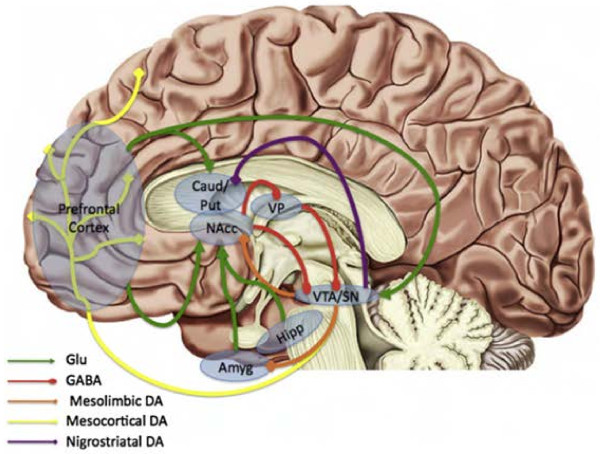
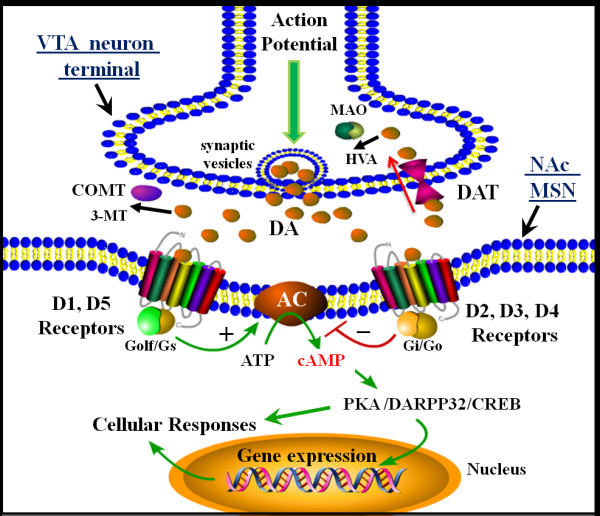
Verification
Claims the paper makes
49 Valid · 3 Not valid · 329 Not checked · 60 Own results and interpretations
The cited sources support only part of this claim — read each source’s verdict below.
In the paper
“in numerous experimental systems, increased CREB activity in the NAc is negatively related to behavioral responses to cocaine, opiates, and alcohol [86,88-90].”
§ Reward circuitry dysfunction in psychiatric and neurodevelopmental disorders and genetic syndromes: animal models and clinical findings > Review > Brain reward circuitry
What the sources say
- Not checked yetcites [86] Nestler EJ Is there a common molecular pathway for addiction? Nat Neurosci 2005 8 11 1445 1449 16251986 source
- Not checked yetcites [88] McClung CA Nestler EJ Regulation of gene expression and cocaine reward by CREB and DeltaFosB Nat Neurosci 2003 6 11 1208 1215 14566342 source
- Partly supportedcites [89] Barrot M Olivier JD Perrotti LI DiLeone RJ Berton O Eisch AJ Impey S Storm DR Neve RL Yin JC Zachariou V Nestler EJ CREB activity in the nucleus accumbens shell controls gating of behavioral responses to emotional stimuli Proc Natl Acad Sci 2002 99 17 11435 11440 12165570 PMC123274 sourceExperimental — accuracy not yet measured
Our copy supports two of the three drugs: the Results (Response to Rewarding Stimuli) report that CREB overexpression in the NAc shell reduced morphine place preference (with mCREB the opposite), and the Introduction/Discussion state that CREB overexpression or PKA stimulation in the NAc reduces the rewarding effects of cocaine, citing the group's earlier work (refs 13, 14) rather than new cocaine data. The alcohol/ethanol component is absent: searched 'ethanol', 'alcohol', 'drinking', 'self-administration' and only sucrose fluid intake and place-conditioning procedures appear, so no part of this paper tests behavioral responses to alcohol. The claim's framing 'in numerous experimental systems' also overstates this single viral-vector/reporter-mouse study, which itself notes it is one system with temporal and anatomical specificity (Discussion). (LLM, conf=0.82)
- Not checked yetcites [90] Walters CL Godfrey M Li X Blendy JA Alterations in morphine-induced reward, locomotor activity, and thermoregulation in CREB-deficient mice Brain Res 2005 1032 1–2 193 199 15680959 source
plainstates an association- Asserted: passes — The authors put it forward as true.
- Checkable: passes — It can be checked against evidence.
- Load-bearing: unclear — It is unclear whether the paper’s conclusions depend on it.
- Based: passes — The paper gives a reason why it holds.
Every source the paper cites for this claim was checked and supports it.
In the paper
“All of these processes are believed to contribute to the intense motivation to attain drugs of abuse [120].”
§ Reward circuitry dysfunction in psychiatric and neurodevelopmental disorders and genetic syndromes: animal models and clinical findings > Review > Psychiatric disorders
What the sources say
- Supportedcites [120] Volkow ND Fowler JS Wang GJ Baler R Telang F Imaging dopamine's role in drug abuse and addiction Neuropharmacology 2009 56 Suppl 1 3 8 18617195 PMC2696819 source
The Introduction says dopamine-related reinforcement processes make drugs salient stimuli that motivate the procurement of more drug. Section 2 also describes adaptations in motivation, reward, inhibitory-control, and memory circuits as contributing to compulsive drug taking. (LLM, conf=0.90)
hedgedstates a possible cause- Asserted: passes — The authors put it forward as true.
- Checkable: passes — It can be checked against evidence.
- Load-bearing: unclear — It is unclear whether the paper’s conclusions depend on it.
- Based: passes — The paper gives a reason why it holds.
- Supported
Every source the paper cites for this claim was checked and supports it.
In the paper
“Notably, Andrews and colleagues [155] found this effect in family members of those with substance abuse, suggesting that this pattern may be evident even in the absence of the direct effects of repeated drug use on the brain.”
§ Reward circuitry dysfunction in psychiatric and neurodevelopmental disorders and genetic syndromes: animal models and clinical findings > Review > Psychiatric disorders
What the sources say
- Supportedcites [155] Andrews MM Meda SA Thomas AD Potenza MN Krystal JH Worhunsky P Stevens MC O'Malley S Book GA Reynolds B Pearlson GD Individuals family history positive for alcoholism show functional magnetic resonance imaging differences in reward sensitivity that are related to impulsivity factors Biol Psychiatr 2011 69 8 675 683 PMC3677031 21126735 source
The Abstract Methods describe participants with a family history of alcoholism who had no past or current alcohol or substance abuse history. The Abstract Results report blunted nucleus accumbens activation during reward anticipation in those participants, and the Overview of Findings says altered reward sensitivity may reflect vulnerability rather than only the consequences of alcohol abuse. This supports the citing sentence’s hedged inference, though the measured effect was brain activation rather than motivation directly. (LLM, conf=0.91)
hedgedstates a possible cause- Asserted: passes — The authors put it forward as true.
- Checkable: passes — It can be checked against evidence.
- Load-bearing: passes — The paper’s conclusions depend on it.
- Based: passes — The paper gives a reason why it holds.
- Supported
The cited sources support only part of this claim — read each source’s verdict below.
In the paper
“Gilman and Hommer [153] reported subjective hypoarousal to normative positive images in alcohol-dependent participants.”
§ Reward circuitry dysfunction in psychiatric and neurodevelopmental disorders and genetic syndromes: animal models and clinical findings > Review > Psychiatric disorders
What the sources say
- Partly supportedcites [153] Gilman JM Hommer DW Modulation of brain response to emotional images by alcohol cues in alcohol-dependent patients Addiction Biol 2008 13 3–4 423 434 18507736 sourceExperimental — accuracy not yet measured
Our copy supports reduced neural response to normative (IAPS) positive images in alcohol-dependent participants: the Results sections 'Positive image with neutral beverage cue' and 'Positive image with alcoholic beverage cue' report that alcoholics showed less activation than controls (eight clusters, and the right hippocampus respectively), with no areas of greater activation, and the Methods ('Visual stimulation and task') confirm the stimuli were 55 high-arousal positive IAPS pictures. However, the paper attributes this to BOLD signal, not subjective experience — its 'Self-report affect ratings' section reports no significant group differences in positive affect before or after the scan, and no per-image arousal ratings were collected. The 'subjective' qualifier in the citing sentence is therefore not supported by this source. (LLM, conf=0.72)
plain- Asserted: passes — The authors put it forward as true.
- Checkable: passes — It can be checked against evidence.
- Load-bearing: unclear — It is unclear whether the paper’s conclusions depend on it.
- Based: passes — The paper gives a reason why it holds.
- Partly supported
The sources with a verdict support this claim; the rest weren’t checked yet, have no full text we could read, or their verdicts aren’t rated yet.
In the paper
“Behavioral studies have reliably found that individuals with MDD show a blunted response to a range of rewarding stimuli [203-205].”
§ Reward circuitry dysfunction in psychiatric and neurodevelopmental disorders and genetic syndromes: animal models and clinical findings > Review > Psychiatric disorders
What the sources say
- Not checked yetcites [203] Henriques JB Davidson RJ Decreased responsiveness to reward in depression Cognit Emot 2000 14 5 711 724 source
- Supportedcites [204] McFarland BR Klein DN Emotional reactivity in depression: diminished responsiveness to anticipated reward but not to anticipated punishment or to nonreward or avoidance Depress Anxiety 2009 26 2 117 122 18972567 source
The Introduction describes studies finding diminished responses to pleasant stimuli and rewards in depressed participants. The Discussion reports diminished responsiveness to anticipated reward in the paper's own study and places it alongside those earlier findings, supporting the broader claim. (LLM, conf=0.88)
- Not checked yetcites [205] Pizzagalli DA Iosifescu D Hallett LA Ratner KG Fava M Reduced hedonic capacity in major depressive disorder: evidence from a probabilistic reward task J Psychiatr Res 2008 43 1 76 87 18433774 PMC2637997 source
boosted- Asserted: passes — The authors put it forward as true.
- Checkable: passes — It can be checked against evidence.
- Load-bearing: passes — The paper’s conclusions depend on it.
- Based: passes — The paper gives a reason why it holds.
223 more claims · 21 with their cited sources checked
Create a free account to see all 441 claims and to verify the 598 references still open.
- It may state two separate claims as one. 191
- Probably not a substantial claim. 43
Claims other papers make about this one
Each is checked against this paper’s own text: does it say what the citing paper says it does?
The source backs part of the claim, not all of it — or backs it for a different population, condition or comparison.
In the citing paper
“A brain imaging study has demonstrated strong links between substance use disorder and dysfunction in reward circuitry, and in particular dopamine function within cortico-striatal circuitry.14”
From Ventral striatum dysfunction in children and adolescents with reactive attachment disorder: functional MRI study (2015) · cites this paper as [14]
Experimental — accuracy not yet measuredIn the citing paper
“For example, substance use disorder has been strongly linked to dysfunction in reward networks, particularly in dopamine function within cortico-striatal circuitry.14”
From Ventral striatum dysfunction in children and adolescents with reactive attachment disorder: functional MRI study (2015) · cites this paper as [14]
In the citing paper
“Conversely, functional alterations associated with reward processing were not observed in other brain regions linked with the reward-related dopaminergic system, such as the prefrontal cortex, the cingulate cortex and the limbic system, which have been implicated as important for reward processing.14,16”
From Ventral striatum dysfunction in children and adolescents with reactive attachment disorder: functional MRI study (2015) · cites this paper as [14]
Self-check
Percentages, sums and reported differences re-computed from the paper’s own numbers.
Each contradiction between two passages listed here was confirmed by an independent check.
Rated minor: it would not touch a result — a value no result rests on, a p-value that stays on the same side of the significance level, or a conflict that is clerical, resolved elsewhere in the paper, or outside its own findings.
In the paper
§ Reward circuitry dysfunction in psychiatric and neurodevelopmental disorders and genetic syndromes: animal models and clinical findings > Review > Psychiatric disorders
“Joos and colleagues [321] found reduced activation of the ACC in individuals with concurrent BN during the presentation of visual food cues”
§ Reward circuitry dysfunction in psychiatric and neurodevelopmental disorders and genetic syndromes: animal models and clinical findings > References
“321. Joos AAB Saum B van Elst LT Perlov E Glauche V Hartmann A Freyer T Tüscher O Zeeck A Amygdala hyperreactivity in restrictive anorexia nervosa”
Rated minor: it would not touch a result — a value no result rests on, a p-value that stays on the same side of the significance level, or a conflict that is clerical, resolved elsewhere in the paper, or outside its own findings.
In the paper
§ Reward circuitry dysfunction in psychiatric and neurodevelopmental disorders and genetic syndromes: animal models and clinical findings > Review > Psychiatric disorders
“Molecular-imaging studies of striatal DAT availability in bipolar disorder generally suggest increased functional DA throughput (but Suhara et al. reported an exception [282]).”
§ Reward circuitry dysfunction in psychiatric and neurodevelopmental disorders and genetic syndromes: animal models and clinical findings > References
“282. Suhara T Nakayama K Inoue O Fukuda H Shimizu M Mori A Tateno Y D1 dopamine receptor binding in mood disorders measured by positron emission tomography”
Rated minor: it would not touch a result — a value no result rests on, a p-value that stays on the same side of the significance level, or a conflict that is clerical, resolved elsewhere in the paper, or outside its own findings.
In the paper
§ Reward circuitry dysfunction in psychiatric and neurodevelopmental disorders and genetic syndromes: animal models and clinical findings > Review > Psychiatric disorders
“Joos and colleagues [340] also reported hyper-reactive reward-outcome responses in anorexia during the processing of food-reward images.”
§ Reward circuitry dysfunction in psychiatric and neurodevelopmental disorders and genetic syndromes: animal models and clinical findings > References
“340. Joos AAB Saum B Zeeck A Perlov E Glauche V Hartmann A Freyer T Sandholz A Unterbrink T van Elst LT Tüscher O Frontocingular dysfunction in Bulimia Nervosa when confronted with disease-specific stimuli”
Rated minor: it would not touch a result — a value no result rests on, a p-value that stays on the same side of the significance level, or a conflict that is clerical, resolved elsewhere in the paper, or outside its own findings.
In the paper
§ Reward circuitry dysfunction in psychiatric and neurodevelopmental disorders and genetic syndromes: animal models and clinical findings > Review > Psychiatric disorders
“Dextroamphetamine causes release of DA (as well as norepinephrine and serotonin) and is an effective treatment for amphetamine abuse [181].”
§ Reward circuitry dysfunction in psychiatric and neurodevelopmental disorders and genetic syndromes: animal models and clinical findings > References
“181. Grabowski J Rhoades H Schmitz J Stotts A Daruzska LA Creson D Moeller FG Dextroamphetamine for cocaine-dependence treatment: a double-blind randomized clinical trial”
Rated minor: it would not touch a result — a value no result rests on, a p-value that stays on the same side of the significance level, or a conflict that is clerical, resolved elsewhere in the paper, or outside its own findings.
In the paper
§ Reward circuitry dysfunction in psychiatric and neurodevelopmental disorders and genetic syndromes: animal models and clinical findings > Review > Genetic syndromes
“Another study found that individuals with WS show reduced amygdala activity in response to sad faces and comparable activity in the orbitofrontal cortex for happy and sad faces”
§ Reward circuitry dysfunction in psychiatric and neurodevelopmental disorders and genetic syndromes: animal models and clinical findings > Review > Genetic syndromes
“However, both of these studies did not report responses to the happy-face conditions.”
Citations
Cites
Diagnostic and Statistical Manual of Mental Disorders
Williams, J. B. W., & First, M. (2013) · Encyclopedia of Social Work · doi:10.1093/acrefore/9780199975839.013.104 · Cited by 109,519
Kessler, R. C., Chiu, W. T., Demler, O., & Walters, E. E. (2005) · Archives of General Psychiatry · doi:10.1001/archpsyc.62.6.617 · Cited by 12,052
Philosophical transactions of the Royal Society of London. B
Press, H. (1886) · Cited by 10,081
Carver, C. S., & White, T. L. (1994) · Journal of Personality and Social Psychology · doi:10.1037/0022-3514.67.2.319 · Cited by 7,306
The Endophenotype Concept in Psychiatry: Etymology and Strategic Intentions
Gottesman, I. I., & Gould, T. D. (2003) · American Journal of Psychiatry · doi:10.1176/appi.ajp.160.4.636 · Cited by 5,615
Handbook of Affective Sciences
(2002) · doi:10.1093/oso/9780195126013.001.0001 · Cited by 5,073
Di Chiara, G., & Imperato, A. (1988) · Proceedings of the National Academy of Sciences · doi:10.1073/pnas.85.14.5274 · Cited by 4,733 · cited 1×
“use [113,114].”
Affective Neuroscience: The Foundations of Human and Animal Emotions
Panksepp, J. (1998) · doi:10.1093/oso/9780195096736.001.0001 · Cited by 4,428
International Statistical Classification of Diseases and Related Health Problems
(2011) · Encyclopedia of Clinical Neuropsychology · doi:10.1007/978-0-387-79948-3_3055 · Cited by 4,151
(1998) · Cited by 4,012
Regier, D. A. (1990) · JAMA · doi:10.1001/jama.1990.03450190043026 · Cited by 3,962 · cited 1×
“For example, there are high rates of comorbidity between substance abuse and other Axis I conditions [747-749], schizophrenia and bipolar disorder [750], and ASD and mood and anxiety disorders [751].”
BackgroundKessler, R. C., Adler, L., Barkley, R., Biederman, J., Conners, C. K., Demler, O., Faraone, S. V., Greenhill, L. L., Howes, M. J., Secnik, K., et al. (2006) · American Journal of Psychiatry · doi:10.1176/ajp.2006.163.4.716 · Cited by 3,886 · cited 1×
“ADHD affects approximately 8 to 9% of school-aged children and 4 to 5% of adults [429-431].”
BackgroundVerkerk, A. J. M. H., Pieretti, M., Sutcliffe, J. S., Fu, Y.-H., Kuhl, D. P. A., Pizzuti, A., Reiner, O., Richards, S., Victoria, M. F., Zhang, F., et al. (1991) · Cell · doi:10.1016/0092-8674(91)90397-h · Cited by 3,481 · cited 1×
“3; [707]).”
Problem Behavior and Psychosocial Development: A Longitudinal Study of Youth
Jessor, R., & Jessor, S. L. (1977) · Medical Entomology and Zoology · Cited by 3,304
Behavioral treatment and normal educational and intellectual functioning in young autistic children.
Lovaas, O. I. (1987) · Journal of Consulting and Clinical Psychology · doi:10.1037/0022-006x.55.1.3 · Cited by 3,288 · cited 1×
“rewards has been a central feature of long-standing effective behavioral interventions for ASD [576-578].”
BackgroundBardo, M. T., & Hammer, R. P. (1991) · Neuroscience · doi:10.1016/0306-4522(91)90226-e · Cited by 3,219
Olds, J., & Milner, P. (1954) · Journal of Comparative and Physiological Psychology · doi:10.1037/h0058775 · Cited by 3,176 · cited 3×
“The seminal animal research by Olds and Milner [54] provided the initial foundation for our modern understanding of brainreward mechanisms.”
BackgroundInfluentialEmotional processing in anterior cingulate and medial prefrontal cortex
Etkin, A., Egner, T., & Kalisch, R. (2011) · Trends in Cognitive Sciences · doi:10.1016/j.tics.2010.11.004 · Cited by 3,059 · cited 1×
“The ACC plays a central role in processing positively valenced emotions [239] and other rewards [240], and in coding value representations of anticipated rewards [241], as shown in studies of sleep deprivation [242-245], psychopharmacological intervention [246-250], cognitive behavioral therapy [251,252] and a combine…”
BackgroundDawson, G., Rogers, S., Munson, J., Smith, M., Winter, J., Greenson, J., Donaldson, A., & Varley, J. (2010) · Pediatrics · doi:10.1542/peds.2009-0958 · Cited by 2,835
The epidemiology of obsessive-compulsive disorder in the National Comorbidity Survey Replication
Ruscio, A. M., Stein, D. J., Chiu, W. T., & Kessler, R. C. (2010) · Molecular Psychiatry · doi:10.1038/mp.2008.94 · Cited by 2,771 · cited 1×
“OCD has an estimated prevalence of 1 to 3% [501], and is characterized by recurrent anxiety-provoking thoughts or impulses (obsessions), typically followed by repetitive ritualistic behaviors to relieve anxiety (compulsions) [502].”
BackgroundDiagnostic and Statistical Manual of Mental Disorders
Raber, G., & Spokas, M. (2025) · The Sage Encyclopedia of Mood and Anxiety Disorders · doi:10.4135/9781071886229.n145 · Cited by 2,764
The physiology, signaling, and pharmacology of dopamine receptors
Beaulieu, J.-M., & Gainetdinov, R. R. (2011) · Pharmacological Reviews · doi:10.1124/pr.110.002642 · Cited by 2,763 · cited 1×
“The molecular and cellular mechanisms that facilitate neurotransmission in the mesolimbic DA reward pathway involve the cellular elements modulating synaptic DA neurotransmission, including neurotransmitters, transporters, receptors, G proteins, second-messenger-generating enzymes, ion channels, and immediate early re…”
BackgroundThe Neural Basis of Addiction: A Pathology of Motivation and Choice
Kalivas, P. W., & Volkow, N. D. (2005) · American Journal of Psychiatry · doi:10.1176/appi.ajp.162.8.1403 · Cited by 2,757
A psychomotor stimulant theory of addiction.
Wise, R. A., & Bozarth, M. A. (1987) · Psychological Review · doi:10.1037/0033-295x.94.4.469 · Cited by 2,747
Smoking and Mental Illness: A Population-Based Prevalence Study
Lasser, K., Boyd, J. W., Woolhandler, S., Himmelstein, D. U., McCormick, D., & Bor, D. H. (2000) · JAMA · doi:10.1001/jama.284.20.2606 · Cited by 2,508
Hyperlocomotion and indifference to cocaine and amphetamine in mice lacking the dopamine transporter
Giros, B., Jaber, M., Jones, S. R., Wightman, R. M., & Caron, M. G. (1996) · Nature · doi:10.1038/379606a0 · Cited by 2,476
The role of the basal ganglia in habit formation
Yin, H. H., & Knowlton, B. J. (2006) · Nature Reviews Neuroscience · doi:10.1038/nrn1919 · Cited by 2,402
From motivation to action: Functional interface between the limbic system and the motor system
MOGENSON, G., JONES, D., & YIM, C. (1980) · Progress in Neurobiology · doi:10.1016/0301-0082(80)90018-0 · Cited by 2,331 · cited 1×
“Of particular relevance to reward-based processes is the ventromedial shell of the NAc (the core region regulates cognition and motor control) [63], that serves as an interface between limbic and motor circuits, translating emotions into actions [64].”
BackgroundSchizophrenia: A Concise Overview of Incidence, Prevalence, and Mortality
McGrath, J., Saha, S., Chant, D., & Welham, J. (2008) · Epidemiologic Reviews · doi:10.1093/epirev/mxn001 · Cited by 2,280
Anticipation of Increasing Monetary Reward Selectively Recruits Nucleus Accumbens
Knutson, B., Adams, C. M., Fong, G. W., & Hommer, D. (2001) · The Journal of Neuroscience · doi:10.1523/jneurosci.21-16-j0002.2001 · Cited by 2,244
Cross-national epidemiology of DSM-IV major depressive episode
Bromet, E., Andrade, L. H., Hwang, I., Sampson, N. A., Alonso, J., de Girolamo, G., de Graaf, R., Demyttenaere, K., Hu, C., Iwata, N., et al. (2011) · BMC Medicine · doi:10.1186/1741-7015-9-90 · Cited by 2,221
Dopamine Receptor Binding Predicts Clinical and Pharmacological Potencies of Antischizophrenic Drugs
Creese, I., Burt, D. R., & Snyder, S. H. (1976) · Science · doi:10.1126/science.3854 · Cited by 2,220 · cited 2×
“Firstgeneration compounds, such as chlorpromazine and haloperidol, work primarily as D2 receptor antagonists [358].”
BackgroundA framework for studying the neurobiology of value-based decision making
Rangel, A., Camerer, C., & Montague, P. R. (2008) · Nature Reviews Neuroscience · doi:10.1038/nrn2357 · Cited by 2,184 · cited 1×
“prediction [28,29], and reward valuation [30-32].”
Cocaine Receptors on Dopamine Transporters Are Related to Self-Administration of Cocaine
Ritz, M. C., Lamb, R. J., Goldberg, S. R., & Kuhar, M. J. (1987) · Science · doi:10.1126/science.2820058 · Cited by 2,180
Decision making, impulse control and loss of willpower to resist drugs: a neurocognitive perspective
Bechara, A. (2005) · Nature Neuroscience · doi:10.1038/nn1584 · Cited by 2,149 · cited 1×
“Contemporary theories addressing the pathophysiology of substanceuse disorders highlight altered motivational states, cognitive control, inhibitory function, and decision-making, mediated in large part by dysfunctional output of mesolimbic and mesocortical brain systems [104-107].”
BackgroundEmotion and motivation: the role of the amygdala, ventral striatum, and prefrontal cortex
Cardinal, R. N., Parkinson, J. A., Hall, J., & Everitt, B. J. (2002) · Neuroscience & Biobehavioral Reviews · doi:10.1016/s0149-7634(02)00007-6 · Cited by 2,129 · cited 1×
“A host of unanswered questions remain about how ascending DA projections and their forebrain targets contribute to aspects of reward processing [738,739].”
BackgroundKlin, A., Jones, W., Schultz, R., Volkmar, F., & Cohen, D. (2002) · Archives of General Psychiatry · doi:10.1001/archpsyc.59.9.809 · Cited by 2,120
Ochsner, K. N., Ray, R. D., Cooper, J. C., Robertson, E. R., Chopra, S., Gabrieli, J. D. E., & Gross, J. J. (2004) · NeuroImage · doi:10.1016/j.neuroimage.2004.06.030 · Cited by 2,113
Drugs of abuse: anatomy, pharmacology and function of reward pathways
Koob, G. F. (1992) · Trends in Pharmacological Sciences · doi:10.1016/0165-6147(92)90060-j · Cited by 2,070 · cited 1×
“[306,307].”
Cellular and molecular mechanisms of drug dependence
Koob, G. F., & Bloom, F. E. (1988) · Science · doi:10.1126/science.2903550 · Cited by 2,070
Animal models of neuropsychiatric disorders
Nestler, E. J., & Hyman, S. E. (2010) · Nature Neuroscience · doi:10.1038/nn.2647 · Cited by 2,023 · cited 1×
“[94].”
Schizotaxia, schizotypy, schizophrenia.
Meehl, P. E. (1962) · American Psychologist · doi:10.1037/h0041029 · Cited by 2,019
Willner, P., Towell, A., Sampson, D., Sophokleous, S., & Muscat, R. (1987) · Psychopharmacology · doi:10.1007/bf00187257 · Cited by 1,993
Dissecting components of reward: ‘liking’, ‘wanting’, and learning
Berridge, K. C., Robinson, T. E., & Aldridge, J. W. (2009) · Current Opinion in Pharmacology · doi:10.1016/j.coph.2008.12.014 · Cited by 1,942 · cited 2×
“Indeed, there are multiple constructs mediated by the mesolimbic system, and at least four such systems have been described in depth in numerous seminal reviews [39-43]: 1) reward motivation, also termed anticipation (typically subsuming what is colloquially described as ‘wanting,’) refers to processes that facilitate…”
BackgroundRegier, D. A., Farmer, M. E., Rae, D. S., et al. (1990) · PubMed · Cited by 1,913
The Biochemical Basis of Neuropharmacology.
(1974) · Annals of Internal Medicine · doi:10.7326/0003-4819-81-4-575_2 · Cited by 1,878
Berridge, K. C., & Robinson, T. E. (2003) · Trends in Neurosciences · doi:10.1016/s0166-2236(03)00233-9 · Cited by 1,869
Willner, P. (1997) · Psychopharmacology · doi:10.1007/s002130050456 · Cited by 1,832 · cited 1×
“In particular, Willner and colleagues originally reported that chronic and sequential exposure of rats or mice to a mild stress regimen caused decreases in responsiveness to rewards [190,191], commonly reported as a decrease in the consumption of and preference for sucrose solutions, and a decrease in the rewarding pr…”
BackgroundGrace, A. A. (1991) · Neuroscience · doi:10.1016/0306-4522(91)90196-u · Cited by 1,831
Habits, Rituals, and the Evaluative Brain
Graybiel, A. M. (2008) · Annual Review of Neuroscience · doi:10.1146/annurev.neuro.29.051605.112851 · Cited by 1,697 · cited 1×
“Indeed, there are multiple constructs mediated by the mesolimbic system, and at least four such systems have been described in depth in numerous seminal reviews [39-43]: 1) reward motivation, also termed anticipation (typically subsuming what is colloquially described as ‘wanting,’) refers to processes that facilitate…”
BackgroundEmson, P., Heffher, R. R., & Pearson, J. (1984) · Journal of Neuropathology and Experimental Neurology · doi:10.1097/00005072-198409000-00010 · Cited by 1,648
Comorbid psychiatric disorders in children with autism: interview development and rates of disorders
Leyfer, O. T., Folstein, S. E., Bacalman, S., Davis, N. O., Dinh, E., Morgan, J., Tager-Flusberg, H., & Lainhart, J. E. (2006) · Journal of Autism and Developmental Disorders · doi:10.1007/s10803-006-0123-0 · Cited by 1,637 · cited 1×
“A number of explanations for the high comorbidity rates have been suggested, including shared genetic etiology, self-medication of symptoms, and common socioenvironmental determinants [752,753], but only multi-group studies that directly compare cases with comorbid disorders will be able to distinguish the nature of r…”
BackgroundWillner, P. (2005) · Neuropsychobiology · doi:10.1159/000087097 · Cited by 1,605 · cited 2×
“to chronic repeated or an unavoidable stress regimen in rats [189,197,198], suggesting that stress signifi-”
BackgroundLimbic-cortical dysregulation: a proposed model of depression
(1997) · The Journal of Neuropsychiatry and Clinical Neurosciences · doi:10.1176/jnp.9.3.471 · Cited by 1,585 · cited 1×
“The ACC plays a central role in processing positively valenced emotions [239] and other rewards [240], and in coding value representations of anticipated rewards [241], as shown in studies of sleep deprivation [242-245], psychopharmacological intervention [246-250], cognitive behavioral therapy [251,252] and a combine…”
BackgroundReconsidering anhedonia in depression: Lessons from translational neuroscience
Treadway, M. T., & Zald, D. H. (2011) · Neuroscience & Biobehavioral Reviews · doi:10.1016/j.neubiorev.2010.06.006 · Cited by 1,579 · cited 6×
“tention in both nonclinical [15,16] and clinical [17-19] contexts, and the functioning of so-called ‘positive valence systems’ has been proposed as one of the five domains rele-”
BackgroundInfluentialRisperidone in Children with Autism and Serious Behavioral Problems
McCracken, J. T., McGough, J., Shah, B., Cronin, P., Hong, D., Aman, M. G., Arnold, L. E., Lindsay, R., Nash, P., Hollway, J., et al. (2002) · New England Journal of Medicine · doi:10.1056/nejmoa013171 · Cited by 1,574 · cited 1×
“core autism symptoms [601-604].”
Moy, S. S., Nadler, J. J., Perez, A., Barbaro, R. P., Johns, J. M., Magnuson, T. R., Piven, J., & Crawley, J. N. (2004) · Genes, Brain and Behavior · doi:10.1111/j.1601-1848.2004.00076.x · Cited by 1,522 · cited 1×
“Preclinical models Studies aimed at modeling, in animals, the core phenotypes associated with ASDs have focused on studying social and repetitive behaviors in mice [530-532] and pair-bonding behaviors in the prairie vole (Microtus ochrogaster) [533,534].”
BackgroundLifetime Prevalence of Psychotic and Bipolar I Disorders in a General Population
Perälä, J., Suvisaari, J., Saarni, S. I., Kuoppasalmi, K., Isometsä, E., Pirkola, S., Partonen, T., Tuulio-Henriksson, A., Hintikka, J., Kieseppä, T., et al. (2007) · Archives of General Psychiatry · doi:10.1001/archpsyc.64.1.19 · Cited by 1,516
Robinson, T. E., & Berridge, K. C. (2003) · Annual Review of Psychology · doi:10.1146/annurev.psych.54.101601.145237 · Cited by 1,509
Affective style and affective disorders: Perspectives from affective neuroscience
Davidson, R. J. (1998) · Cognition & Emotion · doi:10.1080/026999398379628 · Cited by 1,496
Geyer, M. A., Krebs-Thomson, K., Braff, D. L., & Swerdlow, N. R. (2001) · Psychopharmacology · doi:10.1007/s002130100811 · Cited by 1,484 · cited 2×
“PPI is a cross-species measure that refers to the ability of a non-startling ‘pre-stimulus’ to inhibit the response to a startling stimulus [366].”
BackgroundThe primate basal ganglia: Parallel and integrative networks
Haber, S. N. (2003) · Journal of Chemical Neuroanatomy · doi:10.1016/j.jchemneu.2003.10.003 · Cited by 1,479 · cited 1×
“with the mesolimbic DA pathway [56,57], and the NAc serves as a DA-gated mediator for information passing”
BackgroundAttention-deficit hyperactivity disorder
Biederman, J., & Faraone, S. V. (2005) · The Lancet · doi:10.1016/s0140-6736(05)66915-2 · Cited by 1,463
Addiction and the brain antireward system
Koob, G. F., & Le Moal, M. (2008) · Annual Review of Psychology · doi:10.1146/annurev.psych.59.103006.093548 · Cited by 1,457
Ikemoto, S., & Panksepp, J. (1999) · Brain Research Reviews · doi:10.1016/s0165-0173(99)00023-5 · Cited by 1,450
Neuronal Coding of Prediction Errors
Schultz, W., & Dickinson, A. (2000) · Annual Review of Neuroscience · doi:10.1146/annurev.neuro.23.1.473 · Cited by 1,427
Fairburn, C. G., & Harrison, P. J. (2003) · The Lancet · doi:10.1016/s0140-6736(03)12378-1 · Cited by 1,396
Is there a common molecular pathway for addiction?
Nestler, E. J. (2005) · Nature Neuroscience · doi:10.1038/nn1578 · Cited by 1,388 · cited 3×
“Finally, although the molecules highlighted here are clearly involved in DA mesolimbic transmission and reward responses, this represents only a brief overview and readers are encouraged to see other recent reviews of this topic [86,91-93].”
BackgroundTwo types of dopamine neuron distinctly convey positive and negative motivational signals
Matsumoto, M., & Hikosaka, O. (2009) · Nature · doi:10.1038/nature08028 · Cited by 1,378 · cited 1×
“Moreover, the striatum and associated DA systems play a prominent role in processing aversive stimuli and processing rewards [741,742].”
BackgroundPrader-Willi Syndrome: Consensus Diagnostic Criteria
Holm, V. A., Cassidy, S. B., Butler, M. G., Hanchett, J. M., Greenswag, L. R., Whitman, B. Y., & Greenberg, F. (1993) · Pediatrics · doi:10.1542/peds.91.2.398 · Cited by 1,278 · cited 1×
“PWS is characterized by infantile hypotonia, mental retardation, short stature, hypogonadism, hyperphagia and early-onset morbid obesity [669].”
BackgroundPhasic Firing in Dopaminergic Neurons Is Sufficient for Behavioral Conditioning
Tsai, H.-C., Zhang, F., Adamantidis, A., Stuber, G. D., Bonci, A., de Lecea, L., & Deisseroth, K. (2009) · Science · doi:10.1126/science.1168878 · Cited by 1,266 · cited 1×
“activity suggest that phasic, but not tonic, activation of VTA neurons is sufficient to drive behavioral conditioning to rewards and elicit DA transients [72], and thus indicates the likely importance of the frequency of VTA neuron firing activity.”
BackgroundThe Story of Rett Syndrome: From Clinic to Neurobiology
Chahrour, M., & Zoghbi, H. Y. (2007) · Neuron · doi:10.1016/j.neuron.2007.10.001 · Cited by 1,265 · cited 1×
“both loss of function and gain in MeCP2 gene dosage lead to similar neurological phenotypes [698].”
BackgroundAffective neuroscience of pleasure: reward in humans and animals
Berridge, K. C., & Kringelbach, M. L. (2008) · Psychopharmacology · doi:10.1007/s00213-008-1099-6 · Cited by 1,254 · cited 3×
“Indeed, there are multiple constructs mediated by the mesolimbic system, and at least four such systems have been described in depth in numerous seminal reviews [39-43]: 1) reward motivation, also termed anticipation (typically subsuming what is colloquially described as ‘wanting,’) refers to processes that facilitate…”
BackgroundThe role of dopamine in the pathophysiology of depression
Dunlop, B. W., & Nemeroff, C. B. (2007) · Archives of General Psychiatry · doi:10.1001/archpsyc.64.3.327 · Cited by 1,244 · cited 2×
“Clinical studies: unipolar major depressive disorder Reward-system dysfunction in MDD is well established [200-202].”
BackgroundScales for physical and social anhedonia.
Chapman, L. J., Chapman, J. P., & Raulin, M. L. (1976) · Journal of Abnormal Psychology · doi:10.1037/0021-843x.85.4.374 · Cited by 1,234
Pizzagalli, D. A., Holmes, A. J., Dillon, D. G., Goetz, E. L., Birk, J. L., Bogdan, R., Dougherty, D. D., Iosifescu, D. V., Rauch, S. L., & Fava, M. (2009) · American Journal of Psychiatry · doi:10.1176/appi.ajp.2008.08081201 · Cited by 1,232 · cited 1×
“Reduced mesolimbic activity in MDD has been found during reward anticipation and outcomes in both adults and children [210,219-227] and during reward learning [206].”
BackgroundBaxter, M. G., & Murray, E. A. (2002) · Nature Reviews Neuroscience · doi:10.1038/nrn875 · Cited by 1,200
Menzies, L., Chamberlain, S. R., Laird, A. R., Thelen, S. M., Sahakian, B. J., & Bullmore, E. T. (2008) · Neuroscience & Biobehavioral Reviews · doi:10.1016/j.neubiorev.2007.09.005 · Cited by 1,190
Association of attention-deficit disorder and the dopamine transporter gene.
Cook, E. H., Stein, M. A., Krasowski, M. D., Cox, N. J., Olkon, D. M., Kieffer, J. E., & LEVENTHAL, B. L. (1995) · PubMed Central · Cited by 1,181
Cocaine cues and dopamine in dorsal striatum: mechanism of craving in cocaine addiction
Volkow, N. D., Wang, G.-J., Telang, F., Fowler, J. S., Logan, J., Childress, A.-R., Jayne, M., Ma, Y., & Wong, C. (2006) · Journal of Neuroscience · doi:10.1523/jneurosci.1544-06.2006 · Cited by 1,164 · cited 1×
“panies drug use encodes a number of reward properties, including reward expectancy [117], reward learning [118], and the consolidation of contextual memories [119].”
BackgroundRoth, B. L., Sheffler, D. J., & Kroeze, W. K. (2004) · Nature Reviews Drug Discovery · doi:10.1038/nrd1346 · Cited by 1,155 · cited 1×
“peutic and side-effect profiles [359,360].”
Discovering Endophenotypes for Major Depression
Hasler, G., Drevets, W. C., Manji, H. K., & Charney, D. S. (2004) · Neuropsychopharmacology · doi:10.1038/sj.npp.1300506 · Cited by 1,123
Mayberg, H. S., Brannan, S. K., Tekell, J. L., Silva, J. A., Mahurin, R. K., McGinnis, S., & Jerabek, P. A. (2000) · Biological Psychiatry · doi:10.1016/s0006-3223(00)01036-2 · Cited by 1,115 · cited 1×
“The ACC plays a central role in processing positively valenced emotions [239] and other rewards [240], and in coding value representations of anticipated rewards [241], as shown in studies of sleep deprivation [242-245], psychopharmacological intervention [246-250], cognitive behavioral therapy [251,252] and a combine…”
BackgroundFrontal cortex and reward-guided learning and decision-making
Rushworth, M. F. S., Noonan, M. P., Boorman, E. D., Walton, M. E., & Behrens, T. E. (2011) · Neuron · doi:10.1016/j.neuron.2011.05.014 · Cited by 1,111
Schultz, R. T. (2005) · International Journal of Developmental Neuroscience · doi:10.1016/j.ijdevneu.2004.12.012 · Cited by 1,071 · cited 2×
“Restricted and repetitive behaviors and interests are also a core symptom of ASDs, and a number of etiologic models of repetitive behaviors highlight that rewardprocessing deficits may bias attention and exploration towards non-social aspects of the environment [552,559].”
BackgroundChildren with Autism Fail to Orient to Naturally Occurring Social Stimuli
Dawson, G., Meltzoff, A. N., Osterling, J., Rinaldi, J., & Brown, E. (1998) · Journal of Autism and Developmental Disorders · doi:10.1023/a:1026043926488 · Cited by 1,065 · cited 2×
“Clinical studies A number of theorists have suggested that the social-communication deficits that characterize ASDs reflect decreased motivation to engage in reciprocal social behaviors in infancy and early childhood, which may ultimately result in fewer experiences with social sources of information [550-552].”
BackgroundResultPrevalence of smoking among psychiatric outpatients
(1986) · American Journal of Psychiatry · doi:10.1176/ajp.143.8.993 · Cited by 1,058 · cited 1×
“Given the importance of brain development prior to adulthood, the study of reward-related processes during development will be crucial to disambiguate the proximal effects of altered reward-circuitry function from its more downstream effects on learning, motivation, and overall functioning [754-756].”
BackgroundGraybiel, A. M. (2000) · Current Biology · doi:10.1016/s0960-9822(00)00593-5 · Cited by 1,051
Insel, T. R. (2010) · Neuron · doi:10.1016/j.neuron.2010.03.005 · Cited by 1,044
Fmr1 knockout mice: A model to study fragile X mental retardation
THEDUTCHBELGIANFRAGILEXCONSOR (1994) · Cell · doi:10.1016/0092-8674(94)90569-x · Cited by 1,035
sagvolden, T., johansen, E. B., aase, H., & russell, V. A. (2005) · Behavioral and Brain Sciences · doi:10.1017/s0140525x05000075 · Cited by 1,035 · cited 1×
“ADHD [437,438].”
Candidate gene studies of ADHD: a meta-analytic review
Gizer, I. R., Ficks, C., & Waldman, I. D. (2009) · Human Genetics · doi:10.1007/s00439-009-0694-x · Cited by 1,020
Increased baseline occupancy of D 2 receptors by dopamine in schizophrenia
Abi-Dargham, A., Rodenhiser, J., Printz, D., Zea-Ponce, Y., Gil, R., Kegeles, L. S., Weiss, R., Cooper, T. B., Mann, J. J., Van Heertum, R. L., et al. (2000) · Proceedings of the National Academy of Sciences · doi:10.1073/pnas.97.14.8104 · Cited by 1,020 · cited 1×
“The centrality of incentive motivation deficits to schizophrenia is suggested by the long-standing hypotheses regarding the role of DA disturbances in the pathophysiology of the disorder [354-356].”
BackgroundNeuropsychopharmacology: The Fifth Generation of Progress
SAGDUYU, K. (2002) · American Journal of Psychiatry · doi:10.1176/appi.ajp.159.7.1251-a · Cited by 1,019
Dopamine responses comply with basic assumptions of formal learning theory
Waelti, P., Dickinson, A., & Schultz, W. (2001) · Nature · doi:10.1038/35083500 · Cited by 1,018 · cited 1×
“panies drug use encodes a number of reward properties, including reward expectancy [117], reward learning [118], and the consolidation of contextual memories [119].”
BackgroundAnticipatory and consummatory components of the experience of pleasure: A scale development study
Gard, D. E., Gard, M. G., Kring, A. M., & John, O. P. (2006) · Journal of Research in Personality · doi:10.1016/j.jrp.2005.11.001 · Cited by 1,015 · cited 1×
“Although self-report [743-745] and behavioral [209,746] measures of reward”
BackgroundRubia, K., Overmeyer, S., Taylor, E., Brammer, M., Williams, S. C. R., Simmons, A., & Bullmore, E. T. (1999) · American Journal of Psychiatry · doi:10.1176/ajp.156.6.891 · Cited by 1,010 · cited 1×
“Although the majority of fMRI studies in ADHD have focused on attentional processes, such as cognitive control and response inhibition [481-483], a smaller subset of studies have focused on reward processing.”
BackgroundSchultz, R. T., Gauthier, I., Klin, A., Fulbright, R. K., Anderson, A. W., Volkmar, F., Skudlarski, P., Lacadie, C., Cohen, D. J., & Gore, J. C. (2000) · Archives of General Psychiatry · doi:10.1001/archpsyc.57.4.331 · Cited by 1,000 · cited 1×
“Because children with ASD may lack the motivation to participate in activities in which social skills are typically forged, the resulting relatively impoverished social environment may further compound the social impairment caused by low social motivation, and further negatively influence the development of social cog…”
BackgroundDawson, G., Webb, S. J., & McPartland, J. (2005) · Developmental Neuropsychology · doi:10.1207/s15326942dn2703_6 · Cited by 989 · cited 1×
“Clinical studies A number of theorists have suggested that the social-communication deficits that characterize ASDs reflect decreased motivation to engage in reciprocal social behaviors in infancy and early childhood, which may ultimately result in fewer experiences with social sources of information [550-552].”
BackgroundImaging dopamine's role in drug abuse and addiction
Volkow, N. D., Fowler, J. S., Wang, G. J., Baler, R., & Telang, F. (2009) · Neuropharmacology · doi:10.1016/j.neuropharm.2008.05.022 · Cited by 988 · cited 2×
“All of these processes are believed to contribute to the intense motivation to attain drugs of abuse [120].”
BackgroundPlasticity of reward neurocircuitry and the ‘dark side’ of drug addiction
Koob, G. F., & Le Moal, M. (2005) · Nature Neuroscience · doi:10.1038/nn1105-1442 · Cited by 963 · cited 1×
“In this regard, Koob and Le Moal [162] described an allostatic mechanism through which the reward system may become desensitized with repeated exposure to addictive drugs, due to gradual modulation of an organism’s ‘set point’ of responsivity to external rewards.”
BackgroundDopaminergic modulation of neuronal excitability in the striatum and nucleus accumbens
Nicola, S. M., Surmeier, D. J., & Malenka, R. C. (2000) · Annual Review of Neuroscience · doi:10.1146/annurev.neuro.23.1.185 · Cited by 931 · cited 1×
“For example, DA modulates the sensitivity of MSNs to excitatory glutamatergic projections from pre-frontal and limbic regions, and thereby modulates firing activity of NAc neurons [35,69].”
BackgroundThe Neurobiology of Decision: Consensus and Controversy
Kable, J. W., & Glimcher, P. W. (2009) · Neuron · doi:10.1016/j.neuron.2009.09.003 · Cited by 928 · cited 1×
“prediction [28,29], and reward valuation [30-32].”
Volkow, N. D., Fowler, J. S., Wang, G., Hitzemann, R., Logan, J., Schlyer, D. J., Dewey, S. L., & Wolf, A. P. (1993) · Synapse · doi:10.1002/syn.890140210 · Cited by 924 · cited 1×
“There are multiple lines of evidence that cocaine dependence is associated with a decrease in D2 receptor binding [164-167], a pattern that seems to persist after disease remission [165].”
BackgroundTwo-year-olds with autism orient to non-social contingencies rather than biological motion
Klin, A., Lin, D. J., Gorrindo, P., Ramsay, G., & Jones, W. (2009) · Nature · doi:10.1038/nature07868 · Cited by 921 · cited 1×
“Consistent with this model, very young children with ASD display decreased orienting to social stimuli [550,555], and atypical social orienting has been shown to predict decreased social competence in adolescents and young adults with ASDs [556].”
ResultThe addicted human brain: insights from imaging studies
Volkow, N. D., Fowler, J. S., & Wang, G.-J. (2003) · Journal of Clinical Investigation · doi:10.1172/jci18533 · Cited by 916 · cited 1×
“For example, even within the context of DA systems, it is not clear whether increased and decreased reward-oriented motivation is a result of decreased or increased sensitivities of DA and associated systems [735,740].”
BackgroundVolkow, N. D., Chang, L., Wang, G.-J., Fowler, J. S., Ding, Y.-S., Sedler, M., Logan, J., Franceschi, D., Gatley, J., Hitzemann, R., et al. (2001) · American Journal of Psychiatry · doi:10.1176/appi.ajp.158.12.2015 · Cited by 916 · cited 1×
“Decreases in D2 receptor binding have also been found in heroin addiction [168], alcohol dependence [169,170], methamphetamine abuse [171,172], prompting a number of researchers to posit that low D2 receptor availability may serve as a biomarker for substance abuse, potentially reflecting an altered sensitivity to var…”
BackgroundLiu, X., Hairston, J., Schrier, M., & Fan, J. (2011) · Neuroscience & Biobehavioral Reviews · doi:10.1016/j.neubiorev.2010.12.012 · Cited by 916
Beauty in a smile: the role of medial orbitofrontal cortex in facial attractiveness
O’Doherty, J., Winston, J., Critchley, H., Perrett, D., Burt, D. M., & Dolan, R. J. (2003) · Neuropsychologia · doi:10.1016/s0028-3932(02)00145-8 · Cited by 898 · cited 1×
“social stimuli [335,336], and the tendency of individuals with AN to deprive themselves of pleasure.”
BackgroundPrevalence of Parent-Reported Diagnosis of Autism Spectrum Disorder Among Children in the US, 2007
Kogan, M. D., Blumberg, S. J., Schieve, L. A., Boyle, C. A., Perrin, J. M., Ghandour, R. M., Singh, G. K., Strickland, B. B., Trevathan, E., & van Dyck, P. C. (2009) · Pediatrics · doi:10.1542/peds.2009-1522 · Cited by 892
Role of Serotonin in the Paradoxical Calming Effect of Psychostimulants on Hyperactivity
Gainetdinov, R. R., Wetsel, W. C., Jones, S. R., Levin, E. D., Jaber, M., & Caron, M. G. (1999) · Science · doi:10.1126/science.283.5400.397 · Cited by 885 · cited 1×
“Mice lacking the DAT gene display markedly increased levels of DA in the mesolimbic system and striatum [373], that results in hyperlocomoter behaviors [373,374]”
BackgroundThe Dopamine Hypothesis of Schizophrenia: A Review*
Meltzer, H. Y., & Stahl, S. M. (1976) · Schizophrenia Bulletin · doi:10.1093/schbul/2.1.19 · Cited by 883
Seeman, P., & Lee, T. (1975) · Science · doi:10.1126/science.1145194 · Cited by 869 · cited 3×
“tivity of striatal D2 receptors, which are the major site of action for typical antipsychotic medications [76].”
BackgroundDecreased striatal dopaminergic responsiveness in detoxified cocaine-dependent subjects
Volkow, N. D., Wang, G.-J., Fowler, J. S., Logan, J., Gatley, S. J., Hitzemann, R., Chen, A. D., Dewey, S. L., & Pappas, N. (1997) · Nature · doi:10.1038/386830a0 · Cited by 854 · cited 1×
“There are multiple lines of evidence that cocaine dependence is associated with a decrease in D2 receptor binding [164-167], a pattern that seems to persist after disease remission [165].”
BackgroundCortico-striatal synaptic defects and OCD-like behaviours in Sapap3-mutant mice
Welch, J. M., Lu, J., Rodriguiz, R. M., Trotta, N. C., Peca, J., Ding, J.-D., Feliciano, C., Chen, M., Adams, J. P., Luo, J., et al. (2007) · Nature · doi:10.1038/nature06104 · Cited by 852 · cited 1×
“An engineered genetic knockout of SAPAP3 in mice increases anxiety and compulsive grooming behaviors, leading to facial hair loss and skin lesions [509], providing a genetic animal model for OCD-like behaviors.”
BackgroundPober, B. R. (2010) · New England Journal of Medicine · doi:10.1056/nejmra0903074 · Cited by 848
Vaidya, C. J., Austin, G., Kirkorian, G., Ridlehuber, H. W., Desmond, J. E., Glover, G. H., & Gabrieli, J. D. E. (1998) · Proceedings of the National Academy of Sciences · doi:10.1073/pnas.95.24.14494 · Cited by 845 · cited 1×
“Although the majority of fMRI studies in ADHD have focused on attentional processes, such as cognitive control and response inhibition [481-483], a smaller subset of studies have focused on reward processing.”
BackgroundNeve, K. A., Seamans, J. K., & Trantham‐Davidson, H. (2004) · Journal of Receptors and Signal Transduction · doi:10.1081/lrst-200029981 · Cited by 837
Neuroimaging and frontal–subcortical circuitry in obsessive–compulsive disorder
Saxena, S., Brody, A. L., Schwartz, J. M., & Baxter, L. R. (1998) · British Journal of Psychiatry · doi:10.1192/s0007125000297870 · Cited by 831 · cited 1×
“Clinical studies Behaviorally, patients with OCD show evidence of impaired reward learning [511] and impaired performance on gambling tasks that predict pharmacologic treatment response [512,513].”
BackgroundThe mesolimbic dopaminergic system is implicated in the reinforcing effects of nicotine
Corrigall, W. A., Franklin, K. B. J., Coen, K. M., & Clarke, P. B. S. (1992) · Psychopharmacology · doi:10.1007/bf02245149 · Cited by 829 · cited 1×
“In addition, lesion or inactivation of the mesolimbic DA system in the VTA [137,138] or in the NAc [139-143] decreases cocaine, amphetamine, heroin, and nicotine self-administration in rats.”
BackgroundKringelbach, M. L. (2003) · Cerebral Cortex · doi:10.1093/cercor/13.10.1064 · Cited by 824 · cited 1×
“social stimuli [335,336], and the tendency of individuals with AN to deprive themselves of pleasure.”
BackgroundThe functional neuroanatomy of bipolar disorder: a review of neuroimaging findings
Strakowski, S. M., DelBello, M. P., & Adler, C. M. (2005) · Molecular Psychiatry · doi:10.1038/sj.mp.4001585 · Cited by 818 · cited 2×
“Although several studies have suggested alterations in the shape [276], size [277,278] and function [274] of the basal ganglia in bipolar disorder, there are only three published functional neuroimaging research studies addres-”
BackgroundAnhedonia in schizophrenia: Distinctions between anticipatory and consummatory pleasure
Gard, D. E., Kring, A. M., Gard, M. G., Horan, W. P., & Green, M. F. (2007) · Schizophrenia Research · doi:10.1016/j.schres.2007.03.008 · Cited by 817 · cited 1×
“Although some studies have found that individuals with schizophrenia are impaired during reward motivation and outcome [403-407], others have not found a selective impairment in reward motivation [386,408].”
BackgroundOverlapping neuronal circuits in addiction and obesity: evidence of systems pathology
Volkow, N. D., Wang, G.-J., Fowler, J. S., & Telang, F. (2008) · Philosophical Transactions of the Royal Society B: Biological Sciences · doi:10.1098/rstb.2008.0107 · Cited by 809 · cited 1×
“There is high comorbidity between BN and substance abuse, and there is a considerable body of data suggesting that disturbed appetitive behaviors for food in BN may reflect a dysregulation of reward mechanisms that is common to both BN and substance-abuse disorders [317].”
BackgroundFroehlich, T. E., Lanphear, B. P., Epstein, J. N., Barbaresi, W. J., Katusic, S. K., & Kahn, R. S. (2007) · Archives of Pediatrics & Adolescent Medicine · doi:10.1001/archpedi.161.9.857 · Cited by 794
Addictive Drugs and Brain Stimulation Reward
Wise, R. A. (1996) · Annual Review of Neuroscience · doi:10.1146/annurev.ne.19.030196.001535 · Cited by 792
Reduced hedonic capacity in major depressive disorder: evidence from a probabilistic reward task
Pizzagalli, D. A., Iosifescu, D., Hallett, L. A., Ratner, K. G., & Fava, M. (2008) · Journal of Psychiatric Research · doi:10.1016/j.jpsychires.2008.03.001 · Cited by 780
Prevalence Estimation of Williams Syndrome
Strømme, P., Bjømstad, P. G., & Ramstad, K. (2002) · Journal of Child Neurology · doi:10.1177/088307380201700406 · Cited by 779 · cited 1×
“WS (also known as Williams–Beuren syndrome), with a prevalence of about 1 in 7,500 [683], is a neurodevelopmental condition caused by a hemizygous microdeletion on chromosome 7q11.”
BackgroundVolkow, N. D., Wang, G.-J., Fowler, J. S., Logan, J., Gerasimov, M., Maynard, L., Ding, Y.-S., Gatley, S. J., Gifford, A., & Franceschi, D. (2001) · The Journal of Neuroscience · doi:10.1523/jneurosci.21-02-j0001.2001 · Cited by 770
Treadway, M. T., Buckholtz, J. W., Schwartzman, A. N., Lambert, W. E., & Zald, D. H. (2009) · PLoS ONE · doi:10.1371/journal.pone.0006598 · Cited by 769 · cited 2×
“Additionally, the severity of MDD has been found to correlate strongly with the magnitude of the rewarding effects of administration of oral Damphetamine, which increases DA availability [208], and anhedonic symptoms in the general population predict rewarded effort-based decision-making [209].”
BackgroundDenys, D., Mantione, M., Figee, M., van den Munckhof, P., Koerselman, F., Westenberg, H., Bosch, A., & Schuurman, R. (2010) · Archives of General Psychiatry · doi:10.1001/archgenpsychiatry.2010.122 · Cited by 763
Randomized Trial of Intensive Early Intervention for Children With Pervasive Developmental Disorder
Smith, T., Groen, A. D., & Wynn, J. W. (2000) · American Journal on Mental Retardation · doi:10.1352/0895-8017(2000)105<0269:rtoiei>2.0.co;2 · Cited by 763
Neuropsychopharmacology : The Fifth Generation of Progress
Davis, K. L., Charney, D. S., Coyle, J. T., & Nemeroff, C. B. (2002) · Lippincott Williams & Wilkins eBooks · Cited by 747
Reward‐Related Responses in the Human Striatum
DELGADO, M. R. (2007) · Annals of the New York Academy of Sciences · doi:10.1196/annals.1390.002 · Cited by 736 · cited 1×
“tems have been referred to by multiple names in the research literature, including ‘motivation’ [20], ‘goal-directed behaviors’ [21], ‘incentive salience’ [22], and simply ‘drive’ [23].”
BackgroundFunctional magnetic resonance imaging of reward prediction
Knutson, B., & Cooper, J. C. (2005) · Current Opinion in Neurology · doi:10.1097/01.wco.0000173463.24758.f6 · Cited by 736 · cited 1×
“prediction [28,29], and reward valuation [30-32].”
Tobacco use and cessation in psychiatric disorders: National Institute of Mental Health report
Ziedonis, D., Hitsman, B., Beckham, J. C., Zvolensky, M., Adler, L. E., Audrain-McGovern, J., Breslau, N., Brown, R. A., George, T. P., Williams, J., et al. (2008) · Nicotine & Tobacco Research · doi:10.1080/14622200802443569 · Cited by 735
Dopamine-deficient mice are severely hypoactive, adipsic, and aphagic
Zhou, Q.-Y., & Palmiter, R. D. (1995) · Cell · doi:10.1016/0092-8674(95)90145-0 · Cited by 731 · cited 4×
“Zhou and Palmiter [301] developed a DA-deficient mouse by genetically deleting tyrosine hydroxylase, the key enzyme required for the synthesis of L-3,4-dihydroxyphenylalanine (L-DOPA), the chemical precursor of catecholamines.”
BackgroundInfluentialRoberts, D. C. S., Koob, G. F., Klonoff, P., & Fibiger, H. C. (1980) · Pharmacology Biochemistry and Behavior · doi:10.1016/0091-3057(80)90166-5 · Cited by 730
Evaluating Dopamine Reward Pathway in ADHD: Clinical Implications
Volkow, N. D., Wang, G.-J., Kollins, S. H., Wigal, T. L., Newcorn, J. H., Telang, F., Fowler, J. S., Zhu, W., Logan, J., Ma, Y., et al. (2009) · JAMA · doi:10.1001/jama.2009.1308 · Cited by 728
Cigarette smoking: implications for psychiatric illness
(1993) · American Journal of Psychiatry · doi:10.1176/ajp.150.4.546 · Cited by 723
From reinforcement learning models to psychiatric and neurological disorders
Maia, T. V., & Frank, M. J. (2011) · Nature Neuroscience · doi:10.1038/nn.2723 · Cited by 722
FMR1 and the fragile X syndrome: Human genome epidemiology review
Crawford, D. C., Acuña, J. M., & Sherman, S. L. (2001) · Genetics in Medicine · doi:10.1097/00125817-200109000-00006 · Cited by 711 · cited 1×
“FXS is the most common inherited cause of intellectual disability, occurring in 1 in 4,000 males and 1 in 8,000 females [706], and is caused by a mutation of the FMR1 gene on the long arm of the X chromosome(locus Xq27.”
BackgroundKennedy, S. H., Evans, K. R., Krüger, S., Mayberg, H. S., Meyer, J. H., McCann, S., Arifuzzman, A. I., Houle, S., & Vaccarino, F. J. (2001) · American Journal of Psychiatry · doi:10.1176/appi.ajp.158.6.899 · Cited by 710 · cited 1×
“The ACC plays a central role in processing positively valenced emotions [239] and other rewards [240], and in coding value representations of anticipated rewards [241], as shown in studies of sleep deprivation [242-245], psychopharmacological intervention [246-250], cognitive behavioral therapy [251,252] and a combine…”
BackgroundAmphetamine-induced dopamine release in human ventral striatum correlates with euphoria
Drevets, W. C., Gautier, C., Price, J. C., Kupfer, D. J., Kinahan, P. E., Grace, A. A., Price, J. L., & Mathis, C. A. (2001) · Biological Psychiatry · doi:10.1016/s0006-3223(00)01038-6 · Cited by 706 · cited 1×
“striatal DA have been linked with subjective feelings of euphoria [115,116].”
BackgroundHandbook of research methods in clinical psychology
(2003) · Choice Reviews Online · doi:10.5860/choice.41-2486 · Cited by 690
Course of Tic Severity in Tourette Syndrome: The First Two Decades
Leckman, J. F., Zhang, H., Vitale, A., Lahnin, F., Lynch, K., Bondi, C., Kim, Y.-S., & Peterson, B. S. (1998) · Pediatrics · doi:10.1542/peds.102.1.14 · Cited by 685
Dopamine transporter density in patients with attention deficit hyperactivity disorder
Dougherty, D. D., Bonab, A. A., Spencer, T. J., Rauch, S. L., Madras, B. K., & Fischman, A. J. (1999) · The Lancet · doi:10.1016/s0140-6736(99)04030-1 · Cited by 684 · cited 3×
“brain DAT binding has been seen in human adolescents with ADHD [447], and the model also does not agree with several studies have that found increased DAT in the striatum of children and adults in ADHD [448,449].”
BackgroundResultBerridge, K. C. (2003) · Brain and Cognition · doi:10.1016/s0278-2626(03)00014-9 · Cited by 684
Swerdlow, N. R., & Koob, G. F. (1987) · Behavioral and Brain Sciences · doi:10.1017/s0140525x00047488 · Cited by 674
The addicted synapse: mechanisms of synaptic and structural plasticity in nucleus accumbens
Russo, S. J., Dietz, D. M., Dumitriu, D., Morrison, J. H., Malenka, R. C., & Nestler, E. J. (2010) · Trends in Neurosciences · doi:10.1016/j.tins.2010.02.002 · Cited by 654 · cited 1×
“Finally, synaptic transmission in the NAc relies on glutamatergic inputs from multiple areas, and glutamate can induce modifications in dendritic morphology, ionotropic glutamate receptors, and the induction of synaptic plasticity in the NAc, implicating glutamatergic transmission in coordinating reward processing [37…”
BackgroundPettit, H. O., Ettenberg, A., Bloom, F. E., & Koob, G. F. (1984) · Psychopharmacology · doi:10.1007/bf00427441 · Cited by 651 · cited 1×
“In addition, lesion or inactivation of the mesolimbic DA system in the VTA [137,138] or in the NAc [139-143] decreases cocaine, amphetamine, heroin, and nicotine self-administration in rats.”
BackgroundThe Neural Correlates of Anhedonia in Major Depressive Disorder
Keedwell, P. A., Andrew, C., Williams, S. C. R., Brammer, M. J., & Phillips, M. L. (2005) · Biological Psychiatry · doi:10.1016/j.biopsych.2005.05.019 · Cited by 650
Attention‐Deficit‐Hyperactivity Disorder: An Update
Dopheide, J. A., & Pliszka, S. R. (2009) · Pharmacotherapy: The Journal of Human Pharmacology and Drug Therapy · doi:10.1592/phco.29.6.656 · Cited by 645
ΔFosB: A sustained molecular switch for addiction
Nestler, E. J., Barrot, M., & Self, D. W. (2001) · Proceedings of the National Academy of Sciences · doi:10.1073/pnas.191352698 · Cited by 640 · cited 1×
“cocaine, nicotine, opiates, and phencyclidine [86,87].”
Solanto, M. V., Abikoff, H., Sonuga-Barke, E., Schachar, R., Logan, G. D., Wigal, T., Hechtman, L., Hinshaw, S., & Turkel, E. (2001) · Journal of Abnormal Child Psychology · doi:10.1023/a:1010329714819 · Cited by 639 · cited 1×
“"delay aversion" [462,469-474]), which is independent of inhibitory deficits [475] yet correlates with hyperactivity”
BackgroundAttention-Deficit/Hyperactivity Disorder: Diagnosis, Lifespan, Comorbidities, and Neurobiology
Spencer, T. J., Biederman, J., & Mick, E. (2007) · Journal of Pediatric Psychology · doi:10.1093/jpepsy/jsm005 · Cited by 634 · cited 1×
“considerable psychiatric comorbidity [432], including”
Pizzagalli, D., Pascual-Marqui, R. D., Nitschke, J. B., Oakes, T. R., Larson, C. L., Abercrombie, H. C., Schaefer, S. M., Koger, J. V., Benca, R. M., & Davidson, R. J. (2001) · American Journal of Psychiatry · doi:10.1176/appi.ajp.158.3.405 · Cited by 630 · cited 1×
“The ACC plays a central role in processing positively valenced emotions [239] and other rewards [240], and in coding value representations of anticipated rewards [241], as shown in studies of sleep deprivation [242-245], psychopharmacological intervention [246-250], cognitive behavioral therapy [251,252] and a combine…”
BackgroundRegulation of gene expression and cocaine reward by CREB and ΔFosB
McClung, C. A., & Nestler, E. J. (2003) · Nature Neuroscience · doi:10.1038/nn1143 · Cited by 625
Genome Organization, Function, and Imprinting in Prader-Willi and Angelman Syndromes
Nicholls, R. D., & Knepper, J. L. (2001) · Annual Review of Genomics and Human Genetics · doi:10.1146/annurev.genom.2.1.153 · Cited by 625 · cited 1×
“Approximately 70% of cases are due to a genetic deletion on chromosome 15 (15q11–13), 25% of cases are due to a maternal uniparental disomy of chromosome 15, and the remaining cases result from imprinting defects [671,672].”
BackgroundReward deficiency syndrome: genetic aspects of behavioral disorders
Comings, D. E., & Blum, K. (2000) · Progress in Brain Research · doi:10.1016/s0079-6123(00)26022-6 · Cited by 621 · cited 1×
“As a number of researchers have described [106,149], substance-use disorders are typically accompanied by decreased reward motivation for typical and nonpathological rewards, a phenomenon that has been variously termed ‘motivational toxicity’ [150] and ‘rewarddeficiency syndrome’ [151].”
BackgroundMueser, K. T., Drake, R. E., & Wallach, M. A. (1998) · Addictive Behaviors · doi:10.1016/s0306-4603(98)00073-2 · Cited by 617
Valjent, E., Pascoli, V., Svenningsson, P., Paul, S., Enslen, H., Corvol, J.-C., Stipanovich, A., Caboche, J., Lombroso, P. J., Nairn, A. C., et al. (2005) · Proceedings of the National Academy of Sciences · doi:10.1073/pnas.0408305102 · Cited by 614
Aripiprazole in the Treatment of Irritability in Children and Adolescents With Autistic Disorder
Owen, R., Sikich, L., Marcus, R. N., Corey-Lisle, P., Manos, G., McQuade, R. D., Carson, W. H., & Findling, R. L. (2009) · Pediatrics · doi:10.1542/peds.2008-3782 · Cited by 613 · cited 2×
“core autism symptoms [601-604].”
Decreases in dopamine receptors but not in dopamine transporters in alcoholics
Volkow, N. D., Wang, G., Fowler, J. S., Logan, J., Hitzemann, R., Ding, Y., Pappas, N., Shea, C., & Piscani, K. (1996) · Alcoholism: Clinical and Experimental Research · doi:10.1111/j.1530-0277.1996.tb05936.x · Cited by 612
The epidemiology of dual diagnosis
Kessler, R. C. (2004) · Biological Psychiatry · doi:10.1016/j.biopsych.2004.06.034 · Cited by 588 · cited 1×
“For example, there are high rates of comorbidity between substance abuse and other Axis I conditions [747-749], schizophrenia and bipolar disorder [750], and ASD and mood and anxiety disorders [751].”
BackgroundThe Dopamine D2 Receptor Locus as a Modifying Gene in Neuropsychiatric Disorders
Comings, D. E. (1991) · JAMA: The Journal of the American Medical Association · doi:10.1001/jama.1991.03470130073032 · Cited by 587 · cited 1×
“Variants in the DA receptor gene DRD2 have also been associated with genetic risk for TS [626-628], but this finding is not consistent [629-633].”
ResultMeyer, J. H., Ginovart, N., Boovariwala, A., Sagrati, S., Hussey, D., Garcia, A., Young, T., Praschak-Rieder, N., Wilson, A. A., & Houle, S. (2006) · Archives of General Psychiatry · doi:10.1001/archpsyc.63.11.1209 · Cited by 585
Forbes, E. E., Hariri, A. R., Martin, S. L., Silk, J. S., Moyles, D. L., Fisher, P. M., Brown, S. M., Ryan, N. D., Birmaher, B., Axelson, D. A., et al. (2009) · American Journal of Psychiatry · doi:10.1176/appi.ajp.2008.07081336 · Cited by 582
Dopamine and reward: The anhedonia hypothesis 30 years on
Wise, R. A. (2008) · Neurotoxicity Research · doi:10.1007/bf03033808 · Cited by 580
Hyperactivity and Delay Aversion—I. The Effect of Delay on Choice
Sonuga‐Barke, E. J. S., Taylor, E., Sembi, S., & Smith, J. (1992) · Journal of Child Psychology and Psychiatry · doi:10.1111/j.1469-7610.1992.tb00874.x · Cited by 578 · cited 2×
“making [461,462], and altered sensitivities during reward”
BackgroundDysfunction of ventral striatal reward prediction in schizophrenia
Juckel, G., Schlagenhauf, F., Koslowski, M., Wüstenberg, T., Villringer, A., Knutson, B., Wrase, J., & Heinz, A. (2006) · NeuroImage · doi:10.1016/j.neuroimage.2005.07.051 · Cited by 578
Reward and Punishment Processing in Depression
Eshel, N., & Roiser, J. P. (2010) · Biological Psychiatry · doi:10.1016/j.biopsych.2010.01.027 · Cited by 575 · cited 1×
“Clinical studies: unipolar major depressive disorder Reward-system dysfunction in MDD is well established [200-202].”
BackgroundMcBride, W. J., Murphy, J. M., & Ikemoto, S. (1999) · Behavioural Brain Research · doi:10.1016/s0166-4328(99)00022-4 · Cited by 574 · cited 2×
“fective when administered into the NAc, whereas DA receptor antagonists administered into the NAc block the stimulant effects [57,311].”
BackgroundBickel, W. K., Miller, M. L., Yi, R., Kowal, B. P., Lindquist, D. M., & Pitcock, J. A. (2007) · Drug and Alcohol Dependence · doi:10.1016/j.drugalcdep.2006.09.016 · Cited by 571 · cited 1×
“Contemporary theories addressing the pathophysiology of substanceuse disorders highlight altered motivational states, cognitive control, inhibitory function, and decision-making, mediated in large part by dysfunctional output of mesolimbic and mesocortical brain systems [104-107].”
BackgroundSturm, V., Lenartz, D., Koulousakis, A., Treuer, H., Herholz, K., Klein, J. C., & Klosterkötter, J. (2003) · Journal of Chemical Neuroanatomy · doi:10.1016/j.jchemneu.2003.09.003 · Cited by 567 · cited 17×
“However, Figee and colleagues [516] did find relatively decreased NAc activity during reward anticipation in OCD, particularly in those patients with contamination fear.”
BackgroundInfluentialIncreased Synaptic Dopamine Function in Associative Regions of the Striatum in Schizophrenia
Kegeles, L. S., Abi-Dargham, A., Frankle, W. G., Gil, R., Cooper, T. B., Slifstein, M., Hwang, D.-R., Huang, Y., Haber, S. N., & Laruelle, M. (2010) · Archives of General Psychiatry · doi:10.1001/archgenpsychiatry.2010.10 · Cited by 565
(1994) · PubMed · Cited by 565
Heroin and cocaine intravenous self-administration in rats: Mediation by separate neural systems
Ettenberg, A., Pettit, H. O., Bloom, F. E., & Koob, G. F. (1982) · Psychopharmacology · doi:10.1007/bf00428151 · Cited by 563 · cited 1×
“By contrast, DA receptor antagonists administered systemically increase the rate of operant responding for cocaine in animals [134-136].”
BackgroundBiological substrates of reward and aversion: A nucleus accumbens activity hypothesis
Carlezon, W. A., & Thomas, M. J. (2009) · Neuropharmacology · doi:10.1016/j.neuropharm.2008.06.075 · Cited by 561
Risky business: the neuroeconomics of decision making under uncertainty
Platt, M. L., & Huettel, S. A. (2008) · Nature Neuroscience · doi:10.1038/nn2062 · Cited by 556 · cited 1×
“prediction [28,29], and reward valuation [30-32].”
A Double-blind, Placebo-Controlled Study of Fluvoxamine in Adults With Autistic Disorder
McDougle, C. J. (1996) · Archives of General Psychiatry · doi:10.1001/archpsyc.1996.01830110037005 · Cited by 556
Lawrence, N. S., Williams, A. M., Surguladze, S., Giampietro, V., Brammer, M. J., Andrew, C., Frangou, S., Ecker, C., & Phillips, M. L. (2004) · Biological Psychiatry · doi:10.1016/j.biopsych.2003.11.017 · Cited by 548 · cited 1×
“Lawrence and colleagues [253] reported increased ventral striatal and ventral pre-”
BackgroundThe impact of reinforcement contingencies on AD/HD: A review and theoretical appraisal
Luman, M., Oosterlaan, J., & Sergeant, J. A. (2005) · Clinical Psychology Review · doi:10.1016/j.cpr.2004.11.001 · Cited by 541
Emotional Experience in Patients With Schizophrenia Revisited: Meta-analysis of Laboratory Studies
Cohen, A. S., & Minor, K. S. (2010) · Schizophrenia Bulletin · doi:10.1093/schbul/sbn061 · Cited by 541
Luiselli, J., Happé, F., Hurst, H., Freeman, S., Goldstein, G., Mazefsky, C., Carter, A. S., Kaufman, A. S., Simmons, E. S., Eernisse, E. R., et al. (2013) · Encyclopedia of Autism Spectrum Disorders · doi:10.1007/978-1-4419-1698-3_101563 · Cited by 540
Realistic expectations of prepulse inhibition in translational models for schizophrenia research
Swerdlow, N. R., Weber, M., Qu, Y., Light, G. A., & Braff, D. L. (2008) · Psychopharmacology · doi:10.1007/s00213-008-1072-4 · Cited by 529
Sagvolden, T. (2000) · Neuroscience & Biobehavioral Reviews · doi:10.1016/s0149-7634(99)00058-5 · Cited by 525
Cellular Mechanisms of Social Attachment
Young, L. J., Lim, M. M., Gingrich, B., & Insel, T. R. (2001) · Hormones and Behavior · doi:10.1006/hbeh.2001.1691 · Cited by 523 · cited 1×
“vents partner-preference formation [547].”
Krause, K.-H., Dresel, S. H., Krause, J., Kung, H. F., & Tatsch, K. (2000) · Neuroscience Letters · doi:10.1016/s0304-3940(00)01040-5 · Cited by 521 · cited 3×
“brain DAT binding has been seen in human adolescents with ADHD [447], and the model also does not agree with several studies have that found increased DAT in the striatum of children and adults in ADHD [448,449].”
BackgroundResultMyrick, H., Anton, R. F., Li, X., Henderson, S., Drobes, D., Voronin, K., & George, M. S. (2004) · Neuropsychopharmacology · doi:10.1038/sj.npp.1300295 · Cited by 521 · cited 1×
“Myrick and colleagues [146] reported that activation in the NAc, anterior cingulate, and left orbitofrontal cortex in response to alcohol images predicted cravings in alcoholics.”
BackgroundReward Processing in Schizophrenia: A Deficit in the Representation of Value
Gold, J. M., Waltz, J. A., Prentice, K. J., Morris, S. E., & Heerey, E. A. (2008) · Schizophrenia Bulletin · doi:10.1093/schbul/sbn068 · Cited by 521
A meta-analysis of functional neuroimaging in obsessive-compulsive disorder
Whiteside, S. P., Port, J. D., & Abramowitz, J. S. (2004) · Psychiatry Research: Neuroimaging · doi:10.1016/j.pscychresns.2004.07.001 · Cited by 520
Cubillo, A., Halari, R., Smith, A., Taylor, E., & Rubia, K. (2012) · Cortex · doi:10.1016/j.cortex.2011.04.007 · Cited by 520 · cited 1×
“These studies have shown decreased ventral striatum activation during monetary-reward anticipation [484-487], atypical orbitofrontal activation during monetary-reward outcome [487,488], and decreased DCN and amygdala activation during delayed reward outcome [485,489].”
BackgroundKellendonk, C., Simpson, E. H., Polan, H. J., Malleret, G., Vronskaya, S., Winiger, V., Moore, H., & Kandel, E. R. (2006) · Neuron · doi:10.1016/j.neuron.2006.01.023 · Cited by 520 · cited 2×
“In an interesting animal model correlate to these studies, transient overexpression of D2 receptors in the striatum of mice resulted in deficits in prefrontal working memory, resembling some of the features of human schizophrenia [80].”
BackgroundResultKuhl, P. K., Coffey‐Corina, S., Padden, D., & Dawson, G. (2005) · Developmental Science · doi:10.1111/j.1467-7687.2004.00384.x · Cited by 512 · cited 1×
“Because children with ASD may lack the motivation to participate in activities in which social skills are typically forged, the resulting relatively impoverished social environment may further compound the social impairment caused by low social motivation, and further negatively influence the development of social cog…”
BackgroundSocial anhedonia as a predictor of the development of schizophrenia-spectrum disorders
Kwapil, T. R. (1998) · Journal of Abnormal Psychology · doi:10.1037/0021-843x.107.4.558 · Cited by 512 · cited 1×
“Anhedonia has been hypothesized to be a core feature of schizophrenia [349-351], and it has been suggested that individuals with high levels of social anhedonia are more likely to develop schizophrenia-spectrum disorders [352], although the link between anhedonia and the so-called schizophrenia prodrome has not been f…”
BackgroundBarrot, M., Olivier, J. D. A., Perrotti, L. I., DiLeone, R. J., Berton, O., Eisch, A. J., Impey, S., Storm, D. R., Neve, R. L., Yin, J. C., et al. (2002) · Proceedings of the National Academy of Sciences · doi:10.1073/pnas.172091899 · Cited by 508
Scheres, A., Milham, M. P., Knutson, B., & Castellanos, F. X. (2007) · Biological Psychiatry · doi:10.1016/j.biopsych.2006.04.042 · Cited by 499
Schott, B. H., Minuzzi, L., Krebs, R. M., Elmenhorst, D., Lang, M., Winz, O. H., Seidenbecher, C. I., Coenen, H. H., Heinze, H.-J., Zilles, K., et al. (2008) · The Journal of Neuroscience · doi:10.1523/jneurosci.2058-08.2008 · Cited by 496
Neural Responses to Monetary Incentives in Major Depression
Knutson, B., Bhanji, J. P., Cooney, R. E., Atlas, L. Y., & Gotlib, I. H. (2008) · Biological Psychiatry · doi:10.1016/j.biopsych.2007.07.023 · Cited by 496 · cited 1×
“[229] for a report of intact striatal function but increased ACC activation in depression during reward anticipation).”
Background
Research works printed but not linked: 5
- Bühler M Vollstadt-Klein S Kobiella A Budde H Reed LJ Braus DF Buchel C Smolka MN Nicotine dependence is characterized by disordered reward processing in a network driving motivation Biol Psychiatr 2010 67 8 745 752 20044075 · DOI · Paper page
- Keedwell PA Andrew C Williams SCR Brammer MJ Zelaya F Phillips ML The neural correlates of depression Biol Psychiatr 2003 53 171S
- Dichter GS Tomarken AJ Shelton RC Freid C Addington S Effects of Bupropion SR on dimensions of mood 2001 Poster presented at the annual meeting of The American Psychiatric Association, New Orleans, Louisiana
- Alexander W Prozac wins new indication for bulimia nervosa Drug Topics 1997 141 6 34
- Rado S Psychoanalysis of Behavior: The Collected Papers of Sandor Rado (Vol. 2) 1962 Grune & Stratton, New York
Cited by
Insel, T. R., & Cuthbert, B. N. (2015) · Science · doi:10.1126/science.aab2358 · Cited by 840
Linked dimensions of psychopathology and connectivity in functional brain networks
Xia, C. H., Ma, Z., Ciric, R., Gu, S., Betzel, R. F., Kaczkurkin, A. N., Calkins, M. E., Cook, P. A., García de la Garza, A., Vandekar, S. N., et al. (2018) · Nature Communications · doi:10.1038/s41467-018-05317-y · Cited by 437
Mechanisms of dopamine transporter regulation in normal and disease states
Vaughan, R. A., & Foster, J. D. (2013) · Trends in Pharmacological Sciences · doi:10.1016/j.tips.2013.07.005 · Cited by 419
“Angelman syndrome is a neurological disorder characterized by tremor and Parkinson’s Disease (PD)-like symptoms, suggesting a link to DA [93].”
Evaluation of the Social Motivation Hypothesis of Autism: A Systematic Review and Meta-analysis
Clements, C. C., Zoltowski, A. R., Yankowitz, L. D., Yerys, B. E., Schultz, R. T., & Herrington, J. D. (2018) · JAMA Psychiatry · doi:10.1001/jamapsychiatry.2018.1100 · Cited by 316
Nankova, B. B., Agarwal, R., MacFabe, D. F., & La Gamma, E. F. (2014) · PLoS ONE · doi:10.1371/journal.pone.0103740 · Cited by 294
“Many of the affected genomic pathways are involved in catecholamine synthesis, which have been implicated in ASD [65,66].”
Background
Metadata
- Authors
- Dichter, G. S., Damiano, C. A., & Allen, J. A.
- Affiliations
- University of North Carolina at Chapel Hill (US)
- Pfizer (United States) (US)
- Corresponding author
- Dichter, Gabriel S
- Venue
- Journal of Neurodevelopmental Disorders
- Published
- 2012-07-06
- Volume
- 4
- Issue
- 1
- Pages
- 19-19
- ISSN
- 1866-1947 (ISSN-L)
- 1866-1955
- PMC
- PMC3464940
- OpenAlex
- W2108366837
- Semantic Scholar
- 5048199e92af51a5b691f84e844c7ce520e4a487
- Cited by
- 299
- References
- 780
- Citations by year
- 2026: 10 · 2025: 14 · 2024: 12 · 2023: 23 · 2022: 21 · 2021: 20 · 2020: 32 · 2019: 18 · 2018: 30 · 2017: 24 · 2016: 18 · 2015: 30 · 2014: 25 · 2013: 17 · 2012: 4
- FWCI
- 10.02
- Type
- journal article
- Language
- en
- Open access
- gold
- doi.org
- Licence
- cc-by
- creativecommons.org/licenses/by/2.0 (tdm)
- Locations
- Journal of Neurodevelopmental Disorders (publishedVersion, cc-by)
- Europe PMC (PubMed Central) (publishedVersion, cc-by)
- PubMed Central (publishedVersion, cc-by)
- PubMed (publishedVersion)
- Carolina Digital Repository (University of North Carolina at Chapel Hill) (submittedVersion)
- Carolina Digital Repository (University of North Carolina at Chapel Hill) (submittedVersion, cc-by)
- DOAJ (DOAJ: Directory of Open Access Journals) (submittedVersion)
- DukeSpace (Duke University) (submittedVersion, cc-by-nc-nd)
- UNC Libraries
- Funders
- Autism Speaks
- Topics
- Life Sciences › Neuroscience › Cellular and Molecular Neuroscience › Neurotransmitter Receptor Influence on Behavior
- Life Sciences › Neuroscience › Cognitive Neuroscience › Neural and Behavioral Psychology Studies
- Health Sciences › Medicine › Psychiatry and Mental health › Schizophrenia research and treatment
- Keywords
- reward systems, dopaminergic system, mental illness, neurodevelopmental disorders, genetic syndromes, substance use disorders, mood disorders, eating disorders, obsessive-compulsive disorder, schizophrenia, attention deficit hyperactivity disorder, autism spectrum disorder, Tourette syndrome, conduct disorder, fragile X syndrome, Prader-Willi syndrome, Williams syndrome, Angelman syndrome, Rett syndrome, animal models, psychopharmacology
About these checks
Registry, retraction, Cites and statistics results are computed, not judged, with one exception: a printed reference that no index lists is read once by a model before it counts as a citation error. Claims are extracted by a model and kept only when their quote appears verbatim in the text; each cited source is then checked, with a model’s help, for whether it says what the claim relies on. Those verdicts can be wrong — read the claim’s quote and the cited source before relying on one.
The claim verdicts this report counts are experimental: their accuracy is not yet measured.
A language model drew the claims from the paper on 2026-10-05, under version 3 of the claim definition (model deepseek-v4.1-flash, prompt extract-v3).
A second model labelled each claim on 2026-10-05 (model jev-1.13-20260917, definition revision gold-guideline-v0.2).
Cited sources are checked with a language model’s help (qwen3.8-omni-flash and gpt-6-sol).
Statistics and arithmetic are recomputed, not judged.
Confidence bands are shown only for fields calibrated on our annotated test set. None is calibrated yet, so no band is shown.
What counts as a claim ›How we measure confidence ›How we check this ›
Are you an author, or do you see a problem with this page? Request a review
Data sources
Bibliographic data: Semantic Scholar, OpenAlex, Crossref.
Contains information from the Semantic Scholar Academic Graph Datasets, made available under the ODC Attribution License (ODC-BY 1.0).
Semantic Scholar’s data is described in: Kinney, R., et al. (2023). The Semantic Scholar Open Data Platform. arXiv:2301.10140.
