

Reward circuitry dysfunction in psychiatric and neurodevelopmental disorders and genetic syndromes: animal models and clinical findings
Open accessThe DOI matches its Crossref record; 778 of the 780 references it cites were found in a registry or an index; 71 of the 669 sources its claims cite were checked for support.
Abstract
This review summarizes evidence of dysregulated reward circuitry function in a range of neurodevelopmental and psychiatric disorders and genetic syndromes. First, the contribution of identifying a core mechanistic process across disparate disorders to disease classification is discussed, followed by a review of the neurobiology of reward circuitry. We next consider preclinical animal models and clinical evidence of reward-pathway dysfunction in a range of disorders, including psychiatric disorders (i.e., substance-use disorders, affective disorders, eating disorders, and obsessive compulsive disorders), neurodevelopmental disorders (i.e., schizophrenia, attention-deficit/hyperactivity disorder, autism spectrum disorders, Tourette's syndrome, conduct disorder/oppositional defiant disorder), and genetic syndromes (i.e., Fragile X syndrome, Prader-Willi syndrome, Williams syndrome, Angelman syndrome, and Rett syndrome). We also provide brief overviews of effective psychopharmacologic agents that have an effect on the dopamine system in these disorders. This review concludes with methodological considerations for future research designed to more clearly probe reward-circuitry dysfunction, with the ultimate goal of improved intervention strategies.
Overview
CoChat Summary
TL;DR
This narrative review argues that altered striatal dopamine reward-circuitry function is a shared neurobiological feature across substance-use, affective, eating, obsessive-compulsive, neurodevelopmental, and genetic syndromes, drawing on animal models and clinical functional/molecular imaging. It concludes that dopaminergic treatments may target this common dysfunction, but cross-sectional, standardized-reward studies and a DA-only focus limit etiologic and developmental inferences.
Key findings
- In substance-use disorders, drug cues are associated with relative mesolimbic hyperactivation, while non-drug rewards often show reduced motivation; molecular imaging reports decreased D2 receptor binding in cocaine, heroin, alcohol, and methamphetamine abuse.
- In major depressive disorder, behavioral and neuroimaging evidence indicates blunted reward response and hypoactivation in dorsal/ventral striatum and other reward regions; anhedonia may represent a trait marker in remitted MDD.
- In ADHD, fMRI studies show decreased ventral striatum activation during monetary-reward anticipation, and DAT knockout and spontaneously hypertensive rat models implicate altered mesolimbic/mesostriatal DA transmission.
- In ASD and genetic syndromes, findings are mixed or limited: ASD shows diminished ventral striatal response to social and monetary reward outcomes in some studies but unimpaired ERP reward markers in another; PWS shows hyperactivation to food cues; FXS, AS, RS, and WS lack direct reward fMRI or have only indirect/preclinical evidence.
Methods
- Narrative review, not a systematic review or meta-analysis; it summarizes preclinical animal models and clinical studies, with emphasis on functional neuroimaging and molecular imaging of striatal DA transmission.
- Disorders covered include psychiatric disorders (substance-use, affective, eating, OCD), neurodevelopmental disorders (schizophrenia, ADHD, ASD, TS, CD/ODD), and genetic syndromes (FXS, PWS, WS, AS, RS), plus brief overviews of dopaminergic treatments.
- No new primary data are reported.
Limitations
- The authors state that most clinical research is cross-sectional and adult-focused, limiting developmental and etiologic inferences; standardized rewards may not capture individual-specific or disorder-specific stimuli; and linking mesolimbic DA one-to-one with reward is overly simplistic because non-DA systems and other brain regions also contribute.
- Evident from the text: the review is narrative without a systematic search or quantitative synthesis, and the evidence base is uneven—some conditions have very few or no direct reward neuroimaging studies (e.g., bipolar disorder had only three published functional neuroimaging studies of reward, TS had no published functional neuroimaging studies of response to rewards, AS had no functional brain-imaging data on rewards, and FXS had no functional brain-imaging studies of rewarding stimuli).
Model-written summary. Check it against the paper before relying on it.
Integrity signals
Registry
Cites
Statistics
Figures
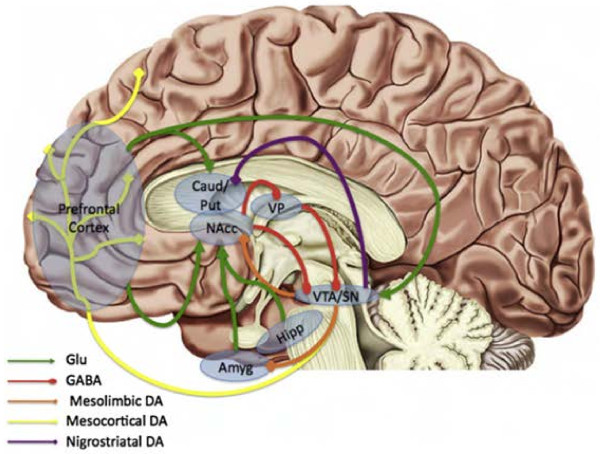
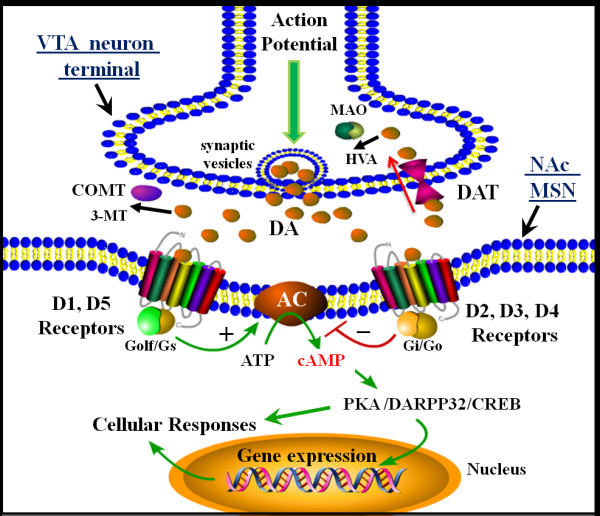
Verification
Claims the paper makes
49 Valid · 3 Not valid · 329 Not checked · 60 Own results and interpretations
The cited sources support only part of this claim — read each source’s verdict below.
In the paper
“in numerous experimental systems, increased CREB activity in the NAc is negatively related to behavioral responses to cocaine, opiates, and alcohol [86,88-90].”
§ Reward circuitry dysfunction in psychiatric and neurodevelopmental disorders and genetic syndromes: animal models and clinical findings > Review > Brain reward circuitry
What the sources say
- Not checked yetcites [86] Nestler EJ Is there a common molecular pathway for addiction? Nat Neurosci 2005 8 11 1445 1449 16251986 source
- Not checked yetcites [88] McClung CA Nestler EJ Regulation of gene expression and cocaine reward by CREB and DeltaFosB Nat Neurosci 2003 6 11 1208 1215 14566342 source
- Partly supportedcites [89] Barrot M Olivier JD Perrotti LI DiLeone RJ Berton O Eisch AJ Impey S Storm DR Neve RL Yin JC Zachariou V Nestler EJ CREB activity in the nucleus accumbens shell controls gating of behavioral responses to emotional stimuli Proc Natl Acad Sci 2002 99 17 11435 11440 12165570 PMC123274 sourceExperimental — accuracy not yet measured
Our copy supports two of the three drugs: the Results (Response to Rewarding Stimuli) report that CREB overexpression in the NAc shell reduced morphine place preference (with mCREB the opposite), and the Introduction/Discussion state that CREB overexpression or PKA stimulation in the NAc reduces the rewarding effects of cocaine, citing the group's earlier work (refs 13, 14) rather than new cocaine data. The alcohol/ethanol component is absent: searched 'ethanol', 'alcohol', 'drinking', 'self-administration' and only sucrose fluid intake and place-conditioning procedures appear, so no part of this paper tests behavioral responses to alcohol. The claim's framing 'in numerous experimental systems' also overstates this single viral-vector/reporter-mouse study, which itself notes it is one system with temporal and anatomical specificity (Discussion). (LLM, conf=0.82)
- Not checked yetcites [90] Walters CL Godfrey M Li X Blendy JA Alterations in morphine-induced reward, locomotor activity, and thermoregulation in CREB-deficient mice Brain Res 2005 1032 1–2 193 199 15680959 source
plainstates an association- Asserted: passes — The authors put it forward as true.
- Checkable: passes — It can be checked against evidence.
- Load-bearing: unclear — It is unclear whether the paper’s conclusions depend on it.
- Based: passes — The paper gives a reason why it holds.
Every source the paper cites for this claim was checked and supports it.
In the paper
“All of these processes are believed to contribute to the intense motivation to attain drugs of abuse [120].”
§ Reward circuitry dysfunction in psychiatric and neurodevelopmental disorders and genetic syndromes: animal models and clinical findings > Review > Psychiatric disorders
What the sources say
- Supportedcites [120] Volkow ND Fowler JS Wang GJ Baler R Telang F Imaging dopamine's role in drug abuse and addiction Neuropharmacology 2009 56 Suppl 1 3 8 18617195 PMC2696819 source
The Introduction says dopamine-related reinforcement processes make drugs salient stimuli that motivate the procurement of more drug. Section 2 also describes adaptations in motivation, reward, inhibitory-control, and memory circuits as contributing to compulsive drug taking. (LLM, conf=0.90)
hedgedstates a possible cause- Asserted: passes — The authors put it forward as true.
- Checkable: passes — It can be checked against evidence.
- Load-bearing: unclear — It is unclear whether the paper’s conclusions depend on it.
- Based: passes — The paper gives a reason why it holds.
- Supported
Every source the paper cites for this claim was checked and supports it.
In the paper
“Notably, Andrews and colleagues [155] found this effect in family members of those with substance abuse, suggesting that this pattern may be evident even in the absence of the direct effects of repeated drug use on the brain.”
§ Reward circuitry dysfunction in psychiatric and neurodevelopmental disorders and genetic syndromes: animal models and clinical findings > Review > Psychiatric disorders
What the sources say
- Supportedcites [155] Andrews MM Meda SA Thomas AD Potenza MN Krystal JH Worhunsky P Stevens MC O'Malley S Book GA Reynolds B Pearlson GD Individuals family history positive for alcoholism show functional magnetic resonance imaging differences in reward sensitivity that are related to impulsivity factors Biol Psychiatr 2011 69 8 675 683 PMC3677031 21126735 source
The Abstract Methods describe participants with a family history of alcoholism who had no past or current alcohol or substance abuse history. The Abstract Results report blunted nucleus accumbens activation during reward anticipation in those participants, and the Overview of Findings says altered reward sensitivity may reflect vulnerability rather than only the consequences of alcohol abuse. This supports the citing sentence’s hedged inference, though the measured effect was brain activation rather than motivation directly. (LLM, conf=0.91)
hedgedstates a possible cause- Asserted: passes — The authors put it forward as true.
- Checkable: passes — It can be checked against evidence.
- Load-bearing: passes — The paper’s conclusions depend on it.
- Based: passes — The paper gives a reason why it holds.
- Supported
The cited sources support only part of this claim — read each source’s verdict below.
In the paper
“Gilman and Hommer [153] reported subjective hypoarousal to normative positive images in alcohol-dependent participants.”
§ Reward circuitry dysfunction in psychiatric and neurodevelopmental disorders and genetic syndromes: animal models and clinical findings > Review > Psychiatric disorders
What the sources say
- Partly supportedcites [153] Gilman JM Hommer DW Modulation of brain response to emotional images by alcohol cues in alcohol-dependent patients Addiction Biol 2008 13 3–4 423 434 18507736 sourceExperimental — accuracy not yet measured
Our copy supports reduced neural response to normative (IAPS) positive images in alcohol-dependent participants: the Results sections 'Positive image with neutral beverage cue' and 'Positive image with alcoholic beverage cue' report that alcoholics showed less activation than controls (eight clusters, and the right hippocampus respectively), with no areas of greater activation, and the Methods ('Visual stimulation and task') confirm the stimuli were 55 high-arousal positive IAPS pictures. However, the paper attributes this to BOLD signal, not subjective experience — its 'Self-report affect ratings' section reports no significant group differences in positive affect before or after the scan, and no per-image arousal ratings were collected. The 'subjective' qualifier in the citing sentence is therefore not supported by this source. (LLM, conf=0.72)
plain- Asserted: passes — The authors put it forward as true.
- Checkable: passes — It can be checked against evidence.
- Load-bearing: unclear — It is unclear whether the paper’s conclusions depend on it.
- Based: passes — The paper gives a reason why it holds.
- Partly supported
The sources with a verdict support this claim; the rest weren’t checked yet, have no full text we could read, or their verdicts aren’t rated yet.
In the paper
“Behavioral studies have reliably found that individuals with MDD show a blunted response to a range of rewarding stimuli [203-205].”
§ Reward circuitry dysfunction in psychiatric and neurodevelopmental disorders and genetic syndromes: animal models and clinical findings > Review > Psychiatric disorders
What the sources say
- Not checked yetcites [203] Henriques JB Davidson RJ Decreased responsiveness to reward in depression Cognit Emot 2000 14 5 711 724 source
- Supportedcites [204] McFarland BR Klein DN Emotional reactivity in depression: diminished responsiveness to anticipated reward but not to anticipated punishment or to nonreward or avoidance Depress Anxiety 2009 26 2 117 122 18972567 source
The Introduction describes studies finding diminished responses to pleasant stimuli and rewards in depressed participants. The Discussion reports diminished responsiveness to anticipated reward in the paper's own study and places it alongside those earlier findings, supporting the broader claim. (LLM, conf=0.88)
- Not checked yetcites [205] Pizzagalli DA Iosifescu D Hallett LA Ratner KG Fava M Reduced hedonic capacity in major depressive disorder: evidence from a probabilistic reward task J Psychiatr Res 2008 43 1 76 87 18433774 PMC2637997 source
boosted- Asserted: passes — The authors put it forward as true.
- Checkable: passes — It can be checked against evidence.
- Load-bearing: passes — The paper’s conclusions depend on it.
- Based: passes — The paper gives a reason why it holds.
223 more claims · 21 with their cited sources checked
Create a free account to see all 441 claims and to verify the 598 references still open.
- It may state two separate claims as one. 191
- Probably not a substantial claim. 43
Claims other papers make about this one
Each is checked against this paper’s own text: does it say what the citing paper says it does?
The source backs part of the claim, not all of it — or backs it for a different population, condition or comparison.
In the citing paper
“A brain imaging study has demonstrated strong links between substance use disorder and dysfunction in reward circuitry, and in particular dopamine function within cortico-striatal circuitry.14”
From Ventral striatum dysfunction in children and adolescents with reactive attachment disorder: functional MRI study (2015) · cites this paper as [14]
Experimental — accuracy not yet measuredIn the citing paper
“For example, substance use disorder has been strongly linked to dysfunction in reward networks, particularly in dopamine function within cortico-striatal circuitry.14”
From Ventral striatum dysfunction in children and adolescents with reactive attachment disorder: functional MRI study (2015) · cites this paper as [14]
In the citing paper
“Conversely, functional alterations associated with reward processing were not observed in other brain regions linked with the reward-related dopaminergic system, such as the prefrontal cortex, the cingulate cortex and the limbic system, which have been implicated as important for reward processing.14,16”
From Ventral striatum dysfunction in children and adolescents with reactive attachment disorder: functional MRI study (2015) · cites this paper as [14]
Self-check
Percentages, sums and reported differences re-computed from the paper’s own numbers.
Each contradiction between two passages listed here was confirmed by an independent check.
Rated minor: it would not touch a result — a value no result rests on, a p-value that stays on the same side of the significance level, or a conflict that is clerical, resolved elsewhere in the paper, or outside its own findings.
In the paper
§ Reward circuitry dysfunction in psychiatric and neurodevelopmental disorders and genetic syndromes: animal models and clinical findings > Review > Psychiatric disorders
“Joos and colleagues [321] found reduced activation of the ACC in individuals with concurrent BN during the presentation of visual food cues”
§ Reward circuitry dysfunction in psychiatric and neurodevelopmental disorders and genetic syndromes: animal models and clinical findings > References
“321. Joos AAB Saum B van Elst LT Perlov E Glauche V Hartmann A Freyer T Tüscher O Zeeck A Amygdala hyperreactivity in restrictive anorexia nervosa”
Rated minor: it would not touch a result — a value no result rests on, a p-value that stays on the same side of the significance level, or a conflict that is clerical, resolved elsewhere in the paper, or outside its own findings.
In the paper
§ Reward circuitry dysfunction in psychiatric and neurodevelopmental disorders and genetic syndromes: animal models and clinical findings > Review > Psychiatric disorders
“Molecular-imaging studies of striatal DAT availability in bipolar disorder generally suggest increased functional DA throughput (but Suhara et al. reported an exception [282]).”
§ Reward circuitry dysfunction in psychiatric and neurodevelopmental disorders and genetic syndromes: animal models and clinical findings > References
“282. Suhara T Nakayama K Inoue O Fukuda H Shimizu M Mori A Tateno Y D1 dopamine receptor binding in mood disorders measured by positron emission tomography”
Rated minor: it would not touch a result — a value no result rests on, a p-value that stays on the same side of the significance level, or a conflict that is clerical, resolved elsewhere in the paper, or outside its own findings.
In the paper
§ Reward circuitry dysfunction in psychiatric and neurodevelopmental disorders and genetic syndromes: animal models and clinical findings > Review > Psychiatric disorders
“Joos and colleagues [340] also reported hyper-reactive reward-outcome responses in anorexia during the processing of food-reward images.”
§ Reward circuitry dysfunction in psychiatric and neurodevelopmental disorders and genetic syndromes: animal models and clinical findings > References
“340. Joos AAB Saum B Zeeck A Perlov E Glauche V Hartmann A Freyer T Sandholz A Unterbrink T van Elst LT Tüscher O Frontocingular dysfunction in Bulimia Nervosa when confronted with disease-specific stimuli”
Rated minor: it would not touch a result — a value no result rests on, a p-value that stays on the same side of the significance level, or a conflict that is clerical, resolved elsewhere in the paper, or outside its own findings.
In the paper
§ Reward circuitry dysfunction in psychiatric and neurodevelopmental disorders and genetic syndromes: animal models and clinical findings > Review > Psychiatric disorders
“Dextroamphetamine causes release of DA (as well as norepinephrine and serotonin) and is an effective treatment for amphetamine abuse [181].”
§ Reward circuitry dysfunction in psychiatric and neurodevelopmental disorders and genetic syndromes: animal models and clinical findings > References
“181. Grabowski J Rhoades H Schmitz J Stotts A Daruzska LA Creson D Moeller FG Dextroamphetamine for cocaine-dependence treatment: a double-blind randomized clinical trial”
Rated minor: it would not touch a result — a value no result rests on, a p-value that stays on the same side of the significance level, or a conflict that is clerical, resolved elsewhere in the paper, or outside its own findings.
In the paper
§ Reward circuitry dysfunction in psychiatric and neurodevelopmental disorders and genetic syndromes: animal models and clinical findings > Review > Genetic syndromes
“Another study found that individuals with WS show reduced amygdala activity in response to sad faces and comparable activity in the orbitofrontal cortex for happy and sad faces”
§ Reward circuitry dysfunction in psychiatric and neurodevelopmental disorders and genetic syndromes: animal models and clinical findings > Review > Genetic syndromes
“However, both of these studies did not report responses to the happy-face conditions.”
Citations
Cites
Items 401–600 of 778
The neuropharmacology of ADHD drugs in vivo: Insights on efficacy and safety
Heal, D. J., Cheetham, S. C., & Smith, S. L. (2009) · Neuropharmacology · doi:10.1016/j.neuropharm.2009.08.020 · Cited by 198 · cited 1×
“D-amphetamine is the major pharmacological ingredient in dextroamphetamine and lisdexamfetamine dimesylate, and both are believed to exert their therapeutic actions by enhancing the function of noradrenaline and DA [498].”
BackgroundFunctional Specificity of Ventral Striatal Compartments in Appetitive Behaviors
KELLEY, A. E. (1999) · Annals of the New York Academy of Sciences · doi:10.1111/j.1749-6632.1999.tb09262.x · Cited by 198
Hollander, E., Rossi, N. B., Sood, E., & Pallanti, S. (2003) · The International Journal of Neuropsychopharmacology · doi:10.1017/s1461145703003730 · Cited by 197 · cited 1×
“Specifically, high-dose olanzapine [522], quetiapine [523], and risperidone [524] have all shown at least minimal clinical benefit relative to placebo treatment [525].”
BackgroundFairchild, G., van Goozen, S. H. M., Stollery, S. J., Aitken, M. R. F., Savage, J., Moore, S. C., & Goodyer, I. M. (2009) · Biological Psychiatry · doi:10.1016/j.biopsych.2009.02.024 · Cited by 197
Advances in understanding and treatment of Tourette syndrome
McNaught, K. S. P., & Mink, J. W. (2011) · Nature Reviews Neurology · doi:10.1038/nrneurol.2011.167 · Cited by 196 · cited 1×
“8% of the population [612], and is characterized by motor and vocal tics (rapid, recurrent, stereotyped motor movements or vocalizations) performed in response to somatosensory or environmental cues [1].”
BackgroundVisser, S. N., Lesesne, C. A., & Perou, R. (2007) · Pediatrics · doi:10.1542/peds.2006-2089o · Cited by 196 · cited 1×
“ADHD affects approximately 8 to 9% of school-aged children and 4 to 5% of adults [429-431].”
BackgroundJohansen, E. B., Aase, H., Meyer, A., & Sagvolden, T. (2002) · Behavioural Brain Research · doi:10.1016/s0166-4328(01)00434-x · Cited by 195
Turgay, A., Binder, C., Snyder, R., & Fisman, S. (2002) · Pediatrics · doi:10.1542/peds.110.3.e34 · Cited by 195
Spreckley, M., & Boyd, R. (2009) · The Journal of Pediatrics · doi:10.1016/j.jpeds.2008.09.012 · Cited by 195 · cited 1×
“Even with this scaffolding, however, reward-based interventions are not successful for all children with ASD [579-582], and there is some evidence that individual differences in reward motivation may predict differences in response to treatment [580].”
BackgroundDopamine signaling in the nucleus accumbens of animals self-administering drugs of abuse
Willuhn, I., Wanat, M. J., Clark, J. J., & Phillips, P. E. M. (2010) · Current Topics in Behavioral Neurosciences · doi:10.1007/7854_2009_27 · Cited by 193 · cited 5×
“For example, using rodent models, researchers have determined that nearly all psychoactive drugs of abuse (for example, cocaine, amphetamines, alcohol, opiates, cannabinoids, nicotine) induce alterations in the transmission of DA within the mesolimbic pathway, with most of these drugs increasing extracellular concentr…”
BackgroundInfluentialDistinctive Personality Characteristics of 8-, 9-, and 10-Year-Olds With Williams Syndrome
Klein-Tasman, B. P., & Mervis, C. B. (2003) · Developmental Neuropsychology · doi:10.1080/87565641.2003.9651895 · Cited by 192
Attentional Capacities in Children with Autism: Is There a General Deficit in Shifting Focus?
Pascualvaca, D. M., Fantie, B. D., Papageorgiou, M., & Mirsky, A. F. (1998) · Journal of Autism and Developmental Disorders · doi:10.1023/a:1026091809650 · Cited by 191 · cited 1×
“This finding is consistent with previous research examining the effect of reward type on task performance, which indicates that children with ASD may be less motivated by social than non-social rewards [480,565-568].”
ResultEbert, D., Feistel, H., & Barocka, A. (1991) · Psychiatry Research: Neuroimaging · doi:10.1016/0925-4927(91)90016-j · Cited by 191
The role of dopamine in intracranial self-stimulation of the ventral tegmental area
Fibiger, H., LePiane, F., Jakubovic, A., & Phillips, A. (1987) · The Journal of Neuroscience · doi:10.1523/jneurosci.07-12-03888.1987 · Cited by 189
Neural Mechanisms Underlying Hyperphagia in Prader‐Willi Syndrome
Holsen, L. M., Zarcone, J. R., Brooks, W. M., Butler, M. G., Thompson, T. I., Ahluwalia, J. S., Nollen, N. L., & Savage, C. R. (2006) · Obesity · doi:10.1038/oby.2006.118 · Cited by 189 · cited 1×
“gues [679] scanned participants with PWS while they”
BackgroundDopamine D2 receptors in depression measured with single photon emission computed tomography
D'haenen, H. A., & Bossuyt, A. (1994) · Biological Psychiatry · doi:10.1016/0006-3223(94)91202-5 · Cited by 189 · cited 1×
“These studies have indicated increased D2 receptor binding in the basal ganglia [257], striatum [258,259], and putamen [260], whereas other studies have reported lower [261] or no difference [259,262,263] in striatal D2 transporter binding potential.”
Volumetric MRI studies of mood disorders: do they distinguish unipolar and bipolar disorder?
Strakowski, S. M., Adler, C. M., & DelBello, M. P. (2002) · Bipolar Disorders · doi:10.1034/j.1399-5618.2002.01160.x · Cited by 189
Sustained attention in children with autism
Garretson, H. B., Fein, D., & Waterhouse, L. (1990) · Journal of Autism and Developmental Disorders · doi:10.1007/bf02206860 · Cited by 186 · cited 1×
“This finding is consistent with previous research examining the effect of reward type on task performance, which indicates that children with ASD may be less motivated by social than non-social rewards [480,565-568].”
ResultWaltz, J. A., Schweitzer, J. B., Gold, J. M., Kurup, P. K., Ross, T. J., Jo Salmeron, B., Rose, E. J., McClure, S. M., & Stein, E. A. (2009) · Neuropsychopharmacology · doi:10.1038/npp.2008.214 · Cited by 186 · cited 1×
“Neuroimaging studies of responses to rewards in schizophrenia generally suggest decreased NAc activation during monetary-reward anticipation (but see [416]for an exception) in both patients taking medication and patients not taking medication [417-420].”
BackgroundFMRP Acts as a Key Messenger for Dopamine Modulation in the Forebrain
Wang, H., Wu, L.-J., Kim, S. S., Lee, F. J. S., Gong, B., Toyoda, H., Ren, M., Shang, Y.-Z., Xu, H., Liu, F., et al. (2008) · Neuron · doi:10.1016/j.neuron.2008.06.027 · Cited by 186 · cited 1×
“Remarkably, these neuronal deficits could be rescued by restoring the FMR1 gene to the mutant neurons [715].”
BackgroundHeterogeneous reward signals in prefrontal cortex
Wallis, J. D., & Kennerley, S. W. (2010) · Current Opinion in Neurobiology · doi:10.1016/j.conb.2010.02.009 · Cited by 186 · cited 1×
“The ACC plays a central role in processing positively valenced emotions [239] and other rewards [240], and in coding value representations of anticipated rewards [241], as shown in studies of sleep deprivation [242-245], psychopharmacological intervention [246-250], cognitive behavioral therapy [251,252] and a combine…”
BackgroundIncreased ventral striatal BOLD activity during non-drug reward anticipation in cannabis users
Nestor, L., Hester, R., & Garavan, H. (2010) · NeuroImage · doi:10.1016/j.neuroimage.2009.07.022 · Cited by 186 · cited 1×
“Overall, these studies highlight that the effects of altered mesolimbic function in substance-use disorders may be characterized not only by increased reward motivation for substancerelated stimuli, but also by decreased reward motivation for natural rewards (but there are exceptions [161]), which may lead to increase…”
BackgroundRisk taking and the adolescent reward system: A potential common link to substance abuse
Schneider, S., Peters, J., Bromberg, U., Brassen, S., Miedl, S. F., Banaschewski, T., Barker, G. J., Conrod, P., Flor, H., Garavan, H., et al. (2012) · American Journal of Psychiatry · doi:10.1176/appi.ajp.2011.11030489 · Cited by 186
Does the prevalence of CD and ODD vary across cultures?
Canino, G., Polanczyk, G., Bauermeister, J. J., Rohde, L. A., & Frick, P. J. (2010) · Social Psychiatry and Psychiatric Epidemiology · doi:10.1007/s00127-010-0242-y · Cited by 185
Nicotine Dependence Is Characterized by Disordered Reward Processing in a Network Driving Motivation
Bühler, M., Vollstädt-Klein, S., Kobiella, A., Budde, H., Reed, L. J., Braus, D. F., Büchel, C., & Smolka, M. N. (2010) · Biological Psychiatry · doi:10.1016/j.biopsych.2009.10.029 · Cited by 185 · cited 2×
“Bühler and collegues [154] reported mesocorticolimbic hypoactivation during monetary-reward motivation in nicotinedependent participants, which predicted motivation to obtain rewards.”
BackgroundGenetics of schizophrenia: new findings and challenges
Gejman, P. V., Sanders, A. R., & Kendler, K. S. (2011) · Annual Review of Genomics and Human Genetics · doi:10.1146/annurev-genom-082410-101459 · Cited by 183 · cited 1×
“copy-number variations, and possibly epigenetic factors [361], all of which can affect multiple brain neurotrans-”
BackgroundBrief Report: Circumscribed Attention in Young Children with Autism
Sasson, N. J., Elison, J. T., Turner-Brown, L. M., Dichter, G. S., & Bodfish, J. W. (2011) · Journal of Autism and Developmental Disorders · doi:10.1007/s10803-010-1038-3 · Cited by 181 · cited 1×
“For instance, older children with ASDs report experiencing less pleasure from social rewards [557], and social stimuli are relatively less salient for individuals with ASD [558-560].”
BackgroundSelf-citationAndrews, M. M., Meda, S. A., Thomas, A. D., Potenza, M. N., Krystal, J. H., Worhunsky, P., Stevens, M. C., O'Malley, S., Book, G. A., Reynolds, B., et al. (2011) · Biological Psychiatry · doi:10.1016/j.biopsych.2010.09.049 · Cited by 181 · cited 2×
“Notably, Andrews and colleagues [155] found this effect in family members of those with substance abuse, suggesting that this pattern may be evident even in the absence of the direct effects of repeated drug use on the brain.”
BackgroundAmphetamine-type reinforcement by dopaminergic agonists in the rat
Yokel, R. A., & Wise, R. A. (1978) · Psychopharmacology · doi:10.1007/bf00427393 · Cited by 181 · cited 1×
“Direct DA receptor agonists can mimic the effects of substances of abuse, and these agonists are self-administered both systemically and locally into the NAc in rats and monkeys [131-133].”
BackgroundDopaminergic dysfunction in tourette syndrome
Singer, H. S., Butler, I. J., Tune, L. E., Seifert, W. E., & Coyle, J. T. (1982) · Annals of Neurology · doi:10.1002/ana.410120408 · Cited by 180 · cited 1×
“Clinical studies The DA hypothesis of TS was originally proposed nearly 30 years ago [617], and has been corroborated by post-mortem data [618]; however the identification of an underlying DA deficit leading to dysfunction in TS has proven to be elusive [619].”
BackgroundThe dopamine D2 receptor locus as a modifying gene in neuropsychiatric disorders
Comings, D. E. (1991) · JAMA · doi:10.1001/jama.266.13.1793 · Cited by 180
Forbes, E. E., Olino, T. M., Ryan, N. D., Birmaher, B., Axelson, D., Moyles, D. L., & Dahl, R. E. (2010) · Cognitive, Affective, & Behavioral Neuroscience · doi:10.3758/cabn.10.1.107 · Cited by 178
Berlin, I., Givry-Steiner, L., Lecrubier, Y., & Puech, A. (1998) · European Psychiatry · doi:10.1016/s0924-9338(98)80048-5 · Cited by 178
Accumbens dopamine-acetylcholine balance in approach and avoidance
Hoebel, B. G., Avena, N. M., & Rada, P. (2007) · Current Opinion in Pharmacology · doi:10.1016/j.coph.2007.10.014 · Cited by 177
Baclofen Inhibits Heroin Self-Administration Behavior and Mesolimbic Dopamine Release
Xi, Z.-X., & Stein, E. A. (1999) · The Journal of Pharmacology and Experimental Therapeutics · doi:10.1016/s0022-3565(24)35044-x · Cited by 177 · cited 16×
“Afferents from the VTA of the mesolimbic DA system project outward, and primarily terminate onto the MSNs, which are the principal cell type in the NAc, and produce and secrete GABA, the main inhibitory neurotransmitter used in the CNS.”
BackgroundInfluentialBehavioral and Emotional Disturbance in Individuals With Williams Syndrome
Einfeld, S. L., Tonge, B. J., & Florio, T. (1997) · American Journal on Mental Retardation · doi:10.1352/0895-8017(1997)102<0045:baedii>2.0.co;2 · Cited by 177
Lubman, D. I., Yücel, M., Kettle, J. W. L., Scaffidi, A., MacKenzie, T., Simmons, J. G., & Allen, N. B. (2009) · Archives of General Psychiatry · doi:10.1001/archgenpsychiatry.2008.522 · Cited by 176 · cited 1×
“Lubman and colleagues [156] reported decreased”
Kim, H., Shimojo, S., & O'Doherty, J. P. (2011) · Cerebral Cortex · doi:10.1093/cercor/bhq145 · Cited by 176 · cited 1×
“Recent evidence suggests a common ‘neural currency’ for coding monetary and primary (for example, food) rewards [101].”
BackgroundOverview of Animal Models of Attention Deficit Hyperactivity Disorder (ADHD)
Russell, V. A. (2011) · Current Protocols in Neuroscience · doi:10.1002/0471142301.ns0935s54 · Cited by 175
Medication Patterns in Patients with Autism: Temporal, Regional, and Demographic Influences
Aman, M. G., Lam, K. S. L., & Van Bourgondien, M. E. (2005) · Journal of Child and Adolescent Psychopharmacology · doi:10.1089/cap.2005.15.116 · Cited by 174 · cited 1×
“tions in challenging behaviors, such as irritability and hyperactivity [596-600], and significant improvement in”
BackgroundRalph, R. J., Varty, G. B., Kelly, M. A., Wang, Y.-M., Caron, M. G., Rubinstein, M., Grandy, D. K., Low, M. J., & Geyer, M. A. (1999) · The Journal of Neuroscience · doi:10.1523/jneurosci.19-11-04627.1999 · Cited by 174 · cited 1×
“Studies in mice have indicated that administration of direct-acting DA agonists (such as apomorphine) and indirect DA agonists (such as cocaine) to mice disrupt PPI primarily via D1 receptors [369], whereas D2 receptors seem to modulate amphetamine-induced PPI deficits [370].”
BackgroundInherited predisposition to alcoholism: characteristics of sons of male alcoholics
Pihl, R. O., Peterson, J., & Finn, P. R. (1990) · Journal of Abnormal Psychology · doi:10.1037/0021-843x.99.3.291 · Cited by 172 · cited 1×
“pulsivity in large-scale twin studies [109], and common”
Background5-HT receptors and reward-related behaviour: A review
Hayes, D. J., & Greenshaw, A. J. (2011) · Neuroscience & Biobehavioral Reviews · doi:10.1016/j.neubiorev.2011.03.005 · Cited by 171
Functional MRI in ADHD: a systematic literature review
Paloyelis, Y., Mehta, M. A., Kuntsi, J., & Asherson, P. (2007) · Expert Review of Neurotherapeutics · doi:10.1586/14737175.7.10.1337 · Cited by 171
Habit-forming actions of nomifensine in nucleus accumbens
Carlezon, W. A., Devine, D. P., & Wise, R. A. (1995) · Psychopharmacology · doi:10.1007/bf02246095 · Cited by 170 · cited 1×
“Direct DA receptor agonists can mimic the effects of substances of abuse, and these agonists are self-administered both systemically and locally into the NAc in rats and monkeys [131-133].”
BackgroundDichter, G. S., Kozink, R. V., McClernon, F. J., & Smoski, M. J. (2012) · Journal of Affective Disorders · doi:10.1016/j.jad.2011.09.048 · Cited by 170
Self-citationSensitivity to Reward Delay in Children with Attention Deficit Hyperactivity Disorder (ADHD)
Tripp, G., & Alsop, B. (2001) · Journal of Child Psychology and Psychiatry · doi:10.1111/1469-7610.00764 · Cited by 170 · cited 1×
“"delay aversion" [462,469-474]), which is independent of inhibitory deficits [475] yet correlates with hyperactivity”
BackgroundSerotonin and dopamine transporter binding in children with autism determined by SPECT
Makkonen, I., Riikonen, R., Kokki, H., Airaksinen, M. M., & Kuikka, J. T. (2008) · Developmental Medicine & Child Neurology · doi:10.1111/j.1469-8749.2008.03027.x · Cited by 169
Yokel, R. A. (1987) · Springer eBooks · doi:10.1007/978-1-4612-4812-5_1 · Cited by 169
Post, R. M. (1978) · Archives of General Psychiatry · doi:10.1001/archpsyc.1978.01770290091008 · Cited by 168 · cited 1×
“Other examples of DA agents effective in the treatment of MDD include the selective D2/D3 receptor agonists pramipexole [292] and piribedil [293] the catechol-O-methyltransferase inhibitor tolcapone, [294], and the preferential presynaptic DA antagonist amisulpride, [295].”
BackgroundFunctional MRI in attention-deficit hyperactivity disorder: Evidence for hypofrontality
Zang, Y., Jin, Z. H., Weng, X., Zhang, L., Zeng, Y., Yang, L., Wang, Y., Seidman, L. J., & Faraone, S. V. (2005) · Brain and Development · doi:10.1016/j.braindev.2004.11.009 · Cited by 168
Stuber, G. D., Wightman, R. M., & Carelli, R. M. (2005) · Neuron · doi:10.1016/j.neuron.2005.04.036 · Cited by 168
Scheres, A., Tontsch, C., Thoeny, A. L., & Kaczkurkin, A. (2010) · Biological Psychiatry · doi:10.1016/j.biopsych.2009.10.033 · Cited by 167
Neural abnormalities during cognitive generation of affect in Treatment-Resistant depression
Kumari, V., Mitterschiffthaler, M. T., Teasdale, J. D., Malhi, G. S., Brown, R. G., Giampietro, V., Brammer, M. J., Poon, L., Simmons, A., Williams, S. C. R., et al. (2003) · Biological Psychiatry · doi:10.1016/s0006-3223(02)01785-7 · Cited by 166 · cited 1×
“Functional neuroimaging studies in MDD have consistently indicated hypoactivation in reward-processing regions, including the dorsal and ventral striatum [210214] and a host of other reward structures, including the medial prefrontal cortex [215,216], the pregenual and subgenual anterior cingulate, and the medial fron…”
BackgroundPrefrontal Cortex 5-HT2 Receptors in Depression: An [18F]Setoperone PET Imaging Study
Meyer, J. H., Kapur, S., Houle, S., DaSilva, J., Owczarek, B., Brown, G. M., Wilson, A. A., & Kennedy, S. H. (1999) · American Journal of Psychiatry · doi:10.1176/ajp.156.7.1029 · Cited by 165
The expression and experience of emotion in schizophrenia: a study of social interactions
Aghevli, M. A., Blanchard, J. J., & Horan, W. P. (2003) · Psychiatry Research · doi:10.1016/s0165-1781(03)00133-1 · Cited by 165 · cited 1×
“exchange [389-391], even when taking medication [388].”
Imaging brain response to reward in addictive disorders
Hommer, D. W., Bjork, J. M., & Gilman, J. M. (2011) · Annals of the New York Academy of Sciences · doi:10.1111/j.1749-6632.2010.05898.x · Cited by 163
D1 dopamine receptor binding in mood disorders measured by positron emission tomography
Suhara, T., Nakayama, K., Inoue, O., Fukuda, H., Shimizu, M., Mori, A., & Tateno, Y. (1992) · Psychopharmacology · doi:10.1007/bf02253582 · Cited by 163 · cited 1×
“reported an exception [282]).”
PET Imaging of Serotonin Type 2A Receptors in Late-Life Neuropsychiatric Disorders
Meltzer, C. C., Price, J. C., Mathis, C. A., Greer, P. J., Cantwell, M. N., Houck, P. R., Mulsant, B. H., Ben-Eliezer, D., Lopresti, B., DeKosky, S. T., et al. (1999) · American Journal of Psychiatry · doi:10.1176/ajp.156.12.1871 · Cited by 163
Update in the methodology of the chronic stress paradigm: internal control matters
Strekalova, T., Couch, Y., Kholod, N., Boyks, M., Malin, D., Leprince, P., & Steinbusch, H. M. (2011) · Behavioral and Brain Functions · doi:10.1186/1744-9081-7-9 · Cited by 163 · cited 1×
“preclinical paradigms of affective disorders [195].”
Neural response to pleasant stimuli in anhedonia: an fMRI study
Mitterschiffthaler, M. T., Kumari, V., Malhi, G. S., Brown, R. G., Giampietro, V. P., Brammer, M. J., Suckling, J., Poon, L., Simmons, A., Andrew, C., et al. (2003) · NeuroReport · doi:10.1097/00001756-200302100-00003 · Cited by 162
Understanding Obsessive–Compulsive Disorder: Focus on Decision Making
Cavedini, P., Gorini, A., & Bellodi, L. (2006) · Neuropsychology Review · doi:10.1007/s11065-006-9001-y · Cited by 161 · cited 1×
“OCD has an estimated prevalence of 1 to 3% [501], and is characterized by recurrent anxiety-provoking thoughts or impulses (obsessions), typically followed by repetitive ritualistic behaviors to relieve anxiety (compulsions) [502].”
BackgroundBrief Report: Selective Social Anhedonia in High Functioning Autism
Chevallier, C., Grèzes, J., Molesworth, C., Berthoz, S., & Happé, F. (2012) · Journal of Autism and Developmental Disorders · doi:10.1007/s10803-011-1364-0 · Cited by 161 · cited 1×
“For instance, older children with ASDs report experiencing less pleasure from social rewards [557], and social stimuli are relatively less salient for individuals with ASD [558-560].”
BackgroundFindling, R. L., Aman, M. G., Eerdekens, M., Derivan, A., Lyons, B., & The Risperidone Disruptive Behavior Study Group (2004) · American Journal of Psychiatry · doi:10.1176/appi.ajp.161.4.677 · Cited by 161 · cited 1×
“gressive behaviors in children with CD [664-666].”
Meyer, J. H., McNeely, H. E., Sagrati, S., Boovariwala, A., Martin, K., Verhoeff, N. P. L. G., Wilson, A. A., & Houle, S. (2006) · American Journal of Psychiatry · doi:10.1176/ajp.2006.163.9.1594 · Cited by 160
Economic principles motivating social attention in humans
Hayden, B. Y., Parikh, P. C., Deaner, R. O., & Platt, M. L. (2007) · Proceedings of the Royal Society B: Biological Sciences · doi:10.1098/rspb.2007.0368 · Cited by 160 · cited 2×
“In the realm of nonclinical cognitive neuroscience, this assumption seems to be valid [97]; however, the concordance of results using standardized versus individual-specific stimuli is largely unknown in clinical contexts.”
BackgroundBodkin, J. A., Lasser, R. A., Wines, J. D., Gardner, D. M., & Baldessarini, R. J. (1997) · The Journal of Clinical Psychiatry · doi:10.4088/jcp.v58n0401 · Cited by 159
Schaefer, H. S., Putnam, K. M., Benca, R. M., & Davidson, R. J. (2006) · Biological Psychiatry · doi:10.1016/j.biopsych.2006.03.024 · Cited by 158
A controlled trial of stimulant medication in children with the fragile X syndrome
Hagerman, R. J., Murphy, M. A., & Wittenberger, M. D. (1988) · American Journal of Medical Genetics · doi:10.1002/ajmg.1320300138 · Cited by 158 · cited 1×
“Psychostimulants are the most often prescribed psychoactive medication to treat FXS [730], with initial randomized controlled trial data of response to methylphenidate and dextroamphetamine suggesting moderate response rates on attention and social skills [731].”
BackgroundMcFarland, B. R., & Klein, D. N. (2009) · Depression and Anxiety · doi:10.1002/da.20513 · Cited by 157 · cited 1×
“Behavioral studies have reliably found that individuals with MDD show a blunted response to a range of rewarding stimuli [203-205].”
BackgroundOlanzapine therapy in anorexia nervosa: psychobiological effects
Brambilla, F., Garcia, C. S., Fassino, S., Daga, G. A., Favaro, A., Santonastaso, P., Ramaciotti, C., Bondi, E., Mellado, C., Borriello, R., et al. (2007) · International Clinical Psychopharmacology · doi:10.1097/yic.0b013e328080ca31 · Cited by 156 · cited 1×
“A small number of double-blind trials have evaluated the effects of antipsychotics, with essentially non-significant effects [345-347].”
BackgroundNeural correlates of reward in autism
Schmitz, N., Rubia, K., van Amelsvoort, T., Daly, E., Smith, A., & Murphy, D. G. M. (2008) · British Journal of Psychiatry · doi:10.1192/bjp.bp.107.036921 · Cited by 153 · cited 1×
“Schmitz and colleagues [563] investigated the neural substrates of reward learning in the context of a sustained attention task with monetary rewards, and reported decreased activation in the left anterior cingulate gyrus and left midfrontal gyrus on”
BackgroundBohon, C., & Stice, E. (2011) · International Journal of Eating Disorders · doi:10.1002/eat.20869 · Cited by 153 · cited 2×
“Joos and colleagues [321] found reduced activation of the ACC in individuals with concurrent BN during the presentation of visual food cues, and Bohon and Stice [322] reported trends towards decreased right insular cortex activation to the anticipated receipt of chocolate milkshake solution and in the right posterior…”
BackgroundSecond-Generation Antipsychotic Medications in Children and Adolescents
Cheng-Shannon, J., McGough, J. J., Pataki, C., & McCracken, J. T. (2004) · Journal of Child and Adolescent Psychopharmacology · doi:10.1089/cap.2004.14.372 · Cited by 152 · cited 1×
“gressive behavior [663].”
Autism Spectrum Traits in Children with Mood and Anxiety Disorders
Towbin, K. E., Pradella, A., Gorrindo, T., Pine, D. S., & Leibenluft, E. (2005) · Journal of Child and Adolescent Psychopharmacology · doi:10.1089/cap.2005.15.452 · Cited by 152 · cited 1×
“For example, there are high rates of comorbidity between substance abuse and other Axis I conditions [747-749], schizophrenia and bipolar disorder [750], and ASD and mood and anxiety disorders [751].”
BackgroundTowards an understanding of unique and shared pathways in the psychopathophysiology of ADHD
Banaschewski, T., Hollis, C., Oosterlaan, J., Roeyers, H., Rubia, K., Willcutt, E., & Taylor, E. (2005) · Developmental Science · doi:10.1111/j.1467-7687.2005.00400.x · Cited by 152
Abnormal Responses to Monetary Outcomes in Cortex, but not in the Basal Ganglia, in Schizophrenia
Waltz, J. A., Schweitzer, J. B., Ross, T. J., Kurup, P. K., Salmeron, B. J., Rose, E. J., Gold, J. M., & Stein, E. A. (2010) · Neuropsychopharmacology · doi:10.1038/npp.2010.126 · Cited by 151 · cited 2×
“Neuroimaging studies of responses to rewards in schizophrenia generally suggest decreased NAc activation during monetary-reward anticipation (but see [416]for an exception) in both patients taking medication and patients not taking medication [417-420].”
BackgroundPsychopharmacology in fragile X syndrome—Present and future
Berry‐Kravis, E., & Potanos, K. (2004) · Mental Retardation and Developmental Disabilities Research Reviews · doi:10.1002/mrdd.20007 · Cited by 151 · cited 1×
“Dopaminergic treatments Children and adults with FXS are regularly prescribed stimulants, antidepressants, anticonvulsants, and antipsychotics [727-729].”
BackgroundNeuroimaging for drug addiction and related behaviors
Parvaz, M. A., Alia-Klein, N., Woicik, P. A., Volkow, N. D., & Goldstein, R. Z. (2011) · Reviews in the Neurosciences · doi:10.1515/rns.2011.055 · Cited by 151 · cited 1×
“Contemporary theories addressing the pathophysiology of substanceuse disorders highlight altered motivational states, cognitive control, inhibitory function, and decision-making, mediated in large part by dysfunctional output of mesolimbic and mesocortical brain systems [104-107].”
BackgroundIncreased ventral striatal monoaminergic innervation in Tourette syndrome
Albin, R. L., Koeppe, R. A., Bohnen, N. I., Nichols, T. E., Meyer, P., Wernette, K., Minoshima, S., Kilbourn, M. R., & Frey, K. A. (2003) · Neurology · doi:10.1212/01.wnl.0000076181.39162.fc · Cited by 150
Bupropion Sustained Release Versus Paroxetine for the Treatment of Depression in the Elderly
Weihs, K. L., Settle, E. C., Batey, S. R., Houser, T. L., Donahue, R. M. J., & Ascher, J. A. (2000) · The Journal of Clinical Psychiatry · doi:10.4088/jcp.v61n0309 · Cited by 150
Disambiguating ventral striatum fMRI-related bold signal during reward prediction in schizophrenia
Morris, R. W., Vercammen, A., Lenroot, R., Moore, L., Langton, J. M., Short, B., Kulkarni, J., Curtis, J., O'Donnell, M., Weickert, C. S., et al. (2012) · Molecular Psychiatry · doi:10.1038/mp.2011.75 · Cited by 149 · cited 1×
“enhanced responses to expected rewards [421].”
Relationship between psychostimulant-induced "high" and dopamine transporter occupancy.
Volkow, N. D., Wang, G. J., Fowler, J. S., Gatley, S. J., Ding, Y. S., Logan, J., Dewey, S. L., Hitzemann, R., & Lieberman, J. (1996) · Proceedings of the National Academy of Sciences · doi:10.1073/pnas.93.19.10388 · Cited by 149 · cited 1×
“striatal DA have been linked with subjective feelings of euphoria [115,116].”
BackgroundDistinctive Personality Characteristics of 8-, 9-, and 10-Year-Olds With Williams Syndrome
Klein-Tasman, B., & Mervis, C. (2003) · Developmental Neuropsychology · doi:10.1207/s15326942dn231&2_12 · Cited by 148
Jia, Z., Worhunsky, P. D., Carroll, K. M., Rounsaville, B. J., Stevens, M. C., Pearlson, G. D., & Potenza, M. N. (2011) · Biological Psychiatry · doi:10.1016/j.biopsych.2011.05.008 · Cited by 147
Hopf, F. W., Cascini, M. G., Gordon, A. S., Diamond, I., & Bonci, A. (2003) · The Journal of Neuroscience · doi:10.1523/jneurosci.23-12-05079.2003 · Cited by 146
Anticipatory vs. consummatory pleasure: What is the nature of hedonic deficits in schizophrenia?
Strauss, G. P., Wilbur, R. C., Warren, K. R., August, S. M., & Gold, J. M. (2011) · Psychiatry Research · doi:10.1016/j.psychres.2011.01.012 · Cited by 146
Cederlund, M., Hagberg, B., & Gillberg, C. (2010) · Research in Developmental Disabilities · doi:10.1016/j.ridd.2009.09.006 · Cited by 145 · cited 1×
“A number of explanations for the high comorbidity rates have been suggested, including shared genetic etiology, self-medication of symptoms, and common socioenvironmental determinants [752,753], but only multi-group studies that directly compare cases with comorbid disorders will be able to distinguish the nature of r…”
BackgroundGlenn, C. (1997) · Molecular Human Reproduction · doi:10.1093/molehr/3.4.321 · Cited by 145 · cited 1×
“Approximately 70% of cases are due to a genetic deletion on chromosome 15 (15q11–13), 25% of cases are due to a maternal uniparental disomy of chromosome 15, and the remaining cases result from imprinting defects [671,672].”
BackgroundRett Syndrome: Exploring the Autism Link
Percy, A. K. (2011) · Archives of Neurology · doi:10.1001/archneurol.2011.149 · Cited by 144
Pandina, G. J., Bossie, C. A., Youssef, E., Zhu, Y., & Dunbar, F. (2007) · Journal of Autism and Developmental Disorders · doi:10.1007/s10803-006-0234-7 · Cited by 144 · cited 1×
“tions in challenging behaviors, such as irritability and hyperactivity [596-600], and significant improvement in”
BackgroundStahl, S. M. (2001) · The Journal of Clinical Psychiatry · doi:10.4088/jcp.v62n1101 · Cited by 143 · cited 1×
“Finally, third-generation antipsychotics, such as aripiprizole, are partial D2 receptor agonists with high affinity and low intrinsic activity, and these drugs may act as ‘DA stabilizers’ because of their ability to stabilize, rather than simply upregulate or downregulate functional output of DA systems [428].”
BackgroundRisky Decisions and Their Consequences: Neural Processing by Boys with Antisocial Substance Disorder
Crowley, T. J., Dalwani, M. S., Mikulich-Gilbertson, S. K., Du, Y. P., Lejuez, C. W., Raymond, K. M., & Banich, M. T. (2010) · PLoS ONE · doi:10.1371/journal.pone.0012835 · Cited by 142 · cited 1×
“Finally, Crowley and colleagues [653] found that adolescents with CD and comorbid substance-use disorder displayed relative hypoactivation in the striatum and ACC during risky decision-making for rewards.”
BackgroundIntegrating synaptic plasticity and striatal circuit function in addiction
Grueter, B. A., Rothwell, P. E., & Malenka, R. C. (2012) · Current Opinion in Neurobiology · doi:10.1016/j.conb.2011.09.009 · Cited by 140
The GABAB agonist baclofen modifies cocaine self-administration in rats.
Shoaib, M., SWANNER, L. S., Ce, B., Goldberg, & Schindler, C. W. (1998) · PubMed · Cited by 140
Anand, A., Barkay, G., Dzemidzic, M., Albrecht, D., Karne, H., Zheng, Q.-H., Hutchins, G. D., Normandin, M. D., & Yoder, K. K. (2011) · Bipolar Disorders · doi:10.1111/j.1399-5618.2011.00936.x · Cited by 139
Assessing the effects of bupropion SR on mood dimensions of depression
Tomarken, A. J., Dichter, G. S., Freid, C., Addington, S., & Shelton, R. C. (2004) · Journal of Affective Disorders · doi:10.1016/s0165-0327(02)00306-3 · Cited by 139 · cited 1×
“Particularly relevant in the present context are previous reports [290,296,297] that although both DA and non-DA agents can be used to effectively treat mood disorders, DA agents generally have superior effects on symptoms of anhedonia, specifically when compared with non-DA agents [19,298-300].”
BackgroundSelf-citationModeling cognitive endophenotypes of schizophrenia in mice
Kellendonk, C., Simpson, E. H., & Kandel, E. R. (2009) · Trends in Neurosciences · doi:10.1016/j.tins.2009.02.003 · Cited by 138
Burger, K. S., & Stice, E. (2011) · NeuroImage · doi:10.1016/j.neuroimage.2010.12.009 · Cited by 138 · cited 1×
“tex [342], suggesting that hyperactive functioning of anticipatory reward processing may be a risk factor for eating disorders.”
BackgroundLong‐term behavioral and neurochemical effects of chronic stress exposure in rats
Mangiavacchi, S., Masi, F., Scheggi, S., Leggio, B., De Montis, M. G., & Gambarana, C. (2001) · Journal of Neurochemistry · doi:10.1046/j.1471-4159.2001.00665.x · Cited by 137 · cited 1×
“to chronic repeated or an unavoidable stress regimen in rats [189,197,198], suggesting that stress signifi-”
BackgroundKlimke, A., Larisch, R., Janz, A., Vosberg, H., Müller-Gärtner, H. W., & Gaebel, W. (1999) · Psychiatry Research Neuroimaging · doi:10.1016/s0925-4927(99)00009-8 · Cited by 137
Association of Multiple DRD2 Polymorphisms with Anorexia Nervosa
Bergen, A. W., Yeager, M., Welch, R. A., Haque, K., Ganjei, J. K., van den Bree, M. B. M., Mazzanti, C., Nardi, I., Fichter, M. M., Halmi, K. A., et al. (2005) · Neuropsychopharmacology · doi:10.1038/sj.npp.1300719 · Cited by 137 · cited 1×
“Complimenting these functional magnetic resonance imaging (fMRI) studies is a report of higher 11 C-raclopride binding potential in the ventral striatum in women who were recovered from AN, suggesting that DA activity is enhanced in this population [343], and significant relations between multiple DRD2 polymorphisms a…”
BackgroundProfile of cognitive functioning in women with the fragile X mutation.
Bennetto, L., Taylor, A. K., Pennington, B. F., Porter, D., & Hagerman, R. J. (2001) · Neuropsychology · doi:10.1037/0894-4105.15.2.290 · Cited by 135
Bitsakou, P., Psychogiou, L., Thompson, M., & Sonuga-Barke, E. J. S. (2009) · Neuropsychologia · doi:10.1016/j.neuropsychologia.2008.09.015 · Cited by 134
Dopamine is required for hyperphagia in Lepob/ob mice
Szczypka, M. S., Rainey, M. A., & Palmiter, R. D. (2000) · Nature Genetics · doi:10.1038/75484 · Cited by 134 · cited 1×
“Interestingly, when the DA-deficient mice are crossed with obese leptin (Ob/Ob)-deficient mice, the lack of DA blocked the increased feeding behavior normally present in the leptin (Ob/Ob)-deficient mice [305].”
BackgroundTauscher, J., Pirker, W., Willeit, M., de Zwaan, M., Bailer, U., Neumeister, A., Asenbaum, S., Lennkh, C., Praschak-Rieder, N., Brücke, T., et al. (2001) · Biological Psychiatry · doi:10.1016/s0006-3223(00)00951-3 · Cited by 134
Dopamine D2 receptor availability and amphetamine-induced dopamine release in unipolar depression
Parsey, R. V., Oquendo, M. A., Zea-Ponce, Y., Rodenhiser, J., Kegeles, L. S., Pratap, M., Cooper, T. B., Van Heertum, R., Mann, J. J., & Laruelle, M. (2001) · Biological Psychiatry · doi:10.1016/s0006-3223(01)01089-7 · Cited by 133 · cited 1×
“These studies have indicated increased D2 receptor binding in the basal ganglia [257], striatum [258,259], and putamen [260], whereas other studies have reported lower [261] or no difference [259,262,263] in striatal D2 transporter binding potential.”
Ebert, D., Feistel, H., Kaschka, W. P., Barocka, A., & Pirner, A. (1994) · Biological Psychiatry · doi:10.1016/0006-3223(94)90024-8 · Cited by 133
Ebert, D., Loew, T. H., Feistel, H., & Pirner, A. (1996) · Psychopharmacology · doi:10.1007/bf02246416 · Cited by 133
Carey, P. D., Vythilingum, B., Seedat, S., Muller, J. E., van Ameringen, M., & Stein, D. J. (2005) · BMC Psychiatry · doi:10.1186/1471-244x-5-5 · Cited by 133
The Neurobiology of Dopamine Signaling
Greengard, P. (2001) · Bioscience Reports · doi:10.1023/a:1013205230142 · Cited by 133
Waltz, J. A., Frank, M. J., Wiecki, T. V., & Gold, J. M. (2011) · Neuropsychology · doi:10.1037/a0020882 · Cited by 132 · cited 2×
“Although some studies have found that individuals with schizophrenia are impaired during reward motivation and outcome [403-407], others have not found a selective impairment in reward motivation [386,408].”
BackgroundSonuga‐Barke, E. J. S., Oades, R. D., Psychogiou, L., Chen, W., Franke, B., Buitelaar, J., Banaschewski, T., Ebstein, R. P., Gil, M., Anney, R., et al. (2009) · Journal of Child Psychology and Psychiatry · doi:10.1111/j.1469-7610.2009.02095.x · Cited by 131 · cited 1×
“Despite evidence that the dopaminergic system plays a key role in aggression [654,655], only a small handful of molecular genetic studies implicate DA candidate genes, including DAT1, DRD2, and DRD4, in the development of conduct problems [656-659], and no molecularimaging study to date has assessed striatal DA signal…”
BackgroundBeaver, K. M., Wright, J., DeLisi, M., Walsh, A., Vaughn, M. G., Boisvert, D., & Vaske, J. (2007) · Behavioral and Brain Functions · doi:10.1186/1744-9081-3-30 · Cited by 131
Randomized Controlled Trial of Olanzapine in the Treatment of Cognitions in Anorexia Nervosa
Mondraty, N., Laird Birmingham, C., Touyz, S., Sundakov, V., Chapman, L., & Beumont, P. (2005) · Australasian Psychiatry · doi:10.1080/j.1440-1665.2004.02154.x · Cited by 130
Pannu Hayes, J., LaBar, K. S., Petty, C. M., McCarthy, G., & Morey, R. A. (2009) · Psychiatry Research: Neuroimaging · doi:10.1016/j.pscychresns.2008.05.005 · Cited by 130
Satiety dysfunction in Prader-Willi syndrome demonstrated by fMRI
Shapira, N. A. (2005) · Journal of Neurology, Neurosurgery & Psychiatry · doi:10.1136/jnnp.2004.039024 · Cited by 130 · cited 1×
“In support of these findings, Shapira and colleagues [682] showed that in patients with PWS that there was a temporal delay in response to glucose ingestion in the resting-state activity of a distributed network implicated in the regulation of hunger and satiation, namely the hypothalamus, insular cortex, ventral basa…”
ResultViral Gene Delivery Selectively Restores Feeding and Prevents Lethality of Dopamine-Deficient Mice
Szczypka, M. S., Mandel, R. J., Donahue, B. A., Snyder, R. O., Leff, S. E., & Palmiter, R. D. (1999) · Neuron · doi:10.1016/s0896-6273(00)80688-1 · Cited by 129
Kerestes, R., Ladouceur, C. D., Meda, S., Nathan, P. J., Blumberg, H. P., Maloney, K., Ruf, B., Saricicek, A., Pearlson, G. D., Bhagwagar, Z., et al. (2012) · Psychological Medicine · doi:10.1017/s0033291711001097 · Cited by 128 · cited 1×
“It also has the advantage of mitigating the potential confounding effects of current mood state, illness severity, non-specific effects of chronic illness and stress, and effects of psychotropic medication usage [237,238].”
BackgroundChan, R. C. K., Wang, Y., Huang, J., Shi, Y., Wang, Y., Hong, X., Ma, Z., Li, Z., Lai, M. K., & Kring, A. M. (2010) · Psychiatry Research · doi:10.1016/j.psychres.2009.01.020 · Cited by 128 · cited 2×
“Although some studies have found that individuals with schizophrenia are impaired during reward motivation and outcome [403-407], others have not found a selective impairment in reward motivation [386,408].”
BackgroundSynaptic plasticity in the mesolimbic system: Therapeutic implications for substance abuse
Chen, B. T., Hopf, F. W., & Bonci, A. (2010) · Annals of the New York Academy of Sciences · doi:10.1111/j.1749-6632.2009.05154.x · Cited by 127
Demurie, E., Roeyers, H., Baeyens, D., & Sonuga‐Barke, E. (2011) · Journal of Child Psychology and Psychiatry · doi:10.1111/j.1469-7610.2010.02374.x · Cited by 127 · cited 2×
“This finding is consistent with previous research examining the effect of reward type on task performance, which indicates that children with ASD may be less motivated by social than non-social rewards [480,565-568].”
BackgroundResultSlitrk1-deficient mice display elevated anxiety-like behavior and noradrenergic abnormalities
Katayama, K., Yamada, K., Ornthanalai, V. G., Inoue, T., Ota, M., Murphy, N. P., & Aruga, J. (2010) · Molecular Psychiatry · doi:10.1038/mp.2008.97 · Cited by 127
Smith, G. S., Reynolds, C. F., Pollock, B., Derbyshire, S., Nofzinger, E., Dew, M. A., Houck, P. R., Milko, D., Meltzer, C. C., & Kupfer, D. J. (1999) · American Journal of Psychiatry · doi:10.1176/ajp.156.5.683 · Cited by 125
Vesicular monoamine transporter 2: Role as a novel target for drug development
Zheng, G., Dwoskin, L. P., & Crooks, P. A. (2006) · The AAPS Journal · doi:10.1208/aapsj080478 · Cited by 125 · cited 1×
“particular DA [646].”
Orbitofrontal reward sensitivity and impulsivity in adult attention deficit hyperactivity disorder
Wilbertz, G., Tebartz van Elst, L., Delgado, M. R., Maier, S., Feige, B., Philipsen, A., & Blechert, J. (2012) · NeuroImage · doi:10.1016/j.neuroimage.2011.12.011 · Cited by 125 · cited 1×
“Finally, a study by Wilbertz and colleagues [493] found decreased differentiation between high-incentive and”
BackgroundAmygdala hyperreactivity in restrictive anorexia nervosa
Joos, A. A. B., Saum, B., van Elst, L. T., Perlov, E., Glauche, V., Hartmann, A., Freyer, T., Tüscher, O., & Zeeck, A. (2011) · Psychiatry Research: Neuroimaging · doi:10.1016/j.pscychresns.2010.11.008 · Cited by 124 · cited 1×
“[321] found reduced activation of the ACC in individuals with concurrent BN during the presentation of visual food”
BackgroundEmotional responding in deficit and non-deficit schizophrenia
Earnst, K. S., & Kring, A. M. (1999) · Psychiatry Research · doi:10.1016/s0165-1781(99)00083-9 · Cited by 124 · cited 1×
“diminished positive and negative emotions in response to emotional movie clips [387], food [388], and social”
BackgroundThe neural circuitry of reward and its relevance to psychiatric disorders
Chau, D. T., Roth, R. M., & Green, A. I. (2004) · Current Psychiatry Reports · doi:10.1007/s11920-004-0026-8 · Cited by 123 · cited 1×
“from the limbic system to the cortex [58].”
BackgroundAdenylyl cyclase type 5 (AC5) is an essential mediator of morphine action
Kim, K.-S., Lee, K.-W., Lee, K.-W., Im, J.-Y., Yoo, J. Y., Kim, S.-W., Lee, J.-K., Nestler, E. J., & Han, P.-L. (2006) · Proceedings of the National Academy of Sciences · doi:10.1073/pnas.0508812103 · Cited by 123 · cited 1×
“Interestingly, genetic knockout of adenylyl cyclase type 5 in mice prevents the reward response to opioids such as morphine [81].”
BackgroundMeasurement of excessive appetite and metabolic changes in Prader-Willi syndrome.
Holland, A. J., Treasure, J. L., Coskeran, P., Dallow, J., Milton, N. G. N., & Hillhouse, E. W. (1993) · PubMed · Cited by 122
Drechsler, R., Rizzo, P., & Steinhausen, H.-C. (2008) · Journal of Neural Transmission · doi:10.1007/s00702-007-0814-5 · Cited by 122 · cited 1×
“making [461,462], and altered sensitivities during reward”
Yatham, L. N., Liddle, P. F., Shiah, I.-S., Lam, R. W., Ngan, E., Scarrow, G., Imperial, M., Stoessl, J., Sossi, V., & Ruth, T. J. (2002) · American Journal of Psychiatry · doi:10.1176/appi.ajp.159.5.768 · Cited by 122 · cited 1×
“Specifically, striatal D2 receptor signaling seems to be greater in psychotic patients with bipolar disorder [286,287], whereas no differences in D2 availability were found between non-psychotic patients with bipolar disorder and controls [288,289].”
BackgroundUse of Citalopram in Pervasive Developmental Disorders
NAMEROW, L. B., THOMAS, P., BOSTIC, J. Q., PRINCE, J., & MONUTEAUX, M. C. (2003) · Journal of Developmental & Behavioral Pediatrics · doi:10.1097/00004703-200304000-00005 · Cited by 121
Parikh, M. S., Kolevzon, A., & Hollander, E. (2008) · Journal of Child and Adolescent Psychopharmacology · doi:10.1089/cap.2007.0041 · Cited by 120
Effect of fluoxetine on regional cerebral metabolism in autistic spectrum disorders: a pilot study
Buchsbaum, M. S., Hollander, E., Mehmet Haznedar, M., Tang, C., Spiegel-Cohen, J., Wei, T.-C., Solimando, A., Buchsbaum, B. R., Robins, D., Bienstock, C., et al. (2001) · The International Journal of Neuropsychopharmacology · doi:10.1017/s1461145701002280 · Cited by 120
Incentive‐elicited mesolimbic activation and externalizing symptomatology in adolescents
Bjork, J. M., Chen, G., Smith, A. R., & Hommer, D. W. (2010) · Journal of Child Psychology and Psychiatry · doi:10.1111/j.1469-7610.2009.02201.x · Cited by 120 · cited 1×
“[652] reported increased subgenual cortex activation in adolescents with externalizing disorders during a monetary incentive-delay task.”
BackgroundResting cortical brain activity and social behavior in higher functioning children with autism
Sutton, S. K., Burnette, C. P., Mundy, P. C., Meyer, J., Vaughan, A., Sanders, C., & Yale, M. (2005) · Journal of Child Psychology and Psychiatry · doi:10.1111/j.1469-7610.2004.00341.x · Cited by 120
Miller, J. L., James, G. A., Goldstone, A. P., Couch, J. A., He, G., Driscoll, D. J., & Liu, Y. (2007) · Journal of Neurology, Neurosurgery & Psychiatry · doi:10.1136/jnnp.2006.099044 · Cited by 119 · cited 1×
“Miller and colleagues [678] presented images of food, animals, and tools, and found that participants with PWS had relatively greater ventromedial prefrontal cortex activation to food compared with controls.”
BackgroundHeightened sensitivity to reward and punishment in anorexia nervosa
Jappe, L. M., Frank, G. K. W., Shott, M. E., Rollin, M. D. H., Pryor, T., Hagman, J. O., Yang, T. T., & Davis, E. (2011) · International Journal of Eating Disorders · doi:10.1002/eat.20815 · Cited by 119
Wong, D. F., Pearlson, G. D., Tune, L. E., Young, L. T., Meltzer, C. C., Dannals, R. F., Ravert, H. T., Reith, J., Kuhar, M. J., & Gjedde, A. (1997) · Journal of Cerebral Blood Flow & Metabolism · doi:10.1097/00004647-199703000-00010 · Cited by 118 · cited 1×
“Specifically, striatal D2 receptor signaling seems to be greater in psychotic patients with bipolar disorder [286,287], whereas no differences in D2 availability were found between non-psychotic patients with bipolar disorder and controls [288,289].”
BackgroundAnhedonia and the experience of emotion in individuals with schizophrenia.
Burbridge, J. A., & Barch, D. M. (2007) · Journal of Abnormal Psychology · doi:10.1037/0021-843x.116.1.30 · Cited by 118 · cited 1×
“pictures [394], food [395], and even odors [396].”
BackgroundCharney, D. S., Barlow, D. H., Botteron, K. N., Cohen, J. D., Goldman, D. A., Gur, R. E., Lin, K., López, J. F., Meador‐Woodruff, J. H., Moldin, S. O., et al. (2002) · American Psychiatric Association Publishing eBooks · doi:10.1176/appi.books.9780890427644.lg02 · Cited by 118
Role of monoamine transporters in mediating psychostimulant effects
Riddle, E. L., Fleckenstein, A. E., & Hanson, G. R. (2005) · The AAPS Journal · doi:10.1208/aapsj070481 · Cited by 117 · cited 1×
“Cocaine and amphetamines, both of which directly interact with the DAT, exert their effects, at least in part, by blocking (in the case of cocaine) or reversing the direction of (in the case of amphetamine) this transporter, resulting in increased synaptic DA [73].”
BackgroundPhillips, G. D., Robbins, T. W., & Everitt, B. J. (1994) · Psychopharmacology · doi:10.1007/bf02249339 · Cited by 116 · cited 1×
“fective when administered into the NAc, whereas DA receptor antagonists administered into the NAc block the stimulant effects [57,311].”
BackgroundStriatal Dopaminergic Abnormalities in Human Cocaine Users
Little, K. Y., Zhang, L., Desmond, T., Frey, K. A., Dalack, G. W., & Cassin, B. J. (1999) · American Journal of Psychiatry · doi:10.1176/ajp.156.2.238 · Cited by 116 · cited 1×
“Increased DA-transporter expression has also been shown in post-mortem analyses of brain tissue from human subjects addicted to cocaine [75].”
BackgroundTemperament and Character in Adults with Asperger Syndrome
Soderstrom, H., Rastam, M., & Gillberg, C. (2002) · Autism · doi:10.1177/1362361302006003006 · Cited by 116 · cited 1×
“More generally, individuals with ASD have been found to report lower levels of reward responsivity [561], and behavioral studies have also found evidence for impaired reward learning in individuals with ASD [562].”
BackgroundNeef, N. A., Bicard, D. F., & Endo, S. (2001) · Journal of Applied Behavior Analysis · doi:10.1901/jaba.2001.34-397 · Cited by 115
Luman, M., van Meel, C. S., Oosterlaan, J., & Geurts, H. M. (2012) · Journal of Abnormal Child Psychology · doi:10.1007/s10802-011-9547-x · Cited by 114
Handbook of Research Methods in Clinical Psychology
(2005) · Handbook of Research Methods in Clinical Psychology · doi:10.1111/b.9781405132794.2005.00005.x · Cited by 113
Phillips, A. G., Atkinson, L. J., Blackburn, J. R., & Blaha, C. D. (1993) · Canadian Journal of Physiology and Pharmacology · doi:10.1139/y93-059 · Cited by 113
Trinh, J. V., Nehrenberg, D. L., Jacobsen, J. P. R., Caron, M. G., & Wetsel, W. C. (2003) · Neuroscience · doi:10.1016/s0306-4522(03)00165-9 · Cited by 113 · cited 1×
“cause they are hyperactive ([443,444]), have reduced extinction of responses in food reinforcement operant”
BackgroundThe functional neuroanatomy of bipolar disorder
Cerullo, M. A., Adler, C. M., Delbello, M. P., & Strakowski, S. M. (2009) · International Review of Psychiatry · doi:10.1080/09540260902962107 · Cited by 113 · cited 1×
“Although functional MRI studies have identified prefrontal dysfunction in bipolar disorder and manic psychosis, evidence for abnormalities in reward-related neural network function in mania is scarce [271-275].”
BackgroundBasal Ganglia Shape Alterations in Bipolar Disorder
Hwang, J., Lyoo, I. K., Dager, S. R., Friedman, S. D., Oh, J. S., Lee, J. Y., Kim, S. J., Dunner, D. L., & Renshaw, P. F. (2006) · American Journal of Psychiatry · doi:10.1176/appi.ajp.163.2.276 · Cited by 113
Bupropion SR vs. Methylphenidate vs. Placebo for Attention Deficit Hyperactivity Disorder in Adults
Kuperman, S., Perry, P., Gaffney, G., Lund, B., Bever-Stille, K., Arndt, S., Holman, T., Moser, D., & Paulsen, J. (2001) · Annals of Clinical Psychiatry · doi:10.3109/10401230109148958 · Cited by 113
JOHNSON, S. A., YECHIAM, E., MURPHY, R. R., QUELLER, S., & STOUT, J. C. (2006) · Journal of the International Neuropsychological Society · doi:10.1017/s1355617706060802 · Cited by 112 · cited 1×
“More generally, individuals with ASD have been found to report lower levels of reward responsivity [561], and behavioral studies have also found evidence for impaired reward learning in individuals with ASD [562].”
BackgroundDeficits on a Probabilistic Response-Reversal Task in Patients With Pediatric Bipolar Disorder
Gorrindo, T., Blair, R. J. R., Budhani, S., Dickstein, D. P., Pine, D. S., & Leibenluft, E. (2005) · American Journal of Psychiatry · doi:10.1176/appi.ajp.162.10.1975 · Cited by 111 · cited 1×
“Behavioral studies of response to rewards in bipolar disorder indicate deficits in behavioral adaptation to changing reward contingencies [267] and prolonged elevation of mood in response to monetary reward in euthymic patients with bipolar disorder [268].”
BackgroundDivalproex Sodium for the Treatment of Conduct Disorder: A Randomized Controlled Clinical Trial
Steiner, H., Petersen, M. L., Saxena, K., Ford, S., & Matthews, Z. (2003) · The Journal of Clinical Psychiatry · doi:10.4088/jcp.v64n1007 · Cited by 110 · cited 1×
“sive temper, mood lability [661], and CD [662] in adoles-”
BackgroundAffective–motivational brain responses to direct gaze in children with autism spectrum disorder
Kylliäinen, A., Wallace, S., Coutanche, M. N., Leppänen, J. M., Cusack, J., Bailey, A. J., & Hietanen, J. K. (2012) · Journal of Child Psychology and Psychiatry · doi:10.1111/j.1469-7610.2011.02522.x · Cited by 109
Tremor and ataxia in fragile X premutation carriers: Blinded videotape study
Berry‐Kravis, E., Lewin, F., Wuu, J., Leehey, M., Hagerman, R., Hagerman, P., & Goetz, C. G. (2003) · Annals of Neurology · doi:10.1002/ana.10522 · Cited by 109 · cited 1×
“with tremor disorders [725], higher blink rates [726], and emerging preclinical models [714].”
BackgroundRohde, P., Beevers, C. G., Stice, E., & O'Neil, K. (2009) · Journal of Clinical Psychology · doi:10.1002/jclp.20629 · Cited by 109
Animal Models of Schizophrenia
Young, J. W., Zhou, X., & Geyer, M. A. (2010) · Current topics in behavioral neurosciences · doi:10.1007/7854_2010_62 · Cited by 109
Behavior and neuropsychiatric manifestations in Angelman syndrome
Dan, B. (2008) · Neuropsychiatric Disease and Treatment · doi:10.2147/ndt.s2749 · Cited by 108
Origins of altered reinforcement effects in ADHD
Johansen, E., Killeen, P. R., Russell, V. A., Tripp, G., Wickens, J. R., Tannock, R., Williams, J., & Sagvolden, T. (2009) · Behavioral and Brain Functions · doi:10.1186/1744-9081-5-7 · Cited by 108
Personality Traits and Striatal Dopamine Synthesis Capacity in Healthy Subjects
Laakso, A., Wallius, E., Kajander, J., Bergman, J., Eskola, O., Solin, O., Ilonen, T., Salokangas, R. K. R., Syvälahti, E., & Hietala, J. (2003) · American Journal of Psychiatry · doi:10.1176/appi.ajp.160.5.904 · Cited by 108
Lieberman, J. A. (1993) · British Journal of Psychiatry · doi:10.1192/s0007125000292544 · Cited by 108
Bakker, C. E., Verheij, C., Willemsen, R., Helm, R. V. D., Oerlemans, F. T. J. J., Vermey, M., Bygrave, A. E., Hoogeveen, A. T., Oostra, B. A., Reyniers, E., et al. (1994) · Cited by 108
The Role of Psychosocial Interventions in Bipolar II Disorder: What Do We Know?
Swartz, H. A. (2008) · The Journal of Clinical Psychiatry · doi:10.4088/jcp.0508e15 · Cited by 107
Gilman, J. M., & Hommer, D. W. (2008) · Addiction Biology · doi:10.1111/j.1369-1600.2008.00111.x · Cited by 107
fMRI of sensitization to angry faces
Strauss, M., Makris, N., Aharon, I., Vangel, M. G., GOODMAN, J., Kennedy, D. W., Gasic, G. P., & BREITER, H. (2005) · NeuroImage · doi:10.1016/j.neuroimage.2005.01.053 · Cited by 107
Han, S., Huettel, S. A., Raposo, A., Adcock, R. A., & Dobbins, I. G. (2010) · The Journal of Neuroscience · doi:10.1523/jneurosci.3077-09.2010 · Cited by 106 · cited 1×
“processing, but a number of related functions, including punishment [24], decision-making [25,26], cognition [27], reward”
BackgroundThe Mouse Who Couldn't Stop Washing: Pathologic Grooming in Animals and Humans
Feusner, J. D., Hembacher, E., & Phillips, K. A. (2009) · CNS Spectrums · doi:10.1017/s1092852900023567 · Cited by 106 · cited 1×
“where the striatum is thought to regulate the initiation and modulation of these grooming behaviors [507].”
BackgroundA Review and Synthesis of Positive Emotion and Reward Disturbance in Bipolar Disorder
Gruber, J. (2011) · Clinical Psychology & Psychotherapy · doi:10.1002/cpp.776 · Cited by 105 · cited 1×
“Mania has been conceptualized as a tendency to show heightened response to positive emotions and rewards [265], along with excessive goal pursuit and unrealistically high expectancy of success.”
BackgroundDopamine D1 Rather than D2 Receptor Agonists Disrupt Prepulse Inhibition of Startle in Mice
Ralph-Williams, R. J., Lehmann-Masten, V., & Geyer, M. A. (2003) · Neuropsychopharmacology · doi:10.1038/sj.npp.1300017 · Cited by 105 · cited 1×
“Studies in mice have indicated that administration of direct-acting DA agonists (such as apomorphine) and indirect DA agonists (such as cocaine) to mice disrupt PPI primarily via D1 receptors [369], whereas D2 receptors seem to modulate amphetamine-induced PPI deficits [370].”
BackgroundBrunswick, D. J., Amsterdam, J. D., Mozley, P. D., & Newberg, A. (2003) · American Journal of Psychiatry · doi:10.1176/appi.ajp.160.10.1836 · Cited by 104 · cited 1×
“These studies have indicated increased D2 receptor binding in the basal ganglia [257], striatum [258,259], and putamen [260], whereas other studies have reported lower [261] or no difference [259,262,263] in striatal D2 transporter binding potential.”
Altered midbrain dopaminergic neurotransmission during development in an animal model of ADHD
Leo, D., Sorrentino, E., Volpicelli, F., Eyman, M., Greco, D., Viggiano, D., di Porzio, U., & Perrone-Capano, C. (2003) · Neuroscience & Biobehavioral Reviews · doi:10.1016/j.neubiorev.2003.08.009 · Cited by 103
Liu, Y., Young, K. A., Curtis, J. T., Aragona, B. J., & Wang, Z. (2011) · The Journal of Neuroscience · doi:10.1523/jneurosci.1006-11.2011 · Cited by 103 · cited 1×
“However, when amphetamine or a selective D1 receptor agonist was administered systemically to male voles, this interfered with mating-induced pair bonding, and this disruption seems dependent on D1 receptor activation [542-544].”
BackgroundBarr, A. M., Lehmann-Masten, V., Paulus, M., Gainetdinov, R. R., Caron, M. G., & Geyer, M. A. (2004) · Neuropsychopharmacology · doi:10.1038/sj.npp.1300343 · Cited by 103 · cited 1×
“and also deficits in PPI [375,376].”
Koch, K., Schachtzabel, C., Wagner, G., Schikora, J., Schultz, C., Reichenbach, J. R., Sauer, H., & Schlösser, R. G. M. (2010) · NeuroImage · doi:10.1016/j.neuroimage.2009.12.031 · Cited by 101 · cited 1×
“Behavioral studies of reward learning have reported that sensitivity to reward is intact in schizophrenia, but deficits are evident in rapid reward learning on the basis of trial-to-trial feedback, such as reversal learning, and in reward-related decision-making [406,409-413].”
BackgroundLiu, Y., Aragona, B. J., Young, K. A., Dietz, D. M., Kabbaj, M., Mazei-Robison, M., Nestler, E. J., & Wang, Z. (2010) · Proceedings of the National Academy of Sciences · doi:10.1073/pnas.0911998107 · Cited by 101 · cited 1×
“Singlephoton emission computed tomography investigations in TS have found higher DAT binding in the right caudate [635], the striatum [636-639], the putamen after amphetamine challenge [640], and the basal ganglia [641].”
BackgroundRapport, M. D., Tucker, S. B., DuPaul, G. J., Merlo, M., & Stoner, G. (1986) · Journal of Abnormal Child Psychology · doi:10.1007/bf00915440 · Cited by 101
An Open-Label Trial of Escitalopram in Pervasive Developmental Disorders
Owley, T. B., Walton, L., Salt, J., Guter, S. J., Winnega, M., LEVENTHAL, B. L., & Cook, E. H. (2005) · Journal of the American Academy of Child & Adolescent Psychiatry · doi:10.1097/01.chi.0000153229.80215.a0 · Cited by 100
Mazzone, L., Yu, S., Blair, C., Gunter, B. C., Wang, Z., Marsh, R., & Peterson, B. S. (2010) · American Journal of Psychiatry · doi:10.1176/appi.ajp.2009.08121831 · Cited by 100 · cited 1×
“Although there are no published functional neuroimaging studies of response to rewards in TS, a recent fMRI study of tic inhibition implicated the striatum and associated dorsal frontal regions during tic suppression [622], corroborating other evidence that the magnitude of basal ganglia and thalamus activation during…”
ResultBrain activation to favorite music in healthy controls and depressed patients
Osuch, E. A., Bluhm, R. L., Williamson, P. C., Théberge, J., Densmore, M., & Neufeld, R. W. J. (2009) · NeuroReport · doi:10.1097/wnr.0b013e32832f4da3 · Cited by 99 · cited 1×
“Reduced mesolimbic activity in MDD has been found during reward anticipation and outcomes in both adults and children [210,219-227] and during reward learning [206].”
BackgroundCRF receptors in the nucleus accumbens modulate partner preference in prairie voles
Lim, M. M., Liu, Y., Ryabinin, A. E., Bai, Y., Wang, Z., & Young, L. J. (2007) · Hormones and Behavior · doi:10.1016/j.yhbeh.2007.01.006 · Cited by 99
Burt, S. A., & Mikolajewski, A. J. (2008) · Aggressive Behavior · doi:10.1002/ab.20251 · Cited by 98 · cited 1×
“Despite evidence that the dopaminergic system plays a key role in aggression [654,655], only a small handful of molecular genetic studies implicate DA candidate genes, including DAT1, DRD2, and DRD4, in the development of conduct problems [656-659], and no molecularimaging study to date has assessed striatal DA signal…”
BackgroundDíaz-Anzaldúa, A., Joober, R., Rivière, J.-B., Dion, Y., Lespérance, P., Richer, F., Chouinard, S., Rouleau, G. A., & and the Montreal Tourette Syndrome Study Group (2004) · Molecular Psychiatry · doi:10.1038/sj.mp.4001411 · Cited by 97 · cited 1×
“Variants in the DA receptor gene DRD2 have also been associated with genetic risk for TS [626-628], but this finding is not consistent [629-633].”
ResultSecond-generation antipsychotics for obsessive compulsive disorder
Komossa, K., Depping, A. M., Meyer, M., Kissling, W., & Leucht, S. (2010) · Cochrane Database of Systematic Reviews · doi:10.1002/14651858.cd008141.pub2 · Cited by 96
Brain dopamine transporter in spontaneously hypertensive rats.
Watanabe, Y., Fujita, M., Ito, Y., Okada, T., Kusuoka, H., & Nishimura, T. (1997) · PubMed · Cited by 96
Altered neural response of the appetitive emotional system in cocaine addiction: an fMRI Study
Asensio, S., Romero, M. J., Palau, C., Sanchez, A., Senabre, I., Morales, J. L., Carcelen, R., & Romero, F. J. (2010) · Addiction Biology · doi:10.1111/j.1369-1600.2010.00230.x · Cited by 95 · cited 1×
“For example, Asensio and collegues [152] reported hypoactivation of the dorsal and ventral striatum and the dorsomedial pre-frontal cortex when cocaine addicts viewed pleasant images not linked to substance cues.”
BackgroundThe Influence of Antipsychotic Treatment on Brain Reward System Reactivity in Schizophrenia Patients
Kirsch, P., Ronshausen, S., Mier, D., & Gallhofer, B. (2007) · Pharmacopsychiatry · doi:10.1055/s-2007-984463 · Cited by 95 · cited 2×
“Neuroimaging studies of responses to rewards in schizophrenia generally suggest decreased NAc activation during monetary-reward anticipation (but see [416]for an exception) in both patients taking medication and patients not taking medication [417-420].”
BackgroundDopamine transporter binding in Gilles de la Tourette syndrome
Müller-Vahl, K. R., Berding, G., Brücke, T., Kolbe, H., Meyer, G. J., Hundeshagen, H., Dengler, R., Knapp, W. H., & Emrich, H. M. (2000) · Journal of Neurology · doi:10.1007/pl00007806 · Cited by 95 · cited 1×
“Singlephoton emission computed tomography investigations in TS have found higher DAT binding in the right caudate [635], the striatum [636-639], the putamen after amphetamine challenge [640], and the basal ganglia [641].”
BackgroundStillman, A. A., Krsnik, Ž., Sun, J., Rašin, M., State, M. W., šestan, N., & Louvi, A. (2009) · Journal of Comparative Neurology · doi:10.1002/cne.21919 · Cited by 95 · cited 1×
“anatomical circuits most commonly implicated in TS [616].”
BackgroundEffect of Sensory Feedback on Immediate Object Imitation in Children with Autism
Ingersoll, B., Schreibman, L., & Tran, Q. H. (2003) · Journal of Autism and Developmental Disorders · doi:10.1023/b:jadd.0000006003.26667.f8 · Cited by 95
Methylphenidate and cocaine: the same effects on gene regulation?
YANO, M., & STEINER, H. (2007) · Trends in Pharmacological Sciences · doi:10.1016/j.tips.2007.10.004 · Cited by 94 · cited 1×
“Methylphenidate is the most commonly prescribed medication for childhood ADHD, and has binding affinity for both the DA and norepinephrine transporters [497].”
BackgroundAltered striatal response to reward in bulimia nervosa after recovery
Wagner, A., Aizenstein, H., Venkatraman, V. K., Bischoff‐Grethe, A., Fudge, J., May, J. C., Frank, G. K., Bailer, U. F., Fischer, L., Putnam, K., et al. (2010) · International Journal of Eating Disorders · doi:10.1002/eat.20699 · Cited by 93
Cheon, K. (2004) · Psychiatry Research: Neuroimaging · doi:10.1016/j.pscychresns.2003.06.001 · Cited by 92
Striatal structure and function in mood disorders: a comprehensive review
Marchand, W. R., & Yurgelun‐Todd, D. (2010) · Bipolar Disorders · doi:10.1111/j.1399-5618.2010.00874.x · Cited by 91 · cited 1×
“Although functional MRI studies have identified prefrontal dysfunction in bipolar disorder and manic psychosis, evidence for abnormalities in reward-related neural network function in mania is scarce [271-275].”
BackgroundHere's Looking at You, Kid: Neural Systems Underlying Face and Gaze Processing in Fragile XSyndrome
Garrett, A. S., Menon, V., MacKenzie, K., & Reiss, A. L. (2004) · Archives of General Psychiatry · doi:10.1001/archpsyc.61.3.281 · Cited by 91 · cited 1×
“Garret and colleagues [720] reported relatively decreased activation of the fusiform gyrus and superior temporal sulcus and increased right insula activation to images of faces in FXS.”
BackgroundSmoski, M. J., Rittenberg, A., & Dichter, G. S. (2011) · Psychiatry Research: Neuroimaging · doi:10.1016/j.pscychresns.2011.06.012 · Cited by 91 · cited 1×
“Additionally, there are a number of contexts in which reward-system dysfunction in a given disorder may be contingent on a particular class of stimuli (for example,, addiction cues in substance abuse [148], food images in eating disorders [326], and sad pictures in unipolar depression [232]).”
BackgroundSelf-citation
Research works printed but not linked: 5
- Bühler M Vollstadt-Klein S Kobiella A Budde H Reed LJ Braus DF Buchel C Smolka MN Nicotine dependence is characterized by disordered reward processing in a network driving motivation Biol Psychiatr 2010 67 8 745 752 20044075 · DOI · Paper page
- Keedwell PA Andrew C Williams SCR Brammer MJ Zelaya F Phillips ML The neural correlates of depression Biol Psychiatr 2003 53 171S
- Dichter GS Tomarken AJ Shelton RC Freid C Addington S Effects of Bupropion SR on dimensions of mood 2001 Poster presented at the annual meeting of The American Psychiatric Association, New Orleans, Louisiana
- Alexander W Prozac wins new indication for bulimia nervosa Drug Topics 1997 141 6 34
- Rado S Psychoanalysis of Behavior: The Collected Papers of Sandor Rado (Vol. 2) 1962 Grune & Stratton, New York
Cited by
Insel, T. R., & Cuthbert, B. N. (2015) · Science · doi:10.1126/science.aab2358 · Cited by 840
Linked dimensions of psychopathology and connectivity in functional brain networks
Xia, C. H., Ma, Z., Ciric, R., Gu, S., Betzel, R. F., Kaczkurkin, A. N., Calkins, M. E., Cook, P. A., García de la Garza, A., Vandekar, S. N., et al. (2018) · Nature Communications · doi:10.1038/s41467-018-05317-y · Cited by 437
Mechanisms of dopamine transporter regulation in normal and disease states
Vaughan, R. A., & Foster, J. D. (2013) · Trends in Pharmacological Sciences · doi:10.1016/j.tips.2013.07.005 · Cited by 419
“Angelman syndrome is a neurological disorder characterized by tremor and Parkinson’s Disease (PD)-like symptoms, suggesting a link to DA [93].”
Evaluation of the Social Motivation Hypothesis of Autism: A Systematic Review and Meta-analysis
Clements, C. C., Zoltowski, A. R., Yankowitz, L. D., Yerys, B. E., Schultz, R. T., & Herrington, J. D. (2018) · JAMA Psychiatry · doi:10.1001/jamapsychiatry.2018.1100 · Cited by 316
Nankova, B. B., Agarwal, R., MacFabe, D. F., & La Gamma, E. F. (2014) · PLoS ONE · doi:10.1371/journal.pone.0103740 · Cited by 294
“Many of the affected genomic pathways are involved in catecholamine synthesis, which have been implicated in ASD [65,66].”
Background
Metadata
- Authors
- Dichter, G. S., Damiano, C. A., & Allen, J. A.
- Affiliations
- University of North Carolina at Chapel Hill (US)
- Pfizer (United States) (US)
- Corresponding author
- Dichter, Gabriel S
- Venue
- Journal of Neurodevelopmental Disorders
- Published
- 2012-07-06
- Volume
- 4
- Issue
- 1
- Pages
- 19-19
- ISSN
- 1866-1947 (ISSN-L)
- 1866-1955
- PMC
- PMC3464940
- OpenAlex
- W2108366837
- Semantic Scholar
- 5048199e92af51a5b691f84e844c7ce520e4a487
- Cited by
- 299
- References
- 780
- Citations by year
- 2026: 10 · 2025: 14 · 2024: 12 · 2023: 23 · 2022: 21 · 2021: 20 · 2020: 32 · 2019: 18 · 2018: 30 · 2017: 24 · 2016: 18 · 2015: 30 · 2014: 25 · 2013: 17 · 2012: 4
- FWCI
- 10.02
- Type
- journal article
- Language
- en
- Open access
- gold
- doi.org
- Licence
- cc-by
- creativecommons.org/licenses/by/2.0 (tdm)
- Locations
- Journal of Neurodevelopmental Disorders (publishedVersion, cc-by)
- Europe PMC (PubMed Central) (publishedVersion, cc-by)
- PubMed Central (publishedVersion, cc-by)
- PubMed (publishedVersion)
- Carolina Digital Repository (University of North Carolina at Chapel Hill) (submittedVersion)
- Carolina Digital Repository (University of North Carolina at Chapel Hill) (submittedVersion, cc-by)
- DOAJ (DOAJ: Directory of Open Access Journals) (submittedVersion)
- DukeSpace (Duke University) (submittedVersion, cc-by-nc-nd)
- UNC Libraries
- Funders
- Autism Speaks
- Topics
- Life Sciences › Neuroscience › Cellular and Molecular Neuroscience › Neurotransmitter Receptor Influence on Behavior
- Life Sciences › Neuroscience › Cognitive Neuroscience › Neural and Behavioral Psychology Studies
- Health Sciences › Medicine › Psychiatry and Mental health › Schizophrenia research and treatment
- Keywords
- reward systems, dopaminergic system, mental illness, neurodevelopmental disorders, genetic syndromes, substance use disorders, mood disorders, eating disorders, obsessive-compulsive disorder, schizophrenia, attention deficit hyperactivity disorder, autism spectrum disorder, Tourette syndrome, conduct disorder, fragile X syndrome, Prader-Willi syndrome, Williams syndrome, Angelman syndrome, Rett syndrome, animal models, psychopharmacology
About these checks
Registry, retraction, Cites and statistics results are computed, not judged, with one exception: a printed reference that no index lists is read once by a model before it counts as a citation error. Claims are extracted by a model and kept only when their quote appears verbatim in the text; each cited source is then checked, with a model’s help, for whether it says what the claim relies on. Those verdicts can be wrong — read the claim’s quote and the cited source before relying on one.
The claim verdicts this report counts are experimental: their accuracy is not yet measured.
A language model drew the claims from the paper on 2026-10-05, under version 3 of the claim definition (model deepseek-v4.1-flash, prompt extract-v3).
A second model labelled each claim on 2026-10-05 (model jev-1.13-20260917, definition revision gold-guideline-v0.2).
Cited sources are checked with a language model’s help (qwen3.8-omni-flash and gpt-6-sol).
Statistics and arithmetic are recomputed, not judged.
Confidence bands are shown only for fields calibrated on our annotated test set. None is calibrated yet, so no band is shown.
What counts as a claim ›How we measure confidence ›How we check this ›
Are you an author, or do you see a problem with this page? Request a review
Data sources
Bibliographic data: Semantic Scholar, OpenAlex, Crossref.
Contains information from the Semantic Scholar Academic Graph Datasets, made available under the ODC Attribution License (ODC-BY 1.0).
Semantic Scholar’s data is described in: Kinney, R., et al. (2023). The Semantic Scholar Open Data Platform. arXiv:2301.10140.
