

Iron behaving badly: inappropriate iron chelation as a major contributor to the aetiology of vascular and other progressive inflammatory and degenerative diseases
Open accessThe DOI matches its Crossref record; 2,499 of the 2,563 references it cites were found in a registry or an index, and 9 are not checked yet; 66 of the 633 sources its claims cite were checked for support.
Abstract
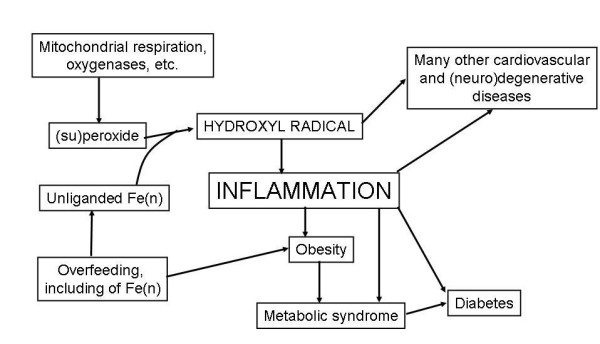
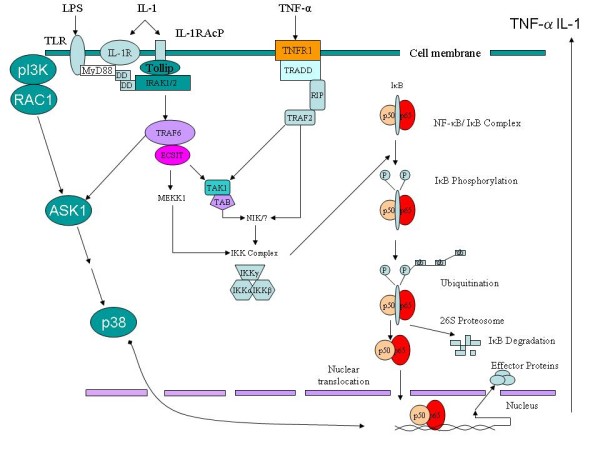
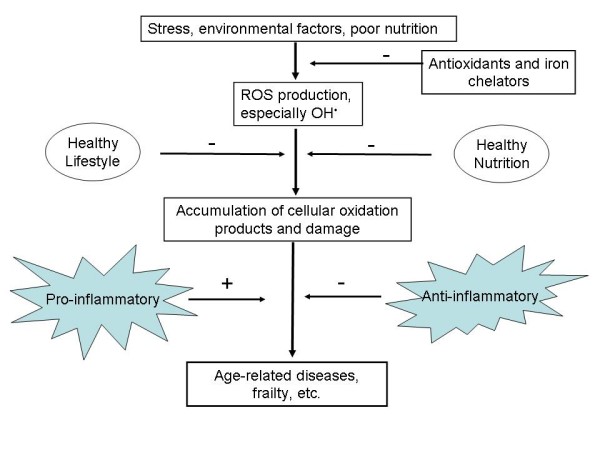
Background: The production of peroxide and superoxide is an inevitable consequence of aerobic metabolism, and while these particular 'reactive oxygen species' (ROSs) can exhibit a number of biological effects, they are not of themselves excessively reactive and thus they are not especially damaging at physiological concentrations.However, their reactions with poorly liganded iron species can lead to the catalytic production of the very reactive and dangerous hydroxyl radical, which is exceptionally damaging, and a major cause of chronic inflammation.Review: We review the considerable and wide-ranging evidence for the involvement of this combination of (su)peroxide and poorly liganded iron in a large number of physiological and indeed pathological processes and inflammatory disorders, especially those involving the progressive degradation of cellular and organismal performance.These diseases share a great many similarities and thus might be considered to have a common cause (i.e.iron-catalysed free radical and especially hydroxyl radical generation).The studies reviewed include those focused on a series of cardiovascular, metabolic and neurological diseases, where iron can be found at the sites of plaques and lesions, as well as studies showing the significance of iron to aging and longevity.The effective chelation of iron by natural or synthetic ligands is thus of major physiological (and potentially therapeutic) importance.As systems properties, we need to recognise that physiological observables have multiple molecular causes, and studying them in isolation leads to inconsistent patterns of apparent causality when it is the simultaneous combination of multiple factors that is responsible.This explains, for instance, the decidedly mixed effects of antioxidants that have been observed, since in some circumstances (especially the presence of poorly liganded iron) molecules that are nominally antioxidants can actually act as pro-oxidants.The reduction of redox stress thus requires suitable levels of both antioxidants and effective iron chelators.Some polyphenolic antioxidants may serve both roles.Understanding the exact speciation and liganding of iron in all its states is thus crucial to separating its various pro-and anti-inflammatory activities.Redox stress, innate immunity and pro-(and some anti-)inflammatory cytokines are linked in particular via signalling pathways involving NF-kappaB and p38, with the oxidative roles of iron here seemingly involved upstream of the IkappaB kinase (IKK) reaction.In a number of cases it is possible to identify mechanisms by which ROSs and poorly BioMed Central Open Access liganded iron act synergistically and autocatalytically, leading to 'runaway' reactions that are hard to control unless one tackles multiple sites of action simultaneously.Some molecules such as statins and erythropoietin, not traditionally associated with anti-inflammatory activity, do indeed have 'pleiotropic' anti-inflammatory effects that may be of benefit here.Conclusion: Overall we argue, by synthesising a widely dispersed literature, that the role of poorly liganded iron has been rather underappreciated in the past, and that in combination with peroxide and superoxide its activity underpins the behaviour of a great many physiological processes that degrade over time.Understanding these requires an integrative, systems-level approach that may lead to novel therapeutic targets. Background and preambleThe 'balkanisation' of the literature is in part due to the amount of it (some 25,000 journals with presently 2.5 million peer-reviewed papers per year, i.e. ~5 per minute [1]), with a number http://www.nlm.nih.gov/ bsd/medline_cit_counts_yr_pub.htmlincreasing by something approaching 2 per minute at PubMed/Medline alone.In addition, the disconnect between the papers in the literature (usually as pdf files) and the metadata describing them (author, journal, year, pages, etc) is acute and badly needs filling [2].Without solving this problem, and without automation of the processes of reading, interpreting and exploiting this literature and its metadata in a digital format, we cannot make use of the existing tools for text mining and natural language processing (e.g.[3-5]), for joining disparate concepts [6], for literature-based discovery (e.g.[7-11], and for studies of bibliometrics [12, 13], literature dynamics [14], knowledge domains [15], detecting republication [16] and so on.Until we recognise these possibilities we are unlikely to seek to realise them.The present article (and see [17] for a preprint) serves to show some of the benefits than can accrue from a more overarching view of the otherwise highly disparate literature in a particular domain (see also [18]), but was done 'the hard way', i.e. with a few bibliographic and bibliometric tools but without the kind of automation implied above.For the record, the main tools used (see a review in [2]) were Web of Knowledge and Scopus for literature a
Verified 2026-10-05 · 9 references not checked yet
Overview
CoChat Summary
TL;DR
This review argues that poorly liganded iron, reacting with superoxide/peroxide to generate hydroxyl radicals, is an underappreciated common driver of progressive inflammatory and degenerative diseases. It synthesizes dispersed evidence across cardiovascular, metabolic, neurological, renal, and other conditions and proposes that effective iron chelation, often combined with antioxidants, is a rational therapeutic strategy.
Key findings
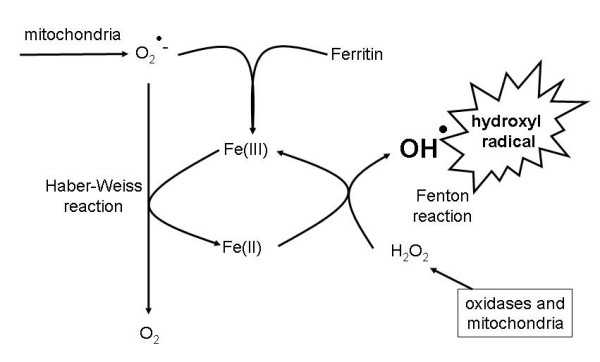
- Poorly liganded iron catalyses hydroxyl radical production via Fenton/Haber-Weiss chemistry; the review states that 1–4% of reduced O₂ forms partially reduced species such as hydrogen peroxide and superoxide, which are comparatively non-toxic until they encounter poorly liganded iron.
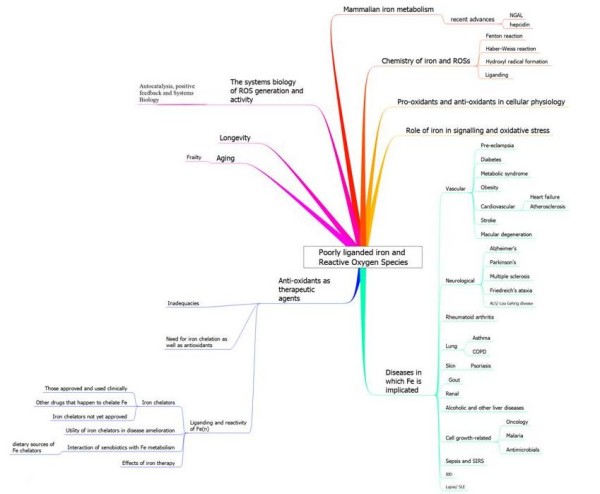
- Iron is implicated across many diseases reviewed, including pre-eclampsia, diabetes, metabolic syndrome, hypertension, atherosclerosis, stroke, Alzheimer’s/Parkinson’s, Friedreich’s ataxia, ALS, aging/frailty, rheumatoid arthritis, lupus, asthma, IBD, AMD, psoriasis, gout, liver disease, COPD, cancer, malaria, sepsis/SIRS, and others.
- Antioxidant trials have been mixed or disappointing; the review argues this may occur because antioxidants can act as pro-oxidants in the presence of poorly liganded Fe(II), so redox stress reduction requires both suitable antioxidants and effective iron chelators.
- Quantitative examples cited include EPR-detectable iron in atherosclerotic tissue being 17 times greater than healthy tissue, aspirin lowering colon cancer incidence by 40% (age-adjusted relative risk = 0.6), and NGAL serum concentrations approaching 20–30 nM during inflammation.
Methods
- Narrative literature review/meta-analysis synthesizing widely dispersed literature; the main review was completed on June 30th, 2008, with some updates after refereeing.
- Literature and citation searching used Web of Knowledge and Scopus, supplemented by Google Scholar; some use was made of ARROWSMITH, GOPubMed, Taverna workflows, and Endnote for citations/metadata.
- The paper develops a systems-biology argument rather than reporting primary experimental data; it includes a mind-map overview and discusses iron chemistry, chelator pharmacology, signalling pathways, and disease associations.
Limitations
- Stated: the review notes that it is “not easy to state at this time” how much deranged iron metabolism is causal in accelerated aging, that few studies have been mechanistically specific, and that interpretation of chelation experiments is not always clear-cut.
- Stated: for pre-eclampsia, no serum hepcidin measurements had been reported to date; for obesity, the authors “see no major evidence as yet for a causative role of deranged iron metabolism or chelation in causing obesity.”
- Evident: this is a broad narrative synthesis, not a systematic review with formal search/selection criteria or quantitative meta-analysis, and many disease links are presented as mechanistic hypotheses supported by dispersed, often indirect evidence.
Model-written summary of a shortened version of the paper’s full text (it is longer than we read). Check it against the paper before relying on it.
Integrity signals
Registry
Cites
Statistics
Figures
Verification
Claims the paper makes
32 Valid · 6 Not valid · 122 Not checked · 46 Own results and interpretations
The sources with a verdict support this claim; the rest weren’t checked yet, have no full text we could read, or their verdicts aren’t rated yet.
In the paper
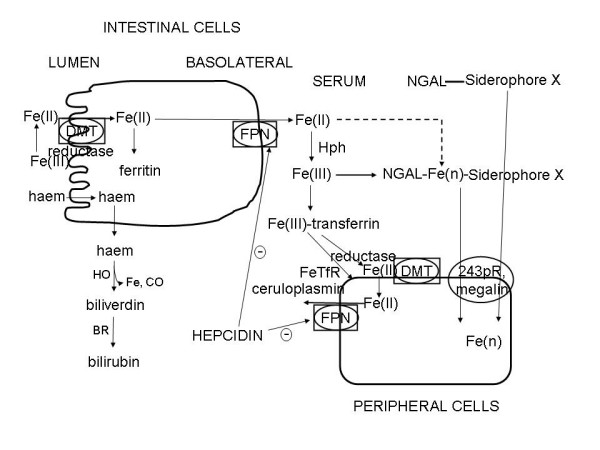
“that acts in part as a negative regulator of iron efflux [328] by causing the internalisation of ferroportin [329-333].”
§ Iron behaving badly: inappropriate iron chelation as a major contributor to the aetiology of vascular and other progressive inflammatory and degenerative diseases > Mammalian iron metabolism > Hepcidin
What the sources say
- Supportedcites [328] Knutson MD Oukka M Koss LM Aydemir F Wessling-Resnick M Iron release from macrophages after erythrophagocytosis is up-regulated by ferroportin 1 overexpression and down-regulated by hepcidin Proc Natl Acad Sci USA 2005 102 1324 8 15665091 PMC547844 source
Citation [328] is attached to the claim that hepcidin negatively regulates iron efflux, not to the subsequent internalisation mechanism cited to [329–333]. The Discussion calls hepcidin a negative regulator of iron export, and the Results report reduced iron release from hepcidin-treated macrophages. (LLM, conf=0.94)
- Not checked yetcites [329] Nemeth E Tuttle MS Powelson J Vaughn MB Donovan A Ward DM Ganz T Kaplan J Hepcidin regulates cellular iron efflux by binding to ferroportin and inducing its internalization Science 2004 306 2090 2093 15514116 source
- Not checked yetcites [330] Delaby C Pilard N Goncalves AS Beaumont C Canonne-Hergaux F Presence of the iron exporter ferroportin at the plasma membrane of macrophages is enhanced by iron loading and down-regulated by hepcidin Blood 2005 106 3979 84 16081696 source
- Not checked yetcites [331] Ganz T Hepcidin – a regulator of intestinal iron absorption and iron recycling by macrophages Best Practice & Research Clinical Haematology 2005 18 171 182 15737883 source
- Supportedcites [332] Papanikolaou G Tzilianos M Christakis JI Bogdanos D Tsimirika K MacFarlane J Goldberg YP Sakellaropoulos N Ganz T Nemeth E Hepcidin in iron overload disorders Blood 2005 105 4103 4105 15671438 PMC1895089 source
The Abstract states that hepcidin inhibits cellular iron efflux by binding to ferroportin and inducing its internalization and degradation. The Introduction also states that hepcidin binds ferroportin and causes its internalization. (LLM, conf=0.94)
- Supportedcites [333] Lesbordes-Brion JC Viatte L Bennoun M Lou DQ Ramey G Houbron C Hamard G Kahn A Vaulont S Targeted disruption of the hepcidin 1 gene results in severe hemochromatosis Blood 2006 108 1402 1405 16574947 source
The Introduction states that hepcidin limits iron egress by binding to ferroportin and inducing its internalization and degradation, decreasing cellular iron export. This supports the attributed role as a negative regulator of iron efflux. (LLM, conf=0.94)
plainstates a cause- Asserted: passes — The authors put it forward as true.
- Checkable: passes — It can be checked against evidence.
- Load-bearing: unclear — It is unclear whether the paper’s conclusions depend on it.
- Based: passes — The paper gives a reason why it holds.
- Supported
The cited sources support only part of this claim — read each source’s verdict below.
In the paper
“the well-known adverse vascular effects of homocysteine (in inhibiting flow-mediated dilatation) are in fact iron-dependent [701-703]”
§ Iron behaving badly: inappropriate iron chelation as a major contributor to the aetiology of vascular and other progressive inflammatory and degenerative diseases > Some disease manifestations in which iron may be implicated > Cardiovascular diseases
What the sources say
- Partly supportedcites [701] Zheng H Dimayuga C Hudaihed A Katz SD Effect of dexrazoxane on homocysteine-induced endothelial dysfunction in normal subjects Arterioscler Thromb Vasc Biol 2002 22 E15 8 12117747 sourceExperimental — accuracy not yet measured
The Abstract and Results of Zheng et al. (2002) do show, as a measured fact in 10 healthy volunteers, that the iron-chelating prodrug dexrazoxane 'completely abrogate[d] the homocysteine-induced reduction in FMD' after a methionine load, without lowering homocysteine itself — so the source supports iron-dependence of homocysteine's inhibition of flow-mediated dilatation in that acute model. However, the paper hedges the causal/mechanistic claim it is credited with establishing: the Iron-Based Oxidative Stress section states homocysteine toxicity 'may be dependent in part on interactions with intracellular LMW-Fe2+', and the Conclusions say iron-based hydroxyl-radical production 'may contribute' and that chelation 'may have therapeutic potential'. The citing sentence asserts the effects 'are in fact iron-dependent' and 'well-known', a confident generalisation the source does not make, and the source's data come only from transient hyperhomocysteinemia in normal subjects, not from chronic or other vascular outcomes. (LLM, conf=0.72)
- Not checked yetcites [702] Zheng H Huang X Zhang Q Katz SD Iron sucrose augments homocysteine-induced endothelial dysfunction in normal subjects Kidney Int 2006 69 679 84 16395269 PMC2988421 source
- Not checked yetcites [703] Sullivan JL Is homocysteine an iron-dependent cardiovascular risk factor? Kidney Int 2006 69 642 4 16467888 source
boostedstates a cause- Asserted: passes — The authors put it forward as true.
- Checkable: passes — It can be checked against evidence.
- Load-bearing: passes — The paper’s conclusions depend on it.
- Based: passes — The paper gives a reason why it holds.
- Partly supported
The cited sources support only part of this claim — read each source’s verdict below.
In the paper
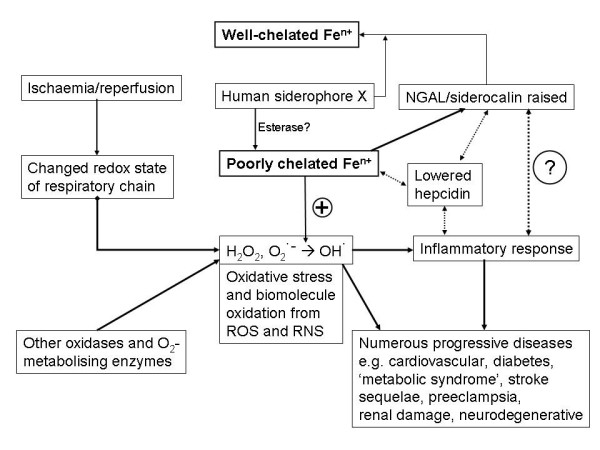
“There is no doubt that the iron-mediated causal chain of ischaemia → (su)peroxide → OH• radical formation occurs during the development of heart disease, especially during reperfusion injury [710-713]”
§ Iron behaving badly: inappropriate iron chelation as a major contributor to the aetiology of vascular and other progressive inflammatory and degenerative diseases > Some disease manifestations in which iron may be implicated > Cardiovascular diseases
What the sources say
- Not checked yetcites [710] Smith JK Carden DL Grisham MB Granger DN Korthuis RJ Role of iron in postischemic microvascular injury Am J Physiol 1989 256 H1472 7 2719141
- Partly supportedcites [711] Kukreja RC Hess ML The oxygen free radical system: from equations through membrane protein interactions to cardiovascular injury and protection Cardiovasc Res 1992 26 641 655 1423428 sourceExperimental — accuracy not yet measured
The Conclusions passage and the Figure 8 legend in our copy state exactly the iron-mediated chain the claim attributes: ischaemia/reperfusion generates superoxide, which dismutates to H2O2 and, in the presence of iron, forms .OH via iron-catalysed Fenton and Haber-Weiss reactions, initiating membrane lipid peroxidation and myocardial injury. However, the source hedges this as a proposal ('This hypothesis proposes...', radicals 'are thought to be responsible for much of this injury', 'it now appears that the oxygen free radical system plays a pivotal role'), and the Masterclass section explicitly notes 'Many investigators, but not all' found scavenger protection — so the citing sentence's 'there is no doubt' overstates the source. Our copy also bounds the mechanism to myocardial ischaemia/reperfusion, stunning, arrhythmias and inflammation, not to the general 'development of heart disease'. (LLM, conf=0.78)
- Not checked yetcites [712] Lesnefsky E Ye J Exogenous intracellular, but not extracellular, iron augments myocardial reperfusion injury Amer J Physiol 1994 266 H384 H392 8141338
- Not checked yetcites [713] Berenshtein E Mayer B Goldberg C Kitrossky N Chevion M Patterns of mobilization of copper and iron following myocardial ischemia: Possible predictive criteria for tissue injury J Mol Cell Cardiol 1997 29 3025 3034 9405177 source
boostedstates a cause- Asserted: passes — The authors put it forward as true.
- Checkable: passes — It can be checked against evidence.
- Load-bearing: passes — The paper’s conclusions depend on it.
- Based: passes — The paper gives a reason why it holds.
The cited sources support only part of this claim — read each source’s verdict below.
In the paper
“Iron and oxidised lipids are both found in atherosclerotic lesions [141,765-777]”
§ Iron behaving badly: inappropriate iron chelation as a major contributor to the aetiology of vascular and other progressive inflammatory and degenerative diseases > Some disease manifestations in which iron may be implicated > Atherosclerosis
What the sources say
- Not checked yetcites [141] Brewer GJ Iron and copper toxicity in diseases of aging, particularly atherosclerosis and Alzheimer's disease Exp Biol Med 2007 232 323 335 17259340
- Partly supportedcites [765] Smith C Mitchinson MJ Aruoma OI Halliwell B Stimulation of lipid peroxidation and hydroxyl radical generation by the contents of human atherosclerotic lesions Biochem J 1992 286 901 905 1329721 PMC1132988 sourceExperimental — accuracy not yet measured
The Abstract reports bleomycin-detectable iron in every sample from advanced human atherosclerotic lesions. It reports that the samples stimulated lipid peroxidation in rat liver microsomes, but does not establish that oxidised lipids were present in the lesions themselves; the Discussion describes lipid damage in lesions as a proposal. (LLM, conf=0.86)
- Not checked yetcites [766] Ramakrishna G Rooke TW Cooper LT Iron and peripheral arterial disease: revisiting the iron hypothesis in a different light Vasc Med 2003 8 203 210 14989563 source
- Supportedcites [767] Stadler N Lindner RA Davies MJ Direct detection and quantification of transition metal ions in human atherosclerotic plaques: evidence for the presence of elevated levels of iron and copper Arterioscler Thromb Vasc Biol 2004 24 949 54 15001454 source
The paper reports in its Abstract that oxidized lipids have been detected in human plaques. Its Discussion reports elevated iron levels in advanced human carotid lesions compared with healthy tissue. Together, these passages support the claim; page numbers are unavailable in our copy. (LLM, conf=0.91)
- Not checked yetcites [768] Wolff B Volzke H Ludemann J Robinson D Vogelgesang D Staudt A Kessler C Dahm JB John U Felix SB Association between high serum ferritin levels and carotid atherosclerosis in the study of health in Pomerania (SHIP) Stroke 2004 35 453 7 14726541 source
- Not checked yetcites [769] Roijers RB Dutta RK Mutsaers PHA Gijbels MJJ de Winther MPJ de Goeij JJM Vusse GJ van der Spatial correlation of trace elements with morphological features of atherosclerotic plaques Nuclear Instruments & Methods in Physics Research Section B-Beam Interactions with Materials and Atoms 2005 231 239 244 source
- Not checked yetcites [770] Stocker R Keaney JF New insights on oxidative stress in the artery wall Journal of Thrombosis and Haemostasis 2005 3 1825 1834 16102049 source
- Not checked yetcites [771] Stanley N Stadler N Woods AA Bannon PG Davies MJ Concentrations of iron correlate with the extent of protein, but not lipid, oxidation in advanced human atherosclerotic lesions Free Radical Biology and Medicine 2006 40 1636 1643 16632123 source
- Not checked yetcites [772] Watt F Rajendran R Ren MQ Tan BKH Halliwell B A nuclear microscopy study of trace elements Ca, Fe, Zn and Cu in atherosclerosis Nucl Instr Meth Phys Res B 2006 249 646 652 source
- Partly supportedcites [773] Fernandes de Godoy M Takakura IT Machado RD Grassi LV Nogueira PR Serum ferritin and obstructive coronary artery disease: Angiographic correlation Arquivos Brasileiros De Cardiologia 2007 88 430 433 17546273 sourceExperimental — accuracy not yet measured
The Discussion (page unavailable) reports increased expression of the iron-storage protein ferritin in atherosclerotic coronary arteries. It only speculates that this might affect lipid oxidation in the vessel wall; it does not establish that oxidised lipids were found in the lesions. (LLM, conf=0.82)
plainstates an association- Asserted: passes — The authors put it forward as true.
- Checkable: passes — It can be checked against evidence.
- Load-bearing: passes — The paper’s conclusions depend on it.
- Based: passes — The paper gives a reason why it holds.
The sources with a verdict support this claim; the rest weren’t checked yet, have no full text we could read, or their verdicts aren’t rated yet.
In the paper
“while iron chelation improves it [797-800].”
§ Iron behaving badly: inappropriate iron chelation as a major contributor to the aetiology of vascular and other progressive inflammatory and degenerative diseases > Some disease manifestations in which iron may be implicated > Atherosclerosis
What the sources say
- Supportedcites [797] Duffy SJ Biegelsen ES Holbrook M Russell JD Gokce N Keaney JF Jr Vita JA Iron chelation improves endothelial function in patients with coronary artery disease Circulation 2001 103 2799 804 11401935 source
The Abstract (Methods and Results / Conclusions) of our copy states that deferoxamine (an iron chelator) improved the blood flow response to methacholine in patients with coronary artery disease (P<0.01) and concludes 'Deferoxamine improved nitric oxide-mediated, endothelium-dependent vasodilation in patients with coronary artery disease.' The paper's title itself is 'Iron Chelation Improves Endothelial Function in Patients With Coronary Artery Disease,' so the paraphrase matches the source, with the population qualifier (CAD patients) intact; deferoxamine had no effect in normal volunteers, consistent with the stated finding. (LLM, conf=0.93)
- Supportedcites [798] Ishizaka N Saito K Mori I Matsuzaki G Ohno M Nagai R Iron chelation suppresses ferritin upregulation and attenuates vascular dysfunction in the aorta of angiotensin II-infused rats Arterioscler Thromb Vasc Biol 2005 25 2282 8 16100038 source
The Results section ('Relaxations of Aortic Segments') states that deferoxamine reversed the impaired acetylcholine-induced (endothelium-dependent) relaxation in the aortas of angiotensin II–infused rats (50.4±5.7% → 69.2±6.0%, n=10), i.e. an improvement in endothelial function, with Figure 4A showing the same. The Discussion frames this as iron chelation suppressing Ang II-induced impaired vascular relaxation, attributing it to reduced iron-catalysed oxidative stress. The support is for the direction of the claim in a rat aorta model and is described as partial rather than complete reversal, which is the only qualifier the unqualified citing sentence omits. (LLM, conf=0.80)
- Not checked yetcites [799] Saito K Ishizaka N Aizawa T Sata M Iso-o N Noiri E Mori I Ohno M Nagai R Iron chelation and a free radical scavenger suppress angiotensin II-induced upregulation of TGF-beta1 in the heart Am J Physiol Heart Circ Physiol 2005 288 H1836 43 15550525 source
- Not checked yetcites [800] Thomas SR Schulz E Keaney JF Hydrogen peroxide restrains endothelium-derived nitric oxide bioactivity – Role for iron-dependent oxidative stress Free Radical Biology and Medicine 2006 41 681 688 16864001 source
plainstates a cause- Asserted: passes — The authors put it forward as true.
- Checkable: passes — It can be checked against evidence.
- Load-bearing: passes — The paper’s conclusions depend on it.
- Based: passes — The paper gives a reason why it holds.
- Supported
81 more claims · 6 with their cited sources checked
Create a free account to see all 206 claims and to verify the 567 references still open.
- Probably not a substantial claim. 42
- It may state two separate claims as one. 95
Claims other papers make about this one
Each is checked against this paper’s own text: does it say what the citing paper says it does?
The source backs part of the claim, not all of it — or backs it for a different population, condition or comparison.
In the citing paper
“Due to the presence of high-affinity iron binding and storage proteins, the actual toxicity of iron is restricted to the so called “labile iron pool”.”
From The interaction of asbestos and iron in lung tissue revealed by synchrotron-based scanning X-ray microscopy (2013) · cites this paper as [18]
Experimental — accuracy not yet measuredThe source backs part of the claim, not all of it — or backs it for a different population, condition or comparison.
In the citing paper
“Fe (II) reacting with unsaturated fatty acids in the presence of H 2 O 2 can initiate lipid peroxidation cascade in biological membranes and lipoproteins by production of HO•.”
From Iron, Oxidative Stress and Health (2012) · cites this paper as Kell, 2009
Experimental — accuracy not yet measuredThe source backs part of the claim, not all of it — or backs it for a different population, condition or comparison.
In the citing paper
“Lipid peroxidation increases membrane fragility of cell organelles such as mitochondria, lysosomes and endoplasmic reticulum leading to impaired cell function”
From Iron, Oxidative Stress and Health (2012) · cites this paper as Kell, 2009
Experimental — accuracy not yet measuredThe cited source says what the claim attributes to it.
In the citing paper
“Importantly, dysregulated iron homeostasis is associated with progressive inflammatory and degenerative diseases, as well as cancer [2].”
From The utility of iron chelators in the management of inflammatory disorders (2015) · cites this paper as [2]
The cited source says what the claim attributes to it.
In the citing paper
“Concerning this issue, the recent reviews by D. Kell1819 analyse the wide but dispersed literature via a systems biology approach, and indicate that iron that is weakly complexed boosts many biochemical processes leading to a large variety of apparently unrelated diseases.”
From The interaction of asbestos and iron in lung tissue revealed by synchrotron-based scanning X-ray microscopy (2013) · cites this paper as [18]
3 more claims about this paper
Create a free account to see every claim other papers make about this one.
Citations
Cites
3 retracted
Lotito, S. B., & Frei, B. (2006) · Free Radical Biology and Medicine · doi:10.1016/j.freeradbiomed.2006.04.033 · Cited by 770
RetractedRETRACTED: Pyrrolidine dithiocarbamate attenuates the development of acute and chronic inflammation
Cuzzocrea, S., Chatterjee, P. K., Mazzon, E., Dugo, L., Serraino, I., Britti, D., Mazzullo, G., Caputi, A. P., & Thiemermann, C. (2002) · British Journal of Pharmacology · doi:10.1038/sj.bjp.0704463 · Cited by 209 · cited 1×
“A variety of studies have shown that iron is involved in these signalling processes [1668; 1824; 1843; 1908-1912], probably again acting upstream of the IKK [472; 1910; 1913; 1914].”
BackgroundRetractedRETRACTED: The Hepcidin-Binding Site on Ferroportin Is Evolutionarily Conserved
De Domenico, I., Nemeth, E., Nelson, J. M., Phillips, J. D., Ajioka, R. S., Kay, M. S., Kushner, J. P., Ganz, T., Ward, D. M., & Kaplan, J. (2008) · Cell Metabolism · doi:10.1016/j.cmet.2008.07.002 · Cited by 129
RetractedThe Elements of Statistical Learning
Hastie, T., Tibshirani, R., & Friedman, J. (2009) · Springer Series in Statistics · doi:10.1007/978-0-387-84858-7 · Cited by 25,970
The Elements of Statistical Learning
Hastie, T., Friedman, J., & Tibshirani, R. (2001) · Springer Series in Statistics · doi:10.1007/978-0-387-21606-5 · Cited by 24,162
Atherosclerosis--an inflammatory disease
Ross, R. (1999) · New England Journal of Medicine · doi:10.1056/nejm199901143400207 · Cited by 21,725
Free radicals in biology and medicine
(1991) · General Pharmacology: The Vascular System · doi:10.1016/0306-3623(91)90478-o · Cited by 17,178
(1988) · Cited by 16,582
Nitric oxide: physiology, pathophysiology, and pharmacology.
Moncada, S., Palmer, R. M., & Higgs, E. A. (1991) · Pharmacological Reviews · doi:10.1016/s0031-6997(25)06663-3 · Cited by 15,525
Wild, S., Roglic, G., Green, A., Sicree, R., & King, H. (2004) · Diabetes Care · doi:10.2337/diacare.27.5.1047 · Cited by 15,297 · cited 1×
“[550-552] and http://www.”
Coussens, L. M., & Werb, Z. (2002) · Nature · doi:10.1038/nature01322 · Cited by 15,111
The 1982 revised criteria for the classification of systemic lupus erythematosus
Tan, E. M., Cohen, A. S., Fries, J. F., Masi, A. T., Mcshane, D. J., Rothfield, N. F., Schaller, J. G., Talal, N., & Winchester, R. J. (1982) · Arthritis & Rheumatism · doi:10.1002/art.1780251101 · Cited by 14,519 · cited 1×
“[1148-1156]), but characterised in particular by fatigue [1157], often as a result of anaemia.”
BackgroundFree radicals and antioxidants in normal physiological functions and human disease
Valko, M., Leibfritz, D., Moncol, J., Cronin, M. T. D., Mazur, M., & Telser, J. (2007) · The International Journal of Biochemistry & Cell Biology · doi:10.1016/j.biocel.2006.07.001 · Cited by 14,269 · cited 1×
“[16; 95-104]), and that this radical in particular probably underpins or mediates many higher-level manifestations of tissue damage, disease, organ failure and ultimately death [10; 102; 105-107].”
BackgroundAhmed, A., Jorna, T., & Bhandari, S. (2016) · Nephron · doi:10.1159/000447068 · Cited by 11,717
Mantovani, A., Allavena, P., Sica, A., & Balkwill, F. (2008) · Nature · doi:10.1038/nature07205 · Cited by 11,399
Free Radicals in the Physiological Control of Cell Function
Dröge, W. (2002) · Physiological Reviews · doi:10.1152/physrev.00018.2001 · Cited by 9,855 · cited 2×
“One disease whose aetiology is well known to be bound up with ROSs is rheumatoid arthritis (RA) [10; 1112-1117].”
BackgroundVelvet: Algorithms for de novo short read assembly using de Bruijn graphs
Zerbino, D. R., & Birney, E. (2008) · Genome Research · doi:10.1101/gr.074492.107 · Cited by 9,491
Oxidants, oxidative stress and the biology of ageing
Finkel, T., & Holbrook, N. J. (2000) · Nature · doi:10.1038/35041687 · Cited by 9,413
Inflammation and metabolic disorders
Hotamisligil, G. S. (2006) · Nature · doi:10.1038/nature05485 · Cited by 9,199 · cited 1×
“aetiology to be inflammatory in nature [553, 571-590].”
BackgroundStructure-antioxidant activity relationships of flavonoids and phenolic acids
Rice-Evans, C. A., Miller, N. J., & Paganga, G. (1996) · Free Radical Biology and Medicine · doi:10.1016/0891-5849(95)02227-9 · Cited by 9,085 · cited 1×
“This is reasonable given that many of these polyphenols and flavonoid compounds [1650; 1673-1682] have groups such as the catechol moiety that are part of the known iron-binding elements of microbial siderophores.”
BackgroundFree Radicals in Biology and Medicine
Halliwell, B., & Gutteridge, J. M. C. (2015) · doi:10.1093/acprof:oso/9780198717478.001.0001 · Cited by 8,990
Inflammation, Atherosclerosis, and Coronary Artery Disease
Hansson, G. K. (2005) · New England Journal of Medicine · doi:10.1056/nejmra043430 · Cited by 8,773
Aging: a theory based on free radical and radiation chemistry
Harman, D. (1956) · Journal of Gerontology · doi:10.1093/geronj/11.3.298 · Cited by 8,567 · cited 1×
“and ('the free radical theory of aging' [1163, 1181])”
BackgroundInflammation in atherosclerosis
Libby, P. (2002) · Nature · doi:10.1038/nature01323 · Cited by 8,315
Polyphenols: Food sources and bioavailability
Manach, C., Scalbert, A., Morand, C., Rémésy, C., & Jiménez, L. (2004) · The American Journal of Clinical Nutrition · doi:10.1093/ajcn/79.5.727 · Cited by 8,175 · cited 1×
“[1804-1813], are widely used as food antioxidants [1814,”
MethodElectron transfers in chemistry and biology
Marcus, R. A., & Sutin, N. (1985) · Biochimica et Biophysica Acta (BBA) - Reviews on Bioenergetics · doi:10.1016/0304-4173(85)90014-x · Cited by 8,050 · cited 1×
“[1666-1669] the rate of outer-sphere electron transfer”
Network biology: understanding the cell's functional organization
Barabási, A.-L., & Oltvai, Z. N. (2004) · Nature Reviews Genetics · doi:10.1038/nrg1272 · Cited by 7,903 · cited 2×
“ans, as an inevitable consequence, that we need to recognize that their observation requires a systems approach, and that most diseases are therefore in fact to be seen as systems or network diseases [541; 1920, 1921, 1922, 1923, 1924, 1925, 1926, 1927, 1928]. Changes in individual reaction steps (or even single manip…”
BackgroundA JOURNAL OF PHARMACOLOGY AND EXPERIMENTAL THERAPEUTICS
(1909) · Journal of the American Medical Association · doi:10.1001/jama.1909.02550020033007 · Cited by 7,866
Inflammation and cancer: back to Virchow?
Balkwill, F., & Mantovani, A. (2001) · The Lancet · doi:10.1016/s0140-6736(00)04046-0 · Cited by 7,746
Inflammation and Atherosclerosis
Libby, P., Ridker, P. M., & Maseri, A. (2002) · Circulation · doi:10.1161/hc0902.104353 · Cited by 7,724
Genome sequencing in microfabricated high-density picolitre reactors
Margulies, M., Egholm, M., Altman, W. E., Attiya, S., Bader, J. S., Bemben, L. A., Berka, J., Braverman, M. S., Chen, Y.-J., Chen, Z., et al. (2005) · Nature · doi:10.1038/nature03959 · Cited by 7,693 · cited 1×
“[2453-2457]) are generating quality data at truly”
Weininger, D. (1988) · Journal of Chemical Information and Computer Sciences · doi:10.1021/ci00057a005 · Cited by 7,436
Rosen, D. R., Siddique, T., Patterson, D., Figlewicz, D. A., Sapp, P., Hentati, A., Donaldson, D., Goto, J., O'Regan, J. P., Deng, H.-X., et al. (1993) · Nature · doi:10.1038/362059a0 · Cited by 7,062 · cited 1×
“It has largely defied efforts to uncover the genetic basis of any predisposition [1025], save for a very clear association with defects in a Cu/Zn superoxide dismutase [8; 1026-1028] that can obviously lead to an increase in the steady-state levels of superoxide (and hence hydroxyl radical formation).”
BackgroundBeckman, J. S., Beckman, T. W., Chen, J., Marshall, P. A., & Freeman, B. A. (1990) · Proceedings of the National Academy of Sciences · doi:10.1073/pnas.87.4.1620 · Cited by 7,029 · cited 1×
“reaction of NO and superoxide) [46, 149-154] leading to”
BackgroundThe NOX Family of ROS-Generating NADPH Oxidases: Physiology and Pathophysiology
Bedard, K., & Krause, K.-H. (2007) · Physiological Reviews · doi:10.1152/physrev.00044.2005 · Cited by 6,989 · cited 1×
“[46-48]), with H2O2 from xanthine oxidase being especially implicated in ischaemia/reper-”
BackgroundFree radicals, metals and antioxidants in oxidative stress-induced cancer
Valko, M., Rhodes, C. J., Moncol, J., Izakovic, M., & Mazur, M. (2006) · Chemico-Biological Interactions · doi:10.1016/j.cbi.2005.12.009 · Cited by 6,680 · cited 2×
“significance in promoting oncogenesis [1290-1305].”
Mitochondrial Dysfunction and Oxidative Stress in Neurodegenerative Diseases
Lin, M. T., & Beal, M. F. (2006) · Nature · doi:10.1038/nature05292 · Cited by 6,455 · cited 1×
“neurodegenerative diseases [920, 944-957] such as”
Global Sensitivity Analysis. The Primer
Saltelli, A., Ratto, M., Andres, T., Campolongo, F., Cariboni, J., Gatelli, D., Saisana, M., & Tarantola, S. (2007) · doi:10.1002/9780470725184 · Cited by 6,430
Nitric Oxide and Peroxynitrite in Health and Disease
Pacher, P., Beckman, J. S., & Liaudet, L. (2007) · Physiological Reviews · doi:10.1152/physrev.00029.2006 · Cited by 6,390 · cited 1×
“reaction of NO and superoxide) [46, 149-154] leading to”
BackgroundInformation theory, inference, and learning algorithms
(2004) · Choice Reviews Online · doi:10.5860/choice.41-5949 · Cited by 6,362
Eckel, R. H., Alberti, K., Grundy, S. M., & Zimmet, P. Z. (2010) · The Lancet · doi:10.1016/s0140-6736(09)61794-3 · Cited by 6,295
On the Theory of Oxidation-Reduction Reactions Involving Electron Transfer. I
Marcus, R. A. (1956) · The Journal of Chemical Physics · doi:10.1063/1.1742723 · Cited by 6,081
The cochrane database of systematic reviews
Geddes, J. (1996) · Journal of Psychosomatic Research · doi:10.1016/s0022-3999(96)90063-x · Cited by 5,989
Oxidants, antioxidants, and the degenerative diseases of aging.
Ames, B. N., Shigenaga, M. K., & Hagen, T. M. (1993) · Proceedings of the National Academy of Sciences · doi:10.1073/pnas.90.17.7915 · Cited by 5,958 · cited 1×
“[1055] Ames, B.”
The epidemiology of sepsis in the United States from 1979 through 2000
Martin, G. S., Mannino, D. M., Eaton, S., & Moss, M. (2003) · New England Journal of Medicine · doi:10.1056/nejmoa022139 · Cited by 5,841 · cited 1×
“Consequently, the recognition of a series of symptoms contingent on this initial inflammatory response has led to the development of the idea of a Systemic Inflammatory Response Syndrome (SIRS) [1379-1389] that leads to the MOF, both via apoptosis [1390] and necrosis [1391; 1392].”
BackgroundHydroperoxide metabolism in mammalian organs.
Chance, B., Sies, H., & Boveris, A. (1979) · Physiological Reviews · doi:10.1152/physrev.1979.59.3.527 · Cited by 5,827 · cited 1×
“[3-17]).”
Chen, X., Xiu, M., Xing, J., Yu, S., Min, D., & Guo, F. (2017) · Cellular Physiology and Biochemistry · doi:10.1159/000479439 · Cited by 5,742
Genome-wide atlas of gene expression in the adult mouse brain
Lein, E. S., Hawrylycz, M. J., Ao, N., Ayres, M., Bensinger, A., Bernard, A., Boe, A. F., Boguski, M. S., Brockway, K. S., Byrnes, E. J., et al. (2007) · Nature · doi:10.1038/nature05453 · Cited by 5,572 · cited 1×
“[2418-2423]), and one can anticipate using these”
Eckel, R. H., Grundy, S. M., & Zimmet, P. Z. (2005) · The Lancet · doi:10.1016/s0140-6736(05)66378-7 · Cited by 5,550
Unidentified curved bacilli in the stomach of patients with gastritis and peptic ulceration
Marshall, B., & Warren, J. R. (1984) · The Lancet · doi:10.1016/s0140-6736(84)91816-6 · Cited by 5,509
Increased oxidative stress in obesity and its impact on metabolic syndrome
Furukawa, S., Fujita, T., Shimabukuro, M., Iwaki, M., Yamada, Y., Nakajima, Y., Nakayama, O., Makishima, M., Matsuda, M., & Shimomura, I. (2004) · Journal of Clinical Investigation · doi:10.1172/jci21625 · Cited by 5,508 · cited 1×
“[674], while obesity is linked [675, 676] to urinary levels of”
BackgroundMechanisms linking obesity to insulin resistance and type 2 diabetes
Kahn, S. E., Hull, R. L., & Utzschneider, K. M. (2006) · Nature · doi:10.1038/nature05482 · Cited by 5,448 · cited 1×
“Importantly, considerable evidence suggests that obesity and inflammation are significantly related [121; 405; 490; 496; 551; 555-572], not least because adipocytes produce and release various adipokines including pro-inflammatory cytokines such”
BackgroundAmidon, G. L., Lennernäs, H., Shah, V. P., & Crison, J. R. (1995) · Pharmaceutical Research · doi:10.1023/a:1016212804288 · Cited by 5,430 · cited 1×
“As with pharmaceutical drugs [1534; 1751-1753], there are significant problems with bioavailability [1754; 1755], although the necessary measurements are starting to come forward [1633; 1638; 1754-1760].”
BackgroundOxygen toxicity, oxygen radicals, transition metals and disease
Halliwell, B., & Gutteridge, J. M. C. (1984) · Biochemical Journal · doi:10.1042/bj2190001 · Cited by 5,330 · cited 1×
“unliganded or incompletely liganded iron ions [61-63].”
(1998) · New England Journal of Medicine · doi:10.1056/nejm199811053391902 · Cited by 5,261
Mitochondrial formation of reactive oxygen species
Turrens, J. F. (2003) · The Journal of Physiology · doi:10.1113/jphysiol.2003.049478 · Cited by 5,084 · cited 1×
“[3-17]).”
Metals, Toxicity and Oxidative Stress
Valko, M., Morris, H., & Cronin, M. (2005) · Current Medicinal Chemistry · doi:10.2174/0929867053764635 · Cited by 5,018 · cited 3×
“consequently, deactivate the “free iron” completely. For example, DFO is a very effective antioxidant in clinical application because of its potential to markedly decrease the redox activity of iron [102].” However, it is not each to make hexadentate ligands orally active [1500]. Iron typically can coordinate 6 ligand…”
BackgroundInfluential[1] Role of free radicals and catalytic metal ions in human disease: An overview
Halliwell, B., & Gutteridge, J. M. C. (1990) · Methods in Enzymology · doi:10.1016/0076-6879(90)86093-b · Cited by 4,994 · cited 1×
“unliganded or incompletely liganded iron ions [61-63].”
THE NF-κB AND IκB PROTEINS: New Discoveries and Insights
Baldwin, A. S. (1996) · Annual Review of Immunology · doi:10.1146/annurev.immunol.14.1.649 · Cited by 4,979
Information Theory, Inference, and Learning Algorithms
(2004) · Kybernetes · doi:10.1108/03684920410534506 · Cited by 4,937
Oxyl radicals, redox-sensitive signalling cascades and antioxidants
Genestra, M. (2007) · Cellular Signalling · doi:10.1016/j.cellsig.2007.04.009 · Cited by 4,930
Middleton, E., Kandaswami, C., & Theoharides, T. C. (2000) · Pharmacological Reviews · doi:10.1016/s0031-6997(24)01472-8 · Cited by 4,882 · cited 1×
“may also act to chelate iron as well [1073, 1829-1843].”
BackgroundLusis, A. J. (2000) · Nature · doi:10.1038/35025203 · Cited by 4,839
Targeting Hypoxia-Inducible Factors for the Treatment of Anemia in Chronic Kidney Disease Patients
Locatelli, F., Fishbane, S., Block, G. A., & Macdougall, I. C. (2017) · American Journal of Nephrology · doi:10.1159/000455166 · Cited by 4,813
Hepcidin Regulates Cellular Iron Efflux by Binding to Ferroportin and Inducing Its Internalization
Nemeth, E., Tuttle, M. S., Powelson, J., Vaughn, M. B., Donovan, A., Ward, D. M., Ganz, T., & Kaplan, J. (2004) · Science · doi:10.1126/science.1104742 · Cited by 4,803 · cited 1×
“In the liver and elsewhere, many aspects of iron metabolism are regulated by a recently discovered 25amino acid polypeptide called hepcidin [163; 186; 190; 212; 230-255] that acts in part as a negative regulator of iron efflux [256] by causing the internalisation of ferroportin [257-261].”
BackgroundInflammation and insulin resistance
Shoelson, S. E. (2006) · Journal of Clinical Investigation · doi:10.1172/jci29069 · Cited by 4,769
CAUSALITY: MODELS, REASONING AND INFERENCE
Hitchcock, C. (2001) · The Philosophical Review · doi:10.1215/00318108-110-4-639 · Cited by 4,741
Obesity induces a phenotypic switch in adipose tissue macrophage polarization
Lumeng, C. N., Bodzin, J. L., & Saltiel, A. R. (2007) · Journal of Clinical Investigation · doi:10.1172/jci29881 · Cited by 4,664 · cited 1×
“Importantly, considerable evidence suggests that obesity and inflammation are significantly related [121; 405; 490; 496; 551; 555-572], not least because adipocytes produce and release various adipokines including pro-inflammatory cytokines such”
BackgroundNetwork pharmacology: the next paradigm in drug discovery
Hopkins, A. L. (2008) · Nature Chemical Biology · doi:10.1038/nchembio.118 · Cited by 4,622
Cochrane Database of Systematic Reviews
(2008) · Encyclopedia of Public Health · doi:10.1007/978-1-4020-5614-7_436 · Cited by 4,527
Inflammation and Alzheimer’s disease
Akiyama, H. (2000) · Neurobiology of Aging · doi:10.1016/s0197-4580(00)00124-x · Cited by 4,514
Chemical and Electrochemical Electron-Transfer Theory
Marcus, R. A. (1964) · Annual Review of Physical Chemistry · doi:10.1146/annurev.pc.15.100164.001103 · Cited by 4,408
Mitochondria, Oxidants, and Aging
Balaban, R. S., Nemoto, S., & Finkel, T. (2005) · Cell · doi:10.1016/j.cell.2005.02.001 · Cited by 4,388 · cited 1×
“[3-17]).”
Antioxidant properties of phenolic compounds
Rice-Evans, C., Miller, N., & Paganga, G. (1997) · Trends in Plant Science · doi:10.1016/s1360-1385(97)01018-2 · Cited by 4,375 · cited 1×
“This is reasonable given that many of these polyphenols and flavonoid compounds [1650; 1673-1682] have groups such as the catechol moiety that are part of the known iron-binding elements of microbial siderophores.”
BackgroundResveratrol improves health and survival of mice on a high-calorie diet
Baur, J. A., Pearson, K. J., Price, N. L., Jamieson, H. A., Lerin, C., Kalra, A., Prabhu, V. V., Allard, J. S., Lopez-Lluch, G., Lewis, K., et al. (2006) · Nature · doi:10.1038/nature05354 · Cited by 4,290 · cited 2×
“However, the celebrated (trans-)-resveratrol molecule [1717-1731] may act mainly via other pathways.”
BackgroundNormalizing mitochondrial superoxide production blocks three pathways of hyperglycaemic damage
Nishikawa, T., Edelstein, D., Du, X. L., Yamagishi, S.-I., Matsumura, T., Kaneda, Y., Yorek, M. A., Beebe, D., Oates, P. J., Hammes, H.-P., et al. (2000) · Nature · doi:10.1038/35008121 · Cited by 4,277 · cited 1×
“sequelae [95, 557-559], and mitochondrial dysfunction”
Oxidative mechanisms in the toxicity of metal ions
Stohs, S. J., & Bagchi, D. (1995) · Free Radical Biology and Medicine · doi:10.1016/0891-5849(94)00159-h · Cited by 4,219 · cited 1×
“[16; 95-104]), and that this radical in particular probably underpins or mediates many higher-level manifestations of tissue damage, disease, organ failure and ultimately death [10; 102; 105-107].”
BackgroundBioavailability and bioefficacy of polyphenols in humans. I. Review of 97 bioavailability studies
Manach, C., Williamson, G., Morand, C., Scalbert, A., & Rémésy, C. (2005) · The American Journal of Clinical Nutrition · doi:10.1093/ajcn/81.1.230s · Cited by 4,219 · cited 1×
“vailability [1926, 1927], although the necessary mea-”
Flavonoid antioxidants: chemistry, metabolism and structure-activity relationships
Heim, K. E., Tagliaferro, A. R., & Bobilya, D. J. (2002) · The Journal of Nutritional Biochemistry · doi:10.1016/s0955-2863(02)00208-5 · Cited by 4,207 · cited 1×
“This is reasonable given that many of these polyphenols and flavonoid compounds [1650; 1673-1682] have groups such as the catechol moiety that are part of the known iron-binding elements of microbial siderophores.”
BackgroundInflammation, stress, and diabetes
Wellen, K. E., & Hotamisligil, G. S. (2005) · Journal of Clinical Investigation · doi:10.1172/jci25102 · Cited by 4,143 · cited 1×
“aetiology to be inflammatory in nature [553, 571-590].”
BackgroundPolyphenols: Chemistry, dietary sources, metabolism, and nutritional significance
Bravo, L. (2009) · Nutrition Reviews · doi:10.1111/j.1753-4887.1998.tb01670.x · Cited by 4,030 · cited 1×
“tannins and anthocyanidins) [1821-1828] so implicated”
Therapeutic potential of resveratrol: the in vivo evidence
Baur, J. A., & Sinclair, D. A. (2006) · Nature Reviews Drug Discovery · doi:10.1038/nrd2060 · Cited by 3,958 · cited 1×
“celebrated (trans-)-resveratrol molecule [1888-1902] may”
Advances in flavonoid research since 1992
Harborne, J. B., & Williams, C. A. (2000) · Phytochemistry · doi:10.1016/s0031-9422(00)00235-1 · Cited by 3,956
The Free Radical Theory of Aging Matures
BECKMAN, K. B., & AMES, B. N. (1998) · Physiological Reviews · doi:10.1152/physrev.1998.78.2.547 · Cited by 3,879 · cited 1×
“and ('the free radical theory of aging' [1163, 1181])”
BackgroundAntioxidant activity of plant extracts containing phenolic compounds
Kähkönen, M. P., Hopia, A. I., Vuorela, H. J., Rauha, J.-P., Pihlaja, K., Kujala, T. S., & Heinonen, M. (1999) · Journal of Agricultural and Food Chemistry · doi:10.1021/jf990146l · Cited by 3,854 · cited 1×
“This is reasonable given that many of these polyphenols and flavonoid compounds [1650; 1673-1682] have groups such as the catechol moiety that are part of the known iron-binding elements of microbial siderophores.”
BackgroundHayden, M. S., & Ghosh, S. (2004) · Genes & Development · doi:10.1101/gad.1228704 · Cited by 3,842 · cited 1×
“[1848-1852]) (Fig 8), NF-κB is normally held inactive in the cytoplasm by”
BackgroundSchreck, R., Rieber, P., & Baeuerle, P. A. (1991) · The EMBO Journal · doi:10.1002/j.1460-2075.1991.tb07761.x · Cited by 3,816 · cited 1×
“The NF-κB system is intimately involved in this [503; 580; 625; 1271; 1272; 1299; 1822-1847].”
Weiss, G., & Goodnough, L. T. (2005) · New England Journal of Medicine · doi:10.1056/nejmra041809 · Cited by 3,800
Small molecule activators of sirtuins extend Saccharomyces cerevisiae lifespan
Howitz, K. T., Bitterman, K. J., Cohen, H. Y., Lamming, D. W., Lavu, S., Wood, J. G., Zipkin, R. E., Chung, P., Kisielewski, A., Zhang, L.-L., et al. (2003) · Nature · doi:10.1038/nature01960 · Cited by 3,796 · cited 1×
“However, the celebrated (trans-)-resveratrol molecule [1717-1731] may act mainly via other pathways.”
BackgroundMinotti, G., Menna, P., Salvatorelli, E., Cairo, G., & Gianni, L. (2004) · Pharmacological Reviews · doi:10.1124/pr.56.2.6 · Cited by 3,778 · cited 1×
“toxicity of the viologens such as diquat and paraquat [1623-1628] (whose herbicidal activity is in fact inhibited by iron chelators [1629]) and of adriamycin [1630; 1631].”
BackgroundSarnak, M. J., Levey, A. S., Schoolwerth, A. C., Coresh, J., Culleton, B., Hamm, L. L., McCullough, P. A., Kasiske, B. L., Kelepouris, E., Klag, M. J., et al. (2003) · Circulation · doi:10.1161/01.cir.0000095676.90936.80 · Cited by 3,768 · cited 1×
“for cardiovascular disease [706-708] (and indeed stroke”
Oxidative Stress, Glutamate, and Neurodegenerative Disorders
Coyle, J. T., & Puttfarcken, P. (1993) · Science · doi:10.1126/science.7901908 · Cited by 3,762 · cited 1×
“neurodegenerative diseases [920, 944-957] such as”
Inflammation in Atherosclerosis
Libby, P. (2012) · Arteriosclerosis, Thrombosis, and Vascular Biology · doi:10.1161/atvbaha.108.179705 · Cited by 3,736
Accurate whole human genome sequencing using reversible terminator chemistry
Bentley, D. R., Balasubramanian, S., Swerdlow, H. P., Smith, G. P., Milton, J., Brown, C. G., Hall, K. P., Evers, D. J., Barnes, C. L., Bignell, H. R., et al. (2008) · Nature · doi:10.1038/nature07517 · Cited by 3,684 · cited 1×
“[2453-2457]) are generating quality data at truly”
Neurodegenerative diseases and oxidative stress
Barnham, K. J., Masters, C. L., & Bush, A. I. (2004) · Nature Reviews Drug Discovery · doi:10.1038/nrd1330 · Cited by 3,683 · cited 1×
“Iron (and in some cases copper) is also strongly implicated in a variety of neurodegenerative diseases [867] [868] [869] [870] [871] [872] [836] [873] [837] [850] [874] [875] [876] [877] [854] [878] [879] [880] [881] [842] [882] [883] [884] [885] [886] [887] [888] [889] [890] [891] [892] [893] [894] [895] [896] [897]…”
Dietary Intake and Bioavailability of Polyphenols
Scalbert, A., & Williamson, G. (2000) · The Journal of Nutrition · doi:10.1093/jn/130.8.2073s · Cited by 3,658 · cited 1×
“[1804-1813], are widely used as food antioxidants [1814,”
MethodMissing Pieces in the NF-κB Puzzle
Ghosh, S., & Karin, M. (2002) · Cell · doi:10.1016/s0092-8674(02)00703-1 · Cited by 3,638 · cited 1×
“[1848-1852]) (Fig 8), NF-κB is normally held inactive in the cytoplasm by”
Effects of a combination of beta carotene and vitamin A on lung cancer and cardiovascular disease
Omenn, G. S., Goodman, G. E., Thornquist, M. D., Balmes, J., Cullen, M. R., Glass, A., Keogh, J. P., Meyskens, F. L., Valanis, B., Williams, J. H., et al. (1996) · New England Journal of Medicine · doi:10.1056/nejm199605023341802 · Cited by 3,638 · cited 1×
“[1656], elective surgery involving ischaemia-reperfusion”
How many drug targets are there?
Overington, J. P., Al-Lazikani, B., & Hopkins, A. L. (2006) · Nature Reviews Drug Discovery · doi:10.1038/nrd2199 · Cited by 3,505 · cited 1×
“This strategy of combining drug elements that can hit multiple targets (‘polypharmacology’ [1562-1564]) has much to commend it, including on theoretical grounds, and we discuss these in the section on systems biology below.”
BackgroundSuperoxide radical and superoxide dismutases
Fridovich, I. (1995) · Annual Review of Biochemistry · doi:10.1146/annurev.bi.64.070195.000525 · Cited by 3,455 · cited 1×
“of incomplete O2 reduction in biology, a reaction catalysed by the enzyme superoxide dismutase [65]”
BackgroundEuropean Guidelines for Obesity Management in Adults
Yumuk, V., Tsigos, C., Fried, M., Schindler, K., Busetto, L., Micic, D., & Toplak, H. (2015) · Obesity Facts · doi:10.1159/000442721 · Cited by 3,432
Wikinomics: how mass collaboration changes everything
(2007) · Choice Reviews Online · doi:10.5860/choice.44-6933 · Cited by 3,367
Oxidative DNA damage: mechanisms, mutation, and disease
Cooke, M. S., Evans, M. D., Dizdaroglu, M., & Lunec, J. (2003) · The FASEB Journal · doi:10.1096/fj.02-0752rev · Cited by 3,245 · cited 1×
“[98, 2296, 2297], 8-oxo-7,8- dihydro-2'-deoxyguanosine”
Fruit, vegetables, and cancer prevention: A review of the epidemiological evidence
Block, G., Patterson, B., & Subar, A. (1992) · Nutrition and Cancer · doi:10.1080/01635589209514201 · Cited by 3,238 · cited 1×
“[1816-1819]), and – although possibly aminimum –”
Adipocytokines: mediators linking adipose tissue, inflammation and immunity
Tilg, H., & Moschen, A. R. (2006) · Nature Reviews Immunology · doi:10.1038/nri1937 · Cited by 3,188 · cited 1×
“Importantly, considerable evidence suggests that obesity and inflammation are significantly related [121; 405; 490; 496; 551; 555-572], not least because adipocytes produce and release various adipokines including pro-inflammatory cytokines such”
BackgroundCloning and characterization of a mammalian proton-coupled metal-ion transporter
Gunshin, H., Mackenzie, B., Berger, U. V., Gunshin, Y., Romero, M. F., Boron, W. F., Nussberger, S., Gollan, J. L., & Hediger, M. A. (1997) · Nature · doi:10.1038/41343 · Cited by 3,166 · cited 2×
“A variety of aspects of mammalian iron metabolism have been reviewed in detail elsewhere (e.g. [99; 104; 151; 167-186]), including a series on ‘iron imports’ [187-193], and for our present purposes (Fig 2) mainly involves the intestinal (mainly duodenal) uptake of Fe(II) (produced from Fe(III) using a luminal ferrired…”
BackgroundOxidative Stress, Caloric Restriction, and Aging
Sohal, R. S., & Weindruch, R. (1996) · Science · doi:10.1126/science.273.5271.59 · Cited by 3,131 · cited 2×
“[1207, 1225-1228], and this is to be expected on general”
BackgroundFrom genomics to chemical genomics: new developments in KEGG
Kanehisa, M. (2006) · Nucleic Acids Research · doi:10.1093/nar/gkj102 · Cited by 3,120 · cited 2×
“Note that the trivial names in common use for this kind of metabolite are not helpful and may even be ambiguous or misleading, and it is desirable (e.g. [87]) to refer to such molecules using terminology that relates them either to molecules identified in persistent curated datbases such as ChEBI [88] or KEGG [89], or…”
MethodNF-κB: linking inflammation and immunity to cancer development and progression
Karin, M., & Greten, F. R. (2005) · Nature Reviews Immunology · doi:10.1038/nri1703 · Cited by 3,085
Flavonoids: a review of probable mechanisms of action and potential applications
Nijveldt, R. J., van Nood, E., van Hoorn, D. E., Boelens, P. G., van Norren, K., & van Leeuwen, P. A. (2001) · The American Journal of Clinical Nutrition · doi:10.1093/ajcn/74.4.418 · Cited by 3,075 · cited 1×
“This is reasonable given that many of these polyphenols and flavonoid compounds [1650; 1673-1682] have groups such as the catechol moiety that are part of the known iron-binding elements of microbial siderophores.”
BackgroundHucka, M., Finney, A., Sauro, H. M., Bolouri, H., Doyle, J. C., Kitano, H., Arkin, A. P., Bornstein, B. J., Bray, D., Cornish-Bowden, A., et al. (2003) · Bioinformatics · doi:10.1093/bioinformatics/btg015 · Cited by 3,060 · cited 1×
“chemical networks in a principled way [2425-2428],”
Pathways towards and Away from Alzheimer’s Disease
Mattson, M. P. (2004) · Nature · doi:10.1038/nature02621 · Cited by 3,052 · cited 1×
“Iron (and in some cases copper) is also strongly implicated in a variety of neurodegenerative diseases [867] [868] [869] [870] [871] [872] [836] [873] [837] [850] [874] [875] [876] [877] [854] [878] [879] [880] [881] [842] [882] [883] [884] [885] [886] [887] [888] [889] [890] [891] [892] [893] [894] [895] [896] [897]…”
Mitochondrial free radical generation, oxidative stress, and aging
Cadenas, E., & Davies, K. J. A. (2000) · Free Radical Biology and Medicine · doi:10.1016/s0891-5849(00)00317-8 · Cited by 3,010 · cited 1×
“[3-17]).”
Baeuerle, P. A., & Baltimore, D. (1996) · Cell · doi:10.1016/s0092-8674(00)81318-5 · Cited by 3,001
Dietary polyphenols and the prevention of diseases
Scalbert, A., Manach, C., Morand, C., Rémésy, C., & Jiménez, L. (2005) · Critical Reviews in Food Science and Nutrition · doi:10.1080/1040869059096 · Cited by 2,999 · cited 1×
“[1804-1813], are widely used as food antioxidants [1814,”
MethodCancer chemoprevention with dietary phytochemicals
Surh, Y.-J. (2003) · Nature reviews. Cancer · doi:10.1038/nrc1189 · Cited by 2,955 · cited 1×
“[1804-1813], are widely used as food antioxidants [1814,”
MethodReactive Oxygen Species and the Central Nervous System
Halliwell, B. (1992) · Journal of Neurochemistry · doi:10.1111/j.1471-4159.1992.tb10990.x · Cited by 2,947 · cited 1×
“neurodegenerative diseases [920, 944-957] such as”
Causality: models, reasoning, and inference
(2000) · Choice Reviews Online · doi:10.5860/choice.38-1494a · Cited by 2,873
An Introduction to Systems Biology: Design Principles of Biological Circuits
Alon, U. (2006) · doi:10.1201/9781420011432 · Cited by 2,825
Friedreich's Ataxia: Autosomal Recessive Disease Caused by an Intronic GAA Triplet Repeat Expansion
Campuzano, V., Montermini, L., Moltò, M. D., Pianese, L., Cossée, M., Cavalcanti, F., Monros, E., Rodius, F., Duclos, F., Monticelli, A., et al. (1996) · Science · doi:10.1126/science.271.5254.1423 · Cited by 2,786 · cited 1×
“Friedreich’s ataxia (FA) is a neurodegenerative disorder that arises from a genetic deficit of frataxin activity, whether by a missense mutation or, much more commonly, via the addition of GAA trinucleotide repeats [991; 1008-1011].”
BackgroundJanero, D. R. (1990) · Free Radical Biology and Medicine · doi:10.1016/0891-5849(90)90131-2 · Cited by 2,722
Andrews, S. C., Robinson, A. K., & Rodríguez-Quiñones, F. (2003) · FEMS Microbiology Reviews · doi:10.1016/s0168-6445(03)00055-x · Cited by 2,702 · cited 3×
“hydroxycarboxylates and catechols as extremely effective Fe ligands [182].”
Background(2003) · Journal of Hypertension · doi:10.1097/00004872-200311000-00002 · Cited by 2,672 · cited 1×
“mit their progression to best advantage. Hypertension As well its significance in pre-eclampsia (see above), hypertension is a well known risk factor for many cardiovascular and related disease (e.g. [585]), and there is considerable evidence that its underlying cause is inflammatory in nature [586, 587, 588, 589, 590…”
BackgroundThe biochemistry and medical significance of the flavonoids
Havsteen, B. H. (2002) · Pharmacology & Therapeutics · doi:10.1016/s0163-7258(02)00298-x · Cited by 2,672 · cited 1×
“tannins and anthocyanidins) [1821-1828] so implicated”
(2024) · Pharmacological Reviews · doi:10.1124/pr · Cited by 2,664
Nemeth, E., Rivera, S., Gabayan, V., Keller, C., Taudorf, S., Pedersen, B. K., & Ganz, T. (2004) · Journal of Clinical Investigation · doi:10.1172/jci200420945 · Cited by 2,650 · cited 1×
“and is an early inflammatory marker [245, 341-345].”
BackgroundRole of Oxidative Modifications in Atherosclerosis
Stocker, R., & Keaney, J. F. (2004) · Physiological Reviews · doi:10.1152/physrev.00047.2003 · Cited by 2,624 · cited 1×
“sclerosis [106, 764], cardiovascular disease [1641-1645],”
Oxidative stress and neurodegeneration: where are we now?
Halliwell, B. (2006) · Journal of Neurochemistry · doi:10.1111/j.1471-4159.2006.03907.x · Cited by 2,614 · cited 1×
“reactions of ROSs with biomolecules [43, 1055], at least”
BackgroundLatest Advances in Understanding Preeclampsia
Redman, C. W., & Sargent, I. L. (2005) · Science · doi:10.1126/science.1111726 · Cited by 2,607 · cited 1×
“this [425-489], while some have noted the importance of”
BackgroundMeta-Analysis: High-Dosage Vitamin E Supplementation May Increase All-Cause Mortality
Miller, E. R., Pastor-Barriuso, R., Dalal, D., Riemersma, R. A., Appel, L. J., & Guallar, E. (2005) · Annals of Internal Medicine · doi:10.7326/0003-4819-142-1-200501040-00110 · Cited by 2,577 · cited 1×
“y. Although there have been some successes (e.g. [1469]), the results have generally been decidedly mixed, with little clinical benefit (or even actual disbenefit) following from their administration [1426; 1470, 1471, 1472, 1473, 1474, 1475], e.g. for ALS [1476], atherosclerosis [76; 669], cardiovascular disease [147…”
ResultFree radicals, antioxidants, and nutrition
Fang, Y.-Z., Yang, S., & Wu, G. (2002) · Nutrition · doi:10.1016/s0899-9007(02)00916-4 · Cited by 2,565 · cited 1×
“heir antioxidant capabilities (but cf. [1649]), many of the polyphenolic compounds (e.g. flavones, isoflavones, stilbenes, flavanones, catechins (flavan-3-ols), chalcones, tannins and anthocyanidins) [1650, 1651, 1652, 1653, 1654, 1655, 1656, 1657] so implicated may also act to chelate iron as well [963; 1658, 1659, 1…”
BackgroundRecent advances in the relationship between obesity, inflammation, and insulin resistance.
Bastard, J., Maachi, M., Lagathu, C., Kim, M. J., Caron, M., Vidal, H., Capeau, J., & Fève, B. (2006) · PubMed · Cited by 2,545
Reactive oxygen species have a causal role in multiple forms of insulin resistance
Houstis, N., Rosen, E. D., & Lander, E. S. (2006) · Nature · doi:10.1038/nature04634 · Cited by 2,525 · cited 2×
“insulin resistance [549-556] and in a variety of diabetic”
BackgroundRequirement for Generation of H 2 O 2 for Platelet-Derived Growth Factor Signal Transduction
Sundaresan, M., Yu, Z.-X., Ferrans, V. J., Irani, K., & Finkel, T. (1995) · Science · doi:10.1126/science.270.5234.296 · Cited by 2,520
Regulation of angiogenesis by hypoxia: role of the HIF system
Pugh, C. W., & Ratcliffe, P. J. (2003) · Nature Medicine · doi:10.1038/nm0603-677 · Cited by 2,520 · cited 2×
“The source of the iron appears to be excess angiogenesis and leakage from blood vessels catalysed by VEGF, and a PEGylated aptamer [1203- 1205] against VEGF (pegaptanib) or a monoclonal antibody (ranibizumab) have shown significant promise in the treatment of macular degeneration [1206-1211].”
BackgroundReconciling the chemistry and biology of reactive oxygen species
Winterbourn, C. C. (2008) · Nature Chemical Biology · doi:10.1038/nchembio.85 · Cited by 2,504
Role of oxidative stress in diabetic complications: a new perspective on an old paradigm.
Baynes, J. W., & Thorpe, S. R. (1999) · Diabetes · doi:10.2337/diabetes.48.1.1 · Cited by 2,441
The influence of drug-like concepts on decision-making in medicinal chemistry
Leeson, P. D., & Springthorpe, B. (2007) · Nature Reviews Drug Discovery · doi:10.1038/nrd2445 · Cited by 2,403 · cited 1×
“off-target effects increase with lipophilicity [1679].”
Mishra, J., Dent, C., Tarabishi, R., Mitsnefes, M. M., Ma, Q., Kelly, C., Ruff, S. M., Zahedi, K., Shao, M., Bean, J., et al. (2005) · The Lancet · doi:10.1016/s0140-6736(05)74811-x · Cited by 2,394 · cited 1×
“injury in kidney cells [372-374], and prognostic of”
Oxidative stress hypothesis in Alzheimer’s disease
Markesbery, W. R. (1997) · Free Radical Biology and Medicine · doi:10.1016/s0891-5849(96)00629-6 · Cited by 2,383
Flavonoids--Chemistry, metabolism, cardioprotective effects, and dietary sources
Cook, N. (1996) · The Journal of Nutritional Biochemistry · doi:10.1016/0955-2863(95)00168-9 · Cited by 2,364 · cited 1×
“tannins and anthocyanidins) [1821-1828] so implicated”
Integrating cell-signalling pathways with NF-κB and IKK function
Perkins, N. D. (2007) · Nature Reviews Molecular Cell Biology · doi:10.1038/nrm2083 · Cited by 2,350 · cited 1×
“e stress and overt progressive diseases may be mediated via the inflammatory signalling pathways involved in ‘innate immunity’ [793; 1819, 1820, 1821]. The NF-κB system is intimately involved in this [1299; 1822, 1823, 1824, 1825, 1826, 1827, 1828, 1829, 1830, 1831, 1832, 1833, 1834, 1835, 1836, 1837, 1838, 1839, 1840…”
Dysfunction of Mitochondria in Human Skeletal Muscle in Type 2 Diabetes
Kelley, D. E., He, J., Menshikova, E. V., & Ritov, V. B. (2002) · Diabetes · doi:10.2337/diabetes.51.10.2944 · Cited by 2,321 · cited 1×
“Certainly ROSs are known to play a substantive role in both insulin resistance [464-471] and in a variety of diabetic sequelae [65; 472-474], and mitochondrial dysfunction may be an early step in this [475].”
BackgroundHeme Oxygenase-1/Carbon Monoxide: From Basic Science to Therapeutic Applications
Ryter, S. W., Alam, J., & Choi, A. M. K. (2006) · Physiological Reviews · doi:10.1152/physrev.00011.2005 · Cited by 2,307 · cited 2×
“it is thereby internalized, while the iron in heme is liberated by heme oxygenase-1 (HO1) [252-254].”
BackgroundGenes that act downstream of DAF-16 to influence the lifespan of Caenorhabditis elegans
Murphy, C. T., McCarroll, S. A., Bargmann, C. I., Fraser, A., Kamath, R. S., Ahringer, J., Li, H., & Kenyon, C. (2003) · Nature · doi:10.1038/nature01789 · Cited by 2,280 · cited 1×
“daf2 mutants that have a greater amount of the DAF16 FOXO-like transcription factor) can live for nearly twice as long as wild types [1109; 1110] and produce more catalase, superoxide dismutase (sod-3) [1111] and glutathione-S-transferase.”
BackgroundKitano, H. (2004) · Nature Reviews Genetics · doi:10.1038/nrg1471 · Cited by 2,278
Bjelakovic, G., Nikolova, D., Gluud, L. L., Simonetti, R. G., & Gluud, C. (2007) · JAMA · doi:10.1001/jama.297.8.842 · Cited by 2,275
Shahidi, F., Janitha, P. K., & Wanasundara, P. D. (1992) · Critical Reviews in Food Science and Nutrition · doi:10.1080/10408399209527581 · Cited by 2,238
Halliwell, B., & Whiteman, M. (2004) · British Journal of Pharmacology · doi:10.1038/sj.bjp.0705776 · Cited by 2,238 · cited 1×
“Many small molecule metabolic markers for this kind of oxidative stress induced by the hydroxyl radical and other ‘reactive oxygen species’ (ROSs) are known [16; 52-59], and include 8oxo-guanine [60-64], 8-hydroxy guanine [65], 8-hydroxy-2’-deoxy-guanosine [66; 67], 8-oxo-GTP [68], 4-hydroxy-2-hexenal [69], 4-hydroxy-…”
BackgroundOxidative Stress and Stress-Activated Signaling Pathways: A Unifying Hypothesis of Type 2 Diabetes
Evans, J. L., Goldfine, I. D., Maddux, B. A., & Grodsky, G. M. (2002) · Endocrine Reviews · doi:10.1210/er.2001-0039 · Cited by 2,232 · cited 1×
“sequelae [95, 557-559], and mitochondrial dysfunction”
Adipokines: inflammation and the pleiotropic role of white adipose tissue
Trayhurn, P., & Wood, I. S. (2004) · British Journal of Nutrition · doi:10.1079/bjn20041213 · Cited by 2,210
Kohen, R., & Nyska, A. (2002) · Toxicologic Pathology · doi:10.1080/01926230290166724 · Cited by 2,178 · cited 1×
“Many small molecule metabolic markers for this kind of oxidative stress induced by the hydroxyl radical and other ‘reactive oxygen species’ (ROSs) are known [16; 52-59], and include 8oxo-guanine [60-64], 8-hydroxy guanine [65], 8-hydroxy-2’-deoxy-guanosine [66; 67], 8-oxo-GTP [68], 4-hydroxy-2-hexenal [69], 4-hydroxy-…”
BackgroundAdipocytes as regulators of energy balance and glucose homeostasis
Rosen, E. D., & Spiegelman, B. M. (2006) · Nature · doi:10.1038/nature05483 · Cited by 2,170 · cited 1×
“[579] Rosen, E.”
Cytokine Storm in a Phase 1 Trial of the Anti-CD28 Monoclonal Antibody TGN1412
Suntharalingam, G., Perry, M. R., Ward, S., Brett, S. J., Castello-Cortes, A., Brunner, M. D., & Panoskaltsis, N. (2006) · New England Journal of Medicine · doi:10.1056/nejmoa063842 · Cited by 2,164 · cited 1×
“[1378] Suntharalingam, G.”
H 2 O 2 , a Necessary Evil for Cell Signaling
Rhee, S. G. (2006) · Science · doi:10.1126/science.1130481 · Cited by 2,160
D IETARY F LAVONOIDS: Bioavailability, Metabolic Effects, and Safety
Ross, J. A., & Kasum, C. M. (2002) · Annual Review of Nutrition · doi:10.1146/annurev.nutr.22.111401.144957 · Cited by 2,151 · cited 1×
“As with pharmaceutical drugs [1534; 1751-1753], there are significant problems with bioavailability [1754; 1755], although the necessary measurements are starting to come forward [1633; 1638; 1754-1760].”
BackgroundStephens, N. G., Parsons, A., Brown, M. J., Schofield, P. M., Kelly, F., Cheeseman, K., & Mitchinson, M. (1996) · The Lancet · doi:10.1016/s0140-6736(96)90866-1 · Cited by 2,148
Andrews, N. C. (1999) · New England Journal of Medicine · doi:10.1056/nejm199912233412607 · Cited by 2,130
Copper, iron and zinc in Alzheimer's disease senile plaques
Lovell, M. A., Robertson, J. D., Teesdale, W. J., Campbell, J. L., & Markesbery, W. R. (1998) · Journal of the Neurological Sciences · doi:10.1016/s0022-510x(98)00092-6 · Cited by 2,120 · cited 1×
“Iron (and in some cases copper) is also strongly implicated in a variety of neurodegenerative diseases [867] [868] [869] [870] [871] [872] [836] [873] [837] [850] [874] [875] [876] [877] [854] [878] [879] [880] [881] [842] [882] [883] [884] [885] [886] [887] [888] [889] [890] [891] [892] [893] [894] [895] [896] [897]…”
Adipose Tissue, Inflammation, and Cardiovascular Disease
Berg, A. H., & Scherer, P. E. (2005) · Circulation Research · doi:10.1161/01.res.0000163635.62927.34 · Cited by 2,113 · cited 1×
“Importantly, considerable evidence suggests that obesity and inflammation are significantly related [121; 405; 490; 496; 551; 555-572], not least because adipocytes produce and release various adipokines including pro-inflammatory cytokines such”
BackgroundGlobal Mapping of the Yeast Genetic Interaction Network
Tong, A. H. Y., Lesage, G., Bader, G. D., Ding, H., Xu, H., Xin, X., Young, J., Berriz, G. F., Brost, R. L., Chang, M., et al. (2004) · Science · doi:10.1126/science.1091317 · Cited by 2,095
Hydrogen peroxide mediates amyloid β protein toxicity
Behl, C. (1994) · Cell · doi:10.1016/0092-8674(94)90131-7 · Cited by 2,074 · cited 1×
“neurodegenerative diseases [920, 944-957] such as”
Metals in Neurobiology: Probing Their Chemistry and Biology with Molecular Imaging
Que, E. L., Domaille, D. W., & Chang, C. J. (2008) · Chemical Reviews · doi:10.1021/cr078203u · Cited by 2,061 · cited 1×
“ions [902]), and is exacerbated by existing inflammation –”
BackgroundOxidative stress in Parkinson's disease
Jenner, P. (2003) · Annals of Neurology · doi:10.1002/ana.10483 · Cited by 2,053
Onuegbu, A. J., Olisekodiaka, J. M., Udo, J. U., Umeononihu, O., Amah, U. K., Okwara, J. E., & Atuegbu, C. (2015) · Medical Principles and Practice · doi:10.1159/000381778 · Cited by 2,044
Smoking and Carcinoma of the Lung
Doll, R., & Hill, A. B. (1950) · BMJ · doi:10.1136/bmj.2.4682.739 · Cited by 1,999
PLEIOTROPIC EFFECTS OF STATINS
Liao, J. K., & Laufs, U. (2005) · Annual Review of Pharmacology and Toxicology · doi:10.1146/annurev.pharmtox.45.120403.095748 · Cited by 1,994
Understanding the odd science of aging
Kirkwood, T. B. L. (2005) · Cell · doi:10.1016/j.cell.2005.01.027 · Cited by 1,984 · cited 2×
“Mainstream theories of aging [121; 123; 1036-1053] recognise the relationship between progressive inflammation, cellular damage and repair and the higher-level manifestations of the aging process, and (‘the free radical theory of aging’ [1037; 1054]) ROSs are of course strongly implicated as partial contributors to th…”
BackgroundVitamin E Supplementation and Cardiovascular Events in High-Risk Patients
(2000) · New England Journal of Medicine · doi:10.1056/nejm200001203420302 · Cited by 1,957
Kirkwood, T. B. L. (1977) · Nature · doi:10.1038/270301a0 · Cited by 1,957
Besarab, A., Bolton, W. K., Browne, J. K., Egrie, J. C., Nissenson, A. R., Okamoto, D. M., Schwab, S. J., & Goodkin, D. A. (1998) · New England Journal of Medicine · doi:10.1056/nejm199808273390903 · Cited by 1,930
Polyphenols and disease risk in epidemiologic studies
Arts, I. C., & Hollman, P. C. (2005) · The American Journal of Clinical Nutrition · doi:10.1093/ajcn/81.1.317s · Cited by 1,916 · cited 1×
“tannins and anthocyanidins) [1821-1828] so implicated”
Developmental Origins of the Metabolic Syndrome: Prediction, Plasticity, and Programming
Mcmillen, I. C., & Robinson, J. S. (2005) · Physiological Reviews · doi:10.1152/physrev.00053.2003 · Cited by 1,910 · cited 2×
“Although some of its origins may be pre-natal [547],”
BackgroundOxidative Damage Is the Earliest Event in Alzheimer Disease
Nunomura, A., Perry, G., Aliev, G., Hirai, K., Takeda, A., Balraj, E. K., Jones, P. K., Ghanbari, H., Wataya, T., Shimohama, S., et al. (2001) · Journal of Neuropathology & Experimental Neurology · doi:10.1093/jnen/60.8.759 · Cited by 1,885 · cited 1×
“[850-865]), where plaque formation precedes neurodegeneration [866].”
Lipocalin 2 mediates an innate immune response to bacterial infection by sequestrating iron
Flo, T. H., Smith, K. D., Sato, S., Rodriguez, D. J., Holmes, M. A., Strong, R. K., Akira, S., & Aderem, A. (2004) · Nature · doi:10.1038/nature03104 · Cited by 1,877 · cited 3×
“agent by sequestering iron (see also [363-367]).”
BackgroundYang, W. S., & Stockwell, B. R. (2008) · Chemistry & Biology · doi:10.1016/j.chembiol.2008.02.010 · Cited by 1,876 · cited 1×
“significance in promoting oncogenesis [1290-1305].”
Tea catechins and polyphenols: Health effects, metabolism, and antioxidant functions
Higdon, J. V., & Frei, B. (2003) · Critical Reviews in Food Science and Nutrition · doi:10.1080/10408690390826464 · Cited by 1,854 · cited 2×
“[1804-1813], are widely used as food antioxidants [1814,”
MethodSensitivity Analysis in Practice: A Guide to Assessing Scientific Models
McCulloch, A. (2005) · Journal of the Royal Statistical Society Series A: Statistics in Society · doi:10.1111/j.1467-985x.2005.358_16.x · Cited by 1,842
The development of allergic inflammation
Galli, S. J., Tsai, M., & Piliponsky, A. M. (2008) · Nature · doi:10.1038/nature07204 · Cited by 1,839 · cited 1×
“somewhat irreversible [161], that they are consequently”
Role of oxygen radicals in DNA damage and cancer incidence
Valko, M., Izakovic, M., Mazur, M., Rhodes, C. J., & Telser, J. (2004) · Molecular and Cellular Biochemistry · doi:10.1023/b:mcbi.0000049134.69131.89 · Cited by 1,820 · cited 1×
“leads to considerable DNA damage [74-76] and to the”
BackgroundBörner, K., Chen, C., & Boyack, K. W. (2003) · Annual Review of Information Science and Technology · doi:10.1002/aris.1440370106 · Cited by 1,812 · cited 1×
“knowledge domains [15], detecting republication [16]”
Obesity, Inflammation, and Insulin Resistance
Shoelson, S. E., Herrero, L., & Naaz, A. (2007) · Gastroenterology · doi:10.1053/j.gastro.2007.03.059 · Cited by 1,806 · cited 1×
“aetiology to be inflammatory in nature [553, 571-590].”
BackgroundIron, brain ageing and neurodegenerative disorders
Zecca, L., Youdim, M. B. H., Riederer, P., Connor, J. R., & Crichton, R. R. (2004) · Nature Reviews Neuroscience · doi:10.1038/nrn1537 · Cited by 1,801 · cited 1×
“Iron (and in some cases copper) is also strongly implicated in a variety of neurodegenerative diseases [867] [868] [869] [870] [871] [872] [836] [873] [837] [850] [874] [875] [876] [877] [854] [878] [879] [880] [881] [842] [882] [883] [884] [885] [886] [887] [888] [889] [890] [891] [892] [893] [894] [895] [896] [897]…”
Sensitivity Analysis in Practice: A Guide to Assessing Scientific Models
Saltelli, A., Tarantola, S., Campolongo, F., & Ratto, M. (2004) · Cited by 1,797
Siderophore-Based Iron Acquisition and Pathogen Control
Miethke, M., & Marahiel, M. A. (2007) · Microbiology and Molecular Biology Reviews · doi:10.1128/mmbr.00012-07 · Cited by 1,774 · cited 1×
“siderophores [170-189] (and for haemophores see”
Smoldering and polarized inflammation in the initiation and promotion of malignant disease
Balkwill, F., Charles, K. A., & Mantovani, A. (2005) · Cancer Cell · doi:10.1016/j.ccr.2005.02.013 · Cited by 1,769
Statins and the risk of dementia
Jick, H., Zornberg, G., Jick, S., Seshadri, S., & Drachman, D. (2000) · The Lancet · doi:10.1016/s0140-6736(00)03155-x · Cited by 1,759
Molecular targets of dietary agents for prevention and therapy of cancer
Aggarwal, B. B., & Shishodia, S. (2006) · Biochemical Pharmacology · doi:10.1016/j.bcp.2006.02.009 · Cited by 1,754 · cited 1×
“[1268] [1761] [1762] [1763] [1764] [1765] [1766] [1767] [1768] [1769] [1770] [1771] [1772] [1724] [1773] [1774] [1775] [1776] [1777] [1778] [1779] [1780] [1725] [1273] [1781] [1782] [1783] [1784] [1785] [1786] [1787] [1788] [1276] [1789] [1790] [1791] [1792] [1793] [1794] [1795]”
Mishra, J., Ma, Q., Prada, A., Mitsnefes, M., Zahedi, K., Yang, J., Barasch, J., & Devarajan, P. (2003) · Journal of the American Society of Nephrology · doi:10.1097/01.asn.0000088027.54400.c6 · Cited by 1,749 · cited 1×
“injury in kidney cells [372-374], and prognostic of”
BackgroundOxidative Nucleobase Modifications Leading to Strand Scission
Burrows, C. J., & Muller, J. G. (1998) · Chemical Reviews · doi:10.1021/cr960421s · Cited by 1,736 · cited 1×
“the following appear to be a result of reactions involving OH [2294, 2295]: 8-oxo-2'-deoxyguanosine (oxo(8)dG)”
BackgroundHentze, M. W., Muckenthaler, M. U., & Andrews, N. C. (2004) · Cell · doi:10.1016/s0092-8674(04)00343-5 · Cited by 1,736
Gaggelli, E., Kozlowski, H., Valensin, D., & Valensin, G. (2006) · Chemical Reviews · doi:10.1021/cr040410w · Cited by 1,729 · cited 1×
“Iron (and in some cases copper) is also strongly implicated in a variety of neurodegenerative diseases [867] [868] [869] [870] [871] [872] [836] [873] [837] [850] [874] [875] [876] [877] [854] [878] [879] [880] [881] [842] [882] [883] [884] [885] [886] [887] [888] [889] [890] [891] [892] [893] [894] [895] [896] [897]…”
Small-molecule inhibitors of protein–protein interactions: progressing towards the dream
Arkin, M. R., & Wells, J. A. (2004) · Nature Reviews Drug Discovery · doi:10.1038/nrd1343 · Cited by 1,705 · cited 1×
“ions (e.g. [700]) cholesterol is a poor predictor of cardiovascular disease. However, a known target of statins different from HMGCoA reductase is the β2-integrin leukocyte function antigen-1 (LFA-1) [701; 702] and in this context, it is important to note that the clinical benefits of the statins are certainly not due…”
BackgroundRole of Quinones in Toxicology
Bolton, J. L., Trush, M. A., Penning, T. M., Dryhurst, G., & Monks, T. J. (2000) · Chemical Research in Toxicology · doi:10.1021/tx9902082 · Cited by 1,703 · cited 1×
“[98, 2296, 2297], 8-oxo-7,8- dihydro-2'-deoxyguanosine”
Cytokines in Atherosclerosis: Pathogenic and Regulatory Pathways
Tedgui, A., & Mallat, Z. (2006) · Physiological Reviews · doi:10.1152/physrev.00024.2005 · Cited by 1,701 · cited 1×
“[731-762] characterized by the accumulation of both”
Pigeon, C., Ilyin, G., Courselaud, B., Leroyer, P., Turlin, B., Brissot, P., & Loréal, O. (2001) · Journal of Biological Chemistry · doi:10.1074/jbc.m008923200 · Cited by 1,697 · cited 1×
“In the liver and elsewhere, many aspects of iron metabolism are regulated by a recently discovered 25amino acid polypeptide called hepcidin [163; 186; 190; 212; 230-255] that acts in part as a negative regulator of iron efflux [256] by causing the internalisation of ferroportin [257-261].”
BackgroundFree radicals, oxidative stress, and antioxidants in human health and disease
Aruoma, O. I. (1998) · Journal of the American Oil Chemists' Society · doi:10.1007/s11746-998-0032-9 · Cited by 1,682 · cited 1×
“One disease whose aetiology is well known to be bound up with ROSs is rheumatoid arthritis (RA) [10; 1112-1117].”
BackgroundCardiovascular T2-star (T2*) magnetic resonance for the early diagnosis of myocardial iron overload
Anderson, L. (2001) · European Heart Journal · doi:10.1053/euhj.2001.2822 · Cited by 1,682 · cited 1×
“well correlated with iron distribution in the heart [895],”
BackgroundA N EW A PPROACH TO D ECODING L IFE : Systems Biology
Ideker, T., Galitski, T., & Hood, L. (2001) · Annual Review of Genomics and Human Genetics · doi:10.1146/annurev.genom.2.1.343 · Cited by 1,664 · cited 1×
“ans, as an inevitable consequence, that we need to recognize that their observation requires a systems approach, and that most diseases are therefore in fact to be seen as systems or network diseases [541; 1920, 1921, 1922, 1923, 1924, 1925, 1926, 1927, 1928]. Changes in individual reaction steps (or even single manip…”
BackgroundCURCUMIN: THE INDIAN SOLID GOLD
Aggarwal, B. B., Sundaram, C., Malani, N., & Ichikawa, H. (2007) · ADVANCES IN EXPERIMENTAL MEDICINE AND BIOLOGY · doi:10.1007/978-0-387-46401-5_1 · Cited by 1,647 · cited 1×
“Examples include flavones such as quercetin [807; 1642; 1658; 1683-1693], rutin [1658; 1686; 1687; 1694; 1695], baicalin [1689; 1696], curcumin [1642; 1697-1701], kolaviron [1702], flavonol [1703], floranol [1704], xanthones such as mangiferin [1705-1708], morin [1705], catechins [963; 1636; 1667; 1683; 1709; 1710] an…”
Research works printed but not linked: 9
- Kell DB Iron behaving badly: inappropriate iron chelation as a major contributor to the aetiology of vascular and other progressive inflammatory and degenerative diseases 2008 PMC2672098 19133145
- Weinberg ED Exposing the hidden dangers of iron: what every medical professional should know about the impact of iron on the disease process 2004 Cumberland House
- Brown GM The living end: the future of death, aging and immortality 2008 Macmillan, London
- Warner DS Sheng H Batinić-Haberle I Oxidants, antioxidants and the ischemic brain J Exp Biol 2004 207 3221 31 15299043 · DOI · Paper page
- Lovejoy DB Richardson DR Iron chelators as anti-neoplastic agents: current developments and promise of the PIH class of chelators Curr Med Chem 2003 10 1035 49 12678675 · DOI · Paper page
- Kalt W Joseph JA Shukitt-Hale B Blueberries and human health: a review of current reseach J Amer Pomol Soc 2007 61 151 160
- Curin Y Andriantsitohaina R Polyphenols as potential therapeutical agents against cardiovascular diseases Pharmacological Reports 2005 57 97 107 16415490
- Tapscott D Williams A Wikinomics: how masscollaboration changes everything 2007 New Paradigm
- Leadbeater C We-think 2008 Profile Books, London
Cited by
Advances in metal-induced oxidative stress and human disease
Jomova, K., & Valko, M. (2011) · Toxicology · doi:10.1016/j.tox.2011.03.001 · Cited by 3,207
“To avoid harmful effect of free iron, ts proper chelation is of key importance (Kell, 2009).”
BackgroundFluorescent Sensors for Measuring Metal Ions in Living Systems
Carter, K. P., Young, A. M., & Palmer, A. E. (2014) · Chemical Reviews · doi:10.1021/cr400546e · Cited by 2,451
The role of iron and reactive oxygen species in cell death
Dixon, S. J., & Stockwell, B. R. (2014) · Nature Chemical Biology · doi:10.1038/nchembio.1416 · Cited by 2,381
Graves, D. B. (2012) · Journal of Physics D: Applied Physics · doi:10.1088/0022-3727/45/26/263001 · Cited by 1,518
Heavy metals: toxicity and human health effects
Jomova, K., Alomar, S. Y., Nepovimova, E., Kuca, K., & Valko, M. (2025) · Archives of Toxicology · doi:10.1007/s00204-024-03903-2 · Cited by 983
Metadata
- Authors
- Kell, D. B.
- Affiliations
- University of Manchester (GB)
- Corresponding author
- Kell, Douglas B
- ORCID
- Kell, Douglas B
- Venue
- BMC Medical Genomics
- Published
- 2009-01-08
- Volume
- 2
- Issue
- 1
- Pages
- 2-2
- ISSN
- 1755-8794 (ISSN-L)
- PMC
- PMC2672098
- OpenAlex
- W2159509177
- Semantic Scholar
- a7d7f7c7ee6e75c693c508186ec809c0e5d2def4
- Cited by
- 554
- References
- 2,555
- Citations by year
- 2026: 15 · 2025: 14 · 2024: 29 · 2023: 26 · 2022: 30 · 2021: 26 · 2020: 32 · 2019: 33 · 2018: 28 · 2017: 30 · 2016: 31 · 2015: 39 · 2014: 41 · 2013: 45 · 2012: 42
- FWCI
- 29.55
- Type
- journal article
- Language
- en
- Open access
- gold
- doi.org
- Licence
- Locations
- BMC Medical Genomics (publishedVersion, other-oa)
- PubMed Central (publishedVersion, cc-by)
- PubMed (publishedVersion)
- arXiv (Cornell University) (submittedVersion)
- DOAJ (DOAJ: Directory of Open Access Journals) (submittedVersion, cc-by-sa)
- Research Explorer (The University of Manchester) (submittedVersion)
- arXiv (Cornell University)
- Funders
- British Heart Foundation
- Engineering and Physical Sciences Research Council
- Biotechnology and Biological Sciences Research Council (BB/F018398/1)
- Topics
- Health Sciences › Medicine › Hematology › Iron Metabolism and Disorders
- Health Sciences › Medicine › Biochemistry (medical) › Antioxidant Activity and Oxidative Stress
- Health Sciences › Medicine › Physiology (medical) › Nitric Oxide and Endothelin Effects
- Keywords
- iron chelation, hydroxyl radicals, reactive oxygen species, oxidative stress, chronic inflammation, vascular disease, neurodegenerative diseases, aging, antioxidants, antioxidant polyphenols, NF-κB signaling, p38 MAPK, statins, erythropoietin, iron speciation
About these checks
Registry, retraction, Cites and statistics results are computed, not judged, with one exception: a printed reference that no index lists is read once by a model before it counts as a citation error. Claims are extracted by a model and kept only when their quote appears verbatim in the text; each cited source is then checked, with a model’s help, for whether it says what the claim relies on. Those verdicts can be wrong — read the claim’s quote and the cited source before relying on one.
The claim verdicts this report counts are experimental: their accuracy is not yet measured.
A language model drew the claims from the paper on 2026-10-05, under version 3 of the claim definition (model deepseek-v4.1-flash, prompt extract-v3).
A second model labelled each claim on 2026-10-05 (model jev-1.13-20260917, definition revision gold-guideline-v0.2).
Cited sources are checked with a language model’s help (gpt-6-sol and qwen3.8-omni-flash).
Statistics and arithmetic are recomputed, not judged.
Confidence bands are shown only for fields calibrated on our annotated test set. None is calibrated yet, so no band is shown.
What counts as a claim ›How we measure confidence ›How we check this ›
Are you an author, or do you see a problem with this page? Request a review
Data sources
Bibliographic data: Semantic Scholar, OpenAlex, Crossref.
Contains information from the Semantic Scholar Academic Graph Datasets, made available under the ODC Attribution License (ODC-BY 1.0).
Semantic Scholar’s data is described in: Kinney, R., et al. (2023). The Semantic Scholar Open Data Platform. arXiv:2301.10140.
