

Nutritional and herbal interventions for polycystic ovary syndrome (PCOS): a comprehensive review of dietary approaches, macronutrient impact, and herbal medicine in management
Open accessThe DOI matches its Crossref record; 195 of the 196 references it cites were found in a registry or an index; 81 of the 179 sources its claims cite were checked for support.
Abstract
Polycystic Ovary Syndrome (PCOS) is a common health condition related to a woman's hormonal problems. Hormonal imbalance, metabolic disorders, and an increased insulin level mainly characterize the ailment. This detailed review focuses on dietary strategies, macromolecules, macromolecules, and herbal interventions that exception-ally work in PCOS treatment. Research has shown that Mediterranean, low-glycemic index, and ketogenic diets that are modified with individuals in mind are the best ways to resolve insulin resistance, obesity, and lack of ovulation. The other nutrients shown to affect glucose metabolism and play a role in hormone regulation are the macromolecules, such as increased protein and reduced refined carbs. Among the different micronutrients, vitamin D, omega-3 fatty acids, and inositol were shown to be the most vital supplements in the treatment of PCOS-induced oxidative damage, hyperandrogenism, and infertility. Not to mention, cinnamon, curcumin, sage, fennel, and traditional Chinese herbal medicine are among some of the herbal remedies that so far show good potential to be the perfect complementary therapy tools as they create better glycemic control, inflammation reduction, and menstrual cycle regularization. Even though the findings are promising, the current supply of clinical trials for standardizing these nutritional and herbal protocols is lacking. Overall, this report stresses the fact that a customized, holistic diet regime is the best treatment for women with PCOS to make them feel well and live a long and healthy life.
Overview
CoChat Summary
## TL;DR
This is a narrative review of dietary, micronutrient, supplement, and herbal approaches for polycystic ovary syndrome (PCOS), emphasizing that nutrition can improve metabolic and reproductive outcomes. The paper concludes that individualized, holistic dietary management is promising, but stronger and more standardized clinical evidence is still needed.
## Key findings
- The review states that PCOS affects about 18% of women of reproductive age globally and is commonly associated with insulin resistance, obesity, and chronic low-grade inflammation.
- For carbohydrates, it reports that low-carbohydrate, ketogenic diets can improve weight loss, fasting insulin, free testosterone, and insulin sensitivity, and that meta-analysis evidence found low-carb diets improve BMI, HOMA-IR, and cholesterol when interventions last more than 4 weeks.
- For probiotics, a meta-analysis of 13 studies (855 participants; 438 intervention, 417 controls) found increases in SHBG (SMD 0.56; 95% CI 0.26 to 0.86) and NO (SMD 0.38; 95% CI 0.09 to 0.68), and reductions in free androgen index (SMD −0.58; 95% CI 0.95 to −0.21) and MDA (SMD −0.76; 95% CI 1.46 to −0.05).
- The herbal section reports that a meta-analysis of 5 high-quality trials (448 women) found cinnamon lowered fasting blood sugar, fasting insulin, and HOMA-IR, while a review of 5 randomized controlled trials (414 participants) found Chinese herbal medicine plus clomiphene citrate may increase pregnancy rates, but evidence quality was low and live birth rates were not reported.
- The review summarizes that dietary patterns rich in fruits, vegetables, whole grains, fiber, and healthy fats and low in carbohydrates, cholesterol, and saturated fats are generally associated with better PCOS outcomes.
## Methods
- This is a comprehensive narrative review of nutritional and herbal interventions for PCOS; the paper says its aim was to synthesize current evidence on dietary strategies, macronutrient and micronutrient interventions, and herbal therapies.
- The text draws on studies, systematic reviews, meta-analyses, randomized controlled trials, and observational research across diet, supplements, and herbal medicine.
- The main analysis is descriptive synthesis of reported effects on metabolic and reproductive outcomes such as insulin resistance, BMI, menstrual regularity, fertility, and androgen-related measures.
## Limitations
- The paper explicitly states that there is a lack of large-scale, long-term randomized controlled trials evaluating sustained effects of diets and herbal supplements.
- It also states that many included studies are observational or small, and that dosage, formulation, and duration vary across herbal interventions, making recommendations hard to standardize.
- The paper notes heterogeneity in diagnostic criteria and limited research on personalized dietary strategies by PCOS phenotype; these are stated limitations.
- Evident from the text: the review includes many qualitative summaries with mixed or incomplete reporting (for example, some sections note missing or inconsistent findings), which makes the overall evidence base hard to compare across interventions.
Model-written summary. Check it against the paper before relying on it.
Integrity signals
Registry
Cites
Statistics
Figures
Verification
Claims the paper makes
61 Valid · 19 Not valid · 82 Not checked · 29 Own results and interpretations
At least one cited source doesn’t support this claim or points to a different paper, and none confirmed it — see the verdicts below.
In the paper
“Experiments on overfeeding with fat demonstrate that an abundance of fat decreases the oxidation of carbs without any discernible alteration in fat oxidation.”
§ Nutritional and herbal interventions for polycystic ovary syndrome (PCOS): a comprehensive review of dietary approaches, macronutrient impact, and herbal medicine in management > Nutrients and PCOS > Macronutrient
What the sources say
- Disputedcites [95] Begaye B, Vinales KL, Hollstein T, Ando T, Walter M, Bogardus C, Krakoff J, Piaggi P. Impaired metabolic flexibility to high-fat overfeeding predicts future weight gain in healthy adults. Diabetes. 2020;69(2):181–92. 31712321 PMC6971489 sourceExperimental — accuracy not yet measured
The Results (Metabolic Flexibility to 24-h Fasting and Overfeeding Diets) support the decrease in carbohydrate oxidation during high-fat overfeeding, but directly contradict the claim that fat oxidation did not change: lipid oxidation increased by 31% compared with energy balance. (LLM, conf=0.94)
Checked by a reasoning model — may be wrong.
boostedstates a cause- Asserted: passes — The authors put it forward as true.
- Checkable: passes — It can be checked against evidence.
- Load-bearing: unclear — It is unclear whether the paper’s conclusions depend on it.
- Based: passes — The paper gives a reason why it holds.
- Disputed
At least one cited source doesn’t support this claim or points to a different paper, and none confirmed it — see the verdicts below.
In the paper
“A systematic review of epidemiological studies in women with PCOS indicated a relationship between higher insulin sensitivity and lower magnesium status [145].”
§ Nutritional and herbal interventions for polycystic ovary syndrome (PCOS): a comprehensive review of dietary approaches, macronutrient impact, and herbal medicine in management > Nutrients and PCOS > Micronutrients
What the sources say
- Disputedcites [145] Hamilton KP, Zelig R, Parker AR, Haggag A. Insulin resistance and serum magnesium concentrations among women with polycystic ovary syndrome. Curr Developments Nutr. 2019;3(11):nzz108. PMC6822014 31696157 sourceExperimental — accuracy not yet measured
The review does discuss epidemiological studies in women with PCOS, but it reports the opposite direction: adequate magnesium status is associated with improved insulin resistance, not lower magnesium status with higher insulin sensitivity (Abstract; Conclusion). (LLM, conf=0.90)
Checked by a reasoning model — may be wrong.
hedgedstates an association- Asserted: passes — The authors put it forward as true.
- Checkable: passes — It can be checked against evidence.
- Load-bearing: unclear — It is unclear whether the paper’s conclusions depend on it.
- Based: passes — The paper gives a reason why it holds.
- Disputed
The cited sources support only part of this claim — read each source’s verdict below.
In the paper
“Being a widely used spice, cinnamon has been found that it can lower sugar levels by improving the efficiency of insulin and glucose intake [30].”
§ Nutritional and herbal interventions for polycystic ovary syndrome (PCOS): a comprehensive review of dietary approaches, macronutrient impact, and herbal medicine in management > Introduction
What the sources say
- Partly supportedcites [30] Sheng X, Zhang Y, Gong Z, Huang C, Zang YQ. Improved insulin resistance and lipid metabolism by cinnamon extract through activation of peroxisome proliferator-activated receptors. PPAR R. 2008. PMC2602825 19096709 sourceExperimental — accuracy not yet measured
Results §3.2 reports that cinnamon water extract lowered fasting glucose and improved insulin sensitivity in diabetic mice. The Introduction reports increased glucose uptake in adipocytes from an earlier study. The claim omits the preparation and experimental setting: the Discussion says cinnamon powder without water extraction had no effect in the authors’ preliminary mouse study. (LLM, conf=0.86)
plainstates a cause- Asserted: passes — The authors put it forward as true.
- Checkable: passes — It can be checked against evidence.
- Load-bearing: unclear — It is unclear whether the paper’s conclusions depend on it.
- Based: passes — The paper gives a reason why it holds.
- Partly supported
The cited sources support only part of this claim — read each source’s verdict below.
In the paper
“By the same token, omega-3 fatty acids, which are exceptional at reducing inflammation, have been proven to be beneficial with reference to metabolic parameters and related effects on PCOS risk [68].”
§ Nutritional and herbal interventions for polycystic ovary syndrome (PCOS): a comprehensive review of dietary approaches, macronutrient impact, and herbal medicine in management > Nutrients and PCOS
What the sources say
- Partly supportedcites [68] Shao F, Xu S, Zhao H, Zhang F, Wang X, Wang H. Causal relationship between fertility nutrients supplementation and PCOS risk: a Mendelian randomization study. Front Endocrinol. 2024;15:1420004. PMC11458446 39381438 sourceExperimental — accuracy not yet measured
The Discussion reports that DHA, an omega-3 fatty acid, can reduce insulin resistance and exert anti-inflammatory effects; it also reports an association with lower PCOS risk. However, the paper describes its own risk finding as suggestive, not proven, and its Mendelian randomization study did not directly test changes in metabolic parameters. (LLM, conf=0.85)
boostedstates a cause- Asserted: passes — The authors put it forward as true.
- Checkable: passes — It can be checked against evidence.
- Load-bearing: unclear — It is unclear whether the paper’s conclusions depend on it.
- Based: passes — The paper gives a reason why it holds.
- Partly supported
The cited sources support only part of this claim — read each source’s verdict below.
In the paper
“A low-carbohydrate diet serving 43% of total caloric intake over 16 days resulted in notable decreases in fasting and post-exercise insulin levels, implying a promising short-term dietary manipulation [81].”
§ Nutritional and herbal interventions for polycystic ovary syndrome (PCOS): a comprehensive review of dietary approaches, macronutrient impact, and herbal medicine in management > Nutrients and PCOS > Macronutrient
What the sources say
- Partly supportedcites [81] Douglas CC, Gower BA, Darnell BE, Ovalle F, Oster RA, Azziz R. Role of diet in the treatment of polycystic ovary syndrome. Fertil Steril. 2006;85(3):679–88. 16500338 PMC3752890 sourceExperimental — accuracy not yet measured
The Abstract (page unavailable) describes a 16-day diet providing 43% of energy from carbohydrate and reports lower fasting insulin. It reports lower insulin after a glucose challenge, not after exercise; the glucose-tolerance-test methods (page unavailable) confirm that the challenge was intravenous glucose. (LLM, conf=0.90)
plainstates a cause- Asserted: passes — The authors put it forward as true.
- Checkable: passes — It can be checked against evidence.
- Load-bearing: passes — The paper’s conclusions depend on it.
- Based: passes — The paper gives a reason why it holds.
- Partly supported
82 more claims · 35 with their cited sources checked
Create a free account to see all 191 claims and to verify the 31 references still open.
- It may state two separate claims as one. 94
- The quote only partly states this claim. 4
- Probably not a substantial claim. 9
Citations
Cites
Azziz, R., Carmina, E., Dewailly, D., Diamanti-Kandarakis, E., Escobar-Morreale, H. F., Futterweit, W., Janssen, O. E., Legro, R. S., Norman, R. J., Taylor, A. E., et al. (2009) · Fertility and Sterility · doi:10.1016/j.fertnstert.2008.06.035 · Cited by 2,132 · cited 1×
“Approximately 20–30% of women who are identified with polycystic ovarian syndrome exhibit increased levels of dehydroepiandrosterone (DHEA) and DHEAS [60].”
Diamanti-Kandarakis, E., & Dunaif, A. (2012) · Endocrine Reviews · doi:10.1210/er.2011-1034 · Cited by 1,947 · cited 1×
“More-over, women who have both obesity and PCOS exhibit a greater level of insulin resistance in comparison to obese persons who do not have PCOS [53].”
Rosenfield, R. L., & Ehrmann, D. A. (2016) · Endocrine Reviews · doi:10.1210/er.2015-1104 · Cited by 1,603 · cited 1×
“Hyperinsulinism can appear due to insulin resistance and be caused by the production of chemical substances that are metabolically active by the visceral adipose tissue [63].”
Teede, H., Deeks, A., & Moran, L. (2010) · BMC Medicine · doi:10.1186/1741-7015-8-41 · Cited by 1,565 · cited 1×
“It manifests as a complex condition involving reproductive, metabolic, and psychological challenges, making diagnosis and management difficult [2].”
Vessby, B., Uusitupa, M., Hermansen, K., Riccardi, G., Rivellese, A. A., Tapsell, L. C., Nälsén, C., Berglund, L., Louheranta, A., Rasmussen, B. M., et al. (2001) · Diabetologia · doi:10.1007/s001250051620 · Cited by 1,119 · cited 2×
“Nevertheless, people who ingested 5–37% of their total calorie intake as fat demonstrated the beneficial effects of high-quality fat on insulin sensitivity [100].”
Dumesic, D. A., Oberfield, S. E., Stener-Victorin, E., Marshall, J. C., Laven, J. S., & Legro, R. S. (2015) · Endocrine Reviews · doi:10.1210/er.2015-1018 · Cited by 1,020 · cited 1×
“The correlation between DHEAS levels and IR in women with PCOS seems logical, as these levels decrease with medication that enhances insulin sensitivity [62].”
The Mediterranean Diet, its Components, and Cardiovascular Disease
Widmer, R. J., Flammer, A. J., Lerman, L. O., & Lerman, A. (2015) · The American Journal of Medicine · doi:10.1016/j.amjmed.2014.10.014 · Cited by 963 · cited 1×
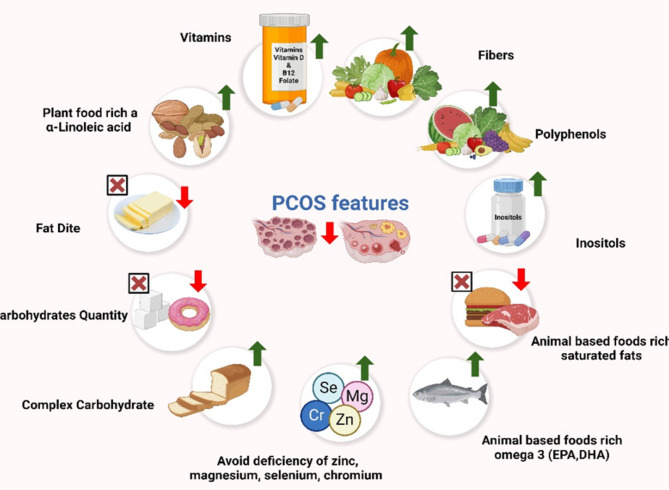
“Specific dietary patterns, such as low-glycemic index (GI), Mediterranean, and ketogenic diets, have shown promise in improving insulin sensitivity and hormonal balance in PCOS [10–12].”
Selenium biochemistry and its role for human health
Roman, M., Jitaru, P., & Barbante, C. (2014) · Metallomics · doi:10.1039/c3mt00185g · Cited by 823 · cited 1×
“Selenium is an essential trace element that is a key component of selenoproteins, which play a crucial role in redox processes, antioxidant defense, and anti-inflammatory functions [146].”
Lifestyle changes in women with polycystic ovary syndrome
Lim, S. S., Hutchison, S. K., Van Ryswyk, E., Norman, R. J., Teede, H. J., & Moran, L. J. (2019) · Cochrane Database of Systematic Reviews · doi:10.1002/14651858.cd007506.pub4 · Cited by 725
Metabolic effects of dietary fiber consumption and prevention of diabetes
Weickert, M. O., & Pfeiffer, A. F. H. (2008) · The Journal of Nutrition · doi:10.1093/jn/138.3.439 · Cited by 683 · cited 1×
“Weickert and Pfeiffer (2008) found that soluble fiber improves postprandial glucose metabolism and insulin sensitivity.”
Insulin resistance: definition and consequences
Lebovitz, H. (2001) · Experimental and Clinical Endocrinology & Diabetes · doi:10.1055/s-2001-18576 · Cited by 664 · cited 3×
“Compensatory hyperinsulinemia, which is commonly observed in individuals with PCOS [49–51], significantly contributes to the progression of the disorder.”
Adipokine dysregulation and adipose tissue inflammation in human obesity
Unamuno, X., Gómez‐Ambrosi, J., Rodríguez, A., Becerril, S., Frühbeck, G., & Catalán, V. (2018) · European Journal of Clinical Investigation · doi:10.1111/eci.12997 · Cited by 610 · cited 1×
“Obesity further amplifies these risks by promoting inflammation and hormonal imbalance [7].”
DeUgarte, C. M., Bartolucci, A. A., & Azziz, R. (2005) · Fertility and Sterility · doi:10.1016/j.fertnstert.2004.11.070 · Cited by 589 · cited 2×
“Insulin receptors are present in both stromal and follicular cells in the ovaries, and they contribute to the formation of follicles and the production of ovarian steroids [55].”
Azziz, R. (2018) · Obstetrics & Gynecology · doi:10.1097/aog.0000000000002698 · Cited by 573
Tardy, A.-L., Pouteau, E., Marquez, D., Yilmaz, C., & Scholey, A. (2020) · Nutrients · doi:10.3390/nu12010228 · Cited by 541
Moran, L. J., Noakes, M., Clifton, P. M., Tomlinson, L., & Norman, R. J. (2003) · The Journal of Clinical Endocrinology & Metabolism · doi:10.1210/jc.2002-020815 · Cited by 530 · cited 1×
“A research study showed that calorie restriction, when coupled with a high-protein diet, resulted in a better metabolic and reproductive rate compared to the common diets [168].”
Polycystic Ovarian Syndrome: Correlation Between Hyperandrogenism, Insulin Resistance and Obesity.
Zeng, X., Xie, Y.-J., Liu, Y.-T., Long, S.-L., & Mo, Z.-C. (2020) · Clinica Chimica Acta · doi:10.1016/j.cca.2019.11.003 · Cited by 525
A Meta-Analysis of Probiotic Efficacy for Gastrointestinal Diseases
Ritchie, M. L., & Romanuk, T. N. (2012) · PLoS ONE · doi:10.1371/journal.pone.0034938 · Cited by 474 · cited 1×
“All randomized controlled trials incorporated Lacto-bacillus acidophilus, Lactobacillus casei, and Bifido-bacterium species, and the aggregated results remained statistically significant following the leave-one-out sensitivity analysis [180].”
Martin, K. A., Anderson, R. R., Chang, R. J., Ehrmann, D. A., Lobo, R. A., Murad, M. H., Pugeat, M. M., & Rosenfield, R. L. (2018) · The Journal of Clinical Endocrinology & Metabolism · doi:10.1210/jc.2018-00241 · Cited by 339 · cited 1×
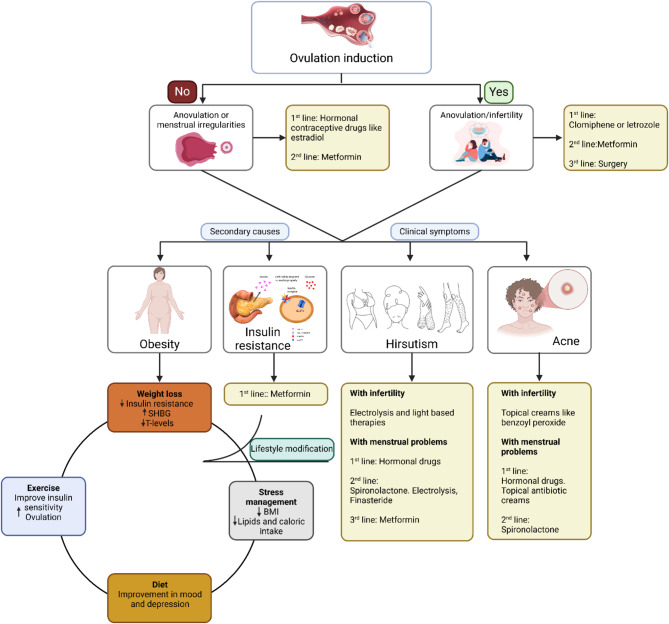
“Specific cosmetic and pharmacological therapies are essential in treating these symptoms, along with light-based treatments, topical creams, and anti-androgen drugs [46].”
Rajkumar, H., Mahmood, N., Kumar, M., Varikuti, S. R., Challa, H. R., & Myakala, S. P. (2014) · Mediators of Inflammation · doi:10.1155/2014/348959 · Cited by 301 · cited 1×
“A further study showed that omega-3s, combined with probiotics, contributed to a greater extent in the area of metabolic health, such as improved insulin sensitivity and markers of inflammation [196].”
Dietary fat, fatty acid composition in plasma and the metabolic syndrome
Vessby, B. (2003) · Current Opinion in Lipidology · doi:10.1097/00041433-200302000-00004 · Cited by 291 · cited 1×
“Nevertheless, it is crucial to acknowledge that this correlation is driven mainly by obesity [96, 97].”
A high-protein diet for reducing body fat: mechanisms and possible caveats
Pesta, D. H., & Samuel, V. T. (2014) · Nutrition & Metabolism · doi:10.1186/1743-7075-11-53 · Cited by 276 · cited 1×
“The finding that high blood iron levels are associated with an increased risk of type 2 diabetes has raised concerns regarding overindulgence in red meat [106].”
McAuley, K. A., Hopkins, C. M., Smith, K. J., McLay, R. T., Williams, S. M., Taylor, R. W., & Mann, J. I. (2005) · Diabetologia · doi:10.1007/s00125-004-1603-4 · Cited by 275 · cited 1×
“Therefore, any argument about how high-protein, low-carb diets increase fat intake may be moot, especially regarding short-term interventions [98].”
Dietary treatment of the metabolic syndrome — the optimal diet
Riccardi, G., & Rivellese, A. A. (2000) · British Journal of Nutrition · doi:10.1017/s0007114500001082 · Cited by 265 · cited 2×
“%) did not significantly impact insulin sensitivity [96].”
Moran, L. J., Ko, H., Misso, M., Marsh, K., Noakes, M., Talbot, M., Frearson, M., Thondan, M., Stepto, N., & Teede, H. J. (2013) · Journal of the Academy of Nutrition and Dietetics · doi:10.1016/j.jand.2012.11.018 · Cited by 259 · cited 1×
“Moran et al. (2013) reported that fiber and magnesium intake was associated with beneficial metabolic parameters in women with PCOS, thus affirming the composite effects of a fiber-rich, nutrient-wise diet lesser the chances of PCOS [128].”
Sommer, A., & Twig, G. (2018) · Current Diabetes Reports · doi:10.1007/s11892-018-1062-9 · Cited by 236 · cited 2×
“Vegetable oils, including sunflower, maize, soybean, canola, and olive oils, include these types of fats, which may be either monounsaturated or polyunsaturated [91].”
Lepretti, M., Martucciello, S., Burgos Aceves, M., Putti, R., & Lionetti, L. (2018) · Nutrients · doi:10.3390/nu10030350 · Cited by 232 · cited 1×
“Dietary fat quality also has a significant influence, with unsaturated fats, particularly omega-3 fatty acids, exhibiting anti-inflammatory and insulin-sensitizing effects [19].”
Macronutrient balance and micronutrient amounts through growth and development
Savarino, G., Corsello, A., & Corsello, G. (2021) · Italian Journal of Pediatrics · doi:10.1186/s13052-021-01061-0 · Cited by 231 · cited 1×
“Carbohydrates, fats, and proteins, as examples of macronutrients, are needed in high quantities for energy creation and dissection of tissues/repairing tissues [72].”
The Effects of a Low-Carbohydrate, Ketogenic Diet on the Polycystic Ovary Syndrome: A Pilot Study
Mavropoulos, J. C., Yancy, W. S., Hepburn, J., & Westman, E. C. (2005) · Nutrition & Metabolism · doi:10.1186/1743-7075-2-35 · Cited by 226 · cited 1×
“During the process of the study, on average, insulin sensitivity was strongly enhanced, and in some cases, some women even became fertile again [75].”
Zhao, Y., Fu, L., Li, R., Wang, L.-N., Yang, Y., Liu, N.-N., Zhang, C.-M., Wang, Y., Liu, P., Tu, B.-B., et al. (2012) · BMC Medicine · doi:10.1186/1741-7015-10-153 · Cited by 225
Qu, X., & Donnelly, R. (2020) · International Journal of Molecular Sciences · doi:10.3390/ijms21218191 · Cited by 210
Sheng, X., Zhang, Y., Gong, Z., Huang, C., & Zang, Y. Q. (2008) · PPAR Research · doi:10.1155/2008/581348 · Cited by 203 · cited 1×
“Being a widely used spice, cinnamon has been found that it can lower sugar levels by improving the efficiency of insulin and glucose intake [30].”
Dietary fatty acid intakes and the risk of ovulatory infertility
Chavarro, J. E., Rich-Edwards, J. W., Rosner, B. A., & Willett, W. C. (2007) · The American Journal of Clinical Nutrition · doi:10.1093/ajcn/85.1.231 · Cited by 203 · cited 1×
“Consum-ing trans fats and unsaturated lipids with double bonds that exhibit internal resonance has been associated in recent studies with a higher risk of ovulatory infertility [103].”
Bjørnerem, Å., Straume, B., Midtby, M., Fønnebø, V., Sundsfjord, J., Svartberg, J., Acharya, G., Øian, P., & Berntsen, G. K. R. (2004) · The Journal of Clinical Endocrinology & Metabolism · doi:10.1210/jc.2004-0735 · Cited by 199
Jeanes, Y. M., & Reeves, S. (2017) · Nutrition Research Reviews · doi:10.1017/s0954422416000287 · Cited by 194 · cited 2×
“Jeanes and Reeves (2017) also mentioned that most women with PCOS tend to eat food with higher GLs, whereas they intake a small amount of fiber, which leads to lower insulin sensitivity and increased levels of inflammatory markers [129].”
Arentz, S., Abbott, J. A., Smith, C. A., & Bensoussan, A. (2014) · BMC Complementary and Alternative Medicine · doi:10.1186/1472-6882-14-511 · Cited by 191
Goodarzi, M. O., Carmina, E., & Azziz, R. (2015) · The Journal of Steroid Biochemistry and Molecular Biology · doi:10.1016/j.jsbmb.2014.06.003 · Cited by 188 · cited 1×
“Individuals diagnosed with polycystic ovary syndrome may show increased production of adrenal steroids in reactions to adrenocorticotrophic hormone (ACTH) [61].”
Role of insulin and insulin resistance in androgen excess disorders
Unluhizarci, K., Karaca, Z., & Kelestimur, F. (2021) · World Journal of Diabetes · doi:10.4239/wjd.v12.i5.616 · Cited by 184 · cited 1×
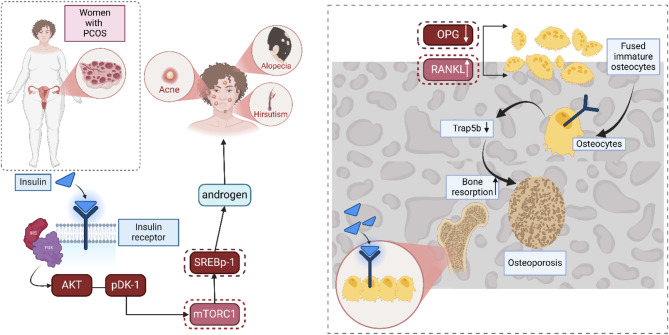
“Consequently, this can impede the body’s capacity to react to insulin efficiently [56].”
The glycaemic outcomes of Cinnamon, a review of the experimental evidence and clinical trials
Medagama, A. B. (2015) · Nutrition Journal · doi:10.1186/s12937-015-0098-9 · Cited by 183
Barrea, L., Marzullo, P., Muscogiuri, G., Di Somma, C., Scacchi, M., Orio, F., Aimaretti, G., Colao, A., & Savastano, S. (2018) · Nutrition Research Reviews · doi:10.1017/s0954422418000136 · Cited by 171 · cited 1×
“The high amounts of sugar in the blood caused by the above diet increase oxidative stress, which raises the reactive oxygen species, creating a declining insulin sensitivity in the long term [77].”
A comprehensive review of clinical studies with herbal medicine on polycystic ovary syndrome (PCOS)
Jazani, A. M., Azgomi, H. N. D., Azgomi, A. N. D., & Azgomi, R. N. D. (2019) · DARU Journal of Pharmaceutical Sciences · doi:10.1007/s40199-019-00312-0 · Cited by 171
Role of Diet in the Treatment of Polycystic Ovary Syndrome
Douglas, C. C., Gower, B. A., Darnell, B. E., Ovalle, F., Oster, R. A., & Azziz, R. (2006) · Fertility and Sterility · doi:10.1016/j.fertnstert.2005.08.045 · Cited by 170 · cited 2×
“A low-carbohydrate diet serving 43% of total caloric intake over 16 days resulted in notable decreases in fasting and post-exercise insulin levels, implying a promising short-term dietary manipulation [81].”
Mateen, S., Rehman, M. T., Shahzad, S., Naeem, S. S., Faizy, A. F., Khan, A. Q., Khan, M. S., Husain, F. M., & Moin, S. (2019) · European Journal of Pharmacology · doi:10.1016/j.ejphar.2019.02.031 · Cited by 168
Arbogast, S., & Ferreiro, A. (2010) · Antioxidants & Redox Signaling · doi:10.1089/ars.2009.2890 · Cited by 167 · cited 1×
“Selenoproteins guard against oxidative stress primarily by constraining reactive oxygen species (ROS) and reactive nitrogen species (RNS) [147].”
Obesity, Neuroinflammation, and Reproductive Function
Lainez, N. M., & Coss, D. (2019) · Endocrinology · doi:10.1210/en.2019-00487 · Cited by 164 · cited 1×
“Insulin also affects the synthesis of adrenal androgens [59].”
Herbs and Spices- Biomarkers of Intake Based on Human Intervention Studies – A Systematic Review
Vázquez-Fresno, R., Rosana, A. R. R., Sajed, T., Onookome-Okome, T., Wishart, N. A., & Wishart, D. S. (2019) · Genes & Nutrition · doi:10.1186/s12263-019-0636-8 · Cited by 162 · cited 1×
“Some different types of herbs, such as cinnamon, curcumin, sage, and fennel, have been the subject of extensive research regarding their potential to improve metabolic health and fertility [29].”
Nutritional management in women with polycystic ovary syndrome: A review study.
Faghfoori, Z., Fazelian, S., Shadnoush, M., & Goodarzi, R. (2017) · Diabetes & Metabolic Syndrome: Clinical Research & Reviews · doi:10.1016/j.dsx.2017.03.030 · Cited by 153 · cited 2×
“For instance, Faghfoori et al. (2017) discovered that diets containing a lot of fiber decrease the risks of metabolic syndrome, an often-seen condition in PCOS, especially in advancing insulin sensitivity and lowering systemic inflammation.”
Shi, D., & Vine, D. F. (2012) · Fertility and Sterility · doi:10.1016/j.fertnstert.2012.04.006 · Cited by 149
Nutritional Supplements and Complementary Therapies in Polycystic Ovary Syndrome
Alesi, S., Ee, C., Moran, L. J., Rao, V., & Mousa, A. (2022) · Advances in Nutrition · doi:10.1093/advances/nmab141 · Cited by 146 · cited 1×
“Addressing these deficiencies can improve learning outcomes for women with PCOS [69].”
Banaszewska, B., Pawelczyk, L., Spaczynski, R. Z., Dziura, J., & Duleba, A. J. (2007) · The Journal of Clinical Endocrinology & Metabolism · doi:10.1210/jc.2006-1988 · Cited by 143
Heshmati, J., Moini, A., Sepidarkish, M., Morvaridzadeh, M., Salehi, M., Palmowski, A., Mojtahedi, M. F., & Shidfar, F. (2021) · Phytomedicine · doi:10.1016/j.phymed.2020.153395 · Cited by 142 · cited 1×
“However, there was no change in fasting insulin levels [202].”
Mehrabani, H. H., Salehpour, S., Amiri, Z., Farahani, S. J., Meyer, B. J., & Tahbaz, F. (2012) · Journal of the American College of Nutrition · doi:10.1080/07315724.2012.10720017 · Cited by 141
Asemi, Z., Samimi, M., Tabassi, Z., Shakeri, H., Sabihi, S.-S., & Esmaillzadeh, A. (2014) · Nutrition · doi:10.1016/j.nut.2014.03.008 · Cited by 136
Zinc, pancreatic islet cell function and diabetes: new insights into an old story
Chimienti, F. (2013) · Nutrition Research Reviews · doi:10.1017/s0954422412000212 · Cited by 125 · cited 1×
“Zinc is another essential trace element involved in over 300 enzymatic functions, including insulin synthesis, storage, secretion, and signaling [151].”
Berneis, K., Rizzo, M., Lazzaroni, V., Fruzzetti, F., & Carmina, E. (2007) · The Journal of Clinical Endocrinology & Metabolism · doi:10.1210/jc.2006-1705 · Cited by 121 · cited 1×
“However, even slight variations, such as alterations in the dimensions of lipoprotein particles and an elevation in LDL II and IV subtypes, could potentially contribute to an increased susceptibility to macrovascular disease in people [107].”
Polycystic ovary syndrome: reviewing diagnosis and management of metabolic disturbances
Spritzer, P. M. (2014) · Arquivos Brasileiros de Endocrinologia & Metabologia · doi:10.1590/0004-2730000003051 · Cited by 118 · cited 1×
“It has also been related to improving metabolic activity and lowering the risk of chronic diseases connected with PCOS [193].”
Kazemi, M., McBreairty, L. E., Chizen, D. R., Pierson, R. A., Chilibeck, P. D., & Zello, G. A. (2018) · Nutrients · doi:10.3390/nu10101387 · Cited by 118 · cited 2×
“The study by Kazemi et al. (2018) then provided some substantiation of the fact that the low glycemic index diet, based on pulses, can lead to the improvement of fasting insulin and the decrease of inflammatory markers in case women who have PCOS take it [130].”
Shorakae, S., Teede, H., de Courten, B., Lambert, G., Boyle, J., & Moran, L. (2015) · Seminars in Reproductive Medicine · doi:10.1055/s-0035-1556568 · Cited by 115 · cited 1×
“Insulin resistance, obesity, and chronic low-grade inflammation are commonly associated with PCOS and contribute to its progression [5].”
A Systematic Review of the Effects of Exercise on Hormones in Women with Polycystic Ovary Syndrome
Shele, G., Genkil, J., & Speelman, D. (2020) · Journal of Functional Morphology and Kinesiology · doi:10.3390/jfmk5020035 · Cited by 115 · cited 1×
“Conversely, minute amounts of essential minerals such as zinc, selenium, or copper are recommended to make life prosper [132].”
The Role of Lifestyle Interventions in PCOS Management: A Systematic Review
Gautam, R., Maan, P., Jyoti, A., Kumar, A., Malhotra, N., & Arora, T. (2025) · Nutrients · doi:10.3390/nu17020310 · Cited by 115 · cited 1×
“Some RCTS and meta-analyses have been performed, and the results have shown that CrP is effective in some cases; for instance, studies indicated that hirsutism, acne, and TAC were significantly decreased, and TAC was improved after 8 weeks of a daily intake of 200 µg [138].”
Nader, S., & Diamanti-Kandarakis, E. (2007) · Human Reproduction · doi:10.1093/humrep/del407 · Cited by 109 · cited 1×
“It can be seen that in some cases, the conditions may be worsened, and there will be the circulation of increased triglyceride levels [108].”
Zinc ions modulate protein tyrosine phosphatase 1B activity
Bellomo, E., Massarotti, A., Hogstrand, C., & Maret, W. (2014) · Metallomics · doi:10.1039/c4mt00086b · Cited by 108 · cited 1×
“Zinc’s regulatory actions on protein tyrosine phosphatase activity in insulin-like growth factor-1 (IGF-1) signaling pathways suggest its potential role in mitigating insulin resistance [152].”
Lurbe, E., & Ingelfinger, J. (2021) · Hypertension · doi:10.1161/hypertensionaha.120.14592 · Cited by 106 · cited 1×
“These factors substantially increase the risk of cardiovascular illnesses and lead to systemic metabolic disturbances [92].”
Biobaku, F., Ghanim, H., Batra, M., & Dandona, P. (2019) · The Journal of Clinical Endocrinology & Metabolism · doi:10.1210/jc.2018-01833 · Cited by 104 · cited 1×
“High-protein and low-carbohydrate diets improve satiety, preserve muscle mass, and reduce insulin resistance and hyperan-drogenism [15, 16].”
Life Modifications and PCOS: Old Story But New Tales
Gu, Y., Zhou, G., Zhou, F., Wu, Q., Ma, C., Zhang, Y., Ding, J., & Hua, K. (2022) · Frontiers in Endocrinology · doi:10.3389/fendo.2022.808898 · Cited by 103 · cited 1×
“Fighting obesity and insulin resistance can be achieved with the help of weight loss programs, daily workouts, food habit adjustments, and a stress-free lifestyle that bestows insulin sensitivity and hormonal equilibrium, thus bringing them to a lower degree [45].”
Tefagh, G., Payab, M., Qorbani, M., Sharifi, F., Sharifi, Y., Ebrahimnegad Shirvani, M. S., Pourghazi, F., Atlasi, R., Shadman, Z., Rezaei, N., et al. (2022) · Scientific Reports · doi:10.1038/s41598-022-09082-3 · Cited by 102 · cited 1×
“This is in line with the fact that E vitamin fortification promotes the synthesis of good lipids, lowers insulin levels, and helps to counteract the harmful oxidation process in PCOS [134] .”
Köse, S. A., & Nazıroğlu, M. (2015) · Free Radical Research · doi:10.3109/10715762.2015.1006214 · Cited by 100 · cited 1×
“It has been evidenced that antioxidative, apoptosis and Ca + + flux can be muffled via transient receptor potential vanilloid 1(TRPV1) channel in the neutrophils of PCOS patients, where the potential role might be the anti-inflammatory turnouts and the improvement of the insulin resistance [190].”
Sohaei, S., Amani, R., Tarrahi, M. J., & Ghasemi-Tehrani, H. (2019) · Complementary Therapies in Medicine · doi:10.1016/j.ctim.2019.102201 · Cited by 100 · cited 1×
“Another study involving 51 women found that curcumin improved insulin sensitivity (QUICKI index) after six weeks of supplementation but did not significantly alter lipid or glycemic markers compared to placebo [203].”
Kasim-Karakas, S. E., Almario, R. U., Gregory, L., Wong, R., Todd, H., & Lasley, B. L. (2004) · The Journal of Clinical Endocrinology & Metabolism · doi:10.1210/jc.2003-030666 · Cited by 99 · cited 1×
“Researchers Kasim-Karakas et al. [101] examined the impact of a diet high in polyunsaturated fatty acids, which have been linked to several health benefits in several other studies.”
Gower, B. A., & Goss, A. M. (2015) · The Journal of Nutrition · doi:10.3945/jn.114.195065 · Cited by 98
Chinese herbal medicine for female infertility: An updated meta-analysis
Ried, K. (2015) · Complementary Therapies in Medicine · doi:10.1016/j.ctim.2014.12.004 · Cited by 96 · cited 1×
“…in 2015, with Ried as the author, analyzed five randomized controlled trials with the participation of 414 participants and found low-quality evidence showing that Chinese herbal medicine combined with clomiphene citrate (CC) would possibly increase pregnancy rates compared to CC alone [201].”
PCOS Physiopathology and Vitamin D Deficiency: Biological Insights and Perspectives for Treatment
Morgante, G., Darino, I., Spanò, A., Luisi, S., Luddi, A., Piomboni, P., Governini, L., & De Leo, V. (2022) · Journal of Clinical Medicine · doi:10.3390/jcm11154509 · Cited by 95
Zhang, X., Zheng, Y., Guo, Y., & Lai, Z. (2019) · International Journal of Endocrinology · doi:10.1155/2019/4386401 · Cited by 95 · cited 1×
“Also, an analysis by meta-analysis of controlled trials has shown that low-carb diets have a significant impact on BMI, HOMA-IR (insulin resistance), and cholesterol content, especially when interventions last more than four weeks [76].”
Ala, M., & Ala, M. (2021) · ACS Pharmacology & Translational Science · doi:10.1021/acsptsci.1c00167 · Cited by 95
Bakaloudi, D. R., Chrysoula, L., Kotzakioulafi, E., Theodoridis, X., & Chourdakis, M. (2021) · Nutrients · doi:10.3390/nu13051514 · Cited by 92 · cited 1×
“The Mediterranean diet, including a low-carbohydrate diet, has been found to have a connection with a decrease in inflammation, normalization of insulin sensitivity, and good cholesteric outcomes in women with polycystic ovary syndrome [161].”
Razavi, M., Jamilian, M., Kashan, Z. F., Heidar, Z., Mohseni, M., Ghandi, Y., Bagherian, T., & Asemi, Z. (2016) · Hormone and Metabolic Research · doi:10.1055/s-0035-1559604 · Cited by 91 · cited 1×
“While selenium supplementation appears to hold promise for improving metabolic and inflammatory markers in PCOS, further studies are needed to determine its overall efficacy and optimal dosage [150].”
Jamilian, M., Foroozanfard, F., Mirhosseini, N., Kavossian, E., Aghadavod, E., Bahmani, F., Ostadmohammadi, V., Kia, M., Eftekhar, T., Ayati, E., et al. (2019) · Frontiers in Endocrinology · doi:10.3389/fendo.2019.00273 · Cited by 91 · cited 1×
“…a randomized controlled trial involving 56 women with PCOS, revealing a decrease in hirsutism, total testosterone, hs-CRP, and MDA, along-side an increase in TAC and total GSH among participants administered 5 g of melatonin twice daily for 12 weeks, in contrast to the placebo group [186].”
Pizzo, A., Laganà, A. S., & Barbaro, L. (2014) · Gynecological Endocrinology · doi:10.3109/09513590.2013.860120 · Cited by 90
Razavi, M., Jamilian, M., Karamali, M., Bahmani, F., Aghadavod, E., & Asemi, Z. (2016) · Hormone and Metabolic Research · doi:10.1055/s-0042-104060 · Cited by 90
Melatonin Treatment May Be Able to Restore Menstrual Cyclicity in Women With PCOS: A Pilot Study
Tagliaferri, V., Romualdi, D., Scarinci, E., De Cicco, S., Di Florio, C., Immediata, V., Tropea, A., Santarsiero, C. M., Lanzone, A., & Apa, R. (2018) · Reproductive Sciences · doi:10.1177/1933719117711262 · Cited by 87 · cited 1×
“Two more prospective studies involving women with PCOS indicated that melatonin administration of 2–3 mg/d for 2–6 months resulted in a reduction of androgens, LH, anti-Müllerian hormone, and BMI while increasing FSH levels [184, 185].”
Ghavami, A., Ziaei, R., Talebi, S., Barghchi, H., Nattagh-Eshtivani, E., Moradi, S., Rahbarinejad, P., Mohammadi, H., Ghasemi-Tehrani, H., Marx, W., et al. (2023) · Advances in Nutrition · doi:10.1016/j.advnut.2023.01.005 · Cited by 86 · cited 2×
“…of soluble fiber that was accompanied by a 5–6% decrease in LDL cholesterol was a significant change for PCOS women who, due to their conditioned lifestyle, are at risk of cardiovascular complications like having the heart arteries clogged and impaired blood flow to the heart muscles [131].”
Goss, A. M., Chandler-Laney, P. C., Ovalle, F., Goree, L. L., Azziz, R., Desmond, R. A., Wright Bates, G., & Gower, B. A. (2014) · Metabolism · doi:10.1016/j.metabol.2014.07.007 · Cited by 85
Wang, M., Yin, Q., & Xu, X. J. (2020) · Medical Science Monitor · doi:10.12659/msm.922136 · Cited by 84
Probiotics for the treatment of type 2 diabetes: A review of randomized controlled trials
Tiderencel, K. A., Hutcheon, D. A., & Ziegler, J. (2020) · Diabetes/Metabolism Research and Reviews · doi:10.1002/dmrr.3213 · Cited by 82 · cited 1×
“…frequently administered for 12 weeks, and the strains commonly included Lactobacillus acidophilus/casei/rhamnosus, Bifidobacterium bifidum/longum/breve, and Streptococcus thermophilus, with nearly all randomized controlled trials incorporating Lactobacillus acidophilus in their probiotics [179].”
Yu, K., Wang, R.-X., Li, M., Sun, T., Zhou, Y.-W., Li, Y., Sun, L., Zhang, B., Lian, Z.-X., Xue, S., et al. (2019) · Oxidative Medicine and Cellular Longevity · doi:10.1155/2019/8218650 · Cited by 81
Awuchi, C., Asoegwu, C., Nwosu, O., Nelson, K., Madumere, C., Obunaonye, C., Nwobodo, F., & Orji, C. (2020) · International Journal of Advanced Academic Research · doi:10.46654/ij.24889849.e61112 · Cited by 80
Sabuncu, T., Harma, M., Harma, M., Nazligul, Y., & Kilic, F. (2003) · Fertility and Sterility · doi:10.1016/s0015-0282(03)02162-9 · Cited by 78 · cited 1×
“Consuming unsaturated fatty acids has been shown to enhance insulin sensitivity in people with type 2 diabetes or obesity and in healthy people [99, 100].”
DASH Diet: A Review of Its Scientifically Proven Hypertension Reduction and Health Benefits
ONWUZO, C. N., Olukorode, J., Omokore, O. A., Odunaike, O. S., Omiko, R., Osaghae, O., Sange, W., Orimoloye, D. A., Kristilere, H., Addeh, E., et al. (2023) · Cureus · doi:10.7759/cureus.44692 · Cited by 78 · cited 1×
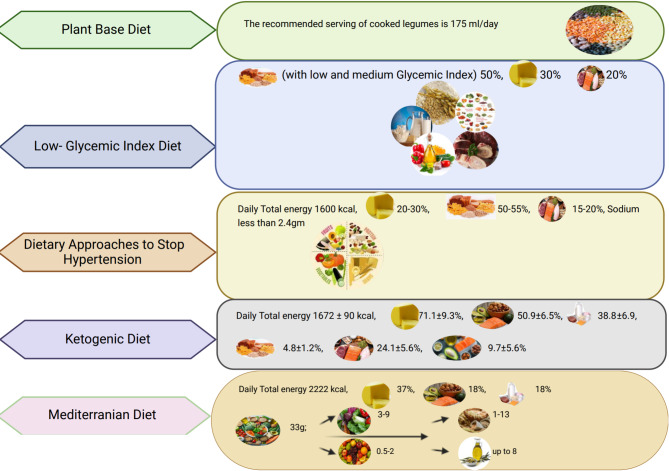
“The diet consists of 1600 kcal/day with 20–30% fats, 50–55% carbohydrates, and 15–20% protein, while sodium intake is less than 2.4 g/day [163].”
InfluentialSammarco, R., Marra, M., Di Guglielmo, M. L., Naccarato, M., Contaldo, F., Poggiogalle, E., Donini, L. M., & Pasanisi, F. (2017) · Obesity Facts · doi:10.1159/000468153 · Cited by 75 · cited 1×
“For example, a study discovered that a reduced kcal diet completed with an increase in protein is a practical addition to a reduction in body weight, fat mass, and cholesterol levels, compared to that of another diet without protein but with a supplement of simple sugars [116].”
Günalan, E., Yaba, A., & Yılmaz, B. (2018) · Journal of the Turkish-German Gynecological Association · doi:10.4274/jtgga.2018.0077 · Cited by 74
Marzouk, T. M., & Sayed Ahmed, W. A. (2015) · Journal of Pediatric and Adolescent Gynecology · doi:10.1016/j.jpag.2015.01.002 · Cited by 73
Impaired Metabolic Flexibility to High-Fat Overfeeding Predicts Future Weight Gain in Healthy Adults
Begaye, B., Vinales, K. L., Hollstein, T., Ando, T., Walter, M., Bogardus, C., Krakoff, J., & Piaggi, P. (2020) · Diabetes · doi:10.2337/db19-0719 · Cited by 73 · cited 1×
“The overabundance of carbs or inadequate carbohydrate oxidation results in an elevation of fat accumulation via the de novo lipogenesis pathway [95].”
Cutler, D. A., Pride, S. M., & Cheung, A. P. (2019) · Food Science & Nutrition · doi:10.1002/fsn3.977 · Cited by 69 · cited 2×
“Moran and colleagues performed a systematic review that brought to the fore these diets’ capability to promote weight loss and reproductive health [122].”
Dubey, P., Reddy, S., Boyd, S., Bracamontes, C., Sanchez, S., Chattopadhyay, M., & Dwivedi, A. (2021) · Nutrients · doi:10.3390/nu13092938 · Cited by 68 · cited 1×
“Equally, Dubey et al. examined the function of vitamins and antioxidants in alleviating oxidative stress, a general actor in PCOS pathophysiology [66].”
A review on critical appraisal and pathogenesis of polycystic ovarian syndrome
Hajam, Y. A., Rather, H. A., Neelam, Kumar, R., Basheer, M., & Reshi, M. S. (2024) · Endocrine and Metabolic Science · doi:10.1016/j.endmts.2024.100162 · Cited by 65 · cited 1×
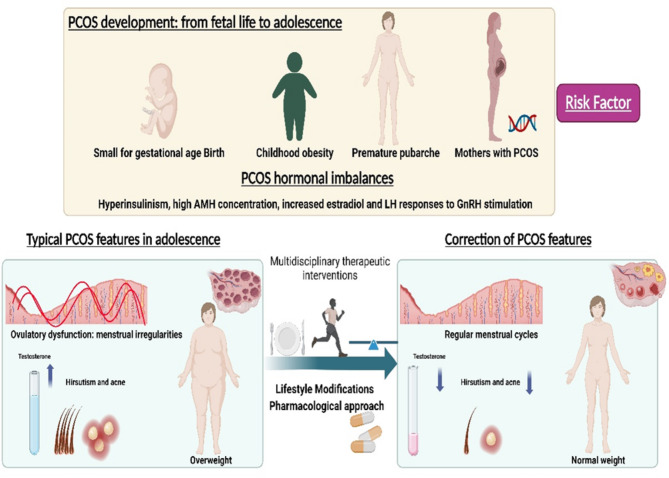
“Despite significant research efforts, the exact cause of PCOS remains unclear, although genetics, environmental influences, and lifestyle factors are believed to play key roles [4].”
Implementing Home Blood Pressure Monitoring into Clinical Practice
Liyanage-Don, N. A., Fung, D., Phillips, E., & Kronish, I. M. (2019) · Current Hypertension Reports · doi:10.1007/s11906-019-0916-0 · Cited by 65 · cited 1×
“However, the shifting in the figures will likely put a cap on how this method could be used daily in medical activities [113].”
Melatonin and its correlation with testosterone in polycystic ovarian syndrome
Jain, M., Jain, P., Haldar, C., Singh, T., & Jain, S. (2013) · Journal of Human Reproductive Sciences · doi:10.4103/0974-1208.126295 · Cited by 62 · cited 1×
“Melatonin may be pertinent in PCOS as it is believed to directly diminish testosterone production through its anti-gonadal effects, alongside its advantageous roles in alleviating insulin resistance, hyperglycemia, and dyslipidemia [181].”
Ketogenic Diet as Medical Prescription in Women with Polycystic Ovary Syndrome (PCOS)
Barrea, L., Verde, L., Camajani, E., Cernea, S., Frias-Toral, E., Lamabadusuriya, D., Ceriani, F., Savastano, S., Colao, A., & Muscogiuri, G. (2023) · Current Nutrition Reports · doi:10.1007/s13668-023-00456-1 · Cited by 62
González, F., Considine, R. V., Abdelhadi, O. A., & Acton, A. J. (2019) · The Journal of Clinical Endocrinology & Metabolism · doi:10.1210/jc.2019-00987 · Cited by 60
Paul, T., Satyaraddi, A., Cherian, K., Kapoor, N., Kunjummen, A., Kamath, M., & Thomas, N. (2019) · Journal of Human Reproductive Sciences · doi:10.4103/jhrs.jhrs_2_19 · Cited by 57 · cited 1×
“…higher body mass indexes (BMIs); PCOS women with insulin resistance have a higher accumulation of visceral fat, a surplus of androgens and experience more severe clinical symptoms, including hirsutism, acne, and ovulatory disorder, in contrast to PCOS women lacking insulin resistance [54].”
Mizgier, M., Jarząbek-Bielecka, G., Wendland, N., Jodłowska-Siewert, E., Nowicki, M., Brożek, A., Kędzia, W., Formanowicz, D., & Opydo-Szymaczek, J. (2021) · Nutrients · doi:10.3390/nu13030896 · Cited by 56
Menichini, D., Forte, G., Orrù, B., Gullo, G., Unfer, V., & Facchinetti, F. (2022) · International Journal for Vitamin and Nutrition Research · doi:10.1024/0300-9831/a000691 · Cited by 56
Foroozanfard, F., Jamilian, M., Jafari, Z., Khassaf, A., Hosseini, A., Khorammian, H., & Asemi, Z. (2015) · Experimental and Clinical Endocrinology & Diabetes · doi:10.1055/s-0035-1548790 · Cited by 55
Thakker, D., Raval, A., Patel, I., & Walia, R. (2015) · Obstetrics and Gynecology International · doi:10.1155/2015/817849 · Cited by 54 · cited 1×
“At the same time, it did not make any difference in the fasting insulin or HOMA-IR levels [192].”
Barr, S., Reeves, S., Sharp, K., & Jeanes, Y. M. (2013) · Journal of the Academy of Nutrition and Dietetics · doi:10.1016/j.jand.2013.06.347 · Cited by 54
The Therapeutic Effects of Magnesium in Insulin Secretion and Insulin Resistance
Dastgerdi, A. H., Rad, M. G., & Soltani, N. (2022) · Advanced Biomedical Research · doi:10.4103/abr.abr_366_21 · Cited by 53
Kwon, C.-Y., Cho, I.-H., & Park, K. S. (2020) · Frontiers in Pharmacology · doi:10.3389/fphar.2020.01192 · Cited by 52
The regulation and assessment of follicular growth
Dunlop, C. E., & Anderson, R. A. (2014) · Scandinavian Journal of Clinical and Laboratory Investigation · doi:10.3109/00365513.2014.936674 · Cited by 50 · cited 1×
“A delicate balance between dormant and actively developing follicles, regulating factors that influence follicular growth, and selecting one follicle for mature ovulation define the ova-ries’ anatomy and physiology [37].”
Metabolic syndrome in polycystic ovary syndrome.
Carmina, E. (2006) · PubMed · Cited by 50
Ahmad, Y., Seo, D. S., & Jang, Y. (2024) · International Journal of Molecular Sciences · doi:10.3390/ijms25137076 · Cited by 49 · cited 1×
“Ketogenic diets, characterized by a very low carbohydrate and high fat intake, are structured at approximately 1672 kcal/day, with macronutrient ratios of 4.8% carbohydrates, 71.1% fats, and 24.1% proteins, promoting weight loss and metabolic improvements through ketosis [164].”
InfluentialHeydarpour, F., Hemati, N., Hadi, A., Moradi, S., Mohammadi, E., & Farzaei, M. H. (2020) · Journal of Ethnopharmacology · doi:10.1016/j.jep.2020.112741 · Cited by 47 · cited 1×
“The meta-analysis of Heydarpour et al., which reviewed five high-quality trials involving 448 women with PCOS, showed that cin-namon supplementation decreased fasting blood sugar, fasting insulin, and HOMA-IR [200].”
Polycystic ovary syndrome management: a review of the possible amazing role of berberine
Rondanelli, M., Infantino, V., Riva, A., Petrangolini, G., Faliva, M. A., Peroni, G., Naso, M., Nichetti, M., Spadaccini, D., Gasparri, C., et al. (2020) · Archives of Gynecology and Obstetrics · doi:10.1007/s00404-020-05450-4 · Cited by 46 · cited 1×
“Thus, PCOS management can benefit from the intervention [194].”
Porchia, L. M., Hernandez-Garcia, S. C., Gonzalez-Mejia, M. E., & López-Bayghen, E. (2020) · European Journal of Obstetrics & Gynecology and Reproductive Biology · doi:10.1016/j.ejogrb.2020.03.010 · Cited by 45
Distinctive Reproductive Phenotypes in Peripubertal Girls at Risk for Polycystic Ovary Syndrome
Torchen, L. C., Legro, R. S., & Dunaif, A. (2019) · The Journal of Clinical Endocrinology & Metabolism · doi:10.1210/jc.2018-02313 · Cited by 43 · cited 1×
“Even if the disease is widespread, information regarding this can be lacking; thus, understanding the genesis and development of polycystic ovarian syndrome is not so clear [36].”
Karamali, M., Kashanian, M., Alaeinasab, S., & Asemi, Z. (2018) · Journal of Human Nutrition and Dietetics · doi:10.1111/jhn.12545 · Cited by 43 · cited 2×
“Insulin resistance is seen in around 44–70% of women who have been identified with PCOS [52].”
Wang, X., Xu, T., Liu, R., Wu, G., Gu, L., Zhang, Y., Zhang, F., Fu, H., Ling, Y., Wei, X., et al. (2022) · Frontiers in Endocrinology · doi:10.3389/fendo.2021.806331 · Cited by 42 · cited 2×
“In a study conducted by Wang et al. (2022), which included only women suffering from PCOS, it was discovered that the high intake of fiber had a notable impact on the increase of the hormone and the increase in the number of eggs.”
Insulin Resistance and Serum Magnesium Concentrations among Women with Polycystic Ovary Syndrome
Hamilton, K. P., Zelig, R., Parker, A. R., & Haggag, A. (2019) · Current Developments in Nutrition · doi:10.1093/cdn/nzz108 · Cited by 41 · cited 2×
“A systematic review of epidemiological studies in women with PCOS indicated a relationship between higher insulin sensitivity and lower magnesium status [145].”
Integration of Circadian and Metabolic Control of Reproductive Function
Evans, M. C., & Anderson, G. M. (2018) · Endocrinology · doi:10.1210/en.2018-00691 · Cited by 41 · cited 1×
“Hyper-insulinemia can interfere with the signaling of GnRH, resulting in higher levels of LH and more frequent and intense GnRH pulses [57].”
Kazemi, M., McBreairty, L. E., Zello, G. A., Pierson, R. A., Gordon, J. J., Serrao, S. B., Chilibeck, P. D., & Chizen, D. R. (2020) · Journal of Psychosomatic Obstetrics & Gynecology · doi:10.1080/0167482x.2019.1666820 · Cited by 40 · cited 1×
“The duty of dietary food packages and organized exercise workouts in not only fat loss but also health improvement are the main culprits of body composition transforming, menstrual cycle regular-izing, and deteriorating lifestyle in PCOS females [169].”
Heshmati, J., Sepidarkish, M., Morvaridzadeh, M., Farsi, F., Tripathi, N., Razavi, M., & Rezaeinejad, M. (2021) · Journal of Food Biochemistry · doi:10.1111/jfbc.13543 · Cited by 40
PCOS in Adolescence and Type 2 Diabetes
Carreau, A.-M., & Baillargeon, J.-P. (2015) · Current Diabetes Reports · doi:10.1007/s11892-014-0564-3 · Cited by 40
Akter, T., Zahan, M. S., Nawal, N. N. A., Rahman, M. H., Tanjum, T. N., Arafat, K. I., Moni, A., Islam, M. N., & Uddin, M. J. (2023) · Heliyon · doi:10.1016/j.heliyon.2023.e16957 · Cited by 40
Jamilian, M., & Asemi, Z. (2015) · Annals of Nutrition and Metabolism · doi:10.1159/000438465 · Cited by 38 · cited 1×
“According to studies, supplementation of CrP may be the direction of treating insulin resistance, glycemic control, and metabolic status in women with PCOS [137].”
Tosatti, J. A. G., Alves, M. T., Cândido, A. L., Reis, F. M., Araújo, V. E., & Gomes, K. B. (2021) · British Journal of Nutrition · doi:10.1017/s0007114520003207 · Cited by 38 · cited 1×
“Clinical studies have suggested that omega-3 supplementation has a beneficial effect on various health factors, such as remission of C-reactive protein (CRP) and improvements in lipid profiles, as well as the insulin resistance in PCOS patients has been lessened [195].”
Mączka, K., Stasiak, O., Przybysz, P., Grymowicz, M., & Smolarczyk, R. (2024) · International Journal of Molecular Sciences · doi:10.3390/ijms25179391 · Cited by 38 · cited 1×
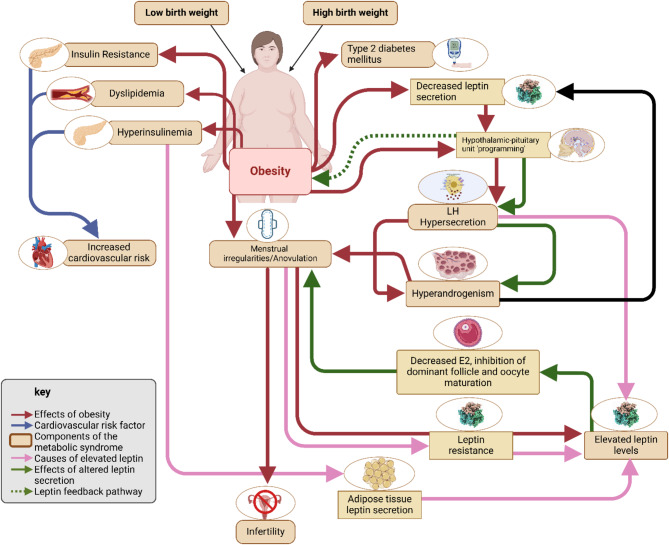
“This imbalance induces luteinizing hormone (LH) hyper-secretion and hyperandrogenism, impairing ovarian function and resulting in monthly abnormalities, anovu-lation, and infertility [93].”
Thien Tay, C., Garrad, R., Mousa, A., Bahri, M., Joham, A., & Teede, H. (2023) · Journal of Endocrinology · doi:10.1530/joe-22-0232 · Cited by 37 · cited 1×
“To ensure that the PCOS has the proper diet, they need more research in order to utilize real data to the fullest [170].”
Ouyang, J., Cai, Y., Song, Y., Gao, Z., Bai, R., & Wang, A. (2022) · Nutrients · doi:10.3390/nu14224933 · Cited by 36
Calcaterra, V., Magenes, V. C., Massini, G., De Sanctis, L., Fabiano, V., & Zuccotti, G. (2024) · Nutrients · doi:10.3390/nu16070938 · Cited by 35 · cited 1×
“Omega-3s, embedded in the environment of a keto or Mediterranean eating plan, have been connected to body fat reduction and higher insulin sensitivity, which are the main aspects of PCOS treatment [71].”
Pohlmeier, A. M., Phy, J. L., Watkins, P., Boylan, M., Spallholz, J., Harris, K. S., & Cooper, J. A. (2014) · Applied Physiology, Nutrition, and Metabolism · doi:10.1139/apnm-2014-0073 · Cited by 34 · cited 2×
“In an eight-week intervention, women with PCOS who reduced their intake of dairy and carbohydrates experienced improved lipid oxidation and metabolic outcomes [78].”
Dietary protein and blood glucose control
Azzout-Marniche, D., Gaudichon, C., & Tomé, D. (2014) · Current Opinion in Clinical Nutrition and Metabolic Care · doi:10.1097/mco.0000000000000062 · Cited by 33 · cited 1×
“However, there is some disagreement on this matter [104, 105].”
Liao, D., Zhong, C., Li, C., Mo, L., & Liu, Y. (2018) · Minerva Medica · doi:10.23736/s0026-4806.18.05728-2 · Cited by 31 · cited 2×
“A further meta-analysis included data from six randomized controlled trials involving 406 women with polycystic ovary syndrome (aged 25 to 28.5 years) who received probiotic supplements for 8 to 12 weeks [176].”
Influential(2019) · PubMed Central · doi:10.22088/cjim.10.4.359 · Cited by 31 · cited 1×
“These findings suggest that calcium and vitamin D act synergistically to regulate reproductive and metabolic systems, ultimately benefiting women with PCOS [143].”
Ainehchi, N., Khaki, A., Ouladsahebmadarek, E., Hammadeh, M., Farzadi, L., Farshbaf-Khalili, A., Asnaashari, S., Khamnei, H., Khaki, A. A., & Shokoohi, M. (2020) · Archives of Medical Science · doi:10.5114/aoms.2020.93271 · Cited by 31
Wołodko, K., Castillo-Fernandez, J., Kelsey, G., & Galvão, A. (2021) · International Journal of Molecular Sciences · doi:10.3390/ijms22084270 · Cited by 31 · cited 1×
“The feedback mechanisms associated with leptin resistance and hyperinsulinemia intensify hormonal imbalances, obstructing follicle maturation and oocyte development [94].”
Rakic, D., Joksimović, J., Jakovljevic, V. L., Zivkovic, V. I., Nikolić, M., Sretenovic, J. Z., Nikolic, M. R., Jovic, N., Ilic, M. B., Arsenijević, P. S., et al. (2023) · Medicina · doi:10.3390/medicina59061104 · Cited by 31
Amini, L., Mojab, F., Jahanfar, S., Sepidarkish, M., Raoofi, Z., & Maleki-Hajiagha, A. (2020) · Complementary Therapies in Medicine · doi:10.1016/j.ctim.2019.102245 · Cited by 30 · cited 1×
“…the result of the research of Amini and his colleagues among 70 euglycemic women with PCOS, who received a sage extract supplementation for eight weeks, it was noted that the participants communicated a decline in BMI and huge gains in the area of insulin resistance and fasting insulin level [204].”
Mokaberinejad, R., Rampisheh, Z., Aliasl, J., & Akhtari, E. (2019) · Journal of Obstetrics and Gynaecology · doi:10.1080/01443615.2018.1541232 · Cited by 28
Moslehi, N., Zeraattalab-Motlagh, S., Rahimi Sakak, F., Shab-Bidar, S., Tehrani, F. R., & Mirmiran, P. (2023) · Nutrition Reviews · doi:10.1093/nutrit/nuac075 · Cited by 28 · cited 1×
“Research suggests that reduced carbohydrate intake, specifically complex carbohydrates, is more effective for blood sugar levels and metabolic outcomes in women with PCOS [17, 18].”
OVERVIEW OF VITAMIN D ROLE IN POLYCYSTIC OVARIAN SYNDROME
Sulaiman, E. A., Dhia, S., & Merkhan, M. M. (2021) · Military Medical Science Letters · doi:10.31482/mmsl.2021.027 · Cited by 28 · cited 1×
“The variations in findings clearly prove the necessity for more clinical and mechanistic studies that can explain vitamin D’s role in managing PCOS [136].”
Nutrient Patterns and Risk of Polycystic Ovary Syndrome.
(2019) · Europe PMC (PubMed Central) · Cited by 27
Insulin Resistance and Adolescent Girls with Polycystic Ovary Syndrome
Bhattacharya, S. M., & Ghosh, M. (2009) · Journal of Pediatric and Adolescent Gynecology · doi:10.1016/j.jpag.2009.10.004 · Cited by 24 · cited 1×
“Many teenagers with polycystic ovary syndrome have insulin resistance and high insulin levels [39].”
Johnson, L. K., Holven, K. B., Nordstrand, N., Mellembakken, J. R., Tanbo, T., & Hjelmesæth, J. (2015) · Endocrine Connections · doi:10.1530/ec-15-0047 · Cited by 24 · cited 1×
“However, further research is required to delineate fructose’s specific impact on PCOS-related risk factors [82].”
Katyal, G., Kaur, G., Ashraf, H., Bodapati, A., Hanif, A., Okafor, D. K., & Khan, S. (2024) · Daehan saengsik uihak hoeji/Clinical and experimental reproductive medicine · doi:10.5653/cerm.2023.06485 · Cited by 24
Hao, Y., Zhang, Z., Han, D., Cao, Y., Zhou, P., Wei, Z., Lv, M., & Chen, D. (2017) · Molecular Medicine Reports · doi:10.3892/mmr.2017.6742 · Cited by 23 · cited 1×
“…demonstrated a significant impact of melatonin treatment on clinical pregnancy rates (in vivo studies utilized 3 mg of melatonin from the onset of the first cycle or day 3 until the triggering day; the ex vivo study employed 10 µmol/L of melatonin in the culture medium for 24–48 h) [183].”
Mediterranean diet and health – a narrative review
Shriqui, V. K., Navarro, D. A., Salem, H., & Boaz, M. (2022) · Functional Foods in Health and Disease · doi:10.31989/ffhd.v12i9.989 · Cited by 22 · cited 1×
“The Mediterranean diet, with an intake of 2222 kcal/day, includes a balanced macronutrient profile of 37% fats, 18% proteins, and 18% carbohydrates, emphasizing high fiber, olive oil, vegetables, and fish for cardiovascular and anti-inflammatory benefits [165].”
Patel, A., Dewani, D., Jaiswal, A., Yadav, P., & Reddy, L. S. (2023) · Cureus · doi:10.7759/cureus.48929 · Cited by 21 · cited 1×
“Furthermore, the contribution of melatonin in relation to modulating the symptoms of PCOS through its involvement with the regulation of appetite and metabolic processes highlights the importance of this part of treatment [188].”
Markopoulos, M. C., Valsamakis, G., Kouskouni, E., Boutsiadis, A., Papassotiriou, I., Creatsas, G., & Mastorakos, G. (2013) · European Journal of Endocrinology · doi:10.1530/eje-12-0550 · Cited by 20
Dietary Patterns and Polycystic Ovary Syndrome: a Systematic Review
XENOU, M., & GOUROUNTI, K. (2021) · Maedica - A Journal of Clinical Medicine · doi:10.26574/maedica.2021.16.3.516 · Cited by 20 · cited 1×
“Studies have proven that a protein-rich diet can, to some extent, be beneficial for PCOS management [114, 115].”
Zhang, D., Zhong, X., Cheng, C., Su, Z., Xue, Y., Liu, Y., Zhang, Y., Feng, M., Xu, Z., Zhao, T., et al. (2022) · Journal of Agricultural and Food Chemistry · doi:10.1021/acs.jafc.2c05469 · Cited by 20
Wang, F., Dou, P., Wei, W., & Liu, P. J. (2024) · Nutrition & Diabetes · doi:10.1038/s41387-024-00263-9 · Cited by 20
A review of antioxidant N-acetylcysteine in addressing polycystic ovary syndrome
Yifu, P. (2024) · Gynecological Endocrinology · doi:10.1080/09513590.2024.2381498 · Cited by 20 · cited 1×
“N-acetyl cysteine (NAC) is an impressive substitute for PCOS with another potential way [189].”
Chen, J., Huang, C., Zhang, T., Gong, W., Deng, X., Liu, H., Liu, J., & Guo, Y. (2021) · Reproductive Biology and Endocrinology · doi:10.1186/s12958-021-00863-5 · Cited by 18 · cited 1×
“Recently published data points out that statins may induce beneficial effects on the endocrine profile in PCOS, for instance, the lowering of the circulating testosterone level [111].”
Wolever, T. M., Zurbau, A., Koecher, K., & Au-Yeung, F. (2024) · The Journal of Nutrition · doi:10.1016/j.tjnut.2024.07.011 · Cited by 18 · cited 1×
“However, there is some disagreement on this matter [104, 105].”
Nguyen‐Ngo, C., Perkins, A. V., & Lappas, M. (2022) · Nutrients · doi:10.3390/nu14163286 · Cited by 18
Chandil, N., Pande, S., Sen, S. S., & Gupta, D. (2019) · The Journal of Obstetrics and Gynecology of India · doi:10.1007/s13224-018-1135-3 · Cited by 17
Leung, W. T., Tang, Z., Feng, Y., Guan, H., Huang, Z., & Zhang, W. (2022) · Nutrients · doi:10.3390/nu14245285 · Cited by 17
Zhang, N., Yan, L., Zhao, H., Chen, T., Jia, F., Yu, Y., Zhu, S., Wang, C., Zhang, W., & Liu, X. (2023) · Frontiers in Endocrinology · doi:10.3389/fendo.2023.1110341 · Cited by 17 · cited 1×
“Although some surveys found a negative relationship [missing], [fulfill], Mendelian analyses contradicted that D-vitamin [referent] has only a weak relevance with lipid levels in connection with less weight gain and insulin resistance in women experiencing PCOS problems [135].”
Metabolomic Biomarkers in Polycystic Ovary Syndrome: A Review of the Evidence
Alesi, S., Ghelani, D., & Mousa, A. (2021) · Seminars in Reproductive Medicine · doi:10.1055/s-0041-1729841 · Cited by 16 · cited 1×
“Lifestyle interventions, particularly dietary modifications, are widely recommended as first-line treatments to improve symptoms and enhance the overall quality of life in women with PCOS [160].”
Moreira, R., Martins, A. D., Ferreira, R. M., Alves, M. G., Pereira, M. D. L., & Oliveira, P. F. (2023) · Antioxidants · doi:10.3390/antiox13010040 · Cited by 16
Divergences in insulin resistance between the different phenotypes of the polycystic ovary syndrome
Barber, T. M., & Franks, S. (2013) · Expert Review of Endocrinology & Metabolism · doi:10.1586/17446651.2013.827373 · Cited by 15
(2006) · PubMed · Cited by 15
Nutrients as novel therapeutic approaches for metabolic disturbances in polycystic ovary syndrome
Mansour, A., Hosseini, S., Larijani, B., & Mohajeri-Tehrani, M. R. (2016) · IfADo - Leibniz Research Centre for Working Environment and Human Factors, Dortmund · doi:10.17179/excli2016-422 · Cited by 15 · cited 2×
“Certain nutrients have been found to be activators of important metabolic pathways involved in PCOS, such as insulin resistance hyperlipidemia, oxidative stress, and inflammation, thus providing some possible medical means for treating the condition [65].”
Dou, P., Zhang, T.-T., Xu, Y., Xue, Q., Zhang, Y., Shang, J., & Yang, X.-L. (2024) · Endocrine, Metabolic & Immune Disorders - Drug Targets · doi:10.2174/0118715303286777240223074922 · Cited by 15
The role of dietitian in the multidisciplinary treatment of PCOS
Nemchikova, O., & Frontoni, S. (2022) · Nutrition, Metabolism and Cardiovascular Diseases · doi:10.1016/j.numecd.2022.01.003 · Cited by 14
Simpson, S., & Pal, L. (2023) · Current Opinion in Obstetrics & Gynecology · doi:10.1097/gco.0000000000000887 · Cited by 13 · cited 1×
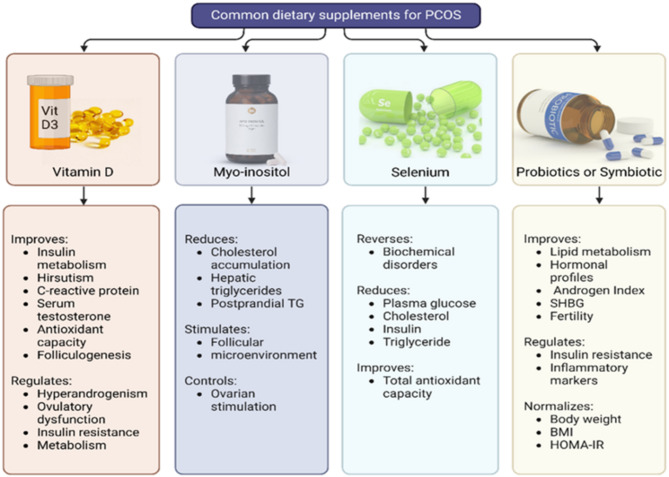
“Supplementation with vitamin D has been shown to improve insulin sensitivity, menstrual regularity, and fertility outcomes [24].”
(2012) · Europe PMC (PubMed Central) · Cited by 13
Assisted Reproductive Technologies for Women with Polycystic Ovarian Syndrome
Hassan, M. F., Sengupta, P., & Dutta, S. (2021) · Biomedical & Pharmacology Journal · doi:10.13005/bpj/2231 · Cited by 12 · cited 1×
“A systematic analysis identified three research (two randomized controlled trials and one cell culture study) involving women with polycystic ovary syndrome getting therapy with assisted reproductive technologies [182].”
(2019) · Contemporary Endocrinology · doi:10.1007/978-3-030-25057-7 · Cited by 11
A Comprehensive Review on Treatments for Polycystic Ovarian Syndrome (PCOS)
Patel, A., Jacob, A., Thomas, R., Plavumkal, H., Sneed, K. B., & Pathak, Y. V. (2024) · Nursing & Primary Care · doi:10.33425/2639-9474.1265 · Cited by 11
Naz, M. S. G., Jahanfar, S., & Tehrani, F. R. (2022) · Clinical Nutrition ESPEN · doi:10.1016/j.clnesp.2022.11.007 · Cited by 10
Correction: Ketogenic Diet as Medical Prescription in Women with Polycystic Ovary Syndrome (PCOS)
Barrea, L., Verde, L., Camajani, E., Cernea, S., Frias-Toral, E., Lamabadusuriya, D., Ceriani, F., Savastano, S., Colao, A., & Muscogiuri, G. (2023) · Current Nutrition Reports · doi:10.1007/s13668-023-00463-2 · Cited by 8
Shao, F., Xu, S., Zhao, H., Zhang, F., Wang, X., & Wang, H. (2024) · Frontiers in Endocrinology · doi:10.3389/fendo.2024.1420004 · Cited by 8 · cited 1×
“By the same token, omega-3 fatty acids, which are exceptional at reducing inflammation, have been proven to be beneficial with reference to metabolic parameters and related effects on PCOS risk [68].”
Shen, J.-Y., Xu, L., Ding, Y., & Wu, X.-Y. (2023) · World Journal of Clinical Cases · doi:10.12998/wjcc.v11.i23.5468 · Cited by 7
Unraveling PCOS: Exploring its causes and diagnostic challenges
Dar, M. A., Maqbool, M., Qadrie, Z., Ara, I., & Qadir, A. (2024) · Open Health · doi:10.1515/ohe-2023-0026 · Cited by 7 · cited 1×
“According to the Rotterdam criteria, PCOS is diagnosed when at least two of the following are present: hyperandrogenism, ovulatory dysfunction, and polycystic ovarian morphology [3].”
InfluentialPolycystic Ovarian Syndrome in Adolescents: Early Diagnosis and Intervention
Craig, M., Temples, H. S., & Weir, B. (2019) · Journal of Pediatric Health Care · doi:10.1016/j.pedhc.2019.11.007 · Cited by 7 · cited 1×
“When follicles mature, the body produces more androgens due to increased relative luteinizing hormone (LH) [38].”
Polycystic ovary syndrome: is a Western diet sabotaging our best efforts at management?
Foley, E., & Marsh, C. A. (2019) · Fertility and Sterility · doi:10.1016/j.fertnstert.2019.06.020 · Cited by 6 · cited 1×
“In other words, Low-GI foods and carbohydrate restriction are thus recommended as first-line interventions to manage PCOS and prevent associated long-term complications [80].”
Le, S. T., & Haubrick, K. (2021) · Journal of Food Studies · doi:10.5296/jfs.v10i1.18609 · Cited by 6 · cited 1×
“Ketogenic diets have been shown to reduce body weight, improve insulin sensitivity, and lower androgen levels, which can alleviate symptoms such as hirsutism and acne [166].”
The Impact of Macronutrient Intake on Sex Steroids During Onset of Puberty
Biro, F. M., Summer, S. S., Huang, B., Chen, C., Benoit, J., & Pinney, S. M. (2022) · Journal of Adolescent Health · doi:10.1016/j.jadohealth.2021.10.011 · Cited by 6 · cited 1×
“Biro et al. (2022) also stated that females with higher fiber consumption had markedly higher testosterone levels; thus, they further confirmed that the hormonal effects are directly related to fiber intake [124].”
Nutritional perspective of polycystic ovarian syndrome: A review study
Tripathi, S., Singh, M., Jain, M., & Khatoon, S. (2020) · Current Medicine Research and Practice · doi:10.1016/j.cmrp.2020.03.006 · Cited by 6 · cited 1×
“Bridging the knowledge gap between dietary fiber consumption and PCOS outcomes will guide the implementation of nutritional solutions [121].”
Medicinal Traits of the Phenolic Compound from Foeniculum vulgare for Oligomenorrhea
Patil, J., Patil, D., Sayyed, H., Patil, M., & Mali, R. (2022) · The 26th International Electronic Conference on Synthetic Organic Chemistry · doi:10.3390/ecsoc-26-13724 · Cited by 6 · cited 1×
“Fennel (Foeniculum vulgare) is another herb with potential therapeutic effects in PCOS due to its phytoestrogenic properties, which may weakly mimic estrogen and influence metabolic and hormonal regulation [205].”
Nutritional management in polycystic ovary syndrome: challenges and opportunities
Hmedeh, C., Ghazeeri, G., & Tewfik, I. (2021) · International Journal of Food Safety, Nutrition and Public Health · doi:10.1504/ijfsnph.2021.113389 · Cited by 6 · cited 1×
“The ketogenic diet, characterized by low carbohydrate intake, promotes weight loss and enhances insulin sensitivity—key outcomes in PCOS management [13, 14].”
Probiotics and synbiotics for polycystic ovarian syndrome: a systematic review and meta-analysis
Cozzolino, M., & Vitagliano, A. (2019) · Fertility and Sterility · doi:10.1016/j.fertnstert.2019.07.1117 · Cited by 5 · cited 1×
“[177].”
Fats and Oils for Health and Longevity
Bhattacharya, K., & Rattan, S. I. S. (2021) · Healthy ageing and longevity · doi:10.1007/978-3-030-83017-5_3 · Cited by 5 · cited 1×
“Aside from being an excellent source of energy, fats also aid in cell growth, fetal brain development, bodily activities, and the utilization of fat-soluble vitamins (A, D, E, and K) [89].”
Papel da inflamação e desregulação neuroendócrina na obesidade
Calzerra, N. T. M., Dias, J. R. R. D. A., Timani, K. I., Vieira, R. L. P., & de Queiroz, T. M. (2020) · Acta Brasiliensis · doi:10.22571/2526-4338258 · Cited by 5
Polycystic Ovary Syndrome (PCOS): From Diagnosis to Treatment
Rani, R., Priyanka, P., Yadav, R., Bajal, N., Mandal, B. S., & Kumar, A. (2024) · International Journal of Environment, Agriculture and Biotechnology · doi:10.22161/ijeab.94.5 · Cited by 4
ASSESSMENT OF VITAMIN D AND CALCIUM LEVELS IN WOMEN WITH PCOS: AN OBSERVATIONAL STUDY
Arora, S., Kaur, P., Garg, R., Kaur, M., & Rani, S. (2022) · Asian Journal of Pharmaceutical and Clinical Research · doi:10.22159/ajpcr.2022.v15i12.46060 · Cited by 4 · cited 1×
“Multiple studies have identified abnormalities in calcium concentrations among women with PCOS, often attributed to deviations in vitamin D and parathyroid hormone levels [140].”
Effect of Vitamin D Supplementation in Improving Pregnancy Rates in Infertile Women with PCOS
Nosseir, M. A., Sadek, A. M., Awad, S. H., & Edris, T. I. (2021) · Benha Journal of Applied Sciences · doi:10.21608/bjas.2021.169462 · Cited by 3 · cited 1×
“A study has shown that the administration of vitamin D led to improved fertility and ovulation rates in women with PCOS whose vitamins are insufficient [67].”
Nutritional Management of Polycystic Ovary Syndrome: Insights into Diet and Nutrition Strategies
Jan, B., Ahmad, S., Ibrahim, M., & Choudhary, B. (2024) · Natural Resources for Human Health · doi:10.53365/nrfhh/183616 · Cited by 2
Withdrawal Notice: Dietary Fatty Acids-effects on Cardiovascular Disease
Kh, J. K., Khorassani, S. K., Afshari, A., Rezayi, M., Langari, H., & Ghayour-Mobarhan, M. (2019) · Mini-Reviews in Medicinal Chemistry · doi:10.2174/1389557519666190920103759 · Cited by 2
EFFECTIVENESS OF ZINC SUPPLEMENTATION FOR TYPE II DIABETES PREVENTION: A SYSTEMATIC REVIEW
Ridwan, A. S., Suryoadji, K. A., Rycko, N. S., & Wisnu, W. (2022) · BIMIKI (Berkala Ilmiah Mahasiswa Ilmu Keperawatan Indonesia) · doi:10.53345/bimiki.v10i2.322 · Cited by 1
Implications of Magnesium in Diabetes
Kirk, J., Nicholson, A. R., & Cassidy-Vu, L. (2018) · Journal of Pharmacy Practice · doi:10.1177/0897190017738917 · Cited by 1
Rao, M., Zumbro, E., Dixon, M., Kaiser, K., Sebastian, L., McAdams, D., LeMieux, M., & Broughton, K. S. (2019) · Current Developments in Nutrition · doi:10.1093/cdn/nzz044.p08-070-19 · Cited by 1 · cited 1×
“Moreover, whey protein administration for one week may influence insulin reaction, which, in turn, can lead to the balance of glucose in the body [118].”
Nasimi Doost Azgomi, R., Zomorrodi, A., Nazemyieh, H., Fazljou, S. M. B., Sadeghi Bazargani, H., Nejatbakhsh, F., Moini Jazani, A., & Ahmadi AsrBadr, Y. (2019) · BioMed Research International · doi:10.1155/2019/7591541 · Cited by 1
Zumbro, E. L., Rao, M., Balcom-Luker, S., Broughton, K. S., & LeMieux, M. J. (2020) · The FASEB Journal · doi:10.1096/fasebj.2020.34.s1.04525 · Cited by 1 · cited 1×
“A whey protein supplementation short-term research showed no significant alterations in sex hormone-binding globulin (SHBG) or free testosterone levels, which suggests that its effect on fertility might be powerless or restricted [120].”
Kim, A. E., Lee, I. T., & Dokras, A. (2023) · Fertility and Sterility · doi:10.1016/j.fertnstert.2023.08.653 · Cited by 1
(2017) · doi:10.3760/cma.j.issn.1008-1372.2017.08.022 · Cited by 1
Research works printed but not linked: 10
- Patil J, Patil D, Sayyed H, Patil M, Mali R. Medicinal traits of the phenolic compound from Foeniculum vulgare for oligomenorrhea. Chem Proc. 2022;12(1):54.
- Hartmann G, McEwen B. Insulin resistance and polycystic ovary syndrome (PCOS): part 2. Diet and nutritional medicine. J Australian Traditional-Medicine Soc. 2019;25(1):18–22.
- Zhang X, Zheng Y, Guo Y, Lai Z. The effect of low carbohydrate diet on polycystic ovary syndrome: A meta-analysis of randomized controlled trials. Int J Endocrinol. 2019;2019(1):4386401. 31885557 PMC6899277
- Wang F, Dou P, Wei W, Liu PJ. Effects of high-protein diets on the cardiometabolic factors and reproductive hormones of women with polycystic ovary syndrome: a systematic review and meta-analysis. Nutr Diabetes. 2024;14(1):6. 38424054 PMC10904368 · DOI · Paper page
- Kumar AN, Naidu JN, Satyanarayana U, Anitha M, Ramalingam K. Association of insulin resistance and serum 25-OH vitamin-D in Indian women with polycystic ovary syndrome. Int J Clin Biochem Res. 2015;2(1):22–6.
- Hamilton KP, Zelig R, Parker AR, Haggag A. Insulin resistance and serum magnesium concentrations among women with polycystic ovary syndrome. Curr Developments Nutr. 2019;3(11):nzz108. PMC6822014 31696157 · DOI · Paper page
- Bano I, Sajjad H, Talpur MSH, Leghari A, Mirbahar KH. Role of selenium on oxidative stress and male reproductive system. Pak J Biochem Mol Biol. 2016;49(4):75–9.
- Al-Qadhi HI. Effect of melatonin supplementation on serum LH level and BMI in women with polycystic ovarian syndrome. J Pharm Sci Res. 2018;10(1):1–4.
- Heshmati J, Moini A, Sepidarkish M, Morvaridzadeh M, Salehi M, Palmowski A, Mojtahedi MF, Shidfar F. Effects of Curcumin supplementation on blood glucose, insulin resistance and androgens in patients with polycystic ovary syndrome: A randomized double-blind placebo-controlled clinical trial. Phytomedicine. 2021;80:153395. 33137599 · DOI · Paper page
- Amini L, Mojab F, Jahanfar S, Sepidarkish M, Raoofi Z, Maleki-Hajiagha A. Efficacy of Salvia officinalis extract on the prevention of insulin resistance in euglycemic patients with polycystic ovary syndrome: A double-blinded placebo-controlled clinical trial. Complement Ther Med. 2020;48:102245. 31987228 · DOI · Paper page
Cited by
Moustakli, E., Zikopoulos, A., Katopodis, P., Dafopoulos, S., Paraschos, V. S., Zachariou, A., & Dafopoulos, K. C. (2025) · Metabolites · doi:10.3390/metabo15060379 · Cited by 20
Maddirevula, M. K., Nelson, V. K., Soliman, M. M., Alanazi, B. G., Hegazy, A. M. S., Baig, H. A., Soliman, A. M., & Alanazi, M. (2025) · Frontiers in Cellular and Infection Microbiology · doi:10.3389/fcimb.2025.1680840 · Cited by 11
Renukadevi, J., Panneerselvam, S., Saravanan, M. D., Keerthivasan, N., & Valliappan, S. (2026) · Food Bioengineering · doi:10.1002/fbe2.70044 · Cited by 10
Liu, S., Wang, R., Yu, W., Shi, C., Wang, X., Liu, A., & Zhang, L. (2026) · Nutrients · doi:10.3390/nu18060964 · Cited by 6
Voros, C., Chatzinikolaou, F., Papadimas, G. K., Güneş, A. C., Koulakmanidis, A.-M., Papapanagiotou, I., Karpouzos, A., Athanasiou, D., Bananis, K., Athanasiou, A., et al. (2026) · International Journal of Molecular Sciences · doi:10.3390/ijms27104559 · Cited by 5
Metadata
- Authors
- Muhammed Saeed, A. A., Noreen, S., Awlqadr, F. H., Farooq, M. I., Qadeer, M., Rai, N., Farag, H. A., & Saeed, M. N.
- Affiliations
- Islamia University of Bahawalpur (PK)
- Sulaimani Polytechnic University (IQ)
- University of Toyama (JP)
- Corresponding author
- Awlqadr, Farhang H.
- ORCID
- Venue
- Journal of Health, Population and Nutrition
- Published
- 2025-05-02
- Volume
- 44
- Issue
- 1
- Pages
- 143-143
- ISSN
- 1606-0997 (ISSN-L)
- 2072-1315
- PMC
- PMC12049039
- OpenAlex
- W4410025825
- Semantic Scholar
- 96dd3a854111d56d971a5d20e5b46f1843340478
- Cited by
- 29
- References
- 189
- Citations by year
- 2026: 20 · 2025: 9
- FWCI
- 3.98
- Type
- journal article
- Language
- en
- Open access
- gold
- doi.org
- Licence
- cc-by-nc-nd
- creativecommons.org/licenses/by-nc-nd/4.0 (tdm)
- creativecommons.org/licenses/by-nc-nd/4.0 (vor)
- Locations
- Journal of Health Population and Nutrition (publishedVersion, cc-by-nc-nd)
- PubMed Central (publishedVersion, cc-by-nc-nd)
- PubMed (publishedVersion)
- DOAJ (DOAJ: Directory of Open Access Journals) (submittedVersion, cc-by-sa)
- Topics
- Health Sciences › Medicine › Reproductive Medicine › Ovarian function and disorders
- Health Sciences › Medicine › Reproductive Medicine › Endometriosis Research and Treatment
- Health Sciences › Medicine › Reproductive Medicine › Reproductive Biology and Fertility
- Keywords
- polycystic ovary syndrome, dietary intervention, Mediterranean diet, low glycemic index diet, ketogenic diet, macronutrients, protein intake, micronutrients, vitamin D, omega-3 fatty acids, myo-inositol, cinnamon, curcumin, sage, fennel, Chinese herbal medicine, insulin resistance, hyperandrogenism, infertility, obesity, menstrual cycle regulation, oxidative stress
- MeSH terms
- Nutrients, Female, Humans, Phytotherapy, Polycystic Ovary Syndrome, Dietary Supplements, Herbal Medicine, Diet, Mediterranean, Diet, Ketogenic
About these checks
Registry, retraction, Cites and statistics results are computed, not judged, with one exception: a printed reference that no index lists is read once by a model before it counts as a citation error. Claims are extracted by a model and kept only when their quote appears verbatim in the text; each cited source is then checked, with a model’s help, for whether it says what the claim relies on. Those verdicts can be wrong — read the claim’s quote and the cited source before relying on one.
The claim verdicts this report counts are experimental: their accuracy is not yet measured.
A language model drew the claims from the paper on 2026-10-10, under version 3 of the claim definition (model deepseek-v4.1-flash, prompt extract-v3).
A second model labelled each claim on 2026-10-10 (model jev-1.13-20260917, definition revision gold-guideline-v0.2).
Cited sources are checked with a language model’s help (gpt-6-sol).
Statistics and arithmetic are recomputed, not judged.
Confidence bands are shown only for fields calibrated on our annotated test set. None is calibrated yet, so no band is shown.
What counts as a claim ›How we measure confidence ›How we check this ›
Are you an author, or do you see a problem with this page? Request a review
Data sources
Bibliographic data: Semantic Scholar, OpenAlex, Crossref.
Contains information from the Semantic Scholar Academic Graph Datasets, made available under the ODC Attribution License (ODC-BY 1.0).
Semantic Scholar’s data is described in: Kinney, R., et al. (2023). The Semantic Scholar Open Data Platform. arXiv:2301.10140.
