

Lactic Acid Bacteria Exopolysaccharides Producers: A Sustainable Tool for Functional Foods
Open accessThe DOI matches its Crossref record; 185 of the 193 references it cites were found in a registry or an index; 82 of the 198 sources its claims cite were checked for support.
Abstract
Lactic acid bacteria (LAB) used in the food industry, mainly for the production of dairy products, are able to synthetize exopolysaccharides (EPS). EPS play a central role in the assessment of rheological and sensory characteristics of dairy products since they positively influence texture and organoleptic properties. Besides these, EPS have gained relevant interest for pharmacological and nutraceutical applications due to their biocompatibility, non-toxicity and biodegradability. These bioactive compounds may act as antioxidant, cholesterol-lowering, antimicrobial and prebiotic agents. This review provides an overview of exopolysaccharide-producing LAB, with an insight on the factors affecting EPS production, their dairy industrial applications and health benefits.
Overview
CoChat Summary
## TL;DR
This review summarizes how lactic acid bacteria produce exopolysaccharides (EPS), what controls their synthesis, and why they matter for fermented foods and health. It argues that EPS can improve texture and may offer antioxidant, cholesterol-lowering, antibacterial, and prebiotic benefits, but industrial use is still limited by low yields and a lack of in vivo/human validation.
## Key findings
- EPS from LAB improve dairy product properties by increasing viscosity, texture, stability, mouth-feel, and reducing syneresis; in yogurt, EPS-producing *S. thermophilus* and *Lb. delbrueckii* subsp. *bulgaricus* can produce a smoother, creamier texture and serve as an alternative to stabilizers.
- Reported EPS yields are usually under 1 g/L for most strains under non-optimized conditions, with examples including *Lim. fermentum* (0.75–0.85 g/L), *Lev. brevis* (0.35 g/L), *Lpb. plantarum* (0.14–0.4 g/L), and *Lact. lactis* (0.2–0.35 g/L); higher yields were reported for *Lim. reuteri* L26 and DSM 17938 (4.3–5 g/L) and *Lpb. plantarum* BR2 (2.8 g/L).
- The review reports bioactivity examples: *Lpb. plantarum* C88 EPS scavenged ROS and inhibited lipid peroxidation; *Lpb. plantarum* RJF4 EPS reduced cholesterol by 42.24%, *Lpb. plantarum* BR2 by 45%, and *Lcb. paracasei* M7 by 70.78% in vitro; *Lcb. paracasei* M7 EPS also inhibited biofilms against several species by 58.88%–64.27%.
- A notable prebiotic finding was that two EPS fractions from *Lb. delbrueckii* ssp. *bulgaricus* SRFM-1 promoted bifidobacteria, lactobacilli, and lactococci and produced high short-chain fatty acid levels in an in vitro digestion/fermentation study.
## Methods
- Narrative review of prior literature on LAB EPS, covering biosynthesis pathways, genetics, screening, isolation/purification, quantification/characterization, health effects, and dairy applications.
- The paper synthesizes evidence from in vitro studies, some in vivo animal studies, and industrial/technological reports; it does not present new experimental data.
- Main analysis is descriptive and comparative: it summarizes reported EPS yields, production conditions, structural features, and functional outcomes across strains and applications.
## Limitations
- The paper explicitly states that industrial use of EPS is still limited by high production costs, low in situ EPS production, and the need to reduce costs and improve yields using approaches such as waste biomass, better fermentation, and improved downstream recovery.
- It explicitly notes that in vivo studies are still limited and that more in vivo and clinical studies are needed to validate EPS as functional adjuncts.
- Evident from the text: prebiotic effects are mostly supported by in vitro digestion/fermentation models, and the paper states that no human intervention studies have been performed to date.
Model-written summary. Check it against the paper before relying on it.
Integrity signals
Registry
Cites
Statistics
Figures
Verification
Claims the paper makes
53 Valid · 10 Not valid · 74 Not checked · 29 Own results and interpretations
Every source the paper cites for this claim was checked and supports it.
In the paper
“HoPS are produced in the extracellular environment from a molecule of sucrose, which is used as donor of a monosaccharide by action of an extracellular enzyme belonging to the glycosyl hydrolase family [13].”
§ Lactic Acid Bacteria Exopolysaccharides Producers: A Sustainable Tool for Functional Foods > 2. Bacterial Synthesis of EPS > 2.1. HoPS Biosynthetic Pathways
What the sources say
- Supportedcites [13] Torino M.I. de Valdez G.F. Mozzi F. Biopolymers from Lactic Acid Bacteria. Novel Applications in Foods and Beverages Front. Microbiol. 2015 6 834 10.3389/fmicb.2015.00834 26441845 PMC4566036 source
The Homopolysaccharides section states that HoPS are mainly synthesized extracellularly from sucrose, which donates a monosaccharide through an extracellular enzyme of the glycosyl hydrolase family. This directly supports the cited description. (LLM, conf=0.94)
plainstates a cause- Asserted: passes — The authors put it forward as true.
- Checkable: passes — It can be checked against evidence.
- Load-bearing: unclear — It is unclear whether the paper’s conclusions depend on it.
- Based: passes — The paper gives a reason why it holds.
- Supported
The cited sources support only part of this claim — read each source’s verdict below.
In the paper
“in S. thermophilus and Lb. bulgaricus HePS production is favored under optimal growth conditions”
§ Lactic Acid Bacteria Exopolysaccharides Producers: A Sustainable Tool for Functional Foods > 2. Bacterial Synthesis of EPS > 2.2. HePS Biosynthetic Pathways
What the sources say
- Partly supportedcites [16] Zeidan A.A. Poulsen V.K. Janzen T. Buldo P. Derkx P.M.F. Øregaard G. Neves A.R. Polysaccharide Production by Lactic Acid Bacteria: From Genes to Industrial Applications FEMS Microbiol. Rev. 2017 41 S168 S200 10.1093/femsre/fux017 28830087 sourceExperimental — accuracy not yet measured
The ‘Regulation of polysaccharide synthesis’ section says production in some strains of S. thermophilus and Lb. bulgaricus appears to peak under conditions favoring optimal growth. The claim omits ‘some strains’ and presents this tentative observation as a general finding for both species. (LLM, conf=0.88)
plainstates a possible cause- Asserted: passes — The authors put it forward as true.
- Checkable: passes — It can be checked against evidence.
- Load-bearing: unclear — It is unclear whether the paper’s conclusions depend on it.
- Based: passes — The paper gives a reason why it holds.
- Partly supported
Every source the paper cites for this claim was checked and supports it.
In the paper
“in Lacticaseibacillus (Lcb.) casei, medium composition influenced exocellular polysaccharide production and its sugar composition.”
§ Lactic Acid Bacteria Exopolysaccharides Producers: A Sustainable Tool for Functional Foods > 2. Bacterial Synthesis of EPS > 2.2. HePS Biosynthetic Pathways
What the sources say
- Supportedcites [16] Zeidan A.A. Poulsen V.K. Janzen T. Buldo P. Derkx P.M.F. Øregaard G. Neves A.R. Polysaccharide Production by Lactic Acid Bacteria: From Genes to Industrial Applications FEMS Microbiol. Rev. 2017 41 S168 S200 10.1093/femsre/fux017 28830087 source
The ‘Regulation of polysaccharide synthesis’ section states that the nature or concentration of the medium’s carbon source affects exocellular polysaccharide production in Lb. casei. It also states that the sugar distribution of its heteropolysaccharides varies with the carbon source. (LLM, conf=0.94)
plainstates a cause- Asserted: passes — The authors put it forward as true.
- Checkable: passes — It can be checked against evidence.
- Load-bearing: unclear — It is unclear whether the paper’s conclusions depend on it.
- Based: passes — The paper gives a reason why it holds.
- Supported
The cited sources support only part of this claim — read each source’s verdict below.
In the paper
“Likewise, Lim. fermentum F6, Lim. fermentum TDS030603 and Lcb. casei CRL 870 produced elevated amounts of EPS when incubated at 37 °C [64,69].”
§ Lactic Acid Bacteria Exopolysaccharides Producers: A Sustainable Tool for Functional Foods > 3. EPS-Producing Lactic Acid Bacteria
What the sources say
- Not checked — no full text of the sourcecites [64] Zhang Y. Li S. Zhang C. Luo Y. Zhang H. Yang Z. Growth and Exopolysaccharide Production by Lactobacillus fermentum F6 in Skim Milk Afr. J. Biotechnol. 2011 10 2080 2091 10.5897/AJB10.539 doi:10.5897/ajb10.539
- Partly supportedcites [69] Leo F. Hashida S. Kumagai D. Uchida K. Motoshima H. Arai I. Asakuma S. Fukuda K. Urashima T. Studies on a Neutral Exopolysaccharide of Lactobacillus fermentum TDS030603 J. Appl. Glycosci. 2007 54 223 229 10.5458/jag.54.223 sourceExperimental — accuracy not yet measured
The section on optimal culture conditions reports that L. fermentum TDS030603 produced more EPS at 37 °C than at 40 °C, with no significant difference between 37 °C and 30 °C. Our copy studies that strain, not Lim. fermentum F6 or Lcb. casei CRL 870, so it does not support the full list attributed to the grouped citations. (LLM, conf=0.88)
plainstates a cause- Asserted: passes — The authors put it forward as true.
- Checkable: passes — It can be checked against evidence.
- Load-bearing: unclear — It is unclear whether the paper’s conclusions depend on it.
- Based: passes — The paper gives a reason why it holds.
Every source the paper cites for this claim was checked and supports it.
In the paper
“Some of the EPS produced also contained rhamnose in higher proportion compared to those produced by LAB isolated from food [78].”
§ Lactic Acid Bacteria Exopolysaccharides Producers: A Sustainable Tool for Functional Foods > 3. EPS-Producing Lactic Acid Bacteria
What the sources say
- Supportedcites [78] Salazar N. Prieto A. Leal J.A. Mayo B. Bada-Gancedo J.C. de los Reyes-Gavilán C.G. Ruas-Madiedo P. Production of Exopolysaccharides by Lactobacillus and Bifidobacterium Strains of Human Origin, and Metabolic Activity of the Producing Bacteria in Milk J. Dairy Sci. 2009 92 4158 4168 10.3168/jds.2009-2126 19700676 source
In “Characterization of EPS Produced by Human Bifidobacterium and Lactobacillus Strains,” the paper identifies human-origin B. longum strains with high rhamnose content and says its human-origin EPS contained rhamnose in higher proportions than EPS from food-derived LAB. The Conclusions likewise report higher rhamnose content in the human-origin strains than in previously studied food-origin strains. (LLM, conf=0.92)
plainstates an association- Asserted: passes — The authors put it forward as true.
- Checkable: passes — It can be checked against evidence.
- Load-bearing: unclear — It is unclear whether the paper’s conclusions depend on it.
- Based: passes — The paper gives a reason why it holds.
- Supported
83 more claims · 22 with their cited sources checked
Create a free account to see all 166 claims and to verify the 2 references still open.
- Probably not a substantial claim. 42
- It may state two separate claims as one. 55
Citations
Cites
Dietary Modulation of the Human Colonic Microbiota: Introducing the Concept of Prebiotics
Gibson, G. R., & Roberfroid, M. B. (1995) · The Journal of Nutrition · doi:10.1093/jn/125.6.1401 · Cited by 7,667
Gibson, G. R., Hutkins, R., Sanders, M. E., Prescott, S. L., Reimer, R. A., Salminen, S. J., Scott, K., Stanton, C., Swanson, K. S., Cani, P. D., et al. (2017) · Nature Reviews Gastroenterology & Hepatology · doi:10.1038/nrgastro.2017.75 · Cited by 5,634
Zheng, J., Wittouck, S., Salvetti, E., Franz, C. M. A. P., Harris, H. M. B., Mattarelli, P., O’Toole, P. W., Pot, B., Vandamme, P., Walter, J., et al. (2020) · International Journal of Systematic and Evolutionary Microbiology · doi:10.1099/ijsem.0.004107 · Cited by 3,313 · cited 1×
“They are produced by different genera of LAB, including Weissella, Leuconostoc, Lactobacillus (recently reclassified into 25 genera) [9], Pediococcus and Streptococcus.”
BackgroundSharifi-Rad, M., Anil Kumar, N. V., Zucca, P., Varoni, E. M., Dini, L., Panzarini, E., Rajkovic, J., Tsouh Fokou, P. V., Azzini, E., Peluso, I., et al. (2020) · Frontiers in Physiology · doi:10.3389/fphys.2020.00694 · Cited by 1,971
Role of ROS and Nutritional Antioxidants in Human Diseases
Liu, Z., Ren, Z., Zhang, J., Chuang, C.-C., Kandaswamy, E., Zhou, T., & Zuo, L. (2018) · Frontiers in Physiology · doi:10.3389/fphys.2018.00477 · Cited by 860
Exopolysaccharides from Probiotic Bacteria and Their Health Potential
Angelin, J., & Kavitha, M. (2020) · International Journal of Biological Macromolecules · doi:10.1016/j.ijbiomac.2020.06.190 · Cited by 617
Microbial Exopolysaccharides: Main Examples of Synthesis, Excretion, Genetics and Extraction
Donot, F., Fontana, A., Baccou, J. C., & Schorr-Galindo, S. (2012) · Carbohydrate Polymers · doi:10.1016/j.carbpol.2011.08.083 · Cited by 605 · cited 1×
“Although the beneficial effect that EPS production provides to the bacterial physiology is still not entirely clarified, it seems that LAB produce EPS as a protective matrix to endure all the stresses related to fermentation processes, such as pH, temperature and osmotic stress, among others [2].”
BackgroundBacterial exopolysaccharides – a perception
Suresh Kumar, A., Mody, K., & Jha, B. (2007) · Journal of Basic Microbiology · doi:10.1002/jobm.200610203 · Cited by 604 · cited 1×
“aerogenes has the same structure but failed to gel [4].”
BackgroundMetagenomic Analysis of Kimchi, a Traditional Korean Fermented Food
Jung, J. Y., Lee, S. H., Kim, J. M., Park, M. S., Bae, J.-W., Hahn, Y., Madsen, E. L., & Jeon, C. O. (2011) · Applied and Environmental Microbiology · doi:10.1128/aem.02157-10 · Cited by 540 · cited 1×
“For instance, metagenomic studies have been applied to investigate the metabolic potential of LAB in the fermentation of kimchi [94] and the transcriptomic approach has been used for yogurt and milk fermentation [20,95].”
BackgroundMechanisms Underlying the Cholesterol-Lowering Properties of Soluble Dietary Fibre Polysaccharides
Gunness, P., & Gidley, M. J. (2010) · Food & Function · doi:10.1039/c0fo00080a · Cited by 527
Variation in Biofilm Formation among Strains of Listeriamonocytogenes
Borucki, M. K., Peppin, J. D., White, D., Loge, F., & Call, D. R. (2003) · Applied and Environmental Microbiology · doi:10.1128/aem.69.12.7336-7342.2003 · Cited by 519 · cited 1×
“Non-ropy colonies appear red, while ropy colonies from EPS producers remain white [87].”
BackgroundNew Perspectives for Lactobacilli Exopolysaccharides
Badel, S., Bernardi, T., & Michaud, P. (2011) · Biotechnology Advances · doi:10.1016/j.biotechadv.2010.08.011 · Cited by 497 · cited 5×
“EPS producers Species/strains [8,12,24,35,53] Bacterial growth Exponential/stationary phase [38,60,68,82,83] Microbial interactions Synergistic/antagonist effects in bacterial mixture [71,84]”
BackgroundInfluentialProbiotics as Potential Antioxidants: A Systematic Review
Mishra, V., Shah, C., Mokashe, N., Chavan, R., Yadav, H., & Prajapati, J. (2015) · Journal of Agricultural and Food Chemistry · doi:10.1021/jf506326t · Cited by 460
Ruas-Madiedo, P., & de los Reyes-Gavilán, C. G. (2005) · Journal of Dairy Science · doi:10.3168/jds.s0022-0302(05)72750-8 · Cited by 456 · cited 11×
“In certain cases, heat treatment is used to improve the EPS recovery from the culture medium as the first step in EPS isolation [27,32,35,58,97,98].”
BackgroundMethodInfluentialCell Wall Structure and Function in Lactic Acid Bacteria
Chapot-Chartier, M.-P., & Kulakauskas, S. (2014) · Microbial Cell Factories · doi:10.1186/1475-2859-13-s1-s9 · Cited by 410 · cited 2×
“These enzymes hydrolyze the sucrose–glycosidic bond and use the energy released to transfer the glucosyl or the fructosyl moieties to the growing reducing end of the polymer [13,14].”
BackgroundCaggianiello, G., Kleerebezem, M., & Spano, G. (2016) · Applied Microbiology and Biotechnology · doi:10.1007/s00253-016-7471-2 · Cited by 396 · cited 2×
“Recently, EPS secreted by LAB have been claimed to have a potential prebiotic effect similar to diet-derived polysaccharides from plant origin [7,24,155,159].”
BackgroundDe Vuyst, L., De Vin, F., Vaningelgem, F., & Degeest, B. (2001) · International Dairy Journal · doi:10.1016/s0958-6946(01)00114-5 · Cited by 391 · cited 4×
“EPS producers Species/strains [8,12,24,35,53] Bacterial growth Exponential/stationary phase [38,60,68,82,83] Microbial interactions Synergistic/antagonist effects in bacterial mixture [71,84]”
BackgroundInfluentialTechniques used to characterize the gut microbiota: a guide for the clinician
Fraher, M. H., O'Toole, P. W., & Quigley, E. M. M. (2012) · Nature Reviews Gastroenterology & Hepatology · doi:10.1038/nrgastro.2012.44 · Cited by 385
Flemming, H.-C. (2016) · Microorganisms · doi:10.3390/microorganisms4040041 · Cited by 374
Antioxidant Activity of an Exopolysaccharide Isolated from Lactobacillus plantarum C88
Zhang, L., Liu, C., Li, D., Zhao, Y., Zhang, X., Zeng, X., Yang, Z., & Li, S. (2013) · International Journal of Biological Macromolecules · doi:10.1016/j.ijbiomac.2012.12.037 · Cited by 371
Zannini, E., Waters, D. M., Coffey, A., & Arendt, E. K. (2016) · Applied Microbiology and Biotechnology · doi:10.1007/s00253-015-7172-2 · Cited by 371
Rahbar Saadat, Y., Yari Khosroushahi, A., & Pourghassem Gargari, B. (2019) · Carbohydrate Polymers · doi:10.1016/j.carbpol.2019.04.025 · Cited by 370 · cited 2×
“In fact, the in situ production of EPS is likely to have the ability to limit the use of added chemicals and stabilizers frequently applied to enhance the textural properties of fermented milk products [85].”
BackgroundRebuilding the Gut Microbiota Ecosystem
Gagliardi, A., Totino, V., Cacciotti, F., Iebba, V., Neroni, B., Bonfiglio, G., Trancassini, M., Passariello, C., Pantanella, F., & Schippa, S. (2018) · International Journal of Environmental Research and Public Health · doi:10.3390/ijerph15081679 · Cited by 340
Removal of Cholesterol by Lactobacilli via Incorporation and Conversion to Coprostanol
Lye, H.-S., Rusul, G., & Liong, M.-T. (2010) · Journal of Dairy Science · doi:10.3168/jds.2009-2574 · Cited by 338
Polysaccharide Production by Lactic Acid Bacteria: From Genes to Industrial Applications
Zeidan, A. A., Poulsen, V. K., Janzen, T., Buldo, P., Derkx, P. M. F., Øregaard, G., & Neves, A. R. (2017) · FEMS Microbiology Reviews · doi:10.1093/femsre/fux017 · Cited by 326
Leemhuis, H., Pijning, T., Dobruchowska, J. M., van Leeuwen, S. S., Kralj, S., Dijkstra, B. W., & Dijkhuizen, L. (2013) · Journal of Biotechnology · doi:10.1016/j.jbiotec.2012.06.037 · Cited by 310 · cited 4×
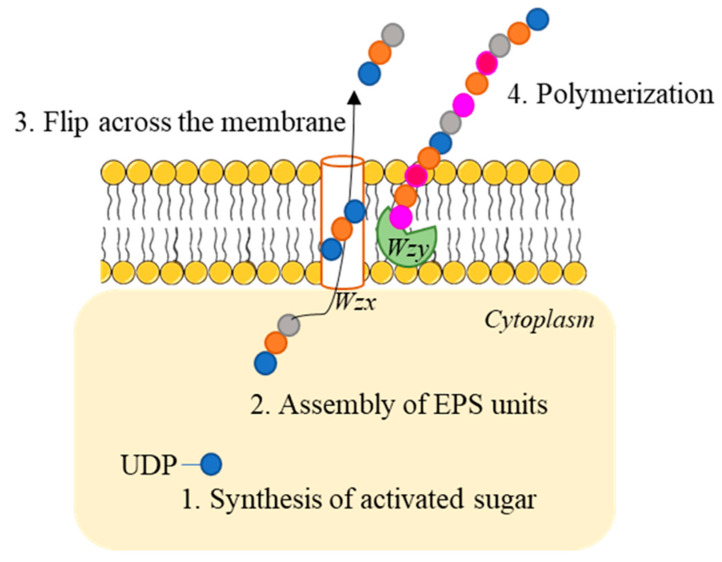
“(1) Activated sugar generation: Sugar nucleotides are produced from the glucose-6phosphate, fructose 6-phosphate or glucose-1-phosphate produced in the Leloir pathway during lact se catabolism [15].”
BackgroundInfluentialGenomic Diversity and Versatility of Lactobacillus plantarum, a Natural Metabolic Engineer
Siezen, R. J., & van Hylckama Vlieg, J. E. (2011) · Microbial Cell Factories · doi:10.1186/1475-2859-10-s1-s3 · Cited by 294
Lynch, K. M., Zannini, E., Coffey, A., & Arendt, E. K. (2018) · Annual Review of Food Science and Technology · doi:10.1146/annurev-food-030117-012537 · Cited by 289 · cited 10×
“However, this is not very reliable, particularly when the isolated EPS fraction does contain low quantities of EPS and/or in presence of impurities [8].”
BackgroundMethodInfluentialCastro-Bravo, N., Wells, J. M., Margolles, A., & Ruas-Madiedo, P. (2018) · Frontiers in Microbiology · doi:10.3389/fmicb.2018.02426 · Cited by 284 · cited 2×
“, rhamnose, fructose, galactose or glucose); they can present some molecular modifications, including acetylations, pyruvylations and phosphorylations [10].”
BackgroundSystems Biology of Microbial Exopolysaccharides Production
Ates, O. (2015) · Frontiers in Bioengineering and Biotechnology · doi:10.3389/fbioe.2015.00200 · Cited by 283
Li, W., Ji, J., Chen, X., Jiang, M., Rui, X., & Dong, M. (2014) · Carbohydrate Polymers · doi:10.1016/j.carbpol.2013.11.053 · Cited by 274
Dilna, S. V., Surya, H., Aswathy, R. G., Varsha, K. K., Sakthikumar, D. N., Pandey, A., & Nampoothiri, K. M. (2015) · LWT - Food Science and Technology · doi:10.1016/j.lwt.2015.07.040 · Cited by 262
In situ production and analysis of Weissella confusa dextran in wheat sourdough
Katina, K., Maina, N. H., Juvonen, R., Flander, L., Johansson, L., Virkki, L., Tenkanen, M., & Laitila, A. (2009) · Food Microbiology · doi:10.1016/j.fm.2009.07.008 · Cited by 255
Ahmed, Z., Wang, Y., Anjum, N., Ahmad, A., & Khan, S. T. (2013) · Food Hydrocolloids · doi:10.1016/j.foodhyd.2012.06.009 · Cited by 236
Immunomodulatory and antioxidant potential of Lactobacillus exopolysaccharides
Liu, C., Tseng, K., Chiang, S., Lee, B., Hsu, W., & Pan, T. (2011) · Journal of the Science of Food and Agriculture · doi:10.1002/jsfa.4456 · Cited by 230
Korcz, E., Kerényi, Z., & Varga, L. (2018) · Food & Function · doi:10.1039/c8fo00118a · Cited by 222
Ryan, P. M., Ross, R. P., Fitzgerald, G. F., Caplice, N. M., & Stanton, C. (2015) · Food & Function · doi:10.1039/c4fo00529e · Cited by 221 · cited 3×
“Moreover, they are involved in bacterial–host interactions and microbial-mediated immunomodulation [6].”
BackgroundInfluentialVaningelgem, F., Zamfir, M., Mozzi, F., Adriany, T., Vancanneyt, M., Swings, J., & De Vuyst, L. (2004) · Applied and Environmental Microbiology · doi:10.1128/aem.70.2.900-912.2004 · Cited by 221 · cited 3×
“pH pH of medium and its variations [37,54,57,60,68,82] Temperature Optimal/sub-optimal temperature [37,39,57,59,60,64,67–69,82] Oxygen rate Aerobiosis/anaerobiosis [24,60,67,85] Incubation time Prolonged incubation time [37,39,55,57,64,66,68,82]”
BackgroundLi, C., Li, W., Chen, X., Feng, M., Rui, X., Jiang, M., & Dong, M. (2014) · LWT - Food Science and Technology · doi:10.1016/j.lwt.2014.02.025 · Cited by 219 · cited 5×
“Finally, the EPS is lyophilized [27,33,35,43,99,101] to remove moisture and allow long storage.”
BackgroundMethodInfluentialBacterial Glycobiology: Rhamnose-Containing Cell Wall Polysaccharides in Gram-Positive Bacteria
Mistou, M.-Y., Sutcliffe, I. C., & van Sorge, N. M. (2016) · FEMS Microbiology Reviews · doi:10.1093/femsre/fuw006 · Cited by 215 · cited 1×
“CW-PS production is regulated by rmld-associated gene clusters which contains from 12 to 27 genes with putative functions including GT, polysaccharide biosynthesis proteins, rhamnose biosynthesis proteins (RmlABCD) and transport molecules [21].”
BackgroundBello, F. D., Walter, J., Hertel, C., & Hammes, W. P. (2001) · Systematic and Applied Microbiology · doi:10.1078/0723-2020-00033 · Cited by 214
Pham, P. L., Dupont, I., Roy, D., Lapointe, G., & Cerning, J. (2000) · Applied and Environmental Microbiology · doi:10.1128/aem.66.6.2302-2310.2000 · Cited by 212 · cited 1×
“9) significantly affects EPS degradation, leading to a decrease in EPS yields [65].”
BackgroundAntioxidant Activity of an Exopolysaccharide Purified from Lactococcus lactis subsp. lactis 12
Pan, D., & Mei, X. (2010) · Carbohydrate Polymers · doi:10.1016/j.carbpol.2010.01.005 · Cited by 211
Petry, S., Furlan, S., Crepeau, M.-J., Cerning, J., & Desmazeaud, M. (2000) · Applied and Environmental Microbiology · doi:10.1128/aem.66.8.3427-3431.2000 · Cited by 209 · cited 4×
“EPS producers Species/strains [8,12,24,35,53] Bacterial growth Exponential/stationary phase [38,60,68,82,83] Microbial interactions Synergistic/antagonist effects in bacterial mixture [71,84]”
BackgroundInfluentialAbid, Y., Casillo, A., Gharsallah, H., Joulak, I., Lanzetta, R., Corsaro, M. M., Attia, H., & Azabou, S. (2018) · International Journal of Biological Macromolecules · doi:10.1016/j.ijbiomac.2017.10.155 · Cited by 208
Sieuwerts, S., Molenaar, D., van Hijum, S. A. F. T., Beerthuyzen, M., Stevens, M. J. A., Janssen, P. W. M., Ingham, C. J., de Bok, F. A. M., de Vos, W. M., & van Hylckama Vlieg, J. E. T. (2010) · Applied and Environmental Microbiology · doi:10.1128/aem.01122-10 · Cited by 207 · cited 1×
“For instance, metagenomic studies have been applied to investigate the metabolic potential of LAB in the fermentation of kimchi [94] and the transcriptomic approach has been used for yogurt and milk fermentation [20,95].”
BackgroundBiopolymers from Lactic Acid Bacteria. Novel Applications in Foods and Beverages
Torino, M. I., Font de Valdez, G., & Mozzi, F. (2015) · Frontiers in Microbiology · doi:10.3389/fmicb.2015.00834 · Cited by 201
Wang, Y., Xu, N., Xi, A., Ahmed, Z., Zhang, B., & Bai, X. (2009) · Applied Microbiology and Biotechnology · doi:10.1007/s00253-009-2012-x · Cited by 200
Jeong, D., Kim, D.-H., Kang, I.-B., Kim, H., Song, K.-Y., Kim, H.-S., & Seo, K.-H. (2017) · Food Control · doi:10.1016/j.foodcont.2017.02.033 · Cited by 198
Amatayakul, T., Halmos, A. L., Sherkat, F., & Shah, N. P. (2006) · International Dairy Journal · doi:10.1016/j.idairyj.2005.01.004 · Cited by 195
Galle, S., Schwab, C., Dal Bello, F., Coffey, A., Gänzle, M. G., & Arendt, E. K. (2012) · International Journal of Food Microbiology · doi:10.1016/j.ijfoodmicro.2012.01.009 · Cited by 190 · cited 1×
“In the cereal and bakery industry they can replace food gums such as hydroxypropylmethylcellulose (HPMC) [5].”
BackgroundXu, Y., Cui, Y., Yue, F., Liu, L., Shan, Y., Liu, B., Zhou, Y., & Lü, X. (2019) · Food Hydrocolloids · doi:10.1016/j.foodhyd.2019.03.032 · Cited by 189
Salazar, N., Gueimonde, M., de los Reyes-Gavilán, C. G., & Ruas-Madiedo, P. (2016) · Critical Reviews in Food Science and Nutrition · doi:10.1080/10408398.2013.770728 · Cited by 188
Beta-Glucans Improve Growth, Viability and Colonization of Probiotic Microorganisms
Russo, P., López, P., Capozzi, V., De Palencia, P. F., Dueñas, M. T., Spano, G., & Fiocco, D. (2012) · International Journal of Molecular Sciences · doi:10.3390/ijms13056026 · Cited by 176
Characterization of Exopolysaccharide Produced by Streptococcus thermophilus CC30
Kanamarlapudi, S. L. R. K., & Muddada, S. (2017) · BioMed Research International · doi:10.1155/2017/4201809 · Cited by 175 · cited 2×
“For molecular characterization purposes, additional purification steps have been employed to increase the purity of the EPS fraction, by applying advanced instrumental techniques such as size-exclusion chromatography (SEC) or ion-exchange chromatography [8,27,36,44,47,53,99].”
BackgroundMethodXing, K., Chen, X. G., Kong, M., Liu, C. S., Cha, D. S., & Park, H. J. (2009) · Carbohydrate Polymers · doi:10.1016/j.carbpol.2008.09.016 · Cited by 174
Maeda, H., Zhu, X., Suzuki, S., Suzuki, K., & Kitamura, S. (2004) · Journal of Agricultural and Food Chemistry · doi:10.1021/jf049617g · Cited by 171 · cited 1×
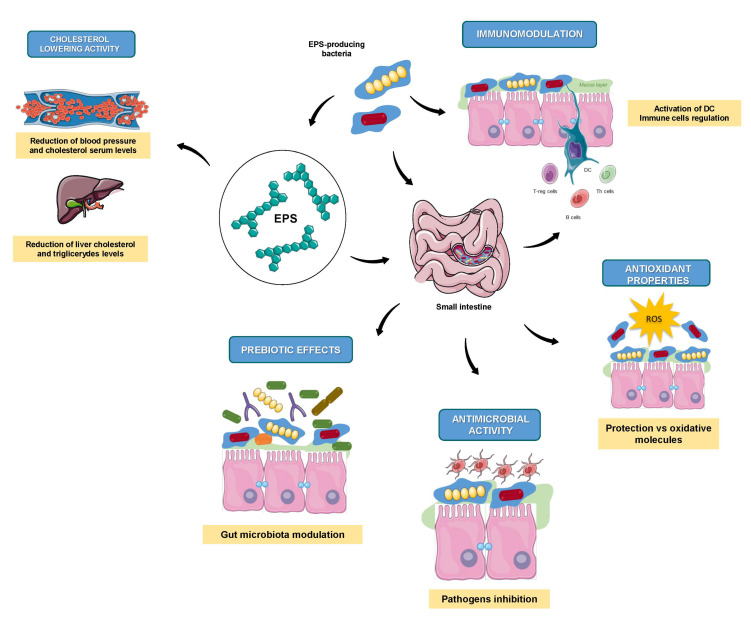
“kefiranofaciens WT-2B was fed to spontaneously hypertensive stroke-prone rats, significantly lower blood pressure and lower levels of cholesterol and triglycerides, both in serum and the liver, were observed compared to untreated rats [30].”
BackgroundCholesterol Lowering Activity of Ropy Fermented Milk
NAKAJIMA, H., SUZUKI, Y., & HIROTA, T. (1992) · Journal of Food Science · doi:10.1111/j.1365-2621.1992.tb06848.x · Cited by 170
Sasikumar, K., Kozhummal Vaikkath, D., Devendra, L., & Nampoothiri, K. M. (2017) · Bioresource Technology · doi:10.1016/j.biortech.2017.05.075 · Cited by 169
Dertli, E., Mercan, E., Arıcı, M., Yılmaz, M. T., & Sağdıç, O. (2016) · LWT - Food Science and Technology · doi:10.1016/j.lwt.2016.03.030 · Cited by 168 · cited 1×
“8 μg/107 cells and 197 mg/L, respectively [75,76].”
Rajoka, M. S. R., Jin, M., Zhao, H., Li, Q., Shao, D., Jiang, C., Huang, Q., Yang, H., Shi, J., & Hussain, N. (2017) · LWT · doi:10.1016/j.lwt.2017.11.034 · Cited by 167
Tukenmez, U., Aktas, B., Aslim, B., & Yavuz, S. (2019) · Scientific Reports · doi:10.1038/s41598-019-44753-8 · Cited by 167 · cited 11×
“bulgaricus B3 449 MRS Glucose Glucose, Fructose, Mannose [27]”
BackgroundMethodInfluentialAyyash, M., Abu-Jdayil, B., Itsaranuwat, P., Galiwango, E., Tamiello-Rosa, C., Abdullah, H., Esposito, G., Hunashal, Y., Obaid, R. S., & Hamed, F. (2020) · International Journal of Biological Macromolecules · doi:10.1016/j.ijbiomac.2019.09.171 · Cited by 167
Antibiofilm Activity of an Exopolysaccharide from Marine Bacterium Vibrio sp. QY101
Jiang, P., Li, J., Han, F., Duan, G., Lu, X., Gu, Y., & Yu, W. (2011) · PLoS ONE · doi:10.1371/journal.pone.0018514 · Cited by 165
Beneficial Bile Acid Metabolism from Lactobacillus plantarum of Food Origin
Prete, R., Long, S. L., Gallardo, A. L., Gahan, C. G., Corsetti, A., & Joyce, S. A. (2020) · Scientific Reports · doi:10.1038/s41598-020-58069-5 · Cited by 165
Self-citationYou, X., Li, Z., Ma, K., Zhang, C., Chen, X., Wang, G., Yang, L., Dong, M., Rui, X., Zhang, Q., et al. (2020) · Carbohydrate Polymers · doi:10.1016/j.carbpol.2020.115977 · Cited by 165 · cited 2×
“For molecular characterization purposes, additional purification steps have been employed to increase the purity of the EPS fraction, by applying advanced instrumental techniques such as size-exclusion chromatography (SEC) or ion-exchange chromatography [8,27,36,44,47,53,99].”
BackgroundMethodRani, R. P., Anandharaj, M., & David Ravindran, A. (2018) · International Journal of Biological Macromolecules · doi:10.1016/j.ijbiomac.2017.11.062 · Cited by 164
Costabile, A., Buttarazzi, I., Kolida, S., Quercia, S., Baldini, J., Swann, J. R., Brigidi, P., & Gibson, G. R. (2017) · PLOS ONE · doi:10.1371/journal.pone.0187964 · Cited by 161
In Vitro Prebiotic Evaluation of Exopolysaccharides Produced by Marine Isolated Lactic Acid Bacteria
Hongpattarakere, T., Cherntong, N., Wichienchot, S., Kolida, S., & Rastall, R. A. (2012) · Carbohydrate Polymers · doi:10.1016/j.carbpol.2011.08.085 · Cited by 158
Wang, J., Wu, T., Fang, X., Min, W., & Yang, Z. (2018) · International Journal of Biological Macromolecules · doi:10.1016/j.ijbiomac.2018.04.099 · Cited by 155 · cited 4×
“In general, after precipitation and recovery, the isolated EPS-rich phase is then dissolved in deionized water, and this dispersion is used for the removal of the protein fraction with tricholoracetic acid (TCA).”
BackgroundMethodInfluentialRuas-Madiedo, P., Tuinier, R., Kanning, M., & Zoon, P. (2002) · International Dairy Journal · doi:10.1016/s0958-6946(01)00161-3 · Cited by 152 · cited 4×
“As a preceding step to EPS purification, membrane filtration techniques such as microfiltration, ultrafiltration and/or diafiltration have also been used [50,58,70,101].”
BackgroundMethodInfluentialHassan, A. N. (2008) · Journal of Dairy Science · doi:10.3168/jds.2007-0558 · Cited by 151
Improvement of the Texture of Yogurt by Use of Exopolysaccharide Producing Lactic Acid Bacteria
Han, X., Yang, Z., Jing, X., Yu, P., Zhang, Y., Yi, H., & Zhang, L. (2016) · BioMed Research International · doi:10.1155/2016/7945675 · Cited by 150
Tang, W., Dong, M., Wang, W., Han, S., Rui, X., Chen, X., Jiang, M., Zhang, Q., Wu, J., & Li, W. (2017) · Carbohydrate Polymers · doi:10.1016/j.carbpol.2017.06.039 · Cited by 150 · cited 3×
“For molecular characterization purposes, additional purification steps have been employed to increase the purity of the EPS fraction, by applying advanced instrumental techniques such as size-exclusion chromatography (SEC) or ion-exchange chromatography [8,27,36,44,47,53,99].”
MethodGuo, Y., Pan, D., Li, H., Sun, Y., Zeng, X., & Yan, B. (2013) · Food Chemistry · doi:10.1016/j.foodchem.2012.10.029 · Cited by 149
Prasanna, P. H. P., Grandison, A. S., & Charalampopoulos, D. (2012) · Food Research International · doi:10.1016/j.foodres.2012.11.016 · Cited by 148
Diversity of Heteropolysaccharide-Producing Lactic Acid Bacterium Strains and Their Biopolymers
Mozzi, F., Vaningelgem, F., Hébert, E. M., Van der Meulen, R., Foulquié Moreno, M. R., Font de Valdez, G., & De Vuyst, L. (2006) · Applied and Environmental Microbiology · doi:10.1128/aem.02780-05 · Cited by 145 · cited 4×
“EPS producers Species/strains [8,12,24,35,53] Bacterial growth Exponential/stationary phase [38,60,68,82,83] Microbial interactions Synergistic/antagonist effects in bacterial mixture [71,84]”
BackgroundInfluentialStack, H. M., Kearney, N., Stanton, C., Fitzgerald, G. F., & Ross, R. P. (2010) · Applied and Environmental Microbiology · doi:10.1128/aem.01524-09 · Cited by 145 · cited 1×
“paracasei [81] when stressing conditions are encountered.”
Understanding the Adaptive Growth Strategy of Lactobacillus plantarum by In Silico Optimisation
Teusink, B., Wiersma, A., Jacobs, L., Notebaart, R. A., & Smid, E. J. (2009) · PLoS Computational Biology · doi:10.1371/journal.pcbi.1000410 · Cited by 143
Salazar, N., Prieto, A., Leal, J. A., Mayo, B., Bada-Gancedo, J. C., de los Reyes-Gavilán, C. G., & Ruas-Madiedo, P. (2009) · Journal of Dairy Science · doi:10.3168/jds.2009-2126 · Cited by 143 · cited 1×
“Some of the EPS produced also contained rhamnose in higher proportion compared to those produced by LAB isolated from food [78].”
ResultZhang, J., Zhao, X., Jiang, Y., Zhao, W., Guo, T., Cao, Y., Teng, J., Hao, X., Zhao, J., & Yang, Z. (2017) · Journal of Dairy Science · doi:10.3168/jds.2016-12480 · Cited by 141
Min, W.-H., Fang, X.-B., Wu, T., Fang, L., Liu, C.-L., & Wang, J. (2019) · Journal of Bioscience and Bioengineering · doi:10.1016/j.jbiosc.2018.12.004 · Cited by 141 · cited 1×
“plantarum JLAU103 75 Modified MRS Sorbitol Glucose, Galactose, Rhamnose, Mannose, Xylose, Arabinose, Fructose, Fucose [48]”
Schwab, C., Mastrangelo, M., Corsetti, A., & Gänzle, M. (2008) · Cereal Chemistry · doi:10.1094/cchem-85-5-0679 · Cited by 135 · cited 4×
“[34,37,39,55,56,60,64,82] Nitrogen source Organic/inorganic nitrogen [37,57,60,68,82]”
BackgroundMethodInfluentialSelf-citationStructure and Biosynthesis of Two Exopolysaccharides Produced by Lactobacillus johnsonii FI9785
Dertli, E., Colquhoun, I. J., Gunning, A. P., Bongaerts, R. J., Le Gall, G., Bonev, B. B., Mayer, M. J., & Narbad, A. (2013) · Journal of Biological Chemistry · doi:10.1074/jbc.m113.507418 · Cited by 134
Imran, M. Y. M., Reehana, N., Jayaraj, K. A., Ahamed, A. A. P., Dhanasekaran, D., Thajuddin, N., Alharbi, N. S., & Muralitharan, G. (2016) · International Journal of Biological Macromolecules · doi:10.1016/j.ijbiomac.2016.09.007 · Cited by 134 · cited 1×
“8 μg/107 cells and 197 mg/L, respectively [75,76].”
Remus, D. M., van Kranenburg, R., van Swam, I. I., Taverne, N., Bongers, R. S., Wels, M., Wells, J. M., Bron, P. A., & Kleerebezem, M. (2012) · Microbial Cell Factories · doi:10.1186/1475-2859-11-149 · Cited by 131
Detection of Vaginal Lactobacilli as Probiotic Candidates
Pino, A., Bartolo, E., Caggia, C., Cianci, A., & Randazzo, C. L. (2019) · Scientific Reports · doi:10.1038/s41598-019-40304-3 · Cited by 131
Exopolysaccharides Production by Lactic Acid Bacteria
Sanalibaba, P., & Cakmak, G. A. (2016) · Applied Microbiology: open access · doi:10.4172/2471-9315.1000115 · Cited by 129 · cited 1×
“Exopolysaccharides have a high molecular weight and biodegradable polymers formed by monosaccharide residues of sugar and sugar derivatives, and are produced by a wide range of bacteria [1].”
BackgroundTrabelsi, I., Ktari, N., Ben Slima, S., Triki, M., Bardaa, S., Mnif, H., & Ben Salah, R. (2017) · International Journal of Biological Macromolecules · doi:10.1016/j.ijbiomac.2017.05.017 · Cited by 128
Abdhul, K., Ganesh, M., Shanmughapriya, S., Murugesan, K., Kumarasamy, A., & Natarajaseenivasan, K. (2014) · International Journal of Biological Macromolecules · doi:10.1016/j.ijbiomac.2014.07.026 · Cited by 127
Exploiting Exopolysaccharides from Lactic Acid Bacteria
Jolly, L., Vincent, S. J. F., Duboc, P., & Neeser, J.-R. (2002) · Antonie van Leeuwenhoek · doi:10.1023/a:1020668523541 · Cited by 127 · cited 2×
“pH pH of medium and its variations [37,54,57,60,68,82] Temperature Optimal/sub-optimal temperature [37,39,57,59,60,64,67–69,82] Oxygen rate Aerobiosis/anaerobiosis [24,60,67,85] Incubation time Prolonged incubation time [37,39,55,57,64,66,68,82]”
BackgroundGoh, Y. J., Goin, C., O’Flaherty, S., Altermann, E., & Hutkins, R. (2011) · Microbial Cell Factories · doi:10.1186/1475-2859-10-s1-s22 · Cited by 123 · cited 1×
“For instance, metagenomic studies have been applied to investigate the metabolic potential of LAB in the fermentation of kimchi [94] and the transcriptomic approach has been used for yogurt and milk fermentation [20,95].”
BackgroundKšonžeková, P., Bystrický, P., Vlčková, S., Pätoprstý, V., Pulzová, L., Mudroňová, D., Kubašková, T., Csank, T., & Tkáčiková, Ľ. (2016) · Carbohydrate Polymers · doi:10.1016/j.carbpol.2015.12.037 · Cited by 122 · cited 4×
“In certain cases, heat treatment is used to improve the EPS recovery from the culture medium as the first step in EPS isolation [27,32,35,58,97,98].”
BackgroundMethodInfluentialRimada, P. S., & Abraham, A. G. (2003) · Le Lait · doi:10.1051/lait:2002051 · Cited by 121 · cited 2×
“In certain cases, heat treatment is used to improve the EPS recovery from the culture medium as the first step in EPS isolation [27,32,35,58,97,98].”
BackgroundA Food Additive with Prebiotic Properties of an α-d-Glucan from Lactobacillus plantarum DM5
Das, D., Baruah, R., & Goyal, A. (2014) · International Journal of Biological Macromolecules · doi:10.1016/j.ijbiomac.2014.05.029 · Cited by 119
Cholesterol removal by some lactic acid bacteria that can be used as probiotic
Tok, E., & Aslim, B. (2010) · Microbiology and Immunology · doi:10.1111/j.1348-0421.2010.00219.x · Cited by 117
Bouzar, F., Cerning, J., & Desmazeaud, M. (1997) · Journal of Dairy Science · doi:10.3168/jds.s0022-0302(97)76181-2 · Cited by 117 · cited 1×
“, skim milk), and at acidic pH, purification and quantification of EPS requires the isolation of EPS from a protein network where EPS and bacterial cells are trapped or conjugated with the protein [53,96].”
BackgroundProbiotic Properties of Exopolysaccharide-Producing Lactobacillus Strains Isolated from Tempoyak
Khalil, E., Abd Manap, M., Mustafa, S., Alhelli, A., & Shokryazdan, P. (2018) · Molecules · doi:10.3390/molecules23020398 · Cited by 117
Hypocholesterolaemic effects of milk-kefir and soyamilk-kefir in cholesterol-fed hamsters
Liu, J.-R., Wang, S.-Y., Chen, M.-J., Chen, H.-L., Yueh, P.-Y., & Lin, C.-W. (2006) · British Journal of Nutrition · doi:10.1079/bjn20061752 · Cited by 115
Mahony, J., Kot, W., Murphy, J., Ainsworth, S., Neve, H., Hansen, L. H., Heller, K. J., S�rensen, S. J., Hammer, K., Cambillau, C., et al. (2013) · Applied and Environmental Microbiology · doi:10.1128/aem.00653-13 · Cited by 114
van Kranenburg, R., Vos, H. R., van Swam, I. I., Kleerebezem, M., & de Vos, W. M. (1999) · Journal of Bacteriology · doi:10.1128/jb.181.20.6347-6353.1999 · Cited by 113
Wang, K., Niu, M., Song, D., Song, X., Zhao, J., Wu, Y., Lu, B., & Niu, G. (2020) · Journal of Bioscience and Bioengineering · doi:10.1016/j.jbiosc.2019.07.009 · Cited by 110
Zhang, J., Cao, Y., Wang, J., Guo, X., Zheng, Y., Zhao, W. Q., Xueyang, M., Guo, T., & Yang, Z. (2016) · Carbohydrate Polymers · doi:10.1016/j.carbpol.2016.03.063 · Cited by 109 · cited 4×
“EPS producers Species/strains [8,12,24,35,53] Bacterial growth Exponential/stationary phase [38,60,68,82,83] Microbial interactions Synergistic/antagonist effects in bacterial mixture [71,84]”
BackgroundMethodInfluentialNotararigo, S., Nácher-Vázquez, M., Ibarburu, I., Werning, M. L., de Palencia, P. F., Dueñas, M. T., Aznar, R., López, P., & Prieto, A. (2013) · Carbohydrate Polymers · doi:10.1016/j.carbpol.2012.05.016 · Cited by 107 · cited 2×
“In certain cases, heat treatment is used to improve the EPS recovery from the culture medium as the first step in EPS isolation [27,32,35,58,97,98].”
BackgroundMethodCharacterization of extracellular polymers synthesized by tropical intertidal biofilm bacteria
Ortega-Morales, B. O., Santiago-García, J. L., Chan-Bacab, M. J., Moppert, X., Miranda-Tello, E., Fardeau, M. L., Carrero, J. C., Bartolo-Pérez, P., Valadéz-González, A., & Guezennec, J. (2007) · Journal of Applied Microbiology · doi:10.1111/j.1365-2672.2006.03085.x · Cited by 107 · cited 1×
“[86] successfully screened EPS producer strains based on the “mucoid” and “slimy” appearance of strains.”
MethodBile Affects the Synthesis of Exopolysaccharides by Bifidobacterium animalis
Ruas-Madiedo, P., Gueimonde, M., Arigoni, F., de los Reyes-Gavilán, C. G., & Margolles, A. (2009) · Applied and Environmental Microbiology · doi:10.1128/aem.00908-08 · Cited by 103 · cited 1×
“In particular, after staining with a fluorescent lectin, confocal laser scanning microscopy analysis allowed to obtain both qualitative [99] and quantitative [79] information about EPS structure and production in fermented soy milk and fermented milks, respectively.”
MethodYang, Z., Li, S., Zhang, X., Zeng, X., Li, D., Zhao, Y., & Zhang, J. (2010) · Journal of Bioscience and Bioengineering · doi:10.1016/j.jbiosc.2009.12.010 · Cited by 103 · cited 3×
“EPS producers Species/strains [8,12,24,35,53] Bacterial growth Exponential/stationary phase [38,60,68,82,83] Microbial interactions Synergistic/antagonist effects in bacterial mixture [71,84]”
BackgroundMethodHao, P., Zheng, H., Yu, Y., Ding, G., Gu, W., Chen, S., Yu, Z., Ren, S., Oda, M., Konno, T., et al. (2011) · PLoS ONE · doi:10.1371/journal.pone.0015964 · Cited by 100
Influence of Yogurt and Acidophilus Yogurt on Serum Cholesterol Levels in Mice
Sibel Akalin, A., Gönç, S., & Düzel, S. (1997) · Journal of Dairy Science · doi:10.3168/jds.s0022-0302(97)76233-7 · Cited by 96
Exopolysaccharide from Lactobacillus planterum LP6: Antioxidation and the effect on oxidative stress
Li, J., Jin, M.-M., Meng, J., Gao, S., & Lu, R. (2013) · Carbohydrate Polymers · doi:10.1016/j.carbpol.2013.07.027 · Cited by 96
Calsteren, M. V., Pau‐Roblot, C., Bégin, A., & Roy, D. (2002) · Biochemical Journal · doi:10.1042/0264-6021:3630007 · Cited by 96 · cited 2×
“rhamnosus R 438–601 MRS Glucose or Lactose Glucose, Galactose, Rhamnose [51]”
BackgroundLeroy, F., & De Vuyst, L. (2016) · Journal of Dairy Science · doi:10.3168/jds.2015-9936 · Cited by 96 · cited 10×
“The resulting monosaccharides are then derivatized to alditol acetates and can be determined by HPLC or GC [8,27,32,35,43,53].”
BackgroundMethodInfluentialGuo, Y., Pan, D., Sun, Y., Xin, L., Li, H., & Zeng, X. (2013) · Carbohydrate Polymers · doi:10.1016/j.carbpol.2013.06.024 · Cited by 95
Degeest, B., Janssens, B., & De Vuyst, L. (2001) · Journal of Applied Microbiology · doi:10.1046/j.1365-2672.2001.01404.x · Cited by 93 · cited 2×
“0 but varies greatly between species and LAB strains [63].”
BackgroundAi, L., Zhang, H., Guo, B., Chen, W., Wu, Z., & Wu, Y. (2008) · Carbohydrate Polymers · doi:10.1016/j.carbpol.2008.03.004 · Cited by 93
Biodegradability of Food-Associated Extracellular Polysaccharides
Ruijssenaars, H. J., Stingele, F., & Hartmans, S. (2000) · Current Microbiology · doi:10.1007/s002849910039 · Cited by 93
Yilmaz, M. T., Dertli, E., Toker, O. S., Tatlisu, N. B., Sagdic, O., & Arici, M. (2015) · Journal of Dairy Science · doi:10.3168/jds.2014-8936 · Cited by 92
Spanò, A., Laganà, P., Visalli, G., Maugeri, T. L., & Gugliandolo, C. (2016) · Current Microbiology · doi:10.1007/s00284-015-0981-9 · Cited by 92
Deo, D., Davray, D., & Kulkarni, R. (2019) · Microorganisms · doi:10.3390/microorganisms7100444 · Cited by 90 · cited 2×
“The most conserved cluster appears to be the cps4A-J, which presents tyrosine kinases, phosphotyrosine phosphatase, a priming glycosyltransferase, glycosyltransferases, a flipase and a polysaccharide polymerase [17].”
BackgroundDegeest, B., Mozzi, F., & De Vuyst, L. (2002) · International Journal of Food Microbiology · doi:10.1016/s0168-1605(02)00116-2 · Cited by 89 · cited 3×
“EPS producers Species/strains [8,12,24,35,53] Bacterial growth Exponential/stationary phase [38,60,68,82,83] Microbial interactions Synergistic/antagonist effects in bacterial mixture [71,84]”
BackgroundBhat, B., & Bajaj, B. K. (2019) · Bioactive Carbohydrates and Dietary Fibre · doi:10.1016/j.bcdf.2019.100191 · Cited by 89
Exopolysaccharides Production as Affected by Lactic Acid Bacteria and Fermentation Time
Lin, T. Y., & Chien, M.-F. C. (2007) · Food Chemistry · doi:10.1016/j.foodchem.2005.11.033 · Cited by 87
Costa, N. E., Hannon, J. A., Guinee, T. P., Auty, M. A. E., McSweeney, P. L. H., & Beresford, T. P. (2010) · Journal of Dairy Science · doi:10.3168/jds.2009-3008 · Cited by 85
Biosynthesis of Dextran by Weissella confusa and Its In Vitro Functional Characteristics
Rosca, I., Petrovici, A. R., Peptanariu, D., Nicolescu, A., Dodi, G., Avadanei, M., Ivanov, I. C., Bostanaru, A. C., Mares, M., & Ciolacu, D. (2018) · International Journal of Biological Macromolecules · doi:10.1016/j.ijbiomac.2017.10.048 · Cited by 84
Yu, Y.-J., Chen, Z., Chen, P. T., & Ng, I.-S. (2018) · Journal of Bioscience and Bioengineering · doi:10.1016/j.jbiosc.2018.05.028 · Cited by 84 · cited 1×
“[73] revealed that only a strain of Weissella cibaria isolated from kimchi produced up to 9.”
BackgroundEscalante, A., Elena RodrÃguez, M., MartÃnez, A., López-MunguÃa, A., BolÃvar, F., & Gosset, G. (2004) · FEMS Microbiology Letters · doi:10.1111/j.1574-6968.2004.tb09599.x · Cited by 84
Zajšek, K., Goršek, A., & Kolar, M. (2013) · Food Chemistry · doi:10.1016/j.foodchem.2012.11.142 · Cited by 83 · cited 1×
“, casein, tryptone, yeast extract, peptone) significantly improved the production of specific EPS, such as kefiran, while the use of inorganic nitrogen, such as ammonium chloride, leads to a lower amount of kefiran grains [61,62].”
BackgroundZannini, E., Mauch, A., Galle, S., Gänzle, M., Coffey, A., Arendt, E. K., Taylor, J. P., & Waters, D. M. (2013) · Journal of Applied Microbiology · doi:10.1111/jam.12329 · Cited by 83 · cited 1×
“[74] demonstrated that different strains of W.”
Ziadi, M., Bouzaiene, T., M’Hir, S., Zaafouri, K., Mokhtar, F., Hamdi, M., & Boisset-Helbert, C. (2018) · BioMed Research International · doi:10.1155/2018/1896240 · Cited by 82 · cited 4×
“lactis SLT10 280–336 Modified MRS Sucrose Glucose, Mannose, Rhamnose [50]”
MethodInfluentialAhmed, Z., Wang, Y., Anjum, N., Ahmad, H., Ahmad, A., & Raza, M. (2013) · International Journal of Biological Macromolecules · doi:10.1016/j.ijbiomac.2013.04.075 · Cited by 79 · cited 2×
“EPS producers Species/strains [8,12,24,35,53] Bacterial growth Exponential/stationary phase [38,60,68,82,83] Microbial interactions Synergistic/antagonist effects in bacterial mixture [71,84]”
BackgroundResultXu, Z., Guo, Q., Zhang, H., Wu, Y., Hang, X., & Ai, L. (2018) · Carbohydrate Polymers · doi:10.1016/j.carbpol.2018.04.014 · Cited by 79 · cited 6×
“In certain cases, heat treatment is used to improve the EPS recovery from the culture medium as the first step in EPS isolation [27,32,35,58,97,98].”
BackgroundMethodInfluentialAdebayo-Tayo, B., & Fashogbon, R. (2020) · Heliyon · doi:10.1016/j.heliyon.2020.e03268 · Cited by 79 · cited 6×
“For the following precipitation of EPS, ethanol is commonly used [27,42,43,50,55,58,99], although isopropanol [100], acetone [33] or a mixture of acetone and ethanol [101] have been also used.”
BackgroundMethodInfluentialTSUDA, H., & MIYAMOTO, T. (2010) · Food Science and Technology Research · doi:10.3136/fstr.16.87 · Cited by 77
Ale, E. C., Perezlindo, M. J., Pavón, Y. L., Peralta, G. H., Costa, S. C., Sabbag, N., Bergamini, C. V., Reinheimer, J. A., & Binetti, A. G. (2016) · Food Research International · doi:10.1016/j.foodres.2016.10.045 · Cited by 77
Donnarumma, G., Molinaro, A., Cimini, D., De Castro, C., Valli, V., De Gregorio, V., De Rosa, M., & Schiraldi, C. (2014) · BMC Microbiology · doi:10.1186/1471-2180-14-137 · Cited by 76
Petry, S., Furlan, S., Waghorne, E., Saulnier, L., Cerningâ, J., & Maguin, E. (2003) · FEMS Microbiology Letters · doi:10.1016/s0378-1097(03)00214-3 · Cited by 75
Exopolysaccharide (EPS) Synthesis by Oenococcus oeni: From Genes to Phenotypes
Dimopoulou, M., Vuillemin, M., Campbell-Sills, H., Lucas, P. M., Ballestra, P., Miot-Sertier, C., Favier, M., Coulon, J., Moine, V., Doco, T., et al. (2014) · PLoS ONE · doi:10.1371/journal.pone.0098898 · Cited by 74
Kanmani, P., Suganya, K., kumar, R. S., Yuvaraj, N., Pattukumar, V., Paari, K. A., & Arul, V. (2013) · Applied Biochemistry and Biotechnology · doi:10.1007/s12010-012-0074-1 · Cited by 73
Antiobesity Effect of Exopolysaccharides Isolated from Kefir Grains
Lim, J., Kale, M., Kim, D.-H., Kim, H.-S., Chon, J.-W., Seo, K.-H., Lee, H. G., Yokoyama, W., & Kim, H. (2017) · Journal of Agricultural and Food Chemistry · doi:10.1021/acs.jafc.7b03764 · Cited by 70
Li, D., Li, J., Zhao, F., Wang, G., Qin, Q., & Hao, Y. (2016) · Food Chemistry · doi:10.1016/j.foodchem.2015.10.129 · Cited by 69 · cited 5×
“thermophilus 05-34 55–120 Skim milk Glucose or Galactose or Lactose or Sucrose or Fructose Glucose, Galactose [37]”
BackgroundInfluentialHernandez, I. A., Hassan, A. H., Goff, H. D., de Orduña, R. M., & Corredig, M. (2008) · International Dairy Journal · doi:10.1016/j.idairyj.2008.06.008 · Cited by 68 · cited 1×
“cremoris JFR1 Not reported Skim milk Lactose Glucose, Galactose, Rhamnose [52]”
BackgroundLondon, L. E. E., Chaurin, V., Auty, M. A. E., Fenelon, M. A., Fitzgerald, G. F., Ross, R. P., & Stanton, C. (2014) · International Dairy Journal · doi:10.1016/j.idairyj.2014.08.011 · Cited by 66
POLAK-BERECKA, M., WAŚKO, A., SZWAJGIER, D., & CHOMA, A. (2013) · Polish Journal of Microbiology · doi:10.33073/pjm-2013-023 · Cited by 66
Sarikaya, H., Aslim, B., & Yuksekdag, Z. (2017) · International Journal of Food Properties · doi:10.1080/10942912.2016.1160923 · Cited by 65
Wei, Y., Li, F., Li, L., Huang, L., & Li, Q. (2019) · Frontiers in Microbiology · doi:10.3389/fmicb.2019.02898 · Cited by 64 · cited 1×
“5 Skim milk Lactose Glucose, Galactose, Mannose, Arabinose [26]”
BackgroundSeo, B.-J., Bajpai, V. K., Rather, I. A., & Park, Y.-H. (2015) · Indian Journal of Pharmaceutical Education and Research · doi:10.5530/ijper.49.4.6 · Cited by 62
Marshall, V. M., Laws, A. P., Gu, Y., Levander, F., Radstrom, P., De Vuyst, L., Degeest, B., Vaningelgem, F., Dunn, H., & Elvin, M. (2001) · Letters in Applied Microbiology · doi:10.1046/j.1472-765x.2001.00937.x · Cited by 62 · cited 2×
“thermophilus SY89, SY102, IMDO1, IMDO2, IMDO3, NCFB 859 Not reported Skim milk Lactose Glucose, Galactose [40]”
BackgroundDi Cagno, R., De Pasquale, I., De Angelis, M., Buchin, S., Rizzello, C. G., & Gobbetti, M. (2014) · Journal of Dairy Science · doi:10.3168/jds.2013-7078 · Cited by 61
Behare, P. V., Singh, R., Nagpal, R., & Rao, K. H. (2013) · Journal of Food Science and Technology · doi:10.1007/s13197-013-0999-6 · Cited by 61
Ayyash, M. M., Abu‐Jdayil, B., Hamed, F., & Obaid, R. S. (2017) · LWT · doi:10.1016/j.lwt.2017.09.023 · Cited by 59
Almirón-Roig, E., Mulholland, F., Gasson, M. J., & Griffin, A. M. (2000) · Microbiology · doi:10.1099/00221287-146-11-2793 · Cited by 57 · cited 1×
“thermophilus NCFB 2393 300 Skim milk Lactose Glucose, Galactose, Rhamnose [41]”
Li, B., Du, P., Smith, E. E., Wang, S., Jiao, Y., Guo, L., Huo, G., & Liu, F. (2019) · Food & Function · doi:10.1039/c8fo01920g · Cited by 56
Potential Health Benefits of Ropy Exopolysaccharides Produced by Lactobacillus plantarum
Yılmaz, T., & Şimşek, Ö. (2020) · Molecules · doi:10.3390/molecules25143293 · Cited by 54
Growth and exopolysaccharide production by Streptococcus thermophilus ST1 in skim milk
Zhang, T., Zhang, C., Li, S., Zhang, Y., & Yang, Z. (2011) · Brazilian Journal of Microbiology · doi:10.1590/s1517-83822011000400033 · Cited by 53
’Ropy’ Phenotype, Exopolysaccharides and Metabolism: Study on Food Isolated Potential Probiotics LAB
Cirrincione, S., Breuer, Y., Mangiapane, E., Mazzoli, R., & Pessione, E. (2018) · Microbiological Research · doi:10.1016/j.micres.2018.07.004 · Cited by 53 · cited 8×
“[34,37,39,55,56,60,64,82] Nitrogen source Organic/inorganic nitrogen [37,57,60,68,82]”
BackgroundMethodInfluentialEffects of Exopolysaccharide-Producing Probiotic Strains on Experimental Colitis in Rats
Şengül, N., Aslím, B., Uçar, G., Yücel, N., Işk, S., Bozkurt, H., Sakaoğullarí, Z., & Atalay, F. (2006) · Diseases of the Colon & Rectum · doi:10.1007/s10350-005-0267-6 · Cited by 50
Bertsch, A., Roy, D., & LaPointe, G. (2019) · Applied Sciences · doi:10.3390/app9194026 · Cited by 48 · cited 2×
“[72] investigated the effects of co-culture on the amount of EPS produced by three different Lcb.”
BackgroundPurohit, D. H., Hassan, A. N., Bhatia, E., Zhang, X., & Dwivedi, C. (2009) · Journal of Dairy Science · doi:10.3168/jds.2008-1256 · Cited by 47
Kefiran Protects Caco-2 Cells from Cytopathic Effects Induced by Bacillus cereus Infection
Medrano, M., Hamet, M. F., Abraham, A. G., & Pérez, P. F. (2009) · Antonie van Leeuwenhoek · doi:10.1007/s10482-009-9366-z · Cited by 46
Hassan, A. N., Corredig, M., Frank, J. F., & Elsoda, M. (2004) · Journal of Dairy Research · doi:10.1017/s0022029903006605 · Cited by 46
Padmanabhan, A., Tong, Y., Wu, Q., Zhang, J., & Shah, N. P. (2018) · Frontiers in Microbiology · doi:10.3389/fmicb.2018.01919 · Cited by 46 · cited 3×
“[34,37,39,55,56,60,64,82] Nitrogen source Organic/inorganic nitrogen [37,57,60,68,82]”
BackgroundCalsteren, M. V., Gagnon, F., Nishimura, J., & Makino, S. (2015) · Carbohydrate Research · doi:10.1016/j.carres.2015.05.015 · Cited by 42 · cited 2×
“NMR enables the interaction of carbon and hydrogen atoms with neighboring atoms, and chemical groups to be elucidated, allowing their relative location in the structure to be determined and thus the polymer configuration to be known [27,38,42,45].”
BackgroundThe Antitumor and Antioxidative Activities of Polysaccharides Isolated from Isaria farinosa B05
Jiang, Y.-H., Jiang, X.-L., Wang, P., Mou, H.-J., Hu, X.-K., & Liu, S.-Q. (2008) · Microbiological Research · doi:10.1016/j.micres.2006.07.002 · Cited by 41
Prete, R., García-González, N., Mattia, C. D., Corsetti, A., & Battista, N. (2020) · Scientific Reports · doi:10.1038/s41598-020-73201-1 · Cited by 41
Self-citationLindström, C., Holst, O., Nilsson, L., Öste, R., & Andersson, K. E. (2012) · AMB Express · doi:10.1186/2191-0855-2-66 · Cited by 38
Wu, Q., & Shah, N. P. (2018) · Frontiers in Microbiology · doi:10.3389/fmicb.2018.00445 · Cited by 38
Production and Molecular Structure of Heteropolysaccharides from Two Lactic Acid Bacteria
Nachtigall, C., Surber, G., Herbi, F., Wefers, D., Jaros, D., & Rohm, H. (2020) · Carbohydrate Polymers · doi:10.1016/j.carbpol.2020.116019 · Cited by 38 · cited 4×
“For the following precipitation of EPS, ethanol is commonly used [27,42,43,50,55,58,99], although isopropanol [100], acetone [33] or a mixture of acetone and ethanol [101] have been also used.”
BackgroundMethodInfluentialMacedo, M. G., Laporte, M.-F., & Lacroix, C. (2002) · Journal of Agricultural and Food Chemistry · doi:10.1021/jf0110093 · Cited by 36 · cited 1×
“[29] This method led to results with strong correlation (R2 > 0.”
MethodKnoshaug, E. P., Ahlgren, J. A., & Trempy, J. E. (2006) · Applied and Environmental Microbiology · doi:10.1128/aem.01945-06 · Cited by 36 · cited 1×
“cremoris 352 204 Skim milk Lactose Glucose, Galactose [19]”
BackgroundMende, S., Krzyzanowski, L., Weber, J., Jaros, D., & Rohm, H. (2012) · Journal of Bioscience and Bioengineering · doi:10.1016/j.jbiosc.2011.10.012 · Cited by 35 · cited 3×
“pH pH of medium and its variations [37,54,57,60,68,82] Temperature Optimal/sub-optimal temperature [37,39,57,59,60,64,67–69,82] Oxygen rate Aerobiosis/anaerobiosis [24,60,67,85] Incubation time Prolonged incubation time [37,39,55,57,64,66,68,82]”
BackgroundWang, M., & Bi, J. (2008) · Journal of the Science of Food and Agriculture · doi:10.1002/jsfa.3136 · Cited by 34 · cited 1×
“, casein, tryptone, yeast extract, peptone) significantly improved the production of specific EPS, such as kefiran, while the use of inorganic nitrogen, such as ammonium chloride, leads to a lower amount of kefiran grains [61,62].”
BackgroundBehare, P., Singh, R., & Singh, R. P. (2009) · Journal of Dairy Research · doi:10.1017/s0022029908003865 · Cited by 34
Garcia-Castillo, V., Marcial, G., Albarracín, L., Tomokiyo, M., Clua, P., Takahashi, H., Kitazawa, H., Garcia-Cancino, A., & Villena, J. (2020) · Microorganisms · doi:10.3390/microorganisms8040479 · Cited by 34
Tang, W., Zhou, J., Xu, Q., Dong, M., Fan, X., Rui, X., Zhang, Q., Chen, X., Jiang, M., Wu, J., et al. (2020) · Carbohydrate Polymers · doi:10.1016/j.carbpol.2019.115593 · Cited by 31
Tang, W., Han, S., Zhou, J., Xu, Q., Dong, M., Fan, X., Rui, X., Zhang, Q., Chen, X., Jiang, M., et al. (2020) · Journal of Functional Foods · doi:10.1016/j.jff.2020.103952 · Cited by 31
Novel methodologies in metabolic profiling with a focus on molecular diagnostic applications
Hyötyläinen, T. (2012) · Expert Review of Molecular Diagnostics · doi:10.1586/erm.12.33 · Cited by 28
Lambo-Fodje, A. M., öste, R., & Nyman, M. E. G.-L. (2006) · British Journal of Nutrition · doi:10.1079/bjn20061797 · Cited by 26
Growth and exopolysaccharide production by Lactobacillus fermentum F6 in skim milk
(2011) · AFRICAN JOURNAL OF BIOTECHNOLOGY · doi:10.5897/ajb10.539 · Cited by 26 · cited 3×
“pH pH of medium and its variations [37,54,57,60,68,82] Temperature Optimal/sub-optimal temperature [37,39,57,59,60,64,67–69,82] Oxygen rate Aerobiosis/anaerobiosis [24,60,67,85] Incubation time Prolonged incubation time [37,39,55,57,64,66,68,82]”
BackgroundRabha, B., Nadra, R.-S., & Ahmed, B. (2012) · International Journal of Bioscience, Biochemistry and Bioinformatics · doi:10.7763/ijbbb.2012.v2.67 · Cited by 24 · cited 3×
“thermophilus has been found to exhibit high EPS production in milk medium in comparison to MRS or M17 broths [59].”
BackgroundResultStudies on a Neutral Exopolysaccharide of Lactobacillus fermentum TDS030603
Leo, F., Hashida, S., Kumagai, D., Uchida, K., Motoshima, H., Arai, I., Asakuma, S., Fukuda, K., & Urashima, T. (2007) · Journal of Applied Glycoscience · doi:10.5458/jag.54.223 · Cited by 22
Cruz, K. L., & da Motta, A. D. S. (2019) · Journal of Food Science and Technology · doi:10.1007/s13197-019-03924-1 · Cited by 22 · cited 1×
“Similarly, Lauer Cruz and de Souza da Motta [89] have successfully used a fluorescence-based method.”
MethodAbility of a Wild Weissella Strain to Modify Viscosity of Fermented Milk
Bancalari, E., Alinovi, M., Bottari, B., Caligiani, A., Mucchetti, G., & Gatti, M. (2020) · Frontiers in Microbiology · doi:10.3389/fmicb.2019.03086 · Cited by 22 · cited 7×
“The resulting monosaccharides are then derivatized to alditol acetates and can be determined by HPLC or GC [8,27,32,35,43,53].”
BackgroundMethodInfluentialThevenard, B., Besset, C., Choinard, S., Fourcassié, P., Boyaval, P., Monnet, V., & Rul, F. (2014) · International Journal of Food Microbiology · doi:10.1016/j.ijfoodmicro.2014.02.011 · Cited by 20
Abdellah, M., Ahcne, H., Yabrir, B., Boutaiba, S., & Badis, A. (2015) · Emirates Journal of Food and Agriculture · doi:10.9755/ejfa.2015.04.087 · Cited by 16 · cited 1×
“bulgaricus 190–740 Modified MRS Lactose and Glucose Not reported [46]”
MethodAbdalrahim, S., Zohri, A. N. A., Khider, M., El-Dean, A. M. K., Abulreesh, H. H., Ahmad, I., & Elbanna, K. (2019) · Journal of Pure and Applied Microbiology · doi:10.22207/jpam.13.3.06 · Cited by 10 · cited 1×
“[77] showed that different strains of L.”
Primary study on extracellular polysaccharide producing bacteria in different environments
Ruo-chun, Y. (2011) · Journal of Anhui University · Cited by 8
Research works printed but not linked: 1
- Characklis W.G. Wilderer P.A. The Structure and Function of Biofilms Wiley Chichester, UK 1989
Cited by
Jurášková, D., Ribeiro, S. C., & Silva, C. C. G. (2022) · Foods · doi:10.3390/foods11020156 · Cited by 342
“For a more objective test, ruthenium red staining is used in milk agar plates and produces red colonies of non-ropy EPS producers, while ropy colonies remain white [112].”
BackgroundAbdul Hakim, B. N., Xuan, N. J., & Oslan, S. N. H. (2023) · Foods · doi:10.3390/foods12152850 · Cited by 223
“On the other hand, EPS have been associated with the potential health benefits of existing antiinflammatory activities, and antitumor and anticancer properties [75].”
BackgroundInfluentialEffect of Lactic Acid Bacteria Fermentation on Plant-Based Products
Yang, X., Hong, J., Wang, L., Cai, C., Mo, H., Wang, J., Fang, X., & Liao, Z. (2024) · Fermentation · doi:10.3390/fermentation10010048 · Cited by 172
“Additionally, EPS exhibits excellent water retention and rheological properties [65], making them an ideal natural food additive.”
BackgroundRecent advances in the biological activities of microbial exopolysaccharides
Salimi, F., & Farrokh, P. (2023) · World Journal of Microbiology and Biotechnology · doi:10.1007/s11274-023-03660-x · Cited by 129
“ATCC 31,749 (Ruffing and Chen 2012), Cellulomonas flavigena KU (Kenyon and Buller 2002), Alcaligenes faecalis, Rhizobium meliloti, and Agrobacterium radiobacter (Prete et al. 2021).”
BackgroundZhang, K., Liu, S., Liang, S., Xiang, F., Wang, X., Lian, H., Li, B., & Liu, F. (2023) · International Journal of Biological Macromolecules · doi:10.1016/j.ijbiomac.2023.128733 · Cited by 115
Metadata
- Authors
- Prete, R., Alam, M. K., Perpetuini, G., Perla, C., Pittia, P., & Corsetti, A.
- Affiliations
- University of Teramo (IT)
- Dalton Biotecnologie srl, Spoltore, 65010 Pescara, Italy
- Corresponding author
- Perpetuini, Giorgia
- Venue
- Foods
- Publisher
- MDPI AG
- Published
- 2021-07-17
- Volume
- 10
- Issue
- 7
- Pages
- 1653
- ISSN
- 2304-8158 (ISSN-L)
- PMC
- PMC8305620
- OpenAlex
- W3185713597
- Semantic Scholar
- 38b3c12d331b8f41ab7d04996c1413bb573607ac
- Cited by
- 194
- References
- 193
- Citations by year
- 2026: 38 · 2025: 45 · 2024: 44 · 2023: 40 · 2022: 24 · 2021: 2
- FWCI
- 2.50
- Type
- journal article
- Language
- en
- Open access
- gold
- doi.org
- Licence
- Locations
- Foods (publishedVersion, cc-by)
- PubMed Central (publishedVersion, cc-by)
- PubMed (publishedVersion)
- DOAJ (DOAJ: Directory of Open Access Journals) (submittedVersion, cc-by-sa)
- UniTERAMO Research Catalog (University of Teramo) (submittedVersion)
- Funders
- “PON Ricerca e Innovazione 2014‐20,” azione I.1 “Dottorati innovativi con caratterizzazione industriale,” (not available)
- Topics
- Life Sciences › Agricultural and Biological Sciences › Food Science › Polysaccharides Composition and Applications
- Life Sciences › Agricultural and Biological Sciences › Food Science › Probiotics and Fermented Foods
- Life Sciences › Immunology and Microbiology › Applied Microbiology and Biotechnology › Biopolymer Synthesis and Applications
- Keywords
- lactic acid bacteria, exopolysaccharides, functional foods, dairy products, rheology, sensory properties, nutraceuticals, antioxidant activity, cholesterol lowering, antimicrobial activity, prebiotics, biocompatibility, health benefits
About these checks
Registry, retraction, Cites and statistics results are computed, not judged, with one exception: a printed reference that no index lists is read once by a model before it counts as a citation error. Claims are extracted by a model and kept only when their quote appears verbatim in the text; each cited source is then checked, with a model’s help, for whether it says what the claim relies on. Those verdicts can be wrong — read the claim’s quote and the cited source before relying on one.
The claim verdicts this report counts are experimental: their accuracy is not yet measured.
A language model drew the claims from the paper on 2026-10-11, under version 3 of the claim definition (model deepseek-v4.1-flash, prompt extract-v3).
A second model labelled each claim on 2026-10-11 (model jev-1.13-20260917, definition revision gold-guideline-v0.2).
Cited sources are checked with a language model’s help (gpt-6-sol).
Statistics and arithmetic are recomputed, not judged.
Confidence bands are shown only for fields calibrated on our annotated test set. None is calibrated yet, so no band is shown.
What counts as a claim ›How we measure confidence ›How we check this ›
Are you an author, or do you see a problem with this page? Request a review
Data sources
Bibliographic data: Semantic Scholar, OpenAlex, Crossref.
Contains information from the Semantic Scholar Academic Graph Datasets, made available under the ODC Attribution License (ODC-BY 1.0).
Semantic Scholar’s data is described in: Kinney, R., et al. (2023). The Semantic Scholar Open Data Platform. arXiv:2301.10140.
