

Interfaces with the peripheral nervous system for the control of a neuroprosthetic limb: a review
Open accessThe DOI matches its Crossref record; 189 of the 189 references it cites were found in a registry or an index; 40 of the 109 sources its claims cite were checked for support.
Abstract
The field of prosthetics has been evolving and advancing over the past decade, as patients with missing extremities are expecting to control their prostheses in as normal a way as possible. Scientists have attempted to satisfy this expectation by designing a connection between the nervous system of the patient and the prosthetic limb, creating the field of neuroprosthetics. In this paper, we broadly review the techniques used to bridge the patient's peripheral nervous system to a prosthetic limb. First, we describe the electrical methods including myoelectric systems, surgical innovations and the role of nerve electrodes. We then describe non-electrical methods used alone or in combination with electrical methods. Design concerns from an engineering point of view are explored, and novel improvements to obtain a more stable interface are described. Finally, a critique of the methods with respect to their long-term impacts is provided. In this review, nerve electrodes are found to be one of the most promising interfaces in the future for intuitive user control. Clinical trials with larger patient populations, and for longer periods of time for certain interfaces, will help to evaluate the clinical application of nerve electrodes.
Overview
CoChat Summary
## TL;DR
This review surveys electrical and non-electrical interfaces between the peripheral nervous system and neuroprosthetic limbs, with emphasis on selectivity, biocompatibility, and long-term reliability. The authors conclude that nerve electrodes are among the most promising routes for intuitive control, but longer and larger clinical trials are still needed.
## Key findings
- The review identifies nerve electrodes as “one of the most promising interfaces in the future for intuitive user control,” while noting that current evidence is still limited by the size and duration of clinical trials.
- Myoelectric systems are the most common PNS interface, but they often require many months of training; the paper notes that approximately 30% of patients abandon their prostheses before mastering control.
- Chronic studies reported favorable long-term performance for several interfaces, including 27 patients with 238 muscle electrodes followed for 16 years with a <2% failure rate, and 14 patients with spiral cuff electrodes followed for 11 years with no serious adverse events.
- More selective intraneural and intra-fascicular approaches showed strong functional results in smaller studies, including 3 transhumeral amputees followed for 2.5 years with TMR + IMES and 3 transfemoral amputees whose TIME-based feedback improved functional abilities, dual-task attention, and prosthesis embodiment.
## Methods
- Narrative review of peripheral nerve interface methods for neuroprosthetic limb control, covering electrical methods (myoelectric systems, extraneural/interfascicular/intrafascicular/regenerative electrodes) and non-electrical methods (MMG, MNG, optogenetics, focused ultrasound, infrared stimulation).
- Literature sources included PubMed, IEEE Xplore, ScienceDirect, and relevant journals; search keywords included “neuroprosthesis,” “myoelectric prosthesis,” “peripheral nerve interface,” and related terms.
- The review synthesizes prior clinical and animal studies, then compares interface design considerations, fabrication technologies, and long-term outcomes.
## Limitations
- The paper states that evidence is sparse for several approaches, especially long-term human studies of more invasive nerve electrodes, and it calls for clinical trials with larger patient populations and longer follow-up.
- Many cited findings are from acute animal experiments or short-duration studies, which the text itself says limit conclusions about stability and reliability; this is an evident limitation from the review’s evidence base.
- Several non-electrical approaches are described as not yet ready for prosthetic control, including optogenetics, focused ultrasound, and infrared stimulation; this is stated in the paper.
Model-written summary. Check it against the paper before relying on it.
Integrity signals
Registry
Cites
Statistics
Figures
Verification
Claims the paper makes
35 Valid · 2 Not valid · 61 Not checked · 9 Own results and interpretations
The cited sources support only part of this claim — read each source’s verdict below.
In the paper
“However, the information on specifically interfacing the PNS to control these advanced prostheses is more sparse.”
§ Interfaces with the peripheral nervous system for the control of a neuroprosthetic limb: a review > Background
What the sources say
- Partly supportedcites [8] Rijnbeek EH Eleveld N Olthuis W Update on Peripheral Nerve Electrodes for Closed-Loop Neuroprosthetics Front Neurosci. 2018 12 350 10.3389/fnins.2018.00350 29910705 PMC5992394 sourceExperimental — accuracy not yet measured
The Introduction says clinical use of peripheral nerve stimulation to control neuroprostheses is limited and that recent literature lacks an extensive quantitative comparison of electrodes used in neuroprostheses. Those are specific gaps; the paper does not establish that information on PNS interfacing generally is sparser than information on related topics. (LLM, conf=0.82)
- Not matchedcites [9] Geethanjali P Myoelectric control of prosthetic hands: state-of-the-art review Med Devices (Auckl) 2016 9 247 255 27555799 PMC4968852
Its entry has no title and year that we can search by.
- Could not verifycites [12] Navarro X Krueger TB Lago N Micera S Stieglitz T Dario P A critical review of interfaces with the peripheral nervous system for the control of neuroprostheses and hybrid bionic systems J Peripher Nerv Syst. 2005 10 3 229 258 10.1111/j.1085-9489.2005.10303.x 16221284 sourceExperimental — accuracy not yet measured
The Introduction (p. 2) and the section on PNS-interface control (p. 20) discuss interfacing the PNS to control prostheses. The Electrical section (p. 2) says PNS interfaces are used most frequently for functional electrical stimulation, but it does not compare how much information is available on prosthesis control versus related topics. Searches for scarce information and limited research found no such comparison in our copy. (LLM, conf=0.73)
plain- Asserted: passes — The authors put it forward as true.
- Checkable: passes — It can be checked against evidence.
- Load-bearing: passes — The paper’s conclusions depend on it.
- Based: passes — The paper gives a reason why it holds.
- Partly supported
Every source the paper cites for this claim was checked and supports it.
In the paper
“During TMR surgery, all native motor innervation of the target muscle must be divided to prevent unwanted EMG signals confounding prosthesis control [38].”
§ Interfaces with the peripheral nervous system for the control of a neuroprosthetic limb: a review > Methods to interface the peripheral nervous system > Electrical methods
What the sources say
- Supportedcites [38] Kuiken TA Barlow AK Hargrove L Dumanian GA Targeted Muscle Reinnervation for the Upper and Lower Extremity Tech Orthop. 2017 32 2 109 116 10.1097/BTO.0000000000000194 28579692 PMC5448419 source
Section 1.3, “Surgical Considerations for successful TMR,” states that all native motor innervation of the target muscle must be cut during TMR surgery. It explains that remaining native nerves generate unwanted EMG signals that confound prosthesis control. (LLM, conf=0.95)
plainstates a cause- Asserted: passes — The authors put it forward as true.
- Checkable: passes — It can be checked against evidence.
- Load-bearing: unclear — It is unclear whether the paper’s conclusions depend on it.
- Based: passes — The paper gives a reason why it holds.
- Supported
Every source the paper cites for this claim was checked and supports it.
In the paper
“Aside from the use in prosthetic control, implanted muscle electrodes can also be used to re-establish trunk stability in patients with spinal cord injury, when implanted in the back and hip extensor muscles [32].”
§ Interfaces with the peripheral nervous system for the control of a neuroprosthetic limb: a review > Methods to interface the peripheral nervous system > Electrical methods
What the sources say
- Supportedcites [32] Audu ML Lombardo LM Schnellenberger JR Foglyano KM Miller ME Triolo RJ A neuroprosthesis for control of seated balance after spinal cord injury J Neuroeng Rehabil. 2015 12 8 10.1186/1743-0003-12-8 25608888 PMC4326199 source
The Participants section reports that five people with spinal cord injury had implanted electrodes activating hip and back muscles, mostly extensors. The Results and Discussion report that stimulation helped return the trunk to an erect seated posture after forward perturbations. The demonstrated stability was seated and primarily against forward flexion, not bidirectional control. (LLM, conf=0.88)
plainstates a causen = 2- Asserted: passes — The authors put it forward as true.
- Checkable: passes — It can be checked against evidence.
- Load-bearing: unclear — It is unclear whether the paper’s conclusions depend on it.
- Based: passes — The paper gives a reason why it holds.
- Supported
Every source the paper cites for this claim was checked and supports it.
In the paper
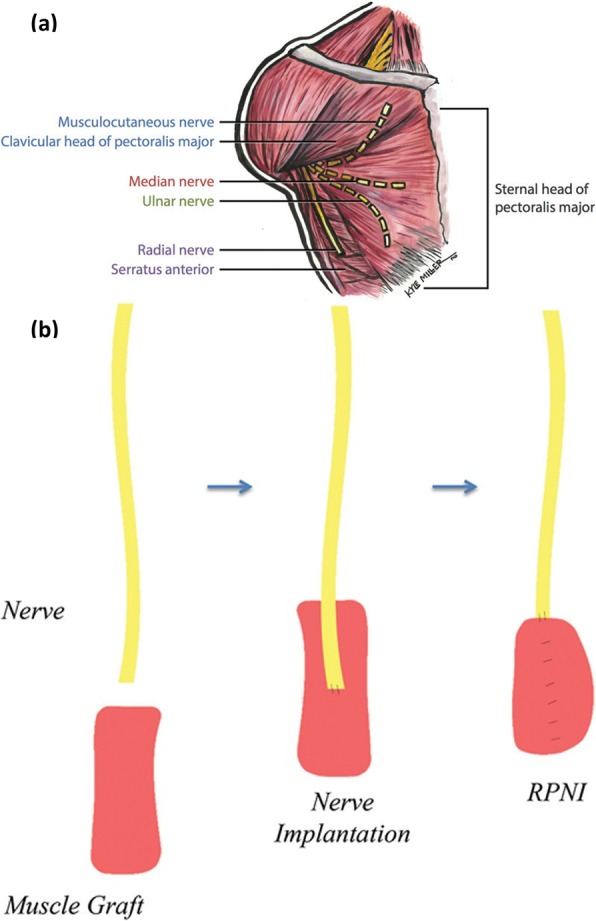
“RPNIs have also shown promising results in the treatment of neuroma pain [37].”
§ Interfaces with the peripheral nervous system for the control of a neuroprosthetic limb: a review > Methods to interface the peripheral nervous system > Electrical methods
What the sources say
- Supportedcites [37] Woo SL Kung TA Brown DL Leonard JA Kelly BM Cederna PS Regenerative Peripheral Nerve Interfaces for the Treatment of Postamputation Neuroma Pain: A Pilot Study Plast Reconstr Surg Glob Open. 2016 4 12 e1038 10.1097/GOX.0000000000001038 28293490 PMC5222635 source
The paper’s Conclusions describe RPNI implantation as an effective treatment for symptomatic neuromas and report that most patients had a significant reduction in neuroma pain. This supports the citing sentence’s cautious description of the results as promising. (LLM, conf=0.93)
plainstates a possible cause- Asserted: passes — The authors put it forward as true.
- Checkable: passes — It can be checked against evidence.
- Load-bearing: unclear — It is unclear whether the paper’s conclusions depend on it.
- Based: passes — The paper gives a reason why it holds.
- Supported
The cited sources support only part of this claim — read each source’s verdict below.
In the paper
“Intuitive motor control can be attained via the use of the advanced techniques such as targeted muscle reinnervation (TMR), regenerative peripheral nerve interfaces (RPNIs) or the use of myoelectric pattern recognition [19–21].”
§ Interfaces with the peripheral nervous system for the control of a neuroprosthetic limb: a review > Methods to interface the peripheral nervous system > Electrical methods
What the sources say
- Partly supportedcites [19] Frost CM Ursu DC Flattery SM Nedic A Hassett CA Moon JD Regenerative peripheral nerve interfaces for real-time, proportional control of a Neuroprosthetic hand J Neuroeng Rehabil. 2018 15 1 108 10.1186/s12984-018-0452-1 30458876 PMC6245539 sourceExperimental — accuracy not yet measured
The Results report that RPNI signals enabled graded control of a prosthetic hand in rats, and the Introduction and Discussion describe TMR and myoelectric pattern-recognition approaches. But the Discussion limits this experiment to one RPNI and single-axis actuation in a rat model; it does not establish that these techniques attain intuitive motor control in human users. (LLM, conf=0.84)
- Supportedcites [20] Mastinu E Ahlberg J Lendaro E Hermansson L Hakansson B Ortiz-Catalan M An Alternative Myoelectric Pattern Recognition Approach for the Control of Hand Prostheses: A Case Study of Use in Daily Life by a Dysmelia Subject IEEE J Transl Eng Health Med. 2018 6 2600112 10.1109/JTEHM.2018.2811458 29637030 PMC5881457 source
The Introduction states that myoelectric pattern recognition provides more intuitive prosthetic control. This supports the myoelectric-pattern-recognition option in the sentence’s list of techniques; the grouped citation does not identify this paper as the source for the other options. (LLM, conf=0.90)
- Not checked — no full text of the sourcecites [21] Mastinu E Branemark R Aszmann O Ortiz-Catalan M Myoelectric signals and pattern recognition from implanted electrodes in two TMR subjects with an osseointegrated communication interface Conf Proc IEEE Eng Med Biol Soc. 2018 2018 5174 5177 30441505 source
plainstates a cause- Asserted: passes — The authors put it forward as true.
- Checkable: passes — It can be checked against evidence.
- Load-bearing: unclear — It is unclear whether the paper’s conclusions depend on it.
- Based: passes — The paper gives a reason why it holds.
- Partly supported
43 more claims · 13 with their cited sources checked
Create a free account to see all 107 claims and to verify the 5 references still open.
- It may state two separate claims as one. 52
- The quote only partly states this claim. 3
- Probably not a substantial claim. 11
Citations
Cites
Foreign body reaction to biomaterials
Anderson, J. M., Rodriguez, A., & Chang, D. T. (2008) · Seminars in Immunology · doi:10.1016/j.smim.2007.11.004 · Cited by 5,138
Neural Stimulation and Recording Electrodes
Cogan, S. F. (2008) · Annual Review of Biomedical Engineering · doi:10.1146/annurev.bioeng.10.061807.160518 · Cited by 2,243
Electrical stimulation of excitable tissue: design of efficacious and safe protocols
Merrill, D. R., Bikson, M., & Jefferys, J. G. R. (2005) · Journal of Neuroscience Methods · doi:10.1016/j.jneumeth.2004.10.020 · Cited by 2,078
Techniques of EMG signal analysis: detection, processing, classification and applications
Reaz, M. B. I., Hussain, M. S., & Mohd-Yasin, F. (2006) · Biological Procedures Online · doi:10.1251/bpo115 · Cited by 1,629 · cited 1×
“The action potentials generated by the underlying muscles are recorded by these electrodes, and these recorded signals are detected, decomposed, and processed by various different methodologies [22], such as external software, for the prosthesis to perform an action.”
MethodRestoring natural sensory feedback in real-time bidirectional hand prostheses
Raspopovic, S., Capogrosso, M., Petrini, F. M., Bonizzato, M., Rigosa, J., Di Pino, G., Carpaneto, J., Controzzi, M., Boretius, T., Fernandez, E., et al. (2014) · Science Translational Medicine · doi:10.1126/scitranslmed.3006820 · Cited by 1,001
Campbell, P. K., Jones, K. E., Huber, R. J., Horch, K. W., & Normann, R. A. (1991) · IEEE Transactions on Biomedical Engineering · doi:10.1109/10.83588 · Cited by 881
Navarro, X., Krueger, T. B., Lago, N., Micera, S., Stieglitz, T., & Dario, P. (2005) · Journal of the Peripheral Nervous System · doi:10.1111/j.1085-9489.2005.10303.x · Cited by 845
Osseointegration in skeletal reconstruction and rehabilitation: a review.
Brånemark, R., Brånemark, P., Rydevik, B. L., & Myers, R. R. (2001) · PubMed · Cited by 840
Soft, stretchable, fully implantable miniaturized optoelectronic systems for wireless optogenetics
Park, S. I., Brenner, D. S., Shin, G., Morgan, C. D., Copits, B. A., Chung, H. U., Pullen, M. Y., Noh, K. N., Davidson, S., Oh, S. J., et al. (2015) · Nature Biotechnology · doi:10.1038/nbt.3415 · Cited by 794
Brain-Controlled Interfaces: Movement Restoration with Neural Prosthetics
Schwartz, A. B., Cui, X. T., Weber, D. J., & Moran, D. W. (2006) · Neuron · doi:10.1016/j.neuron.2006.09.019 · Cited by 792
A neural interface provides long-term stable natural touch perception
Tan, D. W., Schiefer, M. A., Keith, M. W., Anderson, J. R., Tyler, J., & Tyler, D. J. (2014) · Science Translational Medicine · doi:10.1126/scitranslmed.3008669 · Cited by 751
Kuiken, T. A., Dumanian, G. A., Lipschutz, R. D., Miller, L. A., & Stubblefield, K. A. (2004) · Prosthetics & Orthotics International · doi:10.3109/03093640409167756 · Cited by 583
An Integrated-Circuit Approach to Extracellular Microelectrodes
Wise, K. D., Angell, J. B., & Starr, A. (1970) · IEEE Transactions on Biomedical Engineering · doi:10.1109/tbme.1970.4502738 · Cited by 544
Wireless Power Transfer Strategies for Implantable Bioelectronics
Agarwal, K., Jegadeesan, R., Guo, Y.-X., & Thakor, N. V. (2017) · IEEE Reviews in Biomedical Engineering · doi:10.1109/rbme.2017.2683520 · Cited by 540
Dumanian, G. A., Potter, B. K., Mioton, L. M., Ko, J. H., Cheesborough, J. E., Souza, J. M., Ertl, W. J., Tintle, S. M., Nanos, G. P., Valerio, I. L., et al. (2019) · Annals of Surgery · doi:10.1097/sla.0000000000003088 · Cited by 530
Nanomaterials for Neural Interfaces
Kotov, N. A., Winter, J. O., Clements, I. P., Jan, E., Timko, B. P., Campidelli, S., Pathak, S., Mazzatenta, A., Lieber, C. M., Prato, M., et al. (2009) · Advanced Materials · doi:10.1002/adma.200801984 · Cited by 504
Koo, J., MacEwan, M. R., Kang, S.-K., Won, S. M., Stephen, M., Gamble, P., Xie, Z., Yan, Y., Chen, Y.-Y., Shin, J., et al. (2018) · Nature Medicine · doi:10.1038/s41591-018-0196-2 · Cited by 496
Implanted Neural Interfaces: Biochallenges and Engineered Solutions
Grill, W. M., Norman, S. E., & Bellamkonda, R. V. (2009) · Annual Review of Biomedical Engineering · doi:10.1146/annurev-bioeng-061008-124927 · Cited by 488
Ortiz-Catalan, M., Håkansson, B., & Brånemark, R. (2014) · Science Translational Medicine · doi:10.1126/scitranslmed.3008933 · Cited by 484 · cited 1×
“A major benefit of fixation via osseointegration is the prevention of reliability problems associated with percutaneous leads [164].”
BackgroundA transverse intrafascicular multichannel electrode (TIME) to interface with the peripheral nerve
Boretius, T., Badia, J., Pascual-Font, A., Schuettler, M., Navarro, X., Yoshida, K., & Stieglitz, T. (2010) · Biosensors and Bioelectronics · doi:10.1016/j.bios.2010.05.010 · Cited by 468
Surface EMG in advanced hand prosthetics
Castellini, C., & van der Smagt, P. (2009) · Biological Cybernetics · doi:10.1007/s00422-008-0278-1 · Cited by 429
A spiral nerve cuff electrode for peripheral nerve stimulation
Naples, G. G., Mortimer, J. T., Scheiner, A., & Sweeney, J. D. (1988) · IEEE Transactions on Biomedical Engineering · doi:10.1109/10.8670 · Cited by 415
Eldabe, S., Buchser, E., & Duarte, R. V. (2016) · Pain Medicine · doi:10.1093/pm/pnv025 · Cited by 403 · cited 1×
“Lead migration, fracture, and malfunction; wound infection and breakdown; hardware failure and removal are some of the most common complications related to interface design [144].”
BackgroundFunctionally selective peripheral nerve stimulation with a flat interface nerve electrode
Tyler, D. J., & Durand, D. M. (2002) · IEEE Transactions on Neural Systems and Rehabilitation Engineering · doi:10.1109/tnsre.2002.806840 · Cited by 398
Double nerve intraneural interface implant on a human amputee for robotic hand control
Rossini, P. M., Micera, S., Benvenuto, A., Carpaneto, J., Cavallo, G., Citi, L., Cipriani, C., Denaro, L., Denaro, V., Di Pino, G., et al. (2010) · Clinical Neurophysiology · doi:10.1016/j.clinph.2010.01.001 · Cited by 396
George, J. A., Kluger, D. T., Davis, T. S., Wendelken, S. M., Okorokova, E. V., He, Q., Duncan, C. C., Hutchinson, D. T., Thumser, Z. C., Beckler, D. T., et al. (2019) · Science Robotics · doi:10.1126/scirobotics.aax2352 · Cited by 388
Development of Implantable Medical Devices: From an Engineering Perspective
Joung, Y.-H. (2013) · International Neurourology Journal · doi:10.5213/inj.2013.17.3.98 · Cited by 367
Myoelectric control of prosthetic hands: state-of-the-art review
Geethanjali, P. (2016) · Medical Devices: Evidence and Research · doi:10.2147/mder.s91102 · Cited by 342
Oddo, C. M., Raspopovic, S., Artoni, F., Mazzoni, A., Spigler, G., Petrini, F., Giambattistelli, F., Vecchio, F., Miraglia, F., Zollo, L., et al. (2016) · eLife · doi:10.7554/elife.09148 · Cited by 332
A closed-loop hand prosthesis with simultaneous intraneural tactile and position feedback
D’Anna, E., Valle, G., Mazzoni, A., Strauss, I., Iberite, F., Patton, J., Petrini, F. M., Raspopovic, S., Granata, G., Di Iorio, R., et al. (2019) · Science Robotics · doi:10.1126/scirobotics.aau8892 · Cited by 321 · cited 1×
“A recent clinical study with two transradial amputees has proven the capability of TIME electrodes in improving sensory feedback when combined with non-invasive somatotopic neural stimulation [99].”
BackgroundPeckham, P. H., Keith, M. W., Kilgore, K. L., Grill, J. H., Wuolle, K. S., Thrope, G. B., Gorman, P., Hobby, J., Mulcahey, M. J., Carroll, S., et al. (2001) · Archives of Physical Medicine and Rehabilitation · doi:10.1053/apmr.2001.25910 · Cited by 319 · cited 1×
“It has been found suitable and reliable in both upper and lower extremity applications in various clinical studies [27, 28].”
BackgroundThe first 500 patients with sacral anterior root stimulator implants: general description
Brindley, G. S. (1994) · Spinal Cord · doi:10.1038/sc.1994.126 · Cited by 318 · cited 1×
“Absolute continence is often achieved after the procedure [56].”
BackgroundDavis, T. S., Wark, H. A. C., Hutchinson, D. T., Warren, D. J., O’Neill, K., Scheinblum, T., Clark, G. A., Normann, R. A., & Greger, B. (2016) · Journal of Neural Engineering · doi:10.1088/1741-2560/13/3/036001 · Cited by 314
Sensory feedback restoration in leg amputees improves walking speed, metabolic cost and phantom pain
Petrini, F. M., Bumbasirevic, M., Valle, G., Ilic, V., Mijović, P., Čvančara, P., Barberi, F., Katic, N., Bortolotti, D., Andreu, D., et al. (2019) · Nature Medicine · doi:10.1038/s41591-019-0567-3 · Cited by 269
Implantable Myoelectric Sensors (IMESs) for Intramuscular Electromyogram Recording
Weir, R. F., Troyk, P. R., DeMichele, G. A., Kerns, D. A., Schorsch, J. F., & Maas, H. (2009) · IEEE Transactions on Biomedical Engineering · doi:10.1109/tbme.2008.2005942 · Cited by 266
Enhancing functional abilities and cognitive integration of the lower limb prosthesis
Petrini, F. M., Valle, G., Bumbasirevic, M., Barberi, F., Bortolotti, D., Cvancara, P., Hiairrassary, A., Mijovic, P., Sverrisson, A. Ö., Pedrocchi, A., et al. (2019) · Science Translational Medicine · doi:10.1126/scitranslmed.aav8939 · Cited by 265
Vagus nerve stimulation: Surgical technique of implantation and revision and related morbidity
Giordano, F., Zicca, A., Barba, C., Guerrini, R., & Genitori, L. (2017) · Epilepsia · doi:10.1111/epi.13678 · Cited by 258
Criteria for the Selection of Materials for Implanted Electrodes
Geddes, L. A., & Roeder, R. (2003) · Annals of Biomedical Engineering · doi:10.1114/1.1581292 · Cited by 240
Sterilization of implantable polymer-based medical devices: A review
Tipnis, N. P., & Burgess, D. J. (2018) · International Journal of Pharmaceutics · doi:10.1016/j.ijpharm.2017.12.003 · Cited by 233
Woo, S. L., Kung, T. A., Brown, D. L., Leonard, J. A., Kelly, B. M., & Cederna, P. S. (2016) · Plastic and Reconstructive Surgery - Global Open · doi:10.1097/gox.0000000000001038 · Cited by 230
Badia, J., Boretius, T., Andreu, D., Azevedo-Coste, C., Stieglitz, T., & Navarro, X. (2011) · Journal of Neural Engineering · doi:10.1088/1741-2560/8/3/036023 · Cited by 227
Wheeler, J. E. (1999) · The American Journal of Surgical Pathology · doi:10.1097/00000478-199909000-00022 · Cited by 219
Virally mediated optogenetic excitation and inhibition of pain in freely moving nontransgenic mice
Iyer, S. M., Montgomery, K. L., Towne, C., Lee, S. Y., Ramakrishnan, C., Deisseroth, K., & Delp, S. L. (2014) · Nature Biotechnology · doi:10.1038/nbt.2834 · Cited by 218
Orderly recruitment of motor units under optical control in vivo
Llewellyn, M. E., Thompson, K. R., Deisseroth, K., & Delp, S. L. (2010) · Nature Medicine · doi:10.1038/nm.2228 · Cited by 217
Targeted Muscle Reinnervation and Advanced Prosthetic Arms
Cheesborough, J., Smith, L., Kuiken, T., & Dumanian, G. (2015) · Seminars in Plastic Surgery · doi:10.1055/s-0035-1544166 · Cited by 206
Pasquina, P. F., Evangelista, M., Carvalho, A. J., Lockhart, J., Griffin, S., Nanos, G., McKay, P., Hansen, M., Ipsen, D., Vandersea, J., et al. (2015) · Journal of Neuroscience Methods · doi:10.1016/j.jneumeth.2014.07.016 · Cited by 205
Implantable microscale neural interfaces
Cheung, K. C. (2007) · Biomedical Microdevices · doi:10.1007/s10544-006-9045-z · Cited by 202
Six‐Month Assessment of a Hand Prosthesis with Intraneural Tactile Feedback
Petrini, F. M., Valle, G., Strauss, I., Granata, G., Di Iorio, R., D'Anna, E., Čvančara, P., Mueller, M., Carpaneto, J., Clemente, F., et al. (2019) · Annals of Neurology · doi:10.1002/ana.25384 · Cited by 195
A review of invasive and non-invasive sensory feedback in upper limb prostheses
Svensson, P., Wijk, U., Björkman, A., & Antfolk, C. (2017) · Expert Review of Medical Devices · doi:10.1080/17434440.2017.1332989 · Cited by 192 · cited 1×
“As these systems interface with the muscles, an additional feedback modality should also be employed in order to close the loop and provide the user with sensory feedback [18].”
BackgroundOsseointegration for Lower-Limb Amputation: A Systematic Review of Clinical Outcomes
Hebert, J. S., Rehani, M., & Stiegelmar, R. (2017) · JBJS Reviews · doi:10.2106/jbjs.rvw.17.00037 · Cited by 190
An Implanted Upper-Extremity Neuroprosthesis Using Myoelectric Control
Kilgore, K. L., Hoyen, H. A., Bryden, A. M., Hart, R. L., Keith, M. W., & Peckham, P. H. (2008) · The Journal of Hand Surgery · doi:10.1016/j.jhsa.2008.01.007 · Cited by 189
High frequency neural spiking and auditory signaling by ultrafast red-shifted optogenetics
Mager, T., Lopez de la Morena, D., Senn, V., Schlotte, J., D´Errico, A., Feldbauer, K., Wrobel, C., Jung, S., Bodensiek, K., Rankovic, V., et al. (2018) · Nature Communications · doi:10.1038/s41467-018-04146-3 · Cited by 186
Considerations for Safety with Chronically Implanted Nerve Electrodes
Agnew, W. F., & McCreery, D. B. (1990) · Epilepsia · doi:10.1111/j.1528-1157.1990.tb05845.x · Cited by 184
A review of low-intensity focused ultrasound for neuromodulation
Baek, H., Pahk, K. J., & Kim, H. (2017) · Biomedical Engineering Letters · doi:10.1007/s13534-016-0007-y · Cited by 184
Kung, T. A., Langhals, N. B., Martin, D. C., Johnson, P. J., Cederna, P. S., & Urbanchek, M. G. (2014) · Plastic & Reconstructive Surgery · doi:10.1097/prs.0000000000000168 · Cited by 181
Lago, N., Ceballos, D., J Rodrı́guez, F., Stieglitz, T., & Navarro, X. (2005) · Biomaterials · doi:10.1016/j.biomaterials.2004.06.025 · Cited by 178
An implant to empty the bladder or close the urethra.
Brindley, G. S. (1977) · Journal of Neurology, Neurosurgery & Psychiatry · doi:10.1136/jnnp.40.4.358 · Cited by 177
Long-term usability and bio-integration of polyimide-based intra-neural stimulating electrodes
Wurth, S., Capogrosso, M., Raspopovic, S., Gandar, J., Federici, G., Kinany, N., Cutrone, A., Piersigilli, A., Pavlova, N., Guiet, R., et al. (2017) · Biomaterials · doi:10.1016/j.biomaterials.2017.01.014 · Cited by 176
Chronically implanted intrafascicular recording electrodes
Lefurge, T., Goodall, E., Horch, K., Stensaas, L., & Schoenberg, A. (1991) · Annals of Biomedical Engineering · doi:10.1007/bf02368469 · Cited by 172
Optical Control of Muscle Function by Transplantation of Stem Cell–Derived Motor Neurons in Mice
Bryson, J. B., Machado, C. B., Crossley, M., Stevenson, D., Bros-Facer, V., Burrone, J., Greensmith, L., & Lieberam, I. (2014) · Science · doi:10.1126/science.1248523 · Cited by 163 · cited 1×
“The results demonstrated that regenerative medicine and optic stimulation can be used together to reinnervate peripheral nerves [134].”
BackgroundOptogenetic Control of Targeted Peripheral Axons in Freely Moving Animals
Towne, C., Montgomery, K. L., Iyer, S. M., Deisseroth, K., & Delp, S. L. (2013) · PLoS ONE · doi:10.1371/journal.pone.0072691 · Cited by 156 · cited 1×
“The incorporation of the opsins can be achieved via transgenic approaches, viral vectors, or by targeting axonal projections via retrograde transport; owing to these techniques, specific neuronal subpopulations can be selectively activated [132].”
BackgroundIn vitro effects of ultrasound with different energies on the conduction properties of neural tissue
Tsui, P.-H., Wang, S.-H., & Huang, C.-C. (2005) · Ultrasonics · doi:10.1016/j.ultras.2004.12.003 · Cited by 149
Wark, H. A. C., Sharma, R., Mathews, K. S., Fernandez, E., Yoo, J., Christensen, B., Tresco, P., Rieth, L., Solzbacher, F., Normann, R. A., et al. (2013) · Journal of Neural Engineering · doi:10.1088/1741-2560/10/4/045003 · Cited by 148 · cited 1×
“An even higher density form (HD-USEA) in which the microelectrodes were separated by 200 micrometers was proposed for submillimeter neuroanatomical structures [111].”
BackgroundIzzo, A. D., Walsh, J. T., Jansen, E. D., Bendett, M., Webb, J., Ralph, H., & Richter, C.-P. (2007) · IEEE Transactions on Biomedical Engineering · doi:10.1109/tbme.2007.892925 · Cited by 148
Ortiz-Catalan, M., Brånemark, R., Håkansson, B., & Delbeke, J. (2012) · BioMedical Engineering OnLine · doi:10.1186/1475-925x-11-33 · Cited by 144
Targeted Muscle Reinnervation for the Upper and Lower Extremity
Kuiken, T. A., Barlow, A. K., Hargrove, L. J., & Dumanian, G. A. (2017) · Techniques in Orthopaedics · doi:10.1097/bto.0000000000000194 · Cited by 143
Polasek, K. H., Hoyen, H. A., Keith, M. W., Kirsch, R. F., & Tyler, D. J. (2009) · IEEE Transactions on Neural Systems and Rehabilitation Engineering · doi:10.1109/tnsre.2009.2032603 · Cited by 142
Recent Progress on Microelectrodes in Neural Interfaces
Kim, G. H., Kim, K., Lee, E., An, T., Choi, W., Lim, G., & Shin, J. H. (2018) · Materials · doi:10.3390/ma11101995 · Cited by 140
Salminger, S., Sturma, A., Hofer, C., Evangelista, M., Perrin, M., Bergmeister, K. D., Roche, A. D., Hasenoehrl, T., Dietl, H., Farina, D., et al. (2019) · Science Robotics · doi:10.1126/scirobotics.aaw6306 · Cited by 139
The foreign body response to the Utah Slant Electrode Array in the cat sciatic nerve
Christensen, M. B., Pearce, S. M., Ledbetter, N. M., Warren, D. J., Clark, G. A., & Tresco, P. A. (2014) · Acta Biomaterialia · doi:10.1016/j.actbio.2014.07.010 · Cited by 135
Clinical applications of penetrating neural interfaces and Utah Electrode Array technologies
Normann, R. A., & Fernandez, E. (2016) · Journal of Neural Engineering · doi:10.1088/1741-2560/13/6/061003 · Cited by 135
Charkhkar, H., Shell, C. E., Marasco, P. D., Pinault, G. J., Tyler, D. J., & Triolo, R. J. (2018) · Journal of Neural Engineering · doi:10.1088/1741-2552/aac964 · Cited by 131
Bowen, J. B., Wee, C. E., Kalik, J. A., & Valerio, I. L. (2017) · Advances in Wound Care · doi:10.1089/wound.2016.0717 · Cited by 122
Micera, S., Navarro, X., Carpaneto, J., Citi, L., Tonet, O., Rossini, P. M., Carrozza, M. C., Hoffmann, K. P., Vivo, M., Yoshida, K., et al. (2008) · IEEE Transactions on Neural Systems and Rehabilitation Engineering · doi:10.1109/tnsre.2008.2006207 · Cited by 120
Osseointegrated Prosthetic Limb for the treatment of lower limb amputations: Experience and outcomes
Muderis, M. A., Lu, W. Y.-R., & Li, J. J. (2017) · Der Unfallchirurg · doi:10.1007/s00113-016-0296-8 · Cited by 118
Xiang, Z., Yen, S., Sheshadri, S., Wang, J., Lee, S., Liu, Y., Liao, L., Thakor, N. V., & Lee, C. (2016) · Advanced Materials · doi:10.1002/adma.201503423 · Cited by 116
Human nerve stimulation thresholds and selectivity using a multi-contact nerve cuff electrode
Polasek, K. H., Hoyen, H. A., Keith, M. W., & Tyler, D. J. (2007) · IEEE Transactions on Neural Systems and Rehabilitation Engineering · doi:10.1109/tnsre.2007.891383 · Cited by 111
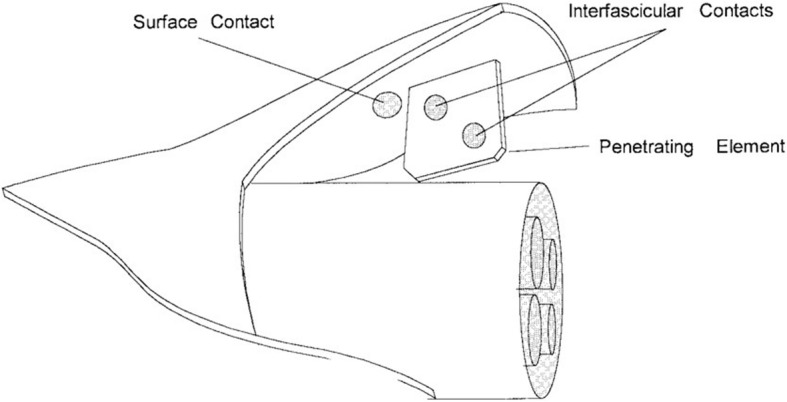
A slowly penetrating interfascicular nerve electrode for selective activation of peripheral nerves
Tyler, D. J., & Durand, D. M. (1997) · IEEE Transactions on Rehabilitation Engineering · doi:10.1109/86.559349 · Cited by 108
Badia, J., Boretius, T., Pascual-Font, A., Udina, E., Stieglitz, T., & Navarro, X. (2011) · IEEE Transactions on Biomedical Engineering · doi:10.1109/tbme.2011.2153850 · Cited by 103
Micera, S., Citi, L., Rigosa, J., Carpaneto, J., Raspopovic, S., Di Pino, G., Rossini, L., Yoshida, K., Denaro, L., Dario, P., et al. (2010) · Proceedings of the IEEE · doi:10.1109/jproc.2009.2038726 · Cited by 101
Micera, S., Rossini, P. M., Rigosa, J., Citi, L., Carpaneto, J., Raspopovic, S., Tombini, M., Cipriani, C., Assenza, G., Carrozza, M. C., et al. (2011) · Journal of NeuroEngineering and Rehabilitation · doi:10.1186/1743-0003-8-53 · Cited by 100
Hewson, D. J., Hogrel, J.-Y., Langeron, Y., & Duchêne, J. (2003) · Journal of Electromyography and Kinesiology · doi:10.1016/s1050-6411(02)00097-4 · Cited by 99
“Long-term stability of stimulating spiral nerve cuff electrodes on human peripheral nerves”
Christie, B. P., Freeberg, M., Memberg, W. D., Pinault, G. J. C., Hoyen, H. A., Tyler, D. J., & Triolo, R. J. (2017) · Journal of NeuroEngineering and Rehabilitation · doi:10.1186/s12984-017-0285-3 · Cited by 97
Toward Bioelectronic Medicine—Neuromodulation of Small Peripheral Nerves Using Flexible Neural Clip
Lee, S., Peh, W. Y. X., Wang, J., Yang, F., Ho, J. S., Thakor, N. V., Yen, S., & Lee, C. (2017) · Advanced Science · doi:10.1002/advs.201700149 · Cited by 96
A modeling study of nerve fascicle stimulation
Veltink, P. H., van Veen, B. K., Struijk, J. J., Holsheimer, J., & Boom, H. B. K. (1989) · IEEE Transactions on Biomedical Engineering · doi:10.1109/10.32100 · Cited by 95
Update on Peripheral Nerve Electrodes for Closed-Loop Neuroprosthetics
Rijnbeek, E. H., Eleveld, N., & Olthuis, W. (2018) · Frontiers in Neuroscience · doi:10.3389/fnins.2018.00350 · Cited by 91
Standing After Spinal Cord Injury With Four-Contact Nerve-Cuff Electrodes for Quadriceps Stimulation
Fisher, L. E., Miller, M. E., Bailey, S. N., Davis Jr., J. A., Anderson, J. S., Rhode, L., Tyler, D. J., & Triolo, R. J. (2008) · IEEE Transactions on Neural Systems and Rehabilitation Engineering · doi:10.1109/tnsre.2008.2003390 · Cited by 90
Selectivity and Longevity of Peripheral-Nerve and Machine Interfaces: A Review.
Ghafoor, U., Kim, S., & Hong, K.-S. (2017) · Frontiers in Neurorobotics · doi:10.3389/fnbot.2017.00059 · Cited by 88
Delbeke, J., Hoffman, L., Mols, K., Braeken, D., & Prodanov, D. (2017) · Frontiers in Neuroscience · doi:10.3389/fnins.2017.00663 · Cited by 87
Mastinu, E., Clemente, F., Sassu, P., Aszmann, O., Brånemark, R., Håkansson, B., Controzzi, M., Cipriani, C., & Ortiz-Catalan, M. (2019) · Journal of NeuroEngineering and Rehabilitation · doi:10.1186/s12984-019-0511-2 · Cited by 87
Ambroise Paré IV: The early history of artificial limbs (from robotic to prostheses)
Hernigou, P. (2013) · International Orthopaedics · doi:10.1007/s00264-013-1884-7 · Cited by 85
Durability of implanted electrodes and leads in an upper-limb neuroprosthesis
Kilgore, K. L., Peckham, P. H., Keith, M. W., Montague, F. W., Hart, R. L., Gazdik, M. M., Bryden, A. M., Snyder, S. A., & Stage, T. G. (2003) · The Journal of Rehabilitation Research and Development · doi:10.1682/jrrd.2003.11.0457 · Cited by 85
Mannard, A., Stein, R. B., & Charles, D. (1974) · Science · doi:10.1126/science.183.4124.547 · Cited by 85
Kundu, A., Harreby, K. R., Yoshida, K., Boretius, T., Stieglitz, T., & Jensen, W. (2014) · IEEE Transactions on Neural Systems and Rehabilitation Engineering · doi:10.1109/tnsre.2013.2267936 · Cited by 83
Felten, D. L., O’Banion, M. K., & Maida, M. S. (2015) · Elsevier eBooks · doi:10.1016/b978-0-323-26511-9.00009-6 · Cited by 83
A three-dimensional self-opening intraneural peripheral interface (SELINE)
Cutrone, A., Valle, J. D., Santos, D., Badia, J., Filippeschi, C., Micera, S., Navarro, X., & Bossi, S. (2015) · Journal of Neural Engineering · doi:10.1088/1741-2560/12/1/016016 · Cited by 82
Subfascicle stimulation selectivity with the flat interface nerve electrode
Leventhal, D. K., & Durand, D. M. (2003) · Annals of Biomedical Engineering · doi:10.1114/1.1569266 · Cited by 81
Targeted muscle reinnervation and prosthetic rehabilitation after limb loss
Mioton, L. M., & Dumanian, G. A. (2018) · Journal of Surgical Oncology · doi:10.1002/jso.25256 · Cited by 81
Long‐Term Follow‐Up of Pacing of the Conditioned Diaphragm in Quadriplegia
ELEFTERIADES, J. A., QUIN, J. A., HOGAN, J. F., HOLCOMB, W. G., LETSOU, G. V., CHLOSTA, W. F., & GLENN, W. W. W. L. (2002) · Pacing and Clinical Electrophysiology · doi:10.1046/j.1460-9592.2002.00897.x · Cited by 79
Neurobionics and the brain–computer interface: current applications and future horizons
Rosenfeld, J. V., & Wong, Y. T. (2017) · Medical Journal of Australia · doi:10.5694/mja16.01011 · Cited by 79
Juan, E. J., González, R., Albors, G., Ward, M. P., & Irazoqui, P. (2014) · International Journal of Imaging Systems and Technology · doi:10.1002/ima.22080 · Cited by 78
Image-Guided High-Intensity Focused Ultrasound for Conduction Block of Peripheral Nerves
Foley, J. L., Little, J. W., & Vaezy, S. (2006) · Annals of Biomedical Engineering · doi:10.1007/s10439-006-9162-0 · Cited by 78
Irwin, Z. T., Schroeder, K. E., Vu, P. P., Tat, D. M., Bullard, A. J., Woo, S. L., Sando, I. C., Urbanchek, M. G., Cederna, P. S., & Chestek, C. A. (2016) · Journal of Neural Engineering · doi:10.1088/1741-2560/13/4/046007 · Cited by 78
Hybrid Bionic Systems for the Replacement of Hand Function
Micera, S., Carrozza, M. C., Beccai, L., Vecchi, F., & Dario, P. (2006) · Proceedings of the IEEE · doi:10.1109/jproc.2006.881294 · Cited by 77
Recent advances in materials and flexible electronics for peripheral nerve interfaces
Bettinger, C. J. (2018) · Bioelectronic Medicine · doi:10.1186/s42234-018-0007-6 · Cited by 77 · cited 1×
“Although not applicable for neuroprosthetic limb control, a recent advance in the field of peripheral nerve interfaces is the creation of bioresorbable electrodes composed of elements that the body can metabolize [171].”
BackgroundCombined optical and electrical stimulation of neural tissue in vivo
Duke, A. R., Cayce, J. M., Malphrus, J. D., Konrad, P., Mahadevan-Jansen, A., & Jansen, E. D. (2009) · Journal of Biomedical Optics · doi:10.1117/1.3257230 · Cited by 76
Martens, F. M. J., & Heesakkers, J. P. F. A. (2011) · Advances in Urology · doi:10.1155/2011/709708 · Cited by 74
Selective stimulation and neural recording on peripheral nerves using flexible split ring electrodes
Lee, S., Sheshadri, S., Xiang, Z., Delgado-Martinez, I., Xue, N., Sun, T., Thakor, N. V., Yen, S.-C., & Lee, C. (2017) · Sensors and Actuators B: Chemical · doi:10.1016/j.snb.2016.09.127 · Cited by 73
Recording sensory and motor information from peripheral nerves with Utah Slanted Electrode Arrays
Clark, G. A., Ledbetter, N. M., Warren, D. J., & Harrison, R. R. (2011) · 2011 Annual International Conference of the IEEE Engineering in Medicine and Biology Society · doi:10.1109/iembs.2011.6091149 · Cited by 72 · cited 1×
“A single USEA covers nearly all the depth and width of a cat sciatic nerve, staying in relation with a huge number of fibers [110].”
BackgroundInnovations in Prosthetic Interfaces for the Upper Extremity
Kung, T. A., Bueno, R. A., Alkhalefah, G. K., Langhals, N. B., Urbanchek, M. G., & Cederna, P. S. (2013) · Plastic and Reconstructive Surgery · doi:10.1097/prs.0b013e3182a97e5f · Cited by 71
Intrafascicular stimulation of monkey arm nerves evokes coordinated grasp and sensory responses
Ledbetter, N. M., Ethier, C., Oby, E. R., Hiatt, S. D., Wilder, A. M., Ko, J. H., Agnew, S. P., Miller, L. E., & Clark, G. A. (2013) · Journal of Neurophysiology · doi:10.1152/jn.00688.2011 · Cited by 69
Spatial and temporal variability in response to hybrid electro-optical stimulation
Duke, A. R., Lu, H., Jenkins, M. W., Chiel, H. J., & Jansen, E. D. (2012) · Journal of Neural Engineering · doi:10.1088/1741-2560/9/3/036003 · Cited by 68 · cited 1×
“This technique combines the advantage of stimulation without contact and the relatively high spatial resolution, owing to the lack of current spread and stimulation artifacts [140].”
BackgroundLago, N., Udina, E., Ramachandran, A., & Navarro, X. (2007) · IEEE Transactions on Biomedical Engineering · doi:10.1109/tbme.2007.891168 · Cited by 68
Frost, C. M., Ursu, D. C., Flattery, S. M., Nedic, A., Hassett, C. A., Moon, J. D., Buchanan, P. J., Brent Gillespie, R., Kung, T. A., Kemp, S. W. P., et al. (2018) · Journal of NeuroEngineering and Rehabilitation · doi:10.1186/s12984-018-0452-1 · Cited by 68
Regenerative Electrode Interfaces for Neural Prostheses.
Thompson, C. H., Zoratti, M. J., Langhals, N. B., & Purcell, E. K. (2016) · Tissue Engineering Part B: Reviews · doi:10.1089/ten.teb.2015.0279 · Cited by 67
Microchannel-based regenerative scaffold for chronic peripheral nerve interfacing in amputees
Srinivasan, A., Tahilramani, M., Bentley, J. T., Gore, R. K., Millard, D. C., Mukhatyar, V. J., Joseph, A., Haque, A. S., Stanley, G. B., English, A. W., et al. (2015) · Biomaterials · doi:10.1016/j.biomaterials.2014.11.035 · Cited by 67
Peripheral nerve bionic interface: a review of electrodes
Russell, C., Roche, A. D., & Chakrabarty, S. (2019) · International Journal of Intelligent Robotics and Applications · doi:10.1007/s41315-019-00086-3 · Cited by 67
Fraser, C. M. (1998) · Prosthetics & Orthotics International · doi:10.3109/03093649809164486 · Cited by 62
Vu, P. P., Irwin, Z. T., Bullard, A. J., Ambani, S. W., Sando, I. C., Urbanchek, M. G., Cederna, P. S., & Chestek, C. A. (2018) · IEEE Transactions on Neural Systems and Rehabilitation Engineering · doi:10.1109/tnsre.2017.2772961 · Cited by 61
Nanomaterials at the neural interface
Scaini, D., & Ballerini, L. (2017) · Current Opinion in Neurobiology · doi:10.1016/j.conb.2017.12.009 · Cited by 61
Polyimide micro-channel arrays for peripheral nerve regenerative implants
Lacour, S. P., Atta, R., FitzGerald, J. J., Blamire, M., Tarte, E., & Fawcett, J. (2008) · Sensors and Actuators A: Physical · doi:10.1016/j.sna.2008.05.031 · Cited by 56
Early interfaced neural activity from chronic amputated nerves
Garde, K. (2009) · Frontiers in Neuroengineering · doi:10.3389/neuro.16.005.2009 · Cited by 56
A Parylene Self-Locking Cuff Electrode for Peripheral Nerve Stimulation and Recording
Yu, H., Xiong, W., Zhang, H., Wang, W., & Li, Z. (2014) · Journal of Microelectromechanical Systems · doi:10.1109/jmems.2014.2333733 · Cited by 56
A neural probe process enabling variable electrode configurations
Kindlundh, M., Norlin, P., & Hofmann, U. (2004) · Sensors and Actuators B Chemical · doi:10.1016/j.snb.2003.10.009 · Cited by 56
Recruitment characteristics of nerve fascicles stimulated by a multigroove electrode
Koole, P., Holsheimer, J., Struijk, J. J., & Verloop, A. J. (1997) · IEEE Transactions on Rehabilitation Engineering · doi:10.1109/86.559348 · Cited by 56
Long‐term biocompatibility of implanted polymer‐based intrafascicular electrodes
Lawrence, S. M., Larsen, J. O., Horch, K. W., Riso, R., & Sinkjær, T. (2002) · Journal of Biomedical Materials Research · doi:10.1002/jbm.10303 · Cited by 55
A micro-scale printable nanoclip for electrical stimulation and recording in small nerves
Lissandrello, C. A., Gillis, W. F., Shen, J., Pearre, B. W., Vitale, F., Pasquali, M., Holinski, B. J., Chew, D. J., White, A. E., & Gardner, T. J. (2017) · Journal of Neural Engineering · doi:10.1088/1741-2552/aa5a5b · Cited by 55
The design of and chronic tissue response to a composite nerve electrode with patterned stiffness
Freeberg, M. J., Stone, M. A., Triolo, R. J., & Tyler, D. J. (2017) · Journal of Neural Engineering · doi:10.1088/1741-2552/aa6632 · Cited by 54
Mobile, Game-Based Training for Myoelectric Prosthesis Control
Winslow, B. D., Ruble, M., & Huber, Z. (2018) · Frontiers in Bioengineering and Biotechnology · doi:10.3389/fbioe.2018.00094 · Cited by 53
Guiraud, D., Coste, C., Benoussaad, M., & Fattal, C. (2014) · Journal of NeuroEngineering and Rehabilitation · doi:10.1186/1743-0003-11-15 · Cited by 52
Functional Electrical Stimulation For Walking In Paraplegia: 17-Year Follow-Up Of 2 Cases
Agarwal, S., Kobetic, R., Nandurkar, S., & Marsolais, E. B. (2003) · The Journal of Spinal Cord Medicine · doi:10.1080/10790268.2003.11753666 · Cited by 49
Intrafascicular electrodes for stimulation and recording from mudpuppy spinal roots
Yoshida, K., Jovanović, K., & Stein, R. B. (2000) · Journal of Neuroscience Methods · doi:10.1016/s0165-0270(99)00176-4 · Cited by 49
Polymeric C-shaped cuff electrode for recording of peripheral nerve signal
Xue, N., Sun, T., Tsang, W. M., Delgado-Martinez, I., Lee, S.-H., Sheshadri, S., Xiang, Z., Merugu, S., Gu, Y., Yen, S.-C., et al. (2015) · Sensors and Actuators B: Chemical · doi:10.1016/j.snb.2015.01.006 · Cited by 48 · cited 1×
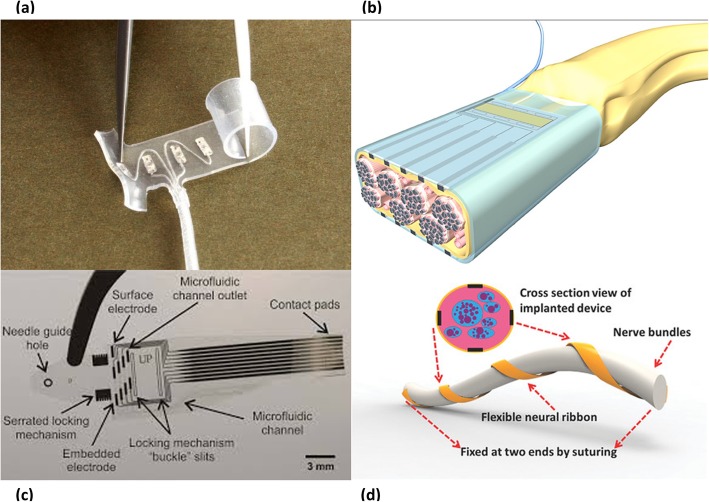
“The flexible split ring electrode consists of a polyimide-metal-polyimide sandwich structure with four triangular bendable gold electrodes coated by carbon nanotube, fabricated with microelectromechanical systems technology [62].”
MethodRegenerated sciatic nerve axons stimulated through a chronically implanted macro-sieve electrode
MacEwan, M. R., Zellmer, E. R., Wheeler, J. J., Burton, H., & Moran, D. W. (2016) · Frontiers in Neuroscience · doi:10.3389/fnins.2016.00557 · Cited by 48 · cited 1×
“The electrode enabled axonal regeneration, and the stimulation of different electrode sites recruited specific muscles with a continuing improvement [192].”
BackgroundMastinu, E., Ahlberg, J., Lendaro, E., Hermansson, L., Hakansson, B., & Ortiz-Catalan, M. (2018) · IEEE Journal of Translational Engineering in Health and Medicine · doi:10.1109/jtehm.2018.2811458 · Cited by 48
Regenerative Scaffold Electrodes for Peripheral Nerve Interfacing
Clements, I. P., Mukhatyar, V. J., Srinivasan, A., Bentley, J. T., Andreasen, D. S., & Bellamkonda, R. V. (2013) · IEEE Transactions on Neural Systems and Rehabilitation Engineering · doi:10.1109/tnsre.2012.2217352 · Cited by 46
Duke, A. R., Peterson, E., Mackanos, M. A., Atkinson, J., Tyler, D., & Jansen, E. D. (2012) · Journal of Neural Engineering · doi:10.1088/1741-2560/9/6/066006 · Cited by 45 · cited 1×
“This method yielded good results in generating sustained muscle contractions [141], and it demonstrated the decrease in required optical energy when infrared nerve stimulation was combined with electrical methods [142].”
MethodLee, Y.-F., Lin, C. K., Cheng, J.-S., & Chen, G.-S. (2015) · British Journal of Anaesthesia · doi:10.1093/bja/aeu443 · Cited by 44
Uhlir, J. P., Triolo, R. J., Davis, J. A., & Bieri, C. (2004) · IEEE Transactions on Neural Systems and Rehabilitation Engineering · doi:10.1109/tnsre.2004.827224 · Cited by 44
Cobo, A. M., Larson, C. E., Scholten, K., Miranda, J. A., Elyahoodayan, S., Song, D., Pikov, V., & Meng, E. (2019) · Journal of Microelectromechanical Systems · doi:10.1109/jmems.2018.2881908 · Cited by 43
Living electrodes: Tissue engineering the neural interface
Green, R. A., Lim, K. S., Henderson, W. C., Hassarati, R. T., Martens, P. J., Lovell, N. H., & Poole-Warren, L. A. (2013) · 2013 35th Annual International Conference of the IEEE Engineering in Medicine and Biology Society (EMBC) · doi:10.1109/embc.2013.6611158 · Cited by 42 · cited 1×
“By integrating a layer of encapsulated neural cells in the electrode coating, the mechanical issues arising from the stiff properties of the conductive materials can be eliminated and thus the formation of scar tissue can be decreased [170].”
BackgroundOptical control of neuronal excitation and inhibition using a single opsin protein, ChR2
Liske, H., Qian, X., Anikeeva, P., Deisseroth, K., & Delp, S. (2013) · Scientific Reports · doi:10.1038/srep03110 · Cited by 42
Thota, A. K., Kuntaegowdanahalli, S., Starosciak, A. K., Abbas, J. J., Orbay, J., Horch, K. W., & Jung, R. (2015) · Journal of Neuroscience Methods · doi:10.1016/j.jneumeth.2014.07.020 · Cited by 41
A neuroprosthesis for control of seated balance after spinal cord injury
Audu, M. L., Lombardo, L. M., Schnellenberger, J. R., Foglyano, K. M., Miller, M. E., & Triolo, R. J. (2015) · Journal of NeuroEngineering and Rehabilitation · doi:10.1186/1743-0003-12-8 · Cited by 38
Feng, B., Chen, L., & Ilham, S. J. (2019) · Applied Sciences · doi:10.3390/app9081637 · Cited by 37 · cited 1×
“Thus, intermediate intensity range (1 – 200 W/cm(2)) should be employed for safety [150].”
BackgroundMagnetoneurography: theory and application to peripheral nerve disorders
Mackert, B.-M. (2004) · Clinical Neurophysiology · doi:10.1016/j.clinph.2004.07.028 · Cited by 36
Measurement of external pressures generated by nerve cuff electrodes
Cuoco, F. A., & Durand, D. M. (2000) · IEEE Transactions on Rehabilitation Engineering · doi:10.1109/86.830947 · Cited by 36 · cited 1×
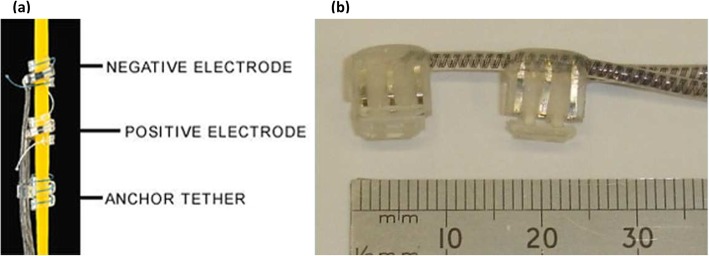
“It may be either sutured or installed without suturing [58].”
BackgroundNavarro, X., Lago, N., Vivo, M., Yoshida, K., Koch, K. P., Poppendieck, W., & Micera, S. (2007) · 2007 IEEE 10th International Conference on Rehabilitation Robotics · doi:10.1109/icorr.2007.4428492 · Cited by 36 · cited 4×
“There was a functional decline but it was reversible and the electrodes were operational at the end of three months, as in the case of aforementioned study [90].”
BackgroundInfluentialNordin, A. D., Rymer, W. Z., Biewener, A. A., Schwartz, A. B., Chen, D., & Horak, F. B. (2017) · Journal of NeuroEngineering and Rehabilitation · doi:10.1186/s12984-017-0298-y · Cited by 36
Fascicular nerve stimulation and recording using a novel double-aisle regenerative electrode
Delgado-Martínez, I., Righi, M., Santos, D., Cutrone, A., Bossi, S., D’Amico, S., Del Valle, J., Micera, S., & Navarro, X. (2017) · Journal of Neural Engineering · doi:10.1088/1741-2552/aa6bac · Cited by 35
Flexible epineural strip electrode for recording in fine nerves
Lee, S., Yen, S.-C., Sheshadri, S., Martinez, I. D., Xue, N., Xiang, Z., Thakor, N. V., & Lee, C. (2016) · IEEE Transactions on Biomedical Engineering · doi:10.1109/tbme.2015.2466442 · Cited by 33
Bionic Intrafascicular Interfaces for Recording and Stimulating Peripheral Nerve Fibers
Jung, R., Abbas, J. J., Kuntaegowdanahalli, S. S., & Thota, A. K. (2017) · Bioelectronics in Medicine · doi:10.2217/bem-2017-0009 · Cited by 32
(2001) · PubMed · Cited by 28
Ackerley, R., Wasling, H. B., Ortiz-Catalan, M., Brånemark, R., & Wessberg, J. (2018) · Journal of Neurophysiology · doi:10.1152/jn.00909.2017 · Cited by 26
Long-term functionality of transversal intraneural electrodes is improved by dexamethasone treatment
de la Oliva, N., del Valle, J., Delgado-Martinez, I., Mueller, M., Stieglitz, T., & Navarro, X. (2019) · IEEE Transactions on Neural Systems and Rehabilitation Engineering · doi:10.1109/tnsre.2019.2897256 · Cited by 26 · cited 1×
“A study with TIME electrodes showed positive effects of systemic dexamethasone administration on decreasing foreign body reaction, further ensuring the chronic functionality [190].”
MethodHand-motion patterns recognition based on mechanomyographic signal analysis
Zeng, Y., Yang, Z., Cao, W., & Xia, C. (2009) · 2009 International Conference on Future BioMedical Information Engineering (FBIE) · doi:10.1109/fbie.2009.5405882 · Cited by 24 · cited 1×
“Mechanomyography (MMG), or vibromyography (phonomyography), is a non-invasive technique to measure lateral oscillations provoked by muscle contraction and stretching, which can be recorded by a hydrophone, piezoelectric contact sensor, a laser distance sensor, a microphone or an accelerometer [125].”
BackgroundMayer, P., Sivakumar, N., Pritz, M., Varga, M., Mehmann, A., Lee, S., Salvatore, A., Magno, M., Pharr, M., Johannssen, H. C., et al. (2019) · Frontiers in Neuroscience · doi:10.3389/fnins.2019.00819 · Cited by 24
Dweiri, Y. M., Stone, M. A., Tyler, D. J., McCallum, G. A., & Durand, D. M. (2016) · Journal of Visualized Experiments · doi:10.3791/54388 · Cited by 23 · cited 1×
“Several failure modes have been reported including lead breakage, closing site failure, motion artifacts, and connection failure [77].”
BackgroundMastinu, E., Branemark, R., Aszmann, O., & Ortiz-Catalan, M. (2018) · 2018 40th Annual International Conference of the IEEE Engineering in Medicine and Biology Society (EMBC) · doi:10.1109/embc.2018.8513466 · Cited by 23
Modelization of a self-opening peripheral neural interface: A feasibility study
Cutrone, A., Sergi, P. N., Bossi, S., & Micera, S. (2011) · Medical Engineering & Physics · doi:10.1016/j.medengphy.2011.06.001 · Cited by 22
Seifert, J. L., Desai, V., Watson, R. C., Musa, T., Kim, Y.-T., Keefer, E. W., & Romero, M. I. (2012) · IEEE Transactions on Neural Systems and Rehabilitation Engineering · doi:10.1109/tnsre.2011.2179811 · Cited by 22
Pena, A. E., Kuntaegowdanahalli, S. S., Abbas, J. J., Patrick, J., Horch, K. W., & Jung, R. (2017) · Journal of Neural Engineering · doi:10.1088/1741-2552/aa814d · Cited by 22
Comparison of epineural or intramuscular nerve electrodes for stimulated graciloplasty
Konsten, J., Rongen, M. J., Ogunbiyi, O. A., Darakhshan, A., Baeten, C. G. M. I., & Williams, N. S. (2001) · Diseases of the Colon & Rectum · doi:10.1007/bf02234333 · Cited by 20
Chronic sensory-motor activity in behaving animals using regenerative multi-electrode interfaces,
Desai, V. H., Anand, S., Tran, M., Kanneganti, A., Vasudevan, S., Seifert, J. L., Cheng, J., Keefer, E. W., & Romero-Ortega, M. I. (2014) · 2014 36th Annual International Conference of the IEEE Engineering in Medicine and Biology Society · doi:10.1109/embc.2014.6944000 · Cited by 19 · cited 2×
“There was a severe inflammatory response to nerve transection at first, but the signal-to-noise ratio was high enough for recording during 120 days [182].”
BackgroundInfluence of synchronous and sequential stimulation on muscle fatigue
Thomsen, M., & Veltink, P. H. (1997) · Medical & Biological Engineering & Computing · doi:10.1007/bf02530036 · Cited by 18
Nielsen, T. N., Sevcencu, C., & Struijk, J. J. (2014) · IEEE Transactions on Neural Systems and Rehabilitation Engineering · doi:10.1109/tnsre.2013.2278479 · Cited by 15
Mechanomyographic response during FES in healthy and paraplegic subjects
Krueger, E., Scheeren, E. M., Neto, G. N. N., Button, V. L. S. N., & Nohama, P. (2010) · Annual International Conference of the IEEE Engineering in Medicine and Biology Society (EMBC) · doi:10.1109/iembs.2010.5627274 · Cited by 15 · cited 1×
“It is not affected by skin conditions as opposed to non-invasive surface electrodes [126], although it is more sensitive to muscular fatigue [127].”
BackgroundKundu, A., Wirenfeldt, M., Harreby, K. R., & Jensen, W. (2014) · The International Journal of Artificial Organs · doi:10.5301/ijao.5000342 · Cited by 15
Poppendieck, W., Muceli, S., Dideriksen, J. L., Rocón, E., Pons, J. L., Farina, D., & Hoffmann, K. (2015) · Annual International Conference of the IEEE Engineering in Medicine and Biology Society (EMBC) · doi:10.1109/embc.2015.7320037 · Cited by 15 · cited 1×
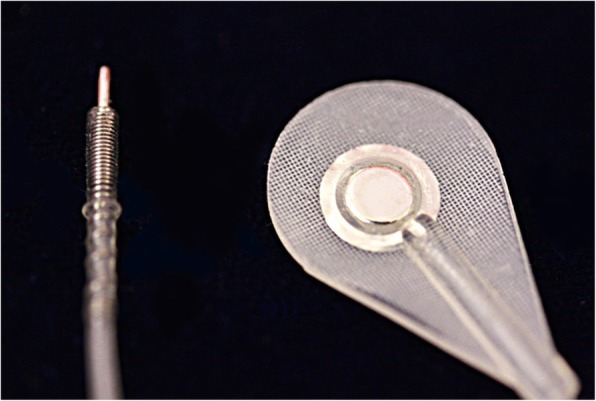
“It contains 12 recording sites on the top side of the filament, and 3 stimulation sites on the bottom side, with an intermediate shielding layer made of platinum to prevent stimulation artifacts [31].”
BackgroundZheng, X., Zhang, J., Chen, T., & Chen, Z. (2008) · Microsurgery · doi:10.1002/micr.20465 · Cited by 14 · cited 1×
“A 6-month rat study showed electrode breakage in a small percent of the electrodes leading to failure [95].”
BackgroundLi, L.-J., Zhang, J., Zhang, F., Lineaweaver, W. C., Chen, T.-Y., & Chen, Z.-W. (2005) · Microsurgery · doi:10.1002/micr.20159 · Cited by 14 · cited 1×
“It has been proved that LIFEs can sensitively record sensory signals [87].”
BackgroundJeong, J., Jung, W., Kim, O., Chu, J.-U., Youn, I., Kim, K., Oh, S. R., Park, J. W., & Kim, J. (2016) · 2016 6th IEEE International Conference on Biomedical Robotics and Biomechatronics (BioRob) · doi:10.1109/biorob.2016.7523786 · Cited by 14 · cited 1×
“The results were not favorable after 4 months in terms of motor function, which was attributed to inadequate porosity [121].”
BackgroundMurphy, B., Krieger, C., & Hoffer, J.-A. (2004) · Journal of Neuroscience Methods · doi:10.1016/j.jneumeth.2003.08.013 · Cited by 13
A parylene cuff electrode for peripheral nerve recording and drug delivery
Cobo, A., Boyajian, B., Larson, C. E., Kee, S., Pikov, V., & Meng, E. F. (2017) · IEEE International Conference on Micro Electro Mechanical Systems (MEMS) · doi:10.1109/memsys.2017.7863454 · Cited by 12
Čvančara, P., Valle, G., Müller, M., Guiho, T., Hiairrassary, A., Petrini, F., Raspopovic, S., Strauss, I., Granata, G., Fernandez, E., et al. (2019) · doi:10.1101/653964 · Cited by 12 · cited 1×
“More recent studies with transradial amputees have shown the feasibility of TIME implantation in the median and ulnar nerves for 6 months [104, 177].”
BackgroundFascicle-Selectivity of an Intraneural Stimulation Electrode in the Rabbit Sciatic Nerve
Nielsen, T. N., Sevcencu, C., & Struijk, J. J. (2012) · IEEE Transactions on Biomedical Engineering · doi:10.1109/tbme.2011.2169671 · Cited by 11
Polyimide Electrode-Based Electrical Stimulation Impedes Early Stage Muscle Graft Regeneration
Srinivasan, S., Vyas, K., McAvoy, M., Calvaresi, P., Khan, O. F., Langer, R., Anderson, D. G., & Herr, H. (2019) · Frontiers in Neurology · doi:10.3389/fneur.2019.00252 · Cited by 11
Tyler, D. J., Polasek, K. H., & Schiefer, M. A. (2015) · Elsevier eBooks · doi:10.1016/b978-0-12-802653-3.00112-3 · Cited by 10
Bijak, M., Mayr, W., Girsch, W., Lanmüller, H., Unger, E., Stöhr, H., Thoma, H., & Plenk, H. (2001) · Artificial Organs · doi:10.1046/j.1525-1594.2001.025006467.x · Cited by 8
Smit, X., de Kool, B. S., Walbeehm, E. T., van Heel, E. B. M. D., van Neck, J. W., & Hovius, S. E. R. (2003) · Journal of Neuroscience Methods · doi:10.1016/s0165-0270(03)00022-0 · Cited by 8
Vibromyographic Quantification of Voluntary Isometric Contractile Force in the Brachioradialis
Cole, J. P., Madhavan, G., & McLeod, K. J. (2006) · Annual International Conference of the IEEE Engineering in Medicine and Biology Society (EMBC) · doi:10.1109/iembs.2006.260152 · Cited by 7
Rabischong, B., Larraín, D., Rabischong, P., Botchorishvili, R., Fraisse, G., Gallego, S., Gaydier, P., Chardigny, J. M., & Avan, P. (2011) · Surgical Endoscopy · doi:10.1007/s00464-011-1750-x · Cited by 7
Zhen, G., Chen, H., Tsai, S., Zhang, J., Chen, T., & Jia, X. (2019) · Journal of Biomedical Materials Research Part B: Applied Biomaterials · doi:10.1002/jbm.b.34135 · Cited by 7
Yuan, Y., Hao, H., Wen, X., Mo, X., & Li, L. (2013) · Annual International Conference of the IEEE Engineering in Medicine and Biology Society (EMBC) · doi:10.1109/embc.2013.6610959 · Cited by 4 · cited 1×
“It is composed of a Pt-Ir ribbon coil with an insulating layer of silicone, and MP35N alloy coils [51].”
BackgroundXiang, Z., Yen, S.-C., Sheshadri, S., Xue, N., Lee, S.-H., Wang, J., Thakor, N. V., & Lee, C. (2015) · 2015 37th Annual International Conference of the IEEE Engineering in Medicine and Biology Society (EMBC) · doi:10.1109/embc.2015.7319062 · Cited by 4 · cited 1×
“4d) is a polyimidebased stripe-like flexible device with eight electrical contacts, wrapped around the nerve only with fixed suturing at two ends [65].”
BackgroundNOVEL PROCESSING ROUTES FOR NEURAL INTERFACES
Barrett, R. C. (2014) · University of Birmingham Institutional Research Archive (University of Birmingham) · doi:10.13140/2.1.1683.2647 · Cited by 3
Sacral Deafferentation and Anterior Root Stimulation: The Brindley Procedure
Castaño, J. C., & van Kerrebroeck, P. (2019) · Springer eBooks · doi:10.1007/978-94-017-7509-0_36 · Cited by 2 · cited 1×
“Reported serious complications include motor root damage and pain over the sacral dermatomes during micturition which can result in device abandonment [57].”
BackgroundPeripheral Nerve Interface, Epineural Electrode
Fisher, L. E. (2014) · Springer eBooks · doi:10.1007/978-1-4614-7320-6_210-1 · Cited by 1 · cited 1×
“It has been implanted in over 70000 patients [52].”
BackgroundJeong (2000) · doi:10.1002/(sici)1097-4636(200005)50:2
Cited by
Sensory feedback for limb prostheses in amputees
Raspopovic, S., Valle, G., & Petrini, F. M. (2021) · Nature Materials · doi:10.1038/s41563-021-00966-9 · Cited by 308
Marasco, P. D., Hebert, J. S., Sensinger, J. W., Beckler, D. T., Thumser, Z. C., Shehata, A. W., Williams, H. E., & Wilson, K. R. (2021) · Science Robotics · doi:10.1126/scirobotics.abf3368 · Cited by 156
Nizamis, K., Athanasiou, A., Almpani, S., Dimitrousis, C., & Astaras, A. (2021) · Sensors · doi:10.3390/s21062084 · Cited by 147
“For direct physical interfacing with the nerves, there are two main types of electrodes—namely, extraneural (placed around the nerve) and intraneural (inserted inside the nerve) [101,102].”
BackgroundMethodInfluentialElectrochemically actuated microelectrodes for minimally invasive peripheral nerve interfaces
Dong, C., Carnicer‐Lombarte, A., Bonafè, F., Huang, B., Middya, S., Jin, A. T., Tao, X., Han, S., Bance, M., Barone, D. G., et al. (2024) · Nature Materials · doi:10.1038/s41563-024-01886-0 · Cited by 133
“2, it generates a very large reduction peak for the first cycle, indicating the incorporation of large amount of Na + , while it seems that some of these cations were trapped in the polymer matrix because a relatively smaller peak was shown in the following oxidation scan.”
A highly integrated bionic hand with neural control and feedback for use in daily life
Ortiz-Catalan, M., Zbinden, J., Millenaar, J., D’Accolti, D., Controzzi, M., Clemente, F., Cappello, L., Earley, E. J., Mastinu, E., Kolankowska, J., et al. (2023) · Science Robotics · doi:10.1126/scirobotics.adf7360 · Cited by 105
“Regarding the neural interface, we used an extraneural electrode primarily for safety and longevity ( 17 , 42 , 43 ).”
Method
Metadata
- Authors
- Yildiz, K. A., Shin, A. Y., & Kaufman, K. R.
- Affiliations
- Mayo Clinic (US)
- Corresponding author
- Kaufman, Kenton R.
- Venue
- Journal of NeuroEngineering and Rehabilitation
- Published
- 2020-03-10
- Volume
- 17
- Issue
- 1
- Pages
- 43-43
- ISSN
- 1743-0003 (ISSN-L)
- PMC
- PMC7063740
- OpenAlex
- W3010876220
- Cited by
- 113
- References
- 189
- Citations by year
- 2026: 26 · 2025: 18 · 2024: 22 · 2023: 15 · 2022: 17 · 2021: 13 · 2020: 2
- FWCI
- 1.63
- Type
- journal article
- Language
- en
- Open access
- gold
- doi.org
- Licence
- cc-by
- creativecommons.org/licenses/by/4.0/ (tdm)
- creativecommons.org/licenses/by/4.0/ (vor)
- Locations
- Journal of NeuroEngineering and Rehabilitation (publishedVersion, cc-by)
- PubMed Central (publishedVersion, cc-by)
- PubMed (publishedVersion)
- DOAJ (DOAJ: Directory of Open Access Journals) (submittedVersion, cc-by-sa)
- Topics
- Life Sciences › Neuroscience › Cellular and Molecular Neuroscience › Neuroscience and Neural Engineering
- Physical Sciences › Engineering › Biomedical Engineering › Muscle activation and electromyography studies
- Physical Sciences › Engineering › Biomedical Engineering › Prosthetics and Rehabilitation Robotics
- Keywords
- neuroprosthetics, prosthetic control, myoelectric prosthesis, interfacial stability, amputees, long-term clinical outcomes
- MeSH terms
- Artificial Limbs, Electrodes, Extremities, Humans, User-Computer Interface, Peripheral Nervous System
About these checks
Registry, retraction, Cites and statistics results are computed, not judged, with one exception: a printed reference that no index lists is read once by a model before it counts as a citation error. Claims are extracted by a model and kept only when their quote appears verbatim in the text; each cited source is then checked, with a model’s help, for whether it says what the claim relies on. Those verdicts can be wrong — read the claim’s quote and the cited source before relying on one.
The claim verdicts this report counts are experimental: their accuracy is not yet measured.
A language model drew the claims from the paper on 2026-10-11, under version 3 of the claim definition (model deepseek-v4.1-flash, prompt extract-v3).
A second model labelled each claim on 2026-10-11 (model jev-1.13-20260917, definition revision gold-guideline-v0.2).
Cited sources are checked with a language model’s help (gpt-6-sol).
Statistics and arithmetic are recomputed, not judged.
Confidence bands are shown only for fields calibrated on our annotated test set. None is calibrated yet, so no band is shown.
What counts as a claim ›How we measure confidence ›How we check this ›
Are you an author, or do you see a problem with this page? Request a review
Data sources
Bibliographic data: Semantic Scholar, OpenAlex, Crossref.
Contains information from the Semantic Scholar Academic Graph Datasets, made available under the ODC Attribution License (ODC-BY 1.0).
Semantic Scholar’s data is described in: Kinney, R., et al. (2023). The Semantic Scholar Open Data Platform. arXiv:2301.10140.
