

Comparative analysis of energy transfer mechanisms for neural implants
Open accessThe DOI matches its Crossref record; 197 of the 197 references it cites were found in a registry or an index; 132 of the 305 sources its claims cite were checked for support.
Abstract
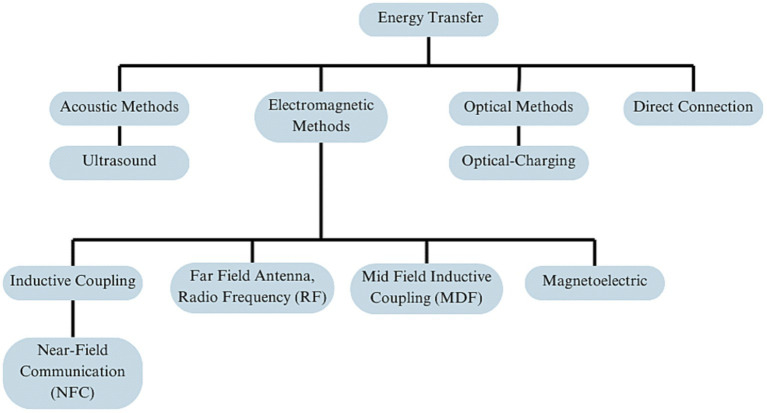
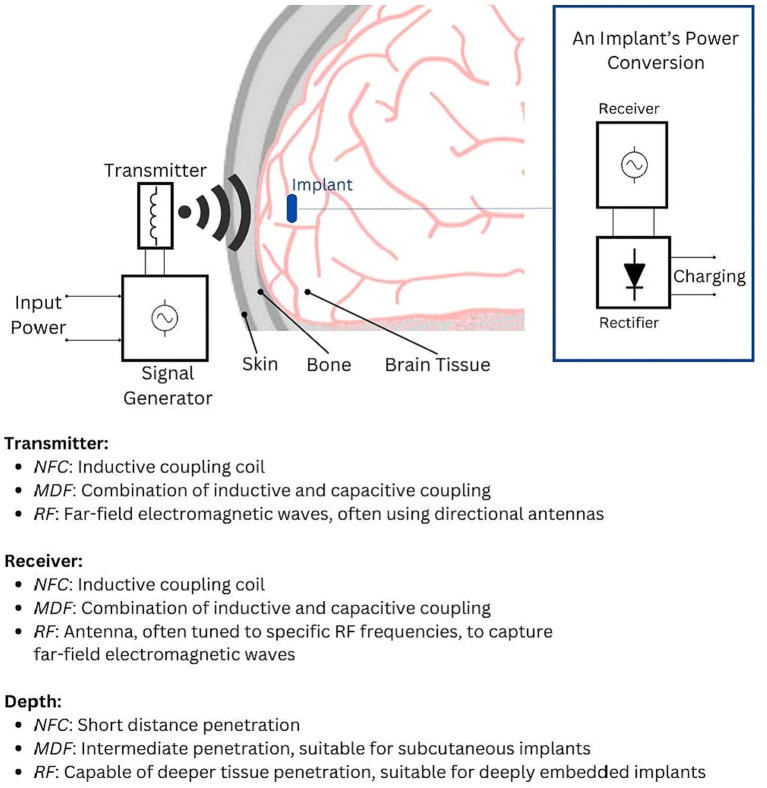
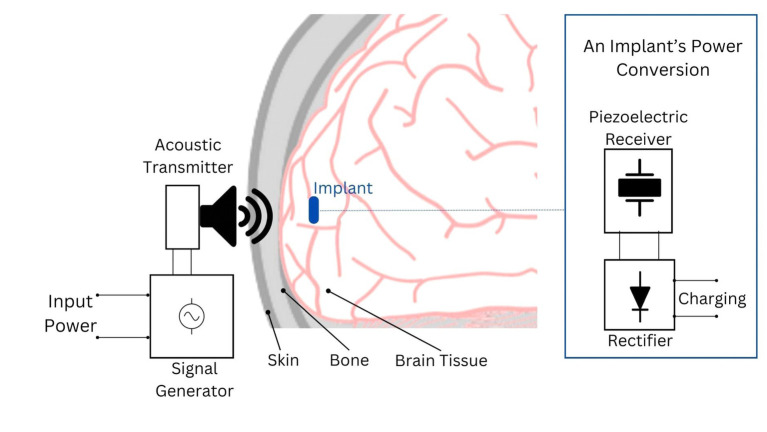
As neural implant technologies advance rapidly, a nuanced understanding of their powering mechanisms becomes indispensable, especially given the long-term biocompatibility risks like oxidative stress and inflammation, which can be aggravated by recurrent surgeries, including battery replacements. This review delves into a comprehensive analysis, starting with biocompatibility considerations for both energy storage units and transfer methods. The review focuses on four main mechanisms for powering neural implants: Electromagnetic, Acoustic, Optical, and Direct Connection to the Body. Among these, Electromagnetic Methods include techniques such as Near-Field Communication (RF). Acoustic methods using high-frequency ultrasound offer advantages in power transmission efficiency and multi-node interrogation capabilities. Optical methods, although still in early development, show promising energy transmission efficiencies using Near-Infrared (NIR) light while avoiding electromagnetic interference. Direct connections, while efficient, pose substantial safety risks, including infection and micromotion disturbances within neural tissue. The review employs key metrics such as specific absorption rate (SAR) and energy transfer efficiency for a nuanced evaluation of these methods. It also discusses recent innovations like the Sectored-Multi Ring Ultrasonic Transducer (S-MRUT), Stentrode, and Neural Dust. Ultimately, this review aims to help researchers, clinicians, and engineers better understand the challenges of and potentially create new solutions for powering neural implants.
Overview
CoChat Summary
## TL;DR
This review compares power-delivery options for neural implants and argues that no single method solves the combined constraints of biocompatibility, heat, miniaturization, and reliable data transfer. It concludes that inductive/capacitive wireless methods are the most studied, ultrasound is promising for deep and small implants, optical power is still early-stage, and direct wired connections are efficient but risky.
## Key findings
- The paper identifies four main powering approaches for neural implants: electromagnetic, acoustic, optical, and direct connection to the body; it evaluates them using metrics such as specific absorption rate (SAR) and energy transfer efficiency.
- It states that current implants often rely on wireless-inductively rechargeable batteries, and gives typical battery lifetimes for DBS systems of 3–5 years for fixed-life batteries, 6–7 years or beyond for some non-rechargeable batteries, and up to 15 years for rechargeable neurostimulators.
- For inductive coupling, the paper reports example efficiencies of 72.2% in air, 51.8% in saline, and 30.8% in muscle tissue at a 10 mm face-to-face distance, and another array system reaching 68% power efficiency at 4 cm.
- For ultrasound, it reports a study where a 1.1 mm³ receiver achieved 0.65% PTE at 1.1 MHz, outperforming an inductive link at 0.05% PTE at 30 MHz; another implant reached 10.5 cm depth in a tissue phantom and supported stimulation amplitudes from 22 to 5,000 μA.
- For optical charging, it reports an energy transfer efficiency above 0.7 over 650 cm with a reflector, and a case where 17 min of NIR light at 22 mW/cm powered a commercial pacemaker for 24 h; another 60-min laser charge sustained a 150 mAh LiPo battery for 85 h.
- For direct connection, the paper emphasizes efficiency but highlights safety risks including infection and micromotion disturbances in neural tissue.
## Methods
- Narrative review/comparative analysis of neural-implant energy transfer mechanisms, with emphasis on current powering approaches and their trade-offs.
- The discussion is organized around biocompatibility, energy constraints, physical constraints, power/data interference, and the specific methods of delivery.
- The comparison draws on published studies and reports, using reported values such as PTE, SAR, implant depth, device size, and battery life.
## Limitations
- The authors explicitly state that they do not review non-rechargeable fully implanted devices in depth and that they do not review self-powering/battery-free devices’ mechanisms and applications; they focus on energy transfer mechanisms for implants using traditional power sources.
- The paper is a review, so its conclusions depend on previously published studies rather than new experimental data from one standardized experiment.
- The text makes evident that many comparisons are not directly comparable across methods because the cited studies use different implant types, sizes, tissues, frequencies, and test conditions.
Model-written summary. Check it against the paper before relying on it.
Integrity signals
Registry
Cites
Statistics
Figures
Verification
Claims the paper makes
92 Valid · 9 Not valid · 104 Not checked · 39 Own results and interpretations
At least one cited source doesn’t support this claim or points to a different paper, and none confirmed it — see the verdicts below.
In the paper
“or supercapacitors, often fabricated from materials such as carbon aerogels with densities ranging from 0.182 to 0.052 g/cm3 (Feng et al., 2011) or according to new studies even as low as 0.16 g/cm3 (Yanagi et al., 2021)”
§ Comparative analysis of energy transfer mechanisms for neural implants > Complexities and challenges in powering brain implants > Biocompatibility
What the sources say
- Not checked — no full text of the sourcecites Feng et al., 2011 matched to “Thermal conductivity of low density carbon aerogels” (2012) source
- Disputedcites Yanagi et al., 2021 matched to “Light-induced levitation of ultralight carbon aerogels via temperature control” (2021) sourceExperimental — accuracy not yet measured
The Introduction reports a density of 0.16 mg/cm³, not 0.16 g/cm³—a thousandfold difference—and attributes that aerogel to Sun et al. (2013). The Methods likewise report this paper’s fabricated aerogels in mg/cm³. The 0.182–0.052 g/cm³ range is cited to Feng et al., not to Yanagi et al., so it is not judged here. (LLM, conf=0.90)
Checked by a reasoning model — may be wrong.
plain- Asserted: passes — The authors put it forward as true.
- Checkable: passes — It can be checked against evidence.
- Load-bearing: unclear — It is unclear whether the paper’s conclusions depend on it.
- Based: passes — The paper gives a reason why it holds.
Every source the paper cites for this claim was checked and supports it.
In the paper
“The limitation in available power supply options poses a significant challenge in powering brain implants, often restricting the device’s key features such as power density, including its diagnostic and therapeutic capabilities, operational lifespan, and duty cycle (Yang et al., 2021).”
§ Comparative analysis of energy transfer mechanisms for neural implants > Complexities and challenges in powering brain implants > Energy constraints
What the sources say
- Supportedcites Yang et al., 2021 matched to “Powering implantable and ingestible electronics” (2021) source
The Introduction (Motivation; page not provided) states that available power constrains diagnostic and therapeutic functions, duty cycle, and operational lifetime. The Introduction (Structure and Power Consumptions; page not provided) specifically identifies brain implants as unable to accommodate enough batteries because of size constraints, while the Outlook discusses power output and energy density as challenges. (LLM, conf=0.89)
plainstates a cause- Asserted: passes — The authors put it forward as true.
- Checkable: passes — It can be checked against evidence.
- Load-bearing: passes — The paper’s conclusions depend on it.
- Based: passes — The paper gives a reason why it holds.
- Supported
The cited sources that could be checked couldn’t confirm or dispute this claim.
In the paper
“Energy constraints are a significant hurdle, especially in fully-implantable systems where the energy source must be compact yet capable of sustaining the implant’s functions over extended periods (Rosidi et al., 2011).”
§ Comparative analysis of energy transfer mechanisms for neural implants > Complexities and challenges in powering brain implants
What the sources say
- Could not verifycites Rosidi et al., 2011 matched to “Cortical microhemorrhages cause local inflammation but do not trigger widespread dendrite degeneration” (2011) sourceExperimental — accuracy not yet measured
The Methods passages discuss laser energy used to induce microhemorrhages and a cranial window implanted for imaging; they do not discuss powering fully implantable systems. Searches for compact energy sources, batteries, and long-term implant operation found no passage addressing the claim. Page numbers were not provided in our copy. (LLM, conf=0.78)
plainstates a cause- Asserted: passes — The authors put it forward as true.
- Checkable: passes — It can be checked against evidence.
- Load-bearing: passes — The paper’s conclusions depend on it.
- Based: passes — The paper gives a reason why it holds.
- Could not verify
The cited sources that could be checked couldn’t confirm or dispute this claim.
In the paper
“Furthermore, the inter-relationship between power transfer and data communication in these implants introduces additional layers of difficulty.”
§ Comparative analysis of energy transfer mechanisms for neural implants > Complexities and challenges in powering brain implants
What the sources say
- Not checked — no full text of the sourcecites Santiago and Westerink, 1990 matched to “Characterization of the in vivo release of dopamine as recorded by different types of intracerebral microdialysis probes” (1990) source
- Not checked — no full text of the sourcecites Deboer and Abercrombie, 1996 matched to “Physiological release of striatal acetylcholine in vivo: modulation by D1 and D2 dopamine receptor subtypes.” (1996) source
- Could not verifycites Jaquins-Gerstl and Michael, 2009 matched to “Comparison of the brain penetration injury associated with microdialysis and voltammetry” (2009) sourceExperimental — accuracy not yet measured
The Discussion (page unavailable) compares tissue injury from microdialysis probes and carbon-fiber microelectrodes; the Voltammetry Procedures section (page unavailable) describes electrode operation. Neither addresses an inter-relationship between power transfer and data communication in neural implants. Searches for those terms and for wireless power, telemetry, and transmission found no relevant passage. (LLM, conf=0.76)
plainstates a cause- Asserted: passes — The authors put it forward as true.
- Checkable: passes — It can be checked against evidence.
- Load-bearing: unclear — It is unclear whether the paper’s conclusions depend on it.
- Based: passes — The paper gives a reason why it holds.
The cited sources support only part of this claim — read each source’s verdict below.
In the paper
“High power density, constrained by size, is essential to avoid tissue damage and foreign body responses, which can further affect the signal quality across all central nervous system sensors over both acute and chronic time frames (Bazaka and Jacob, 2012; Kozai et al., 2015).”
§ Comparative analysis of energy transfer mechanisms for neural implants > Complexities and challenges in powering brain implants > Physical constraints in power supply components
What the sources say
- Partly supportedcites Bazaka and Jacob, 2012 matched to “Implantable devices: issues and challenges” (2012) sourceExperimental — accuracy not yet measured
Section 3 ('Typical Requirements of Implant Systems') supports the second half of the attribution: it states that acute mechanical trauma at insertion and chronic contact/micro-movement induce the foreign body response, and that glial encapsulation raises impedance, increases electrode–neuron distance and is 'detrimental to the ability of the electrode to sense signals', with impedance rising over the length of implantation so that designs adequate acutely may not perform chronically. However, the paper does not support 'high power density, constrained by size, is essential to avoid tissue damage': the same section argues the opposite — that lower power consumption matters for patient safety, that proximity to tissue places 'firm restrictions on the amount of dissipation' because 'extensive dissipation may inflict damage onto these soft tissues' (hedged as 'may'), and that more electrodes demanding more power risks greater thermal dissipation. 'Power density' appears in our copy only as a figure-of-merit for glucose biofuel cells (Section 4), never as a requirement that prevents tissue damage or foreign body response, and the paper ties tissue damage/FBR to mechanical and electrochemical causes rather than to power density; the generalisation to 'all central nervous system sensors' also exceeds the neural-electrode discussion it rests on. (LLM, conf=0.72)
- Partly supportedcites Kozai et al., 2015 matched to “Brain Tissue Responses to Neural Implants Impact Signal Sensitivity and Intervention Strategies” (2015) sourceExperimental — accuracy not yet measured
The Size section says smaller implants can reduce tissue strain and inflammatory responses, while the Introduction says insertion injury and tissue responses can impair signal quality. The paper also describes effects over acute and chronic periods. It does not say that high power density is essential to prevent those effects; the size discussion concerns the implant’s physical dimensions, not its power density. Page numbers are not available in our copy. (LLM, conf=0.88)
plainstates a cause- Asserted: passes — The authors put it forward as true.
- Checkable: passes — It can be checked against evidence.
- Load-bearing: passes — The paper’s conclusions depend on it.
- Based: passes — The paper gives a reason why it holds.
- Partly supported
122 more claims · 48 with their cited sources checked
Create a free account to see all 244 claims and to verify the 32 references still open.
- Probably not a substantial claim. 38
- It may state two separate claims as one. 99
Citations
Cites
Reviving the lithium metal anode for high-energy batteries
Lin, D., Liu, Y., & Cui, Y. (2017) · Nature Nanotechnology · doi:10.1038/nnano.2017.16 · Cited by 6,763
Neuronal ensemble control of prosthetic devices by a human with tetraplegia
Hochberg, L. R., Serruya, M. D., Friehs, G. M., Mukand, J. A., Saleh, M., Caplan, A. H., Branner, A., Chen, D., Penn, R. D., & Donoghue, J. P. (2006) · Nature · doi:10.1038/nature04970 · Cited by 3,295
A review of lithium-ion battery safety concerns: The issues, strategies, and testing standards
Chen, Y., Kang, Y., Zhao, Y., Wang, L., Liu, J., Li, Y., Liang, Z., He, X., Li, X., Tavajohi, N., et al. (2021) · Journal of Energy Chemistry · doi:10.1016/j.jechem.2020.10.017 · Cited by 2,178
Dalgleish, T. (2004) · Nature Reviews Neuroscience · doi:10.1038/nrn1432 · Cited by 1,849
The global burden of neurological disorders: translating evidence into policy
Feigin, V. L., Vos, T., Nichols, E., Owolabi, M. O., Carroll, W. M., Dichgans, M., Deuschl, G., Parmar, P., Brainin, M., & Murray, C. (2020) · The Lancet Neurology · doi:10.1016/s1474-4422(19)30411-9 · Cited by 1,303 · cited 1×
“The escalating incidence of neurological conditions, which have become the top contributor to global disability and the second most common reason for mortality, is fueling significant expansion in the market for brain implants (Dumurgier and Tzourio, 2020; Feigin et al., 2020).”
BackgroundAn Integrated Brain-Machine Interface Platform With Thousands of Channels
Musk, E., & Neuralink (2019) · Journal of Medical Internet Research · doi:10.2196/16194 · Cited by 1,206
Biofuel cells and their development
Bullen, R. A., Arnot, T. C., Lakeman, J. B., & Walsh, F. C. (2006) · Biosensors and Bioelectronics · doi:10.1016/j.bios.2006.01.030 · Cited by 1,011
Implant biomaterials: A comprehensive review
Saini, M. (2015) · World Journal of Clinical Cases · doi:10.12998/wjcc.v3.i1.52 · Cited by 844
Soft, stretchable, fully implantable miniaturized optoelectronic systems for wireless optogenetics
Park, S. I., Brenner, D. S., Shin, G., Morgan, C. D., Copits, B. A., Chung, H. U., Pullen, M. Y., Noh, K. N., Davidson, S., Oh, S. J., et al. (2015) · Nature Biotechnology · doi:10.1038/nbt.3415 · Cited by 794
Brain Tissue Responses to Neural Implants Impact Signal Sensitivity and Intervention Strategies
Kozai, T. D. Y., Jaquins-Gerstl, A. S., Vazquez, A. L., Michael, A. C., & Cui, X. T. (2015) · ACS Chemical Neuroscience · doi:10.1021/cn500256e · Cited by 622 · cited 2×
“…advances in speech-to-text with ALS patients (Willett et al., 2023), allowing primates to play pong (Play Studio, n.d.) to clinical trials for motor deficit treatments (Gilja et al., 2015) face a decline in recording quality over time (Chestek et al., 2011; Jorfi et al., 2014; Kozai et al., 2015).”
BackgroundA high-performance speech neuroprosthesis
Willett, F. R., Kunz, E. M., Fan, C., Avansino, D. T., Wilson, G. H., Choi, E. Y., Kamdar, F., Glasser, M. F., Hochberg, L. R., Druckmann, S., et al. (2023) · Nature · doi:10.1038/s41586-023-06377-x · Cited by 581 · cited 3×
“They have shown significant efficacy in improving the quality of life for those suffering from a range of conditions, including but not limited to Parkinson’s disease, ALS (Willett et al., 2023), movement disorders, epilepsy, and mental health issues (Fisher and Velasco, 2014; Bergfeld et al., 2016; França et al., 202…”
BackgroundWearable and implantable wireless sensor network solutions for healthcare monitoring
Darwish, A., & Hassanien, A. E. (2011) · Sensors · doi:10.3390/s110605561 · Cited by 556 · cited 1×
“To compensate, computational tasks are typically offloaded to an external computer, mitigating the implant’s power consumption (Darwish and Hassanien, 2011).”
BackgroundWireless power transfer to deep-tissue microimplants
Ho, J. S., Yeh, A. J., Neofytou, E., Kim, S., Tanabe, Y., Patlolla, B., Beygui, R. E., & Poon, A. S. Y. (2014) · Proceedings of the National Academy of Sciences · doi:10.1073/pnas.1403002111 · Cited by 541
McConnell, G. C., Rees, H. D., Levey, A. I., Gutekunst, C.-A., Gross, R. E., & Bellamkonda, R. V. (2009) · Journal of Neural Engineering · doi:10.1088/1741-2560/6/5/056003 · Cited by 480
Pall, M. L. (2013) · Journal of Cellular and Molecular Medicine · doi:10.1111/jcmm.12088 · Cited by 440 · cited 1×
“Pall (2013) compared different electromagnetic field frequencies, noting their potential to activate voltage-gated calcium channels, leading to varied effects.”
BackgroundBiological effects from electromagnetic field exposure and public exposure standards
Hardell, L., & Sage, C. (2008) · Biomedicine & Pharmacotherapy · doi:10.1016/j.biopha.2007.12.004 · Cited by 438 · cited 1×
“Furthermore, the FCC has earmarked the 401–406 MHz bands for Medical Device Radio Communication Service (MDRC), with varying channel bandwidths between 100 and 300 kHz (Hardell and Sage, 2008; Stam, 2018; Soliman et al., 2021).”
BackgroundPower Approaches for Implantable Medical Devices
Amar, A., Kouki, A., & Cao, H. (2015) · Sensors · doi:10.3390/s151128889 · Cited by 432
Practical Evaluation of Li-Ion Batteries
Li, H. (2019) · Joule · doi:10.1016/j.joule.2019.03.028 · Cited by 420
Electrical brain stimulation for epilepsy
Fisher, R. S., & Velasco, A. L. (2014) · Nature Reviews Neurology · doi:10.1038/nrneurol.2014.59 · Cited by 402
Kim, S.-P., Simeral, J. D., Hochberg, L. R., Donoghue, J. P., & Black, M. J. (2008) · Journal of Neural Engineering · doi:10.1088/1741-2560/5/4/010 · Cited by 397
Shin, G., Gomez, A. M., Al-Hasani, R., Jeong, Y. R., Kim, J., Xie, Z., Banks, A., Lee, S. M., Han, S. Y., Yoo, C. J., et al. (2017) · Neuron · doi:10.1016/j.neuron.2016.12.031 · Cited by 396
Progress towards biocompatible intracortical microelectrodes for neural interfacing applications
Jorfi, M., Skousen, J. L., Weder, C., & Capadona, J. R. (2015) · Journal of Neural Engineering · doi:10.1088/1741-2560/12/1/011001 · Cited by 384 · cited 1×
“…advances in speech-to-text with ALS patients (Willett et al., 2023), allowing primates to play pong (Play Studio, n.d.) to clinical trials for motor deficit treatments (Gilja et al., 2015) face a decline in recording quality over time (Chestek et al., 2011; Jorfi et al., 2014; Kozai et al., 2015).”
BackgroundWireless and battery-free technologies for neuroengineering
Won, S. M., Cai, L., Gutruf, P., & Rogers, J. A. (2021) · Nature Biomedical Engineering · doi:10.1038/s41551-021-00683-3 · Cited by 360
Implantable devices: issues and challenges
Bazaka, K., & Jacob, M. (2012) · Electronics · doi:10.3390/electronics2010001 · Cited by 358
Learning-enhanced coupling between ripple oscillations in association cortices and hippocampus
Khodagholy, D., Gelinas, J. N., & Buzsáki, G. (2017) · Science · doi:10.1126/science.aan6203 · Cited by 357
Brain temperature and its fundamental properties: a review for clinical neuroscientists
Wang, H., Wang, B., Normoyle, K. P., Jackson, K., Spitler, K., Sharrock, M. F., Miller, C. M., Best, C., Llano, D., & Du, R. (2014) · Frontiers in Neuroscience · doi:10.3389/fnins.2014.00307 · Cited by 356 · cited 4×
“This is especially crucial given the brain’s intrinsic thermoregulatory mechanisms, including the cerebrospinal fluid, intracranial blood flow, and capillary networks that act as thermal buffers (Wang et al., 2014).”
BackgroundInfluentialWireless power transfer techniques for implantable medical devices: a review
Khan, S. R., Pavuluri, S. K., Cummins, G., & Desmulliez, M. P. Y. (2020) · Sensors · doi:10.3390/s20123487 · Cited by 355
Chestek, C. A., Gilja, V., Nuyujukian, P., Foster, J. D., Fan, J. M., Kaufman, M. T., Churchland, M. M., Rivera-Alvidrez, Z., Cunningham, J. P., Ryu, S. I., et al. (2011) · Journal of Neural Engineering · doi:10.1088/1741-2560/8/4/045005 · Cited by 350
Dong, S., Li, J.-F., & Viehland, D. (2003) · IEEE Transactions on Ultrasonics, Ferroelectrics and Frequency Control · doi:10.1109/tuffc.2003.1244741 · Cited by 350
Clinical translation of a high-performance neural prosthesis
Gilja, V., Pandarinath, C., Blabe, C. H., Nuyujukian, P., Simeral, J. D., Sarma, A. A., Sorice, B. L., Perge, J. A., Jarosiewicz, B., Hochberg, L. R., et al. (2015) · Nature Medicine · doi:10.1038/nm.3953 · Cited by 343 · cited 1×
“…advances in speech-to-text with ALS patients (Willett et al., 2023), allowing primates to play pong (Play Studio, n.d.) to clinical trials for motor deficit treatments (Gilja et al., 2015) face a decline in recording quality over time (Chestek et al., 2011; Jorfi et al., 2014; Kozai et al., 2015).”
BackgroundBergfeld, I. O., Mantione, M., Hoogendoorn, M. L. C., Ruhé, H. G., Notten, P., van Laarhoven, J., Visser, I., Figee, M., de Kwaasteniet, B. P., Horst, F., et al. (2016) · JAMA Psychiatry · doi:10.1001/jamapsychiatry.2016.0152 · Cited by 336
Advanced energy materials for flexible batteries in energy storage: A review
Kong, L., Tang, C., Peng, H., Huang, J., & Zhang, Q. (2020) · SmartMat · doi:10.1002/smm2.1007 · Cited by 316
Wireless Power Transmission With Self-Regulated Output Voltage for Biomedical Implant
Ahn, D., & Hong, S. (2014) · IEEE Transactions on Industrial Electronics · doi:10.1109/tie.2013.2273472 · Cited by 315
Prasad, A., Xue, Q.-S., Sankar, V., Nishida, T., Shaw, G., Streit, W. J., & Sanchez, J. C. (2012) · Journal of Neural Engineering · doi:10.1088/1741-2560/9/5/056015 · Cited by 298 · cited 1×
“…2016) presence of proinflammatory cells such as activated microglia, macrophages, and astrocytes (McConnell et al., 2009; Ravikumar et al., 2014) which could lead to neural apoptosis, further infection or patient death as outcome of further complications (Prasad et al., 2012; Potter et al., 2013).”
BackgroundUltrasound-responsive systems as components for smart materials
Athanassiadis, A. G., Ma, Z., Moreno-Gomez, N., Melde, K., Choi, E., Goyal, R., & Fischer, P. (2022) · Chemical Reviews · doi:10.1021/acs.chemrev.1c00622 · Cited by 293
Giant magnetoelectric effect in Metglas/polyvinylidene-fluoride laminates
Zhai, J., Dong, S., Xing, Z., Li, J., & Viehland, D. (2006) · Applied Physics Letters · doi:10.1063/1.2337996 · Cited by 279
Nie, K., Hong, Y., Qiu, J., Li, Q., Yu, X., Li, H., & Chen, L. (2018) · Frontiers in Chemistry · doi:10.3389/fchem.2018.00616 · Cited by 278 · cited 1×
“These are typically composed of thin-film solid-state materials like polymers, silicon, or carbon pillars, and can be fabricated using thick-film technology or vapor deposition (Nie et al., 2018; Yang et al., 2021; Salado and Lizundia, 2022).”
BackgroundCharthad, J., Weber, M. J., Chang, T. C., & Arbabian, A. (2015) · IEEE Journal of Solid-State Circuits · doi:10.1109/jssc.2015.2427336 · Cited by 245
Oxley, T. J., Yoo, P. E., Rind, G. S., Ronayne, S. M., Lee, C. M. S., Bird, C., Hampshire, V., Sharma, R. P., Morokoff, A., Williams, D. L., et al. (2021) · Journal of NeuroInterventional Surgery · doi:10.1136/neurintsurg-2020-016862 · Cited by 243
A Glucose Fuel Cell for Implantable Brain–Machine Interfaces
Rapoport, B. I., Kedzierski, J. T., & Sarpeshkar, R. (2012) · PLoS ONE · doi:10.1371/journal.pone.0038436 · Cited by 242
Control design for optimizing efficiency in inductive power transfer systems
Huang, Z., Wong, S.-C., & Tse, C. K. (2018) · IEEE Transactions on Power Electronics · doi:10.1109/tpel.2017.2724039 · Cited by 242 · cited 1×
“Recent advances in circuitry have incorporated machine learning algorithms for predictive analytics on power needs optimizing efficiency (Huang et al., 2018).”
BackgroundModeling and optimization of printed spiral coils in air, saline, and muscle tissue environments
Jow, U.-M., & Ghovanloo, M. (2009) · IEEE Transactions on Biomedical Circuits and Systems · doi:10.1109/tbcas.2009.2025366 · Cited by 241
A mm-Sized Wireless Implantable Device for Electrical Stimulation of Peripheral Nerves
Charthad, J., Chang, T. C., Liu, Z., Sawaby, A., Weber, M. J., Baker, S., Gore, F., Felt, S. A., & Arbabian, A. (2018) · IEEE Transactions on Biomedical Circuits and Systems · doi:10.1109/tbcas.2018.2799623 · Cited by 230
Challenges for successful implantation of biofuel cells
Zebda, A., Alcaraz, J.-P., Vadgama, P., Shleev, S., Minteer, S. D., Boucher, F., Cinquin, P., & Martin, D. K. (2018) · Bioelectrochemistry · doi:10.1016/j.bioelechem.2018.05.011 · Cited by 224
Kozai, T. D. Y., Vazquez, A. L., Weaver, C. L., Kim, S.-G., & Cui, X. T. (2012) · Journal of Neural Engineering · doi:10.1088/1741-2560/9/6/066001 · Cited by 215
Neural Dust: An Ultrasonic, Low Power Solution for Chronic Brain-Machine Interfaces
Seo, D., Maharbiz, M., Alon, E., et al. (2013) · doi:10.2307/j.ctt9qh0x7.26 · Cited by 204
A review of acoustic power transfer for bio-medical implants
Basaeri, H., Christensen, D. B., & Roundy, S. (2016) · Smart Materials and Structures · doi:10.1088/0964-1726/25/12/123001 · Cited by 202
Magnetoelectric materials for miniature, wireless neural stimulation at therapeutic frequencies
Singer, A., Dutta, S., Lewis, E., Chen, Z., Chen, J. C., Verma, N., Avants, B., Feldman, A. K., O’Malley, J., Beierlein, M., et al. (2020) · Neuron · doi:10.1016/j.neuron.2020.05.019 · Cited by 202
Magnetoelectric effect: principles and applications in biology and medicine– a review
Kopyl, S., Surmenev, R., Surmeneva, M., Fetisov, Y., & Kholkin, A. (2021) · Materials Today Bio · doi:10.1016/j.mtbio.2021.100149 · Cited by 202 · cited 2×
“The piezoelectric component generates an electric field in response to mechanical stress, while the magnetostrictive material responds to magnetic fields by changing shape or dimensions (Yu et al., 2020; Kopyl et al., 2021).”
BackgroundMethodChronically implanted pressure sensors: challenges and state of the field
Yu, L., Kim, B., & Meng, E. (2014) · Sensors · doi:10.3390/s141120620 · Cited by 200 · cited 1×
“Misalignment between the coils can further disrupt the continuity of the RF signal, potentially leading to data loss and reduced operational capacity of the device (Liu et al., 2014).”
BackgroundThe thermoregulation system and how it works
(2018) · Handbook of Clinical Neurology · doi:10.1016/b978-0-444-63912-7.00001-1 · Cited by 186 · cited 3×
“Moreover, some molecules, such as transient receptor potential (TRP) channels like TRPM2, are known to act as heat sensors in hypothalamic neurons (Romanovsky, 2018).”
BackgroundInfluentialMitchell, P., Lee, S. C. M., Yoo, P. E., Morokoff, A., Sharma, R. P., Williams, D. L., MacIsaac, C., Howard, M. E., Irving, L., Vrljic, I., et al. (2023) · JAMA Neurology · doi:10.1001/jamaneurol.2022.4847 · Cited by 186
Wireless Power Delivery to Flexible Subcutaneous Implants Using Capacitive Coupling
Jegadeesan, R., Agarwal, K., Guo, Y.-X., Yen, S.-C., & Thakor, N. V. (2017) · IEEE Transactions on Microwave Theory and Techniques · doi:10.1109/tmtt.2016.2615623 · Cited by 184
Powering implantable and ingestible electronics
Yang, S., Sencadas, V., You, S. S., Jia, N. Z., Srinivasan, S. S., Huang, H., Ahmed, A. E., Liang, J. Y., & Traverso, G. (2021) · Advanced Functional Materials · doi:10.1002/adfm.202009289 · Cited by 183 · cited 4×
“These are typically composed of thin-film solid-state materials like polymers, silicon, or carbon pillars, and can be fabricated using thick-film technology or vapor deposition (Nie et al., 2018; Yang et al., 2021; Salado and Lizundia, 2022).”
BackgroundInfluentialSheng, H., Zhou, J., Li, B., He, Y., Zhang, X., Liang, J., Zhou, J., Su, Q., Xie, E., Lan, W., et al. (2021) · Science Advances · doi:10.1126/sciadv.abe3097 · Cited by 180
Wireless power transfer approaches for medical implants: a review
Haerinia, M., & Shadid, R. (2020) · Signals · doi:10.3390/signals1020012 · Cited by 174 · cited 2×
“A value closer to 1 not only maximizes energy transfer but also minimizes potential thermal damage to neural tissues—a concern for BMIs requiring high computational power for real-time neural decoding (Haerinia and Shadid, 2020; Khan et al., 2020).”
BackgroundNeural Dust: An Ultrasonic, Low Power Solution for Chronic Brain-Machine Interfaces
Seo, D., Carmena, J. M., Rabaey, J. M., Alon, E., & Maharbiz, M. M. (2013) · arXiv · doi:10.48550/arxiv.1307.2196 · Cited by 172
Epidemiology of neurological diseases in older adults
Dumurgier, J., & Tzourio, C. (2020) · Revue Neurologique · doi:10.1016/j.neurol.2020.01.356 · Cited by 167
DeBoer, P., & Abercrombie, E. D. (1996) · The Journal of Pharmacology and Experimental Therapeutics · doi:10.1016/s0022-3565(25)12934-0 · Cited by 163
Capacitive coupling for power and data telemetry to implantable biomedical microsystems
Sodagar, A. M., & Amiri, P. (2009) · 2009 4th International IEEE/EMBS Conference on Neural Engineering · doi:10.1109/ner.2009.5109320 · Cited by 163
Kim, S.-P., Simeral, J. D., Hochberg, L. R., Donoghue, J. P., Friehs, G. M., & Black, M. J. (2011) · IEEE Transactions on Neural Systems and Rehabilitation Engineering · doi:10.1109/tnsre.2011.2107750 · Cited by 160
Wireless power delivery techniques for miniature implantable bioelectronics
Singer, A., & Robinson, J. T. (2021) · Advanced Healthcare Materials · doi:10.1002/adhm.202100664 · Cited by 159 · cited 5×
“To tackle the issue of alignment sensitivity, there is a push toward the development of ‘smart’ MDF systems equipped with real-time alignment correction capabilities (Singer and Robinson, 2021).”
BackgroundInfluentialAn implantable power supply with an optically rechargeable lithium battery
Goto, K., Nakagawa, T., Nakamura, O., & Kawata, S. (2001) · IEEE Transactions on Biomedical Engineering · doi:10.1109/10.930908 · Cited by 159 · cited 3×
“While some studies have recorded a modest temperature rise of 1.4 ° C in the skin during light irradiation (Goto et al., 2001) others found no noticeable side effects or temperature changes during a 60-min charging period for cardiac pacemakers.”
BackgroundMethodInfluentialSantiago, M., & Westerink, B. H. C. (1990) · Naunyn-Schmiedeberg's Archives of Pharmacology · doi:10.1007/bf00169457 · Cited by 159
Model validation of untethered, ultrasonic neural dust motes for cortical recording
Seo, D., Carmena, J. M., Rabaey, J. M., Maharbiz, M. M., & Alon, E. (2015) · Journal of Neuroscience Methods · doi:10.1016/j.jneumeth.2014.07.025 · Cited by 158 · cited 1×
“Ultrasound, widely utilized in various medical applications, is generally considered safe due to its non-ionizing nature (Seo et al., 2015; Rosa and Yang, 2020).”
BackgroundFully Bioabsorbable Capacitor as an Energy Storage Unit for Implantable Medical Electronics
Li, H., Zhao, C., Wang, X., Meng, J., Zou, Y., Noreen, S., Zhao, L., Liu, Z., Ouyang, H., Tan, P., et al. (2019) · Advanced Science · doi:10.1002/advs.201801625 · Cited by 151
Energy Harvesting in Implantable and Wearable Medical Devices for Enduring Precision Healthcare
Shuvo, M. M. H., Titirsha, T., Amin, N., & ISLAM, S. K. (2022) · Energies · doi:10.3390/en15207495 · Cited by 149
Wireless power transfer: systems, circuits, standards, and use cases
Van Mulders, J., Delabie, D., Lecluyse, C., Buyle, C., Callebaut, G., Van der Perre, L., & De Strycker, L. (2022) · Sensors · doi:10.3390/s22155573 · Cited by 141
Ultrasound-induced wireless energy harvesting: from materials strategies to functional applications
Jiang, L., Yang, Y., Chen, Y., & Zhou, Q. (2020) · Nano Energy · doi:10.1016/j.nanoen.2020.105131 · Cited by 131 · cited 1×
“This material converts the mechanical energy from the ultrasound waves into electrical energy, which powers the brain implant (Jiang et al., 2020; Athanassiadis et al., 2021; Birjis et al., 2022).”
BackgroundPotter, K. A., Buck, A. C., Self, W. K., Callanan, M. E., Sunil, S., & Capadona, J. R. (2013) · Biomaterials · doi:10.1016/j.biomaterials.2013.05.035 · Cited by 129 · cited 1×
“…2016) presence of proinflammatory cells such as activated microglia, macrophages, and astrocytes (McConnell et al., 2009; Ravikumar et al., 2014) which could lead to neural apoptosis, further infection or patient death as outcome of further complications (Prasad et al., 2012; Potter et al., 2013).”
BackgroundComparative neurotoxicity screening in human iPSC-derived neural stem cells, neurons and astrocytes
Pei, Y., Peng, J., Behl, M., Sipes, N. S., Shockley, K. R., Rao, M. S., Tice, R. R., & Zeng, X. (2016) · Brain Research · doi:10.1016/j.brainres.2015.07.048 · Cited by 128
Near-infrared (NIR) up-conversion optogenetics
Hososhima, S., Yuasa, H., Ishizuka, T., Hoque, M. R., Yamashita, T., Yamanaka, A., Sugano, E., Tomita, H., & Yawo, H. (2015) · Scientific Reports · doi:10.1038/srep16533 · Cited by 126
Wireless technologies for implantable devices
Nelson, B. D., Karipott, S. S., Wang, Y., & Ong, K. G. (2020) · Sensors · doi:10.3390/s20164604 · Cited by 125 · cited 2×
“These devices have a limited lifespan as they need surgical replacement once batteries deplete (Nelson et al., 2020).”
BackgroundKiyatkin, E. A. (2019) · Temperature · doi:10.1080/23328940.2019.1691896 · Cited by 122 · cited 2×
“…however, they further discuss it in the light of chemically induced temperature changes such as those caused by drugs which can exceed beyond its upper physiological limit disrupting thermal dynamics leading to maladaptive neural activity and life-threatening complications (Kiyatkin, 2019).”
BackgroundUltrasonic imaging: safety considerations
Haar, G. T. (2011) · Interface Focus · doi:10.1098/rsfs.2011.0029 · Cited by 120 · cited 2×
“This risk arises from the interaction of ultrasound waves with tissues, where the vibration of molecules, especially in denser tissues, can lead to an increase in temperature (Tel Haar, 2011; Proto et al., 2022).”
BackgroundImplantable brain machine interfaces: first-in-human studies, technology challenges and trends
Rapeaux, A. B., & Constandinou, T. G. (2021) · Current Opinion in Biotechnology · doi:10.1016/j.copbio.2021.10.001 · Cited by 119
Power-saving design opportunities for wireless intracortical brain–computer interfaces
Even-Chen, N., Muratore, D. G., Stavisky, S. D., Hochberg, L. R., Henderson, J. M., Murmann, B., & Shenoy, K. V. (2020) · Nature Biomedical Engineering · doi:10.1038/s41551-020-0595-9 · Cited by 118
The future of neuroscience: flexible and wireless implantable neural electronics
McGlynn, E., Nabaei, V., Ren, E., Galeote‐Checa, G., Das, R., Curia, G., & Heidari, H. (2021) · Advanced Science · doi:10.1002/advs.202002693 · Cited by 115
Nason, S. R., Vaskov, A. K., Willsey, M. S., Welle, E. J., An, H., Vu, P. P., Bullard, A. J., Nu, C. S., Kao, J. C., Shenoy, K. V., et al. (2020) · Nature Biomedical Engineering · doi:10.1038/s41551-020-0591-0 · Cited by 113
Wireless communication with implanted medical devices using the conductive properties of the body
Ferguson, J. E., & Redish, A. D. (2011) · Expert Review of Medical Devices · doi:10.1586/erd.11.16 · Cited by 112
Chow, E., Morris, M., & Irazoqui, P. (2013) · IEEE Microwave Magazine · doi:10.1109/mmm.2013.2248586 · Cited by 111
Advances, challenges, and environmental impacts in metal–air battery electrolytes
Salado, M., & Lizundia, E. (2022) · Materials Today Energy · doi:10.1016/j.mtener.2022.101064 · Cited by 108
Wireless power transfer system for deep-implanted biomedical devices
Iqbal, A., Sura, P. R., Al-Hasan, M., Mabrouk, I. B., & Denidni, T. A. (2022) · Scientific Reports · doi:10.1038/s41598-022-18000-6 · Cited by 105
Applications of Microwaves in Medicine
Chiao, J. ‐., Li, C., Lin, J., Caverly, R. H., Hwang, J. C. M., Rosen, H. D., & Rosen, A. (2022) · IEEE Journal of Microwaves · doi:10.1109/jmw.2022.3223301 · Cited by 105
Lu, Y., Zhang, S., Dai, S., Liu, D., Wang, X., Tang, W., Guo, X., Duan, J., Luo, W. H., Yang, B., et al. (2020) · Matter · doi:10.1016/j.matt.2020.05.021 · Cited by 104
The density difference between tissue and neural probes is a key factor for glial scarring
Lind, G., Linsmeier, C. E., & Schouenborg, J. (2013) · Scientific Reports · doi:10.1038/srep02942 · Cited by 102 · cited 1×
“The ideal density for an implant is close to 1 g/cm 3 to minimize glial scarring and optimize functionality (Lind et al., 2013), though density requirements can vary based on brain region, patient, and implant material.”
BackgroundComparison of the brain penetration injury associated with microdialysis and voltammetry
Jaquins-Gerstl, A., & Michael, A. C. (2009) · Journal of Neuroscience Methods · doi:10.1016/j.jneumeth.2009.06.023 · Cited by 98
Method of Electrostimulation of the Deep Brain Structures in Treatment of Some Chronic Diseases
Bechtereva, N. P., Bondartchuk, A. N., Смирнов, В. М., Meliucheva, L. A., & Shandurina, A. N. (1975) · Stereotactic and Functional Neurosurgery · doi:10.1159/000102727 · Cited by 97
Ravikumar, M., Sunil, S., Black, J., Barkauskas, D. S., Haung, A. Y., Miller, R. H., Selkirk, S. M., & Capadona, J. R. (2014) · Biomaterials · doi:10.1016/j.biomaterials.2014.05.084 · Cited by 95
Review on medical implantable antenna technology and imminent research challenges
Soliman, M. M., Chowdhury, M. E. H., Khandakar, A., Islam, M. T., Qiblawey, Y., Musharavati, F., & Zal Nezhad, E. (2021) · Sensors · doi:10.3390/s21093163 · Cited by 95
Sasmal, A., & Arockiarajan, A. (2023) · Nano Energy · doi:10.1016/j.nanoen.2023.108733 · Cited by 95
Enabling deep-tissue networking for miniature medical devices
Ma, Y., Luo, Z., Steiger, C., Traverso, G., & Adib, F. (2018) · Proceedings of the 2018 Conference of the ACM Special Interest Group on Data Communication · doi:10.1145/3230543.3230566 · Cited by 91
Explant Analysis of Utah Electrode Arrays Implanted in Human Cortex for Brain-Computer-Interfaces
Woeppel, K., Hughes, C., Herrera, A. J., Eles, J. R., Tyler-Kabara, E. C., Gaunt, R. A., Collinger, J. L., & Cui, X. T. (2021) · Frontiers in Bioengineering and Biotechnology · doi:10.3389/fbioe.2021.759711 · Cited by 90 · cited 1×
“This setup efficiently converts incoming light into electrical power for the implant (Park et al., 2015, 2021).”
MethodTime-division multiplexing wireless power transfer for separately excited DC motor drives
Jiang, C., Chau, K. T., Ching, T. W., Liu, C., & Han, W. (2017) · IEEE Transactions on Magnetics · doi:10.1109/tmag.2017.2695656 · Cited by 90
Cell toxicity mechanism and biomarker
Zhang, Y. (2018) · Clinical and Translational Medicine · doi:10.1186/s40169-018-0212-7 · Cited by 89 · cited 4×
“When the sensors were situated closer to the skin surface, this operational range extended to 38 m, shedding light on the trade-off between implant depth and external transmission range (Ma et al., 2018; Wireless system can power devices inside the body, 2018).”
BackgroundInfluentialRosidi, N. L., Zhou, J., Pattanaik, S., Wang, P., Jin, W., Brophy, M., Olbricht, W. L., Nishimura, N., & Schaffer, C. B. (2011) · PLoS ONE · doi:10.1371/journal.pone.0026612 · Cited by 87
Birjis, Y., Swaminathan, S., Nazemi, H., Raj, G. C. A., Munirathinam, P., Abu-Libdeh, A., & Emadi, A. (2022) · Sensors · doi:10.3390/s22239151 · Cited by 84
Wireless power transfer system with high misalignment tolerance for bio-medical implants
Wang, Q., Che, W., Mongiardo, M., & Monti, G. (2020) · IEEE Transactions on Circuits and Systems II: Express Briefs · doi:10.1109/tcsii.2020.2985056 · Cited by 83 · cited 1×
“The systems, such as the hybrid array resonator structure described in recent research, utilize arrays of coils to create a more uniform magnetic field, significantly improving efficiency despite misalignment (Wang et al., 2020).”
MethodIbrahim, A., Meng, M., & Kiani, M. (2018) · IEEE Sensors Journal · doi:10.1109/jsen.2018.2812420 · Cited by 83 · cited 1×
“For larger receivers of 20 mm 3 at depths less than 30 mm, inductive links surpass ultrasound in PTE and PDL (Ahmed et al., 2018).”
BackgroundThermal conductivity of low density carbon aerogels
Feng, J., Feng, J., & Zhang, C. (2012) · Journal of Porous Materials · doi:10.1007/s10934-011-9504-7 · Cited by 81 · cited 1×
“…Samiee et al., 2019) or supercapacitors, often fabricated from materials such as carbon aerogels with densities ranging from 0.182 to 0.052 g/cm 3 (Feng et al., 2011) or according to new studies even as low as 0.16 g/cm 3 (Yanagi et al., 2021) allowing for much lighter construction of the entire…”
BackgroundInfluentialFakhar, K., Hastings, E., Butson, C. R., Foote, K. D., Zeilman, P., & Okun, M. S. (2013) · PLoS ONE · doi:10.1371/journal.pone.0058665 · Cited by 80
Driessen, S., Napp, A., Schmiedchen, K., Kraus, T., & Stunder, D. (2019) · EP Europace · doi:10.1093/europace/euy155 · Cited by 76
Active photonic wireless power transfer into live tissues
Kim, J., Seo, J., Jung, D., Lee, T., Ju, H., Han, J., Kim, N., Jeong, J., Cho, S., Seol, J. H., et al. (2020) · Proceedings of the National Academy of Sciences · doi:10.1073/pnas.2002201117 · Cited by 75 · cited 1×
“Conversely, 450–600 nm wavelengths have lower transmittance (30–50%), limiting their efficacy (Kim et al., 2020).”
BackgroundPanagopoulos, D., Karabarbounis, A., Yakymenko, I., & Chrousos, G. (2021) · International Journal of Oncology · doi:10.3892/ijo.2021.5272 · Cited by 73
Deep brain stimulation in Parkinson’s disease: state of the art and future perspectives
França, C., Carra, R. B., Diniz, J. M., Munhoz, R. P., & Cury, R. G. (2022) · Arquivos de Neuro-Psiquiatria · doi:10.1590/0004-282x-anp-2022-s133 · Cited by 70
Influence of resveratrol release on the tissue response to mechanically adaptive cortical implants
Nguyen, J. K., Jorfi, M., Buchanan, K. L., Park, D. J., Foster, E. J., Tyler, D. J., Rowan, S. J., Weder, C., & Capadona, J. R. (2015) · Acta Biomaterialia · doi:10.1016/j.actbio.2015.11.001 · Cited by 69
A biosafety comparison between capacitive and inductive coupling in biomedical implants
Al-Kalbani, A. I., Yuce, M. R., & Redoute, J.-M. (2014) · IEEE Antennas and Wireless Propagation Letters · doi:10.1109/lawp.2014.2328375 · Cited by 69
Challenges for Large-Scale Cortical Interfaces
Nurmikko, A. (2020) · Neuron · doi:10.1016/j.neuron.2020.10.015 · Cited by 68 · cited 1×
“To mitigate the risk of thermal damage, these devices must strictly limit temperature increases in surrounding tissues to less than 0.5 ° C, all while maintaining sufficient power output for device functionality (Wolf, 2008; Nurmikko, 2020; Rapeaux and Constandinou, 2021).”
BackgroundInfluentialSantagati, G. E., Dave, N., & Melodia, T. (2020) · IEEE/ACM Transactions on Networking · doi:10.1109/tnet.2019.2949805 · Cited by 68
Design considerations for radio frequency energy harvesting devices
Pavone, D., Buonanno, A., D'Urso, M., & Della Corte, F. G. (2012) · Progress In Electromagnetics Research B · doi:10.2528/pierb12062901 · Cited by 67
MagNI: A Magnetoelectrically Powered and Controlled Wireless Neurostimulating Implant
Yu, Z., Chen, J. C., Alrashdan, F. T., Avants, B. W., He, Y., Singer, A., Robinson, J. T., & Yang, K. (2020) · IEEE Transactions on Biomedical Circuits and Systems · doi:10.1109/tbcas.2020.3037862 · Cited by 67
Sponheim, C., Papadourakis, V., Collinger, J. L., Downey, J., Weiss, J., Pentousi, L., Elliott, K., & Hatsopoulos, N. G. (2021) · Journal of Neural Engineering · doi:10.1088/1741-2552/ac3eaf · Cited by 66 · cited 1×
“Similarly, the Utah Microelectrode Array (UEA) uses an external power mechanism, offering longevity with some lasting over 2.7 years, and even one case up to 9 years (Sponheim et al., 2021).”
InfluentialDeep brain stimulation and electromagnetic interference
Rahimpour, S., Kiyani, M., Hodges, S. E., & Turner, D. A. (2021) · Clinical Neurology and Neurosurgery · doi:10.1016/j.clineuro.2021.106577 · Cited by 63 · cited 1×
“For example, RF systems for charging may induce voltages in nearby data circuits, causing data loss or errors, while power harvesting in battery-less systems might disrupt high-frequency data signals (Bazaka and Jacob, 2012; Rahimpour et al., 2021; Won et al., 2021).”
BackgroundModeling of capacitive resonant wireless power and data transfer to deep biomedical implants
Narayanamoorthi, R. (2019) · IEEE Transactions on Components, Packaging and Manufacturing Technology · doi:10.1109/tcpmt.2019.2922046 · Cited by 62 · cited 2×
“Furthermore, the system can be integrated with Internet of Things (IoT) modules for remote health monitoring (Narayanamoorthi, 2019).”
BackgroundMethodInfluentialExtending the limits of wireless power transfer to miniaturized implantable electronic devices
Dinis, H., Colmiais, I., & Mendes, P. (2017) · Micromachines · doi:10.3390/mi8120359 · Cited by 59
Near-field wireless power transfer used in biomedical implants: a comprehensive review
Mahmood, A. I., Gharghan, S. K., Eldosoky, M. A., & Soliman, A. M. (2022) · IET Power Electronics · doi:10.1049/pel2.12351 · Cited by 59
Waln, O., & Shahed, J. J. (2013) · Neuromodulation Technology at the Neural Interface · doi:10.1111/ner.12115 · Cited by 58
Research and Application of Capacitive Power Transfer System: A Review
Wang, Z., Zhang, Y., He, X., Luo, B., & Mai, R. (2022) · Electronics · doi:10.3390/electronics11071158 · Cited by 57
Comparison of international policies on electromagnetic fields
Stam, R. (2018) · RIVM · doi:10.21945/rivm-document-electromagnetic-fields · Cited by 54
Thermal Considerations for the Design of an Implanted Cortical Brain–Machine Interface (BMI)
(2007) · Indwelling Neural Implants · doi:10.1201/9781420009309-11 · Cited by 53
Biomedical Implants with Charge‐Transfer Monitoring and Regulating Abilities
Wang, D., Tan, J., Zhu, H., Mei, Y., & Liu, X. (2021) · Advanced Science · doi:10.1002/advs.202004393 · Cited by 49 · cited 3×
“…functionality for both power transfer and data exchange at close proximity makes NFC a versatile choice for neural implant systems, serving specific purposes that broader inductive coupling technologies might not fulfill (Stoecklin et al., 2020; Lathiya and Wang, 2021; Van Mulders et al., 2022).”
BackgroundNear-Field Wireless Power Transfer to Stent-Based Biomedical Implants
Wiseman, G., Redoute, J.-M., Ganesan, K., Rind, G. S., John, S. E., Ronayne, S. M., Opie, N. L., Garrett, D. J., & Prawer, S. (2018) · IEEE Journal of Electromagnetics, RF and Microwaves in Medicine and Biology · doi:10.1109/jerm.2018.2833386 · Cited by 49
Inductive coupling for wireless power transfer and near-field communication
Degen, C. (2021) · EURASIP Journal on Wireless Communications and Networking · doi:10.1186/s13638-021-01994-4 · Cited by 47 · cited 1×
“Lower frequencies are reserved for inductive charging and higher ones for RF communication, minimizing interference risks (Kainz et al., 2003; Dionigi and Mongiardo, 2012; Degen, 2021).”
BackgroundLyu, H., Wang, J., La, J.-H., Chung, J. M., & Babakhani, A. (2018) · IEEE Transactions on Biomedical Circuits and Systems · doi:10.1109/tbcas.2018.2852680 · Cited by 47
Shielding Methodologies in the Presence of Power/Ground Noise
(2010) · doi:10.1109/tvlsi.2010.2054119 · Cited by 46
Ewing, S. G., Porr, B., Riddell, J. S., Winter, C., & Grace, A. A. (2013) · Journal of Neuroscience Methods · doi:10.1016/j.jneumeth.2012.12.008 · Cited by 45
Novel coated differentially fed dual‐band fractal antenna for implantable medical devices
Fan, Y., Liu, H., Liu, X., Cao, Y., Li, Z., & Tentzeris, M. M. (2019) · IET Microwaves Antennas & Propagation · doi:10.1049/iet-map.2018.6171 · Cited by 43
Magnetic interference on cardiac implantable electronic devices from apple iPhone MagSafe technology
Nadeem, F., Nunez Garcia, A., Thach Tran, C., & Wu, M. (2021) · Journal of the American Heart Association · doi:10.1161/jaha.121.020818 · Cited by 42
Yin, P., Liu, Y., Xiao, L., & Zhang, C. (2021) · Polymers · doi:10.3390/polym13162834 · Cited by 42 · cited 1×
“Lastly, in response to chemical exposure, neural tissue might undergo fibrosis, a defensive yet functionally compromising mechanism (Grisold and Carozzi, 2021; Schander et al., 2021; Yin et al., 2021; World Health Organization: WHO, 2023).”
BackgroundMulti-disciplinary challenges in tissue modeling for wireless electromagnetic powering: a review
Bocan, K. N., Mickle, M. H., & Sejdic, E. (2017) · IEEE Sensors Journal · doi:10.1109/jsen.2017.2748338 · Cited by 41 · cited 3×
“This is because ultrasound, at high intensities, can pose risks such as tissue heating, necessitating careful calibration of the system (Bocan et al., 2017).”
BackgroundInfluentialTruong, B. D., Andersen, E., Casados, C., & Roundy, S. (2020) · Sensors and Actuators A: Physical · doi:10.1016/j.sna.2020.112269 · Cited by 41
Magnetoelectric nanoparticles shape modulates their electrical output
Marrella, A., Suarato, G., Fiocchi, S., Chiaramello, E., Bonato, M., Parazzini, M., & Ravazzani, P. (2023) · Frontiers in Bioengineering and Biotechnology · doi:10.3389/fbioe.2023.1219777 · Cited by 40
A novel resonator for simultaneous wireless power Tranfer and near field magnetic communications
Dionigi, M., & Mongiardo, M. (2012) · 2012 IEEE/MTT-S International Microwave Symposium Digest · doi:10.1109/mwsym.2012.6259383 · Cited by 39 · cited 1×
“Lower frequencies are reserved for inductive charging and higher ones for RF communication, minimizing interference risks (Kainz et al., 2003; Dionigi and Mongiardo, 2012; Degen, 2021).”
BackgroundRiaz, A., Khan, S., & Arslan, T. (2023) · Micromachines · doi:10.3390/mi14030610 · Cited by 37 · cited 1×
“Research in this area is exploring ultra-compact antenna designs and the use of materials like graphene and metamaterials, which offer high conductivity and electromagnetic properties in extremely thin and flexible forms (Riaz et al., 2023; Saidi et al., 2023).”
BackgroundKashkoush, A. I., Gaunt, R. A., Fisher, L. E., Bruns, T. M., & Weber, D. J. (2019) · Scientific Reports · doi:10.1038/s41598-019-38924-w · Cited by 35
Preparation of Fe@Fe2O3/3D graphene composite cathode for electrochemical removal of sulfasalazine
Amali, S., Zarei, M., Ebratkhahan, M., & Khataee, A. (2021) · Chemosphere · doi:10.1016/j.chemosphere.2020.128581 · Cited by 34 · cited 1×
“However, this solution increases design complexity and could impact the implant’s size, a critical factor in miniaturization (Amali et al., 2021; Wang Z. et al., 2022).”
BackgroundThermal Considerations for the Design of an Implanted Cortical Brain–Machine Interface (BMI)
Wolf, P. D. (2007) · Frontiers in neuroengineering series/Frontiers in neuroengineering · doi:10.1201/9781420009309.ch3 · Cited by 34
A broad dual-band implantable antenna for RF energy harvesting and data transmitting
Fan, Y., Liu, X., & Xu, C. (2022) · Micromachines · doi:10.3390/mi13040563 · Cited by 33 · cited 2×
“This increase in power output can, in turn, lead to heightened concerns about tissue heating (Di Carlo et al., 2018; Fan et al., 2022; Guo et al., 2022).”
BackgroundZhang, K., Hao, Q., Song, Y., Wang, J., Huang, R., & Liu, Y. (2014) · Sensors · doi:10.3390/s140101740 · Cited by 33
Optimal Frequency for Wireless Power Transmission Into the Body: Efficiency Versus Received Power
Freeman, D. K., & Byrnes, S. J. (2019) · IEEE Transactions on Antennas and Propagation · doi:10.1109/tap.2019.2905672 · Cited by 33
A wireless optical power system for medical implants using low power near-IR laser
Saha, A., Iqbal, S., Karmaker, M., Zinnat, S. F., & Ali, M. T. (2017) · Annual International Conference of the IEEE Engineering in Medicine and Biology Society (EMBC) · doi:10.1109/embc.2017.8037238 · Cited by 33
Thermoregulation in brain injury
(2018) · Handbook of Clinical Neurology · doi:10.1016/b978-0-444-64074-1.00049-5 · Cited by 32
Moon, E., Barrow, M., Lim, J., Lee, J., Nason, S. R., Costello, J., Kim, H. S., Chestek, C., Jang, T., Blaauw, D., et al. (2021) · ACS Photonics · doi:10.1021/acsphotonics.1c00160 · Cited by 31
Algae as a Source of Microcrystalline Cellulose
Samiee, S., Ahmadzadeh, H., Hosseini, M., & Lyon, S. (2019) · Advanced Bioprocessing for Alternative Fuels, Biobased Chemicals, and Bioproducts · doi:10.1016/b978-0-12-817941-3.00017-6 · Cited by 29
Endovascular neuromodulation: safety profile and future directions
Raza, S. A., Opie, N. L., Morokoff, A., Sharma, R. P., Mitchell, P. J., & Oxley, T. J. (2020) · Frontiers in Neurology · doi:10.3389/fneur.2020.00351 · Cited by 29 · cited 1×
“…battery replacements through wireless power using near-field RF, with a transmission depth of ≈ 30 mm and 2% efficiency, connected to an Inductively Powered Internal Telemetry Unit (ITU) for power and Bluetooth signal transmission (Aldaoud et al., 2018; Oxley et al., 2020; Raza et al., 2020).”
MethodPotential tissue damage from transcutaneous recharge of neuromodulation implants
Lovik, R. D., Abraham, J. P., & Sparrow, E. M. (2009) · International Journal of Heat and Mass Transfer · doi:10.1016/j.ijheatmasstransfer.2009.03.010 · Cited by 29 · cited 1×
“This process, observed in systems like Medtronic Restore and ANS Eon, can significantly raise localized tissue temperature (Lovik et al., 2009).”
MethodSuitability of NFC for Medical Device Communication and Power Delivery
Freudenthal, E., Herrera, D., Kautz, F., Natividad, C., Ogrey, A., Sipla, J., Sosa, A., Betancourt, C., & Estevez, L. (2007) · 2007 IEEE Dallas Engineering in Medicine and Biology Workshop · doi:10.1109/embsw.2007.4454171 · Cited by 29
Toxicity in peripheral nerves: An overview
Grisold, W., & Carozzi, V. (2021) · Toxics · doi:10.3390/toxics9090218 · Cited by 28 · cited 1×
“Lastly, in response to chemical exposure, neural tissue might undergo fibrosis, a defensive yet functionally compromising mechanism (Grisold and Carozzi, 2021; Schander et al., 2021; Yin et al., 2021; World Health Organization: WHO, 2023).”
BackgroundSchander, A., Gancz, J., Tintelott, M., & Lang, W. (2021) · Micromachines · doi:10.3390/mi12111279 · Cited by 28 · cited 1×
“Lastly, in response to chemical exposure, neural tissue might undergo fibrosis, a defensive yet functionally compromising mechanism (Grisold and Carozzi, 2021; Schander et al., 2021; Yin et al., 2021; World Health Organization: WHO, 2023).”
BackgroundBiswas, D. K., Sinclair, M., Hyde, J., & Mahbub, I. (2018) · 2018 Texas Symposium on Wireless and Microwave Circuits and Systems (WMCS) · doi:10.1109/wmcas.2018.8400620 · Cited by 27 · cited 1×
“The system could induce 500 mVpp to the receiver module from a separation of 5 mm, with an input power set at 0 dBm (Biswas et al., 2018).”
A circularly polarized wideband high gain patch antenna for wireless power transfer
Di Carlo, C. A., Di Donato, L., Mauro, G. S., La Rosa, R., Livreri, P., & Sorbello, G. (2018) · Microwave and Optical Technology Letters · doi:10.1002/mop.31022 · Cited by 26 · cited 2×
“This increase in power output can, in turn, lead to heightened concerns about tissue heating (Di Carlo et al., 2018; Fan et al., 2022; Guo et al., 2022).”
BackgroundAutocharging Techniques for Implantable Medical Applications
Owida, H. A., Al-Nabulsi, J., Turab, N. M., Alnaimat, F., Rababah, H. A., & Shakour, M. Y. (2021) · International Journal of Biomaterials · doi:10.1155/2021/6074657 · Cited by 26
Algorithm and hardware considerations for real-time neural signal on-implant processing
Zhang, Z., Savolainen, O. W., & Constandinou, T. G. (2022) · Journal of Neural Engineering · doi:10.1088/1741-2552/ac5268 · Cited by 25
Geometry-influenced cooling performance of lithium-ion battery
Dubey, D., Mishra, A., Ghosh, S., Reddy, M. V., & Pandey, R. (2023) · Applied Thermal Engineering · doi:10.1016/j.applthermaleng.2023.120723 · Cited by 25
Feasible Energy Density Pushes of Li-Metal vs. Li-Ion Cells
Karabelli, D., & Birke, K. P. (2021) · Applied Sciences · doi:10.3390/app11167592 · Cited by 25
Magnetic domains oscillation in the brain with neurodegenerative disease
Kletetschka, G., Bazala, R., Takáč, M., & Svecova, E. (2021) · Scientific Reports · doi:10.1038/s41598-020-80212-5 · Cited by 25
Tendera, L., Wycisk, D., Gonzalez, C., Mertin, G. K., Pegel, H., & Birke, K. P. (2022) · Journal of Power Sources · doi:10.1016/j.jpowsour.2022.232120 · Cited by 24
Advanced progress of optical wireless technologies for power industry: an overview
Ding, J., Liu, W., I, C.-L., Zhang, H., & Mei, H. (2020) · Applied Sciences · doi:10.3390/app10186463 · Cited by 24 · cited 5×
“However, misalignment of the receiver photodiodes with the transmitter can significantly reduce Power Transfer Efficiency (PTE), emphasizing the need for precise alignment (Ding et al., 2020).”
BackgroundInfluentialSAR thresholds for electromagnetic exposure using functional thermal dose limits
Adibzadeh, F., Paulides, M. M., & van Rhoon, G. C. (2018) · International Journal of Hyperthermia · doi:10.1080/02656736.2018.1424945 · Cited by 23
Proto, A., Rufer, L., Basrour, S., & Penhaker, M. (2022) · Micromachines · doi:10.3390/mi13122127 · Cited by 23 · cited 1×
“This risk arises from the interaction of ultrasound waves with tissues, where the vibration of molecules, especially in denser tissues, can lead to an increase in temperature (Tel Haar, 2011; Proto et al., 2022).”
BackgroundMattei, E., Lucano, E., Censi, F., Triventi, M., & Calcagnini, G. (2016) · IEEE Transactions on Electromagnetic Compatibility · doi:10.1109/temc.2015.2504602 · Cited by 22
Seckler, T., Jagielski, K., & Stunder, D. (2015) · International Journal of Environmental Research and Public Health · doi:10.3390/ijerph120605886 · Cited by 21
Pahlavan, S., Shooshtari, M., Maleki, M., & Jafarabadi Ashtiani, S. (2022) · Electronics · doi:10.3390/electronics11081204 · Cited by 20
Near-field communications (NFC) for wireless power transfer (WPT): An overview
Lathiya, P., & Wang, J. (2021) · Wireless Power Transfer – Recent Development, Applications and New Perspectives · doi:10.5772/intechopen.96345 · Cited by 19
Super-capacitors for implantable medical devices with wireless power transmission
Mendoza-Ponce, P., John, B., Schroeder, D., & Krautschneider, W. H. (2018) · 2018 14th Conference on Ph.D. Research in Microelectronics and Electronics (PRIME) · doi:10.1109/prime.2018.8430360 · Cited by 19
Capacitive power transfer in biomedical implantable device: a review
Mustapa, M. Z. B., Saat, S., Yusof, Y., & Shaari, M. M. (2019) · International Journal of Power Electronics and Drive Systems (IJPEDS) · doi:10.11591/ijpeds.v10.i2.pp935-942 · Cited by 18 · cited 1×
“Emerging research has explored its suitability for wireless powering of biomedical implants (Grob et al., 2016; Mustapa et al., 2018).”
BackgroundUltrasound powered implants: design, performance considerations and simulation results
Rosa, B. M. G., & Yang, G.-Z. (2020) · Scientific Reports · doi:10.1038/s41598-020-63097-2 · Cited by 18 · cited 1×
“Ultrasound, widely utilized in various medical applications, is generally considered safe due to its non-ionizing nature (Seo et al., 2015; Rosa and Yang, 2020).”
BackgroundStudy of midfield wireless power transfer for implantable medical devices
Keerthi., K. S., Ilango., K., & Manjula., G. N. (2018) · 2018 2nd International Conference on Biomedical Engineering (IBIOMED) · doi:10.1109/ibiomed.2018.8534820 · Cited by 17
Zheng, Y., Dou, J.-R., Gao, Y., Dong, L., & Li, G. (2017) · International Journal of Radiation Biology · doi:10.1080/09553002.2016.1259671 · Cited by 16
Kainz, W., Alesch, F., & Chan, D. D. (2003) · BioMedical Engineering OnLine · doi:10.1186/1475-925x-2-11 · Cited by 16
Reduction of eddy current losses in inductive transmission systems with ferrite sheets
Maaß, M., Griessner, A., Steixner, V., & Zierhofer, C. (2017) · BioMedical Engineering OnLine · doi:10.1186/s12938-016-0297-4 · Cited by 16
Neural dust swept up in latest leap for bioelectronic medicine
Patch, K. (2021) · Nature Biotechnology · doi:10.1038/s41587-021-00856-0 · Cited by 15
S-MRUT: sectored-multiring ultrasonic transducer for selective powering of brain implants
Hosseini, S., Laursen, K., Rashidi, A., Mondal, T., Corbett, B., & Moradi, F. (2021) · IEEE Transactions on Ultrasonics, Ferroelectrics, and Frequency Control · doi:10.1109/tuffc.2020.3001084 · Cited by 15
Qiu, X., Peng, T., Lin, Z., et al. (2021) · Frontiers in Neurology · doi:10.3389/fneur.2021.668322 · Cited by 14
Thermal analysis of a skull implant in brain-computer interfaces
Serrano-Amenos, C., Hu, F., Wang, P. T., Kellis, S., Andersen, R. A., Liu, C. Y., Heydari, P., Do, A. H., & Nenadic, Z. (2020) · 2020 42nd Annual International Conference of the IEEE Engineering in Medicine & Biology Society (EMBC) · doi:10.1109/embc44109.2020.9175483 · Cited by 14
The safety of Micro-implants for the brain
Dabbour, A.-H., Tan, S., Kim, S. H., Guild, S.-J., Heppner, P., McCormick, D., Wright, B. E., Leung, D., Gallichan, R., Budgett, D., et al. (2021) · Frontiers in Neuroscience · doi:10.3389/fnins.2021.796203 · Cited by 13 · cited 1×
“Implants must be hermetically sealed and have a regulated density; for instance, one study achieved a density about twice that of brain tissue without adverse tissue reactions or migration (Dabbour et al., 2021).”
BackgroundA batteryless energy harvesting storage system for implantable medical devices demonstrated in situ
Gall, O. Z., Meng, C., Bhamra, H., Mei, H., John, S. W. M., & Irazoqui, P. P. (2019) · Circuits, Systems, and Signal Processing · doi:10.1007/s00034-018-0915-4 · Cited by 13
Holzapfel, L., & Giagka, V. (2024) · IEEE Transactions on Ultrasonics Ferroelectrics and Frequency Control · doi:10.1109/tuffc.2024.3465268 · Cited by 13
Stoecklin, S., Rosch, E., Yousaf, A., & Reindl, L. (2020) · Sensors · doi:10.3390/s20216025 · Cited by 12 · cited 2×
“…functionality for both power transfer and data exchange at close proximity makes NFC a versatile choice for neural implant systems, serving specific purposes that broader inductive coupling technologies might not fulfill (Stoecklin et al., 2020; Lathiya and Wang, 2021; Van Mulders et al., 2022).”
BackgroundHolzapfel, L., & Giagka, V. (2022) · doi:10.1101/2022.08.23.503752 · Cited by 12
Specific absorption rate and tissue temperature in local hyperthermia
Griffiths, H., Ahmed, A., Smith, C. W., Moore, J. L., Kerby, I. J., & Davies, R. M. E. (1986) · International Journal of Radiation Oncology*Biology*Physics · doi:10.1016/0360-3016(86)90137-9 · Cited by 11 · cited 1×
“Regulating SAR and electric field strength is key to minimizing the risk of thermal effects and ensuring that the energy transferred does not negatively impact the surrounding brain tissue (Griffiths et al., 1986).”
BackgroundSafe SAR levels in inductively powered brain implanted visual prostheses
Al-Kalbani, A. I., Yuce, M. R., & Redouté, J. (2012) · International Symposium on Electromagnetic Compatibility - EMC Europe (EMC Europe) · doi:10.1109/emceurope.2012.6396784 · Cited by 11
Current Review of Optical Neural Interfaces for Clinical Applications
Park, Y.-H., Park, S., & Eom, K. (2021) · Micromachines · doi:10.3390/mi12080925 · Cited by 10
Racuciu, M., Miclaus, S., & Creanga, D. (2015) · Journal of Environmental Health Science and Engineering · doi:10.1186/s40201-015-0241-8 · Cited by 9 · cited 1×
“While the frequencies used in MDF are generally considered safe, the long-term impact of continuous exposure on biological tissues is still an area of active research as mentioned in the biocompatibility section (RăcuciU et al., 2015).”
BackgroundHe, Z., Jiang, Y., Kim, I., Jin, H., Dong, C., Li, J., Zou, Z., Zheng, L., & Qin, Y. (2018) · IEEE International Conference on Integrated Circuits, Technologies and Applications (ICTA) · doi:10.1109/cicta.2018.8706062 · Cited by 9
Battery obsolescence, industry profit and deep brain stimulation
Hariz, M. I. (2019) · Acta Neurochirurgica · doi:10.1007/s00701-019-04044-7 · Cited by 8
Light-induced levitation of ultralight carbon aerogels via temperature control
Yanagi, R., Takemoto, R., Ono, K., & Ueno, T. (2021) · Scientific Reports · doi:10.1038/s41598-021-91918-5 · Cited by 8 · cited 1×
“…as carbon aerogels with densities ranging from 0.182 to 0.052 g/cm 3 (Feng et al., 2011) or according to new studies even as low as 0.16 g/cm 3 (Yanagi et al., 2021) allowing for much lighter construction of the entire brain implant thereby potentially reducing biomechanical stress and the…”
BackgroundInfluentialFundamental trade-offs between power and data transfer in inductive links for biomedical implants
Dehghanzadeh, P., Zamani, H., & Mandal, S. (2021) · IEEE Transactions on Biomedical Circuits and Systems · doi:10.1109/tbcas.2021.3063376 · Cited by 7
A miniaturized flexible implantable antenna with metamaterial resonators for biomedical applications
Saidi, A., Nouri, K., Becharef, K., & Abes, T. (2023) · Research on Biomedical Engineering · doi:10.1007/s42600-023-00299-3 · Cited by 5
A diagnostic circuit for crosstalk detection in microelectrode arrays
McNamara, M., Ersoz, A., & Han, M. (2021) · 2021 10th International IEEE/EMBS Conference on Neural Engineering (NER) · doi:10.1109/ner49283.2021.9441164 · Cited by 5
Capacitive feedthroughs for medical implants
Grob, S., Tass, P. A., & Hauptmann, C. (2016) · Frontiers in Neuroscience · doi:10.3389/fnins.2016.00404 · Cited by 3 · cited 1×
“Emerging research has explored its suitability for wireless powering of biomedical implants (Grob et al., 2016; Mustapa et al., 2018).”
BackgroundExperimental study on the efficiency of RF energy transfer system
Guo, J., Lu, D., & Zheng, W. (2022) · Journal of Physics: Conference Series · doi:10.1088/1742-6596/2221/1/012039 · Cited by 2 · cited 1×
“This increase in power output can, in turn, lead to heightened concerns about tissue heating (Di Carlo et al., 2018; Fan et al., 2022; Guo et al., 2022).”
BackgroundLaissaoui, A., Nekhoul, B., Mezoued, S., & Poljak, D. (2017) · Automatika · doi:10.1080/00051144.2018.1435341 · Cited by 2
Sanghera, P. (2007) · RFID+ Study Guide and Practice Exams · doi:10.1016/b978-159749134-1.50006-2 · Cited by 2
SANGHERA, P. (2007) · RFID+ Study Guide and Practice Exams · doi:10.1016/b978-159749134-1/50006-2
Research works printed but not linked: 8
- Åkesson B. Minaeva A. Sucha P. Nelson A. Hanzálek Z. (2015) An efficient configuration methodology for time-division multiplexed single resources. IEEE [Preprint].
- Al-Saadi M. Al-Bahrani L. Al-Qaisi M. Al-Chlaihawi S. Crăciunescu A. (2018). Capacitive power transfer for wireless batteries charging. ResearchGate [preprint] Available at: https://www.researchgate.net/publication/330183455_Capacitive_Power_Transfer_for_Wireless_Batteries_Charging
- Bullard A. (2019) Feasibility of using the Utah array for long-term fully implantable neuroprosthesis systems. PhD dissertation. University of Michigan.
- Center for Devices and Radiological Health (2021). Implanted brain-computer Interface (BCI) devices for patients with paralysis or amputation - non-clinical testing and clinical considerations. U.S. Food And Drug Administration [Preprint]. Available at: https://www.fda.gov/regulatory-information/search-fda-guidance-documents/implanted-brain-computer-interface-bci-devices-patients-paralysis-or-amputation-non-clinical-testing
- Center for Devices and Radiological Health (2023). Basics of biocompatibility: information needed for assessment by the FDA. U.S. Food And Drug Administration [Preprint]. Available at: https://www.fda.gov/medical-devices/biocompatibility-assessment-resource-center/basics-biocompatibility-information-needed-assessment-fda
- Mahn (2013). Wireless medical technologies: Navigating government regulation in the new medical age. Fishs Regulatory & Government Affairs Group [Preprint] Available at: https://scholar.google.com/scholar_lookup?title=Wireless+Medical+Technologies:+Navigating+Government+Regulation+in+the+New+Medical+Age&publication_year=2017
- Review of published literature between 2008 and 2018 of relevance to radiofrequency radiation and cancer (2020) FDA [Preprint]. Available at: https://www.fda.gov/media/135043/download
- World Health Organization: WHO (2023). Lead poisoning. www.who.int [Preprint]. Available at: https://www.who.int/news-room/fact-sheets/detail/lead-poisoning-and-health.
Cited by
Mariello, M., & Proctor, C. M. (2024) · Advanced Materials Technologies · doi:10.1002/admt.202400797 · Cited by 58
Magnetically driven triboelectric nanogenerator for a wireless, versatile energy transfer system
Kim, J., Yoo, J., Seo, H., Avila, R. O., Chung, G., Shin, G., Gwak, S., Han, Y., Lee, J., Yoon, H., et al. (2025) · Science Advances · doi:10.1126/sciadv.adu5919 · Cited by 24
Electrospinning for Mimicking Bioelectric Microenvironment in Tissue Regeneration
Hao, Z., Wang, Z., Wang, Y., Dong, M., Zhang, Z., Chen, J., Shi, G., Wang, J., Chen, R., Li, Z., et al. (2025) · Research · doi:10.34133/research.0959 · Cited by 29
Embracing Remote Fields as the Fourth Dimension of Tissue Biofabrication
Anand, S., Müller, C., Jensen, B. N., & Chen, M. (2024) · Advanced Functional Materials · doi:10.1002/adfm.202401654 · Cited by 14
Wireless technologies in stretchable bioelectronics
Feng, M., Lu, G., Wang, Z., & Jiang, Y. (2025) · Journal of Materials Chemistry C · doi:10.1039/d5tc02191j · Cited by 10
Metadata
- Authors
- Miziev, S., Pawlak, W. A., & Howard, N.
- Corresponding author
- Miziev, Sols
- Pawlak, Wiktoria Agata
- Howard, Newton
- Venue
- Frontiers in Neuroscience
- Publisher
- Frontiers Media SA
- Published
- 2024-01-16
- Volume
- 17
- Pages
- 1320441-1320441
- ISSN
- 1662-453X (ISSN-L)
- PMC
- PMC10825050
- OpenAlex
- W4390917629
- Semantic Scholar
- 181d782882447cde080cb612734966ecfafa6d5d
- Cited by
- 21
- References
- 197
- Citations by year
- 2026: 4 · 2025: 13 · 2024: 4
- FWCI
- 0.48
- Type
- journal article
- Language
- en
- Open access
- gold
- doi.org
- Licence
- Locations
- Frontiers in Neuroscience (publishedVersion, cc-by)
- PubMed Central (publishedVersion, cc-by)
- PubMed (publishedVersion)
- DOAJ (DOAJ: Directory of Open Access Journals) (submittedVersion, cc-by-sa)
- Topics
- Physical Sciences › Engineering › Electrical and Electronic Engineering › Wireless Power Transfer Systems
- Life Sciences › Neuroscience › Cellular and Molecular Neuroscience › Neuroscience and Neural Engineering
- Physical Sciences › Engineering › Biomedical Engineering › Wireless Body Area Networks
- Keywords
- neural implants, energy transfer mechanism, acoustic power transfer, ultrasound, optical power transfer, near-infrared, RF power transmission, biocompatibility, specific absorption rate, energy transfer efficiency, battery replacement
About these checks
Registry, retraction, Cites and statistics results are computed, not judged, with one exception: a printed reference that no index lists is read once by a model before it counts as a citation error. Claims are extracted by a model and kept only when their quote appears verbatim in the text; each cited source is then checked, with a model’s help, for whether it says what the claim relies on. Those verdicts can be wrong — read the claim’s quote and the cited source before relying on one.
The claim verdicts this report counts are experimental: their accuracy is not yet measured.
A language model drew the claims from the paper on 2026-10-10, under version 3 of the claim definition (model deepseek-v4.1-flash, prompt extract-v3).
A second model labelled each claim on 2026-10-10 (model jev-1.13-20260917, definition revision gold-guideline-v0.2).
Cited sources are checked with a language model’s help (gpt-6-sol and qwen3.8-omni-flash).
Statistics and arithmetic are recomputed, not judged.
Confidence bands are shown only for fields calibrated on our annotated test set. None is calibrated yet, so no band is shown.
What counts as a claim ›How we measure confidence ›How we check this ›
Are you an author, or do you see a problem with this page? Request a review
Data sources
Bibliographic data: Semantic Scholar, OpenAlex, Crossref.
Contains information from the Semantic Scholar Academic Graph Datasets, made available under the ODC Attribution License (ODC-BY 1.0).
Semantic Scholar’s data is described in: Kinney, R., et al. (2023). The Semantic Scholar Open Data Platform. arXiv:2301.10140.
