

Organic small-molecule NIR-II fluorophores for tumor phototheranostics
Open accessThe DOI matches its Crossref record; 244 of the 245 references it cites were found in a registry or an index; 80 of the 367 sources its claims cite were checked for support.
Abstract
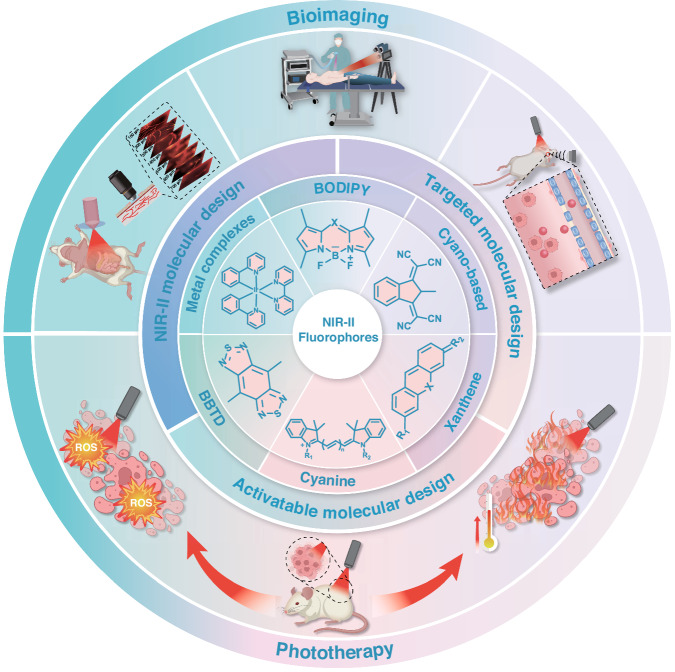
Near-infrared II (NIR-II) fluorophores possess transformative potential for biomedical applications, owing to their deep-tissue penetration, reduced tissue autofluorescence, and low phototoxicity. Recent breakthroughs in molecular engineering have accelerated the development of NIR-II organic small-molecule fluorophores based on versatile scaffolds, including cyanine, boron dipyrromethene, benzobisthiadiazole, xanthene, cyano-based derivatives, and small-molecule metal complexes. This review systematically summarizes the molecular engineering strategies, photophysical properties, and structure-function relationships of NIR-II fluorophores in the last five years. We highlight recent breakthroughs in their theranostic applications, including high-resolution deep-tissue imaging and efficient phototherapeutic modalities such as photodynamic and photothermal therapy. Finally, we present forward-looking perspectives on current challenges and emerging opportunities, aiming to provide insights for promoting continued innovation and clinical translation in this rapidly advancing field.
Overview
CoChat Summary
TL;DR
This review surveys organic small-molecule NIR-II fluorophores built on cyanine, BODIPY, BBTD, xanthene, cyano-based, and small-molecule metal-complex scaffolds, covering molecular design strategies, photophysical properties, and structure–function relationships over the last five years. It then catalogs their use in deep-tissue fluorescence/photoacoustic imaging, image-guided surgery, and photodynamic/photothermal tumor therapy, and closes with translational challenges.
Key findings
- Emission red-shifting is achieved mainly by polymethine-chain elongation, donor/acceptor engineering, π-conjugation extension, and heteroatom substitution; each added methylene unit typically gives ~100 nm red-shift but plateaus as chains become conformationally flexible and prone to non-radiative decay.
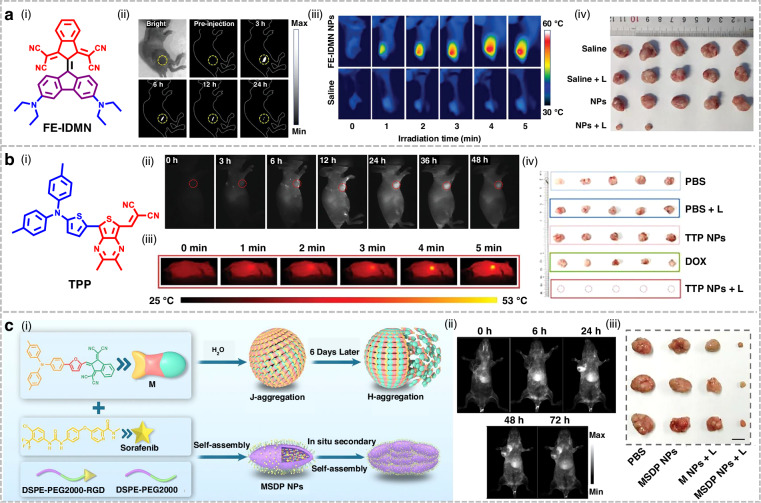
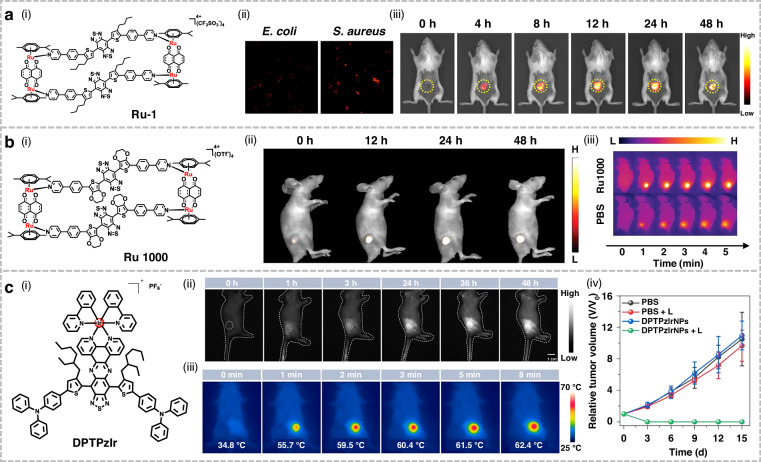
- Reported performance highlights include: CTB1125 with λem 1125 nm and 10.2% quantum yield in hexane (4.84% in water), described as surpassing all previously reported fluorophores emitting beyond 1100 nm; FE-IDMN NPs with PCE 82.6%; BETT-2 NPs with PCE 56.6%; DPTPzIr NPs with PCE 60.5%; and mCy890 NPs with PCE 51%.
- Imaging benchmarks cited include SJ-1271-Micelles NIR-IIb vascular SNRs of 6.79 (hindlimb), 3.39 (abdomen), 5.87 (brain) and tumor TNR/SNR peaking at 3.0/4.76; NIR-AC4 Bio NPs reaching TNR 15 and AaNPs SBR 14.32; FBP 912 with t1/2 ≈ 6.1 h, SNR 8.2, and 65% renal clearance at 12 h; and 5SGNPs with pulmonary SNR of 124.
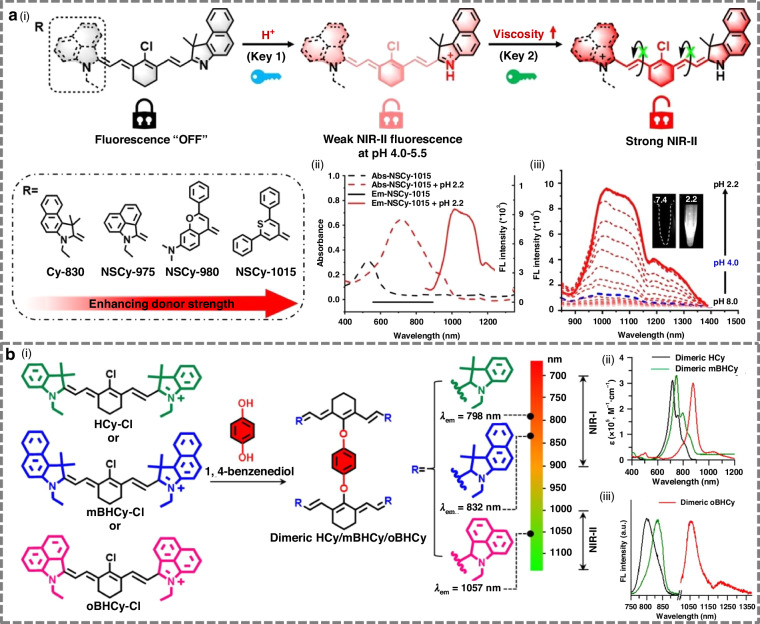
- Activatable and targeted designs (pH/viscosity, GSH, H2S, NO, ATP, ROS, APN, CA, GLUT1, mitochondria) are presented as the main route to overcome the "always-on" background and hepatic accumulation of conventional cyanines.
Methods
- Narrative review, not primary research: the authors systematically summarize molecular engineering strategies, photophysical properties, and structure–function relationships of NIR-II organic small-molecule fluorophores published in the last five years.
- Evidence base is the published literature, organized by scaffold class (cyanine, BBTD, BODIPY, xanthene, cyano-based, small-molecule metal complexes) with six accompanying tables of λabs, λem, quantum yield, and molar extinction coefficient values and their original references.
- Applications are grouped into bioimaging (fluorescence and photoacoustic) and phototherapy (PDT, PTT, gas therapy, synergistic combinations), with representative in vivo mouse models (4T1, H22, MCF-7, CT26, GL261, Pan02, A549, HCT-116, HepG2) described qualitatively.
Limitations
- Stated by the authors: insufficient fluorescence intensity (low quantum yields, worsened by water-induced non-radiative relaxation); poor water solubility and biocompatibility, with PEGylation/nanoparticle assembly often causing rapid hepatic uptake and an unresolved trade-off between extended conjugation and hydrophilicity; inadequate targeting ability and specificity, with many systems lacking quantitative comparisons of targeting efficiency; and limited blood-brain barrier penetration, where systematic evaluation of penetration efficiency, long-term biosafety, and clinical relevance is scarce.
- Evident from the text: as a review, it reports no new experimental data, and the performance figures cited are drawn from heterogeneous primary studies using differing solvents, reference standards for quantum yield (IR-26, ICG, IR-1061, ECXb, FT-BBT, single-walled carbon nanotubes), and measurement conditions, so cross-study comparisons are not normalized.
Model-written summary. Check it against the paper before relying on it.
Integrity signals
Registry
Cites
Statistics
Figures
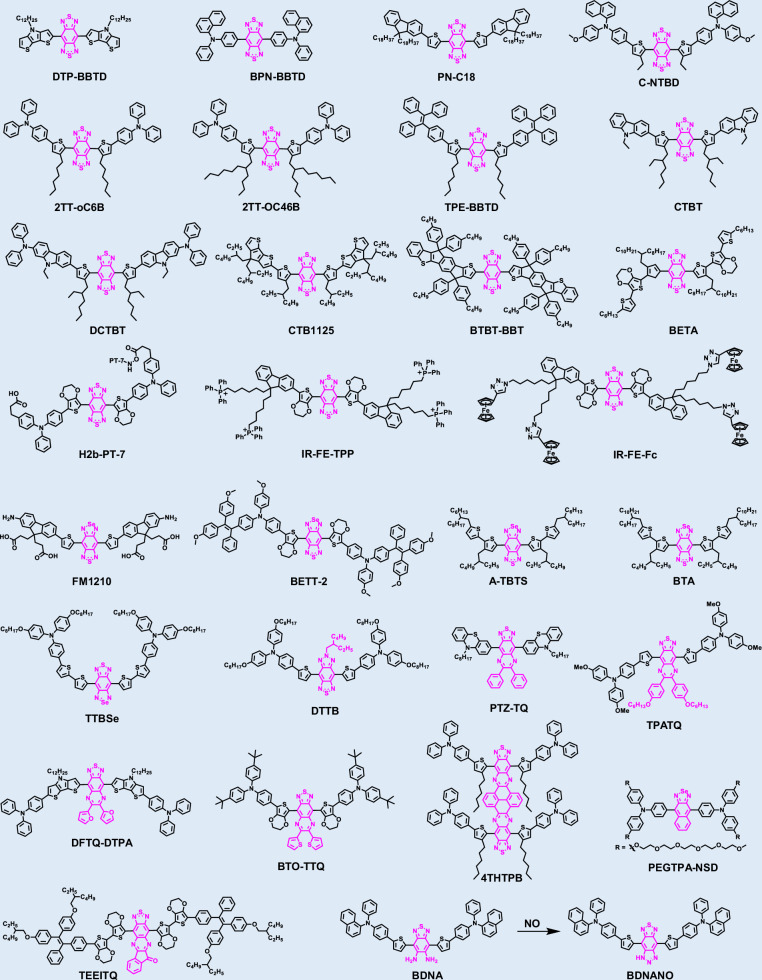
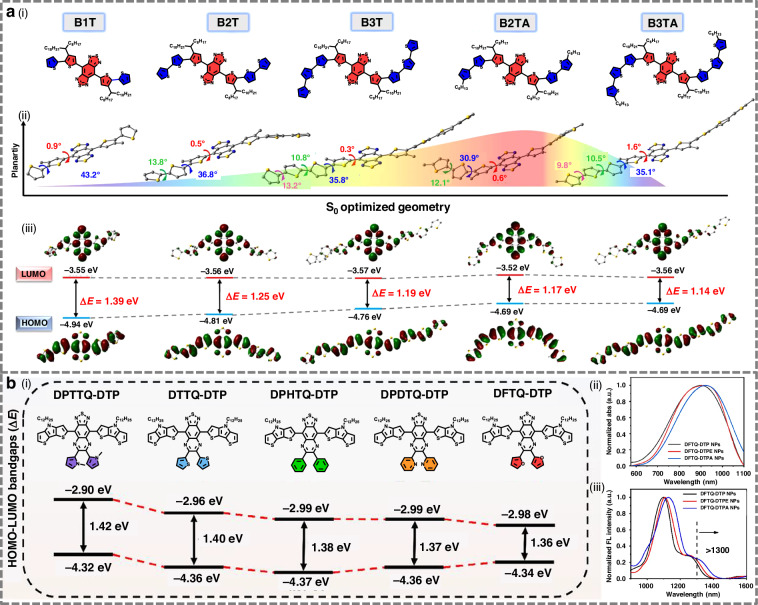
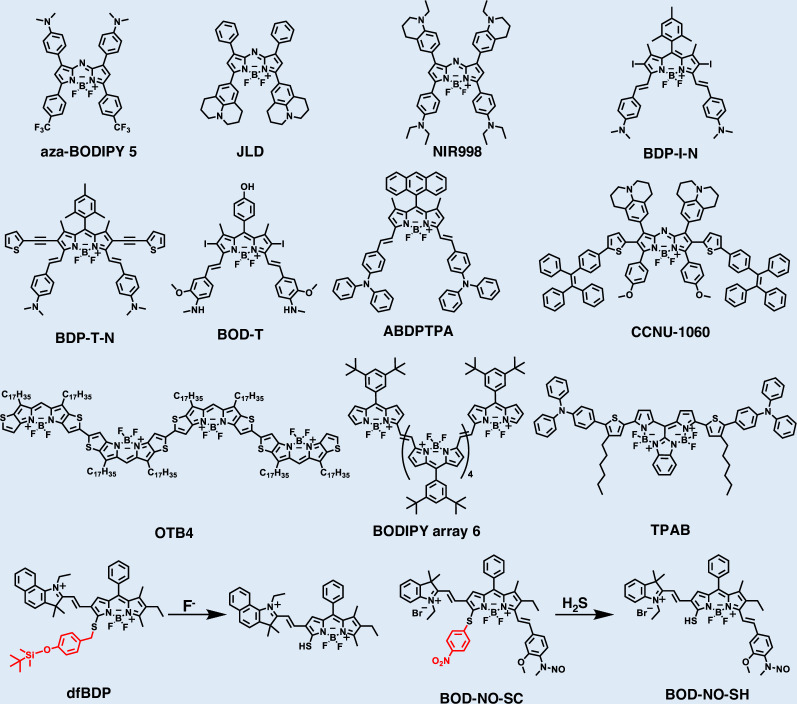
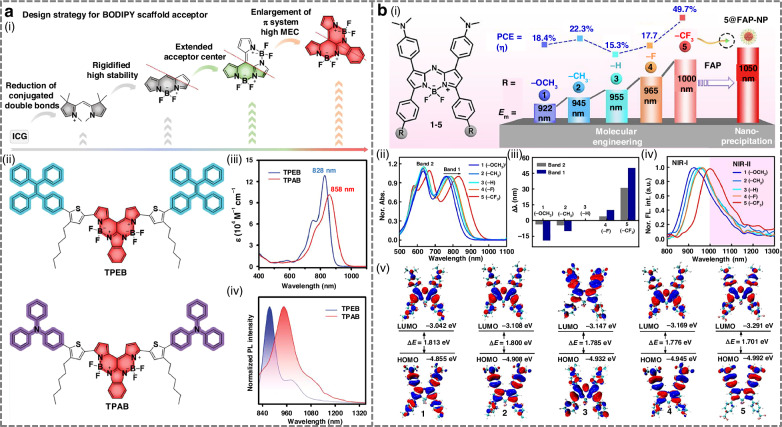
Verification
Claims the paper makes
68 Valid · 2 Not valid · 232 Not checked · 41 Own results and interpretations
The cited sources support only part of this claim — read each source’s verdict below.
In the paper
“Despite the significant advantages of organic small-molecule fluorescent probes, clinically approved agents available for tumor detection and therapy remain extremely limited (e.g., methylene blue, indocyanine green (ICG))63–66.”
§ Organic small-molecule NIR-II fluorophores for tumor phototheranostics > Introduction
What the sources say
- Not checked — no full text of the sourcecites [63] He, K. S. et al. Comparison between the indocyanine green fluorescence and blue dye methods for sentinel lymph node biopsy using novel fluorescence image-guided resection equipment in different types of hospitals. Transl. Res. 178, 74–80 (2016). 27497181 source
- Partly supportedcites [64] van Manen, L. et al. A practical guide for the use of indocyanine green and methylene blue in fluorescence-guided abdominal surgery. J. Surg. Oncol. 118, 283–300 (2018). 29938401 PMC6175214 sourceExperimental — accuracy not yet measured
The Introduction says that only indocyanine green and methylene blue among the NIR fluorophores discussed are approved for clinical use. The Tumor Imaging section describes ICG use for tumor detection. The paper does not establish that either agent is clinically approved for tumor therapy, so the therapy portion of the claim is unsupported. (LLM, conf=0.88)
- Partly supportedcites [65] Carr, J. A. et al. Shortwave infrared fluorescence imaging with the clinically approved near-infrared dye indocyanine green. Proc. Natl. Acad. Sci. USA 115, 4465–4470 (2018). 29626132 PMC5924901 sourceExperimental — accuracy not yet measured
The Abstract (page not provided) identifies indocyanine green as FDA-approved and lists cancer localization among applications of it and other near-infrared dyes. It describes a shortage of approved dyes specifically for shortwave-infrared imaging, not a general shortage of approved agents for tumor detection and therapy. The cited paper does not identify methylene blue as an example. (LLM, conf=0.87)
plain- Asserted: passes — The authors put it forward as true.
- Checkable: passes — It can be checked against evidence.
- Load-bearing: passes — The paper’s conclusions depend on it.
- Based: passes — The paper gives a reason why it holds.
The cited sources support only part of this claim — read each source’s verdict below.
In the paper
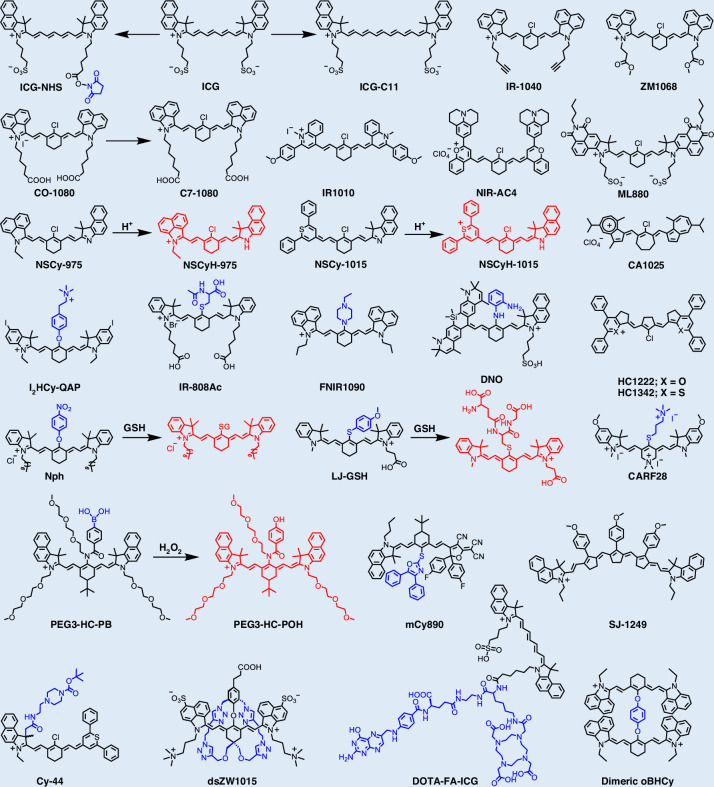
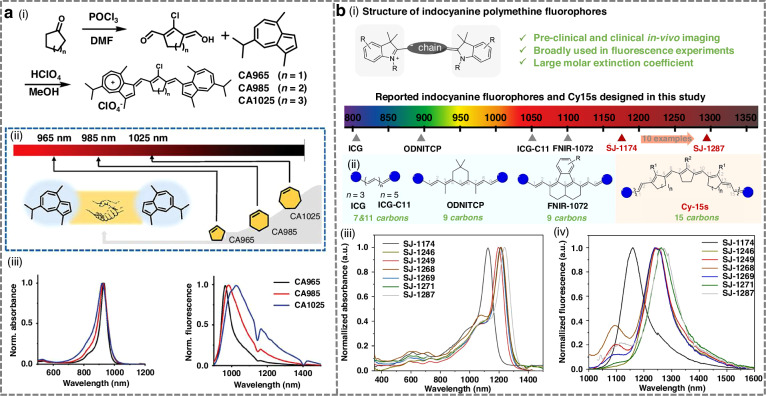
“Significant red-shifts in emission wavelength are primarily achieved through two strategies: elongation of the polymethine chain and fine structural modifications, including extension or modification of terminal heterocycles, electron-donating or withdrawing substituents on terminal units and cyclization of the polymethine chain111–113.”
§ Organic small-molecule NIR-II fluorophores for tumor phototheranostics > Molecular design > Cyanine-based fluorophores
What the sources say
- Partly supportedcites [111] Friedman, H. C. et al. Establishing design principles for emissive organic SWIR chromophores from energy gap laws. Chem 7, 3359–3376 (2021). 34901520 PMC8664240 sourceExperimental — accuracy not yet measured
The Introduction and Results section on comparing chromophore quantum yields (page numbers unavailable) report that electron-donating groups on the heterocycle red-shift the flavylium polymethine scaffold. The passages do not establish chain elongation, electron-withdrawing substituents, terminal-heterocycle extension, or polymethine-chain cyclization as red-shifting strategies, nor that the listed strategies are the primary ones. (LLM, conf=0.85)
- Not checked — no full text of the sourcecites [112] Gopika, G. S. et al. Chemistry of cyanine dyes-a review. Mater. Today Proc. 46, 3102–3108 (2021). source
- Not checked — no full text of the sourcecites [113] Medeiros, N. G. et al. Near-infrared fluorophores based on heptamethine cyanine dyes: from their synthesis and photophysical properties to recent optical sensing and bioimaging applications. Asian J. Org. Chem. 11, e202200095 (2022). source
plainstates a cause- Asserted: passes — The authors put it forward as true.
- Checkable: passes — It can be checked against evidence.
- Load-bearing: unclear — It is unclear whether the paper’s conclusions depend on it.
- Based: passes — The paper gives a reason why it holds.
- Partly supported
The cited sources that could be checked couldn’t confirm or dispute this claim.
In the paper
“A general rule, as exemplified in cyanine dyes, is that each methylene unit inserted between donor and acceptor typically induces a red-shift of ~100 nm111–123.”
§ Organic small-molecule NIR-II fluorophores for tumor phototheranostics > Molecular design > Xanthene-based fluorophores
What the sources say
- Could not verifycites [111] Friedman, H. C. et al. Establishing design principles for emissive organic SWIR chromophores from energy gap laws. Chem 7, 3359–3376 (2021). 34901520 PMC8664240 sourceExperimental — accuracy not yet measured
The Results section on chromophore quantum yield links red-shifting to electron-donating groups, not to inserting methylene units between donor and acceptor. Searches for “methylene,” “100 nm,” and polymethine-chain length found no passage stating the claimed per-unit rule; the available passages have no page numbers. (LLM, conf=0.72)
- Not checked — no full text of the sourcecites [112] Gopika, G. S. et al. Chemistry of cyanine dyes-a review. Mater. Today Proc. 46, 3102–3108 (2021). source
- Not checked — no full text of the sourcecites [113] Medeiros, N. G. et al. Near-infrared fluorophores based on heptamethine cyanine dyes: from their synthesis and photophysical properties to recent optical sensing and bioimaging applications. Asian J. Org. Chem. 11, e202200095 (2022). source
- Not checked — no full text of the sourcecites [114] Du, J. et al. Highly stable and bright NIR-II AIE dots for intraoperative identification of ureter. ACS Appl. Mater. Interfaces 12, 8040–8049 (2020). 31970976 source
- Not checked — no full text of the sourcecites [115] Fang, Y. et al. Design, synthesis, and application of a small molecular NIR-II fluorophore with maximal emission beyond 1200 nm. J. Am. Chem. Soc. 142, 15271–15275 (2020). 32820908 source
- Not checked — no full text of the sourcecites [116] Li, S. L. et al. in vivo real-time pharmaceutical evaluations of near-infrared II fluorescent nanomedicine bound polyethylene glycol ligands for tumor photothermal ablation. ACS Nano 14, 13681–13690 (2020). 32926626 source
- Not checked — no full text of the sourcecites [117] Lin, J. C. et al. A novel small-molecule near-infrared II fluorescence probe for orthotopic osteosarcoma imaging. Sci. China Chem. 63, 766–770 (2020). source
- Not checked — no full text of the sourcecites [118] Wang, S. W. et al. NIR-II light activated photosensitizer with aggregation-induced emission for precise and efficient two-photon photodynamic cancer cell ablation. Adv. Funct. Mater. 30, 2002546 (2020). source
- Not checked — no full text of the sourcecites [119] Cheng, Z. J. et al. D-A-D structured selenadiazolesbenzothiadiazole-based near-infrared dye for enhanced photoacoustic imaging and photothermal cancer therapy. Chin. Chem. Lett. 32, 1580–1585 (2021). source
- Not checked — no full text of the sourcecites [120] Fan, X. X. et al. Aggregation-induced emission (AIE) nanoparticles-assisted NIR-II fluorescence imaging-guided diagnosis and surgery for inflammatory bowel disease (IBD). Adv. Healthc. Mater. 10, 2101043 (2021). 34319657 source
plainstates a cause- Asserted: passes — The authors put it forward as true.
- Checkable: passes — It can be checked against evidence.
- Load-bearing: unclear — It is unclear whether the paper’s conclusions depend on it.
- Based: passes — The paper gives a reason why it holds.
- Could not verify
Every source the paper cites for this claim was checked and supports it.
In the paper
“Traditional Cr(III) polypyridyl complexes typically emit in the 727–778 nm range, limited to the red/NIR-I region.”
§ Organic small-molecule NIR-II fluorophores for tumor phototheranostics > Molecular design > Small-molecule metal complexes
What the sources say
- Supportedcites [194] Sinha, N. et al. A near-infrared-II emissive chromium(III) complex. Angew. Chem. Int. Ed. 60, 23722–23728 (2021). PMC8597102 34125469 source
The Abstract states that previously explored Cr(III) polypyridine complexes typically emit between 727 and 778 nm, in the red to NIR-I spectral region. The Introduction likewise gives 727–778 nm for the emission peaks of the earlier complexes in Figure 1. (LLM, conf=0.95)
plain- Asserted: passes — The authors put it forward as true.
- Checkable: passes — It can be checked against evidence.
- Load-bearing: passes — The paper’s conclusions depend on it.
- Based: passes — The paper gives a reason why it holds.
- Supported
The cited sources support only part of this claim — read each source’s verdict below.
In the paper
“Lymphatic metastasis is a key mechanism by which cancer cells detach from the primary tumor, migrate to adjacent regional lymph nodes, and eventually spread to other organs or body sites222.”
§ Organic small-molecule NIR-II fluorophores for tumor phototheranostics > Organic small-molecule NIR-II fluorophores for bioimaging > Cyano-based fluorophores
What the sources say
- Partly supportedcites [222] Sennino, B. et al. Inhibition of c-Met reduces lymphatic metastasis in RIP-Tag2 transgenic mice. Cancer Res. 73, 3692–3703 (2013). 23576559 PMC3686901 sourceExperimental — accuracy not yet measured
The Introduction (page unavailable) says tumor cells enter lymphatics within or near tumors and drain to regional sentinel nodes, supporting the lymph-node portion of the claim. Our copy does not establish that those cells subsequently spread from the nodes to other organs or body sites. (LLM, conf=0.87)
plainstates a cause- Asserted: passes — The authors put it forward as true.
- Checkable: passes — It can be checked against evidence.
- Load-bearing: passes — The paper’s conclusions depend on it.
- Based: passes — The paper gives a reason why it holds.
- Partly supported
155 more claims · 27 with their cited sources checked
Create a free account to see all 343 claims and to verify the 21 references still open.
- It may state two separate claims as one. 160
- Probably not a substantial claim. 27
Self-check
Percentages, sums and reported differences re-computed from the paper’s own numbers.
Each contradiction between two passages listed here was confirmed by an independent check.
Rated major: it would touch a result — a value a result rests on, reported and recomputed p-values on opposite sides of the significance level, two passages that conflict with no sign which is right, or a cited work retracted before this paper was published.
In the paper
§ Organic small-molecule NIR-II fluorophores for tumor phototheranostics > Molecular design > Xanthene-based fluorophores
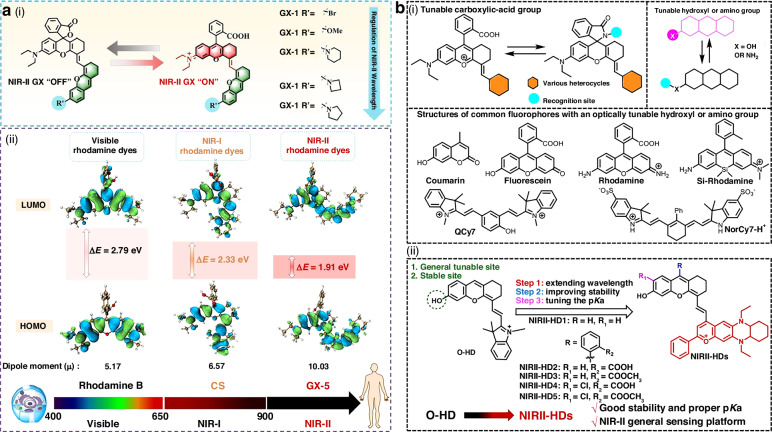
“| GX-5 | 875 | / | 0.424a (MeOH) | 3.04 × 10⁴ | 184 |”
§ Organic small-molecule NIR-II fluorophores for tumor phototheranostics > Molecular design > Xanthene-based fluorophores
“the optimized GX-5 scaffold exhibited absorption/emission maxima at 1082/1360 nm.”
Rated minor: it would not touch a result — a value no result rests on, a p-value that stays on the same side of the significance level, or a conflict that is clerical, resolved elsewhere in the paper, or outside its own findings.
In the paper
§ Organic small-molecule NIR-II fluorophores for tumor phototheranostics > Organic small-molecule NIR-II fluorophores for bioimaging > Cyanine-based fluorophores
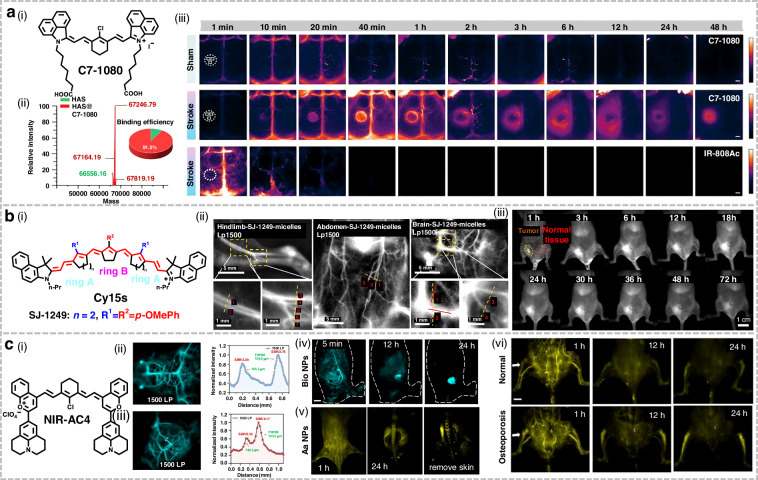
“When paired with the albumin-escaping probe IR-800Ac, C7-1080 enabled real-time dual-channel imaging of BBB leakage and cerebral vessels.”
§ Organic small-molecule NIR-II fluorophores for tumor phototheranostics > Organic small-molecule NIR-II fluorophores for bioimaging > Cyanine-based fluorophores
“iii) Dynamic imaging of sham/stroke mice following tail vein injection of C7-1080 or IR-808Ac.”
Rated minor: it would not touch a result — a value no result rests on, a p-value that stays on the same side of the significance level, or a conflict that is clerical, resolved elsewhere in the paper, or outside its own findings.
In the paper
§ Organic small-molecule NIR-II fluorophores for tumor phototheranostics > Organic small-molecule NIR-II fluorophores for bioimaging > Cyanine-based fluorophores
“Following intravenous injection, SJ-1271-Micelles enabled clear discrimination between tumors and adjacent normal tissues in orthotopic 4T1 tumor-bearing mice”
§ Organic small-molecule NIR-II fluorophores for tumor phototheranostics > Organic small-molecule NIR-II fluorophores for bioimaging > Cyanine-based fluorophores
“iii) Abdominal NIR-II imaging of orthotopic 4T1 tumor-bearing mice following injection of SJ-1249-Micelles.”
Citations
Cites
Clinical development and potential of photothermal and photodynamic therapies for cancer
Li, X., Lovell, J. F., Yoon, J., & Chen, X. (2020) · Nature Reviews Clinical Oncology · doi:10.1038/s41571-020-0410-2 · Cited by 3,456 · cited 1×
“PTT leverages localized hyperthermia generated by photothermal agents, while PDT utilizes cytotoxic reactive oxygen species (ROS) generated by excited photo-sensitizers 9 – 11 .”
Near-infrared fluorophores for biomedical imaging
Hong, G., Antaris, A. L., & Dai, H. (2017) · Nature Biomedical Engineering · doi:10.1038/s41551-016-0010 · Cited by 2,985
Second window for in vivo imaging
Smith, A. M., Mancini, M. C., & Nie, S. (2009) · Nature Nanotechnology · doi:10.1038/nnano.2009.326 · Cited by 2,848 · cited 1×
“The foremost challenge in achieving high-performance deep-tissue NIR-II imaging lies in the development of fl uorescent probes that exhibit bright emission within this window 42,43 .”
Recent Strategies to Develop Innovative Photosensitizers for Enhanced Photodynamic Therapy
Pham, T. C., Nguyen, V.-N., Choi, Y., Lee, S., & Yoon, J. (2021) · Chemical Reviews · doi:10.1021/acs.chemrev.1c00381 · Cited by 1,813 · cited 1×
“PDT utilizing next-generation metal-based photosensitizers with extended excitation and emission spectra holds signi fi cant promise for antibacterial applications 16,241 .”
A small-molecule dye for NIR-II imaging
Antaris, A. L., Chen, H., Cheng, K., Sun, Y., Hong, G., Qu, C., Diao, S., Deng, Z., Hu, X., Zhang, B., et al. (2016) · Nature Materials · doi:10.1038/nmat4476 · Cited by 1,778
A route to brightly fluorescent carbon nanotubes for near-infrared imaging in mice
Welsher, K., Liu, Z., Sherlock, S. P., Robinson, J. T., Chen, Z., Daranciang, D., & Dai, H. (2009) · Nature Nanotechnology · doi:10.1038/nnano.2009.294 · Cited by 1,287 · cited 1×
“…NIR-II imaging in 2009, the fi eld has witnessed remarkable progress, leading to the emergence of diverse probe materials, including carbon nanotubes 44,45 , quantum dots 46 – 48 , rare-earth-doped nanoparticles 49 – 51 , conjugated polymers 52 , and organic small-molecule dyes 53 – 58 .”
Hu, Z., Fang, C., Li, B., Zhang, Z., Cao, C., Cai, M., Su, S., Sun, X., Shi, X., Li, C., et al. (2019) · Nature Biomedical Engineering · doi:10.1038/s41551-019-0494-0 · Cited by 1,126 · cited 3×
“Com-pounding this issue, signi fi cant liver accumulation of these dyes generates intense background fl uorescence, further compromising imaging accuracy 66 .”
Advanced Fluorescence Imaging Technology in the Near-Infrared-II Window for Biomedical Applications
Li, C., Chen, G., Zhang, Y., Wu, F., & Wang, Q. (2020) · Journal of the American Chemical Society · doi:10.1021/jacs.0c07022 · Cited by 1,037
He, S., Song, J., Qu, J., & Cheng, Z. (2018) · Chemical Society Reviews · doi:10.1039/c8cs00234g · Cited by 1,021 · cited 1×
“The foremost challenge in achieving high-performance deep-tissue NIR-II imaging lies in the development of fl uorescent probes that exhibit bright emission within this window 42,43 .”
Multifunctional in vivo vascular imaging using near-infrared II fluorescence
Hong, G., Lee, J. C., Robinson, J. T., Raaz, U., Xie, L., Huang, N. F., Cooke, J. P., & Dai, H. (2012) · Nature Medicine · doi:10.1038/nm.2995 · Cited by 995 · cited 1×
“Among the diverse optical imaging modalities, fl uorescence imaging within the near-infrared II (NIR-II, 1000 – 1700 nm) window represents a major leap forward compared with those operating in the visible (400 – 700 nm) and near-infrared I (NIR-I, 700 – 1000 nm) regions 34 – 37 .”
Challenges to curing primary brain tumours
Aldape, K., Brindle, K. M., Chesler, L., Chopra, R., Gajjar, A., Gilbert, M. R., Gottardo, N., Gutmann, D. H., Hargrave, D., Holland, E. C., et al. (2019) · Nature Reviews Clinical Oncology · doi:10.1038/s41571-019-0177-5 · Cited by 959 · cited 1×
“GBM poses signi fi cant challenges to clinical treatment due to its invasive nature, poor prognosis, and high recurrence rate 231 .”
Welsher, K., Sherlock, S. P., & Dai, H. (2011) · Proceedings of the National Academy of Sciences · doi:10.1073/pnas.1014501108 · Cited by 958 · cited 1×
“…NIR-II imaging in 2009, the fi eld has witnessed remarkable progress, leading to the emergence of diverse probe materials, including carbon nanotubes 44,45 , quantum dots 46 – 48 , rare-earth-doped nanoparticles 49 – 51 , conjugated polymers 52 , and organic small-molecule dyes 53 – 58 .”
Recent progresses in small-molecule enzymatic fluorescent probes for cancer imaging
Liu, H.-W., Chen, L., Xu, C., Li, Z., Zhang, H., Zhang, X.-B., & Tan, W. (2018) · Chemical Society Reviews · doi:10.1039/c7cs00862g · Cited by 948 · cited 1×
“Compared to conventional therapies, phototheranostics exhibits pronounced advantages, including spatiotemporally controllable photo-damage, non-invasiveness, high sensitivity, and minimal side effects, establishing it as a highly promising inter-ventional approach for oncology 14 .”
Cell and tissue autofluorescence research and diagnostic applications
Monici, M. (2005) · Biotechnology Annual Review · doi:10.1016/s1387-2656(05)11007-2 · Cited by 887
Carr, J. A., Franke, D., Caram, J. R., Perkinson, C. F., Saif, M., Askoxylakis, V., Datta, M., Fukumura, D., Jain, R. K., Bawendi, M. G., et al. (2018) · Proceedings of the National Academy of Sciences · doi:10.1073/pnas.1718917115 · Cited by 721
X-ray-activated persistent luminescence nanomaterials for NIR-II imaging
Pei, P., Chen, Y., Sun, C., Fan, Y., Yang, Y., Liu, X., Lu, L., Zhao, M., Zhang, H., Zhao, D., et al. (2021) · Nature Nanotechnology · doi:10.1038/s41565-021-00922-3 · Cited by 718
Next-generation in vivo optical imaging with short-wave infrared quantum dots
Bruns, O. T., Bischof, T. S., Harris, D. K., Franke, D., Shi, Y., Riedemann, L., Bartelt, A., Jaworski, F. B., Carr, J. A., Rowlands, C. J., et al. (2017) · Nature Biomedical Engineering · doi:10.1038/s41551-017-0056 · Cited by 686
Molecular Engineering of NIR‐II Fluorophores for Improved Biomedical Detection
Lei, Z., & Zhang, F. (2021) · Angewandte Chemie International Edition · doi:10.1002/anie.202007040 · Cited by 683
Nguyen, V.-N., Yan, Y., Zhao, J., & Yoon, J. (2021) · Accounts of Chemical Research · doi:10.1021/acs.accounts.0c00606 · Cited by 650 · cited 1×
“Despite signi fi cant progress of Ru complexes in the biomedical fi eld, their applications in deep-tissue imaging and ef fi cient cancer therapy are constrained by limitations such as visible-light excitation/emission properties and single chemotherapy/phototherapy modality 242,243 .”
Natural Products as Platforms To Overcome Antibiotic Resistance
Rossiter, S. E., Fletcher, M. H., & Wuest, W. M. (2017) · Chemical Reviews · doi:10.1021/acs.chemrev.7b00283 · Cited by 622 · cited 1×
“PDT utilizing next-generation metal-based photosensitizers with extended excitation and emission spectra holds signi fi cant promise for antibacterial applications 16,241 .”
Optical nano-agents in the second near-infrared window for biomedical applications
Cai, Y., Wei, Z., Song, C., Tang, C., Han, W., & Dong, X. (2019) · Chemical Society Reviews · doi:10.1039/c8cs00494c · Cited by 603 · cited 1×
“…NIR-II imaging in 2009, the fi eld has witnessed remarkable progress, leading to the emergence of diverse probe materials, including carbon nanotubes 44,45 , quantum dots 46 – 48 , rare-earth-doped nanoparticles 49 – 51 , conjugated polymers 52 , and organic small-molecule dyes 53 – 58 .”
Zhong, Y., Ma, Z., Wang, F., Wang, X., Yang, Y., Liu, Y., Zhao, X., Li, J., Du, H., Zhang, M., et al. (2019) · Nature Biotechnology · doi:10.1038/s41587-019-0262-4 · Cited by 575 · cited 1×
“…NIR-II imaging in 2009, the fi eld has witnessed remarkable progress, leading to the emergence of diverse probe materials, including carbon nanotubes 44,45 , quantum dots 46 – 48 , rare-earth-doped nanoparticles 49 – 51 , conjugated polymers 52 , and organic small-molecule dyes 53 – 58 .”
Fluorescence imaging of pathophysiological microenvironments
Wang, S., Ren, W. X., Hou, J.-T., Won, M., An, J., Chen, X., Shu, J., & Kim, J. S. (2021) · Chemical Society Reviews · doi:10.1039/d1cs00083g · Cited by 568 · cited 3×
“Overcoming these limitations constitutes a pressing need for breakthrough solutions 2,25 .”
Near-infrared luminescence high-contrast in vivo biomedical imaging
Chen, Y., Wang, S., & Zhang, F. (2023) · Nature Reviews Bioengineering · doi:10.1038/s44222-022-00002-8 · Cited by 566 · cited 1×
“Diagnostic imaging techniques allow high-resolution visualization of biological processes and subcellular structures, forming the basis for precision diagnosis 7,8 .”
In vivo NIR-II fluorescence imaging for biology and medicine
Wang, F., Zhong, Y., Bruns, O., Liang, Y., & Dai, H. (2024) · Nature Photonics · doi:10.1038/s41566-024-01391-5 · Cited by 564 · cited 2×
“This fundamental property suppresses background noise, minimizes tissue auto-fl uorescence, and results in negligible phototoxicity 39,40 .”
Rational Design of Molecular Fluorophores for Biological Imaging in the NIR‐II Window
Yang, Q., Ma, Z., Wang, H., Zhou, B., Zhu, S., Zhong, Y., Wang, J., Wan, H., Antaris, A., Ma, R., et al. (2017) · Advanced Materials · doi:10.1002/adma.201605497 · Cited by 467
Phototherapy in cancer treatment: strategies and challenges
Cai, Y., Chai, T., Nguyen, W., Liu, J., Xiao, E., Ran, X., Ran, Y., Du, D., Chen, W., & Chen, X. (2025) · Signal Transduction and Targeted Therapy · doi:10.1038/s41392-025-02140-y · Cited by 453 · cited 7×
“However, the ef fi cacy of monotherapies is often restricted by the complex TME.”
InfluentialA bright organic NIR-II nanofluorophore for three-dimensional imaging into biological tissues
Wan, H., Yue, J., Zhu, S., Uno, T., Zhang, X., Yang, Q., Yu, K., Hong, G., Wang, J., Li, L., et al. (2018) · Nature Communications · doi:10.1038/s41467-018-03505-4 · Cited by 450
Zhang, Z., Xu, W., Kang, M., Wen, H., Guo, H., Zhang, P., Xi, L., Li, K., Wang, L., Wang, D., et al. (2020) · Advanced Materials · doi:10.1002/adma.202003210 · Cited by 436 · cited 3×
“These con fi gurations signi fi cantly narrow the molecular bandgap, shifting absorption and emission from the visible or NIR-I to the NIR-II region and thus ful fi lling the requirements for deep-tissue imaging 185 .”
Bright quantum dots emitting at ∼1,600 nm in the NIR-IIb window for deep tissue fluorescence imaging
Zhang, M., Yue, J., Cui, R., Ma, Z., Wan, H., Wang, F., Zhu, S., Zhou, Y., Kuang, Y., Zhong, Y., et al. (2018) · Proceedings of the National Academy of Sciences · doi:10.1073/pnas.1806153115 · Cited by 432
Zhou, J., Li, M., Hou, Y., Luo, Z., Chen, Q., Cao, H., Huo, R., Xue, C., Sutrisno, L., Hao, L., et al. (2018) · ACS Nano · doi:10.1021/acsnano.8b00309 · Cited by 424 · cited 1×
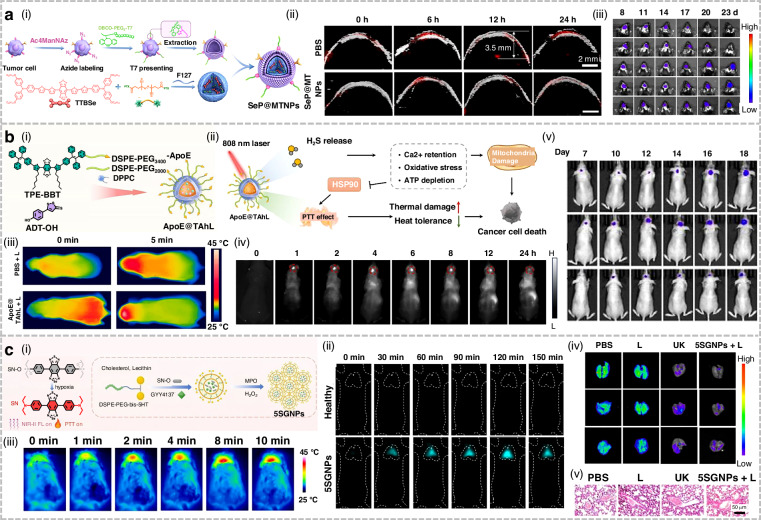
“Hydrogen sul fi de (H 2 S)-based gas therapy is capable of inducing oxidative stress and downregulating ATP-dependent HSP90 synthesis, making its combination with PTT a promising approach to achieve synergistic therapeutic effects 233 .”
Qi, J., Sun, C., Zebibula, A., Zhang, H., Kwok, R. T. K., Zhao, X., Xi, W., Lam, J. W. Y., Qian, J., & Tang, B. Z. (2018) · Advanced Materials · doi:10.1002/adma.201706856 · Cited by 418
Supramolecular cancer nanotheranostics
Zhou, J., Rao, L., Yu, G., Cook, T. R., Chen, X., & Huang, F. (2021) · Chemical Society Reviews · doi:10.1039/d0cs00011f · Cited by 411 · cited 1×
“Despite signi fi cant progress of Ru complexes in the biomedical fi eld, their applications in deep-tissue imaging and ef fi cient cancer therapy are constrained by limitations such as visible-light excitation/emission properties and single chemotherapy/phototherapy modality 242,243 .”
Perfecting and extending the near-infrared imaging window
Feng, Z., Tang, T., Wu, T., Yu, X., Zhang, Y., Wang, M., Zheng, J., Ying, Y., Chen, S., Zhou, J., et al. (2021) · Light: Science & Applications · doi:10.1038/s41377-021-00628-0 · Cited by 394 · cited 1×
“Crucially, upon interaction with biological tissues, NIR-II light experiences signi fi cantly reduced absorption and scattering 38 .”
The fast-growing field of photo-driven theranostics based on aggregation-induced emission
Zhang, Z., Kang, M., Tan, H., Song, N., Li, M., Xiao, P., Yan, D., Zhang, L., Wang, D., & Tang, B. Z. (2022) · Chemical Society Reviews · doi:10.1039/d1cs01138c · Cited by 374
Karton-Lifshin, N., Segal, E., Omer, L., Portnoy, M., Satchi-Fainaro, R., & Shabat, D. (2011) · Journal of the American Chemical Society · doi:10.1021/ja203145v · Cited by 366 · cited 1×
“Cyanine dyes, particularly heptamethine cyanines and their derivatives (e.g., Cy7 and HCy dyes), represent one of the most prominent classes of near-infrared (NIR) fl uorophores 77,78 .”
Small-molecule fluorescence-based probes for interrogating major organ diseases
Han, H.-H., Tian, H., Zang, Y., Sedgwick, A. C., Li, J., Sessler, J. L., He, X.-P., & James, T. D. (2021) · Chemical Society Reviews · doi:10.1039/d0cs01183e · Cited by 366 · cited 1×
“Its applications have been widely extended from fundamental research to preclinical practice, encompassing biomarker detection, drug delivery monitoring, oncotherapy, and image-guided surgery 15 – 19 .”
Near-infrared (NIR) fluorescence-emitting small organic molecules for cancer imaging and therapy
Li, H., Kim, Y., Jung, H., Hyun, J. Y., & Shin, I. (2022) · Chemical Society Reviews · doi:10.1039/d2cs00722c · Cited by 356
Cosco, E. D., Spearman, A. L., Ramakrishnan, S., Lingg, J. G. P., Saccomano, M., Pengshung, M., Arús, B. A., Wong, K. C. Y., Glasl, S., Ntziachristos, V., et al. (2020) · Nature Chemistry · doi:10.1038/s41557-020-00554-5 · Cited by 337 · cited 1×
“…NIR-II imaging in 2009, the fi eld has witnessed remarkable progress, leading to the emergence of diverse probe materials, including carbon nanotubes 44,45 , quantum dots 46 – 48 , rare-earth-doped nanoparticles 49 – 51 , conjugated polymers 52 , and organic small-molecule dyes 53 – 58 .”
van Manen, L., Handgraaf, H. J. M., Diana, M., Dijkstra, J., Ishizawa, T., Vahrmeijer, A. L., & Mieog, J. S. D. (2018) · Journal of Surgical Oncology · doi:10.1002/jso.25105 · Cited by 322
A hybrid erbium(III)–bacteriochlorin near-infrared probe for multiplexed biomedical imaging
Wang, T., Wang, S., Liu, Z., He, Z., Yu, P., Zhao, M., Zhang, H., Lu, L., Wang, Z., Wang, Z., et al. (2021) · Nature Materials · doi:10.1038/s41563-021-01063-7 · Cited by 308 · cited 1×
“…NIR-II imaging in 2009, the fi eld has witnessed remarkable progress, leading to the emergence of diverse probe materials, including carbon nanotubes 44,45 , quantum dots 46 – 48 , rare-earth-doped nanoparticles 49 – 51 , conjugated polymers 52 , and organic small-molecule dyes 53 – 58 .”
Self-citationThe design of small-molecule prodrugs and activatable phototherapeutics for cancer therapy
Han, H.-H., Wang, H.-M., Jangili, P., Li, M., Wu, L., Zang, Y., Sedgwick, A. C., Li, J., He, X.-P., James, T. D., et al. (2023) · Chemical Society Reviews · doi:10.1039/d2cs00673a · Cited by 299
Activatable Polymer Nanoenzymes for Photodynamic Immunometabolic Cancer Therapy
Zeng, Z., Zhang, C., Li, J., Cui, D., Jiang, Y., & Pu, K. (2021) · Advanced Materials · doi:10.1002/adma.202007247 · Cited by 276 · cited 1×
“Synergistic strategies that integrate PDT and PTT can accelerate cell death, thereby enhancing therapeutic ef fi cacy 12,13 .”
NIR-II bioluminescence for in vivo high contrast imaging and in situ ATP-mediated metastases tracing
Lu, L., Li, B., Ding, S., Fan, Y., Wang, S., Sun, C., Zhao, M., Zhao, C.-X., & Zhang, F. (2020) · Nature Communications · doi:10.1038/s41467-020-18051-1 · Cited by 274 · cited 1×
“…fl uores-cence imaging to achieve superior performance, including higher spatial resolution, greater penetration depth, enhanced signal-to-noise ratios (SNRs), and real-time capability, collectively offering a platform for the precise visualization and dynamic monitoring of deep-seated tumors 41 .”
Ren, T., Wang, Z., Xiang, Z., Lu, P., Lai, H., Yuan, L., Zhang, X., & Tan, W. (2021) · Angewandte Chemie International Edition · doi:10.1002/anie.202009986 · Cited by 273
Self-citationMultiplexed NIR‐II Probes for Lymph Node‐Invaded Cancer Detection and Imaging‐Guided Surgery
Tian, R., Ma, H., Zhu, S., Lau, J., Ma, R., Liu, Y., Lin, L., Chandra, S., Wang, S., Zhu, X., et al. (2020) · Advanced Materials · doi:10.1002/adma.201907365 · Cited by 269 · cited 1×
“Clinical sentinel lymph node (SLN) tracers, such as the radioisotope 99m Tc and ICG, suffer from limitations including short half-life, low resolution, and limited tissue penetration depth, making it urgent to explore advanced SLN tracers 211,212 .”
NIR-II bioimaging of small organic molecule
Su, Y., Yu, B., Wang, S., Cong, H., & Shen, Y. (2021) · Biomaterials · doi:10.1016/j.biomaterials.2021.120717 · Cited by 251 · cited 1×
“…superior biocompatibility, precisely tunable molecular structures and photophysical properties (e.g., absorption/emission wavelengths, quantum yield, and metabolic pathways), as well as excellent tissue penetration, collectively offering the most promising prospects for clinical translation 61,62 .”
Near infrared fluorescent probes for detecting and imaging active small molecules
Ding, C., & Ren, T. (2023) · Coordination Chemistry Reviews · doi:10.1016/j.ccr.2023.215080 · Cited by 247 · cited 2×
“Most small-molecule organic fl uorophores are constructed around key structural scaffolds such as cyanine, boron dipyrromethene (BODIPY), benzobisthiadiazole (BBTD), xanthene, cyano-based derivatives and small-molecule metal complexes, which serve as their fundamental emissive cores 71,72 .”
Colloidal Alloyed Quantum Dots with Enhanced Photoluminescence Quantum Yield in the NIR-II Window
Yang, H., Li, R., Zhang, Y., Yu, M., Wang, Z., Liu, X., You, W., Tu, D., Sun, Z., Zhang, R., et al. (2021) · Journal of the American Chemical Society · doi:10.1021/jacs.0c13071 · Cited by 241 · cited 1×
“…NIR-II imaging in 2009, the fi eld has witnessed remarkable progress, leading to the emergence of diverse probe materials, including carbon nanotubes 44,45 , quantum dots 46 – 48 , rare-earth-doped nanoparticles 49 – 51 , conjugated polymers 52 , and organic small-molecule dyes 53 – 58 .”
Self-citationFang, Y., Shang, J., Liu, D., Shi, W., Li, X., & Ma, H. (2020) · Journal of the American Chemical Society · doi:10.1021/jacs.0c08187 · Cited by 223
Fluorescent probe for mercury ion imaging analysis: Strategies and applications
Wang, Y., Zhang, L., Han, X., Zhang, L., Wang, X., & Chen, L. (2021) · Chemical Engineering Journal · doi:10.1016/j.cej.2020.127166 · Cited by 222 · cited 1×
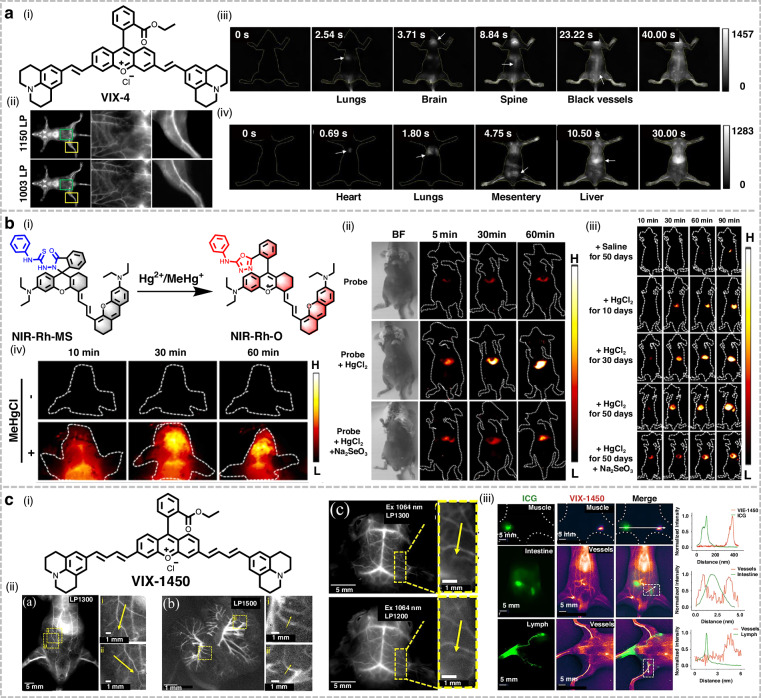
“However, existing methods suffer from limitations such as low imaging SBR, shallow penetration depth, and inability to simultaneously detect these two mercury species 216 .”
Xanthene-Based NIR-II Dyes for In Vivo Dynamic Imaging of Blood Circulation
Liu, D., He, Z., Zhao, Y., Yang, Y., Shi, W., Li, X., & Ma, H. (2021) · Journal of the American Chemical Society · doi:10.1021/jacs.1c07711 · Cited by 217 · cited 4×
“9 and Table 4) 170 – 184 .”
InfluentialTang, Y., Bisoyi, H. K., Chen, X., Liu, Z., Chen, X., Zhang, S., & Li, Q. (2023) · Advanced Materials · doi:10.1002/adma.202300232 · Cited by 214 · cited 1×
“Synergistic strategies that integrate PDT and PTT can accelerate cell death, thereby enhancing therapeutic ef fi cacy 12,13 .”
Self-citationTaking phototherapeutics from concept to clinical launch
Vickerman, B. M., Zywot, E. M., Tarrant, T. K., & Lawrence, D. S. (2021) · Nature Reviews Chemistry · doi:10.1038/s41570-021-00326-w · Cited by 201 · cited 1×
“Crucially, the depth of light penetration exhibits a pronounced wavelength dependence, as light-tissue interactions (absorption and scattering) decrease with increasing wavelength 21 .”
A phosphorescent probe for in vivo imaging in the second near-infrared window
Chang, B., Li, D., Ren, Y., Qu, C., Shi, X., Liu, R., Liu, H., Tian, J., Hu, Z., Sun, T., et al. (2021) · Nature Biomedical Engineering · doi:10.1038/s41551-021-00773-2 · Cited by 195
Tumor Abnormality-Oriented Nanomedicine Design
Zhou, Q., Xiang, J., Qiu, N., Wang, Y., Piao, Y., Shao, S., Tang, J., Zhou, Z., & Shen, Y. (2023) · Chemical Reviews · doi:10.1021/acs.chemrev.3c00062 · Cited by 188 · cited 2×
“Cancer, one of the leading causes of mortality world-wide, poses a formidable threat to human health due to its complexity, diversity, and heterogeneity, which severely constrain clinical therapeutic ef fi cacy 1 – 3 .”
Yan, D., Wang, M., Wu, Q., Niu, N., Li, M., Song, R., Rao, J., Kang, M., Zhang, Z., Zhou, F., et al. (2022) · Angewandte Chemie International Edition · doi:10.1002/anie.202202614 · Cited by 187
Acceptor engineering for NIR-II dyes with high photochemical and biomedical performance
Ji, A., Lou, H., Qu, C., Lu, W., Hao, Y., Li, J., Wu, Y., Chang, T., Chen, H., & Cheng, Z. (2022) · Nature Communications · doi:10.1038/s41467-022-31521-y · Cited by 183 · cited 1×
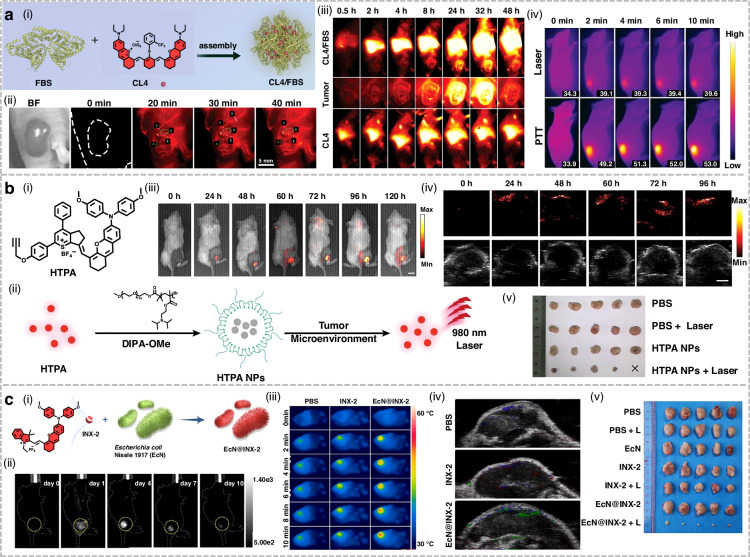
“Binding with fetal bovine serum (FBS) may serve as an effective approach to enhance the hydrophilicity and fl uorescence intensity of hydrophobic dyes 237 .”
Zhang, X., Chen, Y., He, H., Wang, S., Lei, Z., & Zhang, F. (2021) · Angewandte Chemie International Edition · doi:10.1002/anie.202109728 · Cited by 176
Wang, J., Liu, Y., Morsch, M., Lu, Y., Shangguan, P., Han, L., Wang, Z., Chen, X., Song, C., Liu, S., et al. (2022) · Advanced Materials · doi:10.1002/adma.202106082 · Cited by 163 · cited 1×
“…superior biocompatibility, precisely tunable molecular structures and photophysical properties (e.g., absorption/emission wavelengths, quantum yield, and metabolic pathways), as well as excellent tissue penetration, collectively offering the most promising prospects for clinical translation 61,62 .”
Self-citationZhu, W., Kang, M., Wu, Q., Zhang, Z., Wu, Y., Li, C., Li, K., Wang, L., Wang, D., & Tang, B. Z. (2021) · Advanced Functional Materials · doi:10.1002/adfm.202007026 · Cited by 162 · cited 1×
“2 and Table 1) 79 – 108 .”
Liu, X., Yu, B., Shen, Y., & Cong, H. (2022) · Coordination Chemistry Reviews · doi:10.1016/j.ccr.2022.214609 · Cited by 158
Li, C., Pang, Y., Xu, Y., Lu, M., Tu, L., Li, Q., Sharma, A., Guo, Z., Li, X., & Sun, Y. (2023) · Chemical Society Reviews · doi:10.1039/d3cs00227f · Cited by 157 · cited 1×
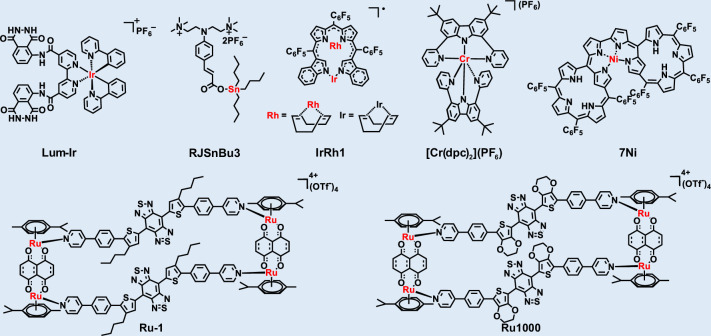
“…fi ve main approaches: (i) structural modulation of tetrapyrrolic complexes; (ii) coordination of metals to predesigned NIR-absorbing ligands; (iii) fi ne-tuning of metal-metal interactions; (iv) construction of coordination polymers; and (v) molecular engineering of bis(dithiolene) complexes 200 .”
Self-citationXu, Y., Li, C., Ma, X., Tuo, W., Tu, L., Li, X., Sun, Y., Stang, P. J., & Sun, Y. (2022) · Proceedings of the National Academy of Sciences · doi:10.1073/pnas.2209904119 · Cited by 156 · cited 1×
“26a) 197 .”
Singlet Oxygen “Afterglow” Therapy with NIR‐II Fluorescent Molecules
Zou, J., Li, L., Zhu, J., Li, X., Yang, Z., Huang, W., & Chen, X. (2021) · Advanced Materials · doi:10.1002/adma.202103627 · Cited by 155
Zhao, X., Li, L., Zhao, Y., An, H., Cai, Q., Lang, J., Han, X., Peng, B., Fei, Y., Liu, H., et al. (2019) · Angewandte Chemie International Edition · doi:10.1002/anie.201908185 · Cited by 147
Song, S., Zhao, Y., Kang, M., Zhang, F., Wu, Q., Niu, N., Yang, H., Wen, H., Fu, S., Li, X., et al. (2024) · Advanced Materials · doi:10.1002/adma.202309748 · Cited by 147 · cited 1×
“22c) 139 .”
Establishing design principles for emissive organic SWIR chromophores from energy gap laws
Friedman, H. C., Cosco, E. D., Atallah, T. L., Jia, S., Sletten, E. M., & Caram, J. R. (2021) · Chem · doi:10.1016/j.chempr.2021.09.001 · Cited by 145 · cited 2×
“…are primarily achieved through two strategies: elongation of the polymethine chain and fi ne structural modi fi cations, including extension or modi fi cation of terminal hetero-cycles, electron-donating or withdrawing substituents on terminal units and cyclization of the polymethine chain 111 – 113 .”
Saunders, N. R., Habgood, M. D., Møllgård, K., & Dziegielewska, K. M. (2016) · F1000Research · doi:10.12688/f1000research.7378.1 · Cited by 143
Design strategies and applications of cyanine dyes in phototherapy
Yuan, J., Yang, H., Huang, W., Liu, S., Zhang, H., Zhang, X., & Peng, X. (2025) · Chemical Society Reviews · doi:10.1039/d3cs00585b · Cited by 143
Qin, Z., Ren, T., Zhou, H., Zhang, X., He, L., Li, Z., Zhang, X., & Yuan, L. (2022) · Angewandte Chemie International Edition · doi:10.1002/anie.202201541 · Cited by 140 · cited 2×
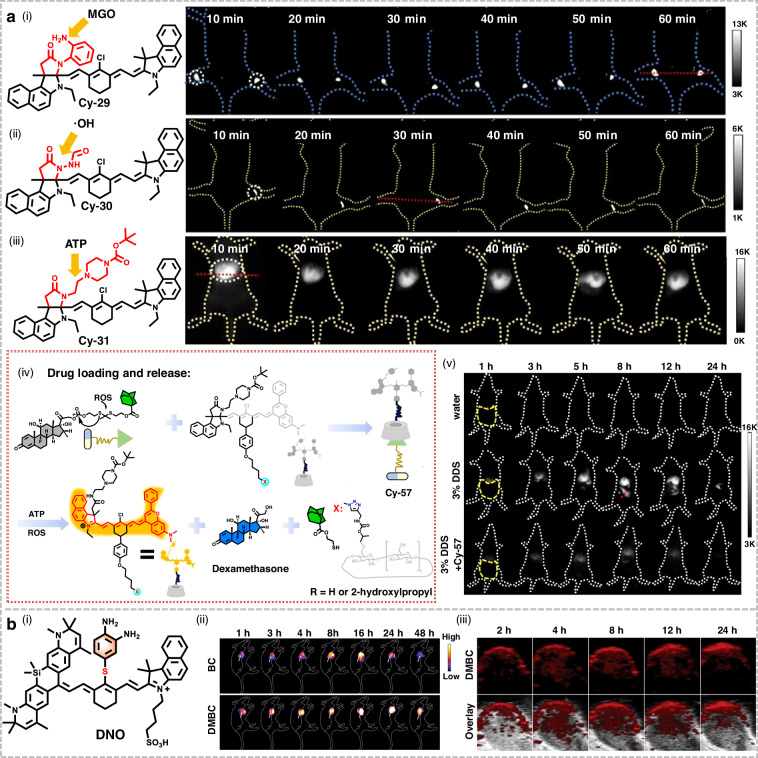
“10b) 173 .”
Yang, Y., Sun, C., Wang, S., Yan, K., Zhao, M., Wu, B., & Zhang, F. (2022) · Angewandte Chemie International Edition · doi:10.1002/anie.202117436 · Cited by 139 · cited 1×
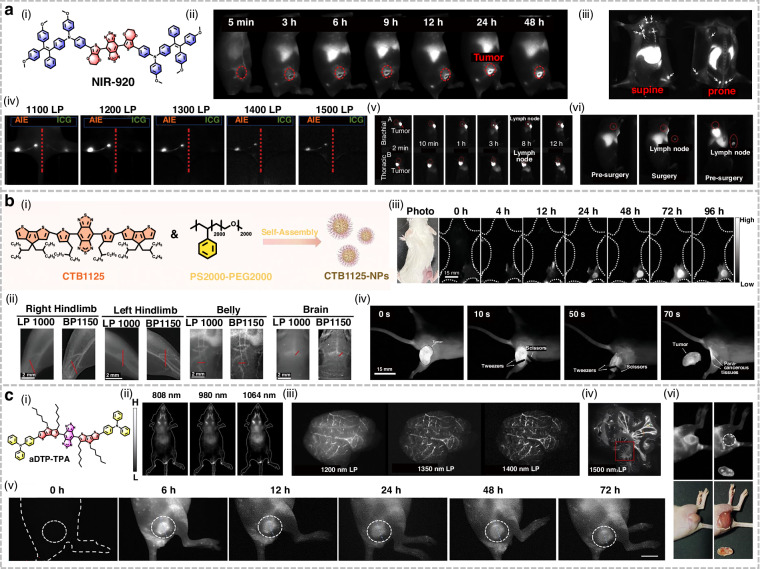
“…emission luminogens (AIEgens), and its emission extended beyond 1600 nm. NIR-920 NPs The contradictory properties between emission wave-length and quantum yield of organic fl uorophores typically result in signi fi cantly diminished brightness for fl uorophores with emission >1100 nm 85,213 .”
Deep learning for in vivo near-infrared imaging
Ma, Z., Wang, F., Wang, W., Zhong, Y., & Dai, H. (2021) · Proceedings of the National Academy of Sciences · doi:10.1073/pnas.2021446118 · Cited by 135 · cited 1×
“Clinical sentinel lymph node (SLN) tracers, such as the radioisotope 99m Tc and ICG, suffer from limitations including short half-life, low resolution, and limited tissue penetration depth, making it urgent to explore advanced SLN tracers 211,212 .”
Yang, H., Huang, H., Ma, X., Zhang, Y., Yang, X., Yu, M., Sun, Z., Li, C., Wu, F., & Wang, Q. (2021) · Advanced Materials · doi:10.1002/adma.202103953 · Cited by 134 · cited 1×
“…NIR-II imaging in 2009, the fi eld has witnessed remarkable progress, leading to the emergence of diverse probe materials, including carbon nanotubes 44,45 , quantum dots 46 – 48 , rare-earth-doped nanoparticles 49 – 51 , conjugated polymers 52 , and organic small-molecule dyes 53 – 58 .”
Li, J., Shi, K., Sabet, Z. F., Fu, W., Zhou, H., Xu, S., Liu, T., You, M., Cao, M., Xu, M., et al. (2019) · Science Advances · doi:10.1126/sciadv.aax0937 · Cited by 134 · cited 1×
“CAs, which are overexpressed in diverse tumor cells, serve as a pivotal regulator of hypoxic and acidic TME and have emerged as a critical target for cancer ther-anostics 227,228 .”
Song, S., Wang, Y., Zhao, Y., Huang, W., Zhang, F., Zhu, S., Wu, Q., Fu, S., Tang, B. Z., & Wang, D. (2022) · Matter · doi:10.1016/j.matt.2022.06.030 · Cited by 133
Jin, T., Cheng, D., Jiang, G., Xing, W., Liu, P., Wang, B., Zhu, W. P., Sun, H., Sun, Z., Xu, Y. F., et al. (2021) · Bioactive Materials · doi:10.1016/j.bioactmat.2021.12.009 · Cited by 130
Liu, Q., Tian, J., Tian, Y., Sun, Q., Sun, D., Wang, F., Xu, H., Ying, G., Wang, J., Yetisen, A. K., et al. (2021) · ACS Nano · doi:10.1021/acsnano.0c05317 · Cited by 128
Wang, L., Li, N., Wang, W., Mei, A., Shao, J., Wang, W., & Dong, X. (2024) · ACS Nano · doi:10.1021/acsnano.3c12316 · Cited by 127
Wang, Z., Yu, L., Wang, Y., Wang, C., Mu, Q., Liu, X., Yu, M., Wang, K., Yao, G., & Yu, Z. (2022) · Advanced Science · doi:10.1002/advs.202104793 · Cited by 125 · cited 6×
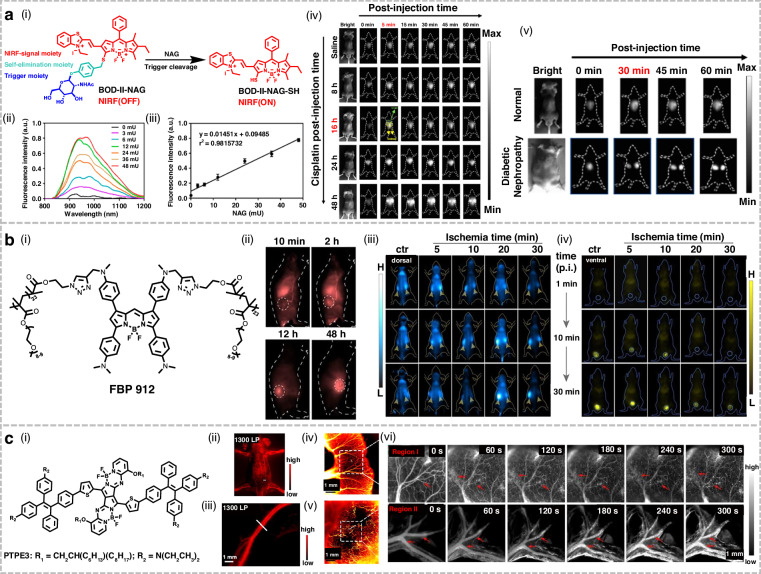
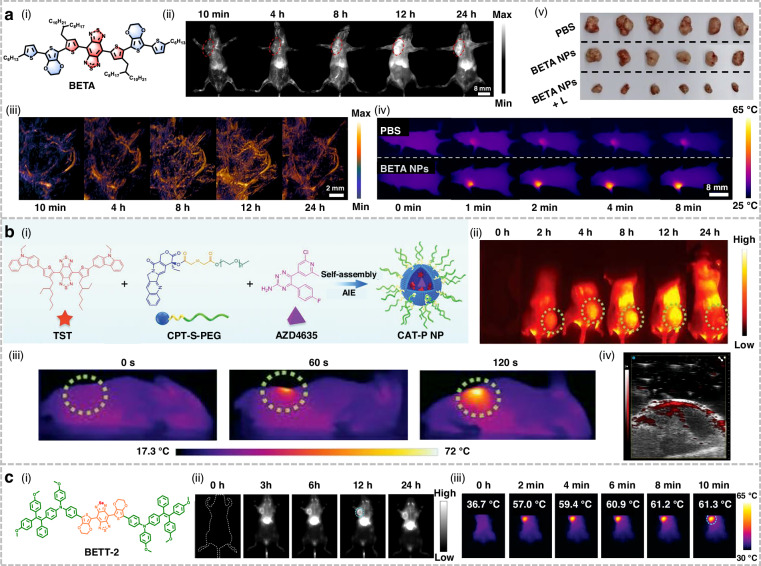
“PTPE3 NPs, formed through assembly with Pluronic F127, exhibited exceptional optical properties, deep imaging penetration depth, and ultrahigh photochemical stability.”
InfluentialSelf-citationMa, D., Bian, H., Gu, M., Wang, L., Chen, X., & Peng, X. (2024) · Coordination Chemistry Reviews · doi:10.1016/j.ccr.2024.215677 · Cited by 124 · cited 1×
“Indeed, the majority of reported NIR-II organic small-molecule fl uorophores incorporate one or more of these core scaffolds 73,74 .”
Chen, S., Pan, Y., Chen, K., Chen, P., Shen, Q., Sun, P., Hu, W., & Fan, Q. (2023) · Angewandte Chemie International Edition · doi:10.1002/anie.202215372 · Cited by 122
Recent advances in photo‐responsive carbon dots for tumor therapy
Zhang, H., Liu, Y., & Qu, S. (2024) · Responsive Materials · doi:10.1002/rpm.20240012 · Cited by 121 · cited 1×
“Overcoming these limitations constitutes a pressing need for breakthrough solutions 2,25 .”
Yao, C., Chen, Y., Zhao, M., Wang, S., Wu, B., Yang, Y., Yin, D., Yu, P., Zhang, H., & Zhang, F. (2022) · Angewandte Chemie International Edition · doi:10.1002/anie.202114273 · Cited by 117 · cited 1×
“16b) 56 .”
Ma, X., Huang, Y., Abedi, S. A. A., Kim, H., Davin, T. T. B., Liu, X., Yang, W.-C., Sun, Y., Liu, S. H., Yin, J., et al. (2022) · CCS Chemistry · doi:10.31635/ccschem.021.202101630 · Cited by 110 · cited 1×
“…emission luminogens (AIEgens), and its emission extended beyond 1600 nm. NIR-920 NPs The contradictory properties between emission wave-length and quantum yield of organic fl uorophores typically result in signi fi cantly diminished brightness for fl uorophores with emission >1100 nm 85,213 .”
NIR‐II Organic Nanotheranostics for Precision Oncotherapy
Dai, H., Wang, X., Shao, J., Wang, W., Mou, X., & Dong, X. (2021) · Small · doi:10.1002/smll.202102646 · Cited by 110 · cited 1×
“However, for successful clinical translation, NIR-II probes must satisfy rigorous requirements, such as high bio-compatibility, low toxicity, and favorable in vivo clearance pro fi les 59,60 .”
Nanomedicines for Renal Management: From Imaging to Treatment
Jiang, D., Rosenkrans, Z. T., Ni, D., Lin, J., Huang, P., & Cai, W. (2020) · Accounts of Chemical Research · doi:10.1021/acs.accounts.0c00323 · Cited by 108
Zhu, T., Ren, N., Liu, X., Dong, Y., Wang, R., Gao, J., Sun, J., Zhu, Y., Wang, L., Fan, C., et al. (2021) · Angewandte Chemie International Edition · doi:10.1002/anie.202015650 · Cited by 106 · cited 1×
“Zhao et al. developed a dual-stimulus-responsive probe (BOD-NH-SC) that integrated an N-methyl-2-methoxyaniline moiety for selective NO recognition and a 4-nitrophenylethanol-substituted BODIPY group for H 2 S detection 158 .”
A Near‐Infrared‐II Emissive Chromium(III) Complex
Sinha, N., Jiménez, J., Pfund, B., Prescimone, A., Piguet, C., & Wenger, O. S. (2021) · Angewandte Chemie International Edition · doi:10.1002/anie.202106398 · Cited by 105 · cited 1×
“To overcome this, Wenger et al. developed a strategy centered on increasing metal-ligand bond covalence rather than merely optimizing the ligand fi eld strength 194 .”
Wang, S., Chen, H., Liu, J., Chen, C., & Liu, B. (2020) · Advanced Functional Materials · doi:10.1002/adfm.202002546 · Cited by 103
Synergy of hypoxia relief and heat shock protein inhibition for phototherapy enhancement
Zhang, G., Cheng, W., Du, L., Xu, C., & Li, J. (2021) · Journal of Nanobiotechnology · doi:10.1186/s12951-020-00749-5 · Cited by 95 · cited 1×
“…of 4T1 tumor-bearing mice revealed ef fi cient accumulation of TPEB NPs at tumor sites, with a distinct NIR-II fl uorescence signal observable 12 h Most reported photosensitizers are con fi ned to either PDT or PTT, fundamentally limited by hypoxic TME and heat shock response, respectively 229 .”
Fan, X., Xia, Q., Zhang, Y., Li, Y., Feng, Z., Zhou, J., Qi, J., Tang, B. Z., Qian, J., & Lin, H. (2021) · Advanced Healthcare Materials · doi:10.1002/adhm.202101043 · Cited by 94
Wan, Y., Chen, W., Liu, Y., Lee, K., Gao, Y., Zhang, D., Li, Y., Huang, Z., Luo, J., Lee, C., et al. (2024) · Advanced Materials · doi:10.1002/adma.202405966 · Cited by 90 · cited 1×
“20c) 93 .”
Liang, M., Liu, L., Sun, Y., Li, J., Zhang, L., Jiang, X., & Wu, W. (2024) · Aggregate · doi:10.1002/agt2.458 · Cited by 90
Wang, C., Lin, H., Ge, X., Mu, J., Su, L., Zhang, X., Niu, M., Yang, H., & Song, J. (2021) · Advanced Functional Materials · doi:10.1002/adfm.202009942 · Cited by 89
You, C., Tian, L., Zhu, J., Wang, L., Tang, B. Z., & Wang, D. (2025) · Journal of the American Chemical Society · doi:10.1021/jacs.4c15150 · Cited by 87 · cited 1×
“26c) 245 .”
Hypoxia‐Responsive Photosensitizer Targeting Dual Organelles for Photodynamic Therapy of Tumors
Tang, Y., Wang, X., Zhu, G., Liu, Z., Chen, X., Bisoyi, H. K., Chen, X., Chen, X., Xu, Y., Li, J., et al. (2023) · Small · doi:10.1002/smll.202205440 · Cited by 85
Self-citationApplications of ultrafast nano-spectroscopy and nano-imaging with tip-based microscopy
Zhao, Z., Kravtsov, V., Wang, Z., Zhou, Z., Dou, L., Huang, D., Wang, Z., Cheng, X., Raschke, M. B., & Jiang, T. (2025) · eLight · doi:10.1186/s43593-024-00079-1 · Cited by 83 · cited 2×
“In recent years, rapid advances in imaging agents and instrumentation have greatly promoted the application of optical and photonic technologies in modern medicine, particularly in the fi eld of phototheranostics 4,5 .”
Self-citationChemistry of cyanine dyes-A review
Gopika, G. S., Prasad, P. M. H., Lekshmi, A. G., Lekshmypriya, S., Sreesaila, S., Arunima, C., Kumar, M. S., Anil, A., Sreekumar, A., & Pillai, Z. S. (2021) · Materials Today: Proceedings · doi:10.1016/j.matpr.2021.02.622 · Cited by 77
Cheng, Z., Zhang, T., Wang, W., Shen, Q., Hong, Y., Shao, J., Xie, X., Fei, Z., & Dong, X. (2021) · Chinese Chemical Letters · doi:10.1016/j.cclet.2021.02.017 · Cited by 76
Gu, H., Liu, W., Sun, W., Du, J., Fan, J., & Peng, X. (2022) · Chemical Science · doi:10.1039/d2sc02879d · Cited by 76
He, M., Ding, C., Guo, H., & Li, Q. (2024) · Responsive Materials · doi:10.1002/rpm.20240014 · Cited by 71 · cited 1×
“However, for successful clinical translation, NIR-II probes must satisfy rigorous requirements, such as high bio-compatibility, low toxicity, and favorable in vivo clearance pro fi les 59,60 .”
Self-citationLi, D., Gamage, R. S., Oliver, A. G., Patel, N. L., Muhammad Usama, S., Kalen, J. D., Schnermann, M. J., & Smith, B. D. (2023) · Angewandte Chemie International Edition · doi:10.1002/anie.202305062 · Cited by 71
Highly Stable and Bright NIR-II AIE Dots for Intraoperative Identification of Ureter
Du, J., Liu, S., Zhang, P., Liu, H., Li, Y., He, W., Li, C., Chau, J. H. C., Kwok, R. T. K., Lam, J. W. Y., et al. (2020) · ACS Applied Materials & Interfaces · doi:10.1021/acsami.9b22957 · Cited by 70
Liu, Y., Ran, X., Zhou, D., Zhang, H., Chen, Y., Xu, J., Chen, S., Kong, Q., Yu, X., & Li, K. (2024) · Advanced Functional Materials · doi:10.1002/adfm.202311365 · Cited by 69 · cited 1×
“25a) 187 .”
A Substituted‐Rhodamine‐Based Reversible Fluorescent Probe for In Vivo Quantification of Glutathione
Li, N., Wang, T., Wang, N., Fan, M., & Cui, X. (2023) · Angewandte Chemie International Edition · doi:10.1002/anie.202217326 · Cited by 68
Multispectral image-guided surgery in patients
Choi, H. S., & Kim, H. K. (2020) · Nature Biomedical Engineering · doi:10.1038/s41551-020-0536-7 · Cited by 65
Zeng, C., Tan, Y., Sun, L., Long, Y., Zeng, F., & Wu, S. (2023) · ACS Applied Materials & Interfaces · doi:10.1021/acsami.3c00956 · Cited by 65
Yang, S., Sun, B., Liu, F., Li, N., Wang, M., Wu, P., Wu, G., Fang, H., He, Y., Zhou, W. Z., et al. (2023) · Small · doi:10.1002/smll.202207995 · Cited by 65
Tongue cancer tailored photosensitizers for NIR-II fluorescence imaging guided precise treatment
Yin, B., Qin, Q., Li, Z., Wang, Y., Liu, X., Liu, Y., Huan, S., Zhang, X., & Song, G. (2022) · Nano Today · doi:10.1016/j.nantod.2022.101550 · Cited by 65
Zhu, L., Song, G., Zhang, W., Wu, Y., Chen, Y., Song, J., Wang, D., Li, G., Tang, B. Z., & Li, Y. (2025) · Nature Communications · doi:10.1038/s41467-025-57533-y · Cited by 63 · cited 1×
“24c) 178 .”
Li, D., Deng, X., Xu, Z., Wang, D., Xu, G., Zhang, P., Qiu, P., Xie, W., Wang, D., Tang, B. Z., et al. (2023) · Advanced Functional Materials · doi:10.1002/adfm.202303967 · Cited by 63
Tang, Y., Wang, X., Chen, S., & Li, Q. (2024) · Responsive Materials · doi:10.1002/rpm.20240003 · Cited by 61 · cited 1×
“Therefore, developing precise and ef fi cient tumor ther-anostic technologies is of critical importance, as it can substantially improve patient survival and quality of life, reduce healthcare costs and societal burdens, and enhance global competitiveness in biomedicine 22 – 24 .”
Self-citationInhibition of c-Met Reduces Lymphatic Metastasis in RIP-Tag2 Transgenic Mice
Sennino, B., Ishiguro-Oonuma, T., Schriver, B. J., Christensen, J. G., & McDonald, D. M. (2013) · Cancer Research · doi:10.1158/0008-5472.can-12-2160 · Cited by 60 · cited 1×
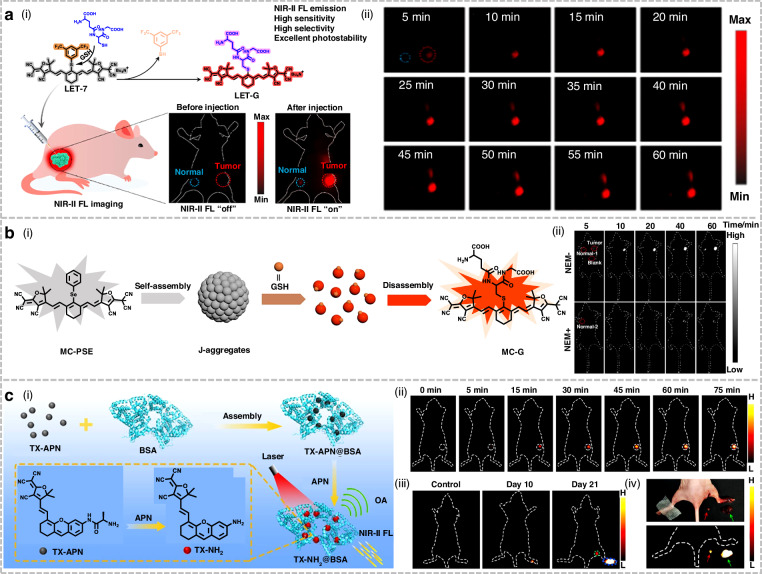
“…formation and disassembly, MC-PSE provided an effective platform for the accurate detection of GSH. Lymphatic metastasis is a key mechanism by which cancer cells detach from the primary tumor, migrate to adjacent regional lymph nodes, and eventually spread to other organs or body sites 222 .”
Li, S., Chen, H., Liu, H., Liu, L., Yuan, Y., Mao, C., Zhang, W., Zhang, X., Guo, W., Lee, C.-S., et al. (2020) · ACS Nano · doi:10.1021/acsnano.0c05885 · Cited by 60
Wu, Q., Kang, Z., Gong, Q., Guo, X., Wang, H., Wang, D., Jiao, L., & Hao, E. (2020) · Organic Letters · doi:10.1021/acs.orglett.0c02704 · Cited by 60 · cited 3×
“The typical BODIPY core consists of two pyr-role rings linked by a methine bridge at the meso-carbon atom, forming an extended π -conjugated system 153 .”
A self-assembling nanoplatform for pyroptosis and ferroptosis enhanced cancer photoimmunotherapy
Wang, Z., Tang, Y., & Li, Q. (2025) · Light: Science & Applications · doi:10.1038/s41377-024-01673-1 · Cited by 59
Self-citationShi, X., Xu, P., Cao, C., Cheng, Z., Tian, J., & Hu, Z. (2022) · European Journal of Nuclear Medicine and Molecular Imaging · doi:10.1007/s00259-022-05890-x · Cited by 58
Li, J., Niu, N., Wang, D., Zhu, J., Li, X., Kong, Q., Tang, B. Z., & Wang, D. (2024) · Angewandte Chemie International Edition · doi:10.1002/anie.202413219 · Cited by 58
A Class of Activatable NIR‐II Photoacoustic Dyes for High‐Contrast Bioimaging
Li, J., Wang, J., Xu, L., Chi, H., Liang, X., Yoon, J., & Lin, W. (2024) · Angewandte Chemie International Edition · doi:10.1002/anie.202312632 · Cited by 58 · cited 3×
“9 and Table 4) 170 – 184 .”
Chen, M., Feng, Z., Fan, X., Sun, J., Geng, W., Wu, T., Sheng, J., Qian, J., & Xu, Z. (2022) · Nature Communications · doi:10.1038/s41467-022-34274-w · Cited by 57 · cited 1×
“This fundamental property suppresses background noise, minimizes tissue auto-fl uorescence, and results in negligible phototoxicity 39,40 .”
Tian, Y., Chen, Z., Liu, S., Wu, F., Cao, W., Pang, D., & Xiong, H. (2023) · Angewandte Chemie International Edition · doi:10.1002/anie.202309768 · Cited by 57 · cited 3×
“20a) 88 .”
Influentialdel Valle, J., Camins, A., Pallàs, M., Vilaplana, J., & Pelegrí, C. (2008) · Journal of Neuroscience Methods · doi:10.1016/j.jneumeth.2008.06.025 · Cited by 55 · cited 1×
“Direct in vivo visualization of albumin extravasation serves as a highly reliable strategy for assessing blood-brain barrier (BBB) disruption 202 Fig.”
Tan, J., Yin, K., Ouyang, Z., Wang, R., Pan, H., Wang, Z., Zhao, C., Guo, W., & Gu, X. (2021) · Analytical Chemistry · doi:10.1021/acs.analchem.1c03926 · Cited by 52 · cited 1×
“16a) 209 .”
Self-citationHu, X., Chen, Z., Jin, A. J., Yáng, Z., Gan, D., Wu, A., Ao, H., Huang, W., & Fan, Q. (2021) · Small · doi:10.1002/smll.202007566 · Cited by 51
NIR‐II Emissive Ru(II) Metallacycle Assisting Fluorescence Imaging and Cancer Therapy
Fan, Y., Li, C., Bai, S., Ma, X., Yang, J., Guan, X., & Sun, Y. (2022) · Small · doi:10.1002/smll.202201625 · Cited by 51 · cited 1×
“26b) 195 .”
Chen, J., Chen, L., Zeng, F., & Wu, S. (2022) · Analytical Chemistry · doi:10.1021/acs.analchem.2c01241 · Cited by 50 · cited 2×
“Regrettably, this strategy has not effectively addressed the issue of low molar extinction coef fi cient in the NIR-II region 223 .”
Wang, W., Zhang, X., Ni, X., Zhou, W., Xie, C., Huang, W., & Fan, Q. (2022) · Biomaterials Science · doi:10.1039/d1bm01646f · Cited by 49
Visible‐ and Near‐Infrared Light‐Driven Molecular Photoswitches for Biological Applications
Xu, Y., Tang, Y., & Li, Q. (2025) · Advanced Functional Materials · doi:10.1002/adfm.202416359 · Cited by 49
Self-citationXu, R., Jiao, D., Long, Q., Li, X., Shan, K., Kong, X., Ou, H., Ding, D., & Tang, Q. (2022) · Biomaterials · doi:10.1016/j.biomaterials.2022.121780 · Cited by 49
Wu, G., Sun, B., He, Y., Tan, X., Pan, Q., Yang, S., Li, N., Wang, M., Wu, P., Liu, F., et al. (2023) · Chemical Engineering Journal · doi:10.1016/j.cej.2023.142372 · Cited by 49
Tang, Y., Xiang, D., & Li, Q. (2025) · Advanced Materials · doi:10.1002/adma.202501184 · Cited by 48 · cited 3×
“These structural features also impart AIE characteristics, endowing the resulting AIE nanoparticles with high generality and extended emission wavelengths 191 .”
InfluentialSelf-citationRecent advances in near-infrared-II organic J-aggregates for bio-applications
Xu, J., Zheng, X., Ren, T.-B., Shi, L., Yin, X., Yuan, L., & Zhang, X.-B. (2025) · Coordination Chemistry Reviews · doi:10.1016/j.ccr.2024.216379 · Cited by 48 · cited 2×
“Diagnostic imaging techniques allow high-resolution visualization of biological processes and subcellular structures, forming the basis for precision diagnosis 7,8 .”
Zhao, Y., Li, L., Ye, Q., Gong, Y., Yang, R., & Liu, H. (2023) · Analytical Chemistry · doi:10.1021/acs.analchem.3c02664 · Cited by 47 · cited 1×
“19b) 221 .”
Yuan, M., Hai, Z., Li, Z., Rong, K., Tang, W., & Song, Q. (2024) · Analytical Chemistry · doi:10.1021/acs.analchem.3c04856 · Cited by 47
Song, Y., Tong, X., Han, Y., & Zhang, Q. (2025) · Aggregate · doi:10.1002/agt2.680 · Cited by 47 · cited 2×
“8b) 164 .”
He, K., Chi, C., Kou, D., Huang, W., Wu, J., Wang, Y., He, L., Ye, J., Mao, Y., Zhang, G.-J., et al. (2016) · Translational Research · doi:10.1016/j.trsl.2016.07.010 · Cited by 46 · cited 1×
“Despite the signi fi cant advantages of organic small-molecule fl uorescent probes, clinically approved agents available for tumor detection and therapy remain extremely limited (e.g., methylene blue, indocyanine green (ICG)) 63 – 66 .”
Xanthene dyes for cancer imaging and treatment: A material odyssey
Karaman, O., Alkan, G. A., Kizilenis, C., Akgul, C. C., & Gunbas, G. (2023) · Coordination Chemistry Reviews · doi:10.1016/j.ccr.2022.214841 · Cited by 46 · cited 2×
“Strategic substitution at the C10 heteroatom (e.g., O, S, Si, P) has emerged as a powerful approach for tuning the optoelectronic properties of xanthene scaffolds 183 .”
Highly stable organic photothermal agent based on near-infrared-II fluorophores for tumor treatment
Xu, Y., Wang, S., Chen, Z., Hu, R., Li, S., Zhao, Y., Liu, L., & Qu, J. (2021) · Journal of Nanobiotechnology · doi:10.1186/s12951-021-00782-y · Cited by 46
Pan, Y., Lei, S., Zhang, J., Qu, J., Huang, P., & Lin, J. (2021) · Analytical Chemistry · doi:10.1021/acs.analchem.1c04504 · Cited by 45 · cited 1×
“19a) 220 .”
Tang, Y., Wang, Z., & Li, Q. (2024) · Advanced Functional Materials · doi:10.1002/adfm.202405367 · Cited by 44 · cited 1×
“Its applications have been widely extended from fundamental research to preclinical practice, encompassing biomarker detection, drug delivery monitoring, oncotherapy, and image-guided surgery 15 – 19 .”
Self-citationLiu, Q., Tian, J., Tian, Y., Sun, Q., Sun, D., Liu, D., Wang, F., Xu, H., Ying, G., Wang, J., et al. (2021) · Acta Biomaterialia · doi:10.1016/j.actbio.2021.03.064 · Cited by 43
Zhou, D., Zhang, G., Li, J., Zhuang, Z., Shen, P., Fu, X., Wang, L., Qian, J., Qin, A., & Tang, B. Z. (2024) · ACS Nano · doi:10.1021/acsnano.4c06965 · Cited by 43
Ultrabright NIR-II Nanoprobe for Image-Guided Accurate Resection of Tiny Metastatic Lesions
Xu, H., Yuan, L., Shi, Q., Tian, Y., & Hu, F. (2024) · Nano Letters · doi:10.1021/acs.nanolett.3c04483 · Cited by 42
Multi-resolution analysis enables fidelity-ensured deconvolution for fluorescence microscopy
Hou, Y., Wang, W., Fu, Y., Ge, X., Li, M., & Xi, P. (2024) · eLight · doi:10.1186/s43593-024-00073-7 · Cited by 42
NIR‐II Absorbing Monodispersed Oligomers Based on N−B←N Unit
Xu, J., Zhang, Y., Liu, J., & Wang, L. (2023) · Angewandte Chemie International Edition · doi:10.1002/anie.202310838 · Cited by 42
Yang, M., Ou, X., Zhang, J., Sun, J., Kwok, R. T. K., Lam, J. W. Y., Fan, J., & Tang, B. Z. (2025) · Advanced Functional Materials · doi:10.1002/adfm.202411838 · Cited by 42 · cited 2×
“8a) 166 .”
Neuroprotective Roles of the Reverse Transsulfuration Pathway in Alzheimer’s Disease
Paul, B. D. (2021) · Frontiers in Aging Neuroscience · doi:10.3389/fnagi.2021.659402 · Cited by 42 · cited 1×
“As a key endogenous non-protein biological thiol, GSH plays a pivotal role in maintaining intracellular redox balance 218 .”
Zhao, F., Zhang, X., Bai, F., Lei, S., He, G., Huang, P., & Lin, J. (2023) · Advanced Materials · doi:10.1002/adma.202208097 · Cited by 41 · cited 1×
“PA imaging has emerged as a highly promising diagnostic modality for deep-seated brain tumors owing to its deep tissue penetration and low tissue scattering properties 232 .”
Jia, R., Xu, H., Wang, C., Su, L., Jing, J., Xu, S., Zhou, Y., Sun, W., Song, J., Chen, X. S., et al. (2021) · Journal of Nanobiotechnology · doi:10.1186/s12951-021-01168-w · Cited by 41
Huang, W., Yang, H., Hu, Z., Fan, Y., Guan, X., Feng, W., Liu, Z., & Sun, Y. (2021) · Advanced Healthcare Materials · doi:10.1002/adhm.202101003 · Cited by 40
Sun, L., Wu, H., Zhang, Z., Wu, K., Sun, J., Dong, X., Dong, C., Zhao, C., Gu, X., & Qu, D. (2025) · Aggregate · doi:10.1002/agt2.70007 · Cited by 39 · cited 3×
“21c) 168 .”
Zhang, C., Wu, J., Liu, W., Zhang, W., Lee, C., & Wang, P. (2022) · Small · doi:10.1002/smll.202202078 · Cited by 39 · cited 1×
“24a) 238 .”
Ye, M., Xiang, Y., Gong, J., Wang, X., Mao, Z., & Liu, Z. (2023) · Journal of Hazardous Materials · doi:10.1016/j.jhazmat.2022.130612 · Cited by 37
Swamy, M. M. M., Murai, Y., Monde, K., Tsuboi, S., Swamy, A. K., & Jin, T. (2024) · ACS Applied Materials & Interfaces · doi:10.1021/acsami.4c01000 · Cited by 36
Medeiros, N. G., Braga, C. A., Câmara, V. S., Duarte, R. C., & Rodembusch, F. S. (2022) · Asian Journal of Organic Chemistry · doi:10.1002/ajoc.202200095 · Cited by 36
Xiao, P., Liang, M., Yang, S., Sun, Y., Li, J., Gu, Z., Zhang, L., Fan, Q., Jiang, X., & Wu, W. (2023) · Biomaterials · doi:10.1016/j.biomaterials.2023.121993 · Cited by 36 · cited 1×
“Furthermore, Wu et al. developed a ratiometric near-infrared fl uorescence (NIRF) and PA dual-modal nanoprobe RAPNP for NO detection 134 .”
Impact of diabetes on promoting the growth of breast cancer
Chou, P., Choi, H. H., Huang, Y., Fuentes‐Mattei, E., Velazquez‐Torres, G., Zhang, F., Phan, L., Lee, J., Shi, Y., Bankson, J. A., et al. (2021) · Cancer Communications · doi:10.1002/cac2.12147 · Cited by 35 · cited 1×
“Breast cancer patients with diabetes exhibit signi fi cantly poorer survival outcomes than non-diabetic patients, though the underlying mechanisms remain unclear 207 .”
Promoting near‐infrared II fluorescence efficiency by blocking long‐range energy migration
Ou, C., An, L., Zhao, Z., Gao, F., Zheng, L., Xu, C., Zhang, K., Shao, J., Xie, L., & Dong, X. (2022) · Aggregate · doi:10.1002/agt2.290 · Cited by 34
Second Near‐Infrared Window Fluorescence Materials for In Vivo Dynamic Multiplexed Imaging
Fan, F., Zeng, K., Zhu, Y., Zhang, Y., Chen, Y., Lv, D., Jia, D., Chai, Y., Chen, X., & Li, Q. (2025) · Advanced Functional Materials · doi:10.1002/adfm.202422693 · Cited by 33
Self-citationOptimized indocyanine green nanopreparations for biomedical applications
Xia, W.-L., Ran, X.-Y., Xie, K.-P., Zhao, Y., Chen, J., Zhou, Q., Yu, X.-Q., & Li, K. (2025) · Coordination Chemistry Reviews · doi:10.1016/j.ccr.2024.216422 · Cited by 33
Chen, Z., Huang, L., Gao, D., Bao, Z., Hu, D., Zheng, W., Chen, J., Liao, J., Zheng, H., & Sheng, Z. (2024) · Advanced Science · doi:10.1002/advs.202411272 · Cited by 33
Self-citationZhang, Y., Zhao, M., Fang, J., Ye, S., Wang, A., Zhao, Y., Cui, C., He, L., & Shi, H. (2021) · ACS Applied Materials & Interfaces · doi:10.1021/acsami.0c22555 · Cited by 32
Dong, K., Xu, Y., Tang, Y., & Li, Q. (2025) · Advanced Functional Materials · doi:10.1002/adfm.202504384 · Cited by 32
Self-citationLiu, D., He, Z., Gao, W., Shang, J., Yang, Y., Zhang, X., Li, X., Ma, H., & Shi, W. (2025) · Nature Communications · doi:10.1038/s41467-025-60241-2 · Cited by 32
Use of Indocyanine Green for Intraoperative Ureteral Identification in Nonurologic Surgery
Kanabur, P., Chai, C., & Taylor, J. (2020) · JAMA Surgery · doi:10.1001/jamasurg.2020.0094 · Cited by 31
Wong, K. C. Y., & Sletten, E. M. (2022) · Current Opinion in Chemical Biology · doi:10.1016/j.cbpa.2022.102131 · Cited by 31 · cited 1×
“In general, increasing the number of conjugated double bonds tends to lead to fragile chemical structures and poor photostability, as exempli fi ed by cyanine dyes 217 .”
Lan, R., Lv, J., Gao, D., Hu, D., Liu, C., Jia, J., Zheng, H., Liu, C., Zhao, P., & Sheng, Z. (2023) · Advanced Functional Materials · doi:10.1002/adfm.202300342 · Cited by 31 · cited 1×
“Consequently, the development of novel organic small-molecule fl uorophores exhibiting bright NIR-II emission, excellent biocompatibility, and strong potential for clinical translation has become an urgent priority 68 – 70 .”
Self-citationNear-infrared fluorescent Aza-BODIPY dyes: Rational structural design and biomedical imaging
Zhao, B., Liao, L., Zhu, Y., Hu, Z., & Wu, F. (2023) · Journal of Luminescence · doi:10.1016/j.jlumin.2023.120099 · Cited by 31 · cited 2×
“Both BODIPY-based NIR dyes and their BODIPY analogs exhibit high molar absorptivity, facile derivatization, and excellent photostability 169 .”
Liu, Y., Zhang, Z., Hou, X., Ding, Q., Zeng, S., Shen, H., Gong, W., Ding, T., Mahmood, Z., Zeng, X., et al. (2025) · Advanced Materials · doi:10.1002/adma.202420006 · Cited by 30 · cited 1×
“24b) 239 .”
A novel small-molecule near-infrared II fluorescence probe for orthotopic osteosarcoma imaging
Lin, J., Li, Q., Zeng, X., Chen, Z., Ding, Q., Li, Y., Zhou, H., Meng, X., Chen, D., Deng, Z., et al. (2020) · Science China Chemistry · doi:10.1007/s11426-019-9685-6 · Cited by 29 · cited 1×
“…molecular planarity, stronger donor strength, and increasing acceptor electron af fi nity in BBTD-based systems can synergistically enhance conjugation, ICT strength, and excited-state stability, which collectively result in narrowed bandgaps and superior NIR-II optical performance 117 – 121 .”
Self-citationCheng, P., Du, X., Chen, S., Chen, K., Yuan, Y., Shao, J., Shen, Q., Sun, P., & Fan, Q. (2023) · ACS Applied Nano Materials · doi:10.1021/acsanm.3c01749 · Cited by 29 · cited 1×
“Encapsulation of CTB1125 within amphiphilic Organic AIEgens offer signi fi cant advantages for bio-medical imaging, owing to their tunable spectral responses and high brightness 214 .”
Ou, Y., Xiang, H., Yang, X., Wang, R., Huan, S., Yuan, L., Ren, T., & Zhang, X. (2025) · Angewandte Chemie International Edition · doi:10.1002/anie.202423978 · Cited by 29 · cited 8×
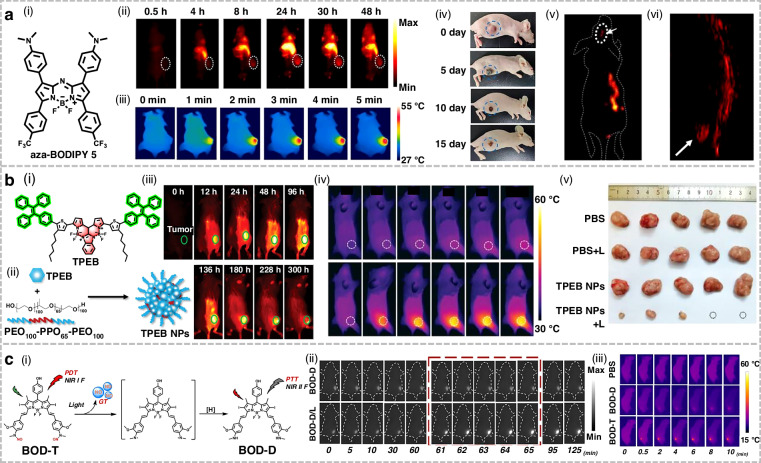
“Zhang et al. reported a novel NIR-II chromophore (aza-BODIPY 5) for non-invasive PTT guided by NIR-II fl uorescence/PA dual-modality imaging (Fig.”
InfluentialChen, J., Chen, L., Fang, Y., Zeng, F., & Wu, S. (2022) · Cell Reports Physical Science · doi:10.1016/j.xcrp.2021.100570 · Cited by 29 · cited 2×
“Wu et al. reported an activatable molecular probe, featuring an ortho-phenylenediamino moiety as a speci fi c NO-responsive unit attached to the benzothiadiazole (BTD) core 124 .”
Bian, S., Zheng, X., Liu, W., Li, J., Gao, Z., Ren, H., Zhang, W., Lee, C.-S., & Wang, P. (2023) · Biomaterials · doi:10.1016/j.biomaterials.2023.122130 · Cited by 29
Yamasumi, K., Notsuka, Y., Yamaoka, Y., Mori, S., Ishida, M., & Furuta, H. (2020) · Chemistry – A European Journal · doi:10.1002/chem.202002406 · Cited by 28 · cited 2×
“13 and Table 6) 193 – 199 .”
Okkelman, I. A., Zhou, H., Borisov, S. M., Debruyne, A. C., Lefebvre, A. E. Y. T., Leomil Zoccoler, M., Chen, L., Devriendt, B., & Dmitriev, R. I. (2025) · Light: Science & Applications · doi:10.1038/s41377-025-01949-0 · Cited by 28 · cited 1×
“Fluorescence imaging technology has emerged as a powerful tool in biomedical research, due to its high sensitivity, rapid response, and the absence of ionizing radiation 26 – 33 .”
Ge, R.-T., Xiong, F., Chen, Z.-B., Wang, Y., Zheng, L., Zhou, J., Wu, D., & Zhang, S.-Y. (2025) · Chem · doi:10.1016/j.chempr.2025.102489 · Cited by 28 · cited 2×
“3b) 101 .”
Zhang, R., Ran, X., Yu, K., Zhao, Y., Zhang, L., Lv, X., Zhang, H., Yu, X., & Li, K. (2025) · Advanced Materials · doi:10.1002/adma.202415891 · Cited by 28 · cited 2×
“15b) 108 .”
Chasing the rainbow: Exploiting photosensitizers to drive photoisomerization reactions
Wang, Z., Fernandez, L., Aslam, A. S., Shamsabadi, M., Muhammad, L. M., & Moth‐Poulsen, K. (2023) · Responsive Materials · doi:10.1002/rpm.20230012 · Cited by 28 · cited 1×
“The core mechanism of PDT relies on photosensitizers (PSs) 6,224 .”
Self-citationChai, Y., Sun, Y., Sheng, Z., Zhu, Y., Du, T., Zhu, B., Yu, H., Dong, B., Liu, Y., & Wang, H.-Y. (2024) · Acta Biomaterialia · doi:10.1016/j.actbio.2024.09.001 · Cited by 27
Lee, K., Gao, Y., Chou, S., Wan, Y., Hsu, A. C., Tan, J., Li, Y., Guan, Z., Chen, H., Li, S., et al. (2024) · Advanced Functional Materials · doi:10.1002/adfm.202407317 · Cited by 27 · cited 3×
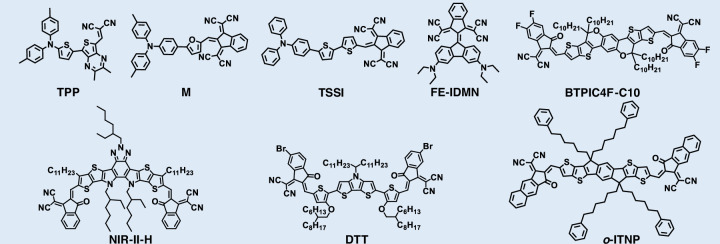
“For instance, short-conjugated D-A molecule TTP showed visible absorption and NIR-I emission as a monomer, but upon nanoparticle formation, ef fi cient TSCT induced NIR-II emission extending to 1400 nm 188 .”
InfluentialZhang, X., Li, L., Ren, Y., Li, M., & Tang, Y. (2025) · Advanced Functional Materials · doi:10.1002/adfm.202413341 · Cited by 26 · cited 1×
“17b) 141 .”
Self-citationActivatable Molecular Probes With Clinical Promise for NIR‐II Fluorescent Imaging
Chen, Z., Zhou, Y., Li, L., Ma, W., Li, Y., & Yang, Z. (2025) · Small · doi:10.1002/smll.202411787 · Cited by 26 · cited 2×
“Their readily tunable photophysical properties and substantial potential for functionalization make them an ideal foundation for designing advanced NIR-II probes 75,76 .”
Advances on fluorescence bioimaging and photo-mediated therapy of NIR-II small molecule dyes
Zhang, W., Laraib, Huo, F., & Yin, C. (2025) · Coordination Chemistry Reviews · doi:10.1016/j.ccr.2025.216587 · Cited by 26 · cited 3×
“Their readily tunable photophysical properties and substantial potential for functionalization make them an ideal foundation for designing advanced NIR-II probes 75,76 .”
Li, C., Yao, M., Jiang, G., Feng, L., Wu, Y., Sha, R., Li, Y., Tang, B. Z., & Wang, J. (2025) · Angewandte Chemie International Edition · doi:10.1002/anie.202419785 · Cited by 26
Bone analysis using an aggregation‐induced emission‐active iridium complex
Zhang, X., Liu, X., Yu, H., Shen, S., Zhi, J., Gao, Z., Xin, J., Song, J., Shao, L., Meng, C., et al. (2023) · Aggregate · doi:10.1002/agt2.381 · Cited by 26 · cited 1×
“Owing to their high structural extensibility, tridentate Ir(III) complexes are well-suited for the design of lumi-nescent materials with extended emission wavelengths 244 .”
Miao, X., Jia, M., Weng, X., Zhang, J., Pan, Y., Zhao, H., Yu, Z., Fan, Q., & Hu, W. (2025) · Light: Science & Applications · doi:10.1038/s41377-025-01787-0 · Cited by 25 · cited 1×
“Among the diverse optical imaging modalities, fl uorescence imaging within the near-infrared II (NIR-II, 1000 – 1700 nm) window represents a major leap forward compared with those operating in the visible (400 – 700 nm) and near-infrared I (NIR-I, 700 – 1000 nm) regions 34 – 37 .”
Yang, Y., Liu, Y., Weng, J., Wen, X., Liu, Y., & Ye, D. (2024) · Biomaterials · doi:10.1016/j.biomaterials.2023.122454 · Cited by 25 · cited 2×
“20b) 95 .”
Activatable small-molecule NIR fluorescent/photoacoustic probes for brain disease imaging
Zou, J., Kim, Y., Lee, Y., Hong, S. J., Lee, K., Zhang, F., Mao, Z., & Kim, J. S. (2025) · Coordination Chemistry Reviews · doi:10.1016/j.ccr.2025.217149 · Cited by 24 · cited 1×
“This fi eld mainly includes two major branches: fl uorescence imaging and PA imaging 201 .”
Maughan, B. C., Jarman, A. F., Redmond, A., Geersing, G., & Kline, J. A. (2024) · BMJ · doi:10.1136/bmj-2022-071662 · Cited by 23
Zhu, J. Z., Zhu, Y., Huang, J., Zhang, W., Hou, J., Tang, B. Z., & Wang, D. (2025) · Advanced Materials · doi:10.1002/adma.202502452 · Cited by 23
ZW800-1 for Assessment of Blood-Brain Barrier Disruption in a Photothrombotic Stroke Model
Lee, S., Lim, W., Ryu, H.-W., Jo, D., Min, J.-J., Kim, H.-S., & Hyun, H. (2017) · International Journal of Medical Sciences · doi:10.7150/ijms.22294 · Cited by 22 · cited 1×
“13 Chemical structures of organic small-molecule metal complex BBB integrity evaluation, their limited albumin-binding speci fi city often leads to non-selective accumulation and signi fi cant adverse effects 203,204 .”
Rational design of lipid-activatable NIR-II probes for precisely imaging atherosclerotic plaque
Xu, X., Ma, Y., Cao, H., Xu, L., Chen, H., Liu, S., Sun, W., Song, G., & Zhang, X.-B. (2025) · Science China Chemistry · doi:10.1007/s11426-024-2361-x · Cited by 21
Gao, X., Wang, J.-Y., Qin, Y., Zhu, Y., Liu, Y.-J., Zhou, K., & Cui, M. (2025) · Analytical Chemistry · doi:10.1021/acs.analchem.4c05794 · Cited by 20 · cited 4×
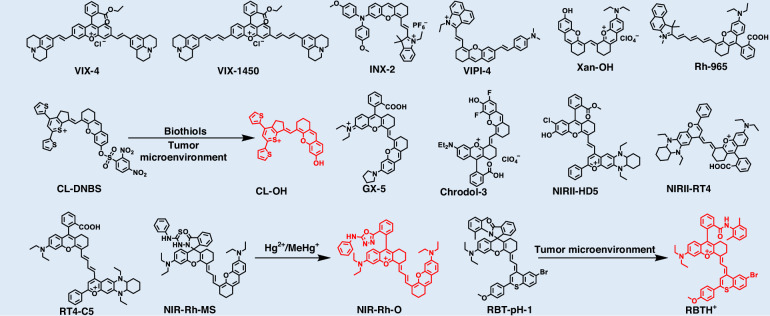
“Leveraging the intrinsic D-A-D symmetry of xanthenes, Cui et al. 175 designed VIX1250 and VIX1450, which exhibited emission peaks at 1250 and 1450 nm, respectively, both falling within the NIR-II window.”
InfluentialZhang, Y., Kang, X., Ma, J., Li, J., Chen, W., Yang, S., Li, W., Shi, Y., & Qi, J. (2025) · Advanced Functional Materials · doi:10.1002/adfm.202419395 · Cited by 20 · cited 1×
“23a) 149 .”
Yan, X., Sun, Y., Sun, Y., Yan, D., Luo, Q., Su, H., Wang, D., & Tang, B. Z. (2024) · Biosensors and Bioelectronics · doi:10.1016/j.bios.2024.116903 · Cited by 20
Chen, G., He, P., Ma, C., Xu, J., Su, T., Wen, J., Kuo, H.-C., Jing, L., Chen, S.-L., & Tu, C.-C. (2024) · ACS Applied Materials & Interfaces · doi:10.1021/acsami.4c10800 · Cited by 19
Zhao, L., Zhu, H., Duo, Y., Pang, D., Wang, Z., & Liu, S. (2023) · Advanced Healthcare Materials · doi:10.1002/adhm.202301584 · Cited by 19
Self-citationCao, L., Cui, Z., Zhang, D., Li, Y., Gao, X., Shang, R., Jiang, X.-D., Du, J., & Sun, X. (2024) · ACS Materials Letters · doi:10.1021/acsmaterialslett.4c01447 · Cited by 18
Cited by
Counterion effects on photophysical properties of cationic organic fluorophores
Han, Y. R., & Lee, S. B. (2026) · Dyes and Pigments · doi:10.1016/j.dyepig.2026.113953
Wu, W., Liu, B., Huang, L., Xu, Y., You, C., Chen, K., Yang, H., Chen, J., Huang, R., & Peng, Y. (2026) · Spectrochimica Acta Part A Molecular and Biomolecular Spectroscopy · doi:10.1016/j.saa.2026.128329
Martinelli, S., Peri, S., Anceschi, C., Laurenzana, A., Menna, N. D., Fortuna, L., Passagnoli, F., & Cianchi, F. (2026) · Journal of Drug Delivery Science and Technology · doi:10.1016/j.jddst.2026.108695 · Cited by 1
Zhu, S., Xiao, S., Chen, X. L., Wang, H., Zhang, Z., Gan, X., Ding, J., & Meng, G. (2026) · Chemical Science · doi:10.1039/d6sc04042j
Ran, X., Zhang, Y.-M., Xia, W.-L., Li, L.-X., Zhang, F., Cao, Y.-S., Yu, X.-Q., & Li, K. (2026) · ACS Nano · doi:10.1021/acsnano.6c08317 · Cited by 2
Metadata
- Authors
- Xiang, D., Wang, Z., Zheng, H., Tang, Y., & Li, Q.
- Affiliations
- Southeast University (CN)
- Kent State University (US)
- Corresponding author
- Tang, Yuqi
- Li, Quan
- Venue
- Light: Science & Applications
- Published
- 2026-03-16
- Volume
- 15
- Issue
- 1
- ISSN
- 2047-7538 (ISSN-L)
- PMC
- PMC12992625
- OpenAlex
- W7136297032
- Cited by
- 22
- References
- 123
- Citations by year
- 2026: 22
- FWCI
- 7.18
- Type
- journal article
- Language
- en
- Open access
- gold
- doi.org
- Licence
- cc-by
- creativecommons.org/licenses/by/4.0 (tdm)
- creativecommons.org/licenses/by/4.0 (vor)
- Locations
- Light Science & Applications (publishedVersion, cc-by)
- PubMed (publishedVersion)
- PubMed Central (publishedVersion, cc-by)
- DOAJ (DOAJ: Directory of Open Access Journals) (submittedVersion, cc-by-sa)
- Topics
- Physical Sciences › Materials Science › Materials Chemistry › Luminescence and Fluorescent Materials
- Physical Sciences › Engineering › Biomedical Engineering › Nanoplatforms for cancer theranostics
- Physical Sciences › Chemistry › Spectroscopy › Molecular Sensors and Ion Detection
- Keywords
- NIR-II fluorophores, deep tissue imaging, photodynamic therapy, photothermal therapy, cyanine dyes, boron dipyrromethene, benzobisthiadiazole, xanthene derivatives, structure-function relationship, photophysical properties, molecular engineering
About these checks
Registry, retraction, Cites and statistics results are computed, not judged, with one exception: a printed reference that no index lists is read once by a model before it counts as a citation error. Claims are extracted by a model and kept only when their quote appears verbatim in the text; each cited source is then checked, with a model’s help, for whether it says what the claim relies on. Those verdicts can be wrong — read the claim’s quote and the cited source before relying on one.
The claim verdicts this report counts are experimental: their accuracy is not yet measured.
A language model drew the claims from the paper on 2026-10-10, under version 3 of the claim definition (model deepseek-v4.1-flash, prompt extract-v3).
A second model labelled each claim on 2026-10-10 (model jev-1.13-20260917, definition revision gold-guideline-v0.2).
Cited sources are checked with a language model’s help (gpt-6-sol).
Statistics and arithmetic are recomputed, not judged.
Confidence bands are shown only for fields calibrated on our annotated test set. None is calibrated yet, so no band is shown.
What counts as a claim ›How we measure confidence ›How we check this ›
Are you an author, or do you see a problem with this page? Request a review
Data sources
Bibliographic data: Semantic Scholar, OpenAlex, Crossref.
Contains information from the Semantic Scholar Academic Graph Datasets, made available under the ODC Attribution License (ODC-BY 1.0).
Semantic Scholar’s data is described in: Kinney, R., et al. (2023). The Semantic Scholar Open Data Platform. arXiv:2301.10140.
